

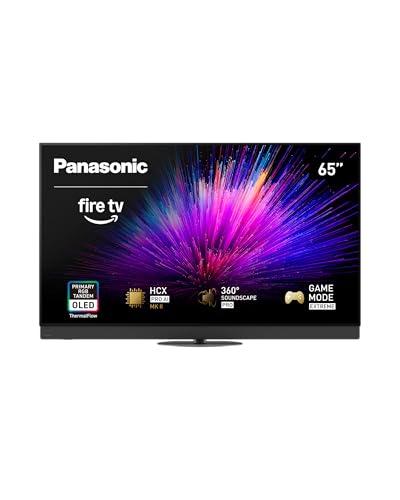
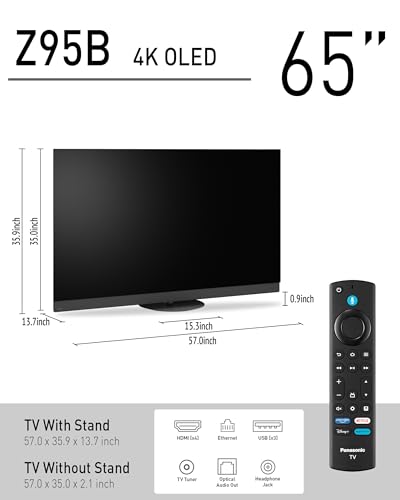
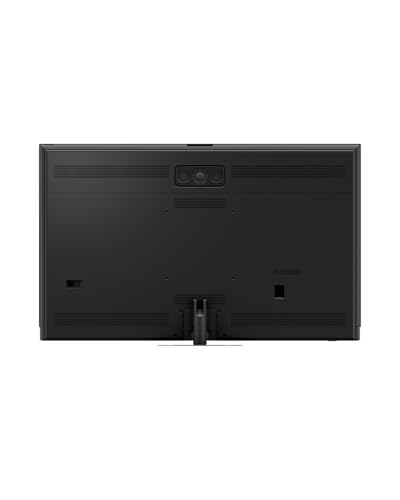

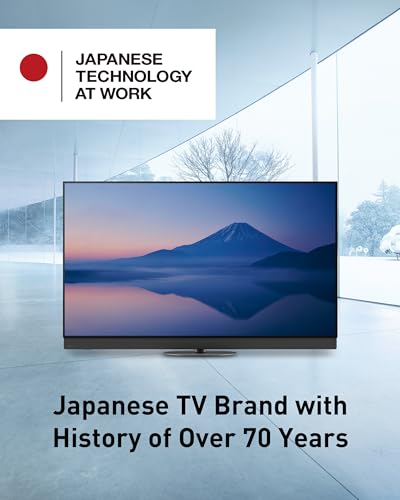

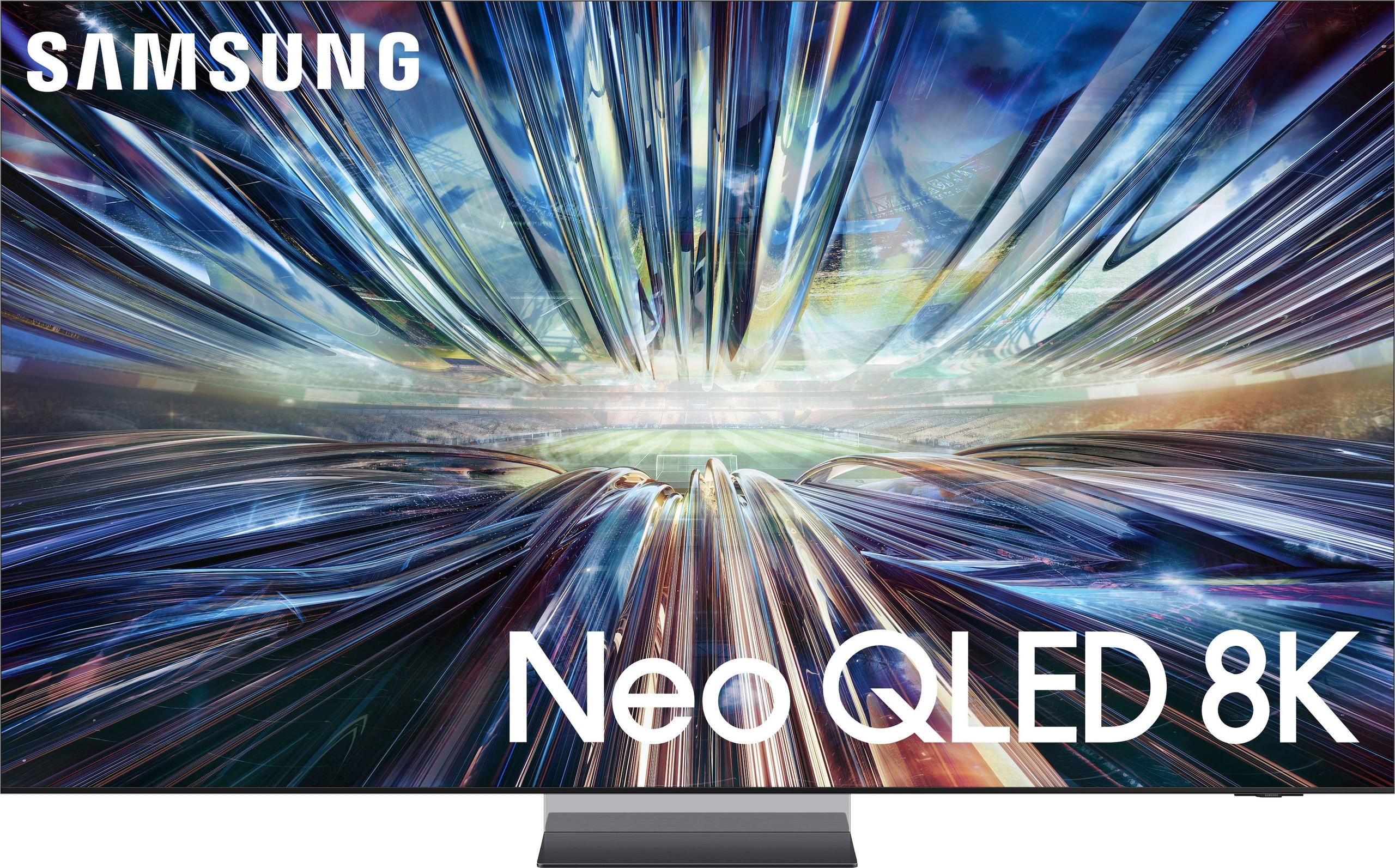
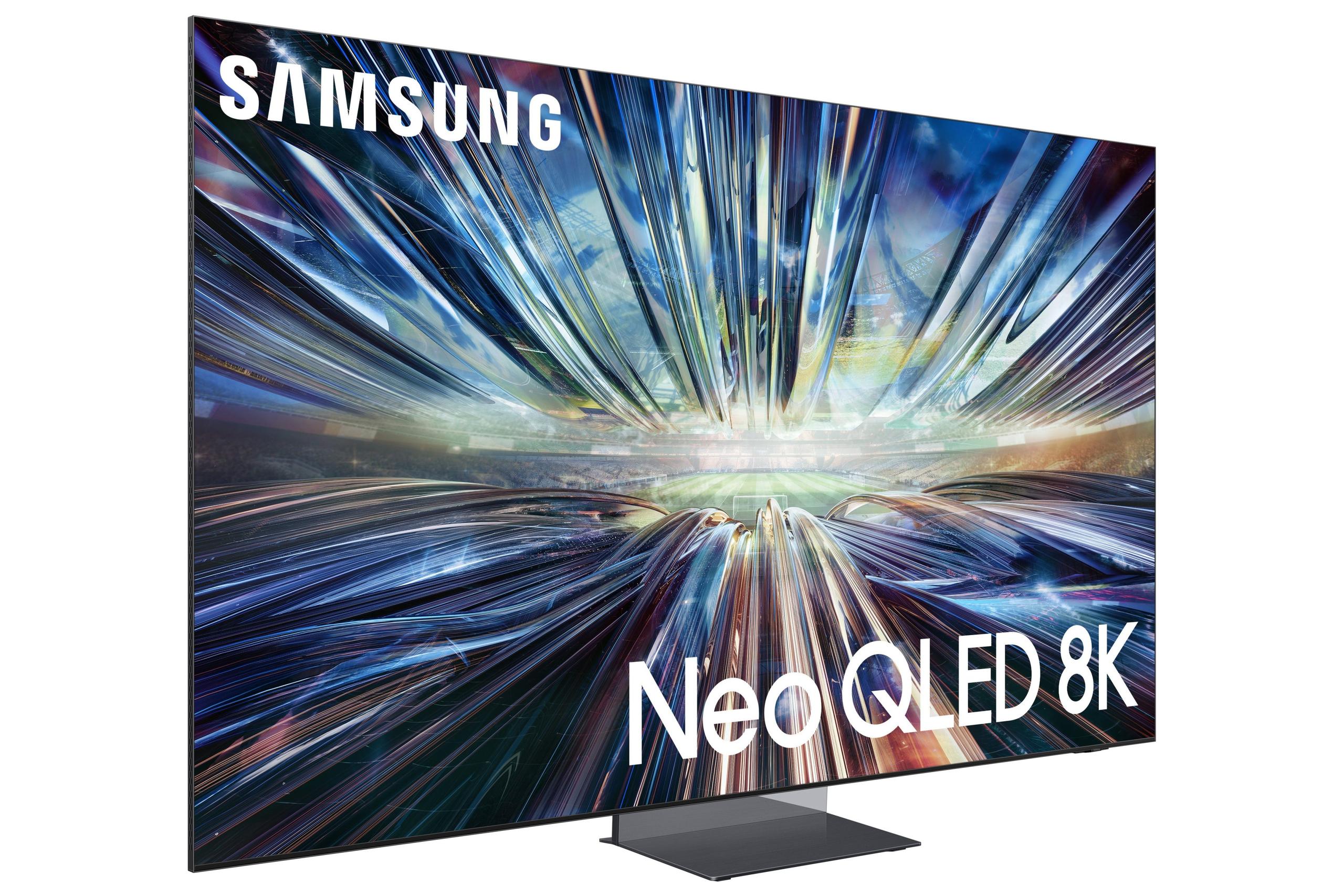
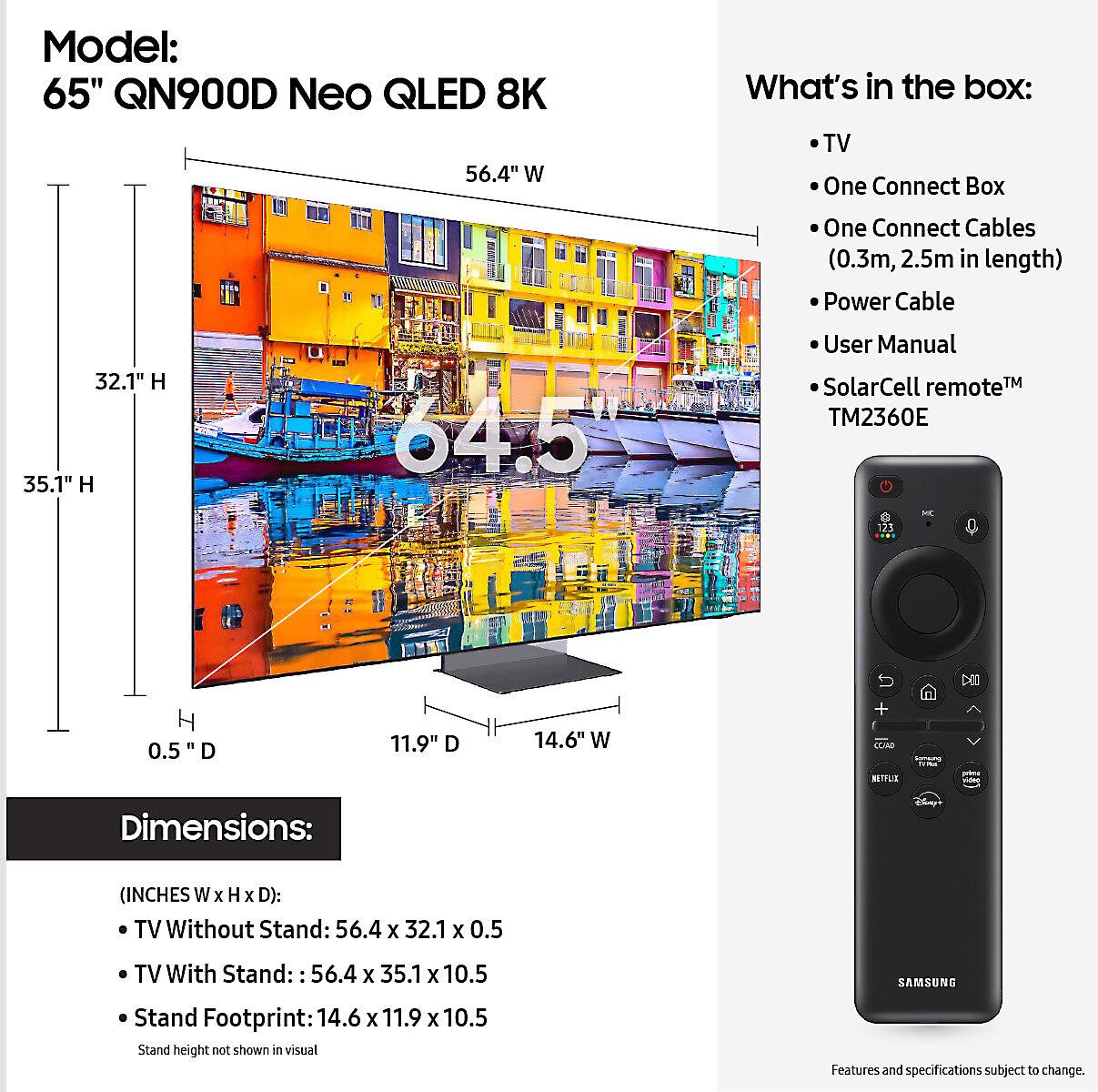
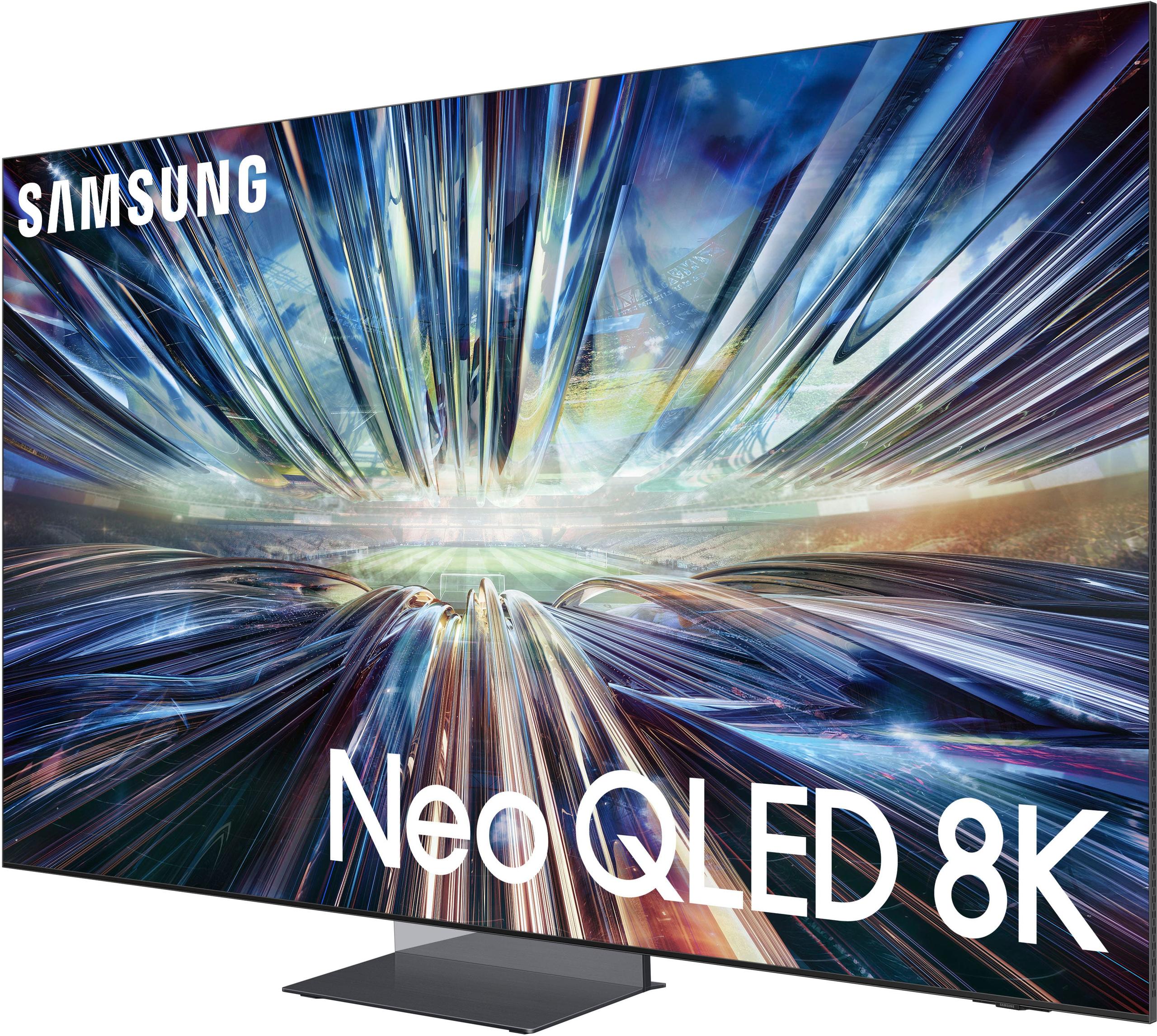
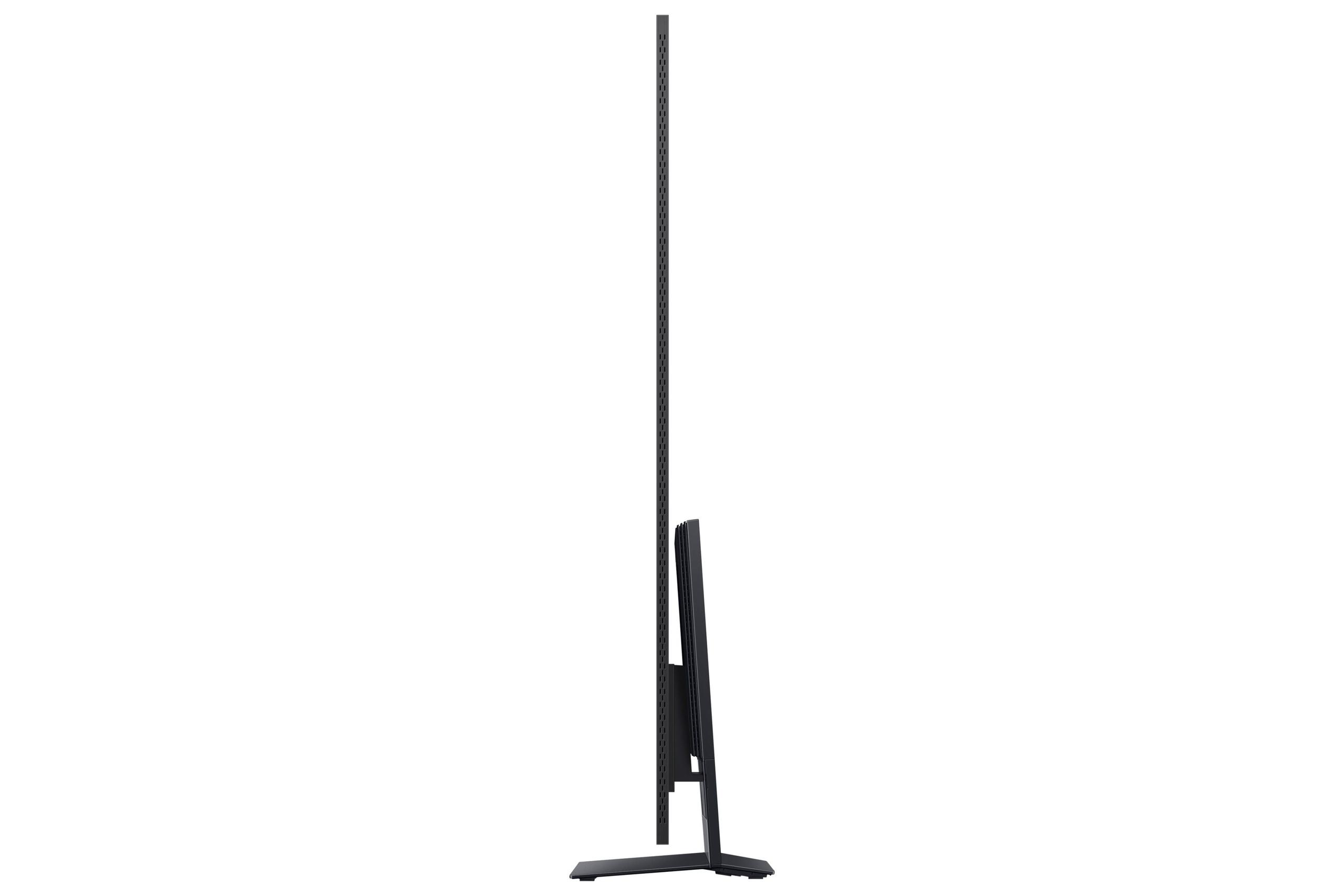
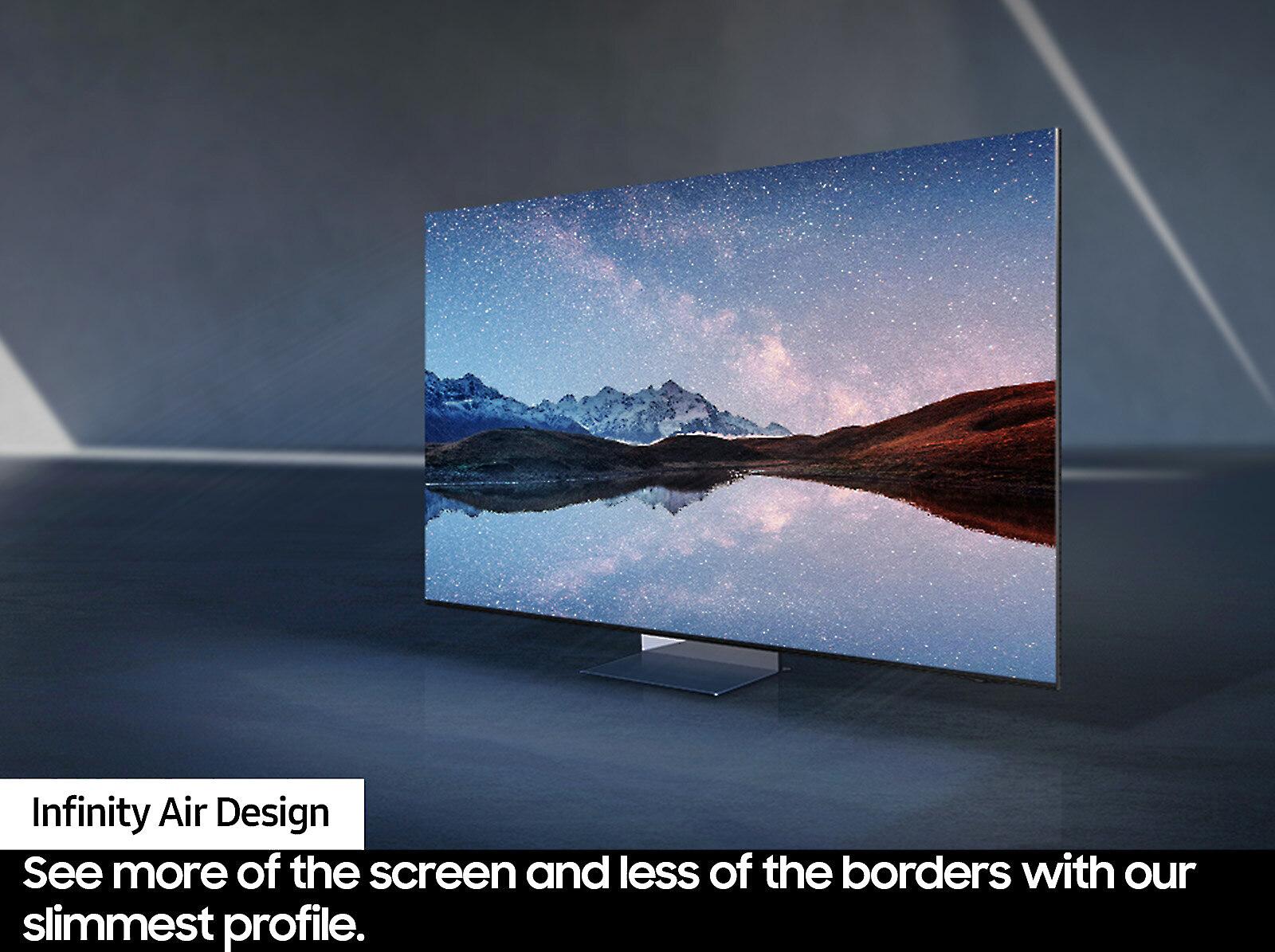


When shopping for a premium 65-inch TV in 2024, you'll likely encounter two fundamentally different approaches to delivering exceptional picture quality. The Panasonic Z95B Series OLED represents the pinnacle of organic light-emitting diode technology, where each pixel creates its own light. Meanwhile, the Samsung QN900D Neo QLED combines quantum dot color enhancement with thousands of tiny LED backlights to achieve stunning brightness and color.
Both TVs launched in 2024 as flagship models from their respective manufacturers, but they solve the challenge of creating amazing picture quality in completely different ways. Understanding these differences is crucial for making the right choice for your viewing habits, room setup, and budget.
The fundamental difference between these TVs lies in how they create light and color. The Panasonic Z95B uses OLED technology, where organic compounds emit light when electricity passes through them. This means each of the roughly 8.3 million pixels (in 4K resolution) can turn completely on, completely off, or anywhere in between—independently of its neighbors.
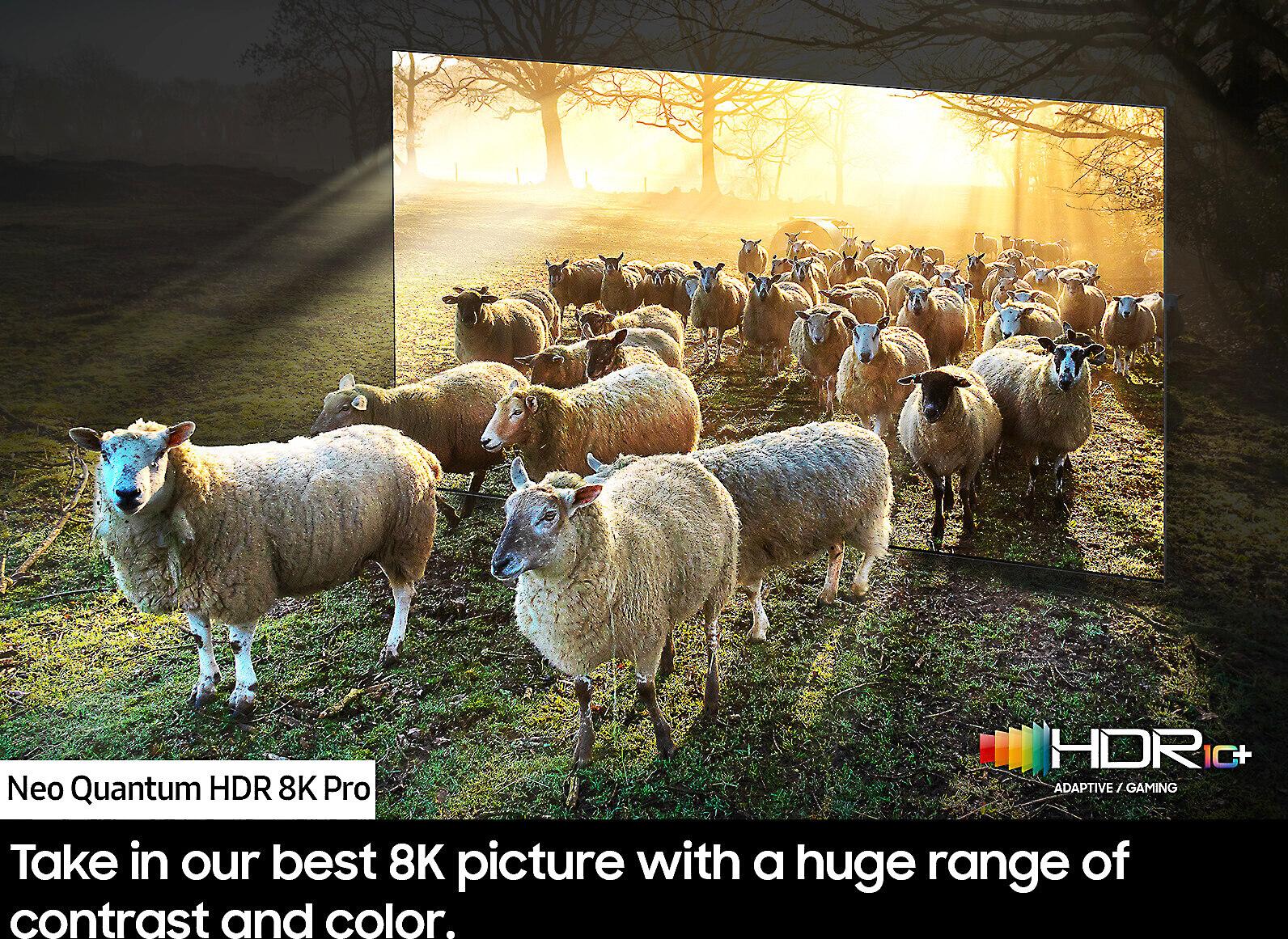
Samsung's QN900D takes a different approach with Neo QLED technology. Instead of self-illuminating pixels, it uses a traditional LCD panel with quantum dots (tiny semiconductor particles that convert blue light into precise red and green wavelengths) combined with Mini-LED backlighting. These Mini-LEDs are much smaller than traditional TV backlights—thousands of them work together in precisely controlled zones to illuminate different parts of the screen.
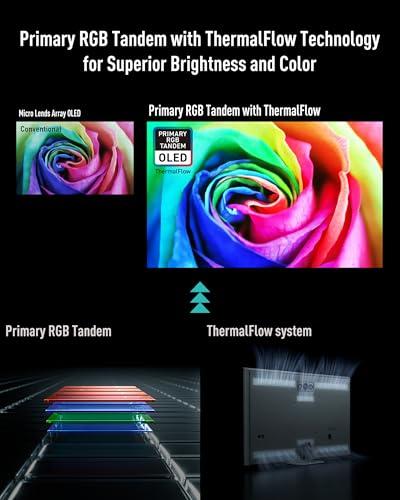
The Panasonic's Primary RGB Tandem OLED panel is particularly interesting because it uses four emission layers instead of the typical three. This "tandem" design increases light efficiency by about 40% compared to conventional OLED panels, addressing one of OLED's traditional weaknesses: peak brightness. The ThermalFlow cooling system, inspired by aerodynamic principles, helps maintain this performance by managing heat more effectively.
When it comes to contrast—the difference between the darkest blacks and brightest whites—OLED technology has a theoretical advantage that's hard to overcome. Since OLED pixels can turn completely off, the Panasonic Z95B produces perfect blacks with an infinite contrast ratio. When you're watching a movie with dark scenes, like space sequences or noir films, you'll notice details in shadows that might be crushed or appear gray on other display technologies.
The Samsung QN900D, despite its advanced Quantum Matrix Technology Pro with thousands of local dimming zones, cannot achieve true black levels. However, Samsung has made significant improvements in minimizing "blooming"—the halo effect you sometimes see around bright objects against dark backgrounds. The Mini-LED array provides much finer control than traditional LED backlighting, creating what many viewers find to be excellent contrast performance, even if it's not technically perfect.
From our research into user experiences and professional reviews, the contrast difference is most noticeable in dark room viewing. If you primarily watch TV with the lights dimmed or off, the Panasonic Z95B will likely provide a more immersive experience, especially with content that has significant dark scenes.
Peak brightness is where the Samsung QN900D takes a commanding lead. Neo QLED technology can produce significantly brighter highlights than OLED, making it superior for HDR (High Dynamic Range) content that demands bright, punchy highlights—think sunsets, explosions, or bright outdoor scenes.
This brightness advantage becomes particularly important in bright rooms. If your TV is in a living room with large windows or significant ambient lighting, the Samsung's higher peak brightness helps maintain picture quality and color saturation even when competing with room lighting. The Panasonic Z95B, while improved over previous OLED generations due to its tandem panel design, still cannot match the raw brightness output of Mini-LED technology.
HDR performance varies between the two as well. The Samsung excels at those "wow" moments where HDR content demands extremely bright highlights, while the Panasonic provides more nuanced tone mapping that preserves shadow detail and creates what many consider a more natural-looking HDR presentation.
Color reproduction reveals another philosophical difference between these technologies. The Panasonic Z95B emphasizes color accuracy, with extensive calibration support including professional-grade options like Calman calibration and ISFccc certification. Its Primary RGB structure (using red, green, and blue sub-pixels directly rather than converting white light) produces colors that closely match what content creators intended.
The TV also includes several "creator-intended" viewing modes, including Filmmaker Mode (which disables motion smoothing and adjusts color temperature to match cinema standards), Prime Video Calibrated Mode, and Netflix Adaptive Calibrated Mode. These features matter if you care about seeing movies and shows as directors intended them to look.
The Samsung QN900D takes a different approach, prioritizing color volume—the total range of colors a display can show at various brightness levels. Quantum dot technology excels at producing vibrant, saturated colors that many viewers find more immediately impressive. The 8K AI upscaling also enhances color information when converting lower-resolution content, often making older movies and shows look more vivid than they originally were.
Neither approach is inherently better; it depends on your preferences. If you value reference-quality color accuracy for a home theater setup, the Panasonic edges ahead. If you prefer colors that pop and make everything look vibrant and engaging, the Samsung delivers that experience more consistently.
This might be the most complex comparison between these TVs. The Samsung QN900D offers true 8K resolution (7,680 × 4,320 pixels), providing four times the detail of 4K when native 8K content is available. However, native 8K content remains extremely limited as of 2024—essentially some YouTube videos, select streaming demos, and a few gaming scenarios.
The real question becomes: how well does each TV handle the 4K content you'll actually watch 99% of the time? The Panasonic Z95B focuses entirely on 4K mastery. Its HCX Pro AI Processor MK II excels at noise reduction, artifact removal, and detail enhancement for 4K content from streaming services, Blu-ray discs, and gaming consoles.
Samsung's approach with the QN900D involves upscaling everything to 8K using its NQ8 AI Gen3 Processor. This neural network-based upscaling can make 4K content look sharper and more detailed, essentially creating information that wasn't originally there. Based on professional reviews, this upscaling generally works well, though purists sometimes prefer the Panasonic's approach of optimizing content at its native resolution rather than artificially enhancing it.
For most viewers in 2024, the 4K vs. 8K decision comes down to whether you value current performance optimization or future-proofing. The Panasonic delivers exceptional 4K performance now, while the Samsung bets on 8K content becoming more available in the coming years.
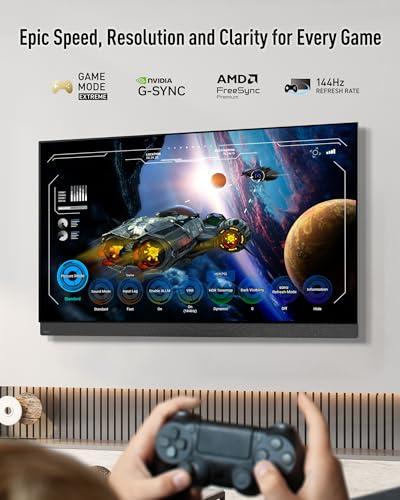
Both TVs excel for gaming, but with different strengths. The Panasonic Z95B supports 4K gaming at up to 144Hz on two of its HDMI 2.1 ports, with support for Variable Refresh Rate (VRR), AMD FreeSync Premium, and NVIDIA G-SYNC Compatible. Its OLED pixels provide near-instantaneous response times, eliminating motion blur and ghosting that can affect competitive gaming.
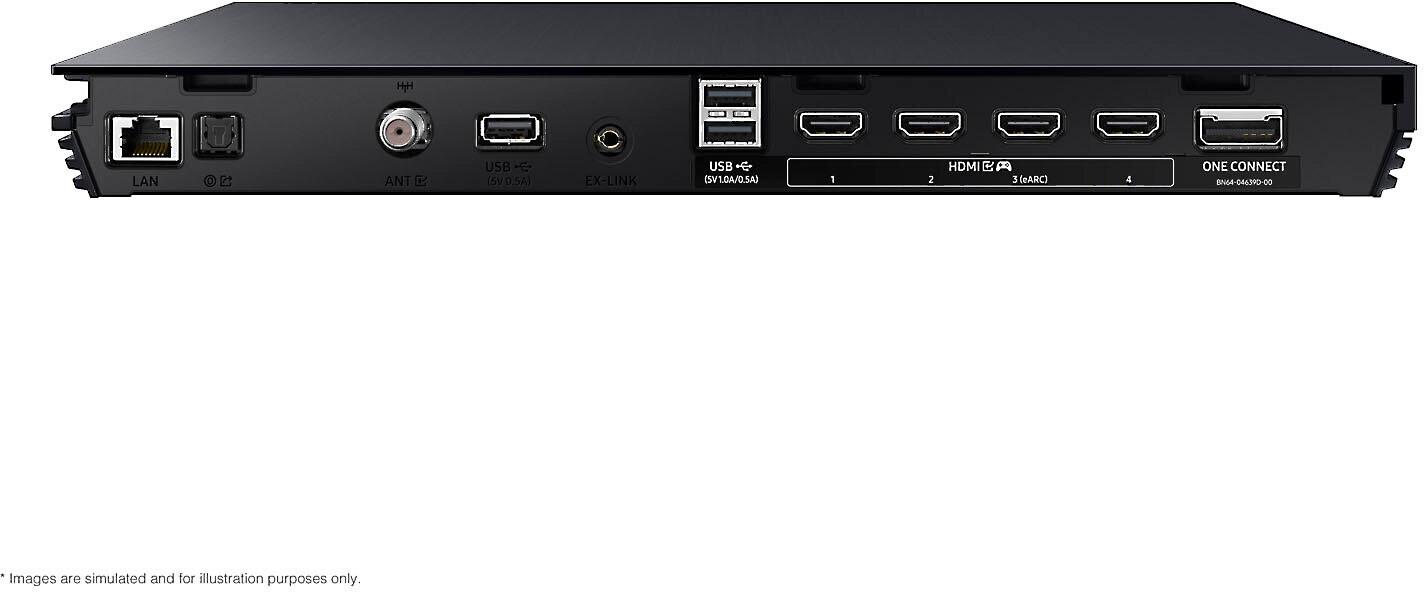
The Samsung QN900D pushes gaming capabilities further with 4K at up to 240Hz or 8K at 60Hz across all four HDMI 2.1 ports. This makes it more future-proof for next-generation gaming consoles and high-end PC gaming. Both TVs offer extremely low input lag in their respective game modes, making them suitable for competitive gaming.
From a practical standpoint, most current gaming scenarios won't fully utilize the Samsung's 240Hz capability, but having that headroom could matter as gaming technology advances. The Panasonic's 144Hz support covers the vast majority of current gaming needs while providing OLED's inherent advantages for motion clarity.
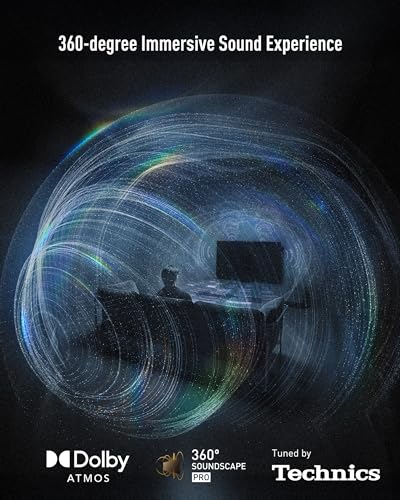
Audio represents one area where the Panasonic Z95B clearly outperforms its competition. Its 360° Soundscape Pro system, tuned by Technics, includes a 5.1.2 channel Dolby Atmos/DTS:X setup with 170 watts of power. This isn't just marketing—the system is designed with enough speakers and power to potentially replace a dedicated soundbar for many users.
The Samsung QN900D includes a 6.2.4 channel system with 90 watts of power and features like Object Tracking Sound, which attempts to match audio location with on-screen action. While respectable, it doesn't match the Panasonic's audio ambitions.
For home theater enthusiasts, the Panasonic's superior built-in audio could be a significant cost consideration. A quality soundbar system comparable to what's built into the TV could easily cost $500-1000 additional, effectively improving the TV's overall value proposition.
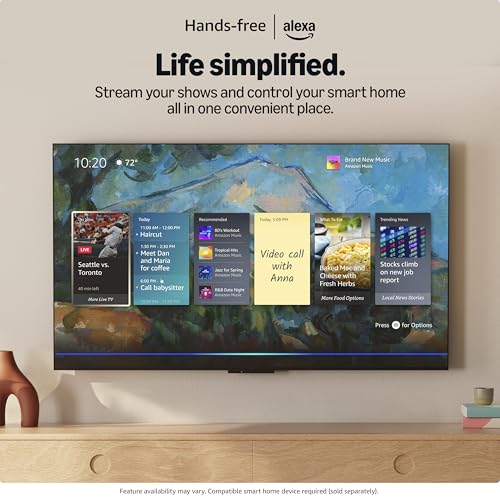
The software experience differs significantly between these TVs. The Panasonic Z95B runs Amazon's Fire TV platform, which provides a content-forward interface that aggregates shows and movies from various streaming services. It includes hands-free Alexa voice control and generally good app support.
However, based on user feedback, Fire TV can sometimes feel less responsive than other smart TV platforms. Some users also report occasional lag or quirky behavior, though major streaming apps generally work well.
The Samsung QN900D uses Samsung's Tizen platform, which consistently receives praise for responsiveness and intuitive navigation. It includes SmartThings Hub integration for controlling smart home devices directly from the TV, plus support for multiple voice assistants including Bixby and Alexa.
Platform preference is highly personal, but Tizen's reputation for smooth operation and smart home integration gives Samsung an edge here for many users.
For dedicated home theater setups, several factors become particularly important. The Panasonic Z95B aligns better with home theater priorities: accurate color reproduction, excellent calibration support, superior contrast for dark room viewing, and built-in audio quality that reduces additional equipment needs.
The TV's Filmmaker Mode and professional calibration options matter more in dedicated viewing environments where picture accuracy takes precedence over "wow factor." Its OLED technology also performs best in controlled lighting conditions typical of home theaters.
The Samsung QN900D might be better suited for multi-purpose living spaces where the TV needs to perform well in various lighting conditions and where the extra brightness helps maintain picture quality during daytime viewing.
At the time of writing, both TVs command premium prices as flagship models, but they represent different value propositions. The Panasonic Z95B typically costs less while offering flagship OLED performance, making it compelling for buyers focused on immediate picture quality and built-in audio.
The Samsung QN900D usually carries a price premium reflecting its 8K capability and advanced features. Whether that premium proves worthwhile depends on how quickly 8K content becomes mainstream and whether the additional gaming capabilities matter for your use case.
From a longevity perspective, OLED technology has potential concerns about burn-in (permanent image retention) with static content, though modern OLED TVs include various protection mechanisms. Neo QLED technology doesn't face this issue but may experience some backlight uniformity changes over time.
Choose the Panasonic Z95B OLED if you prioritize cinematic picture quality, plan to use the TV primarily in controlled lighting conditions, value color accuracy over vibrancy, want superior built-in audio, and prefer proven 4K performance over speculative 8K future-proofing. It's particularly compelling for movie enthusiasts and anyone setting up a dedicated home theater.
The Samsung QN900D Neo QLED makes more sense if you need a TV that performs well in bright rooms, want maximum future-proofing with 8K capability, prioritize high refresh rate gaming, prefer vibrant colors that make everything look impressive, and value the most responsive smart TV platform with extensive smart home integration.
Both represent excellent choices within their respective technological approaches. The decision ultimately comes down to understanding which technology's strengths align better with your viewing habits, room setup, and personal preferences. The good news is that either choice will deliver a premium viewing experience that significantly outperforms mid-range alternatives.
| Panasonic Z95B Series 65" OLED 4K Smart Fire TV | Samsung QN900D Series 65" Neo QLED 8K Smart TV |
|---|---|
| Display Technology - Fundamentally determines contrast and viewing experience | |
| Primary RGB Tandem OLED with 4-layer emission structure | Neo QLED with Mini-LED backlighting and Quantum Matrix Pro |
| Resolution - Higher resolution provides more detail when native content is available | |
| 4K (3,840 x 2,160) optimized for current content | 8K (7,680 x 4,320) with AI upscaling for future-proofing |
| Peak Brightness - Critical for HDR performance and bright room viewing | |
| Enhanced OLED brightness (~40% improvement over standard OLED) | Superior Neo QLED brightness, excellent for bright rooms |
| Contrast Performance - Most important for dark room viewing and movie watching | |
| Perfect blacks with infinite contrast ratio (pixels turn completely off) | Excellent contrast with thousands of local dimming zones, but not true blacks |
| Gaming Refresh Rate - Higher rates reduce motion blur for competitive gaming | |
| 4K @ 144Hz on 2 HDMI 2.1 ports | 4K @ 240Hz or 8K @ 60Hz on all 4 HDMI 2.1 ports |
| Built-in Audio System - Better sound reduces need for additional soundbar purchase | |
| 360° Soundscape Pro 5.1.2 system, 170W, tuned by Technics | 6.2.4CH system, 90W, with Object Tracking Sound |
| Smart TV Platform - Affects daily usability and app performance | |
| Fire TV OS with hands-free Alexa (content-focused interface) | Tizen Smart TV with SmartThings Hub (responsive, smart home integration) |
| Color Approach - Accuracy vs vibrancy preference varies by viewer | |
| Professional color accuracy with extensive calibration support | Vibrant quantum dot colors with wider color volume |
| HDR Format Support - More formats mean better compatibility with streaming services | |
| Dolby Vision IQ, HDR10+, HDR10, HLG (all major formats) | Neo Quantum HDR 8K+, HDR10+ Adaptive/Gaming |
| Variable Refresh Rate Gaming - Reduces screen tearing for smooth gameplay | |
| HDMI Forum VRR, AMD FreeSync Premium, NVIDIA G-SYNC Compatible | All VRR types with Low-Frame-Compensation support |
| Processor Technology - Determines upscaling quality and AI features | |
| HCX Pro AI Processor MK II (optimized for 4K content refinement) | NQ8 AI Gen3 Processor (2x faster than 4K models, neural network upscaling) |
| Target Use Case - Best suited for different viewing priorities | |
| Home theater, movie enthusiasts, controlled lighting environments | Bright rooms, future-proofing, high refresh rate gaming |
The Panasonic Z95B OLED is significantly better for dark room viewing due to its OLED technology that produces perfect blacks by turning pixels completely off. This creates an infinite contrast ratio that makes dark scenes in movies appear more realistic with better shadow detail. The Samsung QN900D uses Mini-LED backlighting which, while excellent, cannot achieve true blacks and may show slight blooming around bright objects in dark scenes.
OLED technology in the Panasonic Z95B uses self-illuminating pixels that can turn completely on or off independently, creating perfect blacks and excellent contrast. Neo QLED in the Samsung QN900D combines quantum dot color enhancement with thousands of tiny LED backlights in precise zones, delivering superior brightness and vibrant colors but cannot achieve perfect blacks like OLED.
The Samsung QN900D Neo QLED gets significantly brighter than the Panasonic Z95B OLED, making it better suited for bright rooms with lots of windows or ambient lighting. The Mini-LED backlighting can produce much higher peak brightness levels, helping maintain picture quality and color saturation even in well-lit environments.
Currently, there's very limited native 8K content available, making the Samsung QN900D's 8K resolution more about future-proofing than immediate benefits. The Panasonic Z95B focuses on delivering exceptional 4K performance with current content. The Samsung uses AI upscaling to enhance 4K content to 8K, which can look sharper, but many viewers prefer optimized native 4K performance.
Both TVs excel for gaming but in different ways. The Samsung QN900D offers higher refresh rates (4K at 240Hz) and 8K gaming support, making it more future-proof for next-gen consoles. The Panasonic Z95B provides 4K at 144Hz with near-instantaneous OLED response times that eliminate motion blur. Both support VRR and have extremely low input lag.
The Panasonic Z95B has significantly superior built-in audio with its 360° Soundscape Pro system delivering 170 watts through a 5.1.2 Dolby Atmos setup tuned by Technics. This system can potentially replace a soundbar for many users. The Samsung QN900D has a respectable 6.2.4 channel system with 90 watts, but doesn't match the Panasonic's audio quality.
The Samsung QN900D uses Tizen, which is generally considered more responsive and intuitive, with excellent SmartThings integration for smart home control. The Panasonic Z95B runs Fire TV OS with hands-free Alexa and good streaming app support, though some users find it less responsive than Tizen. Platform preference is largely personal.
The Panasonic Z95B emphasizes color accuracy with professional calibration support and creator-intended viewing modes, making it ideal for reference-quality viewing. The Samsung QN900D uses quantum dot technology to produce wider color volume and more vibrant, saturated colors that many viewers find immediately impressive. Choose based on whether you prefer accuracy or vibrancy.
The Panasonic Z95B typically offers better value by delivering flagship OLED performance at a lower price point, plus superior built-in audio that reduces the need for additional equipment. The Samsung QN900D commands a premium for its 8K capability and advanced features, making it better value only if you specifically need its brightness and gaming advantages.
OLED technology in the Panasonic Z95B has potential burn-in concerns with static content, though modern OLEDs include protection mechanisms. The Primary RGB Tandem design with ThermalFlow cooling helps with longevity. The Samsung QN900D doesn't face burn-in issues but may experience some backlight uniformity changes over time, which is typical for LED-based displays.
The Panasonic Z95B is generally better suited for dedicated home theaters due to its perfect blacks for dark room viewing, professional color calibration options, Filmmaker Mode support, and superior built-in audio that reduces equipment needs. The Samsung QN900D works better in multi-purpose living spaces where brightness and daytime viewing performance matter more.
Both TVs support major HDR formats but with different approaches. The Panasonic Z95B supports Dolby Vision IQ, HDR10+, HDR10, and HLG with more natural tone mapping that preserves shadow detail. The Samsung QN900D excels at bright HDR highlights that create impressive "wow" moments, though the Panasonic provides more nuanced HDR processing that many consider more cinematic.
We've done our best to create useful and informative comparisons to help you decide what product to buy. Our research uses advanced automated methods to create this comparison and perfection is not possible - please contact us for corrections or questions. These are the sites we've researched in the creation of this article: rtings.com - whathifi.com - techradar.com - tomsguide.com - youtube.com - youtube.com - youtube.com - avsforum.com - bestbuy.com - manuals.plus - na.panasonic.com - panasonic.com - displayspecifications.com - valueelectronics.com - flatpanelshd.com - valueelectronics.com - displayspecifications.com - flatpanelshd.com - rtings.com - videoandaudiocenter.com - bestbuy.com - avsforum.com - bestbuy.com - walts.com - images.samsung.com - samsung.com - merlinstv.com - samsung.com - avsforum.com - samsung.com

Privacy Policy
Terms and Conditions - Affiliate Policy
Home Security
© Copyright 2008-2026.
11816 Inwood Rd #1211, Dallas, TX 75244