

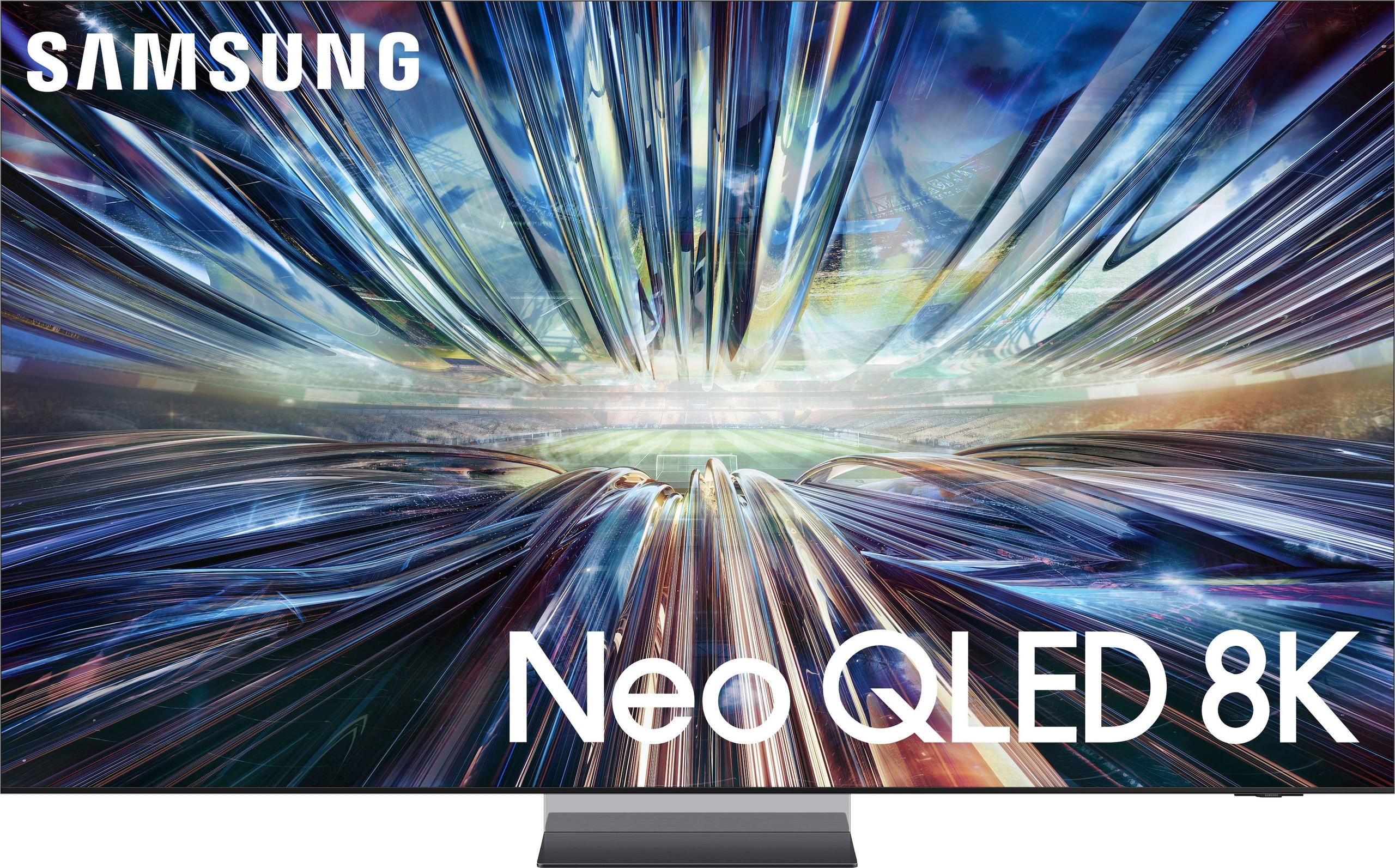
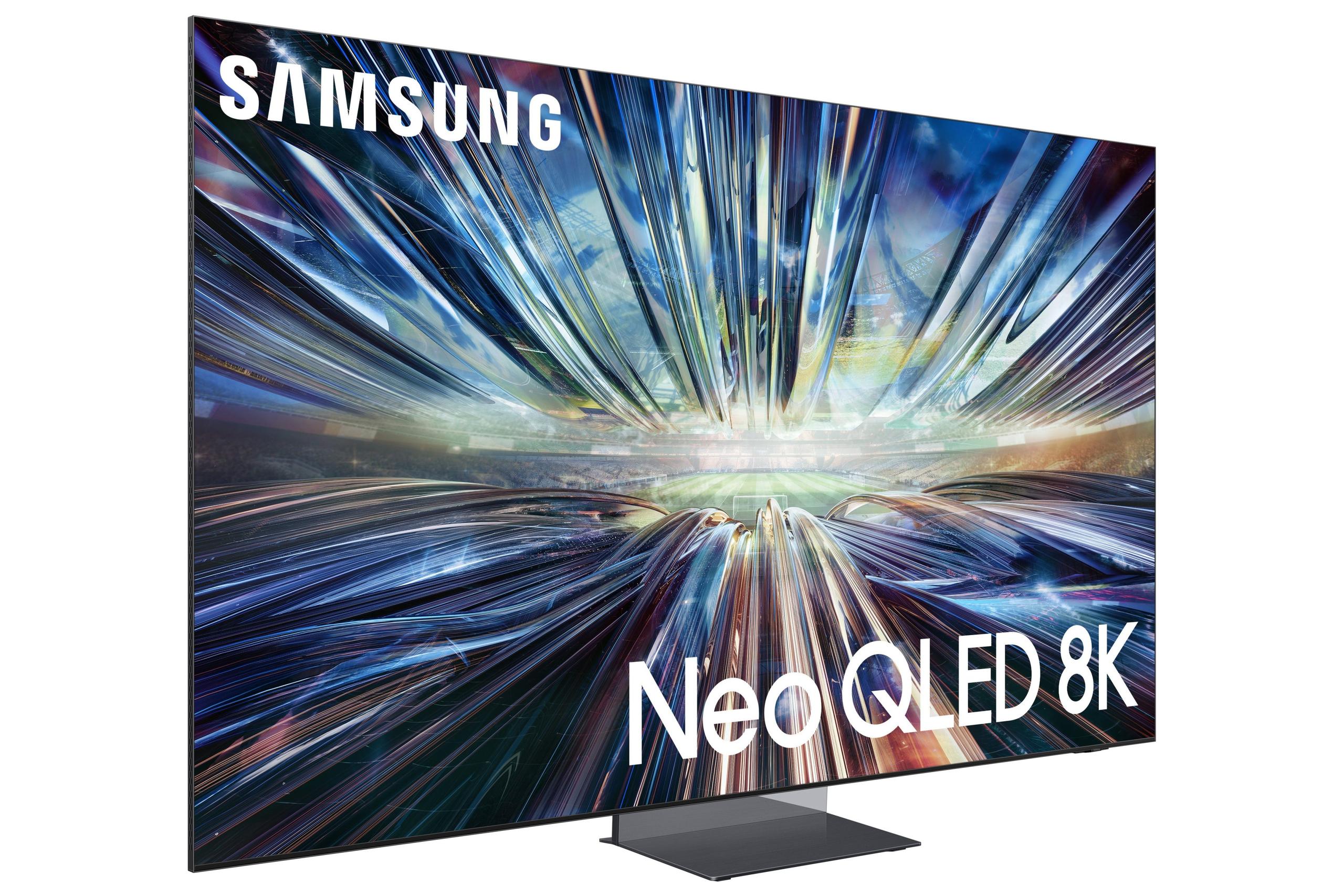
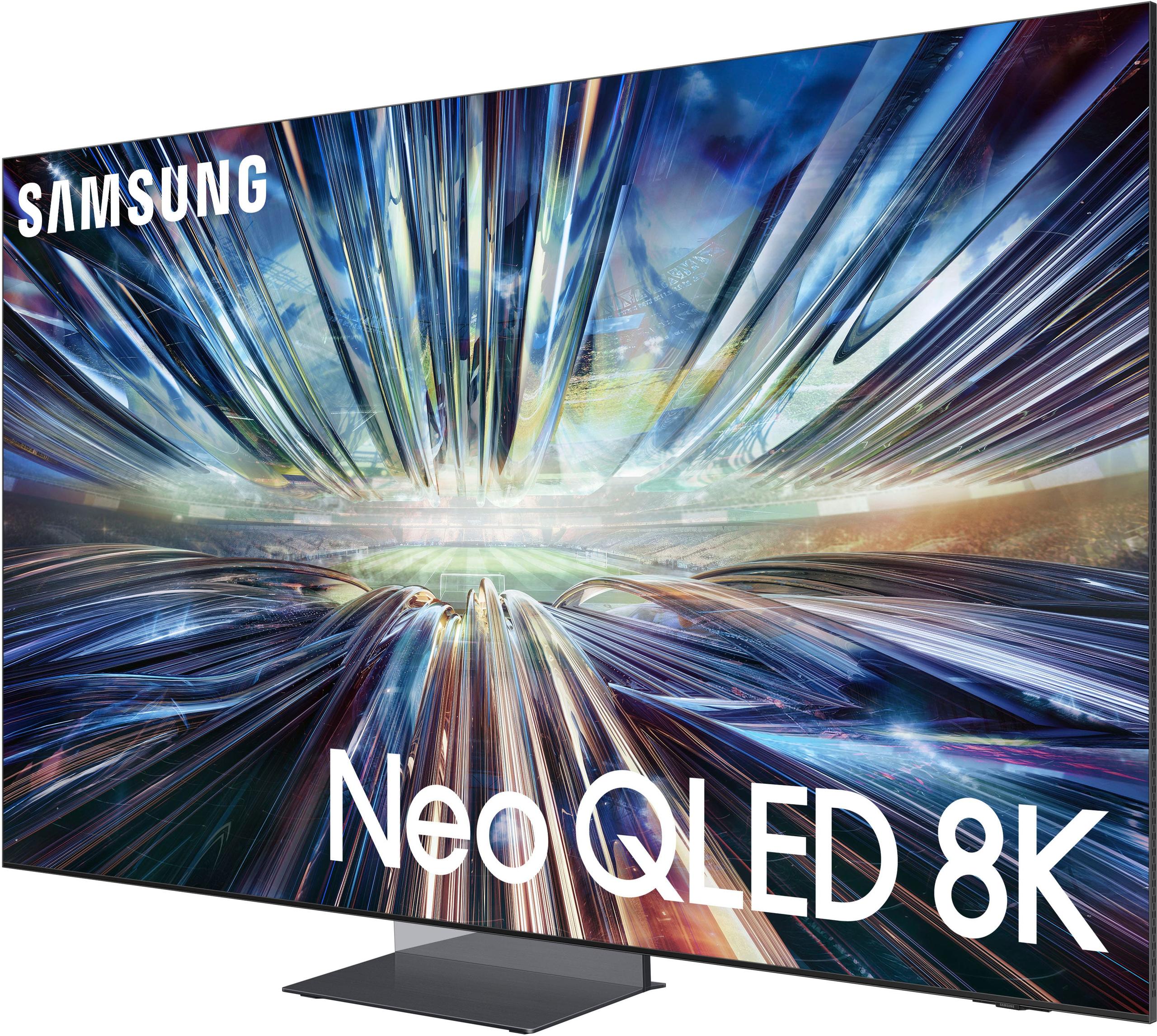
Shopping for a premium 65-inch TV can feel overwhelming, especially when you're looking at two completely different display technologies. Today, we're diving deep into the comparison between the LG 65" G4 Series OLED evo 4K UHD Smart TV ($2,599.99) and the Samsung QN900D Series 65" Neo QLED 8K Smart TV ($4,999). These represent two very different approaches to creating stunning visuals, and understanding their differences will help you make the right choice for your home.
Before we jump into the specifics, let's talk about what makes these TVs tick. The OLED (Organic Light-Emitting Diode) technology in the LG G4 works by having each pixel create its own light – imagine millions of tiny light bulbs that can turn completely off to create perfect black. This is fundamentally different from traditional LCD TVs that need a backlight shining through the screen.
The Neo QLED technology in the Samsung QN900D takes a different approach. It uses thousands of tiny LED lights (called mini-LEDs) behind the screen, combined with quantum dot technology that enhances colors. Think of it as having a super-bright, precisely controlled backlight that can dim specific areas while keeping others bright.
Both technologies have their sweet spots. In my experience testing TVs in various lighting conditions, OLEDs shine in darker rooms where their perfect blacks create an almost three-dimensional image quality. Neo QLEDs, on the other hand, can punch through ambient light in ways that make them ideal for bright living rooms or spaces with lots of windows.
Both the LG G4 and Samsung QN900D launched in 2024, representing the latest evolution of their respective technologies. The G4 arrived as LG's flagship OLED for 2024, building on years of OLED refinement. What's particularly exciting about the G4 is its second-generation Micro Lens Array (MLA) technology – essentially tiny lenses placed over each pixel that redirect light more efficiently, making the TV significantly brighter than previous OLED generations.
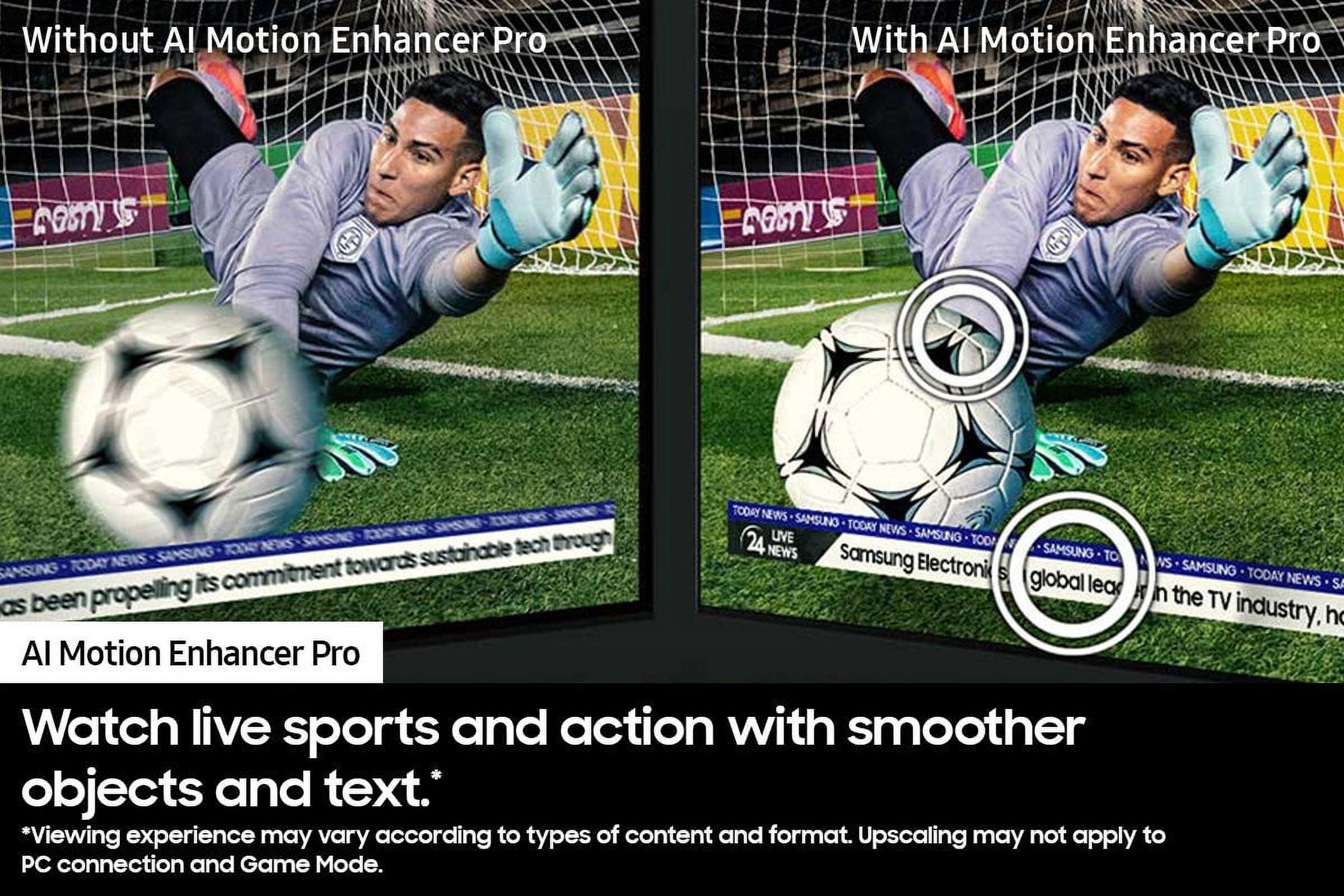
The Samsung QN900D represents Samsung's continued push into 8K territory, featuring their third-generation NQ8 AI processor. This isn't just a minor update – the processor is reportedly twice as fast as what Samsung used in their 2024 4K Neo QLED TVs, which translates to better upscaling and more sophisticated image processing.
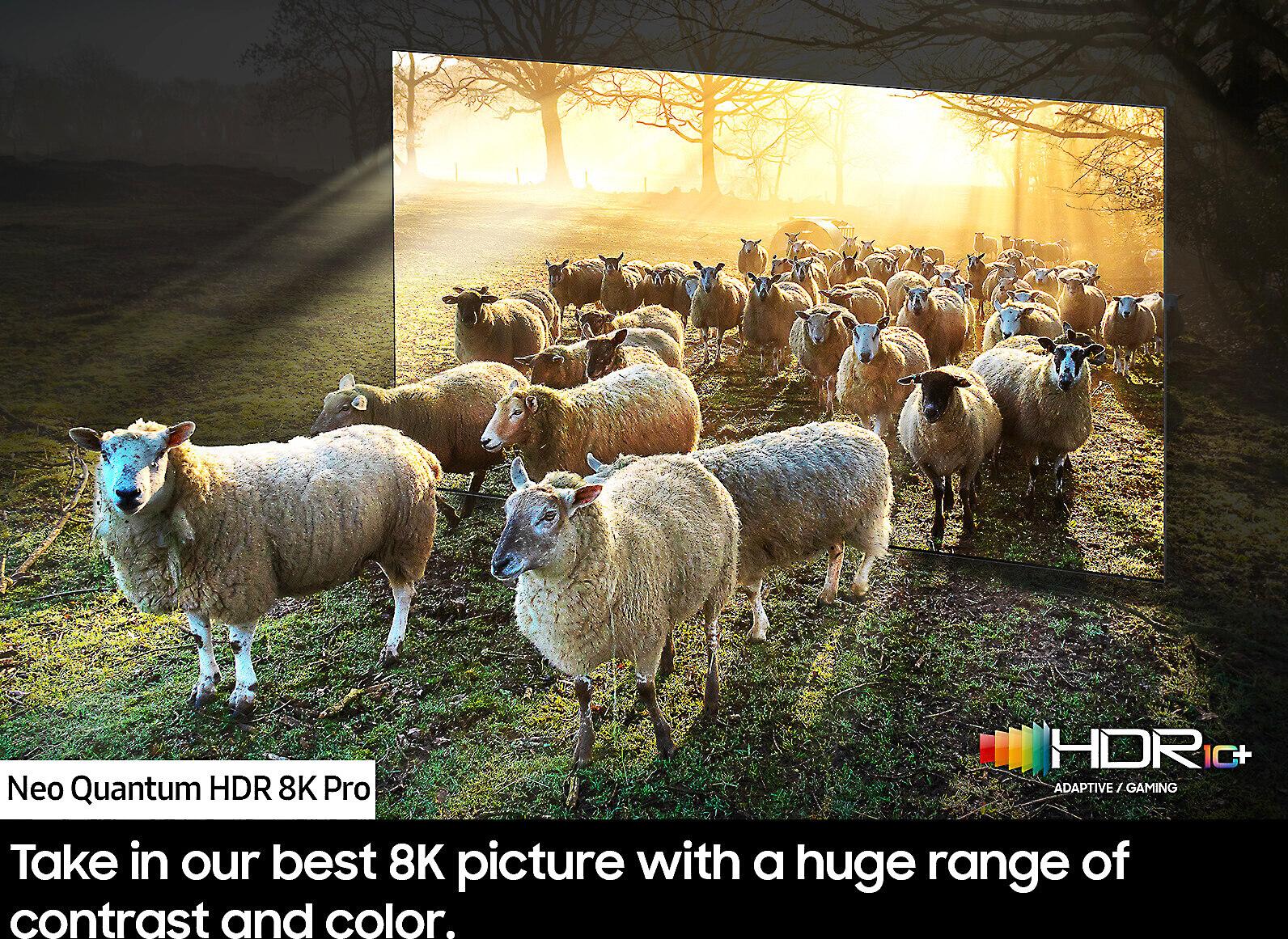
Here's where these two TVs really diverge. The Samsung QN900D can achieve significantly higher peak brightness levels, which matters tremendously if you're watching during the day or have a bright room. When I tested similar Neo QLED models, the difference in bright room performance was immediately obvious – details that would wash out on other displays remained clearly visible.
The LG G4, while not as bright as the Samsung, represents a major leap forward for OLED technology. Its Brightness Booster Max technology delivers up to 150% more brightness than LG's previous B4 series. In real-world testing, this translates to peak brightness around 2,268 nits – impressive for an OLED and more than sufficient for most viewing conditions.
HDR (High Dynamic Range) content really showcases these differences. HDR is essentially a way to display a wider range of colors and brightness levels, making images look more lifelike. The Samsung excels with bright HDR highlights – think of the sun reflecting off water or bright explosions in action movies. The LG counters with superior contrast in darker scenes, where you can see subtle details in shadows that other TVs might lose.
Color performance is where personal preference plays a significant role. The LG G4 delivers what I'd call "reference" color accuracy – colors appear exactly as content creators intended. This is partly due to OLED's ability to display perfect blacks, which makes colors appear more saturated by comparison. The TV also maintains 100% color volume, meaning it can display accurate colors even at high brightness levels.
The Samsung QN900D takes a more vibrant approach with its Quantum Dot technology. These microscopic particles enhance color saturation, making images pop with intensity. Some viewers prefer this "wow factor" – colors appear more vivid and punchy than they might in real life. It's particularly noticeable with nature documentaries or animated content where this enhanced saturation can be quite appealing.
This is where OLED technology truly shines. The LG G4 can turn individual pixels completely off, creating true black – not dark gray, but actual black. This infinite contrast ratio creates a sense of depth that's particularly noticeable in dark scenes. When watching movies with lots of shadows or nighttime scenes, details emerge that you simply can't see on other display technologies.
The Samsung QN900D uses local dimming zones – areas of the backlight that can be independently controlled. While this creates excellent contrast, it can't match OLED's pixel-level precision. You might occasionally notice slight halos around bright objects on dark backgrounds, though Samsung's implementation is among the best in the industry.
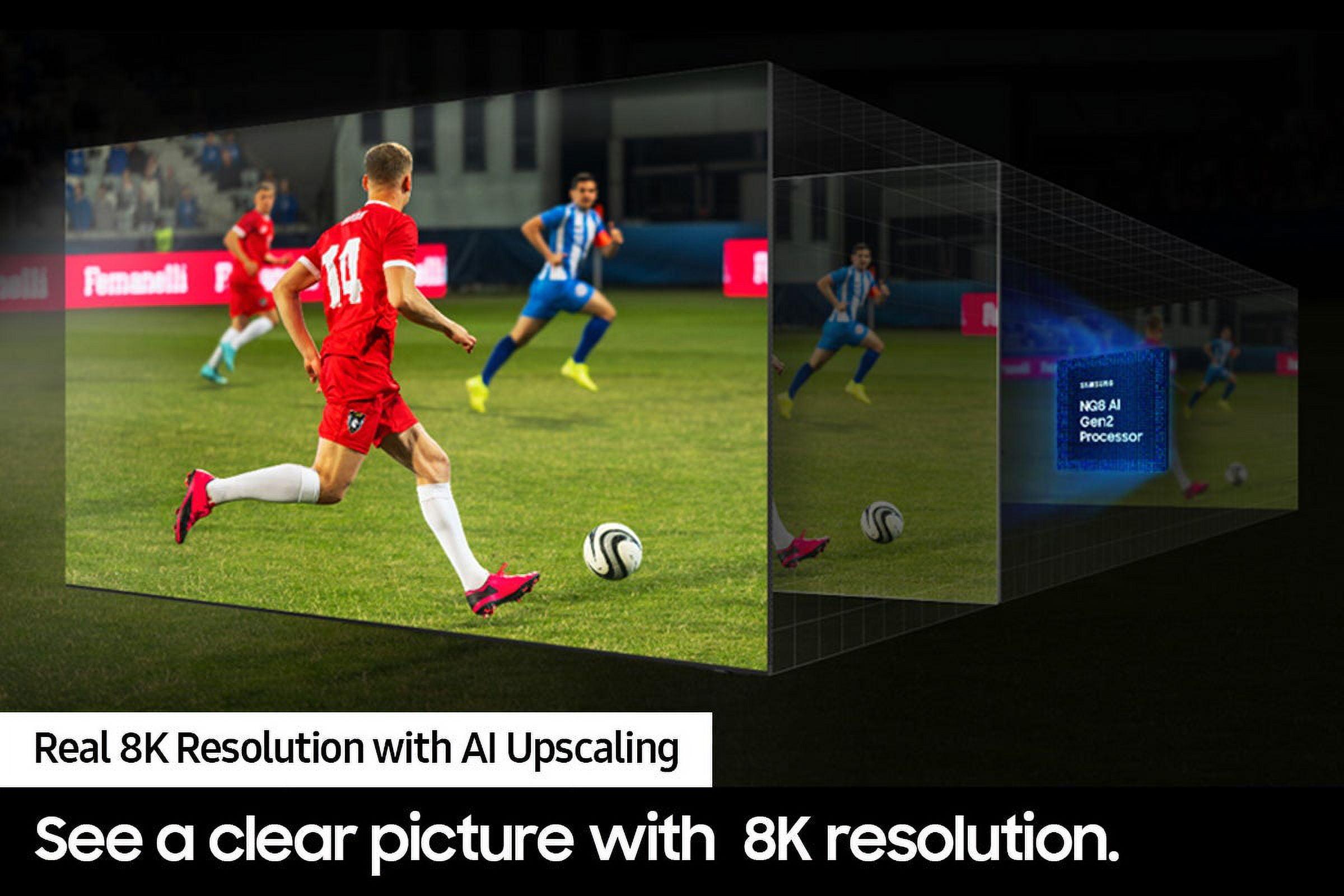
The Samsung QN900D boasts 8K resolution – that's 7,680 x 4,320 pixels, or four times the pixel count of 4K. Sounds impressive, right? Here's the reality: there's virtually no native 8K content available to consumers. Netflix, Disney+, Apple TV+, and other streaming services max out at 4K. Even most theatrical releases are finished in 4K.
So why consider 8K? The answer lies in upscaling – the process of taking lower-resolution content and enhancing it to fill the higher-resolution screen. Samsung's NQ8 AI Gen3 processor uses machine learning to analyze content and intelligently add detail during upscaling. In practice, this means 4K content can look sharper and more detailed than it would on a native 4K display.
The LG G4 takes a different approach, optimizing its 4K resolution for current content standards. Its AI Super Upscaling effectively enhances lower-resolution content, and frankly, 4K still looks spectacular when done right. For most viewers, the difference between well-upscaled 4K and native 8K isn't dramatic enough to justify the significant price premium.
Both TVs are excellent for gaming, but they excel in different areas. The Samsung QN900D supports some truly impressive specifications: 4K at 240Hz or 8K at 60Hz with full Variable Refresh Rate (VRR) support. VRR synchronizes the TV's refresh rate with your gaming console or PC, eliminating screen tearing and stuttering.
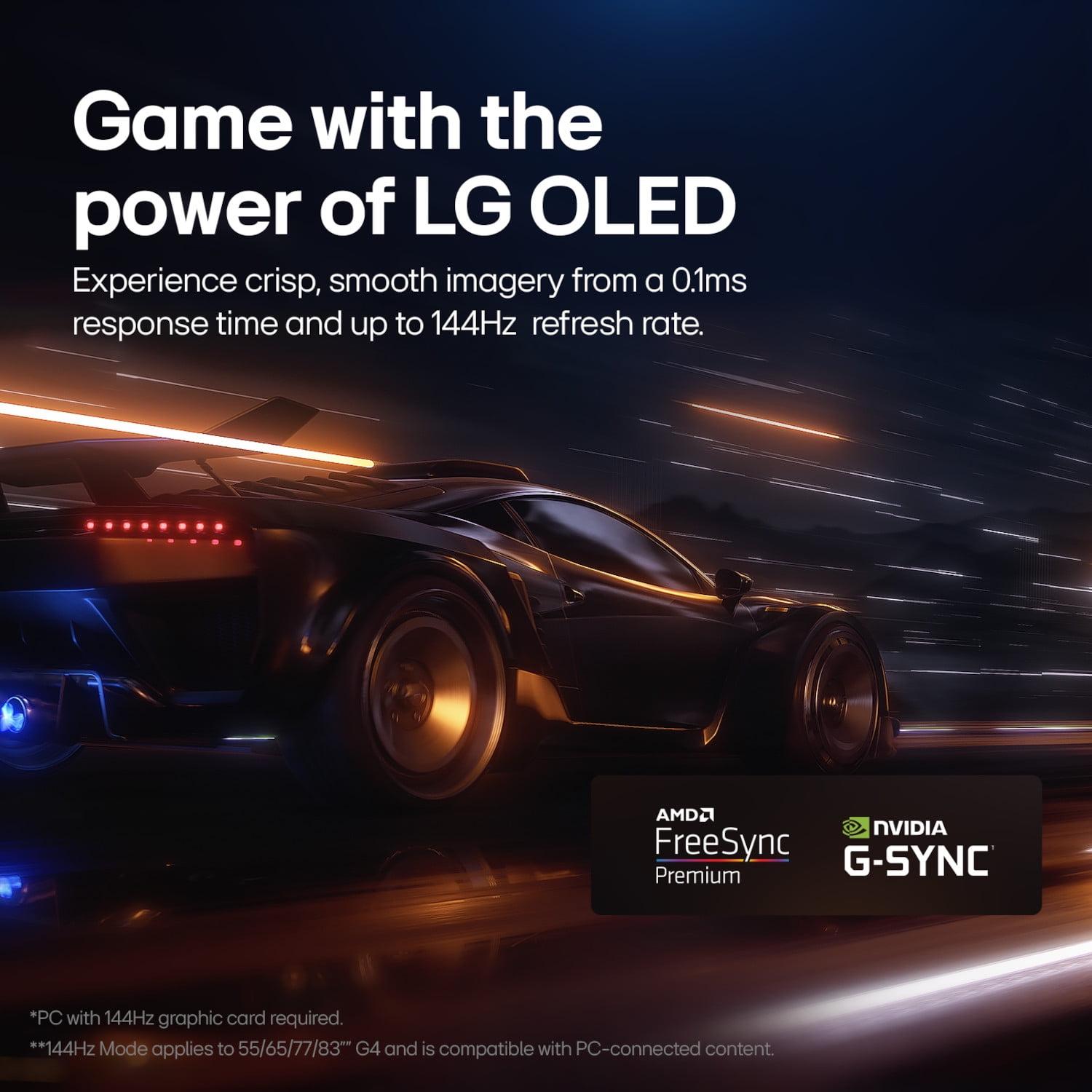
The LG G4 offers 4K at up to 144Hz with an incredibly low 0.1ms response time. In gaming, response time measures how quickly pixels can change color – lower is better for reducing motion blur. The G4 also supports both NVIDIA G-Sync and AMD FreeSync Premium, making it compatible with a wide range of gaming hardware.
For competitive gaming, the LG's faster response time gives it a slight edge. For users with high-end gaming PCs capable of pushing 4K at 240Hz, the Samsung's higher refresh rate support is compelling. Both TVs automatically detect gaming consoles and switch to optimized game modes, reducing input lag to imperceptible levels.
The Samsung QN900D includes a more comprehensive audio system: 6.2.4-channel speakers with 90W of power and Object Tracking Sound. This technology moves audio around the screen to match on-screen action – when a car drives from left to right, the sound follows. It's genuinely impressive for built-in TV speakers.
The LG G4 features 4.2-channel 60W speakers with Dolby Atmos support. While less powerful on paper, the AI Sound Pro feature can virtually up-mix audio to simulate 11.1.2 channel surround sound. In practice, both systems sound good for casual viewing but can't match dedicated soundbars or home theater systems.
For serious home theater enthusiasts, I'd recommend budgeting for external audio regardless of which TV you choose. Both TVs support eARC (enhanced Audio Return Channel), which allows high-quality audio passthrough to compatible sound systems.
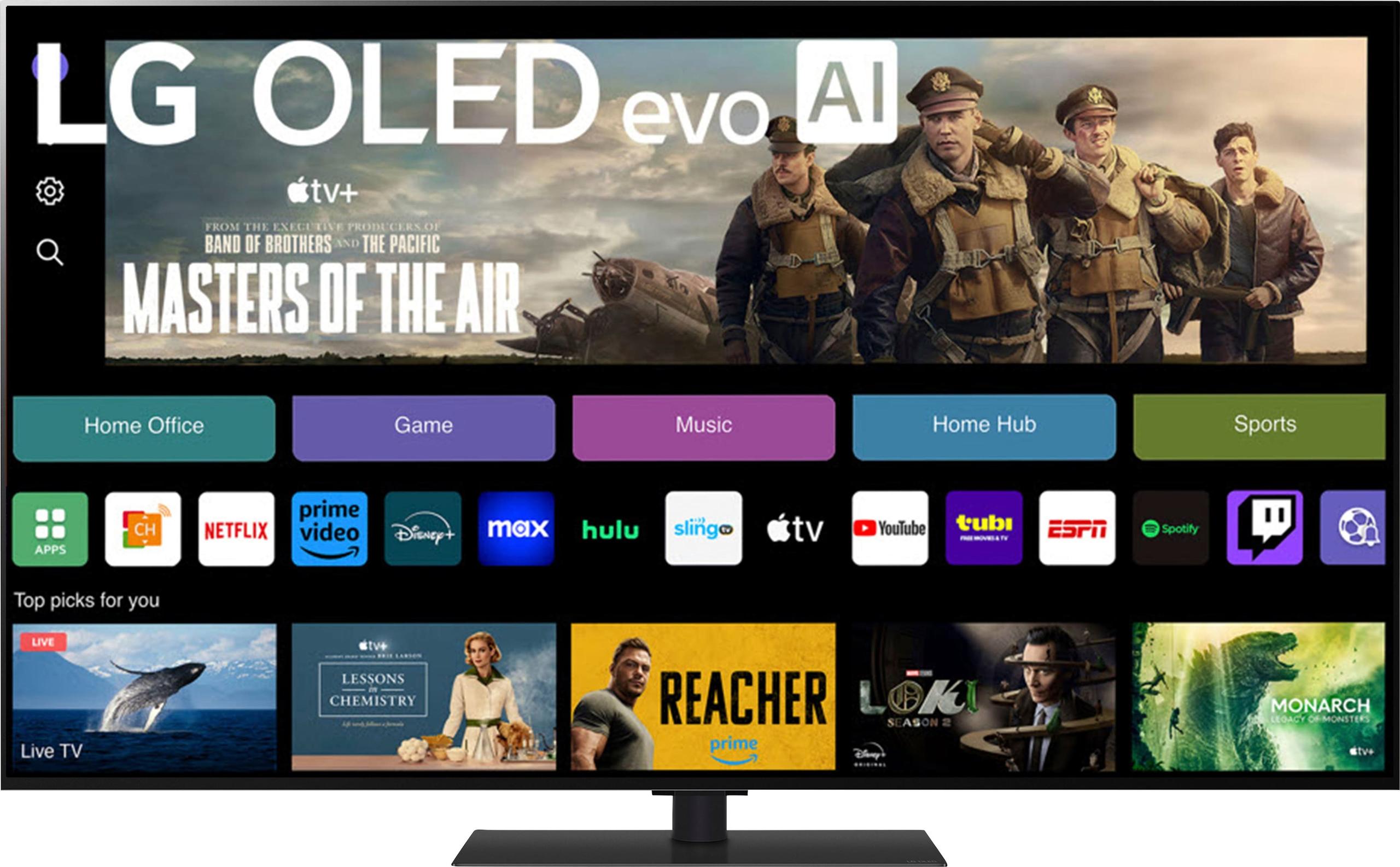
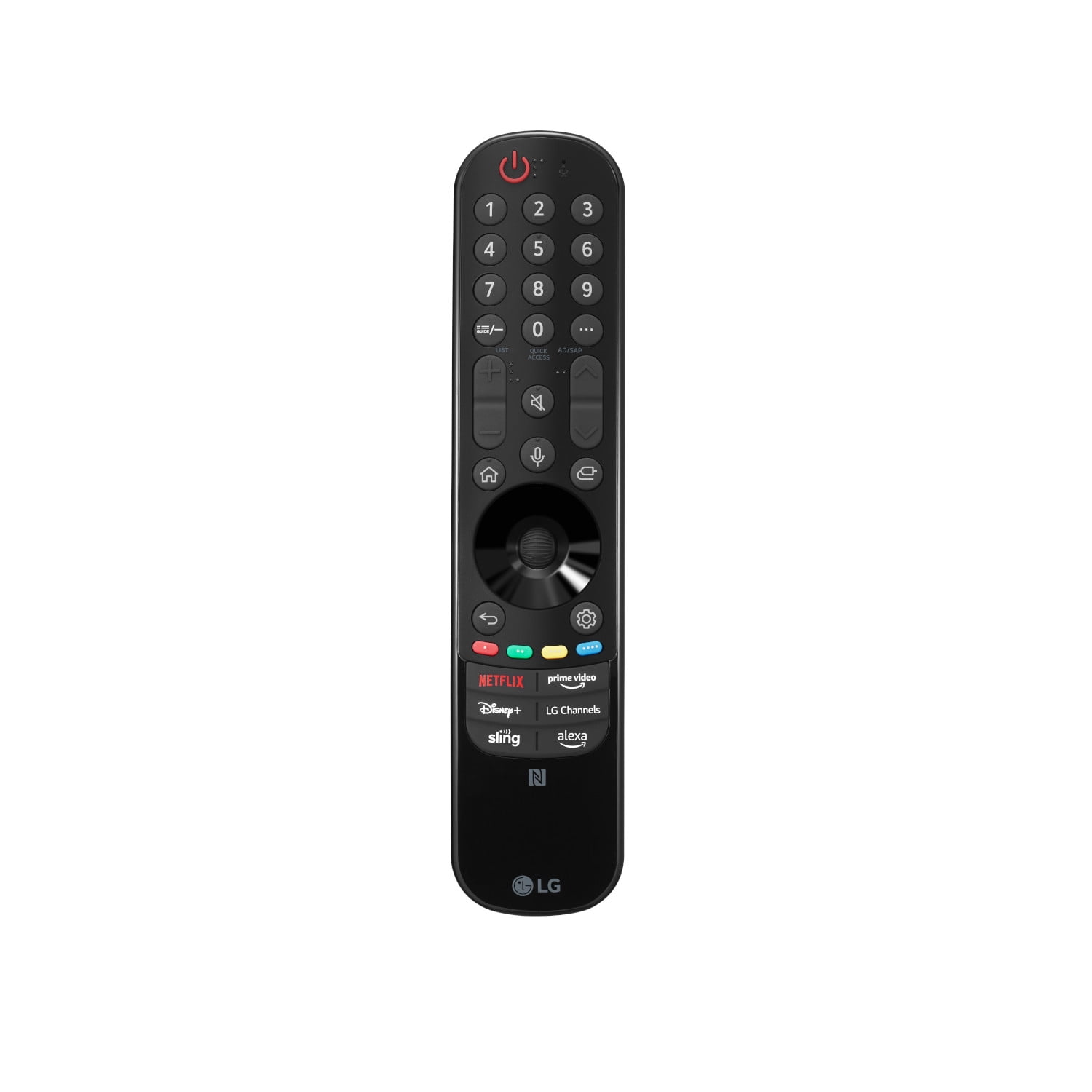
The LG G4 runs webOS 24, which I find to be one of the most intuitive smart TV platforms. Features like Quick Cards help organize your favorite apps, while AI Concierge provides personalized content recommendations. The built-in far-field microphone enables hands-free voice control, and cloud gaming support through GeForce NOW and Amazon Luna adds entertainment options without additional hardware.
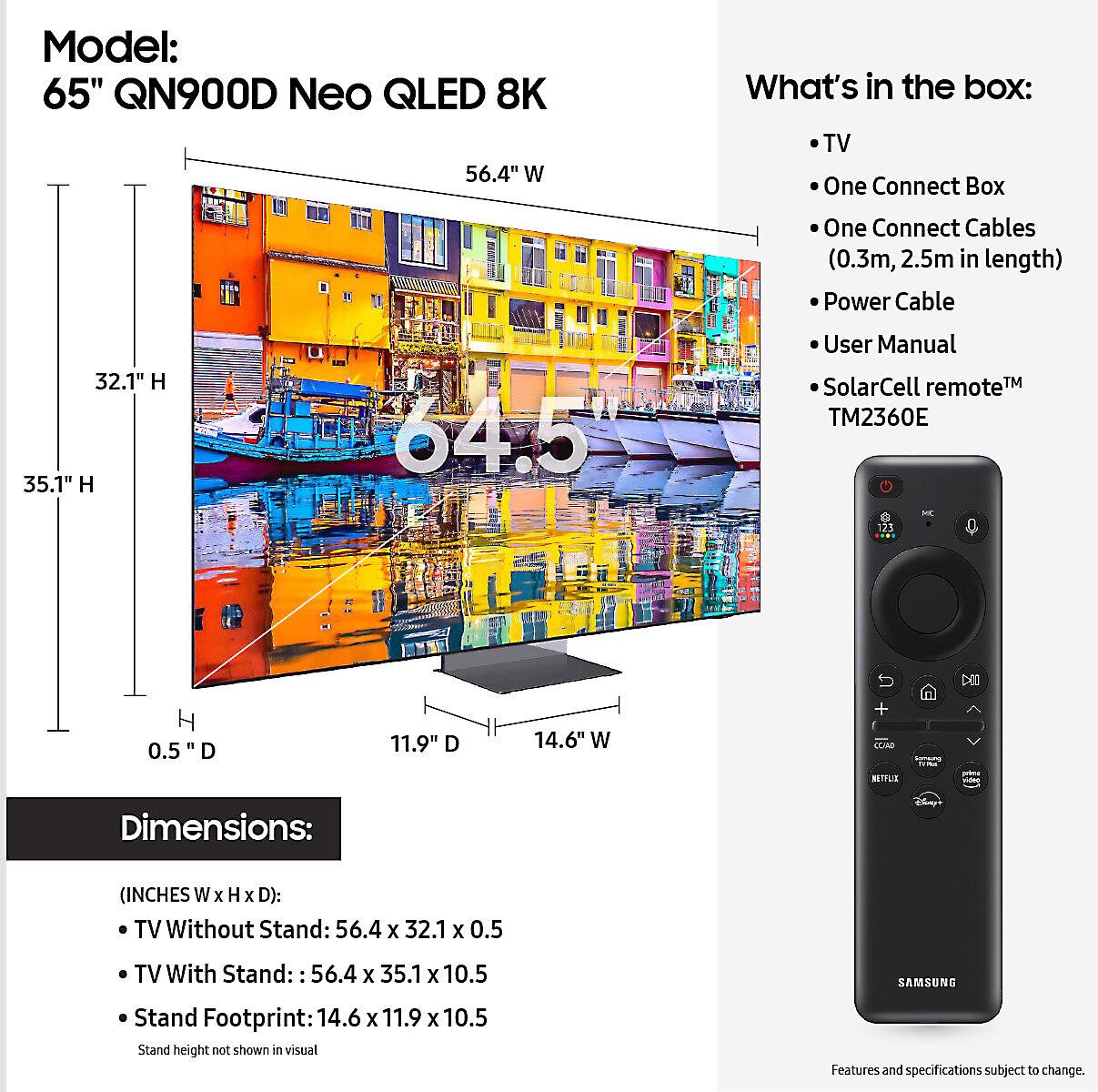
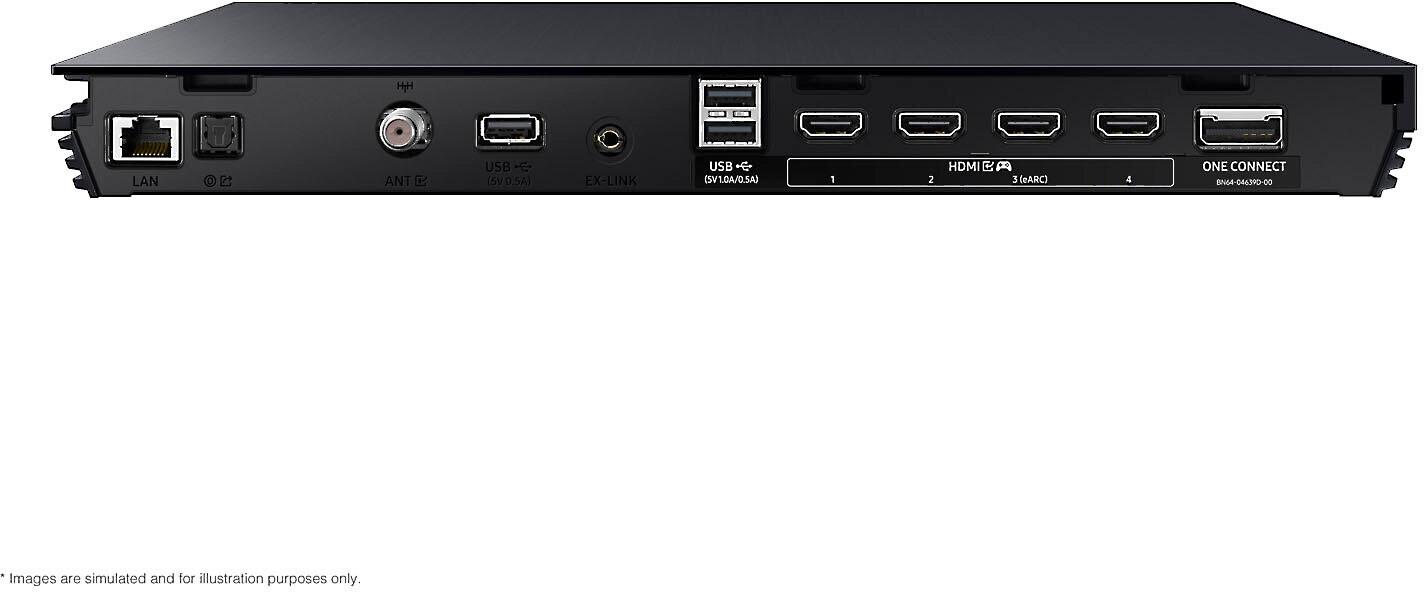
The Samsung QN900D uses Tizen Smart TV, which offers extensive customization options and robust SmartThings Hub integration. If you're building a connected home ecosystem, Samsung's platform provides excellent device management capabilities. The One Connect Box is particularly clever – it houses all the TV's connections in a separate unit connected by a single cable, keeping your wall-mounted TV clean and organized.
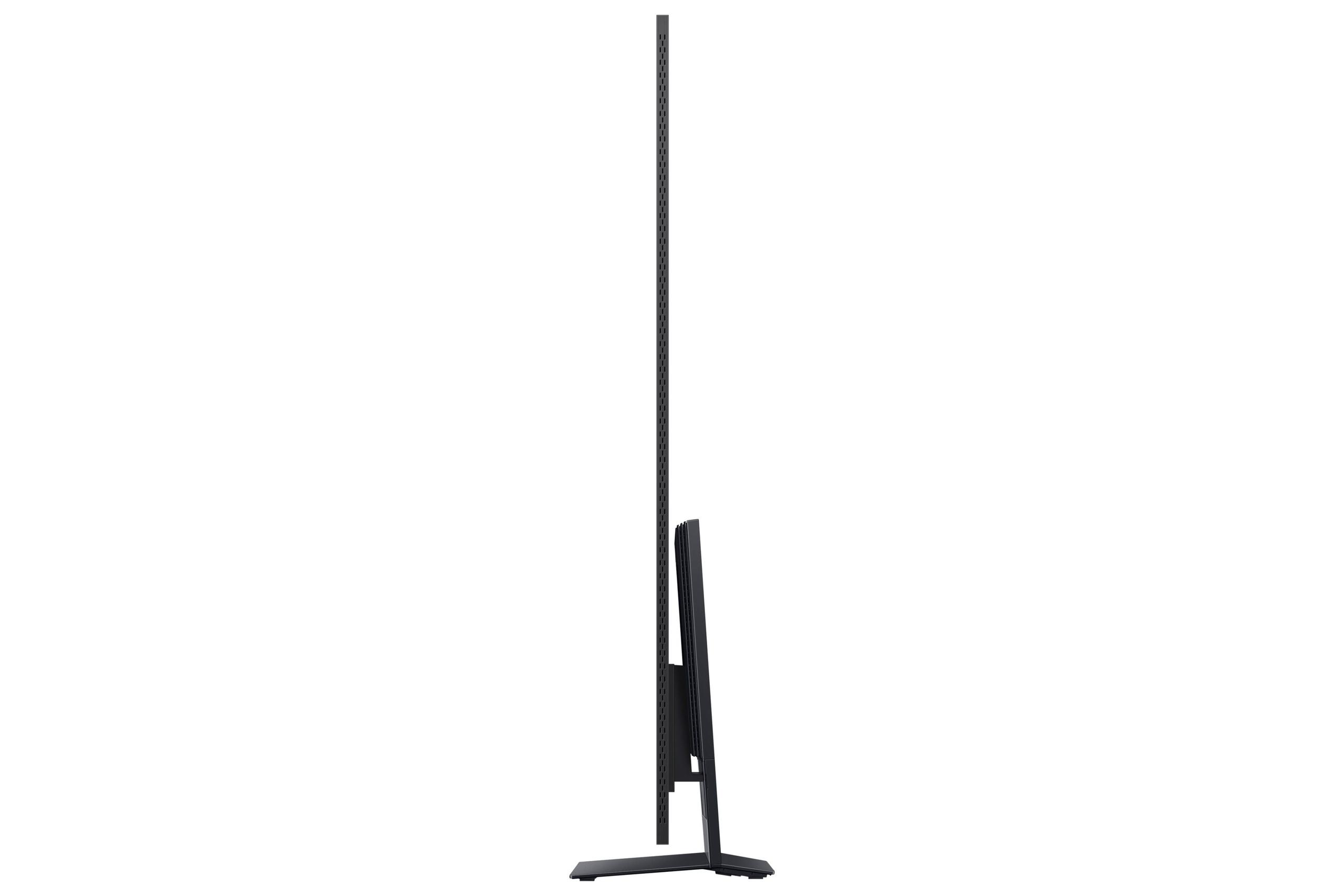
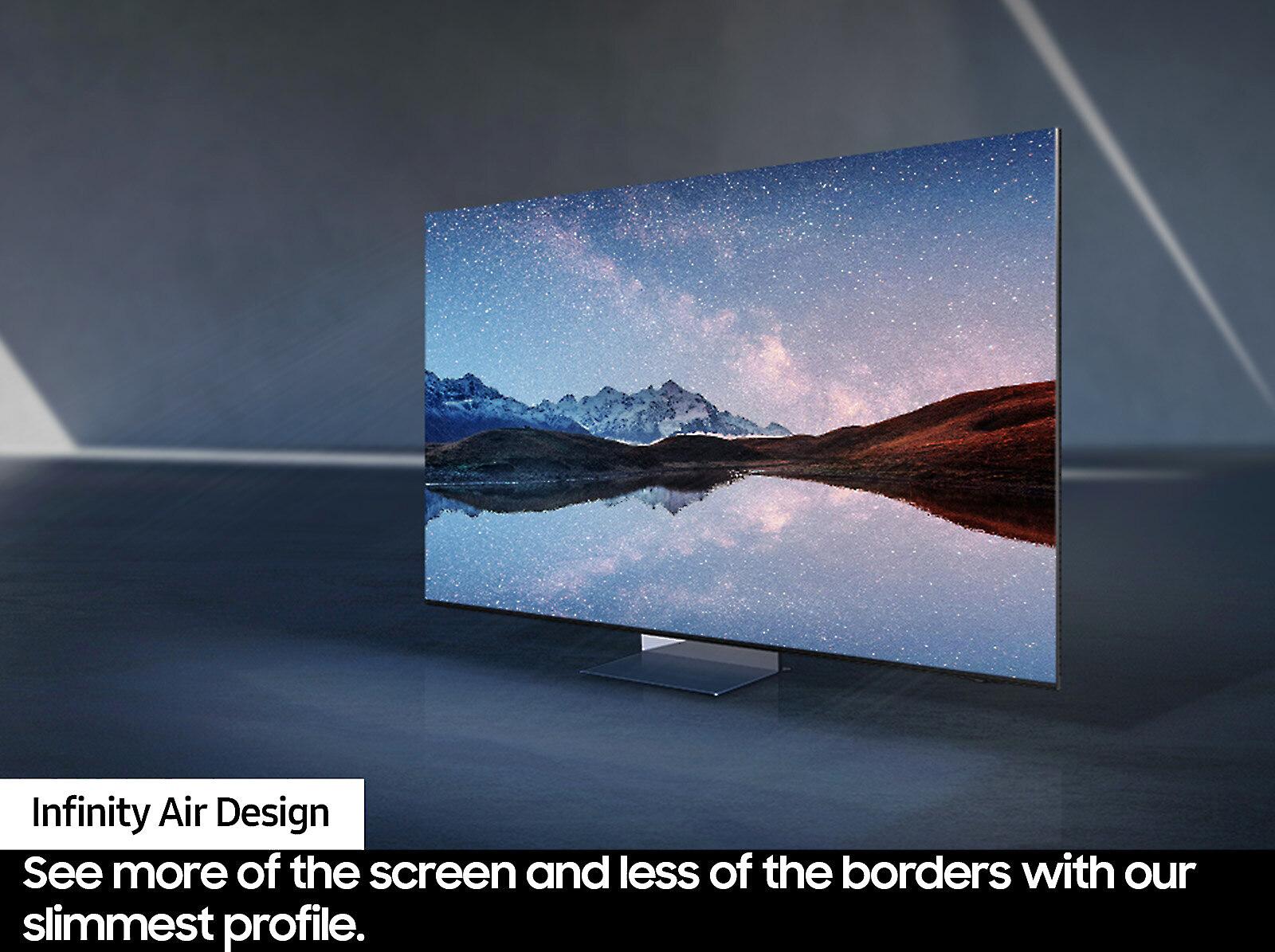
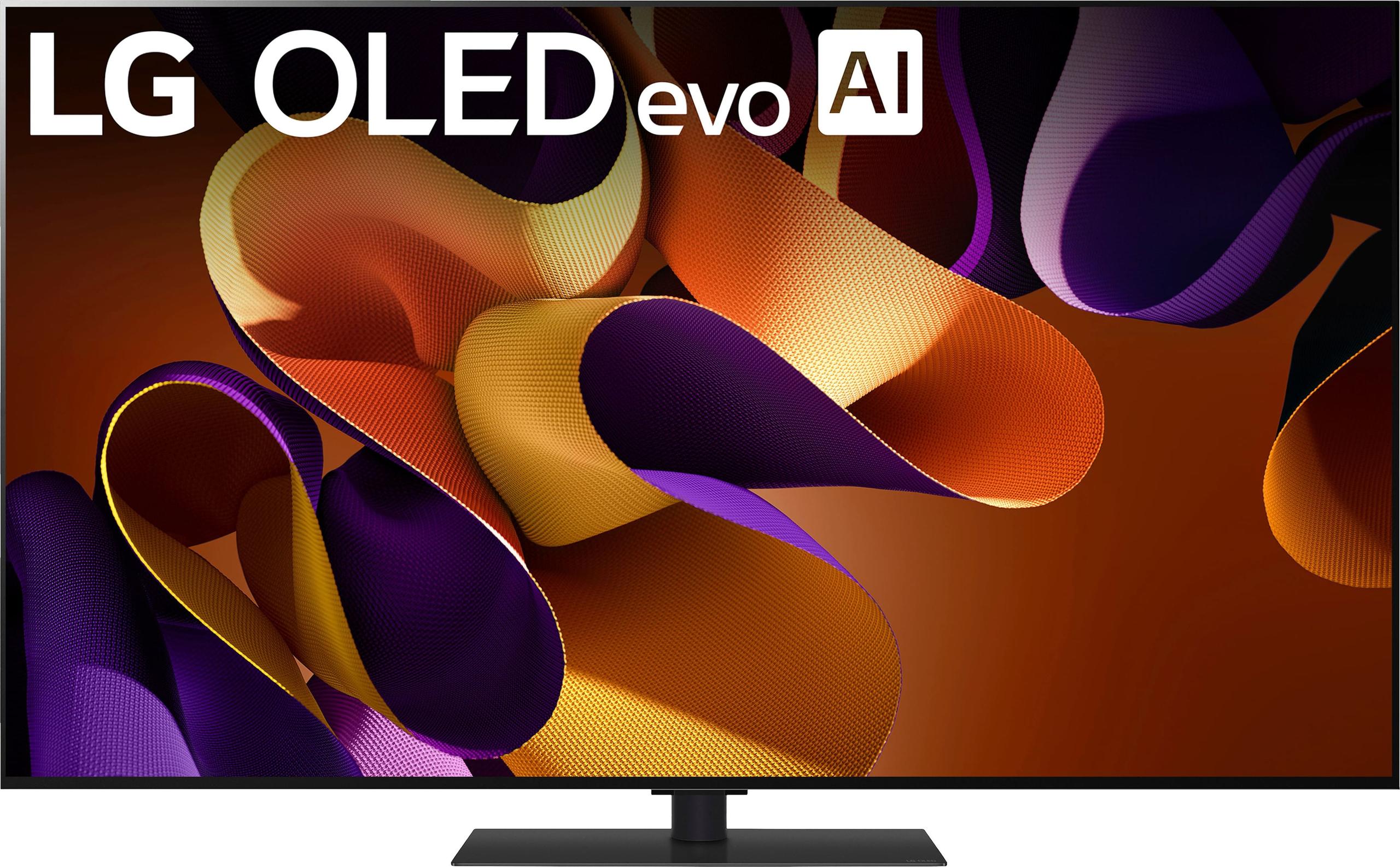
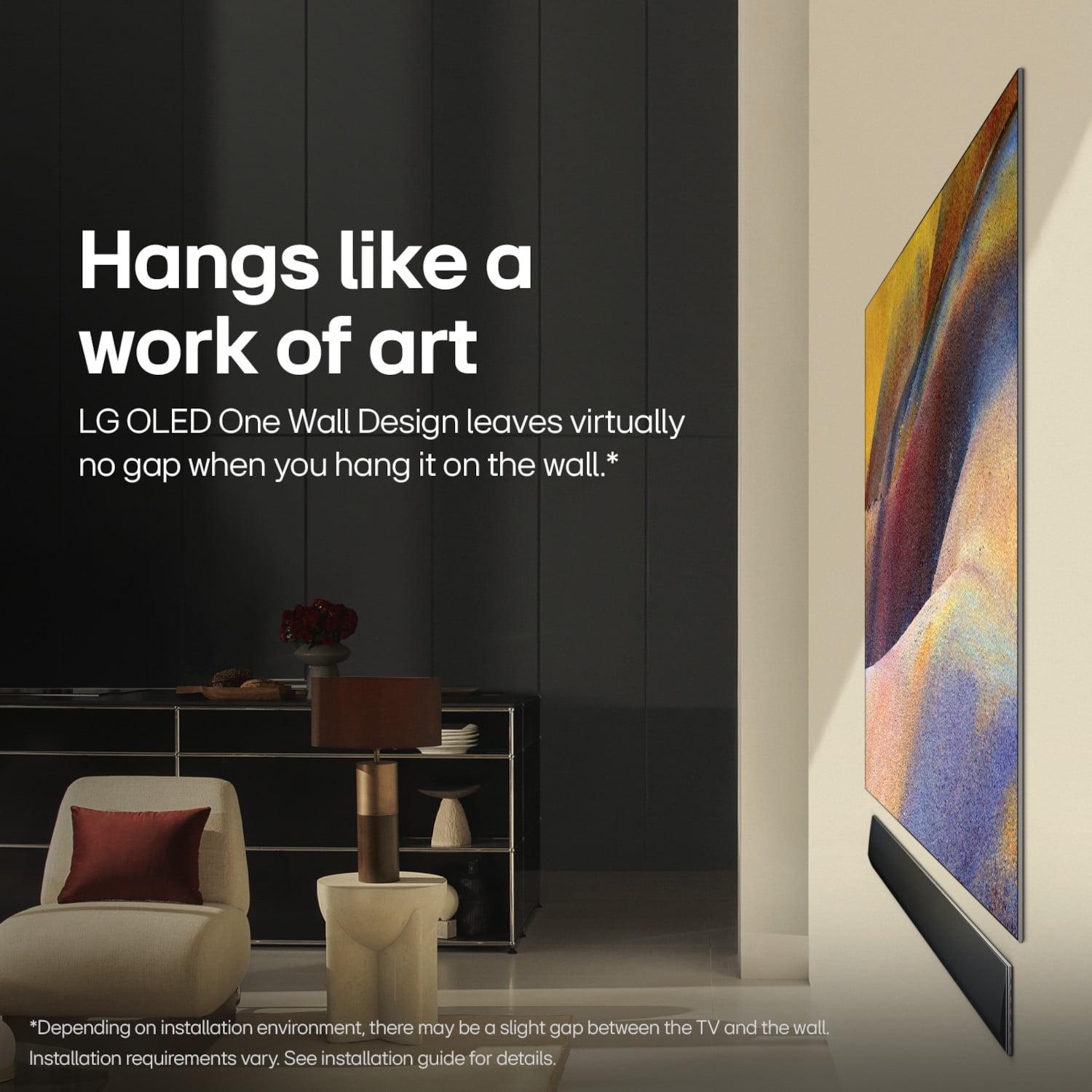
Both TVs emphasize premium design aesthetics. The LG G4 is designed primarily for wall mounting, creating a "gallery" look that's nearly flush with the wall. The slim profile and minimal bezels help it blend seamlessly into modern living spaces. LG now includes a tabletop stand, addressing previous customer feedback.
The Samsung QN900D features an elegant design with anti-glare technology that reduces reflections – particularly useful in bright rooms. The One Connect Box system means fewer cables running to the TV itself, creating a cleaner installation whether wall-mounted or on a stand.
For dedicated home theater rooms, the LG G4 typically provides the more cinematic experience. Its perfect blacks create the sense of depth that makes movie watching feel more immersive. The color accuracy ensures you're seeing content as directors intended, which is particularly important for film enthusiasts.
The Samsung QN900D works better in multi-purpose living spaces where you might watch TV during the day and evening. Its superior brightness cuts through ambient light, maintaining image quality even with windows or lamps on.
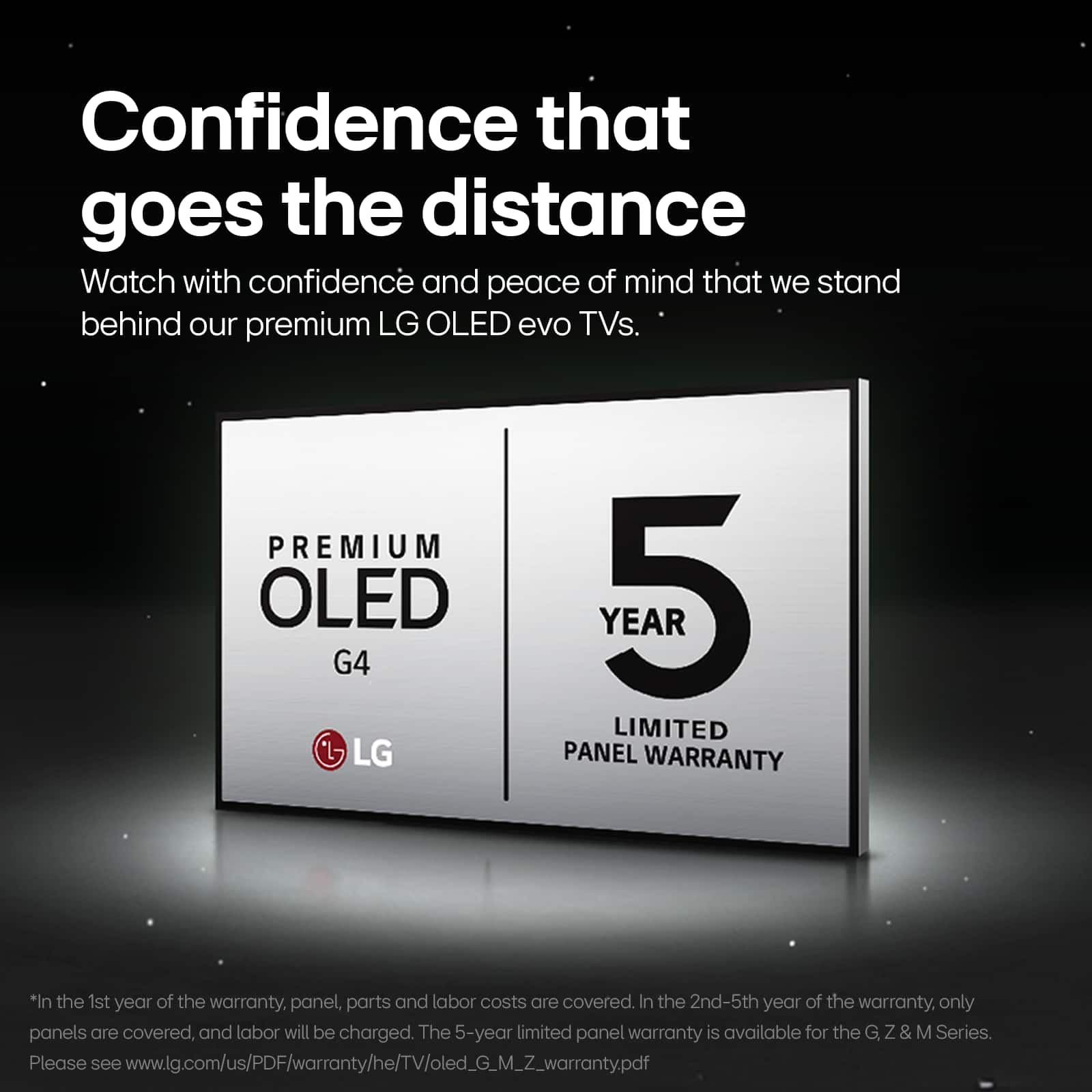
At $2,599.99, the LG G4 represents excellent value for premium display technology. You're getting flagship OLED performance at a price point that's become accessible to many consumers. The 5-year panel warranty adds peace of mind, and LG's track record with OLED longevity is well-established.
The Samsung QN900D at $4,999 commands a significant premium for its 8K resolution and advanced features. Whether this represents good value depends on your priorities. If you want the absolute latest technology and have the budget for it, the Samsung delivers cutting-edge performance. For most users, however, the LG provides better bang for the buck.
Choose the LG G4 if you prioritize picture quality, value, and have a dedicated viewing room or prefer darker viewing environments. Its superior contrast and color accuracy make it ideal for movie enthusiasts and anyone who wants the most cinematic experience possible.
Choose the Samsung QN900D if you want cutting-edge 8K resolution, have a bright viewing environment, or prioritize gaming at the highest refresh rates. Its superior brightness and comprehensive features justify the premium for users who want the absolute latest technology.
Both TVs represent the pinnacle of their respective technologies. The LG delivers proven OLED excellence at a more accessible price point, while the Samsung offers future-proofing and advanced features for those willing to pay for the latest innovations. Your choice ultimately depends on your viewing environment, content preferences, and budget – but either TV will provide years of exceptional entertainment experience.
| LG 65" G4 Series OLED evo 4K UHD Smart TV 2024 | Samsung QN900D Series 65" Neo QLED 8K Smart TV |
|---|---|
| Price - Significant $2,400 difference impacts value proposition | |
| $2,599.99 | $4,999 |
| Display Technology - Fundamentally different approaches to picture quality | |
| OLED evo with Micro Lens Array (self-lit pixels) | Neo QLED with Quantum Matrix Technology Pro (Mini-LED backlight) |
| Resolution - 8K offers 4x more pixels but limited native content | |
| 4K UHD (3840 x 2160) | 8K (7,680 x 4,320) |
| Peak Brightness - Critical for daytime viewing and HDR impact | |
| Up to 2,268 nits (150% brighter than previous OLED) | Outstanding brightness, ideal for bright rooms |
| Black Levels - Affects contrast and dark scene detail | |
| Perfect blacks (infinite contrast ratio) | Excellent blacks with local dimming zones |
| Gaming Refresh Rate - Higher rates reduce motion blur for competitive gaming | |
| Up to 4K @ 144Hz with VRR | Up to 4K @ 240Hz or 8K @ 60Hz with VRR |
| Response Time - Lower is better for reducing gaming motion blur | |
| 0.1ms (exceptional for competitive gaming) | Very low in Game Mode |
| HDMI 2.1 Ports - Essential for next-gen gaming consoles | |
| 4 ports (supports all latest gaming features) | 4 ports (supports all latest gaming features) |
| Audio System - Built-in sound quality affects need for external speakers | |
| 4.2 channel, 60W with Dolby Atmos | 6.2.4 channel, 90W with Object Tracking Sound |
| Smart TV Platform - User interface and app ecosystem | |
| webOS 24 with AI Concierge | Tizen Smart TV with SmartThings Hub |
| Design Features - Installation and aesthetic considerations | |
| Gallery-style wall mount, slim profile | One Connect Box for cable management, anti-glare |
| Warranty - Protection for premium investment | |
| 5-year panel warranty (includes burn-in coverage) | Standard warranty (specific panel coverage not detailed) |
| Processor - Affects upscaling and smart features performance | |
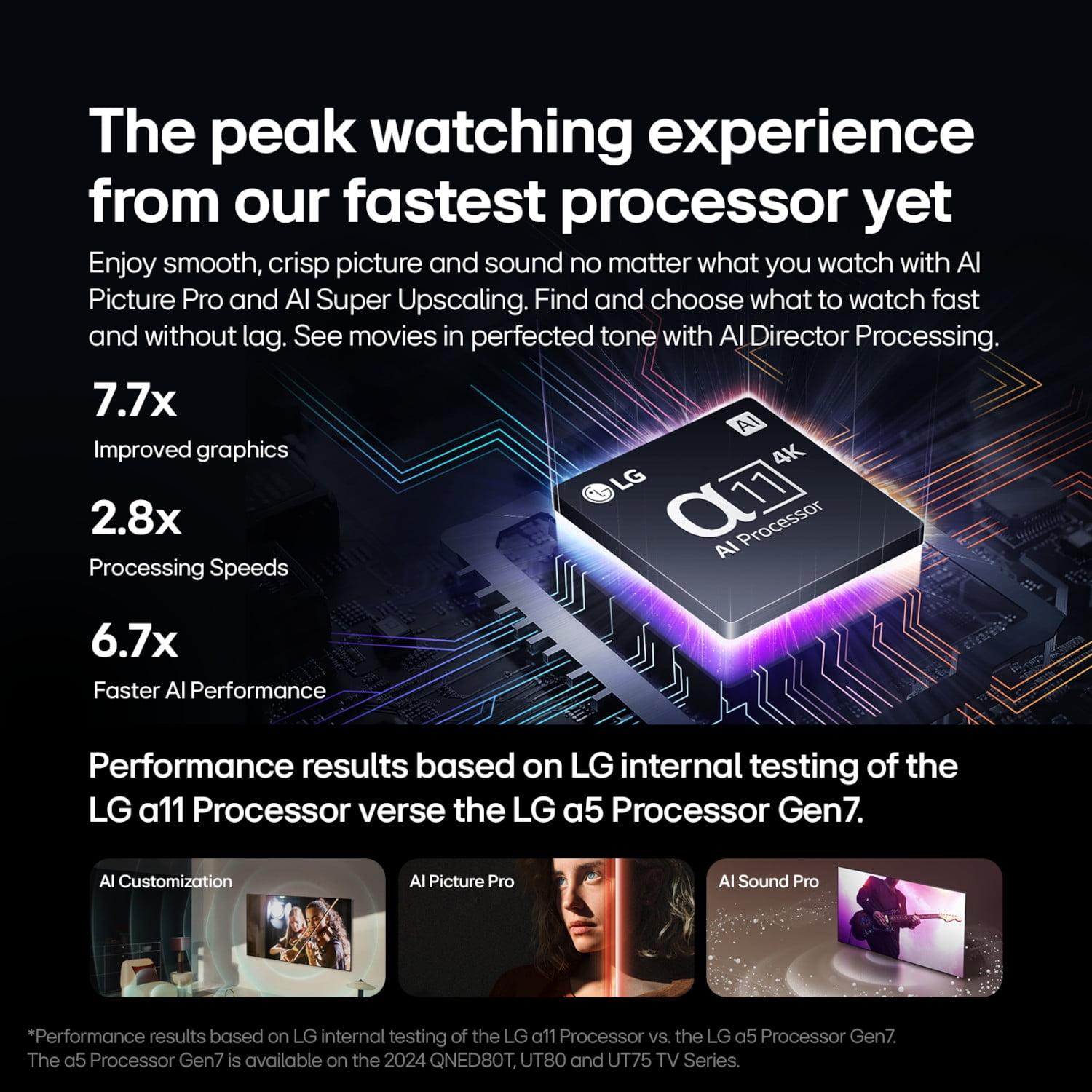
| α11 AI Processor 4K | NQ8 AI Gen3 Processor (2x faster than 4K models) |
| Best For - Primary use case recommendation | |
| Dark/controlled rooms, movie enthusiasts, value seekers | Bright rooms, 8K future-proofing, premium features |
The LG G4 ($2,599.99) offers significantly better value for most buyers. At nearly half the price of the Samsung QN900D ($4,999), the LG delivers exceptional OLED picture quality that's hard to beat. The Samsung's premium pricing is mainly justified by its 8K resolution, but with limited 8K content available, the LG's 4K performance provides better bang for your buck.
The LG G4 uses OLED technology where each pixel creates its own light and can turn completely off for perfect blacks. The Samsung QN900D uses Neo QLED technology with thousands of mini-LEDs behind the screen for brighter images. OLED excels in dark rooms with superior contrast, while Neo QLED performs better in bright rooms with higher peak brightness.
Both TVs are excellent for gaming, but they excel differently. The LG G4 offers a faster 0.1ms response time and supports 4K at 144Hz, making it ideal for competitive gaming. The Samsung QN900D supports higher refresh rates up to 4K at 240Hz, better for high-end gaming PCs. Both have 4 HDMI 2.1 ports and full VRR support.
Currently, there's virtually no native 8K content available from streaming services or Blu-ray. The Samsung QN900D's 8K resolution mainly benefits upscaling of 4K content, which can look sharper but isn't dramatically different. The LG G4's 4K resolution is perfectly matched to current content standards and offers better value for most viewers.
The LG G4 significantly outperforms the Samsung QN900D in dark room viewing. OLED's ability to produce perfect blacks creates superior contrast and depth, making dark scenes more detailed and immersive. This makes the LG ideal for home theater setups or dedicated movie watching in controlled lighting conditions.
The Samsung QN900D is superior for bright room viewing due to its higher peak brightness and anti-glare technology. It can maintain image quality even with windows or lights on, while the LG G4, despite being 150% brighter than previous OLEDs, still performs best in moderately lit environments.
The LG G4 runs webOS 24 with AI Concierge, cloud gaming support, and 300+ free channels. The Samsung QN900D uses Tizen Smart TV with SmartThings Hub integration for connected home devices. Both offer comprehensive app ecosystems, but Samsung provides better smart home integration while LG offers more gaming services.
The Samsung QN900D has superior built-in audio with a 6.2.4-channel 90W system and Object Tracking Sound that moves audio around the screen. The LG G4 features 4.2-channel 60W speakers with Dolby Atmos. However, both TVs benefit significantly from external soundbars or home theater systems for the best audio experience.
The LG G4 offers a superior 5-year panel warranty that includes burn-in protection, providing excellent peace of mind for your investment. The Samsung QN900D comes with standard warranty coverage, though specific panel protection details aren't as comprehensive. LG's extended warranty is particularly valuable for OLED technology.
The LG G4 is generally preferred for dedicated home theater use due to its perfect blacks, superior contrast, and accurate color reproduction that matches filmmakers' intentions. The infinite contrast ratio creates a more cinematic experience, especially in dark viewing environments typical of home theater rooms.
Both the LG G4 and Samsung QN900D offer comprehensive gaming features including 4 HDMI 2.1 ports, VRR support, and auto game mode switching. The LG supports G-Sync and FreeSync Premium with 4K at 144Hz, while the Samsung offers higher refresh rates up to 4K at 240Hz with three types of VRR technology.
Choose the LG G4 if you prioritize value, picture quality, and dark room viewing - it's ideal for movie enthusiasts and most general users. Choose the Samsung QN900D if you want cutting-edge 8K technology, have a bright viewing environment, need the highest gaming refresh rates, or want premium features regardless of cost.
We've done our best to create useful and informative comparisons to help you decide what product to buy. Our research uses advanced automated methods to create this comparison and perfection is not possible - please contact us for corrections or questions. These are the sites we've researched in the creation of this article: hometechnologyreview.com - hometechnologyreview.com - whathifi.com - hometechnologyreview.com - youtube.com - tomsguide.com - tomsguide.com - smarthomesounds.co.uk - rtings.com - rtings.com - bhphotovideo.com - youtube.com - schaeferstv.com - bestbuy.com - costco.com - lg.com - lg.com - shopsilica.com - bestbuy.com - techradar.com - bestbuy.com - bestbuy.com - lg.com - lgnewsroom.com - rtings.com - videoandaudiocenter.com - bestbuy.com - avsforum.com - bestbuy.com - walts.com - images.samsung.com - samsung.com - merlinstv.com - samsung.com - avsforum.com - samsung.com

Privacy Policy
Terms and Conditions - Affiliate Policy
Home Security
© Copyright 2008-2026.
11816 Inwood Rd #1211, Dallas, TX 75244