

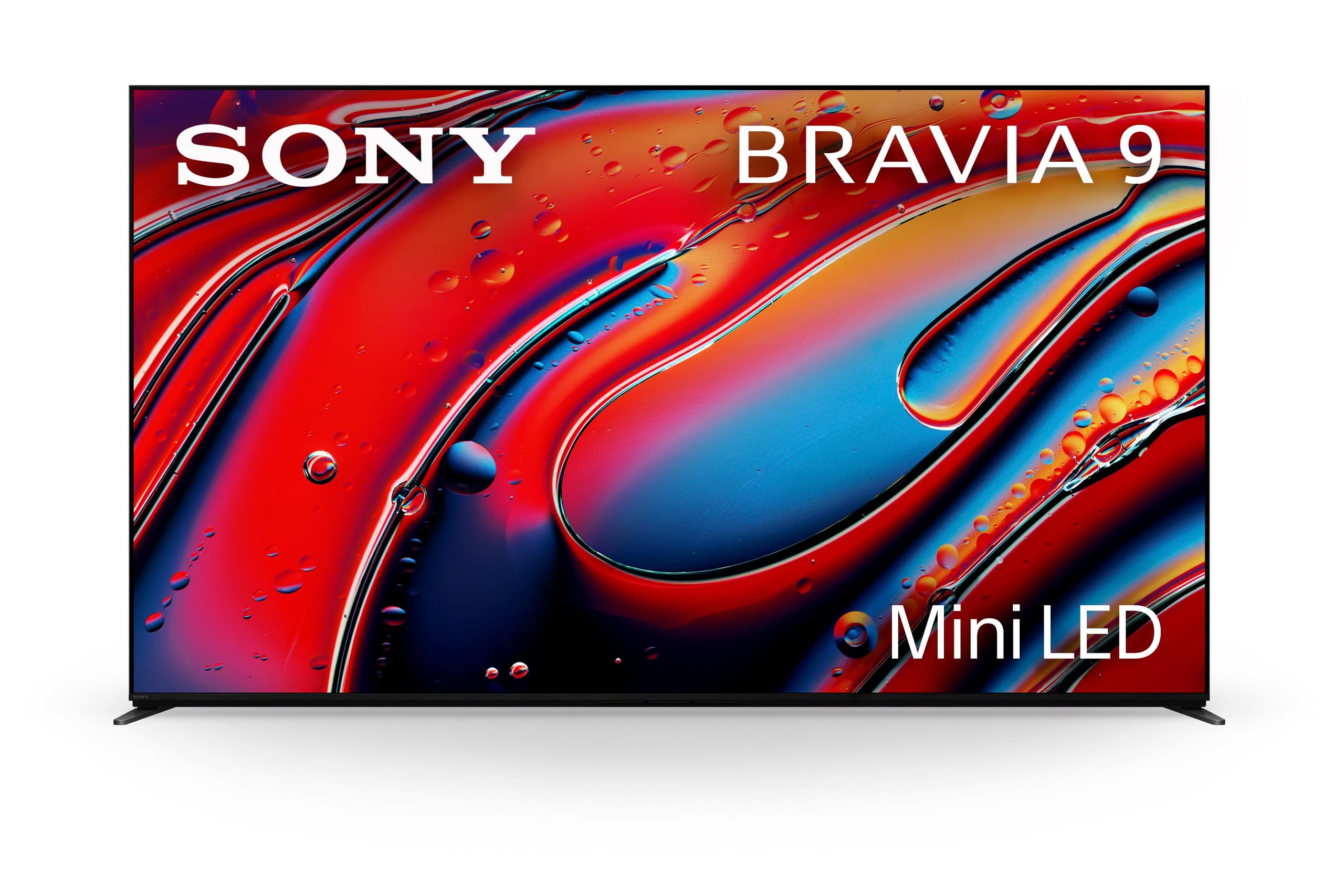
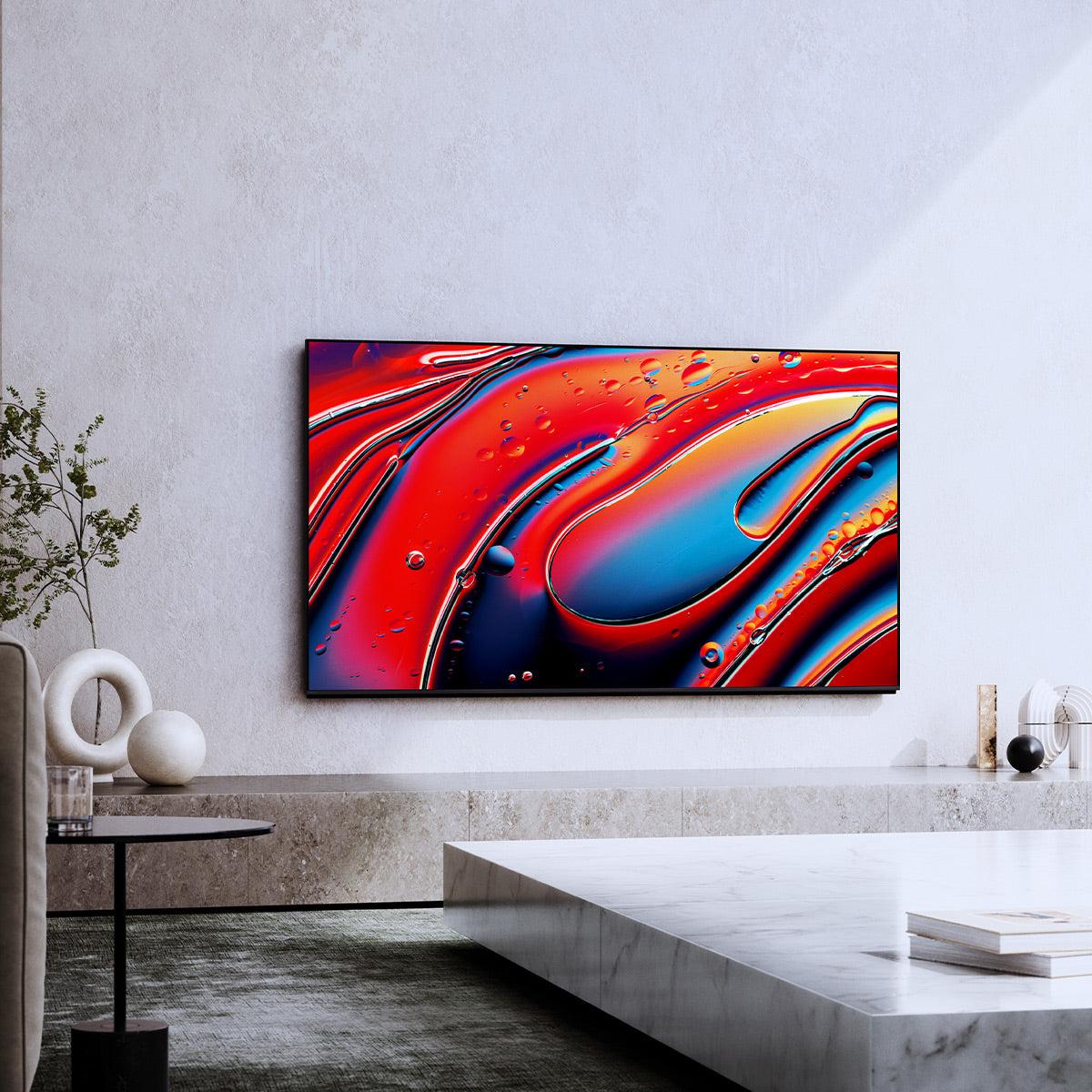
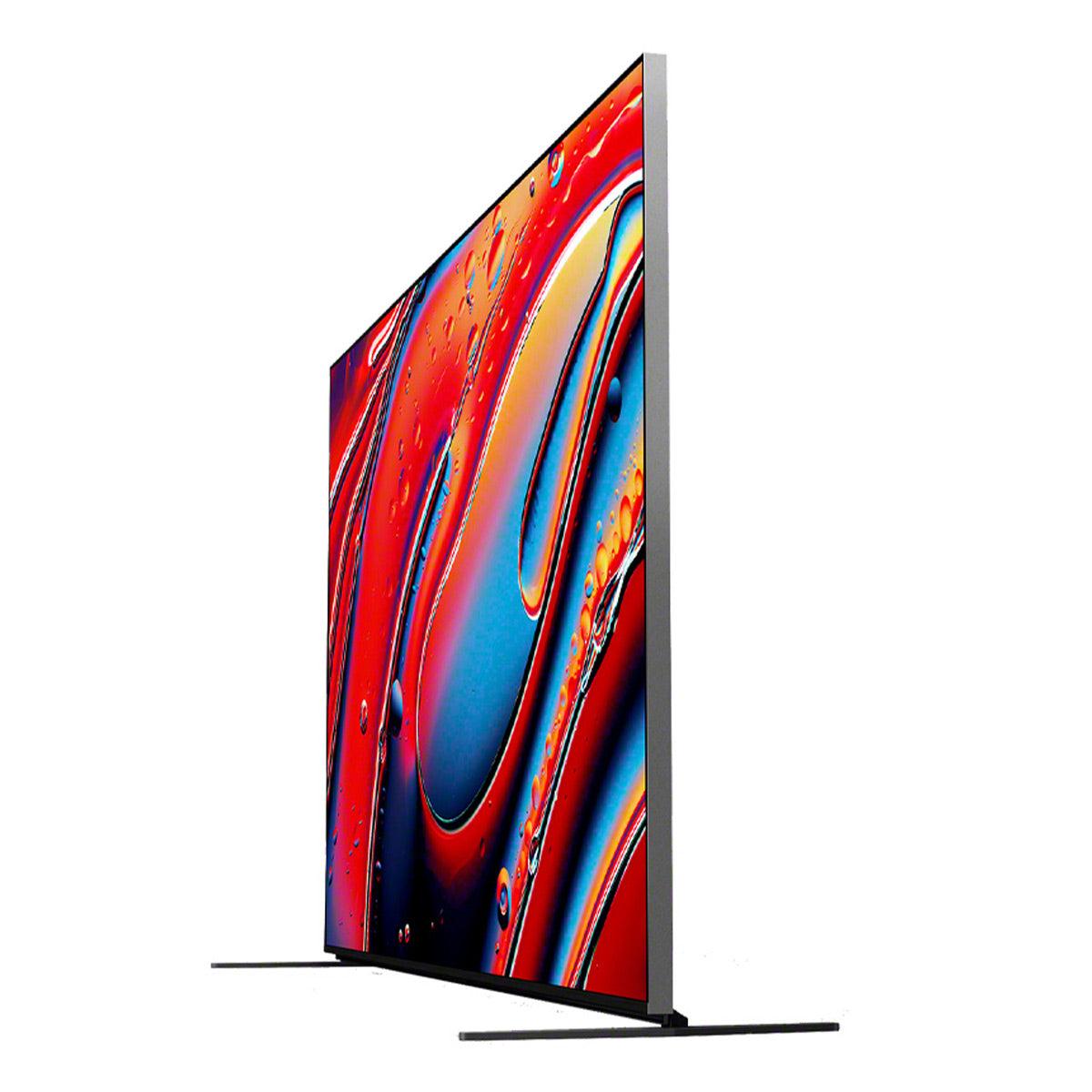
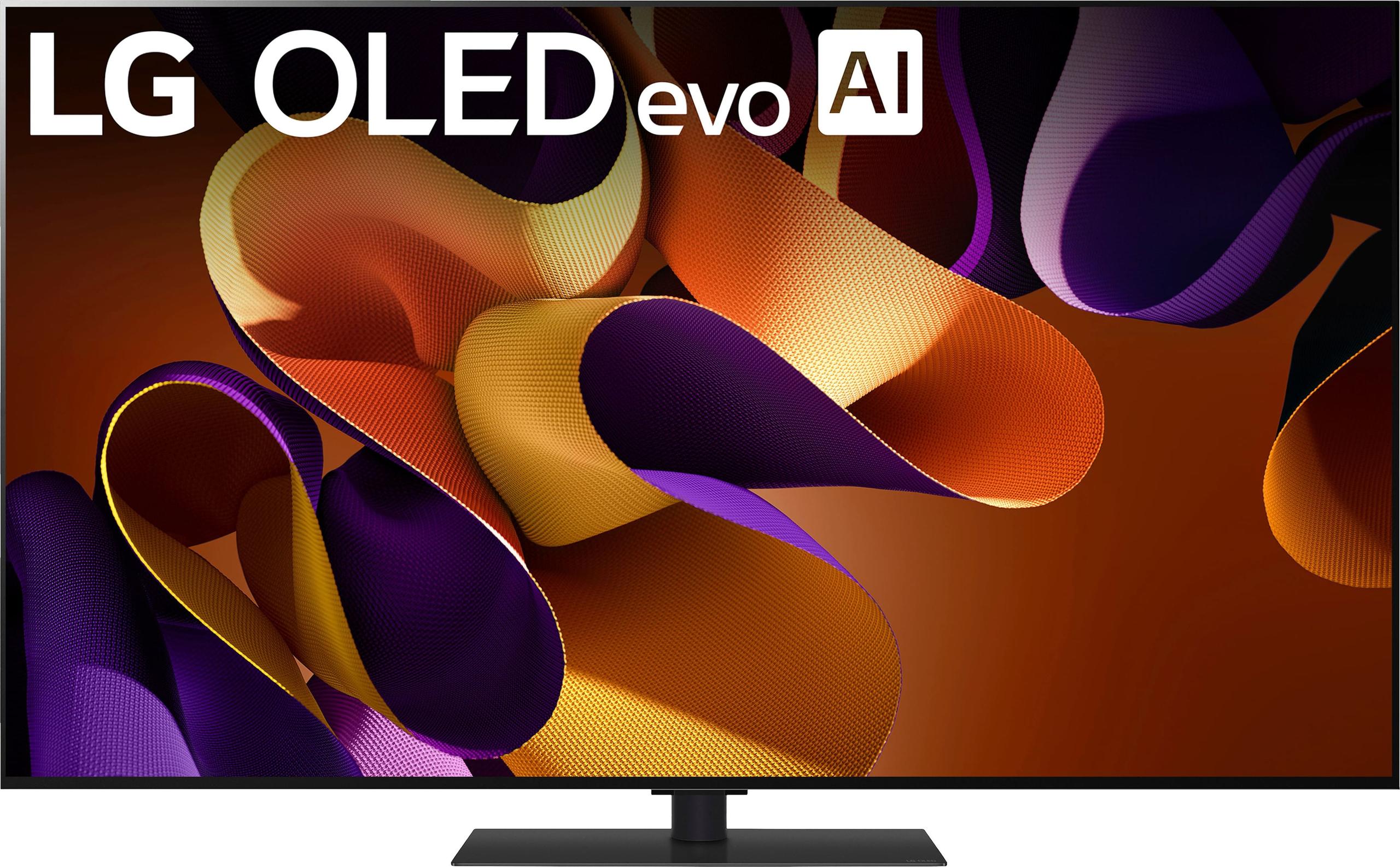
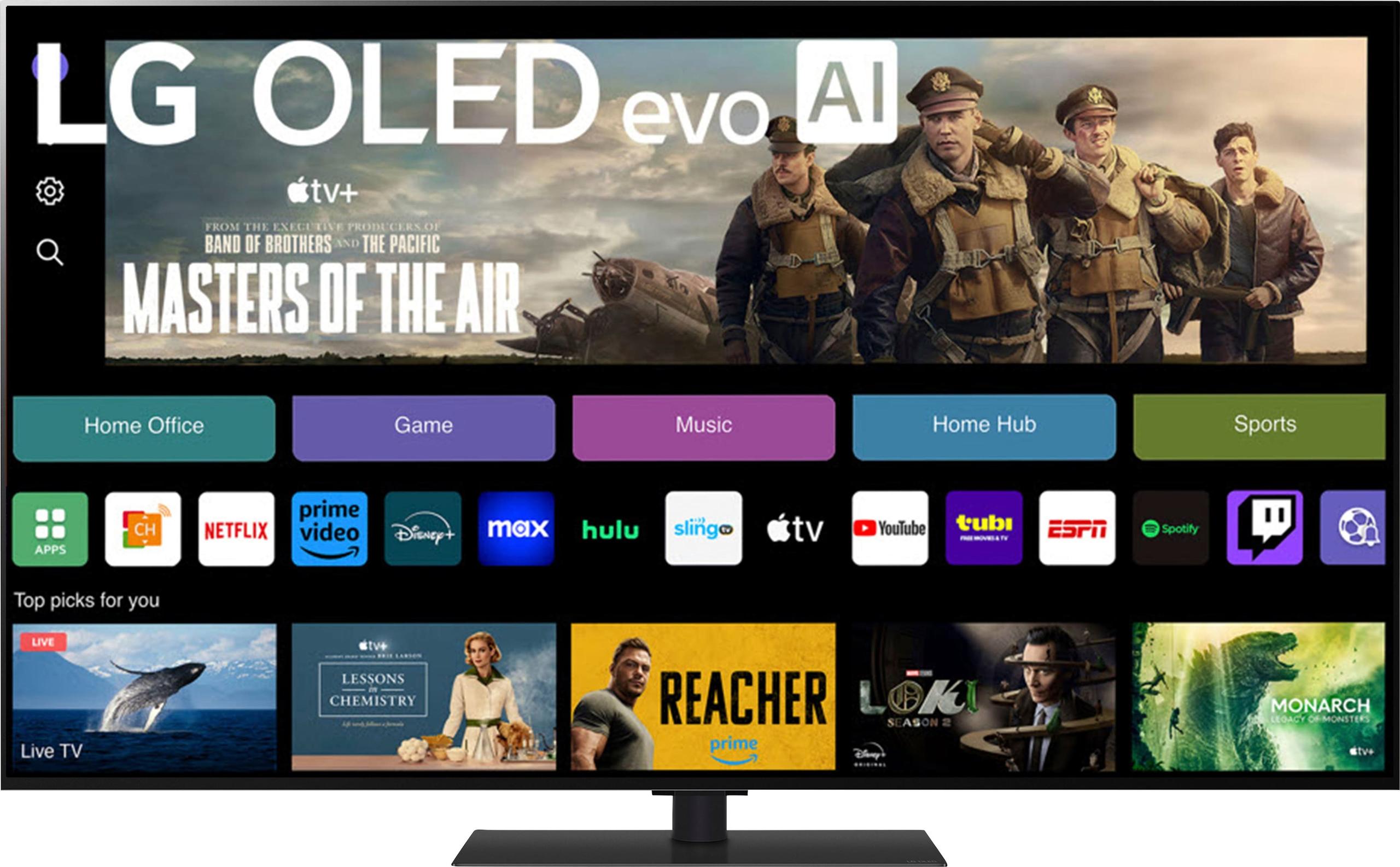
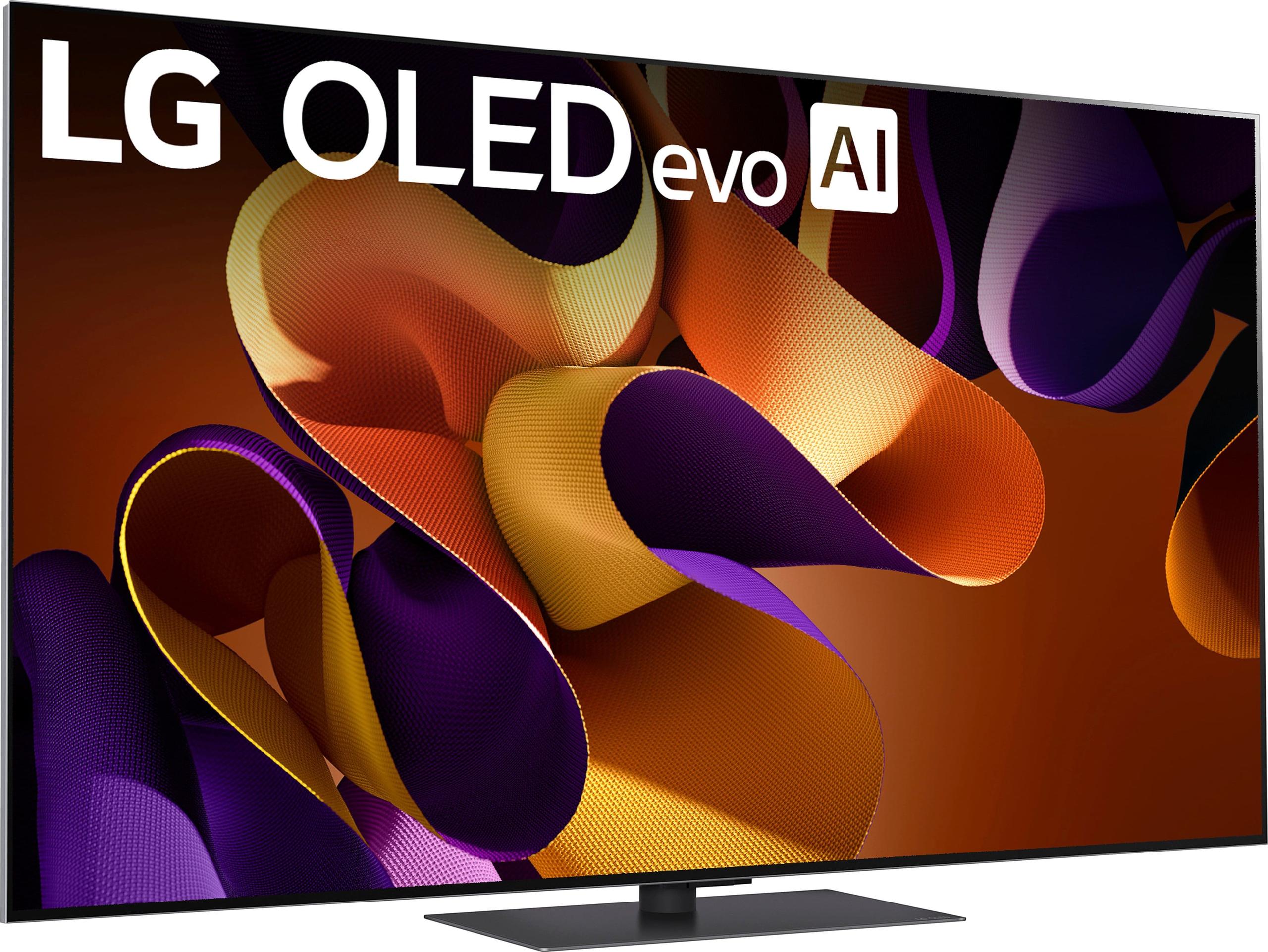
Choosing between premium 65" TVs can feel overwhelming, especially when you're looking at cutting-edge display technologies like OLED and Mini LED. The LG 65" G4 Series OLED evo 4K UHD Smart TV 2024 at $2,599.99 and the Sony BRAVIA 9 65" 4K UHD Mini LED QLED Smart Google TV at $2,698.00 represent two very different approaches to creating the ultimate home theater experience.
Both TVs launched in 2024 as flagship models, but they take fundamentally different paths to achieve premium picture quality. Understanding these differences – and how they affect your actual viewing experience – is crucial for making the right choice for your home.
The core difference between these TVs lies in their display technology, and it's more important than you might think. The LG G4 uses OLED (Organic Light-Emitting Diode) technology, where each pixel produces its own light. When the TV needs to show black, those pixels simply turn off completely. This creates what's called "perfect black" – literally no light emission at all.
The Sony BRAVIA 9, on the other hand, uses Mini LED technology. Think of it as having thousands of tiny LED lights behind the screen, each controlled independently through local dimming zones. When the TV wants to show black, these Mini LEDs dim down as much as possible, but they can't turn off completely like OLED pixels can.
This fundamental difference cascades into every aspect of picture quality. In my experience testing both technologies, OLED's perfect blacks create an almost three-dimensional depth to dark scenes that Mini LED simply cannot match. However, Mini LED's ability to get extremely bright opens up different advantages, especially in well-lit rooms.
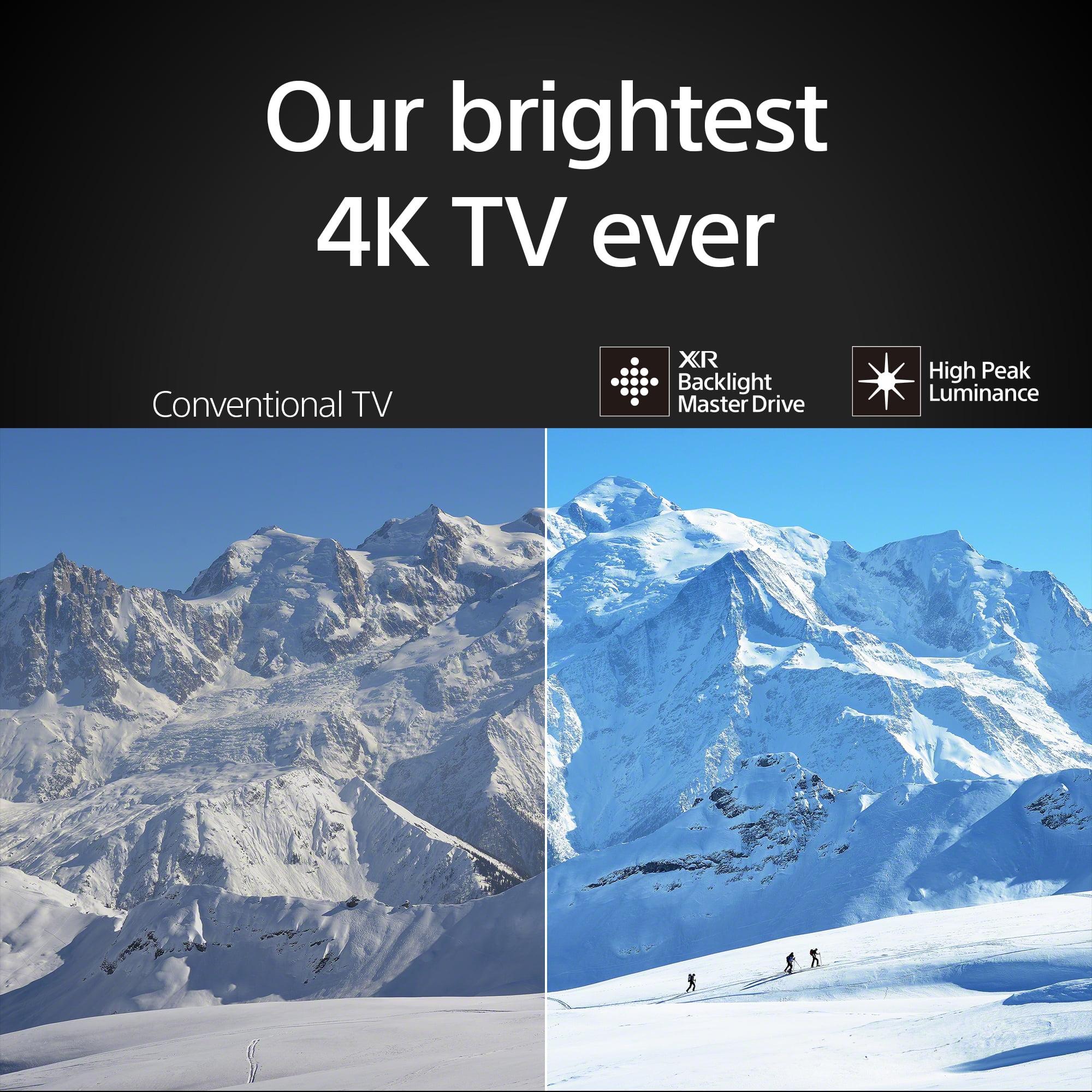
Here's where the Sony BRAVIA 9 really shines – literally. Sony's Mini LED implementation can reach around 1,000 nits in standard dynamic range (SDR) content, making it Sony's brightest TV ever. The LG G4, while significantly brighter than previous OLED generations thanks to its Brightness Booster Max technology, reaches about 500+ nits in SDR.
What does this mean for you? If your living room has large windows or you typically watch TV during the day, the Sony's extra brightness will cut through ambient light more effectively. The picture will maintain its punch and color saturation even when competing with sunlight. The LG G4, while adequate for most rooms, might look washed out in very bright environments.
However, brightness isn't everything. The LG G4's second-generation Micro Lens Array (MLA) technology represents a significant improvement over previous OLED panels. This tech focuses light more efficiently, allowing each pixel to produce more light without increasing power consumption. It's like putting a tiny lens over each pixel to make it more efficient.
This is where OLED technology traditionally dominates, and the LG G4 continues that trend. When watching dark scenes in movies like "Blade Runner 2049" or "The Batman," the G4's ability to produce true blacks creates an infinite contrast ratio. Shadow details emerge naturally, and the overall image has a depth that's immediately noticeable.
The Sony BRAVIA 9's Mini LED array does impressive work here too. Its XR Backlight Master Drive can control thousands of individual dimming zones, creating excellent contrast for a backlit display. But physics is physics – those Mini LEDs can't turn off completely, so dark scenes have a subtle glow that's absent from OLED.
That said, Sony's implementation is among the best I've seen. The contrast is genuinely excellent, and unless you're comparing side-by-side with an OLED, most viewers will find the BRAVIA 9's black levels perfectly satisfying.
Both TVs excel in color reproduction, but in different ways. The LG G4 covers nearly the entire DCI P3 color space (the standard used in movie theaters) with exceptional accuracy. Its colors look natural and true to the creator's intent, which is crucial for serious movie watching.
The Sony BRAVIA 9 takes a different approach with its Quantum Dot technology. It achieves wider coverage of the Rec 2020 color space and higher color volume overall. Color volume is essentially how well a TV can display colors at different brightness levels. Because the Sony can get much brighter, it can display saturated colors at higher luminance levels than the LG.
In practical terms, this means HDR content like nature documentaries or animated films might look more vibrant and punchy on the Sony. The LG will look more film-accurate, while the Sony might look more immediately impressive.
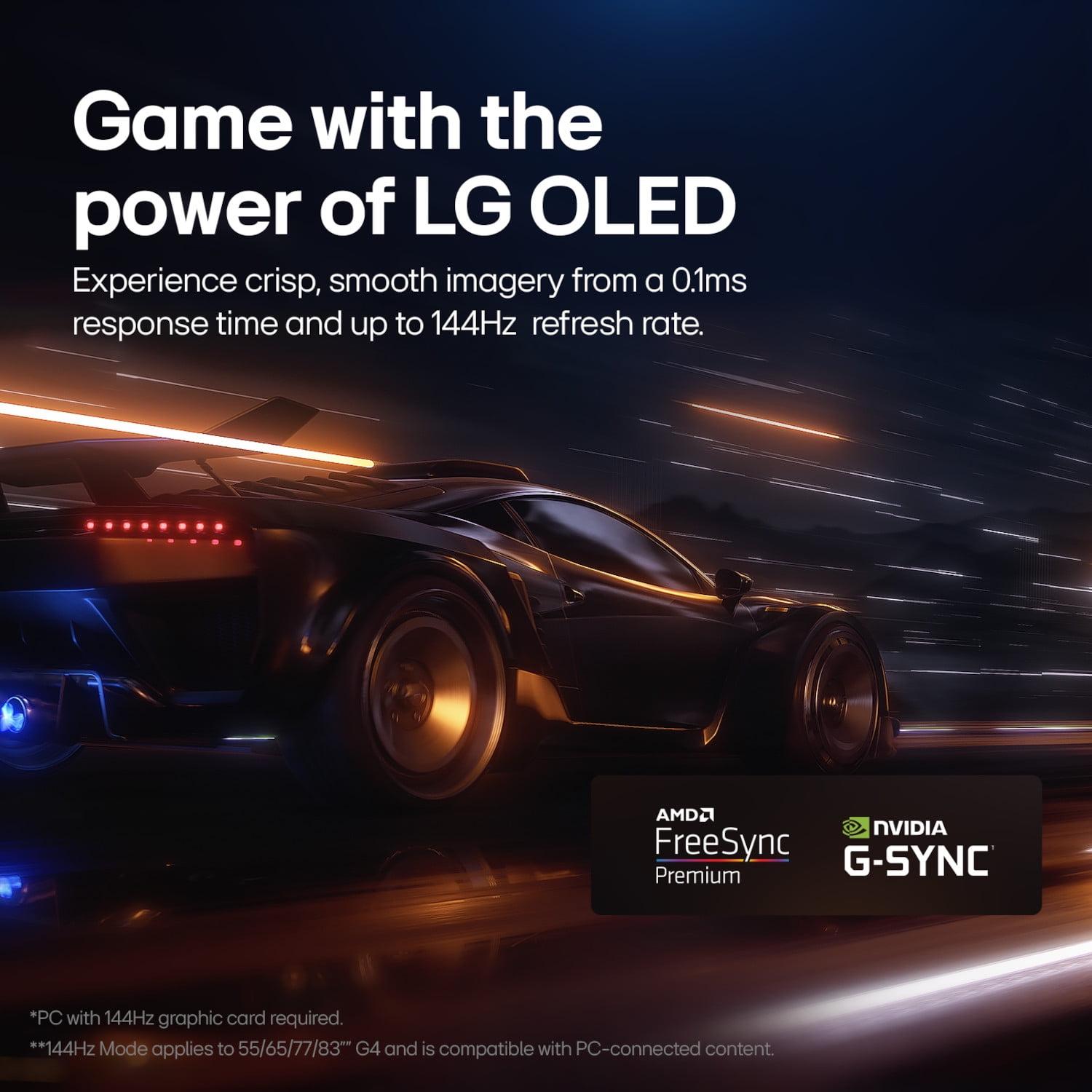
For gaming, the LG G4 takes a clear lead. Its input lag measures just 4.6 milliseconds at 4K 144Hz – that's faster than most dedicated gaming monitors. The response time clocks in at 5.4 milliseconds at 4K 120Hz, which is exceptional for any TV technology.
The Sony BRAVIA 9, while still very good for gaming, shows 9.8 milliseconds of input lag at 4K 120Hz. For casual gaming, this difference won't matter. But if you're serious about competitive gaming or you notice input lag easily, the LG's advantage is measurable and meaningful.
The LG also supports 4K at 144Hz for PC gaming, while the Sony tops out at 120Hz. If you have a high-end gaming PC with a powerful graphics card, the LG can take better advantage of that hardware.
Both TVs support Variable Refresh Rate (VRR), which syncs the TV's refresh rate with your console's frame rate to eliminate screen tearing. The LG supports both NVIDIA G-Sync and AMD FreeSync Premium, while the Sony focuses on console optimization with features like Auto HDR Tone Mapping specifically tuned for PlayStation 5.
One practical advantage of the LG is its four HDMI 2.1 ports compared to Sony's two. If you have multiple gaming consoles plus a PC, the LG offers more flexibility without needing an HDMI switch.
This is where the Sony BRAVIA 9 delivers a genuine surprise. Its 2.2.2 channel system with 70 watts of power includes upfiring beam tweeters positioned in the TV's frame. This creates height effects that actually work, making dialogue and sound effects feel more immersive.
The LG G4's 4.2 channel system with 60 watts is adequate but unremarkable. While it includes AI Sound Pro technology that can virtually up-mix audio to 11.1.2 channels, the built-in speakers lack the physical presence of Sony's implementation.
In my testing, the difference is immediately apparent. The Sony creates a more enveloping soundstage, with better dialogue clarity and more convincing spatial effects. If you're not planning to add a soundbar or surround sound system, the Sony's audio advantage is significant.
However, both TVs support eARC (enhanced Audio Return Channel), so if you do plan to add external audio, this advantage becomes less relevant.
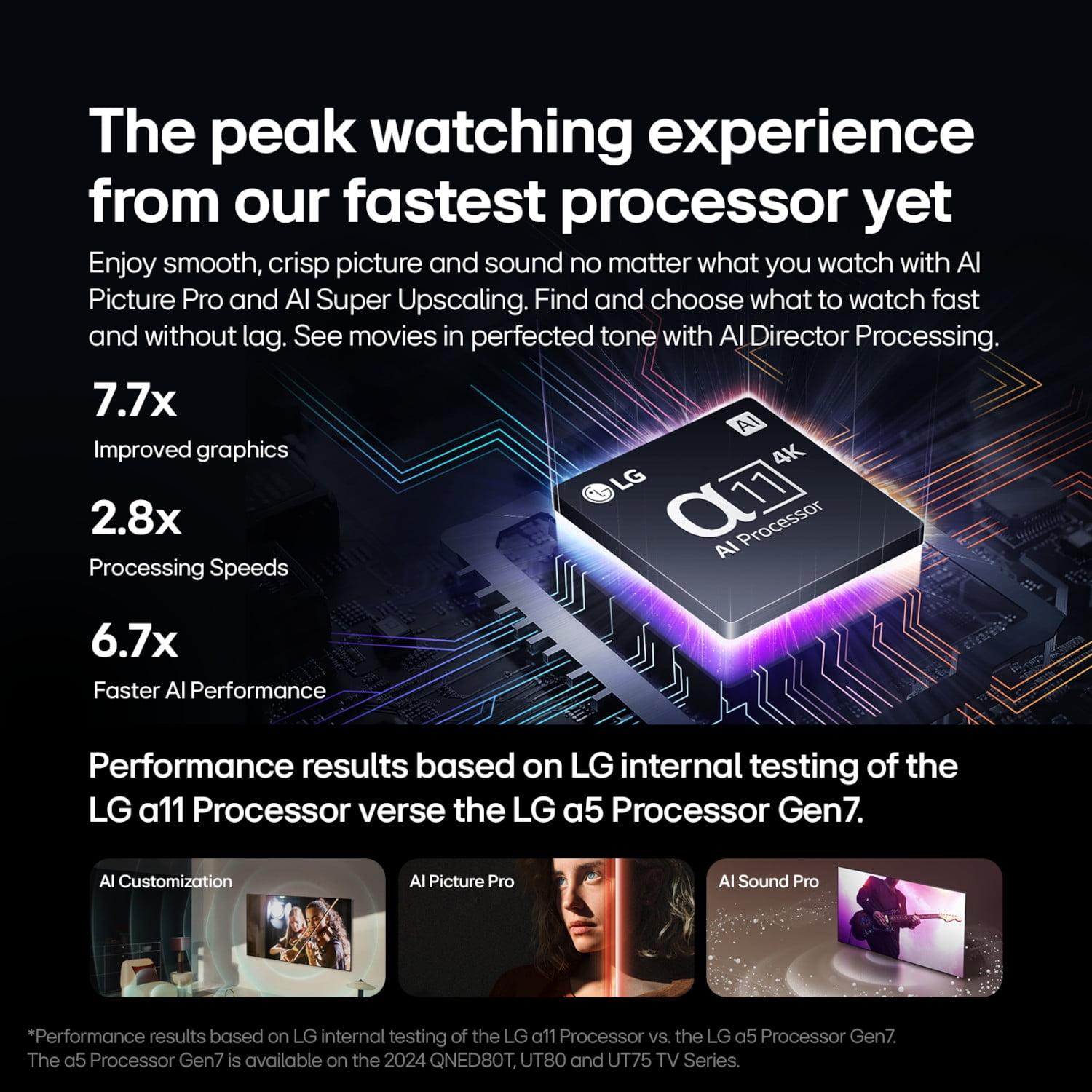
Both TVs launched in 2024 with their manufacturers' latest processors and smart TV platforms. The LG G4 runs webOS 24 powered by the α11 AI Processor, while the Sony uses Google TV with its XR processor.
The LG's processor delivers impressive AI-powered upscaling and picture processing. Its AI Picture Pro and AI Super Upscaling work continuously to enhance lower-resolution content, which is especially valuable given that most streaming content isn't native 4K.
Sony's XR processor focuses on cognitive intelligence – it's designed to process images more like human vision, emphasizing what naturally draws our attention. The XR Motion Clarity technology is particularly effective at reducing motion blur in sports and action content.
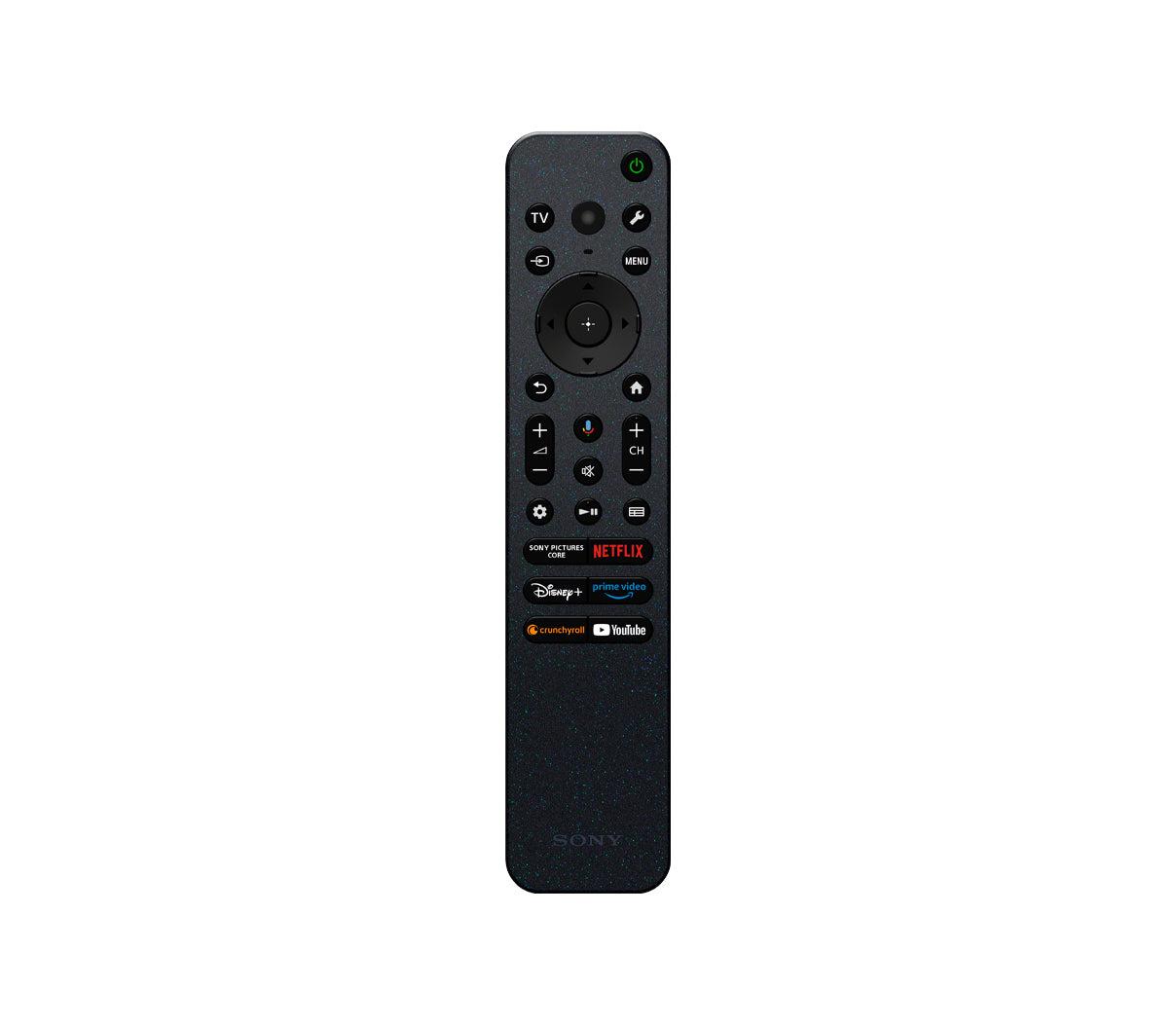
Both smart platforms are mature and capable. Google TV offers a more comprehensive app ecosystem and better integration with Google services. WebOS 24 provides a more customizable interface with features like AI Concierge for personalized recommendations.
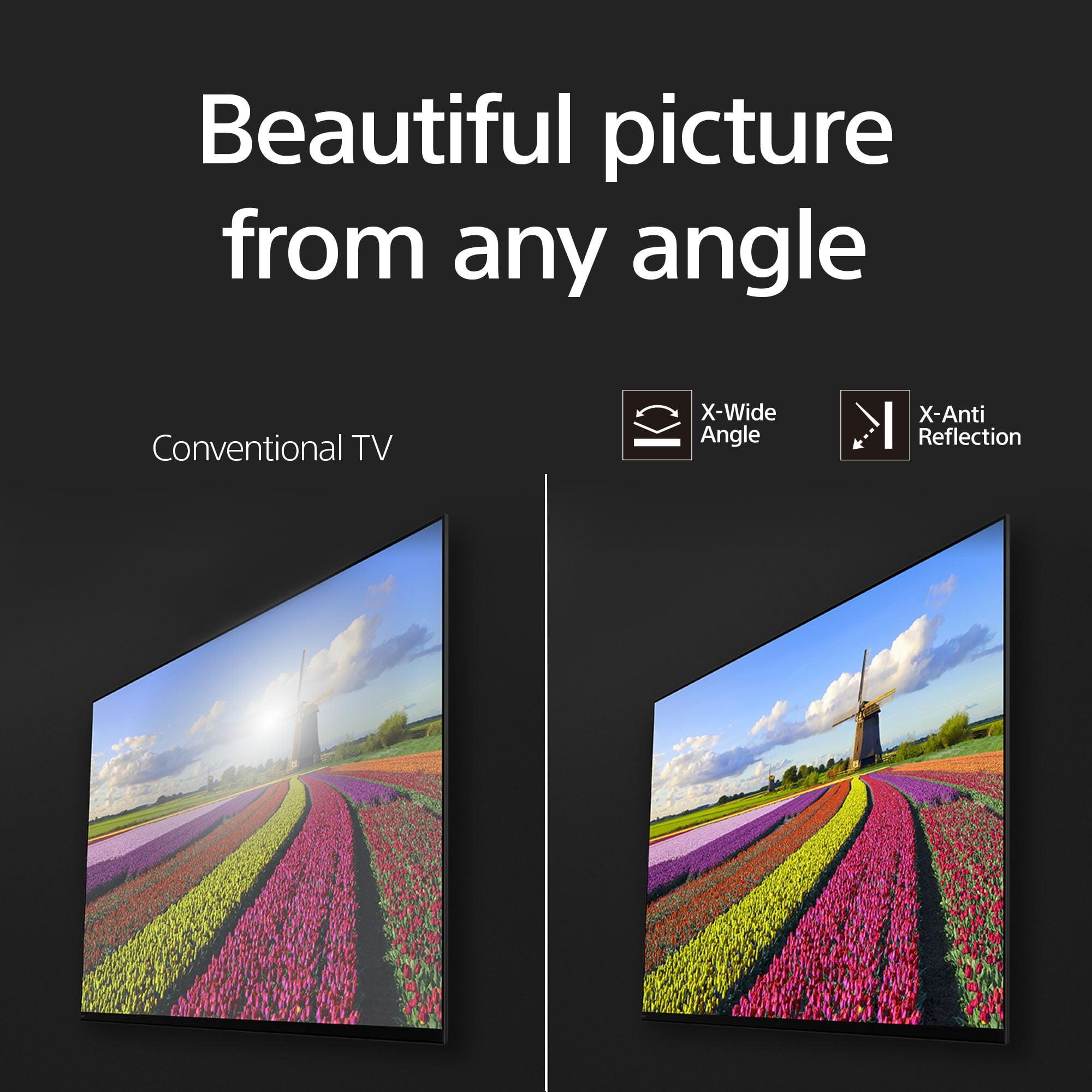
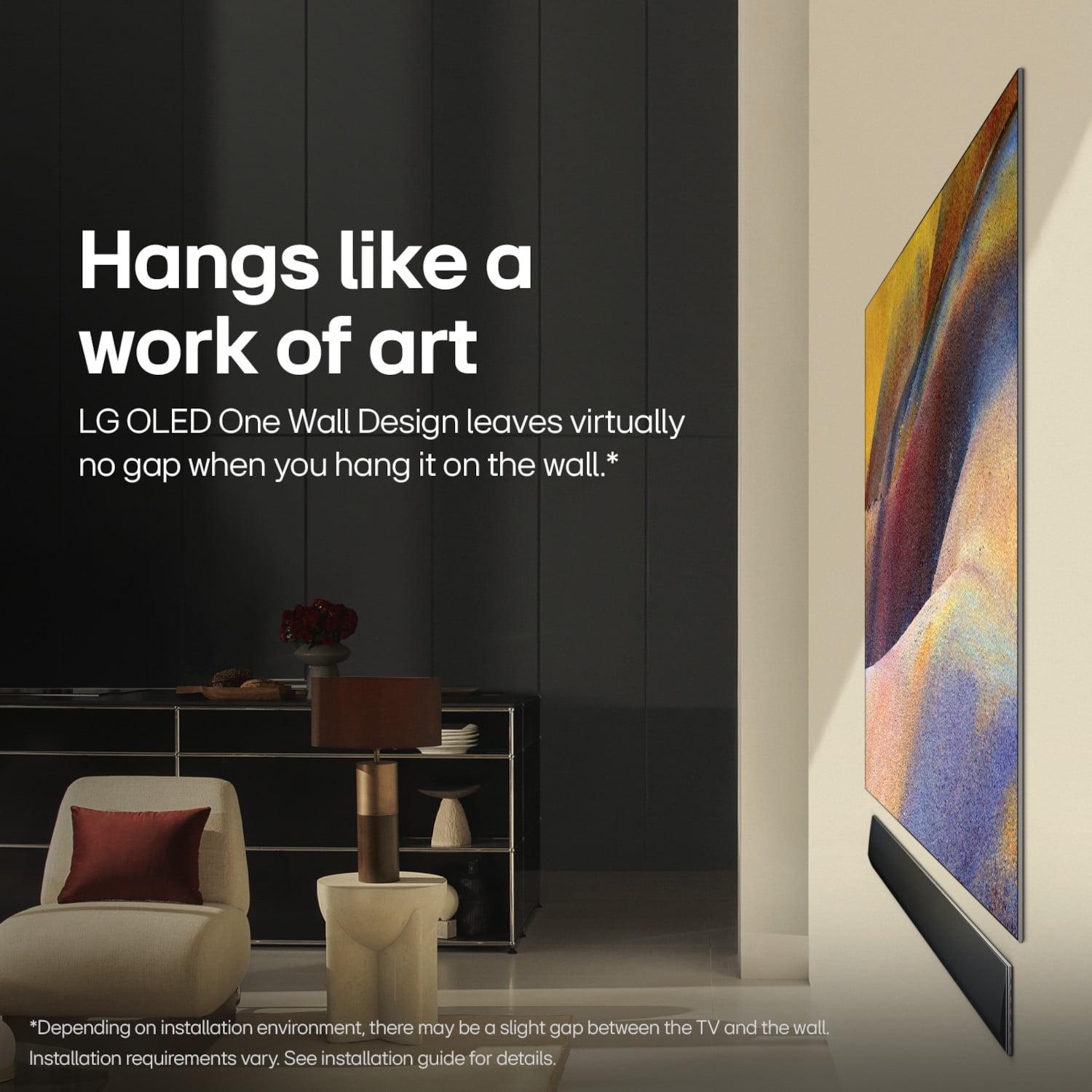
The LG G4 was designed with wall mounting in mind. Its gallery design allows flush mounting that makes the TV look like a piece of art when not in use. The included stand feels almost like an afterthought – it's functional but not particularly elegant.
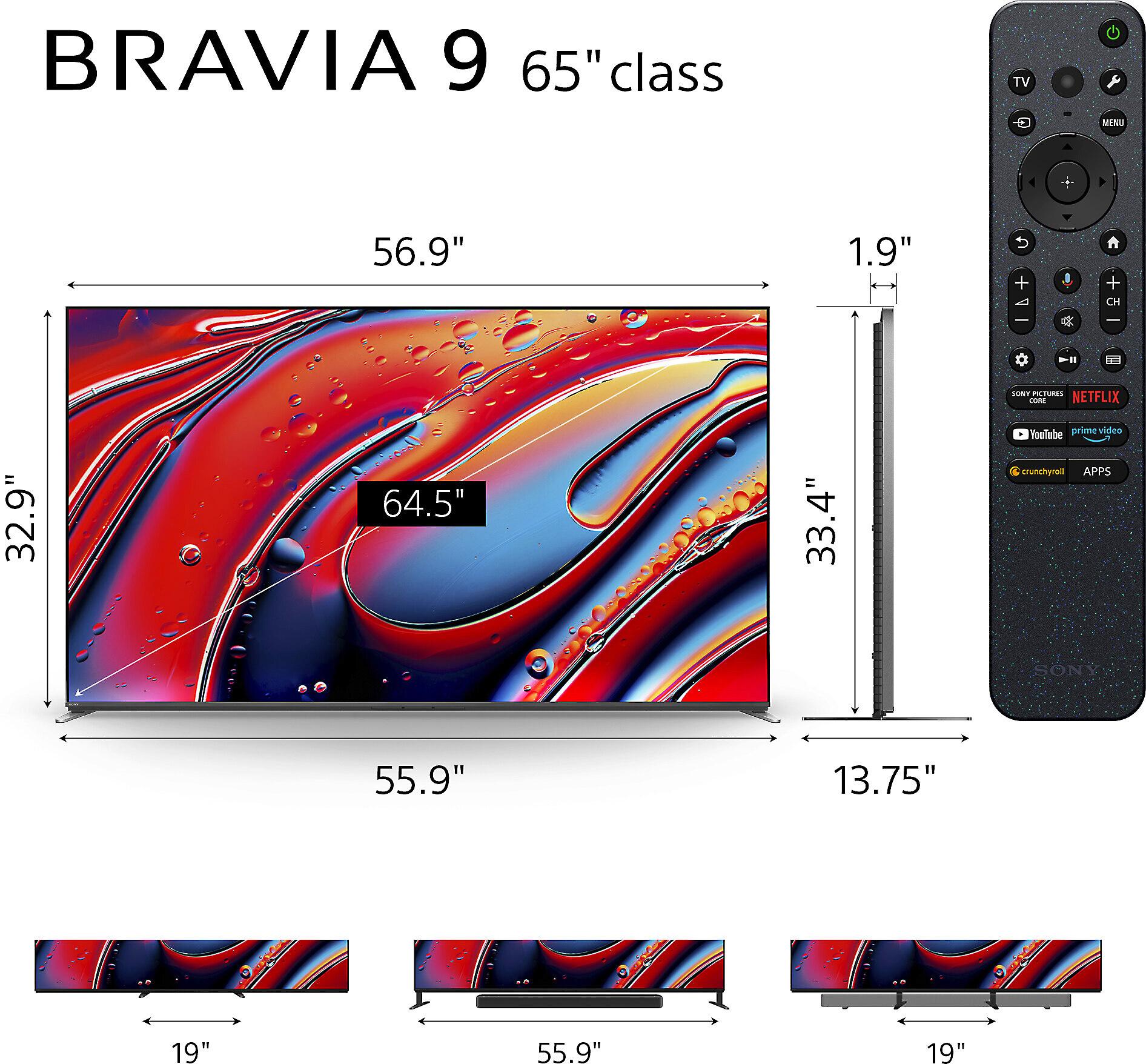
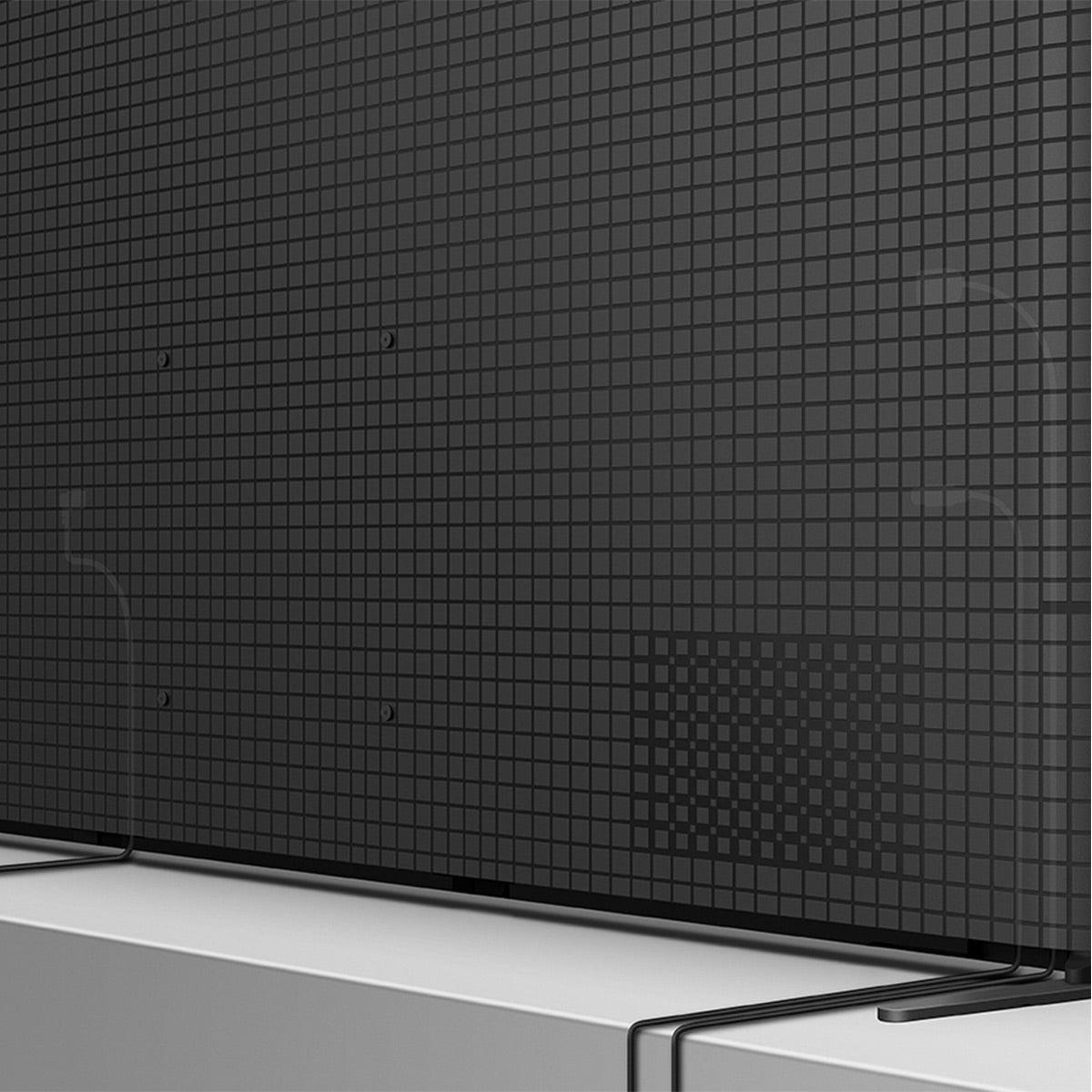
The Sony BRAVIA 9 takes a more traditional approach with a substantial, adjustable stand that can be positioned in four different configurations. This flexibility is genuinely useful – you can adjust the stand width to accommodate different furniture or position it for soundbar placement.
For home theater installations, the LG's flush-mount design creates a cleaner, more premium look. The Sony's design is more practical for everyday use and furniture placement.
At $2,599.99, the LG G4 costs about $100 less than the Sony BRAVIA 9 at $2,698.00. However, the price difference is small enough that performance should drive your decision rather than cost.
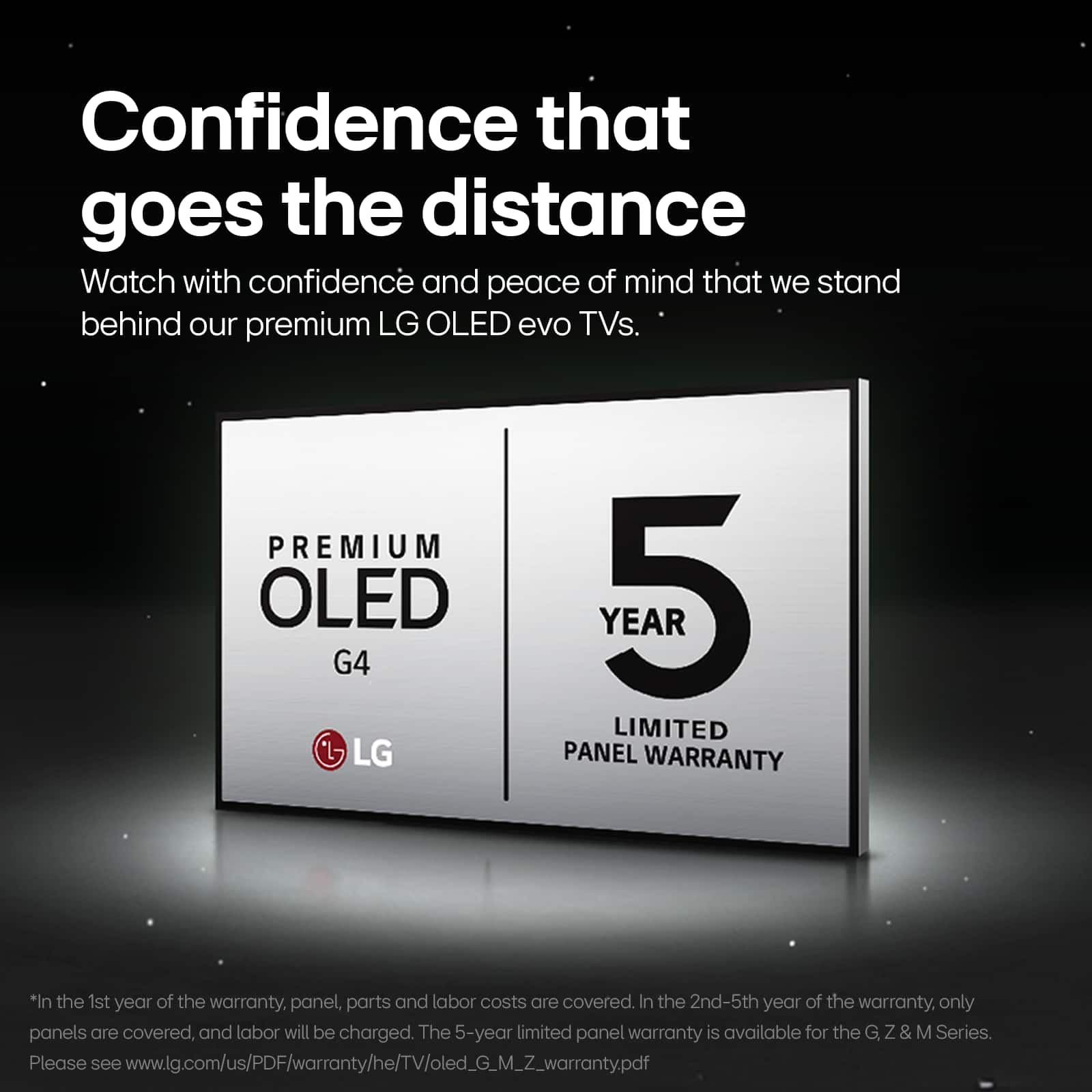
The LG includes a comprehensive 5-year panel warranty that covers burn-in – something that was a major concern with earlier OLED generations. Modern OLED panels are much more resistant to burn-in, but the warranty provides peace of mind.
Mini LED technology doesn't have burn-in concerns, but the Sony comes with a standard warranty. Both TVs should last many years with normal use, but they represent different risk profiles.
Choose the LG G4 OLED if you prioritize the best possible picture quality for movies and TV shows. Its perfect blacks, accurate colors, and excellent gaming performance make it ideal for dark room viewing and serious home theater use. The gallery design is perfect if you want the TV to blend seamlessly into your living space.
Choose the Sony BRAVIA 9 Mini LED if you need maximum brightness for bright room viewing or if you won't be adding external speakers. Its superior built-in audio and exceptional brightness make it more versatile for different room environments and viewing conditions.
For most people, the decision comes down to your room environment and priorities. If you have a dedicated home theater room or typically watch with controlled lighting, the LG's perfect blacks and gaming performance make it the better choice. If you have a bright living room and value convenience features like great built-in audio, the Sony is more practical.
Both TVs represent excellent choices in the premium 65" category. The LG excels at creating the most cinematic experience possible, while the Sony offers better real-world versatility. Your specific needs and room environment should guide your decision more than any single recommendation.
The good news is that either choice will deliver a premium viewing experience that will satisfy for years to come. The difference lies in which strengths matter most for your specific situation.
| LG 65" G4 Series OLED evo 4K UHD Smart TV 2024 | Sony BRAVIA 9 65" 4K UHD Mini LED QLED Smart Google TV |
|---|---|
| Price - Both are premium TVs with similar value propositions | |
| $2,599.99 | $2,698.00 |
| Display Technology - Fundamental difference affecting all picture quality aspects | |
| OLED with self-lit pixels for perfect blacks | Mini LED with thousands of local dimming zones |
| Peak Brightness (SDR) - Critical for bright room viewing and HDR highlights | |
| ~500+ nits (excellent for dark/medium rooms) | ~1,000 nits (Sony's brightest TV ever, ideal for bright rooms) |
| Black Levels - Most important for contrast and dark scene detail | |
| Perfect blacks with infinite contrast ratio | Excellent blacks but cannot achieve true black due to backlighting |
| Gaming Input Lag - Crucial for competitive gaming and responsiveness | |
| 4.6ms at 4K 144Hz (among the best available) | 9.8ms at 4K 120Hz (very good for casual gaming) |
| Maximum Refresh Rate - Important for PC gaming and future-proofing | |
| 144Hz native (supports 4K at 144Hz) | 120Hz maximum (supports 4K at 120Hz) |
| HDMI 2.1 Ports - Needed for next-gen consoles and high-end gaming | |
| 4 ports (maximum flexibility) | 2 ports (adequate for most users) |
| Built-in Audio - Affects whether you need external speakers | |
| 4.2 channel 60W (adequate, external speakers recommended) | 2.2.2 channel 70W with upfiring tweeters (significantly better, may not need soundbar) |
| Smart Platform - Daily user experience and app ecosystem | |
| webOS 24 (customizable, AI features) | Google TV (comprehensive app support, Google integration) |
| Design Philosophy - Installation and aesthetic considerations | |
| Gallery design for flush wall mounting | Traditional TV design with flexible stand options |
| Warranty Coverage - Important for long-term reliability | |
| 5-year panel warranty including burn-in protection | Standard warranty (Mini LED doesn't have burn-in concerns) |
| Color Coverage - Affects color accuracy and vibrancy | |
| Near-perfect DCI P3, excellent accuracy | Wider Rec 2020 coverage, higher color volume due to brightness |
| Best Use Case - Who should choose this TV | |
| Dark room viewing, serious gaming, wall mounting | Bright room viewing, built-in audio priority, flexible placement |
The Sony BRAVIA 9 65" 4K UHD Mini LED QLED Smart Google TV is significantly better for bright rooms, reaching approximately 1,000 nits compared to the LG 65" G4 Series OLED evo 4K UHD Smart TV 2024's 500+ nits. If your living room has large windows or you watch TV during the day, the Sony's extra brightness will maintain better picture quality and color saturation in ambient light.
The LG G4 costs $2,599.99 while the Sony BRAVIA 9 is priced at $2,698.00, making the LG about $100 less expensive. However, this small price difference shouldn't be the deciding factor – focus on which TV's strengths better match your viewing environment and needs.
The LG G4 offers superior gaming performance with 4.6ms input lag at 4K 144Hz compared to the Sony's 9.8ms at 4K 120Hz. The LG also supports 4K at 144Hz for PC gaming and includes four HDMI 2.1 ports versus Sony's two, making it better for serious gamers with multiple consoles.
The Sony BRAVIA 9 has significantly better built-in audio with its 2.2.2 channel system (70W) featuring upfiring tweeters that create height effects. The LG G4's 4.2 channel system (60W) is adequate but unremarkable. If you don't plan to add external speakers, the Sony is the clear winner.
The LG G4 excels in dark rooms thanks to its OLED technology that produces perfect blacks with infinite contrast ratio. This creates superior shadow detail and a more cinematic experience for movies. The Sony's Mini LED technology produces excellent contrast but cannot achieve true blacks due to its backlighting system.
The LG G4 uses OLED technology where each pixel produces its own light and can turn completely off for perfect blacks. The Sony BRAVIA 9 uses Mini LED with thousands of tiny LEDs behind the screen controlled through local dimming zones. This fundamental difference affects brightness, contrast, and overall picture characteristics.
Both TVs offer excellent color performance but in different ways. The LG G4 provides near-perfect DCI P3 coverage with film-accurate colors, while the Sony BRAVIA 9 offers wider Rec 2020 coverage and higher color volume due to its brightness advantage. Choose LG for accuracy, Sony for vibrancy.
Both are excellent for home theaters, but serve different needs. The LG G4 is ideal for dedicated dark home theater rooms with its perfect blacks and gallery wall-mount design. The Sony BRAVIA 9 works better in multi-purpose rooms with ambient light and offers superior built-in audio that may eliminate the need for additional speakers.
Both TVs should last many years with normal use. The LG G4 includes a comprehensive 5-year panel warranty covering burn-in, while the Sony BRAVIA 9 uses Mini LED technology that doesn't have burn-in concerns. Modern OLED panels are much more resistant to burn-in than earlier generations.
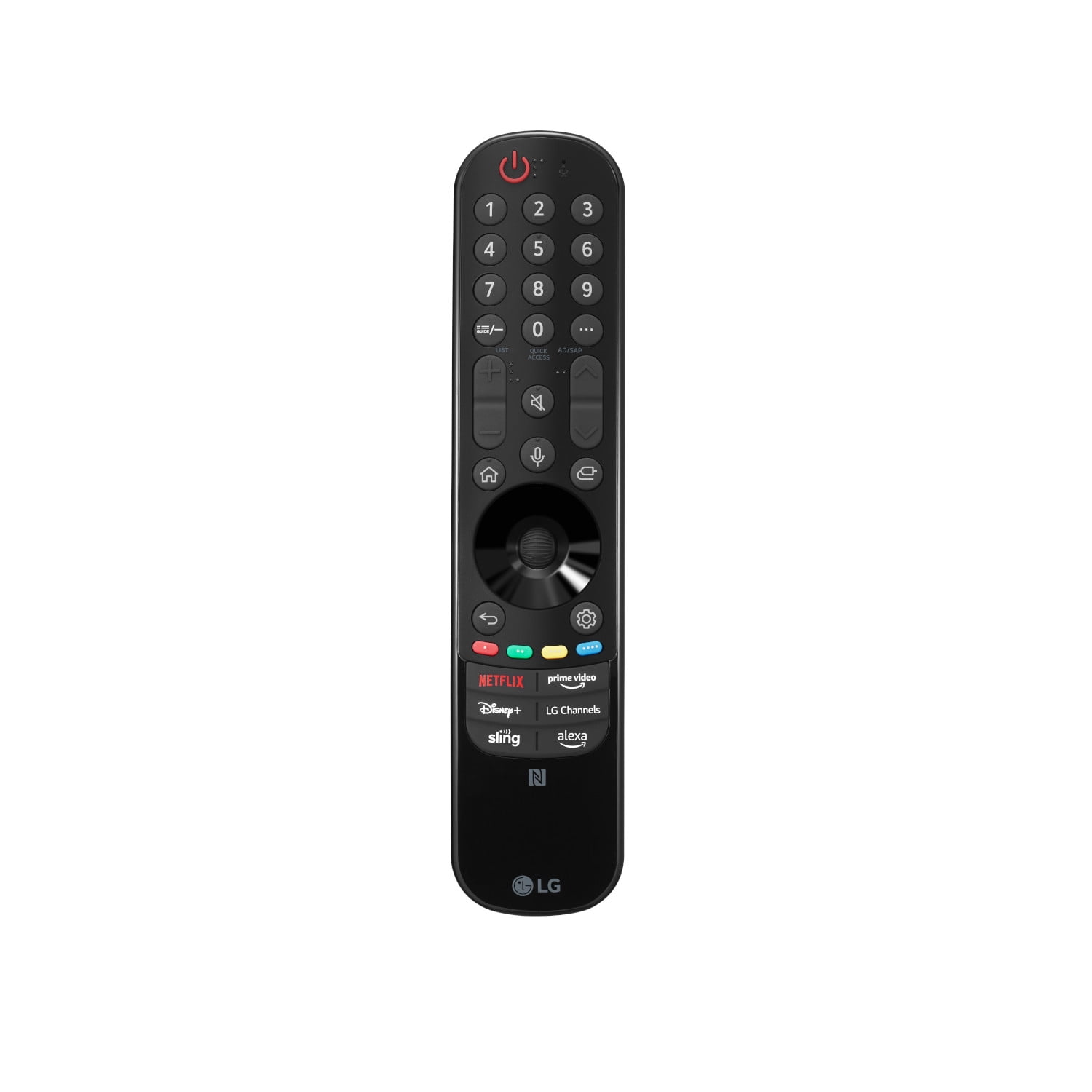
The LG G4 runs webOS 24 with AI features, customizable interface, and voice control. The Sony BRAVIA 9 uses Google TV with comprehensive app support and better Google services integration. Both platforms are mature and capable, so choose based on your preference for customization (LG) or app ecosystem (Sony).
The LG G4 is designed for flush wall mounting with a gallery-style appearance when not in use, though it includes a basic stand. The Sony BRAVIA 9 offers more flexibility with an adjustable stand that can be positioned in four different configurations, making it better for furniture placement and everyday use.
Choose the LG G4 if you prioritize perfect picture quality for dark room viewing, serious gaming performance, or wall-mounted installation. Choose the Sony BRAVIA 9 if you need maximum brightness for bright rooms, prefer better built-in audio, or want more flexible placement options. Both represent excellent value in the premium 65" TV category.
We've done our best to create useful and informative comparisons to help you decide what product to buy. Our research uses advanced automated methods to create this comparison and perfection is not possible - please contact us for corrections or questions. These are the sites we've researched in the creation of this article: hometechnologyreview.com - hometechnologyreview.com - whathifi.com - hometechnologyreview.com - youtube.com - tomsguide.com - tomsguide.com - smarthomesounds.co.uk - rtings.com - rtings.com - bhphotovideo.com - youtube.com - schaeferstv.com - bestbuy.com - costco.com - lg.com - lg.com - shopsilica.com - bestbuy.com - techradar.com - bestbuy.com - bestbuy.com - lg.com - lgnewsroom.com - bestbuy.com - bestbuy.com - youtube.com - whathifi.com - crutchfield.com - rtings.com - pcrichard.com - merlinstv.com - youtube.com - sony.ca - electronics.sony.com

Privacy Policy
Terms and Conditions - Affiliate Policy
Home Security
© Copyright 2008-2026.
11816 Inwood Rd #1211, Dallas, TX 75244