

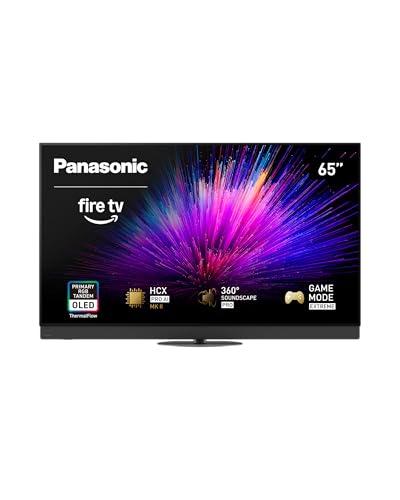
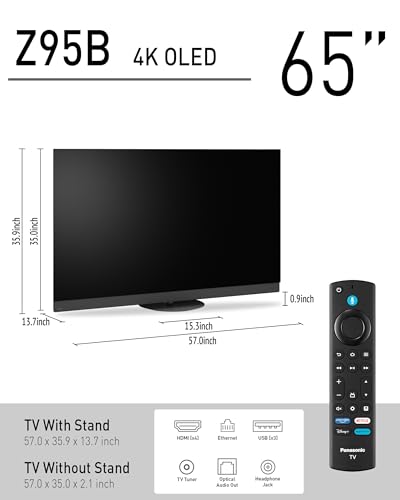
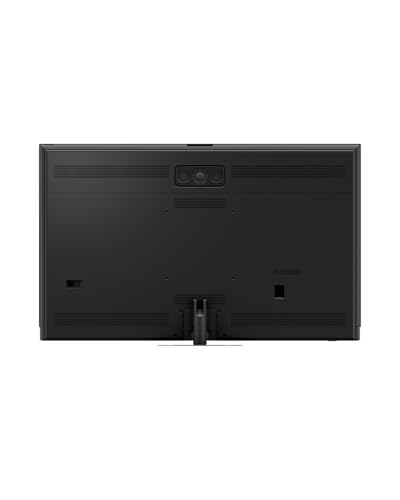

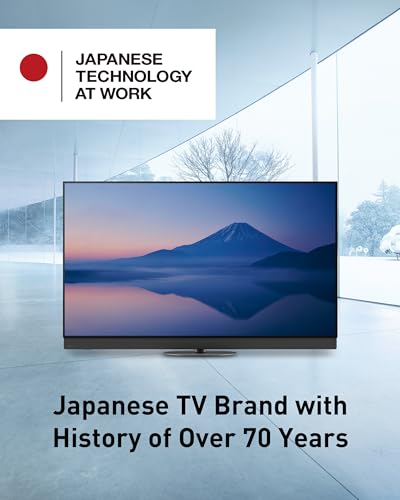
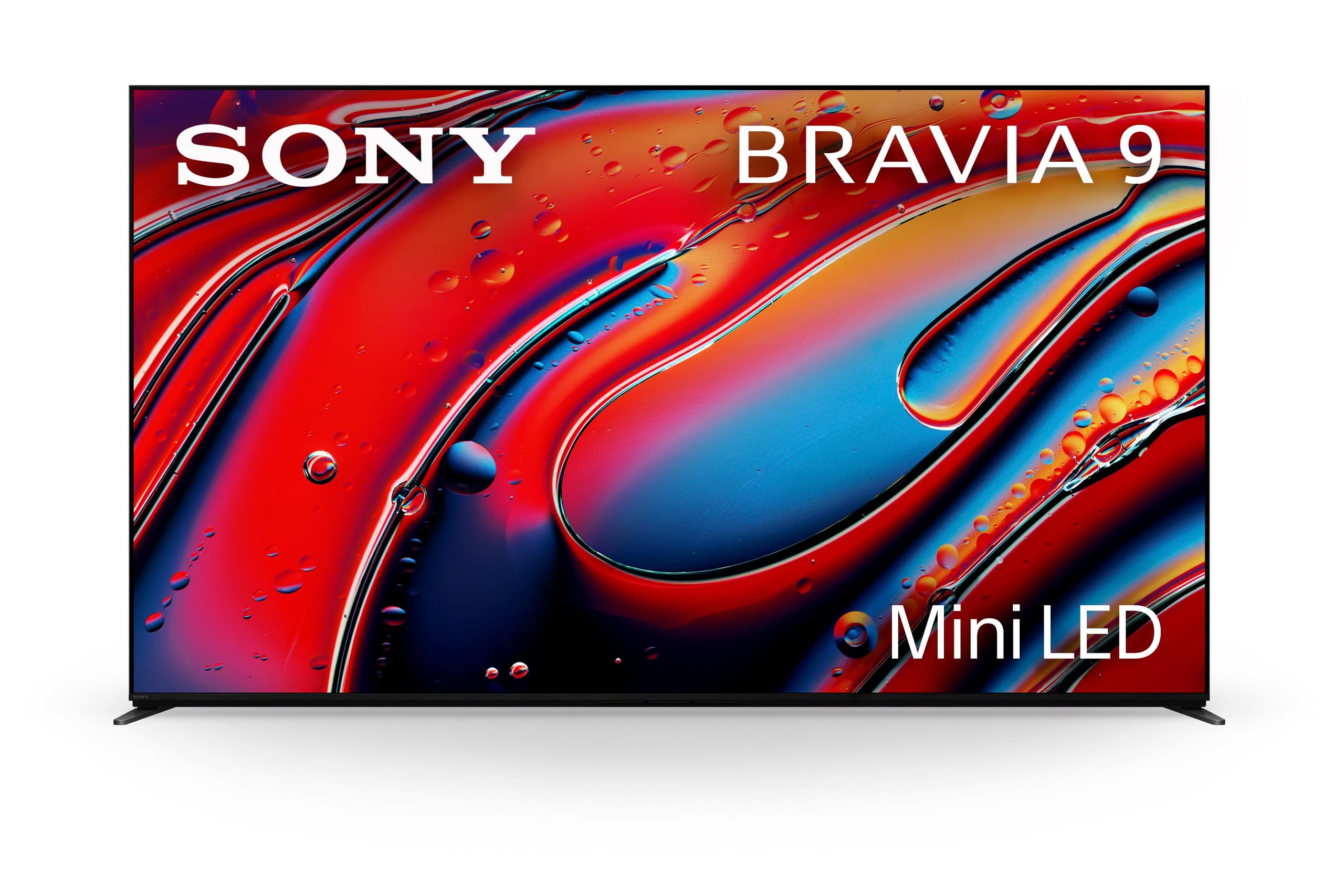
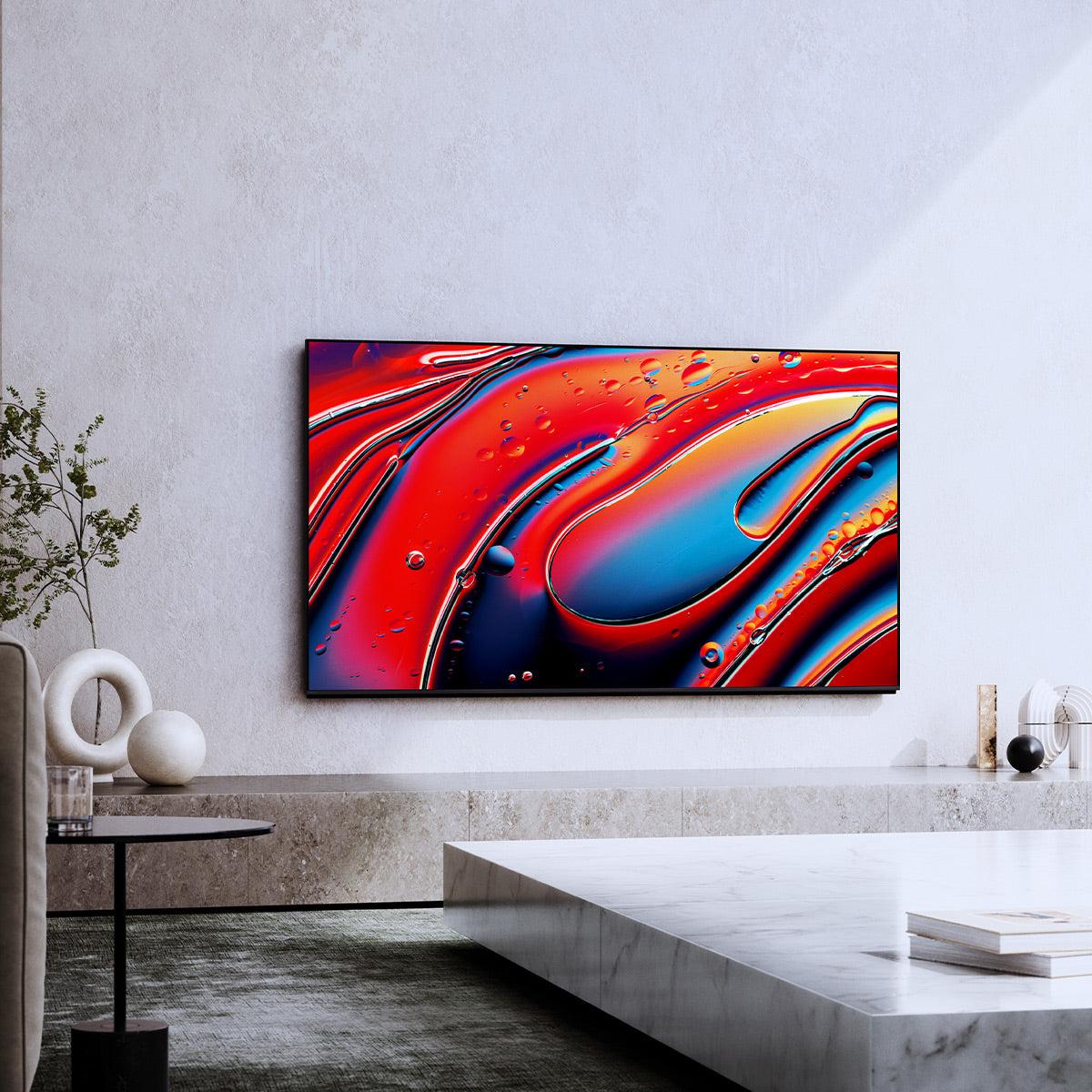
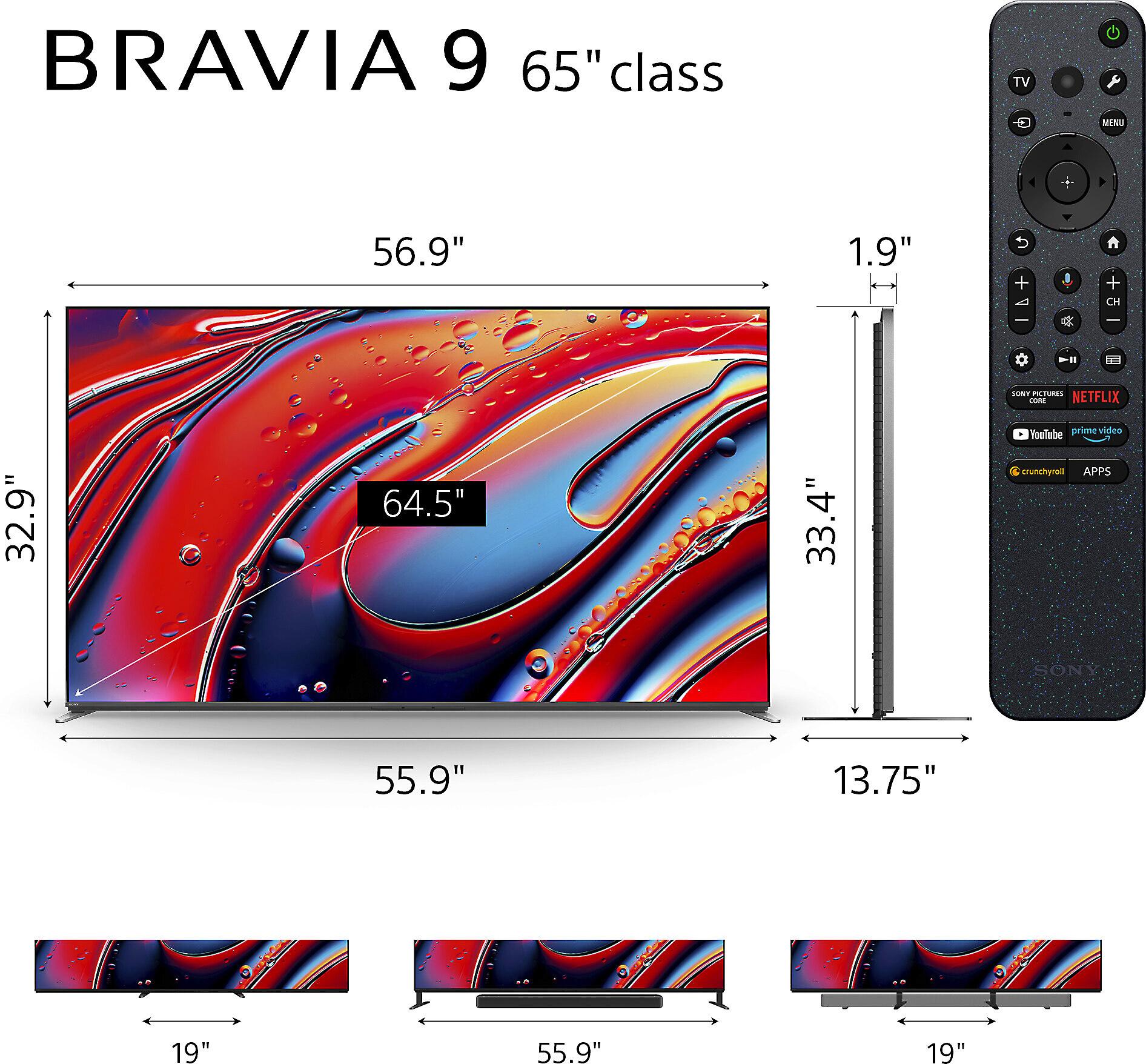
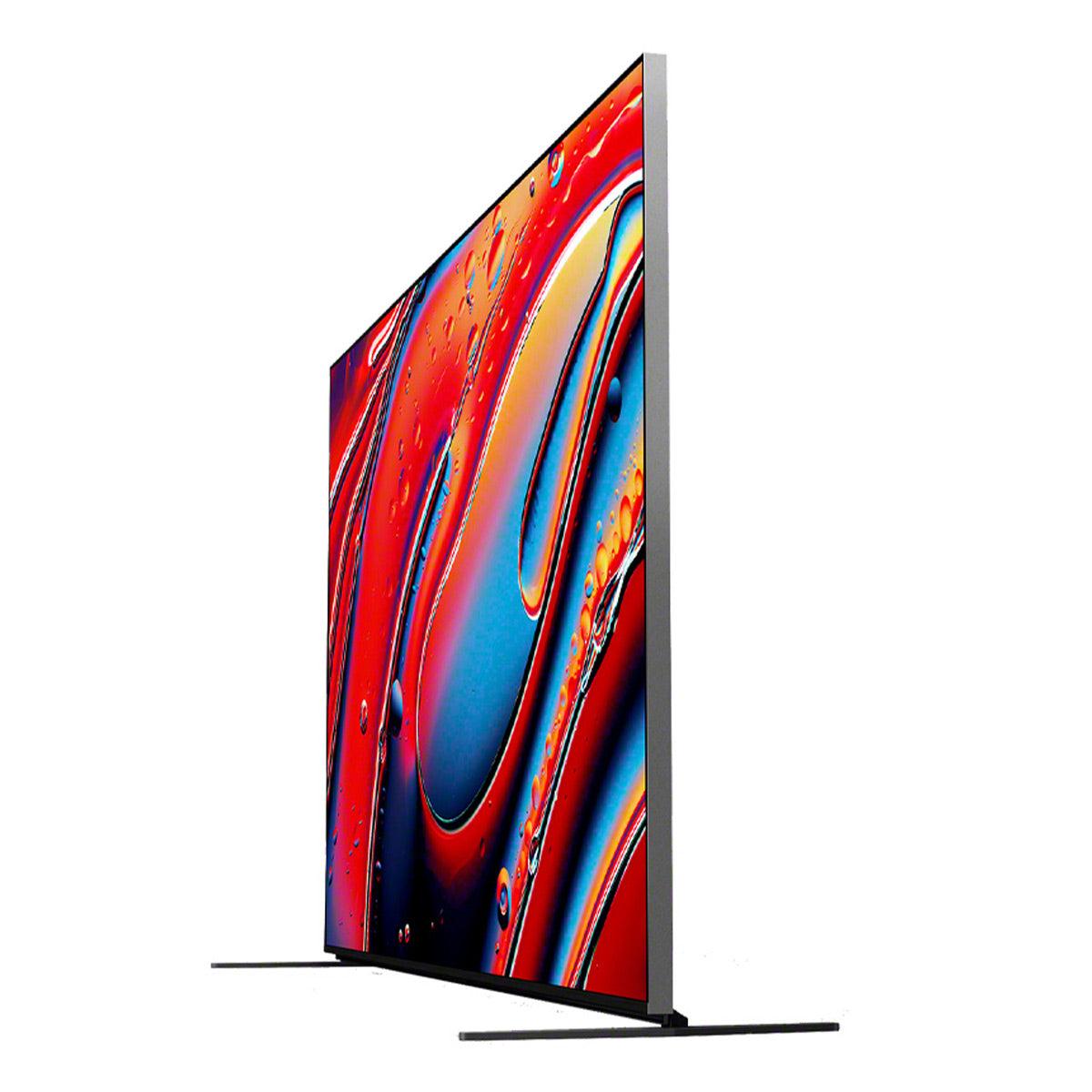
The premium TV market has reached an exciting crossroads. Two fundamentally different display technologies are battling for supremacy in living rooms across the world: OLED and Mini LED. If you're shopping for a high-end 65-inch TV, you've likely encountered the Panasonic Z95B Series OLED and the Sony BRAVIA 9 Mini LED – two flagship models that represent the best of each technology.
Understanding the differences between these approaches isn't just about specs on paper. It's about choosing the right technology for how you actually watch TV, where your TV sits in your room, and what you value most in your viewing experience.
Before diving into specific models, it's crucial to understand what makes OLED and Mini LED fundamentally different. OLED (Organic Light-Emitting Diode) displays create light at each individual pixel. When a pixel needs to be black, it simply turns off completely – no light, perfect darkness. This creates what we call "infinite contrast" because the difference between the brightest white and darkest black is mathematically infinite.
Mini LED takes a different approach. It uses thousands of tiny LED lights behind a traditional LCD panel, controlling them in zones to create bright and dark areas. Think of it like having thousands of little flashlights that can dim or brighten independently behind your TV screen. This allows for exceptional brightness while still maintaining good contrast control, though it can't achieve the perfect blacks of OLED.
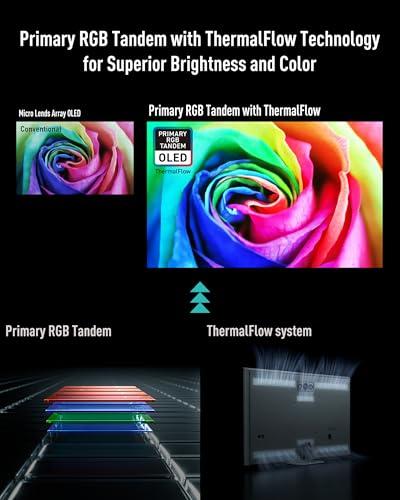
The Panasonic Z95B, released in 2025, represents the cutting edge of OLED technology with its Primary RGB Tandem panel. This isn't your typical OLED – it stacks four OLED layers (one red, one green, and two blue) to achieve significantly higher brightness than previous OLED generations. The Sony BRAVIA 9, launched in 2024, showcases Sony's most advanced Mini LED implementation with what they claim are the smallest LED controllers on the market.
When you're watching a movie with dark scenes – think space battles in Star Wars or dimly lit thriller sequences – the differences between these technologies become immediately apparent. The Panasonic Z95B delivers those perfect, inky blacks that make stars in space truly pop against the darkness. There's no light bleeding from other parts of the screen, no subtle glow around bright objects – just pure darkness where darkness should be.
The Sony BRAVIA 9, while impressive, faces the inherent challenge of all backlit displays: achieving deep blacks while maintaining bright highlights. Sony's XR Backlight Master Drive does an admirable job controlling thousands of Mini LEDs to minimize "blooming" (that subtle halo effect around bright objects), but it's physically impossible to match OLED's perfect blacks.
However, this doesn't mean Mini LED is inferior – it's just different. In practice, the Sony BRAVIA 9 delivers exceptionally controlled local dimming with minimal blooming that most viewers won't notice in typical viewing conditions.
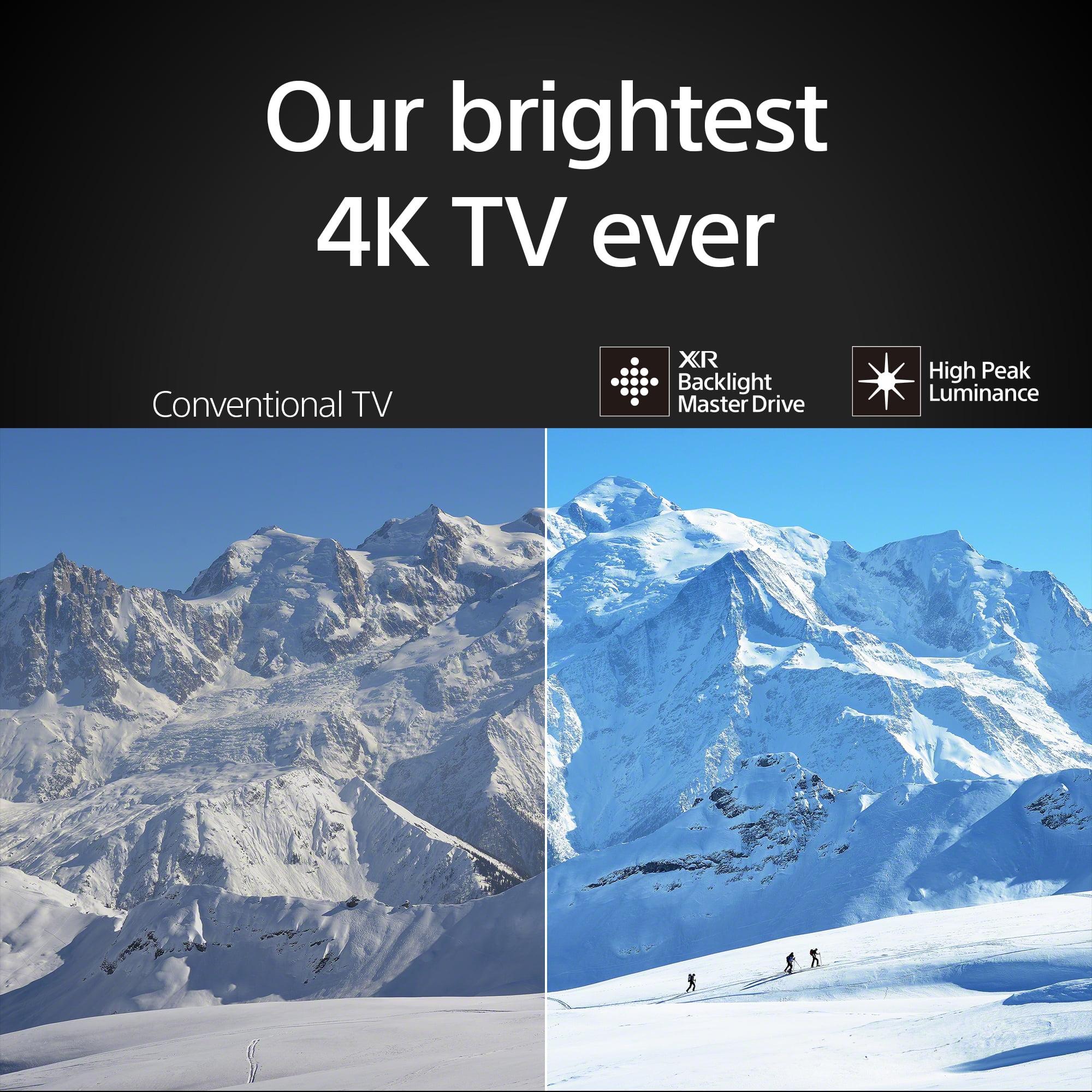
Here's where the tables turn dramatically. The Sony BRAVIA 9 is Sony's brightest 4K TV ever, delivering peak brightness levels that make HDR content truly spectacular. When you're watching a sunset scene or explosive action sequences, those bright highlights have an intensity that can be genuinely stunning.
The Panasonic Z95B addresses OLED's traditional brightness limitations with its innovative Tandem OLED structure and ThermalFlow cooling system. This aerodynamic cooling approach, inspired by thermal management techniques, allows the TV to sustain higher brightness levels without the thermal limitations that have historically held OLED back. The four-layer panel structure increases light efficiency by 40% compared to previous generation OLEDs.
But even with these improvements, physics is physics. The Sony BRAVIA 9 will consistently deliver brighter highlights, making it particularly compelling for bright room viewing or HDR content mastered at very high brightness levels.
Both TVs excel at color reproduction but take different paths to get there. The Panasonic Z95B benefits from its RGB Tandem panel structure, which improves color volume – essentially how vivid colors can be at different brightness levels. This addresses a criticism of some previous OLED panels that could look washed out in brighter scenes.
The Sony BRAVIA 9 uses quantum dot technology (the "Q" in QLED) combined with Sony's XR Triluminos Pro processing to deliver wide color gamuts with excellent accuracy. Our research into professional reviews consistently highlights Sony's superior color processing and upscaling capabilities.
For HDR format support, the Panasonic Z95B takes the lead with comprehensive support for HDR10, HDR10+, Dolby Vision, and HLG. The Sony BRAVIA 9 supports everything except HDR10+, which isn't a deal-breaker for most content but does represent a gap in future-proofing.
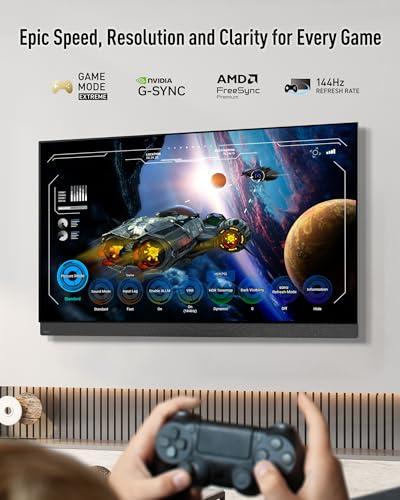
If gaming is important to you, the differences between these TVs become particularly significant. The Panasonic Z95B features a native 144Hz panel that supports 4K gaming at 144 frames per second – a specification that's currently beyond what any console can deliver but perfect for high-end PC gaming.
This higher refresh rate isn't just about bragging rights. When paired with a capable graphics card, games become incredibly smooth and responsive. The TV also supports both AMD FreeSync Premium and NVIDIA G-SYNC Compatible technologies, ensuring smooth gameplay regardless of your graphics card choice.
The Sony BRAVIA 9 maxes out at 120Hz, which is perfectly adequate for PlayStation 5 and Xbox Series X gaming. Sony has optimized the TV specifically for PS5 with Auto HDR Tone Mapping, creating a seamless gaming experience with Sony's console.
Both TVs offer ultra-low input lag in their gaming modes, but the Panasonic Z95B edges ahead with its Game Mode Extreme, delivering near-instantaneous response times that competitive gamers will appreciate.
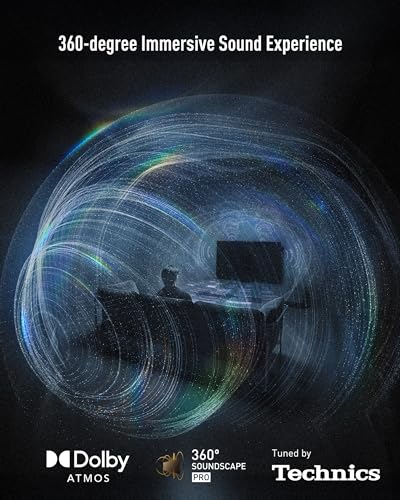
Here's where the Panasonic Z95B truly distinguishes itself. The TV includes a massive 170-watt, 5.1.2-channel speaker system called "360° Soundscape Pro," tuned by Technics. This isn't typical TV audio – it's a legitimate surround sound system built into the display.
The system includes up-firing speakers for Dolby Atmos effects, side-firing speakers for width, and a redesigned line array for the front soundstage. In smaller rooms, this audio system might genuinely eliminate your need for a separate soundbar, representing significant additional value.
The Sony BRAVIA 9 offers a respectable 70-watt, 2.2.2-channel system with Acoustic Multi-Audio+ technology. While good for built-in TV audio, it's less than half the power output of the Panasonic system and lacks the sophisticated multi-driver arrangement.
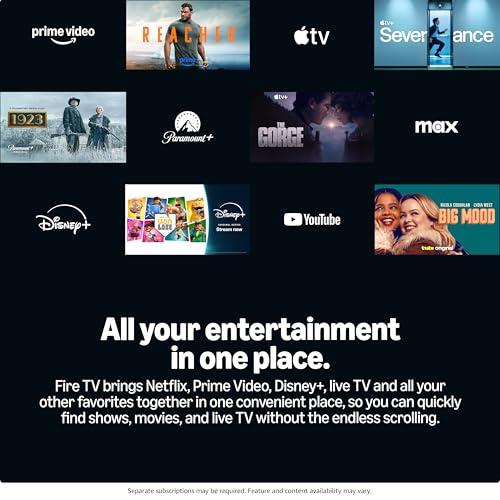
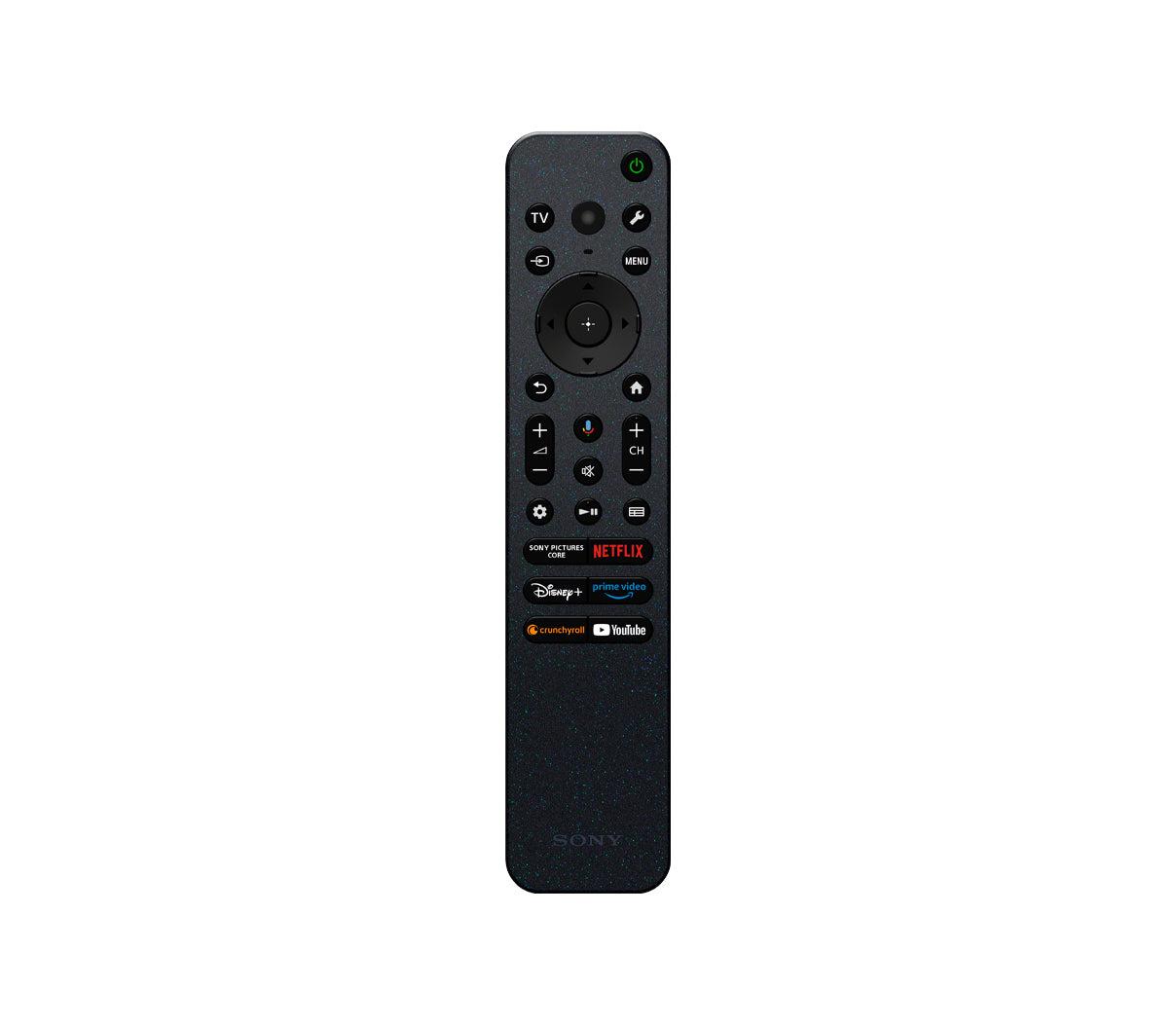
Your smart TV interface is what you interact with every time you turn on your TV, so platform preference matters more than you might think. The Sony BRAVIA 9 runs Google TV, which our research consistently shows users prefer for its clean interface, smooth operation, and minimal advertising intrusion.
Google TV excels at content discovery, integrating your streaming subscriptions into a unified interface that makes finding something to watch genuinely easier. The platform receives regular updates and supports virtually every streaming service you might want.
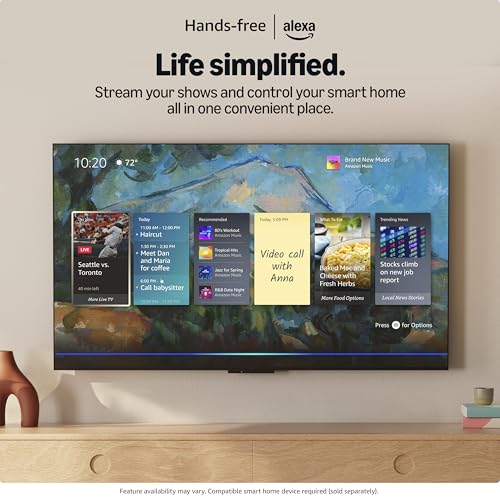
The Panasonic Z95B uses Amazon's Fire TV OS with built-in Alexa voice control. While functional and offering access to all major streaming services, Fire TV tends to be more advertising-heavy and can feel less polished than Google TV. However, if you're deeply invested in the Amazon ecosystem, the integration can be valuable.
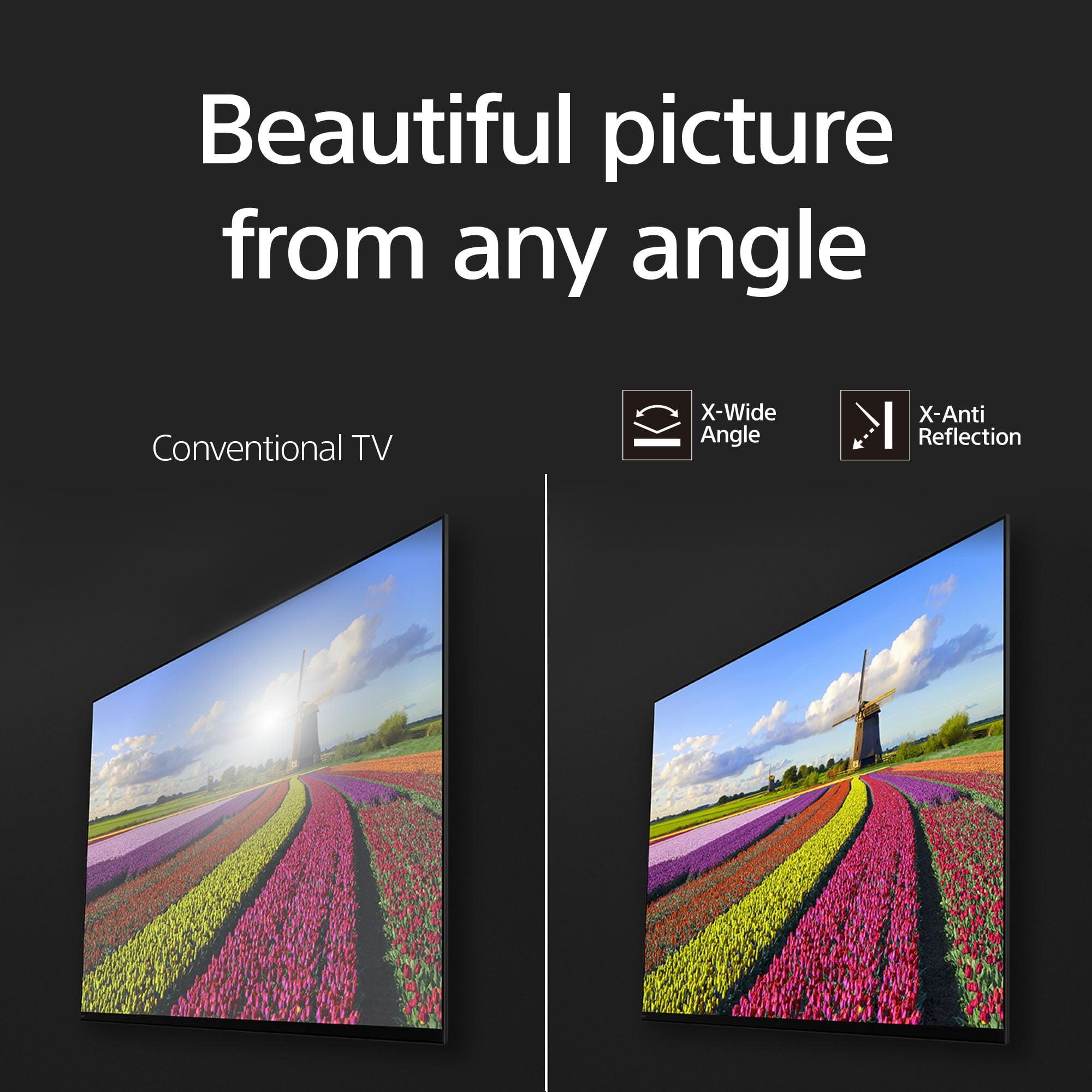
If your TV sits in a living room with large windows or lots of ambient lighting, the Sony BRAVIA 9 has a clear advantage. Its superior peak brightness cuts through ambient light more effectively, maintaining picture quality even in challenging lighting conditions. Sony's X-Anti Reflection and X-Wide Angle technologies further enhance viewing in bright rooms.
The Panasonic Z95B, while significantly brighter than previous OLED generations, still works best in controlled lighting environments where you can take advantage of its perfect blacks and infinite contrast.
For dedicated home theater environments, the Panasonic Z95B is truly spectacular. Those perfect blacks create an immersive experience that draws you into the content in a way that's hard to describe until you've experienced it. The wide viewing angles mean everyone in the room gets an excellent picture, regardless of seating position.
The comprehensive HDR format support, including both Dolby Vision and HDR10+, ensures compatibility with virtually any content you throw at it. The superior built-in audio system also means you might be able to skip the complex surround sound setup that many home theater enthusiasts assume is necessary.
At the time of writing, there's a significant price difference between these models, with the Sony BRAVIA 9 offering substantial savings over the Panasonic Z95B. This price gap reflects not just different technologies, but different release timelines – the Sony represents 2024 flagship technology that's proven itself, while the Panasonic showcases cutting-edge 2025 innovations.
The Sony BRAVIA 9 delivers exceptional value by offering flagship-tier performance at a more accessible price point. It's a TV that requires minimal setup or calibration to deliver outstanding results right out of the box.
The Panasonic Z95B commands a premium for its advanced technology and comprehensive feature set. The superior audio system alone represents significant additional value if it eliminates your need for a soundbar. The 144Hz gaming capability also provides future-proofing for PC gaming enthusiasts.
The Panasonic Z95B includes support for professional calibration tools like Calman and ISFccc, appealing to enthusiasts who want to extract every ounce of performance from their display. However, our research suggests this TV requires more calibration effort to reach its full potential.
The Sony BRAVIA 9 delivers excellent out-of-box performance with minimal adjustment needed. Sony's processing is specifically designed to match their professional mastering monitors used in post-production, creating consistency from studio to living room.
Choose the Panasonic Z95B if you're building a dedicated home theater or primarily watch TV in controlled lighting conditions. The perfect blacks, comprehensive audio system, and 144Hz gaming capability justify the premium for enthusiasts who want the absolute best OLED experience. It's particularly compelling if you're a PC gamer or audiophile who values the integrated sound system.
The Sony BRAVIA 9 is the smarter choice for most buyers. It excels in bright rooms, offers proven reliability, and delivers flagship performance at a more reasonable price point. The superior smart TV platform and out-of-box performance make it an excellent choice for anyone who wants premium quality without the complexity.
From a future-proofing perspective, both TVs will serve you well for many years. The Panasonic Z95B offers more advanced gaming specs and comprehensive HDR support, while the Sony BRAVIA 9 provides established technology with proven longevity.
Ultimately, your choice comes down to your viewing environment, gaming preferences, and value priorities. Both represent the pinnacle of their respective technologies – it's simply a matter of which approach better matches your specific needs and preferences.
The TV market continues to evolve rapidly, but both the Panasonic Z95B and Sony BRAVIA 9 represent thoughtful implementations of mature technologies that will deliver excellent performance for years to come. Choose based on your room, your usage patterns, and your budget – you'll be happy with either decision.
| Panasonic Z95B Series 65" OLED 4K Smart Fire TV | Sony BRAVIA 9 65" 4K UHD Mini LED QLED Smart Google TV |
|---|---|
| Display Technology - Fundamental difference affecting contrast and brightness | |
| Primary RGB Tandem OLED (4-layer panel with perfect blacks) | Mini LED QLED (thousands of LED zones with exceptional brightness) |
| Peak Brightness - Critical for HDR content and bright room viewing | |
| High brightness via tandem structure + cooling (good for most content) | Sony's brightest 4K TV ever (excellent for bright rooms and HDR) |
| Gaming Refresh Rate - Important for PC gaming and future consoles | |
| 144Hz native (ideal for high-end PC gaming) | 120Hz (perfect for PS5/Xbox, adequate for most gamers) |
| Audio System - Determines if you need a separate soundbar | |
| 170W 5.1.2-channel Technics-tuned system (may replace soundbar) | 70W 2.2.2-channel system (good but likely needs soundbar upgrade) |
| HDR Format Support - Affects compatibility with streaming content | |
| HDR10, HDR10+, Dolby Vision, HLG (comprehensive future-proofing) | HDR10, Dolby Vision, HLG (missing HDR10+ but covers most content) |
| Smart TV Platform - Your daily interface experience | |
| Fire TV OS with Alexa (functional but ad-heavy) | Google TV (cleaner interface, better user experience) |
| HDMI 2.1 Ports - Needed for 4K gaming and high-bandwidth devices | |
| 2 ports with 48Gbps (standard for flagship TVs) | 2 ports with VRR support (matches console gaming needs) |
| Contrast Performance - Most noticeable in dark scenes | |
| Perfect infinite contrast with no blooming (unmatched in dark rooms) | Excellent local dimming with minimal blooming (very good but not perfect) |
| Room Lighting Suitability - Where each TV performs best | |
| Optimal in controlled/dark environments (home theater ideal) | Excels in bright rooms, good in all lighting conditions |
| Setup and Calibration - How much work to get optimal performance | |
| Professional calibration recommended for best results | Excellent out-of-box performance, minimal adjustment needed |
| Gaming VRR Support - Prevents screen tearing during gaming | |
| AMD FreeSync Premium + NVIDIA G-SYNC Compatible | VRR support optimized for PS5 with Auto HDR Tone Mapping |
| Release Year and Technology Maturity | |
| 2025 model with cutting-edge tandem OLED (newest tech) | 2024 model with proven Mini LED technology (established reliability) |
The Panasonic Z95B OLED is significantly better for dark room viewing thanks to its perfect black levels and infinite contrast ratio. Each pixel can turn completely off, creating true darkness that makes the Panasonic Z95B ideal for home theater environments. The Sony BRAVIA 9 Mini LED performs well in dark rooms but cannot match OLED's perfect blacks due to its backlit design.
The Sony BRAVIA 9 Mini LED delivers significantly higher peak brightness, making it Sony's brightest 4K TV ever. This superior brightness makes HDR highlights more impactful and provides better performance in bright rooms. While the Panasonic Z95B OLED offers improved brightness over previous OLED generations through its tandem panel design, it still cannot match the peak brightness capabilities of the Sony BRAVIA 9.
The Panasonic Z95B OLED offers superior gaming performance with its 144Hz refresh rate, supporting 4K gaming at 144fps for high-end PC gaming. It includes both AMD FreeSync Premium and NVIDIA G-SYNC compatibility. The Sony BRAVIA 9 Mini LED maxes out at 120Hz, which is perfect for PlayStation 5 and Xbox Series X gaming. For console gamers, both TVs are excellent, but PC gamers will prefer the Panasonic Z95B.
The Sony BRAVIA 9 uses Google TV, which is generally preferred for its clean interface, smooth performance, and minimal advertising. The Panasonic Z95B runs Fire TV OS with built-in Alexa, which is functional but tends to be more ad-heavy. Most users find Google TV on the Sony BRAVIA 9 more intuitive and responsive for daily use.
The Panasonic Z95B OLED significantly outperforms with its 170-watt 5.1.2-channel audio system tuned by Technics, potentially eliminating the need for a soundbar in smaller rooms. The Sony BRAVIA 9 offers a respectable 70-watt 2.2.2-channel system, but it's less than half the power of the Panasonic Z95B and will likely benefit from a soundbar upgrade for optimal audio performance.
The Sony BRAVIA 9 Mini LED excels in bright rooms thanks to its exceptional peak brightness and anti-reflection technologies. It maintains picture quality even with significant ambient light. While the Panasonic Z95B OLED has improved brightness over previous OLED generations, it still performs best in controlled lighting environments where you can fully appreciate its perfect blacks.
The Sony BRAVIA 9 typically offers better value as a proven 2024 flagship model with excellent performance at a more accessible price point. The Panasonic Z95B commands a premium for its cutting-edge 2025 OLED technology and superior audio system. Your choice depends on whether the Panasonic Z95B's advanced features justify the higher cost for your specific needs.
The Panasonic Z95B OLED offers more comprehensive HDR support, including HDR10, HDR10+, Dolby Vision, and HLG formats. The Sony BRAVIA 9 supports HDR10, Dolby Vision, and HLG but lacks HDR10+ support. While this gives the Panasonic Z95B an edge in future-proofing, most current content uses formats supported by both TVs.
The Panasonic Z95B OLED is superior for dedicated home theater environments due to its perfect blacks, infinite contrast, and exceptional built-in audio system. The combination of OLED's contrast performance and the 5.1.2-channel sound system creates an immersive experience ideal for movie watching. The Sony BRAVIA 9 is excellent but works better as a general-purpose TV in brighter living spaces.
Both TVs offer excellent color performance, but they achieve it differently. The Sony BRAVIA 9 typically delivers better out-of-box color accuracy and superior upscaling thanks to Sony's advanced processing. The Panasonic Z95B OLED offers improved color volume through its RGB tandem panel but may require calibration to reach its full potential. For most users, the Sony BRAVIA 9 provides more consistent color performance.
The Panasonic Z95B OLED offers more future-proofing features including 144Hz gaming support, comprehensive HDR format compatibility, and cutting-edge 2025 display technology. However, the Sony BRAVIA 9 provides proven reliability and excellent performance that will remain relevant for years. Both TVs include modern gaming features and smart TV platforms that should serve users well into the future.
Choose the Panasonic Z95B OLED if you prioritize dark room viewing, have a dedicated home theater, need 144Hz PC gaming, or want superior built-in audio. Select the Sony BRAVIA 9 Mini LED if you watch TV in bright rooms, want excellent value, prefer console gaming, or prioritize ease of use. The Sony BRAVIA 9 suits most buyers, while the Panasonic Z95B appeals to enthusiasts seeking premium OLED performance.
We've done our best to create useful and informative comparisons to help you decide what product to buy. Our research uses advanced automated methods to create this comparison and perfection is not possible - please contact us for corrections or questions. These are the sites we've researched in the creation of this article: rtings.com - whathifi.com - techradar.com - tomsguide.com - youtube.com - youtube.com - youtube.com - avsforum.com - bestbuy.com - manuals.plus - na.panasonic.com - panasonic.com - displayspecifications.com - valueelectronics.com - flatpanelshd.com - valueelectronics.com - displayspecifications.com - flatpanelshd.com - bestbuy.com - bestbuy.com - youtube.com - whathifi.com - crutchfield.com - rtings.com - pcrichard.com - merlinstv.com - youtube.com - sony.ca - electronics.sony.com

Privacy Policy
Terms and Conditions - Affiliate Policy
Home Security
© Copyright 2008-2026.
11816 Inwood Rd #1211, Dallas, TX 75244