

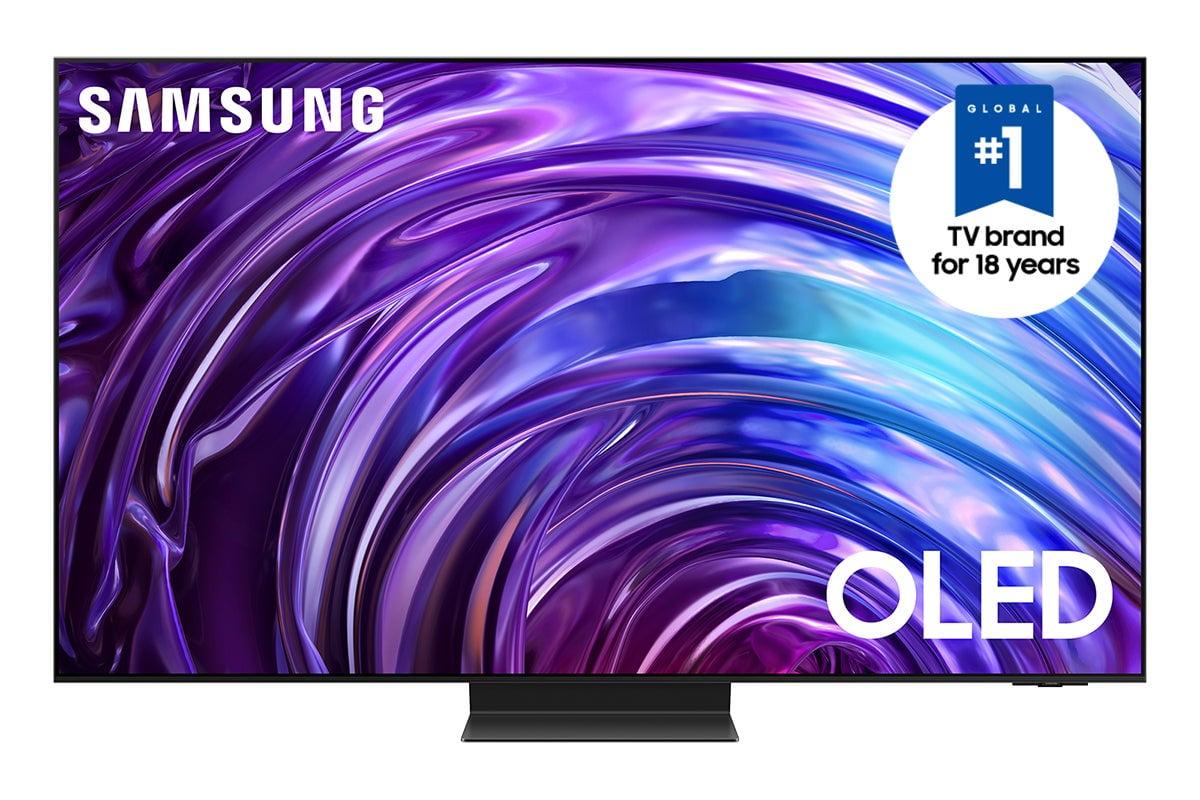
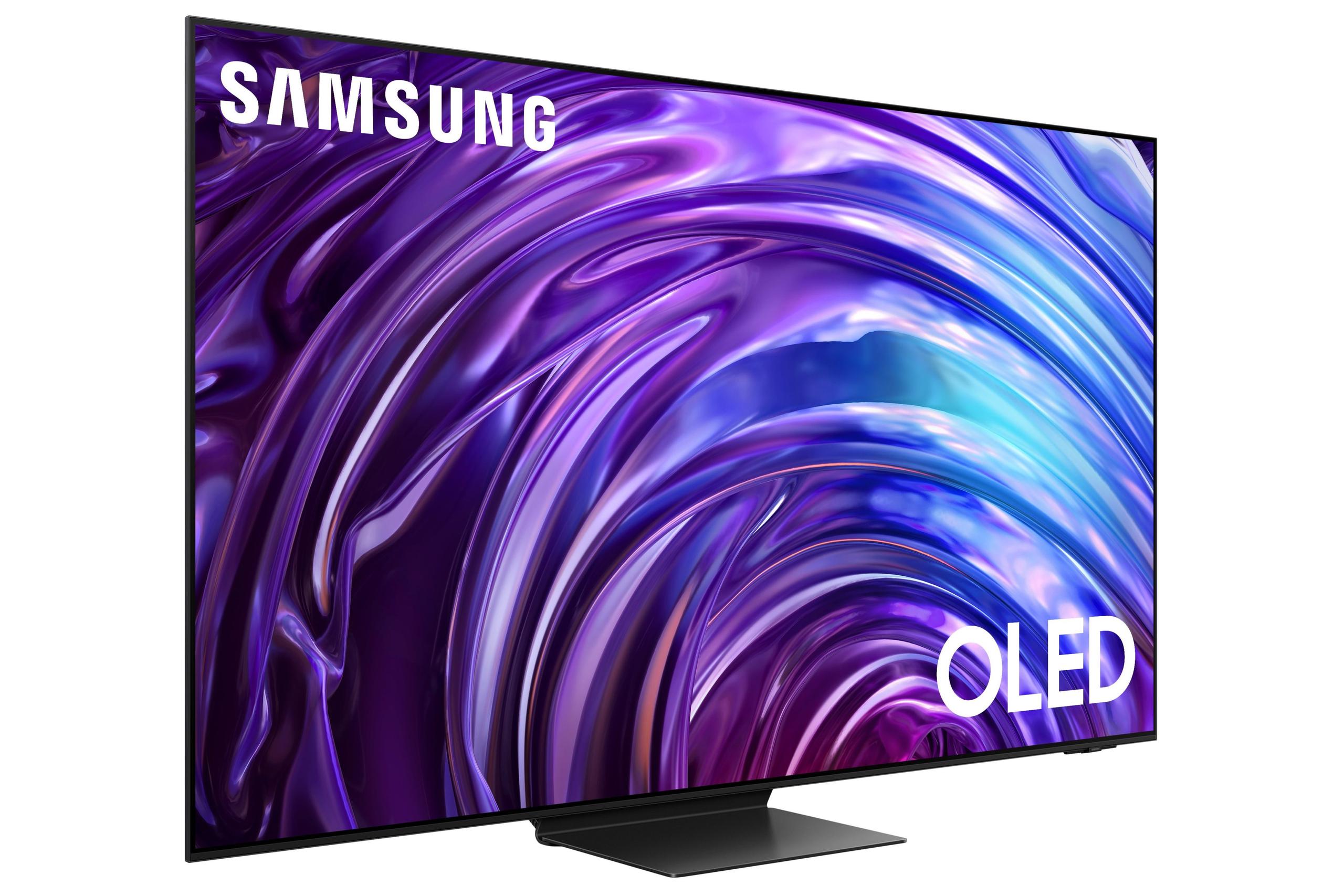
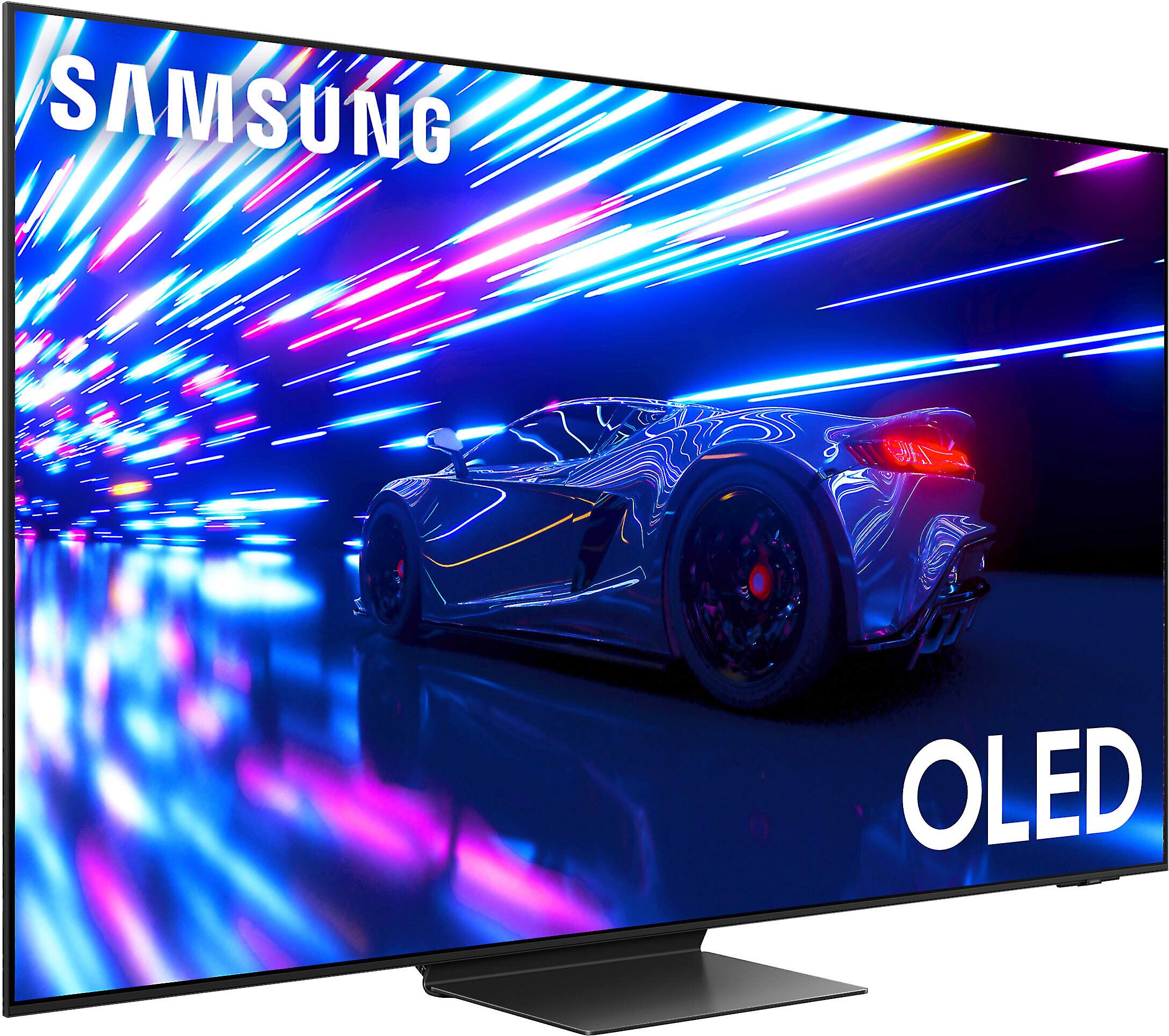
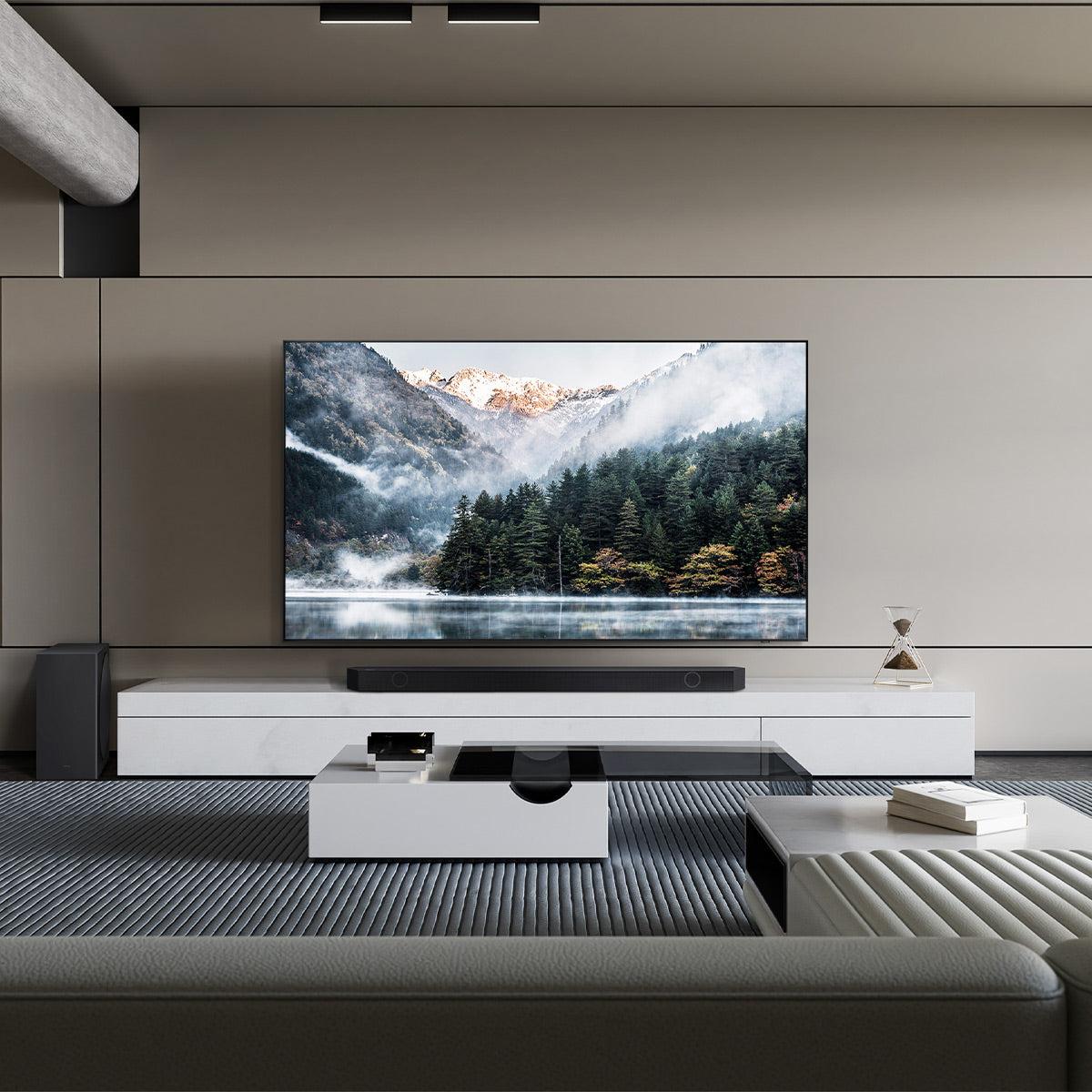
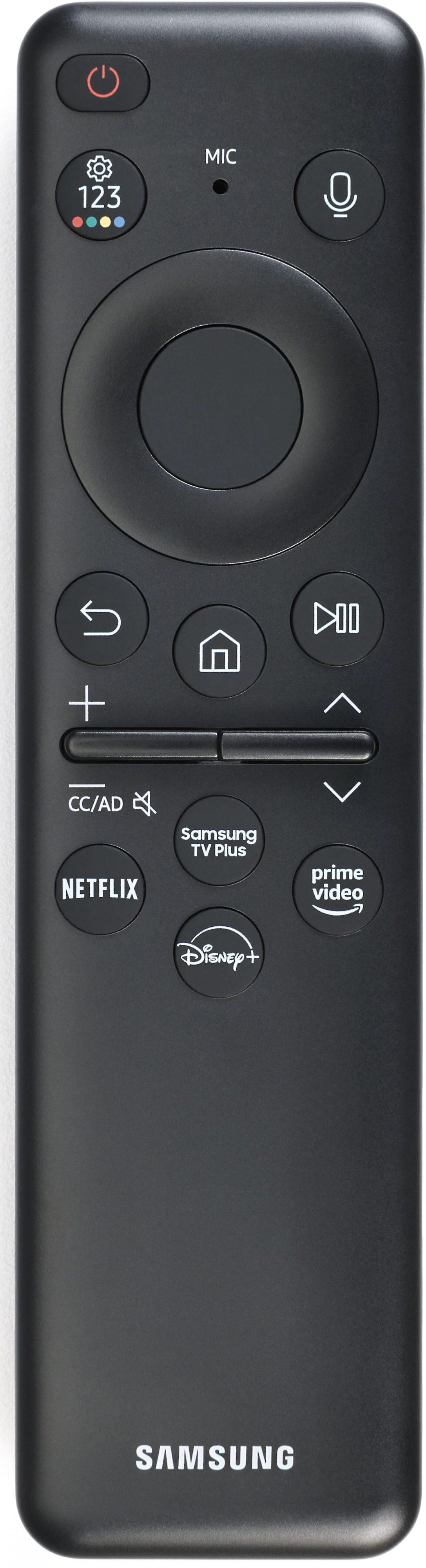
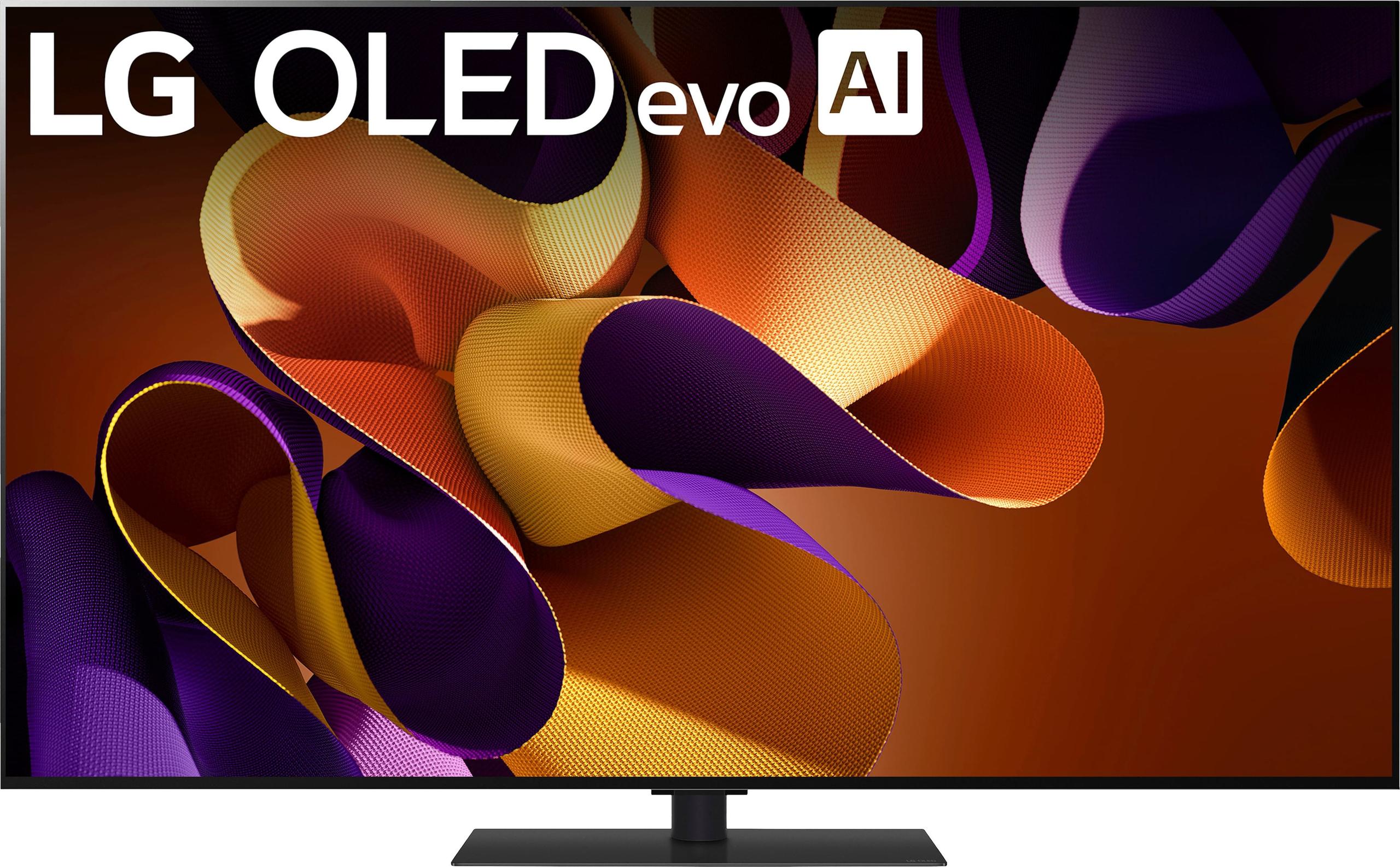
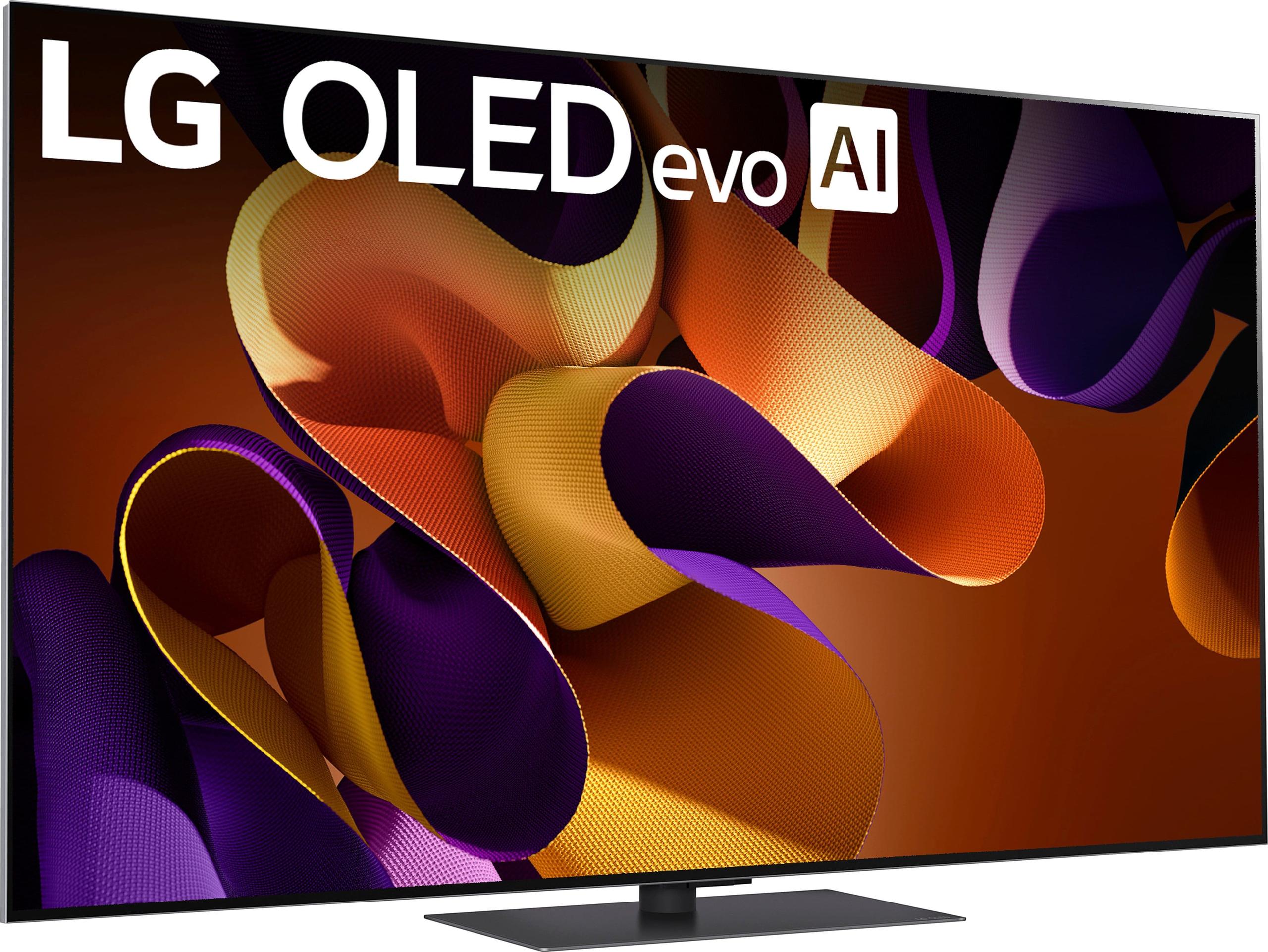
If you're in the market for a premium 65-inch OLED TV, two models consistently rise to the top of every "best of" list: the LG 65" G4 Series OLED evo 4K UHD Smart TV 2024 and the Samsung 65" S95D 4K OLED Smart TV. Both launched in 2024 and represent the pinnacle of each company's OLED technology, but they take notably different approaches to achieving excellent picture quality.
The premium OLED TV market has evolved dramatically over the past few years. Where once we had to choose between decent brightness or perfect blacks, today's flagship models deliver both. The key considerations when shopping for a premium OLED include picture quality (brightness, color accuracy, and HDR performance), gaming capabilities, smart features, and how well the TV performs in your specific room environment.
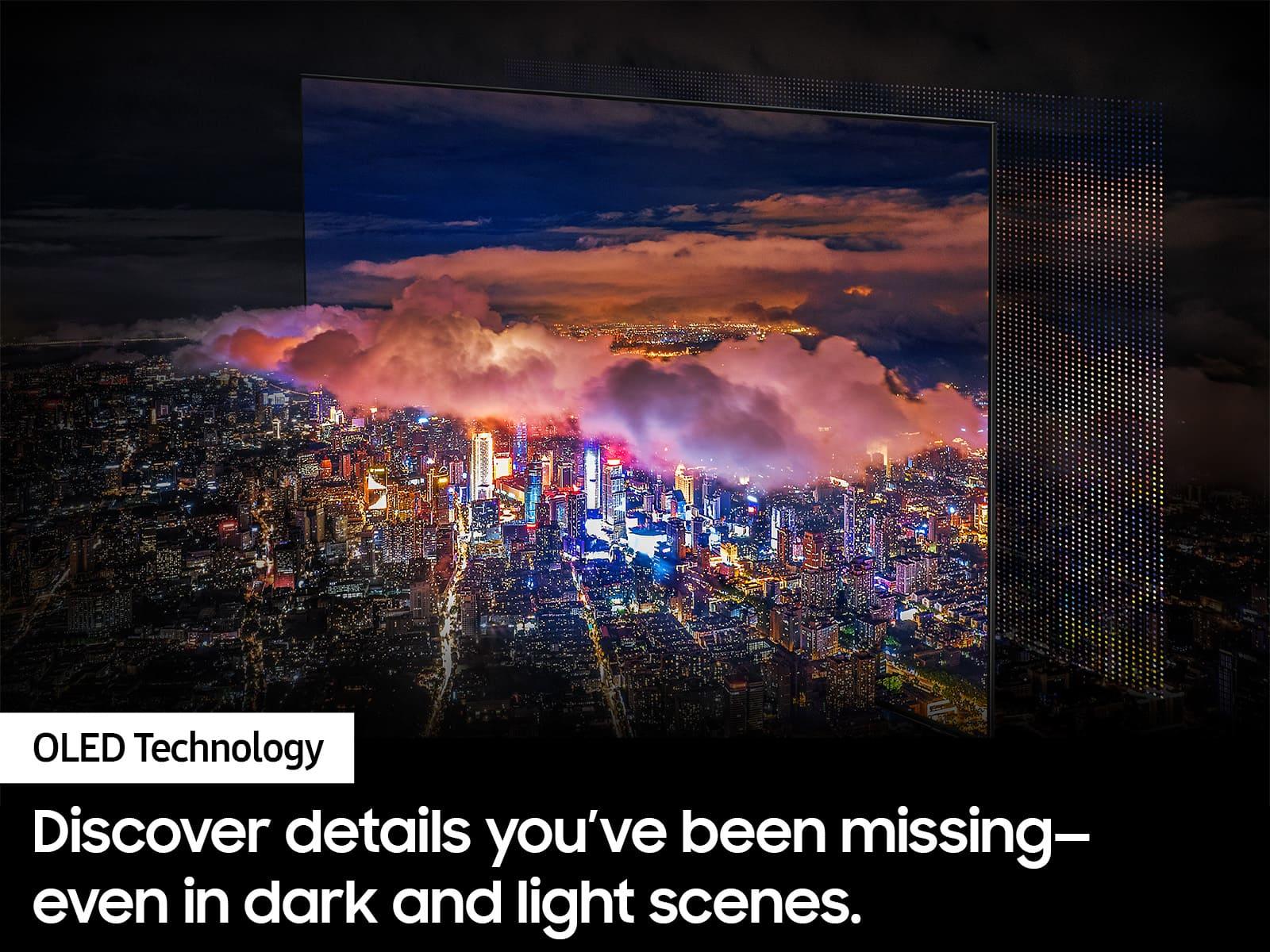
OLED technology uses self-emissive pixels that can turn completely off to create perfect blacks – something traditional LED/LCD TVs simply cannot achieve. This fundamental advantage gives OLED TVs their signature infinite contrast ratio. However, not all OLED panels are created equal, and that's where the LG G4 and Samsung S95D differentiate themselves.
The LG G4 uses what's called MLA (Micro Lens Array) OLED technology, which is essentially LG's second-generation approach to making OLED brighter. Think of it as adding tiny lenses over each pixel to focus the light more efficiently. Samsung's S95D, on the other hand, uses QD-OLED (Quantum Dot OLED) technology, which incorporates quantum dots – microscopic particles that can produce very pure, vibrant colors when hit with light.
Both TVs were released in spring 2024, with the LG G4 priced at $2,599.99 and the Samsung S95D at $2,597.99. The pricing is virtually identical, making the choice about performance and features rather than budget.
When I first started testing OLED TVs years ago, brightness was their Achilles' heel. Modern premium OLEDs have largely solved this problem, but the LG G4 and Samsung S95D achieve brightness in different ways, and the results matter for how you'll actually use these TVs.
The Samsung S95D can achieve higher peak brightness measurements in laboratory conditions – sometimes significantly higher. However, there's a crucial caveat: QD-OLED panels experience what's called "heat-related dimming." When the TV gets warm during extended viewing sessions, the brightness gradually decreases to protect the panel. This means that while the S95D might measure brighter initially, it often appears dimmer than the LG G4 during real-world movie watching.
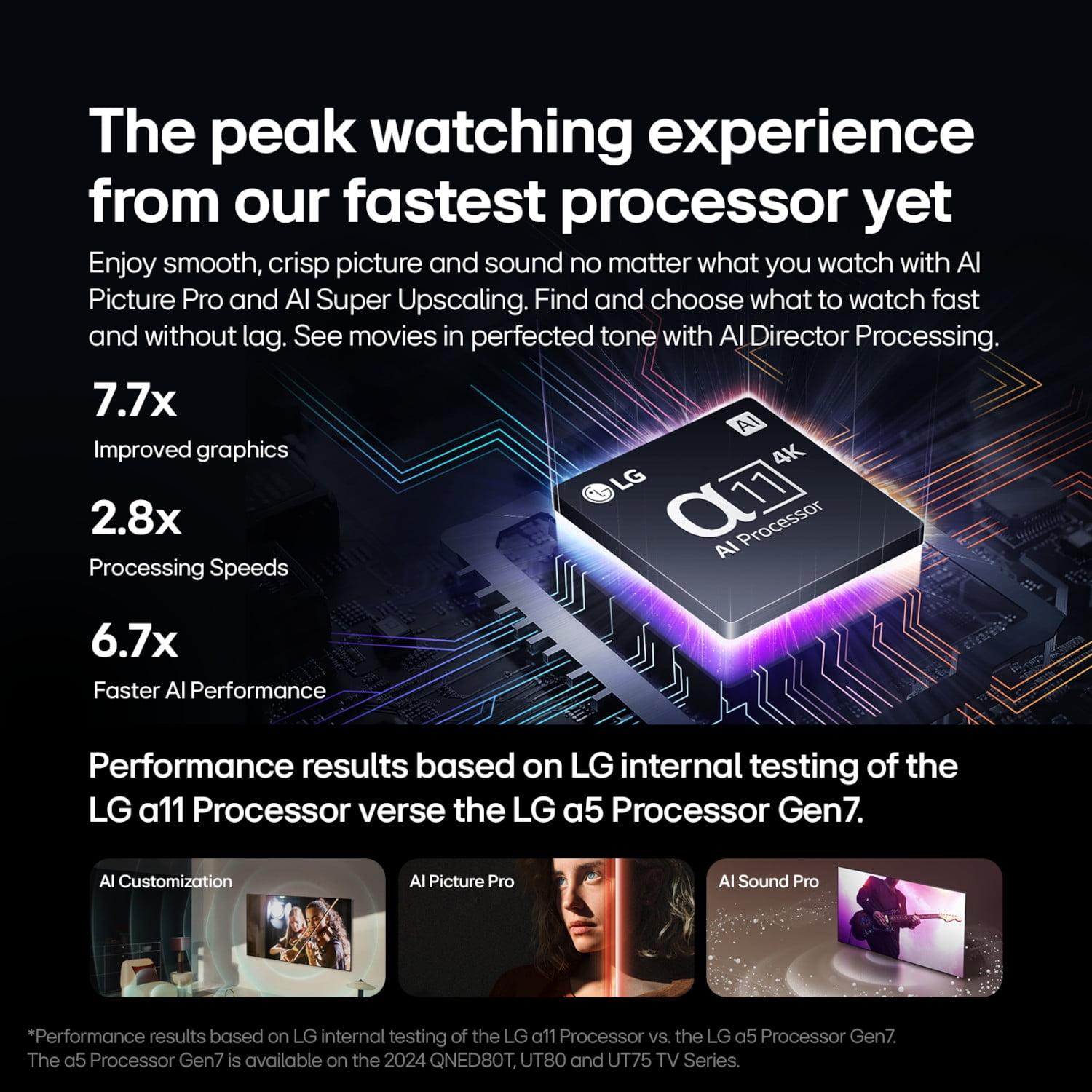
The LG G4, thanks to its MLA OLED panel and advanced α11 AI processor, maintains more consistent brightness levels over time. The AI processor actively manages the average picture level (APL) – essentially how much of the screen is bright at any given moment – to sustain higher brightness without the same heat-related limitations. In practical terms, this means HDR highlights in movies stay punchy throughout your viewing session, and the TV looks brighter when watching actual content rather than test patterns.
For home theater use, this sustained brightness advantage makes the LG G4 particularly appealing. During those epic three-hour movie marathons, you won't notice the gradual dimming that can affect the Samsung model.
Here's where the Samsung S95D fights back. QD-OLED technology produces some of the most vibrant, saturated colors you'll ever see on a TV. Quantum dots are incredibly efficient at producing pure red and green light, which translates to a wider color gamut and more vivid imagery. If you've ever seen a Samsung QD-OLED in person, you'll know what I mean – colors practically leap off the screen.
The LG G4 takes a more measured approach to color. While it can't match the Samsung's color volume (how bright colors can get), it often produces more natural, film-accurate colors. The α11 processor includes "AI Director Processing," which attempts to preserve the original color grading and mood that filmmakers intended. For serious movie enthusiasts, this can be preferable to the Samsung's more aggressive color presentation.
Both TVs support all major HDR formats, including HDR10, Dolby Vision, and HLG (Hybrid Log Gamma). The LG G4 has a slight edge in HDR processing, particularly with Dolby Vision content, thanks to its more sophisticated processor and better sustained brightness.
One area where the LG G4 clearly outperforms the Samsung S95D is motion resolution. Motion resolution refers to how cleanly a TV can display moving objects without blur or artifacts. The LG G4 produces noticeably cleaner motion with fewer artifacts like banding (visible steps in color gradients) and macro-blocking (pixelated areas during fast motion).
I've noticed this difference particularly when watching sports or action movies. The Samsung S95D occasionally exhibits frame skipping with certain streaming content, and it can show more noise in darker scenes. The LG G4's superior motion processing makes it the better choice for sports enthusiasts and anyone sensitive to motion artifacts.
Perhaps the most significant differentiator between these TVs is the Samsung S95D's anti-glare coating. This isn't just a minor improvement – it's genuinely revolutionary technology that almost completely eliminates screen reflections.
Traditional OLED TVs, including the LG G4, can be quite reflective. If you have windows behind your seating position or prominent light fixtures, you'll see reflections that can be distracting during darker scenes. The Samsung S95D uses a matte coating that scatters reflected light so effectively that it's almost like the reflections disappear entirely.
This technology makes the Samsung S95D incredibly versatile for different room environments. If you're dealing with a bright living room where controlling lighting is difficult, the Samsung is transformative. You can watch movies during the day without closing blinds or dimming lights, and the picture quality remains excellent.
However, this anti-glare coating does come with a minor trade-off. In very bright rooms, the matte surface can make blacks appear slightly elevated compared to the LG G4's glossy screen. It's a subtle difference that most viewers won't notice, but it's worth mentioning for those planning to use the TV primarily in dark room environments.
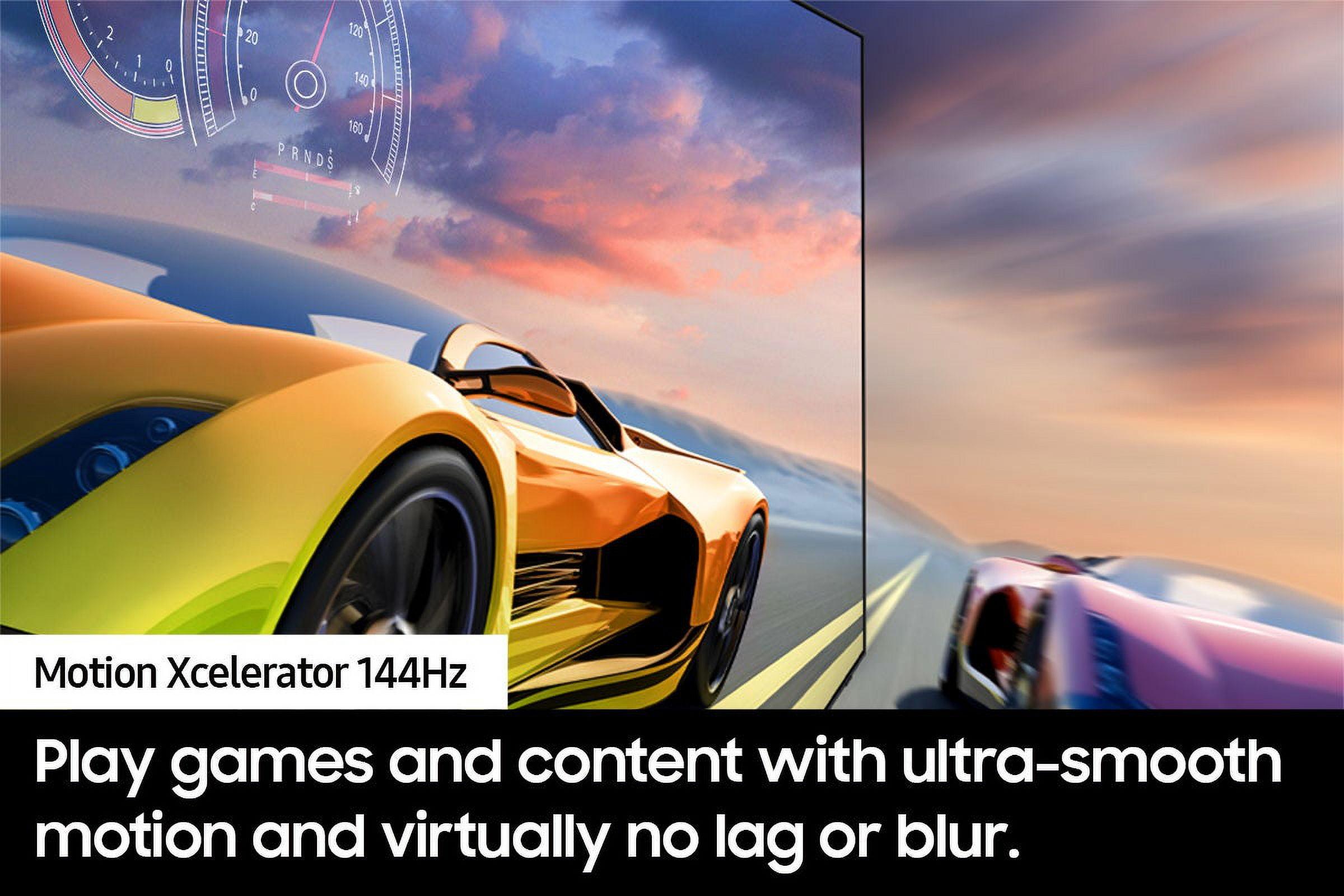
For gamers, the LG G4 presents a more compelling package. It offers four full HDMI 2.1 ports capable of handling 4K at 144Hz, compared to the Samsung's mixed port configuration. This matters if you have multiple gaming devices – perhaps a PlayStation 5, Xbox Series X, and a gaming PC – as you won't need to constantly swap cables.
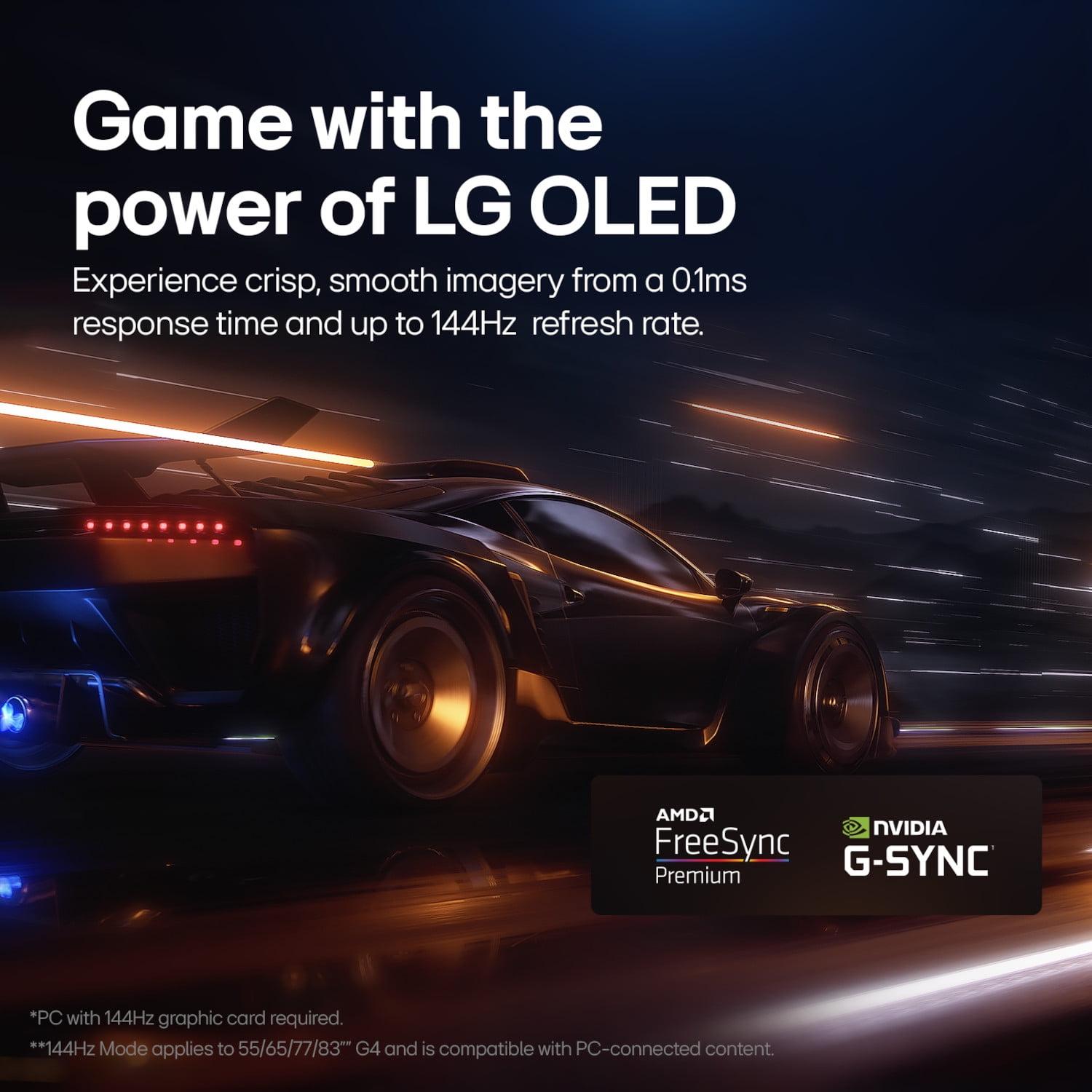
The LG G4 also achieves lower input lag, with response times as low as 0.1ms in optimal conditions. While the Samsung S95D's 9ms input lag is still excellent, the LG's advantage is noticeable for competitive gaming or fast-paced titles where every millisecond counts.
Both TVs support variable refresh rate (VRR) technology, which eliminates screen tearing by synchronizing the display's refresh rate with your gaming device's frame rate. They also support both NVIDIA G-Sync and AMD FreeSync Premium, ensuring compatibility with a wide range of gaming hardware.
The LG G4's gaming advantages extend beyond just connectivity. Its more consistent brightness during extended gaming sessions means HDR games maintain their visual impact throughout long play sessions, while the Samsung might gradually dim during particularly intense gaming marathons.
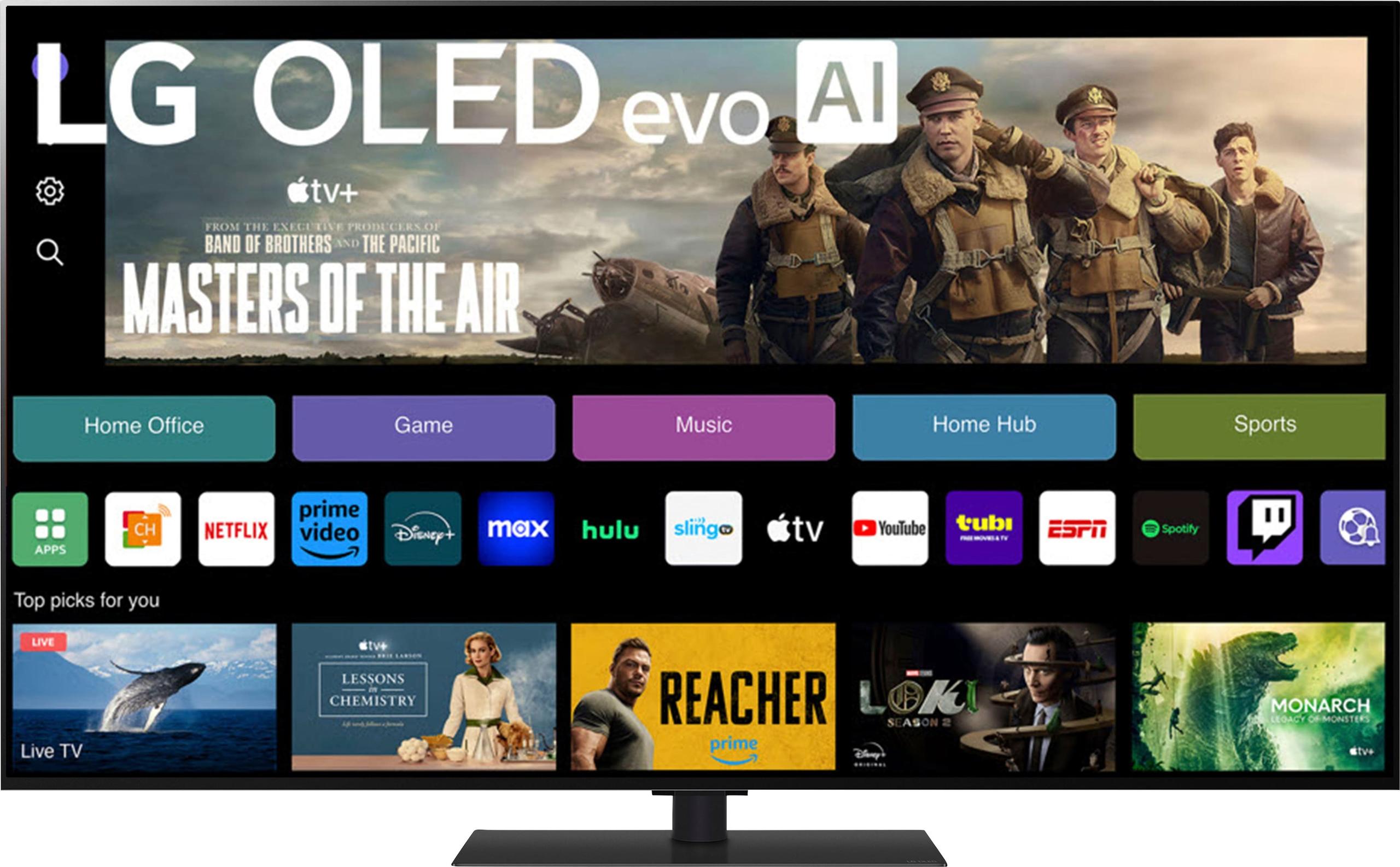
The battle between these TVs' smart platforms showcases two different philosophies. The LG G4 runs webOS 24, powered by the α11 AI processor that's reportedly 6.7 times faster than previous generations. This processing power enables advanced AI features like AI Picture Pro, which analyzes content in real-time to optimize picture settings, and AI Super Upscaling, which enhances lower-resolution content using machine learning.
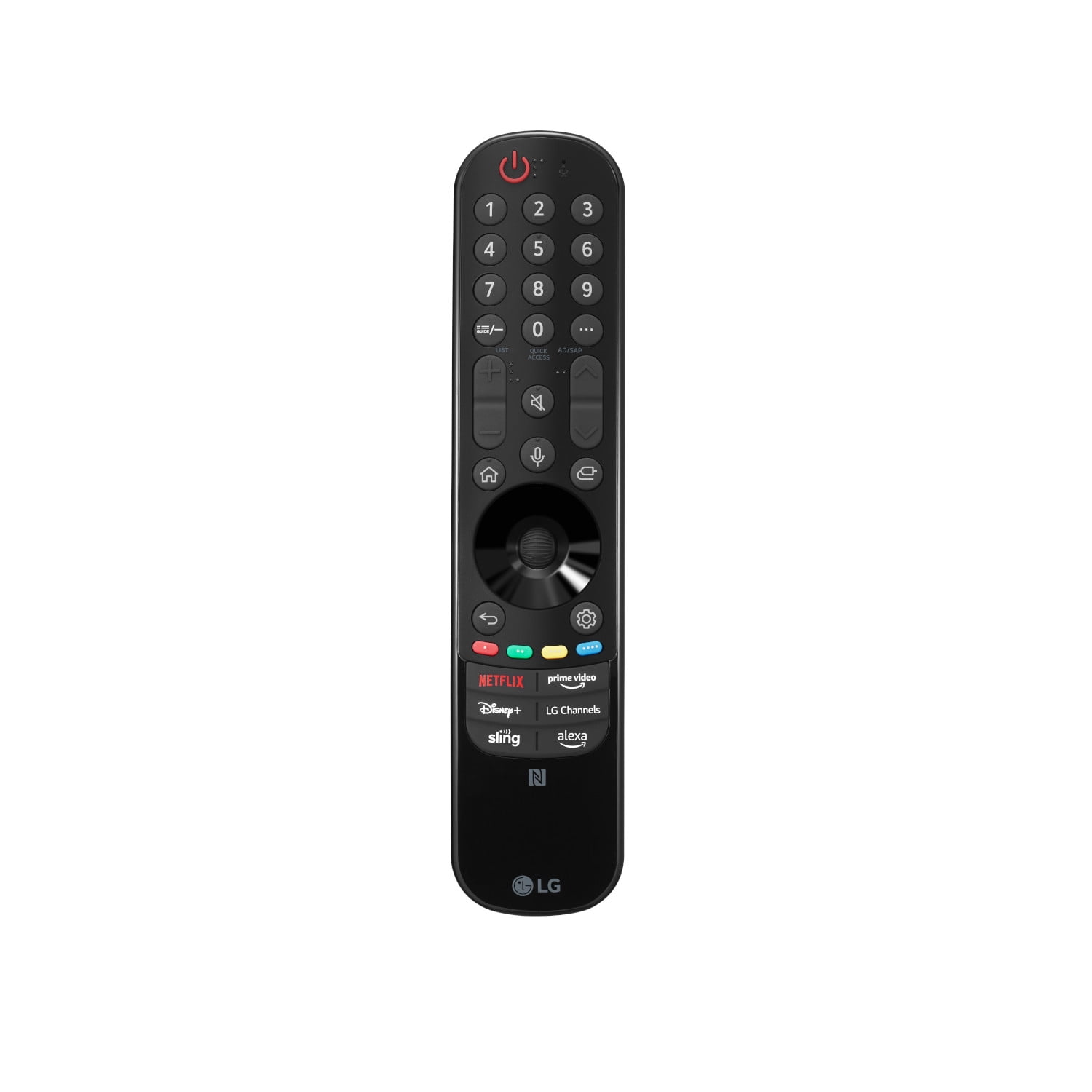
The α11 processor also enables some genuinely useful features. AI Concierge provides personalized content recommendations based on your viewing habits, while the built-in far-field microphone allows hands-free voice control. Quick Cards organize your apps into categories, making navigation more intuitive.
Samsung's S95D runs Tizen OS with the NQ4 AI Gen2 processor. While not as powerful as LG's α11 chip, it still delivers smooth performance and includes features like Real Depth Enhancer, which increases foreground contrast to create a more three-dimensional viewing experience. Samsung's strength lies in smart home integration – if you're already invested in Samsung's ecosystem, the S95D integrates seamlessly with SmartThings devices.
Both platforms offer access to all major streaming services, but LG's webOS feels more responsive and customizable. The interface is cleaner, and the more powerful processor means less waiting when switching between apps or accessing features.
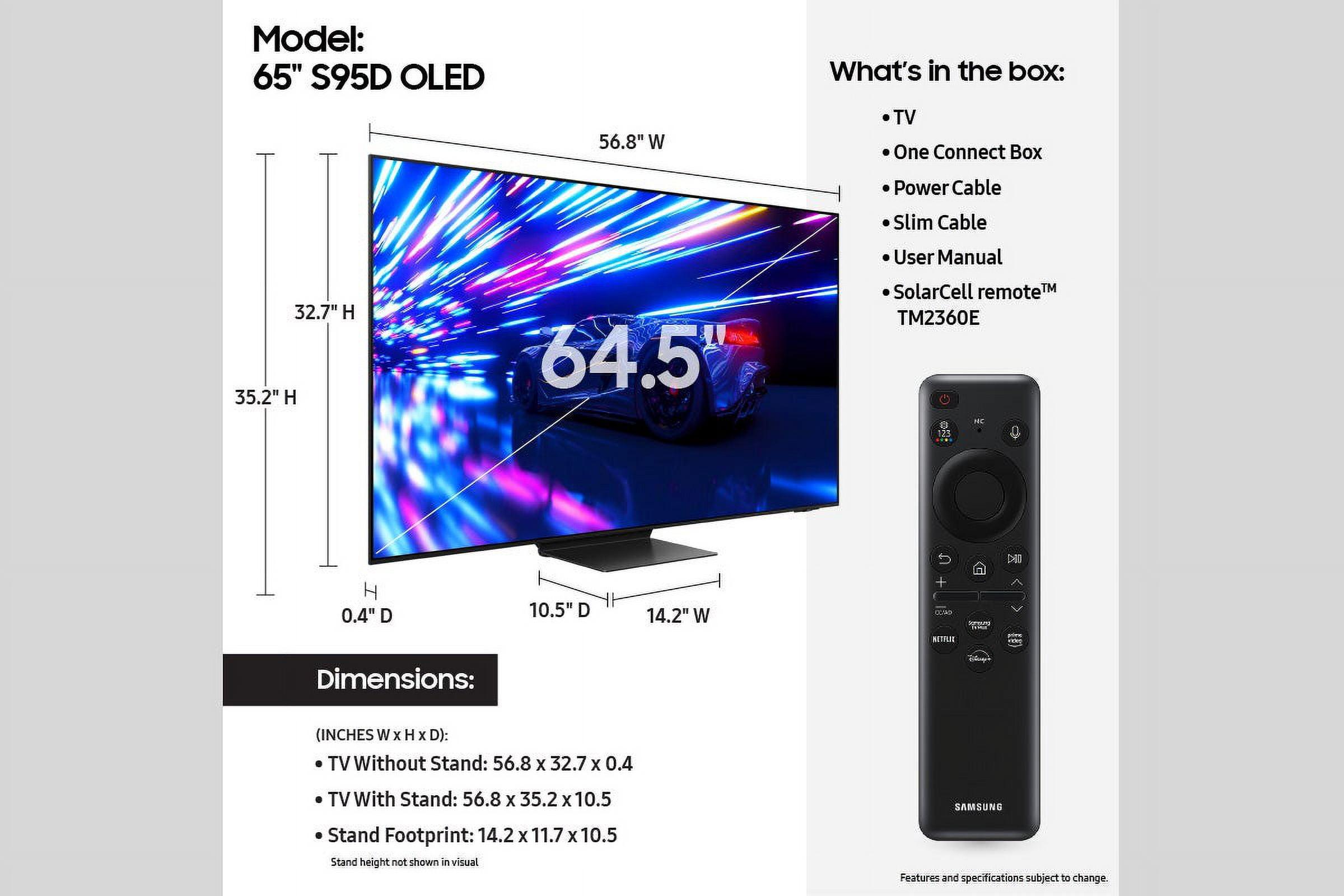
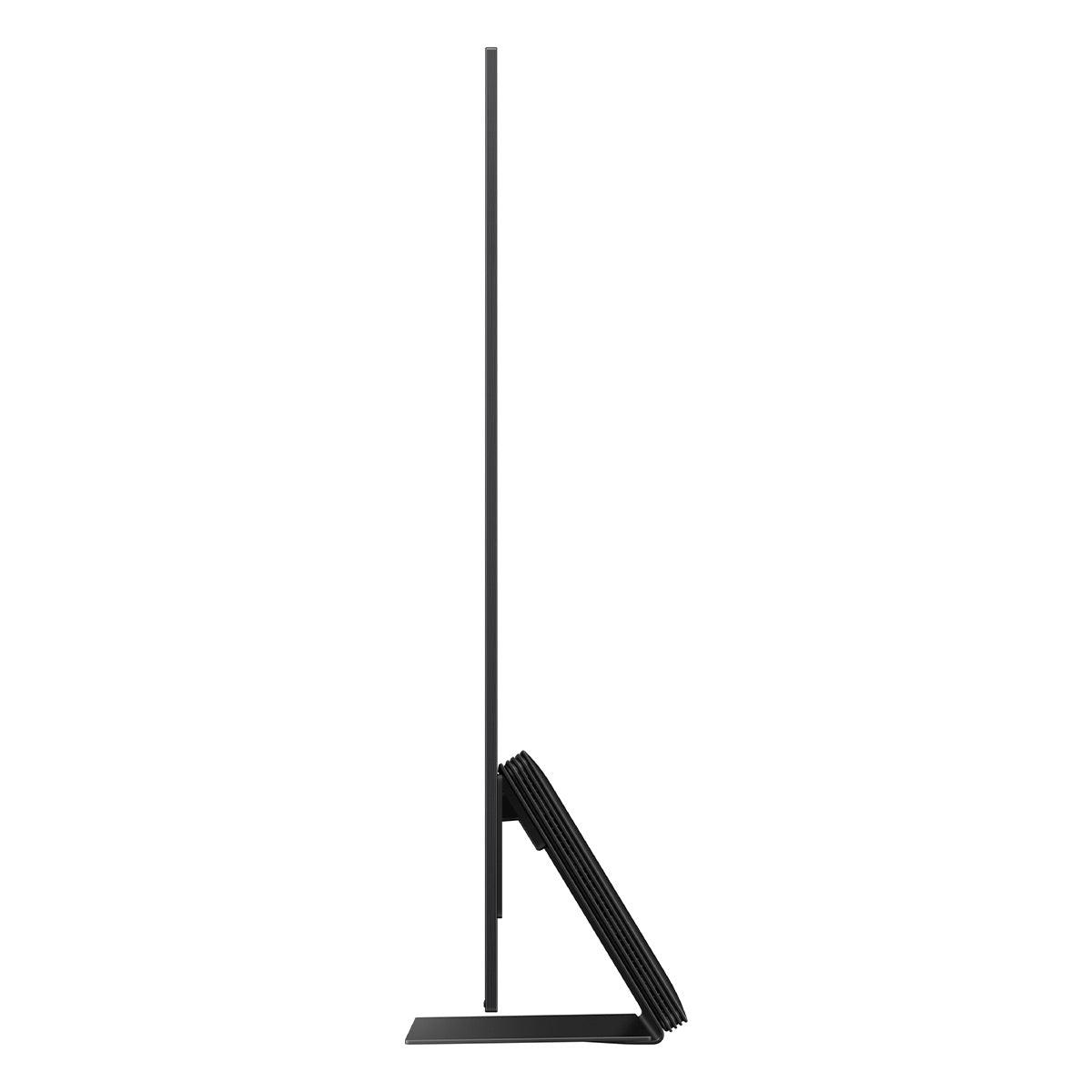
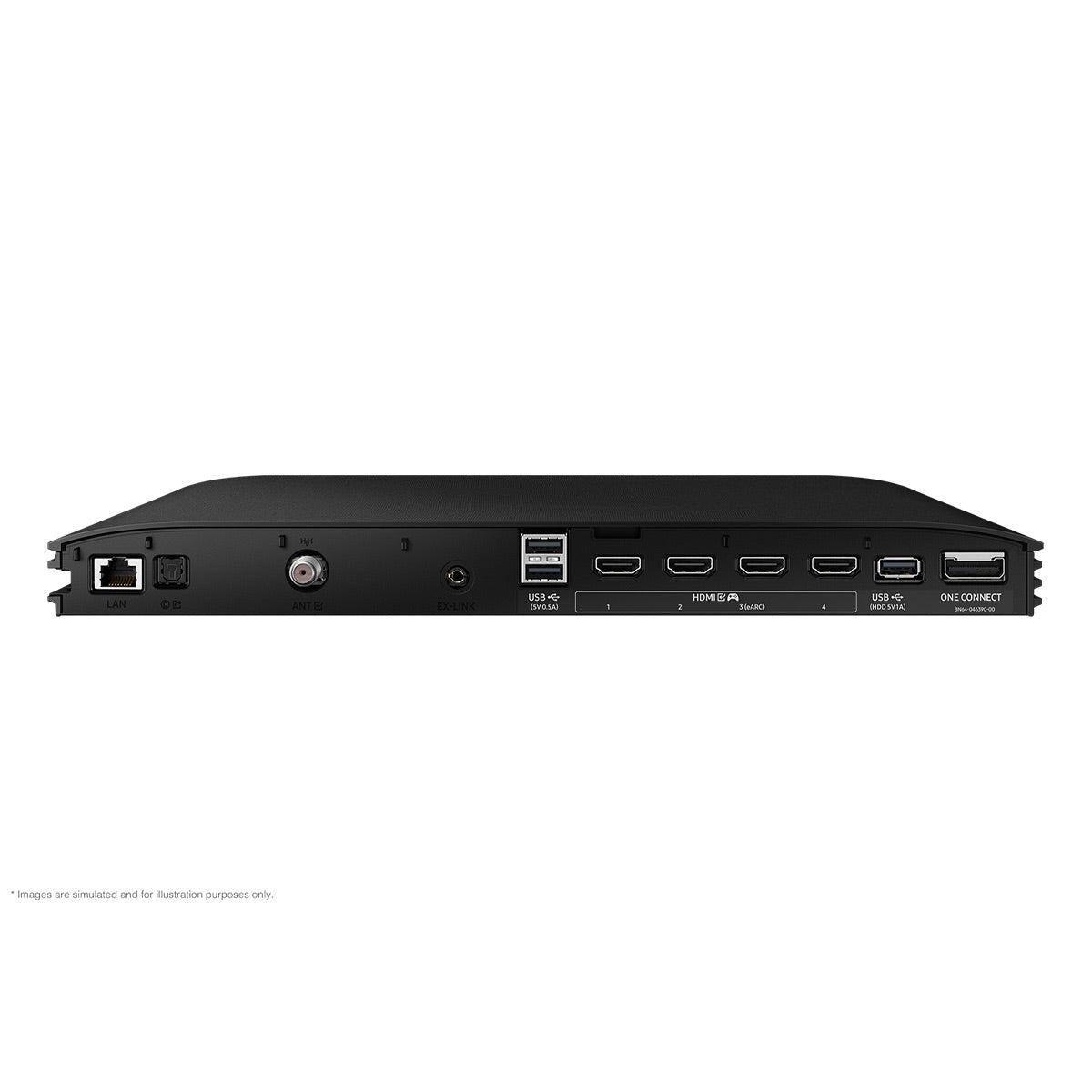
The design approaches of these TVs reflect their different target audiences. The Samsung S95D prioritizes ultimate thinness, measuring just 11mm deep without the stand. This ultra-thin profile is achieved through the One Connect Box, which houses all the TV's inputs and processing in a separate unit connected by a single cable.
The One Connect Box is both a blessing and a curse. It creates an incredibly clean installation when wall-mounted, with only one thin cable running to the TV. However, it also means you need to find a place to house the box, and if it fails, you need to replace the entire unit rather than just the TV.
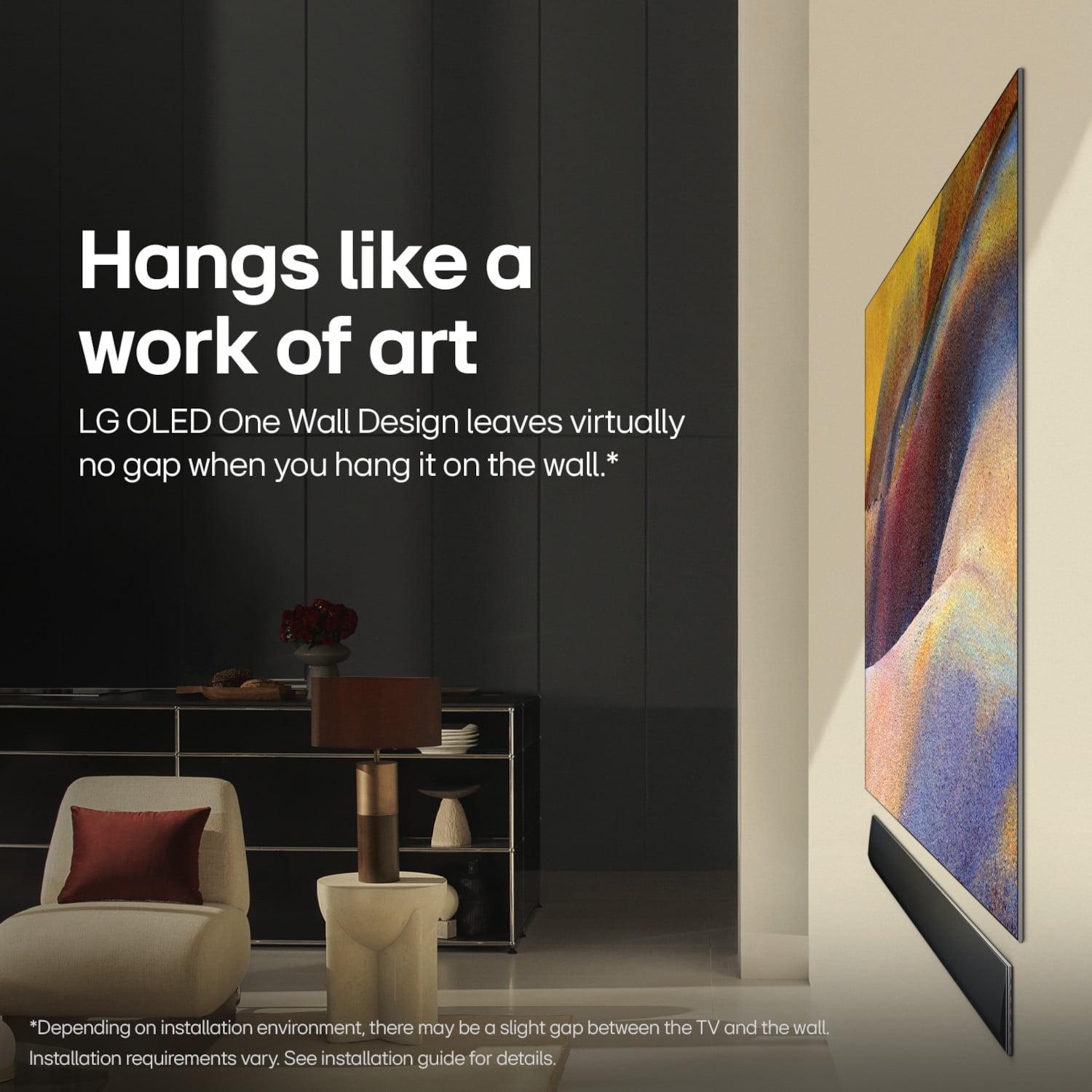
The LG G4 takes a more traditional approach, with all inputs built into the TV itself. While slightly thicker than the Samsung, it's still impressively slim and offers more installation flexibility. The included stand is adjustable, and the TV can be flush-mounted for a gallery-like appearance.
Both TVs feature premium build quality with slim bezels and high-quality materials. The choice between them often comes down to whether you prioritize ultimate thinness (Samsung) or installation flexibility (LG).
Neither TV excels in audio performance, which is common for thin premium displays. The LG G4 features a 4.2 channel system with 60W of power that can be virtually up-mixed to 11.1.2 channels using AI processing. The Samsung S95D offers Dolby Atmos and Object Tracking Sound+ for three-dimensional audio that follows on-screen action.
Both systems sound adequate for casual viewing, but they lack the depth and dynamics needed for serious movie watching or gaming. The built-in speakers tend to sound thin, particularly at higher frequencies, and neither provides the bass response that action movies demand.
For home theater use, plan to add a soundbar or surround sound system to either TV. The good news is that both TVs support eARC (enhanced Audio Return Channel), which allows them to pass high-quality audio signals to compatible sound systems without compression.
At nearly identical prices, the choice between these TVs comes down to your specific needs and room environment rather than budget. The LG G4 offers better overall value for most users, particularly those who prioritize sustained brightness, comprehensive gaming features, and powerful smart TV processing.
The Samsung S95D's value proposition is more specialized. If you have a bright room with significant reflection issues, or if you prioritize ultra-thin design and vibrant colors above all else, the Samsung justifies its premium price. The anti-glare technology alone can be worth the investment for the right room environment.
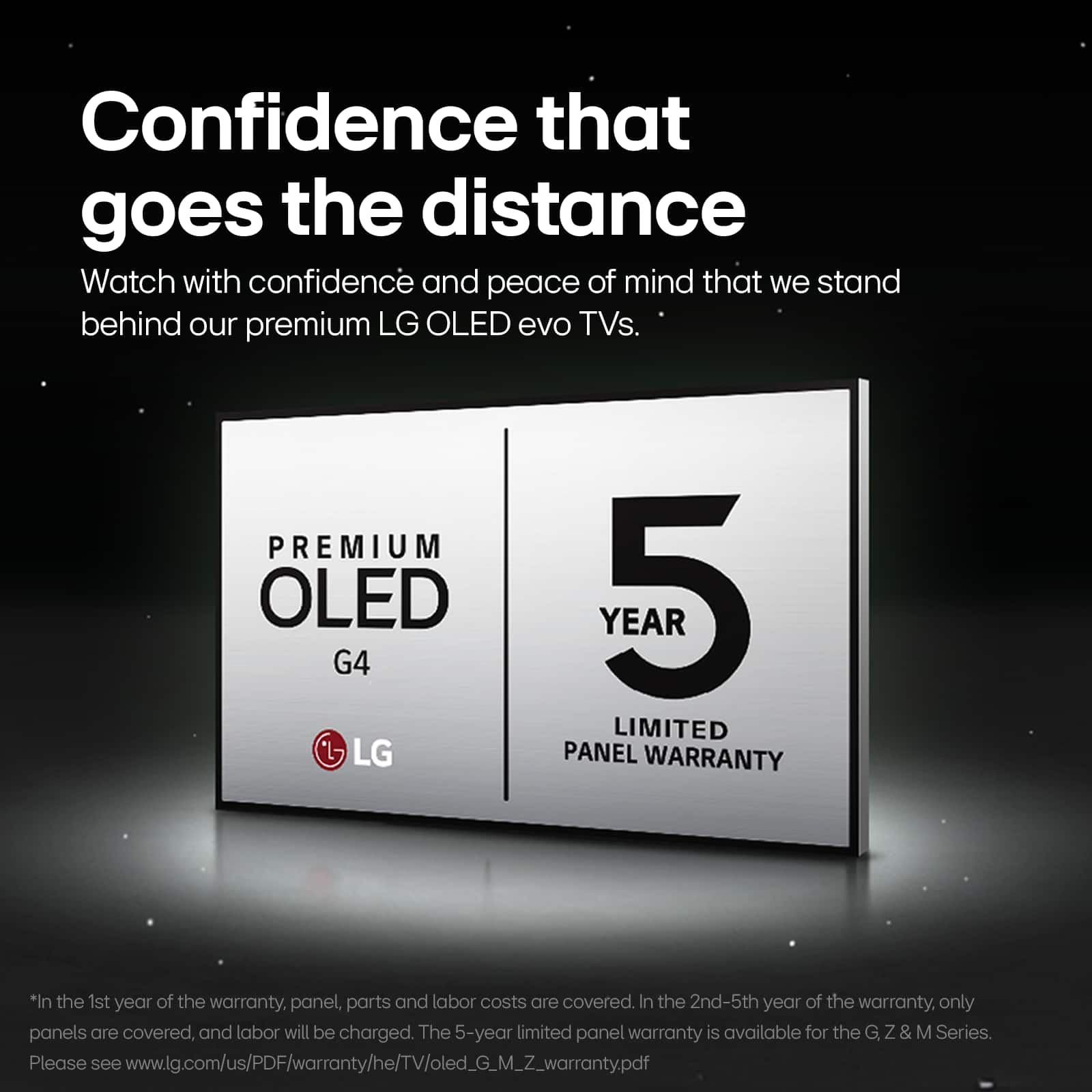
Both TVs come with comprehensive warranties, though LG's 5-year panel warranty (including burn-in protection) provides additional peace of mind for long-term ownership.
Choose the LG G4 if you want the most well-rounded premium OLED experience. Its superior sustained brightness, comprehensive gaming connectivity, and powerful AI processing make it the better choice for most home theater setups. The cleaner motion handling and more natural color reproduction will appeal to movie enthusiasts, while the four HDMI 2.1 ports future-proof your gaming setup.
Choose the Samsung S95D if your room environment demands it. The anti-glare technology is genuinely transformative for bright rooms, and the ultra-thin design creates a stunning aesthetic statement. The more vibrant colors might appeal to those who prefer a more dynamic, eye-catching picture.
For most buyers, the LG G4 represents the better overall value. It excels in more areas and provides a more consistent viewing experience across different types of content and viewing conditions. However, the Samsung S95D's specialized strengths make it the right choice for specific situations where its unique features solve real problems.
Both TVs represent the current pinnacle of OLED technology, and you'll be satisfied with either choice. The key is understanding which one's strengths align best with your viewing habits, room environment, and priorities.
| LG 65" G4 Series OLED evo 4K UHD Smart TV 2024 | Samsung 65" S95D 4K OLED Smart TV |
|---|---|
| Price - Nearly identical premium pricing | |
| $2,599.99 | $2,597.99 |
| Panel Technology - Different approaches to OLED brightness and color | |
| MLA (Micro Lens Array) OLED with Brightness Booster Max | QD-OLED (Quantum Dot OLED) with anti-glare coating |
| Peak Brightness - Critical for HDR content and bright rooms | |
| Up to 2,268 nits sustained brightness (better for extended viewing) | Higher measured peaks but dims with heat over time |
| Reflection Handling - Major factor for room with windows or lighting | |
| Traditional glossy screen with some reflections | Revolutionary anti-glare matte coating eliminates reflections |
| Color Performance - Impacts vibrancy and accuracy | |
| More natural, film-accurate colors with excellent gradients | More vibrant, punchy colors with wider color gamut |
| Processor - Powers AI features and smart TV performance | |
| α11 AI Processor 4K (6.7x faster AI performance) | NQ4 AI Gen2 Processor with specialized networks |
| Gaming Connectivity - Essential for multiple gaming devices | |
| 4 x HDMI 2.1 ports supporting 4K at 144Hz | Mixed HDMI configuration with fewer full-spec ports |
| Input Lag - Critical for competitive gaming | |
| 0.1ms response time (industry-leading) | 9ms input lag (still excellent for gaming) |
| Motion Handling - Important for sports and action content | |
| Superior motion resolution with fewer artifacts | Good motion but occasional frame skipping issues |
| Operating System - Affects daily usability | |
| webOS 24 with Quick Cards and Voice ID | Tizen OS with SmartThings integration |
| Design Approach - Impacts installation flexibility | |
| Traditional design with all ports on TV, includes stand | Ultra-thin 11mm profile with One Connect Box |
| Audio System - Both require external sound for best experience | |
| 4.2 channel 60W with AI up-mixing to 11.1.2 | Dolby Atmos and Object Tracking Sound+ |
| Warranty - Important for long-term peace of mind | |
| 5-year panel warranty including burn-in protection | Standard warranty coverage |
| Best For - Key use cases where each excels | |
| Overall picture quality, gaming, home theater setups | Bright rooms with reflection issues, ultra-thin installations |
Both TVs offer exceptional picture quality, but with different strengths. The LG G4 provides more consistent brightness during extended viewing and cleaner motion handling, making it better for home theater use. The Samsung S95D delivers more vibrant colors and higher peak brightness in short bursts due to its QD-OLED technology, but may dim slightly during long viewing sessions.
The pricing is virtually identical, with the LG G4 priced at $2,599.99 and the Samsung S95D at $2,597.99. Since there's no meaningful price difference, your decision should be based on features and performance rather than budget.
The LG G4 is the better gaming choice, offering four full HDMI 2.1 ports compared to Samsung's mixed configuration, plus lower input lag at 0.1ms response time. This makes it ideal for users with multiple gaming consoles or competitive gaming setups.
The Samsung S95D has a revolutionary anti-glare coating that virtually eliminates reflections, making it excellent for bright rooms with windows or lighting. The LG G4 uses a traditional glossy screen that can show reflections but maintains better contrast in dark rooms.
While the Samsung S95D can achieve higher peak brightness measurements initially, the LG G4 maintains more consistent brightness levels during actual viewing due to better heat management and AI processing, making it effectively brighter for real-world use.
The LG G4 runs webOS 24 with a more powerful α11 AI processor that's 6.7 times faster, offering advanced AI upscaling and more responsive performance. The Samsung S95D uses Tizen OS with good SmartThings integration but less processing power overall.
For dedicated home theater use, the LG G4 is generally preferred due to its sustained brightness, cleaner motion handling, more natural color reproduction, and superior HDR processing. It maintains consistent performance during long movie sessions without heat-related dimming.
The Samsung S95D features an ultra-thin 11mm profile with a One Connect Box for all inputs, creating a cleaner wall-mounted appearance. The LG G4 uses a traditional design with built-in ports and includes both wall mount and stand options for more installation flexibility.
The LG G4 offers superior motion resolution with fewer artifacts, making it better for sports viewing. It handles fast-paced action more cleanly, while the Samsung S95D can occasionally show frame skipping or motion artifacts with certain content.
The LG G4 excels in sustained brightness, gaming connectivity, motion handling, and overall home theater performance. The Samsung S95D stands out for its anti-glare technology, ultra-thin design, vibrant colors, and superior performance in bright rooms with reflection issues.
The LG G4 provides better overall value for most users due to its superior sustained brightness, comprehensive gaming features, more powerful processor, and longer warranty. The Samsung S95D offers better value specifically for bright room setups where its anti-glare technology is essential.
The LG G4 includes a 5-year panel warranty with burn-in protection, demonstrating confidence in long-term reliability. The Samsung S95D comes with standard warranty coverage. For expensive OLED purchases, LG's extended warranty provides additional peace of mind.
We've done our best to create useful and informative comparisons to help you decide what product to buy. Our research uses advanced automated methods to create this comparison and perfection is not possible - please contact us for corrections or questions. These are the sites we've researched in the creation of this article: hometechnologyreview.com - hometechnologyreview.com - whathifi.com - hometechnologyreview.com - youtube.com - tomsguide.com - tomsguide.com - smarthomesounds.co.uk - rtings.com - rtings.com - bhphotovideo.com - youtube.com - schaeferstv.com - bestbuy.com - costco.com - lg.com - lg.com - shopsilica.com - bestbuy.com - techradar.com - bestbuy.com - bestbuy.com - lg.com - lgnewsroom.com - techradar.com - videoandaudiocenter.com - avsforum.com - cnet.com - abt.com - merlinstv.com - nfm.com - rtings.com - flintsfurniture.com - samsung.com - bestbuy.com - displayspecifications.com

Privacy Policy
Terms and Conditions - Affiliate Policy
Home Security
© Copyright 2008-2026.
11816 Inwood Rd #1211, Dallas, TX 75244