

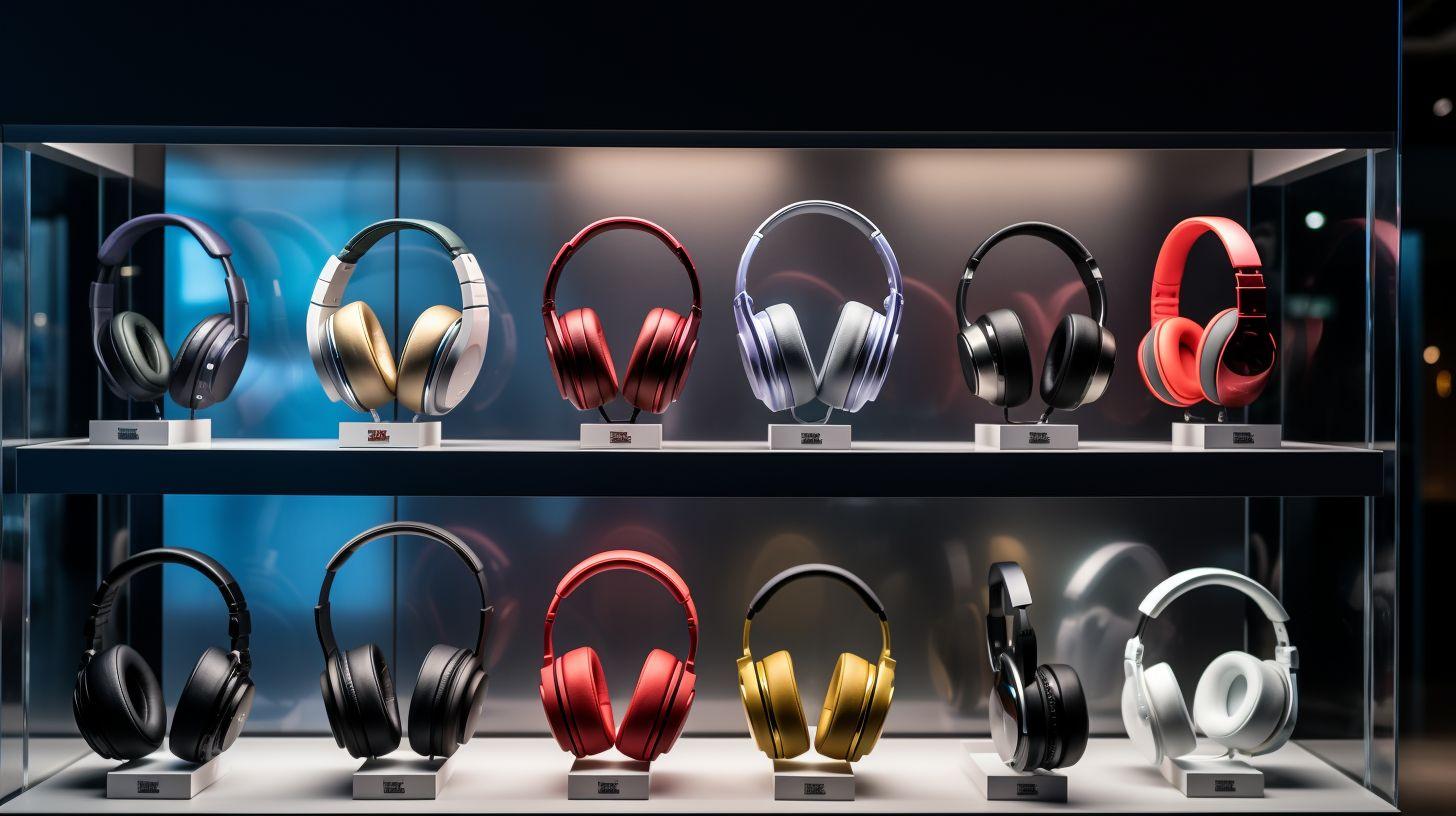
Navigating the headphone and earbud market can be overwhelming with the many options available. Whether you want wireless freedom or professional sound quality, there is a perfect pair out there for everyone. This guide breaks down the key types, factors to consider when choosing, and expert tips to simplify your search. Learn the difference between basic earbuds and advanced headphones. Weigh the benefits of noise-cancellation against budget limits. And find the ideal audio solution tailored perfectly to your lifestyle. Keep reading for clear advice to meet all your listening needs.
Headphones have two parts that play sound and are joined by a headband. This band goes over your head. They often give better sound than earbuds for the same amount of money. Earbuds are different because they are tiny and go right into your ear canal.
They're easy to carry around because they're so small.
Some headphones cover your ears completely, called "over-ear" or sometimes "around-ear" headphones. Others rest on top of your ears; these are known as "on-ear" headphones. Closed-back headphones block outside noise well, while open-back ones let some sound in and out for a more natural feel.
Wireless earbuds don't need wires to connect to devices like phones or laptops because they use Bluetooth technology, making them very handy.
Wireless, true wireless, noise-cancelling, in-ear monitors, and budget-friendly options are some of the different types of headphones and earbuds to consider when making a purchase.
Wireless headphones give you the freedom to move without getting tangled in cords. They connect to your devices using Bluetooth. You can find them as earbuds that fit inside your ears, on-ear headphones that rest gently on top, and over-ear types that cover your whole ear for a comfy fit.
These are perfect for sports lovers or if you enjoy being active outside.
You won't have to spend a lot of money to get good wireless connectivity in your earbuds. There are many kinds at different prices, making it easy to find one that fits what you want to pay.
Whether you need cheap options or fancy ones, there's something out there for everyone who loves music or podcasts while on the go.
True wireless earbuds are a big deal because they have no wires at all, not even to connect each other. They come in pairs and usually with a case that charges them up when you're not using them.
You can find lots of true wireless options out there, from really cheap ones around $25 to fancy ones for $400. Each set has one earbud that's the boss – the primary one – and another that follows along as the secondary.
These earbuds use Bluetooth to connect to your phone or other devices so you can listen to music or talk without anything getting tangled. They're small and handy, making it easy for people who are always moving to keep their tunes going without hassle.
Since they don't hook onto your head like headphones do, they need special tips or wings so they fit snugly in your ears and stay put while you're active.
Noise-cancelling headphones and earbuds use active noise cancellation (ANC) technology to reduce background noise. This technology works by using microphones to pick up surrounding sounds, then producing sound waves that are the exact opposite to cancel out the unwanted noise.
As a result, you can listen to music or make calls at lower volumes without being disturbed by ambient noises like airplane engines or chatter in a busy office. However, it's essential to note that while these devices excel at reducing steady low-frequency sounds, they may not completely block out sudden loud noises or human voices.
By understanding how this ANC technology functions in headphones and earbuds, you can make an informed decision about whether they will cater to your specific needs for blocking out environmental distractions and enhancing your listening experience.
In-ear monitors, also known as musicians' monitors, are professional-grade earbuds used for stage performances. They provide a tailored listening experience by offering a personalized and customized fit.
These wireless monitoring systems consist of a transmitter, receiver, and earphones, allowing musicians and singers to move freely without compromising sound quality. In-ear monitors not only save space on stage but also provide a clutter-free experience.
It's important to ask specific questions when considering in-ear monitors to ensure they meet the user's individual needs for an enhanced performance.
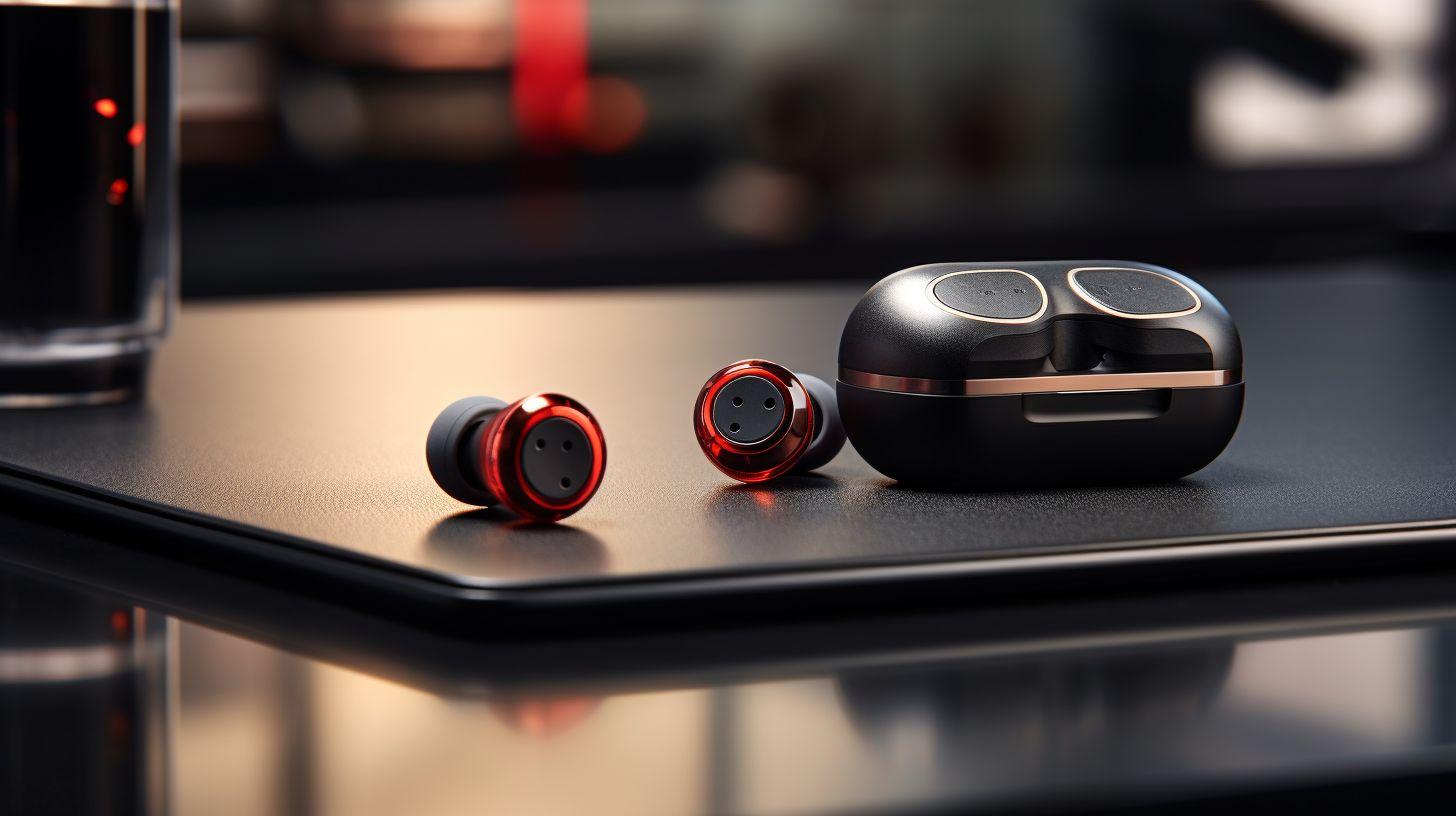
When choosing headphones and earbuds, it's crucial to consider your budget. Compare prices for different options and set a spending limit based on your needs. Generally, earbuds cost under $200, while headphone prices vary.
Prioritize essential features within your budget to find the best audio accessories for you. Researching price ranges and looking for affordable deals can help you make an informed decision.
By determining your budget constraints and understanding what you're willing to spend, you can choose the most suitable wireless or wired audio devices without overspending.
When choosing headphones and earbuds, fit is crucial for comfort. The design of the headphones or earbuds can impact how they feel during use. For example, on-ear or over-ear headphones may not offer customizable options like swappable tips, which could limit the user's satisfaction with the fit.
It's essential to ensure that the chosen headphones or earbuds are properly adjusted to avoid discomfort while wearing them.
Proper adjustment contributes to comfortable wear and overall earbud satisfaction. Whether it's finding a pair with customization options or ensuring a good fit for in-ear monitors, prioritizing fit will enhance user comfort during extended use.
When purchasing headphones and earbuds, it's crucial to check the return policy. Ensure that the product can be returned or exchanged if it doesn't meet your satisfaction. This is especially important for online purchases, as you want the assurance of being able to return or exchange the product if it doesn't align with your preferences or needs.
Additionally, checking the return policy provides a safety net in case there are compatibility issues with your devices or if the product does not work as expected. Overall, understanding the return policy ensures purchase security and customer protection.
When selecting headphones or earbuds, sound quality is a crucial consideration. Factors like audio performance, acoustic clarity, and frequency response determine the overall sound experience.
Higher impedance and sensitivity contribute to better sound quality, while noise isolation ensures an immersive experience. Additionally, understanding the different sound signatures and driver sizes can help in choosing headphones or earbuds that provide balanced sound with detailed nuances.
Whether opting for over-ear or in-ear design, prioritizing superior sound quality enhances the listening experience.
Sound quality is a key aspect when picking headphones or earbuds as it determines how good the audio will be. The price of these devices often reflects their sound quality - generally speaking, higher-priced ones tend to offer superior audio performance.
We test headphones and earbuds by considering factors such as sound quality, comfort, fit, battery life (for wireless options), and noise-cancellation effectiveness.
When choosing headphones and earbuds, it is important to consider several factors. Here are the key factors we consider:
When choosing headphones or earbuds, consider factors like budget, fit, and sound quality. Think about your usage and the source of music to find the best type for you. Check product reviews and expert tips for guidance.
Headphones cover the entire ear and can provide better sound quality and noise isolation, while earbuds sit outside the ear canal and are more portable.
Consider factors like comfort, sound quality, portability, battery life (for wireless options), and whether you prefer over-ear headphones or in-ear earbuds.
Wireless headphones offer more freedom of movement but may require charging, while wired ones do not need charging but have a physical cable to connect to devices.
Noise-cancelling features can be beneficial if you want to block out external sounds, especially during travel or in noisy environments.
Ensure that your device has the compatible headphone jack size (e.g., 3.5mm) or supports Bluetooth connectivity for wireless options before purchasing any pair of headphones or earbuds.

Gorgeous design, natural bass and wonderfully balanced sound make the SIVGA Lyrebird feel considerably more expensive than its price suggests.

he OneOdio A70 isn’t trying to be the best headphone you own. At $40–$50, it’s trying to be the headphone that always works—and for the money, that’s hard to...

But for someone with mild-to-moderate hearing loss looking at OTC hearing aids? The ELEHEAR Delight is an impressive value, and the Beyond Pro is the model I'd pick if...

The SoundPEATS Air6 HS proves you don't need to spend $200 for earbuds you'll actually enjoy using every day.

The Hecate G5 Max focuses on doing the fundamentals exceptionally well.

Instead of simply adding more drivers or chasing the latest tuning trend, Kiwi Ears takes a different approach by combining a dynamic driver, balanced armatures, and an innovative MEMS...

The Fiesta doesn't sound like it was tuned for a graph. It sounds like it was tuned for people who actually enjoy listening to music.

Huge battery life, ultra-low latency, and impressive flexibility make these easy to recommend.
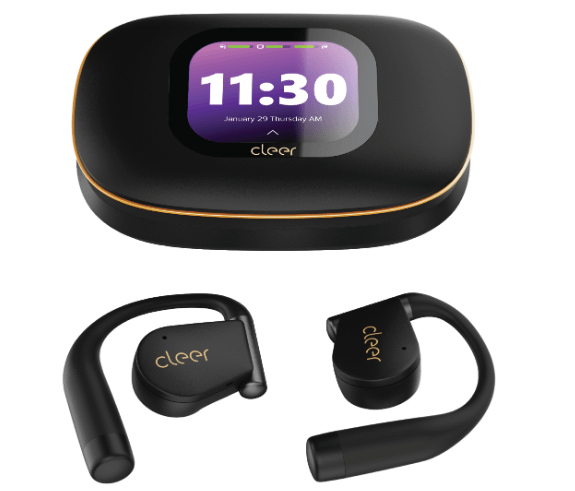
You don’t adjust them, you don’t think about them—you just put them on and go.
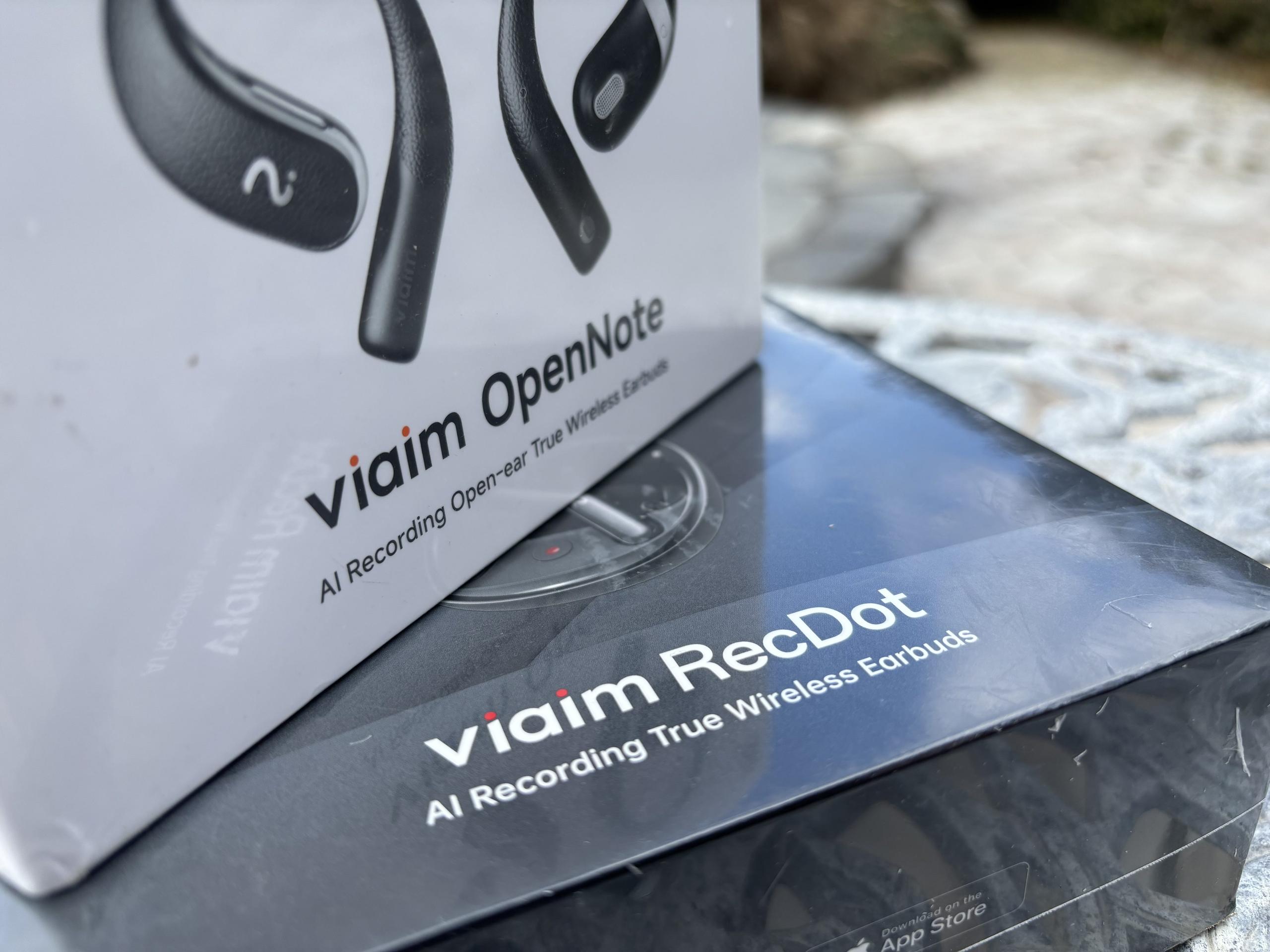
AI usually feels forced. Viaim is one of the few brands that figured out how to make it disappear into the workflow.



Privacy Policy
Terms and Conditions - Affiliate Policy
Home Security
© Copyright 2008-2026.
11816 Inwood Rd #1211, Dallas, TX 75244