





Walking into any electronics store today, you'll face an overwhelming wall of wireless speakers ranging from tiny pocket-sized devices to tower-sized behemoths. Two speakers that perfectly illustrate how different design philosophies can serve completely different needs are the JBL Go 3 and the Sonos Era 100. While both play music wirelessly, they represent opposing approaches to portable audio—one prioritizes ultimate portability, while the other focuses on premium home audio quality.
Before diving into specifics, it's crucial to understand that not all wireless speakers compete directly. The portable Bluetooth speaker market serves mobility above all else, accepting trade-offs in sound quality and features for the freedom to take music anywhere. Home wireless speakers, conversely, assume a permanent location and focus on maximizing audio quality, smart features, and integration capabilities.
When choosing between categories, consider where you'll spend 80% of your listening time. If it's at home, a stationary speaker makes sense. If you're constantly moving between locations—beach trips, hotel rooms, outdoor gatherings—portability becomes paramount. The key considerations include audio quality expectations, desired smart features, environmental durability needs, and whether you're building a single-speaker solution or part of a larger audio ecosystem.
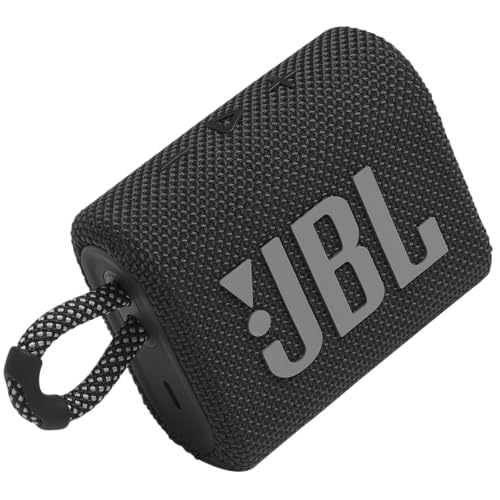
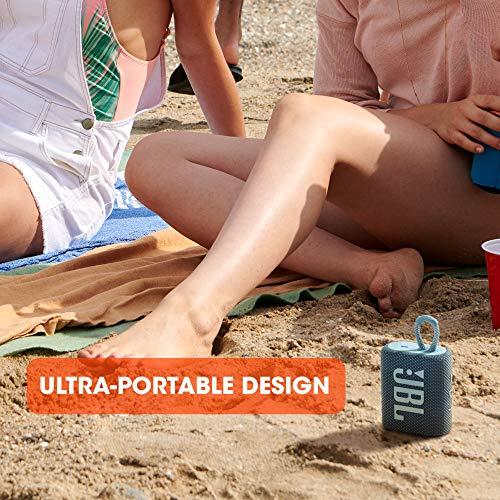
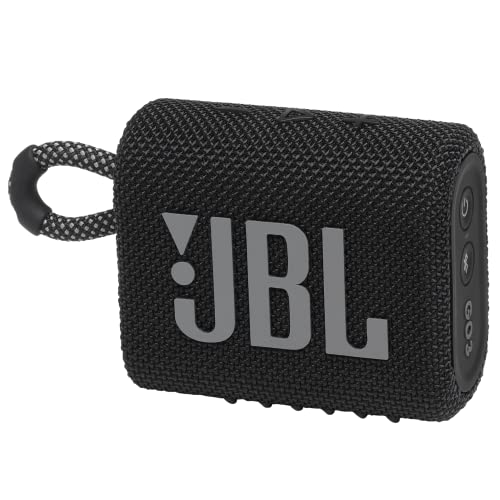
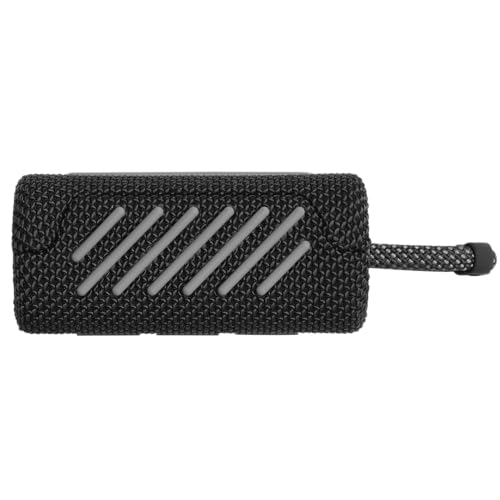
The JBL Go 3, released in 2021, represents the third generation of JBL's ultra-portable speaker line. At roughly the size of a smartphone but thicker, it weighs less than half a pound and features complete waterproof protection. It's designed for people who want decent audio quality in the smallest possible package that can survive real-world adventures.
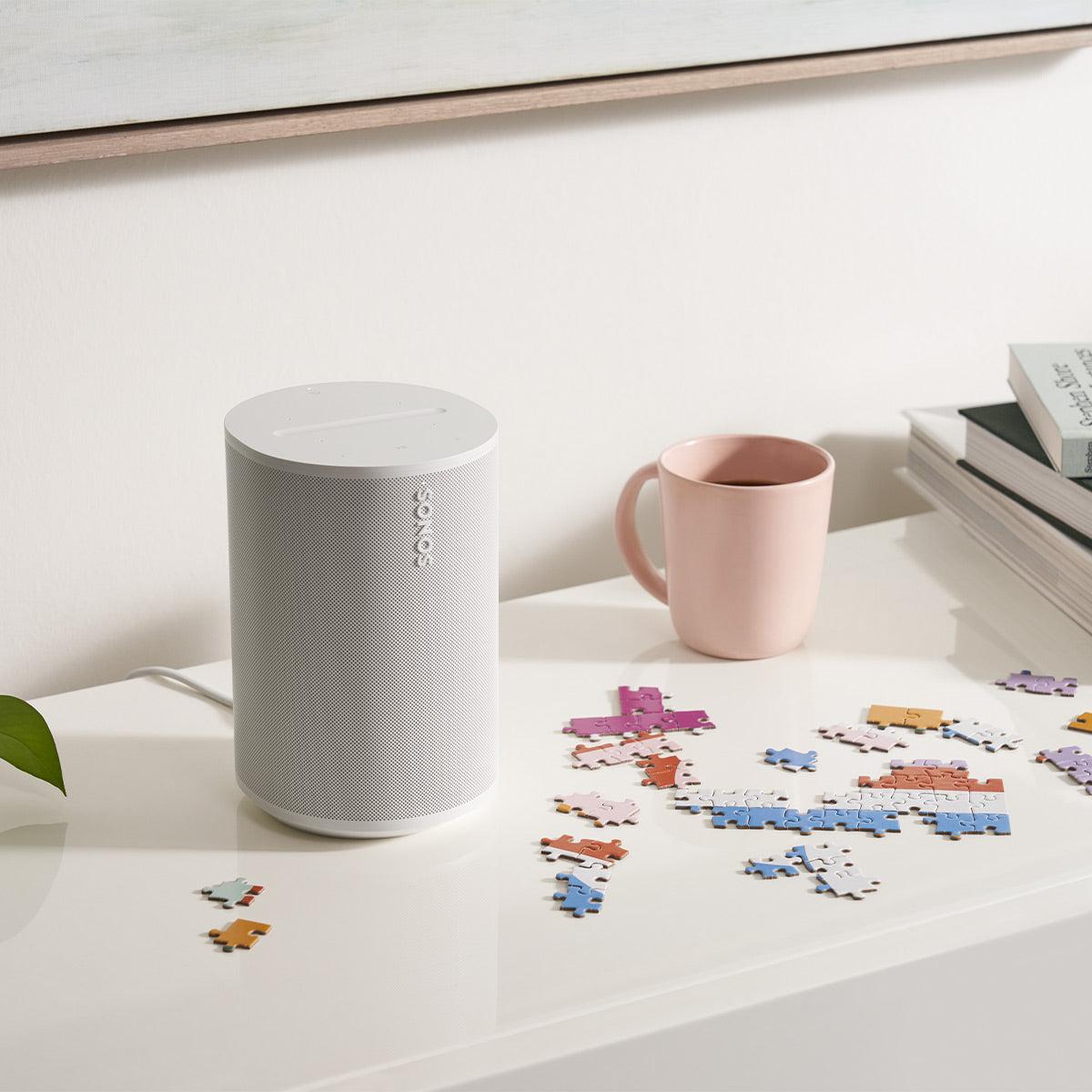
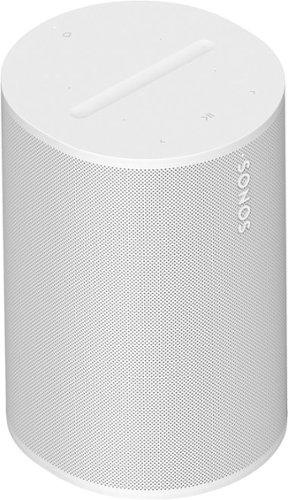
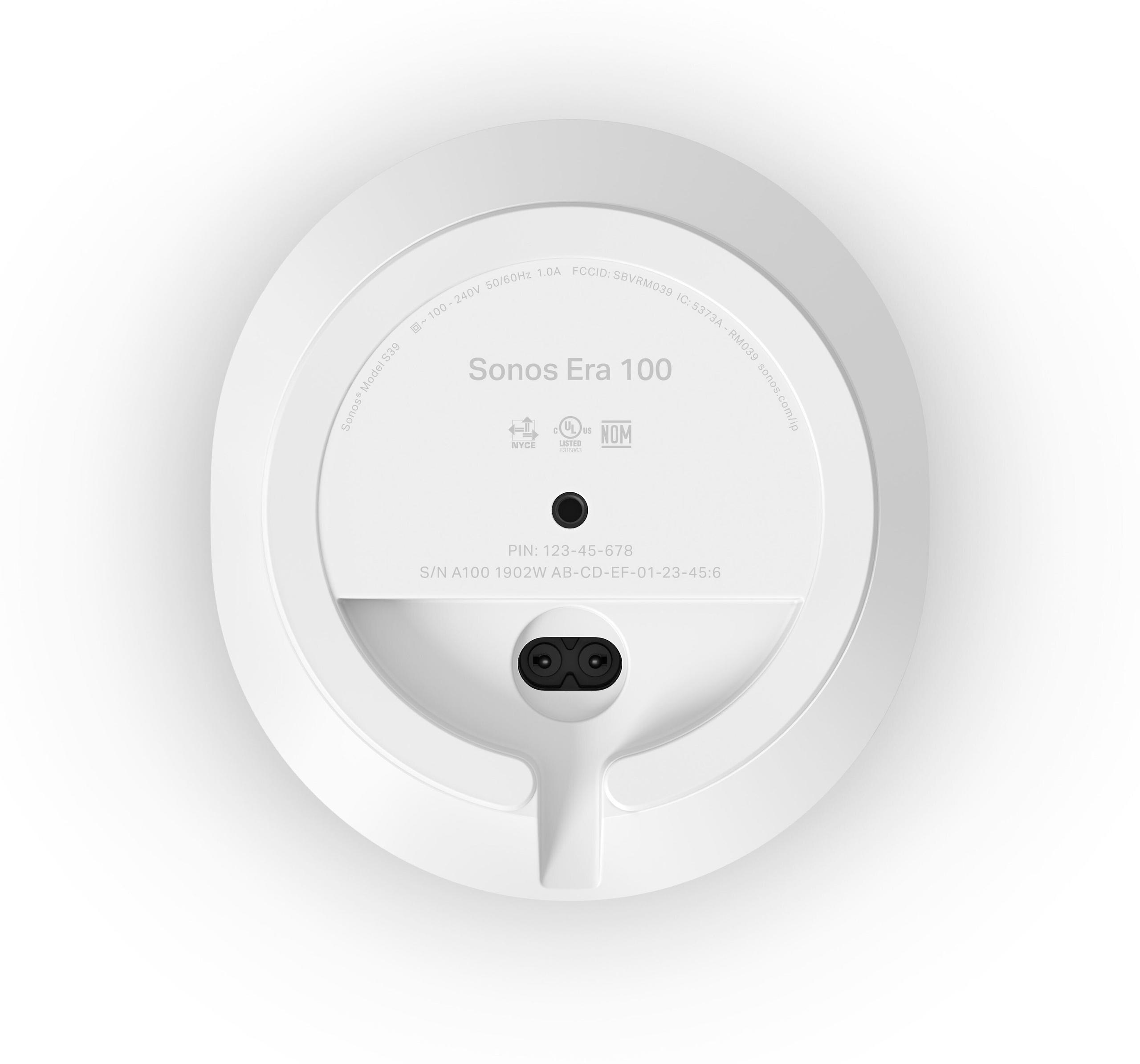
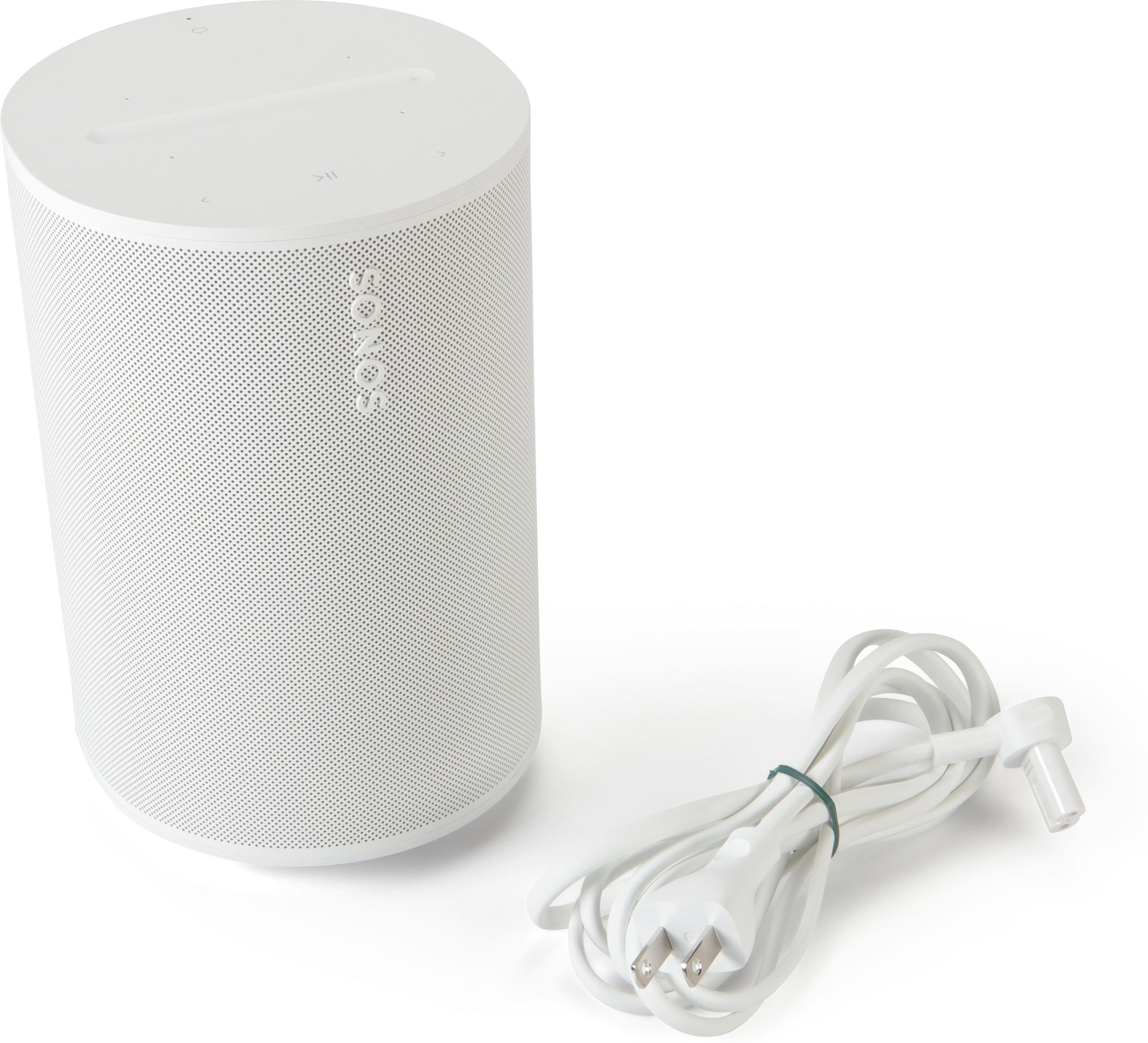
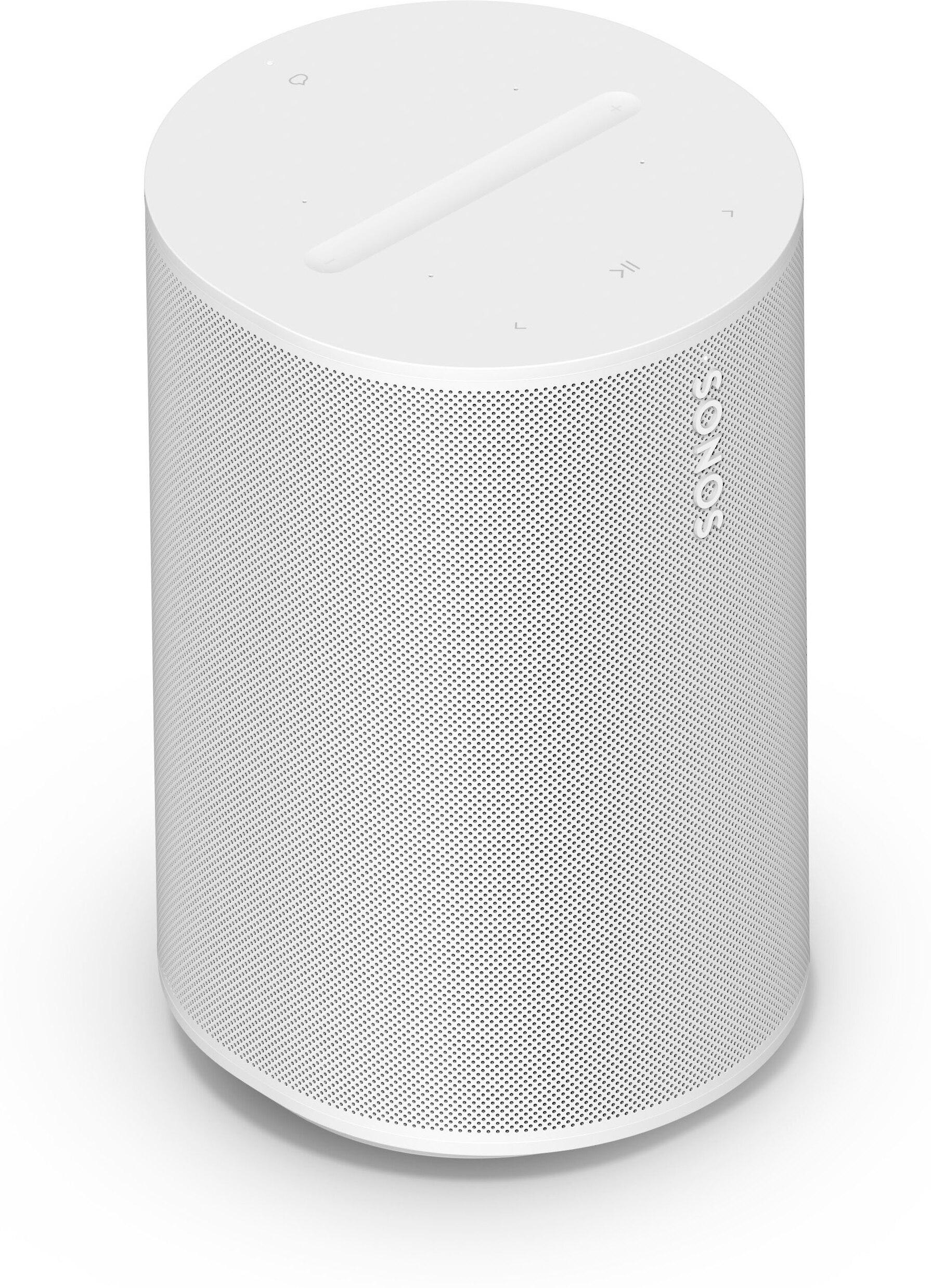
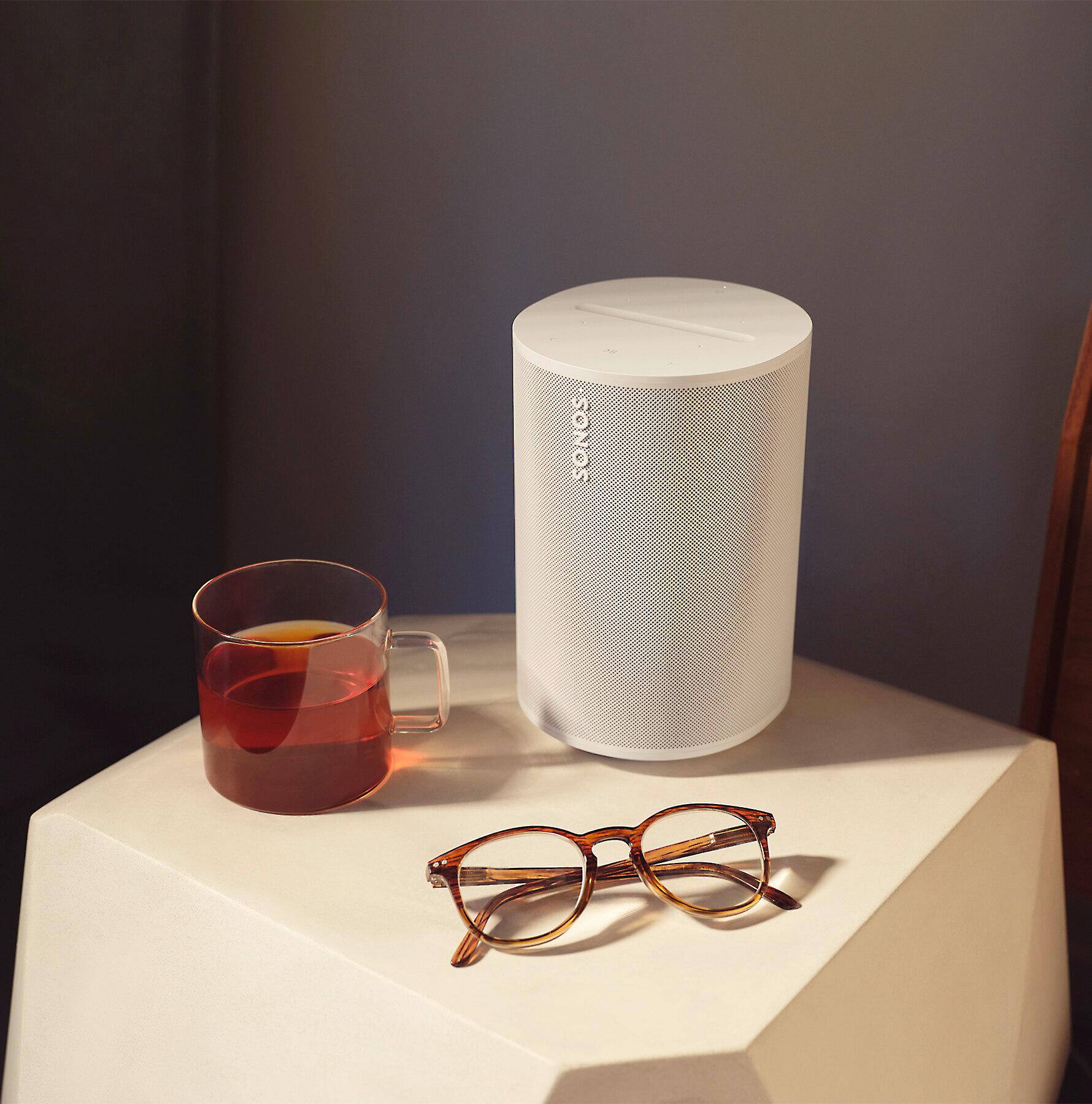
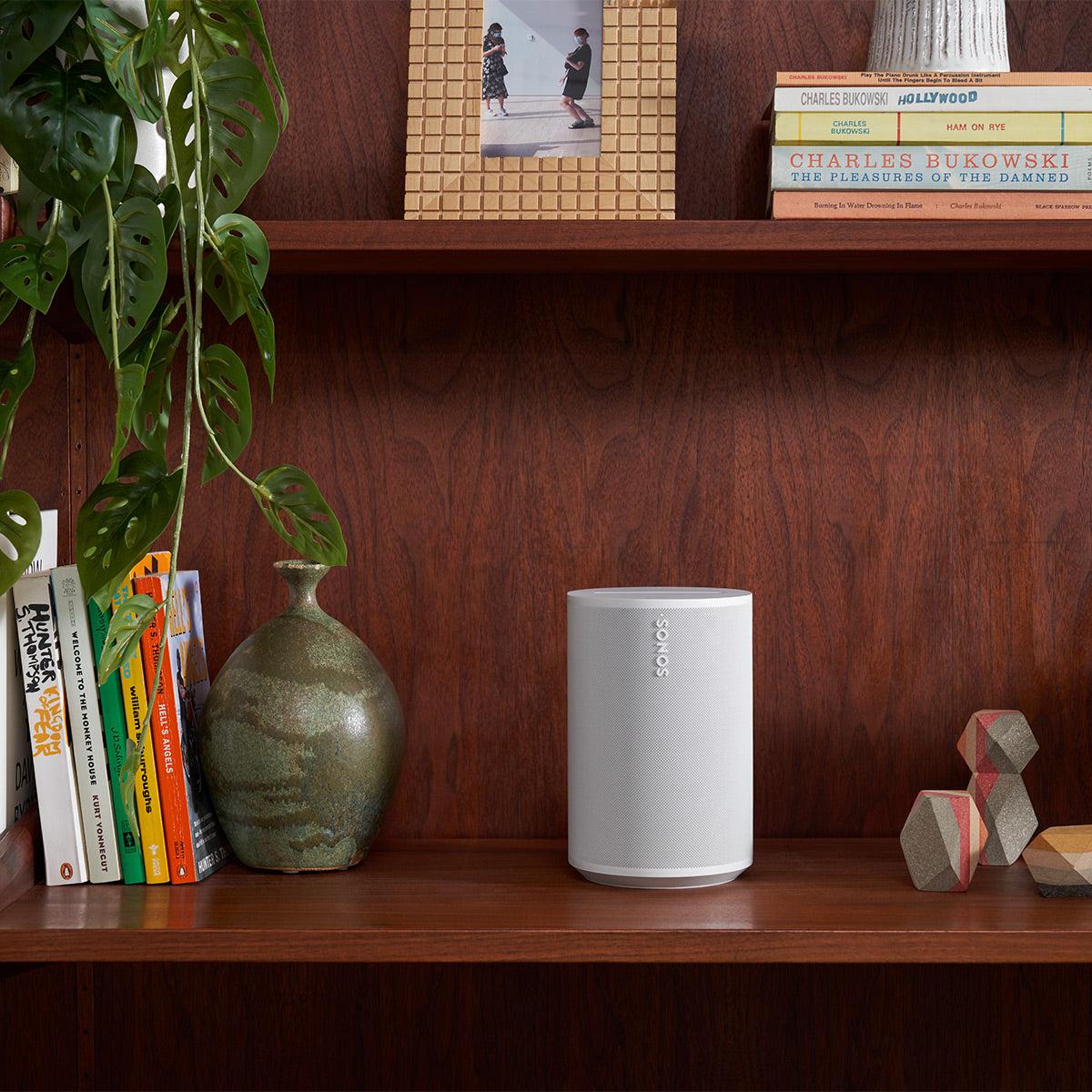
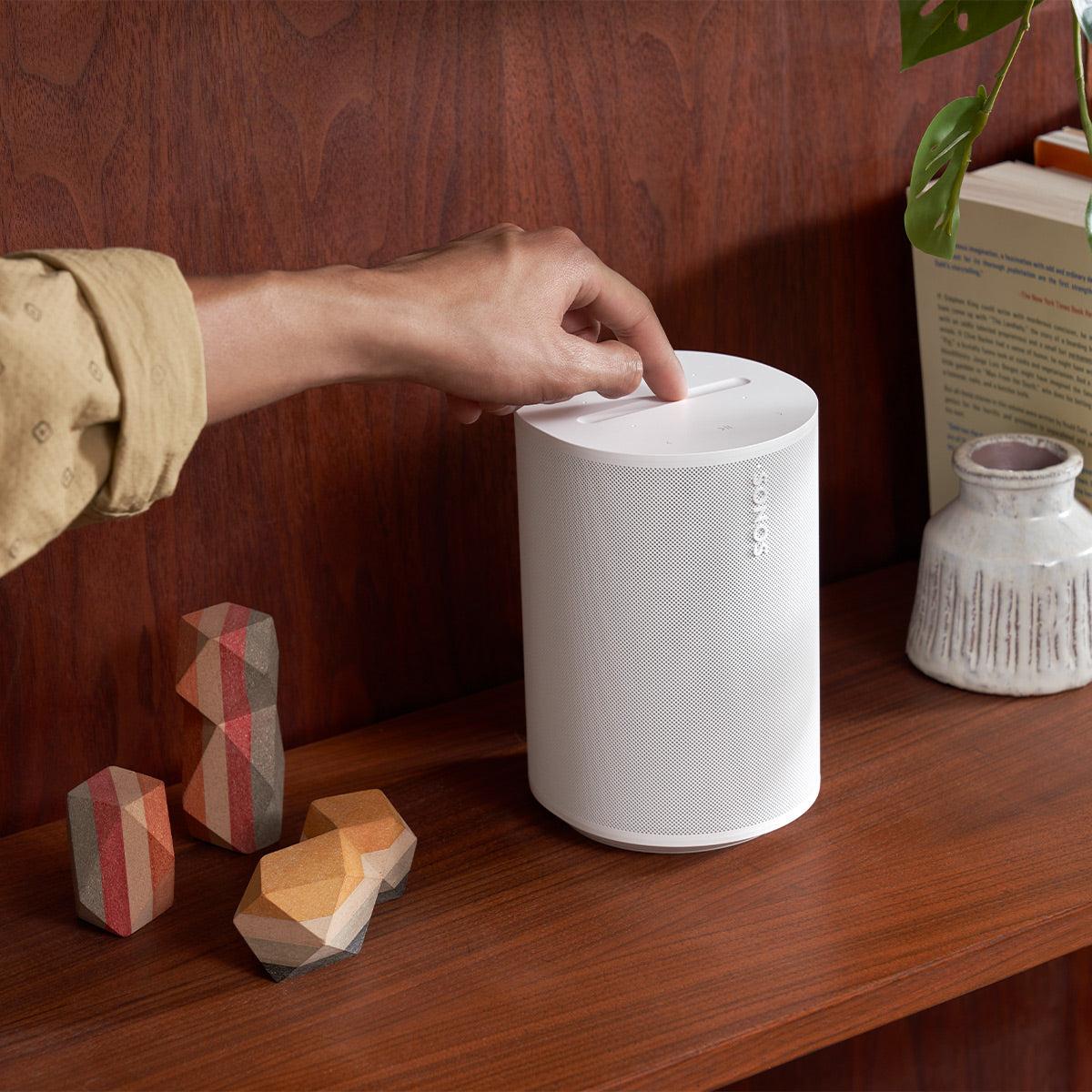
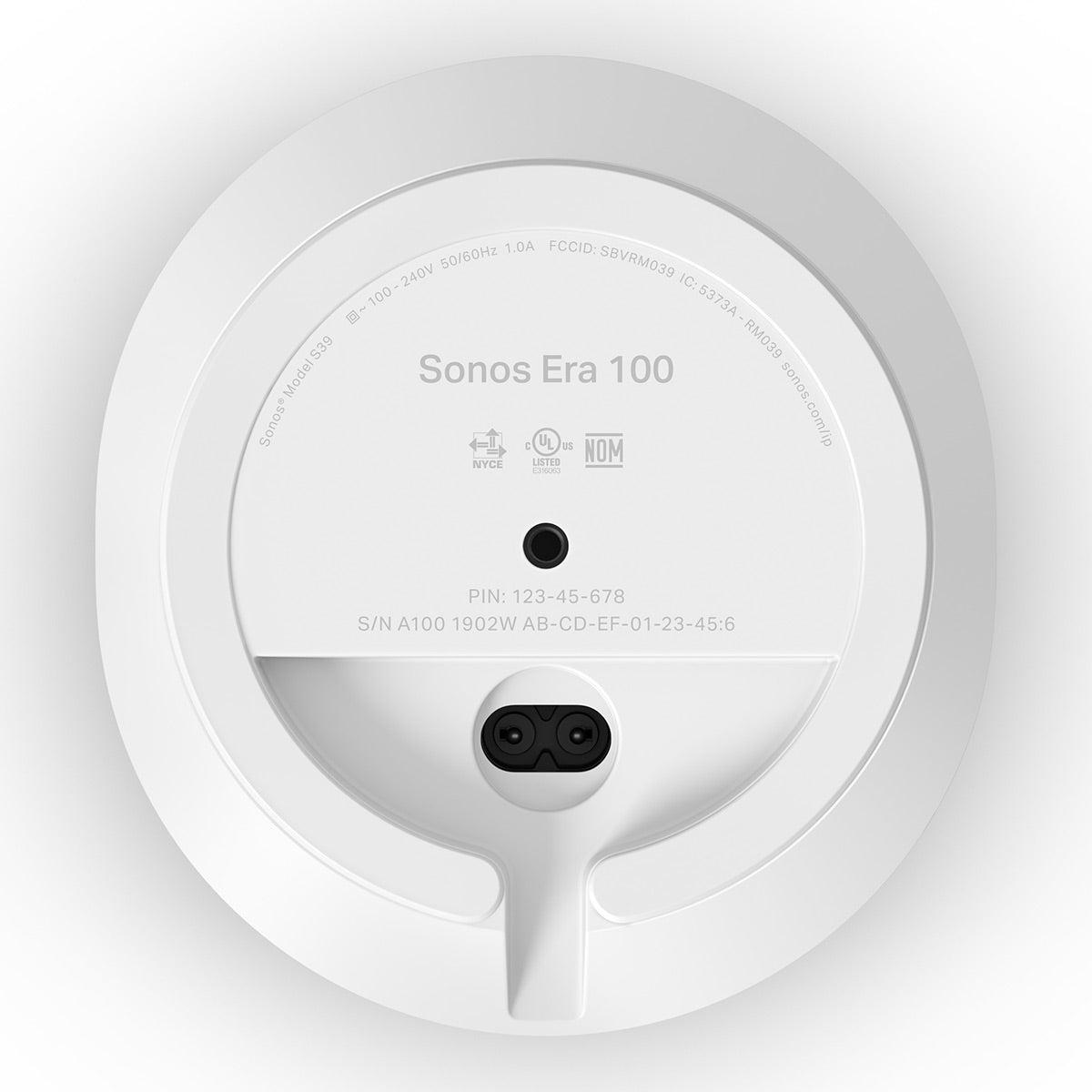
The Sonos Era 100, launched in 2023, is Sonos's answer to the growing demand for premium compact home speakers. Weighing nearly ten times more than the Go 3 and requiring wall power, it's built around advanced audio processing and smart home integration. It replaced the popular Sonos One with significant improvements in sound quality and connectivity options.
When evaluating speakers, frequency response—how well they reproduce different pitches from deep bass to high treble—tells much of the story. The JBL Go 3 operates with a single 43x47mm driver powered by 4.2 watts, covering frequencies from 110Hz to 20kHz. That 110Hz lower limit means it starts rolling off bass response well before you hit the deep, rumbling notes that make music feel full and immersive. In practical terms, you'll hear vocals clearly, acoustic guitars sound natural, and electronic music plays cleanly, but don't expect the chest-thumping bass that makes hip-hop and EDM feel powerful.
The mono output—meaning left and right audio channels get mixed together—further limits the listening experience. Stereo separation, which creates the illusion of instruments positioned across a soundstage, disappears entirely. However, for a speaker this size, the vocal clarity is genuinely impressive. Podcasts and audiobooks sound particularly good, with clear dialogue that cuts through background noise.
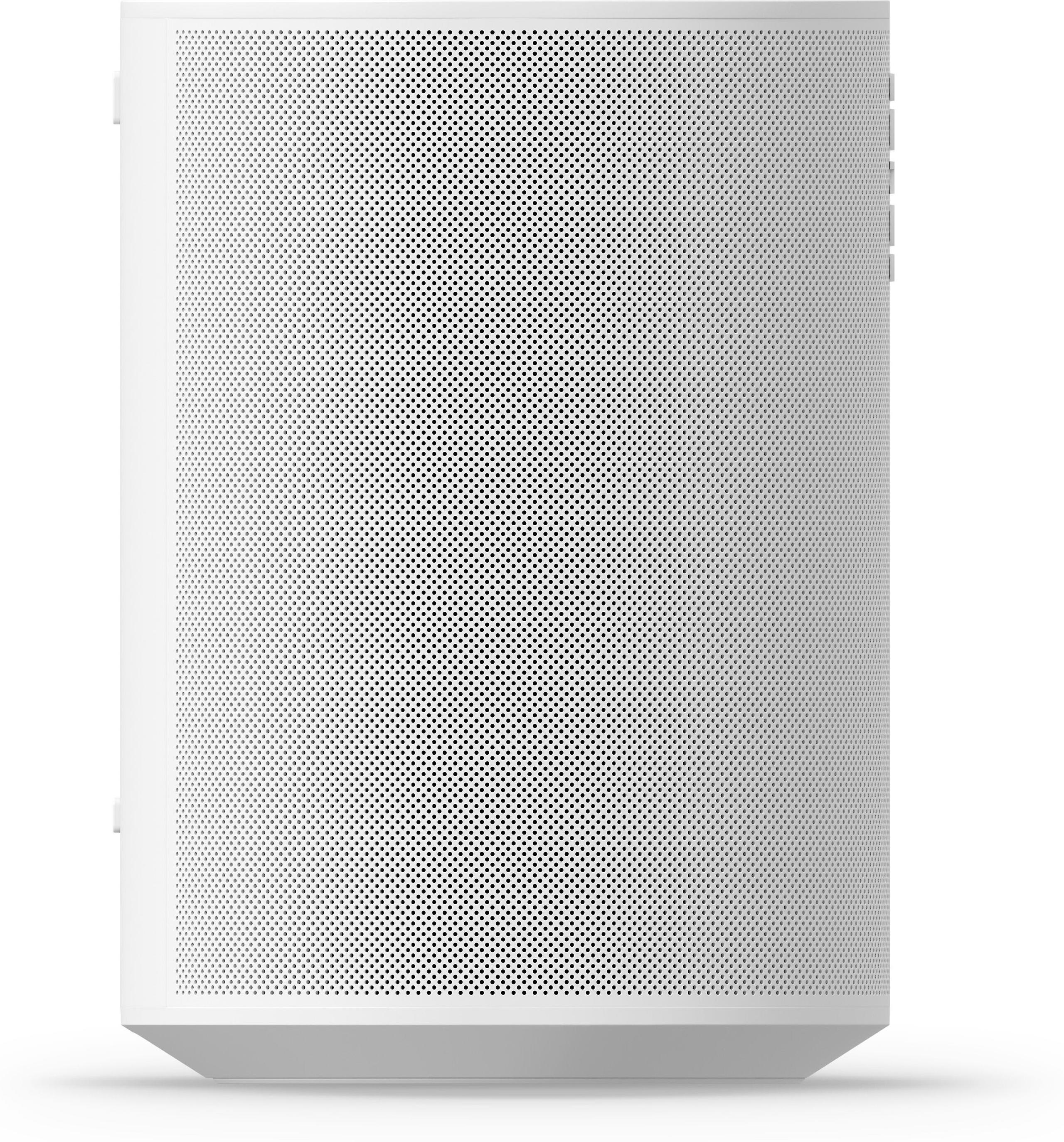
The Sonos Era 100 operates in a different league entirely. Its three-driver system includes dual angled tweeters (small speakers optimized for high frequencies) and a dedicated mid-woofer (a larger driver handling middle frequencies and bass). This configuration allows true stereo reproduction from a single unit—those angled tweeters create left and right channel separation that the Go 3 simply cannot achieve.
More importantly, the Era 100 extends bass response down to 40Hz, covering nearly the full range of musical content. That extra bass depth transforms music listening, adding weight to kick drums, warmth to male vocals, and the rumbling foundation that makes orchestral music feel grand. Three separate Class-D amplifiers (efficient digital amplifiers that generate less heat) power each driver independently, allowing precise control over the entire frequency range.
This brings us to one of the Era 100's most sophisticated features: Trueplay room tuning. Every room affects how speakers sound—hard surfaces reflect sound waves, soft furnishings absorb them, and room dimensions create resonances that can boost or cancel certain frequencies. The Sonos Era 100 uses its built-in microphone array to measure your room's acoustic properties, then automatically adjusts its output to compensate for these effects.
In contrast, the JBL Go 3 sounds the same regardless of environment, which can be both limitation and benefit. While it can't optimize for room acoustics, its consistent performance means you'll get predictable results whether it's sitting on a beach towel or kitchen counter.
Maximum volume capabilities differ dramatically between these speakers. The Go 3's 4.2-watt output limits how loud it can play before distortion creeps in, though it handles moderate volumes well for its size. The Era 100's significantly higher power output—exact wattage isn't specified, but based on its driver size and performance, likely 50+ watts total—means it can fill medium-sized rooms with clean, undistorted sound.
Dynamic range—the difference between quiet and loud sounds—also favors the Era 100. Its larger drivers and higher power handling allow sudden volume swells in orchestral music or impactful drum hits to reproduce with proper scale, while the Go 3 compresses these differences to stay within its limited output capabilities.
The connectivity story illustrates the fundamental philosophical differences between these speakers. The JBL Go 3 embraces simplicity with Bluetooth 5.1 as its sole wireless connection method. This approach has clear benefits: nearly every phone, tablet, and laptop connects easily, pairing happens instantly, and there's no complex setup process. The trade-off is limitation—you're locked to one source device at a time, with no way to integrate with smart home systems or stream high-quality audio from dedicated music services.
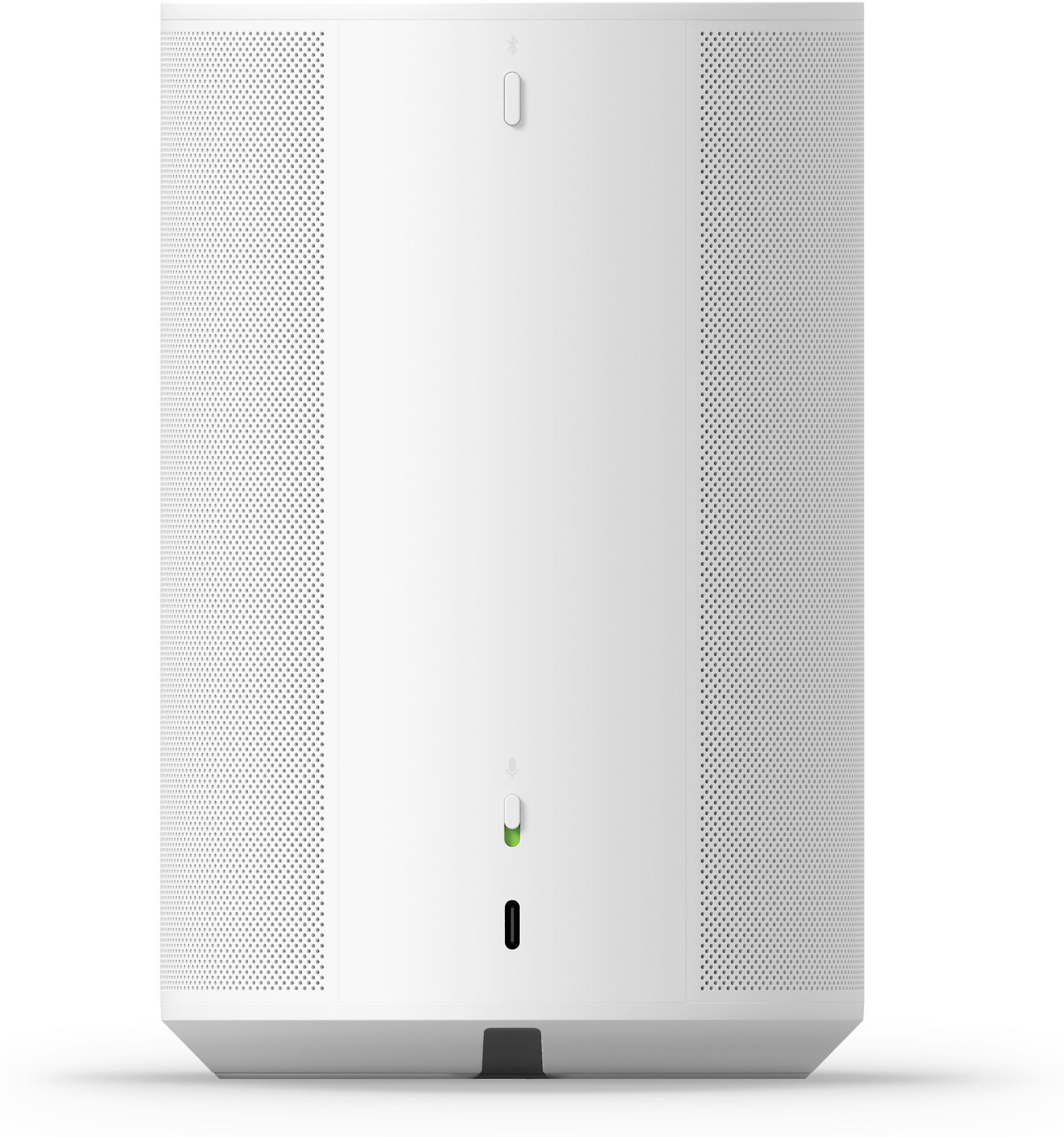
The Sonos Era 100 takes the opposite approach, offering multiple connection methods including WiFi 6, Bluetooth 5.0, Apple AirPlay 2, and even USB-C line input (with optional adapter). This flexibility comes with complexity—initial setup requires the Sonos app and WiFi configuration—but unlocks capabilities the Go 3 cannot match.
WiFi connectivity, in particular, enables higher-quality audio streaming than Bluetooth allows. While Bluetooth compresses audio to fit its limited bandwidth, WiFi can carry uncompressed or losslessly compressed music files, preserving more detail in the sound. For serious listening, this difference becomes noticeable, particularly with well-recorded acoustic music or high-quality streaming services.
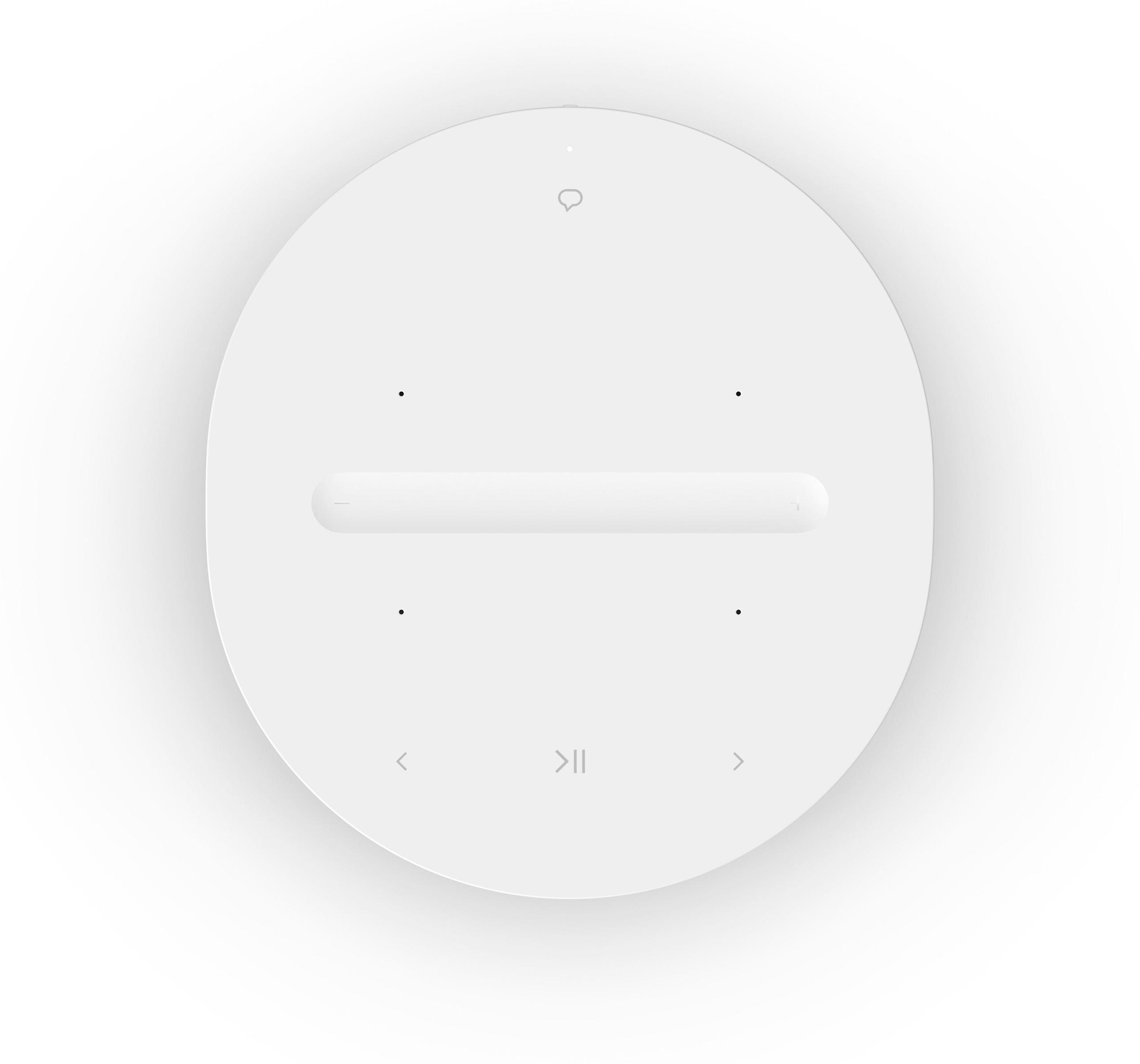
The Era 100's smart speaker capabilities represent a fundamental difference in product philosophy. Built-in Amazon Alexa and Sonos Voice Control transform it from a simple music player into a home automation hub. You can control smart lights, check weather, set timers, and control playback entirely through voice commands. The far-field microphone array uses advanced beamforming—technology that focuses on sound from specific directions while rejecting background noise—to hear commands clearly even during music playback.
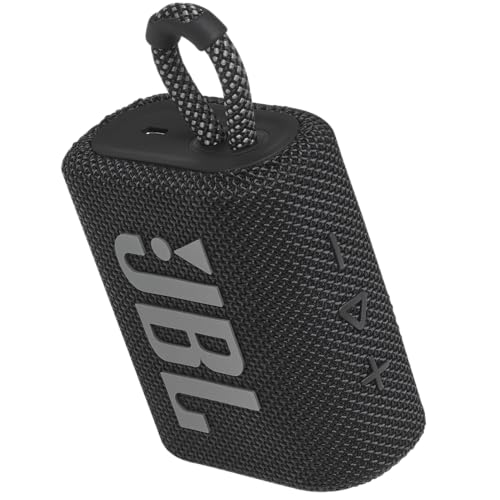
The JBL Go 3 offers none of these features, sticking to basic physical controls for power, volume, and play/pause. This simplicity has merit—there's no privacy concerns about always-listening microphones, no complex voice training, and no dependence on internet connectivity for basic operation.
Environmental protection showcases another stark difference. The JBL Go 3 carries an IP67 rating, meaning it's completely dust-tight (the "6") and can survive immersion in one meter of water for 30 minutes (the "7"). This protection makes it suitable for beach trips, pool parties, camping expeditions, and even shower use. The rubberized exterior and fabric covering provide additional drop protection.
The Sonos Era 100 offers only humidity resistance, suitable for kitchens and bathrooms but not outdoor exposure. Its premium construction uses higher-quality materials but prioritizes aesthetic appeal and acoustic performance over ruggedness.
Perhaps the most significant long-term difference lies in expandability. The Sonos Era 100 is designed as part of a comprehensive multi-room audio ecosystem. You can group it with other Sonos speakers for synchronized playback throughout your home, pair two Era 100s for true stereo separation, or integrate it with Sonos soundbars for home theater surround sound.
This ecosystem approach means your initial Era 100 purchase can grow into a whole-home audio system over time. The Sonos app coordinates everything, allowing different music in each room or synchronized audio throughout the house. For home theater use, the Era 100 can serve as rear surround speakers when paired with a Sonos soundbar, though dedicated surround speakers would provide better performance.
The JBL Go 3 operates entirely independently—it cannot pair with other speakers or integrate into larger systems. This limitation keeps costs down but eliminates expansion possibilities.
Battery life represents one of the Go 3's few clear advantages. Its lithium polymer battery provides roughly 5 hours of playbook at moderate volumes, with USB-C charging reaching full capacity in about 2.5 hours. While 5 hours isn't exceptional for portable speakers—some competitors offer 10+ hours—it's adequate for most single-session uses.
The Sonos Era 100 requires constant AC power, limiting placement to locations near electrical outlets but eliminating battery degradation concerns. Over years of use, the Go 3's battery will lose capacity and eventually require replacement or disposal, while the Era 100 should maintain consistent performance indefinitely.
At the time of writing, these speakers occupy different price tiers entirely. The JBL Go 3 typically costs under $60, positioning it as an impulse purchase or secondary speaker. For this price point, its combination of portability, water resistance, and adequate sound quality represents strong value. The main competition comes from other ultra-portable speakers, where the Go 3's reliability and brand recognition provide advantages.
The Sonos Era 100 commands roughly four times the Go 3's price, reflecting its premium positioning. However, when compared to other smart speakers with similar audio quality and features, it represents competitive value. The inclusion of advanced room tuning, multi-connectivity options, and ecosystem integration justifies the higher cost for users who will utilize these features.
The value equation changes dramatically based on use case. If you need portable audio for outdoor activities, the Era 100's higher cost buys you nothing useful. Conversely, for primary home audio where sound quality matters most, the Go 3's lower price reflects its limited capabilities.
The JBL Go 3 makes sense for specific user profiles. College students living in dorms appreciate its size and portability for studying and social gatherings. Outdoor enthusiasts value the waterproof protection for camping and beach trips. Urban dwellers with small apartments might prefer its space efficiency and adequate sound quality. Anyone seeking a secondary speaker for kitchens, bathrooms, or workshops benefits from its durability and simple operation.
The Sonos Era 100 targets different needs entirely. Homeowners building quality audio systems will appreciate its room optimization and expansion capabilities. Smart home enthusiasts benefit from voice control and automation integration. Music lovers who primarily listen at home gain significantly from its superior audio quality and streaming options. Anyone planning to add more speakers over time should consider the Sonos ecosystem's long-term benefits.
For home theater applications, the Era 100 offers real potential as part of a surround sound system, while the Go 3 provides no home theater functionality beyond basic TV audio improvement through Bluetooth.
These speakers succeed brilliantly at their intended purposes while failing completely at their competitor's strengths. The JBL Go 3 delivers impressive portability and environmental protection at a budget price, making it ideal for active lifestyles and secondary speaker roles. Its limitations in audio quality and features are acceptable trade-offs for its size and durability advantages.
The Sonos Era 100 provides premium home audio with sophisticated features and expansion possibilities, justifying its higher cost through superior performance and versatility. Its lack of portability isn't a limitation for its intended stationary use.
Rather than choosing between them, many users would benefit from both: the Era 100 for primary home listening and the Go 3 for portable needs. This combination covers all use cases without forcing compromises. However, if budget allows only one choice, consider where you'll spend 80% of your listening time—that environment should determine your priority.
The technology improvements since their respective launches continue to influence their relevance. The JBL Go 3's 2021 design remains current in the ultra-portable category, while the Sonos Era 100's 2023 introduction incorporates the latest in smart speaker technology and will likely receive software updates for years to come.
Ultimately, both speakers represent excellent execution of their respective design philosophies. Your choice should align with your lifestyle, listening habits, and long-term audio goals rather than trying to find a one-size-fits-all solution that excels at everything.
| JBL Go 3 Portable Bluetooth Speaker | Sonos Era 100 Wireless Speaker |
|---|---|
| Size & Weight - Critical for portability vs home placement | |
| 3.4" x 2.7" x 1.6", 0.46 lbs (ultra-portable) | 7.2" x 4.7" x 5.1", 4.45 lbs (compact home speaker) |
| Power Source - Determines placement flexibility | |
| Built-in battery, 5-hour runtime, USB-C charging | AC power required (no battery operation) |
| Audio Drivers - Foundation of sound quality | |
| Single 43x47mm driver, mono output | Three-driver system: dual tweeters + mid-woofer, stereo sound |
| Power Output - Affects maximum volume and clarity | |
| 4.2W RMS (suitable for personal/small group listening) | Significantly higher output (fills medium rooms easily) |
| Frequency Response - Range of sounds reproduced | |
| 110Hz-20kHz (limited bass below 140Hz) | 40Hz-20kHz (full bass extension for rich sound) |
| Water Resistance - Environmental durability | |
| IP67 waterproof/dustproof (submersible to 1 meter) | Humidity resistant only (indoor use) |
| Connectivity Options - How you stream music | |
| Bluetooth 5.1 only (simple but limited) | WiFi 6, Bluetooth 5.0, AirPlay 2, USB-C line-in |
| Smart Features - Voice control and automation | |
| Basic physical controls only | Amazon Alexa, Sonos Voice Control, smart home integration |
| Room Optimization - Automatic sound adjustment | |
| Fixed tuning for all environments | Trueplay room acoustic tuning via microphones |
| Multi-Room Capability - Expanding your audio system | |
| Standalone operation only | Full Sonos ecosystem integration, grouping, stereo pairing |
| Setup Complexity - Getting started | |
| Instant Bluetooth pairing | App-based WiFi setup with ongoing software updates |
| Best Use Cases - Where each excels | |
| Travel, outdoor activities, secondary speaker | Primary home audio, smart home hub, expandable system |
The JBL Go 3 is clearly superior for outdoor use thanks to its IP67 waterproof and dustproof rating, meaning it can be submerged in water and completely resist dust. It's also battery-powered for 5 hours, making it perfect for beach trips, camping, or poolside listening. The Sonos Era 100 requires AC power and only offers humidity resistance, limiting it to indoor environments.
The Sonos Era 100 delivers significantly better sound quality with its three-driver system, true stereo separation, and bass response down to 40Hz. The JBL Go 3 has a single mono driver with limited bass below 140Hz, but offers surprisingly clear vocals and midrange for its ultra-compact size. If audio fidelity is your priority, the Era 100 is the clear winner.
The JBL Go 3 wins portability hands down, weighing just 0.46 lbs with dimensions smaller than most smartphones. It includes an integrated fabric loop for easy attachment and runs on battery power. The Sonos Era 100 weighs nearly 4.5 lbs and requires wall power, making it unsuitable for true portability.
Only the Sonos Era 100 offers smart home integration with built-in Amazon Alexa and Sonos Voice Control. You can control compatible smart devices, set timers, and check weather through voice commands. The JBL Go 3 has no smart features or voice control - it's limited to basic physical controls for music playback.
This depends on your needs. The JBL Go 3 offers excellent value in the ultra-portable category with waterproof protection and decent sound quality at a budget price. The Sonos Era 100 provides premium features like room tuning, multi-room capability, and superior audio quality, justifying its higher cost for home audio enthusiasts.
The JBL Go 3 uses only Bluetooth 5.1, which is simple but limits you to one device connection. The Sonos Era 100 offers WiFi 6, Bluetooth 5.0, AirPlay 2, and USB-C line input, providing much more flexibility and higher-quality streaming options through WiFi rather than compressed Bluetooth audio.
The Sonos Era 100 is designed for multi-room expansion - you can group multiple Sonos speakers for synchronized playback throughout your home, pair two Era 100s for stereo, or integrate with other Sonos products. The JBL Go 3 operates independently with no multi-speaker pairing or ecosystem integration capabilities.
The Sonos Era 100 can integrate into home theater setups as rear surround speakers when paired with Sonos soundbars, though dedicated surround speakers would be ideal. It also offers better overall audio quality for TV content. The JBL Go 3 provides no meaningful home theater functionality beyond basic Bluetooth audio from your TV.
Only the JBL Go 3 has a battery, providing up to 5 hours of playback with 2.5-hour USB-C charging time. The Sonos Era 100 requires constant AC power connection, which eliminates battery life concerns but limits placement flexibility to areas near electrical outlets.
The Sonos Era 100 excels with its Trueplay room tuning feature that automatically adjusts sound output based on your room's acoustic properties using built-in microphones. The JBL Go 3 sounds the same regardless of environment, which provides consistency but no optimization for different spaces.
The Sonos Era 100 handles all music genres well thanks to its full frequency range and strong bass response, making it excellent for everything from classical to hip-hop. The JBL Go 3 excels with vocals, podcasts, and acoustic music but struggles with bass-heavy genres like EDM due to its limited low-frequency response.
The JBL Go 3 is built for rugged use with waterproof protection, rubberized exterior, and drop-resistant design, perfect for active lifestyles. The Sonos Era 100 uses premium materials and construction but is designed for careful indoor use. Choose the Go 3 for durability or the Era 100 for long-term reliability in controlled environments.
We've done our best to create useful and informative comparisons to help you decide what product to buy. Our research uses advanced automated methods to create this comparison and perfection is not possible - please contact us for corrections or questions. These are the sites we've researched in the creation of this article: rtings.com - streamtechreviews.com - english.achoreviews.com - smarthomesounds.co.uk - soundguys.com - rtings.com - walmart.com - soundguys.com - youtube.com - youtube.com - jbl.com - youtube.com - selectoguru.com - versus.com - videoandaudiocenter.com - harmanaudio.com - jbl.com - bestbuy.com - forum.hifiguides.com - manuals.plus - kh.jbl.com - th.jbl.com - mm.jbl.com - jbl.com - bestbuy.com - youtube.com - youtube.com - youtube.com - jbl.com - bestbuy.com - bestbuy.com - jbl.com.tw - youtube.com - goodhousekeeping.com - tomsguide.com - techradar.com - youtube.com - whathifi.com - dxomark.com - rtings.com - abt.com - sonos.com - bhphotovideo.com - sonos.com - sonos.com - audiolab.com - en.community.sonos.com

Privacy Policy
Terms and Conditions - Affiliate Policy
Home Security
© Copyright 2008-2026.
11816 Inwood Rd #1211, Dallas, TX 75244