




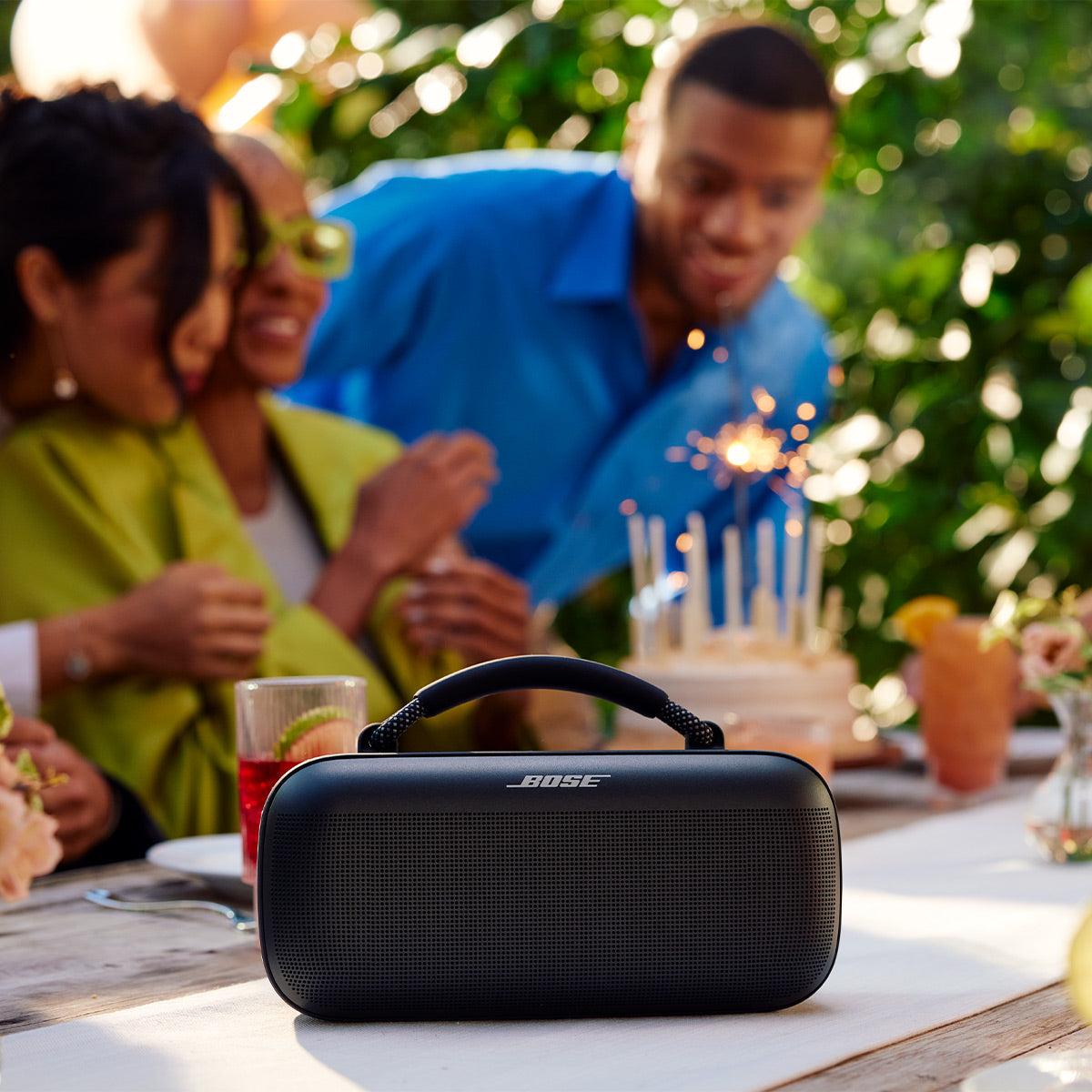
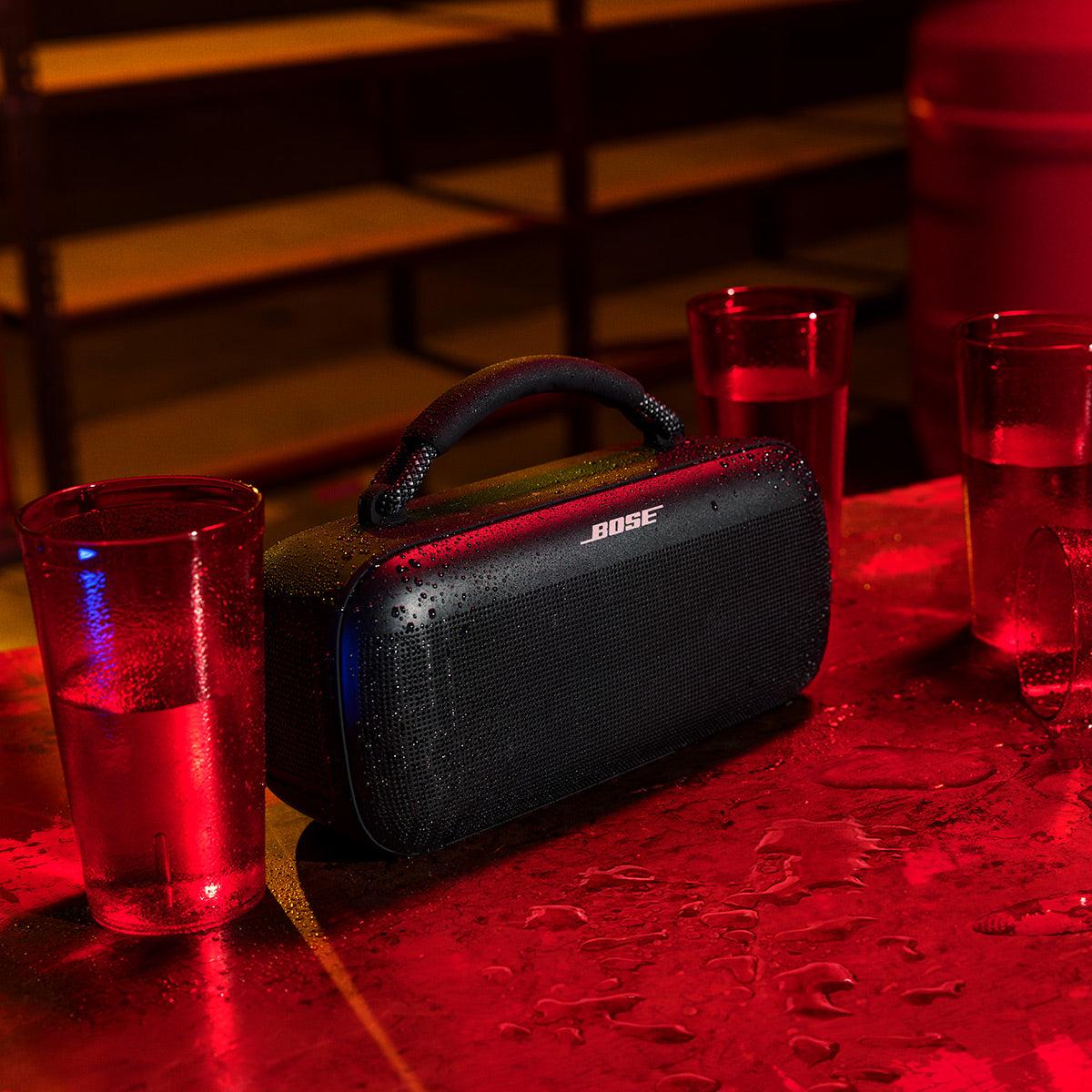

When it comes to portable Bluetooth speakers, the market has exploded with options ranging from tiny pocket speakers to premium powerhouses. Two speakers that perfectly illustrate this spectrum are the ultra-compact JBL Go 3 and the premium Bose SoundLink Max. While both claim the "portable" label, they approach portable audio from completely different angles—and the results speak volumes about what matters most to you as a listener.
The portable speaker market has matured significantly since Bluetooth audio became mainstream around 2010. Today's speakers face a fundamental engineering challenge: the laws of physics dictate that smaller speakers simply cannot move as much air as larger ones, which directly impacts bass response and overall volume. This creates an inevitable trade-off between portability and sound quality that every manufacturer must navigate.
The JBL Go 3, released in 2021, represents JBL's philosophy of maximizing portability while maintaining acceptable audio quality at an extremely accessible price point. The Bose SoundLink Max, launched in 2024, takes the opposite approach—it pushes the boundaries of what's possible in a still-portable form factor, prioritizing audio excellence over absolute size minimization.
Understanding this fundamental difference helps explain why these speakers exist at such different price points and why they appeal to entirely different users, despite technically competing in the same product category.
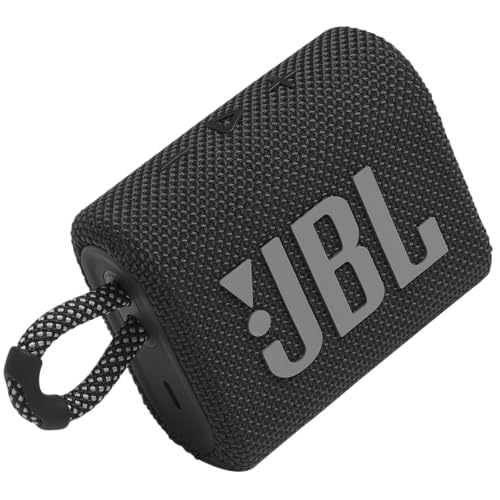
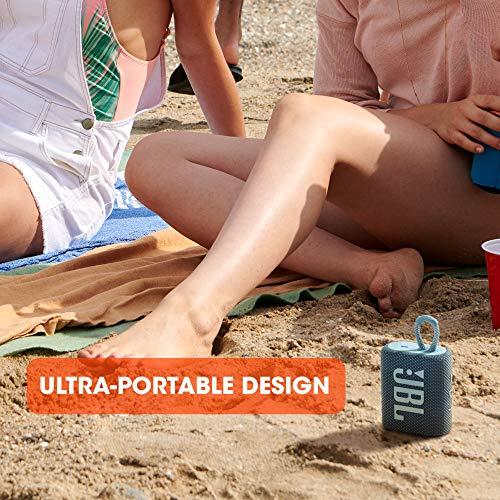
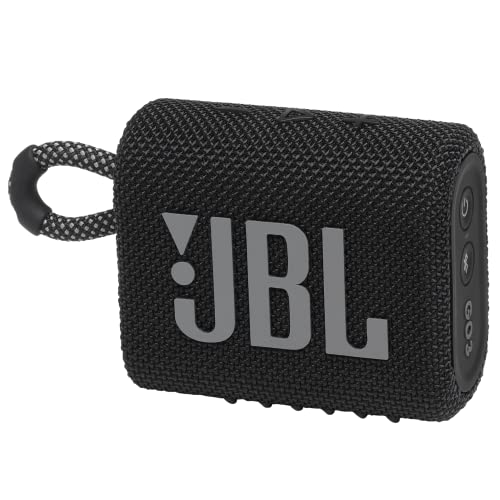
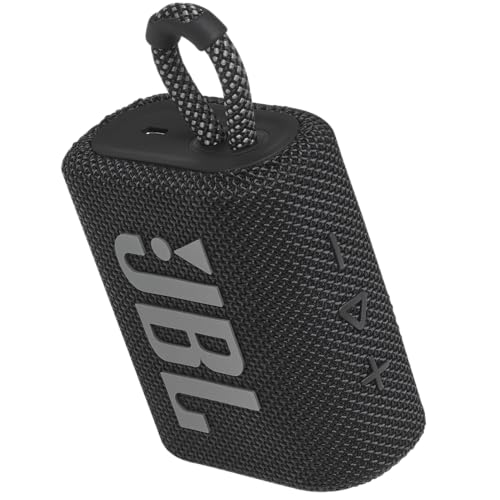
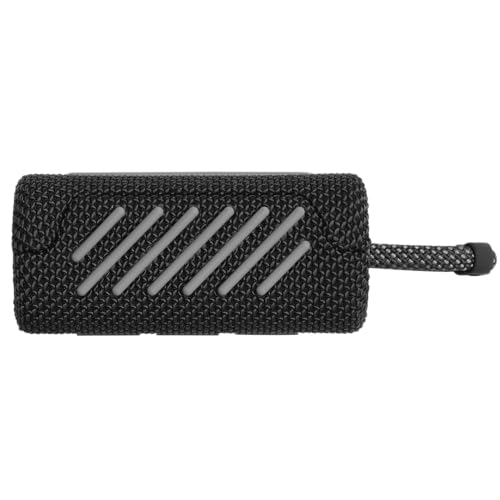
The portability difference between these speakers is immediately apparent. The JBL Go 3 measures just 3.4 by 2.7 by 1.6 inches and weighs less than half a pound. This isn't just "portable"—it's genuinely pocket-sized. You can toss it in a purse, backpack side pocket, or even a large jacket pocket without thinking twice. The integrated fabric loop adds practical value, allowing you to clip it to a bag or hang it from a hook in the shower.
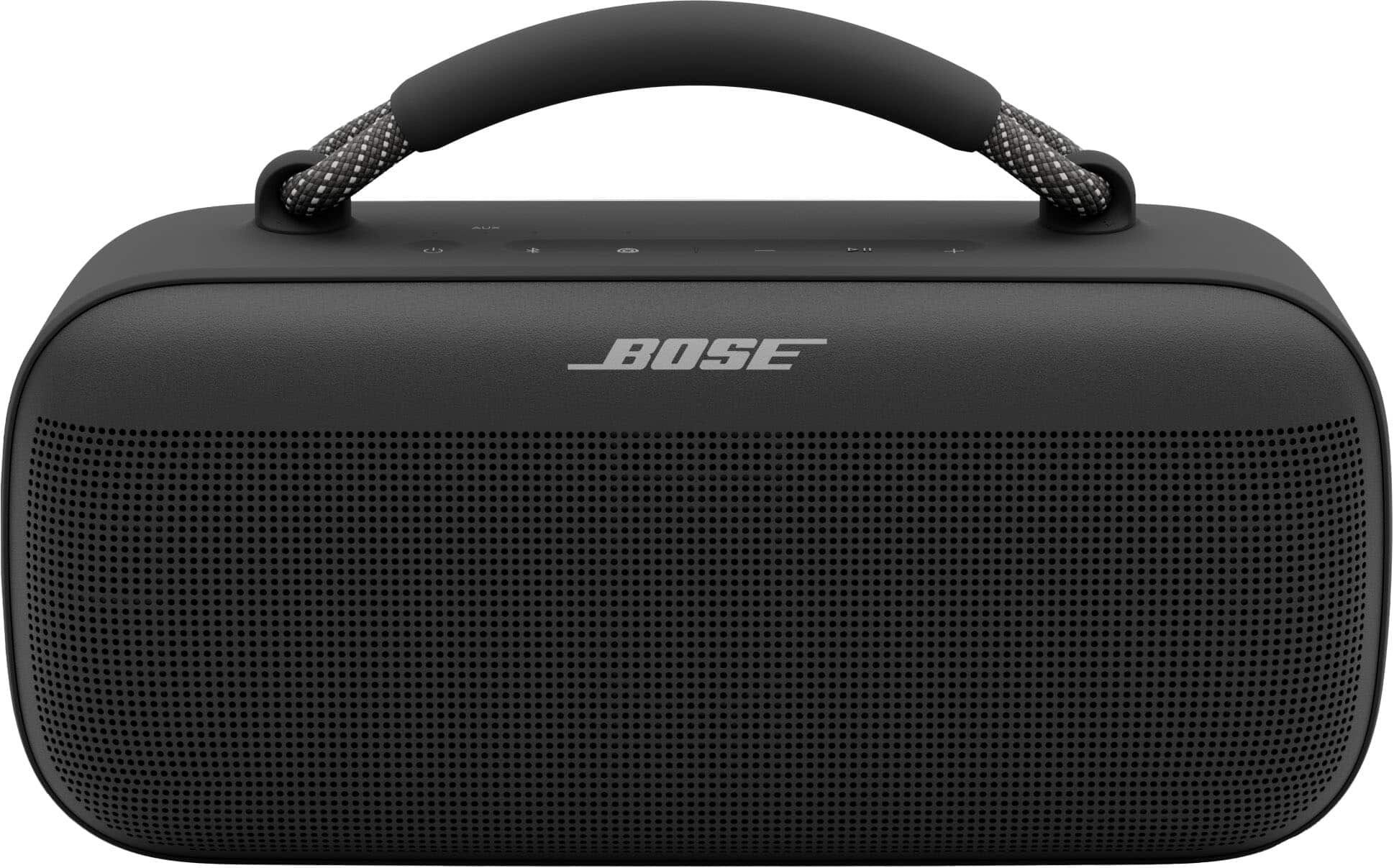
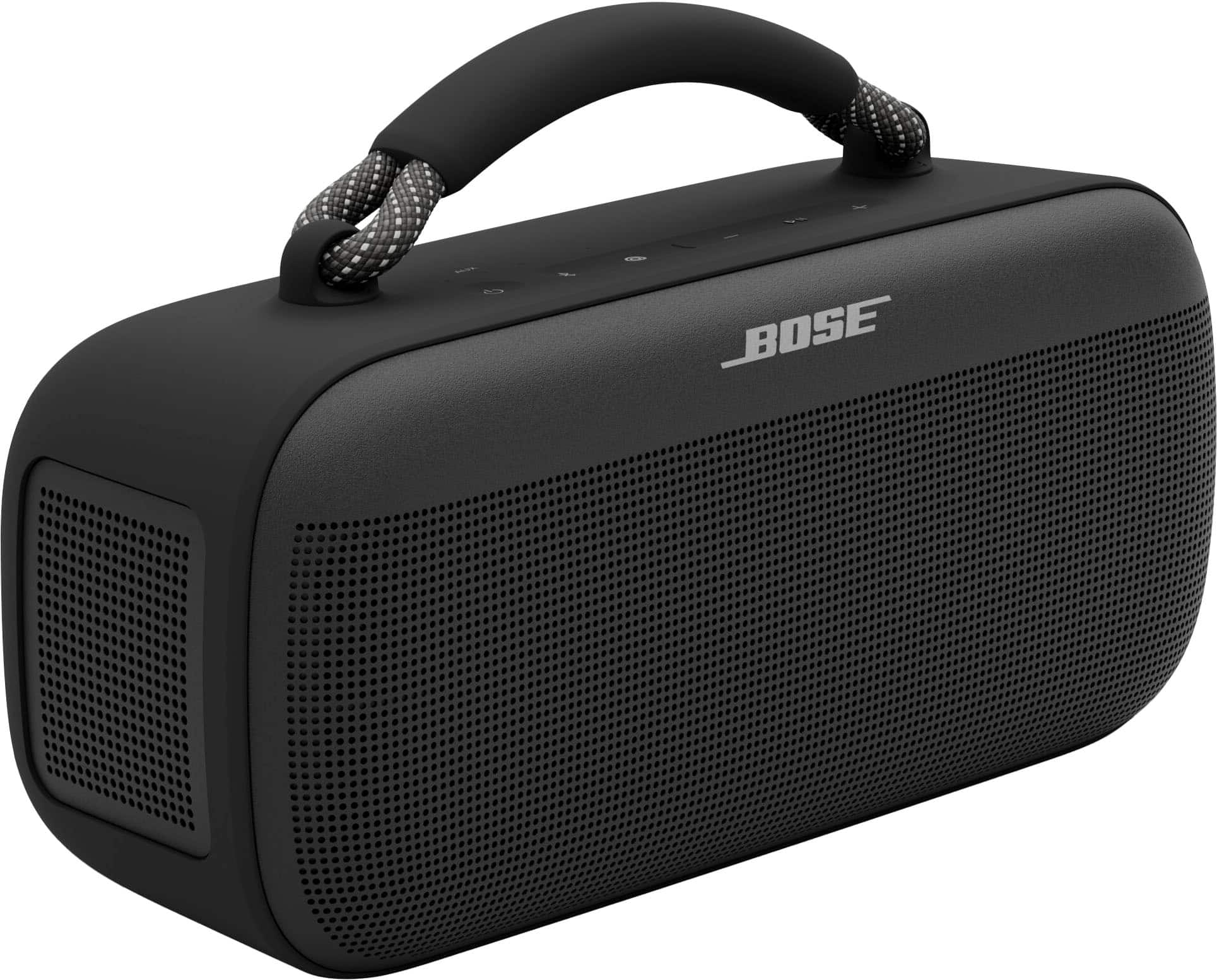
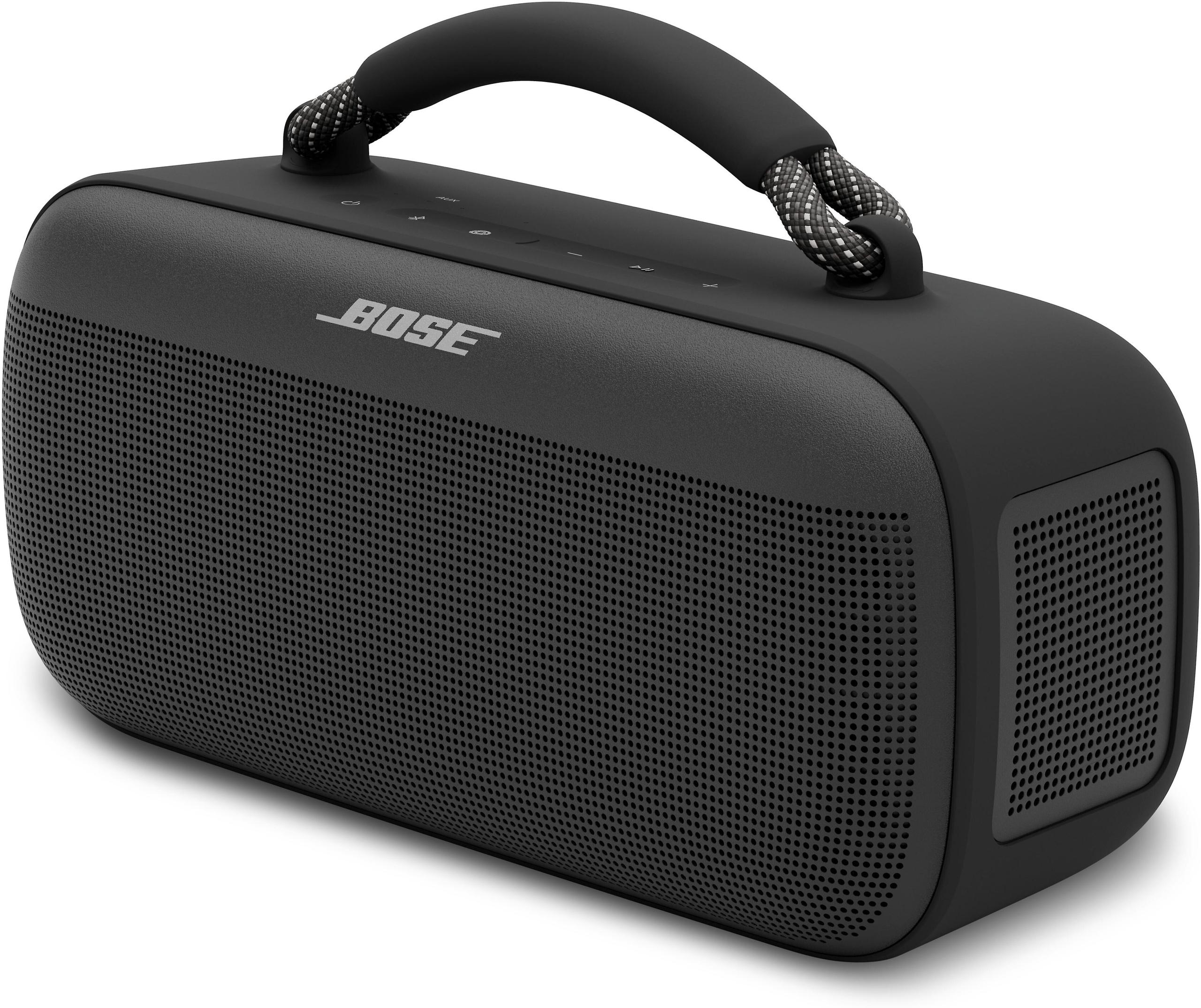
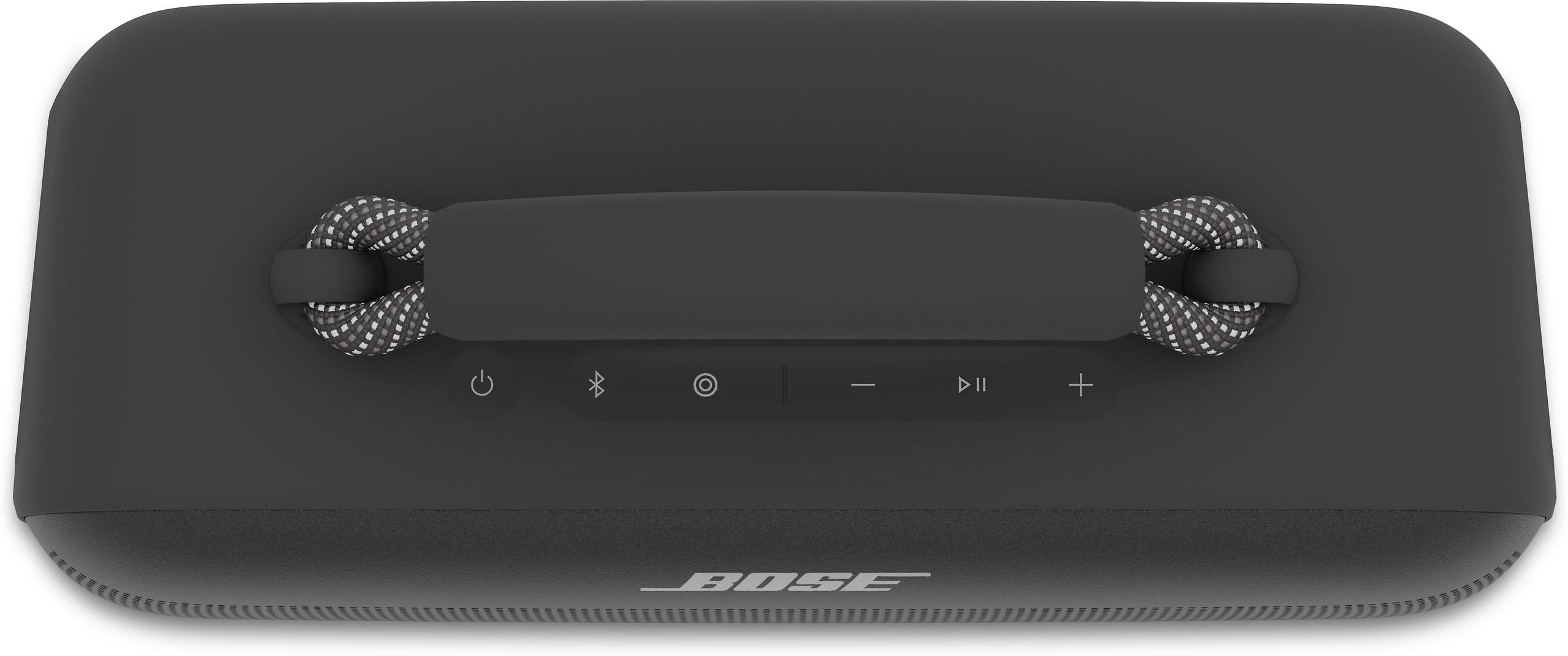
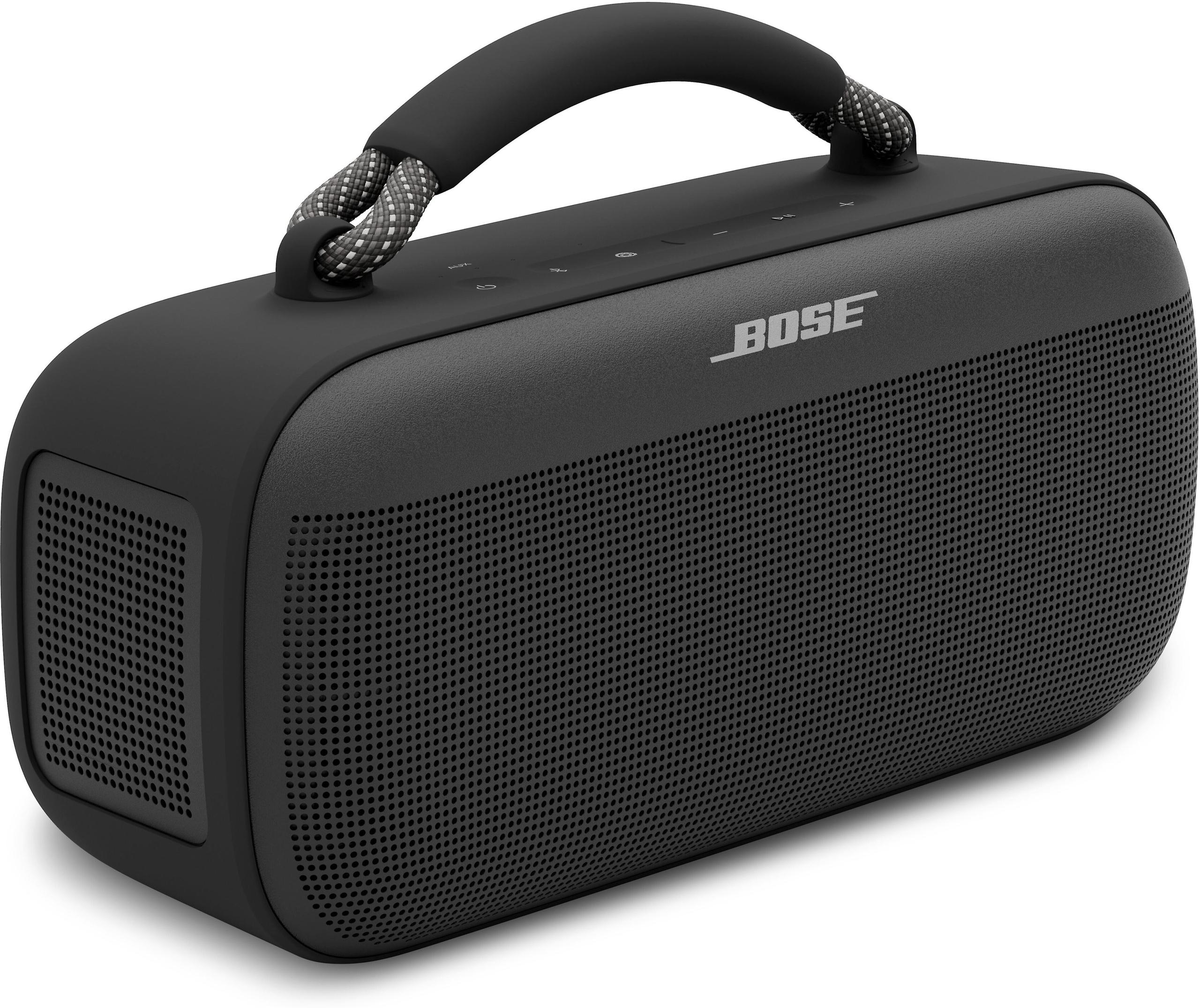
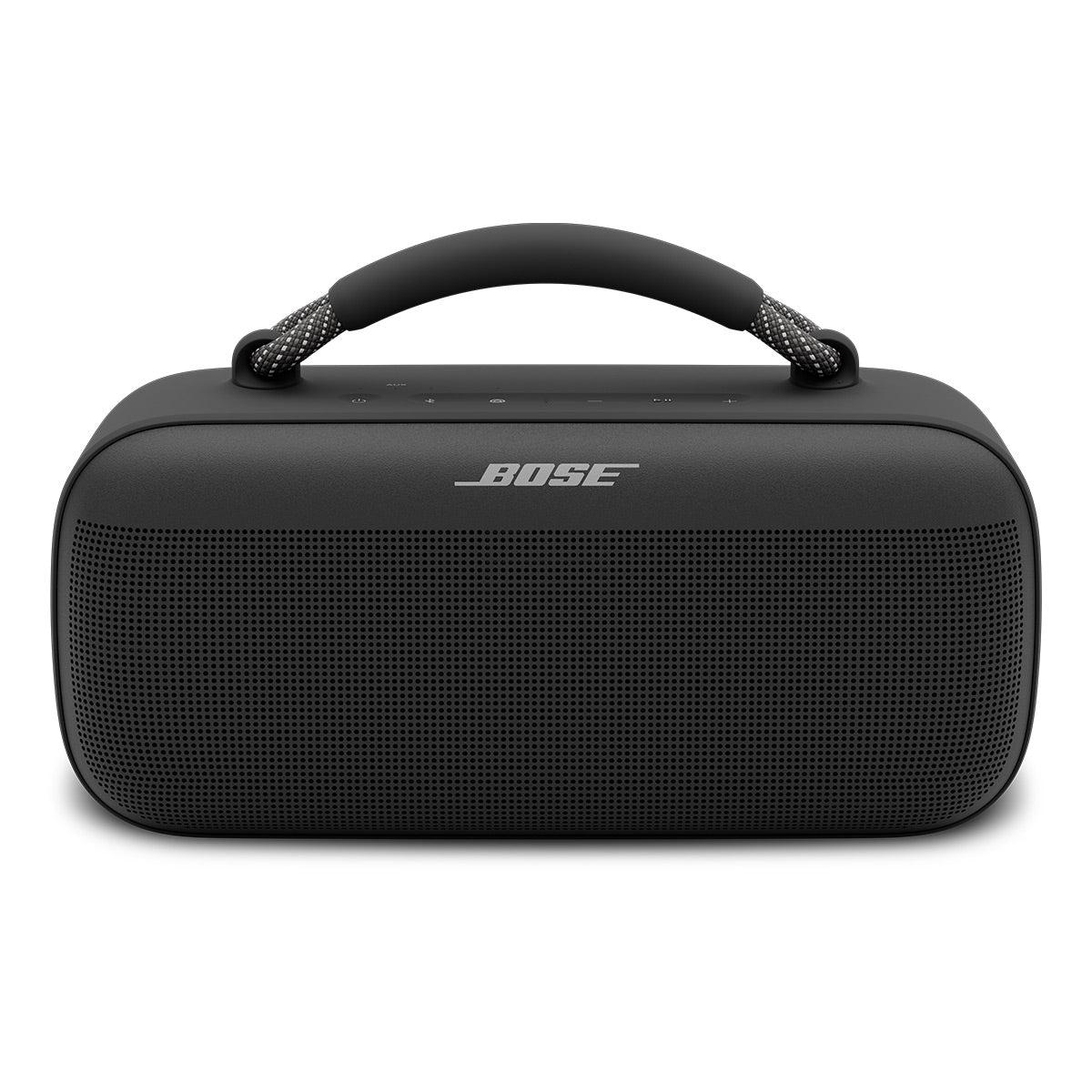
In contrast, the Bose SoundLink Max stretches over 10 inches wide and weighs nearly 5 pounds. While it includes a thoughtfully designed rope handle and optional shoulder strap, this is decidedly bag-portable rather than pocket-portable. The premium materials—aluminum, steel, and high-quality fabric—give it a substantial, expensive feel that matches its positioning.
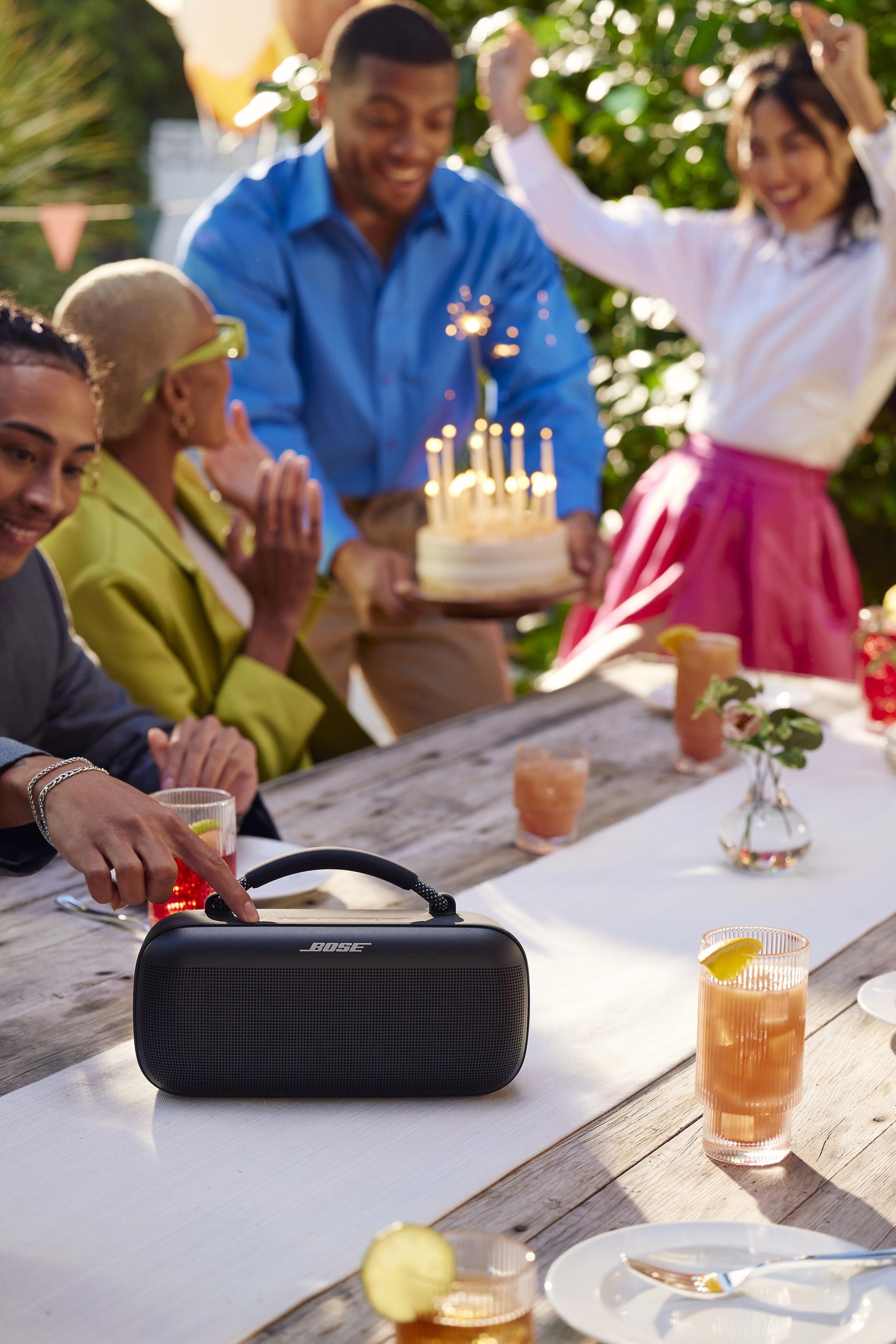
This size difference isn't arbitrary; it directly impacts how you'll use each speaker. The JBL Go 3 excels as a constant companion, always available when you need background music or podcast audio. The Bose SoundLink Max is more like portable furniture—you bring it when you're planning to listen seriously, whether that's a backyard gathering, camping trip, or day at the beach.
Here's where the fundamental differences become crystal clear. Audio quality in speakers depends heavily on driver size, enclosure volume, and available power. The JBL Go 3 works with severe constraints: a single 43x47mm driver powered by 4.2 watts in a tiny enclosure. Despite these limitations, JBL has engineered what they call "Pro Sound," which optimizes frequency response for clarity within these constraints.
The frequency response tells the story: 110Hz to 20kHz means the JBL Go 3 starts rolling off bass significantly around 140Hz. In practical terms, you'll hear kick drums and bass lines, but without the deep, chest-thumping impact that makes EDM, hip-hop, and rock music truly engaging. However, vocal clarity is surprisingly good—podcasts, audiobooks, and vocal-centric music sound clear and intelligible.
The Bose SoundLink Max operates in an entirely different league. With stereo drivers, significantly more power, and a larger enclosure, it delivers full-range audio with genuine bass extension. The difference isn't subtle—it's the difference between hearing music and feeling it. When reviews mention "feeling the air move," they're describing real bass response that the JBL Go 3 simply cannot produce due to physical limitations.
Maximum volume capabilities differ dramatically as well. The Go 3 can fill a small room or provide personal listening outdoors, but it struggles in noisy environments or larger spaces. The SoundLink Max can genuinely fill a backyard or beach area with clear, undistorted sound even at high volumes.
Battery technology has improved significantly since 2021, and it shows in these speakers' capabilities. The JBL Go 3 provides up to 5 hours of playback, which sounds modest until you consider its size. The lithium polymer battery (2.775Wh) charges via USB-C in about 2.5 hours, and the speaker includes automatic power-off to conserve battery when not in use.
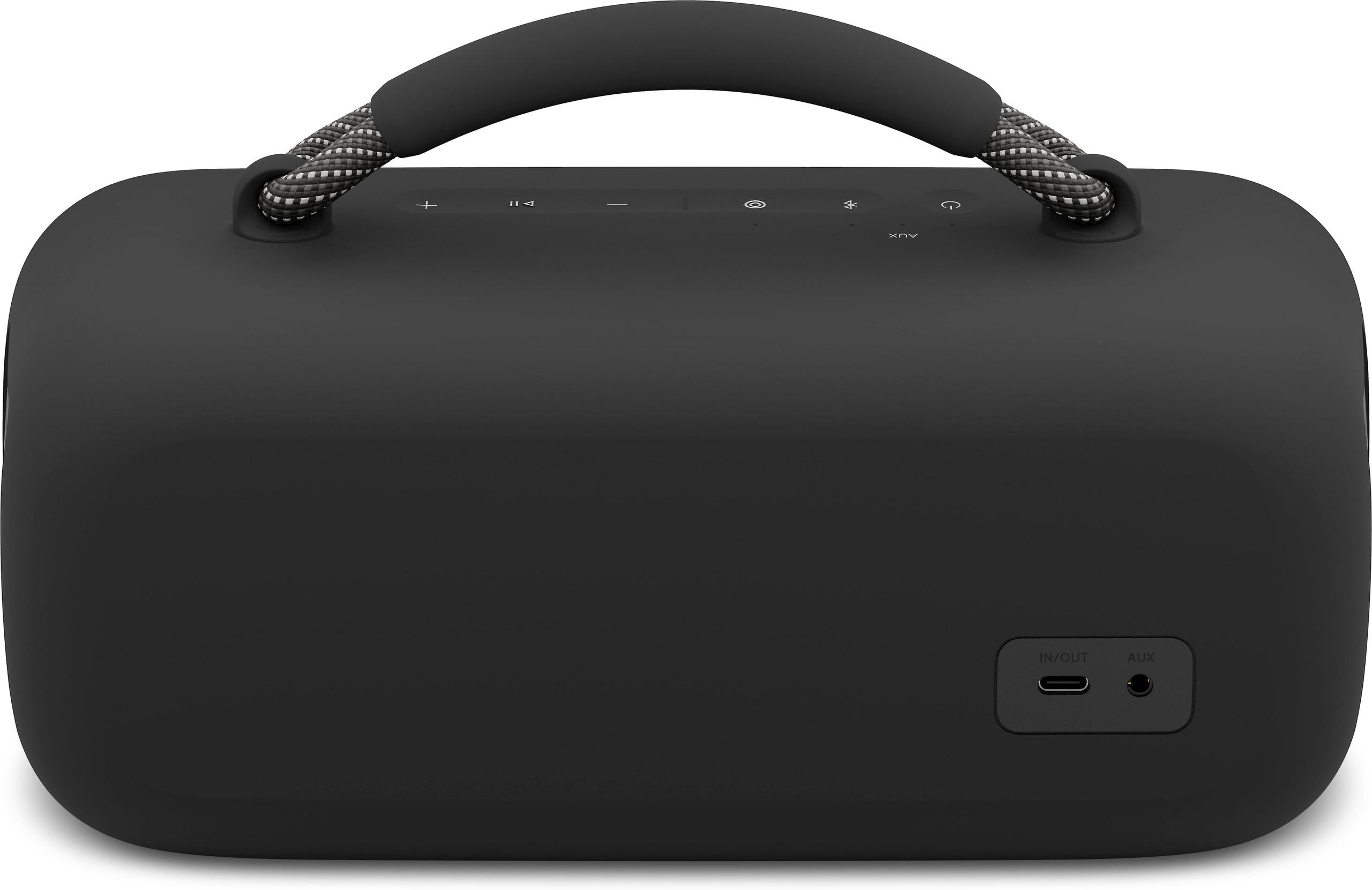
The Bose SoundLink Max showcases how much battery technology has advanced. Its 20-hour rating (at moderate volumes) reflects both a larger battery and more efficient electronics. More impressively, it maintains respectable battery life even at high volumes—real-world testing suggests around 10-15 hours depending on usage patterns. The USB-C port doubles as a power source for charging your phone, essentially making it a portable power bank with excellent speakers attached.
This battery difference affects usage patterns significantly. With the Go 3, you'll need to plan charging sessions, making it more suitable for shorter listening sessions or situations where you can easily recharge. The SoundLink Max supports all-day events without battery anxiety.
Both speakers support modern Bluetooth standards, but with different levels of sophistication. The JBL Go 3 uses Bluetooth 5.1 with basic profiles (A2DP 1.3, AVRCP 1.6), providing reliable connection and decent range for most users. Pairing is straightforward, and the speaker remembers previous devices.
The Bose SoundLink Max leverages Bluetooth 5.4 with advanced features that showcase how much wireless audio has evolved. It supports aptX Adaptive, a sophisticated codec that dynamically adjusts audio quality based on wireless conditions and content type. This means better audio quality when conditions allow, with automatic fallback to ensure reliable connection when interference occurs.
Multi-point connectivity lets the SoundLink Max stay connected to two devices simultaneously—imagine having it paired to both your phone and laptop, seamlessly switching between Zoom calls and music without manual reconnection. Google Fast Pair makes Android pairing nearly instantaneous, while SimpleSync allows integration with other Bose products for multi-room audio.
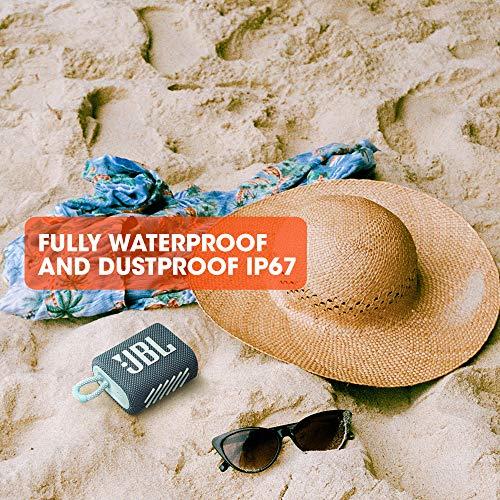
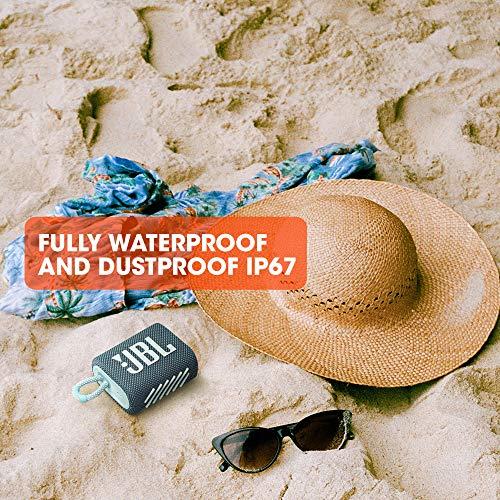
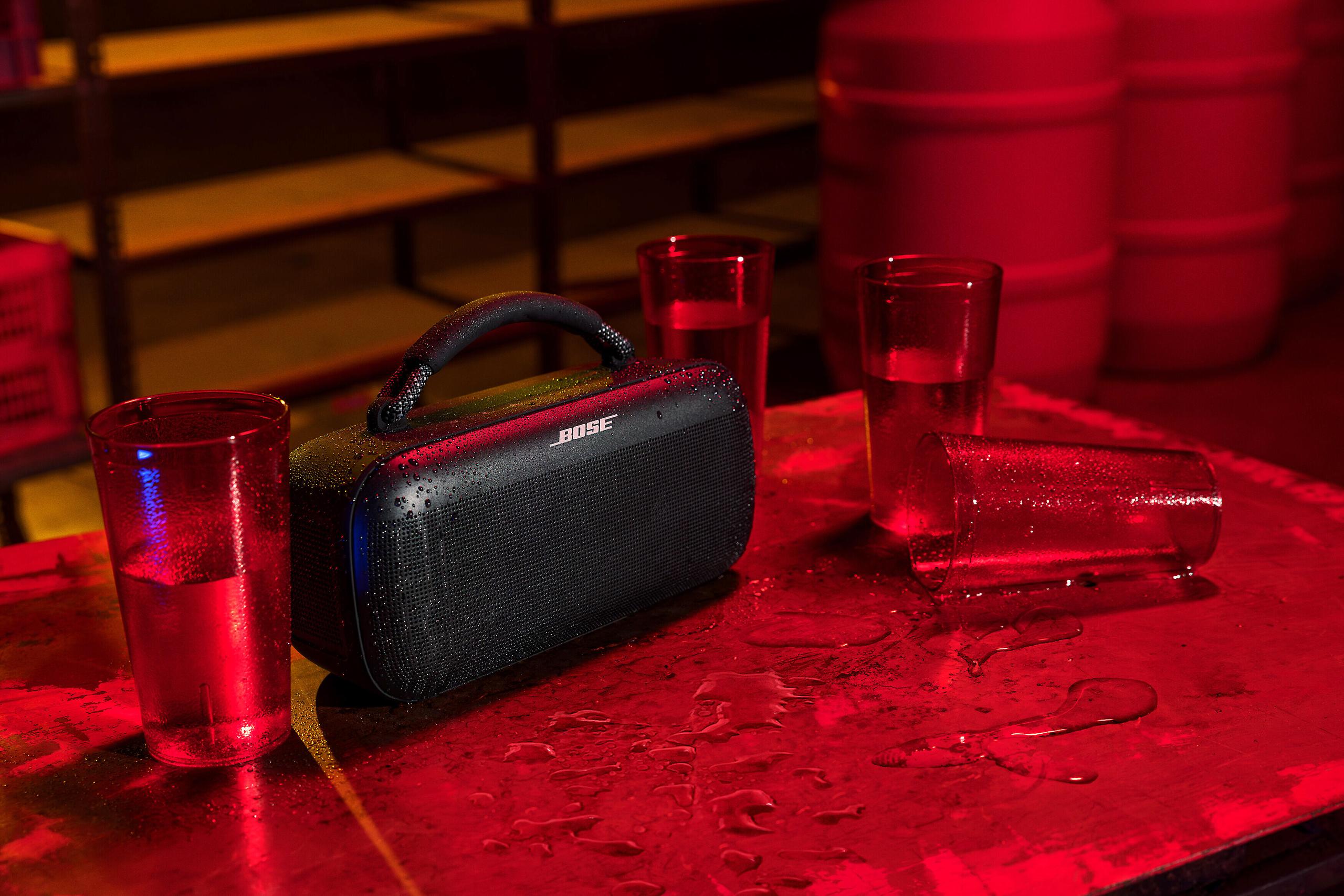
Both speakers earn IP67 ratings, meaning they're equally capable of surviving outdoor adventures, beach trips, and shower use. They can handle dust, sand, and even brief submersion in water up to one meter deep. This shared durability rating is significant—it means your choice isn't constrained by environmental concerns.
However, build quality differs in ways that affect long-term durability. The JBL Go 3 uses durable but necessarily cost-conscious materials. Its fabric exterior and rubber accents feel solid for the price point, though the small size makes it potentially easier to lose or misplace.
The Bose SoundLink Max showcases premium construction throughout. The powder-coated steel enclosure, aluminum accents, and high-quality fabric suggest a speaker built for years of regular use. The additional weight actually helps here—it feels substantial and expensive, qualities that correlate with durability in consumer electronics.
At the time of writing, these speakers occupy completely different value territories. The JBL Go 3 typically costs under $50, making it accessible to almost anyone interested in portable audio. At this price point, it offers exceptional value—you're getting reliable Bluetooth connectivity, decent sound quality, and genuine portability for less than a nice dinner out.
The Bose SoundLink Max commands a significant premium, often costing 10-12 times more than the Go 3. This pricing reflects its premium positioning, advanced features, and superior audio performance. Whether this represents good value depends entirely on your priorities and budget.
For many users, the Go 3's value proposition is unbeatable—it solves the basic problem of "I want portable music" without breaking the bank. For listeners who prioritize audio quality and have the budget for premium products, the SoundLink Max justifies its cost through significantly better performance and features.
Neither speaker is designed as a primary home theater solution, but they serve different indoor roles. The JBL Go 3 works well as a personal speaker for bedrooms, bathrooms, or small spaces where you want background music or podcast audio. Its compact size means it disappears visually while providing adequate sound for intimate spaces.
The Bose SoundLink Max can serve as a legitimate home audio component. Its stereo output and room-filling capability make it suitable for small to medium rooms where you want quality music playback. While it won't replace a proper home theater system, it can enhance TV audio in bedrooms or serve as a high-quality music source for dinner parties or casual entertainment.
The SoundLink Max's SimpleSync feature adds interesting possibilities for Bose ecosystem users—you can sync it with Bose soundbars or smart speakers to extend audio throughout your home, creating a flexible multi-room system.
The JBL Go 3 makes sense for specific user profiles and situations. Students, budget-conscious listeners, and anyone seeking a backup or secondary speaker will find it perfect. It's ideal if your primary use cases involve personal listening—shower music, travel companion, bedside podcast player, or emergency speaker for unexpected situations. The low price point makes it an easy impulse purchase or gift option.
The Bose SoundLink Max targets users with different priorities and budgets. If you regularly entertain guests, value audio quality highly, or need a speaker that can fill larger spaces, the premium investment makes sense. It's particularly appealing to users who view their audio equipment as long-term purchases and want something that will satisfy their ears for years to come.
Consider your listening habits honestly. If you primarily listen to podcasts, audiobooks, or use speakers for background music while doing other activities, the Go 3 may fully meet your needs. If you sit down to actively listen to music, host gatherings, or want room-filling sound quality, the SoundLink Max will provide a significantly better experience.
The choice between these speakers ultimately comes down to matching your specific needs with each product's strengths. The JBL Go 3 excels at being always available, incredibly portable, and providing adequate audio quality for casual listening scenarios. It's the speaker you'll actually have with you when you need it, rather than the one you wish you'd brought.
The Bose SoundLink Max delivers on the promise of truly portable hi-fi audio. It requires more planning to bring along, but rewards you with genuinely impressive sound quality that can anchor social gatherings or satisfy serious listening sessions.
Neither speaker is inherently better—they're optimized for different scenarios and user preferences. The key is honestly assessing how you actually listen to audio, what situations you'll use a portable speaker for, and how much you value sound quality versus ultimate portability.
Your decision framework should prioritize use case first, then budget, then features. If you need something that's always available and budget is constrained, the JBL Go 3 is hard to beat. If you want the best portable audio experience and can justify the investment, the Bose SoundLink Max delivers performance that justifies its premium positioning.
Both speakers represent successful engineering approaches to the portable audio challenge—they just solve different versions of that challenge for different types of users.
| JBL Go 3 Portable Bluetooth Speaker | Bose SoundLink Max Portable Bluetooth Speaker |
|---|---|
| Size & Weight - Critical for true portability and everyday carry | |
| 3.4" x 2.7" x 1.6", 0.46 lbs (genuinely pocket-sized) | 10.42" x 4.73" x 4.13", 4.9 lbs (requires bag space) |
| Audio Output Power - Determines maximum volume and sound quality | |
| 4.2W RMS mono (adequate for personal listening) | Significantly higher stereo power (fills rooms easily) |
| Frequency Response - Shows bass capability and overall sound range | |
| 110Hz-20kHz (limited bass, clear mids/highs) | Full range with deep bass extension (chest-thumping lows) |
| Battery Life - Essential for all-day outdoor use | |
| Up to 5 hours (requires planning for longer sessions) | Up to 20 hours (all-day events without worry) |
| Bluetooth Version - Affects connection stability and audio quality | |
| 5.1 with basic profiles (reliable but standard) | 5.4 with aptX Adaptive (premium codecs, multi-point connection) |
| Water Resistance - Protection for outdoor adventures | |
| IP67 (fully waterproof and dustproof) | IP67 (fully waterproof and dustproof) |
| Advanced Features - Premium conveniences and customization | |
| Basic controls, automatic power-off | EQ customization, device charging, Google Fast Pair, SimpleSync |
| Best Use Cases - Where each speaker truly excels | |
| Personal listening, travel, shower, budget backup | Group listening, parties, home audio, premium experience |
| Value Positioning - Who should consider the investment | |
| Exceptional value for casual listeners and tight budgets | Premium pricing justified by superior performance and features |
The Bose SoundLink Max delivers significantly better sound quality than the JBL Go 3. The SoundLink Max features stereo drivers, full-range frequency response with deep bass, and much higher power output. The JBL Go 3 has limited bass response starting around 110Hz and mono output, making it adequate for personal listening but not comparable to the premium audio performance of the Bose SoundLink Max.
The JBL Go 3 is ultra-compact at 3.4" x 2.7" x 1.6" and weighs just 0.46 lbs, making it truly pocket-sized. The Bose SoundLink Max is much larger at 10.42" x 4.73" x 4.13" and weighs 4.9 lbs. The Go 3 fits in your pocket or purse, while the SoundLink Max requires bag space but offers superior audio performance.
The JBL Go 3 provides up to 5 hours of playback time, while the Bose SoundLink Max offers up to 20 hours of battery life. The significant difference means the Bose SoundLink Max is better for all-day events and extended outdoor use, while the JBL Go 3 requires more frequent charging for longer listening sessions.
Yes, both the JBL Go 3 and Bose SoundLink Max feature IP67 waterproof and dustproof ratings. This means both speakers can survive being submerged in water up to 1 meter for 30 minutes, making them equally suitable for beach trips, poolside use, and outdoor adventures.
The JBL Go 3 is significantly more portable due to its pocket-sized design and integrated fabric loop. It's perfect for travel, hiking, or carrying in a purse. The Bose SoundLink Max, while still portable with its detachable handle, is better suited for situations where you're planning to bring a bag and want superior sound quality.
Neither speaker is designed as a primary home theater solution, but the Bose SoundLink Max can enhance TV audio in smaller rooms with its stereo output and room-filling sound. The JBL Go 3 is better suited for personal listening in bedrooms or bathrooms rather than home theater use due to its mono output and limited volume.
The JBL Go 3 uses Bluetooth 5.1 with basic profiles for reliable standard connectivity. The Bose SoundLink Max features advanced Bluetooth 5.4 with aptX Adaptive codec, multi-point connectivity (connects to two devices simultaneously), and Google Fast Pair. The Bose SoundLink Max offers significantly more advanced wireless features.
Value depends on your needs and budget. The JBL Go 3 offers exceptional value for casual listeners who prioritize portability and affordability. The Bose SoundLink Max provides premium value for users who want superior sound quality and advanced features, but at a significantly higher price point.
The JBL Go 3 does not support multi-speaker pairing features. The Bose SoundLink Max supports SimpleSync technology, allowing you to connect with other Bose products for multi-room audio and can pair with another SoundLink Max for stereo or party mode.
Both the JBL Go 3 and Bose SoundLink Max use USB-C for charging. However, the Bose SoundLink Max can also charge other devices through its USB-C port, essentially functioning as a power bank. The JBL Go 3 focuses solely on receiving power for its own charging needs.
The Bose SoundLink Max is far superior for outdoor parties and group gatherings due to its powerful stereo sound, room-filling volume capabilities, and 20-hour battery life. The JBL Go 3 is designed for personal listening and cannot provide adequate volume or bass for entertaining groups of people.
Choose the JBL Go 3 if you prioritize ultra-portability, budget-friendly pricing, and need a speaker for personal listening, travel, or as a backup option. Choose the Bose SoundLink Max if you want premium sound quality, longer battery life, advanced features, and plan to use it for group listening or as a serious audio component.
We've done our best to create useful and informative comparisons to help you decide what product to buy. Our research uses advanced automated methods to create this comparison and perfection is not possible - please contact us for corrections or questions. These are the sites we've researched in the creation of this article: rtings.com - streamtechreviews.com - english.achoreviews.com - smarthomesounds.co.uk - soundguys.com - rtings.com - walmart.com - soundguys.com - youtube.com - youtube.com - jbl.com - youtube.com - selectoguru.com - versus.com - videoandaudiocenter.com - harmanaudio.com - jbl.com - bestbuy.com - forum.hifiguides.com - manuals.plus - kh.jbl.com - th.jbl.com - mm.jbl.com - jbl.com - bestbuy.com - youtube.com - youtube.com - youtube.com - jbl.com - bestbuy.com - bestbuy.com - jbl.com.tw - youtube.com - staples.com - 365wholesale.com - bose.com - bose.com - bestbuy.com - soundguys.com - staples.com - techforless.com - bestbuy.com - assets.bose.com

Privacy Policy
Terms and Conditions - Affiliate Policy
Home Security
© Copyright 2008-2026.
11816 Inwood Rd #1211, Dallas, TX 75244