




When you're looking for audio on the go, ultra-portable Bluetooth speakers occupy a unique sweet spot in the audio world. These pocket-sized powerhouses prioritize convenience over pure sound quality, making smart compromises to deliver surprisingly decent audio in impossibly small packages. The challenge lies in finding the right balance between portability, sound quality, battery life, and price – especially when comparing speakers from different price tiers.
Today we're examining two speakers that represent vastly different philosophies within this category: the budget-focused JBL Go 3 and the premium Marshall Willen II. At the time of writing, these speakers sit roughly four price brackets apart, making this comparison particularly interesting for understanding what your money actually buys in portable audio.
Before diving into specifics, it's worth understanding the fundamental physics these speakers work against. Sound waves need space to develop properly, especially bass frequencies which require larger driver movements and cabinet volumes. When you shrink a speaker to pocket size, you're essentially asking it to perform acoustic magic – and the laws of physics don't bend easily.
The key technical specifications that matter most in this category include driver size and power output (which determine maximum volume and sound quality), frequency response range (how deep the bass goes and how crisp the highs sound), battery capacity (measured in hours of playback), and Bluetooth version (affecting connection stability and range).
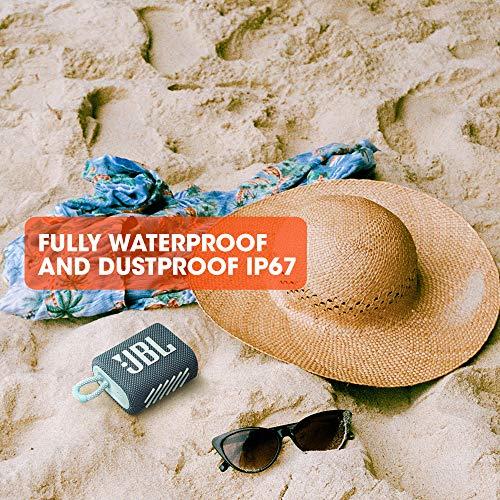
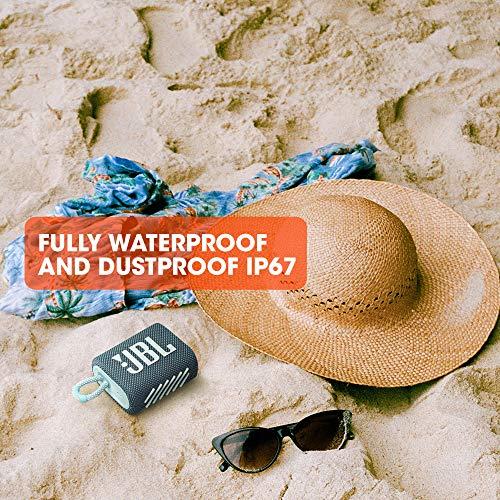
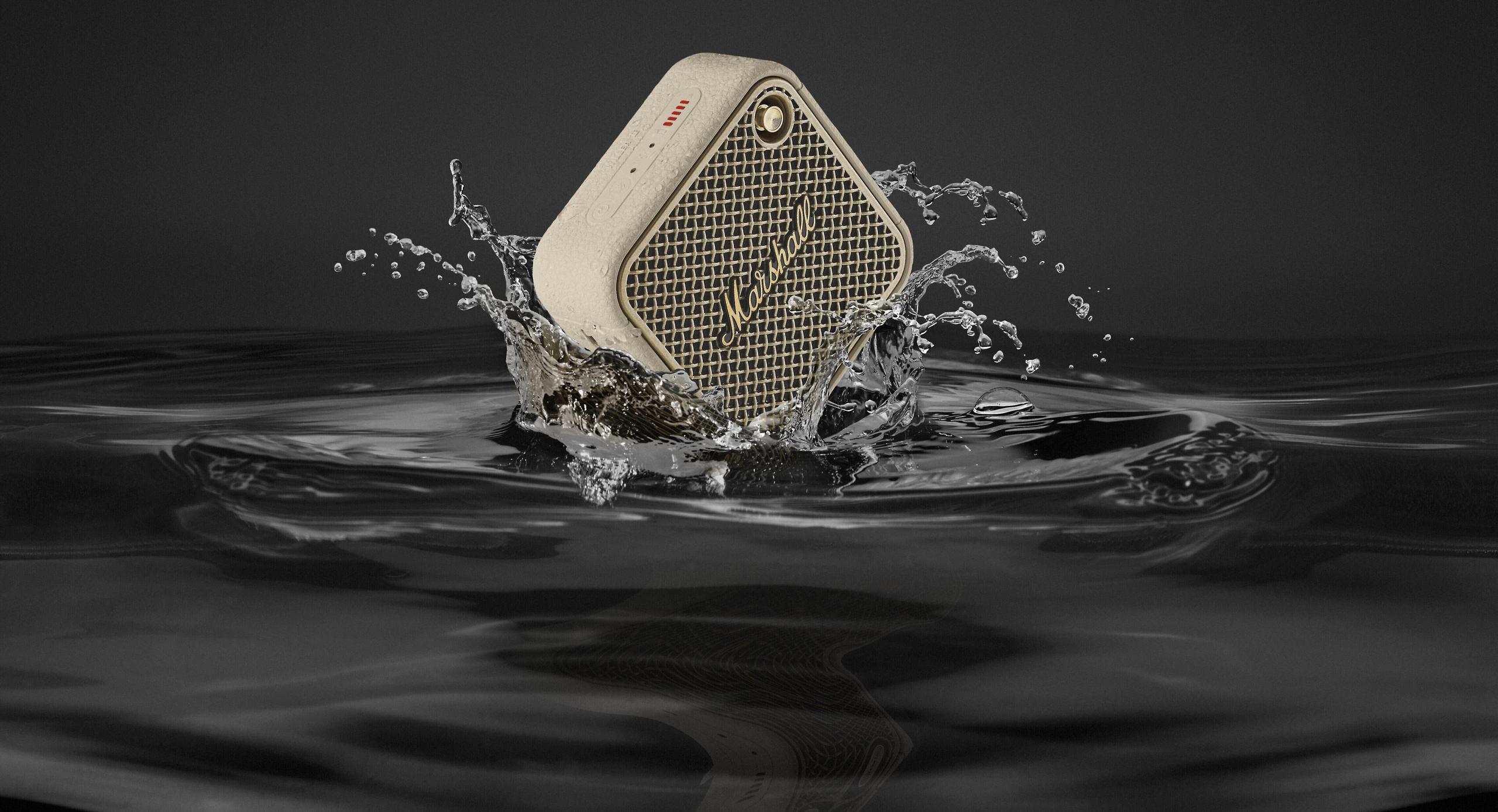
Water resistance ratings deserve special attention since portable speakers often face outdoor conditions. An IP67 rating means complete dust protection (the "6") and waterproofing up to 1 meter depth for 30 minutes (the "7") – essentially making the speaker pool-party and beach-ready.
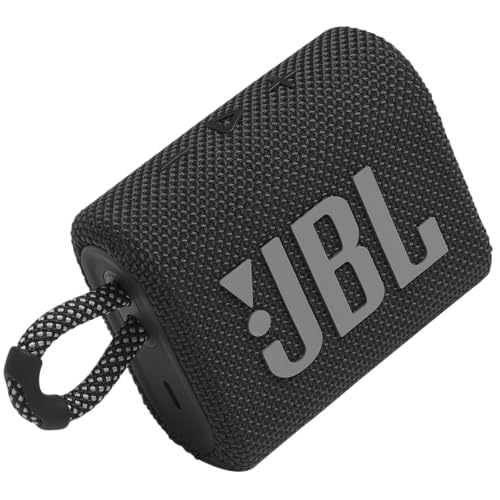
The JBL Go 3, released in 2021, represents JBL's philosophy of making decent audio accessible to everyone. It's designed as an entry point into branded portable audio, focusing on essential features at an aggressive price point. JBL has refined this formula over several generations, with the Go 3 introducing significant durability improvements over its predecessors.
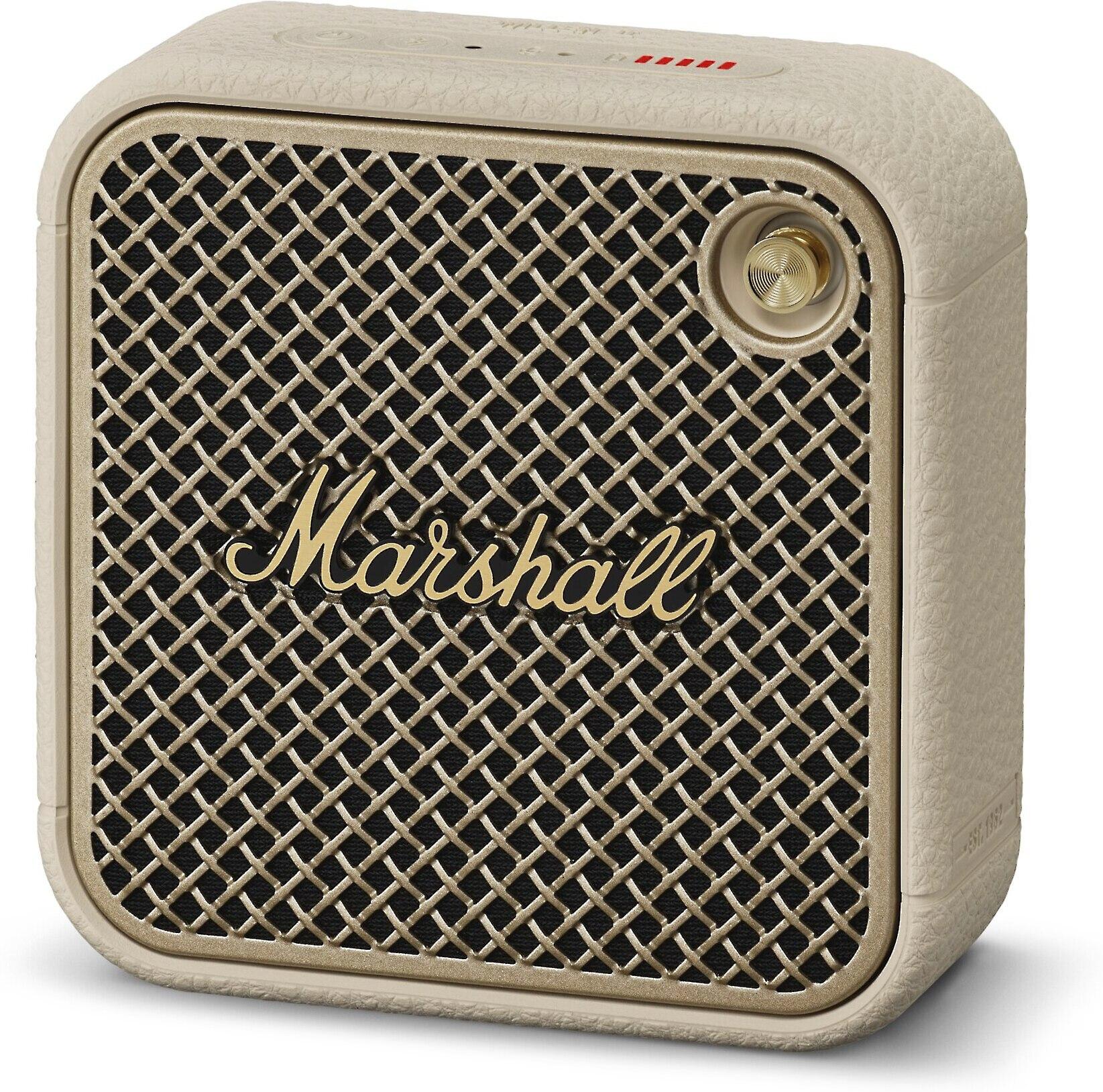
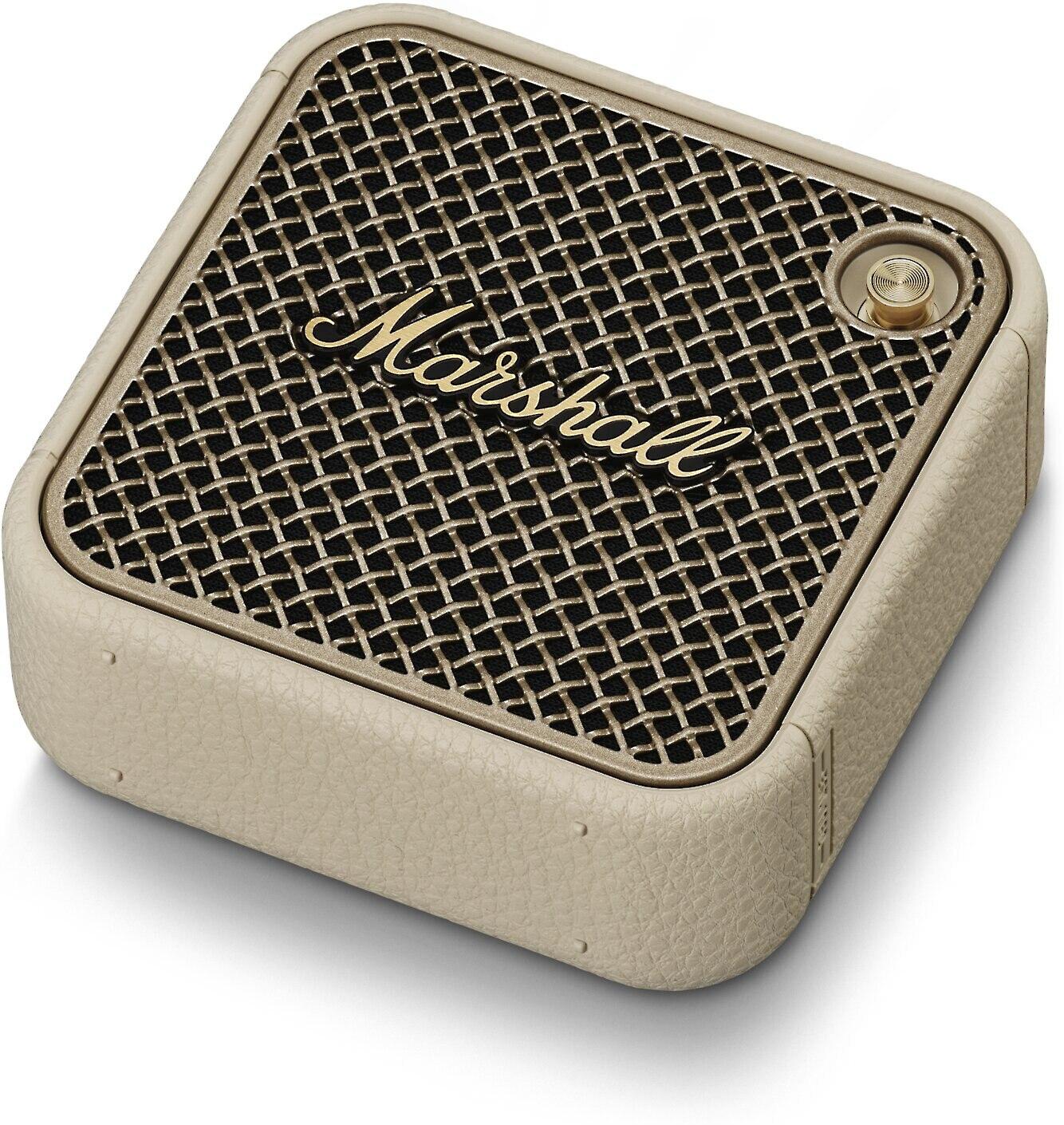
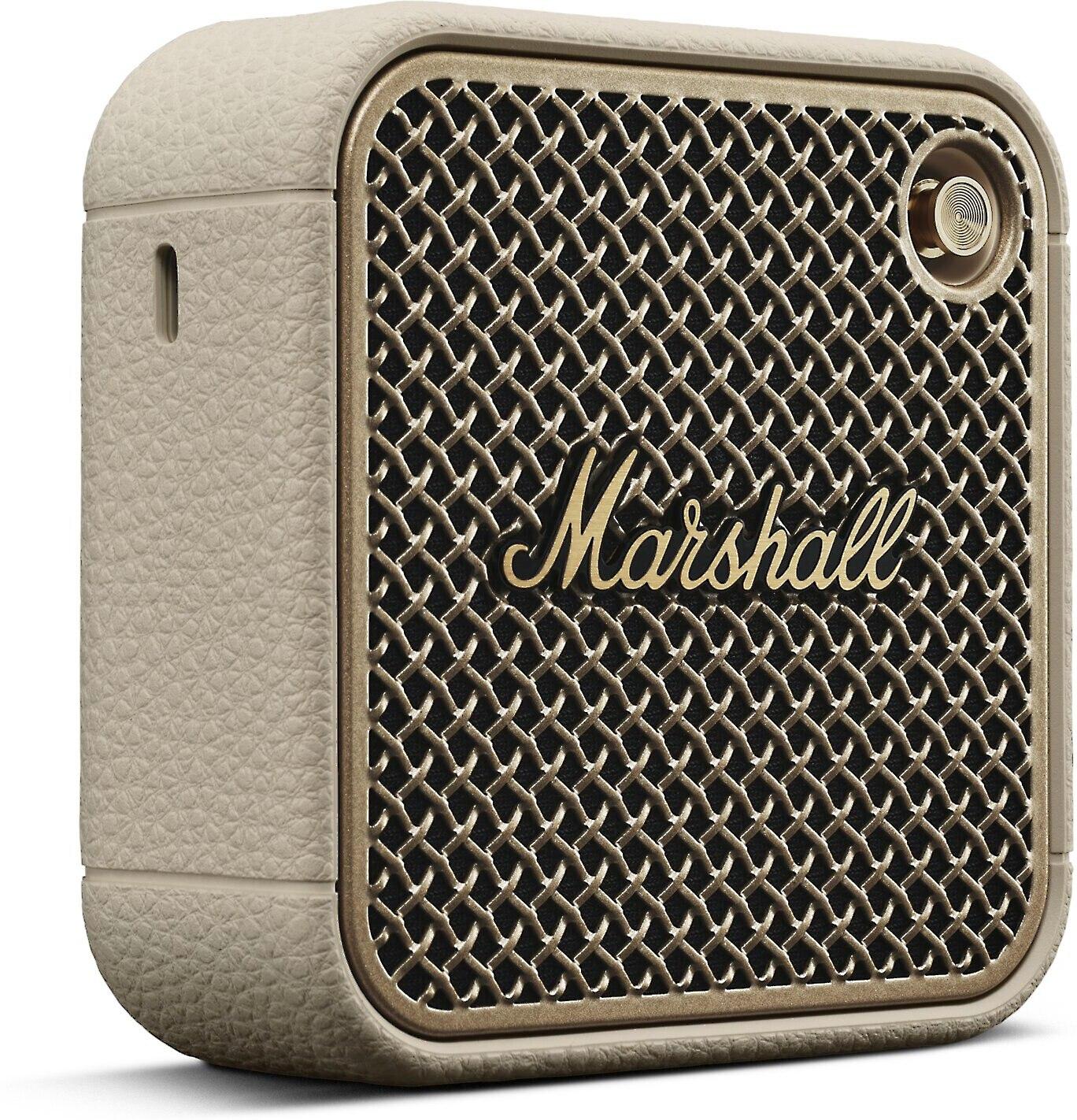
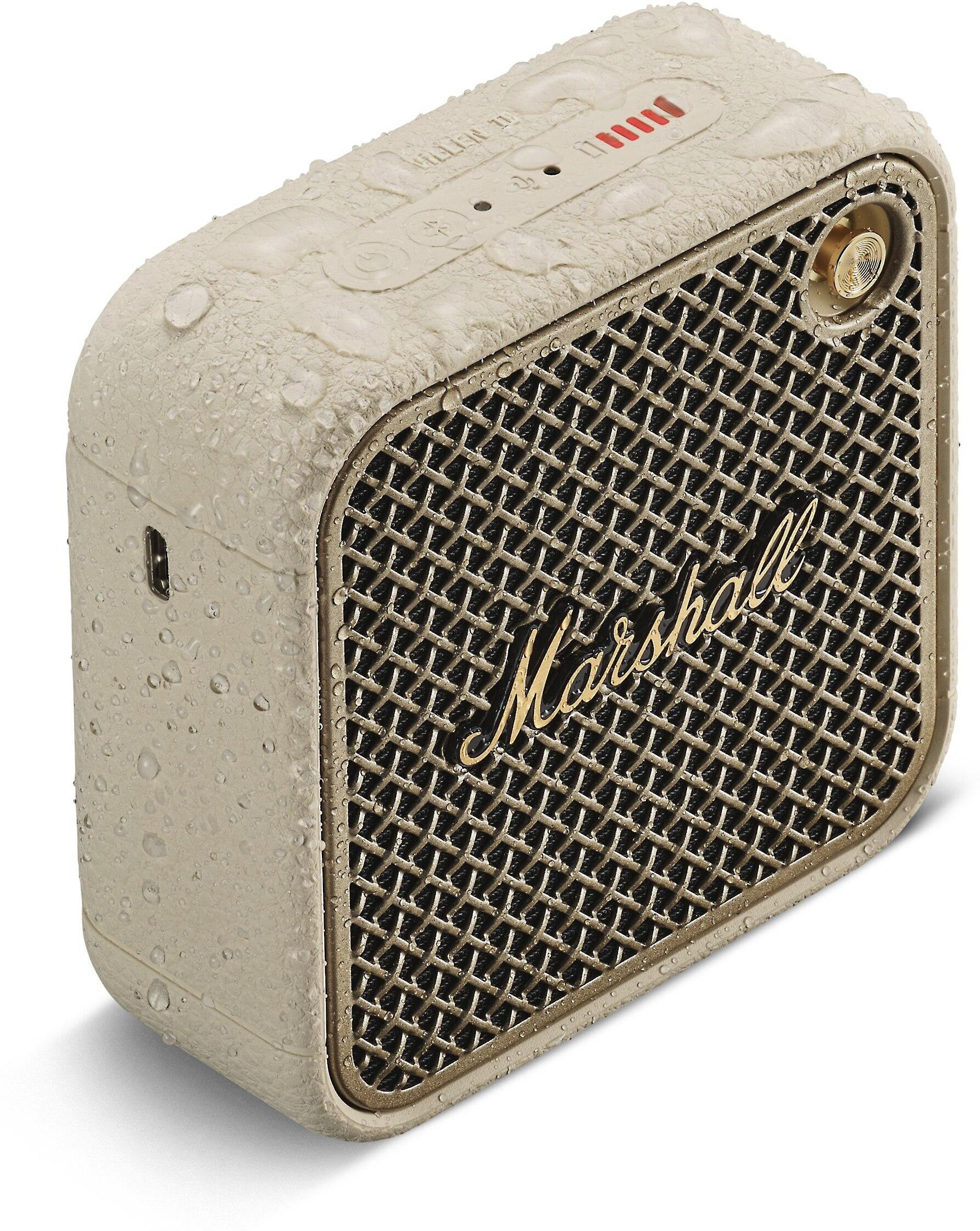
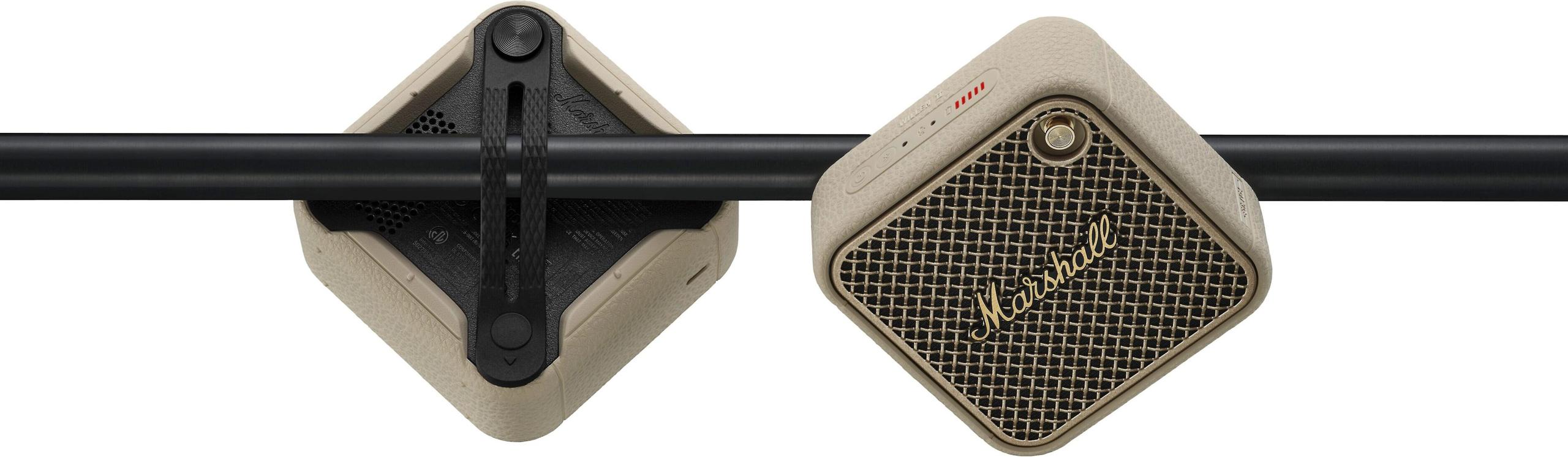
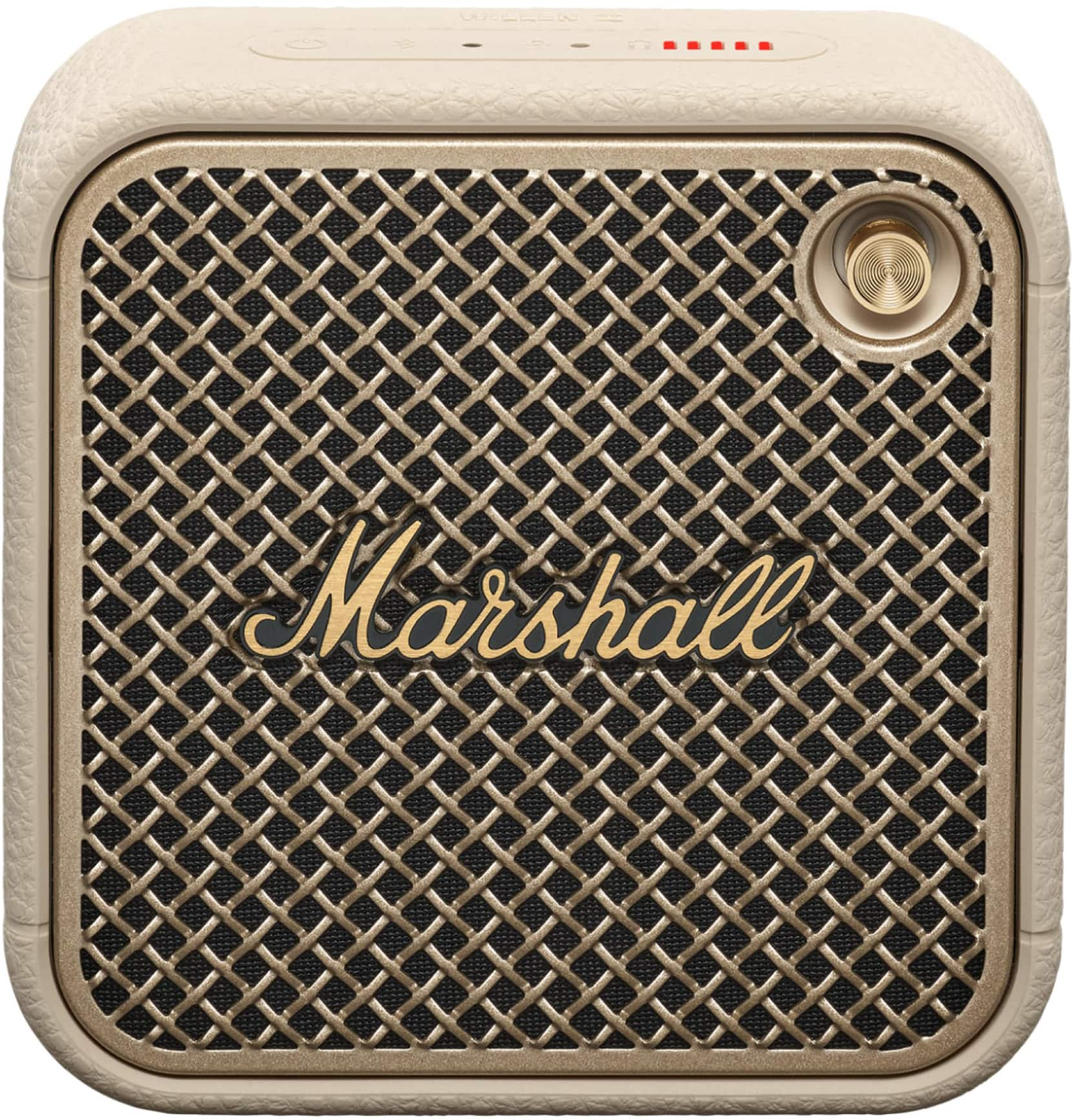
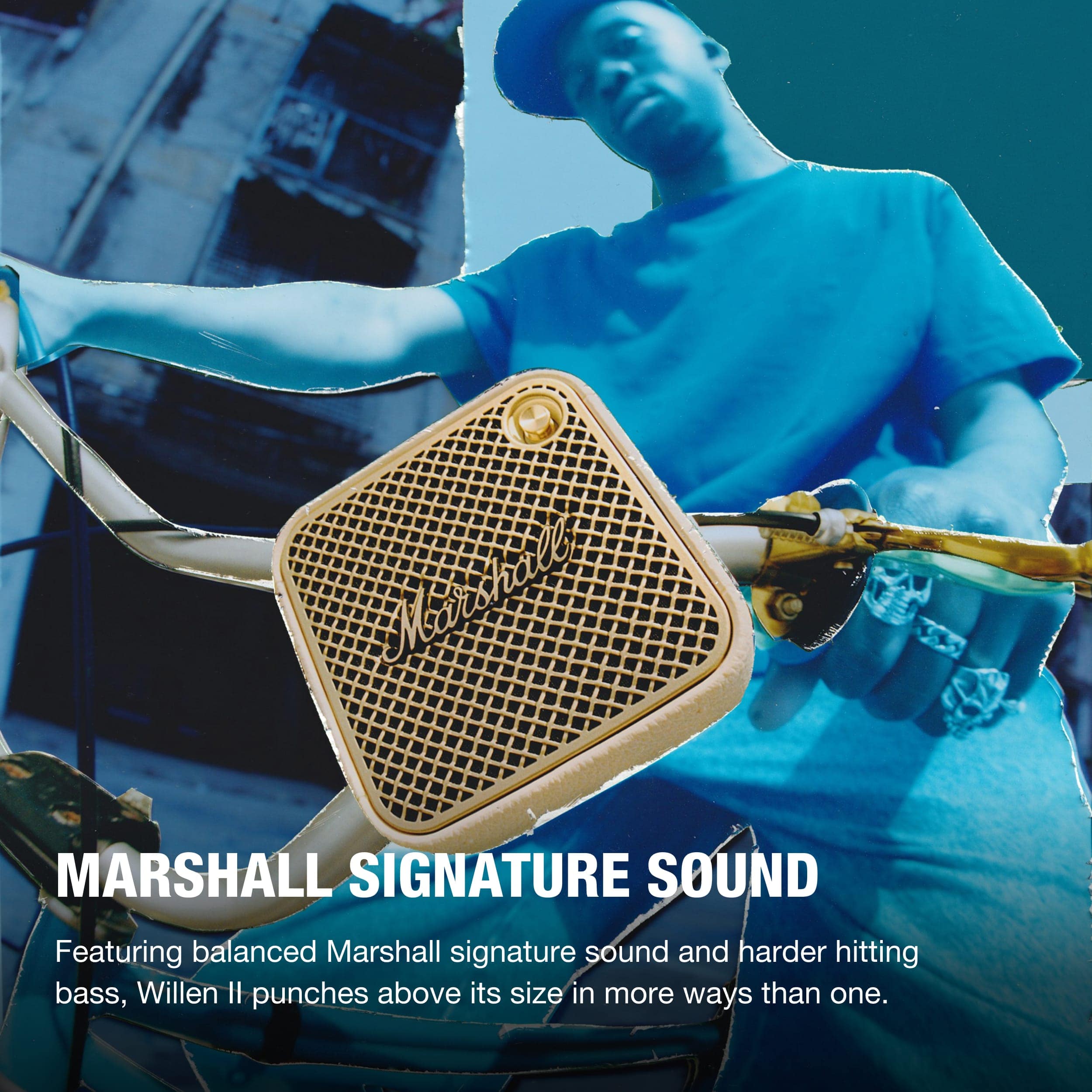
The Marshall Willen II, launched in 2024, takes a completely different approach. This second-generation speaker builds on Marshall's guitar amplifier heritage, attempting to pack premium audio engineering and extended battery life into an ultra-portable form factor. The "II" designation indicates meaningful improvements over the original Willen, particularly in power output and battery performance.
Here's where the price difference becomes most apparent, though perhaps not as dramatically as you might expect. The JBL Go 3 delivers 4.2 watts through a single 43mm driver, while the Marshall Willen II pushes 10 watts through a 50mm driver aided by dual passive radiators.
Passive radiators are essentially speakers without magnets that vibrate sympathetically with the main driver, helping extend bass response without requiring additional amplification. Think of them as acoustic helpers that make a small speaker sound bigger than its size suggests.
In practice, this power difference translates to the Marshall sounding notably fuller and capable of higher volumes without distortion. The JBL Go 3 handles vocals and midrange frequencies impressively well – podcasts, acoustic music, and most pop tracks sound clear and enjoyable. However, its frequency response starting at 110Hz means it struggles with deep bass. EDM, hip-hop, and any music that relies on low-end thump will sound somewhat thin.
The Marshall Willen II, with its frequency response extending down to 75Hz, provides noticeably deeper bass while maintaining clarity in the mids and highs. That 35Hz difference in low-frequency extension might not sound like much, but it's the difference between hearing the kick drum's attack versus feeling some of its body and weight.
Maximum Sound Pressure Level (SPL) is another crucial metric. The JBL Go 3 reaches about 85 decibels at one meter – loud enough for personal listening or background music in a quiet room, but not sufficient for outdoor gatherings or competing with ambient noise. The Marshall Willen II achieves higher SPL levels, making it more versatile for different environments.
Neither speaker defies the fundamental physics of small drivers in tiny enclosures, so don't expect the deep, room-shaking bass you'd get from larger speakers. However, both deliver impressive performance relative to their size, with the Marshall offering a meaningful step up in overall audio quality.
This is where the two speakers diverge most dramatically. The JBL Go 3 provides approximately 5 hours of playback on a single charge, while the Marshall Willen II delivers an impressive 17+ hours – more than three times longer.
This difference fundamentally changes how you can use these speakers. Five hours covers a typical work session, beach afternoon, or evening gathering, but requires planning around charging cycles. Seventeen hours transforms the speaker into a truly untethered device that can handle weekend camping trips, long travel days, or simply eliminate battery anxiety from daily use.
Both speakers charge via USB-C and take about 2.5 hours for a full charge. The Marshall adds a useful quick-charge feature: 20 minutes of charging provides 5.5 hours of playback – essentially giving you more battery life from a quick charge than the JBL provides when fully charged.
Battery chemistry and management play crucial roles here. The Marshall's larger battery capacity comes with more sophisticated power management, including automatic shutoff after periods of inactivity. While this adds slightly to the speaker's size and weight, the usability benefits are substantial.
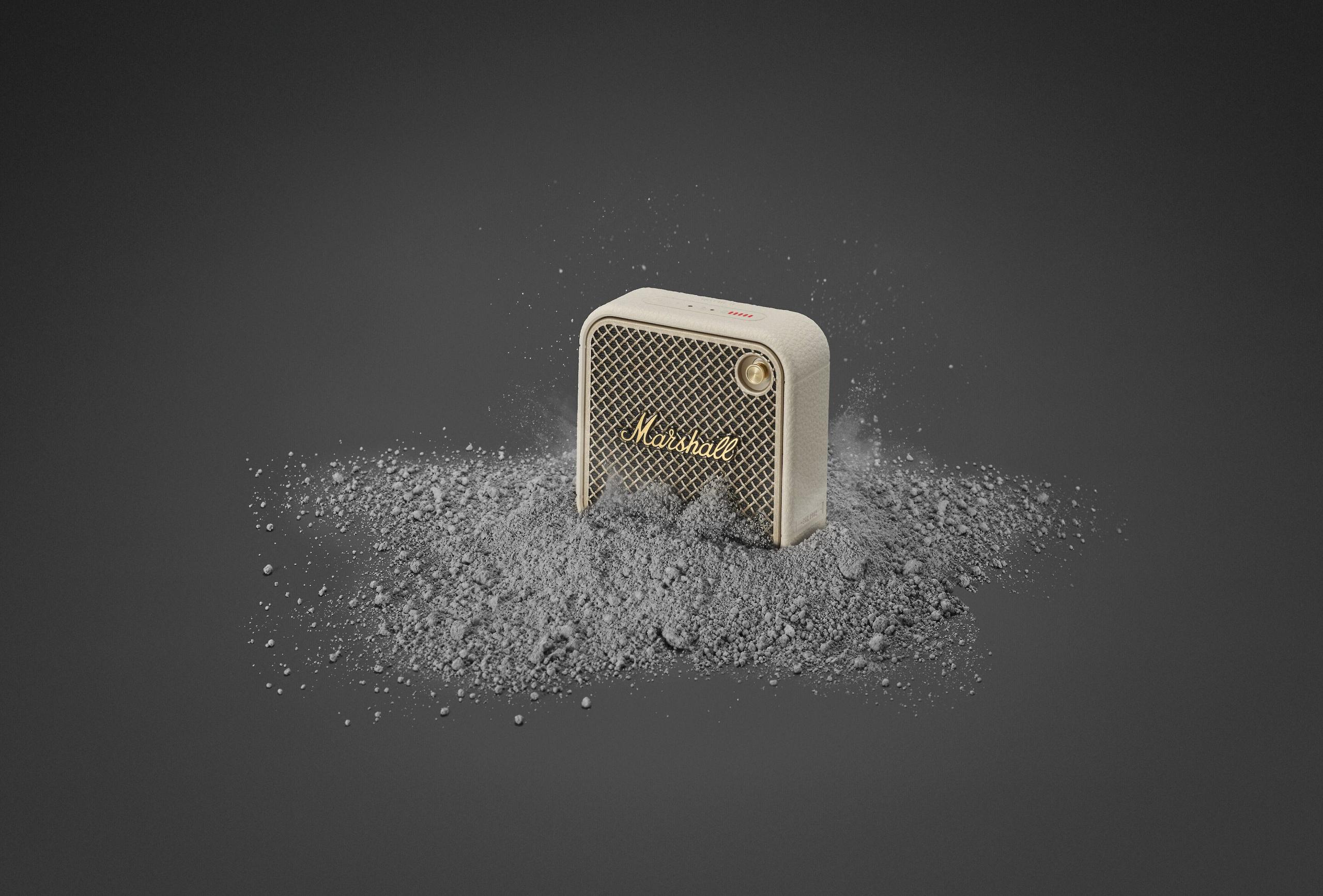
Both speakers achieve IP67 water and dust resistance, making them equally capable of handling outdoor adventures, poolside parties, and accidental encounters with sand or rain. However, their design approaches reflect their different target markets.
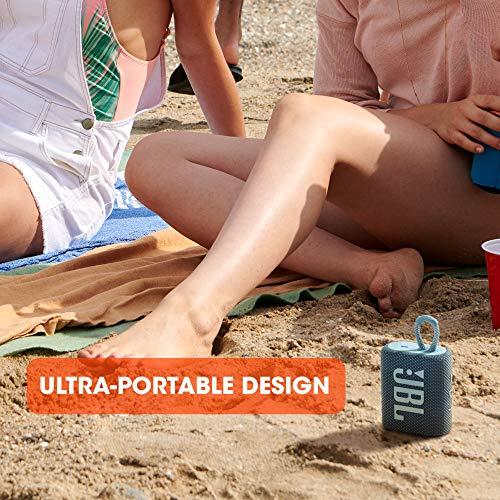
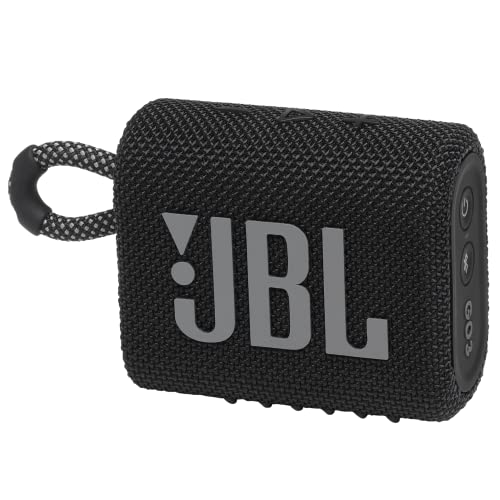
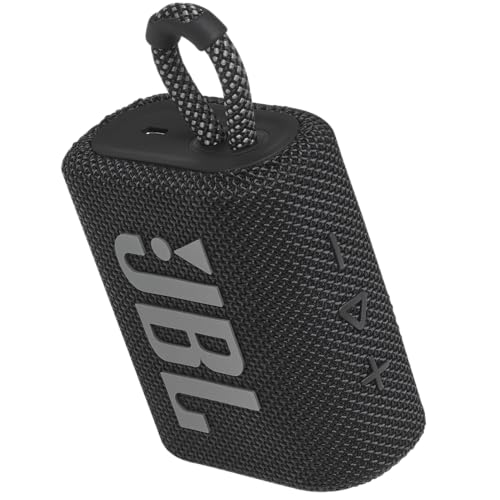
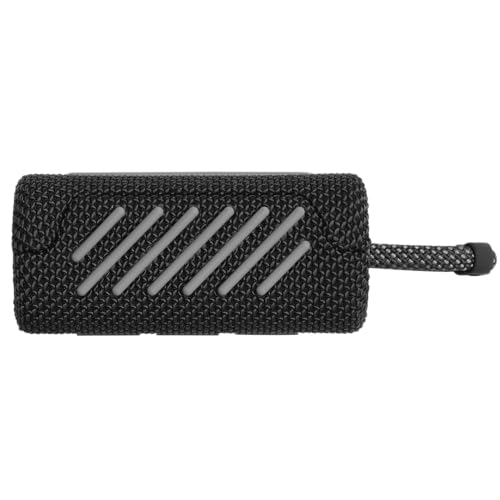
The JBL Go 3 prioritizes extreme portability, weighing just 0.46 pounds with a compact rectangular form factor. Its rubberized exterior with fabric grille feels solid despite the aggressive cost optimization. The integrated fabric loop allows easy attachment to bags or carabiners, and the available color options let users express some personality.
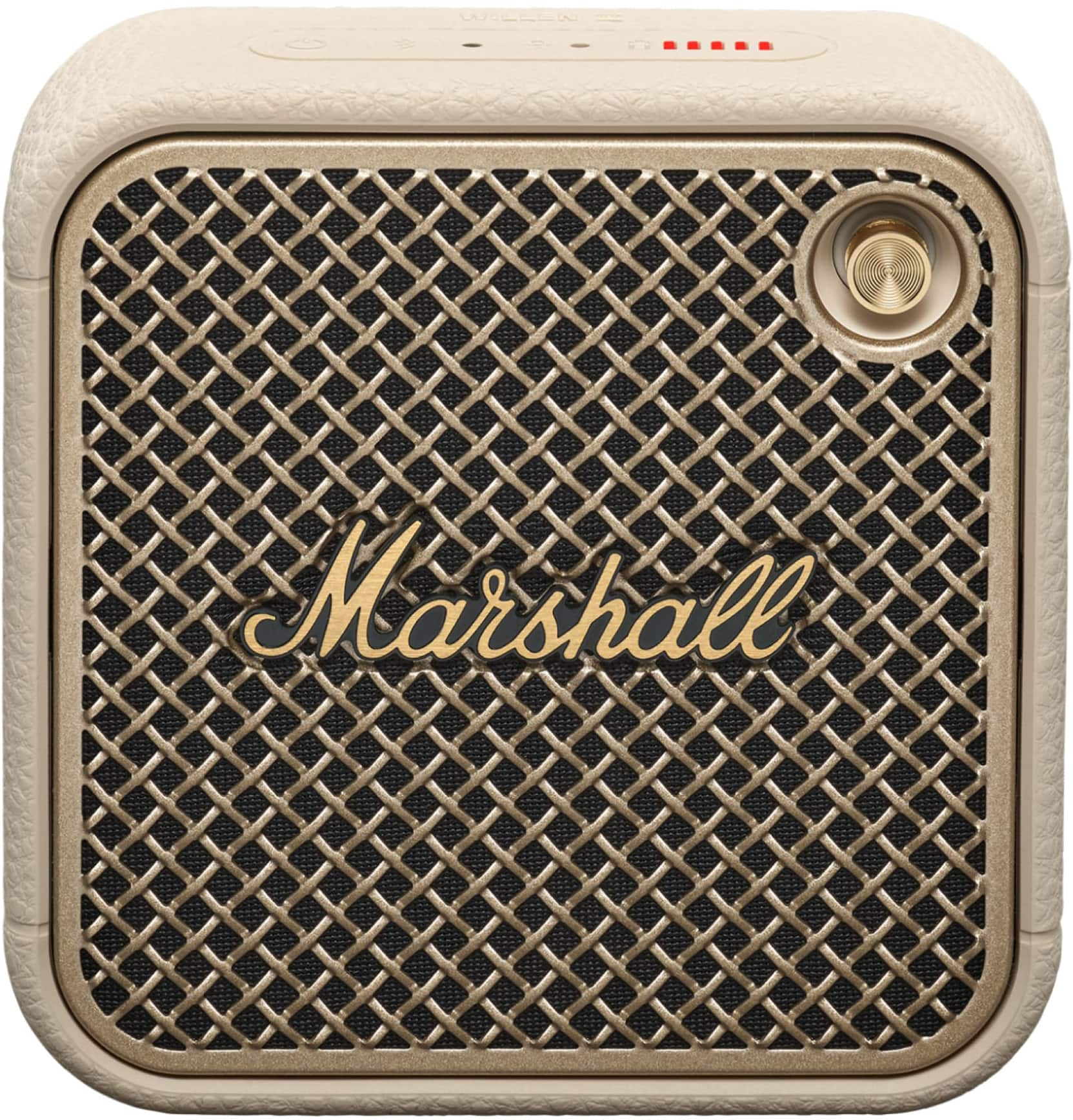
The Marshall Willen II, at 0.79 pounds, trades some portability for premium materials and build quality. Its metal grille and rubberized housing feel more substantial, while the distinctive multi-directional control knob provides tactile feedback that's satisfying to use. Marshall's signature aesthetic – inspired by their legendary guitar amplifiers – gives this speaker a premium appearance that justifies its higher price point.
The control interfaces tell the story of each speaker's priorities. The JBL Go 3 uses basic buttons for essential functions: power, Bluetooth pairing, volume, and play/pause. Simple and functional. The Marshall Willen II's signature control knob handles multiple functions through pushes, rotations, and holds, creating a more engaging user experience that feels distinctly premium.
Modern Bluetooth technology has evolved significantly, and the version differences here matter more than you might expect. The JBL Go 3 uses Bluetooth 5.1, providing solid connectivity with most devices and reasonable range for typical use.
The Marshall Willen II employs Bluetooth 5.3, which offers improved energy efficiency, better connection stability, and potentially extended range. In real-world terms, this translates to fewer dropouts, faster pairing, and better performance in environments with multiple Bluetooth devices competing for airspace.
Bluetooth codec support affects audio quality during wireless transmission. Both speakers handle standard SBC (Subband Coding) and likely AAC (Advanced Audio Coding) codecs, which provide good quality for most listeners. Neither supports high-resolution codecs like aptX or LDAC, which is typical for speakers in these price ranges.
The Marshall Willen II includes a built-in microphone for hands-free calling – a feature absent from the JBL Go 3. While speakerphone quality from tiny speakers isn't exceptional, it's genuinely useful for conference calls or quick conversations without reaching for your phone.
Marshall's companion app adds EQ presets and control options, while JBL keeps things simple with no app requirement. The Marshall also promises future Auracast support – a emerging Bluetooth LE feature that will eventually allow wireless linking of multiple compatible speakers without audio delay or quality loss.
Indoor Use: Both speakers work well for background music in small to medium rooms. The Marshall Willen II has enough power to fill a typical bedroom or office with pleasant sound, while the JBL Go 3 excels for personal listening at your desk or bedside.
Outdoor Adventures: This is where battery life becomes crucial. The JBL Go 3 handles day trips and short outdoor sessions admirably, but the Marshall Willen II's extended battery life makes it far more suitable for camping, hiking, or any activity where charging isn't available.
Pool and Beach Use: Both speakers' IP67 ratings make them equally capable of handling wet environments. However, the Marshall's higher power output helps it compete better with ambient noise from wind, waves, and conversations.
Home Theater Considerations: Neither speaker is designed for serious home theater use. Their small drivers and lack of spatial audio processing make them unsuitable for movie soundtrack reproduction or surround sound applications. For casual YouTube viewing or video calls, both work fine, with the Marshall providing slightly better dialogue clarity thanks to its superior power and frequency response.
At the time of writing, these speakers represent different value propositions entirely. The JBL Go 3 delivers exceptional value for casual users who need basic portable audio without breaking the budget. Its sound quality genuinely impresses given its aggressive pricing, and the IP67 rating means it won't let you down in challenging environments.
The Marshall Willen II commands a significant premium that's primarily justified by its extended battery life, hands-free calling capability, and premium build quality. The sound improvement, while noticeable, isn't proportional to the price difference – you're paying for the complete package rather than just audio performance.
Long-term ownership considerations favor both speakers differently. The JBL's lower initial cost makes replacement less painful if it's lost or damaged. The Marshall's superior battery life potentially extends its useful lifespan, as battery degradation is often what kills portable speakers after several years of use.
Choose the JBL Go 3 if you:
Choose the Marshall Willen II if you:
Both speakers excel within their intended markets, making this comparison less about picking a "winner" and more about understanding which philosophy matches your needs and budget.
The JBL Go 3 proves that good portable audio doesn't require a major investment. It delivers on its core promise of convenient, durable sound at an accessible price point. Its limitations are honest ones – the result of physics and cost constraints rather than poor engineering.
The Marshall Willen II justifies its premium through meaningful improvements in battery life, build quality, and feature set. The 17-hour battery life alone transforms the user experience, eliminating the charging anxiety that plagues many portable devices.
For most users, the decision comes down to budget flexibility and specific use cases. Weekend warriors, frequent travelers, and anyone who values extended untethered use will find the Marshall's premium worthwhile. Casual users, students, and budget-conscious buyers will discover the JBL provides remarkable value and capability.
Both speakers represent successful engineering within their constraints, proving that great portable audio comes in many forms – you just need to match the right approach to your specific needs and expectations.
| JBL Go 3 | Marshall Willen II |
|---|---|
| Power Output - Determines maximum volume and sound quality | |
| 4.2W RMS (adequate for personal listening) | 10W RMS (noticeably louder with better dynamics) |
| Battery Life - Critical for extended outdoor use | |
| Up to 5 hours (covers most daily sessions) | Up to 17+ hours (eliminates charging anxiety) |
| Frequency Response - Shows bass depth and treble extension | |
| 110Hz - 20kHz (limited bass, clear mids/highs) | 75Hz - 20kHz (deeper bass, fuller sound signature) |
| Weight - Affects true portability | |
| 0.46 lbs (ultra-portable, pocket-friendly) | 0.79 lbs (heavier but still very portable) |
| Bluetooth Version - Impacts connection stability and range | |
| Bluetooth 5.1 (solid connectivity for most users) | Bluetooth 5.3 (improved efficiency and stability) |
| Water Resistance - Essential for outdoor adventures | |
| IP67 (fully waterproof and dustproof) | IP67 (fully waterproof and dustproof) |
| Charging Port - Affects convenience and cable compatibility | |
| USB-C (2.5 hour charge time) | USB-C (2.5 hour charge time, 20min quick charge) |
| Built-in Microphone - Enables hands-free calling | |
| No microphone (audio playback only) | Yes (hands-free calls and voice assistant) |
| Multi-Speaker Pairing - For stereo or party mode | |
| Not supported (single speaker use only) | Future Auracast support (wireless multi-speaker linking) |
| Companion App - Provides EQ and additional controls | |
| No app (simple plug-and-play operation) | Marshall Bluetooth app (EQ presets and advanced controls) |
| Driver Configuration - Affects sound reproduction | |
| Single 43mm driver (mono output) | Single 50mm driver + dual passive radiators |
| Control Interface - Daily usability factor | |
| Basic buttons (power, volume, play/pause) | Premium multi-directional control knob |
The JBL Go 3 offers exceptional value for budget-conscious buyers, delivering solid sound quality and IP67 waterproofing at an entry-level price point. The Marshall Willen II costs significantly more but justifies the premium with 3x longer battery life (17+ hours vs 5 hours), hands-free calling, and noticeably better audio quality. Choose the JBL Go 3 for basic portable audio needs, or the Marshall Willen II if extended battery life and premium features are worth the investment.
The Marshall Willen II delivers superior sound quality with 10W power output versus the JBL Go 3's 4.2W, resulting in louder maximum volume and better dynamics. The Marshall's frequency response extends down to 75Hz compared to the JBL's 110Hz, providing deeper bass reproduction. While both speakers handle vocals and midrange well, the Marshall Willen II offers fuller, more balanced sound that's particularly noticeable with bass-heavy music genres.
The Marshall Willen II dramatically outperforms the JBL Go 3 in battery life, offering 17+ hours of playback versus just 5 hours. This makes the Marshall ideal for camping trips, long hikes, or extended outdoor use where charging isn't available. The JBL Go 3's 5-hour battery covers most daily activities but requires more frequent charging for extended use.
Yes, both the JBL Go 3 and Marshall Willen II feature IP67 waterproof ratings, making them fully dust-tight and capable of being submerged in up to 1 meter of water for 30 minutes. This makes both speakers excellent choices for pool parties, beach trips, or outdoor adventures where they might encounter water or sand.
The JBL Go 3 wins in pure portability, weighing just 0.46 pounds compared to the Marshall Willen II's 0.79 pounds. The JBL's more compact size makes it easier to slip into pockets or small bags. However, the Marshall Willen II remains highly portable while offering the advantage of much longer battery life, reducing the need to pack charging cables for extended trips.
Only the Marshall Willen II includes a built-in microphone for hands-free calling and video conferences. The JBL Go 3 lacks this feature and only supports audio playback. If speakerphone capability is important for work calls or personal use, the Marshall is the clear choice.
The Marshall Willen II uses newer Bluetooth 5.3 technology compared to the JBL Go 3's Bluetooth 5.1, offering improved connection stability, better energy efficiency, and potentially extended range. Both provide reliable wireless connectivity, but the Marshall's newer Bluetooth version delivers slightly better performance in environments with multiple wireless devices.
The Marshall Willen II handles bass-heavy genres significantly better due to its lower frequency response (75Hz vs 110Hz) and higher power output. The JBL Go 3 struggles with deep bass reproduction, making hip-hop, EDM, and other bass-centric music sound somewhat thin. Neither speaker will deliver true deep bass due to size constraints, but the Marshall provides noticeably fuller low-end response.
Neither the JBL Go 3 nor Marshall Willen II is designed for serious home theater use. Their small drivers and mono/limited stereo output make them unsuitable for movie soundtracks or immersive audio. For casual YouTube viewing or video calls, both work adequately, with the Marshall Willen II providing slightly better dialogue clarity due to its superior power and frequency response.
The JBL Go 3 doesn't support multi-speaker pairing and must be used as a single unit. The Marshall Willen II will support future Auracast technology for wireless multi-speaker linking, though this feature requires a firmware update. Currently, neither speaker offers traditional stereo pairing capabilities.
Both the JBL Go 3 and Marshall Willen II use USB-C charging ports and take approximately 2.5 hours for a full charge. The Marshall Willen II adds a useful quick-charge feature where 20 minutes of charging provides 5.5 hours of playback time – more than the JBL's full battery capacity.
For camping and extended outdoor use, the Marshall Willen II is the clear winner due to its 17+ hour battery life that can handle multi-day trips without charging. Its higher power output also helps compete with ambient outdoor noise. The JBL Go 3 works for day trips and shorter outdoor activities, but its 5-hour battery life limits extended wilderness use where charging isn't available.
We've done our best to create useful and informative comparisons to help you decide what product to buy. Our research uses advanced automated methods to create this comparison and perfection is not possible - please contact us for corrections or questions. These are the sites we've researched in the creation of this article: rtings.com - streamtechreviews.com - english.achoreviews.com - smarthomesounds.co.uk - soundguys.com - rtings.com - walmart.com - soundguys.com - youtube.com - youtube.com - jbl.com - youtube.com - selectoguru.com - versus.com - videoandaudiocenter.com - harmanaudio.com - jbl.com - bestbuy.com - forum.hifiguides.com - manuals.plus - kh.jbl.com - th.jbl.com - mm.jbl.com - jbl.com - bestbuy.com - youtube.com - youtube.com - youtube.com - jbl.com - bestbuy.com - bestbuy.com - jbl.com.tw - youtube.com - whatsthebest.co.uk - youtube.com - crutchfield.com - goodhousekeeping.com - abt.com - bestbuy.com - theaudio.co - store.moma.org - av-connection.com - rtings.com - electronicexpress.com

Privacy Policy
Terms and Conditions - Affiliate Policy
Home Security
© Copyright 2008-2026.
11816 Inwood Rd #1211, Dallas, TX 75244