



When you're shopping for a Bluetooth speaker, you're essentially making a trade-off between how much sound you want and how easily you want to carry it around. This fundamental tension has shaped the entire portable audio market, and it's perfectly illustrated by comparing two very different approaches: the Skullcandy Terrain XL and the JBL Go 3.
The portable speaker category has exploded over the past decade, driven by improvements in battery technology, Bluetooth connectivity, and miniaturization of audio drivers (the actual components that produce sound). Today's speakers offer capabilities that would have seemed impossible just a few years ago – from pocket-sized devices that can fill a small room to rugged outdoor speakers that can soundtrack your entire camping trip.
Understanding what makes a good portable speaker means grasping a few key technical concepts. Driver size directly impacts how much air a speaker can move, which translates to volume and bass response. Power output, measured in watts, tells you how much electrical energy gets converted to sound. Bluetooth codecs (the digital compression formats used to transmit audio wirelessly) affect sound quality, while IP ratings indicate protection against water and dust using a two-digit system where higher numbers mean better protection.
The JBL Go 3 represents the latest evolution in ultra-portable speakers, building on JBL's decades of audio expertise. Released around 2020, it improved significantly over its predecessors by adding IP67 water and dust protection – a rating that means complete dust protection and the ability to survive being dunked in a meter of water for 30 minutes. The inclusion of USB-C charging also reflected the industry's move toward universal charging standards.
The Skullcandy Terrain XL, meanwhile, emerged from a different philosophy entirely. Skullcandy, known for lifestyle-oriented audio gear, designed the Terrain series to address a specific gap: speakers that could handle extended outdoor adventures without sacrificing too much portability. Released more recently with Bluetooth 5.3 support, it represents the company's push into more premium territory while maintaining their signature bold aesthetic.
Since these speakers hit the market, we've seen consistent improvements in battery efficiency, Bluetooth stability, and water resistance across the industry. The inclusion of features like multi-speaker pairing and enhanced codec support has become increasingly standard, though implementation varies significantly between manufacturers.
Here's where things get interesting – and where the fundamental differences between these speakers become crystal clear. The Skullcandy Terrain XL packs 20 watts of power through a sophisticated driver arrangement: dual front-firing woofers handle the main audio duties while dual passive radiators (unpowered drivers that vibrate sympathetically to enhance bass) extend the low-end response. This setup allows the speaker to move significantly more air than its size might suggest.
In contrast, the JBL Go 3 relies on a single 4.2-watt driver measuring 43x47mm. That might sound limiting, but JBL's "Pro Sound" tuning actually maximizes what's possible from such a small package. The key difference isn't just raw power – it's how each speaker approaches the challenge of reproducing audio across different frequencies.
The Terrain XL exhibits what audio engineers call a "V-shaped" frequency response. This means it emphasizes both the bass (low frequencies) and treble (high frequencies) while de-emphasizing the midrange where most vocals and instruments live. While this can make music sound more exciting and punchy, it often comes at the cost of clarity and detail. Our research into user experiences consistently shows that the Skullcandy Terrain XL delivers impressive volume and bass impact but struggles with instrumental separation – you'll hear the vocals and feel the bass, but guitar solos and piano melodies might get lost in the mix.
The JBL Go 3 takes a more balanced approach despite its size constraints. Its frequency response runs from 110Hz to 20kHz, which means it can't reproduce the deepest bass frequencies (true sub-bass starts around 60Hz), but what it does reproduce comes through cleanly. The emphasis on midrange clarity makes it particularly effective for podcasts, audiobooks, and vocal-heavy music genres.
Volume capabilities tell an important story about intended use. The Terrain XL can reach levels suitable for outdoor gatherings of 4-6 people, though pushing it to maximum volume introduces distortion in the higher frequencies. The Go 3 maxes out around 85 decibels – perfectly adequate for personal listening or background music in a small room, but insufficient for larger spaces or noisy environments.
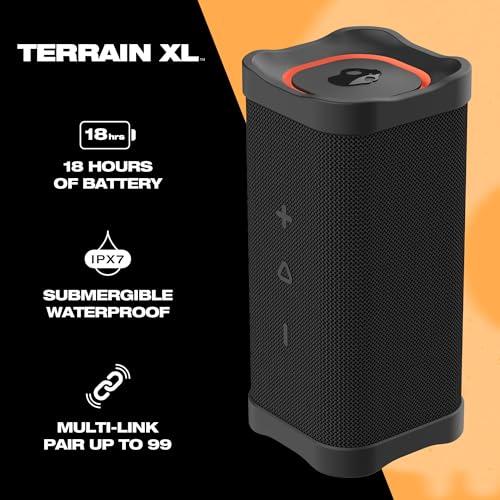
Nothing illustrates the philosophical differences between these speakers quite like their battery performance. The Skullcandy Terrain XL delivers an impressive 18 hours of playback time – and that's not just marketing speak. Real-world testing shows it can actually exceed this figure at moderate volumes, potentially reaching 30 hours at 50% volume. Even when pushed hard, users report getting 8+ hours of continuous playback.
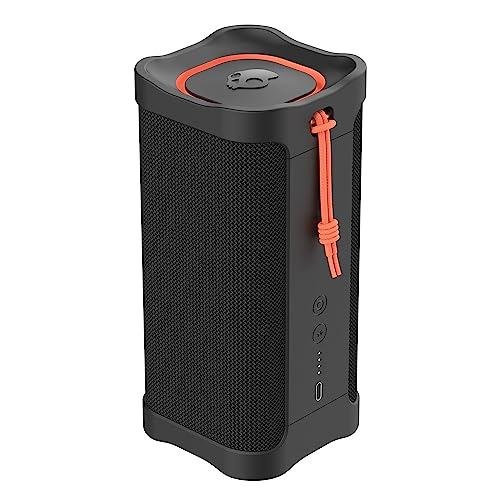
This extended battery life comes from a larger lithium-ion cell and more efficient power management. The trade-off, of course, is size and weight – the Terrain XL weighs 635 grams compared to the Go 3's feathery 209 grams.
The JBL Go 3 offers 5 hours of playback with a 2.5-hour charging time. While this might seem limiting, it actually aligns well with most people's listening patterns. How often do you really need more than 5 hours of continuous music away from any charging source? For daily commutes, workout sessions, or casual outdoor use, this proves sufficient.
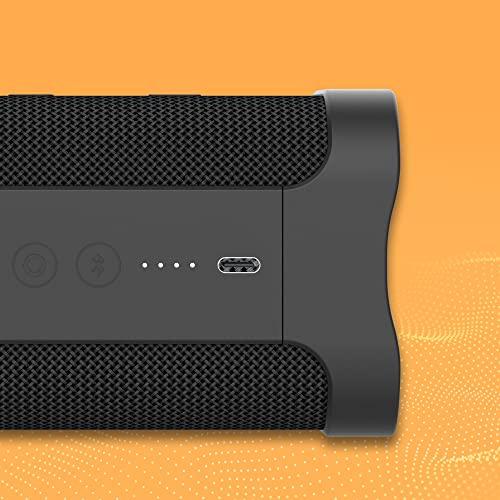
Both speakers use USB-C charging, which is convenient for anyone already carrying USB-C cables for their phone or other devices. However, there's an important distinction: the Skullcandy Terrain XL uses its USB-C port exclusively for charging – you can't connect a wired audio source through it. The JBL Go 3 includes a dedicated 3.5mm auxiliary input, providing a crucial backup when Bluetooth isn't available or when you want to preserve battery life.
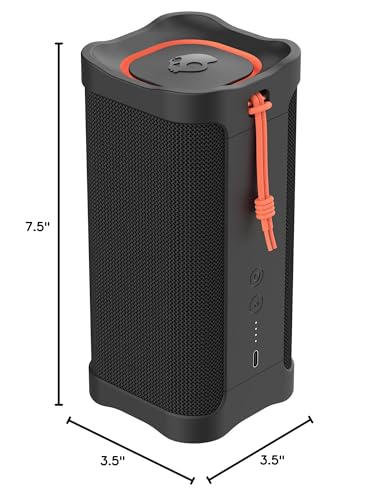
The size difference between these speakers is dramatic – the JBL Go 3 occupies roughly 271 cubic centimeters while the Skullcandy Terrain XL takes up about 1,505 cubic centimeters. That makes the Go 3 approximately 82% smaller by volume, a difference you'll feel immediately when handling both devices.
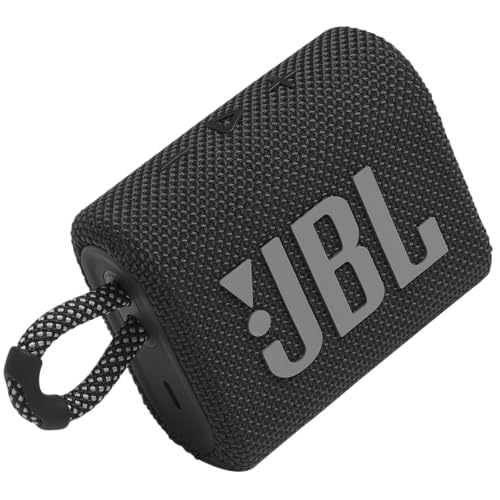
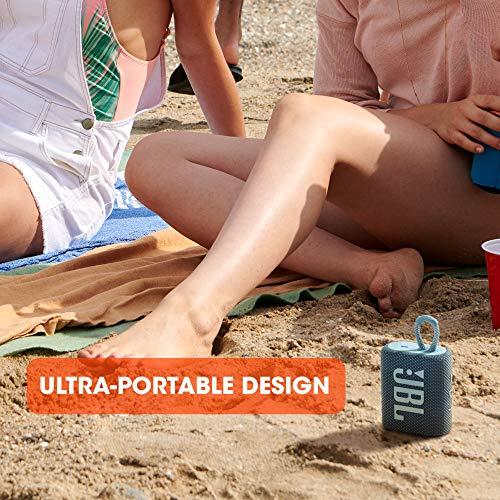
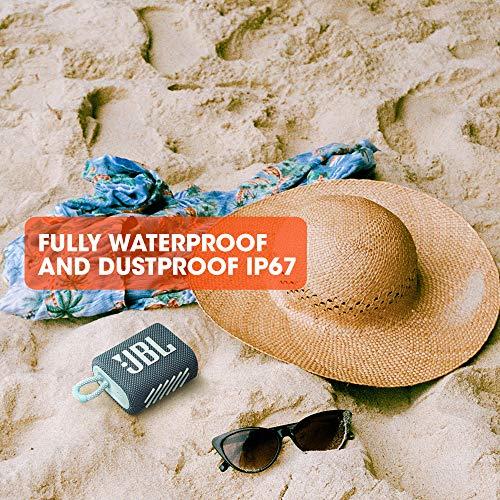
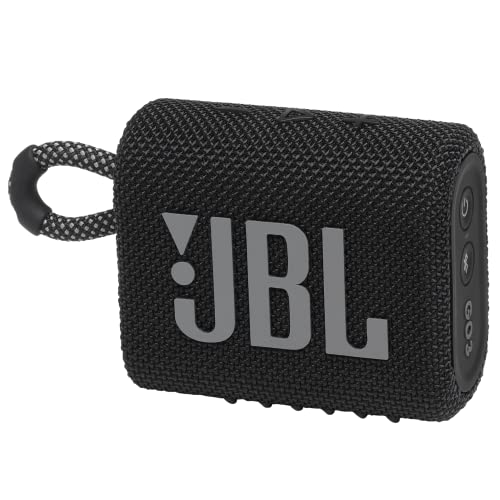
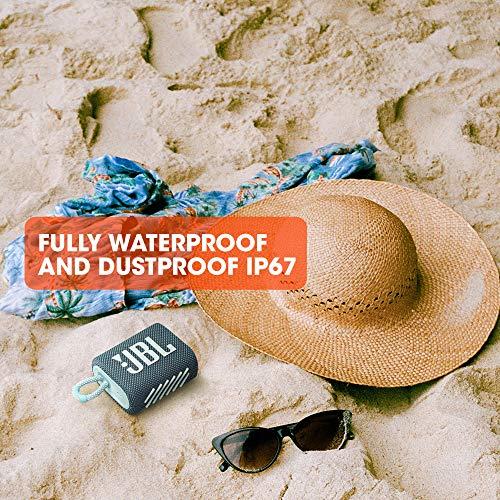
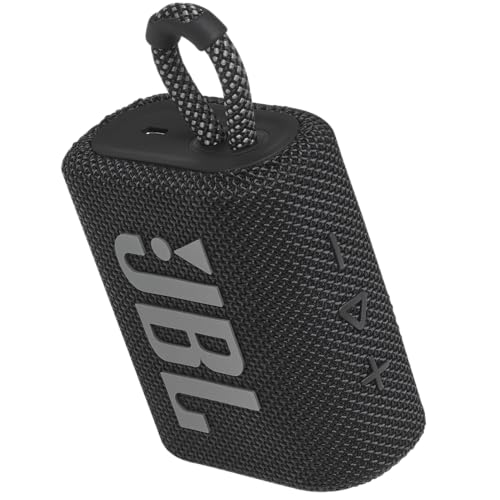
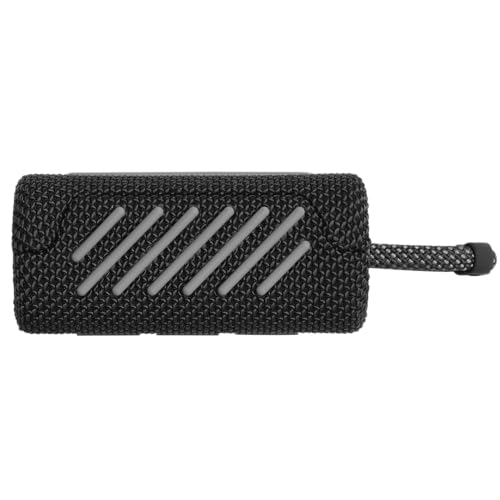
The Go 3's ultra-compact design incorporates thoughtful details like an integrated fabric loop that makes it easy to attach to backpack straps or carabiners. Its rubberized exterior with tight-knit fabric covering provides excellent grip and protection against drops. The IP67 rating ensures complete protection against dust ingress (that's what the "6" means) plus water resistance equivalent to IPX7 standards.
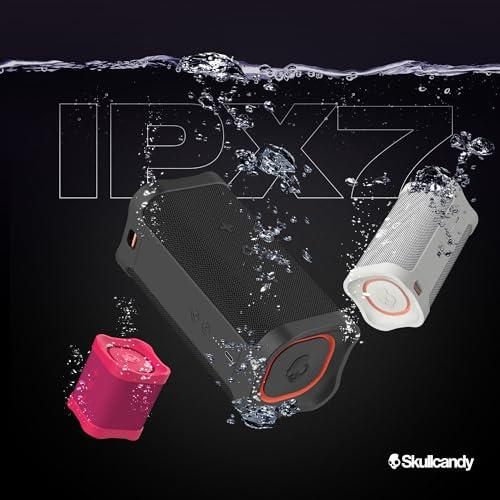
The Skullcandy Terrain XL takes a different approach to durability. Its IPX7 water resistance allows for submersion up to one meter for 30 minutes, while additional dust and shock protection make it genuinely ready for outdoor adventures. The included nylon wrist strap provides a secure carrying method, though the speaker's weight means you'll definitely feel it bouncing around during active use.
Both speakers feel substantially built, but they're designed for different types of abuse. The Go 3 excels at surviving daily pocket life – the inevitable drops, bumps, and exposure to keys or other items. The Terrain XL is built more for intentional outdoor use where water exposure and environmental challenges are expected rather than accidental.
Both speakers use modern Bluetooth standards, though with different implementations. The Skullcandy Terrain XL employs Bluetooth 5.3, the latest version available at the time of writing, which provides improved connection stability and energy efficiency compared to older standards. However, it can only maintain a connection with one device at a time – you can't seamlessly switch between your phone and laptop without manual reconnection.
The JBL Go 3 uses Bluetooth 5.1, which offers excellent reliability and compatibility across virtually all modern devices. More importantly, it includes that 3.5mm auxiliary input we mentioned earlier. This might seem old-fashioned, but it's incredibly practical. Dead battery? Airplane with no Bluetooth? Device with connectivity issues? The aux cable saves the day.
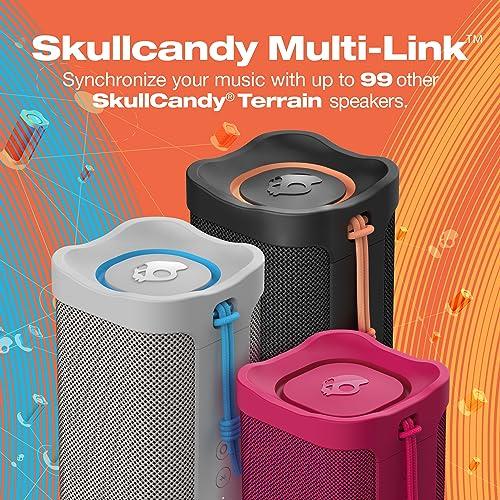
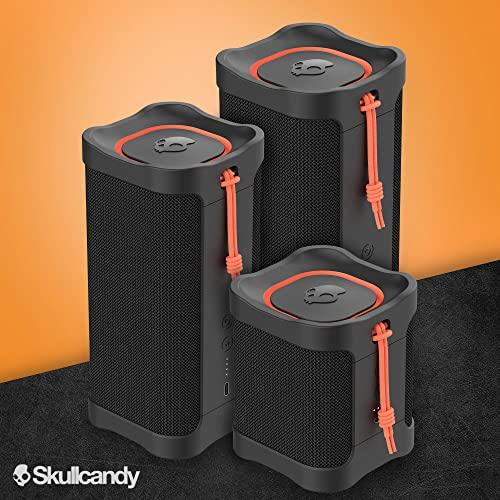
Where the Skullcandy Terrain XL shines is in multi-speaker functionality. Its Multi-Link technology allows you to connect up to 99 Terrain speakers together for synchronized playback – though realistically, most people will use this to pair two speakers for stereo sound. The clever part is that you can pair any Terrain series speakers together regardless of size, so a Terrain XL can create a stereo pair with a regular Terrain or even a Terrain Mini. This flexibility surpasses many competing systems that require identical speakers for stereo pairing.
Here's where both speakers show their budget-friendly origins. Neither offers companion apps or extensive sound customization options. The Skullcandy Terrain XL provides no EQ adjustment whatsoever – you're stuck with Skullcandy's stock tuning, which as we discussed, emphasizes bass and treble while neglecting midrange detail.
This limitation becomes more noticeable when you consider that many competing speakers in similar price ranges offer at least basic sound customization through smartphone apps. The lack of tuning options means these speakers need to get their sound signature right out of the box, and unfortunately, the Terrain XL's V-shaped response won't suit all listeners or music genres.
While both speakers are designed primarily for portable use, their indoor performance varies significantly. The JBL Go 3 works well as a desk speaker or kitchen companion where its clean midrange reproduction makes it ideal for podcasts, news, or background music. Its small size means it won't overwhelm a space acoustically, and the auxiliary input makes it easy to connect to computers, TVs, or other devices.
The Skullcandy Terrain XL can fill larger indoor spaces with sound, but its harsh frequency response becomes more noticeable in acoustically reflective environments like bathrooms or kitchens. The emphasis on bass and treble that works outdoors can sound boomy and fatiguing indoors, especially during extended listening sessions.
For home theater applications, neither speaker really excels. Both are mono (single-channel) devices that can't reproduce the spatial audio information present in movie soundtracks. If you're looking for a portable speaker that doubles as a TV speaker, you'd want to consider larger options with stereo drivers or dedicated home theater modes.
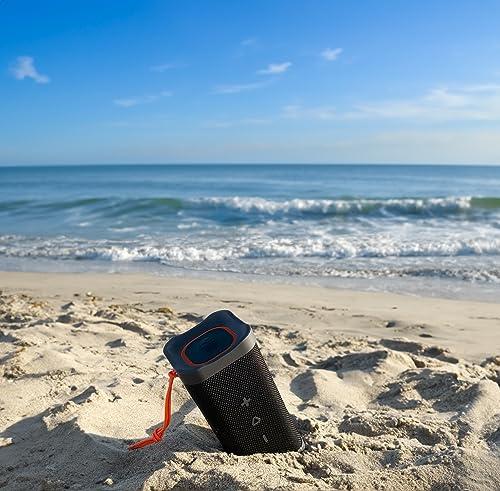
Understanding how these speakers perform across different use cases helps clarify which might suit your needs. For beach or poolside use, the Skullcandy Terrain XL makes more sense – its extended battery life means it can soundtrack an entire day without worry, and its louder output cuts through ambient noise and conversations. The V-shaped sound signature actually works well outdoors where environmental acoustics naturally reduce harshness.
For hiking or active outdoor use, the JBL Go 3 often proves more practical. Its dramatically lighter weight won't fatigue you during long walks, and the integrated loop makes secure attachment simple. The 5-hour battery life covers most hiking scenarios, and if you're listening while active, perfect sound quality matters less than convenience and security.
In urban environments – commuting, coffee shops, small gatherings – the Go 3's clarity and portability typically win out. Its ability to reproduce spoken word content clearly makes it excellent for podcasts during commutes, while its unobtrusive size won't draw unwanted attention in public spaces.
At the time of writing, these speakers occupy different value propositions despite similar pricing. The Skullcandy Terrain XL costs slightly more but delivers significantly longer battery life and higher output volume. For users who prioritize these features, the extra cost makes sense. However, you're paying a premium for convenience features rather than superior sound quality.
The JBL Go 3 represents excellent value in the ultra-portable category. Its combination of build quality, sound clarity (relative to size), and versatile connectivity options makes it hard to beat for users who prioritize portability. The lower price point makes it accessible as a secondary speaker or backup device.
Choose the Skullcandy Terrain XL if extended battery life ranks as your top priority. This speaker makes sense for camping trips, beach days, or any scenario where charging opportunities are limited and you need sound that can reach a small group. The multi-speaker pairing capability adds value if you envision building a larger sound system over time. Accept that you're prioritizing convenience and battery life over sound quality refinement.
Choose the JBL Go 3 if portability and sound clarity matter more than raw volume or extended playback time. This speaker excels for personal listening, commuting, and situations where you need a reliable audio companion that won't weigh you down. The auxiliary input provides valuable flexibility, and the superior build quality relative to size makes it feel like a premium product despite its modest price.
The decision ultimately comes down to your primary use case. Both speakers represent solid value in their respective categories, but they're designed for fundamentally different needs. The Terrain XL prioritizes endurance and group use, while the Go 3 focuses on personal convenience and everyday portability. Understanding which set of priorities aligns with your listening habits will guide you to the right choice.
Neither speaker will satisfy audiophiles seeking reference-quality sound, but both deliver exactly what they promise within their design constraints. In a market flooded with portable audio options, that clarity of purpose makes both the Skullcandy Terrain XL and JBL Go 3 worthy of consideration for the right user.
| Skullcandy Terrain XL | JBL Go 3 |
|---|---|
| Size & Weight - Key factor for portability | |
| 3.5" x 3.5" x 7.5", 635g (bulkier but manageable) | 3.4" x 2.7" x 1.6", 209g (ultra-portable, pocket-sized) |
| Power Output - Determines maximum volume | |
| 20W (loud enough for small outdoor gatherings) | 4.2W (suitable for personal listening) |
| Battery Life - Critical for extended use | |
| 18 hours (all-day adventures without charging anxiety) | 5 hours (covers most daily use scenarios) |
| Water Resistance - Protection for outdoor use | |
| IPX7 (submersible up to 1m for 30 minutes) | IP67 (equivalent water protection plus dust-proof) |
| Audio Configuration - Affects sound quality | |
| Dual woofers + dual passive radiators (more bass, harsher mids) | Single 43x47mm driver (clearer vocals, limited bass) |
| Connectivity Options - Versatility for different devices | |
| Bluetooth 5.3 only (no wired backup option) | Bluetooth 5.1 + 3.5mm aux input (wired backup available) |
| Multi-Speaker Features - Expandability for larger sound | |
| Multi-Link up to 99 speakers, flexible stereo pairing | No multi-speaker capability |
| Sound Signature - How music actually sounds | |
| V-shaped (boosted bass/treble, recessed mids) | Balanced with clear vocals (limited low-bass) |
| Charging Method - Modern convenience standard | |
| USB-C (charging only, no data/audio) | USB-C charging + dedicated aux input |
| Best Use Cases - Where each speaker excels | |
| Extended outdoor activities, group listening | Daily carry, personal listening, travel |
The Skullcandy Terrain XL is significantly better for outdoor activities due to its 18-hour battery life and louder 20W output that can reach small groups. The JBL Go 3 is better for personal outdoor use where extreme portability matters more than extended playback time.
The Skullcandy Terrain XL has a V-shaped sound with emphasized bass and treble but lacks midrange detail, making vocals less clear. The JBL Go 3 offers clearer vocals and better overall balance despite having much less bass due to its smaller size.
The Skullcandy Terrain XL delivers 18 hours of battery life compared to the JBL Go 3's 5 hours. This makes the Terrain XL much better for extended use without charging access, while the Go 3 requires more frequent charging.
Yes, both speakers are waterproof. The Skullcandy Terrain XL has IPX7 rating allowing submersion up to 1 meter for 30 minutes. The JBL Go 3 has IP67 rating, providing equivalent water protection plus complete dust protection.
The JBL Go 3 is dramatically more portable, weighing only 209g compared to the Skullcandy Terrain XL's 635g. The Go 3 is pocket-sized while the Terrain XL requires a bag or dedicated carrying method.
The Skullcandy Terrain XL only connects via Bluetooth to one device at a time. The JBL Go 3 offers both Bluetooth and a 3.5mm aux input, providing more connectivity flexibility and wired backup options when needed.
The Skullcandy Terrain XL gets much louder with its 20W power output, suitable for small outdoor gatherings. The JBL Go 3 maxes out at 85dB with 4.2W power, making it ideal for personal listening but insufficient for larger spaces.
Neither speaker is ideal for home theater use as both are mono speakers without stereo separation. The Skullcandy Terrain XL can fill larger rooms but may sound harsh indoors, while the JBL Go 3 works better as a personal TV speaker for small spaces.
The Skullcandy Terrain XL supports Multi-Link technology to connect up to 99 Terrain speakers and can create stereo pairs with any Terrain series speaker. The JBL Go 3 doesn't offer multi-speaker pairing capabilities.
Both speakers offer good value in different categories. The Skullcandy Terrain XL provides exceptional battery life and group-friendly volume for a modest price increase. The JBL Go 3 delivers outstanding portability and build quality for its ultra-compact size.
The JBL Go 3 charges quickly in 2.5 hours via USB-C. The Skullcandy Terrain XL takes longer to charge due to its much larger battery capacity, though both use convenient USB-C charging ports.
The JBL Go 3 is superior for travel due to its pocket-sized design, lighter weight, and auxiliary input for airplane entertainment systems. The Skullcandy Terrain XL is better for destination use where you want extended playback without frequent charging.
We've done our best to create useful and informative comparisons to help you decide what product to buy. Our research uses advanced automated methods to create this comparison and perfection is not possible - please contact us for corrections or questions. These are the sites we've researched in the creation of this article: youtube.com - skullcandy.eu - youtube.com - blog.bestbuy.ca - support.skullcandy.com - youtube.com - youtube.com - walmart.com - versus.com - youtube.com - skullcandy.ae - versus.com - skullcandy.com - youtube.com - consumerreports.org - gearjunkie.com - newegg.com - manuals.plus - bestbuy.com - electronicexpress.com - skullcandy.com - rtings.com - streamtechreviews.com - english.achoreviews.com - smarthomesounds.co.uk - soundguys.com - rtings.com - walmart.com - soundguys.com - youtube.com - youtube.com - jbl.com - youtube.com - selectoguru.com - versus.com - videoandaudiocenter.com - harmanaudio.com - jbl.com - bestbuy.com - forum.hifiguides.com - manuals.plus - kh.jbl.com - th.jbl.com - mm.jbl.com - jbl.com - bestbuy.com - youtube.com - youtube.com - youtube.com - jbl.com - bestbuy.com - bestbuy.com - jbl.com.tw - youtube.com

Privacy Policy
Terms and Conditions - Affiliate Policy
Home Security
© Copyright 2008-2026.
11816 Inwood Rd #1211, Dallas, TX 75244