




Portable Bluetooth speakers have transformed how we experience music outside our homes. Whether you're hosting a backyard barbecue, relaxing by the pool, or just want better sound while cooking, the right portable speaker can significantly enhance these moments. But with hundreds of options available, choosing between budget-friendly ultra-portable models and premium offerings requires understanding what truly matters for your specific needs.
The portable speaker market essentially splits into two philosophies: maximum convenience versus maximum performance within size constraints. The JBL Go 3 and Bose SoundLink Revolve II represent these approaches perfectly. Released in 2020 and 2021 respectively, both speakers reflect modern Bluetooth technology and design thinking, yet they target completely different use cases and price points.
Before diving into specifics, it's worth understanding what determines a portable speaker's performance. Sound quality depends heavily on driver size (the component that creates sound waves), internal volume for bass response, and digital signal processing (DSP) - the computer chips that fine-tune audio output. Battery capacity affects playback time, while Bluetooth codec support (the method for transmitting audio wirelessly) influences sound quality and connection stability.
Water resistance ratings use IP (Ingress Protection) codes where the first number indicates dust protection (0-6 scale) and the second indicates water protection (0-8 scale). These technical aspects directly impact real-world performance, so understanding them helps make informed decisions.
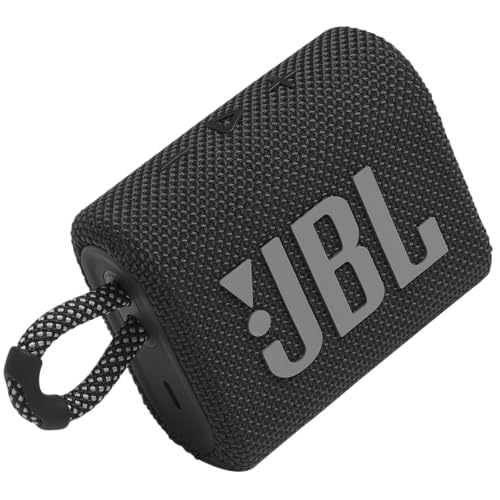
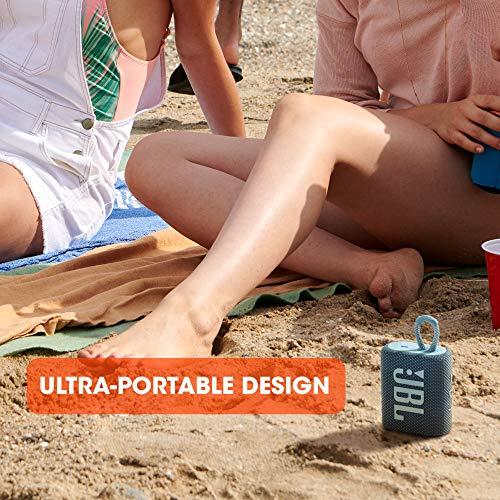
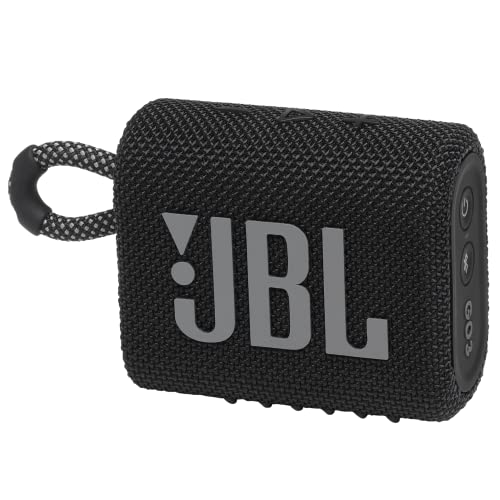
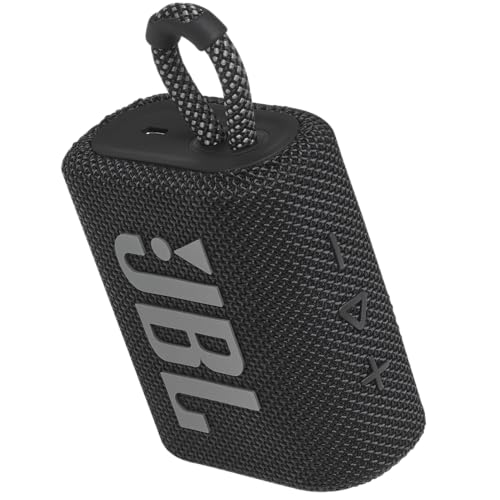
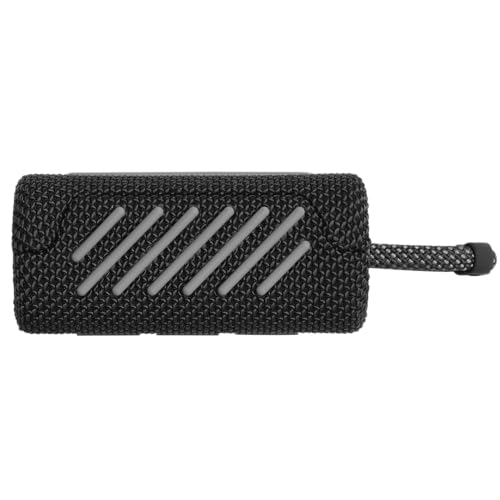
The JBL Go 3 represents JBL's philosophy that great sound should be accessible everywhere. At roughly the size of a smartphone but thicker, this speaker weighs just 0.46 pounds and easily fits in jacket pockets or small bags. JBL completely redesigned the Go series for the third generation, moving from the boxy aesthetic of previous models to rounded edges with a tight-knit fabric exterior and rubber accents.
What immediately strikes you about the JBL Go 3 is its build quality relative to its size and price point. The fabric covering isn't just decorative - it provides grip and helps protect the internal components. The integrated fabric loop might seem like a small detail, but it transforms the speaker's portability by enabling easy attachment to backpacks, beach bags, or even carabiners for outdoor adventures.
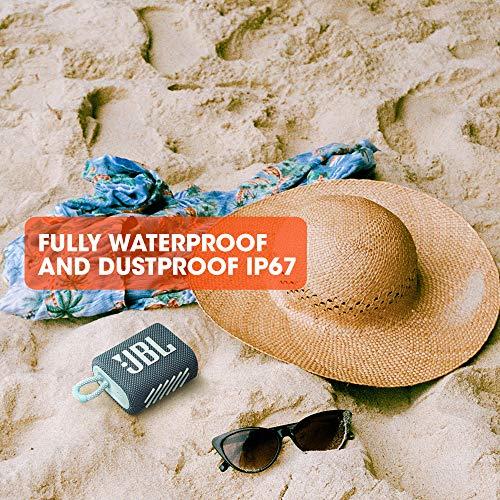
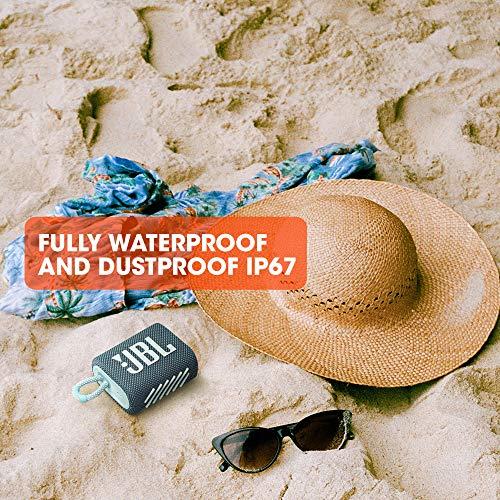
The true standout feature is the IP67 waterproof rating. This means the JBL Go 3 can be completely submerged in up to one meter of water for 30 minutes without damage. Unlike speakers with splash resistance, you can literally drop this in a pool, rinse it under a faucet, or use it in the shower without concern. For anyone who spends time around water or in dusty environments, this level of protection is genuinely liberating.
Given its compact dimensions, the JBL Go 3 faces significant physical limitations. Sound reproduction requires moving air, and small speakers simply cannot move as much air as larger ones. However, JBL's engineering team has maximized what's possible within these constraints.
The 47mm driver (about 1.85 inches) produces 4.2 watts of power, which sounds modest but represents a notable improvement over the previous Go 2's 3-watt output. JBL's Pro Sound tuning emphasizes vocal clarity and midrange frequencies where most musical content lives. This means podcasts, audiobooks, acoustic music, and vocal-driven songs sound surprisingly clear and detailed.
Bass response, predictably, is the JBL Go 3's main limitation. The frequency response starts rolling off around 140Hz, meaning deep bass notes in hip-hop, electronic music, or action movie soundtracks won't have the impact you'd expect from larger speakers. However, JBL has cleverly boosted the midbass frequencies to avoid a thin, tinny sound. While you won't feel bass in your chest, the sound remains full enough for enjoyable listening.
Volume output is adequate for personal listening or small gatherings but won't fill large rooms. At maximum volume, some compression artifacts become noticeable, particularly with bass-heavy tracks. The key is understanding the JBL Go 3's intended use case: personal audio enhancement rather than room-filling sound.
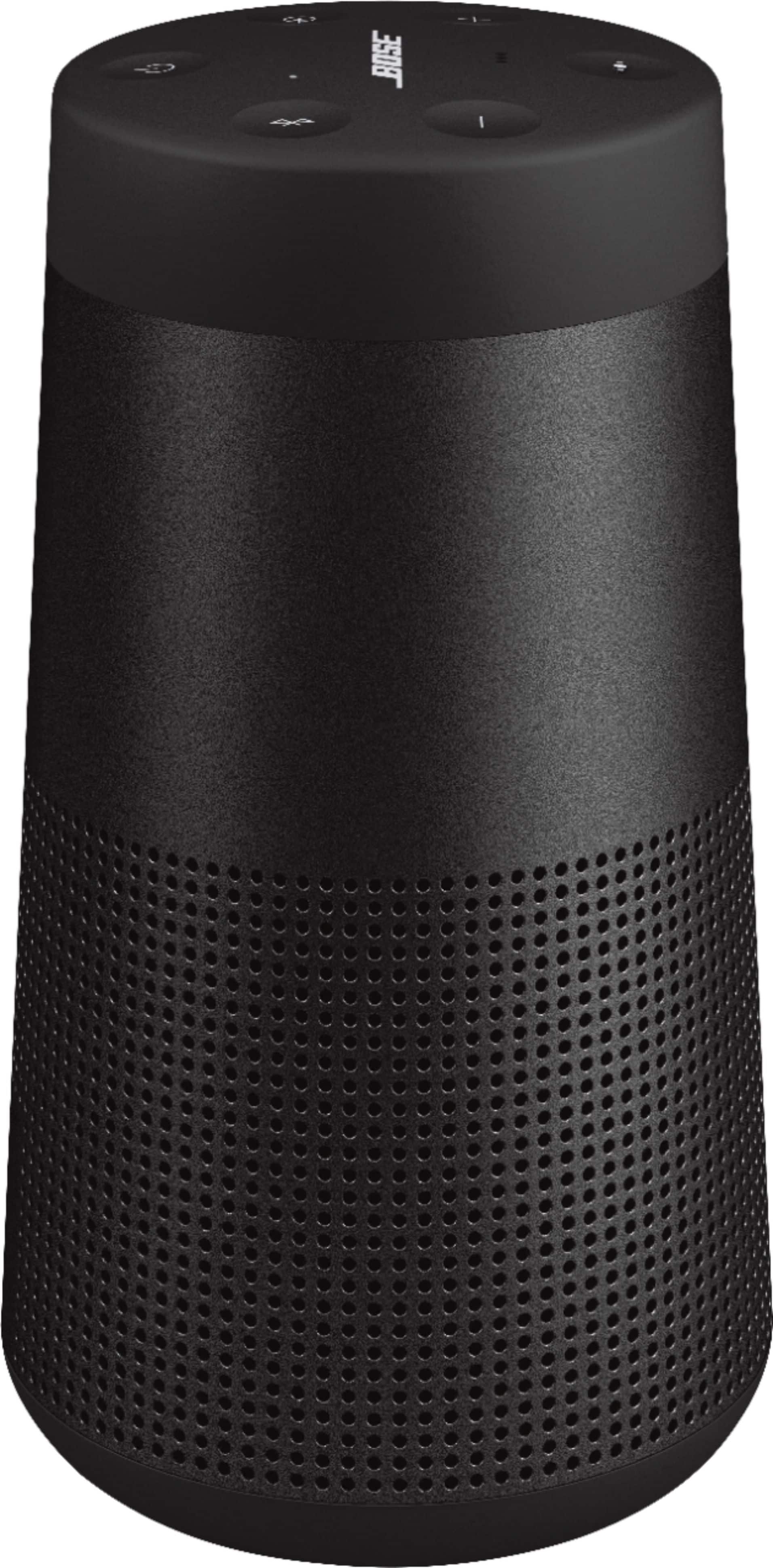
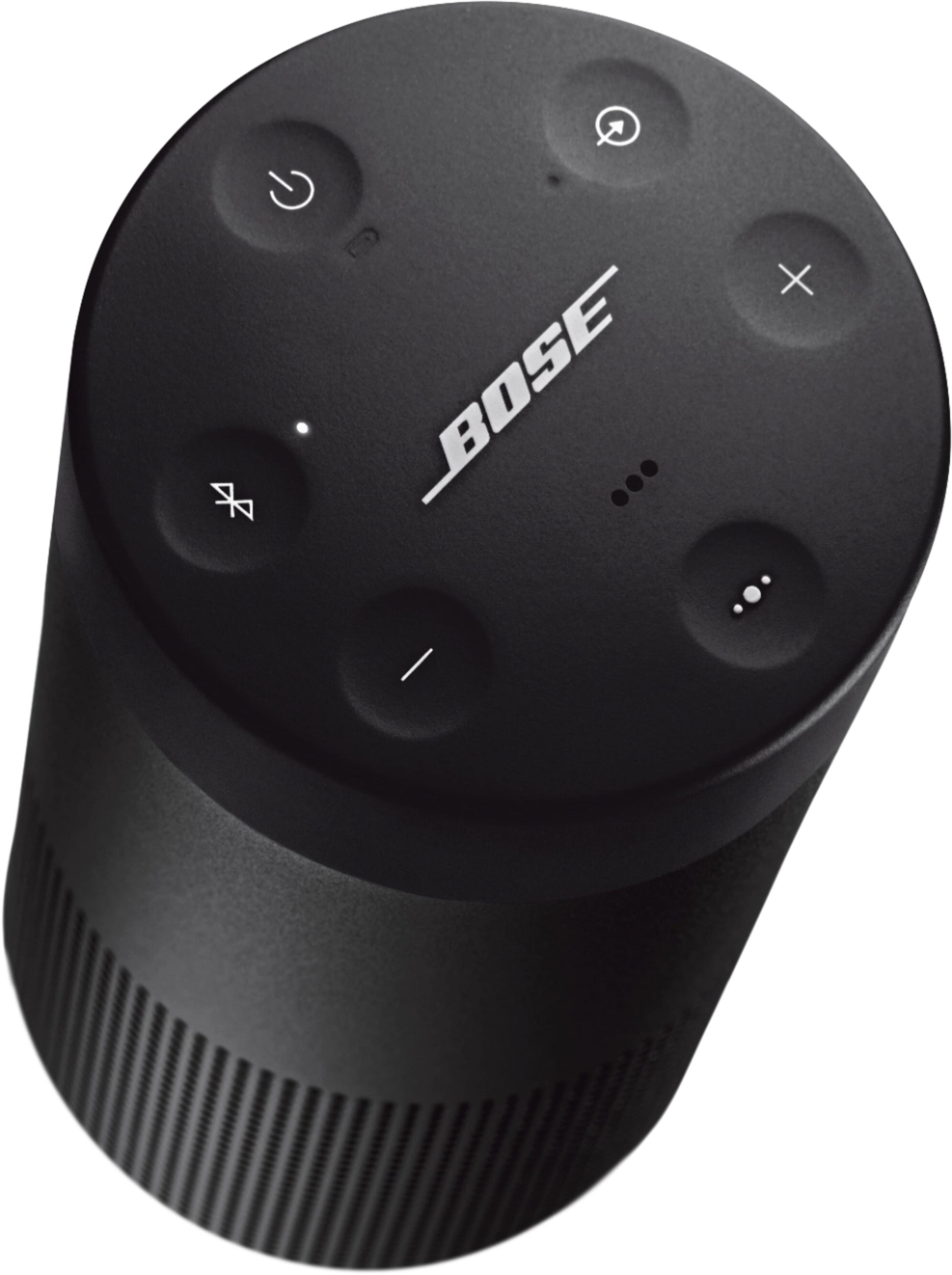
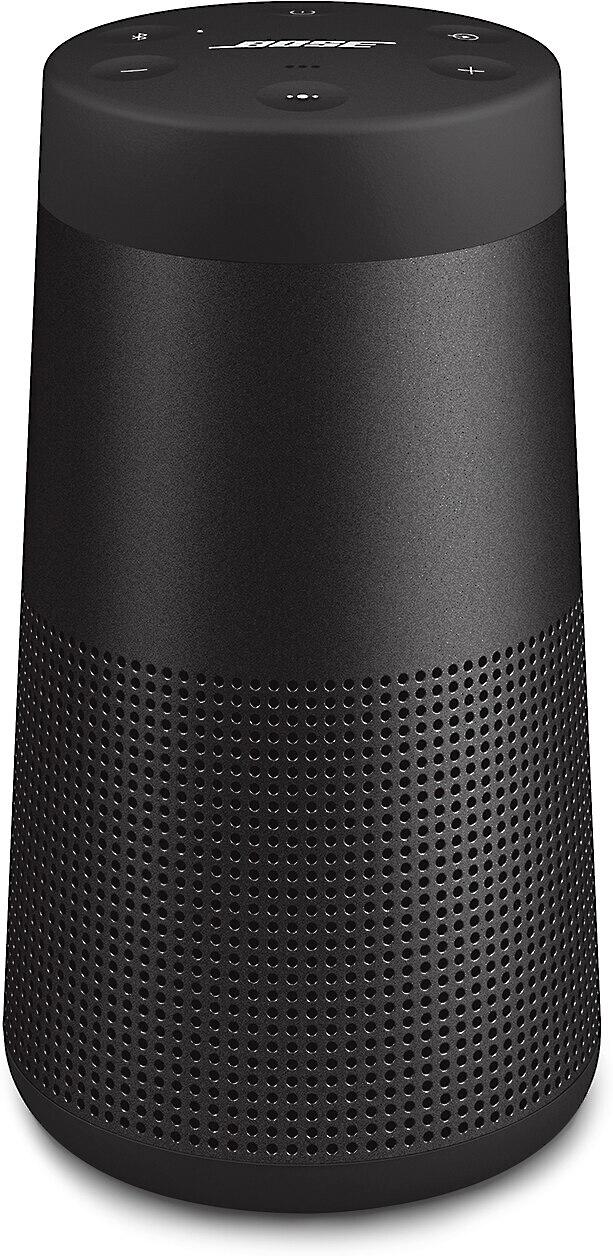
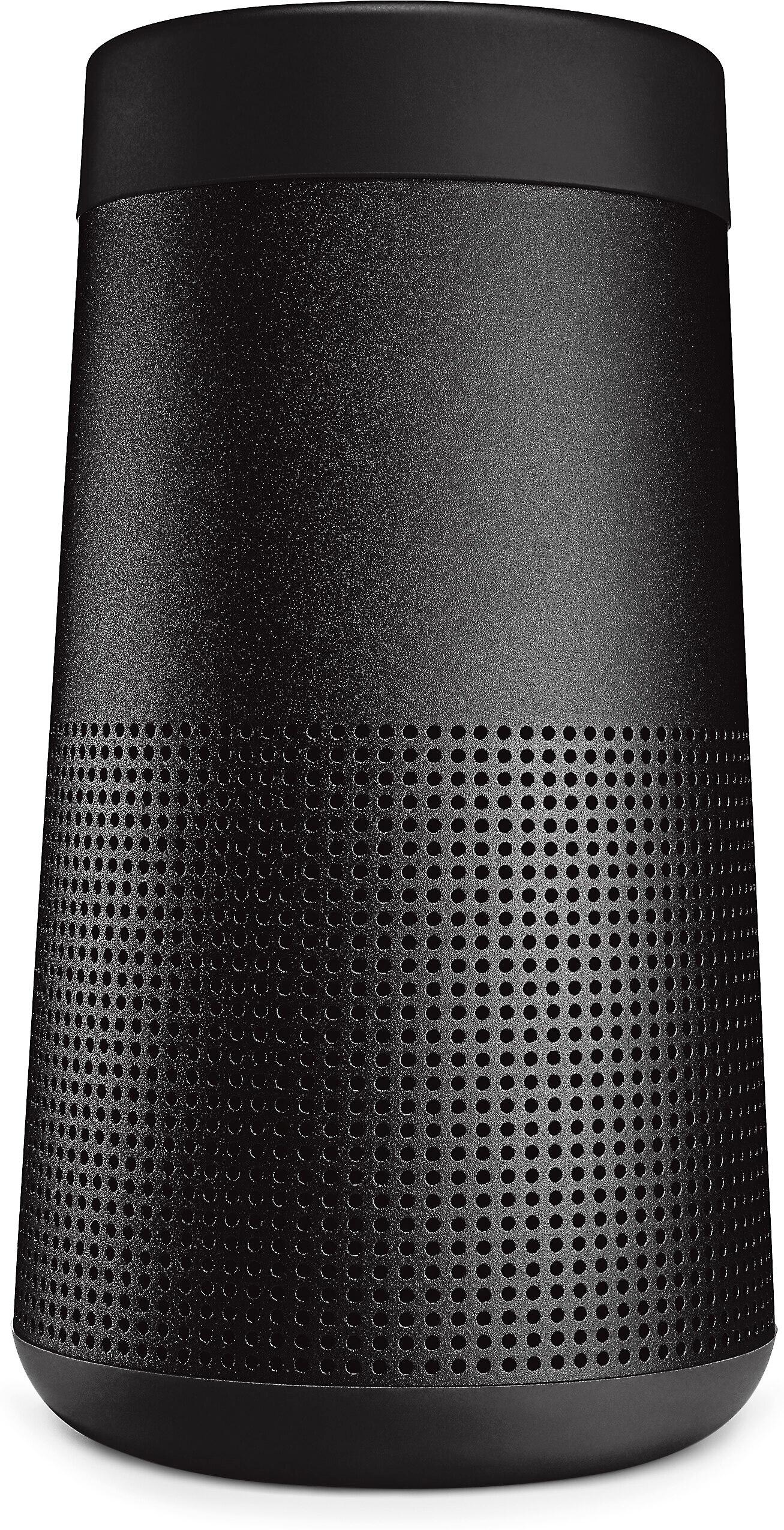
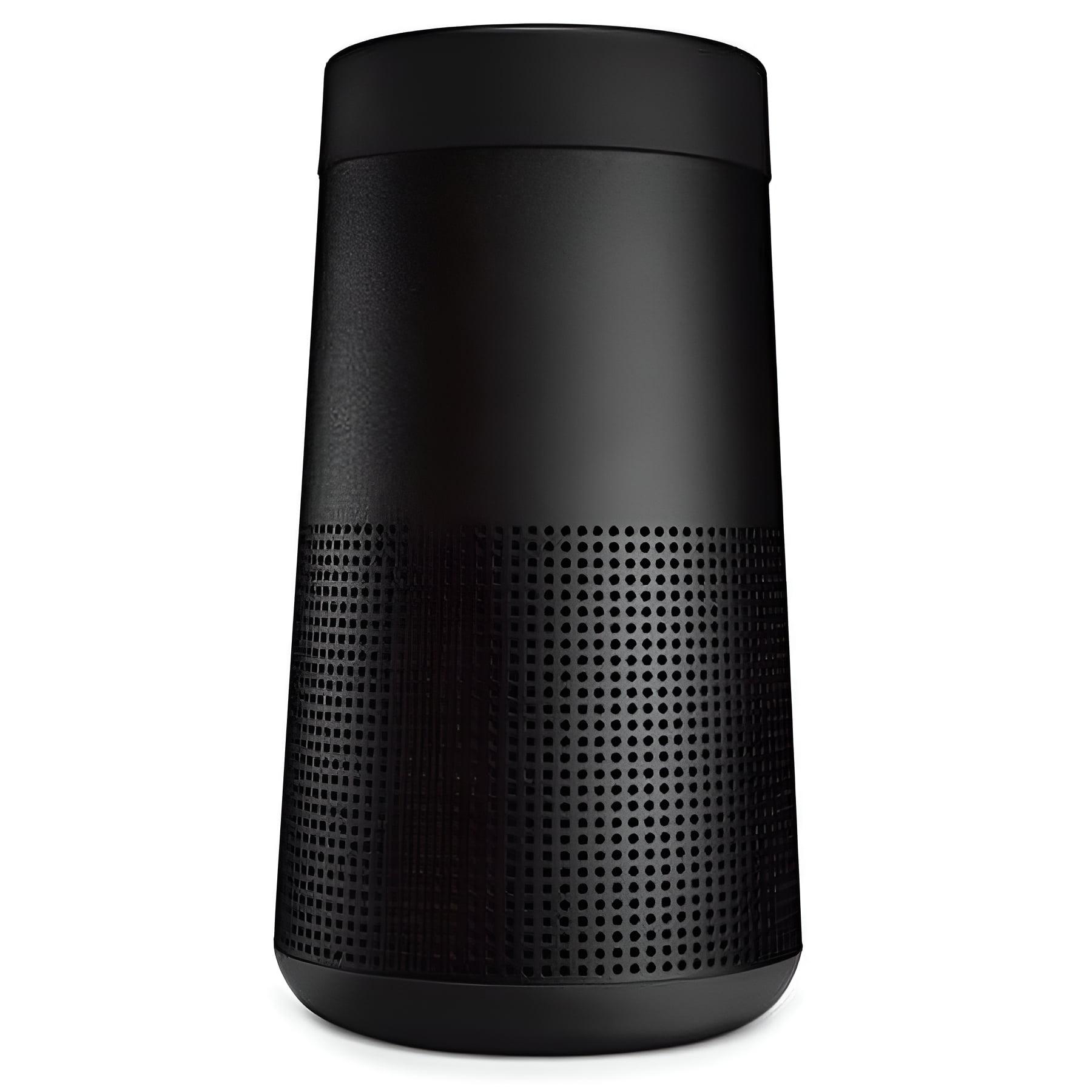
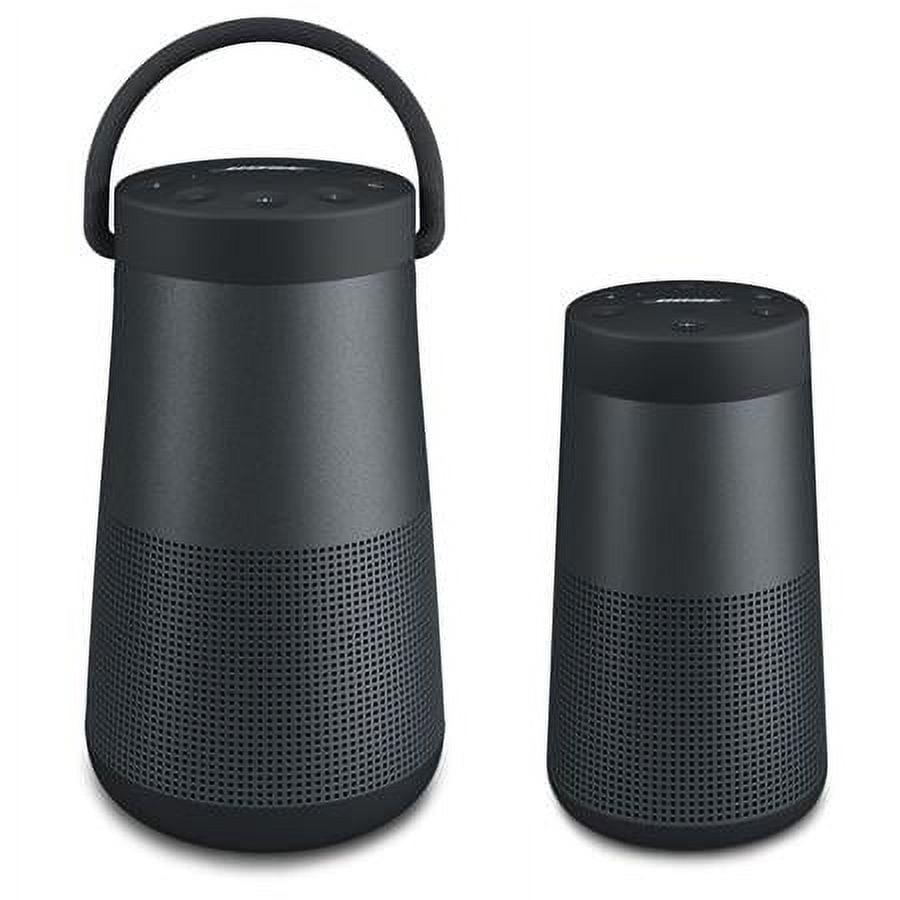
The Bose SoundLink Revolve II takes a fundamentally different approach. Rather than pushing portability to extremes, Bose focused on delivering the best possible sound quality in a still-portable package. Released in 2021 as an evolution of the original Revolve, this speaker incorporates years of acoustic research into its distinctive cylindrical design.
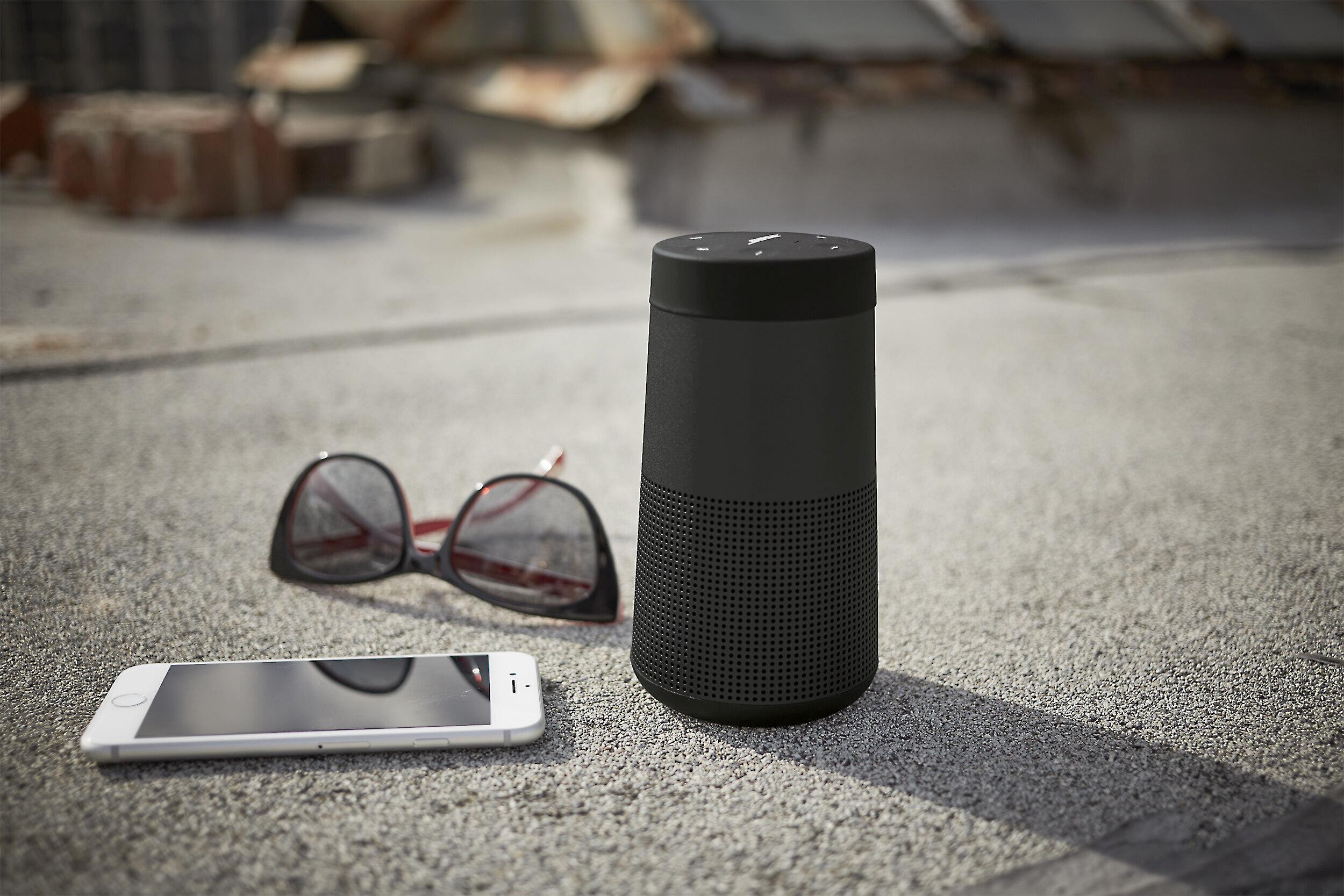
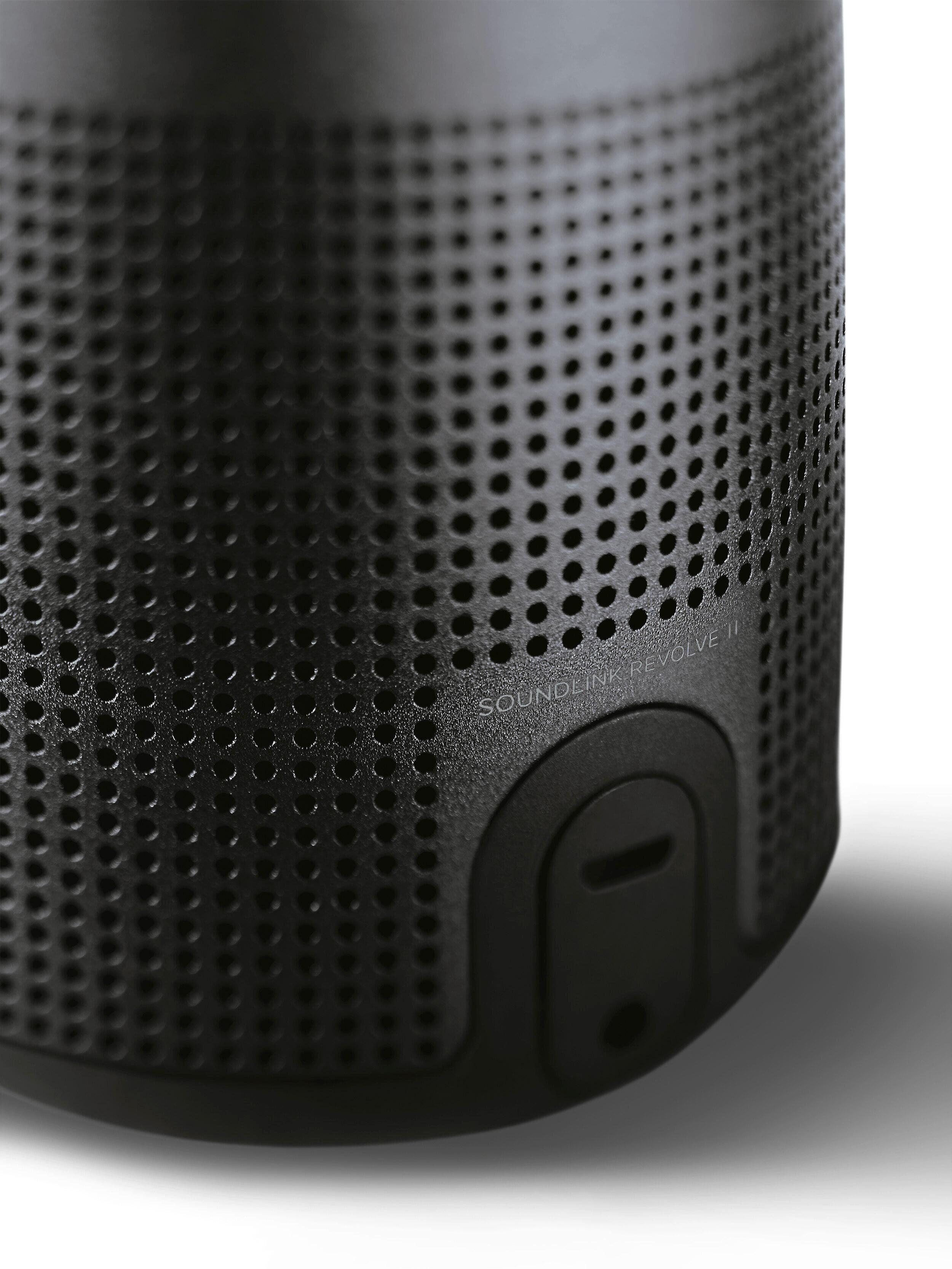
The aluminum construction immediately communicates premium intent. At 1.5 pounds, the Bose SoundLink Revolve II feels substantial without being burdensome. The cylindrical shape isn't just aesthetic - it's acoustically purposeful, designed to project sound in a full 360-degree pattern rather than directionally like traditional speakers.
This omnidirectional approach represents a significant departure from conventional speaker design. Instead of positioning yourself in the "sweet spot" in front of the speaker, the Bose SoundLink Revolve II delivers consistent sound quality from any angle. Place it in the center of a room, and everyone gets essentially the same listening experience. Position it near a wall, and the sound reflects to create a more immersive, room-filling effect.
The Bose SoundLink Revolve II uses a more complex driver arrangement than the JBL Go 3. The main driver works in conjunction with dual passive radiators - components that vibrate in response to air pressure changes inside the speaker cabinet, effectively extending bass response without requiring additional power or space.
This configuration allows the Bose SoundLink Revolve II to produce more balanced sound across the frequency spectrum. While still limited by size compared to home audio systems, it delivers noticeably fuller bass, clearer midrange detail, and more extended treble than ultra-compact speakers. Vocals maintain their natural warmth and presence, while instruments have better separation and definition.
The 360-degree sound dispersion creates what acousticians call a wider "soundstage" - the perceived spatial arrangement of sounds. Music feels less like it's coming from a single point source and more like it's surrounding you. This effect is particularly noticeable with well-recorded acoustic music, jazz, or classical pieces where instrument placement matters.
However, physics still imposes limitations. The Bose SoundLink Revolve II cannot reproduce the deepest bass frequencies that larger speakers handle effortlessly. At maximum volume, some compression occurs, though less than with smaller speakers. The monophonic (single-channel) design also means true stereo separation isn't possible, though Bose speakers can be paired for stereo operation.
Battery performance often determines whether a portable speaker enhances or frustrates your experiences. The JBL Go 3 provides approximately 5 hours of playback from its 750mAh lithium polymer battery. In practice, this duration varies significantly with volume levels and music content. At moderate volumes with mixed content, many users report meeting or slightly exceeding the rated duration. At maximum volume with bass-heavy music, expect closer to 3.5-4 hours.
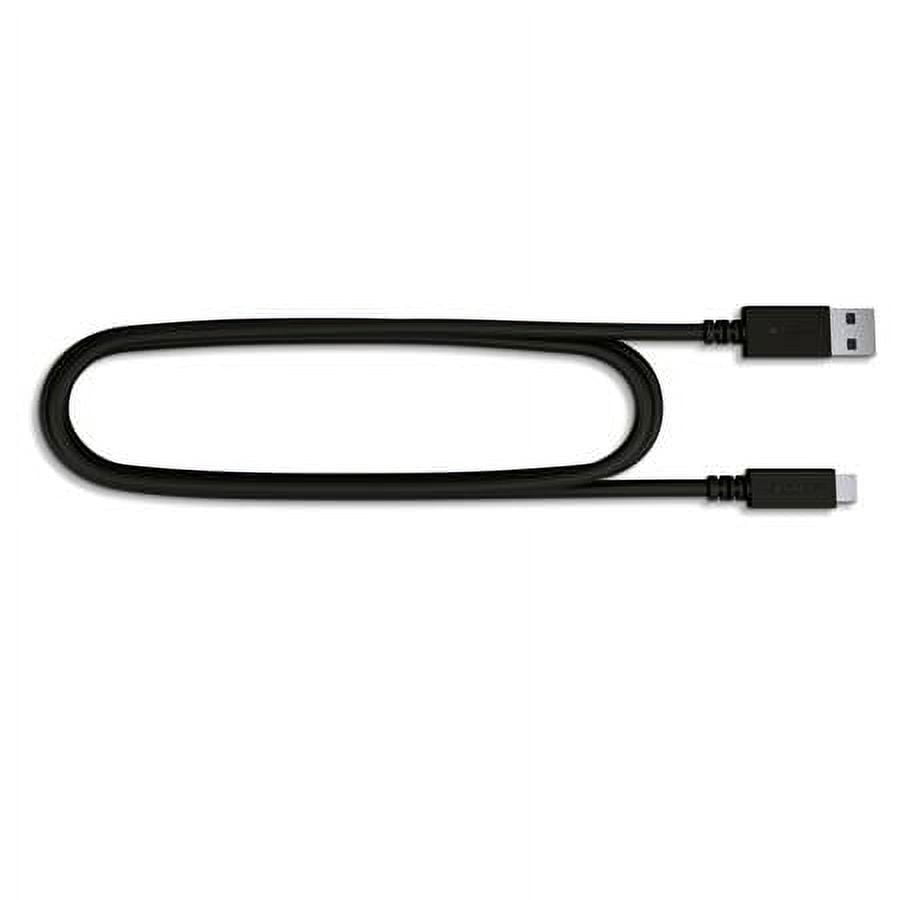
The 2.5-hour USB-C charging time is reasonable, and the modern connector means you can use the same cable as many phones and tablets. USB-C also supports faster charging protocols, though the JBL Go 3 doesn't implement fast charging specifically.
The Bose SoundLink Revolve II offers significantly longer endurance with its 13-hour rating. Real-world testing typically confirms this duration at moderate listening levels, making it suitable for all-day outdoor events or extended work sessions. The trade-off is a 4-hour charging time via the older micro-USB connector - an unfortunate choice in 2021 when most devices had moved to USB-C.
For extended outdoor use, the Bose SoundLink Revolve II's battery advantage is substantial. However, for quick trips or situations where charging access is available, the JBL Go 3's faster charging partially offsets its shorter runtime.
Both speakers use Bluetooth for wireless connectivity, but with different generations and capabilities. The JBL Go 3 implements Bluetooth 5.1, offering improved connection stability, lower power consumption, and better handling of interference compared to earlier versions. The connection range is approximately 30 feet in open areas, though walls and other obstacles reduce this significantly.
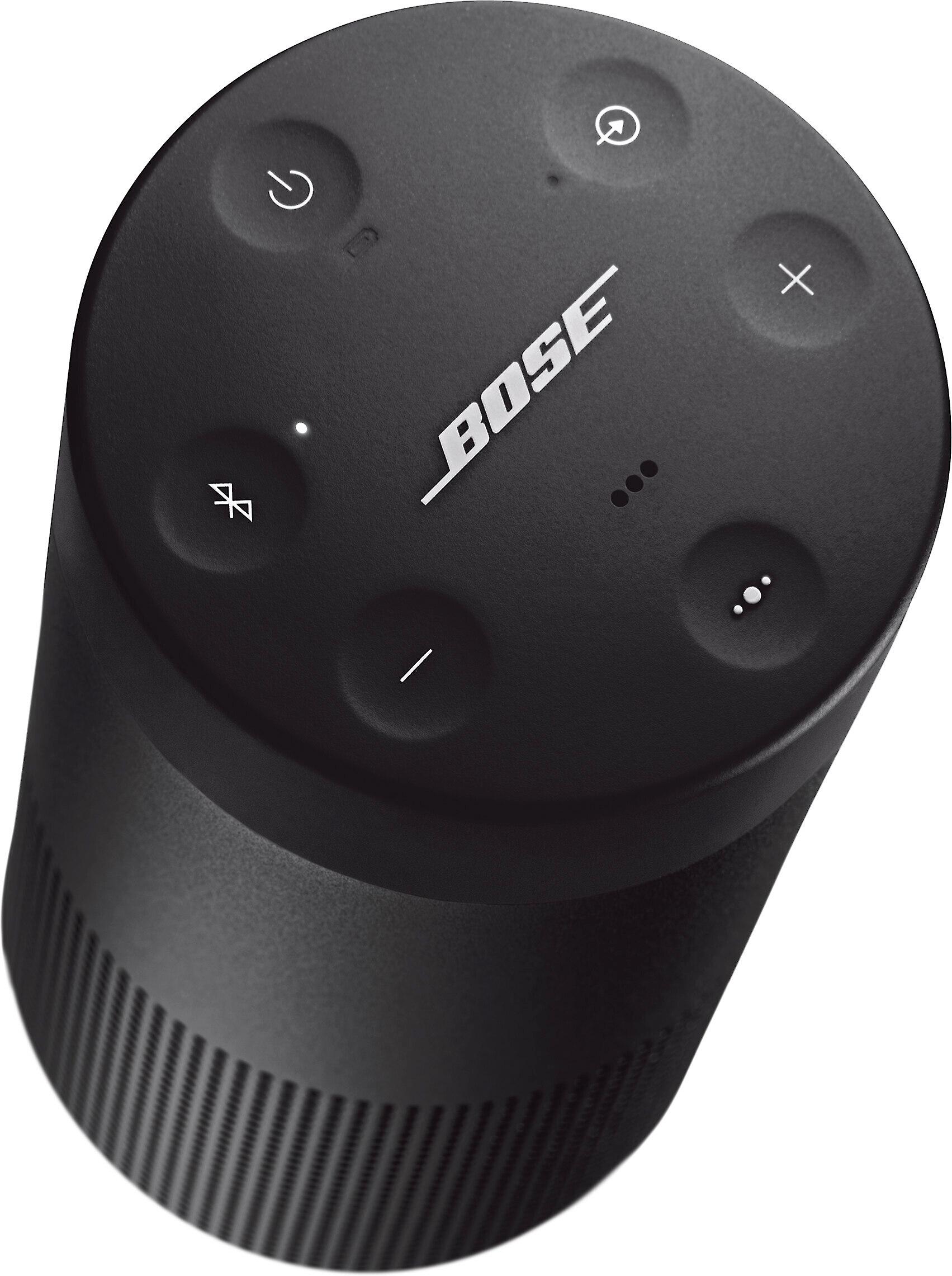
The Bose SoundLink Revolve II uses Bluetooth 4.1, which is older but still perfectly functional for audio streaming. More importantly, it includes additional features the JBL Go 3 lacks. Voice assistant integration allows access to Siri or Google Assistant through the speaker, enabling hands-free control and voice commands. The built-in speakerphone functionality supports phone calls with reasonable clarity, though wind noise can be problematic outdoors.
Bose's Party Mode deserves special attention. This feature allows multiple compatible Bose speakers to be wirelessly linked for synchronized audio or stereo operation. For users who might eventually expand their speaker collection or want to cover larger areas, this compatibility is valuable. The JBL Go 3 doesn't support multi-speaker pairing, limiting it to standalone use.
Environmental protection capabilities often determine whether a speaker becomes a cherished companion or a source of anxiety. The JBL Go 3's IP67 rating provides comprehensive protection against both dust and water. The "6" rating means complete dust-tightness - no particles can enter under any conditions. The "7" water rating allows submersion up to one meter for 30 minutes without damage.
This protection level transforms how you can use the speaker. Beach trips, pool parties, camping, or even shower use become worry-free. The JBL Go 3 can be rinsed clean after sandy or muddy adventures, making it genuinely suitable for active outdoor lifestyles.
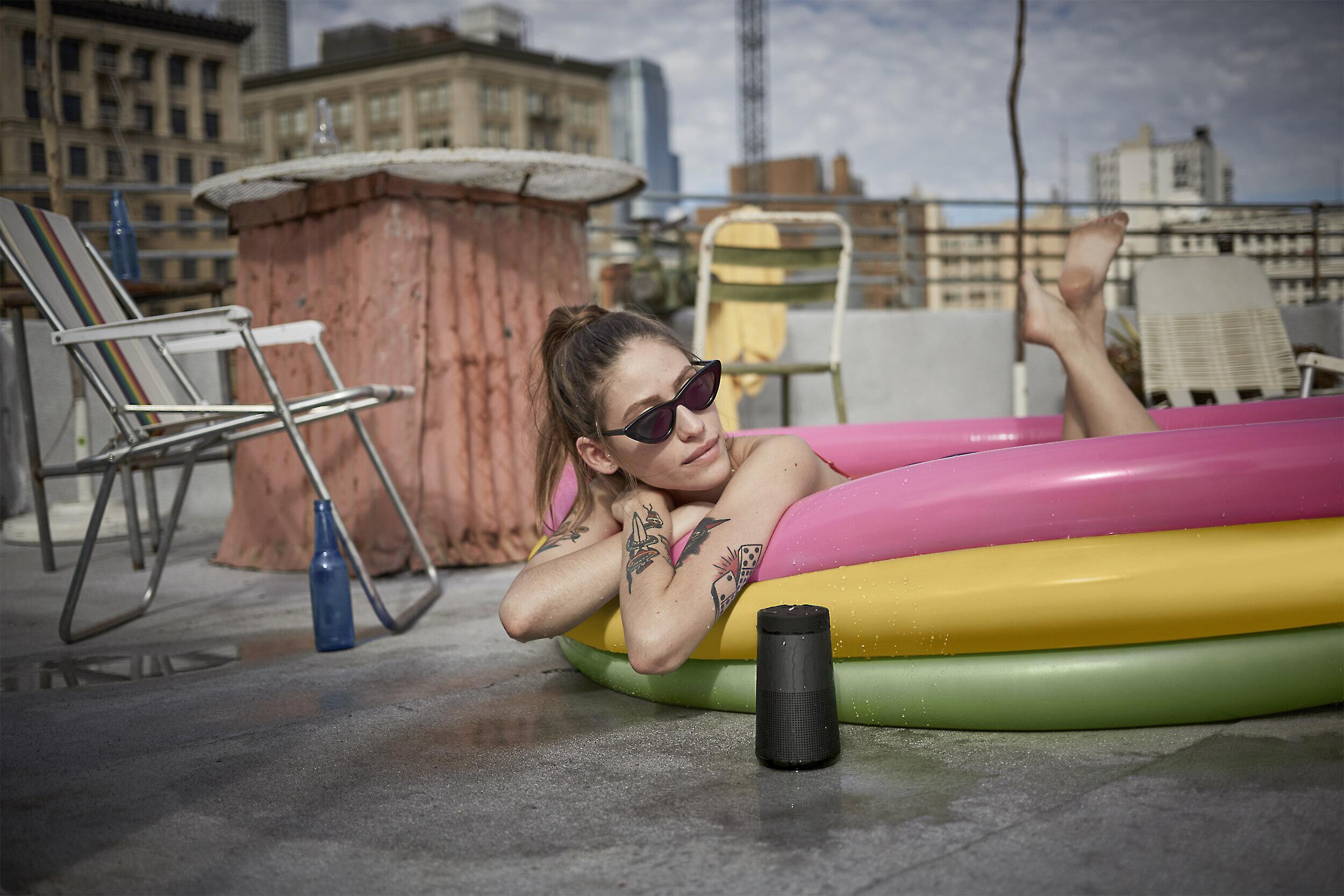
The Bose SoundLink Revolve II's IP55 rating provides good but not complete protection. The "5" dust rating means protection against dust ingress that could interfere with operation, but some dust might enter without causing damage. The "5" water rating protects against water jets from any direction but not submersion.
In practical terms, the Bose SoundLink Revolve II handles rain, splashes, and poolside use well but requires more caution. You wouldn't want to drop it in water or expose it to heavy sand or dust conditions.
Neither speaker is designed for serious home theater use, but they serve different indoor roles effectively. The JBL Go 3 excels as a personal audio enhancement device - improving laptop or phone audio for video calls, casual movie watching, or background music in small spaces like bedrooms or offices.
The Bose SoundLink Revolve II can serve as a more capable indoor speaker for apartments, dorm rooms, or secondary rooms where installing permanent speakers isn't practical. Its 360-degree dispersion works well in kitchens, bathrooms, or bedrooms where you might move around while listening. The longer battery life also makes it practical for extended work-from-home situations where you want better audio than laptop speakers provide.
For actual home theater use, both speakers fall short of providing the dynamic range, bass response, and spatial audio that modern soundbars or speaker systems deliver. They're better considered as portable audio solutions that can temporarily improve your indoor experience rather than permanent home audio components.
This is where the philosophical differences become most apparent. The JBL Go 3's waterproof design and compact size make it an ideal travel companion for active pursuits. Hiking, camping, beach trips, or poolside relaxation all benefit from its worry-free durability and easy portability.
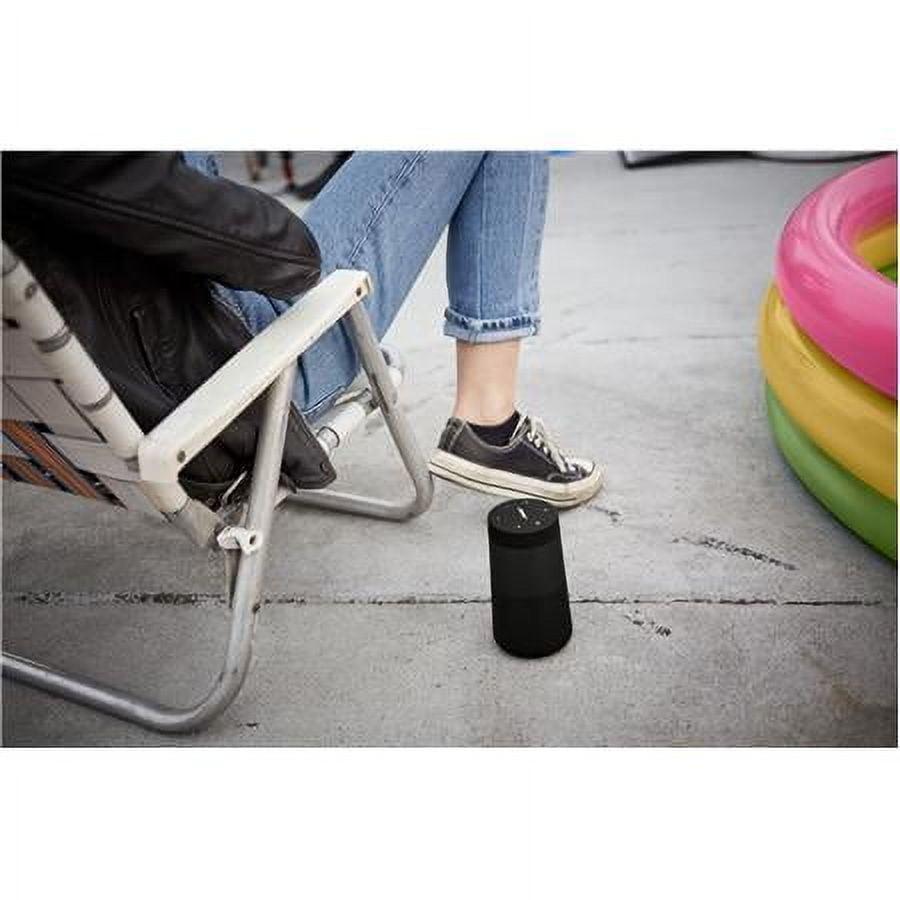
The Bose SoundLink Revolve II suits more relaxed outdoor use - backyard gatherings, picnics, or vacation rental situations where audio quality matters more than ultimate portability. Its superior sound quality and longer battery life serve larger groups better, but the reduced water protection limits its suitability for more adventurous activities.
At the time of writing, the JBL Go 3 typically costs less than half the price of the Bose SoundLink Revolve II. This price difference reflects fundamental differences in target markets and engineering approaches rather than simple markup.
The JBL Go 3 represents exceptional value for ultra-portable, waterproof audio. It delivers perhaps 70-80% of what most casual users need from a portable speaker at 30-40% of the premium speaker cost. For budget-conscious buyers, families needing multiple speakers, or anyone prioritizing portability and durability over ultimate audio quality, this value proposition is compelling.
The Bose SoundLink Revolve II justifies its premium pricing through superior sound quality, innovative 360-degree design, longer battery life, and advanced features. However, the value proposition depends heavily on how much you prioritize audio quality over convenience and cost savings.
Choose the JBL Go 3 if you:
Choose the Bose SoundLink Revolve II if you:
Both speakers succeed at their intended purposes, but they serve fundamentally different needs. The JBL Go 3 maximizes convenience, portability, and value while delivering surprisingly good sound for its size and price. It's the speaker equivalent of a reliable, efficient compact car - it gets the job done well without unnecessary complications.
The Bose SoundLink Revolve II prioritizes audio quality and premium features within portable constraints. It's more like a luxury sedan - more expensive and substantial, but offering a notably better experience for those willing to invest.
Your choice ultimately depends on whether you prioritize maximum portability and value or prefer superior sound quality and are willing to accept the size, weight, and cost implications. Both speakers represent good engineering and design within their respective categories, making either a reasonable choice for the right user and situations.
| JBL Go 3 Portable Bluetooth Speaker | Bose SoundLink Revolve II Bluetooth Speaker |
|---|---|
| Size & Weight - Critical for true portability | |
| 3.4" x 2.7" x 1.6", 0.46 lbs (ultra-compact, fits in pockets) | 6" x 3.2" x 3.2", 1.5 lbs (portable but more substantial) |
| Sound Design - Affects listening experience and placement | |
| Directional mono speaker with JBL Pro Sound tuning | 360-degree omnidirectional sound with dual passive radiators |
| Power Output - Determines volume and sound quality | |
| 4.2W RMS (adequate for personal listening) | Higher output with fuller sound (exact specs not disclosed) |
| Water Protection - Essential for outdoor use | |
| IP67 (fully waterproof, submersible up to 1 meter) | IP55 (splash-resistant but not submersible) |
| Battery Life - Key factor for extended use | |
| Up to 5 hours (shorter but fast 2.5-hour USB-C charging) | Up to 13 hours (excellent endurance but slow micro-USB charging) |
| Bluetooth Technology - Affects connection quality and features | |
| Bluetooth 5.1 (modern, stable connection) | Bluetooth 4.1 with voice assistant support |
| Build Materials - Impacts durability and premium feel | |
| Fabric exterior with rubber accents and integrated loop | Premium aluminum construction with cylindrical design |
| Multi-Speaker Support - Important for expandability | |
| None (standalone use only) | Party Mode and Stereo Mode with other Bose speakers |
| Special Features - Additional functionality beyond basic audio | |
| Fabric attachment loop, automatic power-off | Built-in speakerphone, voice assistant integration |
| Frequency Range - Indicates bass and treble capabilities | |
| 110Hz - 20kHz (limited bass due to size constraints) | Not specified (but broader range due to larger drivers) |
The JBL Go 3 is significantly better for outdoor adventures due to its IP67 waterproof rating, meaning it can be fully submerged in water up to 1 meter for 30 minutes. The Bose SoundLink Revolve II only has IP55 splash resistance and cannot handle submersion or heavy rain as well.
The Bose SoundLink Revolve II delivers superior sound quality with its 360-degree audio design, dual passive radiators, and fuller frequency response. The JBL Go 3 provides clear vocals and midrange but has limited bass due to its ultra-compact size. For serious listening, the Bose is the clear winner.
The Bose SoundLink Revolve II offers up to 13 hours of playback compared to the JBL Go 3's 5 hours. However, the JBL charges faster (2.5 hours) via USB-C, while the Bose takes 4 hours using the older micro-USB connector.
The JBL Go 3 is dramatically more portable at just 0.46 lbs and pocket-sized dimensions (3.4" x 2.7" x 1.6"). The Bose SoundLink Revolve II weighs 1.5 lbs and is much larger, making it portable but not ultra-compact like the JBL.
Only the Bose SoundLink Revolve II supports multi-speaker connectivity through Party Mode and Stereo Mode with other compatible Bose speakers. The JBL Go 3 is designed for standalone use only and cannot be paired with other speakers.
The JBL Go 3 provides exceptional value, delivering solid performance at a budget-friendly price point. The Bose SoundLink Revolve II costs significantly more but justifies the premium with superior sound quality, longer battery life, and advanced features like voice assistant support.
Neither speaker is ideal for serious home theater applications. The JBL Go 3 works best for personal audio enhancement from laptops or phones. The Bose SoundLink Revolve II can serve as a better room-filling speaker for casual viewing but still lacks the dynamic range needed for true home theater sound.
The JBL Go 3 uses modern Bluetooth 5.1 for stable connections and low latency. The Bose SoundLink Revolve II uses Bluetooth 4.1 but adds voice assistant integration and built-in speakerphone functionality that the JBL lacks.
Both speakers are built for travel, but in different ways. The JBL Go 3 excels with its IP67 waterproofing and compact size that prevents damage from drops or rough handling. The Bose SoundLink Revolve II features premium aluminum construction but offers less water protection.
The JBL Go 3 uses the modern USB-C connector and charges in 2.5 hours, making it convenient to charge with the same cable as most modern devices. The Bose SoundLink Revolve II still uses micro-USB and takes 4 hours to fully charge, which is less convenient in 2024.
The Bose SoundLink Revolve II is better suited for groups due to its 360-degree sound dispersion, higher volume output, and ability to link with other Bose speakers. The JBL Go 3 is designed more for personal listening or very small gatherings due to its size limitations.
The JBL Go 3's main limitations are short battery life, limited bass response, and inability to fill large spaces with sound. The Bose SoundLink Revolve II's drawbacks include higher cost, larger size, outdated micro-USB charging, and only splash resistance rather than full waterproofing.
We've done our best to create useful and informative comparisons to help you decide what product to buy. Our research uses advanced automated methods to create this comparison and perfection is not possible - please contact us for corrections or questions. These are the sites we've researched in the creation of this article: rtings.com - streamtechreviews.com - english.achoreviews.com - smarthomesounds.co.uk - soundguys.com - rtings.com - walmart.com - soundguys.com - youtube.com - youtube.com - jbl.com - youtube.com - selectoguru.com - versus.com - videoandaudiocenter.com - harmanaudio.com - jbl.com - bestbuy.com - forum.hifiguides.com - manuals.plus - kh.jbl.com - th.jbl.com - mm.jbl.com - jbl.com - bestbuy.com - youtube.com - youtube.com - youtube.com - jbl.com - bestbuy.com - bestbuy.com - jbl.com.tw - youtube.com - dxomark.com - bose.com - youtube.com - rtings.com - consumerreports.org - soundguys.com - boselatam.com - boselatam.com - bose.com - adorama.com - leedsworldrefill.com - bose.com - bestbuy.com

Privacy Policy
Terms and Conditions - Affiliate Policy
Home Security
© Copyright 2008-2026.
11816 Inwood Rd #1211, Dallas, TX 75244