



When shopping for a portable Bluetooth speaker, you're essentially choosing between two philosophies: maximum portability or balanced performance. JBL's lineup perfectly illustrates this divide with the ultra-compact Go 3 and the performance-focused Flip 5. Both speakers excel in their respective categories, but understanding their differences is crucial for making the right choice.
The portable speaker market has evolved dramatically since the early days of tinny, underpowered Bluetooth devices. Today's speakers pack impressive technology into surprisingly small packages, but the fundamental trade-offs between size and performance remain. The question isn't whether you want good sound – it's how much you're willing to compromise on portability to get it.
Before diving into specifics, let's establish what really matters in portable speakers. Sound quality obviously tops the list, but it's more nuanced than just "louder is better." Frequency response – how well a speaker reproduces different pitches from deep bass to crisp highs – determines whether your music sounds full and balanced or thin and hollow.
Battery life ranks as the second critical factor. Nothing kills a camping trip or beach day faster than a dead speaker. Modern lithium-ion batteries have improved significantly, but physics still dictates that smaller speakers generally mean shorter playback times.
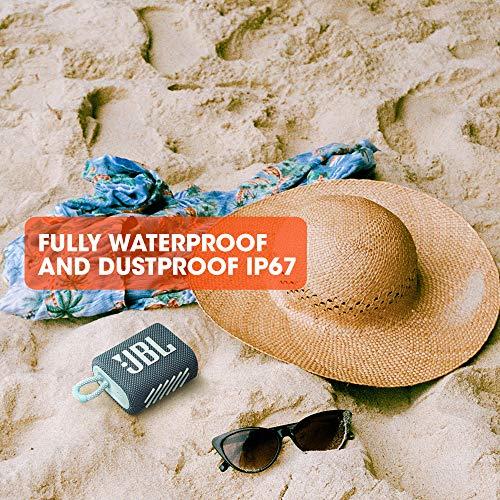
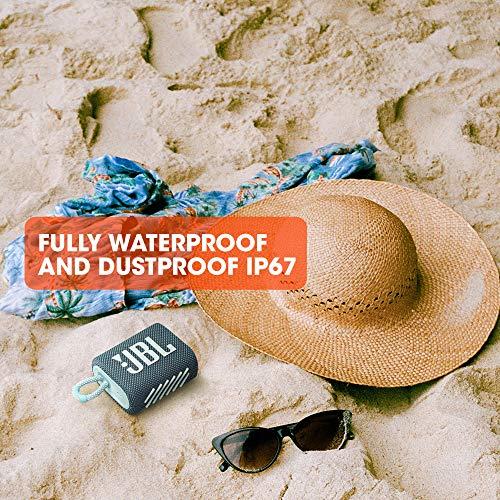
Durability matters enormously for portable devices. IP ratings (Ingress Protection ratings) tell you exactly how well a speaker handles dust and water. An IPX7 rating means the device can survive being dunked in water up to one meter deep, while IP67 adds complete dust protection. Both the JBL Go 3 and Flip 5 earn IP67 ratings, making them essentially bombproof against environmental hazards.
Connectivity has become more sophisticated too. Modern Bluetooth versions offer better range, more stable connections, and lower power consumption. Features like multi-speaker pairing let you create stereo systems or boost volume by linking multiple units together.
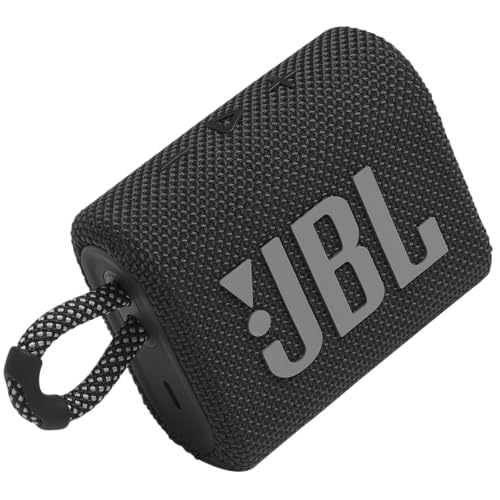
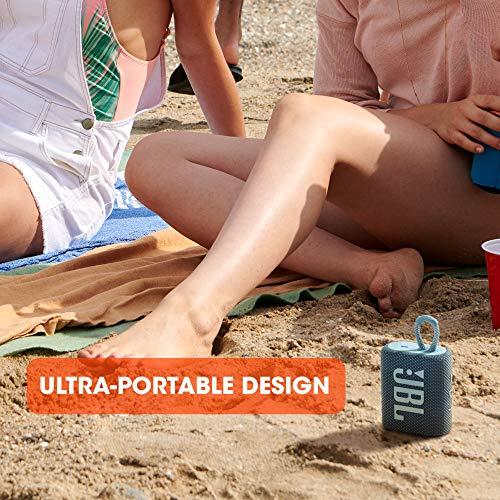
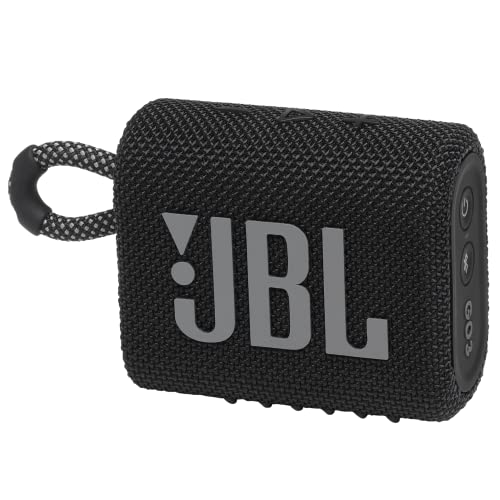
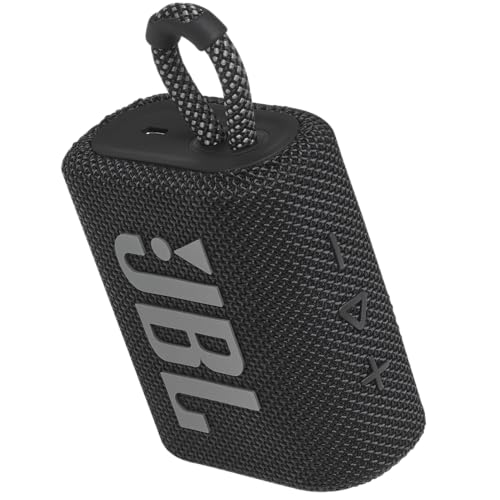
Released in 2020, the JBL Go 3 represents JBL's answer to the ultimate portability question. At just 7.4 ounces and small enough to disappear in a jacket pocket, it's genuinely pocket-sized in a way few speakers manage. The integrated fabric loop isn't just a design flourish – it transforms how you carry and use the speaker, letting you clip it to backpacks, belt loops, or shower hooks.
The Go 3 packs a 43x47mm transducer (the speaker driver that actually creates sound) into its tiny frame, powered by 4.2 watts of amplification. That might sound modest, but JBL's acoustic engineering extracts impressive performance from this setup. The company's "Pro Sound" tuning emphasizes vocal clarity and midrange detail, making it exceptional for podcasts and acoustic music.
Here's where the physics get interesting: small speakers simply cannot reproduce deep bass frequencies effectively. The Go 3 starts rolling off (gradually reducing volume) around 140Hz, which means you'll miss the lowest bass notes that give music its power and rumble. However, JBL cleverly boosts the midbass frequencies slightly to avoid that thin, tinny sound that plagues many ultra-portable speakers.
The 5-hour battery life reflects the size constraints. While adequate for most casual use, it's limiting for all-day events. The good news is USB-C charging, which has become the universal standard and charges the speaker fully in about 2.5 hours.
One significant limitation: the Go 3 lacks JBL's multi-speaker pairing technology. You can't link two units for stereo sound or create a larger audio system. It's designed as a solo listening device, and that focus shows in both its strengths and limitations.
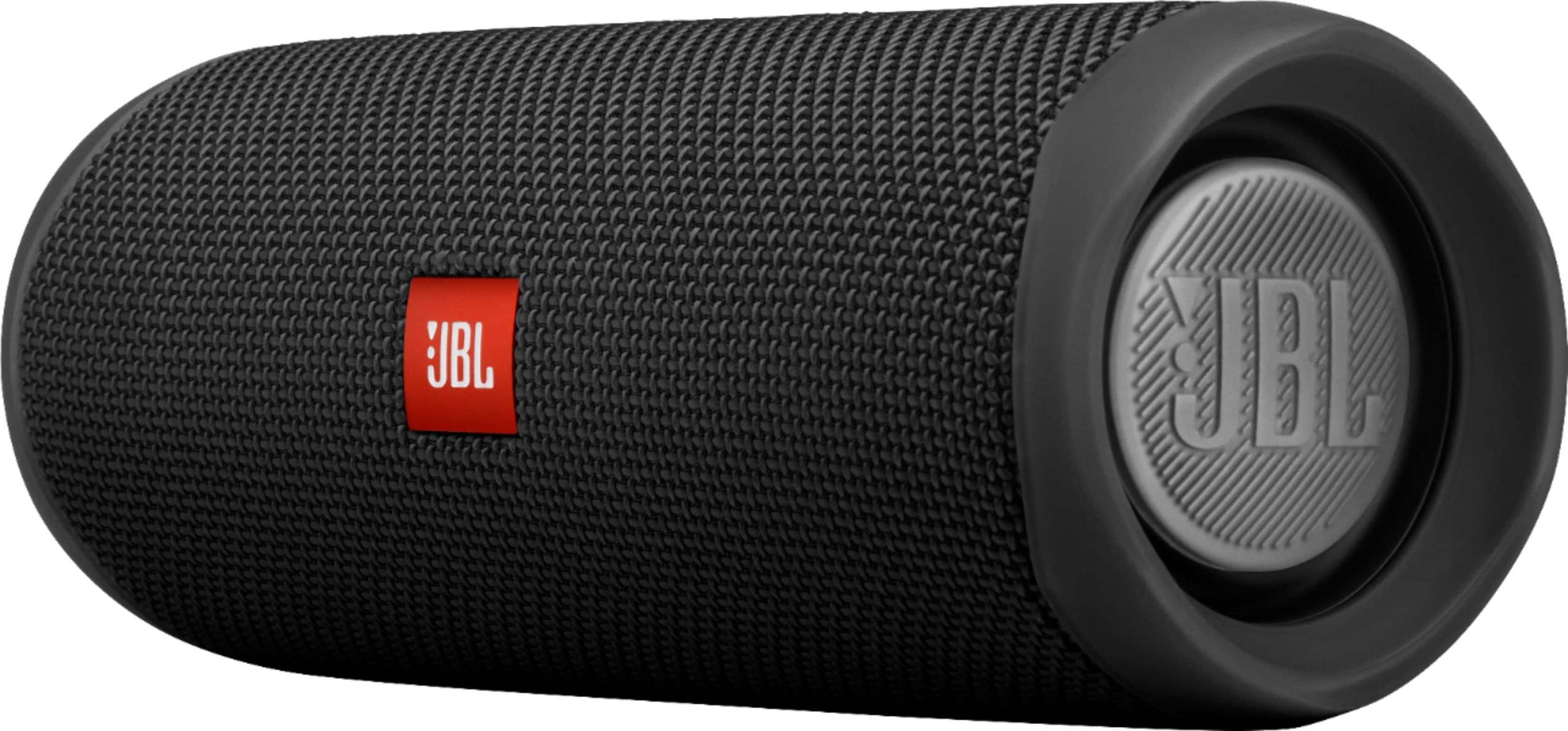
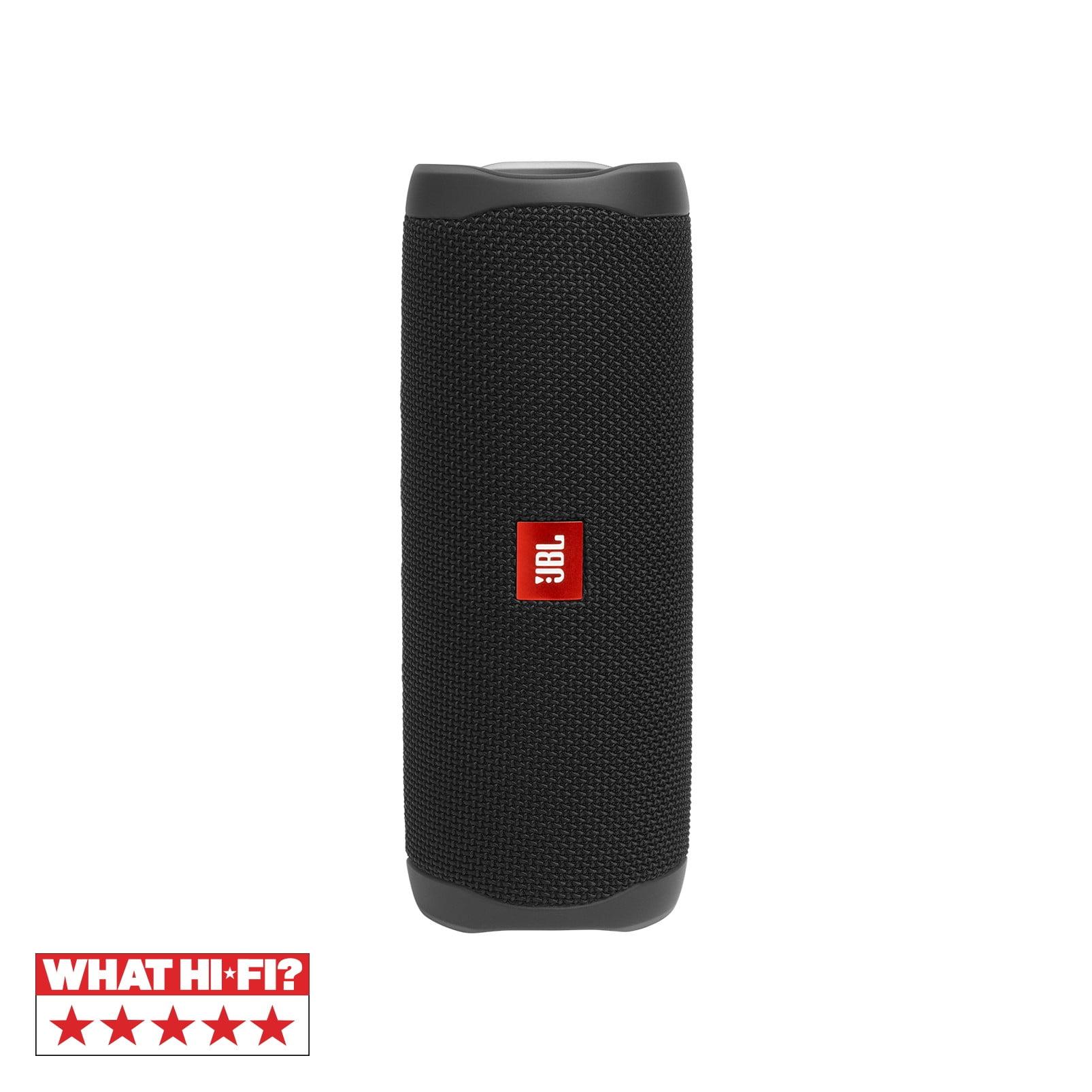
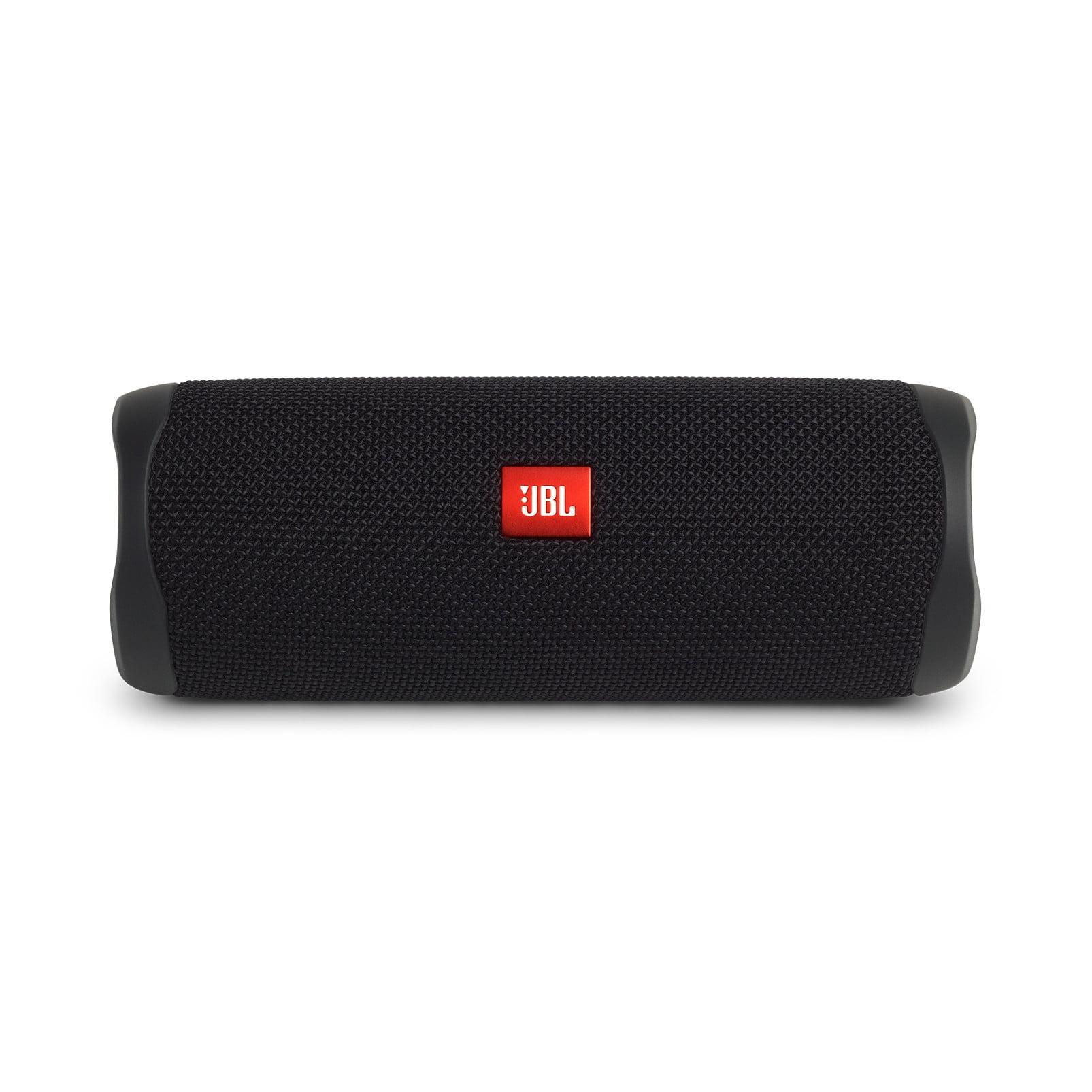
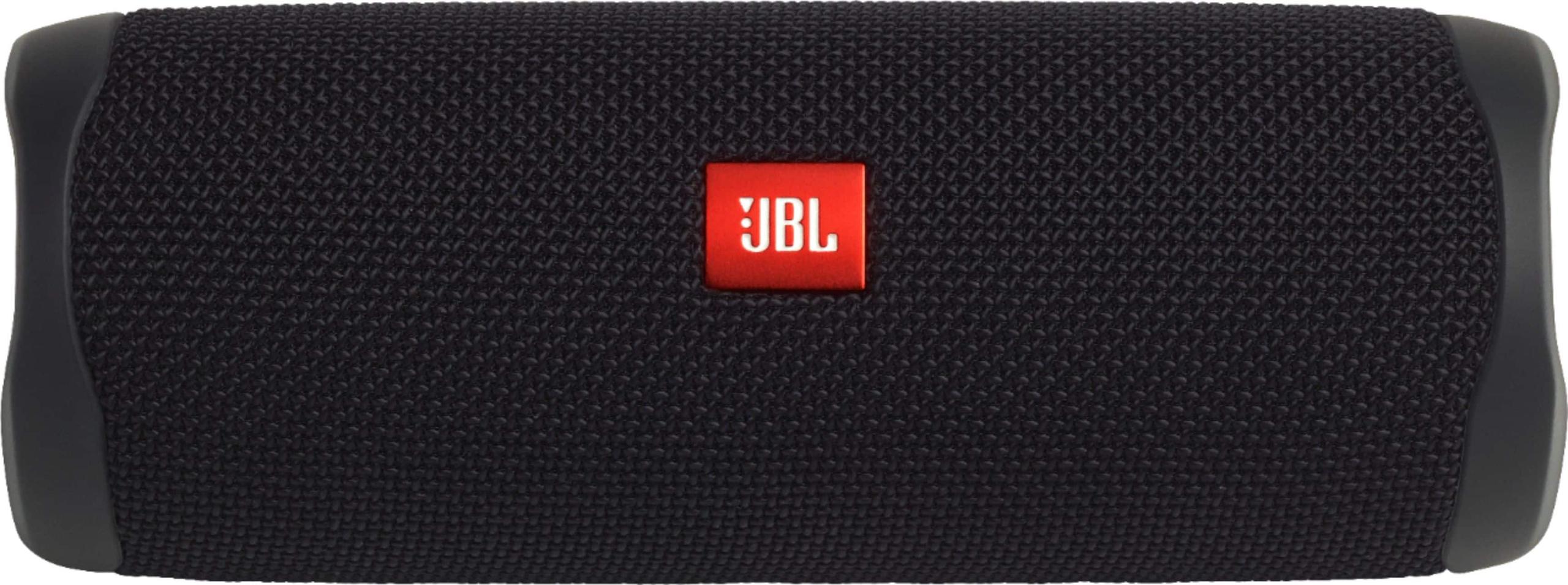
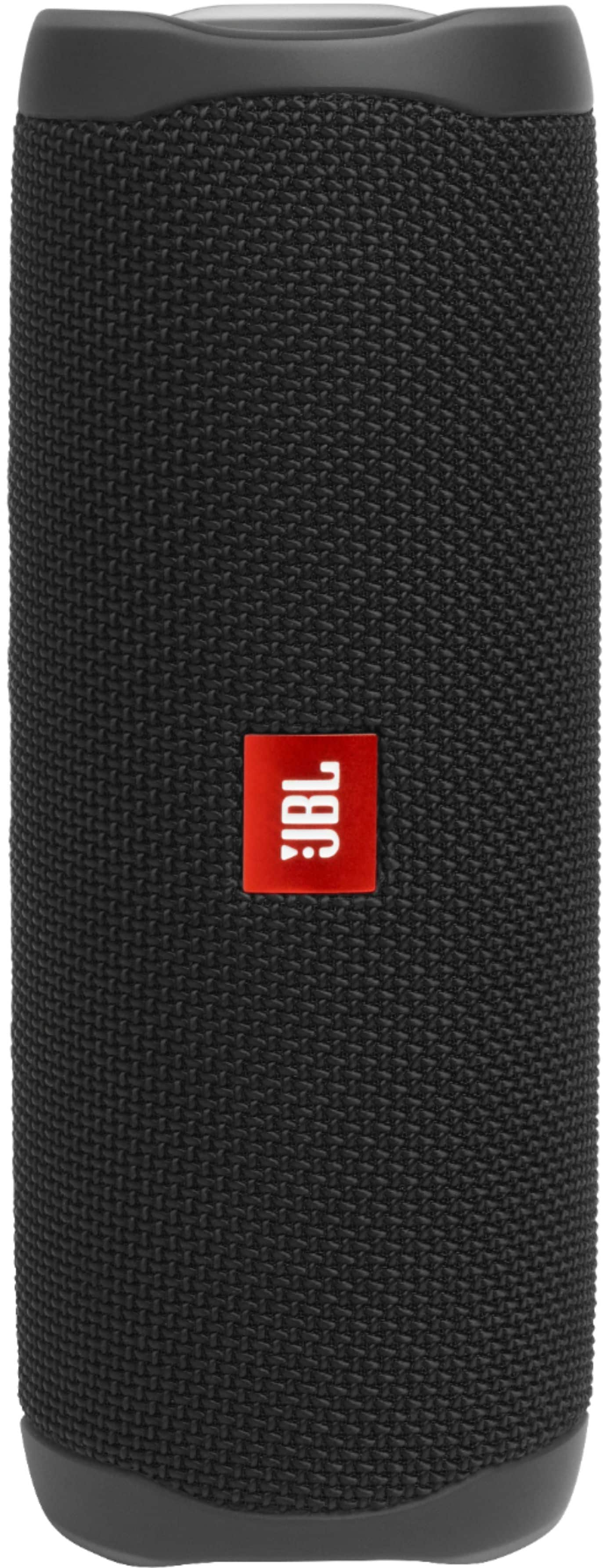
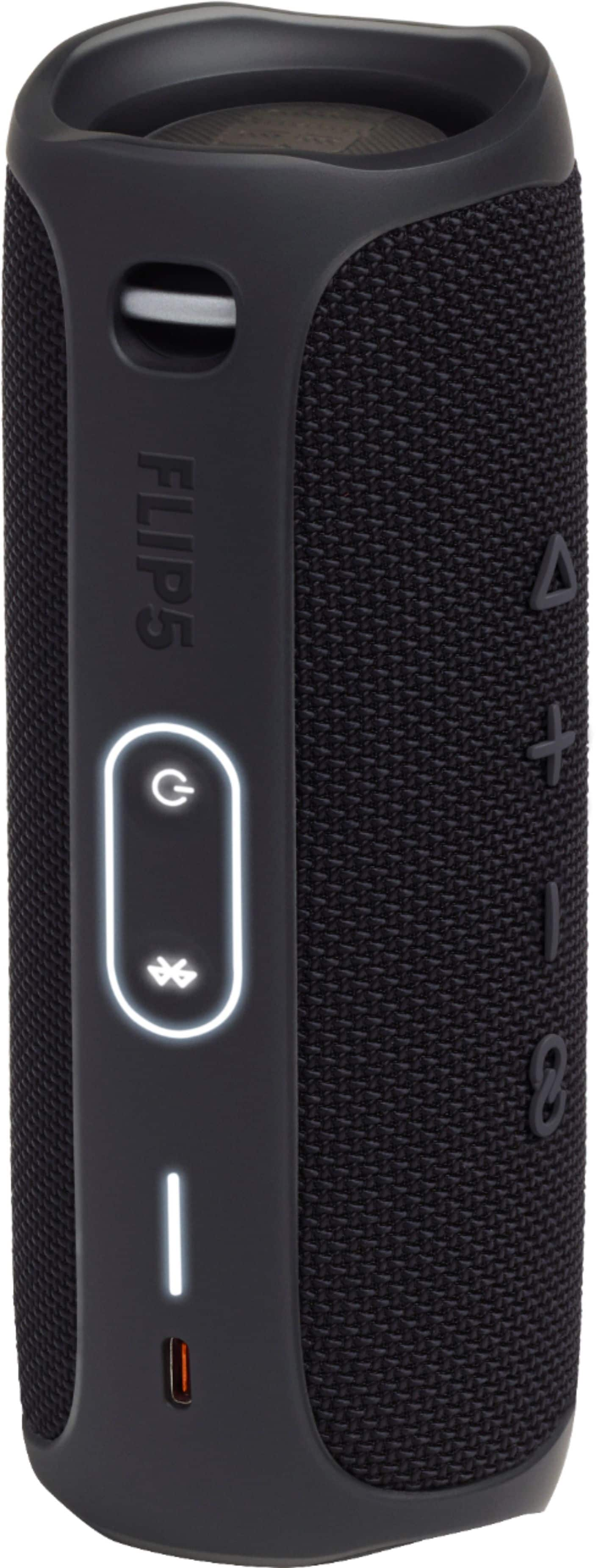
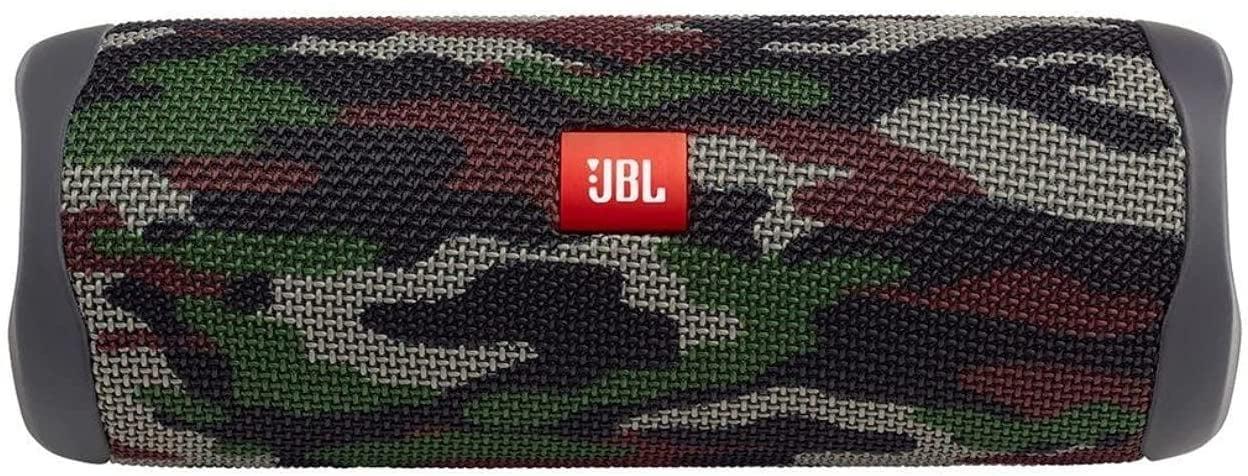
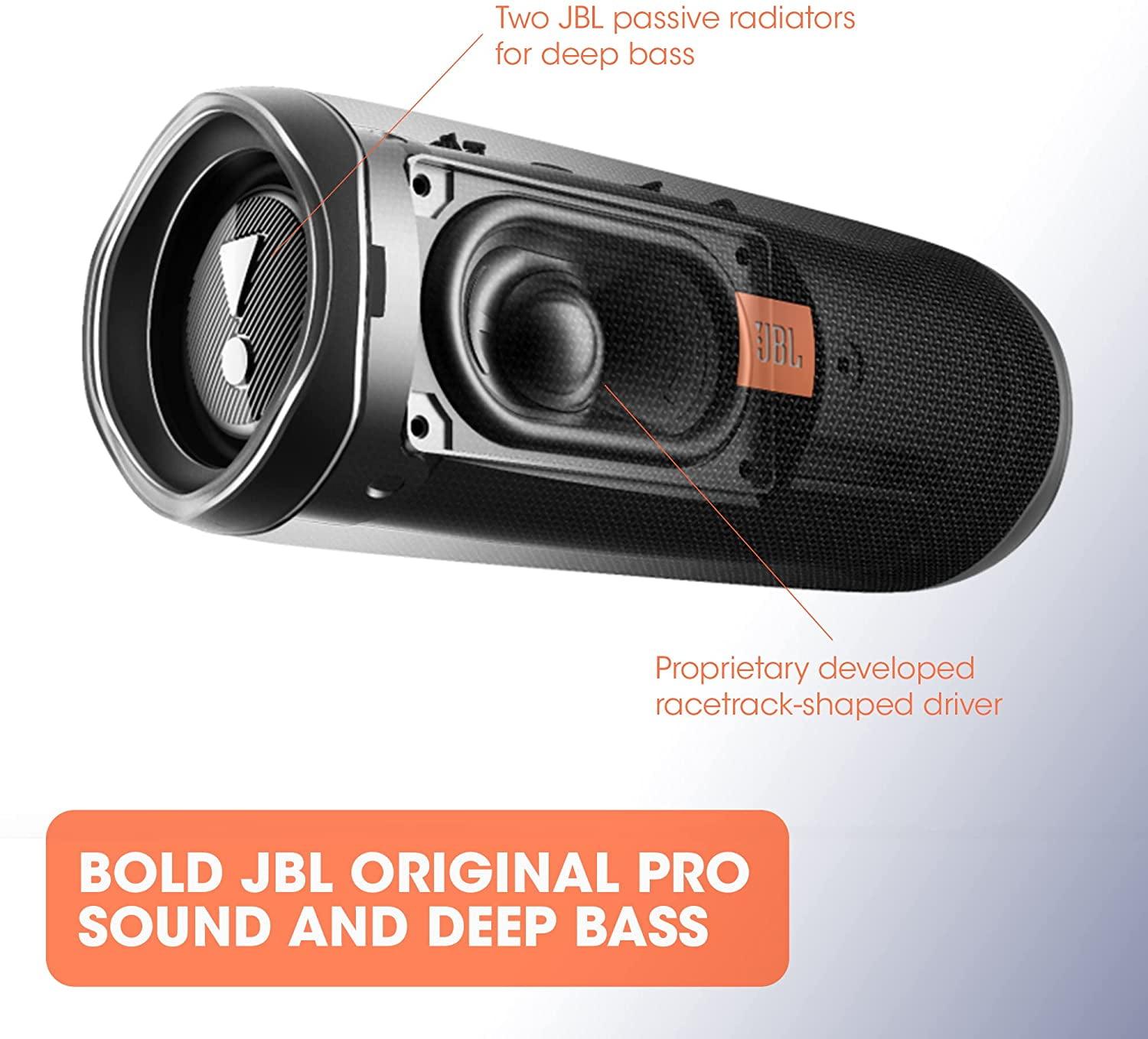
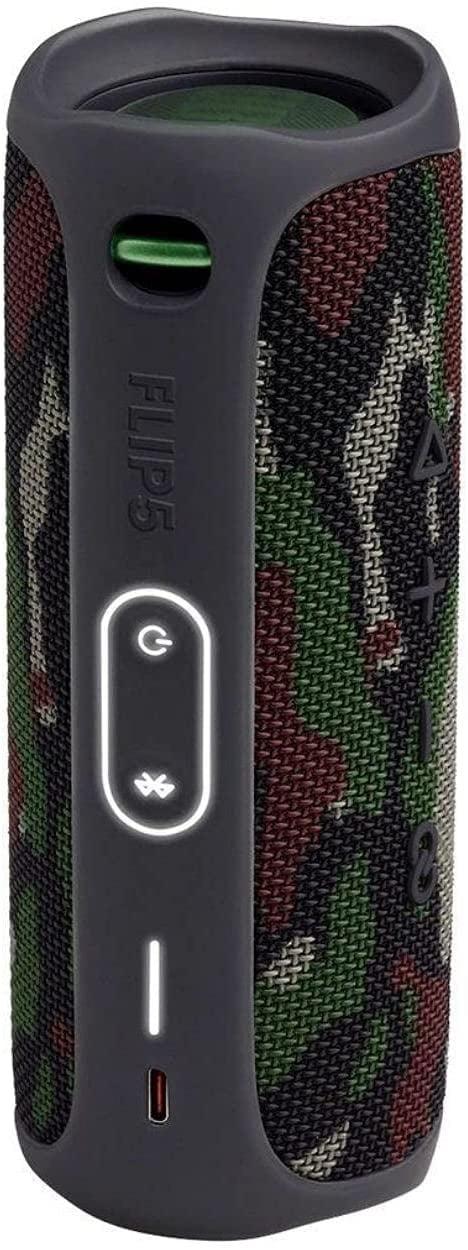
The Flip 5, launched in 2019, takes a completely different approach. At 1.2 pounds and roughly the size of a large water bottle, it prioritizes audio performance while maintaining reasonable portability. The cylindrical design isn't just aesthetic – it allows for a much larger driver and includes a passive radiator (a diaphragm that vibrates to enhance bass response without requiring additional power).
That 20-watt amplifier represents nearly five times the power of the Go 3, and you hear the difference immediately. The Flip 5 delivers genuine bass extension down to 65Hz, capturing the low-frequency energy that makes music feel full and dynamic. The racetrack-shaped driver is an engineering innovation that provides more surface area than a traditional round driver in the same space, improving both volume and clarity.
The 12-hour battery life changes how you use a portable speaker. Instead of rationing playback time, you can genuinely leave it playing all day without worry. This extended runtime comes from both a larger battery and more efficient Bluetooth 4.2 implementation.
PartyBoost represents the Flip 5's party trick – literally. This technology lets you wirelessly connect multiple JBL PartyBoost-compatible speakers for stereo sound or increased volume. Link two Flip 5s and you get true stereo separation. Connect more units and you create a distributed sound system perfect for large gatherings.
However, the Flip 5 sacrifices something important from earlier Flip models: the built-in microphone disappeared, eliminating speakerphone functionality. This decision reflects JBL's focus on audio quality over communication features.
The performance gap between these speakers is substantial and immediately noticeable. The Go 3 delivers surprisingly clear vocals and decent midrange detail for its size. It excels with acoustic music, podcasts, and lighter pop tracks where bass isn't crucial. Push it with bass-heavy electronic music or hip-hop, and it sounds thin and strained.
The Flip 5 handles virtually any genre competently. Its deeper bass response means EDM tracks retain their power, rock music has proper weight, and even classical music benefits from better low-frequency extension. The passive radiator design means bass notes have impact without becoming muddy or overwhelming the midrange.
Volume capabilities differ dramatically too. The Go 3 reaches respectable levels for personal listening but struggles in noisy environments. The Flip 5 can fill medium-sized rooms or compete with background noise at outdoor gatherings. This isn't just about raw volume – it's about maintaining clarity and balance at higher output levels.
Both speakers use digital signal processing to optimize their performance, but the Flip 5 has more headroom to work with. When pushed to maximum volume, the Go 3 shows compression and some distortion, while the Flip 5 maintains composure and clarity.
Battery performance tells the real story of how these speakers fit into your life. The Go 3's 5-hour rating is conservative – at moderate volume levels, it often exceeds this specification. However, crank up the volume for outdoor use, and you'll drain the battery faster.
The Flip 5's 12-hour rating reflects more consistent performance across volume levels. Its larger battery and more efficient power management mean you can genuinely forget about charging for extended periods. This psychological benefit shouldn't be underestimated – knowing your speaker will last all day changes how confidently you use it.
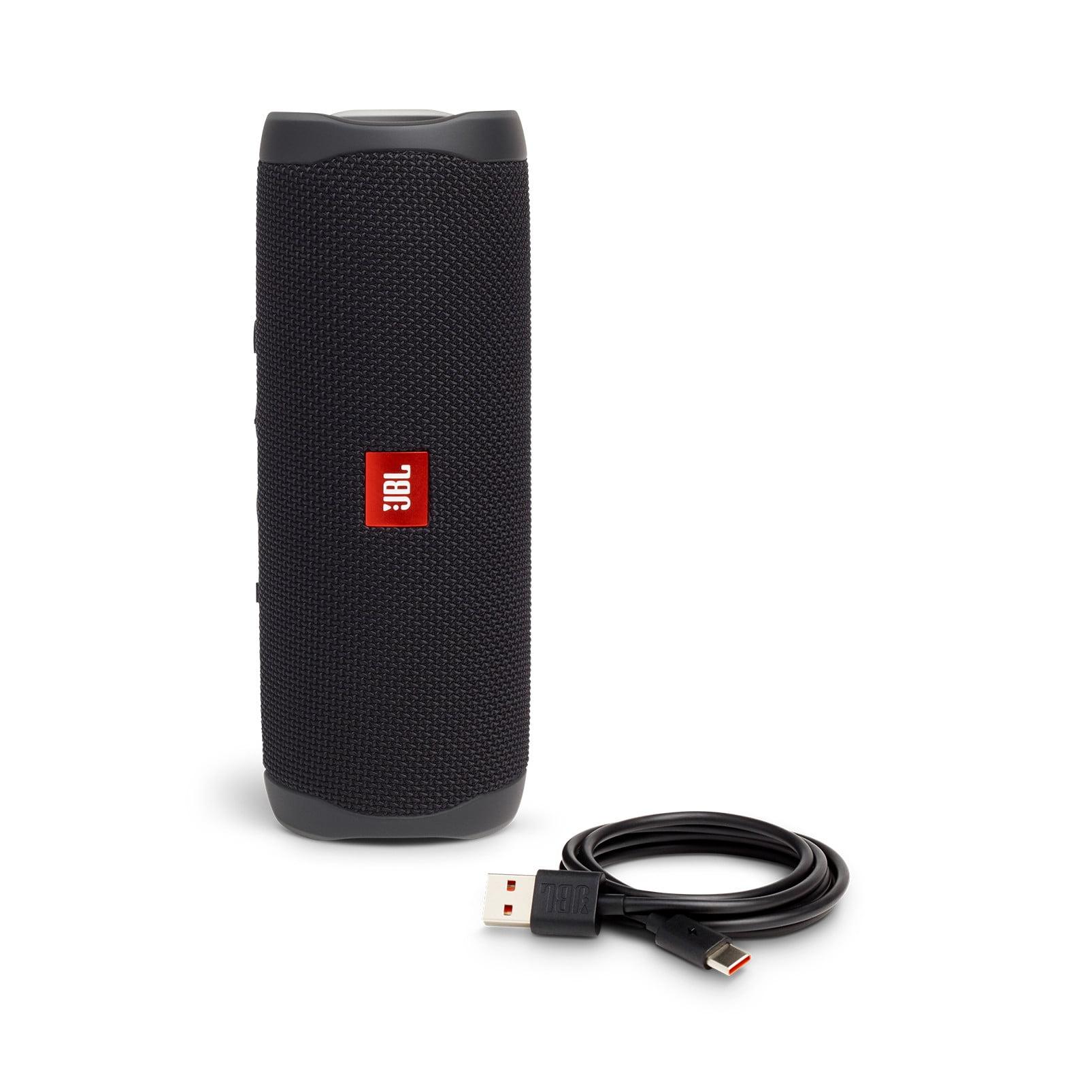
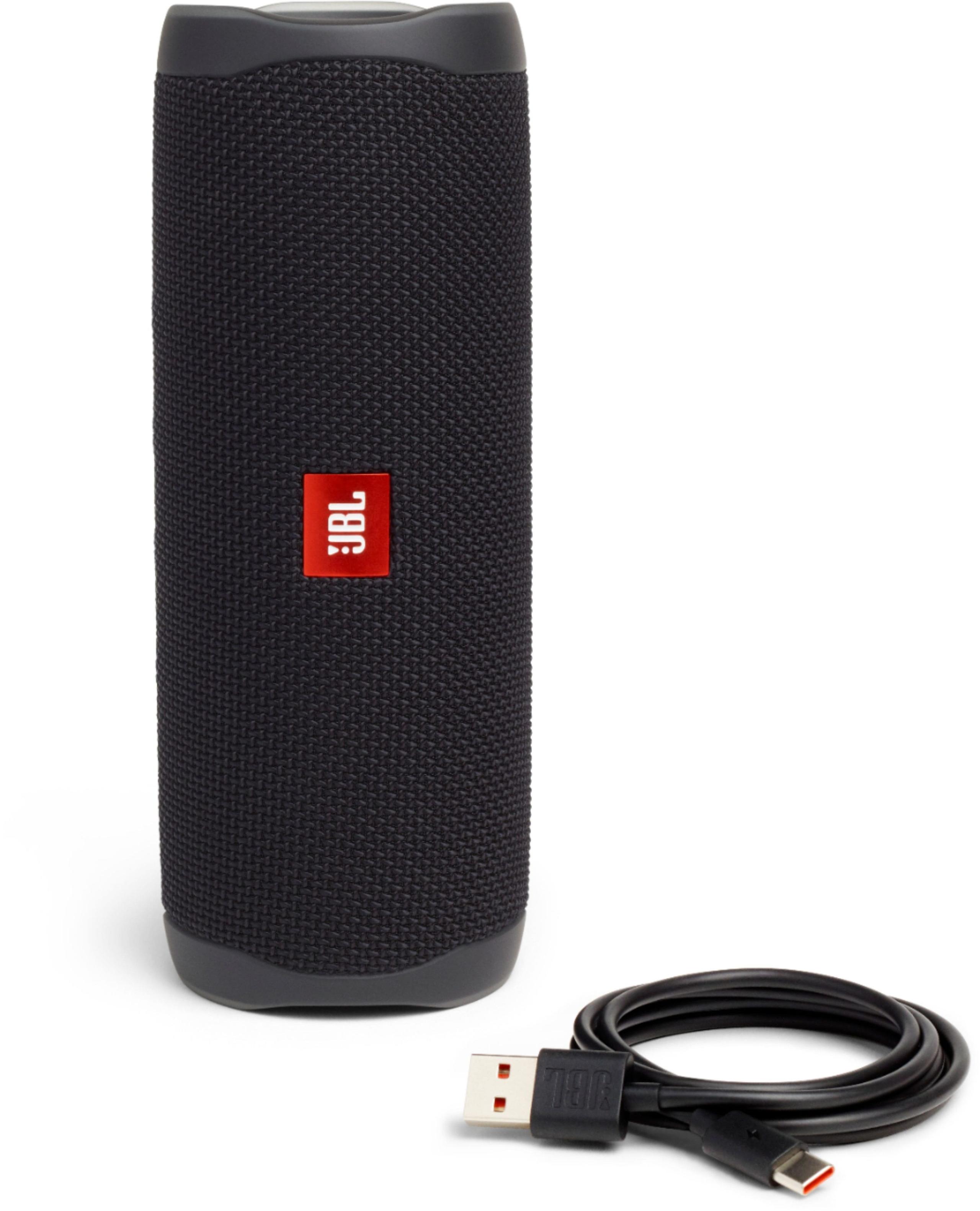
Both speakers charge via USB-C, which is convenient since it's becoming the universal standard. The 2.5-hour charging time is reasonable for both, though the Flip 5 obviously stores more energy per charging cycle.
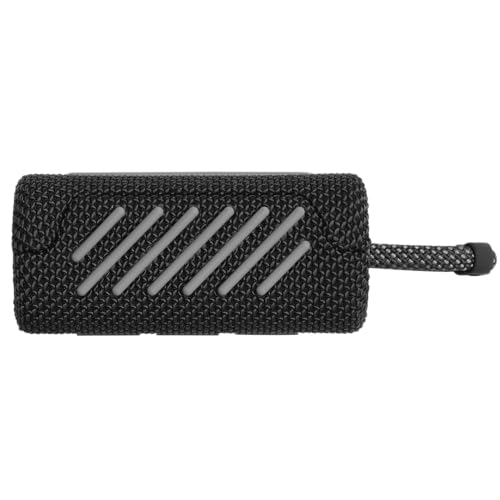
The Go 3's design prioritizes integration into your daily life. That fabric loop transforms it from just another gadget into something that seamlessly attaches to your gear. The rubberized exterior and tight fabric grille feel premium despite the budget positioning. Available in numerous colors, it becomes as much a fashion accessory as an audio device.
The Flip 5's cylindrical design optimizes acoustic performance. The passive radiator requires specific internal volume and driver positioning that the cylindrical shape accommodates perfectly. While less pocketable, it's still genuinely portable and the build quality feels robust enough for serious outdoor use.
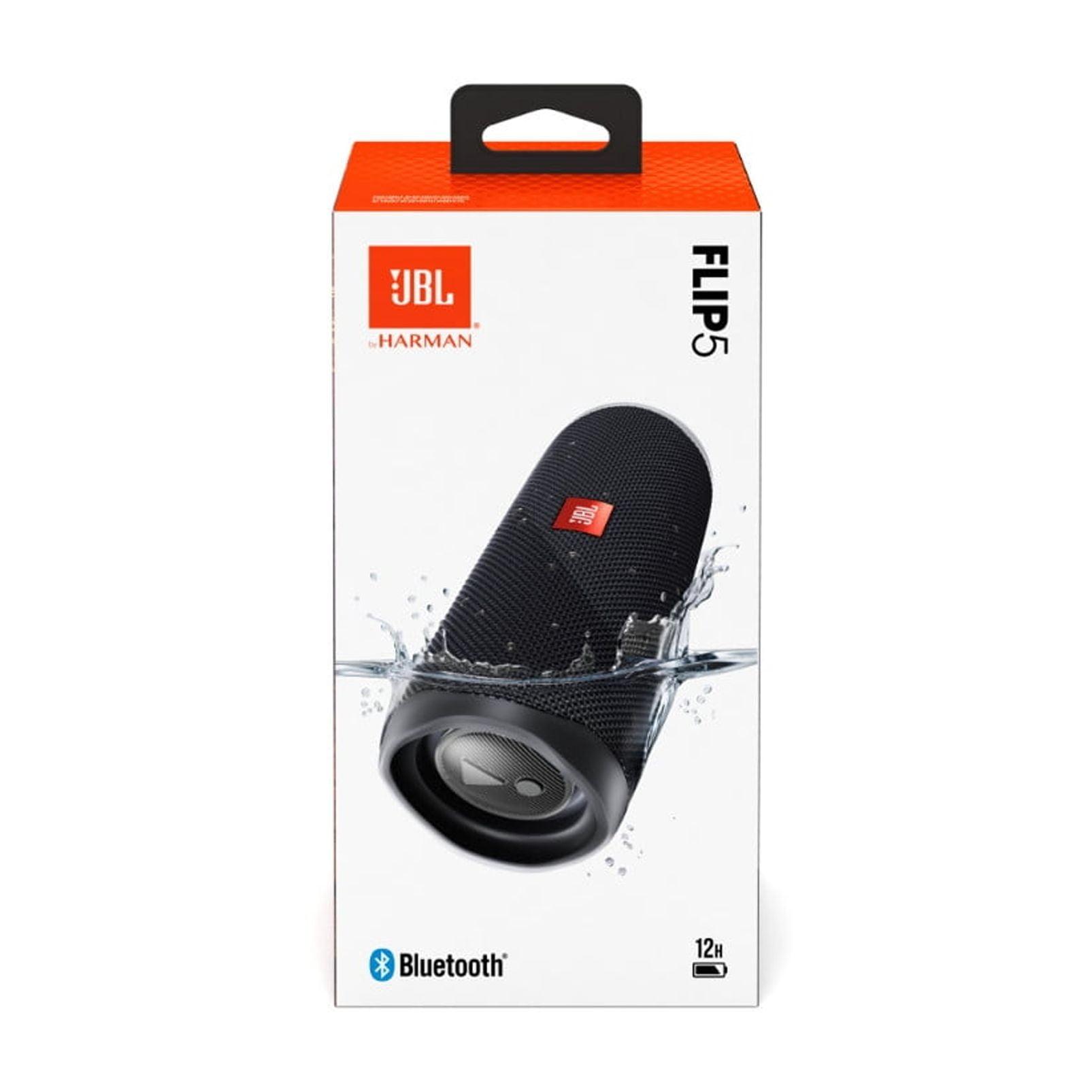
Both speakers earn IP67 ratings, meaning complete dust protection and survival of water immersion up to one meter deep. Having used similar devices in beach and pool environments, this rating provides genuine peace of mind. You can rinse salt water off either speaker without concern.
The Go 3 uses Bluetooth 5.1, the latest standard offering improved connection stability and lower power consumption. The Flip 5 uses Bluetooth 4.2, which is perfectly adequate but represents older technology. In practice, both connect reliably to modern devices, though the Go 3 might maintain connection at slightly greater distances.
PartyBoost on the Flip 5 adds genuine versatility for group listening. Link two speakers for stereo separation, or connect multiple units to create distributed audio for large spaces. This feature alone justifies the Flip 5 for many users who entertain regularly.
Neither speaker includes auxiliary input, reflecting the industry's complete migration to wireless connectivity. Both lack built-in microphones, eliminating speakerphone functionality that some users miss from earlier generations.
For home theater use, both speakers have significant limitations. Their mono output means no stereo separation, and neither provides the dynamic range or frequency extension serious movie watching demands. However, they can serve specific roles.
The Go 3 works excellently for personal viewing on tablets or laptops, particularly for dialogue-heavy content like documentaries or TV shows. Its vocal clarity enhancement actually helps with movie dialogue intelligibility.
The Flip 5 can serve as a temporary upgrade for TV audio when your main system isn't available. Its better bass response and higher output make action scenes more engaging, though it's no substitute for proper home theater speakers.
At the time of writing, these speakers occupy different price segments that reflect their capabilities. The Go 3 typically costs roughly half what you'd pay for the Flip 5, making it exceptional value for ultra-portable needs.
The Flip 5's higher price reflects genuinely superior performance. The extended battery life alone justifies much of the cost difference, and the dramatic improvement in sound quality provides clear value for users who prioritize audio performance.
Both speakers offer excellent build quality and features typically found in more expensive devices. JBL's engineering and manufacturing scale allows them to deliver professional-quality components at consumer prices.
The Go 3 excels in specific scenarios where its unique advantages matter most. Choose it if you prioritize true pocket portability, need a speaker that disappears into travel gear, or want something you can literally forget you're carrying. It's perfect for solo travelers, hikers concerned about weight, or anyone wanting personal audio enhancement without bulk.
The Flip 5 serves as a more versatile audio solution. Its superior sound quality, extended battery life, and PartyBoost connectivity make it suitable for a broader range of situations. Choose it for regular group listening, all-day outdoor events, or as your primary portable speaker.
For most users, the Flip 5 provides better long-term value despite its higher initial cost. Its superior performance and versatility mean it's more likely to satisfy your needs as they evolve. The Go 3 remains the clear choice only when size constraints are absolutely paramount.
The decision ultimately comes down to honest assessment of your priorities. If you can accommodate the Flip 5's larger size, its performance advantages justify the investment. If true pocket portability is essential, the Go 3 delivers remarkable capability in an impossibly small package.
Both speakers represent excellent engineering and value within their respective categories. JBL's reputation for reliability and customer support means either choice should provide years of enjoyable listening, whether you're discovering new music in your apartment or sharing favorites around a campfire.
| JBL Go 3 Portable Bluetooth Speaker | JBL Flip 5 Portable Speaker |
|---|---|
| Size & Weight - Critical for true portability and daily carry | |
| 3.4 x 2.7 x 1.6 inches, 7.4 oz (fits in jacket pocket) | 7.12 x 2.91 x 2.71 inches, 1.2 lbs (backpack/bag portable) |
| Audio Output Power - Determines maximum volume and sound quality | |
| 4.2W (adequate for personal listening, struggles outdoors) | 20W (fills medium rooms, handles outdoor noise) |
| Battery Life - Most important for all-day use without charging anxiety | |
| 5 hours (requires midday charging for extended use) | 12 hours (genuinely all-day performance) |
| Bass Response - Critical for music genres like hip-hop, EDM, and rock | |
| 110Hz - 20kHz (limited bass, excellent for vocals/podcasts) | 65Hz - 20kHz (genuine bass extension for all music genres) |
| Water Resistance - Essential for outdoor and bathroom use | |
| IP67 (fully waterproof and dustproof) | IP67 (fully waterproof and dustproof) |
| Bluetooth Version - Affects connection stability and power efficiency | |
| Bluetooth 5.1 (latest standard, better range/efficiency) | Bluetooth 4.2 (older but perfectly adequate) |
| Multi-Speaker Pairing - Enables stereo sound or party mode setups | |
| None (solo listening only) | PartyBoost (link multiple JBL Flip 5 speakers) |
| Charging Port - Convenience and cable compatibility | |
| USB-C (2.5 hour charge time) | USB-C (2.5 hour charge time) |
| Built-in Microphone - For hands-free calls | |
| No (audio playback only) | No (audio playback only) |
| Special Design Features - Unique carrying and mounting options | |
| Integrated fabric loop (clips to bags/hooks easily) | Cylindrical design optimized for acoustics |
| Best Use Cases - Where each speaker excels | |
| Solo travel, hiking, personal listening, shower use | Group gatherings, all-day events, primary portable speaker |
The JBL Flip 5 offers better overall value despite its higher price. It provides significantly superior sound quality, 12-hour battery life (versus 5 hours), and PartyBoost connectivity for linking multiple speakers. The JBL Go 3 is only the better value if ultra-portability is your absolute priority, as it's genuinely pocket-sized and costs roughly half the price.
The primary differences are size, sound quality, and battery life. The JBL Go 3 is ultra-compact at 7.4 oz and fits in your pocket, while the JBL Flip 5 is larger at 1.2 lbs but delivers 20W of power versus 4.2W. The Flip 5 also offers 12-hour battery life compared to 5 hours, plus genuine bass response and PartyBoost multi-speaker connectivity.
The JBL Flip 5 is significantly louder with 20W of output power compared to the Go 3's 4.2W. The Flip 5 can fill medium-sized rooms and compete with outdoor background noise, while the Go 3 is best suited for personal listening and quiet environments.
Only the JBL Flip 5 supports multi-speaker connectivity through JBL's PartyBoost feature, allowing you to link multiple compatible speakers for stereo sound or increased volume. The JBL Go 3 lacks this functionality and operates as a standalone speaker only.
The JBL Flip 5 has dramatically better bass response, extending down to 65Hz compared to the Go 3's 110Hz cutoff. The Flip 5 includes a passive radiator for enhanced low-frequency performance, making it suitable for bass-heavy genres like hip-hop and EDM, while the Go 3 excels with vocals and acoustic music.
The JBL Go 3 provides up to 5 hours of playback time, while the JBL Flip 5 offers up to 12 hours. Both charge via USB-C in about 2.5 hours. The Flip 5's extended battery life makes it better for all-day use without charging anxiety.
Yes, both the JBL Go 3 and JBL Flip 5 feature IP67 ratings, making them completely waterproof and dustproof. They can survive submersion in up to one meter of water for 30 minutes, making them excellent for beach, pool, or shower use.
The JBL Go 3 is far more portable, weighing just 7.4 oz with dimensions that truly fit in your pocket. It includes an integrated fabric loop for easy attachment to bags or hooks. The JBL Flip 5 at 1.2 lbs requires bag space but remains reasonably portable for its performance level.
The JBL Flip 5 delivers superior sound quality across all metrics except ultimate portability-optimized clarity. It offers fuller frequency response, deeper bass, and better dynamic range. The JBL Go 3 provides surprisingly clear vocals and midrange detail for its size but lacks the bass extension and power for demanding music genres.
Neither speaker is ideal for serious home theater use due to their mono output and portable design limitations. However, the JBL Flip 5 can serve as a temporary TV audio upgrade with its better bass response and higher volume. The JBL Go 3 works well for personal viewing on tablets or laptops, especially for dialogue-heavy content.
The JBL Flip 5 is better for outdoor use thanks to its 20W power output that competes with background noise, 12-hour battery life for all-day events, and PartyBoost connectivity for group listening. The JBL Go 3 works for quiet outdoor settings but struggles in noisy environments and requires midday charging.
Neither the JBL Go 3 nor JBL Flip 5 includes a built-in microphone for hands-free calling. Both speakers focus purely on audio playback, eliminating the speakerphone functionality found in some earlier JBL models. You'll need to use your phone directly for calls while using either speaker.
We've done our best to create useful and informative comparisons to help you decide what product to buy. Our research uses advanced automated methods to create this comparison and perfection is not possible - please contact us for corrections or questions. These are the sites we've researched in the creation of this article: rtings.com - streamtechreviews.com - english.achoreviews.com - smarthomesounds.co.uk - soundguys.com - rtings.com - walmart.com - soundguys.com - youtube.com - youtube.com - jbl.com - youtube.com - selectoguru.com - versus.com - videoandaudiocenter.com - harmanaudio.com - jbl.com - bestbuy.com - forum.hifiguides.com - manuals.plus - kh.jbl.com - th.jbl.com - mm.jbl.com - jbl.com - bestbuy.com - youtube.com - youtube.com - youtube.com - jbl.com - bestbuy.com - bestbuy.com - jbl.com.tw - youtube.com - whathifi.com - seriousinsights.net - youtube.com - youtube.com - harmanaudio.com - cdwg.com - gzhls.at - kh.jbl.com - support.jbl.com - mm.jbl.com - bestbuy.com - soundguys.com

Privacy Policy
Terms and Conditions - Affiliate Policy
Home Security
© Copyright 2008-2026.
11816 Inwood Rd #1211, Dallas, TX 75244