



When you're shopping for a tiny speaker that can actually deliver decent sound, you'll quickly realize that the ultra-portable Bluetooth speaker market is surprisingly complex. These pocket-sized audio devices have become essential companions for outdoor adventures, dorm rooms, and kitchen counters, but not all portable speakers are created equal.
The category revolves around a fundamental compromise: how much sound quality and battery life can engineers squeeze into something small enough to toss in a backpack? Today we're comparing two speakers that take drastically different approaches to this challenge - the budget-friendly JBL Go 3 and the premium Marshall Willen.
Before diving into specifics, it's worth understanding what separates ultra-portable speakers from their larger cousins. These devices typically use dynamic drivers (the part that actually moves air to create sound) ranging from 1.5 to 2 inches in diameter. That's tiny compared to the 6-inch or larger drivers you'd find in home speakers, which immediately tells you something about their bass capabilities.
Both the JBL Go 3 and Marshall Willen use Class D amplification, a power-efficient technology that's become standard in portable audio. Class D amplifiers switch on and off rapidly rather than staying constantly powered, which dramatically improves battery life - crucial when you're dealing with small batteries.
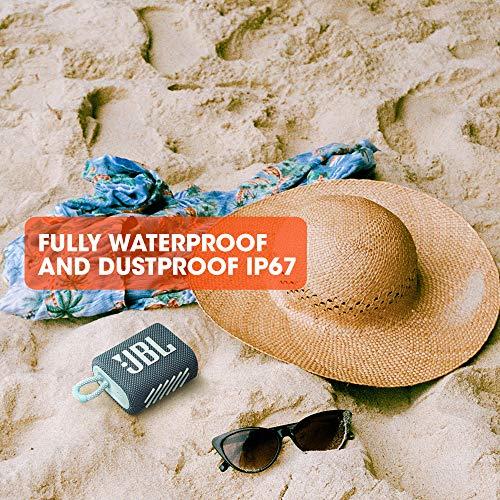
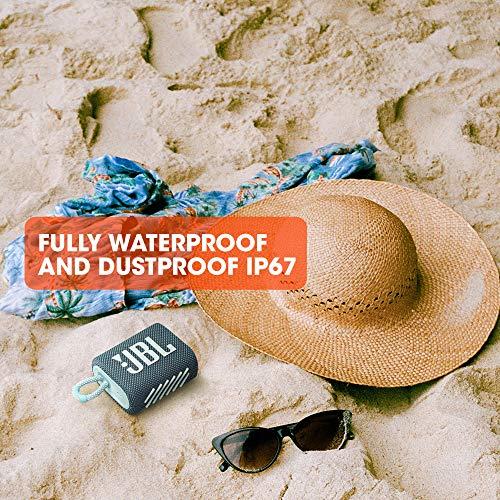
The IP67 rating both speakers share deserves explanation too. The first digit (6) means they're completely dustproof, while the second digit (7) indicates they can survive being submerged in up to one meter of water for 30 minutes. This makes them genuinely suitable for pool parties and beach trips, not just resistant to light splashes.
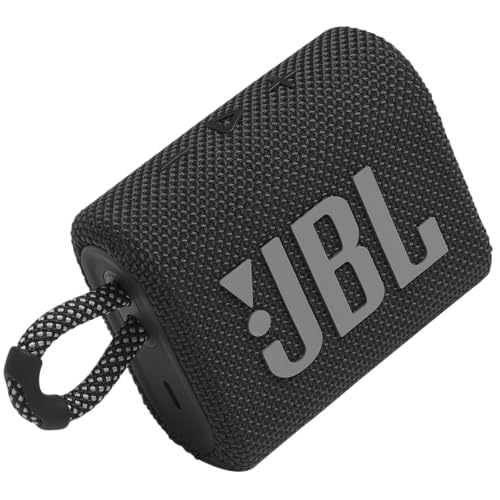
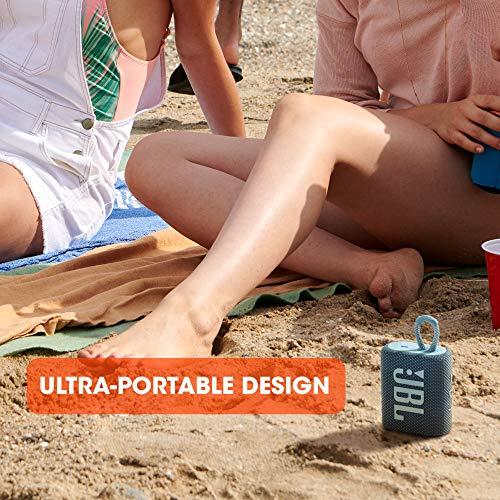
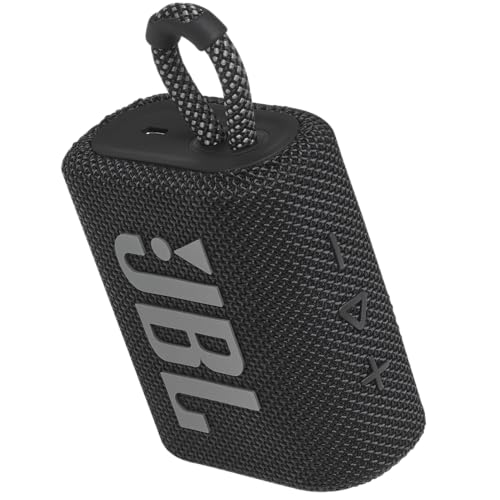
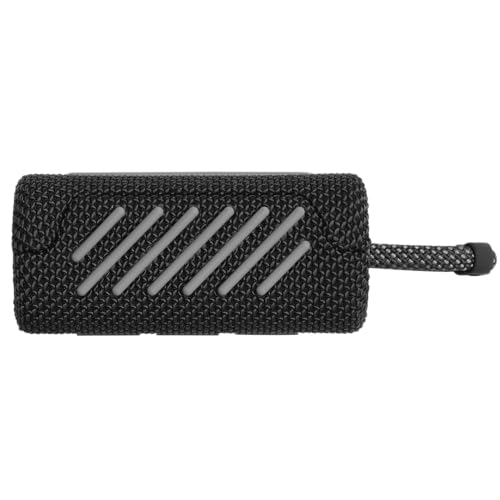
The JBL Go 3, released in 2021, weighs just 209 grams and measures roughly the size of a deck of cards. Its integrated fabric loop isn't just a design flourish - it's genuinely useful for clipping onto backpacks or hanging from hooks. After handling dozens of portable speakers, this level of compactness still impresses. You can literally forget it's in your pocket.
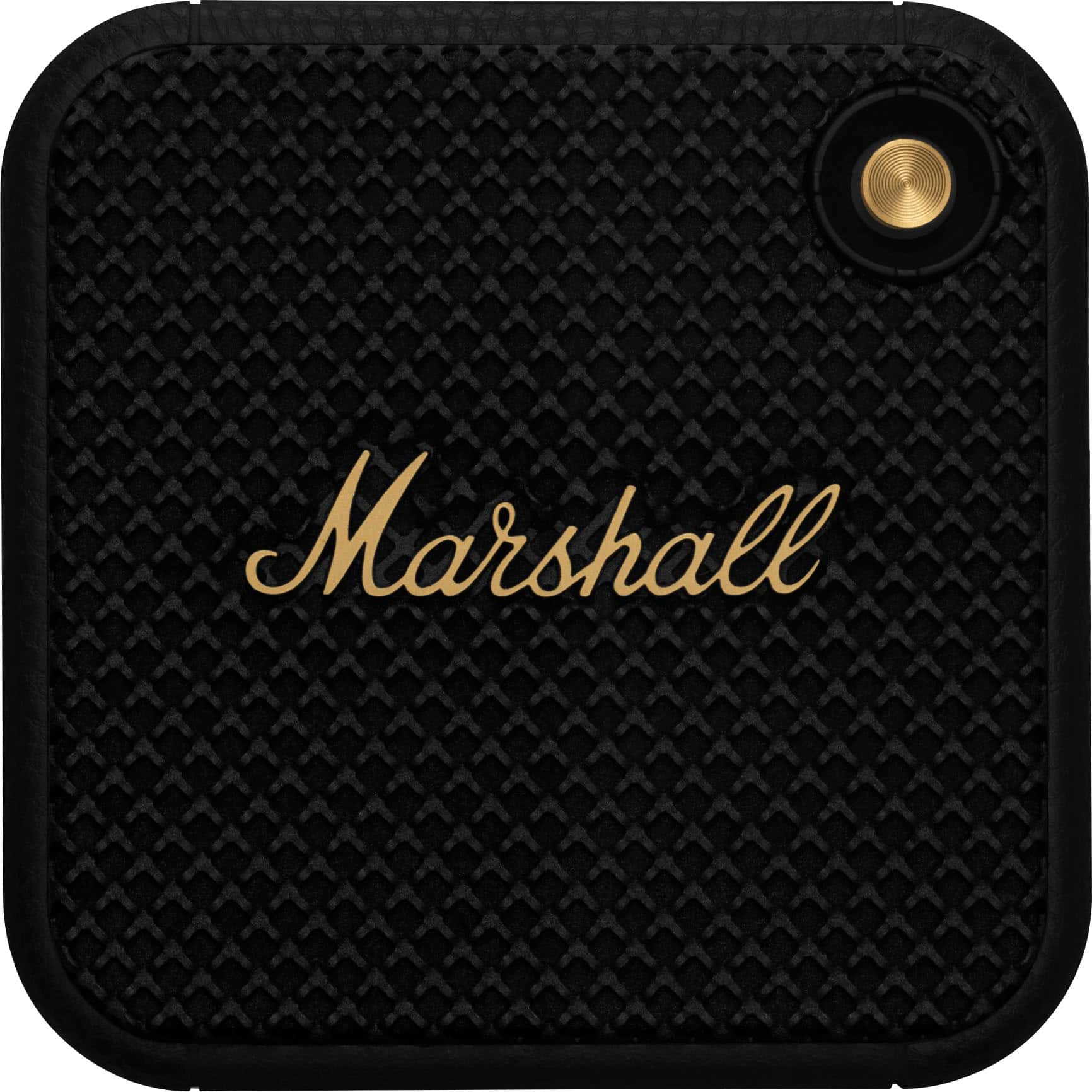
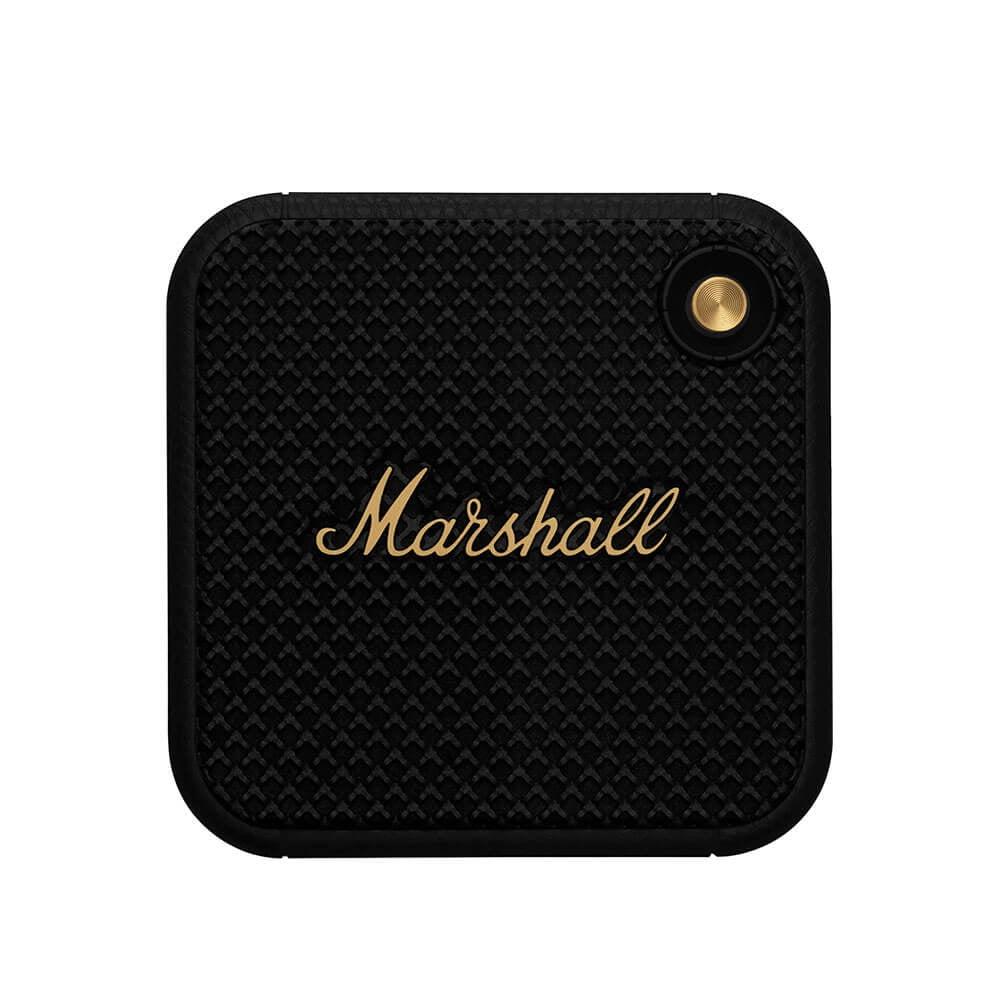
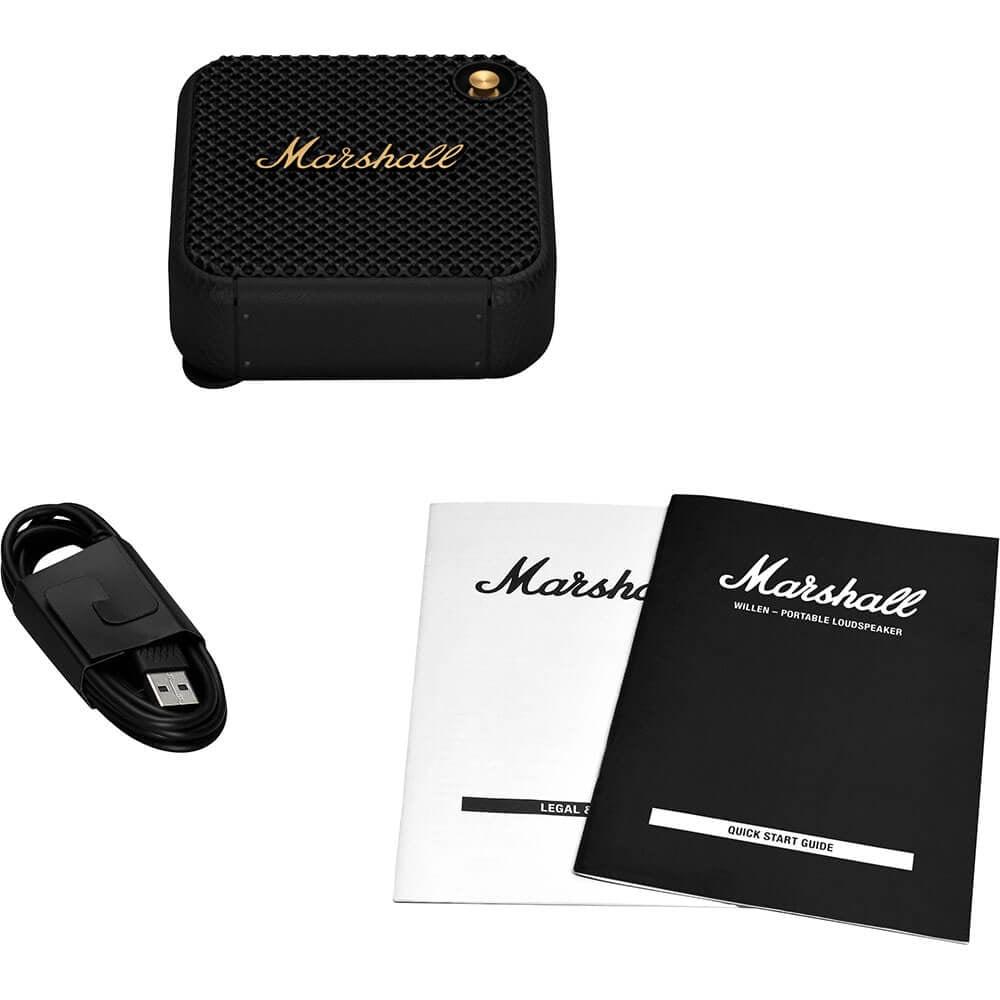
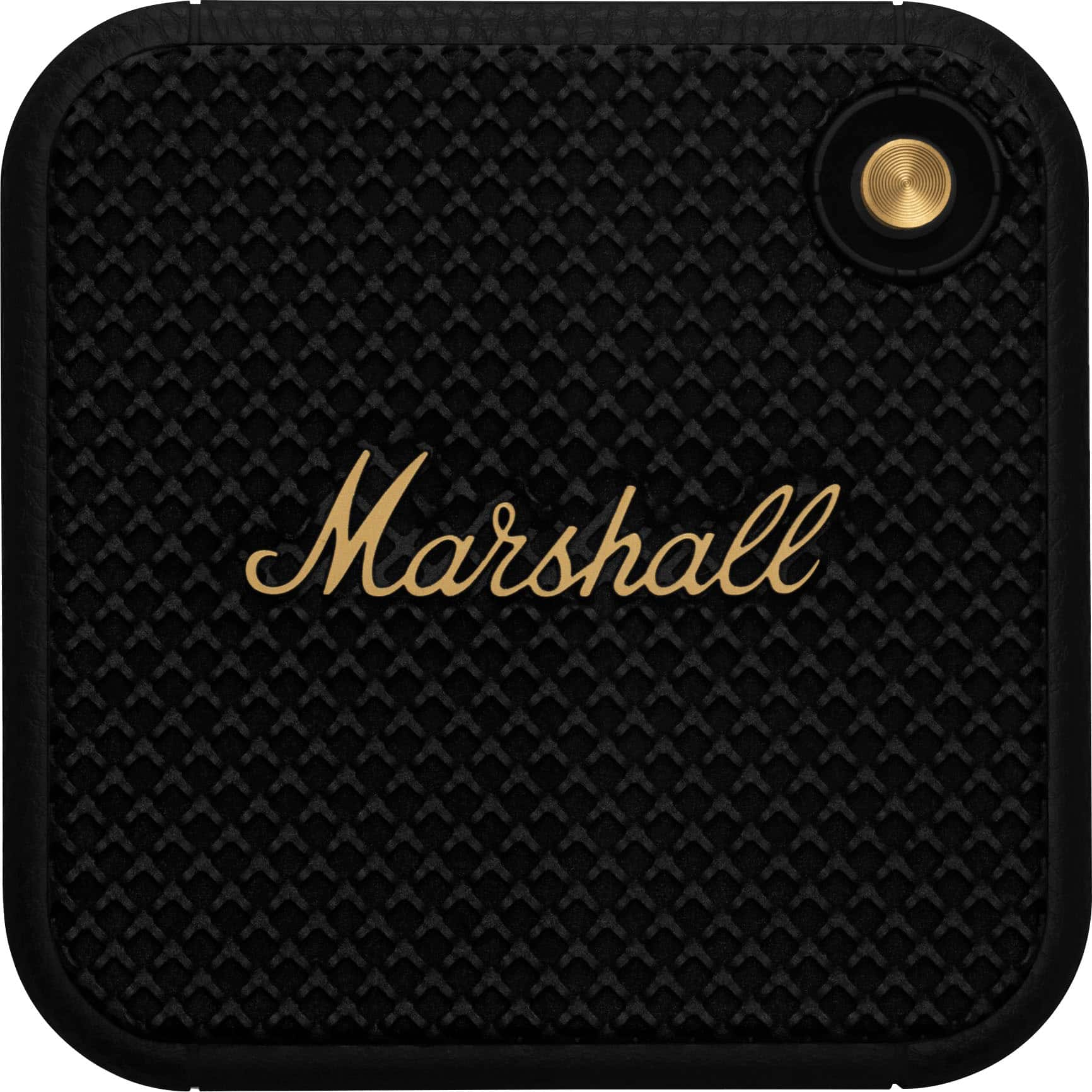
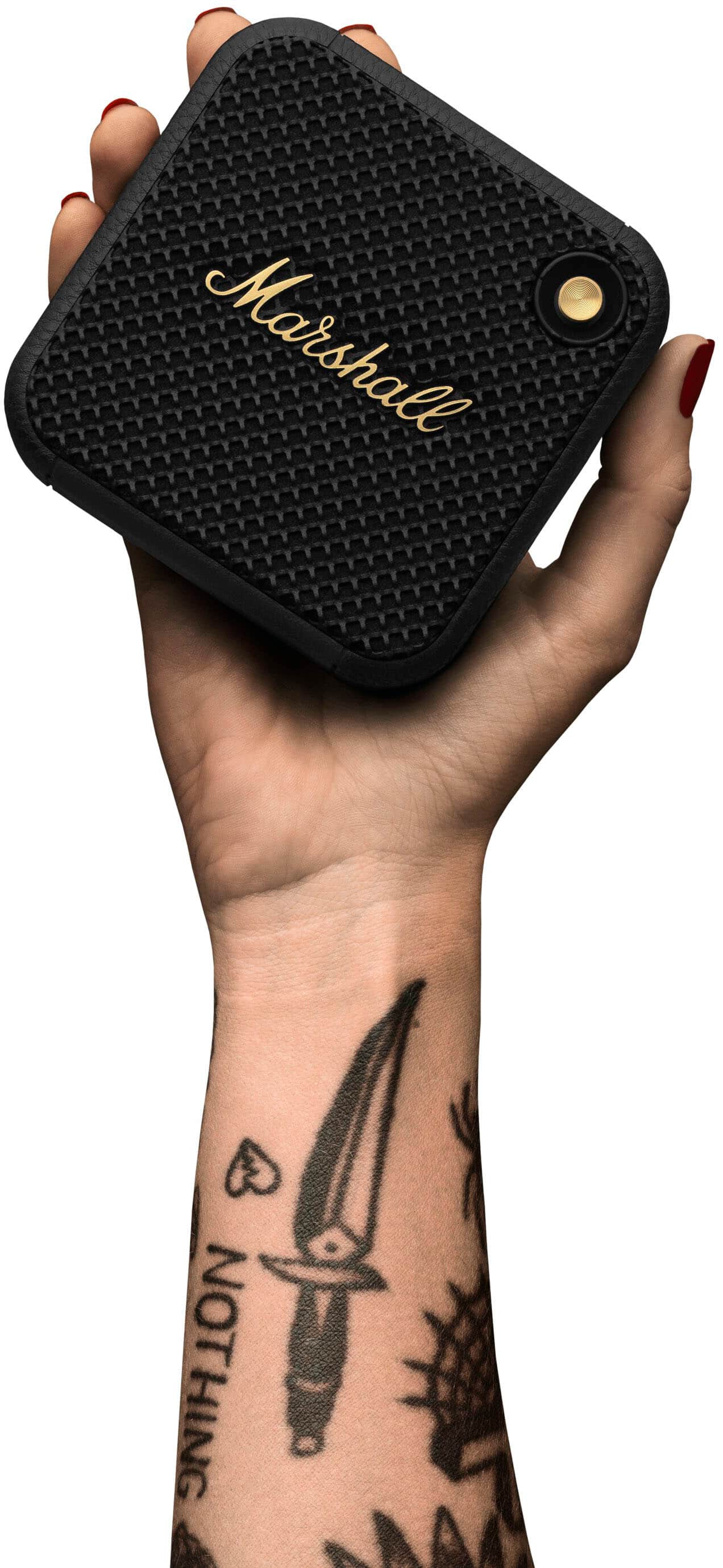
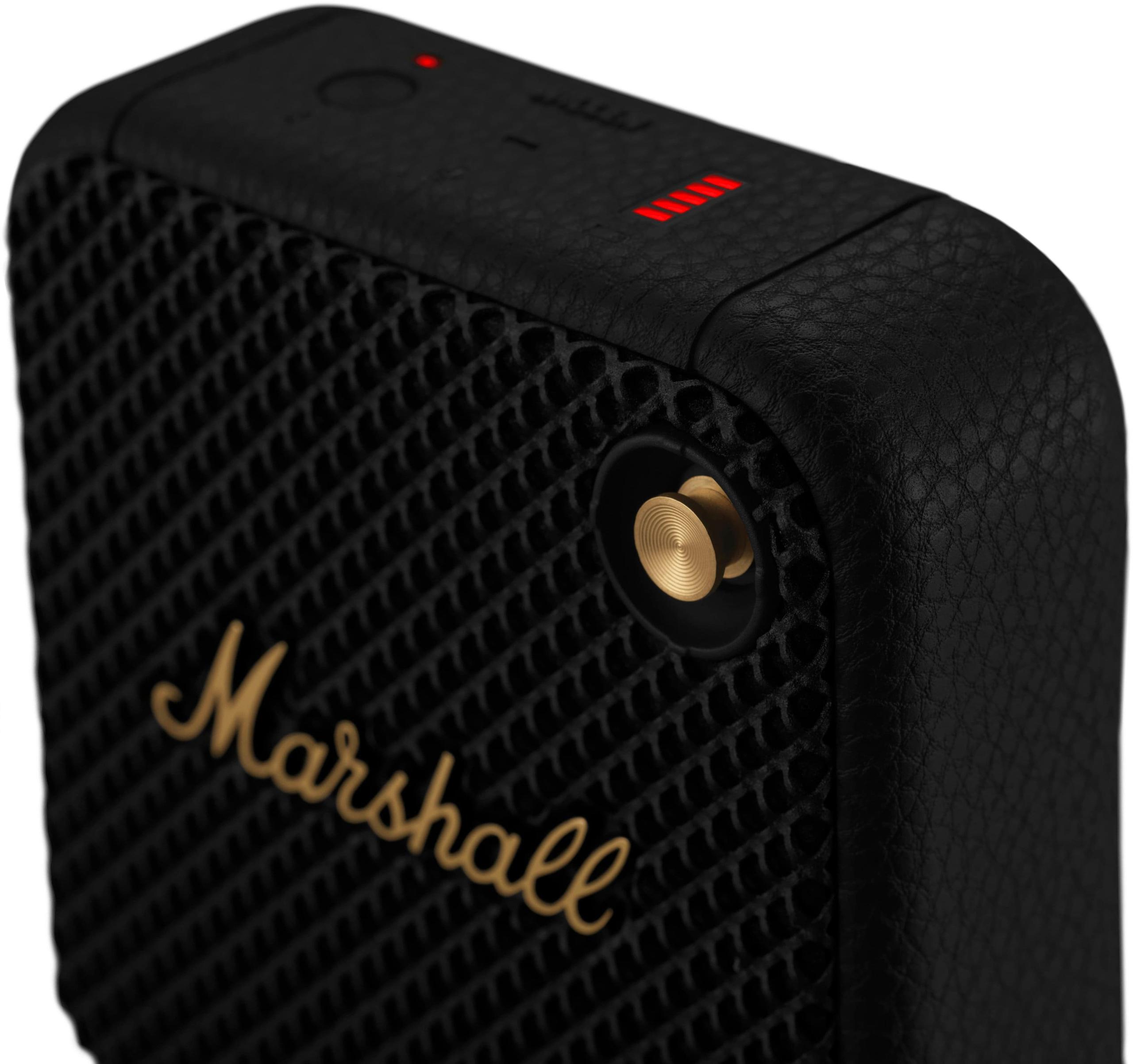
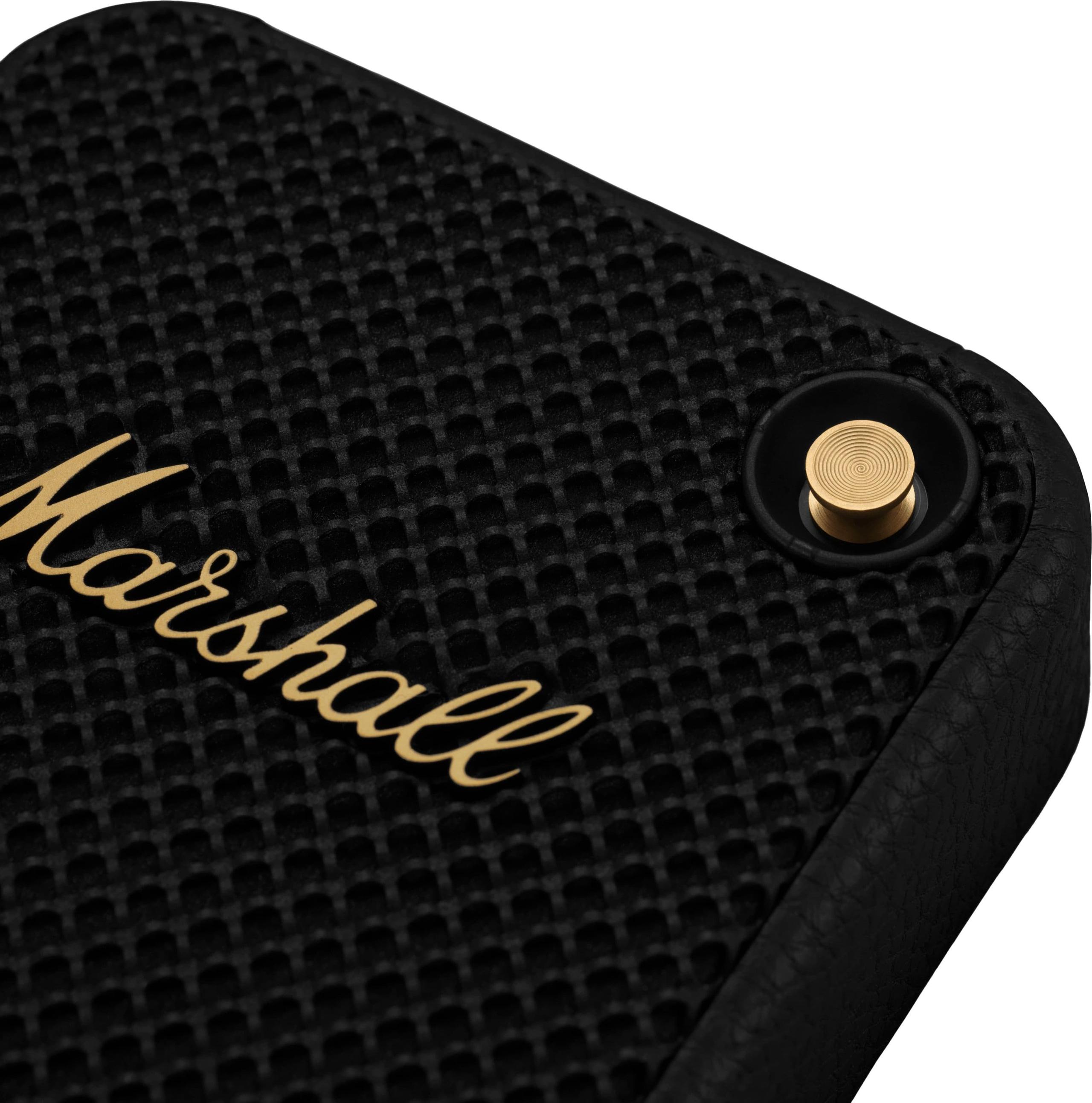
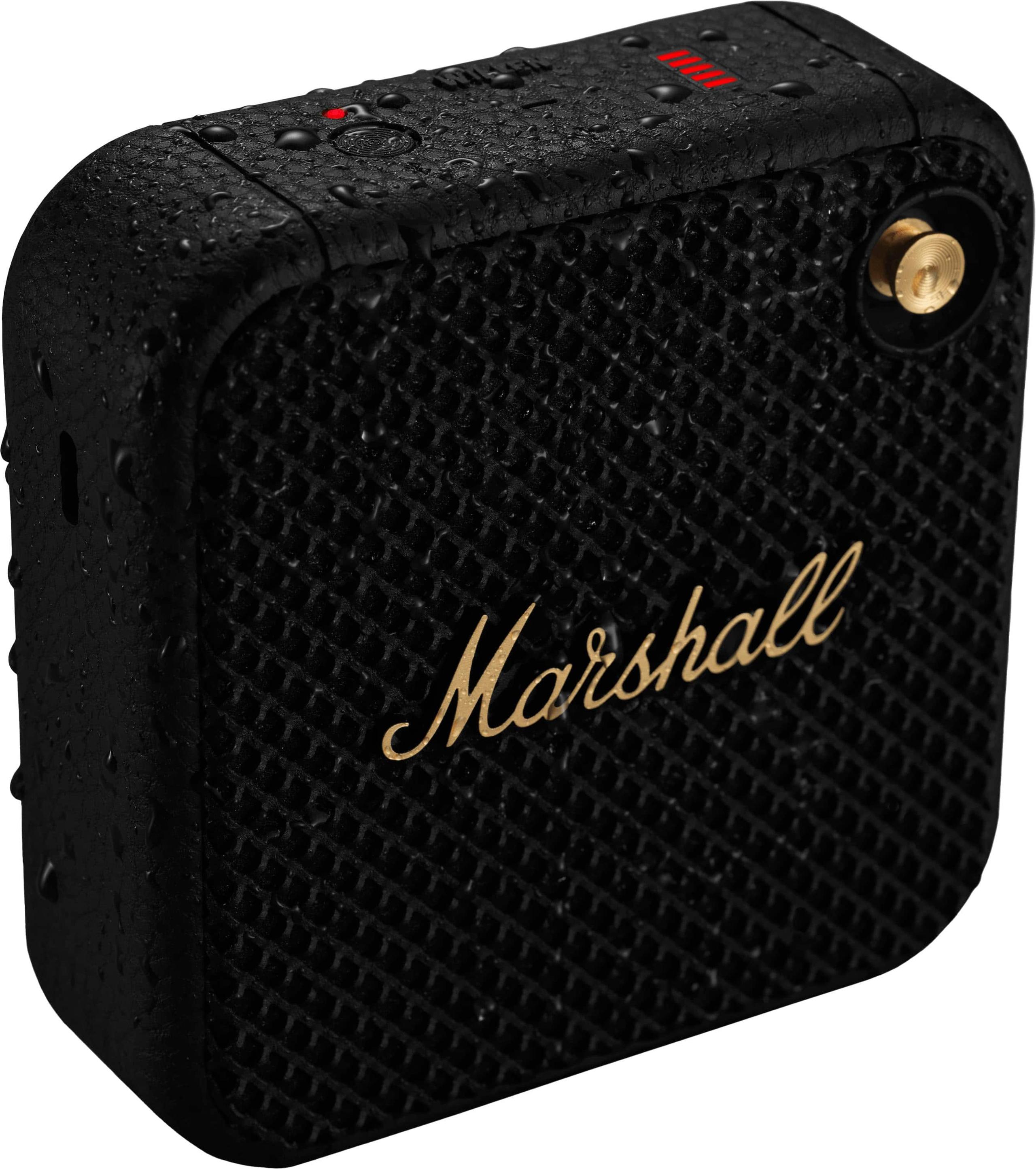
The Marshall Willen, launched in 2022, takes a different approach. At 310 grams, it's about 50% heavier and noticeably larger, though still highly portable. Marshall's design team clearly prioritized audio performance over absolute minimalism. The trade-off becomes apparent the moment you pick it up - it feels more substantial and premium, with better materials and construction quality.
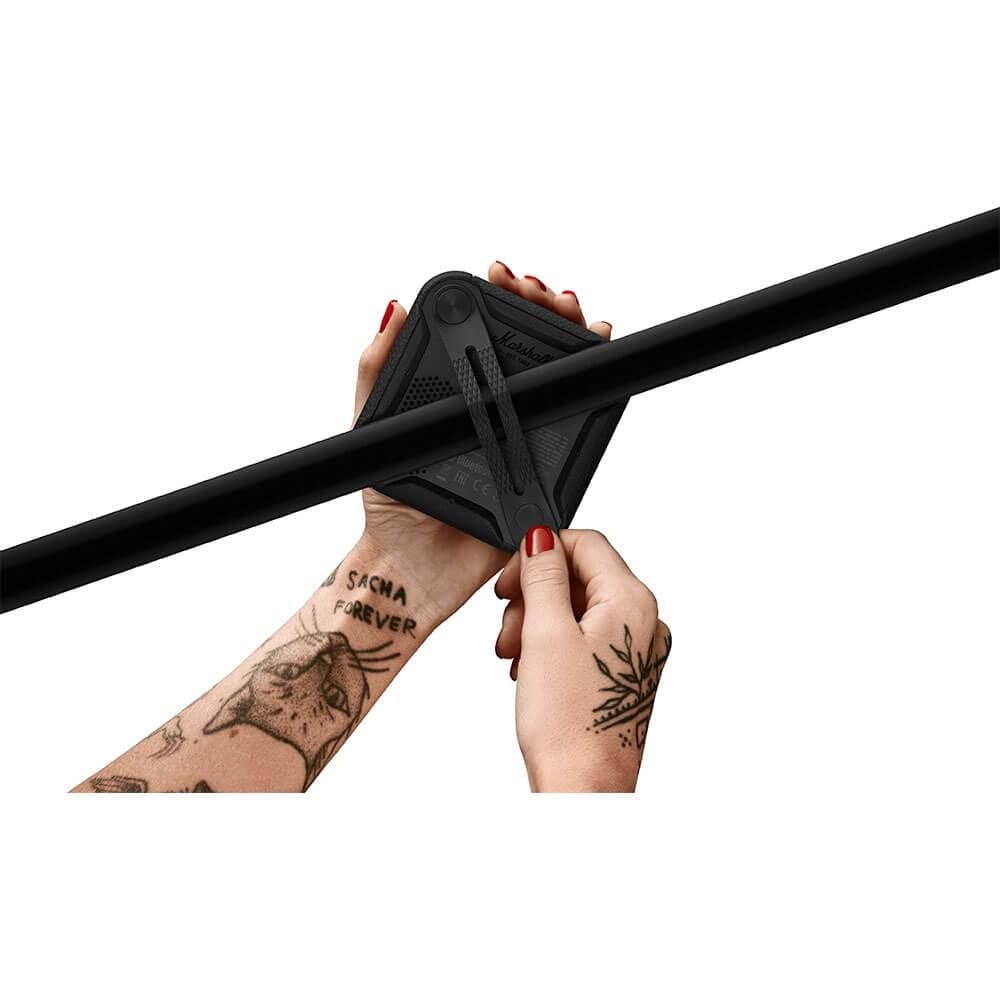
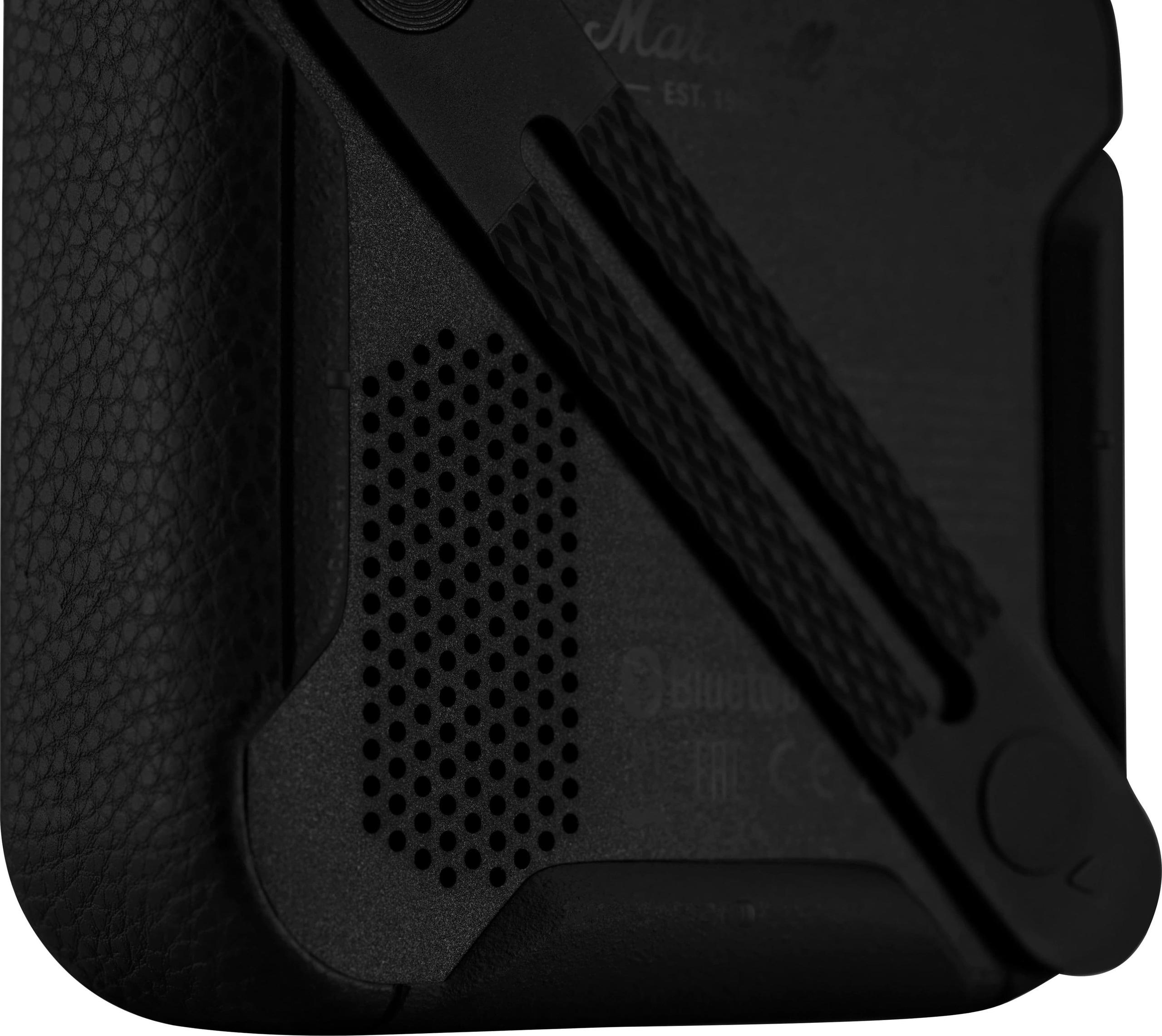
Both speakers can stand upright or lay flat, but the Marshall Willen includes a more versatile rubber strap system that allows for creative mounting options. The JBL Go 3's fabric loop is simpler but effective for basic attachment needs.
This is where the price difference becomes immediately apparent. The Marshall Willen delivers 10 watts of power compared to the JBL Go 3's 4.2 watts. In practical terms, this means the Marshall can reach 82 decibels while the JBL tops out around 75 decibels.
Seven decibels might not sound like much, but decibels use a logarithmic scale, meaning the Marshall is actually more than twice as loud as the JBL at maximum volume. This difference is particularly noticeable outdoors or in noisy environments where you need the speaker to cut through ambient sound.
Both speakers struggle with the same fundamental challenge: producing meaningful bass from tiny enclosures. The JBL Go 3 handles frequencies from 110Hz to 20,000Hz, while the Marshall Willen extends slightly lower to 100Hz.
To put this in perspective, the lowest note on a bass guitar is around 41Hz, and the kick drums in most pop songs hit between 60-100Hz. Neither speaker can reproduce these frequencies with any authority, but the Marshall Willen gets noticeably closer to that punchy, satisfying bass response.
The JBL Go 3 compensates by emphasizing midrange frequencies where vocals and lead instruments live. This makes it particularly good for podcasts, audiobooks, and acoustic music where clarity matters more than deep bass. The Marshall takes a more balanced approach, providing better overall frequency response at the cost of some midrange focus.
Here's where small speakers face another limitation: both the JBL Go 3 and Marshall Willen are mono speakers, meaning they combine left and right audio channels into a single output. This eliminates the spatial imaging you'd get from stereo speakers, where instruments can be positioned across a left-to-right soundscape.
However, the Marshall Willen's larger driver and passive radiators create a slightly more expansive sound that feels less confined to a single point source. It's still mono, but the audio feels like it's coming from a larger area.
This is arguably the most important difference between these speakers. The JBL Go 3 provides about 5 hours of playback, while the Marshall Willen delivers over 15 hours - a three-to-one advantage that fundamentally changes how you use the device.
Five hours covers a typical afternoon or evening, but it's limiting for all-day events, camping trips, or situations where charging isn't convenient. Fifteen hours, on the other hand, can handle extended outdoor adventures or multi-day events without anxiety about battery life.
Both speakers use lithium-ion polymer batteries, which are lighter and more compact than traditional lithium-ion cells. The Marshall Willen simply packs a much larger battery relative to its size, while the JBL Go 3 prioritizes minimizing weight and dimensions.
Charging times reflect this difference too. The JBL Go 3 reaches full charge in 2.5 hours, while the Marshall Willen takes 3 hours. However, the Marshall includes a quick-charge feature that provides 3 hours of playback from just 20 minutes of charging - invaluable when you're rushing out the door.
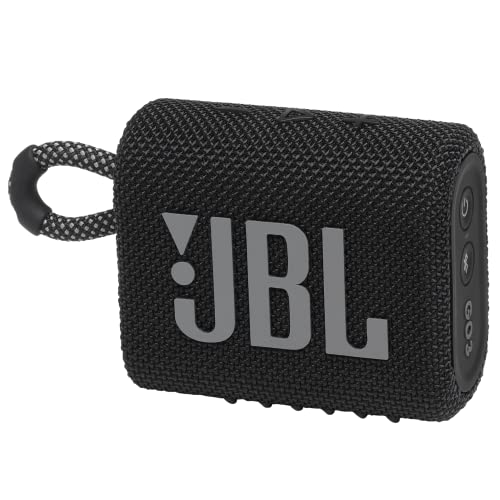
The control schemes reveal each manufacturer's design philosophy. The JBL Go 3 uses traditional silicone buttons that are clearly labeled and intuitive. They're not fancy, but they work reliably and provide good tactile feedback.
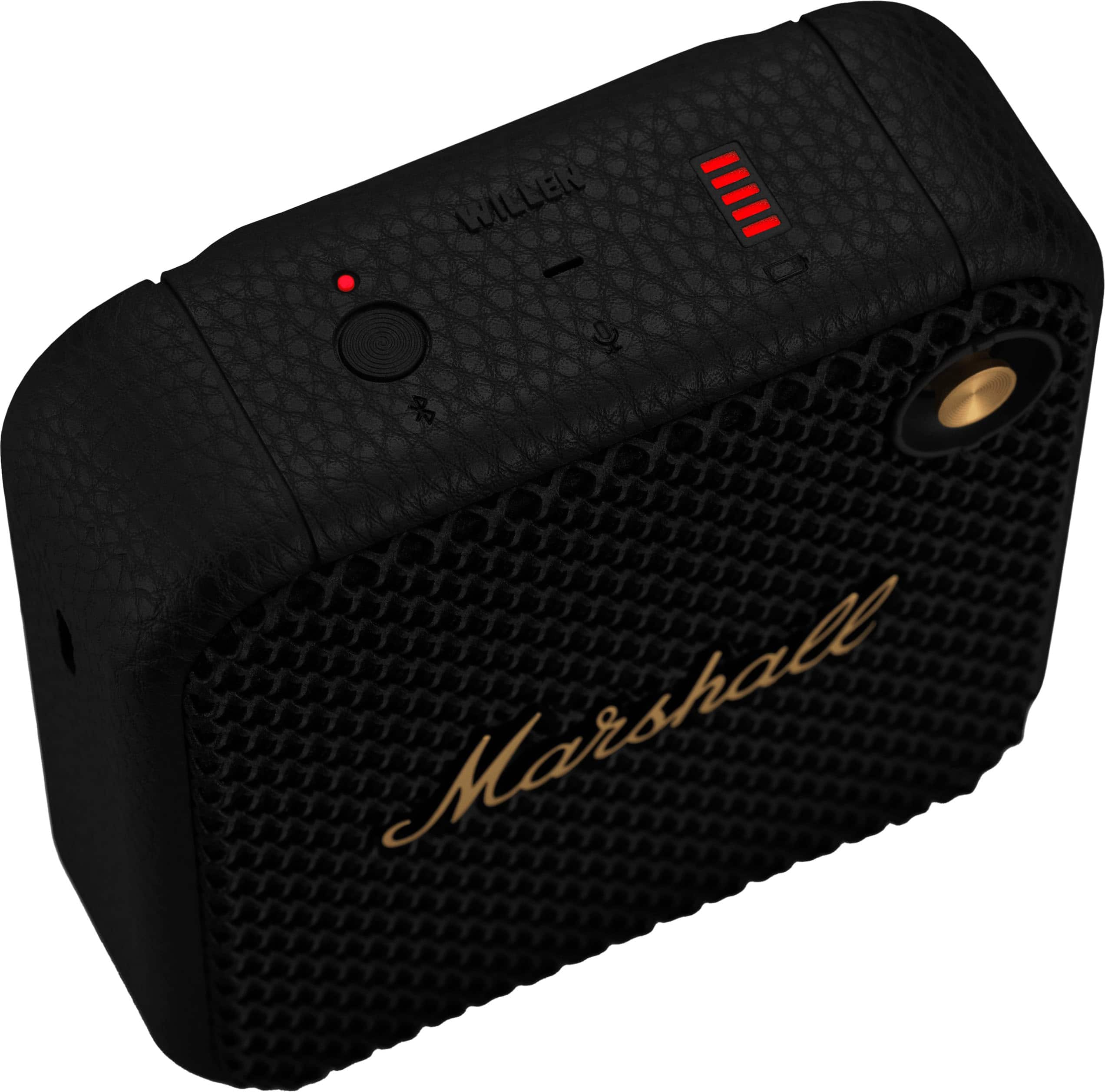
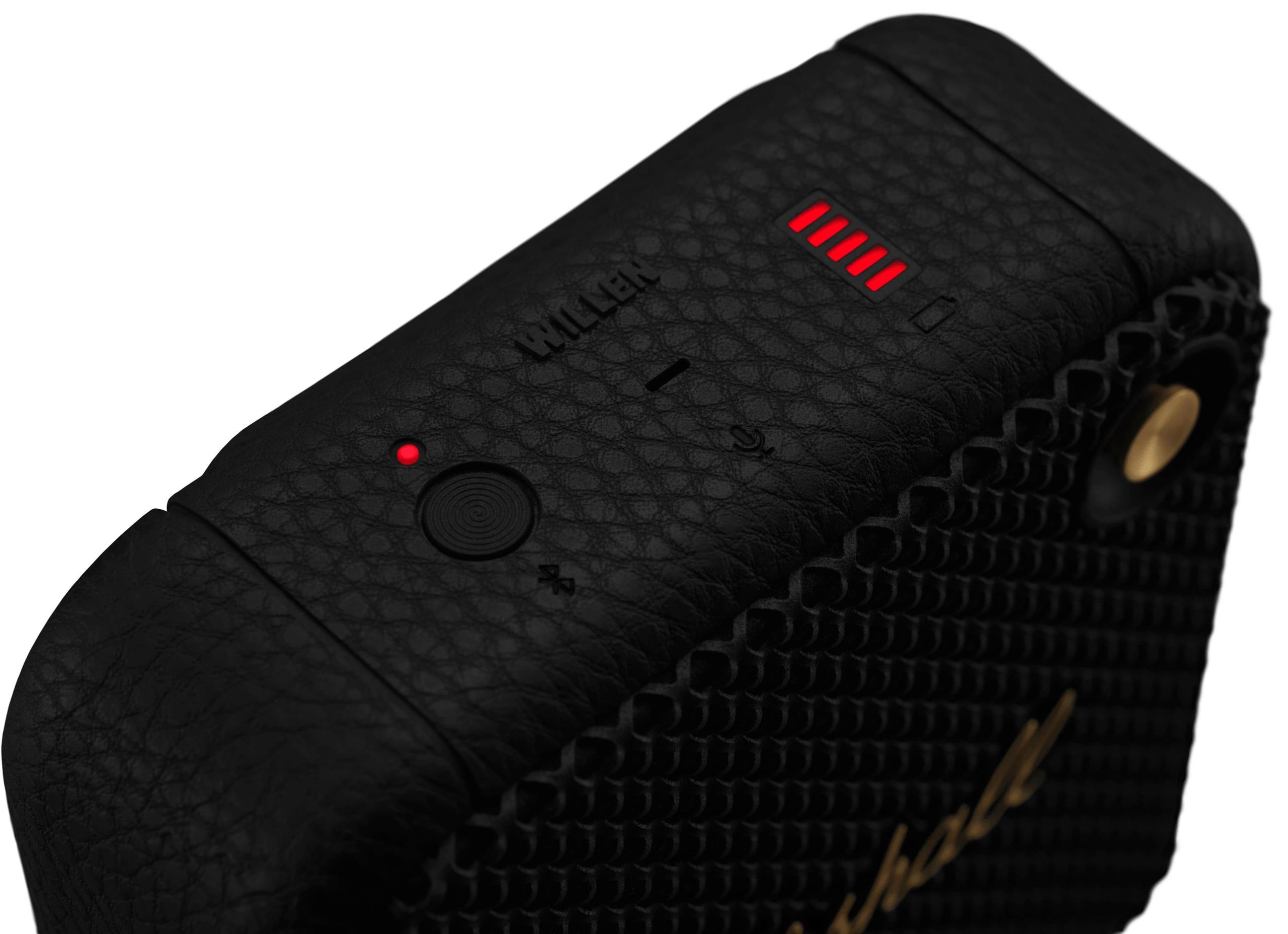
The Marshall Willen features an innovative multi-directional control knob that handles all functions through different gestures - push left or right for track control, up or down for volume, and press-and-hold for power. It's elegant and matches Marshall's amplifier aesthetic, though it requires a brief learning curve.
Build quality differences are evident in materials. The JBL Go 3 uses primarily plastic construction with fabric covering, creating a speaker that feels solid but not premium. The Marshall Willen incorporates more metal elements and higher-quality rubber accents, resulting in a more substantial feel that justifies its higher price point.
Both speakers have survived drop tests in user reviews, but the JBL Go 3's lighter weight might actually make it more resilient to impact damage.
Modern portable speakers often include features beyond basic audio playback. The Marshall Willen offers Stack Mode, allowing you to connect multiple Willen speakers for expanded sound coverage. This is genuinely useful for larger gatherings where a single small speaker can't fill the space.
The Marshall also includes app-based equalizer presets, letting you adjust sound characteristics through your phone. While the adjustments are relatively subtle given the speaker's physical limitations, they provide some customization for different music genres or personal preferences.
The JBL Go 3 takes a simpler approach, focusing on plug-and-play functionality without companion apps or advanced connectivity features. This appeals to users who want straightforward operation without managing additional software.
Both speakers support Bluetooth 5.1, which provides improved connection stability and slightly better range compared to older Bluetooth versions. They also include built-in microphones for hands-free calling, though neither is optimized for conference calls or voice chat.
While these speakers aren't designed for home theater use, they can serve as secondary speakers for casual TV watching or computer audio. The Marshall Willen's higher output and better low-frequency response make it more suitable for this role, though you shouldn't expect anything approaching the performance of dedicated soundbars or bookshelf speakers.
For computer desks or bedside tables, both speakers work well, but the JBL Go 3's smaller footprint might be preferable in cramped spaces. The Marshall Willen benefits from its longer battery life if you prefer not keeping speakers constantly plugged in.
At the time of writing, these speakers represent dramatically different value propositions. The JBL Go 3 typically costs less than half the price of the Marshall Willen, making it one of the most affordable options in the category.
The JBL's value lies in delivering surprisingly competent audio quality at an entry-level price point. It's not the best at anything specific, but it's genuinely good enough for casual listening while being accessible to nearly any budget.
The Marshall Willen commands a premium for substantially better battery life, louder output, and premium materials. Whether these improvements justify the significantly higher cost depends on your specific needs and budget flexibility.
Choose the JBL Go 3 if: You need maximum affordability and portability, your listening sessions typically last under four hours, you primarily consume podcasts or vocal-heavy content, or you want a reliable backup speaker. It's also ideal for situations where every gram matters, like ultralight backpacking.
Choose the Marshall Willen if: Battery life is crucial for your use cases, you need higher volume for small group listening, you appreciate premium build quality and design aesthetics, or the price premium fits comfortably within your budget. It's particularly suited for outdoor enthusiasts who need reliable all-day performance.
The fundamental question comes down to whether the Marshall's advantages - primarily that exceptional battery life and significantly louder output - justify spending considerably more money. For users who regularly find themselves in situations where a speaker needs to last all day or fill larger spaces with sound, the premium makes sense. For casual users who primarily listen alone or in quiet environments, the JBL's combination of decent performance and aggressive pricing is hard to beat.
Both speakers succeed at their intended purposes, but they're designed for meaningfully different users and use cases. The JBL Go 3 democratizes portable audio by offering genuine functionality at an accessible price, while the Marshall Willen provides premium features for users willing to pay for notably better performance and longer battery life.
| JBL Go 3 Portable Bluetooth Speaker | Marshall Willen Portable Bluetooth Speaker |
|---|---|
| Power Output - Determines maximum volume and room-filling capability | |
| 4.2W RMS (suitable for personal listening) | 10W RMS (significantly louder, better for small groups) |
| Battery Life - Critical for extended use and outdoor activities | |
| Up to 5 hours (covers short sessions, requires frequent charging) | 15+ hours (all-day use, ideal for camping and long events) |
| Charging Time - How quickly you can get back to listening | |
| 2.5 hours full charge (faster top-up) | 3 hours full charge + 20-minute quick charge for 3 hours playback |
| Size and Weight - Affects true portability and pocket-friendliness | |
| 87.5 x 75 x 41.3mm, 209g (ultra-compact, fits in small pockets) | 101.6 x 100.5 x 40.4mm, 310g (larger but still portable, premium feel) |
| Maximum Volume - Important for outdoor use and noisy environments | |
| 75 dB (adequate for quiet spaces) | 82 dB (much louder, better for outdoor gatherings) |
| Frequency Response - Determines bass depth and overall sound range | |
| 110Hz - 20kHz (limited bass, clear mids and highs) | 100Hz - 20kHz (slightly better bass extension) |
| Driver Configuration - Affects sound quality and bass response | |
| Single 43x47mm driver (simple, efficient design) | 2-inch full-range driver + dual passive radiators (better bass and volume) |
| Water Resistance - Essential for outdoor and poolside use | |
| IP67 (fully waterproof and dustproof) | IP67 (fully waterproof and dustproof) |
| Controls - Ease of use and functionality | |
| Traditional silicone buttons (simple, reliable) | Multi-directional metal control knob (premium feel, all functions) |
| Advanced Features - Additional functionality beyond basic playback | |
| Basic Bluetooth pairing only | Stack Mode (multi-speaker), app-based EQ, quick charge |
| Build Quality - Durability and premium feel | |
| Plastic with fabric covering (solid but basic) | Metal grilles with rubberized accents (premium materials) |
| Bluetooth Version - Connection stability and range | |
| Bluetooth 5.1 (modern, stable connection) | Bluetooth 5.1 (modern, stable connection) |
The Marshall Willen is significantly louder than the JBL Go 3. The Marshall produces 10W of power and reaches 82 decibels, while the JBL Go 3 outputs 4.2W and maxes out at 75 decibels. This makes the Marshall Willen more than twice as loud, which is particularly noticeable in outdoor settings or noisy environments.
The Marshall Willen offers dramatically better battery life with 15+ hours of playback compared to the JBL Go 3's 5 hours. This three-to-one advantage makes the Marshall Willen ideal for all-day events, camping trips, or extended use without access to charging. The JBL Go 3 is better suited for shorter listening sessions.
The Marshall Willen generally provides better overall sound quality with more balanced audio and slightly better bass response due to its larger driver and dual passive radiators. However, the JBL Go 3 excels in vocal clarity and midrange performance, making it particularly good for podcasts and acoustic music. Both speakers struggle with deep bass due to their compact size.
Yes, both the JBL Go 3 and Marshall Willen feature IP67 water resistance, making them fully waterproof and dustproof. They can be submerged in up to one meter of water for 30 minutes, making both speakers suitable for pool parties, beach trips, and shower use without concern for water damage.
The JBL Go 3 is more portable, weighing only 209 grams compared to the Marshall Willen's 310 grams. The JBL Go 3 is also more compact and includes an integrated fabric loop for easy attachment to bags. While the Marshall Willen is still highly portable, the JBL Go 3 is better for ultralight travel where every gram matters.
While neither speaker is designed for home theater use, the Marshall Willen is more suitable for casual TV watching due to its higher power output and better low-frequency response. However, both speakers are mono (single-channel) and lack the power and frequency range needed for true home theater applications. Dedicated soundbars or bookshelf speakers would be much better choices for TV audio.
The JBL Go 3 charges faster, reaching full capacity in 2.5 hours compared to the Marshall Willen's 3 hours. Both speakers use USB-C charging ports for convenience. However, the Marshall Willen offers a quick-charge feature that provides 3 hours of playback from just 20 minutes of charging, which can be very useful for emergency top-ups.
Both the JBL Go 3 and Marshall Willen include built-in microphones for hands-free calling, but neither is optimized for conference calls or professional voice chat. They work adequately for basic phone calls, but dedicated speakerphones or headsets would provide much better call quality for important business conversations.
The JBL Go 3 typically offers exceptional value at its lower price point, delivering surprisingly good sound quality for basic portable audio needs. The Marshall Willen costs significantly more but provides substantially better battery life, louder volume, and premium build quality. The better value depends on your specific needs and budget - the JBL Go 3 for budget-conscious buyers, the Marshall Willen for those needing premium features.
The Marshall Willen supports Stack Mode, allowing you to connect multiple Willen speakers for expanded sound coverage. The JBL Go 3 does not support multi-speaker pairing features. If you plan to use multiple speakers for larger gatherings or events, the Marshall Willen provides this flexibility while the JBL Go 3 is designed for single-speaker use only.
The JBL Go 3 uses traditional silicone buttons that are clearly labeled and intuitive for power, volume, and playback control. The Marshall Willen features an innovative multi-directional metal control knob that handles all functions through different gestures - it's more premium feeling but requires a brief learning curve. Both control schemes are reliable, with the JBL Go 3 being more straightforward.
For outdoor activities, the Marshall Willen is generally better due to its 15+ hour battery life, louder volume output, and more robust build quality. However, the JBL Go 3 might be preferable for ultralight hiking where weight is critical. Both speakers offer equal water and dust protection with IP67 ratings, making either suitable for outdoor adventures depending on your specific needs and weight constraints.
We've done our best to create useful and informative comparisons to help you decide what product to buy. Our research uses advanced automated methods to create this comparison and perfection is not possible - please contact us for corrections or questions. These are the sites we've researched in the creation of this article: rtings.com - streamtechreviews.com - english.achoreviews.com - smarthomesounds.co.uk - soundguys.com - rtings.com - walmart.com - soundguys.com - youtube.com - youtube.com - jbl.com - youtube.com - selectoguru.com - versus.com - videoandaudiocenter.com - harmanaudio.com - jbl.com - bestbuy.com - forum.hifiguides.com - manuals.plus - kh.jbl.com - th.jbl.com - mm.jbl.com - jbl.com - bestbuy.com - youtube.com - youtube.com - youtube.com - jbl.com - bestbuy.com - bestbuy.com - jbl.com.tw - youtube.com - rtings.com - ldlc.com - crutchfield.com - bestbuy.com - techgadgetscanada.com - manuals.plus - youtube.com - myxprs.com - bhphotovideo.com - target.com - aplaze.com - avstore.in

Privacy Policy
Terms and Conditions - Affiliate Policy
Home Security
© Copyright 2008-2026.
11816 Inwood Rd #1211, Dallas, TX 75244