



Choosing a portable Bluetooth speaker can feel overwhelming with so many options flooding the market. Two models that consistently appear on recommendation lists are the JBL Go 3 and Anker Soundcore 2. Both aim to deliver good sound in a portable package, but they take surprisingly different approaches to get there.
The portable speaker category has exploded over the past decade as our lives became increasingly mobile and wireless. These speakers need to balance several competing priorities: sound quality, battery life, durability, and portability. It's physically impossible to maximize all four simultaneously – there's always a trade-off. Understanding where each speaker makes compromises helps you pick the right one for your specific needs.
Before diving into specifics, it's worth understanding what shapes a portable speaker's performance. The most fundamental limitation is size. Sound waves, especially bass frequencies, need physical space to develop properly. This is why tiny speakers often sound thin or tinny – they simply can't move enough air to create deep, rich bass tones.
Manufacturers use several tricks to work around these physics limitations. Passive radiators are extra surfaces that vibrate sympathetically with the main drivers (the actual speakers), helping boost bass response without requiring additional power. Bass ports are carefully tuned openings that allow air to move in and out, enhancing low-frequency response. Digital signal processing (DSP) can boost certain frequencies or apply compression to make speakers sound louder and fuller than their size would suggest.
The JBL Go 3 and Anker Soundcore 2 represent two distinct philosophies in portable speaker design. The JBL prioritizes extreme portability and ruggedness, while the Anker focuses on audio performance and battery endurance within reasonable size constraints.
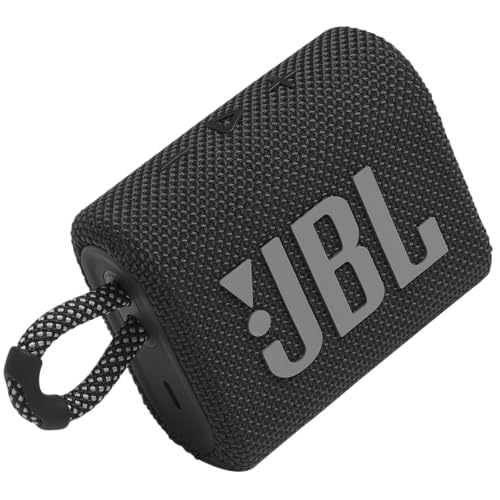
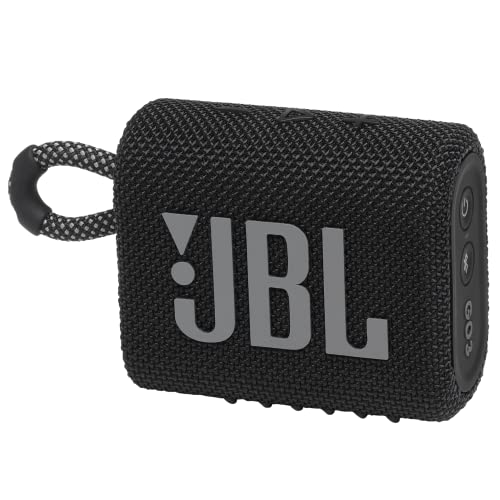
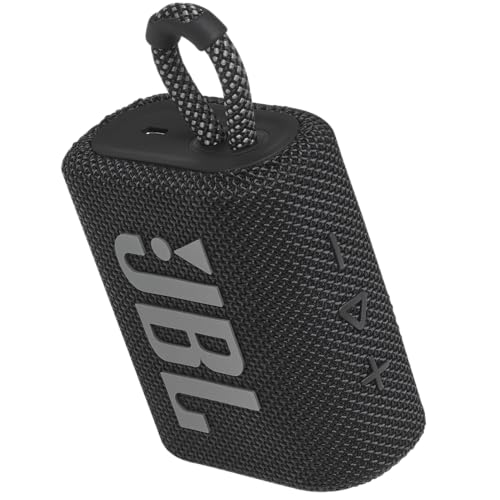
Released in 2020, the JBL Go 3 marked a significant redesign from its predecessors. JBL completely reimagined the speaker's aesthetic, moving from the cylindrical design of earlier Go models to a more rounded, fabric-covered form factor that feels distinctly modern.
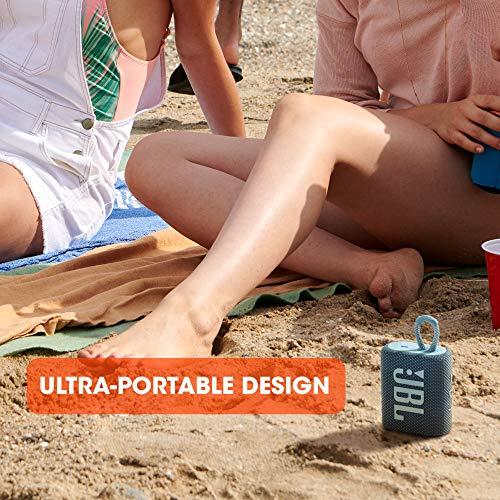
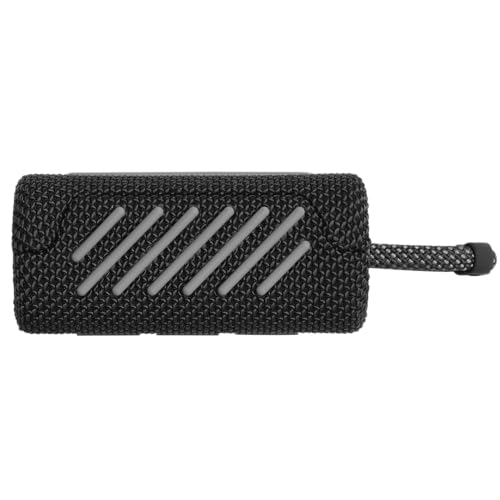
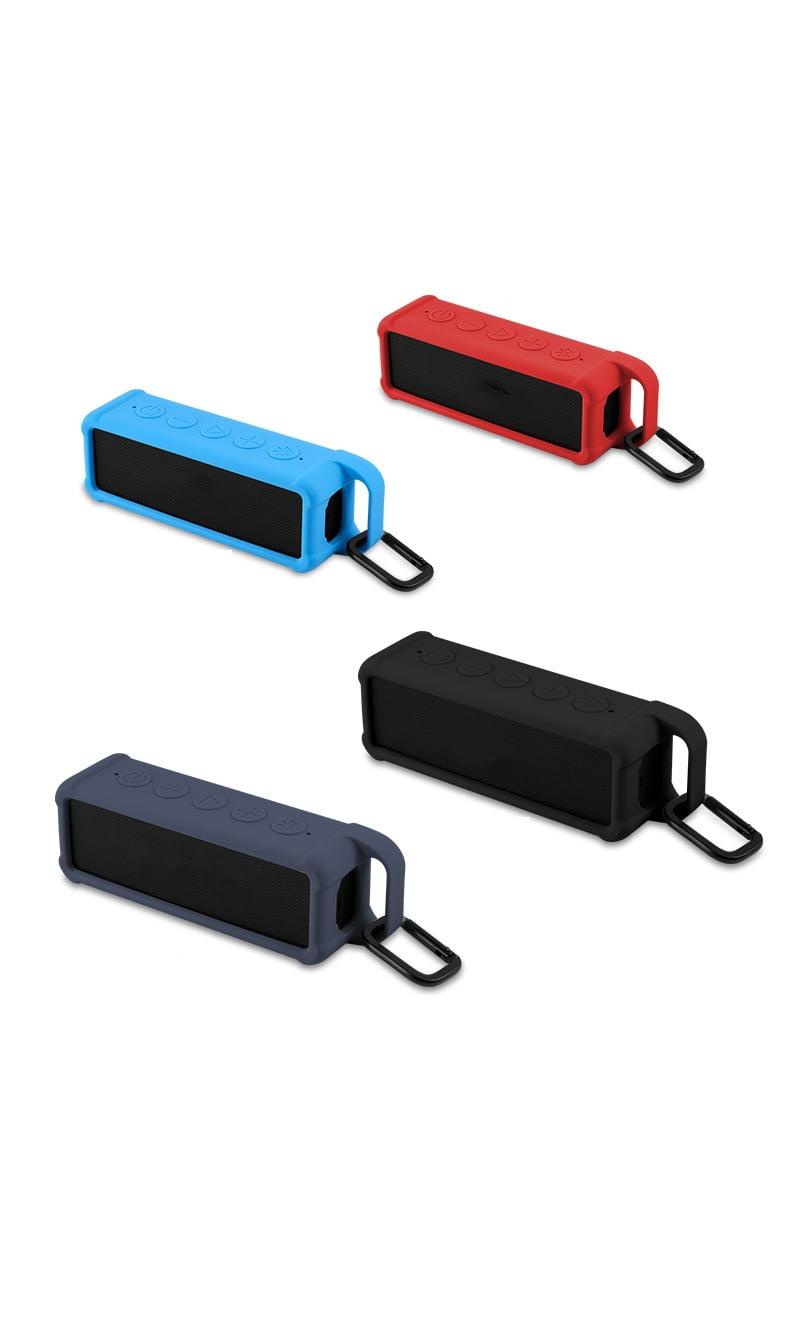
The Go 3's most impressive feat is packing JBL's "Pro Sound" technology into an incredibly small package. At just 3.4 inches wide and weighing less than half a pound, this speaker is genuinely pocketable. The integrated fabric loop isn't just a design flourish – it's genuinely useful for clipping the speaker to backpacks, belt loops, or shower caddies.
The JBL Go 3 uses a single 43mm driver powered by 4.2 watts. While this might sound modest compared to larger speakers, the engineering focus shows in how clean the sound remains even at maximum volume. Many ultra-portable speakers become harsh or distorted when pushed hard, but the Go 3 maintains composure.
The sound signature prioritizes vocal clarity and midrange presence. This makes it excellent for podcasts, audiobooks, and vocal-heavy music. Bass response is present but limited – you'll hear bass lines in most songs, but don't expect the chest-thumping impact you'd get from larger speakers. The frequency response officially extends down to 110Hz, which covers most musical content but misses the very deepest bass frequencies that make electronic music and hip-hop exciting.
One important limitation: the Go 3 is a mono speaker, meaning it doesn't create the left-right stereo effect that makes music feel wider and more immersive. For casual listening, this isn't a major issue, but music enthusiasts will notice the difference.
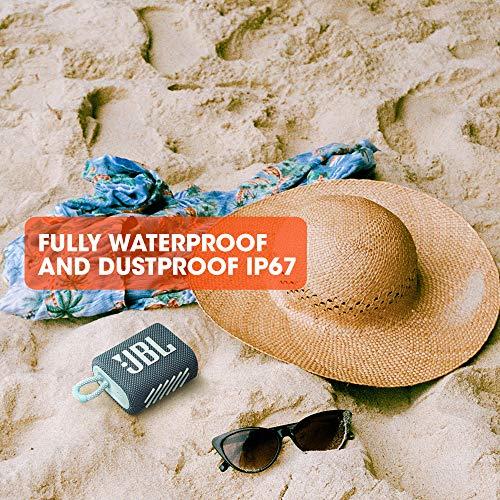
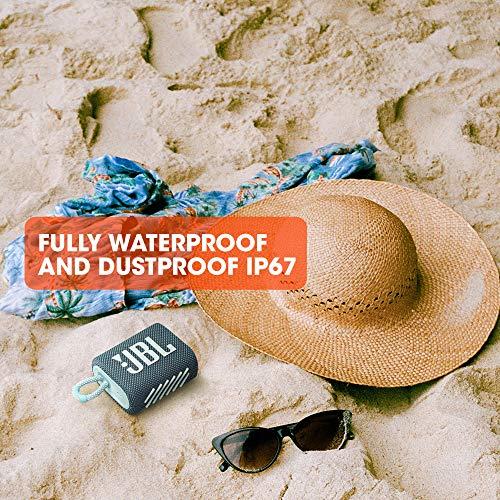
Where the JBL Go 3 truly shines is ruggedness. The IP67 rating means it's completely dustproof and can handle submersion in up to one meter of water for 30 minutes. This isn't just marketing – it genuinely opens up use cases that would destroy other speakers. Beach days, pool parties, dusty camping trips, even shower listening become worry-free.
The build quality feels premium despite the budget price point (typically under $35 at the time of writing). The fabric covering resists wear, and the rubberized accents provide grip and impact protection. This speaker can handle the kind of rough treatment that comes with active lifestyles.
The JBL Go 3's biggest limitation is its 5-hour battery life. For quick outings or commutes, this is adequate. For day-long adventures or parties, it becomes a significant constraint. The USB-C charging port is a welcome modern touch (earlier models used micro-USB), and the 2.5-hour charging time is reasonable, but you'll need to plan around these charging cycles.
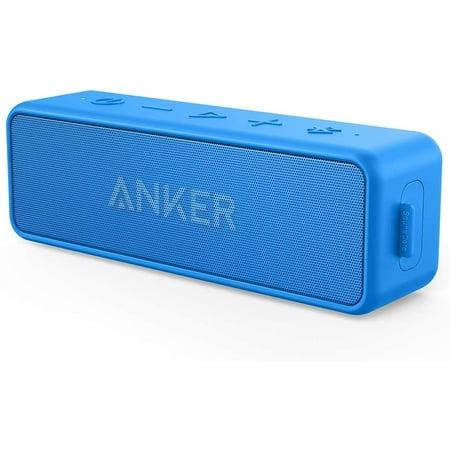
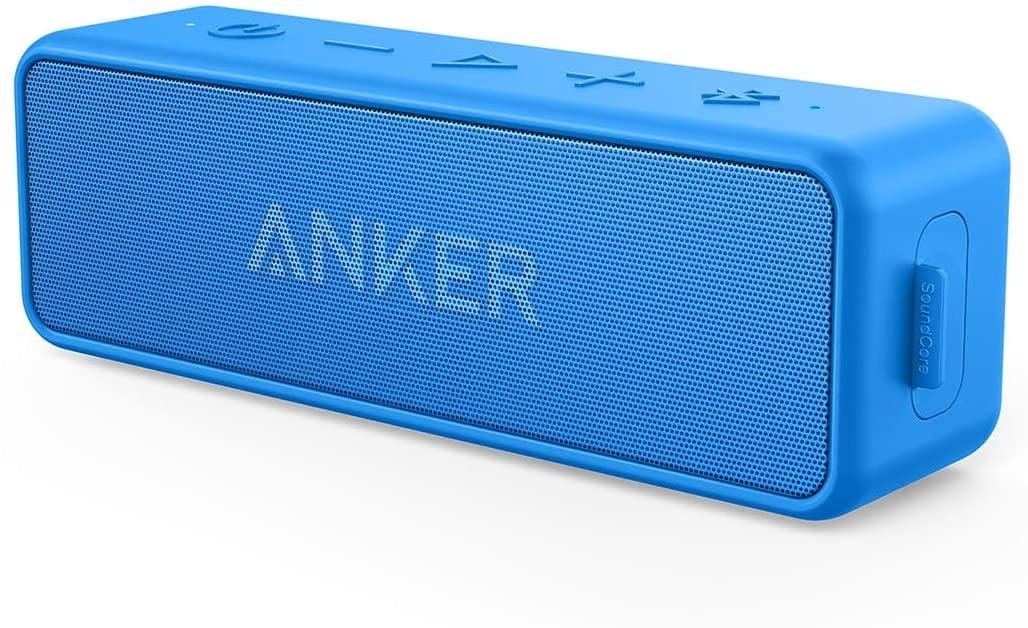
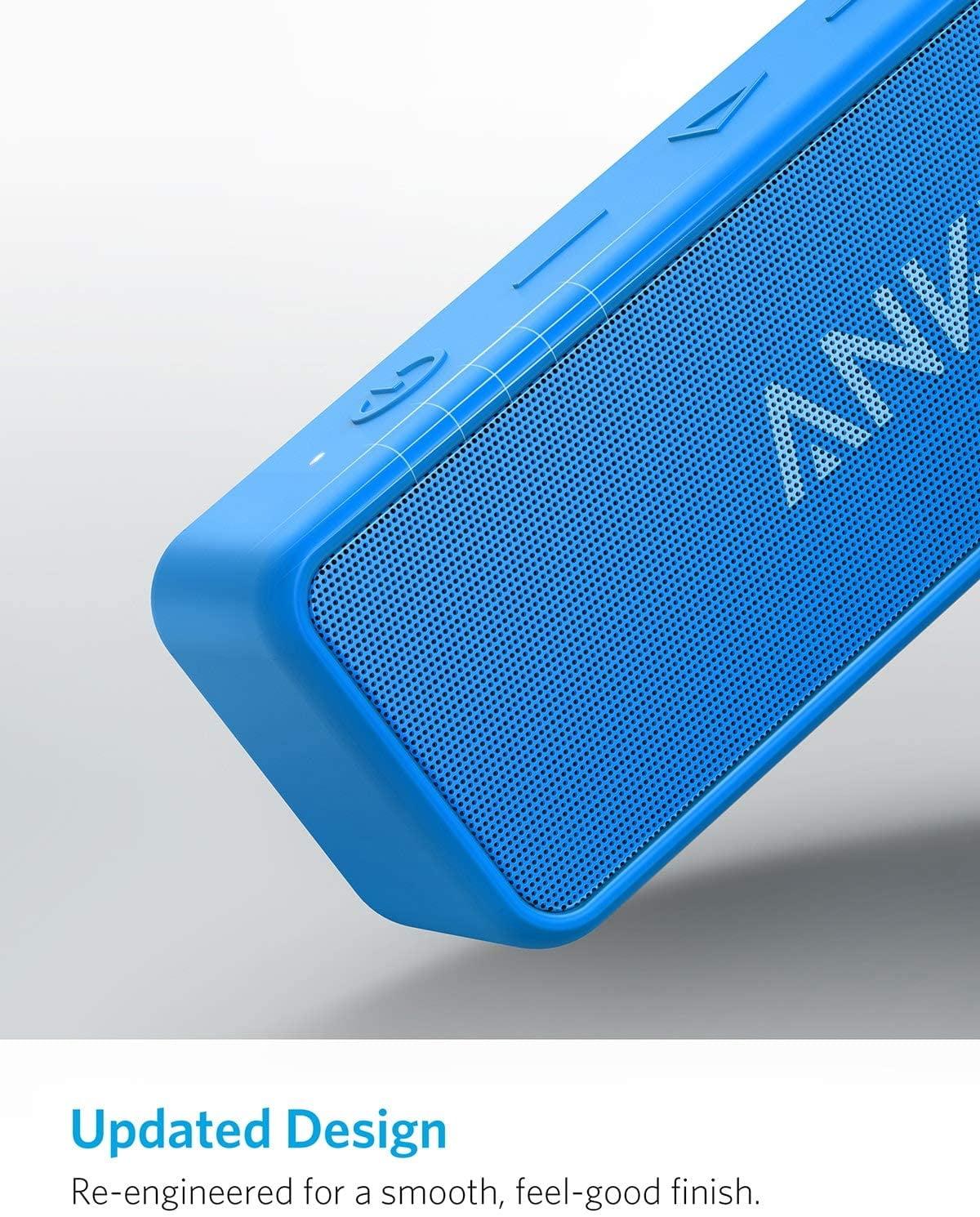
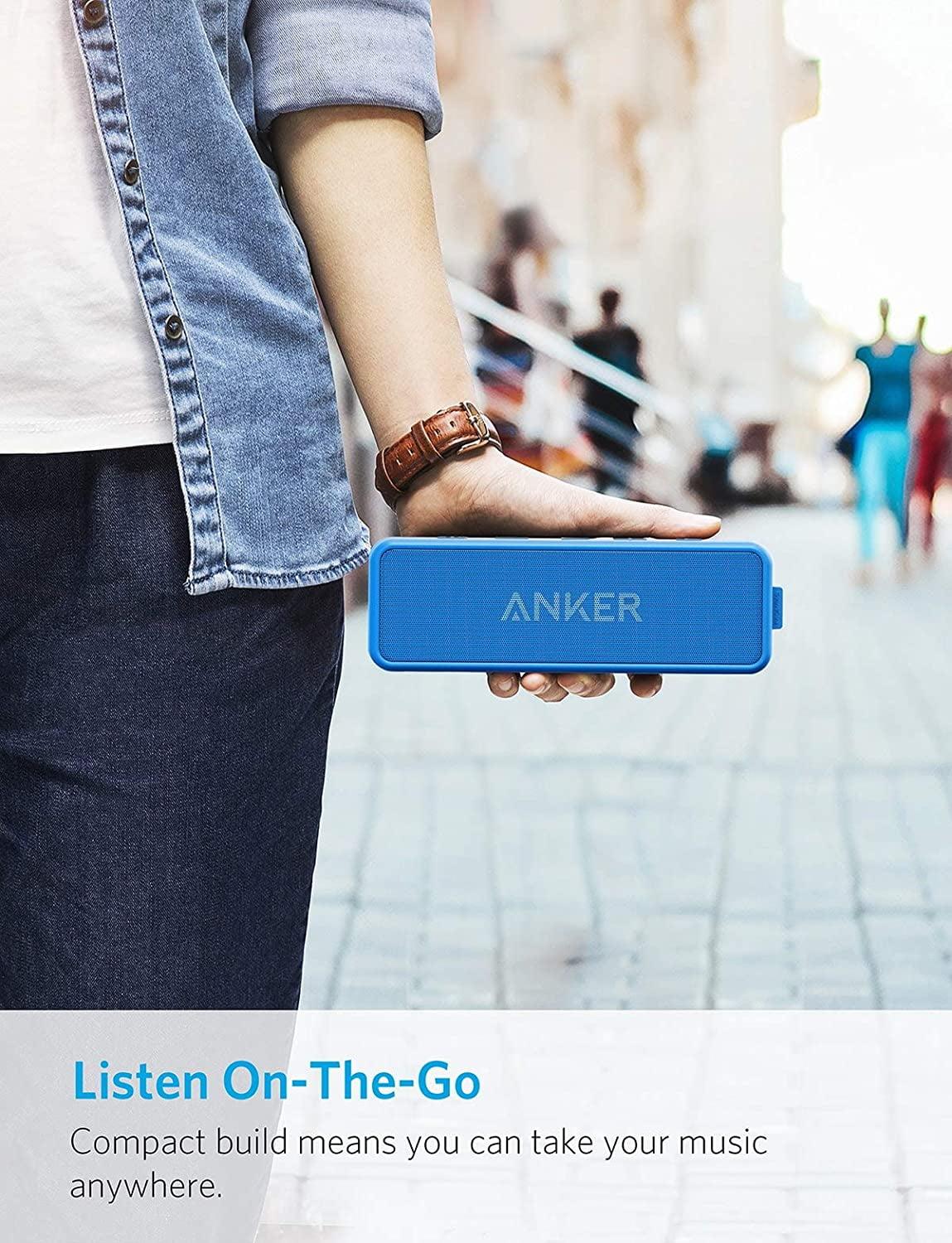
The Anker Soundcore 2, released in 2017, takes a different approach. Rather than pushing portability to the extreme, it accepts a larger footprint in exchange for significantly better audio performance and battery life. This represents Anker's broader philosophy of maximizing value through smart engineering choices.
The Soundcore 2 immediately announces its audio advantages through its stereo configuration. Two 6-watt drivers create true left-right separation, making music sound wider and more engaging. The total 12-watt power output is nearly three times higher than the JBL, which translates to both higher maximum volume and better dynamic range.
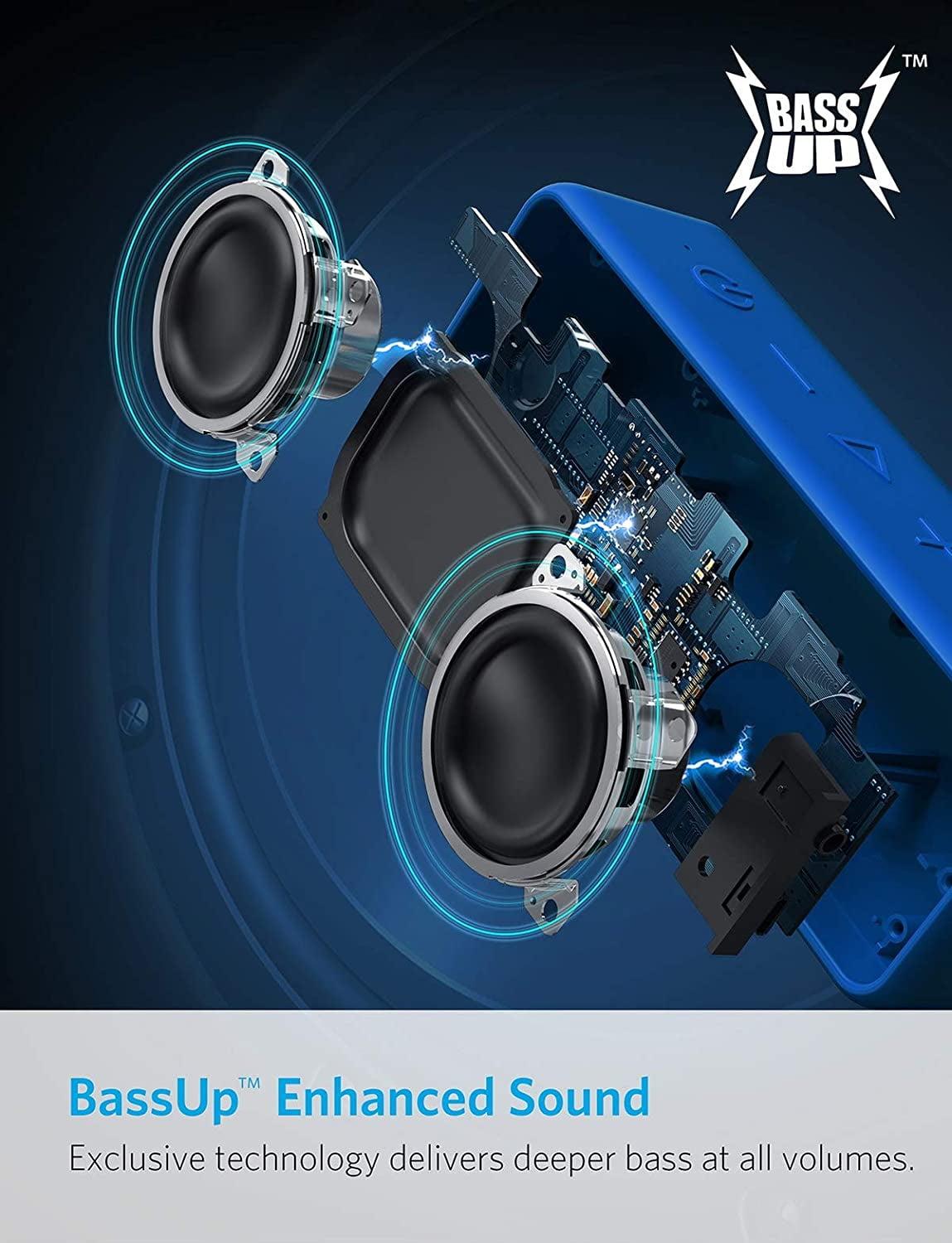
Anker's BassUp technology deserves special attention. This isn't just marketing speak – it's a real-time analysis system that identifies bass frequencies and enhances them through both digital processing and the speaker's physical design. Combined with the spiral bass port (a specially shaped opening that helps move air more efficiently), the result is significantly more impactful low-end response than you'd expect from a speaker this size.
The difference is immediately apparent when listening to bass-heavy genres. Hip-hop, electronic music, and rock all benefit from the Soundcore 2's ability to reproduce deeper frequencies with more authority. While it still can't match larger speakers for absolute bass depth, it covers enough of the frequency spectrum to make most music engaging.
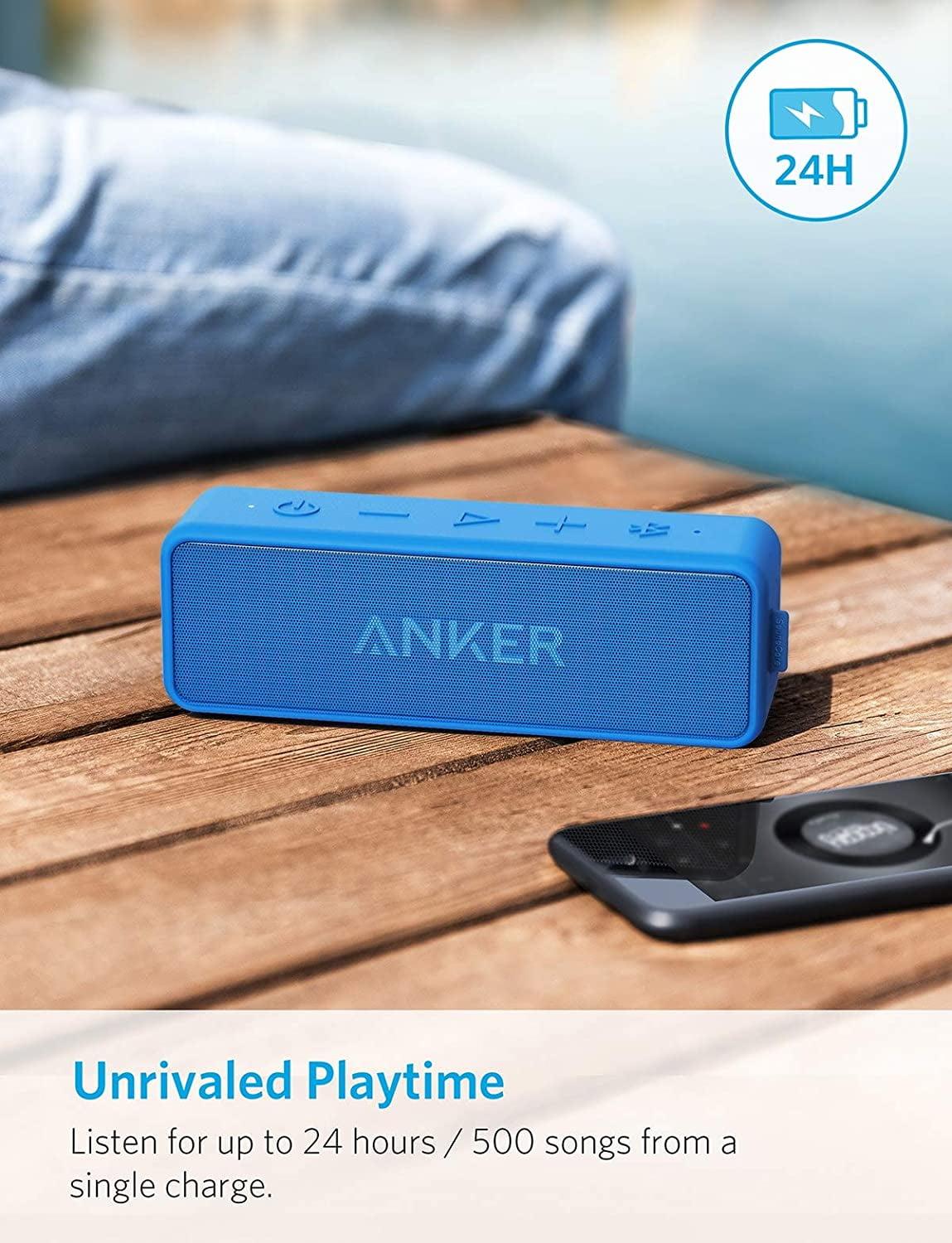
The Soundcore 2's 24-hour battery life isn't just better than the JBL – it's in a completely different category. This 5200mAh battery capacity eliminates the anxiety that comes with shorter-lived portable devices. Weekend camping trips, long days at the beach, or extended work sessions become possible without constantly monitoring battery levels.
This endurance comes from Anker's expertise in battery technology, developed through their dominant position in the portable charging market. The power management is efficient enough that the speaker can play at moderate volumes for genuinely close to the advertised duration.
Beyond raw performance, the Soundcore 2 includes several features that enhance daily usability. The 3.5mm auxiliary input provides a backup connection method when Bluetooth isn't ideal or when connecting to older devices. Voice assistant support through connected phones adds smart functionality without requiring built-in microphones and processors that would increase cost and complexity.
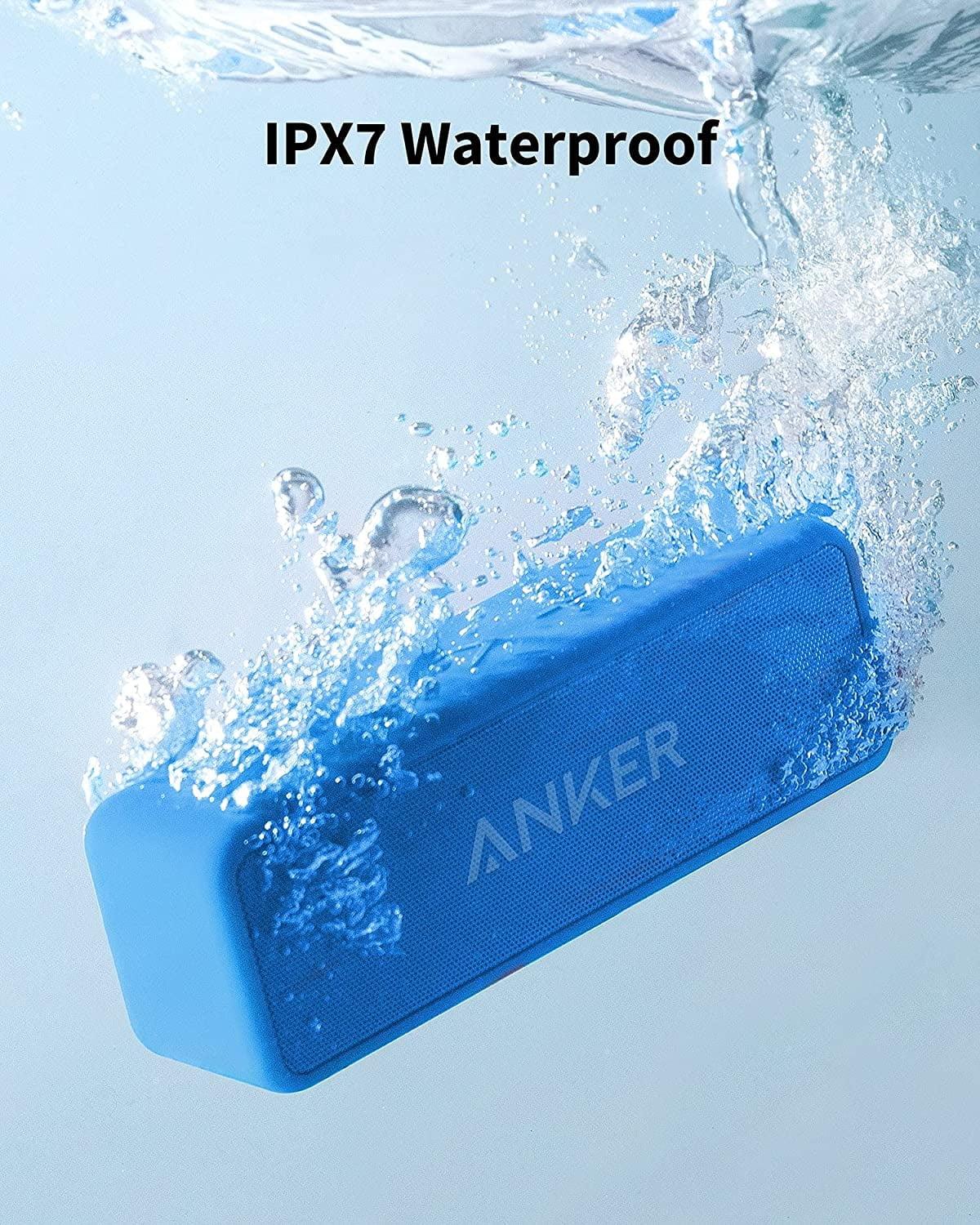
The IPX7 water resistance rating provides solid protection against spills and rain, though it lacks the dust protection of the JBL Go 3's IP67 rating. For most users, this difference won't matter, but those planning beach or desert adventures should consider the dust protection advantage.
In direct audio comparisons, the Anker Soundcore 2 delivers noticeably better sound quality across most metrics. The stereo imaging creates a wider, more engaging soundstage. The enhanced bass response makes music more satisfying, particularly for genres that rely on low-frequency impact. The higher power output provides both greater maximum volume and better dynamics at moderate listening levels.
The JBL Go 3 holds its own in vocal clarity and maintains cleaner sound at maximum volume, but these advantages don't overcome the fundamental benefits of the Anker's stereo configuration and more powerful drivers.
Neither speaker is designed for serious home theater use, but they can serve as convenient audio upgrades for laptops or tablets. The Soundcore 2's stereo sound provides better dialogue clarity and more engaging music for movies and shows. The longer battery life means fewer interruptions during binge-watching sessions. However, both speakers will struggle with the dynamic range demands of movie soundtracks – you'll miss the impact of explosions and the subtlety of quiet dialogue moments that proper home theater systems deliver.
While the Soundcore 2 wins on audio performance, the JBL Go 3 maintains significant advantages in portability scenarios. The size difference becomes meaningful when packing for travel or when space is at a premium. The integrated loop and superior water/dust protection make it more suitable for active outdoor use.
For urban commuting, backpacking, or situations where every ounce matters, the JBL's ultra-compact design provides genuine utility that the larger Anker can't match.
At the time of writing, both speakers typically sell within $5-10 of each other, making price less of a differentiating factor than it might initially appear. This price similarity makes the performance and feature differences more significant in the buying decision.
The Soundcore 2 provides substantially better value for pure audio performance. The combination of stereo sound, enhanced bass, longer battery life, and additional features creates a compelling package for most users. The audio improvements alone justify any small price premium.
However, value extends beyond raw specifications. For users who genuinely need maximum portability or superior environmental protection, the JBL Go 3's advantages become more valuable than the Anker's audio improvements.
Since these speakers' releases, the portable audio market has continued evolving. Newer models often feature improved Bluetooth codecs like aptX for better audio quality, USB-C charging has become standard, and battery technology continues improving. The JBL Go 3 benefits from being newer, incorporating USB-C and Bluetooth 5.1, while the Soundcore 2 uses the older Bluetooth 4.2 standard.
Despite using older connectivity standards, the Soundcore 2 remains competitive because audio fundamentals – driver quality, amplifier design, and acoustic engineering – matter more than connectivity specs for most users. The performance advantages come from physical design choices that newer Bluetooth versions can't overcome.
Prioritize maximum portability. If you frequently travel light, go backpacking, or need a speaker that genuinely fits in a pocket, the JBL's size advantage becomes crucial. The integrated loop and ultra-compact form factor provide real utility that larger speakers can't match.
Face harsh environments regularly. The IP67 rating's dust protection matters for beach use, desert camping, or construction sites. While both speakers handle water well, only the JBL provides comprehensive environmental protection.
Listen primarily to spoken content. For podcasts, audiobooks, or conference calls, the JBL's vocal clarity and mono configuration work perfectly well. The stereo advantages of the Anker matter less for non-musical content.
Don't mind frequent charging. If you typically use speakers for short sessions or have easy access to charging, the 5-hour battery life becomes less constraining.
Care about music quality. The stereo sound, enhanced bass, and higher power output create a significantly more engaging musical experience. If you plan to actually listen to music regularly, these advantages justify the slightly larger size.
Need extended battery life. For camping, long work days, or situations where charging isn't convenient, the 24-hour battery life provides genuine peace of mind and utility.
Want better overall value. The combination of audio performance, battery life, and features creates a more complete package for most users' needs.
Use speakers in stationary situations. For backyard gatherings, office use, or poolside listening where extreme portability isn't crucial, the Anker's performance advantages outweigh its size penalty.
Both the JBL Go 3 and Anker Soundcore 2 succeed in their intended roles, but they serve different priorities. The JBL maximizes portability and ruggedness, making it ideal for active lifestyles and situations where size constraints are paramount. The Anker optimizes for audio performance and battery life, creating a more versatile speaker for general use.
For most people, the Soundcore 2 provides better overall value. The audio improvements are immediately noticeable and enhance every listening session, while the extended battery life eliminates a common frustration with portable devices. Unless you specifically need the JBL's extreme portability or environmental protection, the Anker's performance advantages make it the more satisfying choice.
However, the JBL Go 3 serves a genuine niche. For travelers, hikers, and anyone who values portability above all else, its compromises become acceptable trade-offs for its unique advantages. The speaker market is large enough to support both approaches, and choosing between them comes down to honestly assessing your priorities and use cases.
The key is understanding that neither speaker tries to be everything to everyone. Both make deliberate compromises to excel in their chosen areas, and picking the right one requires understanding which compromises align with your needs.
| JBL Go 3 | Anker Soundcore 2 |
|---|---|
| Audio Configuration - Stereo vs mono dramatically affects music enjoyment | |
| Mono (single driver limits soundstage width) | True stereo (dual drivers create immersive left-right separation) |
| Power Output - Higher wattage means louder volume and better dynamics | |
| 4.2W (adequate for personal listening) | 12W (nearly 3x more power for room-filling sound) |
| Battery Life - Critical for outdoor activities and extended use | |
| 5 hours (requires frequent charging) | 24 hours (eliminates charging anxiety for multi-day trips) |
| Size & Weight - Portability vs performance trade-off | |
| 3.4" x 2.7" x 1.6", 0.46 lbs (ultra-compact, fits in palm) | Larger footprint, 0.7 lbs (still portable but prioritizes performance) |
| Water/Dust Protection - Environmental durability for outdoor use | |
| IP67 (fully waterproof AND dustproof) | IPX7 (waterproof only, no dust protection) |
| Bass Enhancement - Low-frequency response for music genres | |
| Limited by size (adequate for vocals, weak for bass-heavy music) | BassUp technology + spiral bass port (significantly better low-end) |
| Connectivity Options - Backup connection methods and compatibility | |
| Bluetooth 5.1 only (newer standard, better stability) | Bluetooth 4.2 + 3.5mm aux input (more connection flexibility) |
| Charging Port - Modern convenience and cable compatibility | |
| USB-C (universal modern standard) | Micro-USB (older standard, less convenient) |
| Smart Features - Voice assistant and hands-free functionality | |
| Basic controls only | Voice assistant support + built-in microphone for calls |
| Best Use Cases - Where each speaker excels | |
| Backpacking, beach trips, ultra-portable needs | Home use, camping, music-focused listening, extended sessions |
The Anker Soundcore 2 delivers significantly better sound quality with its stereo configuration, 12W power output, and BassUp technology. The JBL Go 3 uses a single 4.2W driver in mono, which limits soundstage width and bass response. For music listening, the Anker Soundcore 2 provides a more engaging and fuller sound experience.
The Anker Soundcore 2 offers exceptional 24-hour battery life, while the JBL Go 3 provides 5 hours of playback. This makes the Anker ideal for extended outdoor activities, camping trips, or long work sessions without worrying about charging. The JBL Go 3 requires more frequent charging but charges faster at 2.5 hours.
The JBL Go 3 is significantly more portable at just 0.46 lbs and ultra-compact dimensions that fit in your palm. It includes an integrated fabric loop for easy attachment to bags. The Anker Soundcore 2 is larger and heavier but still reasonably portable for most travel situations.
Both speakers offer water protection, but the JBL Go 3 provides superior environmental protection with IP67 rating (waterproof AND dustproof). The Anker Soundcore 2 has IPX7 rating (waterproof only). For beach use where sand and dust are concerns, the JBL Go 3 is the safer choice.
The Anker Soundcore 2 typically offers better overall value with its stereo sound, much longer battery life, and additional features like auxiliary input and voice assistant support. While both speakers are budget-friendly, the Soundcore 2 provides more performance per dollar for most users' needs.
Neither speaker is designed for serious home theater use, but the Anker Soundcore 2 works better as a TV audio upgrade due to its stereo sound and higher power output. The JBL Go 3 mono configuration isn't ideal for movie dialogue clarity. Both lack the dynamic range for true home theater experiences.
The Anker Soundcore 2 achieves higher maximum volume thanks to its 12W power output versus the JBL Go 3's 4.2W. The Anker can better fill rooms with sound, while the JBL is more suited for personal listening. However, the JBL Go 3 maintains cleaner sound quality at maximum volume.
The Anker Soundcore 2 delivers significantly better bass response through its BassUp technology and spiral bass port design. The JBL Go 3 has limited bass due to its ultra-compact size, making it less suitable for bass-heavy music genres like hip-hop or electronic music.
The Anker Soundcore 2 offers more connectivity flexibility with both Bluetooth 4.2 and a 3.5mm auxiliary input for wired connections. The JBL Go 3 uses only Bluetooth 5.1 (newer standard) but lacks auxiliary input options. The Anker also supports voice assistant functionality.
The JBL Go 3 offers superior durability with IP67 rating providing complete protection against water and dust. Its build quality feels more premium and rugged. The Anker Soundcore 2 has solid IPX7 water protection but lacks dust resistance, making the JBL Go 3 better for harsh outdoor environments.
This depends on your priorities. The JBL Go 3 excels in extreme portability and environmental protection, perfect for backpacking. The Anker Soundcore 2 is better for car camping or stationary outdoor use where its 24-hour battery life and superior sound quality shine through extended listening sessions.
For most everyday use cases, the Anker Soundcore 2 provides better overall satisfaction with its stereo sound, long battery life, and additional features. Choose the JBL Go 3 if you prioritize maximum portability, need superior environmental protection, or primarily listen to podcasts and spoken content rather than music.
We've done our best to create useful and informative comparisons to help you decide what product to buy. Our research uses advanced automated methods to create this comparison and perfection is not possible - please contact us for corrections or questions. These are the sites we've researched in the creation of this article: rtings.com - streamtechreviews.com - english.achoreviews.com - smarthomesounds.co.uk - soundguys.com - rtings.com - walmart.com - soundguys.com - youtube.com - youtube.com - jbl.com - youtube.com - selectoguru.com - versus.com - videoandaudiocenter.com - harmanaudio.com - jbl.com - bestbuy.com - forum.hifiguides.com - manuals.plus - kh.jbl.com - th.jbl.com - mm.jbl.com - jbl.com - bestbuy.com - youtube.com - youtube.com - youtube.com - jbl.com - bestbuy.com - bestbuy.com - jbl.com.tw - youtube.com - community.anker.com - forums.androidcentral.com - community.anker.com - youtube.com - community.anker.com - community.anker.com - wirelessplace.com - cnet.com - youtube.com - walmart.com - us.ankerwork.com - support.soundcore.com

Privacy Policy
Terms and Conditions - Affiliate Policy
Home Security
© Copyright 2008-2026.
11816 Inwood Rd #1211, Dallas, TX 75244