






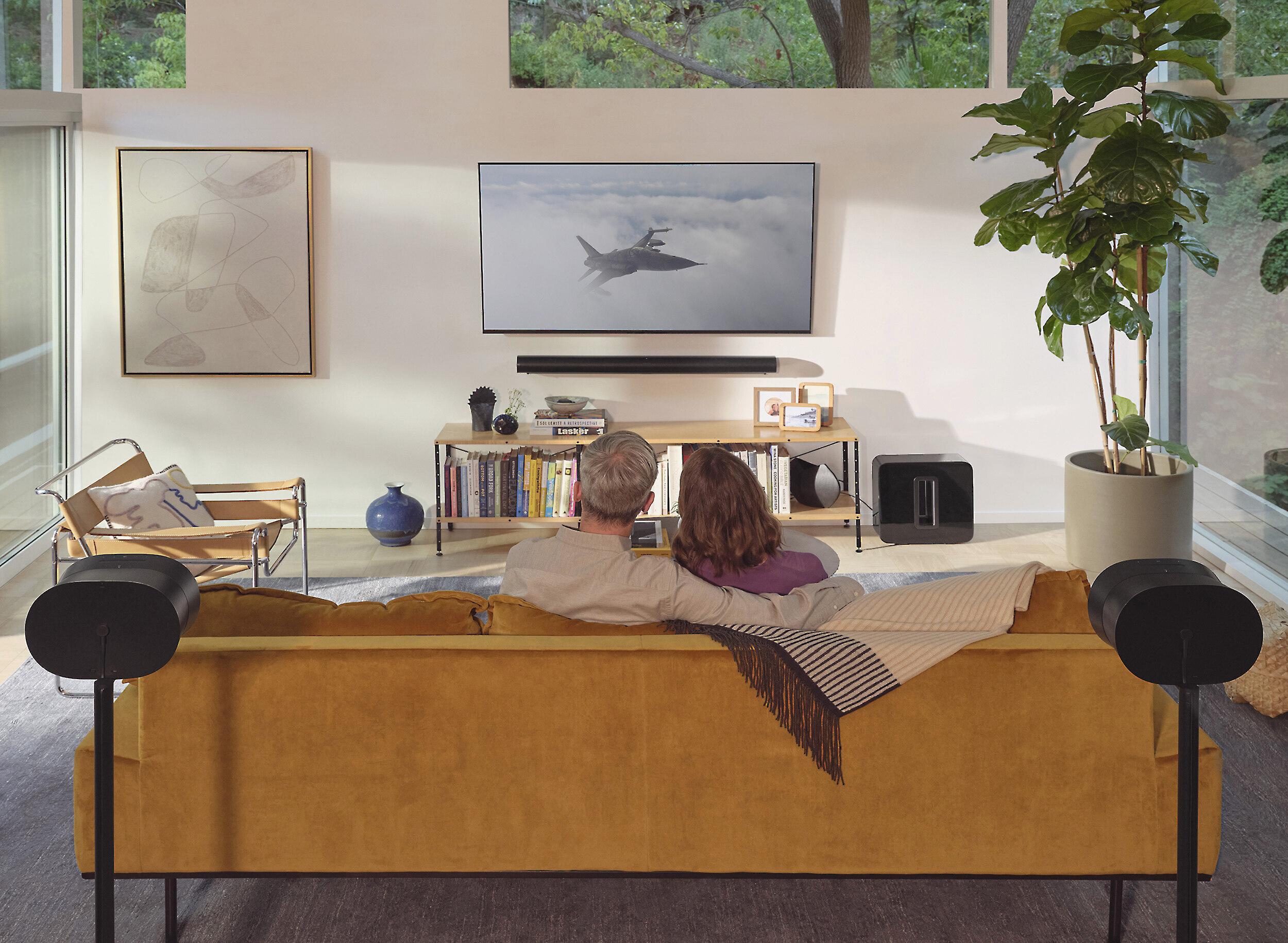
When you're shopping for speakers, you might find yourself comparing products that seem worlds apart—and that's exactly what happens with the JBL Go 3 and Sonos Era 300. These speakers represent two completely different philosophies: take your music anywhere versus create the perfect listening room. Understanding which approach fits your lifestyle can save you from buyer's remorse and help you get the most value from your purchase.
The speaker market splits into distinct categories, each serving different needs. Portable Bluetooth speakers like the JBL Go 3 prioritize convenience, durability, and battery life over pure sound quality. They're designed to be your musical companion whether you're at the beach, hiking a trail, or hanging out in your dorm room.
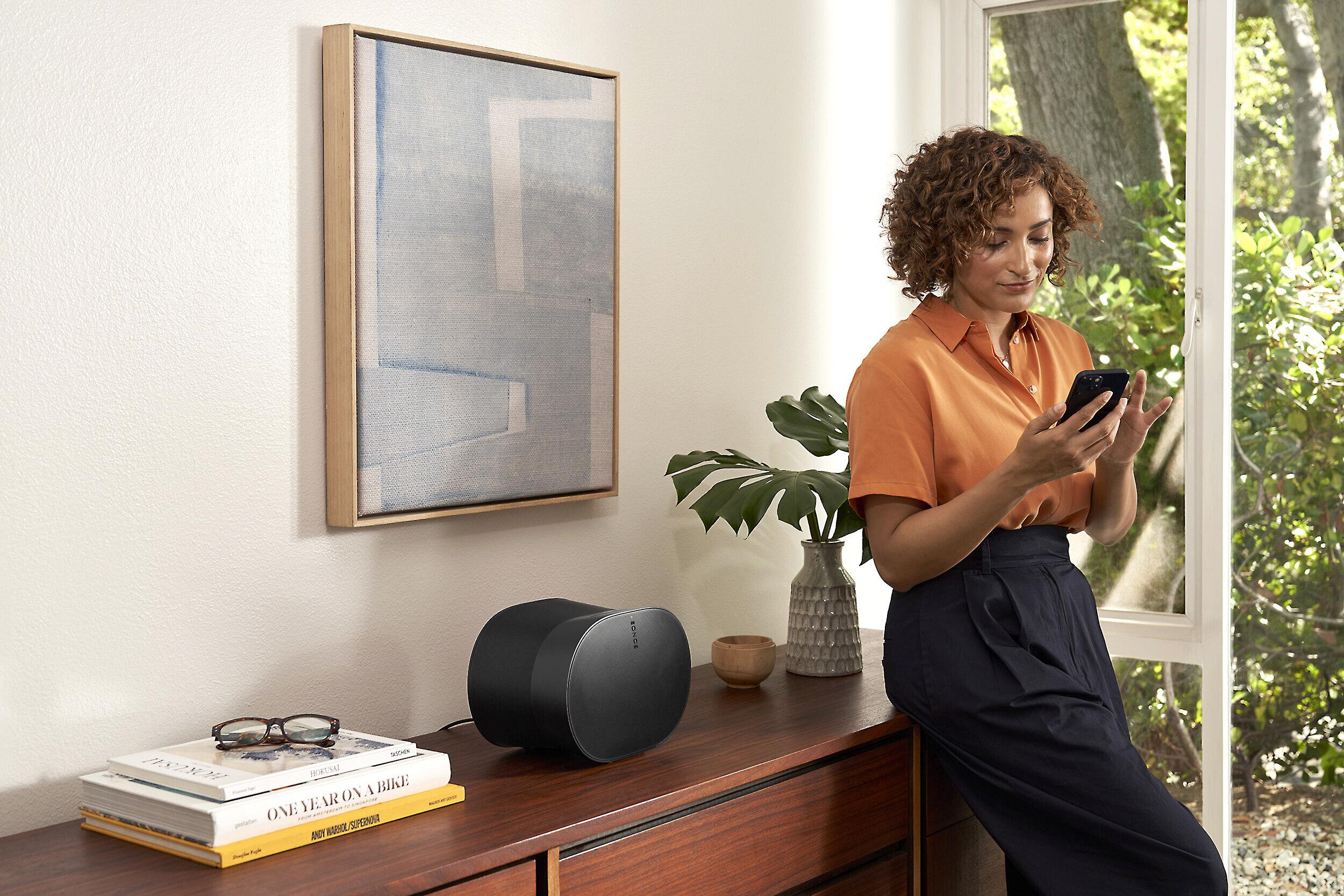
Premium home speakers like the Sonos Era 300 take the opposite approach. They assume you have a power outlet, a dedicated listening space, and the patience to set up a more complex system. In return, they deliver audio experiences that portable speakers simply can't match.
At the time of writing, these products sit in vastly different price ranges—the JBL Go 3 costs roughly what you might spend on a nice dinner, while the Sonos Era 300 represents a significant investment in your home audio setup. This price difference reflects their different missions and the technology packed inside.
The JBL Go 3 packs a 43x47mm driver powered by 4.2 watts RMS (Root Mean Square—this measures continuous power output rather than peak power, giving you a more realistic idea of performance). For context, that's about the same power as a smartphone speaker but in a much better acoustic package.
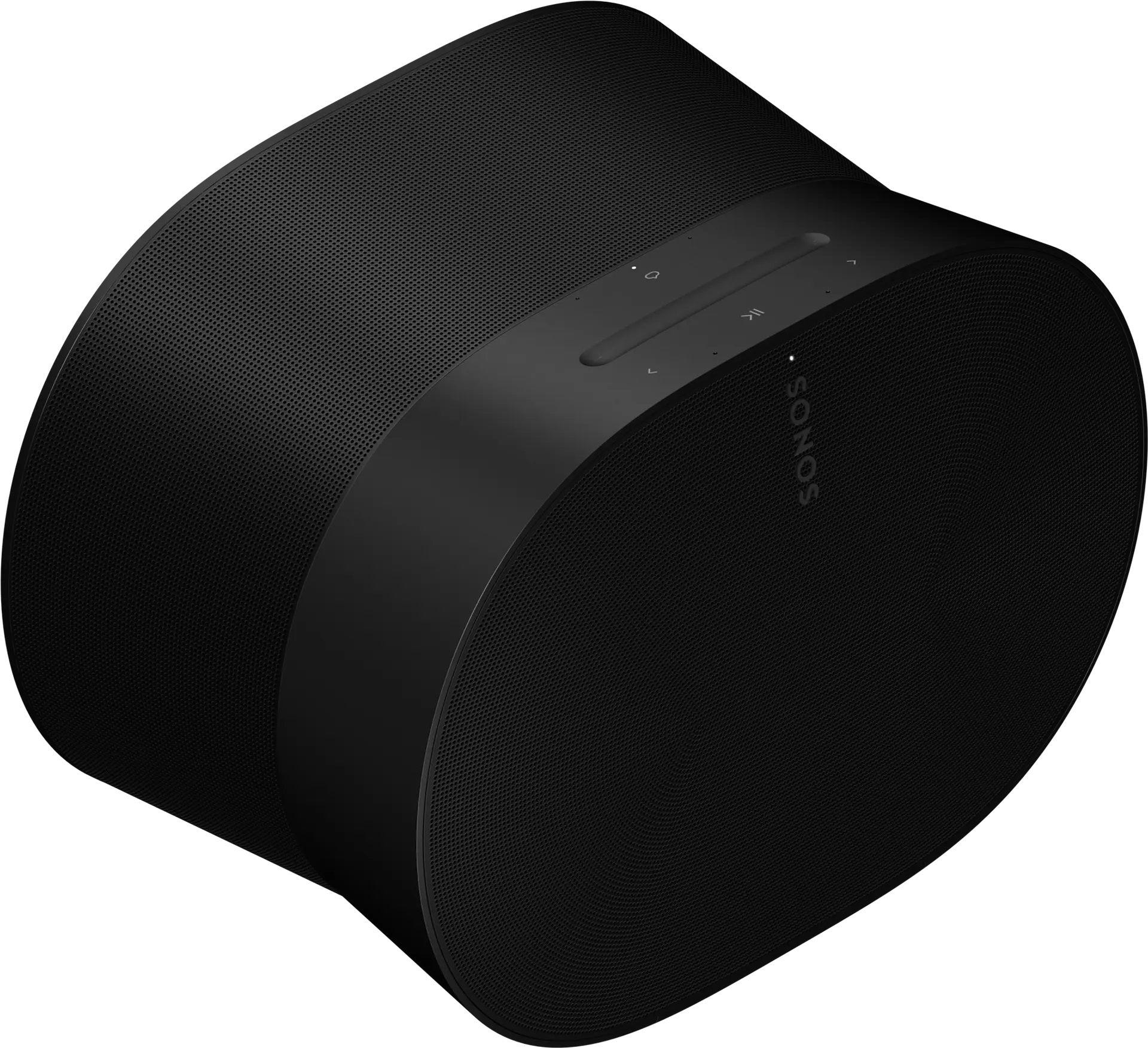
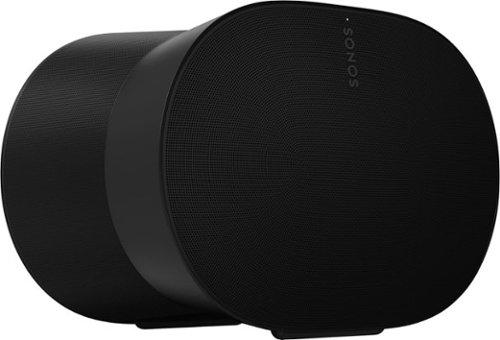
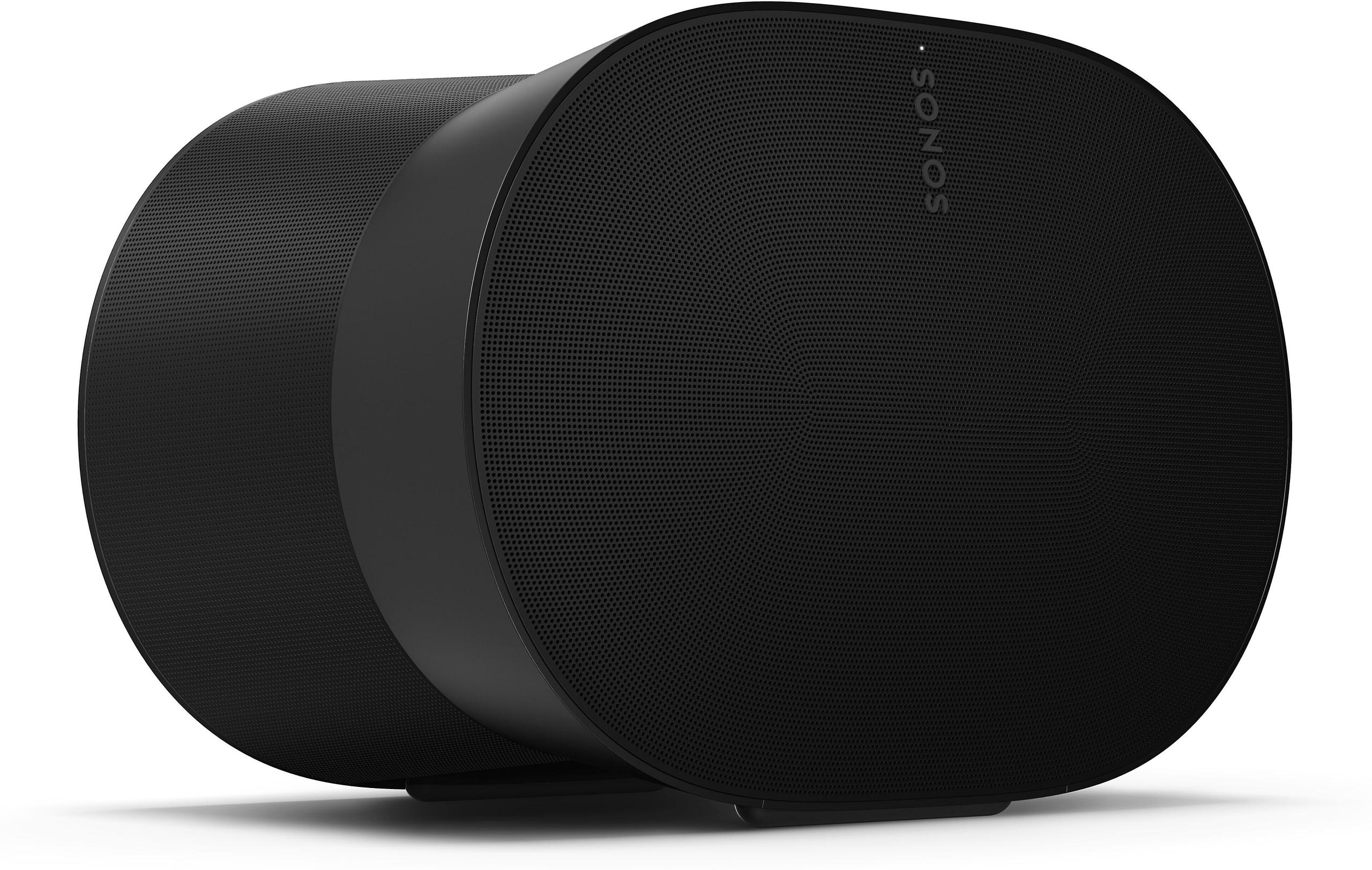
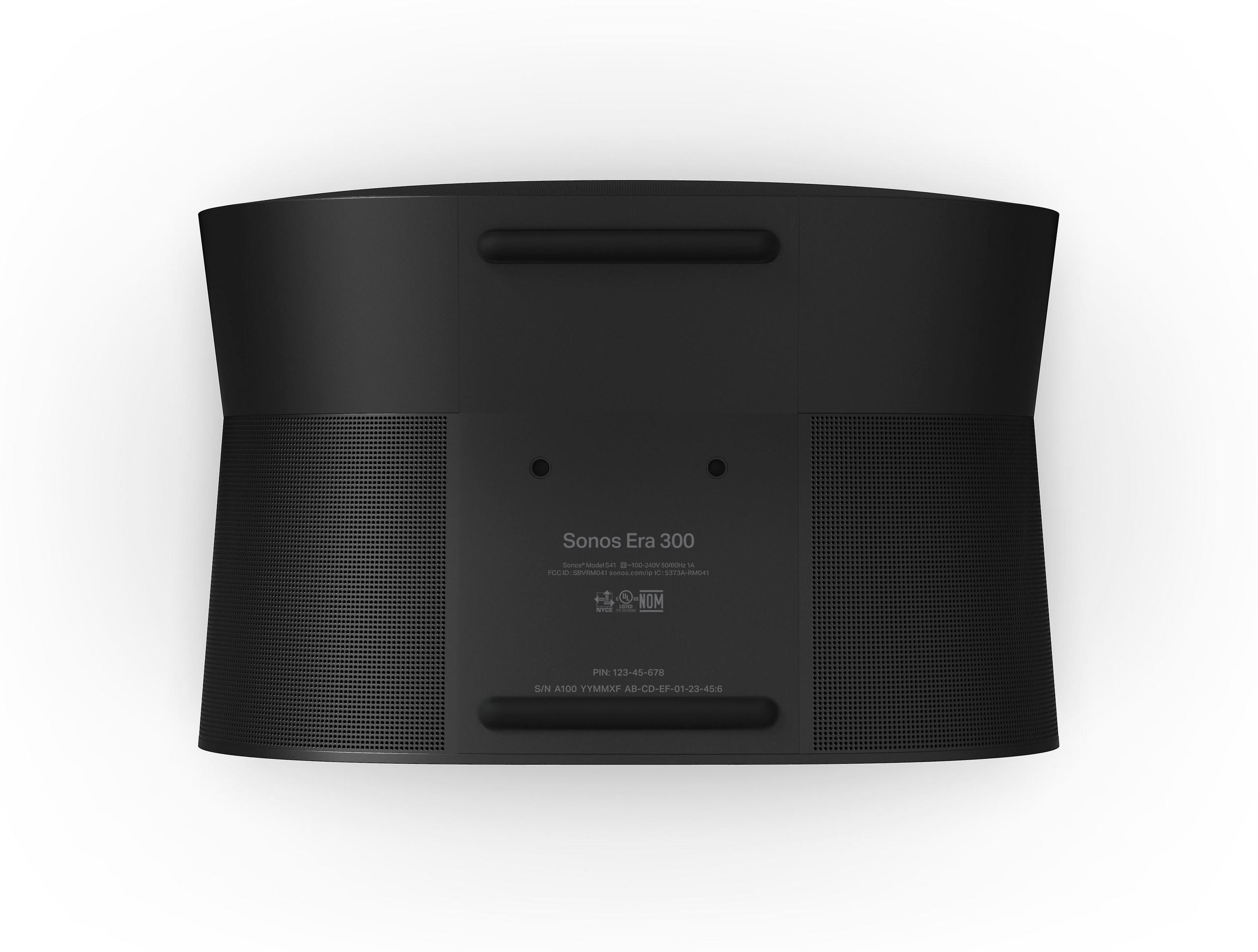
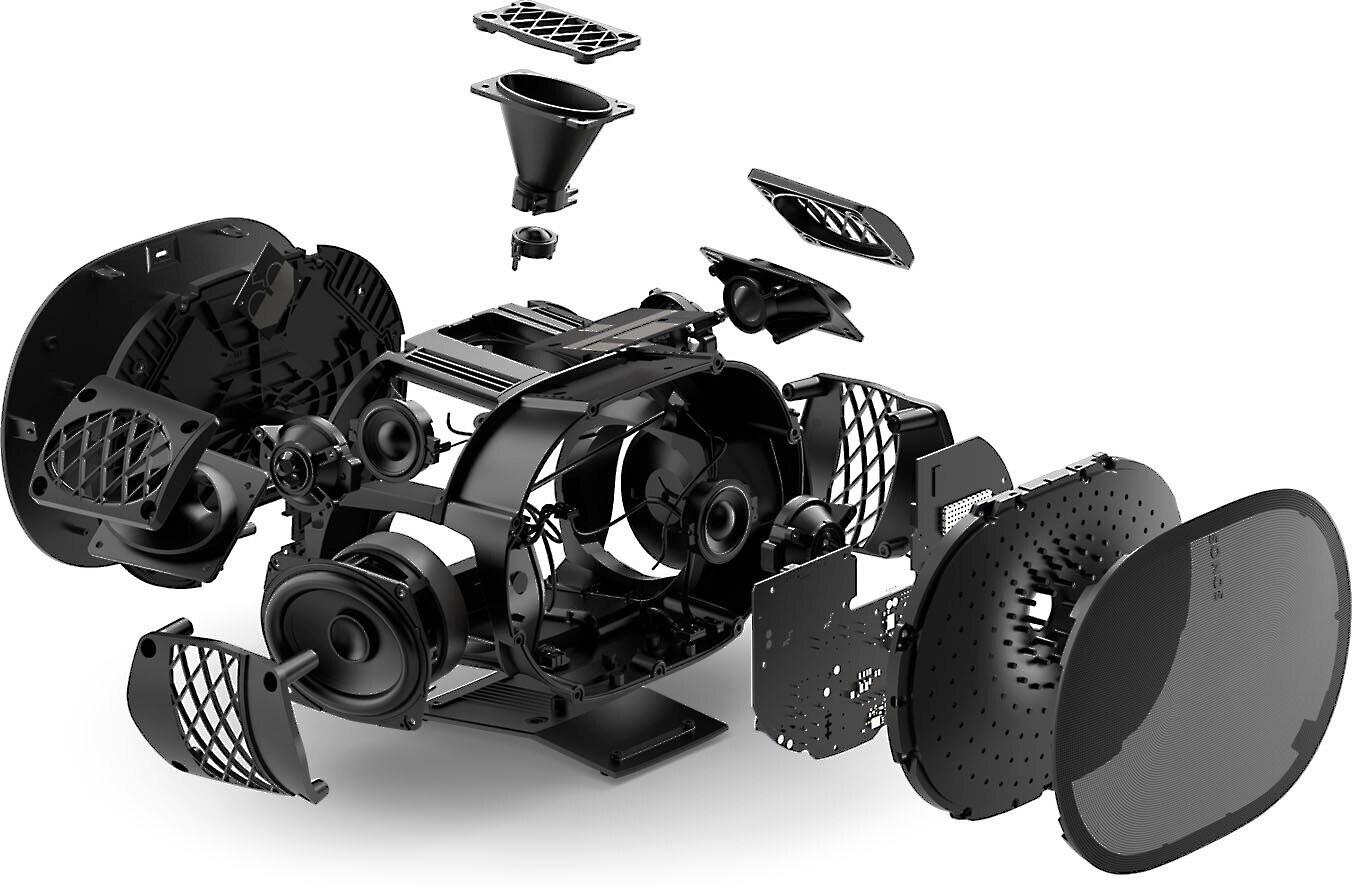
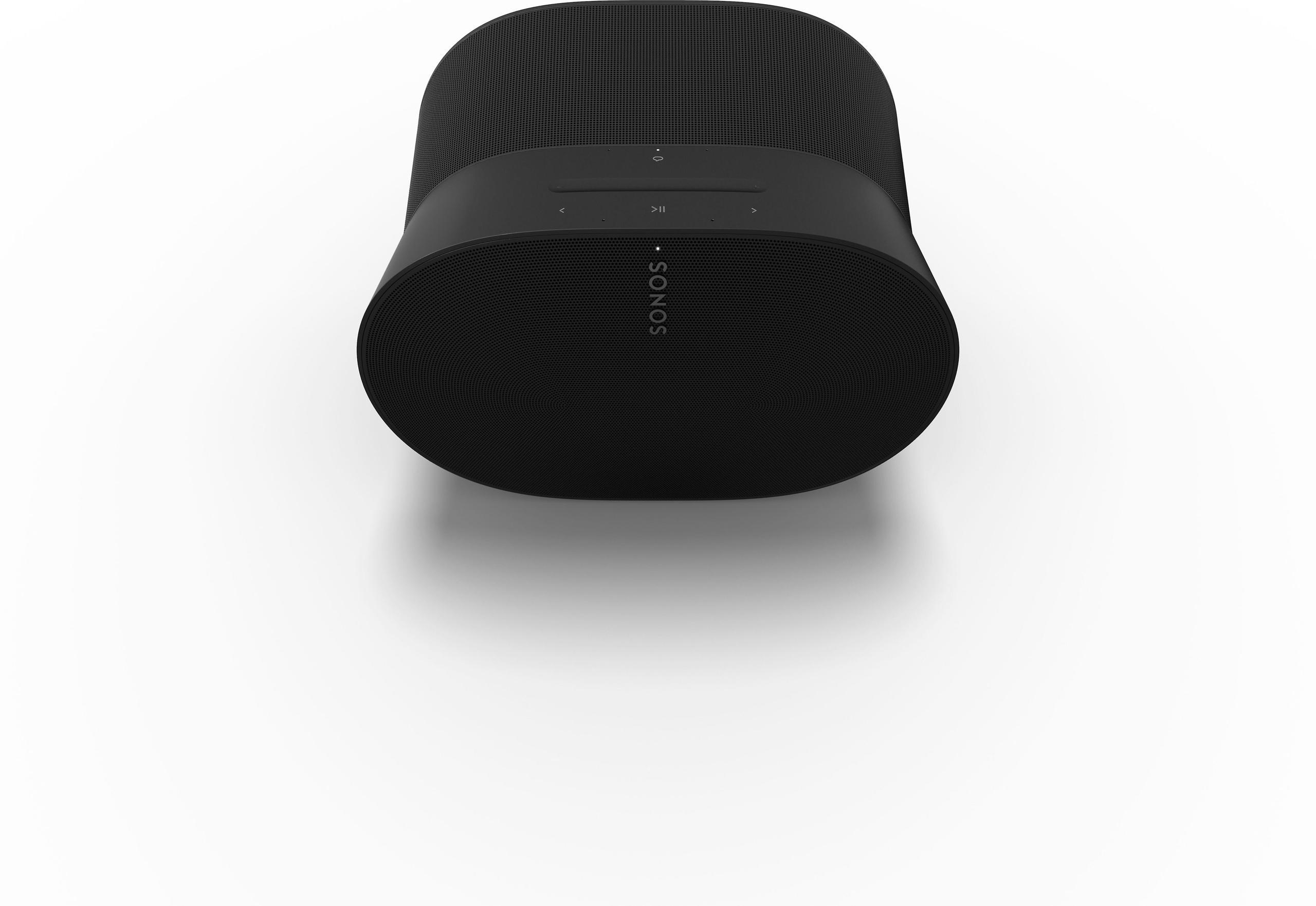
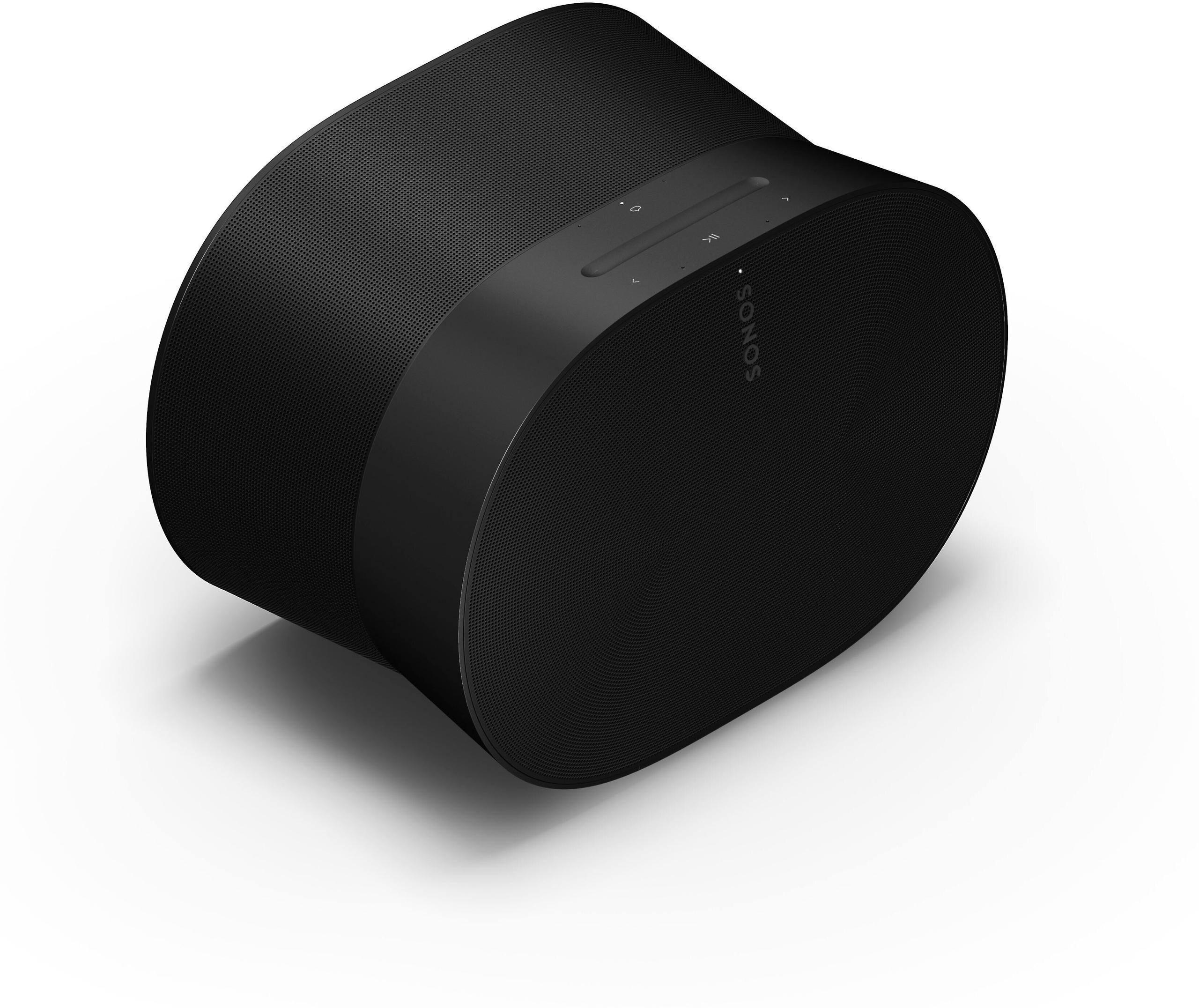
The Sonos Era 300, released in 2023, represents a completely different beast. It uses six separate drivers—four tweeters and two woofers—each powered by its own dedicated amplifier. This multi-driver approach allows for something called spatial audio, where different sounds can be placed at specific locations around you rather than just coming from a single point.
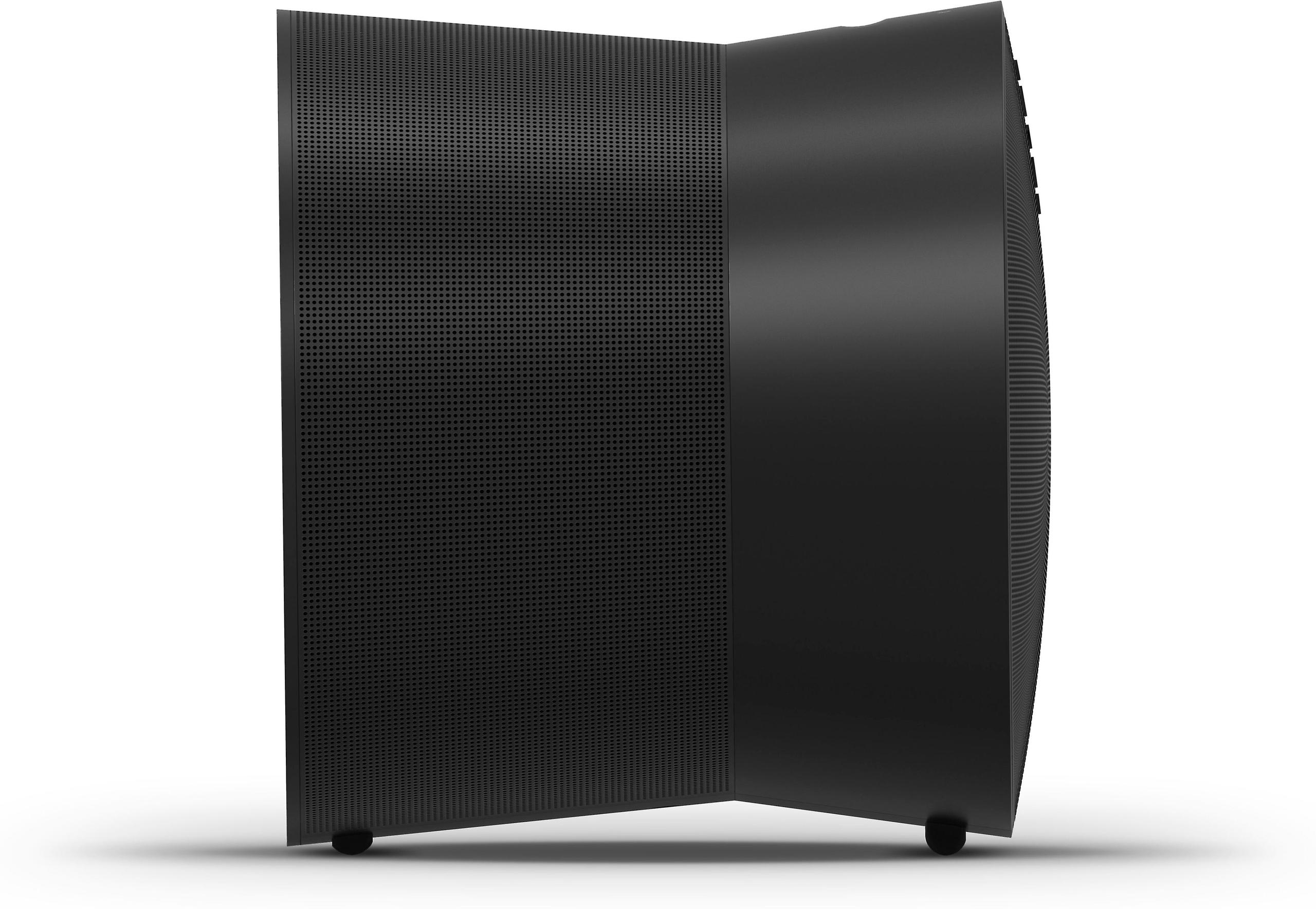
The tweeter arrangement is particularly clever: one fires upward for overhead effects in Dolby Atmos content (think helicopter sounds passing overhead in movies), two fire sideways for stereo separation, and one fires forward for the main audio. The two side-firing woofers handle the low-end frequencies that give music its punch and weight.
Frequency response tells you which sounds a speaker can reproduce, measured in Hertz (Hz). Human hearing typically ranges from 20Hz to 20,000Hz, though most people lose some high-frequency hearing as they age.
The JBL Go 3 covers 110Hz to 20kHz. That 110Hz low-end means it's missing the deepest bass frequencies—you won't feel that rumbling sub-bass that makes electronic music and movie explosions visceral. However, for a speaker this small, maintaining clarity in the midrange (where voices live) is more important than trying to reproduce bass it physically cannot handle well.
The Sonos Era 300 doesn't publish specific frequency response numbers, but its larger woofers and sophisticated digital processing allow it to dig much deeper into bass territory while maintaining exceptional clarity across the entire frequency spectrum. Our research into professional reviews consistently shows it delivers surprisingly robust bass for its size, along with detailed highs and natural-sounding midrange.
The JBL Go 3 uses Bluetooth 5.1, which offers several improvements over older Bluetooth versions. It provides better connection stability, lower power consumption, and reduced audio latency. The A2DP 1.3 and AVRCP 1.6 profiles ensure compatibility with virtually any phone, tablet, or laptop from the past decade.
However, Bluetooth does compress your audio. Even with modern codecs, you're not getting the full quality of your original music files. For most casual listening, this compression is barely noticeable, but audiophiles will prefer wired or higher-quality wireless connections.
The Sonos Era 300 offers multiple connection options. Its WiFi 6 capability allows for uncompressed, high-resolution audio streaming. WiFi 6 also provides better performance in environments with many connected devices—crucial for smart homes. The speaker additionally supports Bluetooth 5.3, Apple AirPlay 2, and can accept wired inputs through adapters.
This flexibility matters because different sources sound different. Streaming Spotify through Bluetooth will sound noticeably inferior to the same track streamed via WiFi from a high-quality service like Tidal or Apple Music Lossless.
The Sonos Era 300 supports Dolby Atmos, a technology that treats sound as objects in three-dimensional space rather than just left and right channels. Traditional stereo can make instruments appear to come from anywhere along a line between your left and right speakers. Dolby Atmos can place sounds above, behind, and around you.
This isn't just marketing fluff. When listening to properly mixed Atmos content—whether it's a movie soundtrack or music specifically mastered for spatial audio—the effect is genuinely immersive. Instruments can appear to float in specific locations around your room, creating a sense of being inside the recording rather than just listening to it.
The JBL Go 3, being a mono speaker, obviously can't create this effect. However, JBL's Pro Sound tuning does something clever within its limitations. Rather than trying to reproduce bass it can't handle well, it focuses on clarity in the frequency ranges where small speakers excel: vocals, guitars, and most instrumental music.
Bass reproduction is where physics becomes the enemy of portable speakers. Low-frequency sounds require moving a lot of air, which typically demands large drivers and substantial power. The JBL Go 3's small driver can't move much air, so deep bass is physically impossible.
Instead, JBL tunes the Go 3 with slightly elevated midbass—frequencies around 100-200Hz. This gives music some warmth and body without the muddiness that often results when small speakers attempt true deep bass. It's a smart compromise that keeps music enjoyable rather than thin and tinny.
The Sonos Era 300's dual side-firing woofers can move significantly more air. Professional reviews consistently praise its bass response as surprisingly robust for a speaker of its size. The sophisticated digital signal processing also prevents the woofers from overextending, maintaining clarity even at high volumes.
Soundstage describes how wide and deep music sounds—whether instruments seem spread across a wide panorama or crammed together in a small space. The JBL Go 3, being mono, creates no soundstage. All sound appears to come from the speaker itself, though the clear midrange helps individual instruments remain distinguishable.
The Sonos Era 300 excels here. Its multi-driver array creates an exceptionally wide soundstage that extends well beyond the physical boundaries of the speaker. Instruments appear separated in space, and the overall presentation sounds much larger than the speaker itself. This is partly due to the side-firing drivers, which reflect sound off your walls to create a more enveloping experience.
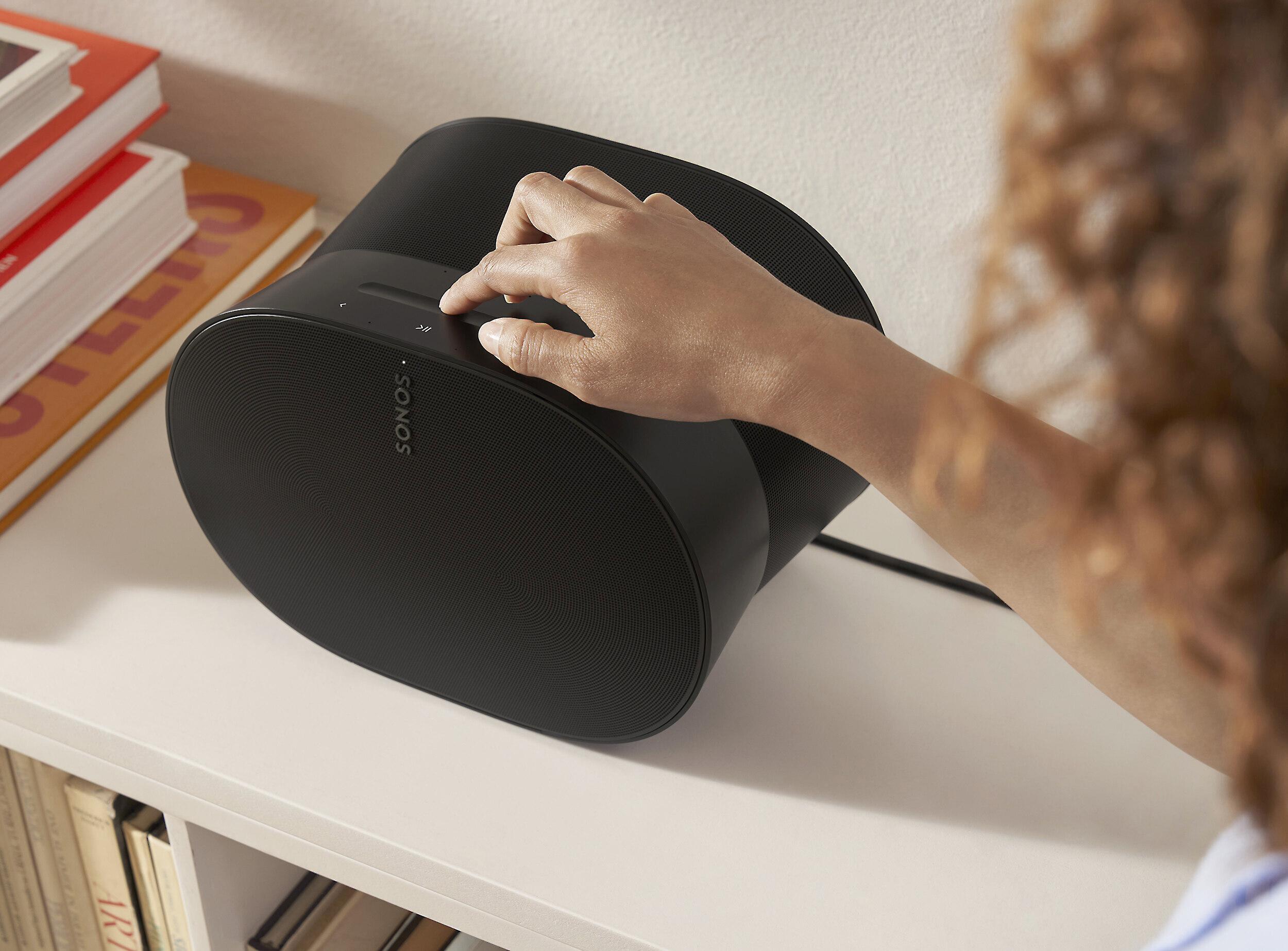
The Sonos Era 300 includes sophisticated microphone arrays for both voice control and automatic room tuning. Trueplay room correction uses these microphones to analyze your room's acoustics, then adjusts the speaker's output to compensate for acoustic problems like overly reflective surfaces or bass buildup in corners.
This technology makes a real difference. A speaker that sounds boomy in one room might sound perfectly balanced in another due to room acoustics. Trueplay eliminates much of this variation, ensuring consistent performance regardless of placement.
The JBL Go 3 has no microphones, no room correction, and no smart features. This simplicity is actually a feature for many users—it pairs instantly via Bluetooth and plays music without requiring apps, accounts, or complex setup procedures.
One of the Sonos Era 300's biggest advantages is its integration with the broader Sonos ecosystem. You can synchronize playback across multiple Sonos speakers throughout your home, creating a whole-house audio system. The Era 300 also serves as rear surround speakers when paired with Sonos soundbars like the Arc or Beam, creating a full home theater system.
This expandability transforms the Era 300 from just a speaker into part of a comprehensive audio strategy. Start with one speaker, then add others over time to build a complete system.
The JBL Go 3 is entirely self-contained. It doesn't support multi-speaker pairing or any form of system integration. This limitation keeps it simple but also limits its long-term utility as your audio needs evolve.
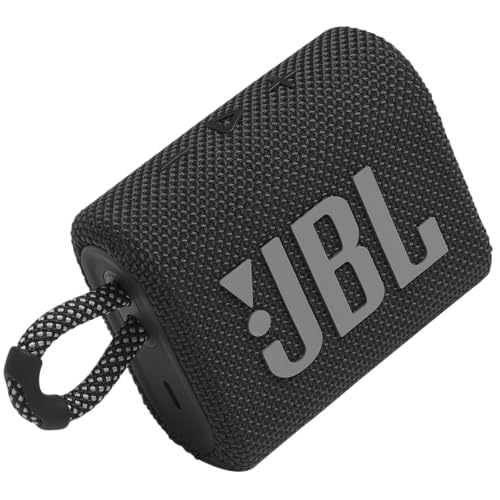
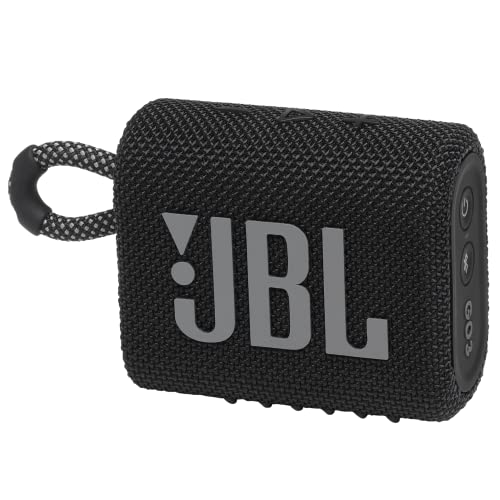
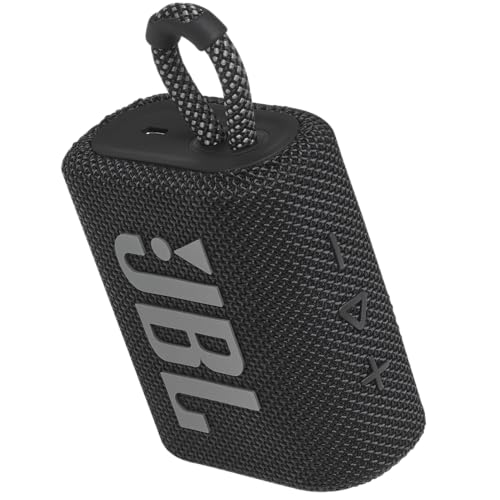
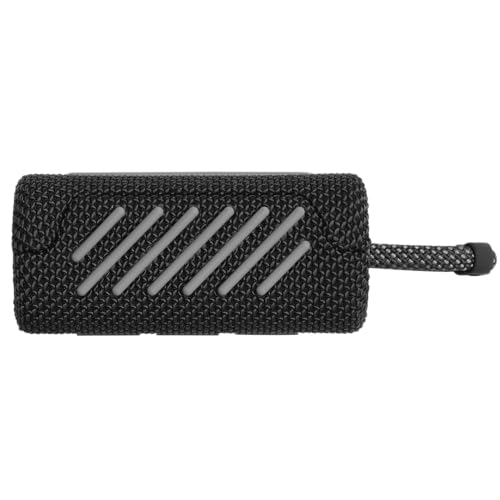
The JBL Go 3 earned its IP67 rating through careful engineering. IP67 means it's completely dustproof and can survive submersion in up to one meter of water for 30 minutes. The tight fabric mesh and rubberized construction protect the internal components from environmental hazards.
This durability extends beyond water resistance. The compact, rounded design with no protruding parts means it can handle drops and rough treatment that would damage more delicate speakers. The integrated fabric loop isn't just convenient—it's a smart design feature that prevents accidental drops when carrying the speaker.
The Sonos Era 300 prioritizes different kinds of durability. Its matte finish resists fingerprints and scratches, and the build quality feels substantial. However, it's designed for indoor use in controlled environments. Moisture, dust, or temperature extremes could damage its sophisticated electronics.
Battery life claims always come with caveats, and the JBL Go 3's five-hour rating is no exception. Real-world performance varies significantly based on volume levels and music content. Bass-heavy music at high volumes can reduce battery life to three hours or less, while classical music at moderate volumes might exceed the rated duration.
The 2.5-hour charging time via USB-C is reasonable for the battery capacity. USB-C is a significant advantage over older micro-USB ports—it's reversible, more durable, and increasingly universal.
The Sonos Era 300 requires constant AC power, which eliminates battery anxiety but limits placement options. However, it draws minimal power when idle (under two watts) and includes smart sleep functions to reduce consumption when not actively playing audio.
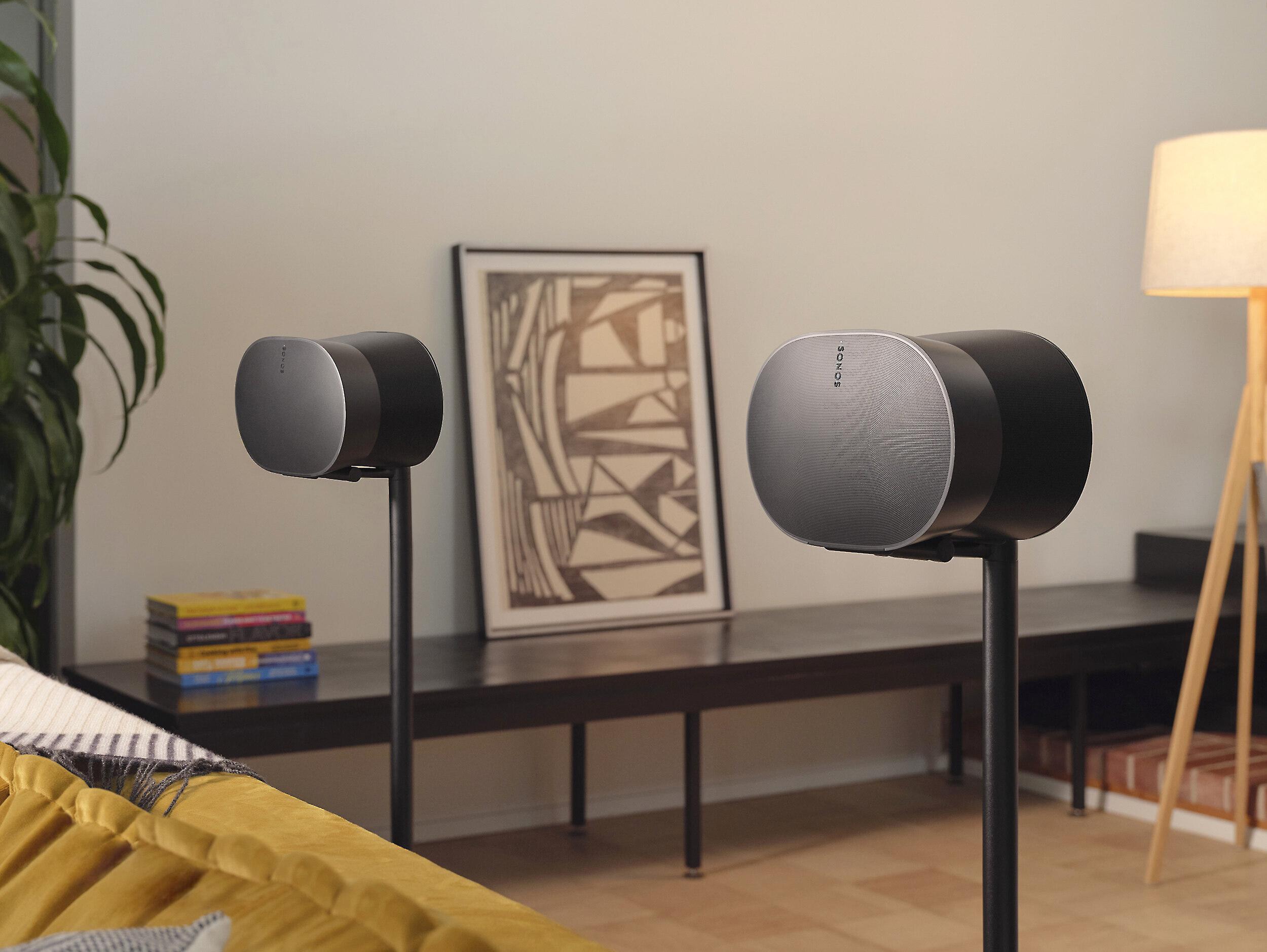
The Sonos Era 300 represents Sonos's first speaker capable of true multichannel surround sound as rear speakers in a home theater setup. When paired with a Sonos Arc or Beam Gen 2 soundbar, two Era 300s create a complete Dolby Atmos system that can reproduce overhead sound effects and create genuine surround sound immersion.
This capability matters more than you might expect. Most "surround sound" setups using traditional stereo speakers as rears can only approximate surround effects. The Era 300's upward-firing drivers can reproduce actual overhead audio objects, making helicopter flyovers, rain, and ambient effects sound convincingly three-dimensional.
The JBL Go 3 obviously can't participate in home theater setups, though its clear midrange makes it decent for casual TV audio when larger speakers aren't practical.
At the time of writing, the JBL Go 3 costs less than a typical night out, while the Sonos Era 300 represents a significant audio investment. This price difference reflects fundamentally different design priorities and target markets.
The Go 3 delivers exceptional value in its category. You get reliable JBL sound quality, genuine weatherproofing, and the convenience of true portability. For casual listening, outdoor activities, or as a backup speaker, it's hard to find better value.
The Era 300 commands premium pricing but delivers premium performance. The spatial audio capabilities, sophisticated room correction, and ecosystem integration justify the cost for users who prioritize audio quality and smart home features.
The JBL Go 3 will eventually need battery replacement, though JBL's reputation suggests it should provide several years of reliable service. Its simple design means fewer potential failure points.
The Sonos Era 300 represents a longer-term investment. Sonos has an excellent track record of supporting older products with software updates, meaning your speaker should remain compatible with new services and features for many years. The more complex electronics do introduce more potential failure points, but the build quality appears robust.
You need genuine portability and can't be tied to power outlets. If your listening happens across multiple locations—beach trips, dorm rooms, hotel stays, hiking—the Go 3 becomes indispensable. Its weatherproofing and simple operation make it ideal for active lifestyles.
The Go 3 also makes sense as a secondary speaker. Even if you have a premium home audio system, having a reliable portable speaker for specific situations provides flexibility that larger speakers can't match.
Budget-conscious buyers who still want recognizable brand quality should consider the Go 3. It represents JBL's engineering expertise applied to the ultra-portable category, delivering better performance than generic alternatives at a reasonable price.
You prioritize audio quality and have a dedicated listening space to optimize. The Era 300 truly shines when it can leverage room acoustics and advanced processing to create immersive soundscapes.
Smart home enthusiasts will appreciate the Era 300's integration capabilities. If you're building or expanding a connected home, having audio that integrates seamlessly with voice assistants and other smart devices adds significant convenience.
Home theater enthusiasts should seriously consider the Era 300, especially if they already own or plan to purchase a Sonos soundbar. The ability to create true Dolby Atmos surround sound with matching speakers provides a more cohesive experience than mixing brands.
These speakers serve entirely different needs, and both excel in their intended roles. The JBL Go 3 proves that portable doesn't have to mean poor quality, while the Sonos Era 300 demonstrates how sophisticated engineering can create truly immersive audio experiences.
Your choice should align with how and where you actually listen to music. If you're constantly on the move, need weatherproof reliability, or want simple plug-and-play operation, the portability and durability of the Go 3 provide unmatched value.
If you have a dedicated listening space, appreciate advanced audio technology, and want a speaker that can grow with your needs through ecosystem expansion, the Sonos Era 300 justifies its premium pricing through superior performance and sophisticated features.
Neither speaker is objectively better—they're optimized for different priorities. Understanding your own listening habits and preferences will guide you to the right choice for your specific situation.
| JBL Go 3 Portable Bluetooth Speaker | Sonos Era 300 Speaker |
|---|---|
| Size & Weight - Critical for portability vs room-filling sound | |
| Ultra-compact: 3.4" x 2.7" x 1.6", 0.46 lbs | Large stationary: 10.24" x 6.3" x 7.28", 9.85 lbs |
| Audio Configuration - Determines sound quality and spatial capabilities | |
| Single 43x47mm driver, mono sound, 4.2W RMS | Six drivers (4 tweeters, 2 woofers) with dedicated amplifiers |
| Frequency Response - Shows bass depth and overall sound range | |
| 110Hz-20kHz (limited bass, clear mids/highs) | Not specified (deep bass capable with sophisticated processing) |
| Power Source - Affects placement flexibility and usage scenarios | |
| Built-in battery: 5 hours playback, USB-C charging | AC power required (always plugged in) |
| Durability Rating - Essential for outdoor vs indoor use | |
| IP67 waterproof and dustproof | Indoor-only, no weather protection |
| Connectivity Options - Determines audio quality and smart features | |
| Bluetooth 5.1 only (compressed audio) | WiFi 6, Bluetooth 5.3, AirPlay 2, line-in via adapter |
| Smart Features - Voice control and room optimization capabilities | |
| None (basic controls only) | Amazon Alexa, Sonos Voice Control, Trueplay room correction |
| Spatial Audio Support - Immersive 3D sound for movies and music | |
| Not supported (mono speaker) | Full Dolby Atmos with height channels and 360-degree sound |
| Multi-Room/Expandability - Building a whole-house audio system | |
| Standalone only | Full Sonos ecosystem integration, home theater rear speaker capability |
| Setup Complexity - Time from box to playing music | |
| Instant Bluetooth pairing | App-based setup with room tuning and account creation |
| Best Use Cases - Where each speaker truly excels | |
| Travel, outdoor activities, casual listening, backup speaker | Home listening, audiophile use, home theater, multi-room audio |
The JBL Go 3 is specifically designed for outdoor use with its IP67 waterproof and dustproof rating. It can handle beach trips, pool parties, hiking, and camping without worry about water damage or dust. The Sonos Era 300 is strictly an indoor speaker with no weather protection and requires constant AC power, making it unsuitable for outdoor activities.
The Sonos Era 300 excels in home theater applications and can serve as rear surround speakers when paired with Sonos Arc or Beam soundbars, creating a full Dolby Atmos experience. The JBL Go 3 is not designed for home theater use and lacks the multi-channel capabilities needed for surround sound systems.
The Sonos Era 300 delivers significantly superior sound quality with its six-driver array, spatial audio capabilities, and sophisticated digital processing. The JBL Go 3 offers surprisingly good clarity for its size but cannot match the depth, bass response, or overall fidelity of the larger premium speaker.
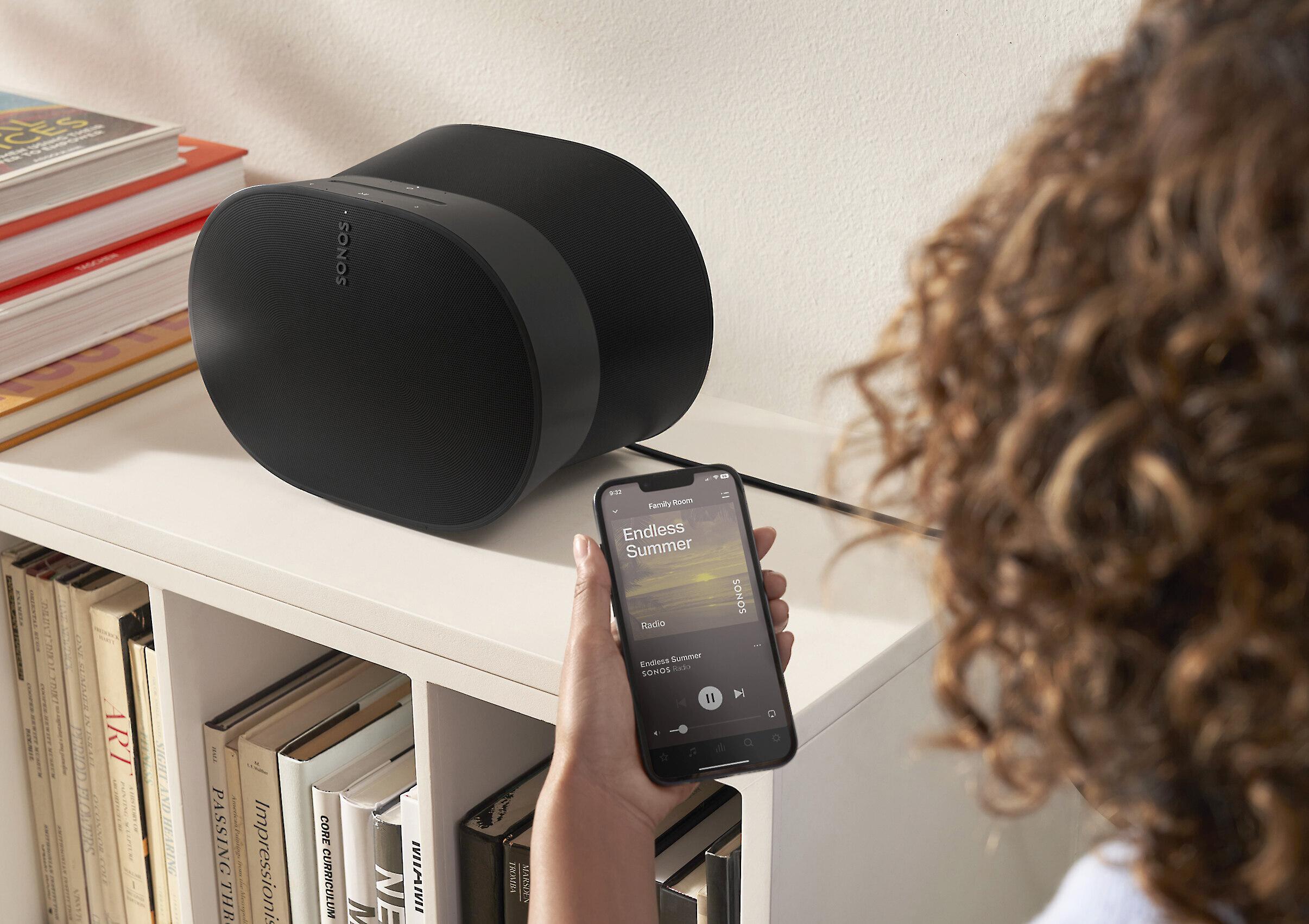
The JBL Go 3 works without any app - simply pair via Bluetooth and use your device's native music controls. The Sonos Era 300 requires the Sonos app for setup, room correction, multi-room features, and accessing streaming services directly through the speaker.
The JBL Go 3 is extremely portable at just 0.46 pounds with a built-in fabric loop for easy carrying and 5-hour battery life. The Sonos Era 300 weighs nearly 10 pounds, requires wall power, and is designed for permanent placement rather than portability.
Only the Sonos Era 300 supports voice commands through Amazon Alexa and Sonos Voice Control with built-in microphone arrays. The JBL Go 3 has no voice assistant capabilities and relies on simple button controls for basic functions.
The JBL Go 3 provides excellent value in the ultra-portable category, delivering reliable JBL sound quality and weatherproofing at a budget-friendly price. The Sonos Era 300 justifies its premium pricing through advanced audio technology, smart features, and ecosystem integration for serious audio enthusiasts.
The JBL Go 3 offers up to 5 hours of battery life with USB-C charging in 2.5 hours. The Sonos Era 300 has no battery and must remain plugged into wall power at all times, limiting placement flexibility but eliminating battery concerns.
Neither speaker is ideal for phone calls. The JBL Go 3 lacks a built-in microphone for speakerphone functionality. While the Sonos Era 300 has microphones, they're designed for voice control rather than phone calls and don't support hands-free calling.
The Sonos Era 300 integrates seamlessly with other Sonos speakers for multi-room audio and can pair with Sonos soundbars for home theater systems. The JBL Go 3 operates as a standalone speaker only and doesn't support multi-speaker pairing or system expansion.
The JBL Go 3 offers instant setup - just turn it on and pair via Bluetooth from your device. The Sonos Era 300 requires downloading the Sonos app, creating an account, connecting to WiFi, and running room correction calibration, though this complexity enables advanced features.
The fundamental difference is portability versus performance. The JBL Go 3 prioritizes convenience, durability, and battery power for on-the-go listening, while the Sonos Era 300 focuses on premium audio quality, smart home integration, and stationary performance for dedicated listening spaces.
We've done our best to create useful and informative comparisons to help you decide what product to buy. Our research uses advanced automated methods to create this comparison and perfection is not possible - please contact us for corrections or questions. These are the sites we've researched in the creation of this article: rtings.com - streamtechreviews.com - english.achoreviews.com - smarthomesounds.co.uk - soundguys.com - rtings.com - walmart.com - soundguys.com - youtube.com - youtube.com - jbl.com - youtube.com - selectoguru.com - versus.com - videoandaudiocenter.com - harmanaudio.com - jbl.com - bestbuy.com - forum.hifiguides.com - manuals.plus - kh.jbl.com - th.jbl.com - mm.jbl.com - jbl.com - bestbuy.com - youtube.com - youtube.com - youtube.com - jbl.com - bestbuy.com - bestbuy.com - jbl.com.tw - youtube.com - rtings.com - notebookcheck.net - audiosciencereview.com - whathifi.com - digitaltrends.com - sonos.com - sonos.com - youtube.com - soundguys.com - schaeferstv.com - en.community.sonos.com - bestbuy.com - youtube.com - sonos.com

Privacy Policy
Terms and Conditions - Affiliate Policy
Home Security
© Copyright 2008-2026.
11816 Inwood Rd #1211, Dallas, TX 75244