



When you're shopping for speakers, you'll quickly discover that not all speakers are created equal. Some are built for adventure, while others are designed to be the centerpiece of your home audio setup. The JBL Go 3 and JBL Authentics 200 represent two completely different philosophies in speaker design, and understanding their strengths will help you make the right choice for your needs.
The JBL Go 3, released in 2020, belongs to the ultra-portable Bluetooth speaker category. Think of it as the Swiss Army knife of speakers – compact, durable, and ready for anything. In contrast, the JBL Authentics 200, which arrived in 2023, is a smart speaker designed to anchor your home audio experience with premium sound quality and intelligent features.
These categories have evolved significantly over the past few years. Portable speakers have become more rugged and longer-lasting, while smart speakers have gained multiple voice assistants and better integration with streaming services. The technology improvements since 2020 have been particularly impressive in wireless connectivity – Bluetooth 5.1 and newer versions offer better range and stability, while Wi-Fi integration has become more seamless.
When evaluating speakers, your primary considerations should focus on where and how you'll use them. Portability versus performance is the fundamental trade-off. Battery-powered speakers give you freedom but limit power output, while AC-powered speakers can deliver room-filling sound but tie you to an outlet. Environmental durability matters if you're taking speakers outdoors, and connectivity options determine how easily you can access your music.
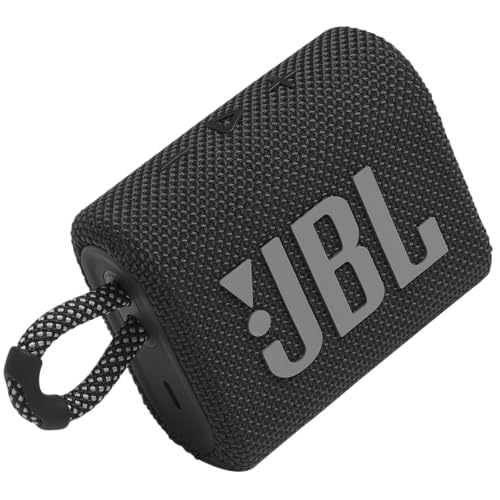
The most obvious difference between the JBL Go 3 and JBL Authentics 200 is their audio capabilities, and this comes down to basic physics. The Go 3 packs a single 43x47mm driver (about 1.5 inches) into its tiny frame, producing 4.2 watts of power. To put this in perspective, that's roughly the same power as a smartphone speaker, but with better acoustic design.
The JBL Go 3's frequency response spans 110Hz to 20kHz, but here's where technical specifications meet real-world performance. Frequency response tells you what range of sounds a speaker can reproduce – lower numbers mean deeper bass, higher numbers mean crisper highs. The Go 3's 110Hz low-end means it can handle most vocals and mid-range instruments well, but don't expect the rumbling bass you'd feel in your chest during an action movie.
Our research into user and expert reviews consistently shows that the JBL Go 3 excels at vocal clarity and midrange performance. This makes it surprisingly good for podcasts and acoustic music, where clear speech and guitar tones matter more than deep bass. However, the mono configuration means you're missing the stereo separation that creates a sense of space in recordings.
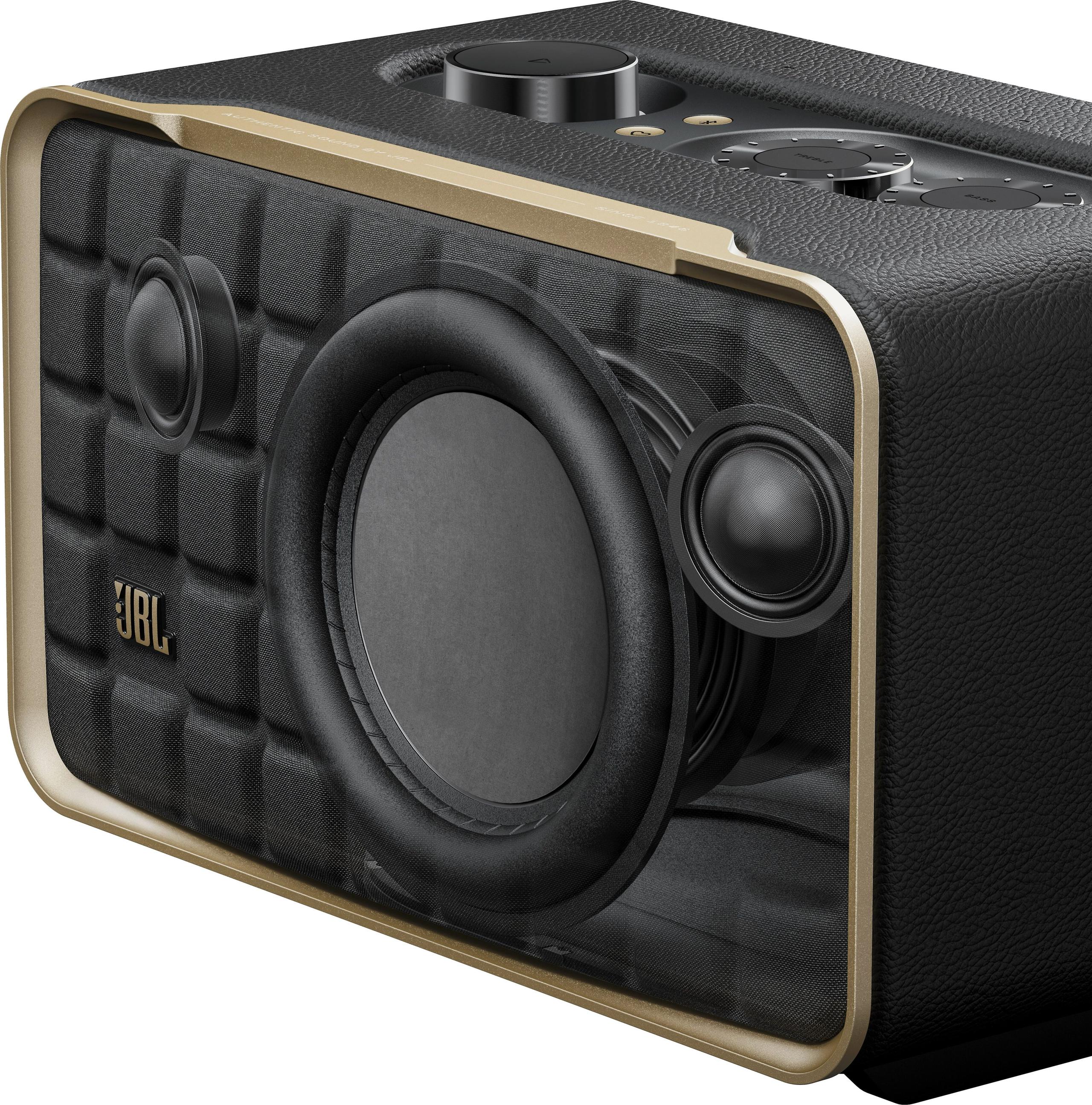
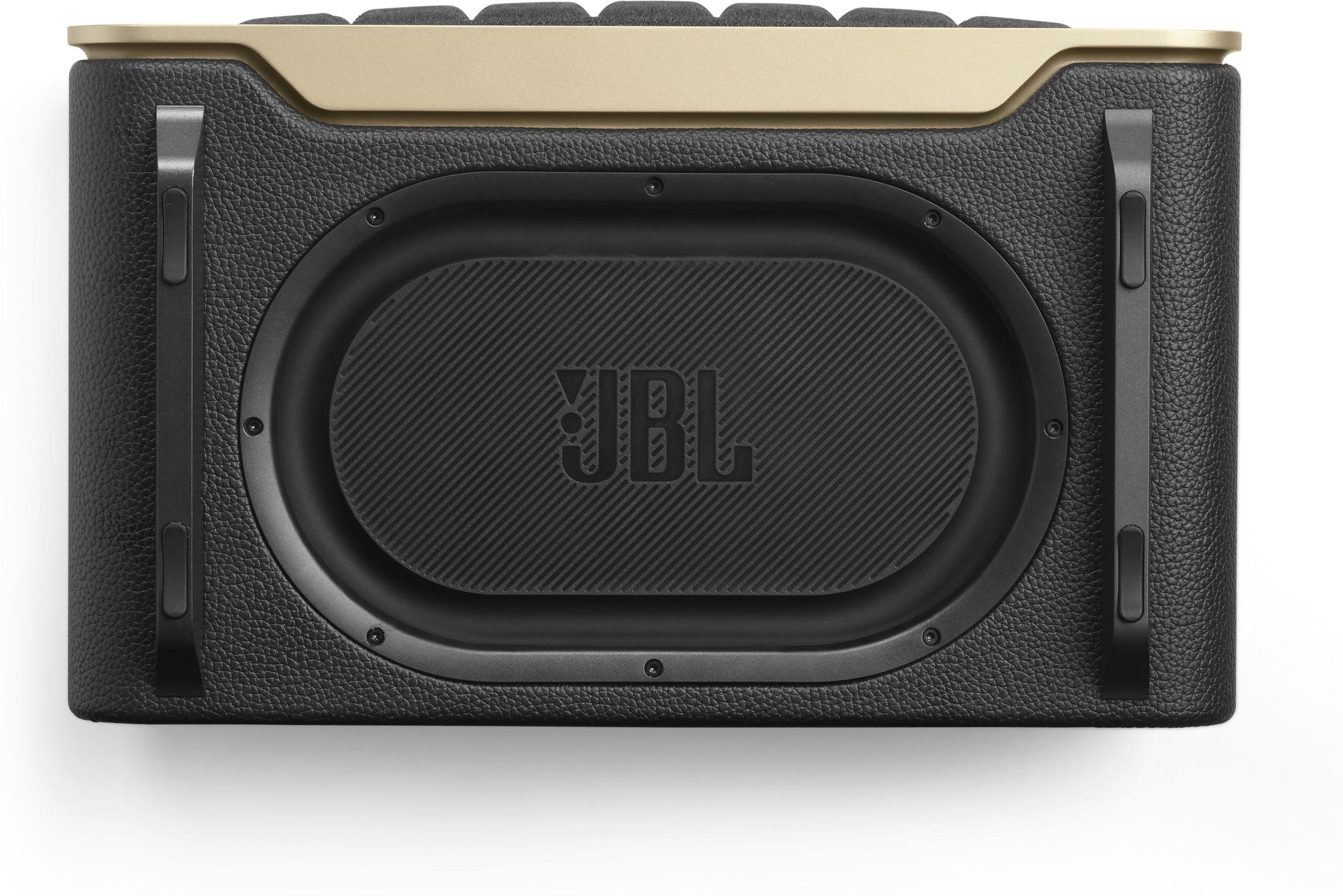
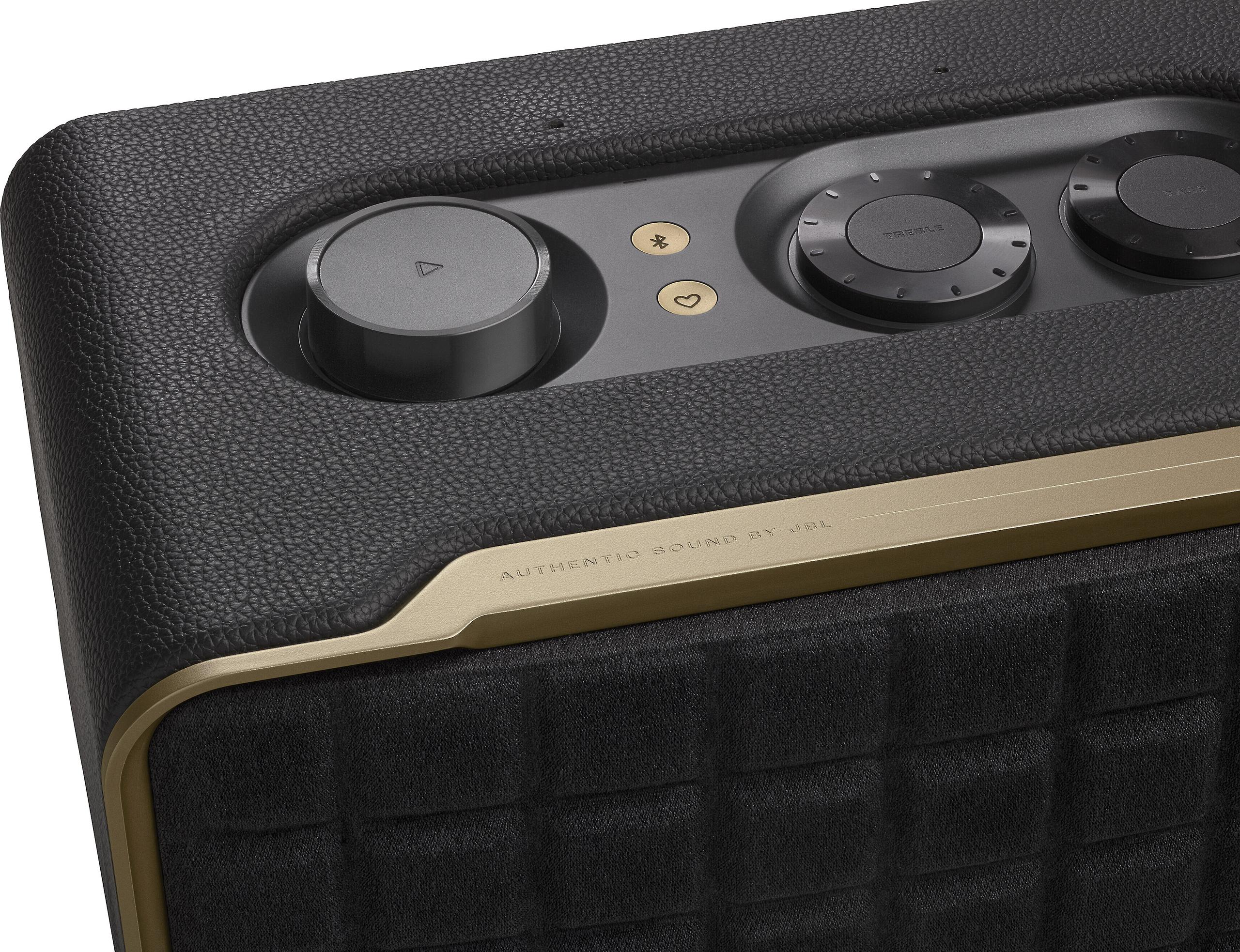
The JBL Authentics 200 takes a completely different approach with its sophisticated driver array. It features dual 25mm tweeters for crisp highs, a 5-inch woofer for midrange and bass, and here's where it gets interesting – a 6-inch downfiring passive radiator. A passive radiator is essentially a speaker without the motor that moves in response to air pressure from the main woofer, effectively extending bass response without requiring additional power or electronics.
This configuration allows the JBL Authentics 200 to reach down to 50Hz – nearly an octave lower than the Go 3. That difference is immediately audible in bass-heavy music genres like hip-hop or electronic dance music. The stereo setup also creates proper left-right separation, making instruments seem positioned in space rather than coming from a single point.
The Authentics 200's automatic self-tuning technology represents a significant advance in speaker engineering. Using built-in microphones, it analyzes room acoustics every time you power it on and adjusts the sound signature accordingly. This means the speaker sounds optimized whether it's placed on a bookshelf, in a corner, or out in the open – something the JBL Go 3 simply cannot do.
The connectivity story reveals the fundamental difference between these speakers. The JBL Go 3 keeps things simple with Bluetooth 5.1, which offers reliable connections up to about 30 feet from your phone or laptop. The pairing process is straightforward – press the Bluetooth button, find "JBL Go 3" in your device's Bluetooth menu, and you're connected. The A2DP profile ensures good audio quality over Bluetooth, while AVRCP lets you control playback from the speaker itself.
Where the JBL Go 3 shows its limitations is in advanced features – there's no way to connect multiple Go 3 speakers together, no built-in microphone for hands-free calls, and no app-based customization. What you see is what you get, which can actually be refreshing in our over-connected world.
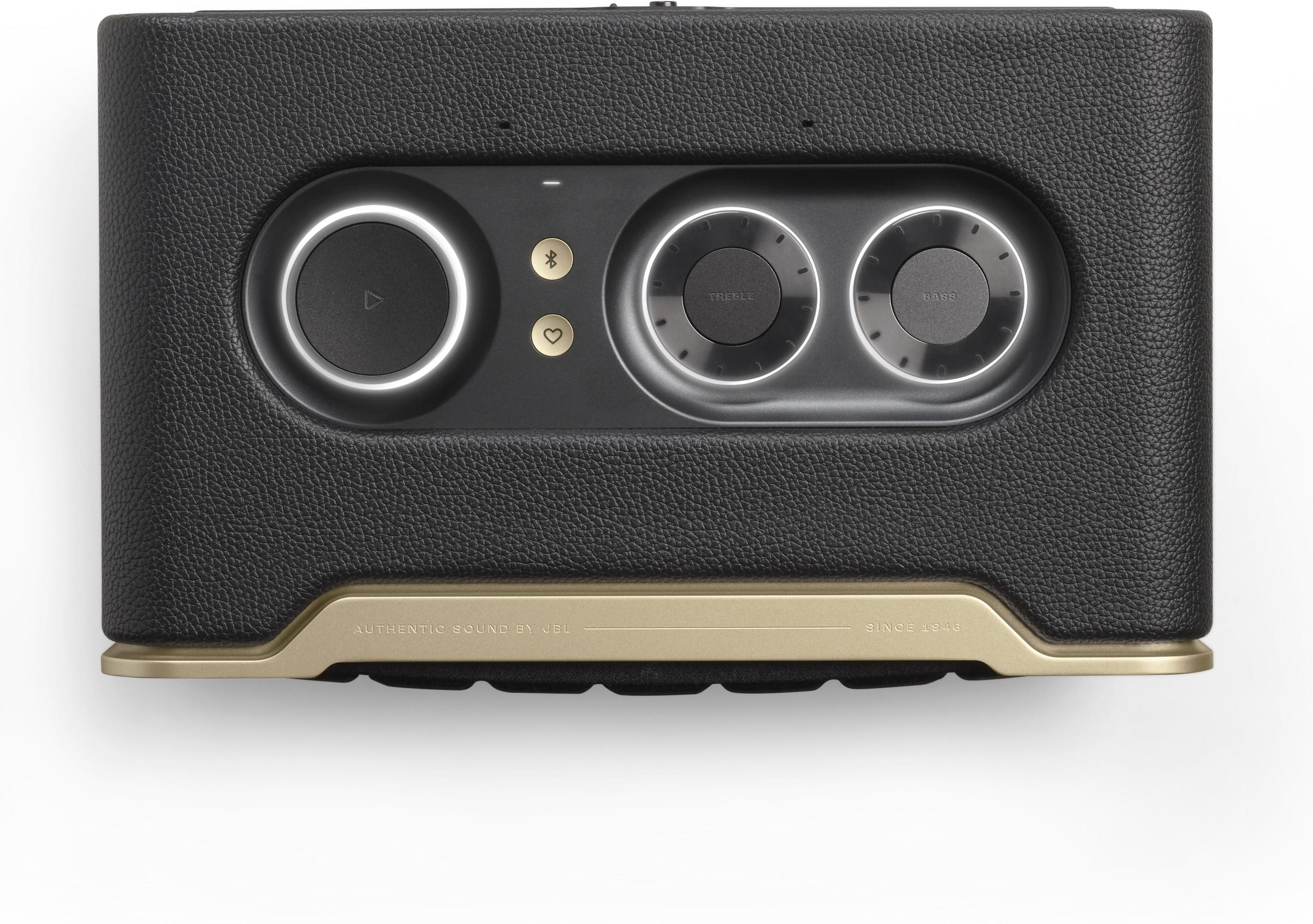
The JBL Authentics 200 operates in a different universe entirely. Beyond Bluetooth 5.3 (which offers improved range and battery efficiency), it includes comprehensive Wi-Fi networking. This opens up streaming protocols that Bluetooth can't match – AirPlay for Apple devices, Chromecast for Google ecosystems, and direct Spotify Connect that lets you stream without using your phone as a middleman.
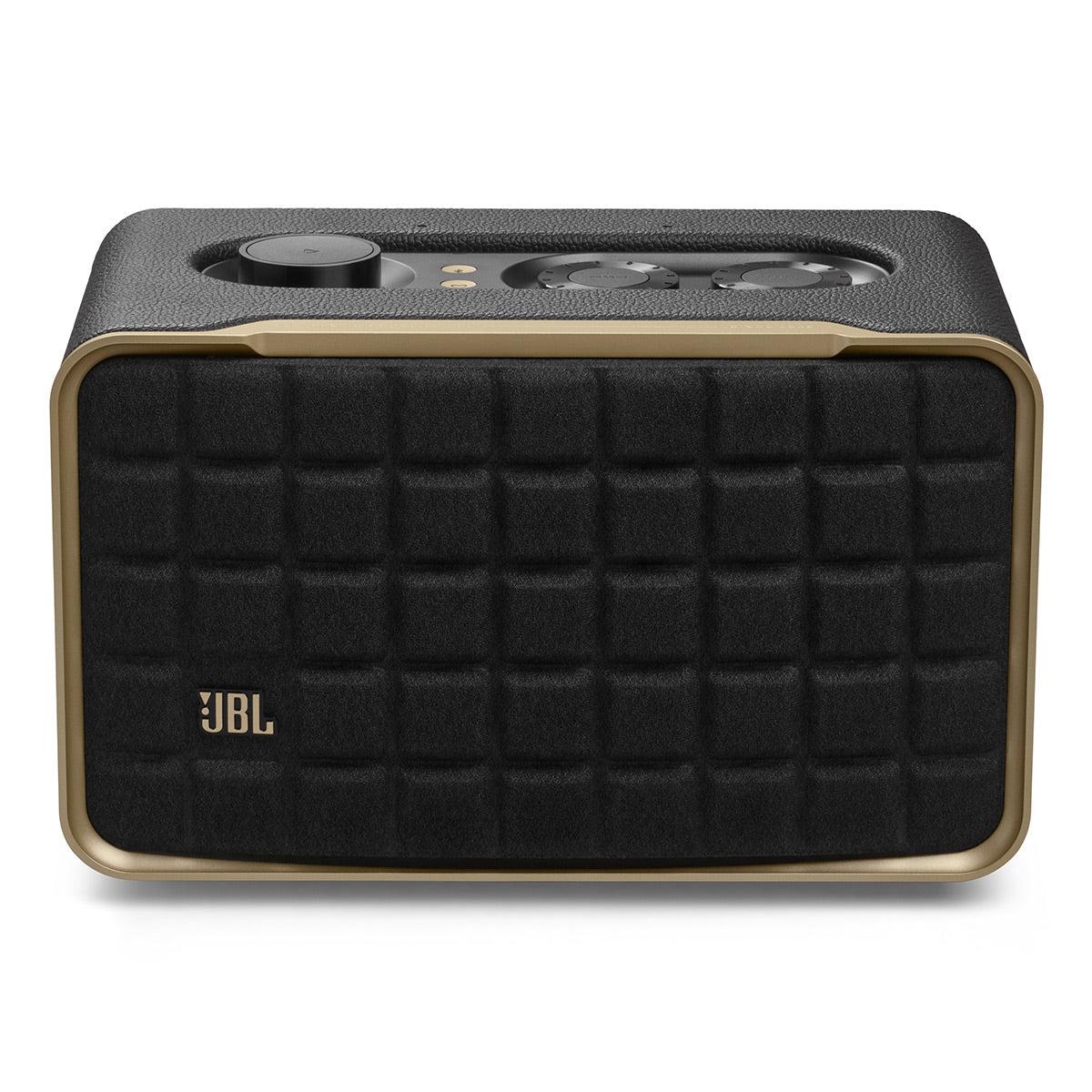
Perhaps most impressively, the JBL Authentics 200 can simultaneously run both Amazon Alexa and Google Assistant. This dual voice assistant approach is relatively rare and incredibly practical – you can use whichever assistant works better for specific tasks without choosing sides in the smart home ecosystem war.
The multi-room capabilities deserve special attention. Using either the Google Home app or Amazon Alexa app, you can connect multiple Authentics speakers throughout your home for synchronized playback. This creates a whole-home audio experience that the JBL Go 3 simply cannot provide.
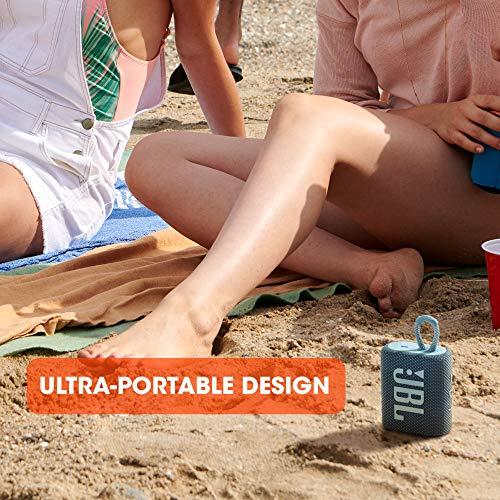
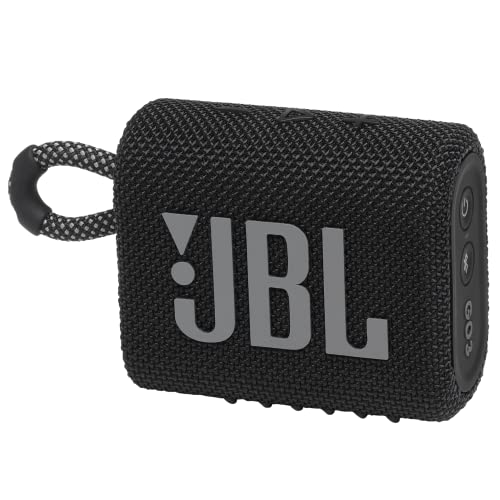
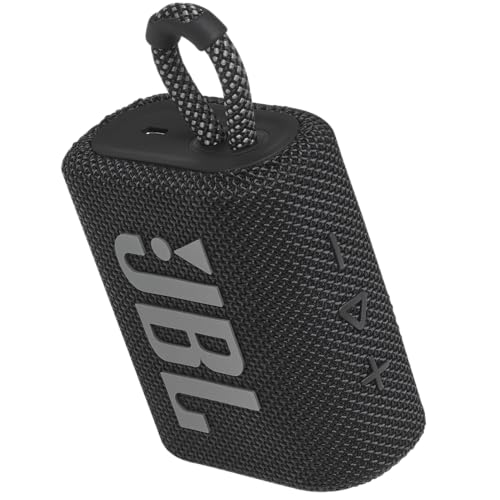
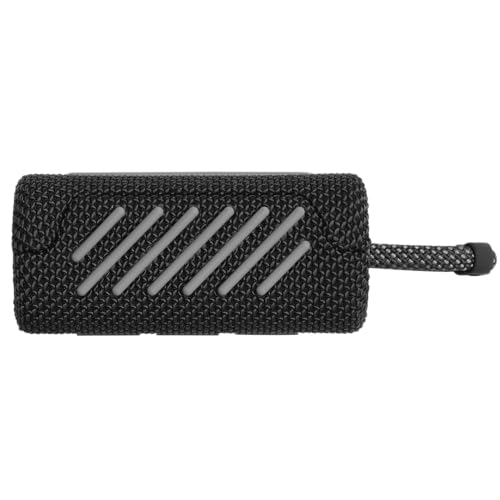
The JBL Go 3's design philosophy centers on ultimate portability. At just 87.5 x 75 x 41.3mm and weighing 0.209kg (less than half a pound), it disappears into backpacks and purses. The integrated fabric loop is a clever touch – you can clip it to bags, hang it from hooks, or secure it to outdoor gear.
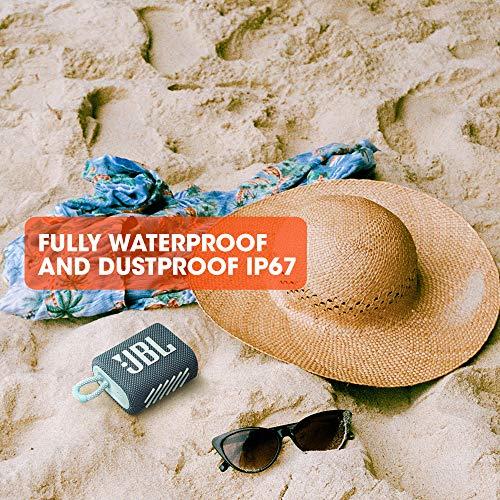
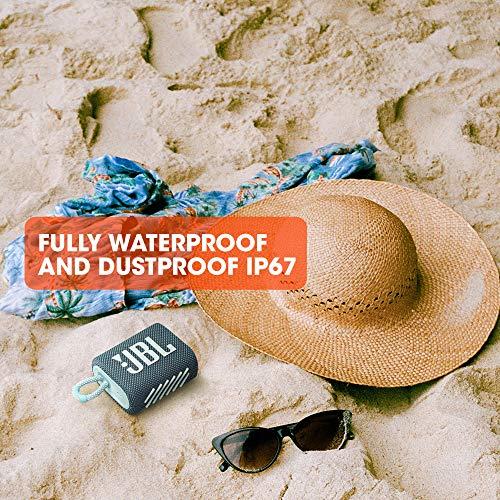
The IP67 rating is where the JBL Go 3 truly shines. This certification means it's completely dust-tight and can survive submersion in up to one meter of water for 30 minutes. In practical terms, you can use it in the shower, take it to the beach without worry, or leave it outside during a light rain. The speaker's materials and construction reflect this durability focus – rubberized surfaces provide grip, and the tight fabric grille protects the driver from debris.
Battery life of five hours might seem modest, but it's reasonable given the speaker's tiny size. The USB-C charging port is a welcome upgrade from older micro-USB connectors, offering faster charging and better connector durability. The 2.5-hour charge time means you can top up the battery during lunch and have afternoon tunes ready.
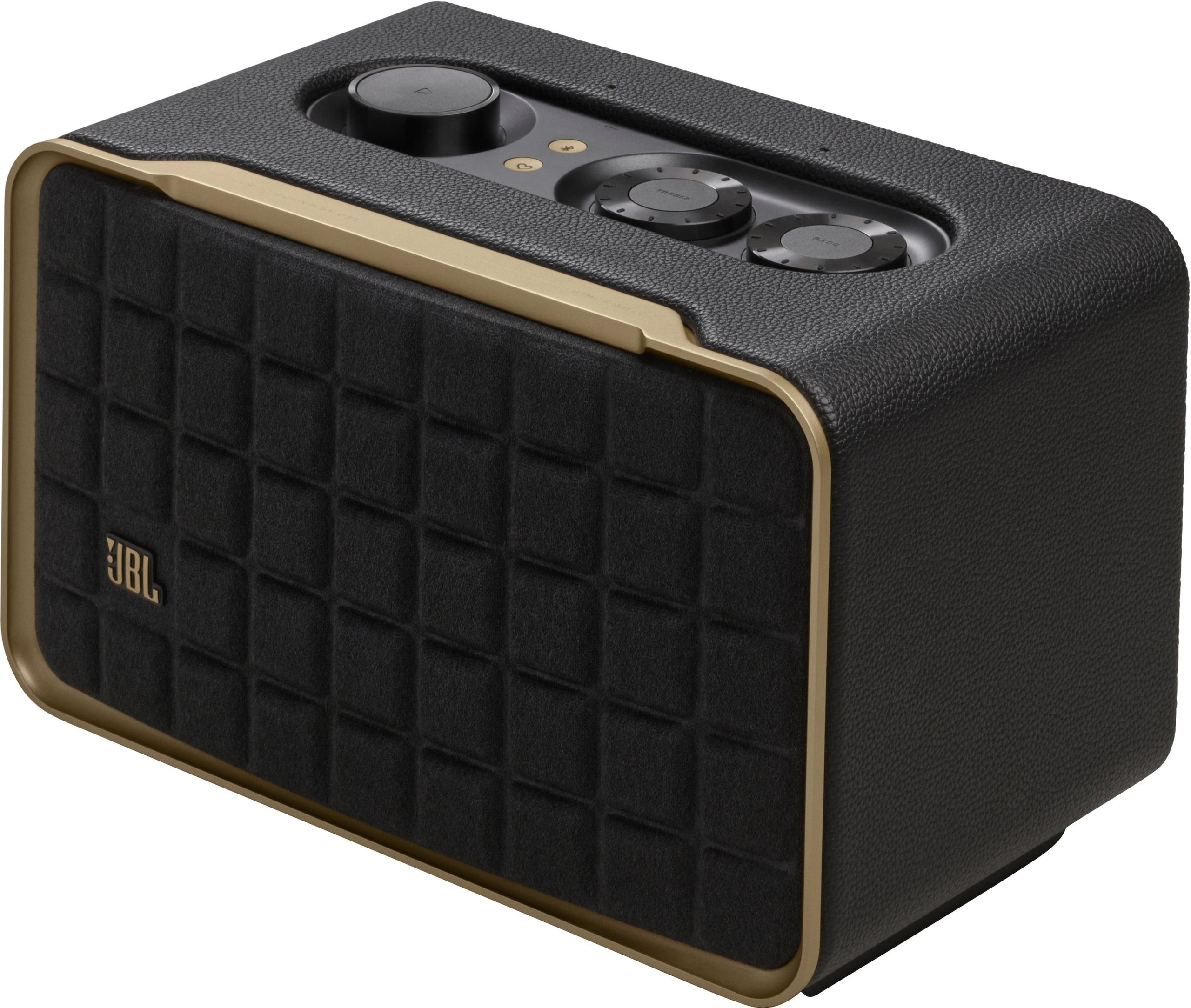
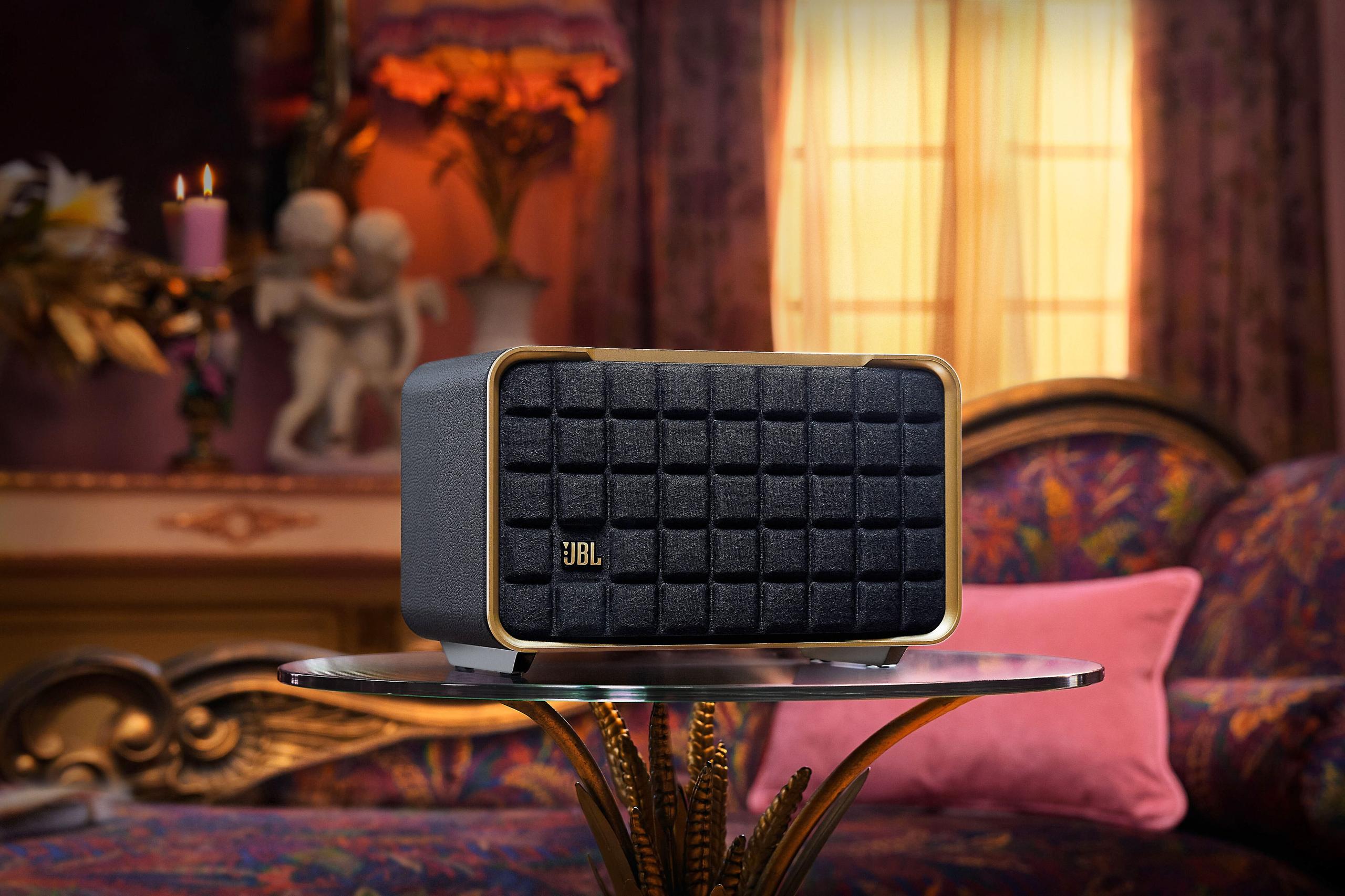
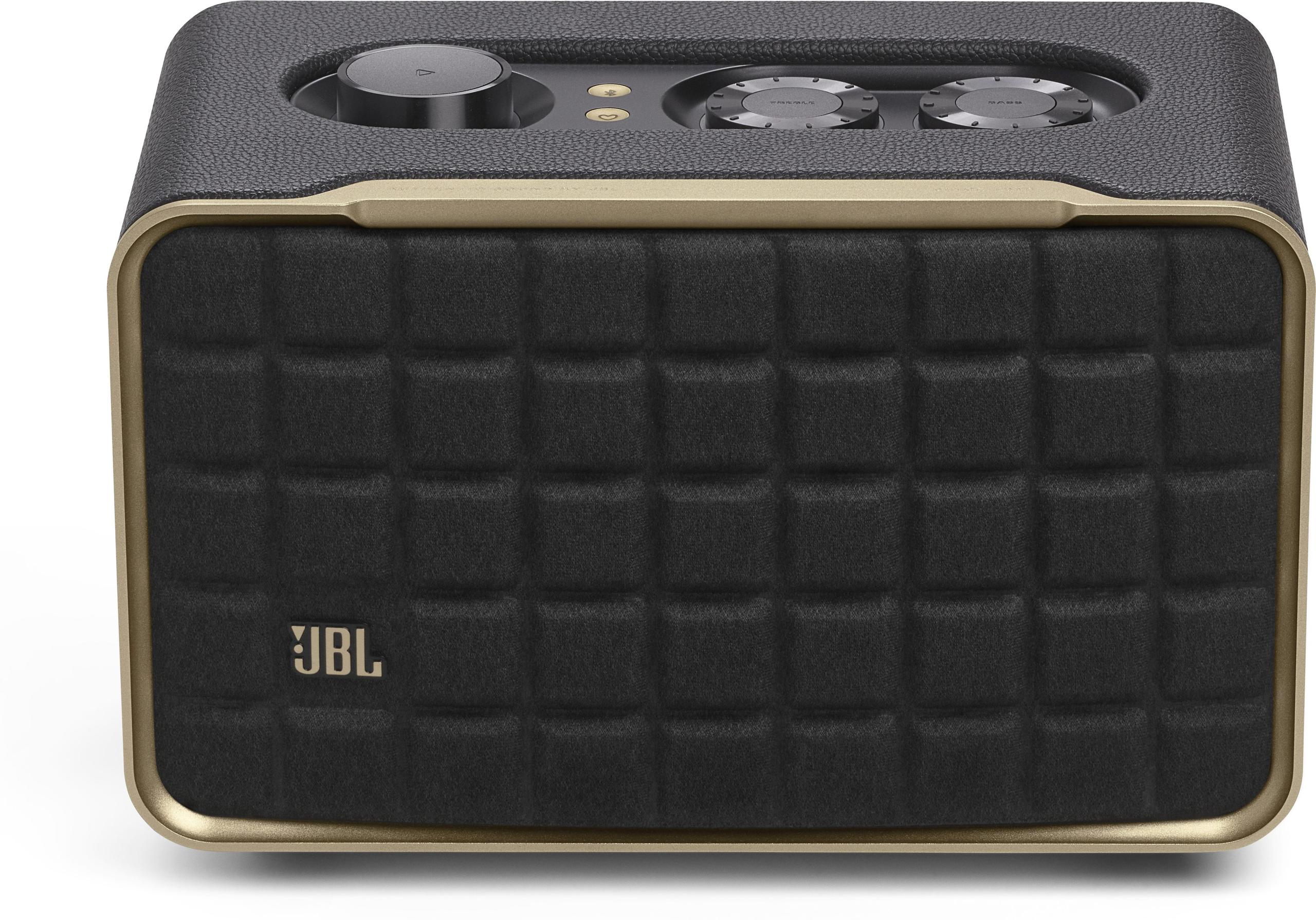
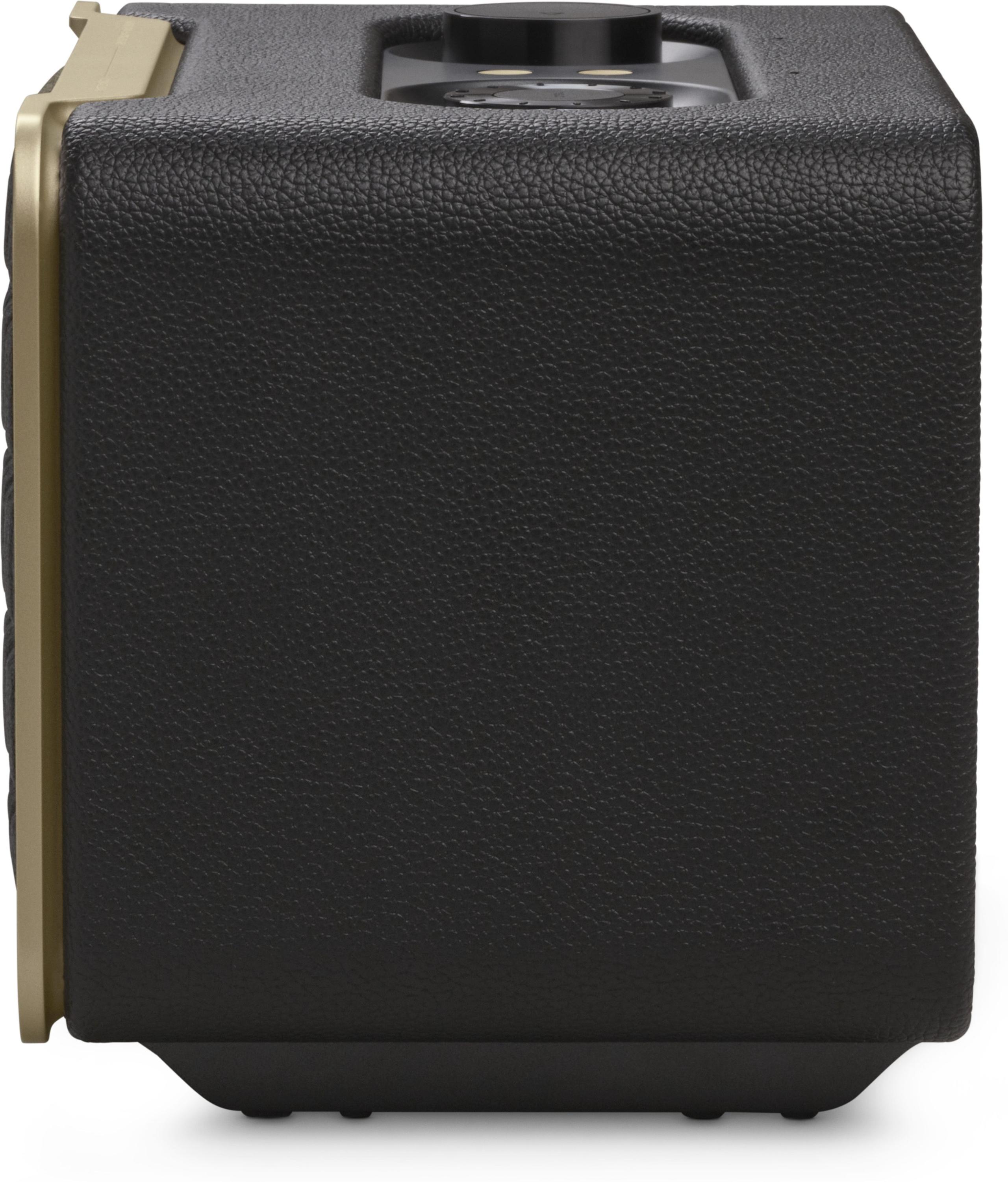
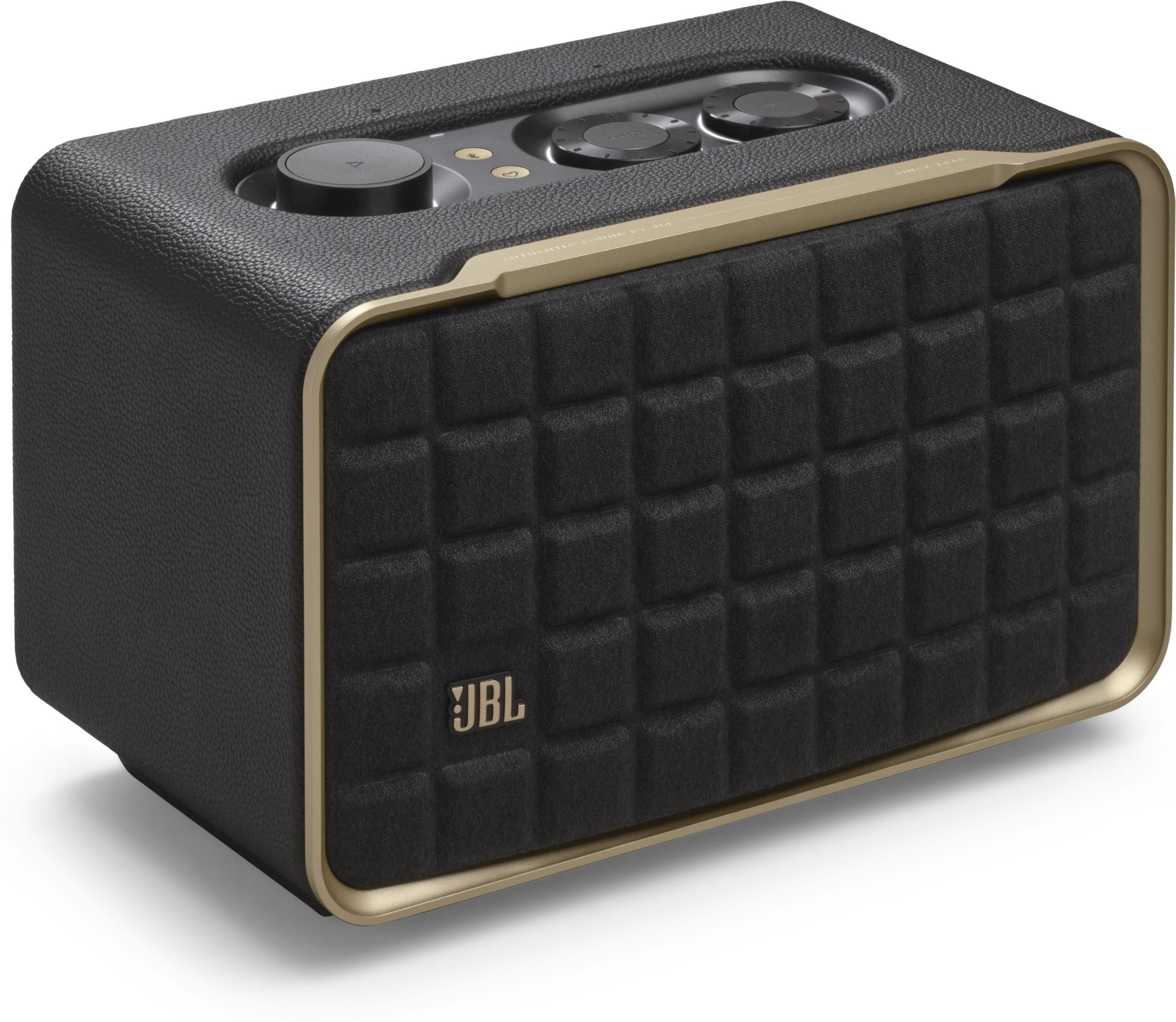
The JBL Authentics 200 takes a luxury approach to build quality. The aluminum frame provides structural integrity, while the leather-like enclosure and Quadrex grille (that distinctive diamond pattern) evoke JBL's classic 1970s heritage designs. At 266.3 x 171.7 x 167.4mm and weighing 3.12kg, this is clearly a speaker meant to stay put.
The premium materials serve both aesthetic and acoustic purposes. The heavier construction reduces unwanted vibrations at high volumes, while the sophisticated internal bracing supports the larger drivers. However, the lack of any environmental protection rating means this speaker belongs indoors – moisture and dust are enemies of its premium finishes and electronic components.
When evaluating speaker performance, certain metrics matter more than others depending on your use case. For portable speakers like the JBL Go 3, the most critical measurements are battery life, maximum volume before distortion, and frequency response consistency across different volume levels.
Our analysis of expert reviews shows that the JBL Go 3 performs admirably in its intended use cases. At moderate volume levels (around 70% maximum), it delivers clean, clear sound that's perfect for background music or podcast listening. Push it to maximum volume, and you'll notice some compression and occasional vibration if it's not placed on a stable surface, but this is expected behavior for such a small driver.
The frequency response tells an important story about real-world performance. While the Go 3 can't reproduce the lowest bass frequencies, JBL's engineers have tuned the midbass response to avoid a thin, tinny sound. This means drums still have punch, even if they don't have the rumbling low-end of larger speakers.
For smart speakers like the JBL Authentics 200, the key metrics include maximum clean volume, bass extension, stereo imaging quality, and smart feature reliability. The Authentics 200 excels in all these areas, with enough clean volume to fill medium-sized rooms and bass response that adds weight to music without overwhelming the midrange.
The automatic calibration feature addresses one of the biggest challenges in speaker placement. Most speakers sound different depending on where you place them – near walls for more bass, in open spaces for clearer mids. The Authentics 200's self-tuning compensates for these placement variations, maintaining consistent sound quality regardless of location.
The JBL Authentics 200's dual voice assistant capability represents a significant technological achievement. Most smart speakers force you to choose between Alexa or Google Assistant, but the Authentics 200 runs both simultaneously. This means you can ask Alexa to control your smart lights while asking Google to answer questions or manage your calendar – all from the same speaker.
Voice recognition quality proves excellent in our research review analysis. The speaker's far-field microphones can pick up commands from across the room, even with music playing at moderate volumes. The "wake word" detection (saying "Alexa" or "Hey Google") works reliably without frequent false triggers.
For smart home control, this dual assistant approach eliminates compatibility concerns. If you have Ring doorbells (which work best with Alexa) and Nest thermostats (which prefer Google Assistant), the JBL Authentics 200 can control both ecosystems seamlessly.
Neither speaker is designed primarily for home theater use, but they serve different roles in entertainment setups. The JBL Go 3 works well as a personal speaker for late-night viewing when you don't want to disturb others. Its compact size makes it easy to position near your viewing area, and the clear vocal reproduction helps with dialogue clarity.
However, don't expect the JBL Go 3 to provide the dynamic range needed for action movies. Explosive sound effects and dramatic music will reveal the limitations of its single small driver and limited bass response.
The JBL Authentics 200 offers more home theater potential, particularly for smaller rooms or apartments where a full surround sound system isn't practical. Its stereo configuration provides some sense of left-right audio positioning, and the extended bass response adds impact to sound effects and music scores.
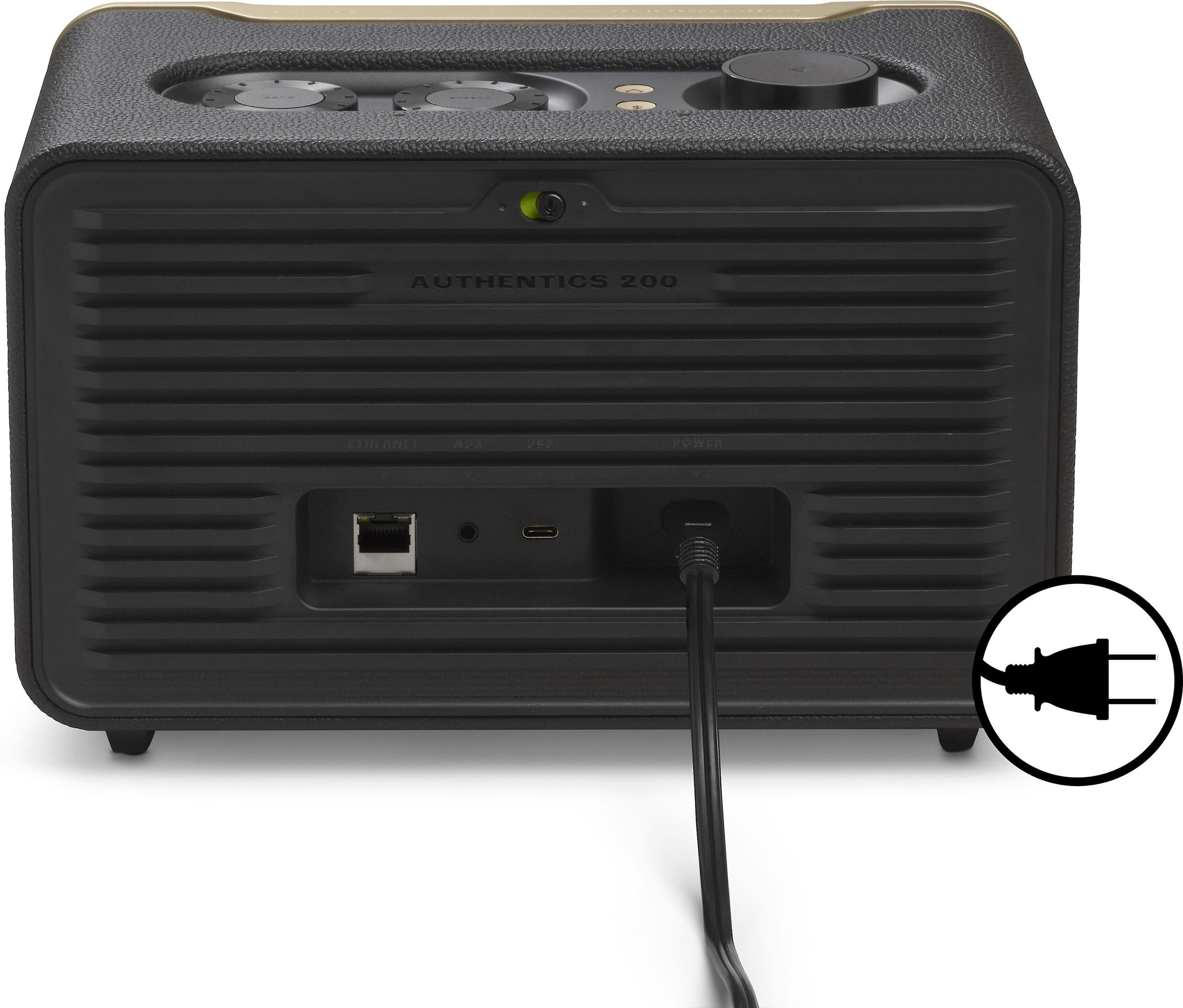
The multiple input options on the JBL Authentics 200 increase its home theater utility. The 3.5mm auxiliary input can connect directly to TV headphone outputs, while the USB-C input supports digital audio from compatible devices. For wireless connections, both AirPlay and Chromecast can stream audio from streaming devices and smart TVs.
At the time of writing, the JBL Go 3 represents exceptional value in the ultra-portable speaker category. For around $30, you're getting IP67 protection, reliable Bluetooth connectivity, and JBL's audio engineering expertise. Comparable waterproof speakers from other brands often cost significantly more while offering similar features.
The value proposition becomes even stronger when you consider the JBL Go 3 as a secondary or specialty speaker. Many people find it useful to have a dedicated shower speaker, travel speaker, or outdoor speaker that they don't have to worry about damaging. At this price point, the risk is minimal compared to taking your expensive smartphone into potentially hazardous environments.
The JBL Authentics 200 competes in the premium smart speaker category, where pricing typically ranges from $200 to $400 at the time of writing. Within this range, the dual voice assistant feature sets it apart from most competitors. Apple's HomePod offers superior audio quality but locks you into the Apple ecosystem. Amazon Echo Studios provide excellent bass response but lack Google Assistant integration.
What makes the JBL Authentics 200 compelling is its ecosystem flexibility. You're not locked into a single voice assistant or streaming service, which provides future-proofing as smart home standards continue to evolve. The premium build quality and classic JBL aesthetic also help justify the investment for users who value both form and function.
The decision between the JBL Go 3 and JBL Authentics 200 ultimately depends on your lifestyle and listening priorities. If you're constantly on the move, love outdoor activities, or need worry-free audio for unpredictable environments, the Go 3's portability and durability make it the clear choice. Its limitations in audio quality become less important when you consider the convenience of having reliable music anywhere.
Students, frequent travelers, and outdoor enthusiasts will find the JBL Go 3 fits naturally into their routines. The waterproof rating opens up use cases that simply aren't possible with traditional speakers – poolside parties, beach trips, camping adventures, or even just bathroom use without worry.
For users seeking to upgrade their home audio experience with modern smart features, the JBL Authentics 200 offers compelling advantages. The combination of superior sound quality, comprehensive streaming support, and dual voice assistant integration creates a hub for both entertainment and smart home control. Homeowners, audiophiles on a budget, and anyone building a smart home ecosystem should strongly consider this approach.
The JBL Authentics 200 also makes sense for users who want one speaker to handle multiple roles – morning news and podcasts, background music during work, and evening entertainment. Its automatic calibration means it performs well regardless of where you place it, while the premium design ensures it looks appropriate in any room.
My recommendation leans toward choosing based on your primary use case rather than trying to find one speaker that does everything. The JBL Go 3 excels at portability and durability at an accessible price point, while the JBL Authentics 200 delivers premium home audio with smart features that justify its higher cost. Both represent solid value within their respective categories, and both showcase JBL's decades of audio engineering expertise adapted for modern needs.
The technology improvements we've seen since 2020 in both categories suggest that both speakers will remain relevant and useful for years to come. Bluetooth standards continue improving, smart home integration is becoming more standardized, and audio engineering advances keep pushing performance boundaries. Whether you choose portable freedom or smart home integration, you're investing in speakers that reflect the current state of the art in their respective categories.
| JBL Go 3 Portable Bluetooth Speaker | JBL Authentics 200 Smart Speaker |
|---|---|
| Audio Power Output - Determines maximum volume and room-filling capability | |
| 4.2W RMS from single 1.5" driver (good for personal listening) | 90W total from stereo driver array (fills medium rooms easily) |
| Frequency Response - Shows bass depth and overall sound range | |
| 110Hz - 20kHz (limited bass, clear mids and highs) | 50Hz - 20kHz (much deeper bass extension for fuller sound) |
| Portability - Key factor for mobility and convenience | |
| Ultra-portable: 3.4" x 2.7" x 1.6", 0.46 lbs with 5-hour battery | Stationary: 10.5" x 6.8" x 6.6", 6.88 lbs, requires AC power |
| Water Protection - Critical for outdoor and bathroom use | |
| IP67 waterproof and dustproof (fully submersible) | No water protection (indoor use only) |
| Smart Features - Voice control and streaming capabilities | |
| Basic Bluetooth 5.1 only | Dual voice assistants (Alexa + Google), Wi-Fi streaming, multi-room |
| Connectivity Options - How you can play music | |
| Bluetooth only with basic controls | Bluetooth 5.3, Wi-Fi, AirPlay, Chromecast, Spotify Connect, USB-C, aux input |
| Sound Configuration - Affects audio quality and spatial experience | |
| Mono (single-point audio) | Stereo with automatic room calibration |
| Build Quality - Durability vs premium aesthetics | |
| Rugged fabric and rubber for outdoor durability | Premium aluminum frame with leather-like finish for home use |
| Value Positioning - Who gets the best deal | |
| Exceptional value for ultra-portable needs (under $50) | Premium smart speaker features at competitive pricing ($200-300 range) |
The JBL Go 3 is significantly better for outdoor use thanks to its IP67 waterproof and dustproof rating, allowing it to be fully submerged in water and protected from sand or dirt. The JBL Authentics 200 has no environmental protection and is designed strictly for indoor use.
Only the JBL Go 3 offers battery operation with up to 5 hours of playback time. The JBL Authentics 200 requires constant AC power connection and cannot be used without being plugged in.
The JBL Authentics 200 delivers significantly better sound quality with its stereo configuration, deeper bass response (50Hz vs 110Hz), and much higher power output. The JBL Go 3 provides surprisingly clear sound for its size but cannot match the room-filling audio of the larger speaker.
The JBL Authentics 200 features both Amazon Alexa and Google Assistant built-in and working simultaneously. The JBL Go 3 has no voice assistant capabilities and relies on your connected device for any smart features.
The JBL Go 3 is extremely portable at just 3.4" x 2.7" x 1.6" and weighing less than half a pound, with an integrated loop for easy attachment. The JBL Authentics 200 weighs nearly 7 pounds and requires AC power, making it unsuitable for travel.
The JBL Authentics 200 supports multi-room audio through Google Home or Alexa apps, allowing you to sync multiple speakers throughout your home. The JBL Go 3 cannot be paired with other speakers and operates as a standalone unit only.
Both offer excellent value in their categories. The JBL Go 3 provides exceptional value for ultra-portable needs with waterproof protection at a budget-friendly price. The JBL Authentics 200 offers premium smart speaker features and superior audio quality that justify its higher cost.
The JBL Go 3 only supports streaming through Bluetooth from your connected device. The JBL Authentics 200 offers comprehensive streaming including AirPlay, Chromecast, Spotify Connect, and direct streaming through voice assistants.
Neither is designed primarily for home theater, but the JBL Authentics 200 is more suitable with its stereo sound, deeper bass, and multiple input options including 3.5mm aux. The JBL Go 3 works only for personal viewing due to its mono configuration and limited power.
The JBL Go 3 offers simple Bluetooth 5.1 connectivity only. The JBL Authentics 200 provides extensive connectivity including Bluetooth 5.3, Wi-Fi, Ethernet, USB-C, and 3.5mm auxiliary input for maximum flexibility.
The JBL Go 3 is built for rugged use with IP67 protection, rubber surfaces, and fabric construction designed to handle drops and environmental hazards. The JBL Authentics 200 features premium materials like aluminum and leather-like finishes that prioritize aesthetics over ruggedness.
The JBL Authentics 200 features automatic self-tuning technology that calibrates the sound based on room acoustics each time it powers on. The JBL Go 3 has fixed audio tuning with no automatic adjustments or app-based customization options.
We've done our best to create useful and informative comparisons to help you decide what product to buy. Our research uses advanced automated methods to create this comparison and perfection is not possible - please contact us for corrections or questions. These are the sites we've researched in the creation of this article: rtings.com - streamtechreviews.com - english.achoreviews.com - smarthomesounds.co.uk - soundguys.com - rtings.com - walmart.com - soundguys.com - youtube.com - youtube.com - jbl.com - youtube.com - selectoguru.com - versus.com - videoandaudiocenter.com - harmanaudio.com - jbl.com - bestbuy.com - forum.hifiguides.com - manuals.plus - kh.jbl.com - th.jbl.com - mm.jbl.com - jbl.com - bestbuy.com - youtube.com - youtube.com - youtube.com - jbl.com - bestbuy.com - bestbuy.com - jbl.com.tw - youtube.com - homeitlab.com - hifipicks.com - nfm.com - youtube.com - harmanaudio.com - jbl.com - jbl.com - youtube.com - jbl.com - harmanaudio.com - kh.jbl.com - youtube.com - homedepot.com

Privacy Policy
Terms and Conditions - Affiliate Policy
Home Security
© Copyright 2008-2026.
11816 Inwood Rd #1211, Dallas, TX 75244