







When you're shopping for a Bluetooth speaker, you're really making a choice about how you want to experience your music. Do you want something that disappears into your backpack but still delivers decent sound? Or are you looking for something that can turn your living room into a concert venue? The JBL Go 3 and Ultimate Ears HYPERBOOM represent two completely different philosophies in portable audio, and understanding these differences will help you make the right choice for your needs.
The world of Bluetooth speakers has exploded over the past decade, with options ranging from tiny personal companions to massive party machines. At the time of writing, you can find decent speakers for under $30 or spend several hundred dollars for premium performance. The key is understanding what you're trading off.
The most important factors that separate great speakers from mediocre ones include audio quality (how good your music actually sounds), portability (can you actually take it where you want to go), battery life (will it last through your event), and durability (can it survive your lifestyle). These factors often compete with each other – making a speaker smaller usually means sacrificing sound quality, while making it louder typically means making it heavier.
Released in different years and targeting completely different audiences, the JBL Go 3 and HYPERBOOM showcase this trade-off perfectly. The Go 3, launched in 2020, represents JBL's commitment to ultra-portable audio, while the HYPERBOOM, also introduced around 2020, shows what Ultimate Ears can achieve when size constraints are removed.
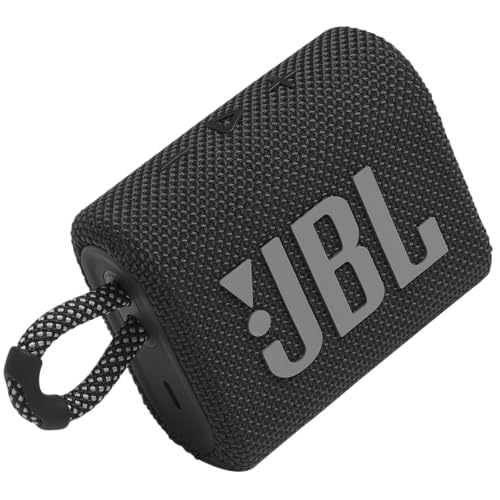
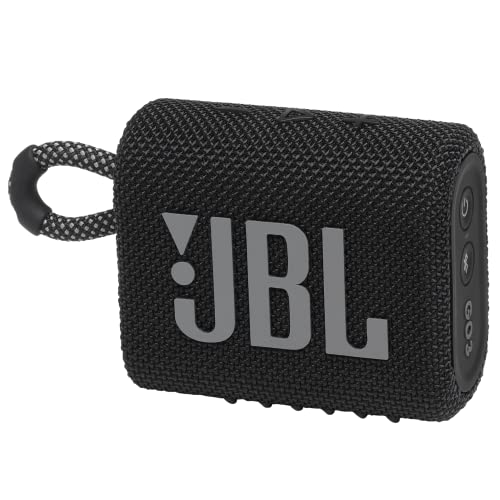
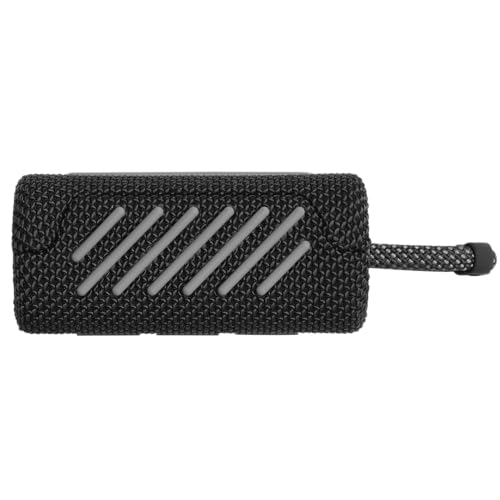
Let's start with the most obvious difference – size. The JBL Go 3 is roughly the size of a large smartphone and weighs less than half a pound. You can literally clip it to your backpack with its integrated fabric loop and forget it's there until you need some tunes. This makes it perfect for hiking, traveling, or just moving around your house without thinking twice about where you left your speaker.
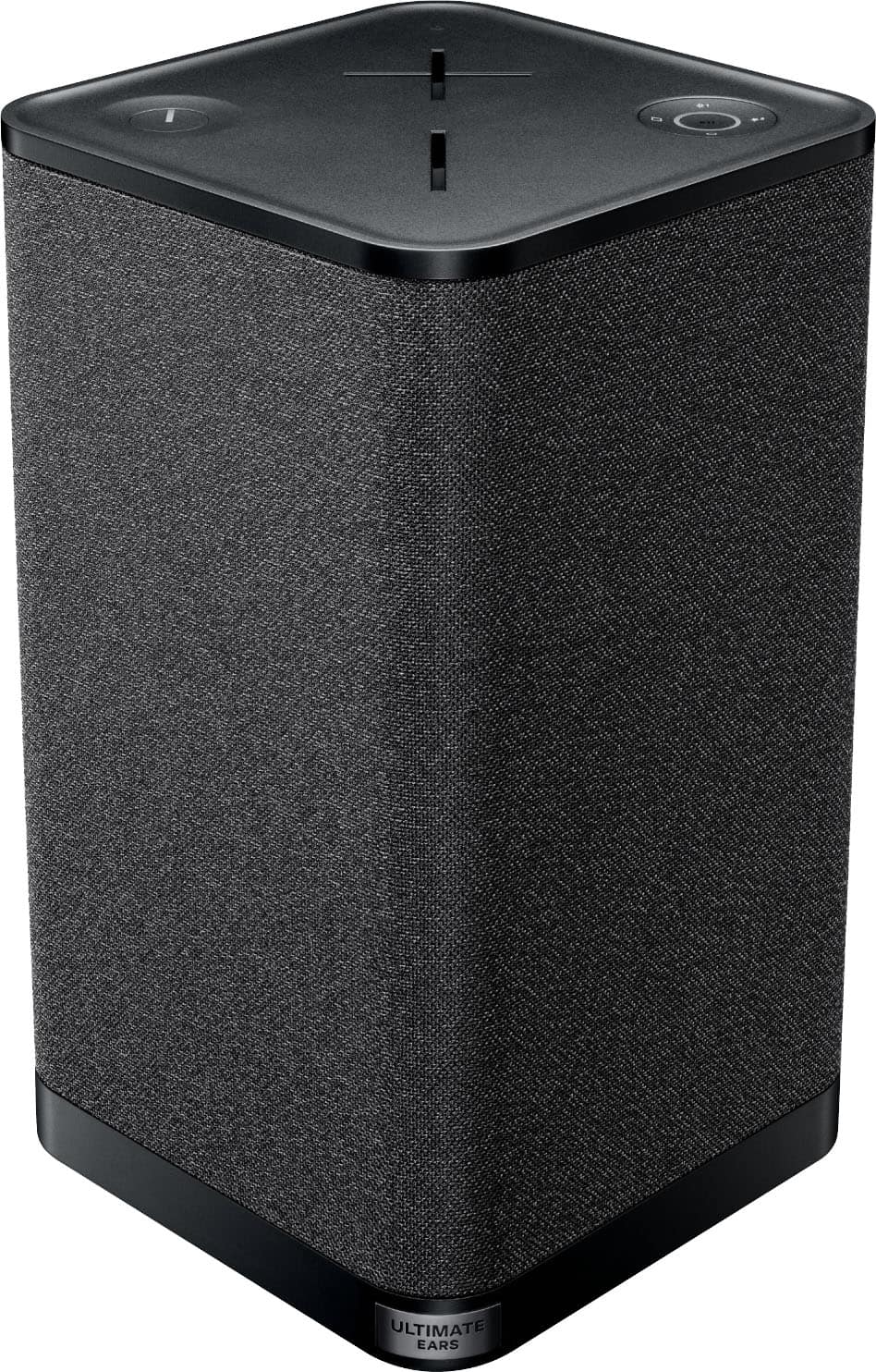
The HYPERBOOM, on the other hand, weighs 13 pounds and stands over a foot tall. That's not a typo – it's genuinely heavy enough that Ultimate Ears included a carrying strap because you'll need both hands free after lugging it around. But here's the thing: that size serves a purpose. Larger speakers can move more air, which directly translates to better bass response and higher volume levels.
This size difference isn't just about convenience – it fundamentally changes how you use these speakers. The Go 3 is something you take with you everywhere, while the HYPERBOOM is something you set up for an event and leave in place.
When it comes to sound quality, physics wins every time. The JBL Go 3 produces 4.2 watts of power through a single driver that's smaller than most smartphone speakers. That might not sound impressive, but considering its size, it actually delivers surprisingly clear audio. The frequency response ranges from 110Hz to 20kHz, which means it handles midrange frequencies (where most vocals live) quite well, but it starts rolling off the bass around 140Hz.
What this means in practical terms is that the Go 3 excels with podcasts, audiobooks, and music that doesn't rely heavily on deep bass. Acoustic guitar, vocals, and most pop music sound pleasant and clear. However, if you're into hip-hop, electronic dance music, or anything with significant low-end content, you'll notice the lack of rumble and punch that makes those genres exciting.
The HYPERBOOM operates in a completely different league. It features two 114mm woofers (the drivers responsible for bass), two 25mm tweeters (for high frequencies), and passive radiators (which help extend bass response even further). This driver configuration allows it to reproduce frequencies down to 45Hz – that's getting into sub-bass territory where you feel the music as much as hear it.
The difference in soundstage is equally dramatic. The Go 3 converts stereo audio to mono, meaning you lose the spatial separation that makes music feel immersive. The HYPERBOOM not only maintains true stereo separation but delivers 360-degree sound distribution, making it suitable for placement in the center of a room where it can fill the entire space evenly.
From our research into user experiences and professional reviews, the consensus is clear: the HYPERBOOM delivers audio quality that competes with dedicated home stereo systems, while the Go 3 provides impressive sound for its category but can't overcome the physical limitations of its size.
Battery performance tells another story about these speakers' intended purposes. The JBL Go 3 provides up to 5 hours of playback time, which aligns perfectly with its role as a personal companion. That's enough for a workout session, a day at the beach, or background music while you work, but it's not designed for all-day events.
The HYPERBOOM boasts an impressive 24-hour battery life – nearly five times longer than the Go 3. This isn't just about having a bigger battery; it's about engineering efficiency at scale. Despite producing significantly more power, the HYPERBOOM's larger battery and more sophisticated power management allow it to outlast most competitors in its class.
Both speakers use modern charging technology, with the Go 3 featuring USB-C charging (a welcome upgrade from older micro-USB ports) and the HYPERBOOM including fast charging that can fully recharge the speaker in under three hours. The HYPERBOOM even supports playback while charging, which is crucial for extended events.
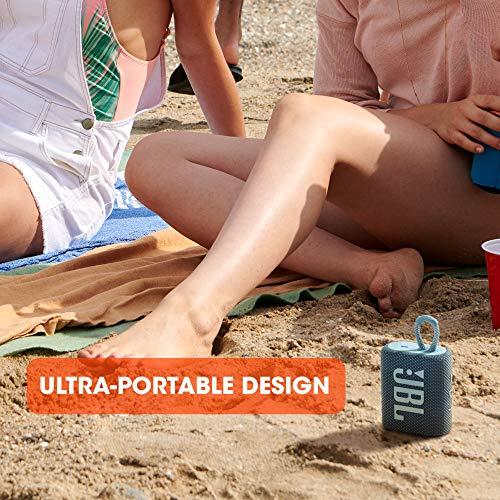
Here's where the JBL Go 3 demonstrates that smaller doesn't mean less capable. Its IP67 rating means it's completely dustproof and can survive submersion in up to one meter of water for 30 minutes. This makes it genuinely suitable for beach trips, poolside listening, or even shower use without worry.
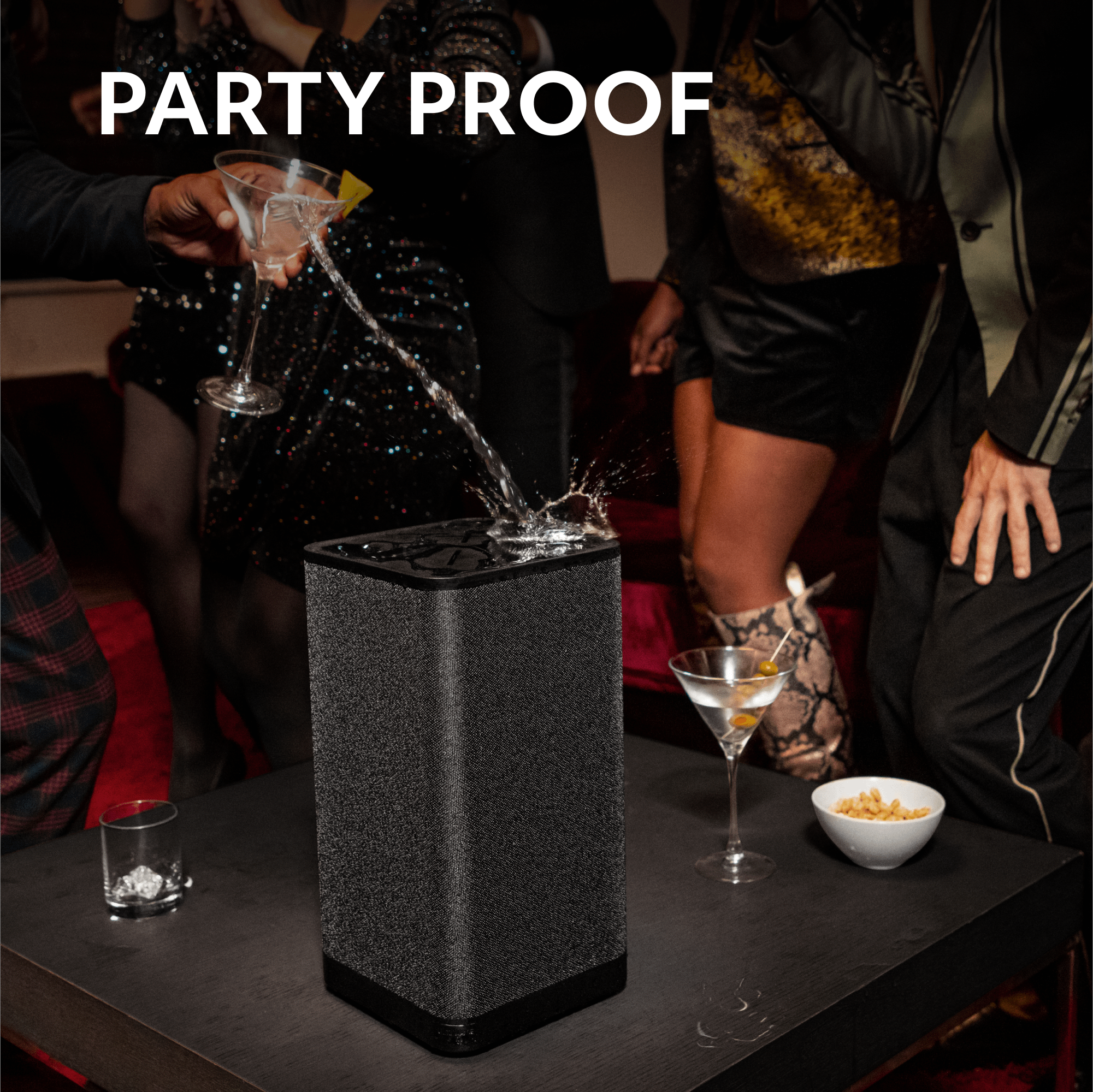
The HYPERBOOM takes a more conservative approach with an IPX4 rating, which provides splash resistance but not submersion protection. This makes sense given its size and the complexity of sealing larger speakers, but it does limit where you can safely use it outdoors.
The build quality of both speakers reflects their intended environments. The Go 3 features a ruggedized exterior with rubber accents designed to survive drops and rough handling. The HYPERBOOM emphasizes premium materials and solid construction that feels substantial and durable, though it's clearly not designed for the same level of abuse.
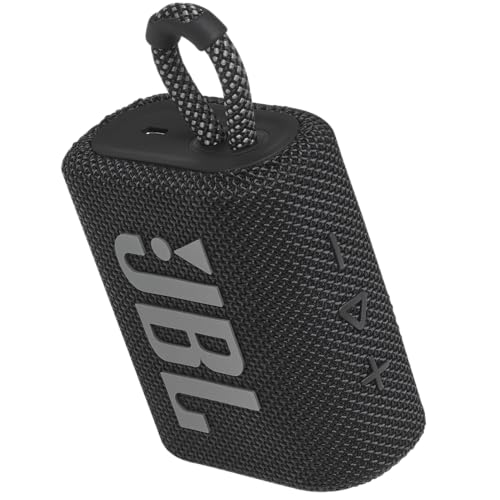
Modern Bluetooth speakers are more than just wireless audio devices – they're smart gadgets with apps and advanced features. The JBL Go 3 keeps things simple with Bluetooth 5.1 connectivity, basic onboard controls, and straightforward pairing. There's no companion app or advanced features, which actually works in its favor by eliminating complexity.
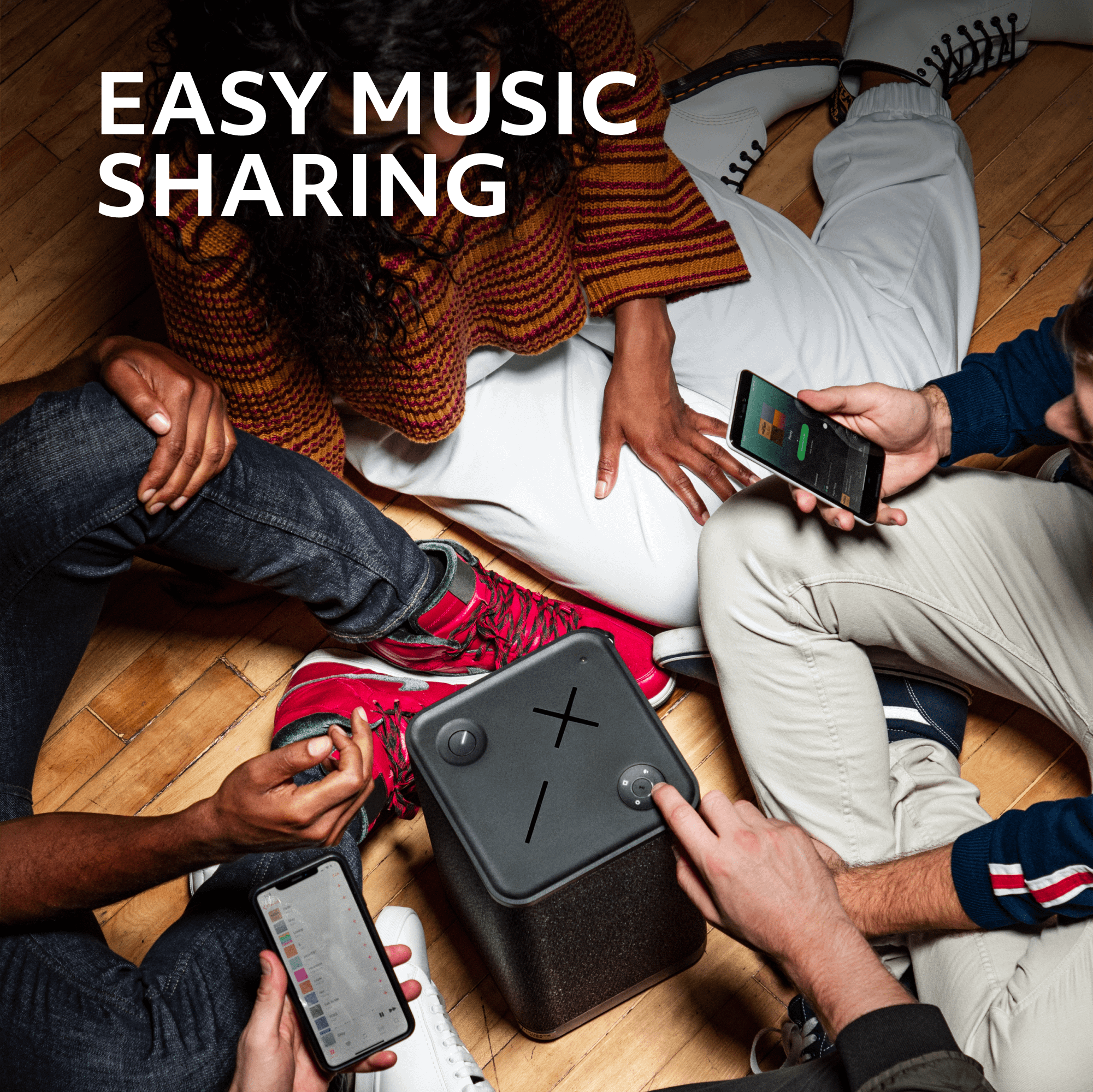
The HYPERBOOM embraces the smart speaker concept fully. It supports dual Bluetooth connections, allowing two devices to connect simultaneously – perfect for parties where multiple people want to be the DJ. The BOOM app provides customizable EQ settings, adaptive EQ that adjusts sound based on your environment, and PartyUp technology that can link multiple Ultimate Ears speakers together.
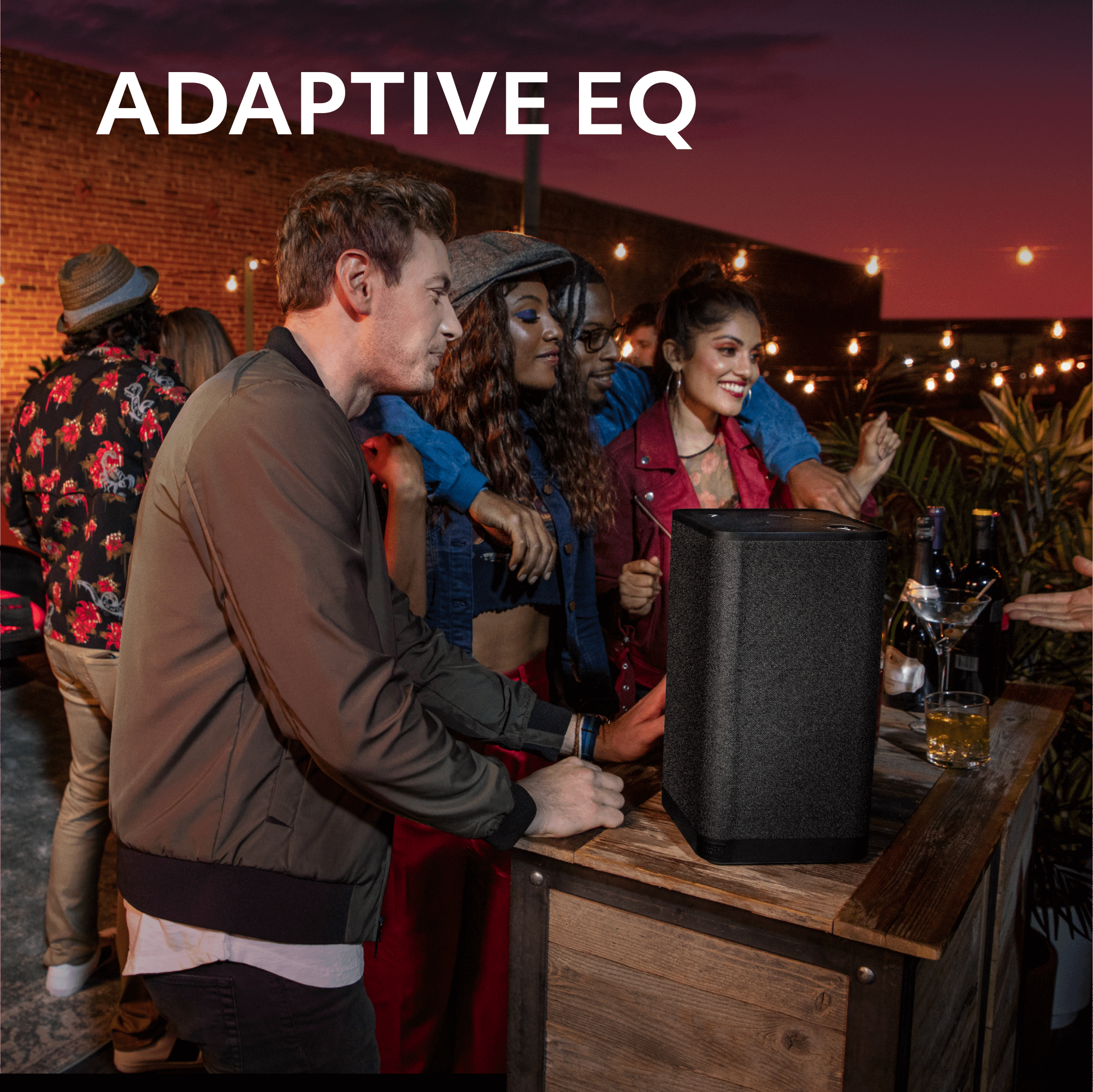
The adaptive EQ feature deserves special attention because it addresses a common problem with portable speakers. Audio that sounds great in a small room can sound thin in a large space, and vice versa. The HYPERBOOM's adaptive EQ automatically adjusts the sound signature based on acoustic feedback, optimizing performance for your specific environment.
At the time of writing, these speakers occupy completely different price segments. The JBL Go 3 sits in the budget-friendly category, offering exceptional value for ultra-portable needs. For the price of a few coffee drinks, you get waterproof construction, decent sound quality, and the ultimate in portability.
The HYPERBOOM commands a premium price that reflects its advanced features and superior audio performance. When compared to other speakers in its class, it delivers competitive audio quality, exceptional battery life, and unique features like dual Bluetooth connectivity that justify the investment for the right user.
The value equation isn't just about sound quality per dollar – it's about matching capabilities to your actual needs. The Go 3 might produce less impressive audio specifications, but if you need something truly portable that can survive outdoor adventures, it delivers exactly what you need at an accessible price point.
Neither speaker is designed primarily for home theater use, but they serve different roles in that context. The JBL Go 3 works well as a personal audio device for late-night viewing when you don't want to disturb others, or as a bathroom speaker for streaming shows while getting ready.
The HYPERBOOM can actually serve as a legitimate TV audio upgrade in smaller rooms. Its optical input allows direct connection to your TV, eliminating the audio delay (latency) that sometimes occurs with Bluetooth connections. The 360-degree sound distribution and powerful drivers can significantly improve dialogue clarity and overall audio impact compared to built-in TV speakers.
However, for serious home theater applications, dedicated soundbars or speaker systems remain the better choice due to their specific optimization for TV audio and room acoustics.
Understanding how these speakers perform in actual use cases helps clarify their strengths and limitations. The JBL Go 3 excels in scenarios where traditional speakers simply aren't practical – hiking trails, hotel rooms, small apartments where neighbors are a concern, or as a shower speaker that can handle steam and splashes.
User feedback consistently highlights the Go 3's clarity for podcasts and spoken word content, making it popular among commuters and students. Its small size means it can provide audio enhancement in situations where larger speakers would be intrusive or impractical.
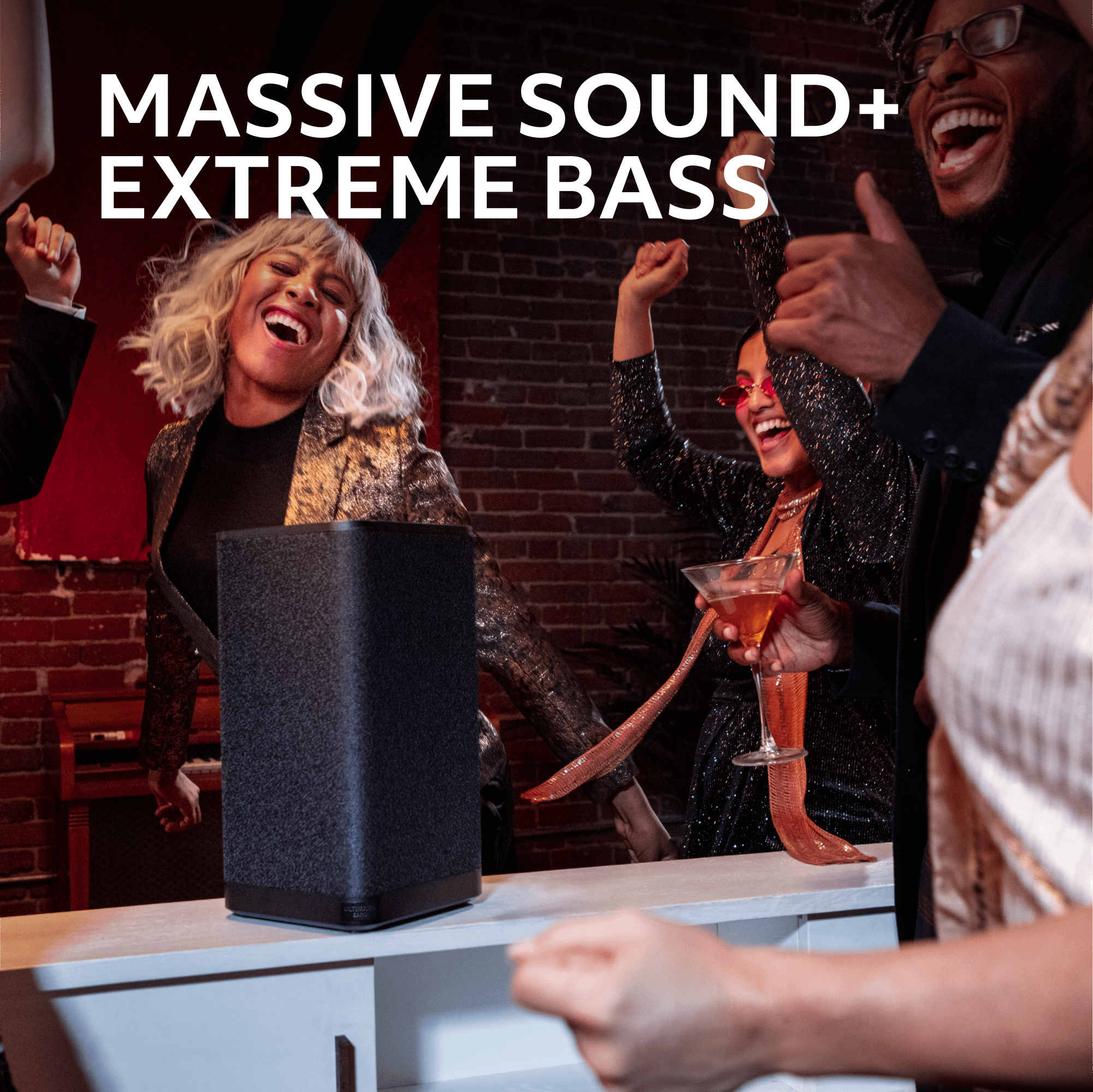
The HYPERBOOM shines in social situations where audio quality directly impacts the experience. House parties, backyard gatherings, or family events where multiple people are listening simultaneously benefit from its room-filling sound and extended battery life. The dual Bluetooth connectivity eliminates the awkward DJ transitions that can kill party momentum.
Professional reviews consistently praise the HYPERBOOM's ability to maintain audio quality even at high volume levels – something many smaller speakers struggle with due to compression and distortion at maximum output.
Choose the JBL Go 3 if you prioritize extreme portability and need a speaker that can truly go anywhere. It's perfect for solo listeners, outdoor enthusiasts, travelers, or anyone who needs reliable audio enhancement without the bulk. The waterproof design makes it ideal for environments where larger speakers would be risky or impractical.
The Go 3 also makes sense as a secondary speaker – something you keep in your car, gym bag, or office for spontaneous listening needs. Its affordable price point makes it easy to justify as an impulse purchase or gift.
Choose the HYPERBOOM if audio quality is your primary concern and you can accommodate its size and weight. It's designed for people who host gatherings, want to upgrade their home audio system, or need a speaker that can fill larger spaces with quality sound. The advanced features and connectivity options make it suitable for tech-savvy users who want more control over their audio experience.
The HYPERBOOM represents a long-term investment in superior audio quality and features that will remain relevant as your needs evolve. Its premium build quality and comprehensive feature set justify the higher price for users who prioritize performance over portability.
These speakers succeed in their respective categories by making deliberate trade-offs that align with their target users' priorities. The JBL Go 3 proves that good things can come in small packages, offering impressive performance and durability at an ultra-portable size. The Ultimate Ears HYPERBOOM demonstrates what's possible when size constraints are removed, delivering audio performance that rivals much larger and more expensive systems.
Your choice ultimately depends on how you actually listen to music. If you need a constant companion that can handle any environment and fit anywhere, the Go 3 is hard to beat. If you want the best possible audio experience and can work within its size limitations, the HYPERBOOM delivers exceptional value for serious listeners.
Both speakers represent excellent examples of focused engineering – they excel at their intended purposes while acknowledging their limitations. In a market full of compromise products trying to be everything to everyone, this kind of focused design approach often produces the most satisfying results for end users.
| JBL Go 3 Portable Bluetooth Speaker | Ultimate Ears HYPERBOOM Portable Wireless Bluetooth Party Speaker |
|---|---|
| Size & Weight - Critical for determining actual portability | |
| 3.4" x 2.7" x 1.6", 0.46 lbs (fits in your palm) | 14.3" x 7.5" x 7.5", 13 lbs (requires carrying strap) |
| Audio Output - Determines volume and room-filling capability | |
| 4.2W RMS, single driver (personal listening only) | Significantly higher output with dual woofers + tweeters (fills large rooms) |
| Sound Configuration - Affects audio immersion and quality | |
| Mono playback (stereo content downmixed) | True stereo with 360-degree sound distribution |
| Frequency Response - Shows bass depth and overall sound range | |
| 110Hz - 20kHz (limited bass, great for vocals/podcasts) | 45Hz - 20kHz (deep bass extension for all music genres) |
| Battery Life - Critical for extended use and events | |
| Up to 5 hours (perfect for personal use sessions) | Up to 24 hours (all-day party capability) |
| Water Resistance - Determines outdoor and wet environment suitability | |
| IP67 (fully waterproof, submersible to 1 meter) | IPX4 (splash-resistant only, not submersible) |
| Bluetooth Connectivity - Affects device pairing and switching | |
| Bluetooth 5.1, single device connection | Dual Bluetooth connections (two devices simultaneously) |
| Smart Features - Adds convenience and customization | |
| Basic controls only, no app support | HYPERBOOM app with customizable EQ, adaptive EQ, PartyUp |
| Additional Inputs - Expands connection options beyond Bluetooth | |
| None (Bluetooth only) | Optical and auxiliary inputs (direct TV connection possible) |
| Charging - Convenience and future-proofing | |
| USB-C charging, 2.5 hours to full | Proprietary adapter, 2.6 hours to full, charges while playing |
| Price Category - Value proposition at time of writing | |
| Budget-friendly (exceptional value for ultra-portability) | Premium pricing (justified by superior audio and features) |
| Best Use Cases - Who should choose each speaker | |
| Travel, hiking, personal listening, shower use, budget-conscious buyers | Parties, home audio upgrade, audiophiles, multi-device households |
The JBL Go 3 is superior for true outdoor adventures with its IP67 waterproof rating, allowing full submersion up to 1 meter for 30 minutes. It's perfect for beach trips, poolside listening, and hiking. The Ultimate Ears HYPERBOOM offers only IPX4 splash resistance, making it suitable for covered patios but not poolside or beach use.
The Ultimate Ears HYPERBOOM delivers significantly superior sound quality with deep bass extension down to 45Hz, true stereo separation, and room-filling volume. The JBL Go 3 provides clear midrange audio ideal for vocals and podcasts but lacks deep bass and converts stereo to mono playback.
The JBL Go 3 is ultra-portable at 0.46 lbs with a fabric loop for easy attachment, fitting easily in your palm or pocket. The Ultimate Ears HYPERBOOM weighs 13 lbs and requires a carrying strap, making it semi-portable for setup at events rather than true on-the-go use.
The Ultimate Ears HYPERBOOM works well for TV audio with its optical input for direct connection, eliminating Bluetooth delay issues. The JBL Go 3 can connect via Bluetooth but is better suited for personal viewing rather than enhancing your main TV's audio system.
The Ultimate Ears HYPERBOOM offers extensive smart features through the BOOM app including customizable EQ, adaptive EQ, and PartyUp for connecting multiple speakers. The JBL Go 3 keeps things simple with basic Bluetooth pairing and onboard controls only.
The Ultimate Ears HYPERBOOM supports dual Bluetooth connections, allowing two devices to connect simultaneously for seamless DJ transitions. The JBL Go 3 connects to one device at a time with standard Bluetooth pairing.
Choose the JBL Go 3 if you prioritize extreme portability, waterproof protection, and budget-friendly pricing for personal listening. Choose the Ultimate Ears HYPERBOOM if you want superior sound quality, party-ready features, long battery life, and can accommodate its larger size and higher price point.
We've done our best to create useful and informative comparisons to help you decide what product to buy. Our research uses advanced automated methods to create this comparison and perfection is not possible - please contact us for corrections or questions. These are the sites we've researched in the creation of this article: rtings.com - streamtechreviews.com - english.achoreviews.com - smarthomesounds.co.uk - soundguys.com - rtings.com - walmart.com - soundguys.com - youtube.com - youtube.com - jbl.com - youtube.com - selectoguru.com - versus.com - videoandaudiocenter.com - harmanaudio.com - jbl.com - bestbuy.com - forum.hifiguides.com - manuals.plus - kh.jbl.com - th.jbl.com - mm.jbl.com - jbl.com - bestbuy.com - youtube.com - youtube.com - youtube.com - jbl.com - bestbuy.com - bestbuy.com - jbl.com.tw - youtube.com - techradar.com - ultimateears.com - youtube.com - youtube.com - rtings.com - provantage.com - target.com - forum.mygolfspy.com - order.staplestechnologysolutions.com - youtube.com - publicsector.shidirect.com - ultimateears.com

Privacy Policy
Terms and Conditions - Affiliate Policy
Home Security
© Copyright 2008-2026.
11816 Inwood Rd #1211, Dallas, TX 75244