

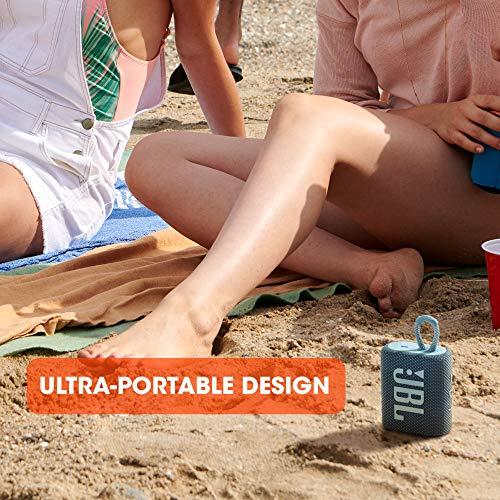




When you need music on the go but don't want to lug around a heavy speaker, ultra-portable Bluetooth speakers fill a unique niche. These tiny audio devices prioritize convenience over raw power, designed to slip into pockets, clip onto backpacks, or disappear into your travel bag. Both the JBL Go 3 and JBL Clip 4 target this space, but they take distinctly different approaches to solving the same basic problem: how do you get decent sound in the smallest possible package?
Ultra-portable speakers operate under strict physical constraints that larger speakers simply don't face. When you're working with drivers (the components that actually produce sound) smaller than what you'd find in most earbuds, every millimeter matters. These speakers typically house 40-50mm drivers compared to the 100mm+ drivers in larger portable speakers, which immediately limits how much bass they can produce and how loud they can get without distorting.
The category revolves around compromise. You're trading audio fidelity for convenience, battery capacity for size, and often features for affordability. The question becomes: which compromises can you live with, and which features matter most for your specific use case?
What makes this comparison particularly interesting is that both the JBL Go 3 and JBL Clip 4 were released in 2021, representing JBL's current thinking on how to approach ultra-portable audio. Since their release, Bluetooth 5.1 has become standard in this category, offering better connection stability and lower power consumption than older versions – a crucial improvement when you're dealing with tiny batteries.
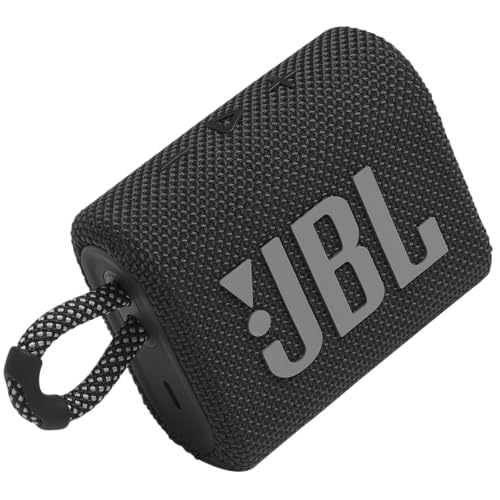
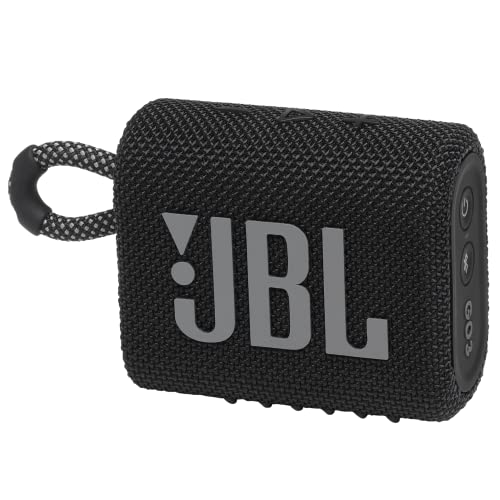
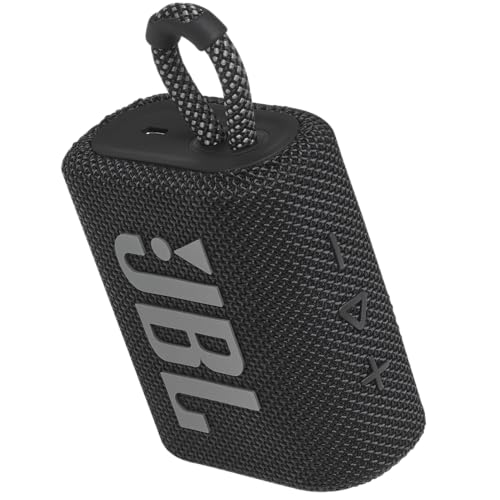
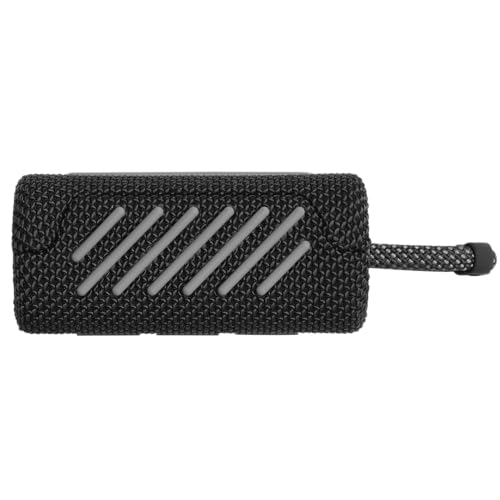
The JBL Go 3 embodies the "smaller is better" philosophy. At just 3.4 x 2.7 x 1.6 inches and weighing 0.46 pounds, it's genuinely pocket-friendly. The design centers around a simple fabric-wrapped exterior with a rubberized base that lets it stand upright on surfaces. This standing design isn't just aesthetic – when a speaker this small sits upright, it can project sound more effectively than when lying flat.
The fabric loop on the Go 3 is basic but functional. It's large enough to hook onto a carabiner or thread through a strap, though you'll need to provide your own mounting hardware. The speaker feels solid despite its tiny size, with the fabric exterior providing grip and the rubberized base preventing it from sliding around on smooth surfaces.
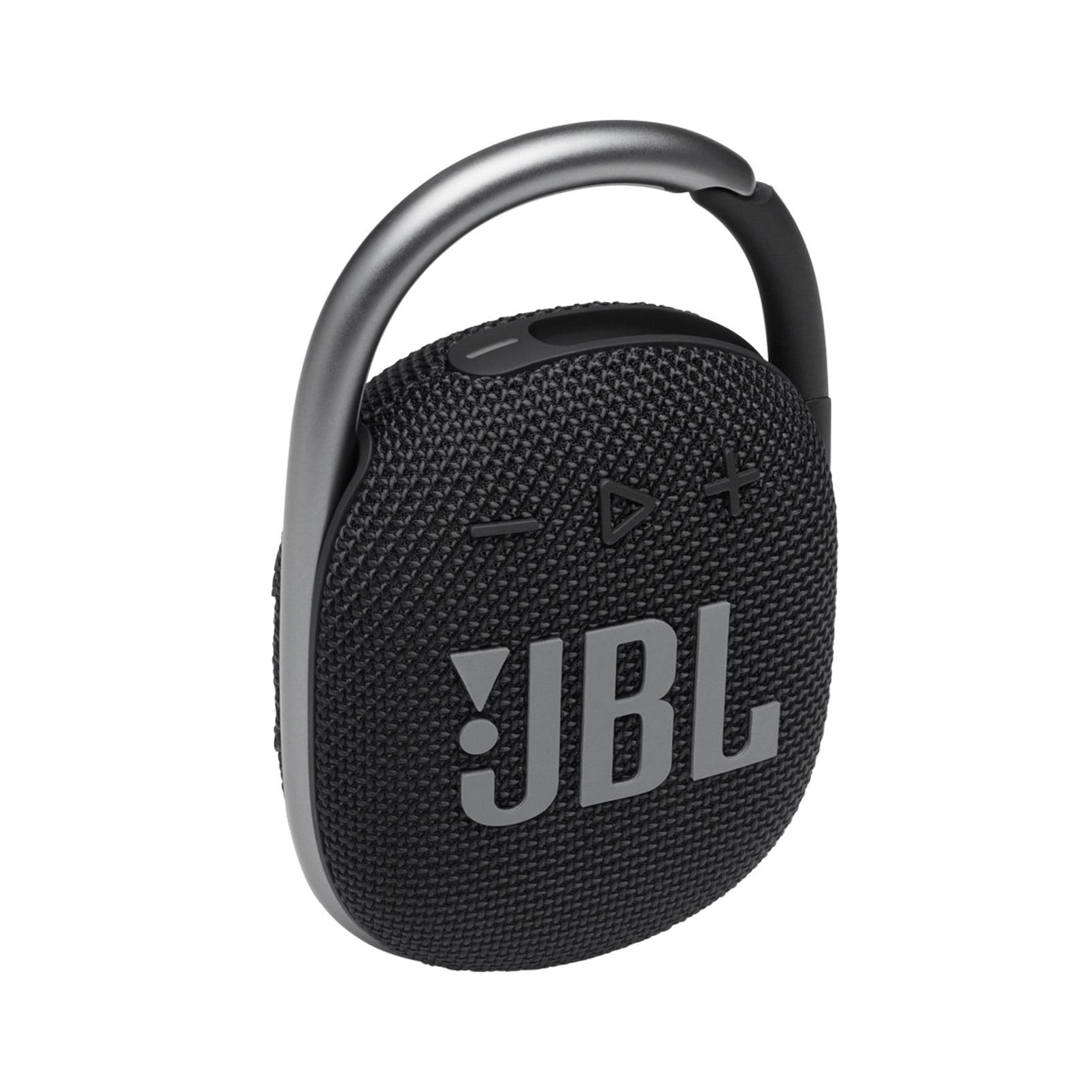
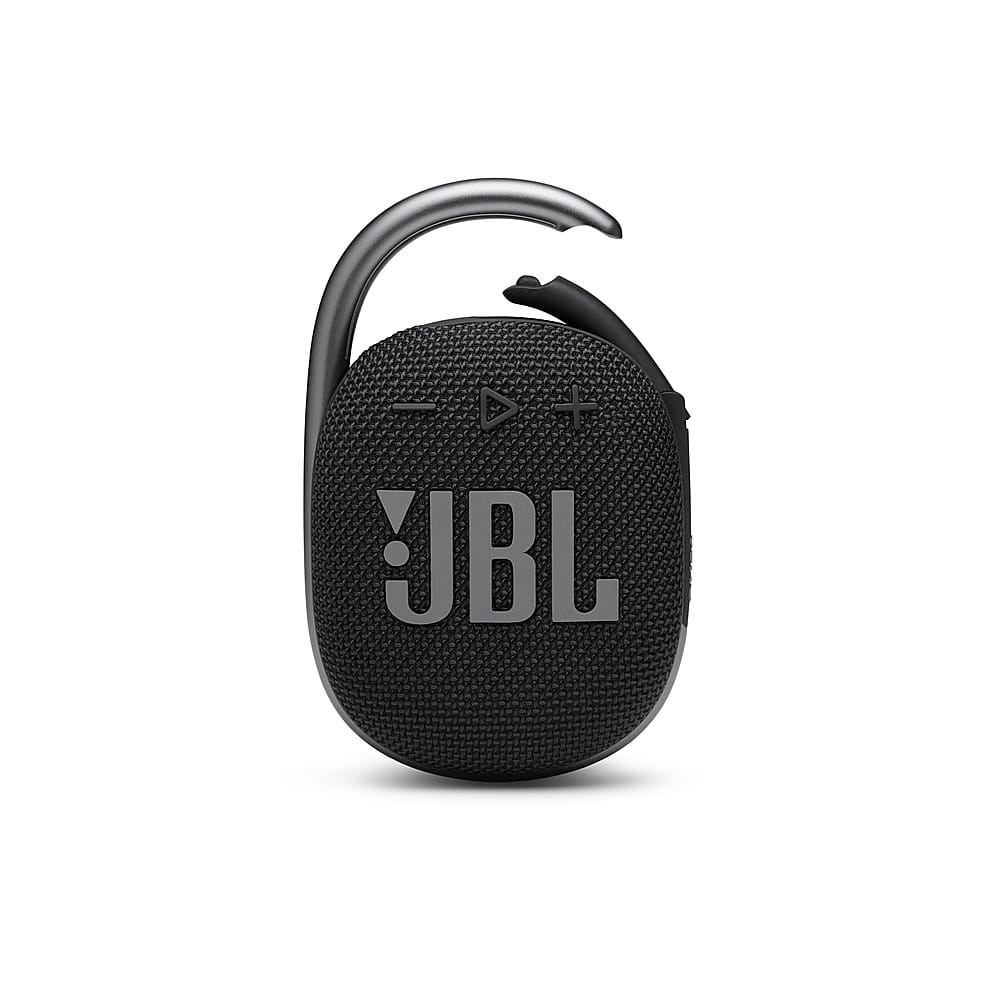
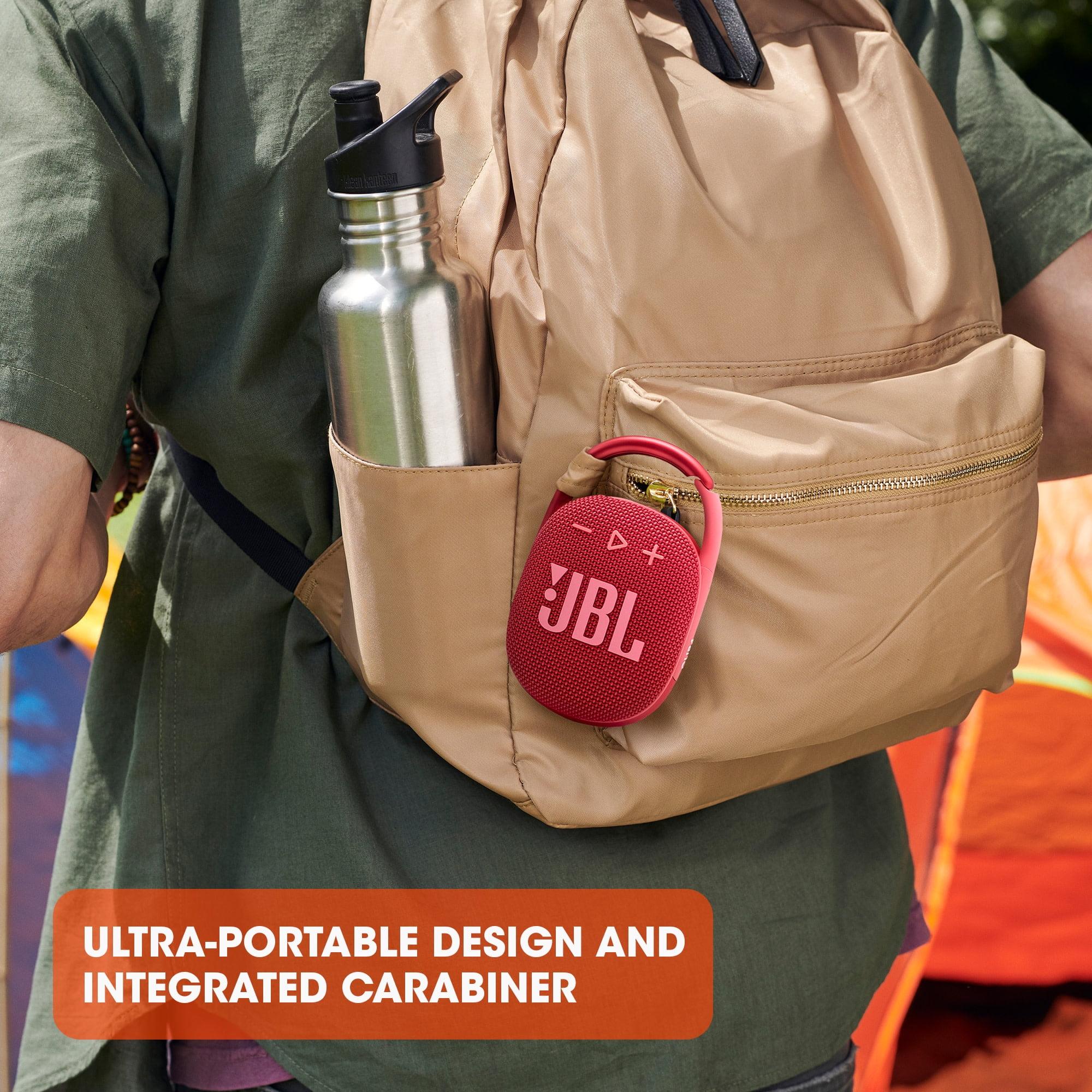
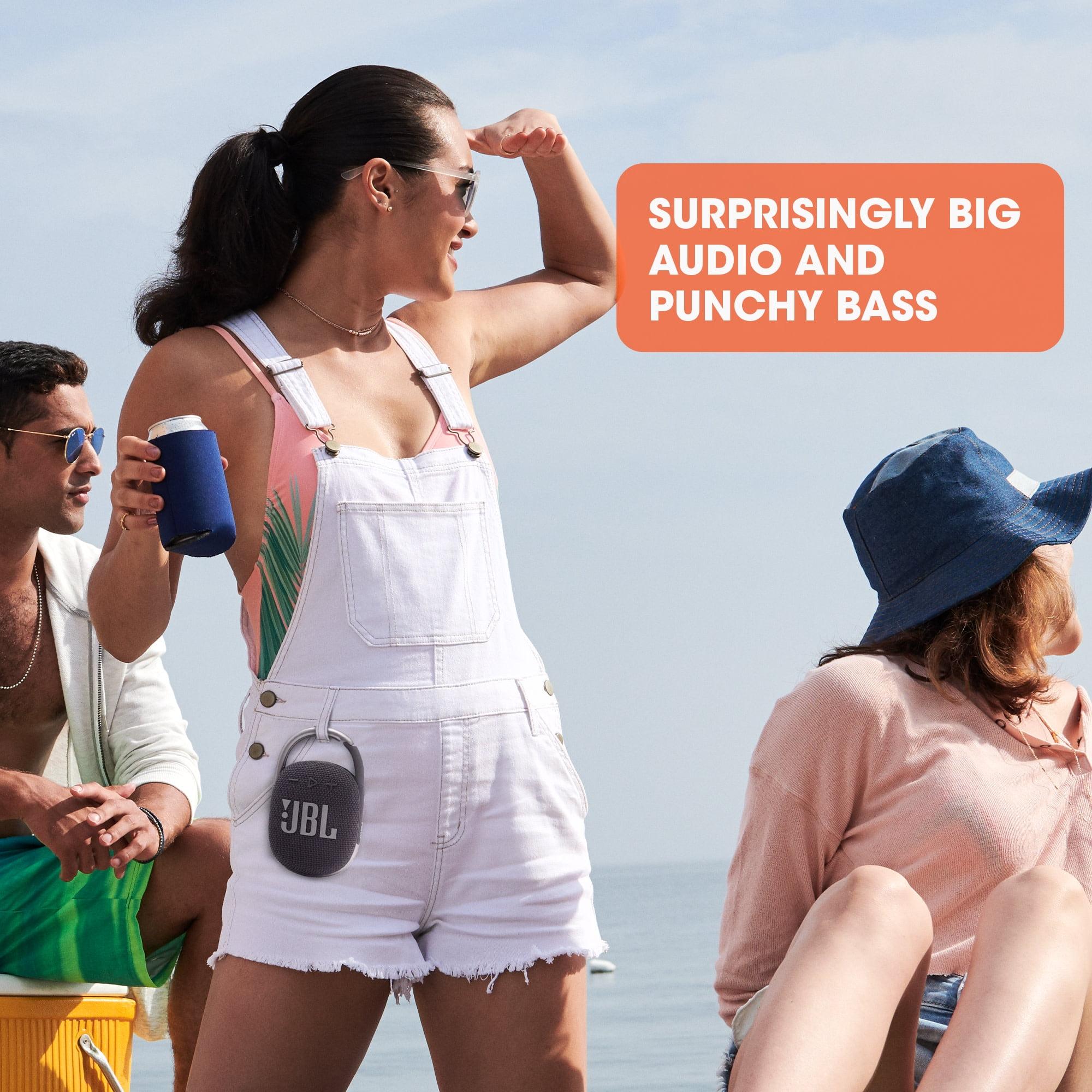
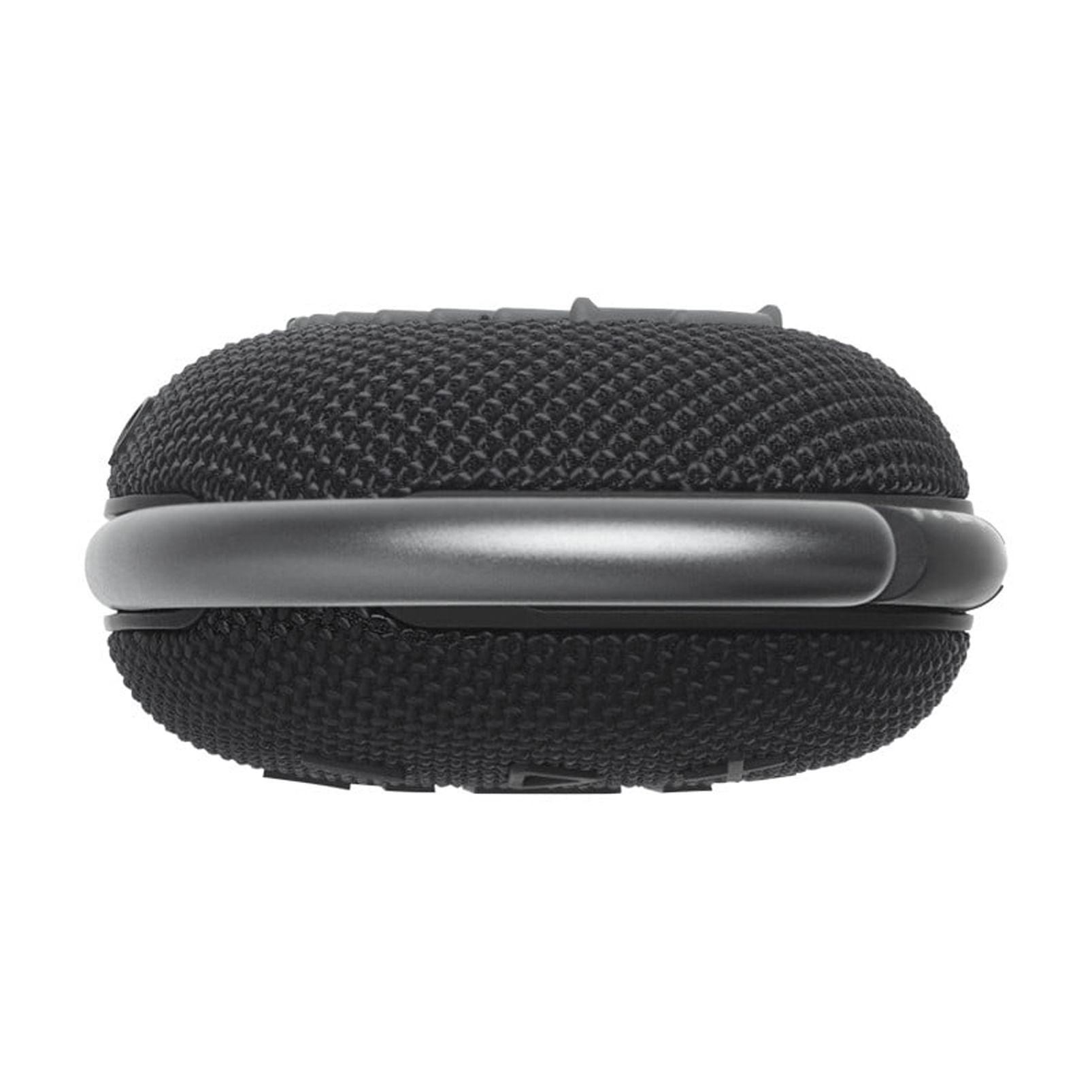
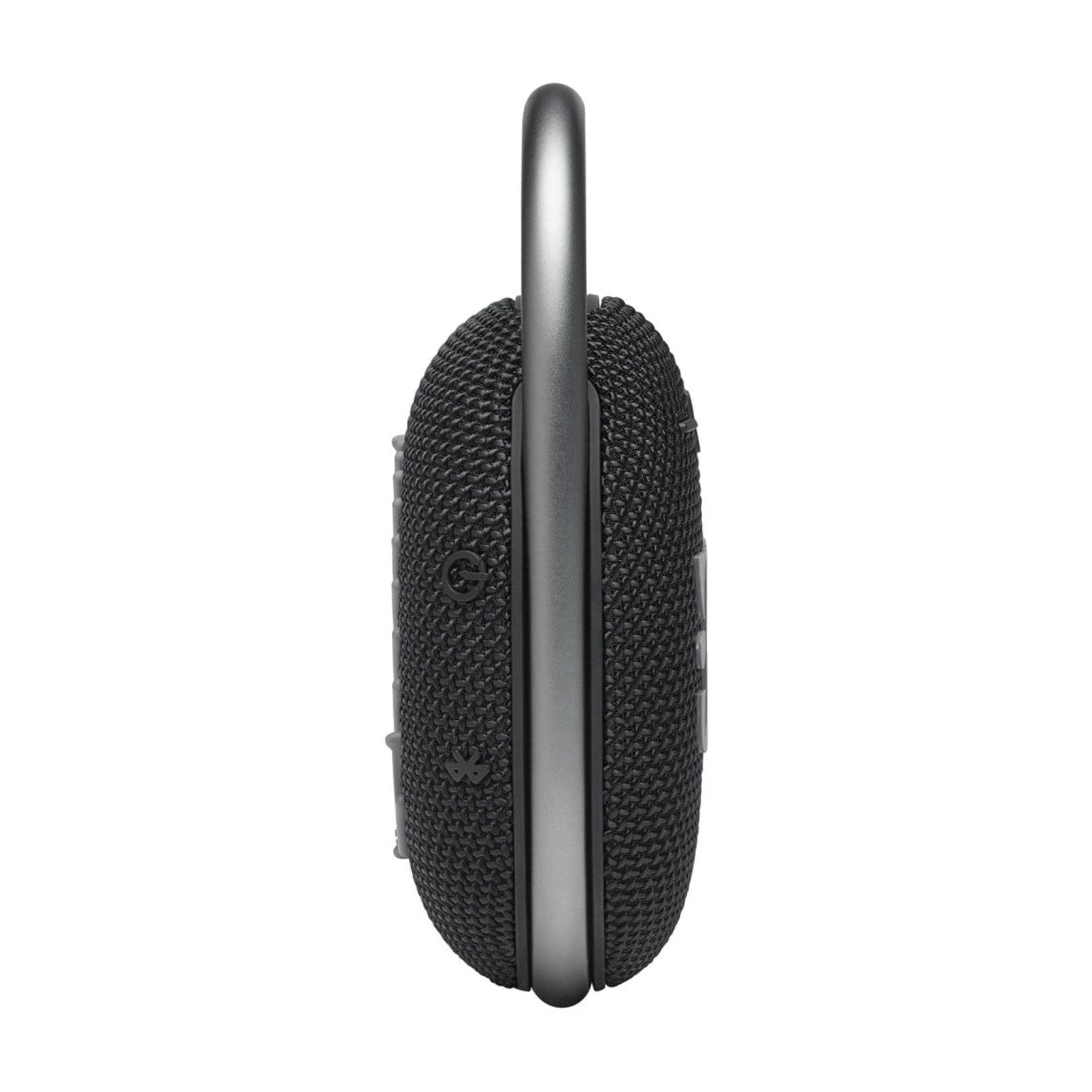
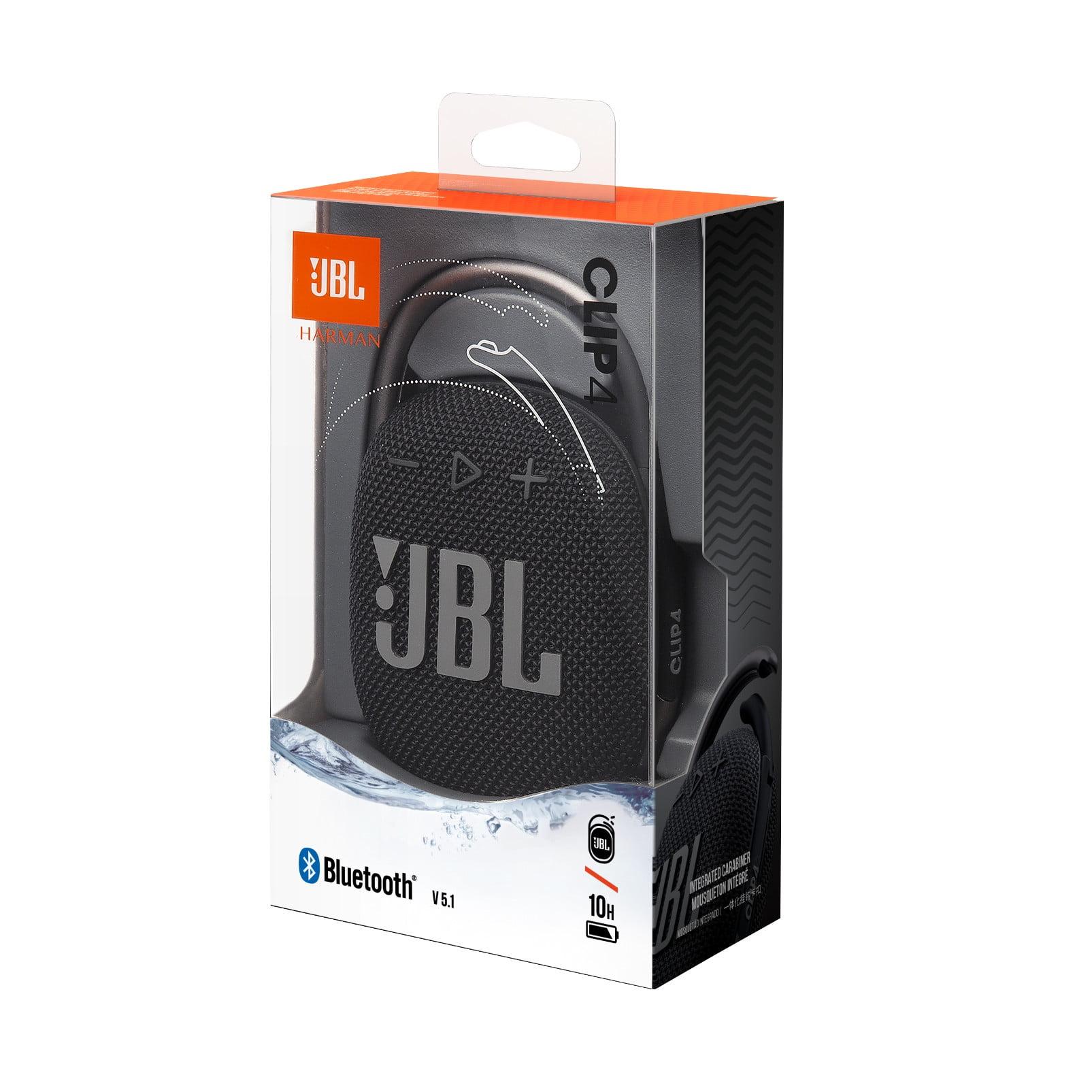
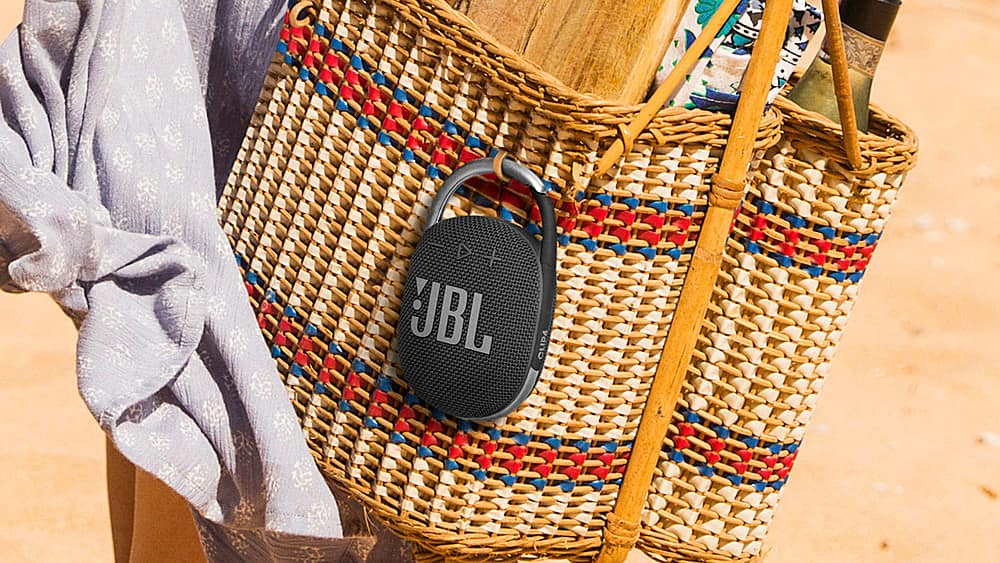
The JBL Clip 4, measuring 3.4 x 5.3 x 1.8 inches and weighing 0.53 pounds, takes a fundamentally different approach. The integrated carabiner isn't just an add-on feature – it's the defining characteristic that shapes how you use the speaker. This spring-loaded metal clip feels substantial and can attach to belt loops, backpack straps, or bike handlebars without additional hardware.
However, this design choice creates an interesting trade-off: the Clip 4 can't stand upright like the Go 3. When you set it down on a surface, it lies flat, which can muffle the sound slightly compared to an upright orientation. The carabiner also makes the speaker about 40% larger overall, though it's still easily portable.
Here's where the differences become most apparent. The JBL Clip 4 consistently outperforms the Go 3 in virtually every audio metric, and the reasons are rooted in basic physics and engineering choices.
Frequency Response and Bass Extension
The Clip 4 handles frequencies down to 100Hz compared to the Go 3's 110Hz cutoff. While 10Hz might not sound significant, it represents a meaningful improvement in bass response for speakers this small. In practical terms, the Clip 4 can reproduce the low end of male vocals and bass guitars with more body and warmth.
Bass response in ultra-portable speakers is always limited by physics – small drivers in small enclosures simply can't move enough air to produce deep bass. What separates good from mediocre in this category is how well the speaker handles the bass it can produce. The Go 3 tends to emphasize mid-bass (around 150-200Hz) to avoid sounding too thin, but this can create a slightly muddy sound with some music. The Clip 4 manages a more balanced approach, extending deeper while maintaining better control.
Soundstage and Detail
Soundstage – the sense of width and space in the music – is another area where the Clip 4 pulls ahead. Despite both being mono speakers (meaning they only have one channel, not separate left and right channels like stereo speakers), the Clip 4 creates a wider, more immersive presentation. This likely comes down to the internal acoustics and how the sound exits the speaker grille.
Detail retrieval is where you really notice the difference between these speakers. The Clip 4 better separates different instruments in a mix, making it easier to pick out individual elements in complex music. Vocals come through clearer, and there's better definition in the upper frequencies. The Go 3 tends toward a more mid-heavy presentation that can make music sound slightly compressed or flattened.
Volume and Distortion Handling
Both speakers can get surprisingly loud for their size, but they handle maximum volume differently. The Go 3 reaches its peak output with less compression artifacts (distortion that occurs when a speaker is pushed beyond its limits), but the Clip 4 sounds fuller and more composed at high volumes.
There's an important caveat with the Go 3: it can produce audible rattling when playing bass-heavy content, especially when placed on hard surfaces. The vibrations can transfer to whatever surface it's sitting on, creating an annoying buzzing sound. This is less of an issue with the Clip 4 due to its different form factor and better bass control.
JBL rates the Go 3 at 5 hours of playtime and the Clip 4 at 10 hours, but real-world performance tells a more interesting story. Independent testing at moderate volume levels (around 70%) reveals that both speakers significantly exceed their ratings, with the Go 3 achieving closer to 11 hours and the Clip 4 pushing nearly 20 hours.
This discrepancy between rated and actual performance is common in portable speakers – manufacturers tend to test at higher volumes or use more demanding audio content than typical users. The important takeaway is that the Clip 4 delivers roughly double the battery life of the Go 3 in real-world use.
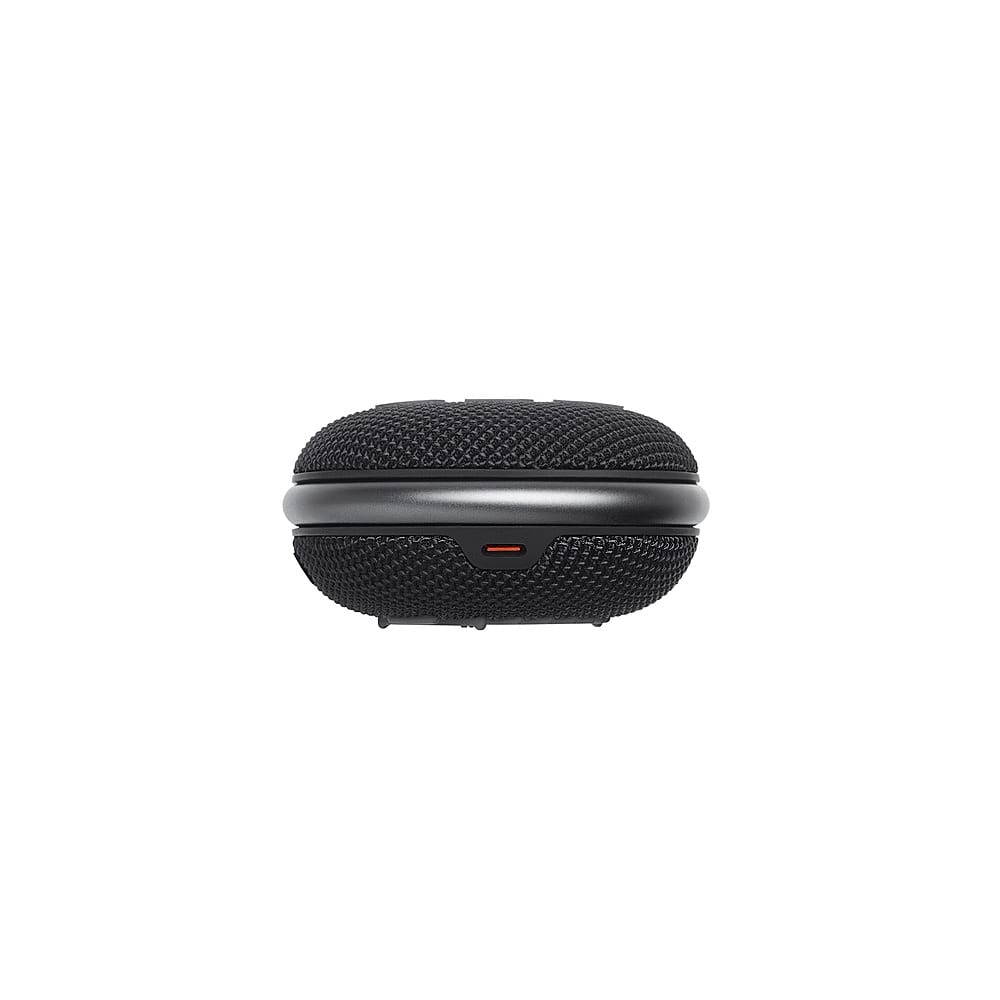
Both speakers charge via USB-C, a welcome improvement over the micro-USB ports found on older models. The Go 3 charges in about 2.5 hours, while the Clip 4 takes 3 hours due to its larger battery capacity.
Both speakers use Bluetooth 5.1, which offers several advantages over older Bluetooth versions: more stable connections, lower latency (the delay between audio being sent and heard), and better power efficiency. They support standard audio profiles (A2DP for music streaming and AVRCP for basic playback controls) but don't include advanced audio codecs like AAC or aptX that can improve sound quality with compatible devices.
Neither speaker includes a built-in microphone for hands-free calling – a feature that's becoming less common in ultra-portable speakers as manufacturers focus on audio quality and size constraints. They also don't support JBL's Connect+ or PartyBoost features that allow multiple JBL speakers to work together, which makes sense given their individual, personal-use focus.
The Clip 4 does have slightly lower audio latency, meaning there's less delay when watching videos. While both speakers will have some lag, the Clip 4 gets closer to the real-time experience you'd want for video content.
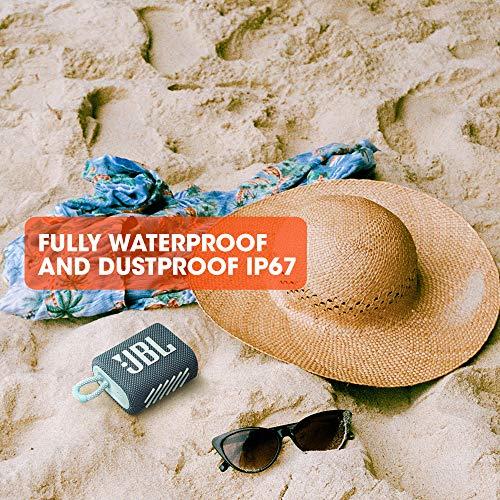
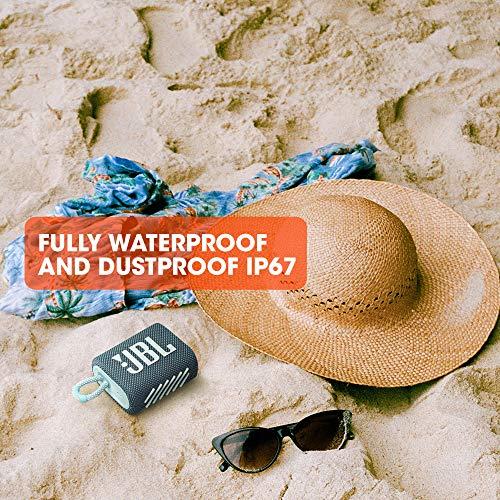
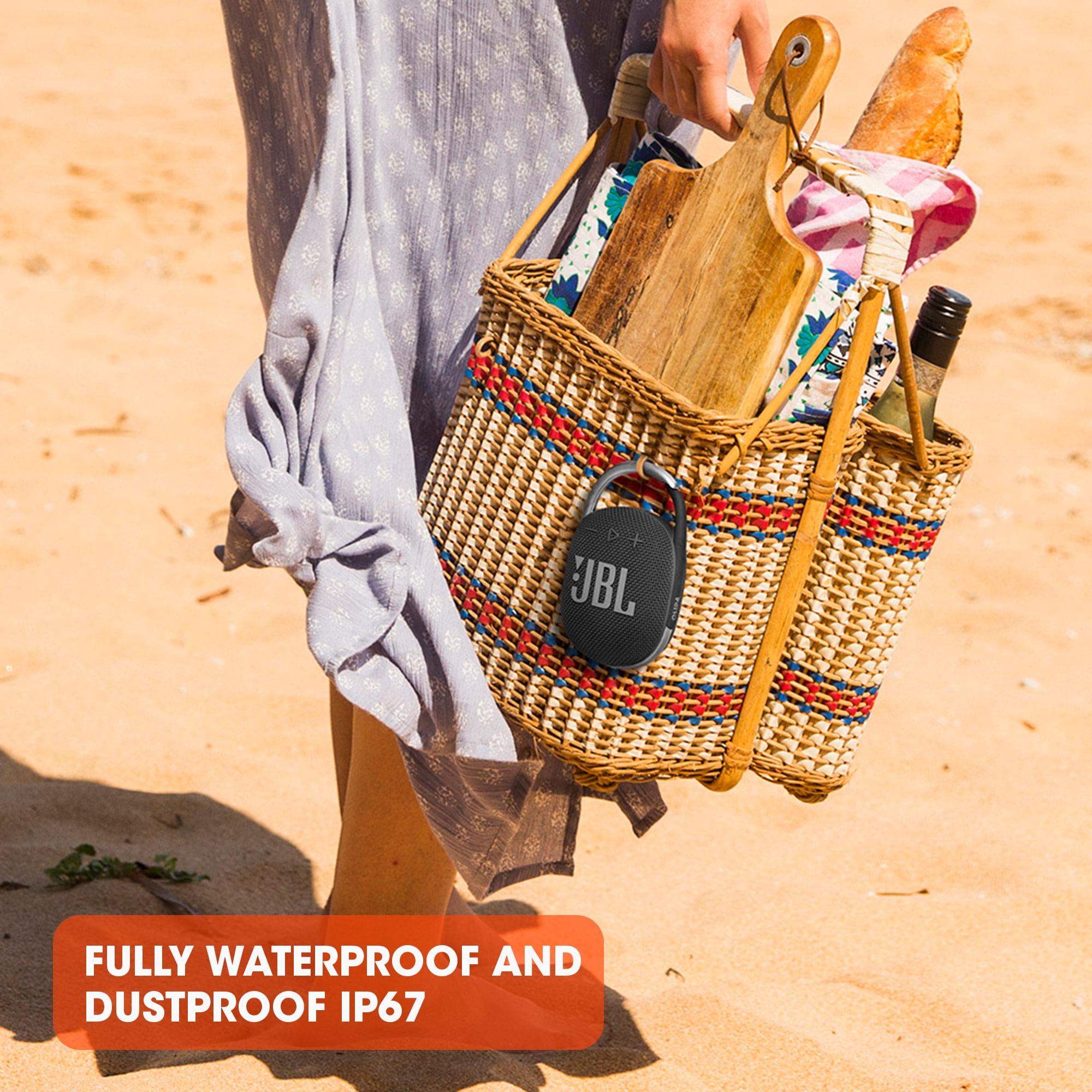
Both speakers carry an IP67 rating, which breaks down as follows: the "6" means complete protection against dust (no particles can enter), and the "7" means protection against immersion in water up to 1 meter deep for 30 minutes. In practical terms, you can use either speaker at the beach, by the pool, in light rain, or even in the shower without worry.
This level of protection has become standard in the category since 2021, reflecting how these speakers are expected to handle outdoor and active use. The rating covers the speakers themselves – charging ports are typically protected by rubber flaps or designed to drain water effectively.
At the time of writing, the Go 3 typically sells for around $30, while the Clip 4 commands approximately $43 – a roughly 40% premium. This price difference raises the key value question: are the Clip 4's improvements worth the extra cost?
The Go 3 offers exceptional value at its price point. You get IP67 protection, decent sound quality for the size, and extreme portability in a package that costs less than most wired headphones. For users with basic needs or tight budgets, it's hard to find better value in the ultra-portable category.
The Clip 4's premium delivers meaningful improvements: significantly better audio quality, roughly double the battery life, and the integrated carabiner that eliminates the need for separate mounting hardware. For many users, these improvements justify the higher price, especially considering the long-term value of better sound and longer battery life.
The Go 3 excels when:
The Clip 4 shines for:
Neither speaker is designed for home theater use. Their mono output, limited frequency range, and small size make them poor choices for movie watching or TV audio enhancement. If you need a small speaker for TV use, you'd be better served by a larger portable speaker or a dedicated soundbar, even a compact one.
That said, the Clip 4's lower latency makes it slightly more suitable for casual video watching on phones or tablets, though you'd still notice some delay between audio and video.
After evaluating both speakers extensively, the JBL Clip 4 emerges as the better choice for most users. Its superior audio quality, dramatically longer battery life, and integrated carabiner deliver genuine improvements that justify the price premium. The sound quality difference alone – particularly in bass response and detail – makes music more enjoyable and less fatiguing over long listening sessions.
However, the JBL Go 3 remains an excellent choice for specific scenarios. If you prioritize maximum portability, primarily use a speaker at a desk or table, or are working with a tight budget, the Go 3 delivers impressive performance for its size and price.
The decision ultimately comes down to your priorities and use case. The roughly $13 price difference (at the time of writing) represents good value for the Clip 4's improvements, but the Go 3 offers exceptional value at its lower price point.
For most people who want a portable speaker for outdoor activities, commuting, or general on-the-go use, the JBL Clip 4 is worth the investment. Its combination of better sound, longer battery life, and convenient attachment makes it more versatile and enjoyable to live with day-to-day.
If you're primarily looking for the smallest possible speaker for occasional use or desktop listening, the JBL Go 3 could be the smarter choice. Its tiny size, ability to stand upright, and lower price make it ideal for users with specific portability needs or budget constraints.
Both speakers represent solid engineering within their size constraints, but they serve slightly different needs within the ultra-portable category. Understanding these differences will help you choose the one that best fits your lifestyle and listening habits.
| JBL Go 3 | JBL Clip 4 |
|---|---|
| Size & Weight - Critical for true portability | |
| 3.4 x 2.7 x 1.6 inches, 0.46 lbs (extremely pocketable) | 3.4 x 5.3 x 1.8 inches, 0.53 lbs (larger but still portable) |
| Audio Performance - Most important for music enjoyment | |
| 4.2W output, 110Hz-20kHz range (limited bass, clear mids) | 5W output, 100Hz-20kHz range (deeper bass, better detail) |
| Battery Life - Real-world usage matters more than ratings | |
| ~11 hours actual use (rated 5 hours) | ~20 hours actual use (rated 10 hours) |
| Mounting Solution - How you'll actually use it daily | |
| Fabric loop only (requires separate carabiner) | Integrated metal carabiner (clips anywhere instantly) |
| Charging Speed - Convenience factor for active users | |
| 2.5 hours via USB-C | 3 hours via USB-C |
| Design Flexibility - Affects sound projection and usability | |
| Stands upright for better sound projection | Cannot stand upright due to carabiner design |
| Water Resistance - Essential for outdoor use | |
| IP67 (waterproof and dustproof) | IP67 (waterproof and dustproof) |
| Bluetooth Technology - Connection stability and latency | |
| Bluetooth 5.1 with standard latency | Bluetooth 5.1 with lower audio latency |
| Value Proposition - Cost vs. features at time of writing | |
| Best ultra-budget option (~$30 range) | Premium justified by better performance (~$43 range) |
The JBL Go 3 is significantly smaller and more compact. It measures 3.4 x 2.7 x 1.6 inches and weighs just 0.46 pounds, making it extremely pocketable. The JBL Clip 4 is larger at 3.4 x 5.3 x 1.8 inches and weighs 0.53 pounds due to its integrated carabiner design. If maximum portability is your priority, the JBL Go 3 is the clear winner.
The JBL Clip 4 delivers noticeably better sound quality across all metrics. It has deeper bass extension (100Hz vs 110Hz), better detail retrieval, and a wider soundstage. The JBL Go 3 tends to sound more mid-heavy and can produce rattling with bass-heavy content. For music enjoyment, the JBL Clip 4 is the superior choice.
In real-world testing, the JBL Clip 4 lasts approximately 20 hours at moderate volume, nearly double the JBL Go 3's 11-hour performance. Both speakers significantly exceed their official ratings, but the JBL Clip 4 offers much longer listening sessions for extended outdoor activities or travel.
The JBL Clip 4 features an integrated metal carabiner that clips directly to bags, belts, or backpack straps without additional hardware. The JBL Go 3 only has a fabric loop, so you'll need to provide your own carabiner or clip for hands-free attachment. The JBL Clip 4's built-in solution is much more convenient for active use.
Yes, both the JBL Go 3 and JBL Clip 4 carry an IP67 rating, meaning they're fully waterproof and dustproof. They can be submerged in up to 1 meter of water for 30 minutes and are completely protected against dust. Both speakers are suitable for beach, pool, or shower use.
Neither the JBL Go 3 nor JBL Clip 4 is suitable for home theater use. Both are mono speakers with limited frequency range and small size, making them poor choices for TV audio or movie watching. For home entertainment, you'd need a larger speaker system or dedicated soundbar.
Only the JBL Go 3 can stand upright thanks to its rubberized base, which helps with sound projection when used on desks or tables. The JBL Clip 4 cannot stand upright due to its carabiner design and must lie flat when placed on surfaces, which can slightly muffle the sound direction.
The JBL Go 3 offers exceptional value for budget-conscious buyers, delivering solid performance at the lowest price point. However, the JBL Clip 4 provides better overall value through significantly improved audio quality, double the battery life, and integrated mounting convenience. The price premium is generally justified by these meaningful improvements.
No, neither the JBL Go 3 nor JBL Clip 4 includes a built-in microphone for hands-free calling. Both speakers focus purely on music playback and don't support voice assistant integration or speakerphone functionality.
The JBL Clip 4 is better suited for outdoor activities due to its integrated carabiner for hands-free attachment, longer battery life, and superior sound quality. While the JBL Go 3 is more compact, the JBL Clip 4's convenience features and extended playtime make it more practical for extended outdoor use.
No, neither the JBL Go 3 nor JBL Clip 4 supports JBL's Connect+ or PartyBoost features that allow multiple speakers to work together. Both are designed for individual, personal use rather than multi-speaker setups.
Choose the JBL Go 3 if you need maximum portability, primarily use it at a desk where it can stand upright, or have budget constraints. Choose the JBL Clip 4 if you want better sound quality, longer battery life, integrated mounting convenience, or plan to use it for outdoor activities. For most users, the JBL Clip 4's improvements justify the higher cost.
We've done our best to create useful and informative comparisons to help you decide what product to buy. Our research uses advanced automated methods to create this comparison and perfection is not possible - please contact us for corrections or questions. These are the sites we've researched in the creation of this article: rtings.com - streamtechreviews.com - english.achoreviews.com - smarthomesounds.co.uk - soundguys.com - rtings.com - walmart.com - soundguys.com - youtube.com - youtube.com - jbl.com - youtube.com - selectoguru.com - versus.com - videoandaudiocenter.com - harmanaudio.com - jbl.com - bestbuy.com - forum.hifiguides.com - manuals.plus - kh.jbl.com - th.jbl.com - mm.jbl.com - jbl.com - bestbuy.com - youtube.com - youtube.com - youtube.com - jbl.com - bestbuy.com - bestbuy.com - jbl.com.tw - youtube.com - youtube.com - outeraudio.com - jbl.com - rtings.com - youtube.com - jbl.com - harmanaudio.com - youtube.com - ggelectronics.com - greentoe.com - soundstagexperience.com

Privacy Policy
Terms and Conditions - Affiliate Policy
Home Security
© Copyright 2008-2026.
11816 Inwood Rd #1211, Dallas, TX 75244