






When it comes to portable Bluetooth speakers, the landscape has exploded with options over the past few years. Two speakers that represent very different approaches to portable audio are the JBL Go 3 and the Bose SoundLink Flex 2nd Gen. While both are waterproof Bluetooth speakers you can take anywhere, they target completely different audiences and price points, making the choice between them more about understanding your priorities than picking the "better" speaker.
The portable Bluetooth speaker category has matured significantly since the early 2010s. What started as basic wireless audio devices have evolved into sophisticated systems with advanced digital signal processing (DSP), which is essentially a computer chip that optimizes audio in real-time based on what you're playing and how loud you're listening.
Modern portable speakers need to balance several competing demands. There's the obvious trade-off between size and sound quality – physics dictates that smaller speakers simply cannot move as much air to create deep bass or high volume levels. Battery technology has improved, but there's still a direct relationship between battery size, weight, and how long your speaker will play. Then there's durability, which has become increasingly important as people take these speakers to beaches, pools, and hiking trails.
The key consideration is understanding what compromises you're willing to make. Do you want something that disappears in your bag but might not fill a room with sound? Or are you willing to carry something larger for significantly better audio performance?
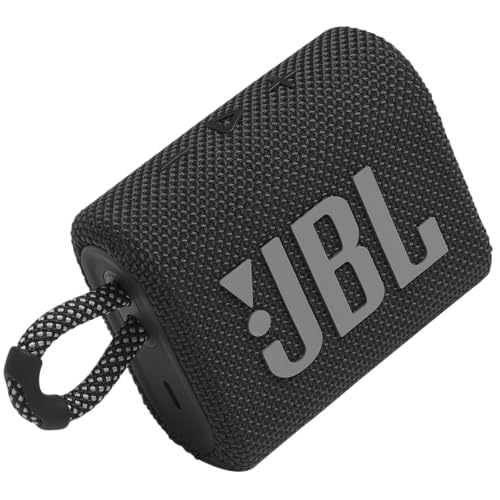
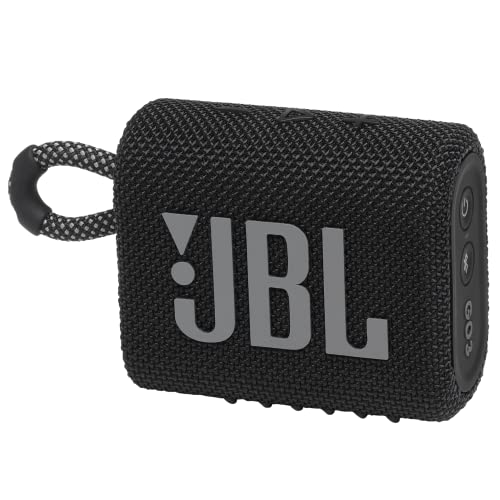
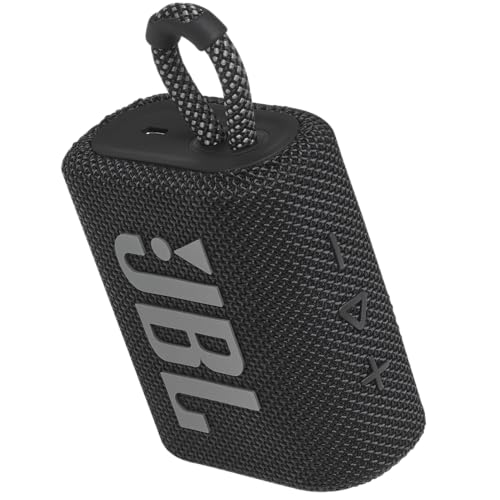
The JBL Go 3, released in 2020, represents the ultra-budget, ultra-portable approach to wireless audio. JBL designed it for people who want decent sound quality without spending much money or carrying much weight. At the time of writing, it typically costs less than what you'd spend on a decent lunch, making it an impulse purchase rather than a carefully considered investment.
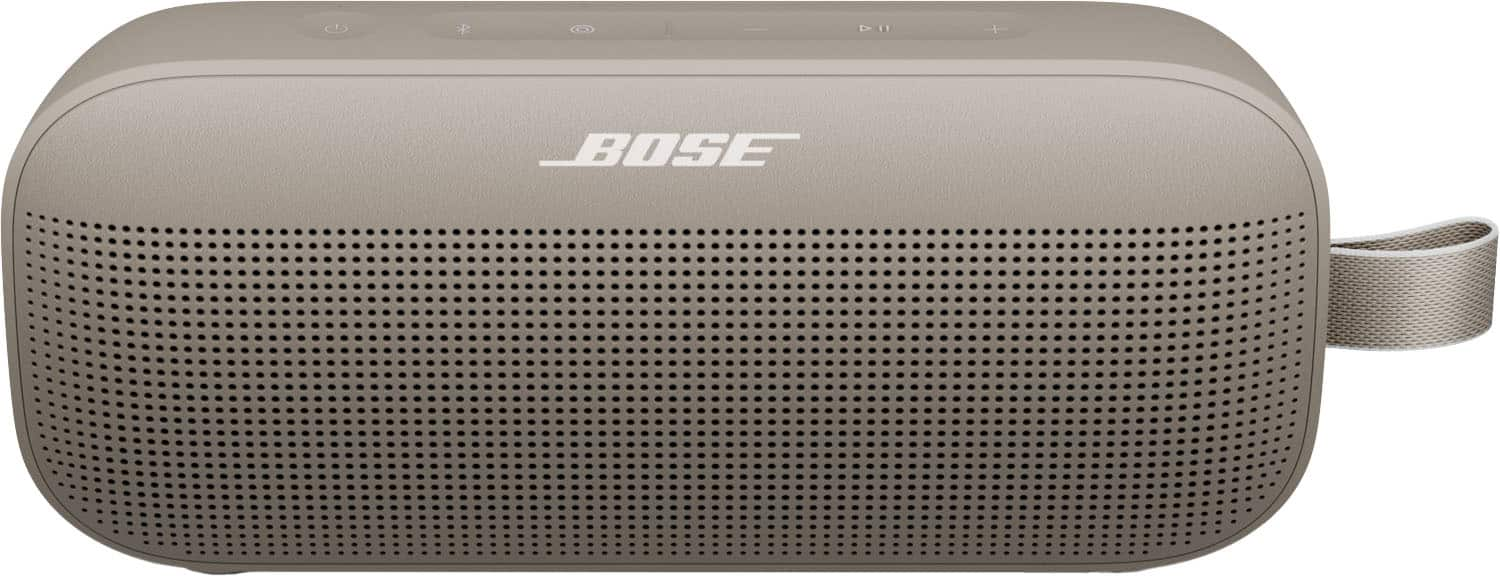
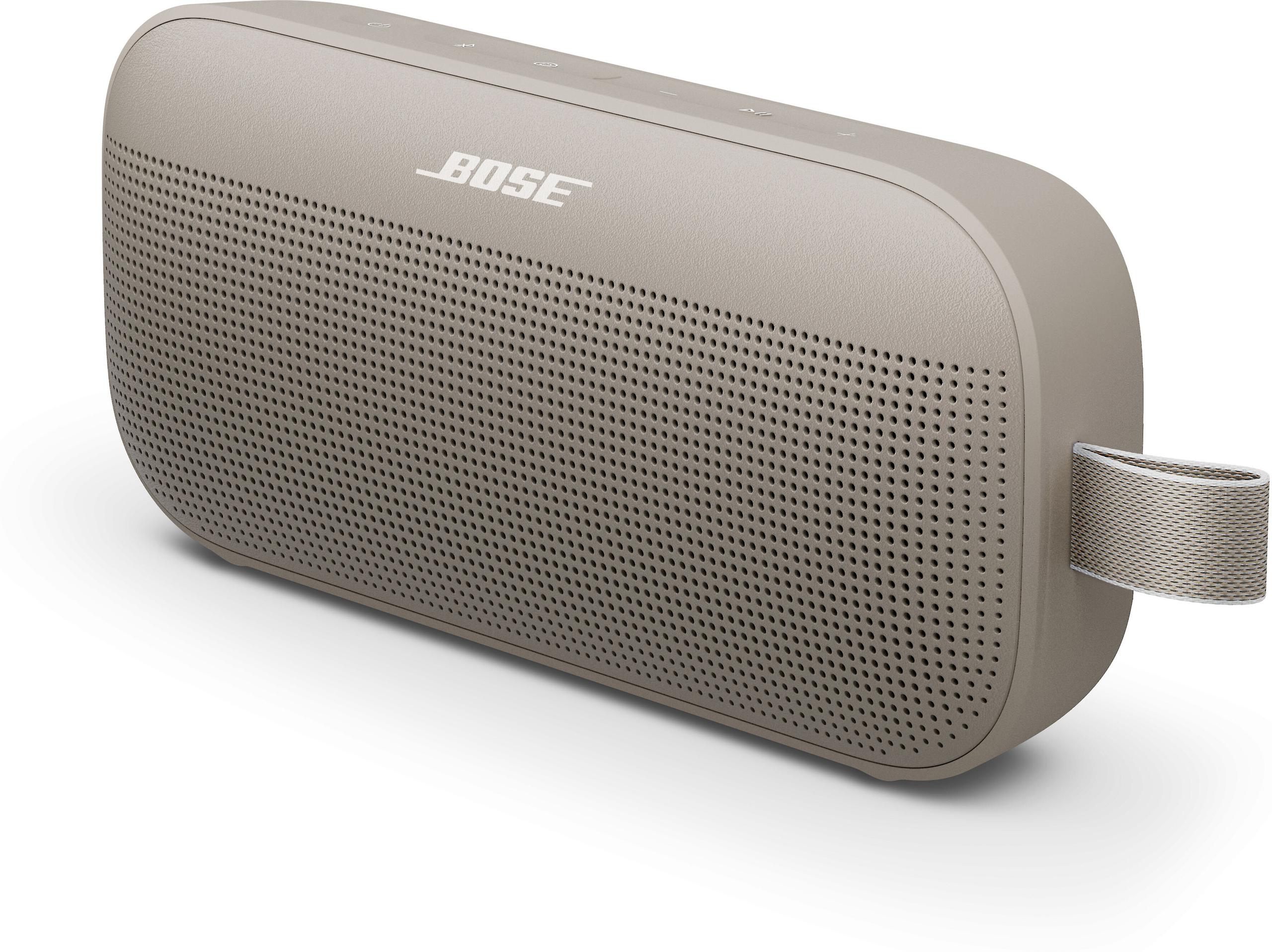
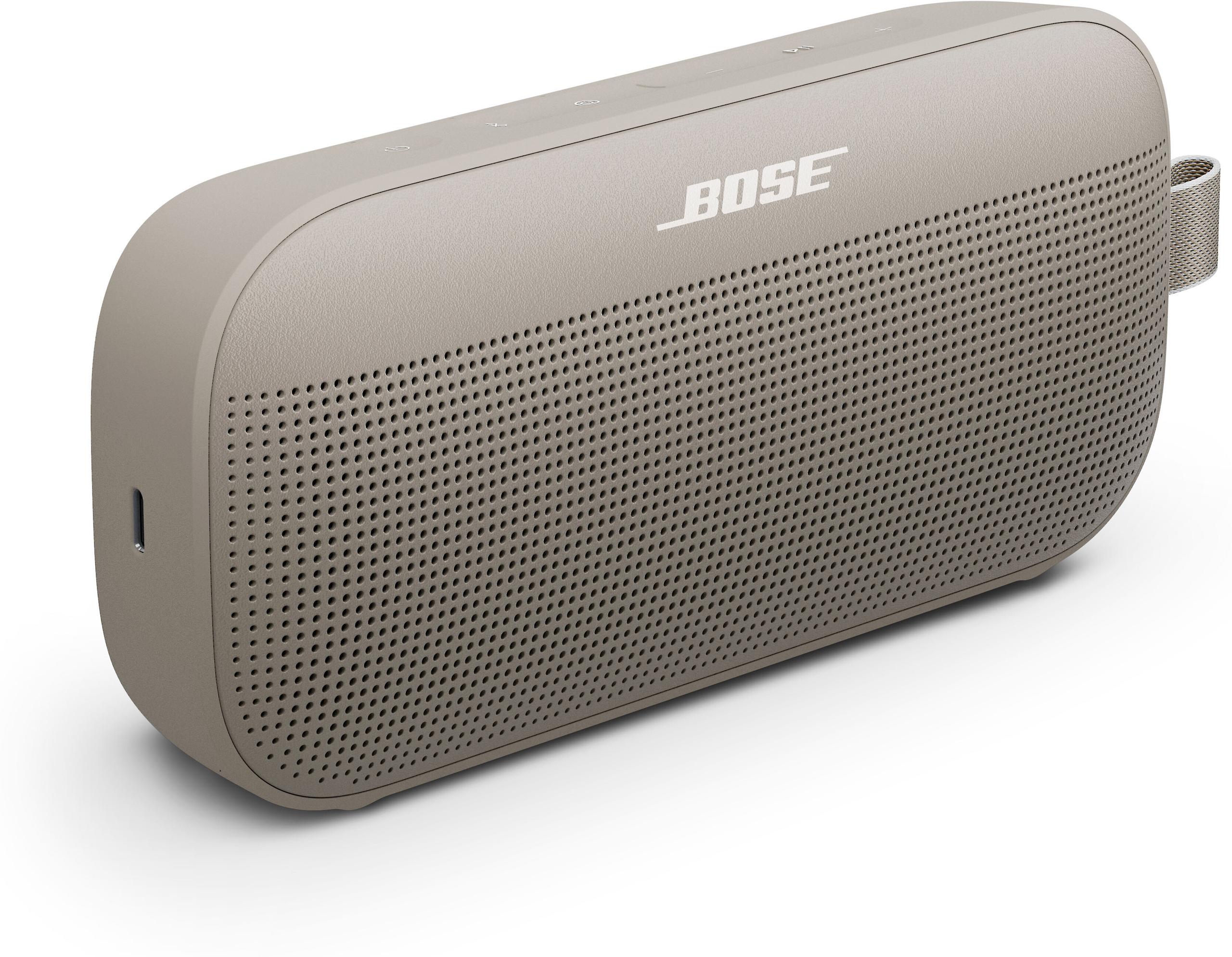
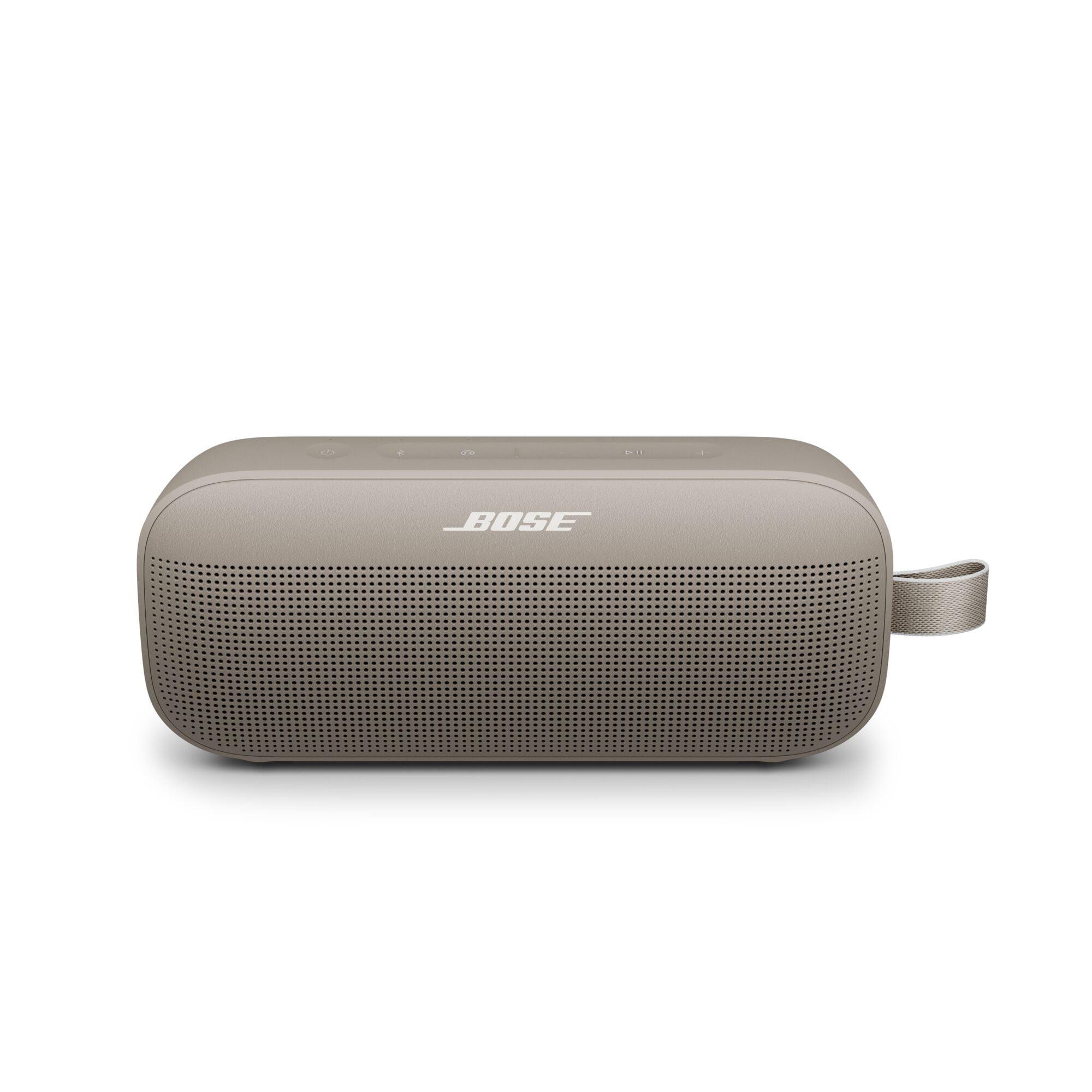
The Bose SoundLink Flex 2nd Gen, launched in 2024, takes a completely different approach. This is Bose's answer to users who want premium audio performance in a still-portable package and are willing to pay significantly more to get it. The price difference between these speakers is substantial – you could buy several JBL Go 3 units for the cost of one Bose SoundLink Flex 2nd Gen.
This is where the fundamental differences between these speakers become most apparent. The JBL Go 3 produces 4.2 watts of power through a single 43x47mm driver (the speaker cone that actually creates sound). To put this in perspective, that's about the same power consumption as a small LED light bulb, and the driver is roughly the size of a large coin.
The Bose SoundLink Flex 2nd Gen, by contrast, delivers 20 watts of power – nearly five times more than the JBL Go 3. This isn't just a numbers game; this translates to the ability to play significantly louder while maintaining audio clarity, and it provides the headroom needed for dynamic music with sudden loud passages.
But power is only part of the story. The JBL Go 3 operates as a mono speaker, meaning it plays the same audio through its single driver rather than creating a stereo soundstage. This isn't necessarily a problem for casual listening, but you won't get the spatial audio experience that makes music feel three-dimensional. The Bose SoundLink Flex 2nd Gen, while also technically a single-unit speaker, has been engineered to create a wider soundstage and can be paired with a second unit for true stereo separation.
Frequency response is another critical difference. The JBL Go 3 can reproduce frequencies down to 110Hz, while the Bose SoundLink Flex 2nd Gen extends down to 64Hz. To understand why this matters, consider that a bass guitar's lowest note sits around 41Hz, and kick drums in electronic music often hit frequencies in the 40-60Hz range. The deeper a speaker can go, the more complete your music will sound, particularly with bass-heavy genres like hip-hop, electronic, or even rock music with prominent bass lines.
From our research into user experiences and expert reviews, the difference is immediately audible. The JBL Go 3 provides clear vocals and decent midrange reproduction – it excels with podcasts and acoustic music – but struggles with anything requiring significant bass response. Users consistently report that while the sound is surprisingly good for the size, it can feel "thin" with modern pop music or any genre that relies on sub-bass frequencies.
The Bose SoundLink Flex 2nd Gen, according to multiple reviews, delivers what users describe as "surprisingly deep bass" and "rich, detailed sound." The difference becomes most apparent when playing dynamic music at moderate to high volumes, where the JBL Go 3 may start to sound compressed or strained while the Bose SoundLink Flex 2nd Gen maintains clarity.
Battery technology has improved significantly in recent years, but there's still a fundamental relationship between speaker size, power consumption, and battery life. The JBL Go 3 manages about 5 hours of playback from its compact lithium polymer battery. This might sound limiting, but it aligns with its intended use case – short outings, shower listening, or as a secondary speaker for brief use.
The Bose SoundLink Flex 2nd Gen delivers up to 12 hours of playback, more than doubling the JBL Go 3's endurance. This extended battery life fundamentally changes how you can use the speaker. Instead of worrying about finding a charging cable after a few hours, you can take it on day-long adventures, use it for extended outdoor gatherings, or rely on it as your primary music source throughout a busy day.
Both speakers charge via USB-C, which has become the standard for modern devices and eliminates the need to carry different cables. The Bose SoundLink Flex 2nd Gen includes battery protection features that help preserve long-term battery health – something that becomes more important as the price point increases.
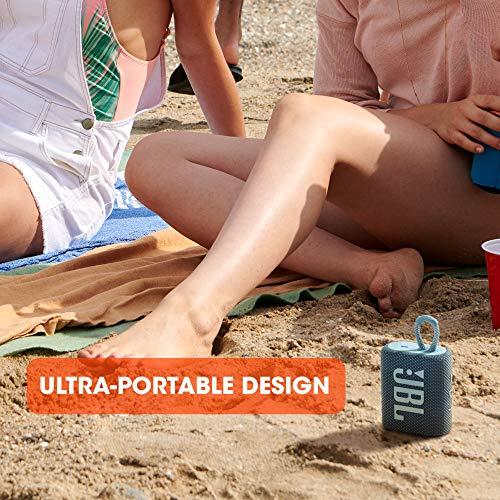
The JBL Go 3 is genuinely tiny, measuring just 3.4 by 2.7 by 1.6 inches and weighing less than half a pound. This is small enough to fit in most pockets, and it includes a fabric loop that makes it easy to clip to a bag or belt. For truly minimal packing – think ultralight backpacking or travel where every ounce matters – the JBL Go 3 has a clear advantage.
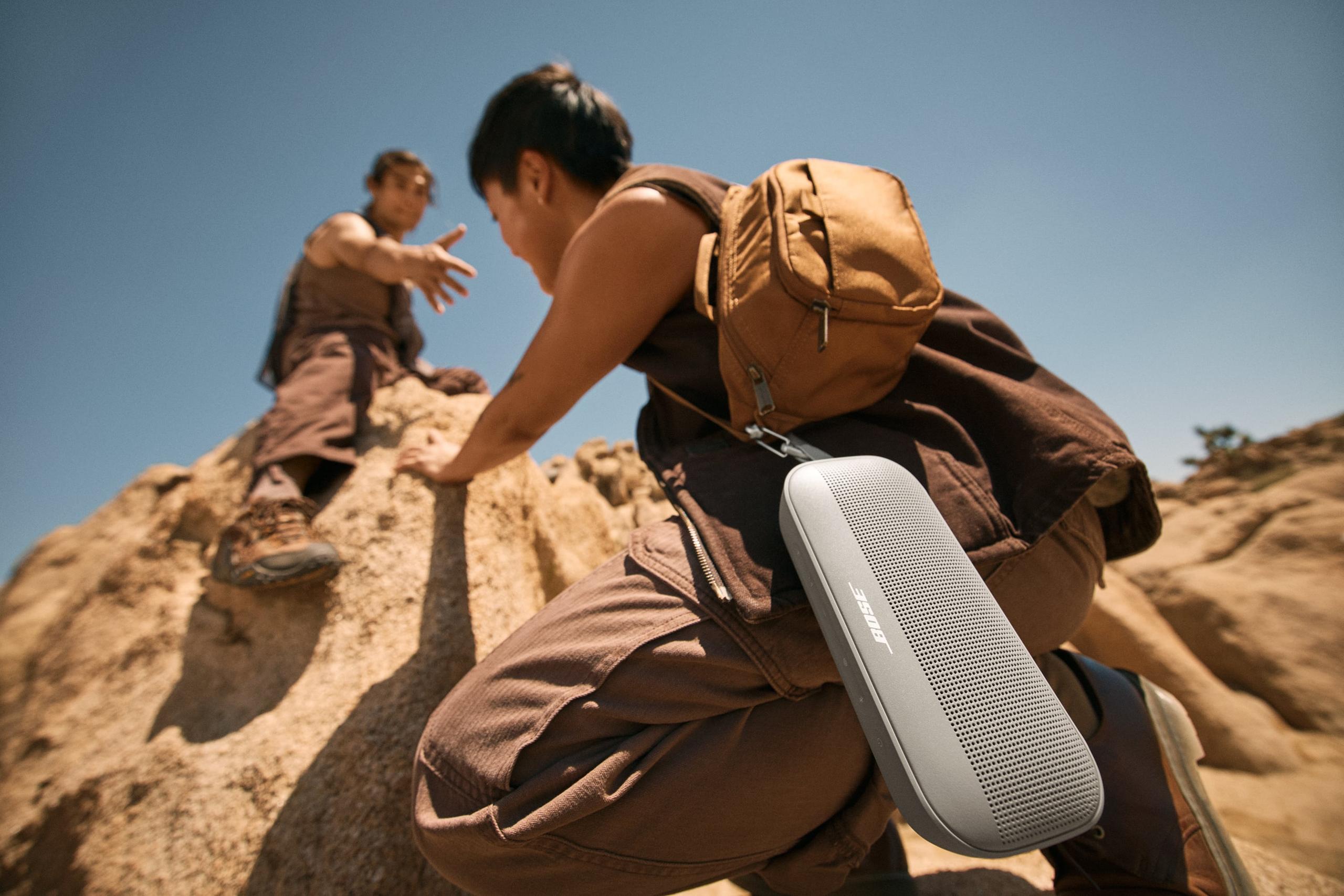
The Bose SoundLink Flex 2nd Gen is significantly larger at nearly 8 inches long and weighing about 1.3 pounds. While still certainly portable, it's moved from "pocket-sized" to "bag item" territory. However, Bose has engineered some clever features to offset this size increase. The speaker floats on water, making it genuinely useful for pool parties or beach outings where you might worry about it getting knocked into the water.
The choice here depends entirely on your use case. If you're a frequent traveler who wants music in hotel rooms or someone who takes long hikes where weight matters, the JBL Go 3 makes sense. If you host outdoor gatherings, spend time around pools, or want a speaker that can handle larger spaces, the size increase of the Bose SoundLink Flex 2nd Gen pays dividends in performance.
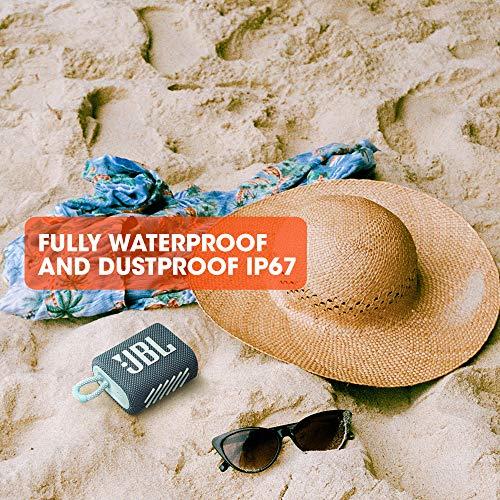
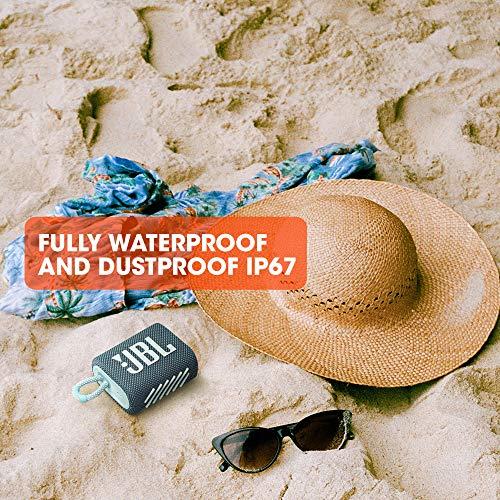
Both speakers carry an IP67 rating, which means they're completely dust-tight and can survive being submerged in up to one meter of water for 30 minutes. This rating has become standard for outdoor-focused portable speakers, and both manufacturers have extensive testing to back up these claims.
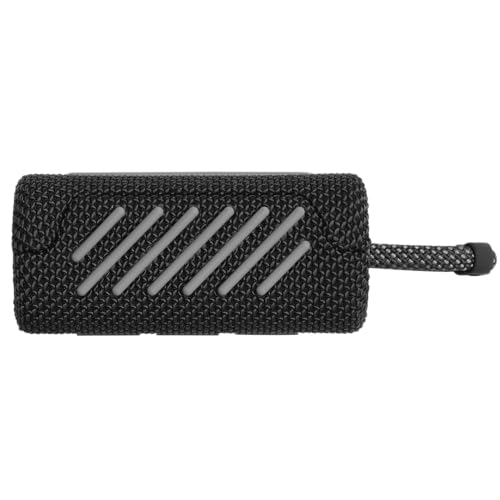
The JBL Go 3 achieves this rating through a fabric exterior with rubberized accents, creating a speaker that feels sturdy despite its low cost. User reports suggest it handles drops and rough treatment well, though the small size means it can sometimes get compressed or damaged if packed carelessly in a bag with heavier items.
The Bose SoundLink Flex 2nd Gen uses a more premium silicone-coated construction that feels more substantial and includes the unique floating capability. This isn't just a marketing gimmick – it genuinely makes the speaker more useful around water, where accidental drops are common.
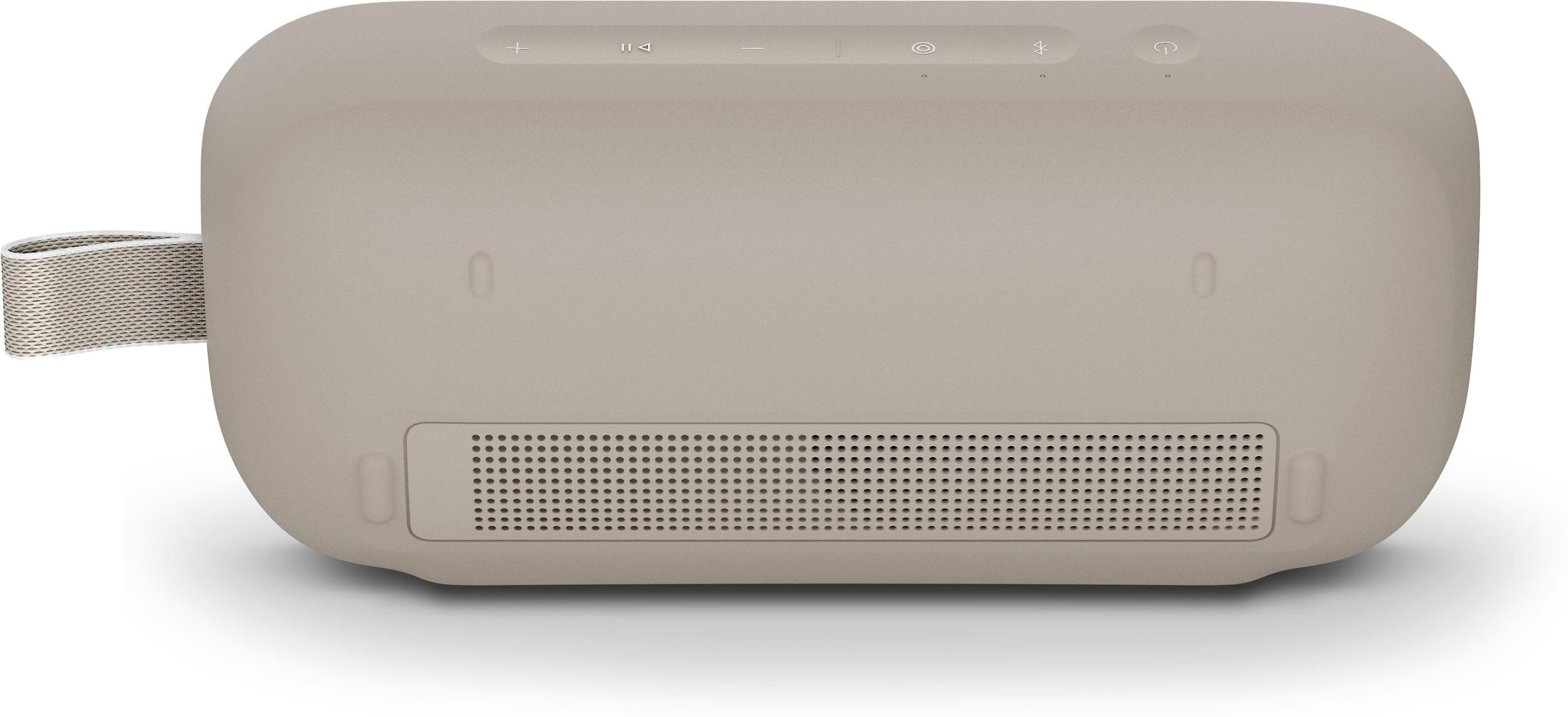
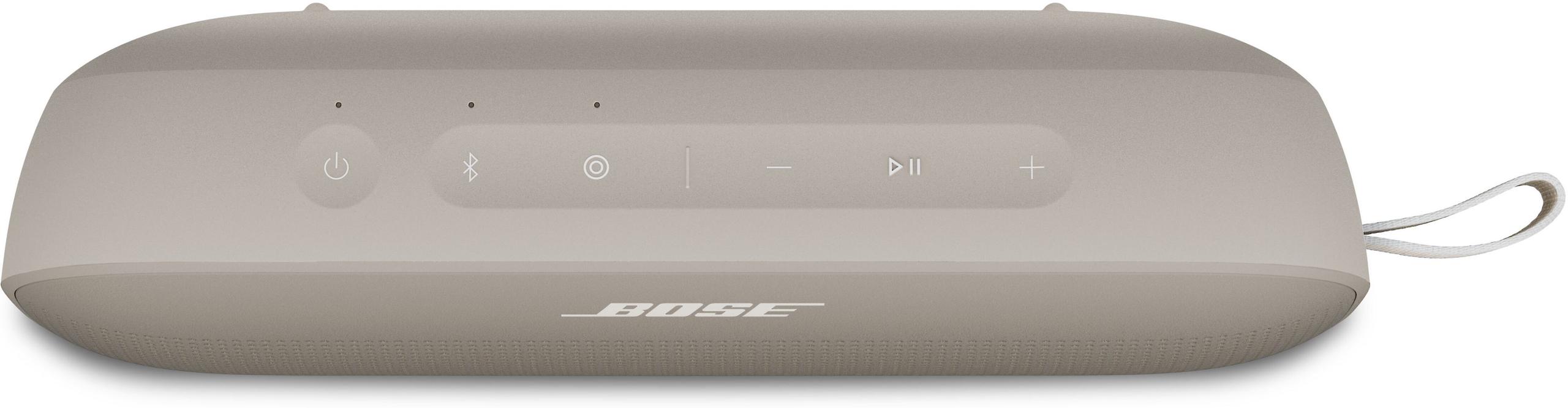
This is where the generational and price differences become most apparent. The JBL Go 3 keeps things simple with basic playback controls and Bluetooth 5.1 connectivity. There's no app, no customization options, and no additional smart features. For some users, this simplicity is actually a benefit – it's a speaker that just works without any setup or learning curve.
The Bose SoundLink Flex 2nd Gen includes several modern conveniences that reflect its 2024 release date and premium positioning. It supports Bluetooth 5.3, which provides better range and stability, and includes advanced codec support. Codecs are essentially compression algorithms that determine audio quality during wireless transmission – the Bose SoundLink Flex 2nd Gen supports higher-quality options that can make a noticeable difference with high-resolution audio sources.
More importantly, the Bose SoundLink Flex 2nd Gen includes PositionIQ technology, which automatically detects whether the speaker is upright, lying flat, or hanging, then adjusts the audio processing accordingly. This is genuinely useful technology that helps maintain optimal sound regardless of how you've placed the speaker.
The built-in microphone on the Bose SoundLink Flex 2nd Gen enables hands-free calling, and the Bose app provides basic EQ customization with three-band adjustment. While not as comprehensive as some competitors, this gives you some control over the sound signature to match your preferences.
Neither of these speakers is designed primarily for home theater use, but they can serve different roles in a home environment. The JBL Go 3 works well as a personal speaker for bedrooms, small offices, or bathroom use. Its compact size means it doesn't dominate small spaces, and the sound quality is adequate for background music or podcast listening.
The Bose SoundLink Flex 2nd Gen can handle larger rooms and has enough volume to serve as a temporary sound system for small gatherings. However, for serious home theater use, you'd want to look at larger speakers with more substantial drivers and dedicated subwoofers for low-frequency effects.
At the time of writing, the price difference between these speakers is substantial enough that they're really targeting different markets rather than competing directly. The JBL Go 3 represents exceptional value for casual users who want reliable, portable audio without a significant investment. It's ideal for students, budget-conscious buyers, or anyone who needs a secondary speaker for specific use cases.
The Bose SoundLink Flex 2nd Gen commands a premium price but delivers meaningful improvements in every performance metric. You're paying for significantly better sound quality, much longer battery life, premium materials, and modern features. The question isn't whether it's better than the JBL Go 3 – it objectively is – but whether those improvements justify the price difference for your specific needs.
Choose the JBL Go 3 if you prioritize affordability and extreme portability above all else. It's perfect for travelers who want music in hotel rooms, students on tight budgets, or anyone who needs a backup speaker for occasional use. The sound quality is genuinely impressive for the price point, and the ultra-compact size makes it convenient for situations where larger speakers would be impractical.
The Bose SoundLink Flex 2nd Gen makes sense if you want a portable speaker that can serve as your primary music source away from home. It's ideal for people who host outdoor gatherings, spend significant time around water, or simply want the best possible sound quality in a still-portable package. The extended battery life alone makes it more practical for extended use, and the superior audio performance becomes more valuable if this will be your go-to portable speaker.
From our research, user satisfaction is high with both speakers within their respective target markets. JBL Go 3 owners consistently praise the value proposition and are impressed by the sound quality relative to the price. Bose SoundLink Flex 2nd Gen owners appreciate the premium build quality and significantly better audio performance, though some question whether the price premium is justified compared to mid-range alternatives.
Ultimately, both speakers succeed at what they're designed to do. The JBL Go 3 proves that decent portable audio doesn't have to be expensive, while the Bose SoundLink Flex 2nd Gen demonstrates what's possible when you're willing to invest in premium portable audio technology. Your choice should depend on your budget, how you plan to use the speaker, and what compromises you're willing to make between size, performance, and cost.
| JBL Go 3 Portable Bluetooth Speaker | Bose SoundLink Flex 2nd Gen Portable Bluetooth Speaker |
|---|---|
| Audio Power Output - Determines maximum volume and sound clarity | |
| 4.2W RMS (suitable for personal listening) | 20W (nearly 5x more powerful, fills medium rooms) |
| Battery Life - Critical for extended outdoor use | |
| Up to 5 hours (good for short outings) | Up to 12 hours (all-day reliability) |
| Size and Weight - Affects true portability | |
| 87.5 x 75 x 41.3mm, 0.46 lbs (fits in pockets) | 201.4 x 90.4 x 52.3mm, 1.3 lbs (requires bag space) |
| Frequency Response - Lower numbers mean deeper bass | |
| 110Hz - 20kHz (limited bass extension) | 64Hz - 20kHz (significantly deeper bass response) |
| Water Resistance - Essential for outdoor activities | |
| IP67 (dust-tight, submersible to 1m for 30 min) | IP67 plus floating capability (unique water safety feature) |
| Bluetooth Version - Affects connection stability and range | |
| Bluetooth 5.1 (standard connectivity) | Bluetooth 5.3 (improved range and stability) |
| Audio Codecs - Higher quality wireless transmission | |
| SBC only (basic quality) | SBC, AAC, aptX (premium quality options) |
| Built-in Microphone - For hands-free calls | |
| No microphone | Yes, with clear call quality |
| App Support - Sound customization options | |
| No app connectivity | Bose app with 3-band EQ and customization |
| Special Features - Unique capabilities | |
| Fabric loop for easy attachment | PositionIQ auto-optimization, floating design, stereo pairing |
| Charging Port - Modern convenience standard | |
| USB-C | USB-C with battery protection mode |
| Target Price Range - Value positioning at time of writing | |
| Ultra-budget tier (exceptional value) | Premium tier (significantly higher investment) |
The JBL Go 3 offers exceptional value in the ultra-budget category, delivering surprisingly good sound quality for casual listening at a very affordable price point. The Bose SoundLink Flex 2nd Gen costs significantly more but provides substantially better audio performance, longer battery life, and premium features. If budget is your primary concern, the JBL Go 3 is hard to beat. If you want superior sound quality and are willing to invest more, the Bose SoundLink Flex 2nd Gen justifies its higher price.
The Bose SoundLink Flex 2nd Gen delivers significantly better sound quality with 20W of power versus the JBL Go 3's 4.2W output. The Bose SoundLink Flex 2nd Gen produces deeper bass (down to 64Hz vs 110Hz), higher maximum volume, and clearer detail across all frequencies. The JBL Go 3 provides decent sound for its size with clear vocals and midrange, but lacks the bass response and overall richness of the Bose SoundLink Flex 2nd Gen.
The Bose SoundLink Flex 2nd Gen offers up to 12 hours of battery life, more than doubling the JBL Go 3's 5-hour runtime. This makes the Bose SoundLink Flex 2nd Gen much more practical for all-day use, camping trips, or extended outdoor activities. The JBL Go 3 is better suited for shorter listening sessions or as a backup speaker.
The JBL Go 3 is significantly more portable, weighing just 0.46 pounds and measuring 3.4 x 2.7 x 1.6 inches – small enough for most pockets. The Bose SoundLink Flex 2nd Gen is larger at nearly 8 inches long and 1.3 pounds, requiring bag space but still remaining reasonably portable. Choose the JBL Go 3 for maximum portability or the Bose SoundLink Flex 2nd Gen when you need better performance and don't mind the larger size.
Both the JBL Go 3 and Bose SoundLink Flex 2nd Gen feature IP67 water and dust resistance, making them suitable for outdoor use. However, the Bose SoundLink Flex 2nd Gen has a unique advantage – it floats on water, making it safer around pools and beaches. The Bose SoundLink Flex 2nd Gen also has longer battery life for extended outdoor adventures, while the JBL Go 3 is better for activities where minimal weight matters.
Only the Bose SoundLink Flex 2nd Gen includes a built-in microphone for hands-free calling with clear audio quality. The JBL Go 3 does not have microphone functionality, so you cannot use it for phone calls or voice assistant commands. If hands-free calling is important to you, the Bose SoundLink Flex 2nd Gen is the only option between these two speakers.
The Bose SoundLink Flex 2nd Gen gets significantly louder than the JBL Go 3 due to its 20W power output versus 4.2W. The Bose SoundLink Flex 2nd Gen can fill medium-sized rooms and handle small gatherings, while the JBL Go 3 is best for personal listening or very small spaces. If you need a speaker for parties or larger areas, the Bose SoundLink Flex 2nd Gen is the clear choice.
The Bose SoundLink Flex 2nd Gen connects to the Bose app, which provides 3-band EQ adjustment and other customization options. The JBL Go 3 has no app connectivity and offers only basic controls on the speaker itself. If you want to adjust bass, treble, or other sound settings, only the Bose SoundLink Flex 2nd Gen provides this flexibility.
The Bose SoundLink Flex 2nd Gen is significantly better for bass-heavy music, with frequency response extending down to 64Hz compared to the JBL Go 3's 110Hz limitation. This means the Bose SoundLink Flex 2nd Gen can reproduce the deep bass in hip-hop, electronic, and rock music that the JBL Go 3 simply cannot handle. The JBL Go 3 works better for acoustic music, podcasts, and genres that don't rely heavily on low-end frequencies.
Only the Bose SoundLink Flex 2nd Gen supports pairing two units together for true stereo sound through the Bose app. The JBL Go 3 does not support multi-speaker pairing or stereo connection features. If you want the option to expand to stereo sound in the future, the Bose SoundLink Flex 2nd Gen provides this capability.
Both the JBL Go 3 and Bose SoundLink Flex 2nd Gen charge via USB-C cables. The JBL Go 3 fully charges in about 2.5 hours, while charging times for the Bose SoundLink Flex 2nd Gen are similar. The Bose SoundLink Flex 2nd Gen includes battery protection features that help preserve long-term battery health, which is valuable given its higher price point.
For your first Bluetooth speaker, choose the JBL Go 3 if you want to try portable audio without a big investment and prioritize extreme portability. The JBL Go 3 offers good sound quality for the price and helps you understand what you like about portable speakers. Choose the Bose SoundLink Flex 2nd Gen if you want a speaker that can serve as your primary portable audio solution with significantly better performance, longer battery life, and room to grow into more demanding use cases.
We've done our best to create useful and informative comparisons to help you decide what product to buy. Our research uses advanced automated methods to create this comparison and perfection is not possible - please contact us for corrections or questions. These are the sites we've researched in the creation of this article: rtings.com - streamtechreviews.com - english.achoreviews.com - smarthomesounds.co.uk - soundguys.com - rtings.com - walmart.com - soundguys.com - youtube.com - youtube.com - jbl.com - youtube.com - selectoguru.com - versus.com - videoandaudiocenter.com - harmanaudio.com - jbl.com - bestbuy.com - forum.hifiguides.com - manuals.plus - kh.jbl.com - th.jbl.com - mm.jbl.com - jbl.com - bestbuy.com - youtube.com - youtube.com - youtube.com - jbl.com - bestbuy.com - bestbuy.com - jbl.com.tw - youtube.com - techradar.com - worldwidestereo.com - bose.com - howtogeek.com - bose.com - crutchfield.com - visions.ca - pcrichard.com - staples.com - rtings.com - bose.com - soundguys.com

Privacy Policy
Terms and Conditions - Affiliate Policy
Home Security
© Copyright 2008-2026.
11816 Inwood Rd #1211, Dallas, TX 75244