





Portable Bluetooth speakers have become essential companions for our increasingly mobile lifestyles. Whether you're heading to the beach, working from a coffee shop, or just want better sound than your phone can provide, these compact audio devices bridge the gap between tinny phone speakers and bulky home stereo systems. But within this category, there's a fascinating divide between ultra-portable models that prioritize pocketability above all else, and slightly larger speakers that make small compromises in size to deliver significantly better sound quality.
The JBL Go 3 and Ultimate Ears WONDERBOOM PLAY represent these two distinct philosophies perfectly. Released in 2020 and 2023 respectively, they showcase how manufacturers approach the fundamental trade-off between size and sound quality. Understanding which approach works better for your needs can save you from buyer's remorse and ensure you get the speaker that actually fits your lifestyle.
Before diving into specifics, it's crucial to understand what makes a portable speaker succeed or fail in real-world use. Unlike home audio systems where you can optimize placement and room acoustics, portable speakers face constantly changing environments and use cases.
Size versus sound quality represents the most fundamental consideration. Physics hasn't been repealed – larger drivers and internal volume generally produce better bass response and overall audio quality. However, a speaker that's too large to bring along defeats the purpose entirely. The sweet spot varies dramatically based on how you actually plan to use the device.
Battery life determines whether your speaker becomes a reliable companion or a source of anxiety. Nothing's more frustrating than having your music cut out during a gathering because you forgot to charge your speaker. The difference between 5 hours and 10 hours of playback can be the difference between barely making it through a day and having genuine peace of mind.
Durability and water resistance matter enormously for portable devices. These speakers get dropped, splashed, and exposed to dust and dirt in ways home audio never experiences. The IP67 rating (which means complete dust protection and submersion resistance up to 1 meter for 30 minutes) has become nearly standard, but implementation quality varies.
Sound design philosophy – whether a speaker projects audio directionally or omnidirectionally – affects who can enjoy the music. Directional speakers work great for personal listening but create "sweet spots" that exclude some listeners in group settings. 360-degree designs try to solve this but often sacrifice some audio precision in the process.
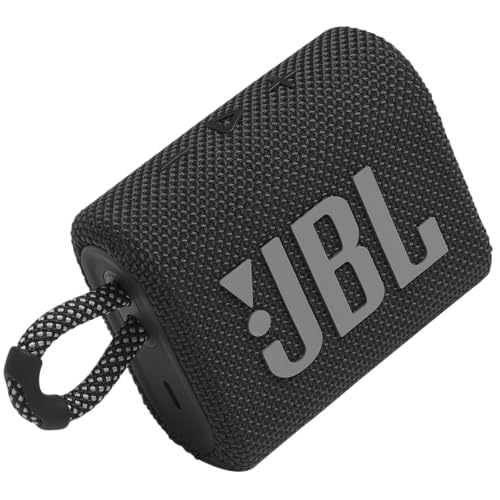
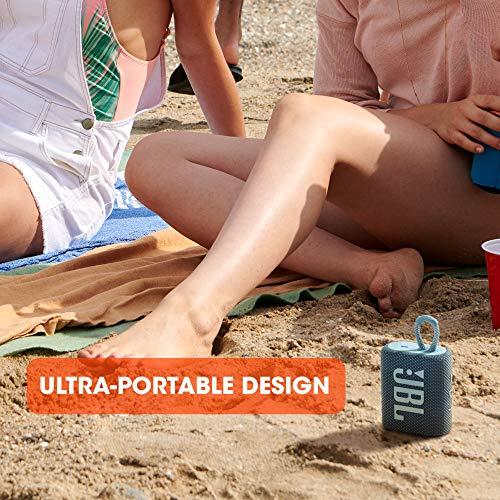
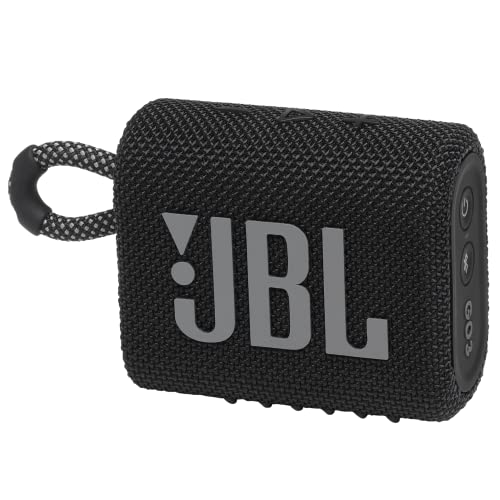
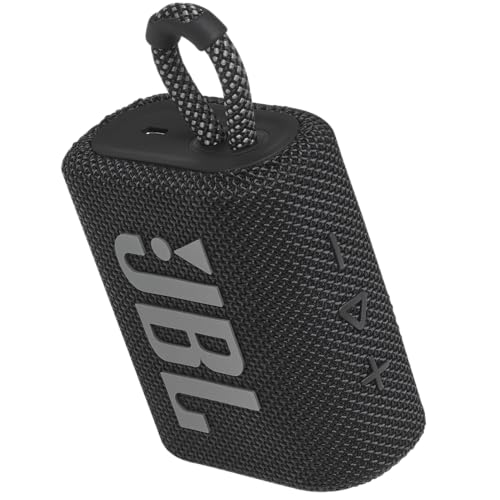
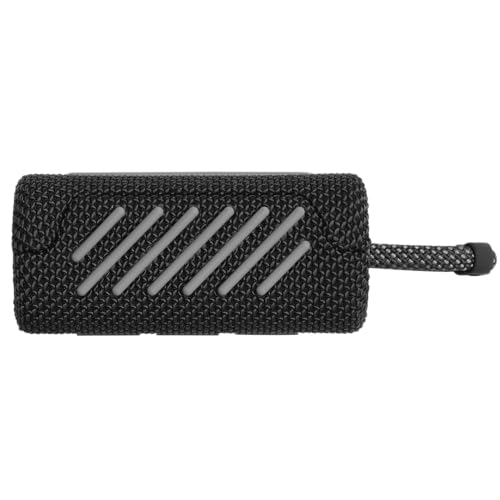
The JBL Go 3 embodies the "take it absolutely everywhere" philosophy. At roughly the size of a deck of cards and weighing less than half a pound, it's designed to disappear into pockets, purses, and small bags without thought. JBL achieved this by using a rectangular form factor that maximizes internal volume while maintaining a slim profile. The integrated fabric loop serves as both a design element and practical attachment point, letting you clip it to backpack straps or belt loops.
This ultra-compact approach requires significant engineering compromises. The Go 3 uses a single 43 x 47mm driver in a mono configuration, meaning it produces the same audio from both left and right channels rather than true stereo separation. For a speaker this size, mono actually makes sense – stereo separation requires physical distance between drivers that would make the unit substantially larger.
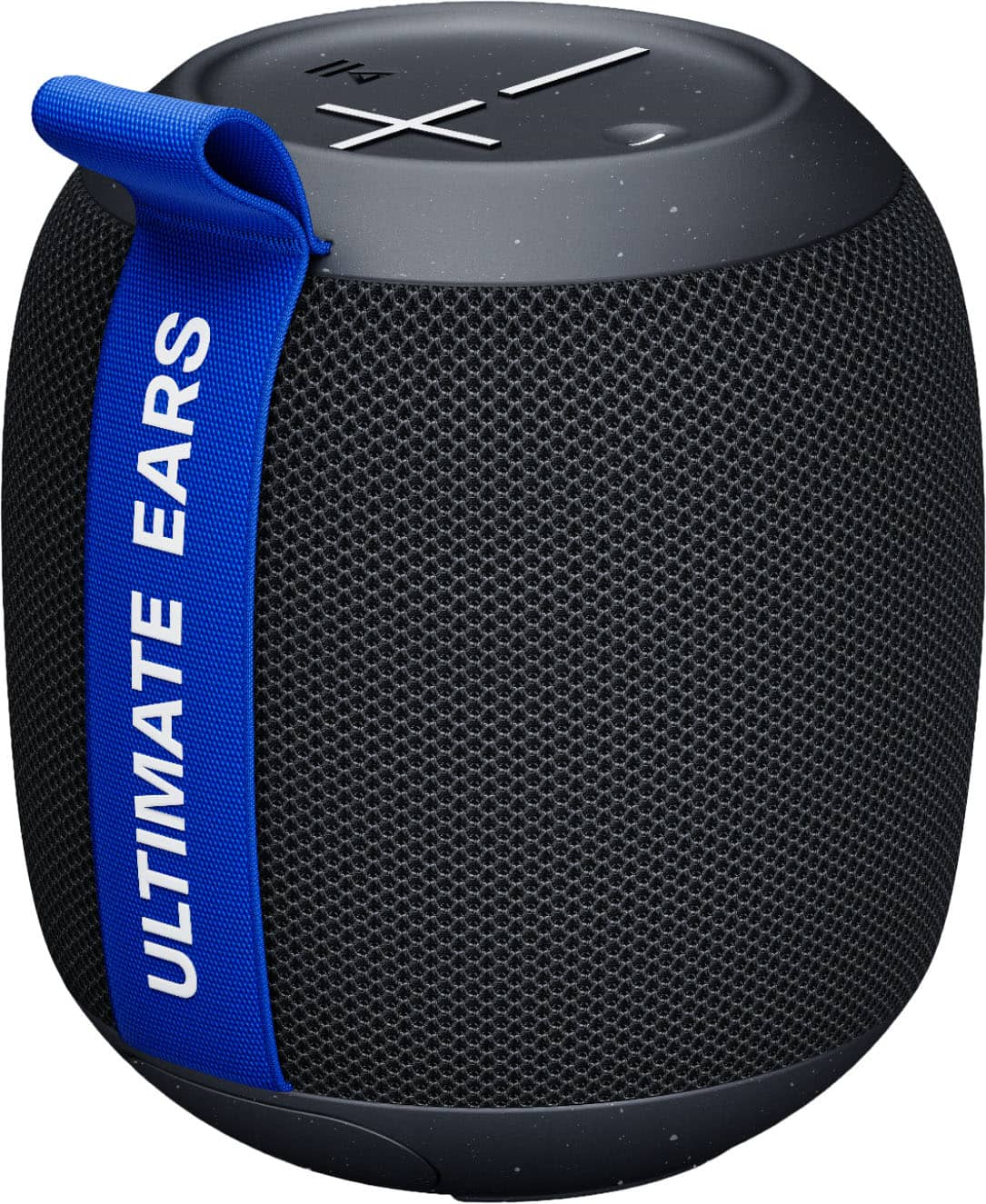
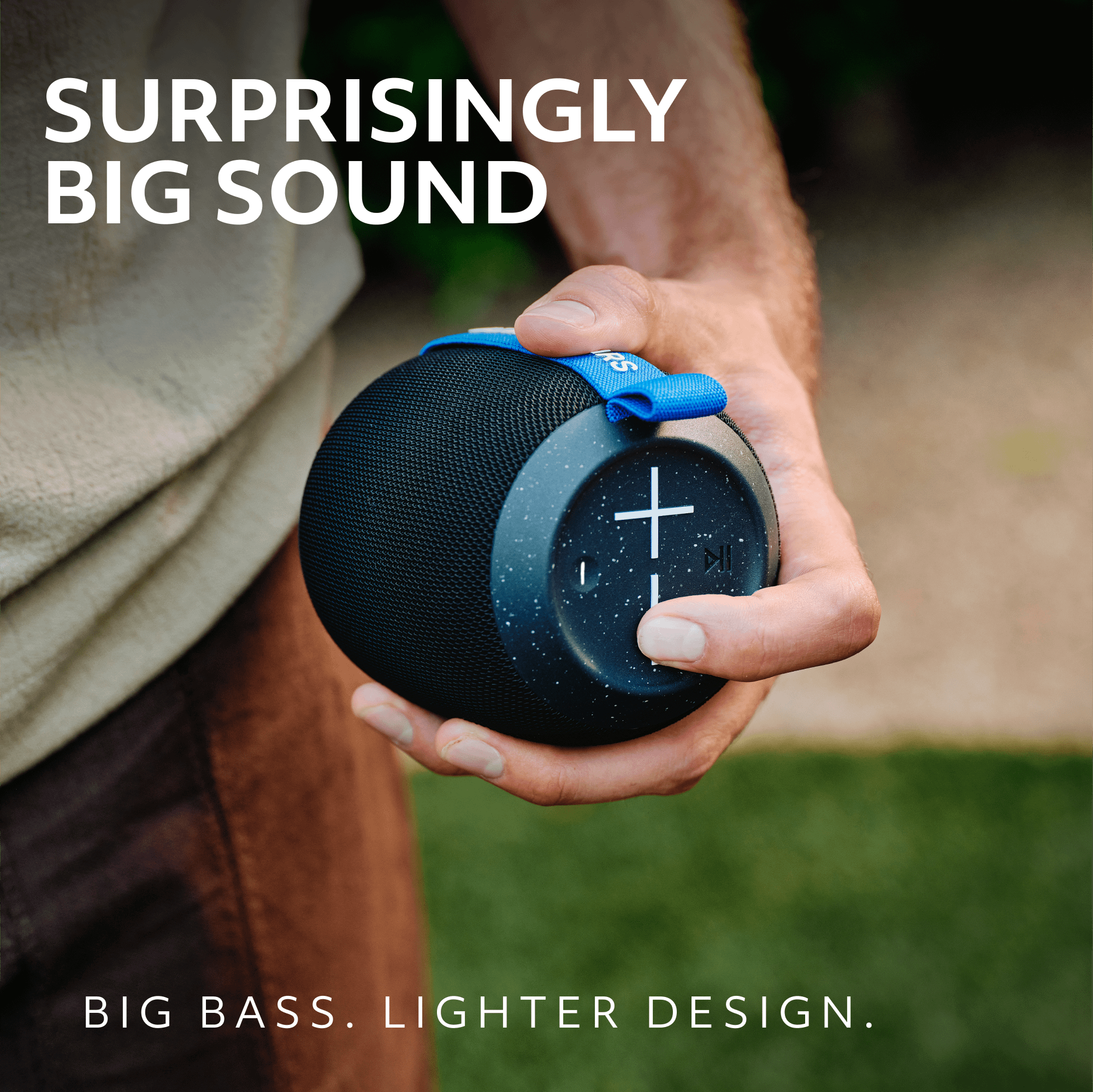
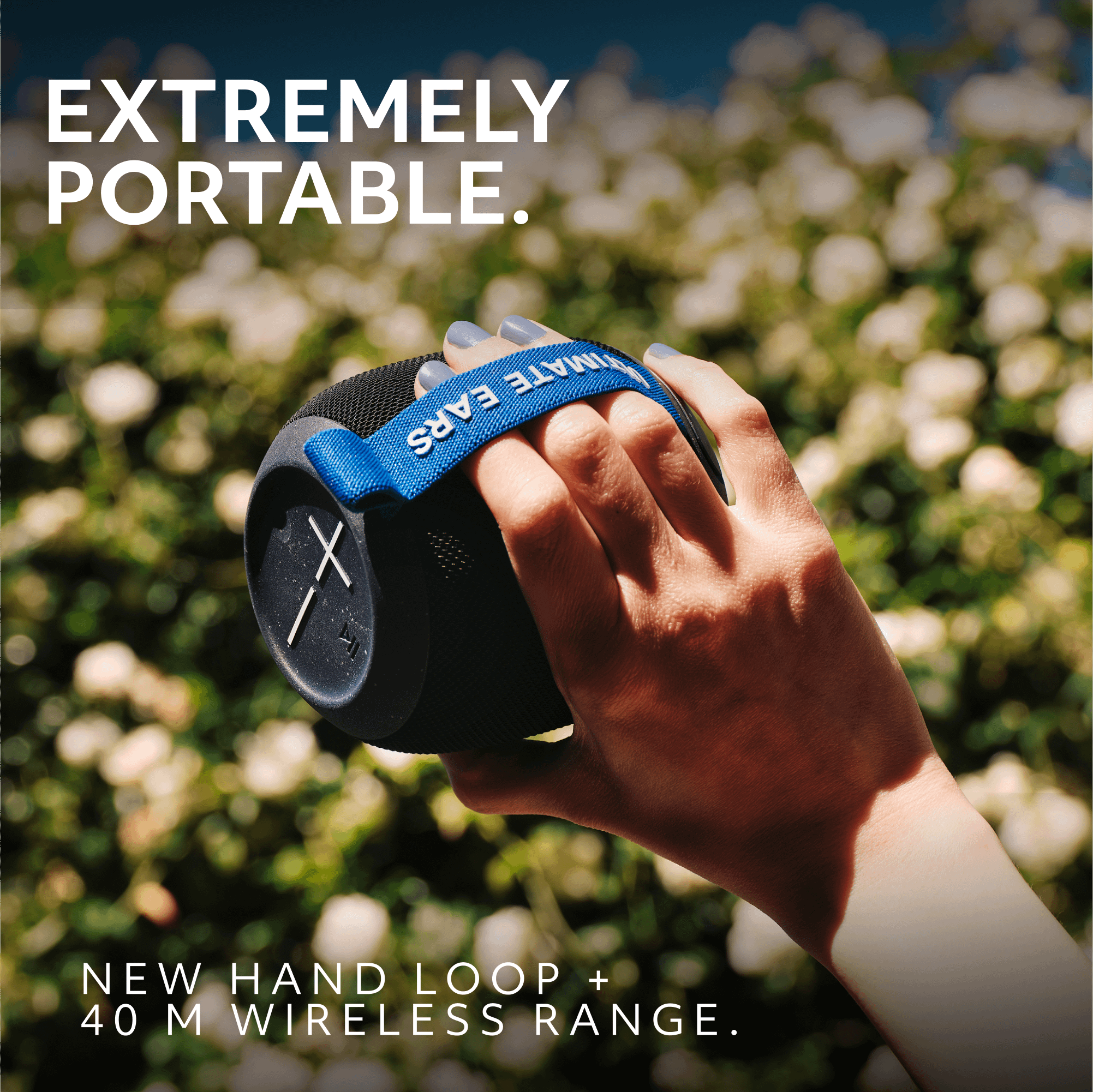
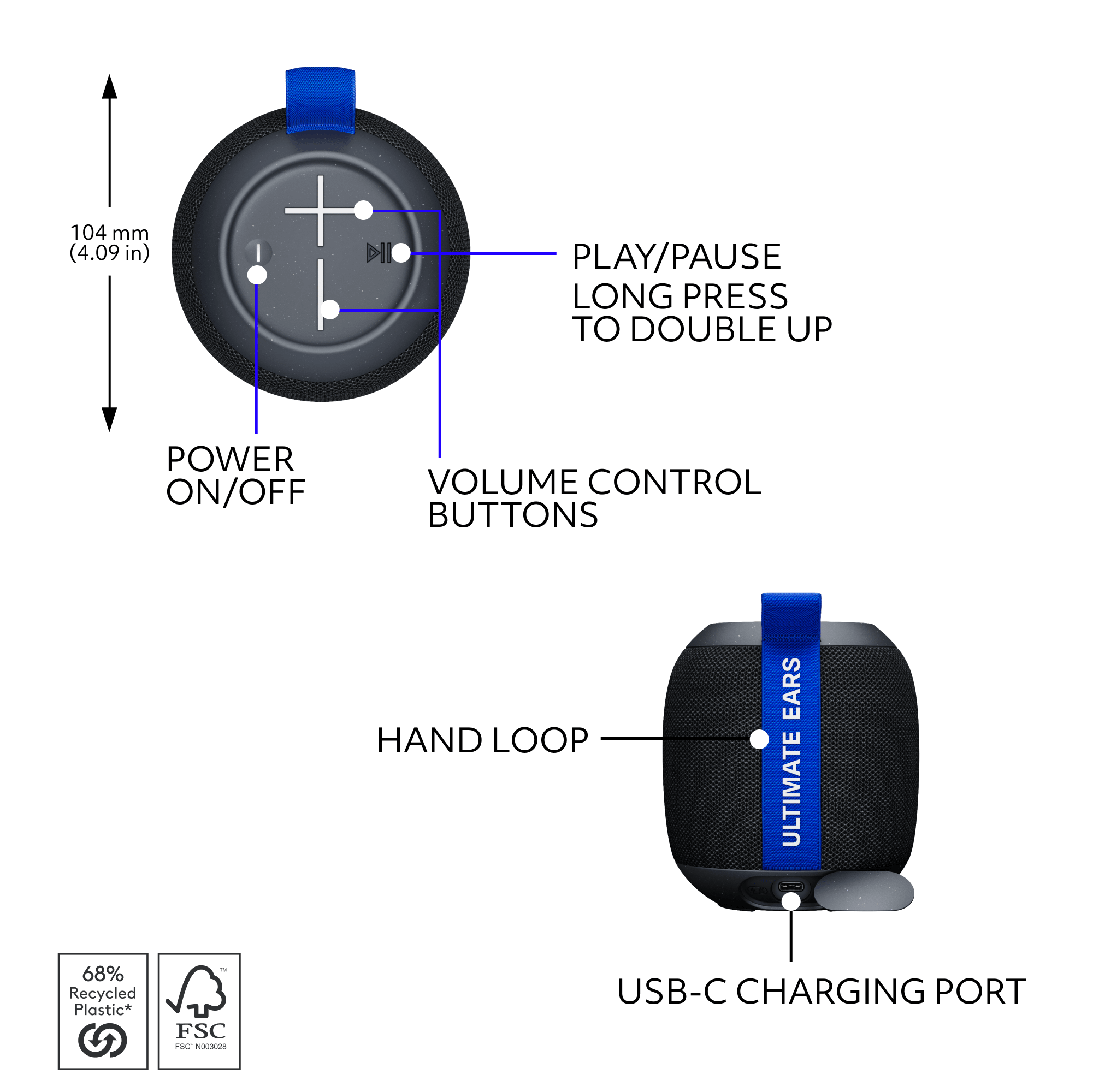
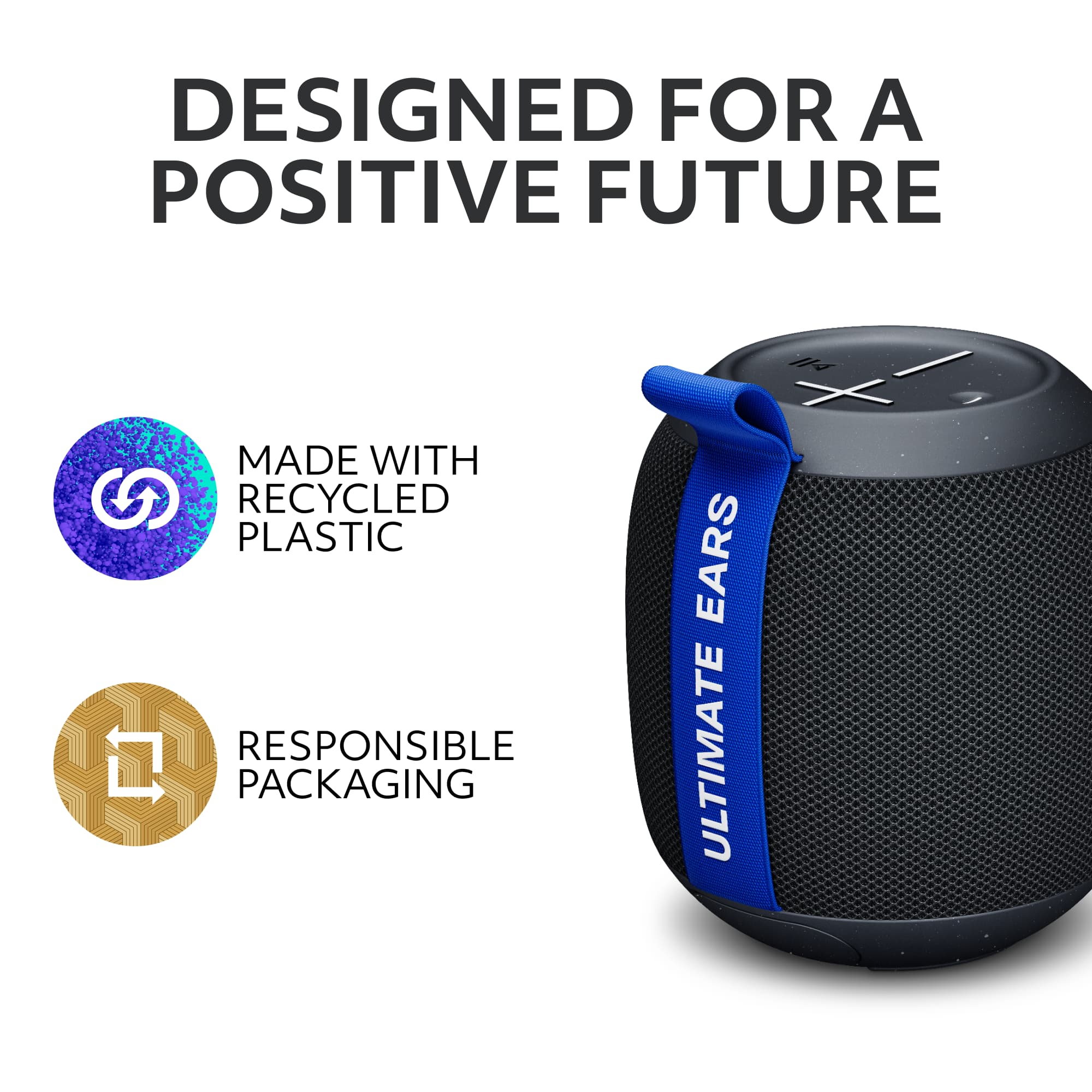
The WONDERBOOM PLAY, released three years later, takes a different approach. At nearly twice the weight and significantly larger dimensions, it's designed for "grab and go" portability rather than true pocketability. The cylindrical design with integrated carrying strap suggests it's meant to be held or clipped to bags rather than slipped into tight spaces.
This size increase isn't just about accommodating larger drivers – it enables 360-degree sound dispersion through multiple speakers arranged around the cylinder. This omnidirectional approach (meaning sound radiates equally in all directions) creates a more consistent listening experience regardless of where people are positioned relative to the speaker.
Audio performance represents where these different design philosophies create the most dramatic real-world differences. Understanding these differences requires looking beyond simple specifications to how the speakers actually behave in typical use scenarios.
The JBL Go 3 delivers surprisingly impressive bass response for its size, with a frequency response extending down to 110Hz. To put this in perspective, male vocals typically occupy the 85-180Hz range, while the fundamental frequencies of most bass guitars and kick drums live between 40-100Hz. The Go 3 captures the upper portion of bass frequencies well, giving music warmth and body without the deep rumble that requires larger drivers.
JBL's "Pro Sound" technology optimizes the frequency response curve to maximize perceived bass impact within the physical limitations. This involves careful tuning of the port (the opening that helps reinforce bass frequencies) and DSP (digital signal processing) that boosts certain frequencies while protecting the small driver from damage. The result is bass that sounds fuller than you'd expect, though it lacks the deep extension that makes EDM and hip-hop truly impactful.
The WONDERBOOM PLAY benefits from its larger internal volume and can reproduce lower frequencies with more authority. User reports consistently indicate superior bass depth and impact, particularly noticeable with music genres that rely heavily on low-end content. The 360-degree design means this bass response remains consistent regardless of listening position – a significant advantage for group listening scenarios.
Maximum volume capabilities differ significantly between these speakers, though raw loudness isn't the whole story. The Go 3 can get reasonably loud for its size, but it begins to struggle with dynamic content (music with both quiet and loud passages) at higher volumes. This compression effect means quiet details get lost, and the overall sound becomes less engaging when you push it hard.
Dynamic range compression becomes particularly noticeable with orchestral music or well-produced albums that use volume differences for artistic effect. The small driver simply can't handle the sudden volume peaks without distorting, so the built-in processing reduces these differences to protect the hardware.
The WONDERBOOM PLAY handles higher volumes with much less compression, maintaining musical details even when cranked up for outdoor use. This capability makes it significantly more suitable for gatherings where the speaker needs to compete with ambient noise and conversation.
Soundstage refers to the perceived width and depth of the sound field – how spread out instruments sound rather than coming from a single point. The JBL Go 3, as a mono speaker, creates a focused sound image directly in front of the unit. This works well for personal listening where you're positioned in the "sweet spot," but it means people sitting to the sides or behind get a diminished experience.
The WONDERBOOM PLAY's 360-degree design creates a much wider soundstage, though it sacrifices some imaging precision (the ability to pinpoint where individual instruments appear in the mix). This trade-off makes sense for its intended use case – you're trading audiophile precision for group inclusivity.
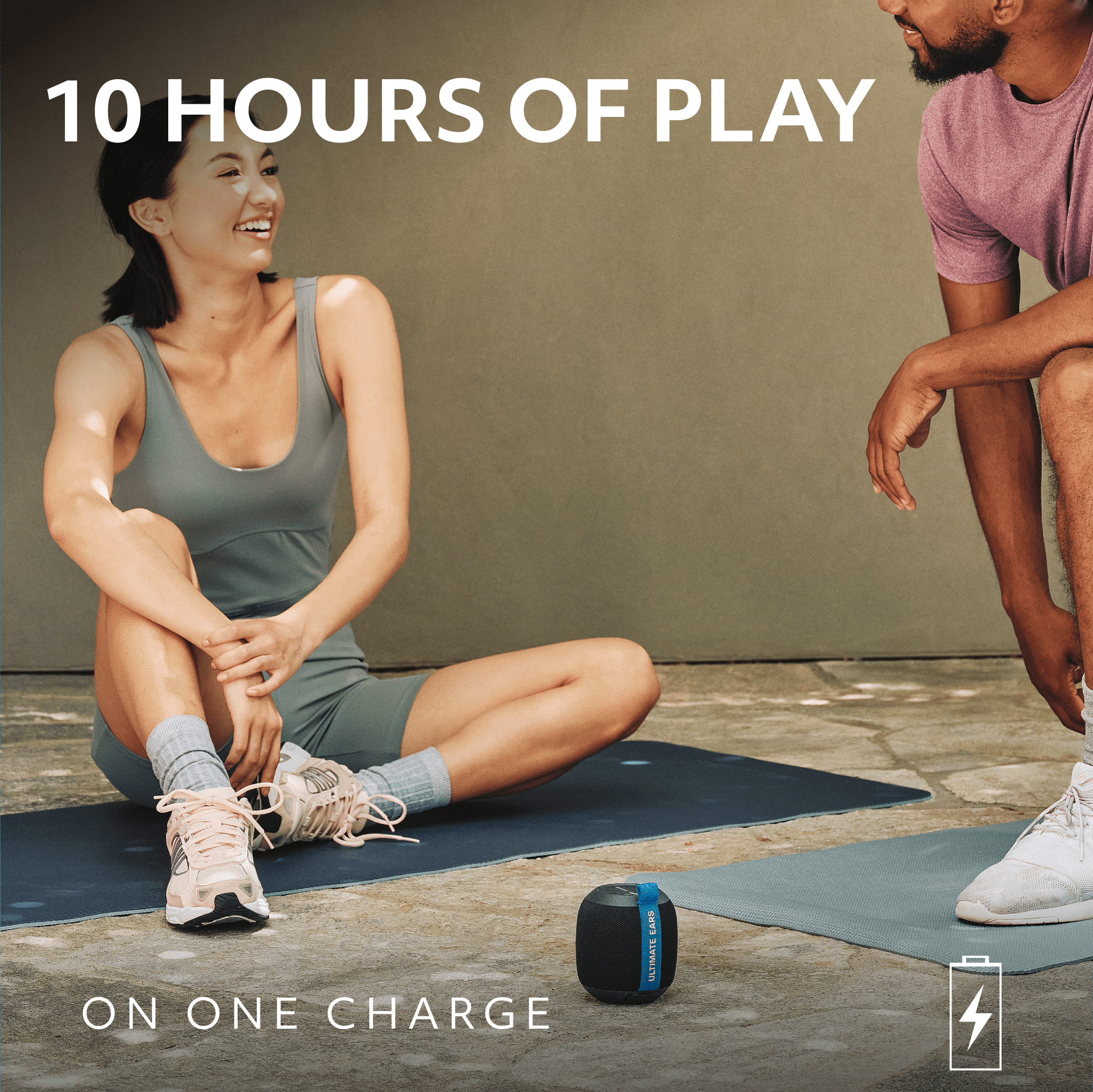
Battery performance dramatically affects real-world usability, and the difference between these speakers is substantial. The JBL Go 3 provides approximately 5 hours of playback time, while the WONDERBOOM PLAY offers 10 hours – literally double the runtime.
This difference stems partly from the larger physical space available for battery cells in the WONDERBOOM PLAY, but also from power efficiency improvements in newer Bluetooth chipsets. The 2023 release date allowed Ultimate Ears to incorporate more recent power management technology that wasn't available when the Go 3 launched in 2020.
For practical use, 5 hours covers most casual listening sessions but requires planning for longer outings. A full work day, beach trip, or camping excursion will likely exhaust the Go 3's battery before you're done. The WONDERBOOM PLAY's 10-hour runtime provides genuine all-day confidence and reduces charging anxiety significantly.
Both speakers charge via USB-C, which has become the standard for good reason. USB-C provides faster charging speeds than the older micro-USB connectors and offers the convenience of using the same cable as most modern phones and tablets.
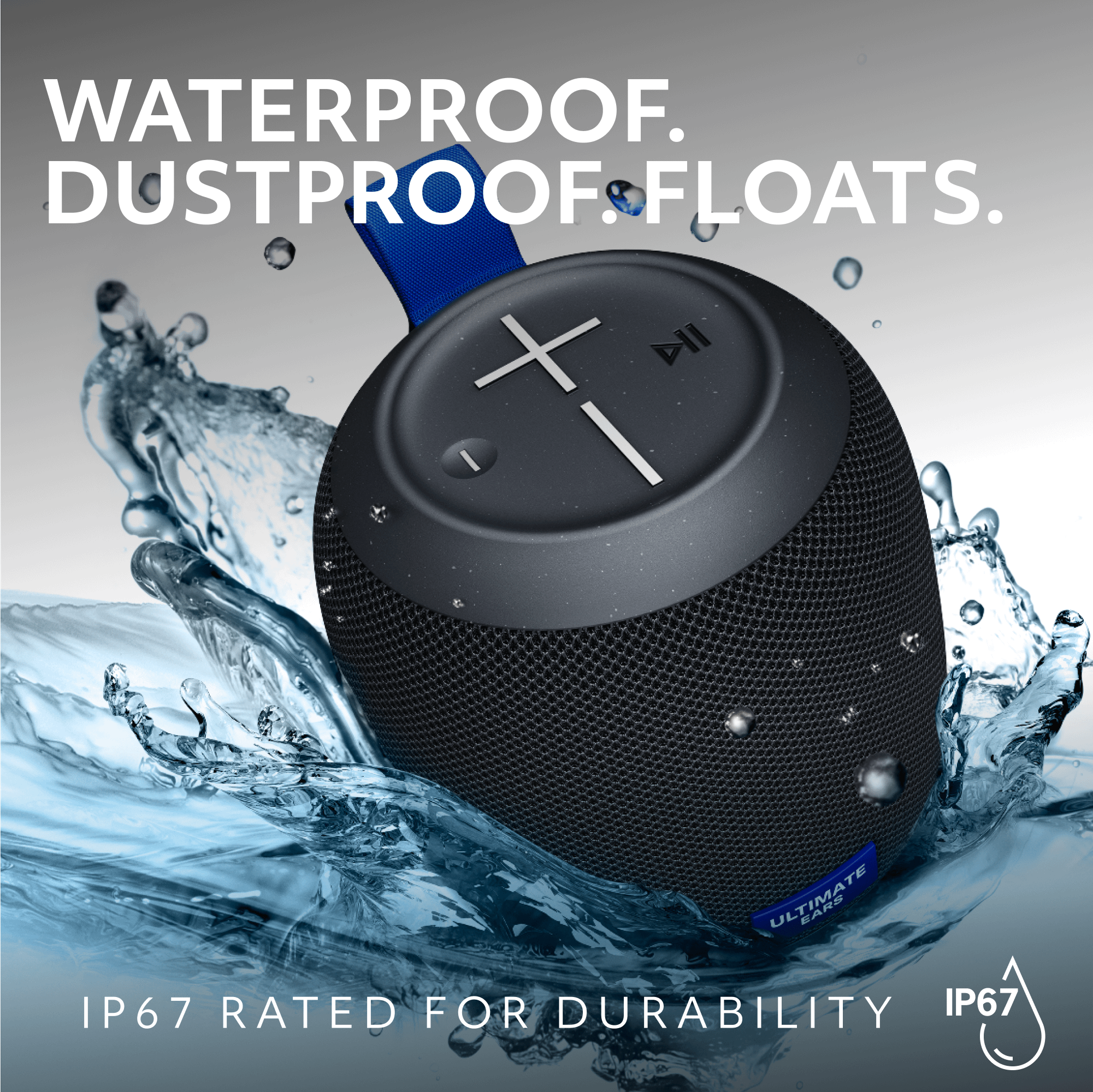
Both speakers carry IP67 ratings, but implementation details create meaningful differences in water-related use cases. IP67 certification requires complete dust protection (the "6" rating) and the ability to withstand submersion in up to 1 meter of water for 30 minutes (the "7" rating).
The WONDERBOOM PLAY goes beyond basic water resistance by actually floating when dropped in water. This seemingly simple feature transforms pool and beach use entirely – instead of worrying about your speaker sinking to the bottom if knocked into the water, it becomes a floating audio platform that can move around the pool naturally.
The Go 3 will survive the same submersion but will sink, requiring fishing it out from the bottom. For most users, this difference matters less than you might expect since few people regularly submerge their speakers intentionally. However, for pool parties, beach outings, and boat trips, the floating capability provides genuine peace of mind.
Build quality extends beyond water resistance to general durability. The WONDERBOOM PLAY's larger size allows for more robust internal construction and better shock absorption. The Go 3 compensates with rubberized accents and careful internal design, but physics limits how much protection you can build into such a compact device.
Bluetooth connectivity represents one area where both speakers perform similarly, using Bluetooth 5.1 for reliable connections with modern devices. However, the WONDERBOOM PLAY includes some advanced features that the Go 3 lacks.
Multi-device pairing allows the WONDERBOOM PLAY to maintain connections with two source devices simultaneously. This means you and a friend can both stay connected, with the ability to take control of playback without going through a pairing process each time. While not revolutionary, this feature eliminates common frustrations during group listening.
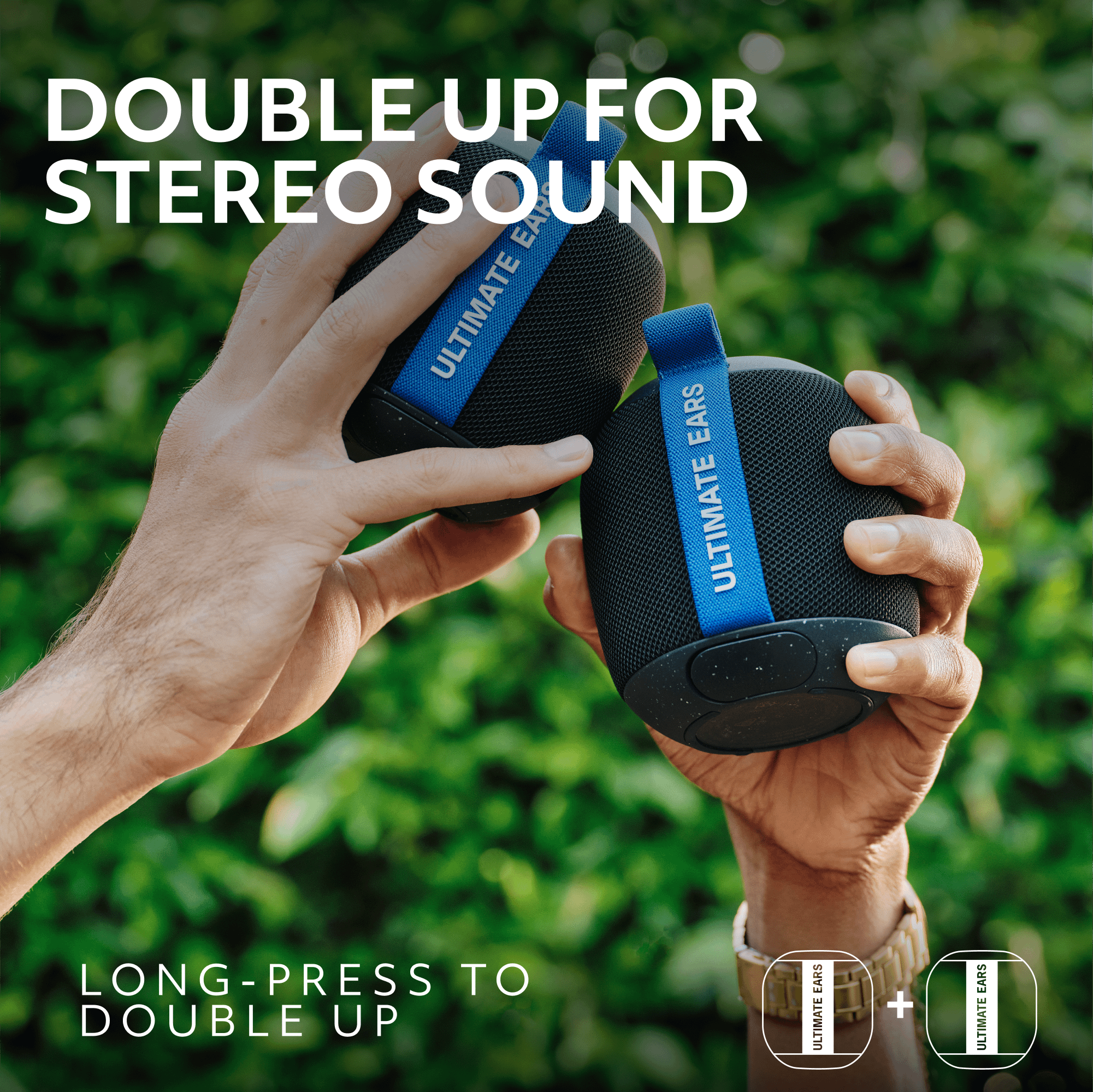
The "Double Up" feature enables stereo pairing when using two WONDERBOOM PLAY speakers together. One speaker handles left channel duties while the other takes the right channel, creating true stereo separation across a wider soundstage. This transforms the listening experience for situations where you can justify bringing two speakers.
Neither speaker includes microphone functionality for hands-free calling, which has become increasingly rare in ultra-portable models. Manufacturers have apparently decided that phone call quality through tiny speakers provides a poor user experience compared to just using your phone directly.
Understanding when each speaker works best requires looking beyond specifications to real-world scenarios where their different strengths matter.
The JBL Go 3 excels in scenarios where portability trumps absolute sound quality. Air travel, where every ounce matters and space is at a premium, represents an ideal use case. Hotel rooms, small apartments, and desk setups benefit from its compact footprint while still delivering dramatically better sound than phone speakers.
Hiking and backpacking scenarios strongly favor the Go 3 due to weight considerations. When you're carrying everything on your back, the difference between 0.46 pounds and 0.7 pounds becomes meaningful over long distances. The integrated loop makes it easy to attach externally without taking up precious pack space.
The WONDERBOOM PLAY dominates in group settings where multiple people need to enjoy the music equally. Beach trips, camping with friends, and backyard gatherings all benefit from the 360-degree sound dispersion and higher volume capabilities.
Pool parties represent the WONDERBOOM PLAY's perfect use case, combining the floating capability with water resistance and group-friendly sound design. The ability to toss it in the pool without worry while maintaining audio quality for everyone around the deck creates a uniquely stress-free experience.
Neither speaker is designed for home theater use, but understanding their limitations helps set appropriate expectations. Home theater requires specific capabilities: dialogue clarity, dynamic range for sound effects, and the ability to synchronize with video content.
Both speakers introduce audio latency (delay) through Bluetooth processing, making them unsuitable for watching video content where lip-sync matters. The Go 3's mono output eliminates any stereo separation that helps with dialogue clarity in movies, while its limited dynamic range compresses both quiet dialogue and loud action sequences.
The WONDERBOOM PLAY handles dynamic range better but still can't match dedicated home theater equipment for clarity and impact. If you need portable speakers for video content, consider models specifically designed for low-latency performance or use wired connections when possible.
At the time of writing, these speakers occupy different value propositions within the portable audio market. The JBL Go 3 typically retails significantly below the WONDERBOOM PLAY, making it one of the most affordable ways to get legitimate portable audio quality.
This price difference reflects more than just manufacturing costs – it represents different target markets and use cases. The Go 3 targets budget-conscious users who need basic portable audio improvement over phone speakers, while the WONDERBOOM PLAY appeals to users willing to pay more for better performance and features.
From a pure cost-per-performance perspective, both speakers offer strong value within their respective categories. The Go 3 delivers surprising audio quality for its price point, while the WONDERBOOM PLAY provides meaningful performance improvements that justify its premium.
After extensive research and evaluation of user feedback, the choice between these speakers comes down to honest assessment of your actual use patterns and priorities.
Choose the JBL Go 3 if ultimate portability drives your decision-making. If you frequently travel, need something that truly fits in pockets, or primarily listen alone or with one other person, its compact design and surprising audio quality make it the logical choice. The lower price point makes it an excellent entry into better portable audio without major financial commitment.
The WONDERBOOM PLAY makes sense for users who can accommodate its larger size in exchange for significantly better sound quality, longer battery life, and group-friendly features. If you frequently use speakers for gatherings, spend time around water, or simply want the best portable audio quality you can get without jumping to much larger speakers, it justifies its premium pricing.
Both speakers succeed within their intended niches, but they serve fundamentally different use cases. The key is matching their strengths to your actual lifestyle rather than trying to force a square peg into a round hole. Consider where and how you'll actually use the speaker most often – that context should drive your decision more than any specification sheet or feature list.
| JBL Go 3 | Ultimate Ears WONDERBOOM PLAY |
|---|---|
| Size & Weight - Critical for portability and daily carry | |
| 3.4" x 2.7" x 1.6", 0.46 lbs (truly pocketable) | 3.8" x 3.8" x 4.1", 0.7 lbs (requires bag or hand carry) |
| Battery Life - Determines real-world usability | |
| 5 hours (covers short sessions but requires frequent charging) | 10 hours (genuine all-day use without charging anxiety) |
| Sound Design - Affects who can enjoy the music | |
| Mono directional (great for personal use, limited for groups) | 360-degree stereo (consistent sound for everyone around) |
| Maximum Volume - Important for outdoor use and gatherings | |
| Lower max volume, compression at high levels | Significantly louder with better dynamics at peak volume |
| Bass Response - Critical for music enjoyment | |
| Surprisingly punchy for size but lacks deep bass | Better low-end extension and impact, more satisfying bass |
| Water Features - Beyond basic IP67 protection | |
| IP67 rated but sinks when submerged | IP67 rated plus floats in water (game-changer for pools) |
| Multi-Device & Pairing Features - Convenience for group use | |
| Basic Bluetooth, single device connection | Multi-device pairing, stereo pairing with second WONDERBOOM PLAY |
| Release Year & Technology - Affects features and efficiency | |
| 2020 release with Bluetooth 5.1 | 2023 release with improved power management and features |
| Ideal Use Cases - Where each speaker excels | |
| Travel, hiking, personal desk use, ultra-portable needs | Group gatherings, pool parties, outdoor activities, better sound priority |
| Value Proposition - Cost vs performance trade-offs | |
| Exceptional value for ultra-portable audio | Premium pricing justified by significantly better performance |
Neither the JBL Go 3 nor the Ultimate Ears WONDERBOOM PLAY is designed for home theater use. Both introduce audio latency through Bluetooth that causes lip-sync issues with video content. The JBL Go 3 only offers mono sound, eliminating stereo separation important for movies. For home theater, consider dedicated soundbars or wired speakers instead of these portable options.
The Ultimate Ears WONDERBOOM PLAY delivers significantly better sound quality with deeper bass, higher maximum volume, and 360-degree sound dispersion. The JBL Go 3 offers surprisingly good audio for its ultra-compact size but lacks the low-end extension and room-filling capability of the WONDERBOOM PLAY.
The Ultimate Ears WONDERBOOM PLAY offers 10 hours of battery life compared to the JBL Go 3's 5-hour runtime. This difference means the WONDERBOOM PLAY provides genuine all-day use while the Go 3 requires more frequent charging for extended activities.
Yes, both the JBL Go 3 and Ultimate Ears WONDERBOOM PLAY feature IP67 water resistance, meaning they can be submerged up to 1 meter for 30 minutes. However, the WONDERBOOM PLAY has an additional advantage - it floats in water, making it ideal for pool parties and beach use.
The JBL Go 3 is significantly more portable at just 0.46 lbs and pocket-friendly dimensions. The Ultimate Ears WONDERBOOM PLAY is nearly 50% heavier and requires bag or hand carry rather than fitting in pockets, though it includes a convenient carrying strap.
The Ultimate Ears WONDERBOOM PLAY supports "Double Up" pairing to connect two speakers for stereo sound and can maintain connections with two devices simultaneously. The JBL Go 3 doesn't offer multi-speaker pairing or advanced connectivity features beyond basic Bluetooth.
The Ultimate Ears WONDERBOOM PLAY achieves significantly higher maximum volume levels and handles loud playback with less distortion. The JBL Go 3 can get reasonably loud for its size but begins to compress audio quality at higher volumes, especially with bass-heavy content.
The Ultimate Ears WONDERBOOM PLAY produces deeper, more impactful bass thanks to its larger internal volume and driver configuration. While the JBL Go 3 delivers surprisingly punchy bass for its ultra-compact size, it lacks the low-frequency extension needed for genres like EDM and hip-hop.
The Ultimate Ears WONDERBOOM PLAY excels for groups with its 360-degree sound dispersion that provides consistent audio regardless of listener position. The JBL Go 3 uses directional mono sound that works best for personal listening but creates uneven experiences in group settings.
Neither the JBL Go 3 nor the Ultimate Ears WONDERBOOM PLAY includes microphone functionality for hands-free calling. Both focus purely on music playback rather than communication features, requiring you to use your phone directly for calls.
Value depends on your priorities. The JBL Go 3 typically costs significantly less and offers exceptional audio quality for its ultra-portable size and budget price point. The Ultimate Ears WONDERBOOM PLAY commands a premium but delivers meaningfully better performance, longer battery life, and additional features that justify the higher cost for users prioritizing sound quality.
Choose the JBL Go 3 for travel, hiking, personal desk use, and situations where ultimate portability matters most. The Ultimate Ears WONDERBOOM PLAY excels for beach trips, pool parties, camping with groups, and any scenario where you need better sound quality and can accommodate its larger size.
We've done our best to create useful and informative comparisons to help you decide what product to buy. Our research uses advanced automated methods to create this comparison and perfection is not possible - please contact us for corrections or questions. These are the sites we've researched in the creation of this article: rtings.com - streamtechreviews.com - english.achoreviews.com - smarthomesounds.co.uk - soundguys.com - rtings.com - walmart.com - soundguys.com - youtube.com - youtube.com - jbl.com - youtube.com - selectoguru.com - versus.com - videoandaudiocenter.com - harmanaudio.com - jbl.com - bestbuy.com - forum.hifiguides.com - manuals.plus - kh.jbl.com - th.jbl.com - mm.jbl.com - jbl.com - bestbuy.com - youtube.com - youtube.com - youtube.com - jbl.com - bestbuy.com - bestbuy.com - jbl.com.tw - youtube.com - rtings.com - rtings.com - techradar.com - forum.mygolfspy.com - soundguys.com - ultimateears.com - officeworks.com.au - dell.com - harveynorman.com.au - news.logitech.com - ultimateears.com - head-fi.org - target.com

Privacy Policy
Terms and Conditions - Affiliate Policy
Home Security
© Copyright 2008-2026.
11816 Inwood Rd #1211, Dallas, TX 75244