





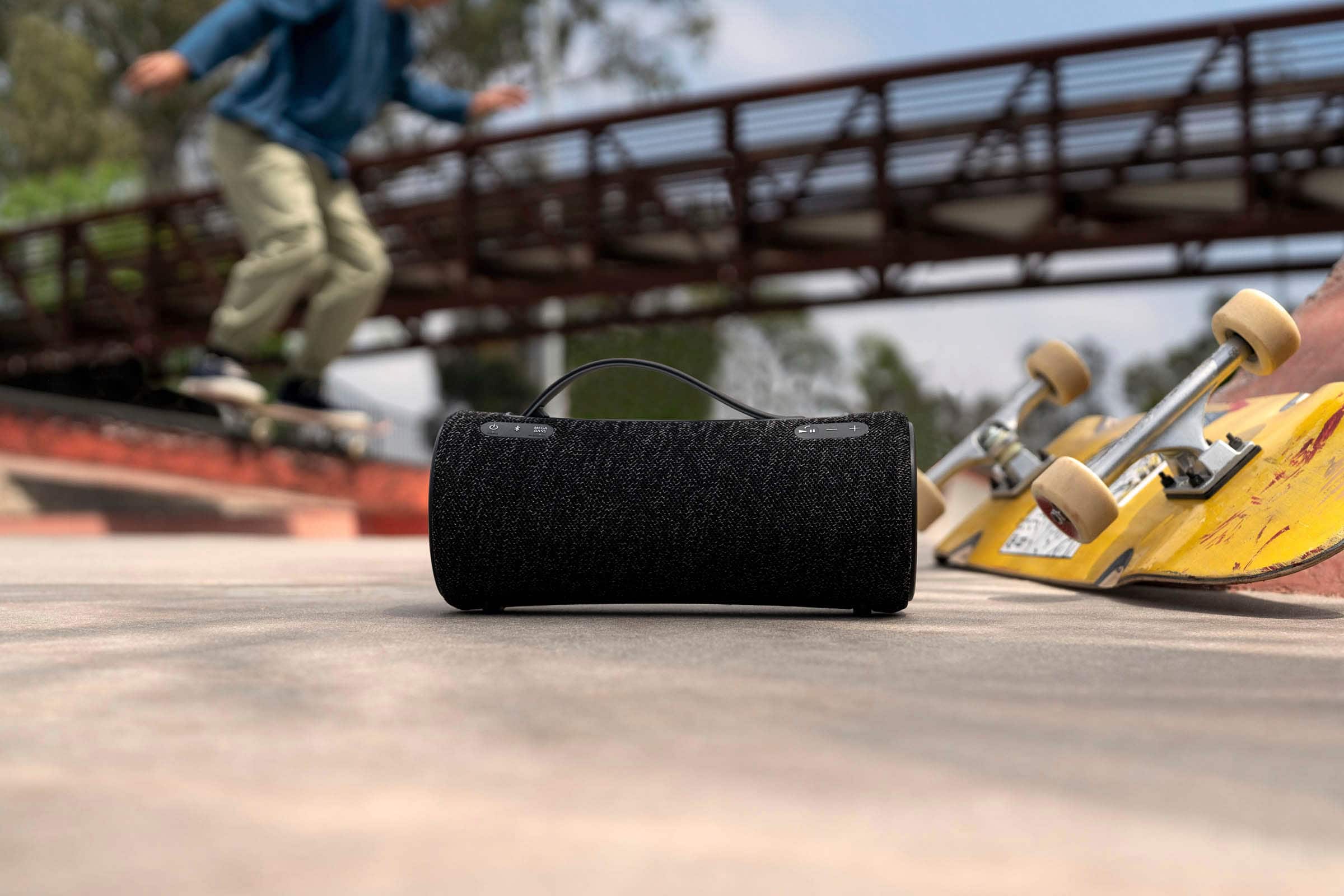
When most people think about portable Bluetooth speakers, they imagine something small enough to toss in a backpack for the beach. But the reality is that "portable" can mean vastly different things depending on what you need. The JBL Go 3 and Sony XG300 perfectly illustrate this spectrum – one fits in your pocket, the other requires a dedicated spot in your bag.
Released in 2020, the JBL Go 3 represents the ultra-compact end of portable audio. Meanwhile, Sony launched the XG300 in 2022 as part of their push into more feature-rich portable speakers that compete with larger, more established models. The two-year gap between releases shows in their approach to Bluetooth technology and battery efficiency, but more importantly, they target completely different use cases despite both being called "portable."
Before diving into specifics, it's worth understanding the fundamental physics at play. Sound quality, particularly bass response, is directly tied to the size of the speaker drivers (the components that actually move air to create sound) and the internal air volume. Smaller speakers can't move as much air, which means less bass and lower maximum volume. Battery life faces similar constraints – more powerful speakers drain batteries faster, but smaller batteries in compact speakers don't last as long.
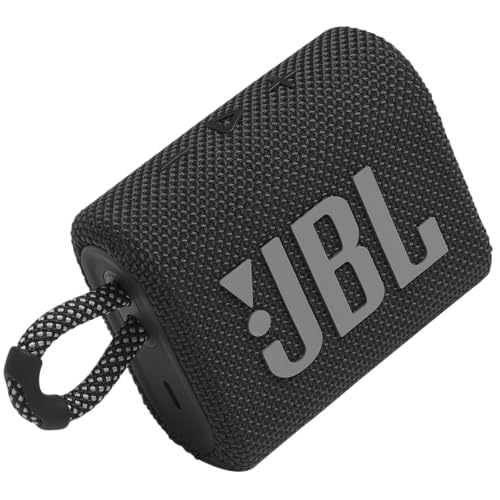
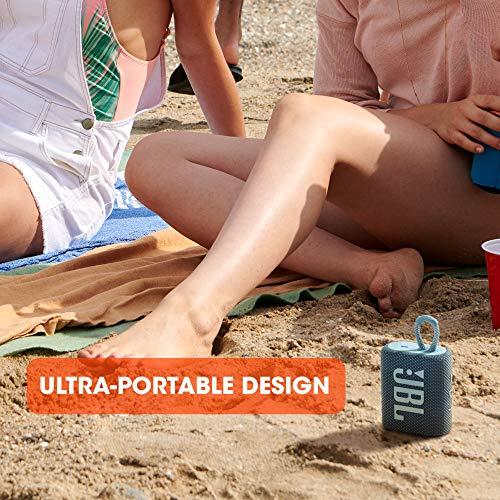
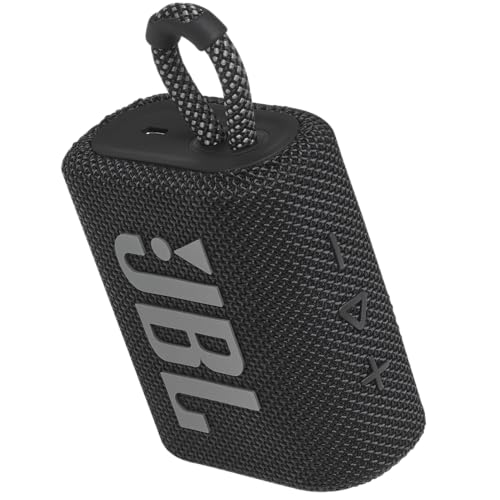
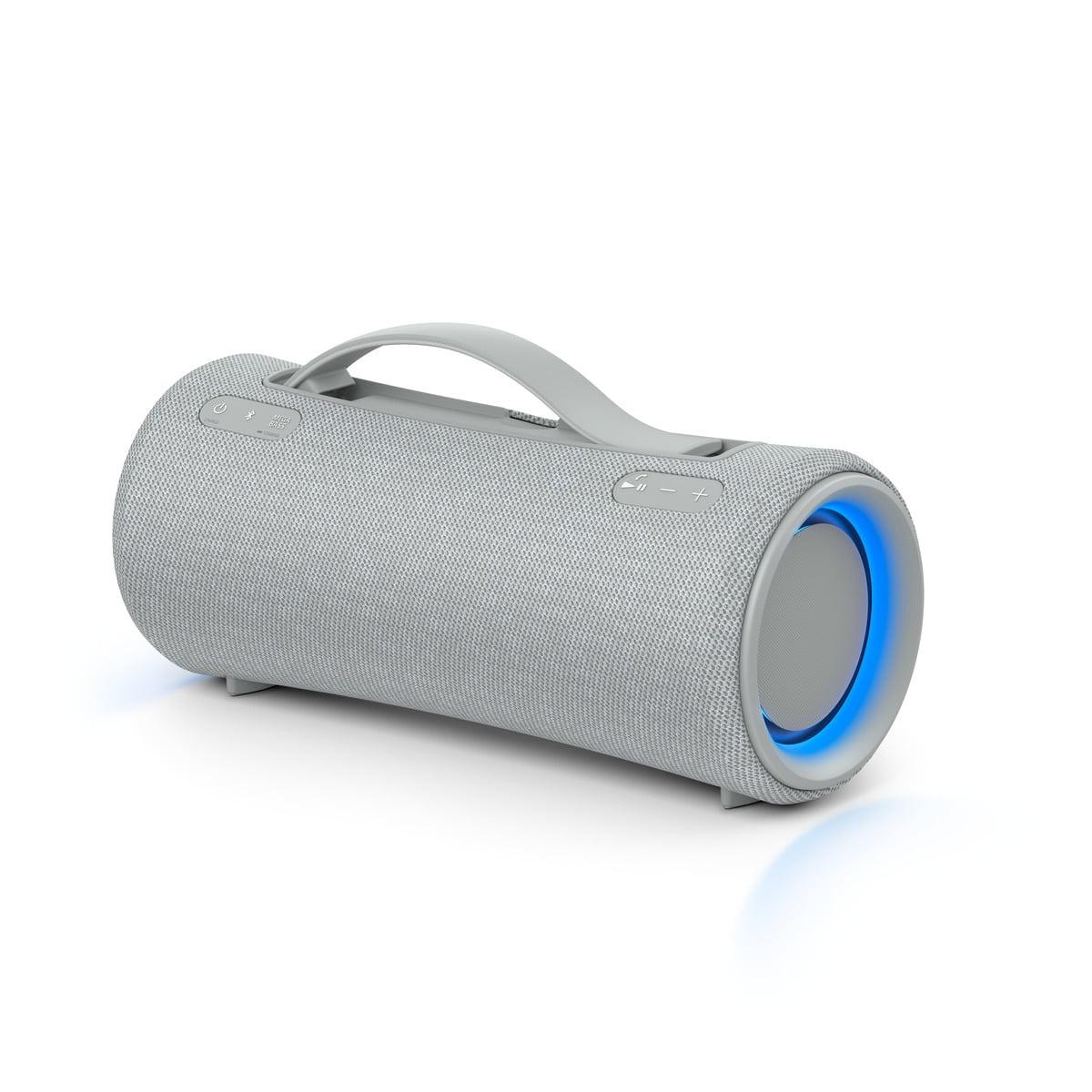
The JBL Go 3 weighs just under half a pound and measures roughly the size of a deck of cards. The Sony XG300 tips the scales at over six pounds – that's more than a dozen Go 3s. This size difference isn't just about convenience; it fundamentally changes what each speaker can achieve sonically.
The most obvious difference between these speakers is their power output. The JBL Go 3 produces 4.2 watts RMS (Root Mean Square, which measures continuous power rather than peak output) from a single driver that measures 43 by 47 millimeters. That's enough to clearly hear your music in a quiet room or provide background audio for a small group outdoors.
In contrast, the Sony XG300 pumps out 25 watts through a more sophisticated driver arrangement: two larger woofers (61 by 68 millimeters each) handle the bass and midrange, while two smaller tweeters (20 millimeters) focus on high frequencies. This setup, called a two-way design, allows each type of driver to specialize in what it does best, resulting in clearer, more detailed sound across the frequency spectrum.
The practical difference is substantial. The JBL Go 3 works perfectly for personal listening – think using it at your desk, in a hotel room, or during a quiet picnic. But it struggles to provide adequate volume for even small gatherings. The Sony XG300 can easily fill a medium-sized room or provide clear audio for an outdoor party of 10-15 people.
Here's where physics becomes impossible to ignore. The JBL Go 3 officially covers frequencies from 110Hz to 20kHz, but that lower limit tells an important story. Most adult male voices bottom out around 80-100Hz, and the "thump" that makes music feel energetic typically lives between 60-120Hz. By starting at 110Hz, the Go 3 is missing some of the warmth and impact that makes music feel full.
Sony doesn't publish specific frequency response numbers for the XG300, but the larger woofers and dedicated MEGA BASS mode suggest significantly deeper bass extension. The X-Balanced Speaker technology Sony uses involves non-circular driver shapes that can move more air in the same space – think of it as getting more surface area to push against without making the speaker dramatically larger.
From user feedback and professional reviews, the Sony XG300 delivers noticeably more satisfying bass, though it's still not comparable to larger home speakers or subwoofers. The JBL Go 3 focuses its energy on midrange clarity, which makes vocals and acoustic instruments sound surprisingly good for its size, but electronic music and hip-hop lose much of their intended impact.
Both speakers use modern Bluetooth versions (5.1 for the JBL Go 3, 5.2 for the Sony XG300), which means stable connections and lower power consumption compared to older Bluetooth standards. However, the Sony XG300 supports LDAC, Sony's proprietary high-resolution audio codec that can transmit roughly three times more audio data than standard Bluetooth.
LDAC only works with compatible devices (primarily Sony products and some Android phones), but when it does work, the difference is audible – more detail in complex music, better instrument separation, and less of the "compressed" sound that sometimes affects Bluetooth audio. The JBL Go 3 sticks to standard SBC and AAC codecs, which work with everything but don't offer the same audio quality potential.
This is where the fundamental design philosophies become crystal clear. The JBL Go 3 provides about five hours of playback, which might sound limiting until you consider its intended use. Five hours covers most commutes, work sessions, or casual listening periods. The 2.5-hour charging time via USB-C means you can easily top it off during lunch or while working.
The Sony XG300 boasts up to 25 hours of battery life, though real-world usage typically delivers 12-15 hours at moderate to high volumes. That's genuinely all-day performance, suitable for camping trips, beach days, or outdoor events. The quick-charge feature providing 70 minutes of playback from a 10-minute charge is genuinely useful when you've forgotten to plan ahead.
Here's the catch: the Sony XG300 achieves this battery life partly through its larger battery (which adds weight) and partly through more efficient modern components. But at high volumes, even the XG300's battery drains much faster. Battery life and maximum volume exist in constant tension – you can have one or the other, but not both simultaneously.
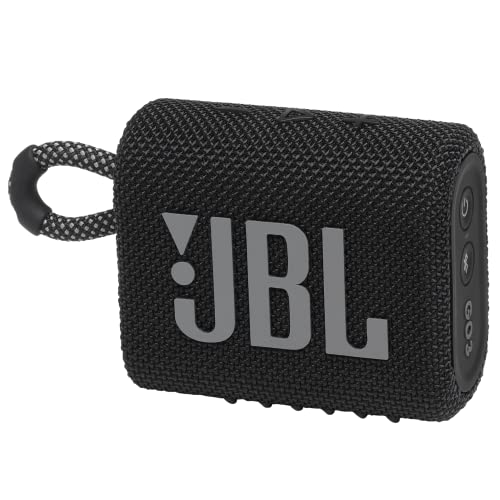
The JBL Go 3 embraces simplicity. You get power, Bluetooth pairing, volume controls, and play/pause. There's no app, no EQ, no fancy lighting, and no way to connect multiple speakers together. For many users, this simplicity is actually a feature – it just works without complexity.
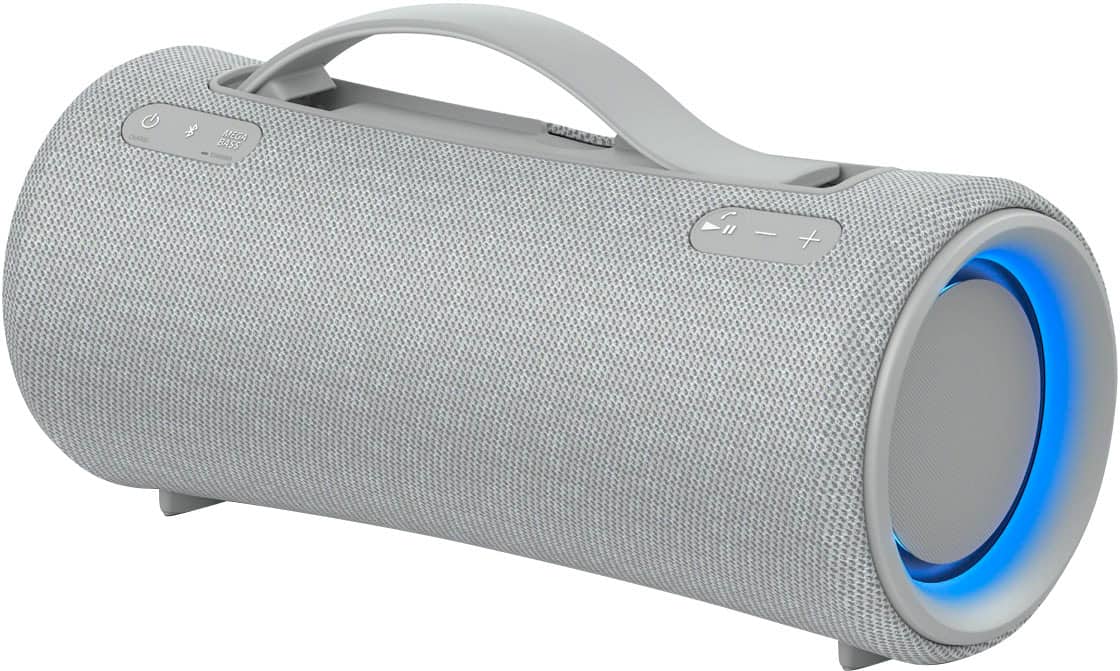
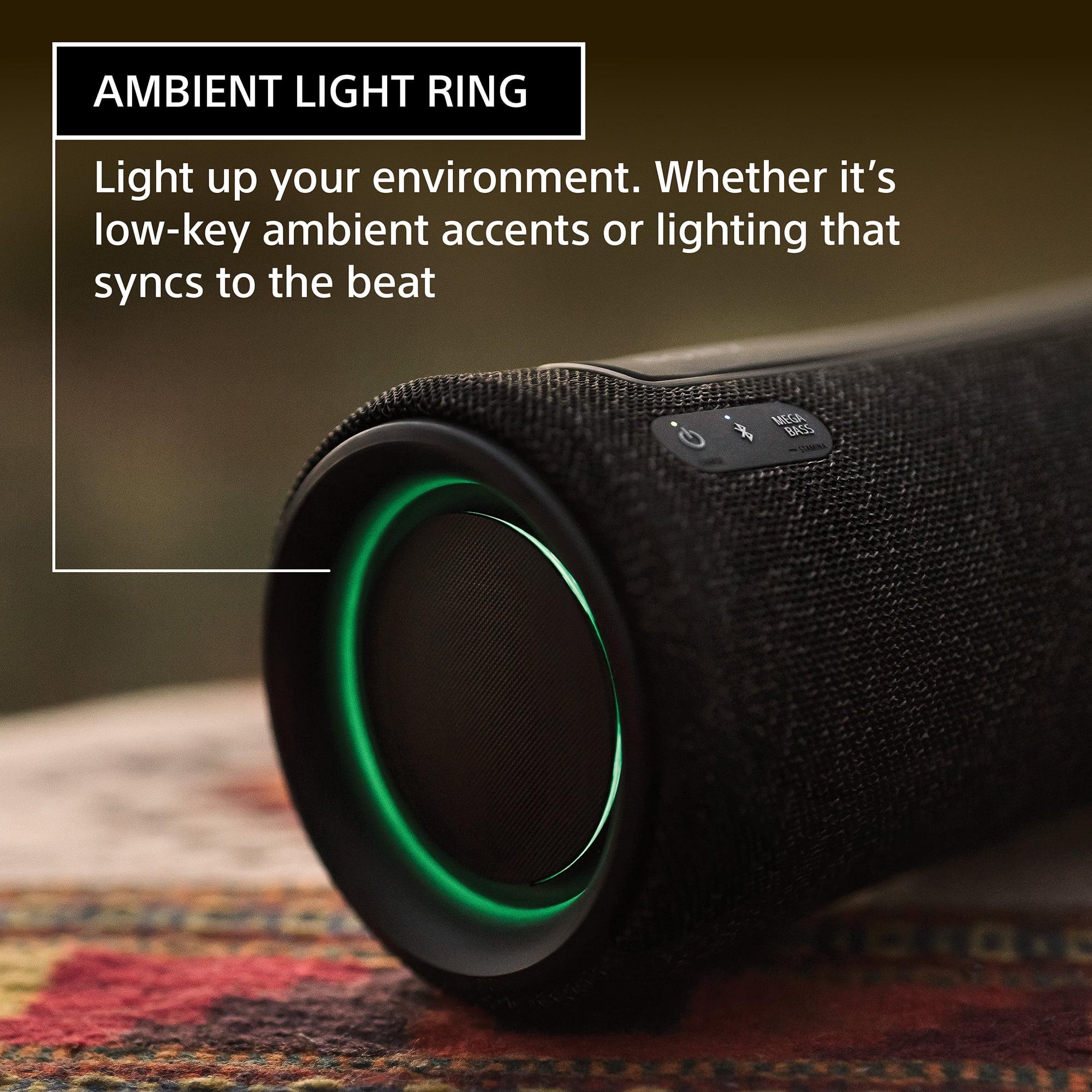
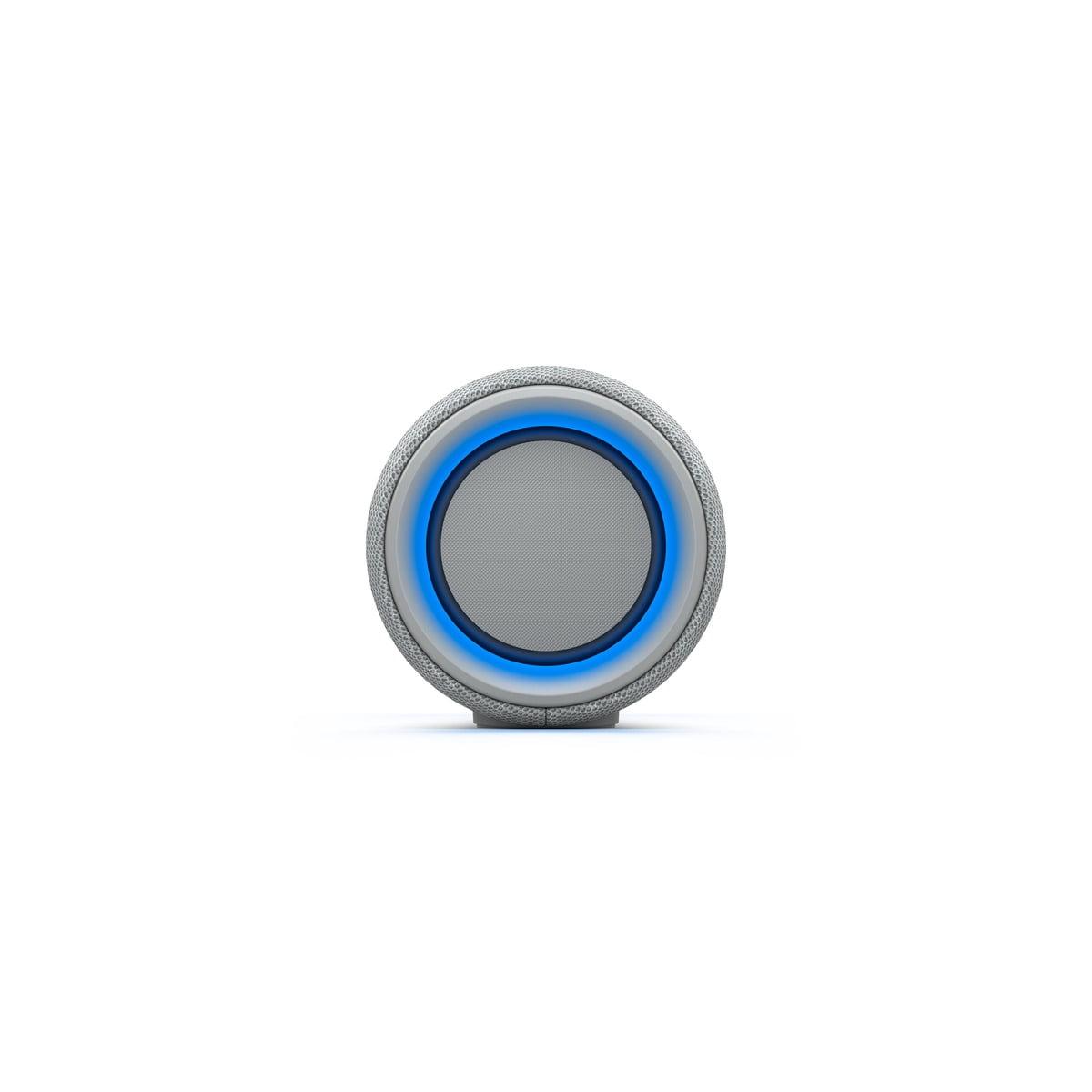
The Sony XG300 takes the opposite approach. The Sony Music Center app provides a five-band EQ, letting you adjust bass, low-mid, mid, high-mid, and treble to taste. The multi-color LED ring lights can pulse with your music or display solid colors. Party Connect allows you to link up to 100 compatible Sony speakers for massive sound coverage, while Stereo Pair mode lets you use two XG300s for true left-right stereo separation.
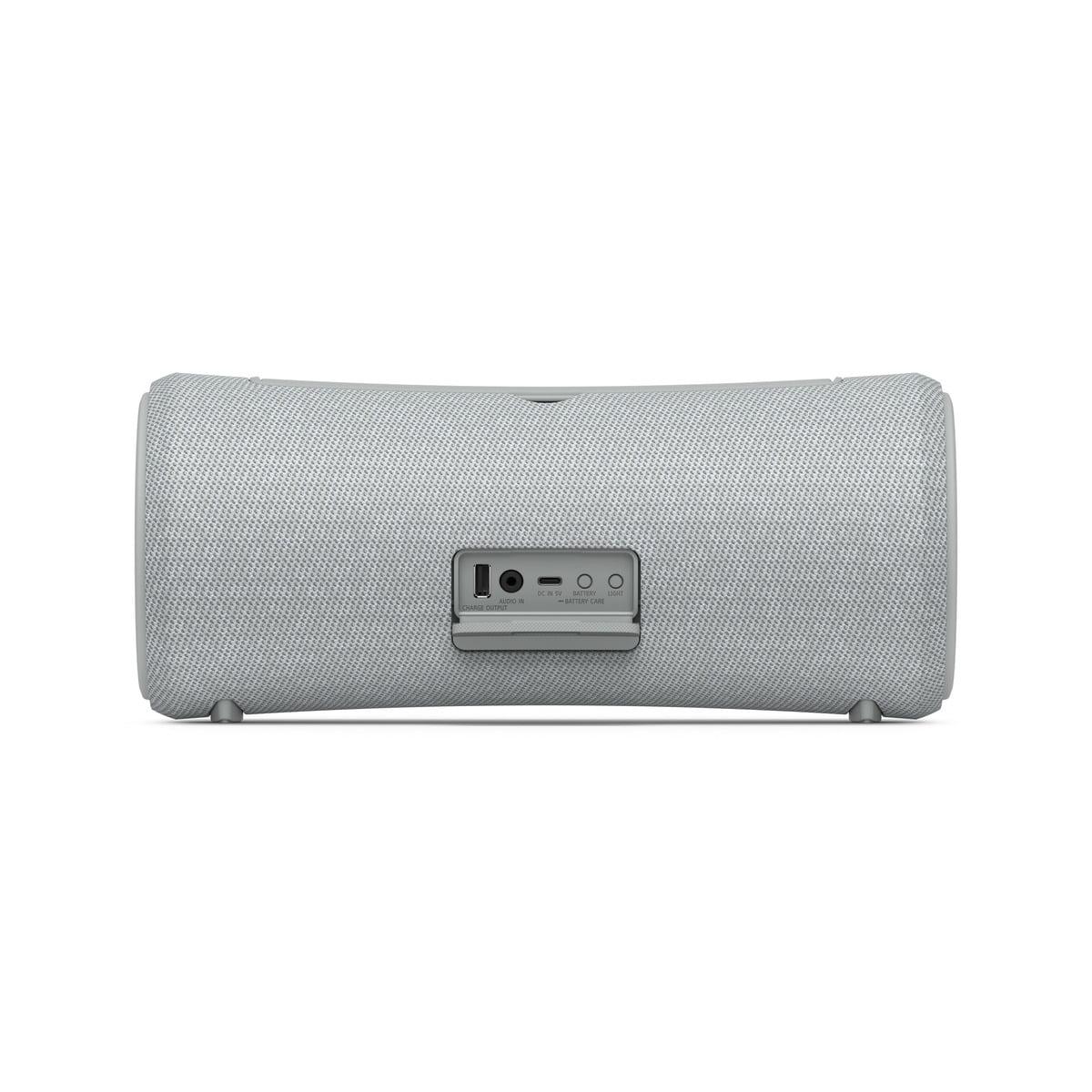
The Sony XG300 also includes practical features the JBL Go 3 lacks: a built-in microphone for hands-free calls (with echo cancellation so conversations sound natural), and a USB-A port that turns the speaker into a power bank for charging your phone.
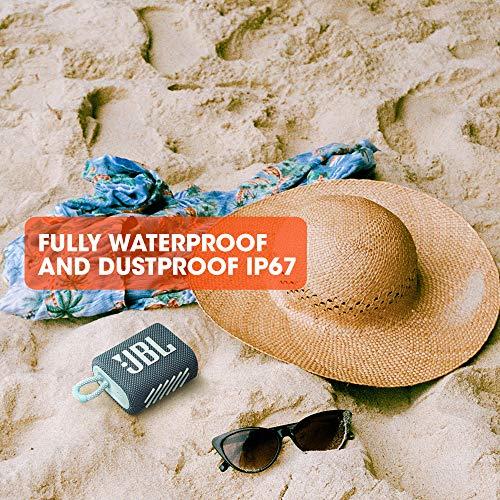
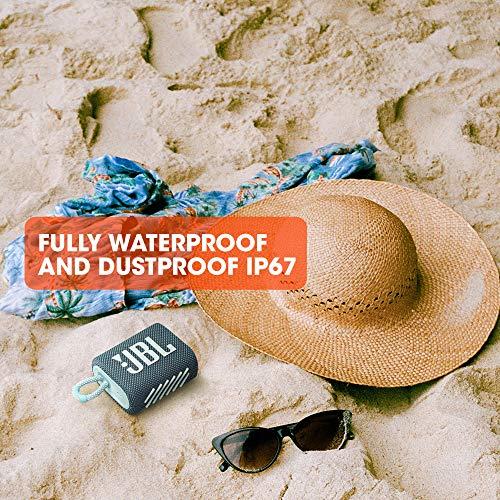
Both speakers earn IP67 ratings, meaning they're completely dust-tight and can handle submersion in up to one meter of water for 30 minutes. In practical terms, both can handle beach sand, poolside splashes, and even being dropped in shallow water without damage.
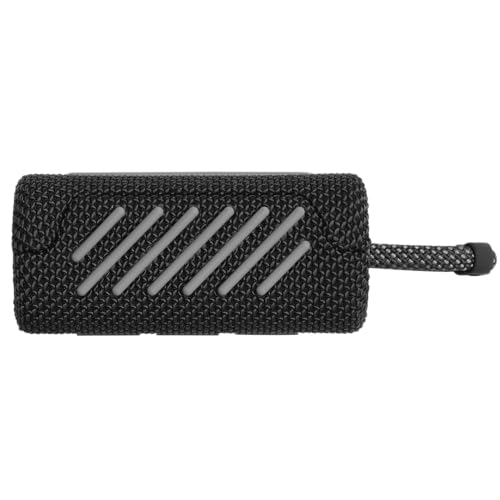
The JBL Go 3 achieves this rating in an impressively small package. The tight-knit fabric covering and rubber bumpers feel solid, though the lightweight construction means it can vibrate against hard surfaces at higher volumes. The integrated fabric loop is genuinely useful for clipping to backpacks or hanging from hooks.
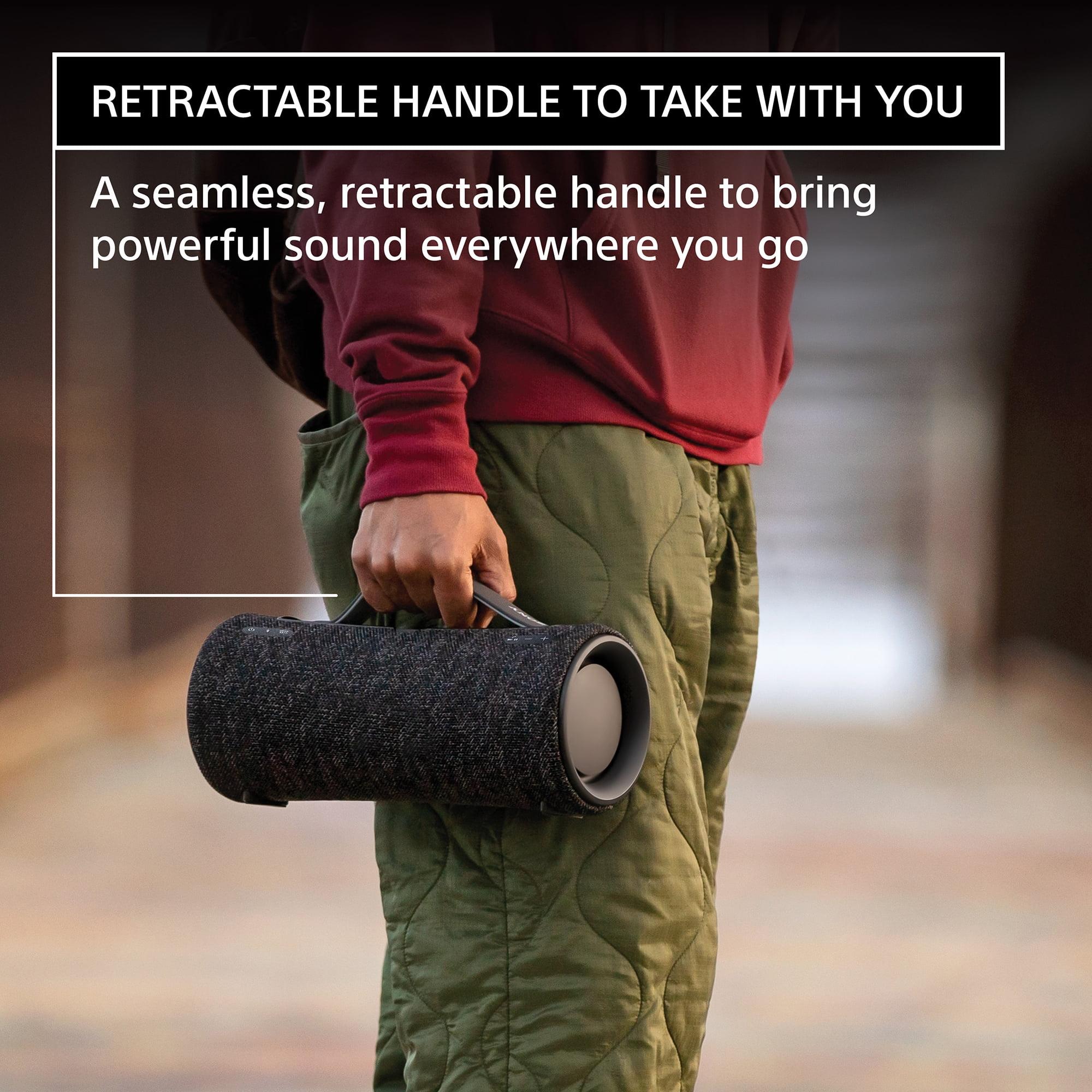
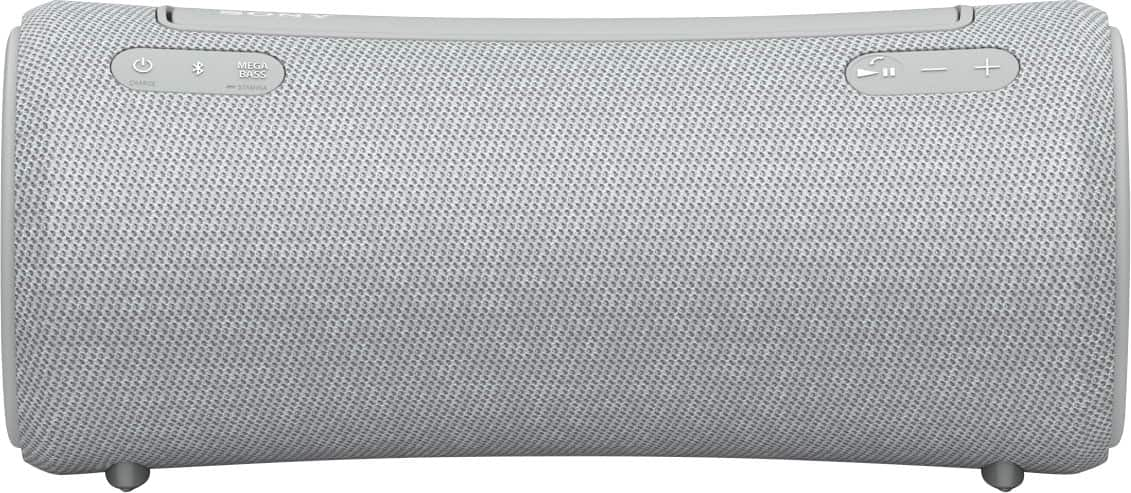
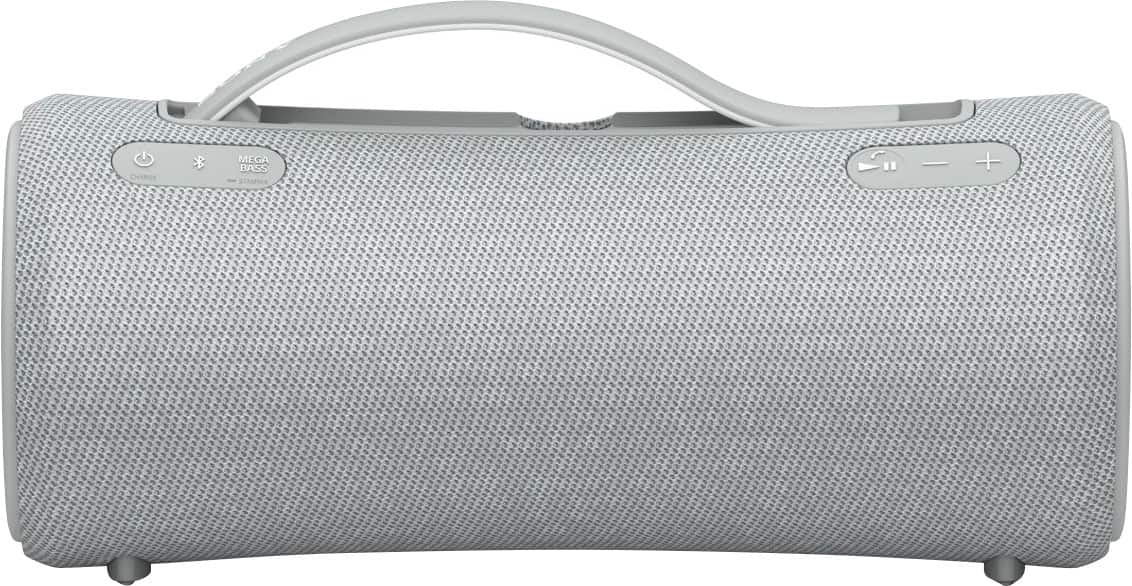
The Sony XG300 feels more substantial, with a retractable handle that makes carrying more comfortable despite the weight. The larger size allows for better internal bracing, so it doesn't vibrate or rattle even at maximum volume. Both speakers should survive years of normal use, but the Sony's heft suggests it might better handle serious abuse.
For solo listening, the JBL Go 3 excels. It's genuinely pocketable, making it perfect for hotel rooms, dorm rooms, or anywhere you want better audio than phone speakers without carrying significant extra weight. The five-hour battery life aligns well with most travel scenarios – a cross-country flight, a day of sightseeing, or working in a coffee shop.
The Sony XG300 is overkill for personal use and impractical for casual travel. You wouldn't carry it for a quick business trip, and it won't fit in most day packs alongside other essentials.
Inside your home, the roles begin to reverse. The JBL Go 3 works well for kitchen background music or bedroom listening, but it can't fill larger spaces or provide audio for dinner parties. The mono speaker configuration means you lose the spatial separation that makes music feel more immersive.
The Sony XG300 becomes much more appealing indoors. It can provide background music for the whole house, handle dinner party conversations, and even serve as a temporary sound system for small gatherings. The stereo driver configuration creates a wider soundstage, making music feel less "point source" than the Go 3.
For home theater use, neither speaker is ideal, but the Sony XG300 could work as a temporary solution for a bedroom TV or outdoor movie nights. The JBL Go 3 lacks both the power and low-frequency response needed for movie soundtracks.
This is where the difference becomes most pronounced. The JBL Go 3 works for quiet outdoor activities – think reading by a lake or providing audio for two people having a picnic. But it disappears in windy conditions and can't compete with background noise from traffic, waves, or other people.
The Sony XG300 transforms outdoor gatherings. Beach parties, camping trips, backyard barbecues – scenarios where you need audio that can compete with ambient noise and provide clear sound for groups of people. The 25-hour battery life means it can last through weekend camping trips without needing a charge.
At the time of writing, the JBL Go 3 typically costs about a third of what you'd pay for the Sony XG300, but that simple price comparison misses the point. They're solving different problems.
The JBL Go 3 offers exceptional value for its specific use case. No other speaker at its price point provides the same combination of true portability, decent sound quality, and durability. If you need something genuinely pocketable that sounds significantly better than phone speakers, few alternatives exist at any price.
The Sony XG300 competes in a more crowded field but offers strong value for users who need its capabilities. The feature set, build quality, and battery life compete with speakers that cost significantly more. However, if you don't need the extra power and features, you're paying for capabilities you won't use.
The two-year gap between these speakers' releases reflects meaningful improvements in Bluetooth efficiency and battery technology. The Sony XG300 benefits from more mature Bluetooth 5.2 implementation, which provides better power management and more stable connections in environments with multiple wireless devices.
Battery chemistry improvements between 2020 and 2022 also help explain the Sony XG300's impressive runtime. Lithium battery energy density continued improving during this period, allowing Sony to pack more power into a given weight and volume.
The JBL Go 3 represents mature ultra-portable design – JBL had already optimized this form factor through previous Go generations. The Sony XG300 reflects Sony's more recent entry into this market segment, incorporating lessons learned from competitors and newer component availability.
Choose the JBL Go 3 if your priority is having decent audio available anywhere you go. It's the speaker for people who travel frequently, commute regularly, or want something that's always available without planning ahead. The low price makes it reasonable to buy multiple units – one for your bag, one for the kitchen, one for the bedroom.
The Sony XG300 makes sense when you need one speaker that can handle diverse scenarios. It's the choice for people who host gatherings, spend extended time outdoors, or want their portable speaker to occasionally substitute for a home sound system. The higher price is justified by versatility and performance, but only if you'll actually use those capabilities.
Consider your actual usage patterns honestly. If you primarily listen alone and value convenience above all else, the JBL Go 3 delivers exactly what you need without paying for features you won't use. If you regularly find yourself wanting more volume, longer battery life, or additional features, the Sony XG300 prevents the frustration of constantly bumping against limitations.
Both speakers excel at their intended purposes, making this less about which is "better" and more about which aligns with how you actually live and listen to music.
| JBL Go 3 | Sony XG300 |
|---|---|
| Size & Weight - Critical for actual portability | |
| 87.5 x 75 x 41.3mm, 0.21kg (truly pocketable) | 318 x 138 x 136mm, 3.0kg (requires bag space) |
| Power Output - Determines maximum volume and room coverage | |
| 4.2W RMS (personal listening only) | 25W (room-filling sound) |
| Battery Life - How long you can listen without charging | |
| 5 hours (good for commutes, short sessions) | 25 hours rated, 12-15 hours real-world (all-day events) |
| Speaker Configuration - Affects sound quality and stereo imaging | |
| Single 43x47mm driver (mono sound) | Dual woofers + dual tweeters (stereo separation) |
| Bluetooth Version - Connection stability and audio quality | |
| 5.1 with SBC/AAC codecs (universal compatibility) | 5.2 with LDAC support (higher quality with compatible devices) |
| Water Resistance - Protection for outdoor use | |
| IP67 (waterproof to 1m for 30min) | IP67 (waterproof to 1m for 30min) |
| Charging Port - Convenience and cable compatibility | |
| USB-C (2.5 hour charge time) | USB-C (quick charge: 10min = 70min playback) |
| Multi-Speaker Pairing - Ability to connect multiple units | |
| No pairing capability | Party Connect (up to 100 speakers) |
| Additional Features - Extra functionality beyond basic audio | |
| Fabric loop for attachment | LED lights, power bank, EQ app, built-in mic |
| Bass Extension - Low-end frequency response | |
| 110Hz-20kHz (limited bass impact) | Enhanced bass with MEGA BASS mode |
| Target Use Case - Who each speaker serves best | |
| Ultra-portable personal listening | Versatile home/outdoor entertainment |
The JBL Go 3 is significantly better for travel due to its ultra-compact size (fits in your pocket) and lightweight design at just 0.21kg. The Sony XG300 weighs 3kg and requires dedicated bag space, making it impractical for casual travel or daily carry.
The Sony XG300 delivers superior sound quality with 25W of power, dual woofers, and dedicated tweeters that provide deeper bass and clearer highs. The JBL Go 3 offers good clarity for its size but is limited by its single 4.2W driver and minimal bass response below 110Hz.
The Sony XG300 provides up to 25 hours of battery life (12-15 hours at higher volumes), while the JBL Go 3 offers 5 hours of playback. For all-day events or extended outdoor use, the Sony XG300 is clearly superior.
The Sony XG300 excels at outdoor gatherings with its powerful 25W output, long battery life, and ability to compete with ambient noise. The JBL Go 3 lacks the volume and bass needed for group listening or noisy outdoor environments.
Yes, both the JBL Go 3 and Sony XG300 feature IP67 waterproof ratings, meaning they can be submerged in up to 1 meter of water for 30 minutes and are completely dustproof. Both are safe for beach, pool, and shower use.
Only the Sony XG300 supports multi-speaker pairing through Sony's Party Connect feature, allowing you to link up to 100 compatible speakers. The JBL Go 3 does not offer any speaker pairing functionality.
This depends on your needs. The JBL Go 3 offers exceptional value for ultra-portable personal listening at a much lower price point. The Sony XG300 provides better value for users who need room-filling sound, long battery life, and advanced features, despite its higher cost.
Neither speaker is ideal for home theater, but the Sony XG300 could serve as a temporary solution for bedroom TVs or outdoor movie nights due to its higher power output and stereo configuration. The JBL Go 3 lacks the power and bass response needed for movie soundtracks.
The Sony XG300 uses Bluetooth 5.2 with LDAC codec support for higher quality audio with compatible Android devices, plus multipoint connectivity for two devices simultaneously. The JBL Go 3 uses Bluetooth 5.1 with standard SBC/AAC codecs that work with all devices but don't offer premium audio quality.
For small spaces like bedrooms, the JBL Go 3 provides adequate sound without overwhelming the space. For kitchens or larger rooms where you want background music throughout, the Sony XG300 offers better coverage and the ability to fill the space with sound.
The JBL Go 3 charges fully in 2.5 hours via USB-C. The Sony XG300 also uses USB-C and features quick charging that provides 70 minutes of playback from just 10 minutes of charging, making it more convenient for users who forget to charge ahead of time.
The JBL Go 3 offers the simplest experience with basic controls, no app requirements, and straightforward Bluetooth pairing. The Sony XG300 includes many additional features like LED lights, EQ controls, and app integration that some users may find unnecessarily complex for basic music listening.
We've done our best to create useful and informative comparisons to help you decide what product to buy. Our research uses advanced automated methods to create this comparison and perfection is not possible - please contact us for corrections or questions. These are the sites we've researched in the creation of this article: rtings.com - streamtechreviews.com - english.achoreviews.com - smarthomesounds.co.uk - soundguys.com - rtings.com - walmart.com - soundguys.com - youtube.com - youtube.com - jbl.com - youtube.com - selectoguru.com - versus.com - videoandaudiocenter.com - harmanaudio.com - jbl.com - bestbuy.com - forum.hifiguides.com - manuals.plus - kh.jbl.com - th.jbl.com - mm.jbl.com - jbl.com - bestbuy.com - youtube.com - youtube.com - youtube.com - jbl.com - bestbuy.com - bestbuy.com - jbl.com.tw - youtube.com - bestbuy.com - youtube.com - sony.ca - youtube.com - electronics.sony.com - sony.com - abt.com - helpguide.sony.net - bhphotovideo.com - rtings.com - thesonyshop.ca - helpguide.sony.net

Privacy Policy
Terms and Conditions - Affiliate Policy
Home Security
© Copyright 2008-2026.
11816 Inwood Rd #1211, Dallas, TX 75244