





If you're hunting for a Bluetooth speaker that can actually fit in your pocket without sounding terrible, you've probably stumbled across JBL's ultra-portable lineup. The JBL Go 3 and JBL Clip 5 represent two different philosophies in tiny speaker design—and at the time of writing, they're priced about $25 apart, making this a genuinely tough decision for many buyers.
After diving deep into user reviews, expert opinions, and technical specifications, we've found that while both speakers punch above their weight class, they're designed for distinctly different users. The choice between them comes down to whether you prioritize absolute portability or are willing to accept a slightly larger footprint for significantly better performance.
Before we pit these two against each other, it's worth understanding what you're getting—and what you're giving up—when you buy an ultra-portable speaker. These devices are engineering marvels in miniaturization, cramming amplifiers, batteries, and drivers (the parts that actually produce sound) into packages smaller than a sandwich.
The physics are brutal: smaller speakers simply cannot move as much air as larger ones, which means less bass and lower maximum volume. The trick is finding speakers that work within these constraints while still delivering enjoyable audio. Both the JBL Go 3 and JBL Clip 5 accomplish this, but through different approaches.
What matters most in this category? First, sound quality within size constraints—how much bass can you get, how clear are vocals, and how loud can you go before distortion ruins everything? Second, battery life, because nobody wants their soundtrack dying mid-adventure. Third, durability, since these speakers are built to travel. Finally, value—are you getting enough performance improvement to justify spending more?
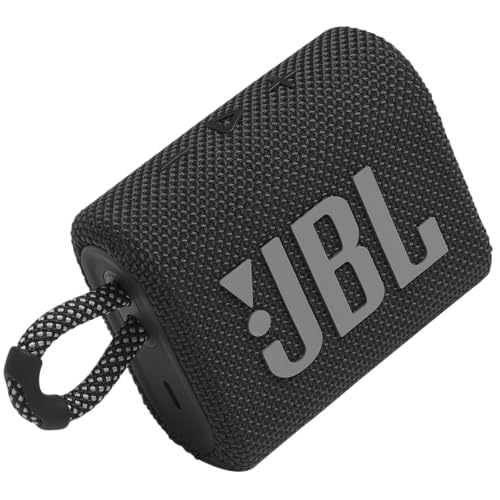
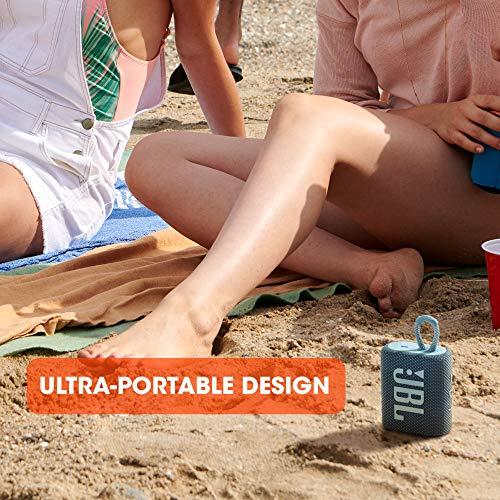
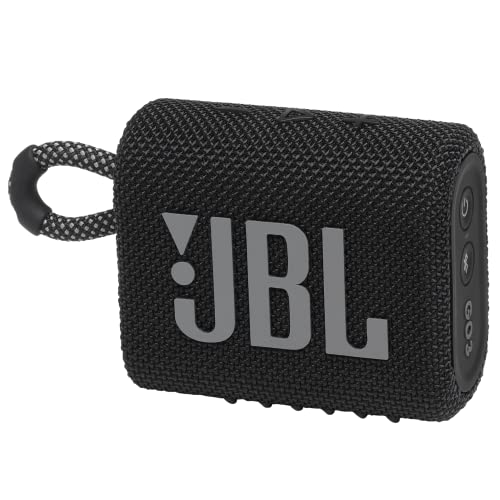
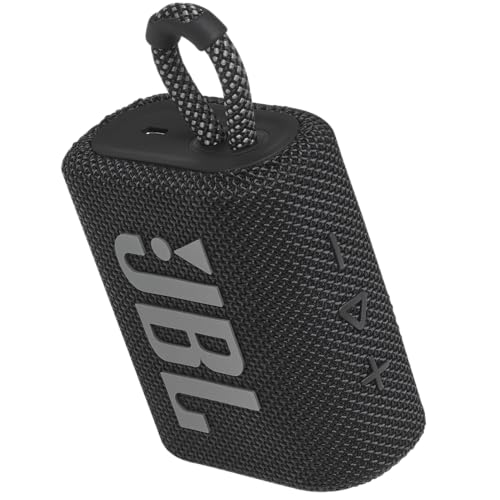
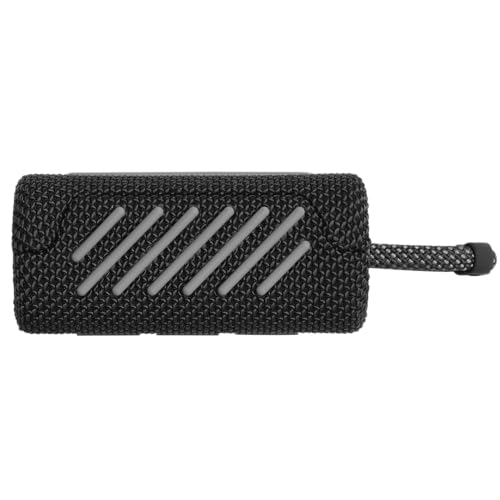
The JBL Go 3, released in 2020, represents JBL's "disappear in your pocket" philosophy. At just 3.4 by 2.7 by 1.6 inches and weighing less than half a pound, it's genuinely pocketable—something you'll forget you're carrying until you need it. The fabric-wrapped design with rubber bumpers gives it a premium feel that belies its budget-friendly positioning. JBL clearly designed this for urban commuters, students, and anyone who wants decent audio without bulk.
The fabric loop is simple but functional—you can hook it onto a keychain or slip a carabiner through it, though it's not designed for heavy-duty attachment. The rounded edges and tight-knit fabric give it an almost jewelry-like quality, especially in the more vibrant colorways that JBL offers.
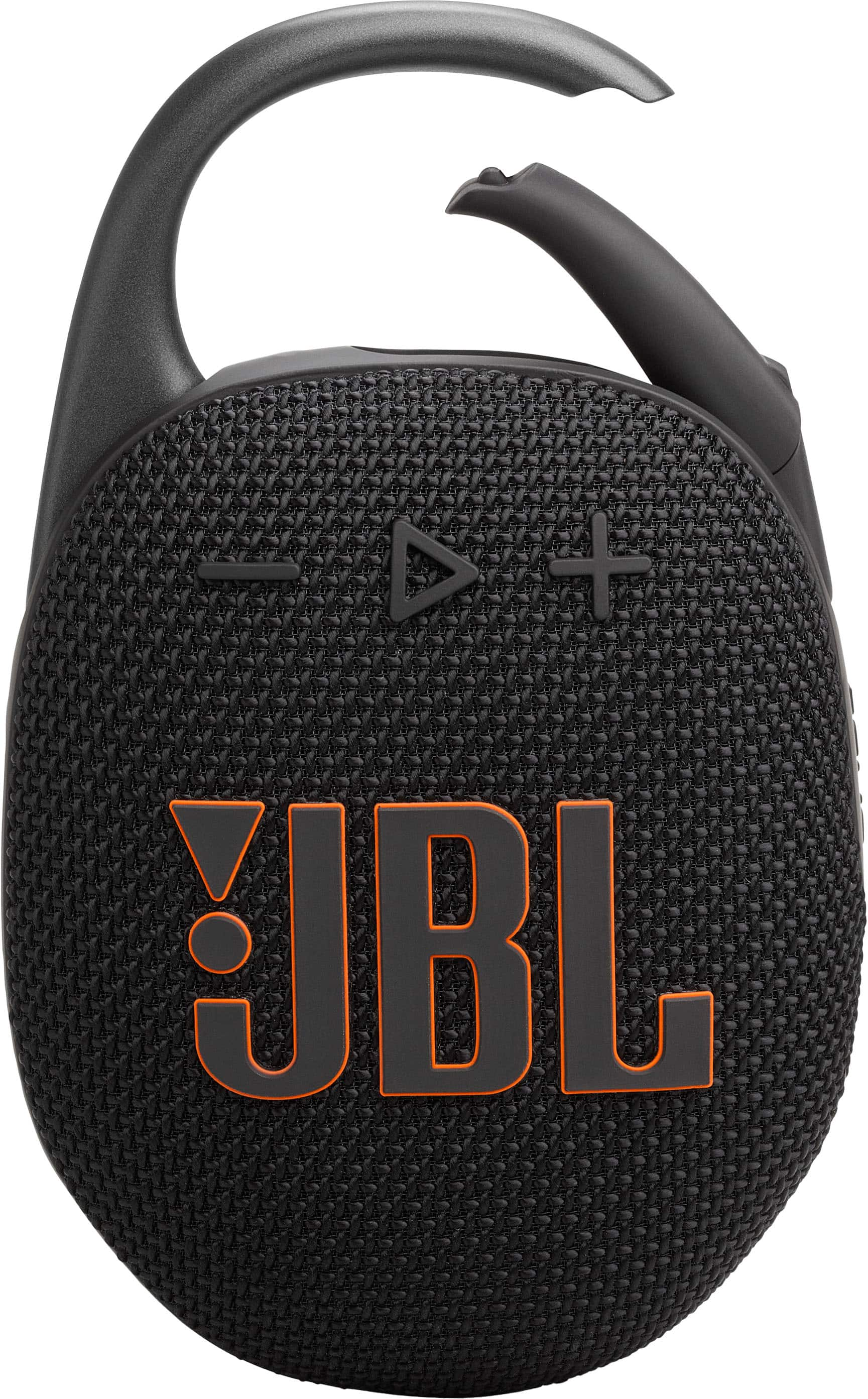
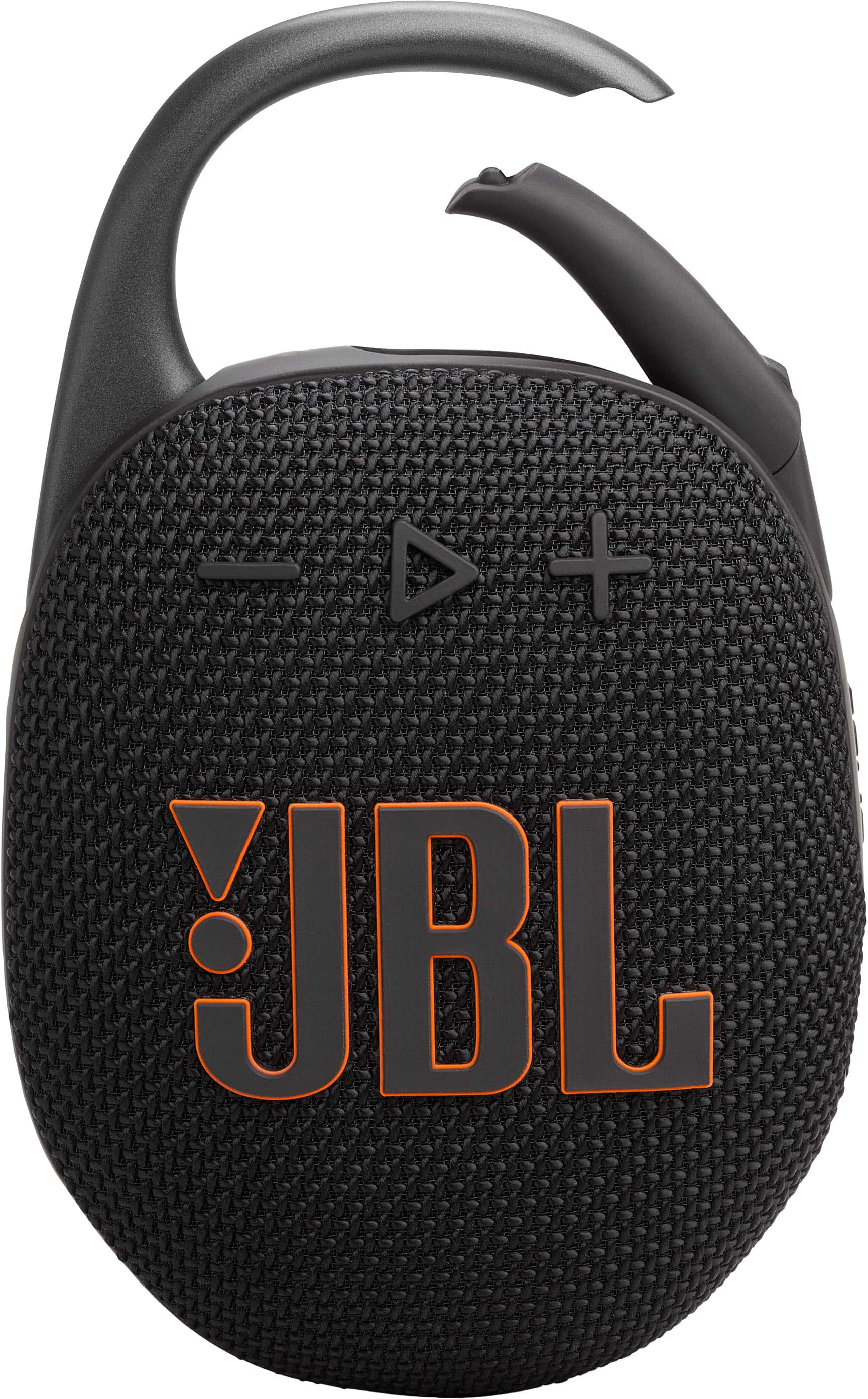
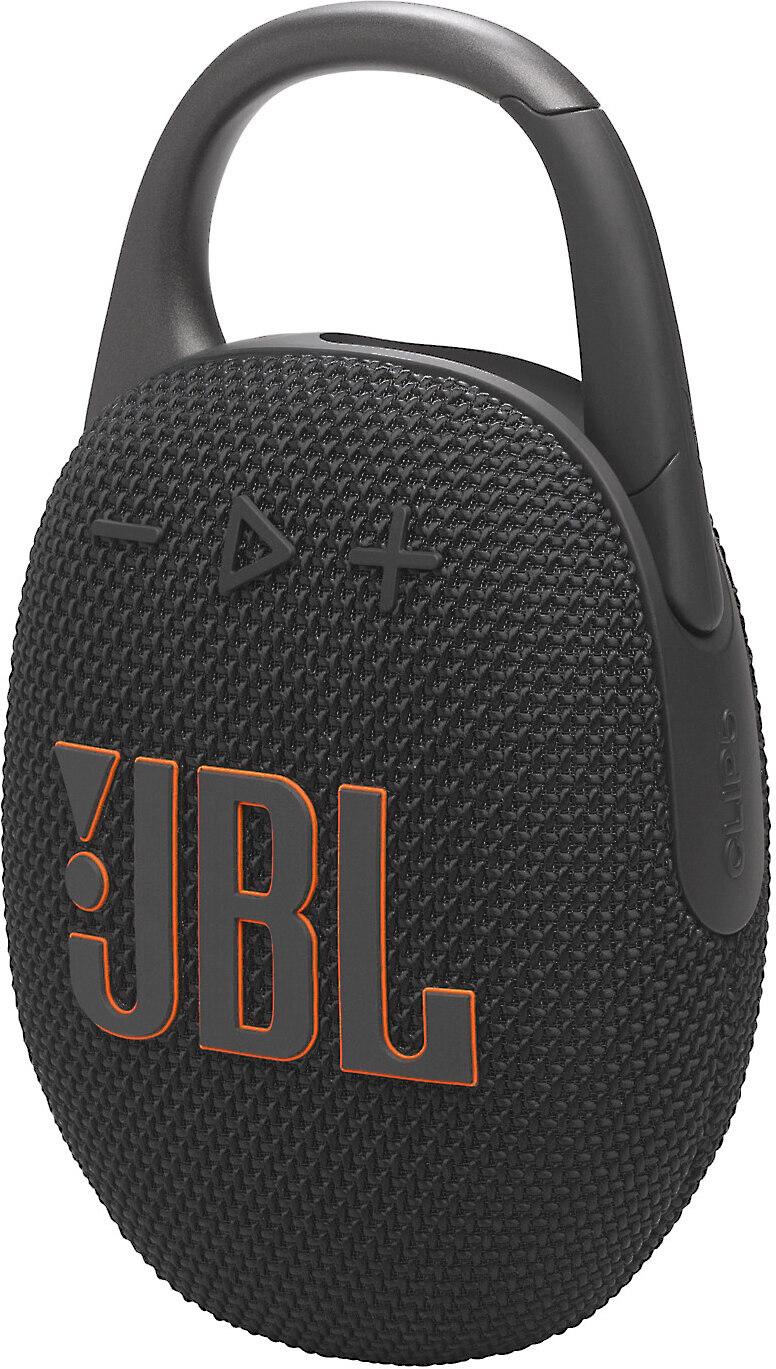
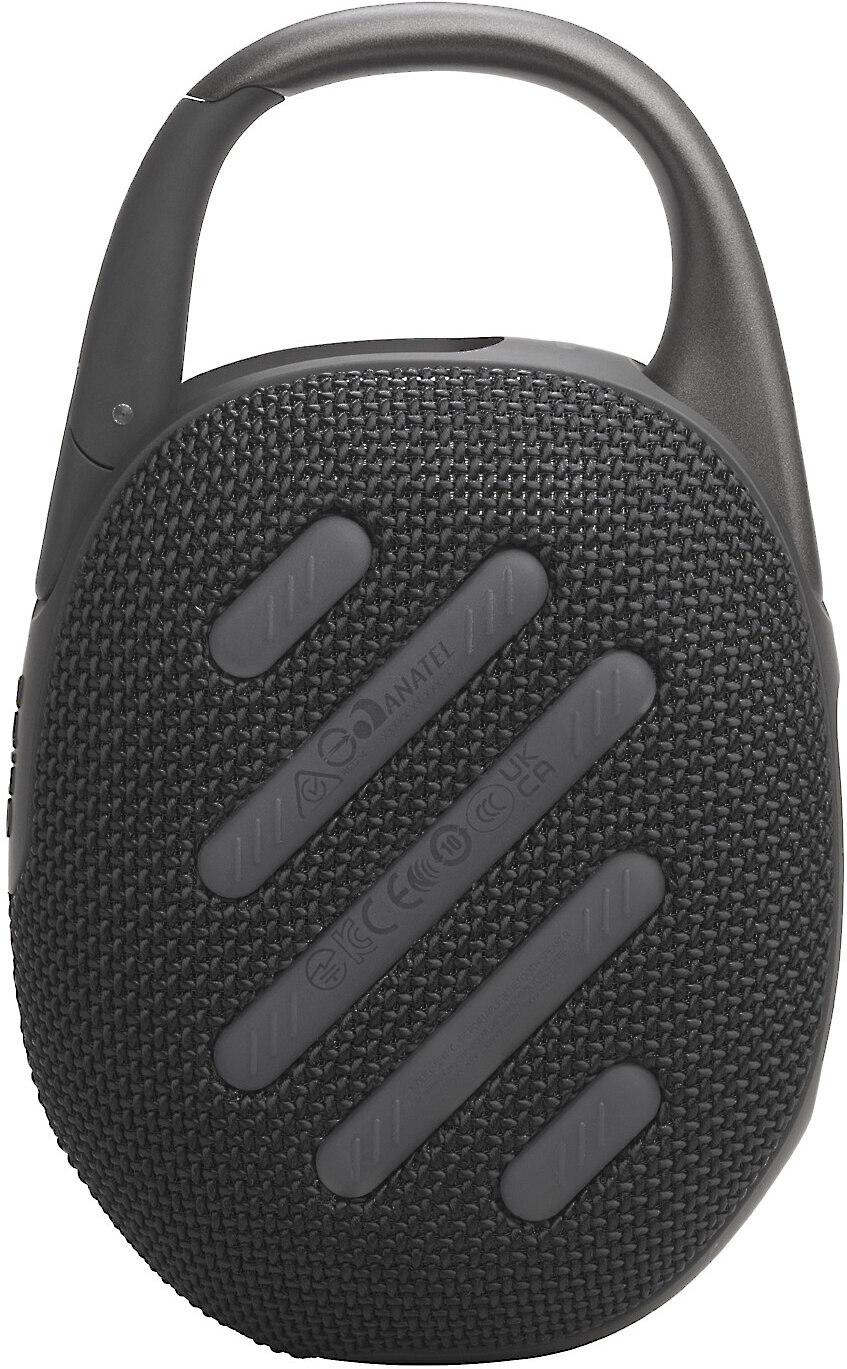
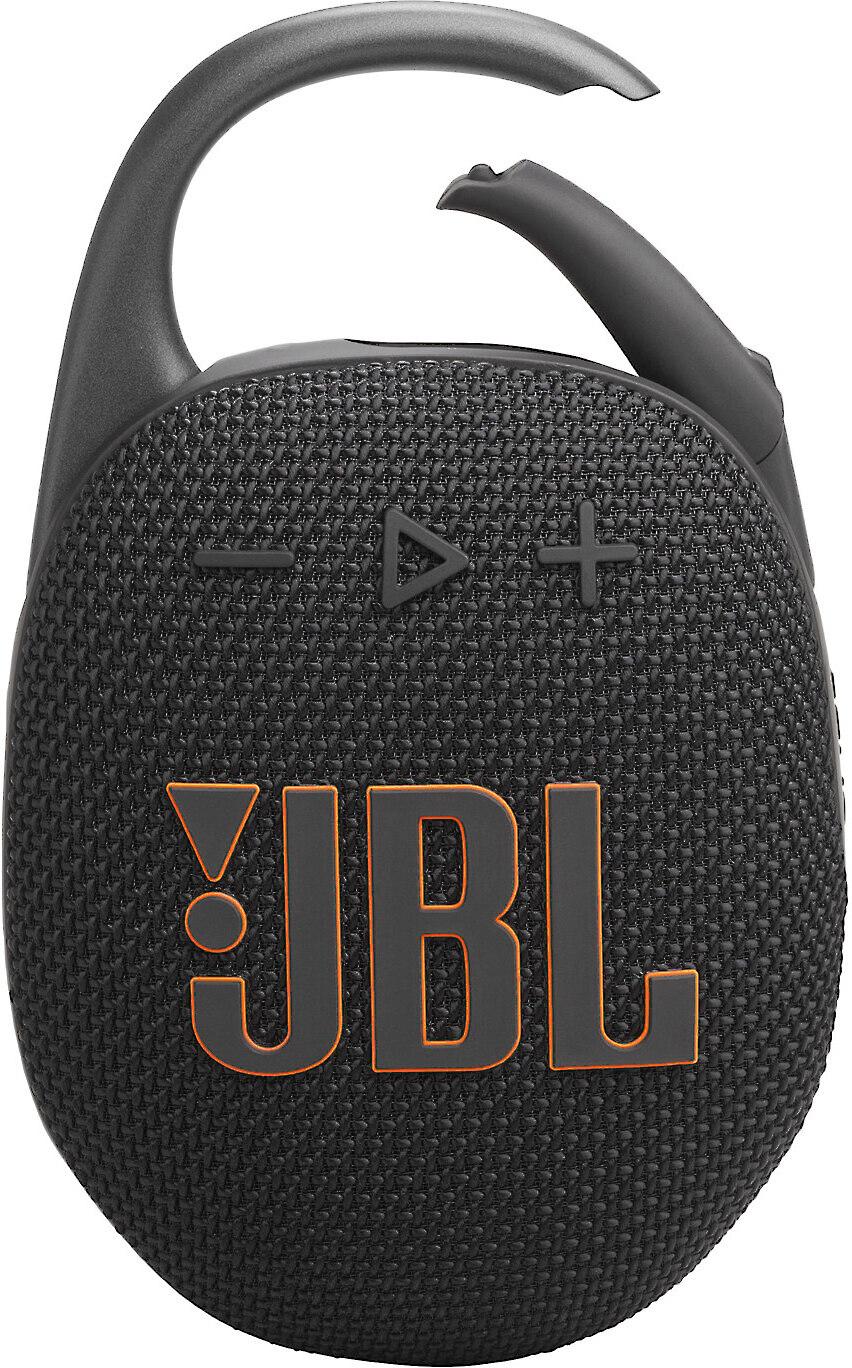
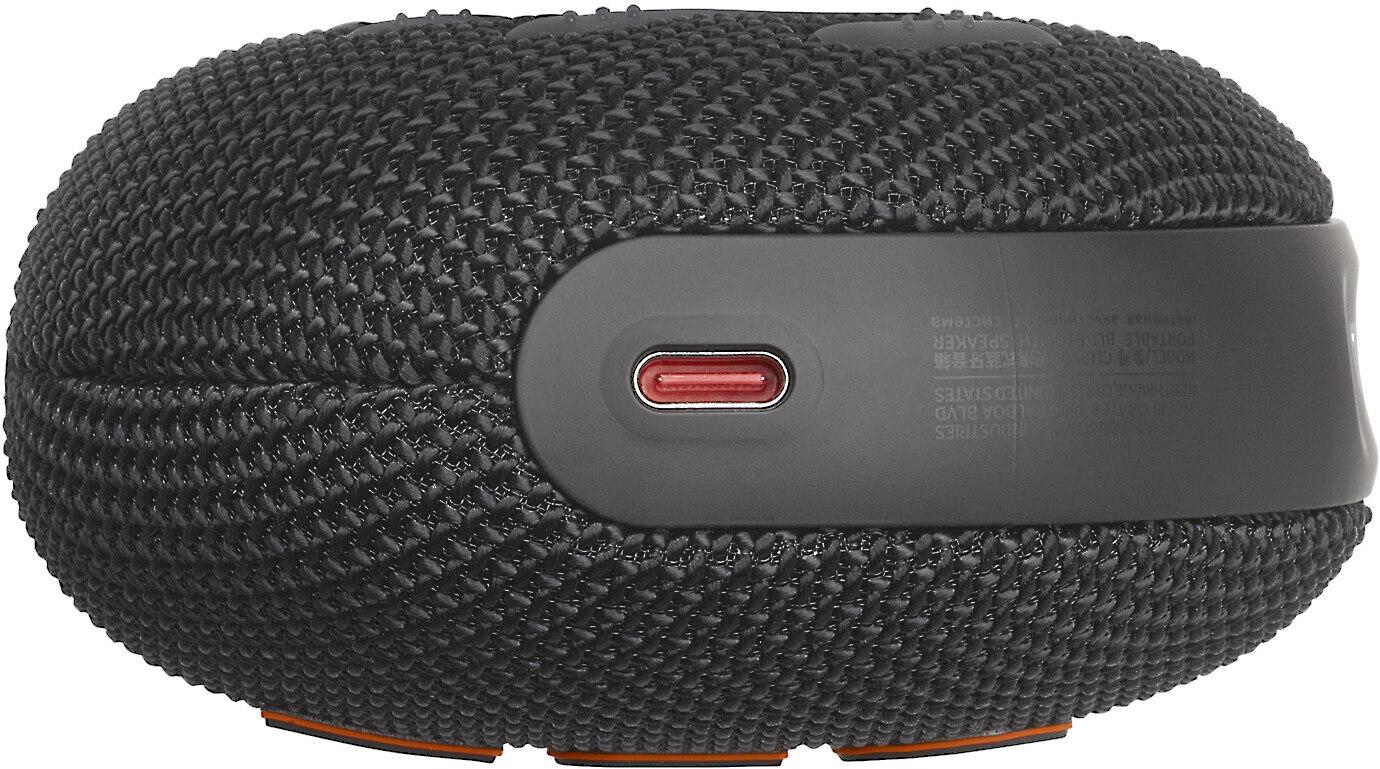
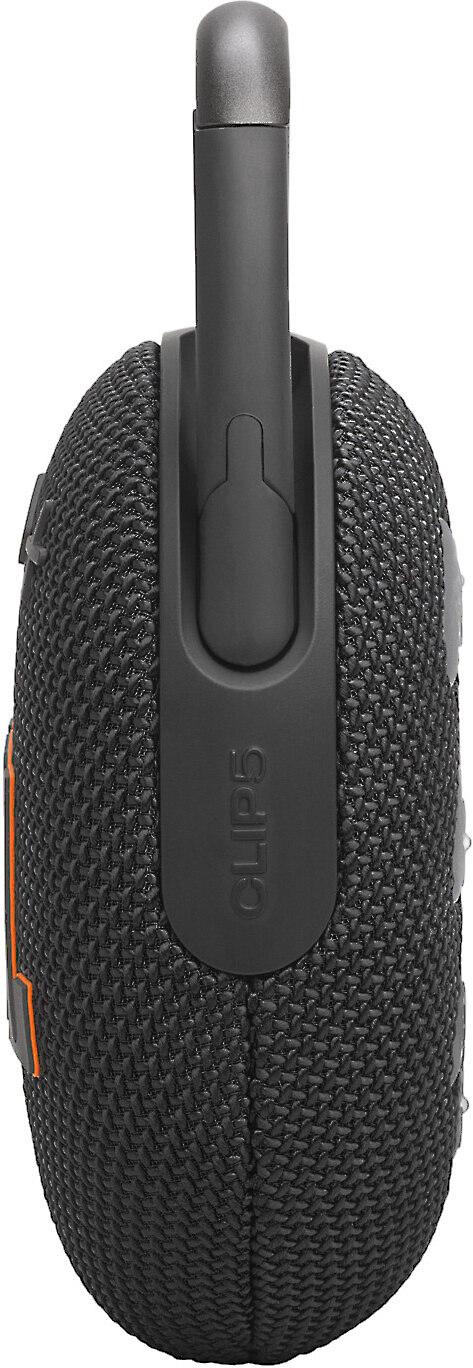
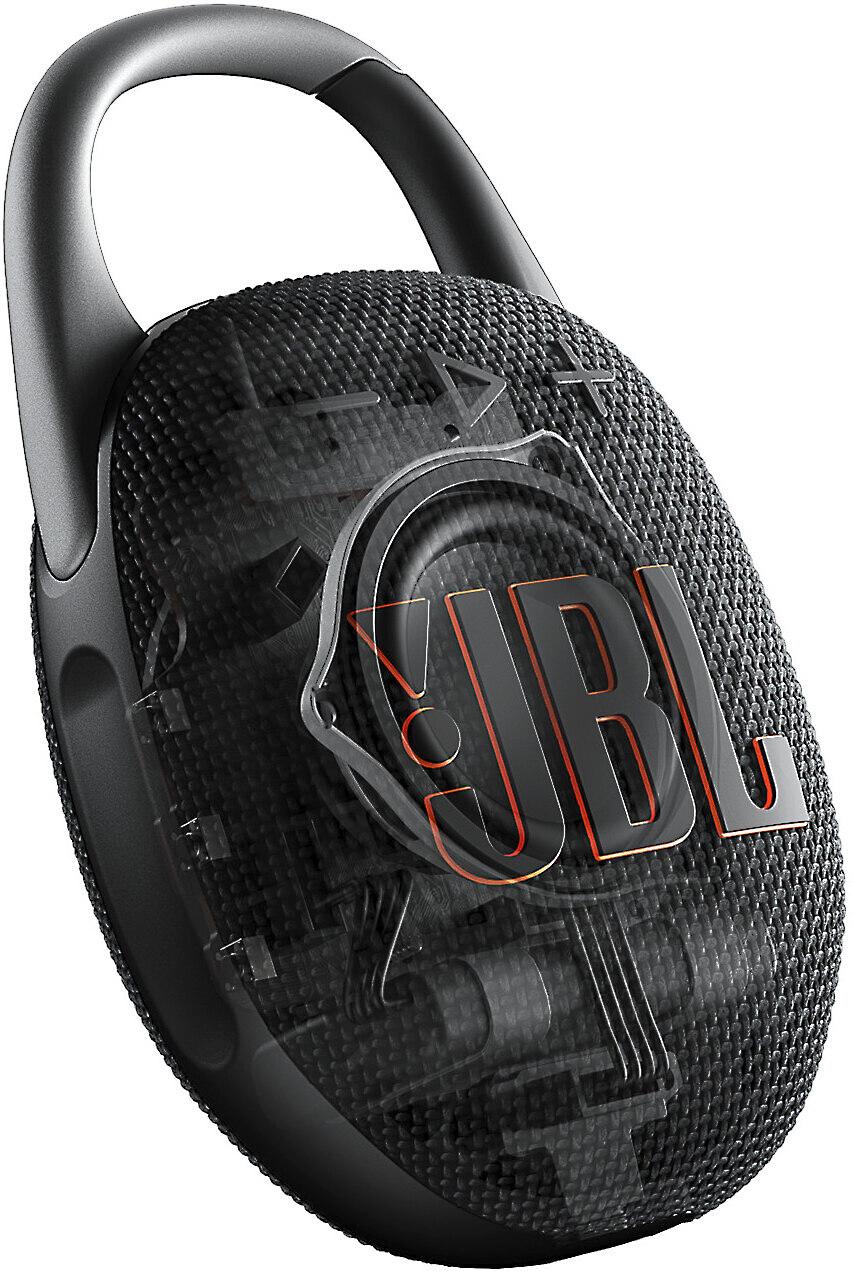
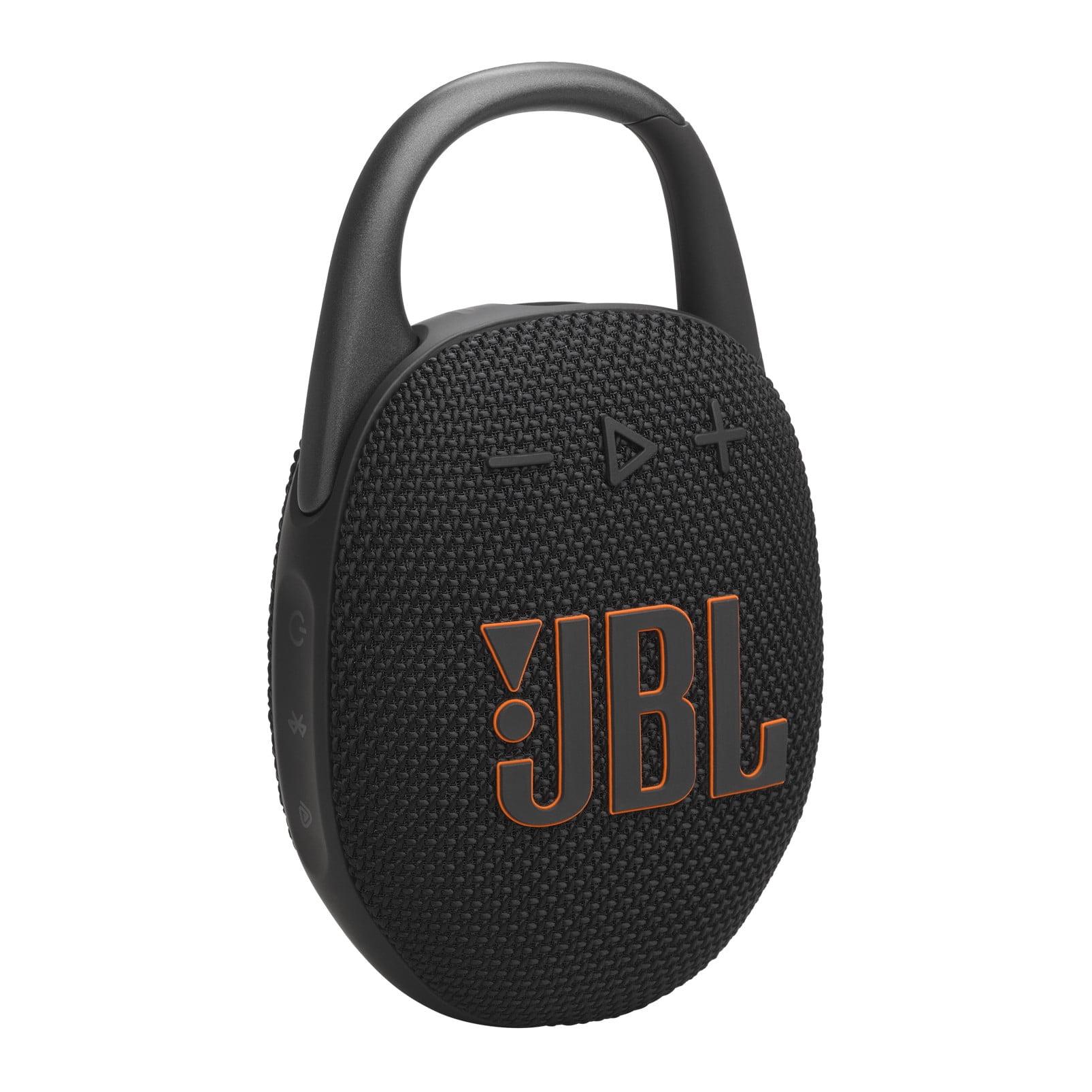
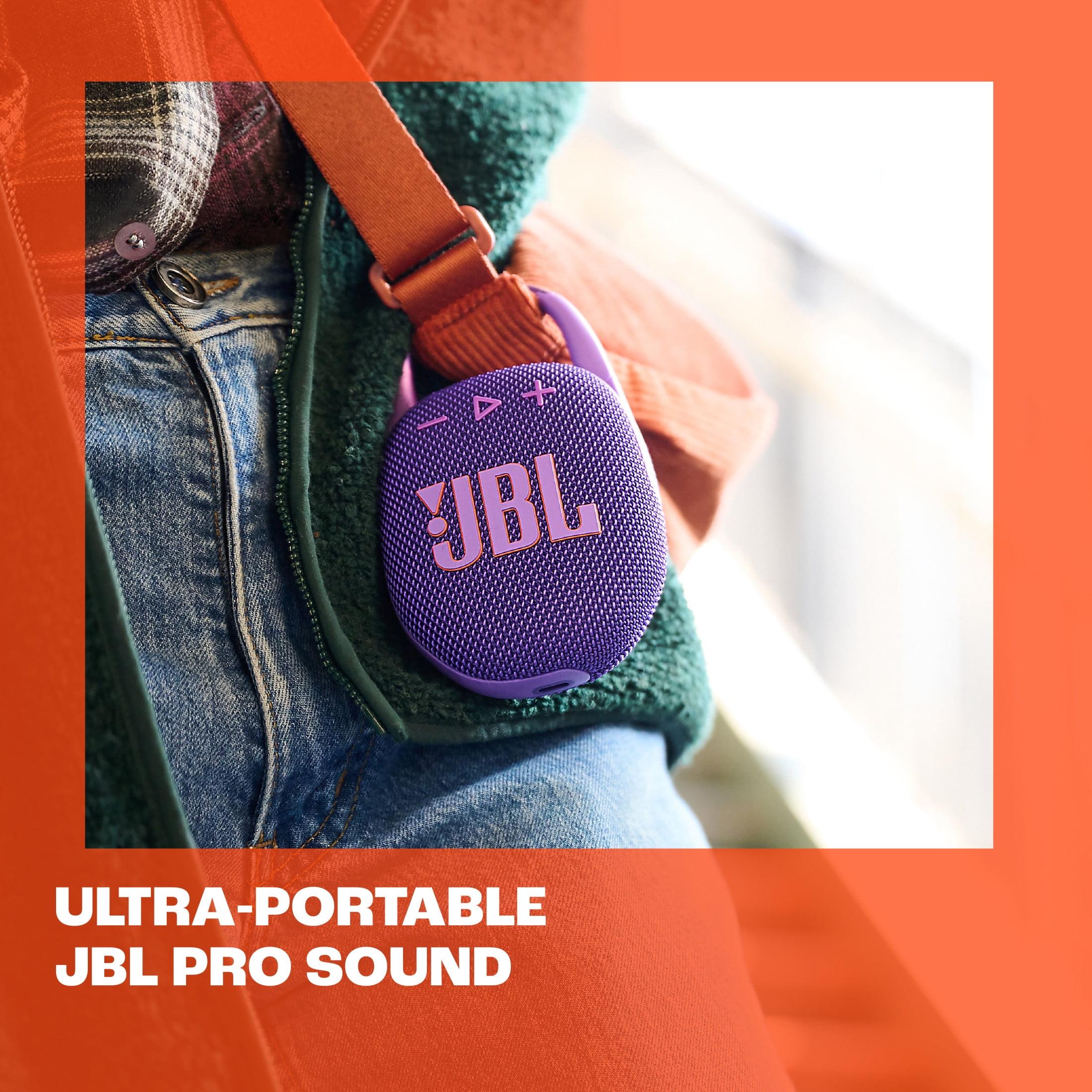
The JBL Clip 5, launched in 2024, takes a fundamentally different approach. It's about 35% larger and heavier, but that extra bulk enables a game-changing feature: a fully integrated carabiner that opens wide enough to clip onto virtually anything. We're talking backpack straps, belt loops, tent guy-lines, even thick tree branches.
This isn't just a convenience feature—it fundamentally changes how you use the speaker. Instead of finding a flat surface or holding it in your hand, you can clip it at ear level while hiking, attach it to your bike for commuting, or hang it from your beach umbrella. The carabiner mechanism feels robust and clicks satisfyingly into place, giving confidence that your speaker won't take an unplanned tumble.
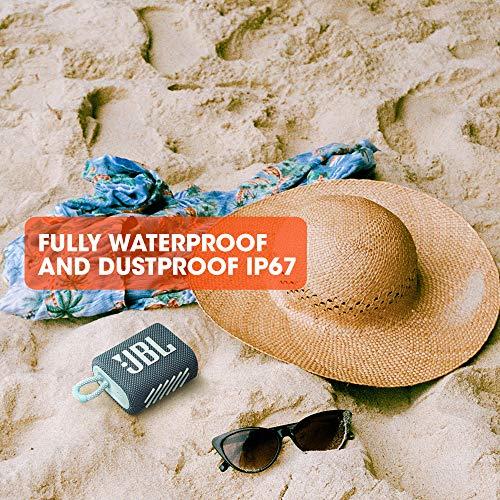
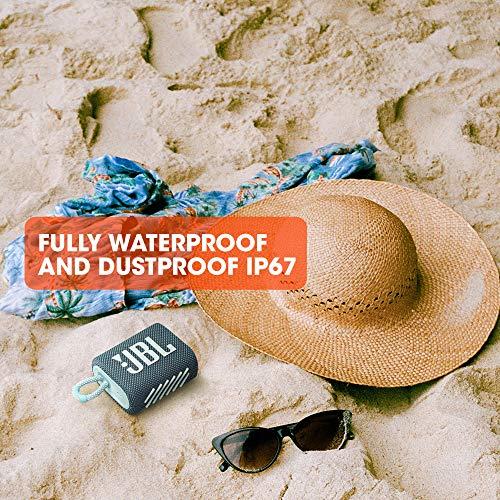
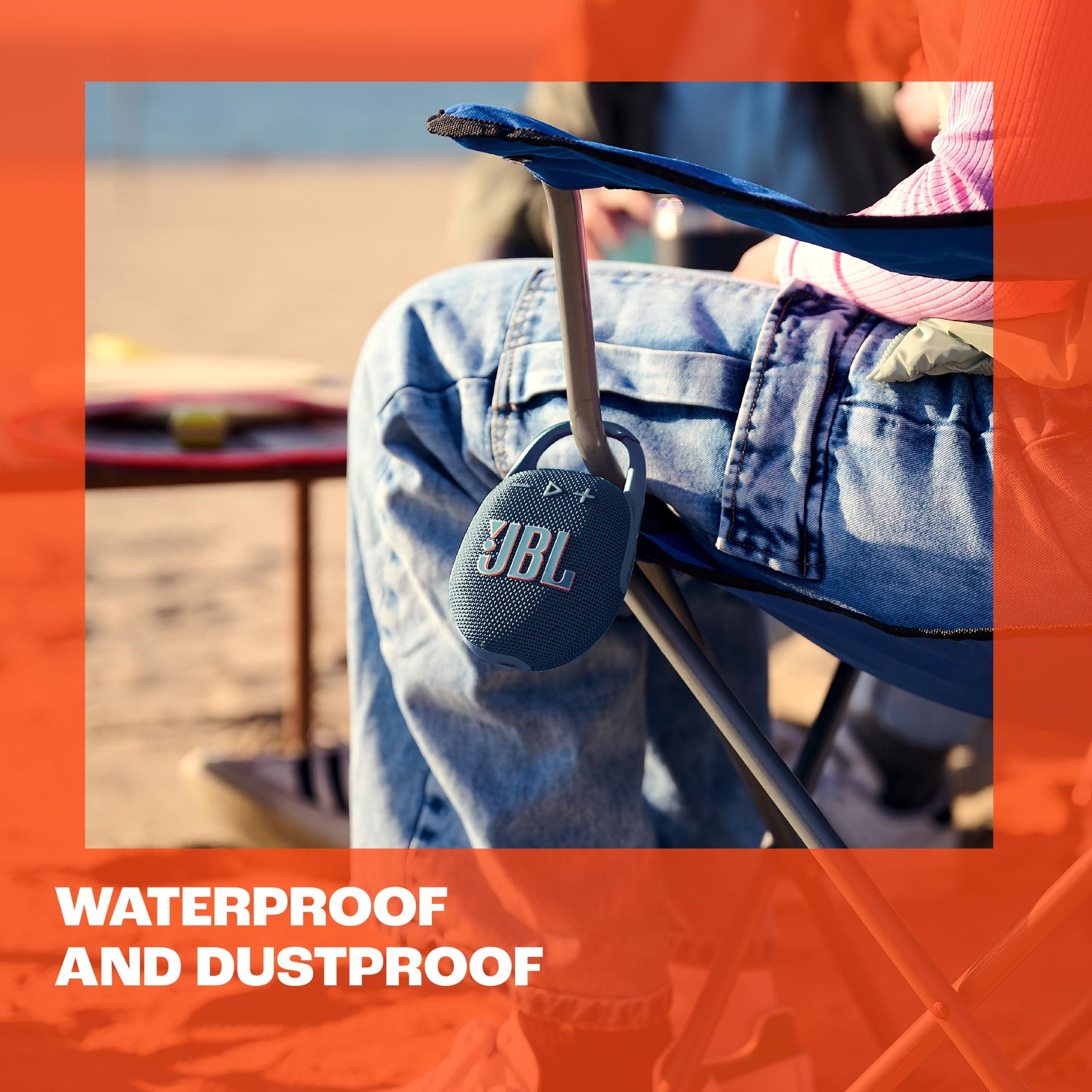
Both speakers maintain IP67 ratings, meaning they're completely dust-proof and can survive being dunked in a meter of water for 30 minutes. This isn't just splash-resistant—we're talking full submersion, which opens up pool parties, beach days, and caught-in-the-rain scenarios without worry.
Here's where the JBL Clip 5 starts to pull away from its smaller sibling. The performance difference isn't subtle—it's the kind of improvement that makes you wonder if you're listening to speakers in the same category.
Power and Volume
The JBL Go 3 delivers 4.2 watts RMS (Root Mean Square, which is a way of measuring continuous power output) through a 43x47mm driver. That's respectable for something so small, but the Clip 5 cranks out 7 watts RMS through a larger 1.75-inch driver paired with a passive radiator (a specialized component that helps extend bass response without requiring additional power).
In practical terms, the Clip 5 gets significantly louder—loud enough to provide background music for a small outdoor gathering, while the Go 3 is better suited to personal listening or very quiet environments. User reviews consistently mention that the Go 3 starts to distort when pushed past about 75% volume, while the Clip 5 stays clean almost all the way to maximum.
Frequency Response and Sound Character
The technical specifications tell part of the story: the Go 3 covers 110Hz to 20kHz, while the Clip 5 extends down to 95Hz. That 15Hz difference in the low end translates to noticeably more bass presence—not earth-shaking sub-bass, but enough to give kick drums some punch and basslines some definition.
From our research into user experiences, the Go 3 excels at vocal clarity and midrange detail. It's actually quite impressive for podcast listening and acoustic music, where its clear presentation of voices and instruments shines. However, electronic music, hip-hop, and rock suffer from the lack of low-end foundation.
The Clip 5, meanwhile, delivers what users describe as "surprisingly full" sound for its size. The passive radiator design helps it produce bass frequencies that seem impossible from such a small enclosure. Reviews consistently praise its ability to handle bass-heavy music without sounding thin or tinny—a common complaint about ultra-portable speakers.
Directivity and Soundstage
Both speakers are designed for relatively close-range listening, but their sound projection differs. The Go 3 is essentially a point source—it sounds best when you're directly in front of it and relatively close. Move too far away or off-axis, and the sound becomes noticeably thinner.
The Clip 5 seems to project sound more evenly, likely due to its larger driver and more sophisticated acoustic design. Users report better performance when the speaker is clipped above head level or positioned away from the primary listening position.
Neither speaker attempts to create a wide soundstage (the sense of sound coming from multiple directions), which is fine—that's not what you buy ultra-portable speakers for. But the Clip 5 does a better job of filling small spaces with sound.
This is where the four-year gap between these products really shows. The JBL Go 3, with its 2.775Wh battery, provides about 5 hours of playback—acceptable for its 2020 release date but feeling limited by today's standards. That's enough for a morning commute and then some, but you'll need to charge it nightly if you use it regularly.
The JBL Clip 5 nearly doubles that with up to 12 hours of playback from its 5.32Wh battery. There's even a "Playtime Boost" mode that can extend runtime to 15 hours by optimizing power consumption, though this likely affects sound quality slightly.
In real-world usage, based on user reports, the Go 3 tends to hit about 4-5 hours at moderate volume levels, while the Clip 5 consistently delivers 10-12 hours. That's the difference between charging every night versus charging every few days—a significant quality-of-life improvement.
Both speakers charge via USB-C (thankfully, no micro-USB in sight), with the Go 3 taking 2.5 hours and the Clip 5 requiring 3 hours for a full charge. The Clip 5's longer charge time is the price you pay for that massive battery capacity.
The JBL Go 3 is refreshingly simple—or frustratingly basic, depending on your perspective. It uses Bluetooth 5.1 for connection, has physical buttons for power, pairing, and volume, and that's about it. There's no app support, no EQ adjustments, no multi-speaker pairing. You get what you get, and what you get is actually quite good for casual listening.
The JBL Clip 5 enters the modern connected speaker era with Bluetooth 5.3, support for the JBL Portable app, and some genuinely useful features. The app includes a 5-band equalizer, letting you tune the sound to your preferences or optimize it for different music genres. Want more bass? Boost the low frequencies. Listening to podcasts? Enhance the midrange clarity.
More importantly, the Clip 5 supports JBL's Auracast technology, which allows you to wirelessly pair multiple compatible JBL speakers together. This isn't just about getting louder—you can create true stereo separation by using two Clip 5 speakers, or build a larger sound system by combining different JBL models.
The multipoint Bluetooth connection is another quality-of-life feature, letting the Clip 5 stay connected to two devices simultaneously. You can have it connected to both your phone and laptop, switching between them without re-pairing.
At the time of writing, the pricing gap between these speakers has narrowed considerably from their launch MSRPs. The Go 3 typically sells for under $50, while the Clip 5 can often be found for around $55-65, making this a much closer value proposition than the spec sheets might suggest.
When you break down the cost per watt of audio power, the Clip 5 actually offers better value—you're getting 67% more power, 240% more battery life, and significantly more features for roughly 30-40% more money. That's the kind of price-performance improvement that makes the decision easy for most buyers.
However, the Go 3 still makes sense for specific use cases. If your absolute budget ceiling is $50, or if every cubic inch of space matters in your travel setup, the compromises might be worth it. It's also an excellent choice as a backup speaker or for gifting—sometimes "good enough" really is good enough.
The JBL Go 3 is perfect for:
Urban commuters who want something genuinely pocketable. If you're walking to work listening to podcasts, or want background music in a small apartment, the Go 3 delivers acceptable quality without bulk. It's also ideal for students in dorms who need basic audio without investing serious money.
The ultra-compact size makes it perfect for minimalist travel—it disappears in carry-on luggage and hotel rooms always seem to need a speaker. For casual home use, it works well for kitchen listening while cooking or bathroom audio while getting ready.
The JBL Clip 5 shines for:
Outdoor enthusiasts who want hands-free audio. The carabiner design transforms how you use a portable speaker—clip it to your backpack while hiking, attach it to your bike for commuting, or hang it from your tent while camping. The 12-hour battery life means it'll last through weekend adventures without needing a charge.
The improved sound quality makes it suitable for small gatherings. While neither speaker is a party machine, the Clip 5 can provide background music for a picnic or beach day without sounding strained. The app-based EQ also means you can optimize it for different environments—boost bass for outdoor use where low frequencies get absorbed, or enhance midrange clarity for speech-heavy content.
Neither speaker is designed for home theater use, and honestly, you shouldn't consider them for that purpose. The mono output, limited frequency range, and lack of room-filling volume make them poor choices for movie watching or TV audio enhancement.
If you need something for home theater on a budget, you're better off looking at JBL's larger portable speakers or dedicated soundbars. These ultra-portable options are designed for personal listening and small-scale applications.
The four-year gap between these products showcases how quickly portable audio technology has evolved. The Go 3 was impressive for 2020—good sound from an ultra-compact package, modern USB-C charging, and robust waterproofing at a budget price.
But the Clip 5 demonstrates what four more years of development can accomplish. Better battery technology enables the massive runtime improvement. More efficient amplification allows higher power output without increasing size dramatically. Advanced Bluetooth 5.3 brings multipoint connections and better reliability. App integration provides customization that was expensive to implement in 2020.
Perhaps most importantly, JBL's acoustic engineering has clearly improved. The Clip 5's passive radiator design and driver tuning represent a more sophisticated approach to extracting bass from small enclosures.
Choose the JBL Go 3 if:
You're budget-constrained and need something that works well enough. If $50 is your absolute ceiling, the Go 3 delivers surprising quality for the money. It's also the right choice if size truly matters more than sound quality—for ultralight backpacking or minimalist travel where every gram counts.
Students, commuters, and casual listeners who primarily consume podcasts, audiobooks, or acoustic music will find the Go 3's vocal clarity perfectly adequate. It's also an excellent backup speaker or gift option.
Choose the JBL Clip 5 if:
You can stretch your budget slightly for significantly better performance. The improvements in sound quality, battery life, and features represent exceptional value for the price difference. If you'll use the speaker regularly, the better experience is worth the extra cost.
Outdoor enthusiasts, frequent travelers, and anyone who values the hands-free mounting capability should strongly consider the Clip 5. The carabiner design genuinely changes how you use a portable speaker, and the 12-hour battery life eliminates charging anxiety for most use cases.
The app-based EQ and Auracast connectivity also make it a better long-term investment. You can tune the sound to your preferences and potentially build a multi-speaker system later.
The JBL Clip 5 is simply the better speaker in almost every measurable way, and at current pricing, it represents better value despite costing more. The performance improvements are substantial enough to justify the price difference for most buyers.
However, the JBL Go 3 isn't irrelevant—it serves a specific niche for buyers who prioritize minimum size and cost above all else. Both speakers deliver impressive performance for their respective price points, which is why JBL continues to sell both models.
If you're torn between them, consider how you'll actually use the speaker. For occasional, casual listening where size matters most, the Go 3 makes sense. For regular use where you want good sound and long battery life, the Clip 5 is worth the stretch. The carabiner design alone makes it more versatile for active lifestyles, and the sound quality difference is immediately apparent.
At the time of writing, the pricing gap has narrowed enough that most buyers should choose the JBL Clip 5 unless they have specific constraints that make the Go 3 more appropriate. It's one of those rare cases where spending a bit more gets you a lot more value.
| JBL Go 3 Portable Bluetooth Speaker | JBL Clip 5 Portable Bluetooth Speaker |
|---|---|
| Size & Weight - Critical for true portability | |
| 3.4" × 2.7" × 1.6", 0.46 lbs (truly pocketable) | 5.3" × 3.4" × 1.8", 0.628 lbs (35% larger but still very portable) |
| Audio Power - Determines maximum volume and clarity | |
| 4.2W RMS (adequate for personal listening) | 7W RMS with passive radiator (67% more power, noticeably louder) |
| Frequency Response - Affects bass depth and overall sound balance | |
| 110Hz - 20kHz (limited bass extension) | 95Hz - 20kHz (15Hz deeper bass response, fuller sound) |
| Battery Life - Key for all-day use without charging | |
| Up to 5 hours (requires nightly charging) | Up to 12 hours, 15 with Playtime Boost (weekend-long usage) |
| Mounting System - Changes how you can use the speaker | |
| Simple fabric loop (basic attachment only) | Fully integrated carabiner (clips to virtually anything) |
| Smart Features - App control and customization options | |
| None (basic Bluetooth 5.1, fixed sound profile) | JBL Portable app with 5-band EQ, Bluetooth 5.3, multipoint connection |
| Multi-Speaker Support - Ability to pair with other speakers | |
| No pairing capabilities | Auracast technology (pairs with other JBL speakers for stereo/multi-room) |
| Water Resistance - Protection for outdoor adventures | |
| IP67 (fully waterproof and dustproof) | IP67 (fully waterproof and dustproof) |
| Charging Time - How long you'll wait for full battery | |
| 2.5 hours via USB-C | 3 hours via USB-C (longer due to larger battery) |
| Best Use Cases - Who each speaker serves best | |
| Urban commuters, students, minimalist travelers | Outdoor enthusiasts, active users, those wanting better sound quality |
The JBL Clip 5 is significantly better for outdoor use thanks to its integrated carabiner that clips onto backpacks, belts, or camping gear. It also offers 12 hours of battery life versus the JBL Go 3's 5 hours, making it ideal for all-day adventures. Both speakers are IP67 waterproof and dustproof, but the Clip 5's louder 7W output works better in outdoor environments where you need to overcome ambient noise.
The biggest difference is size versus performance. The JBL Go 3 prioritizes maximum portability at 0.46 lbs and truly pocketable dimensions, while the JBL Clip 5 is 35% larger but delivers 67% more power, much longer battery life, and significantly better sound quality. The Clip 5 also includes app-based EQ controls and multi-speaker pairing that the Go 3 lacks.
The JBL Clip 5 has noticeably better sound quality with deeper bass response (down to 95Hz vs 110Hz), higher maximum volume without distortion, and a more balanced overall sound signature. The JBL Go 3 excels at vocal clarity and is perfectly adequate for podcasts and casual listening, but the Clip 5 handles bass-heavy music much better and sounds fuller across all genres.
The JBL Go 3 provides up to 5 hours of playback, requiring daily charging for regular use. The JBL Clip 5 offers up to 12 hours of battery life, with a Playtime Boost mode extending it to 15 hours. This makes the Clip 5 suitable for weekend trips and extended use without needing to recharge.
Neither the JBL Go 3 nor JBL Clip 5 is suitable for home theater use. Both are mono speakers designed for personal listening and small gatherings. For TV audio enhancement, you'd need larger speakers or dedicated soundbars that can provide stereo separation and room-filling volume that these ultra-portable options simply cannot deliver.
The JBL Go 3 is more portable, measuring just 3.4" × 2.7" × 1.6" and weighing only 0.46 lbs - small enough to fit in most pockets. The JBL Clip 5 is larger at 5.3" × 3.4" × 1.8" and heavier at 0.628 lbs, but its integrated carabiner provides hands-free portability by clipping onto gear, which many users find more practical than pocket storage.
The JBL Go 3 has no app support and operates with basic Bluetooth pairing and physical controls only. The JBL Clip 5 works with the JBL Portable app, offering a 5-band customizable equalizer, firmware updates, and speaker pairing features. This app control allows you to tune the Clip 5's sound for different music types and environments.
The JBL Go 3 cannot be paired with other speakers - it operates as a standalone unit only. The JBL Clip 5 supports JBL's Auracast technology, allowing you to wirelessly pair multiple compatible JBL speakers for stereo sound or multi-room audio. This makes the Clip 5 more versatile for users who might want to expand their audio setup later.
The JBL Clip 5 gets significantly louder with its 7W RMS output compared to the JBL Go 3's 4.2W. User reviews consistently note that the Go 3 starts distorting around 75% volume, while the Clip 5 maintains clear sound almost to maximum volume. This makes the Clip 5 better for outdoor use or small group listening.
Yes, both the JBL Go 3 and JBL Clip 5 feature IP67 ratings, making them fully waterproof and dustproof. They can be submerged in up to 1 meter of water for 30 minutes and are completely sealed against dust. This makes both speakers suitable for pool parties, beach trips, camping, and other outdoor activities where water exposure is likely.
The JBL Clip 5 typically offers better value despite costing more, delivering 67% more power, 240% longer battery life, and significantly more features for roughly 30-40% higher cost. However, the JBL Go 3 remains excellent value for buyers prioritizing minimum cost and maximum portability. The choice depends on whether you value basic functionality or enhanced performance.
Both the JBL Go 3 and JBL Clip 5 charge via USB-C ports. The Go 3 charges faster at 2.5 hours due to its smaller 2.775Wh battery, while the Clip 5 takes 3 hours to charge its larger 5.32Wh battery. The longer charge time for the Clip 5 is offset by its much longer 12-hour runtime compared to the Go 3's 5-hour playback time.
We've done our best to create useful and informative comparisons to help you decide what product to buy. Our research uses advanced automated methods to create this comparison and perfection is not possible - please contact us for corrections or questions. These are the sites we've researched in the creation of this article: rtings.com - streamtechreviews.com - english.achoreviews.com - smarthomesounds.co.uk - soundguys.com - rtings.com - walmart.com - soundguys.com - youtube.com - youtube.com - jbl.com - youtube.com - selectoguru.com - versus.com - videoandaudiocenter.com - harmanaudio.com - jbl.com - bestbuy.com - forum.hifiguides.com - manuals.plus - kh.jbl.com - th.jbl.com - mm.jbl.com - jbl.com - bestbuy.com - youtube.com - youtube.com - youtube.com - jbl.com - bestbuy.com - bestbuy.com - jbl.com.tw - youtube.com - howtogeek.com - soundguys.com - youtube.com - rtings.com - gymcaddy.net - jbl.com - mm.jbl.com - soundguys.com - th.jbl.com - hu.harmanaudio.com

Privacy Policy
Terms and Conditions - Affiliate Policy
Home Security
© Copyright 2008-2026.
11816 Inwood Rd #1211, Dallas, TX 75244