

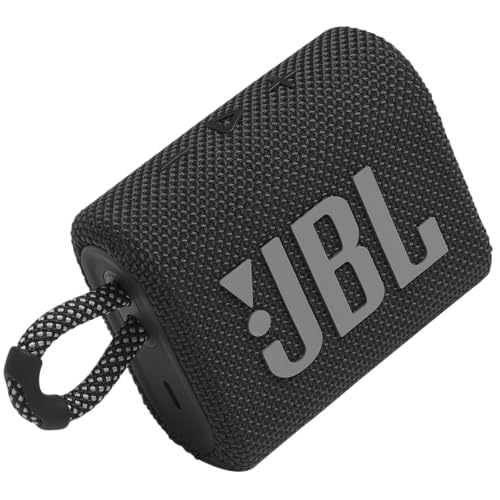
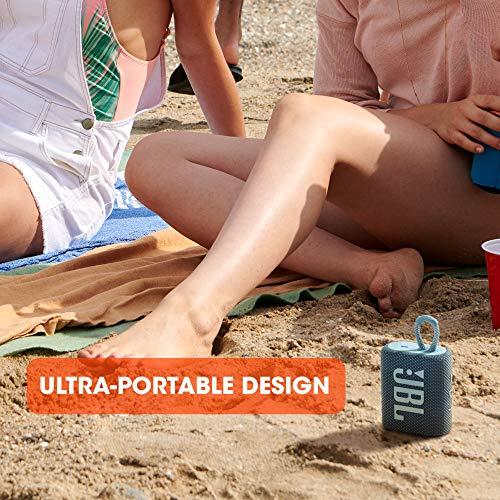

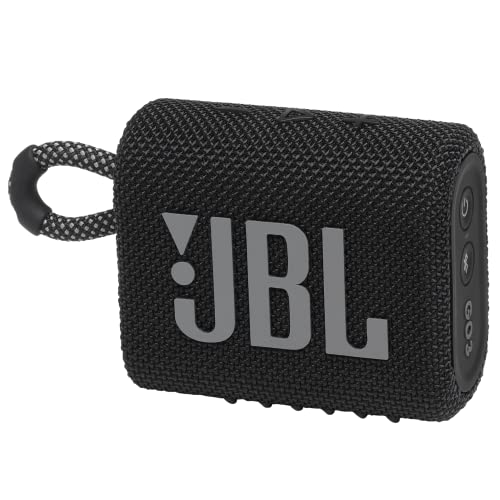



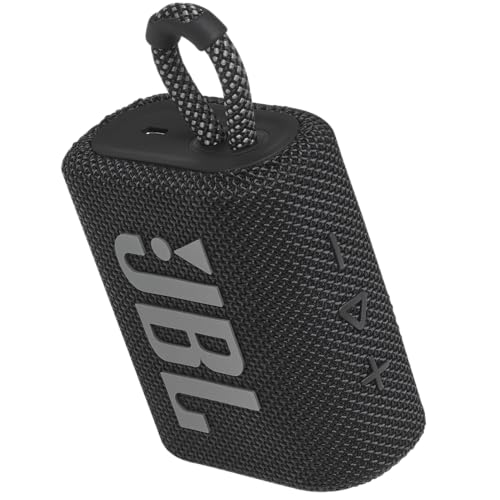
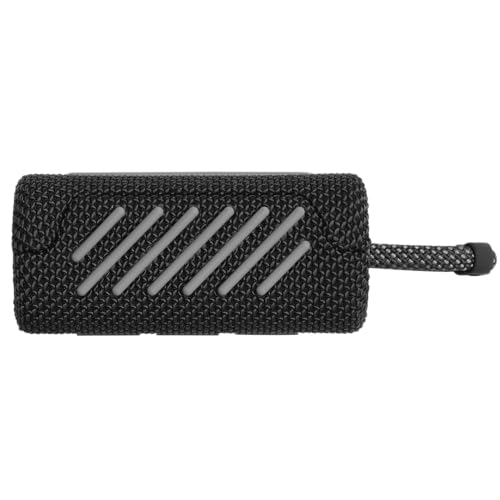
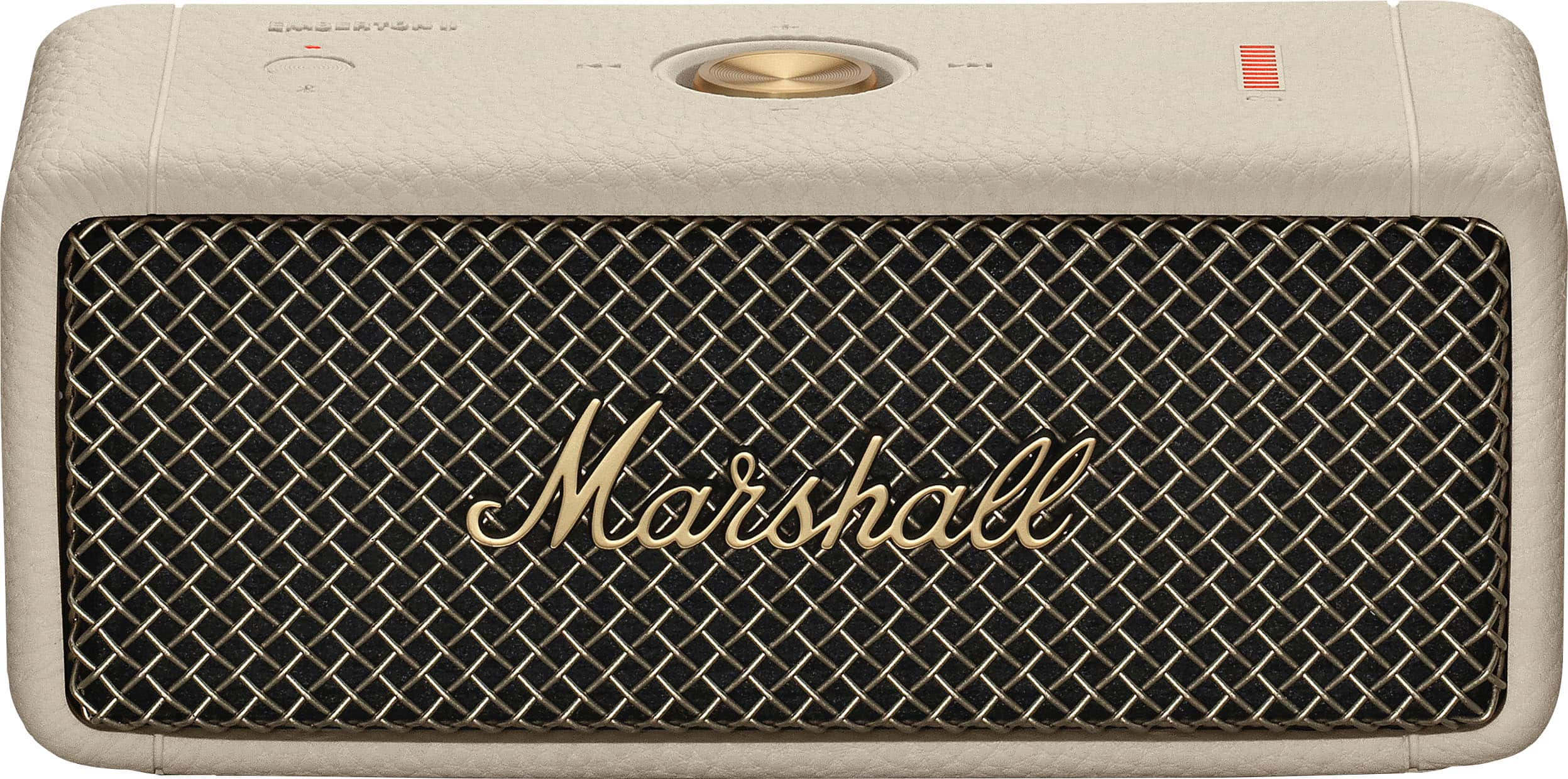
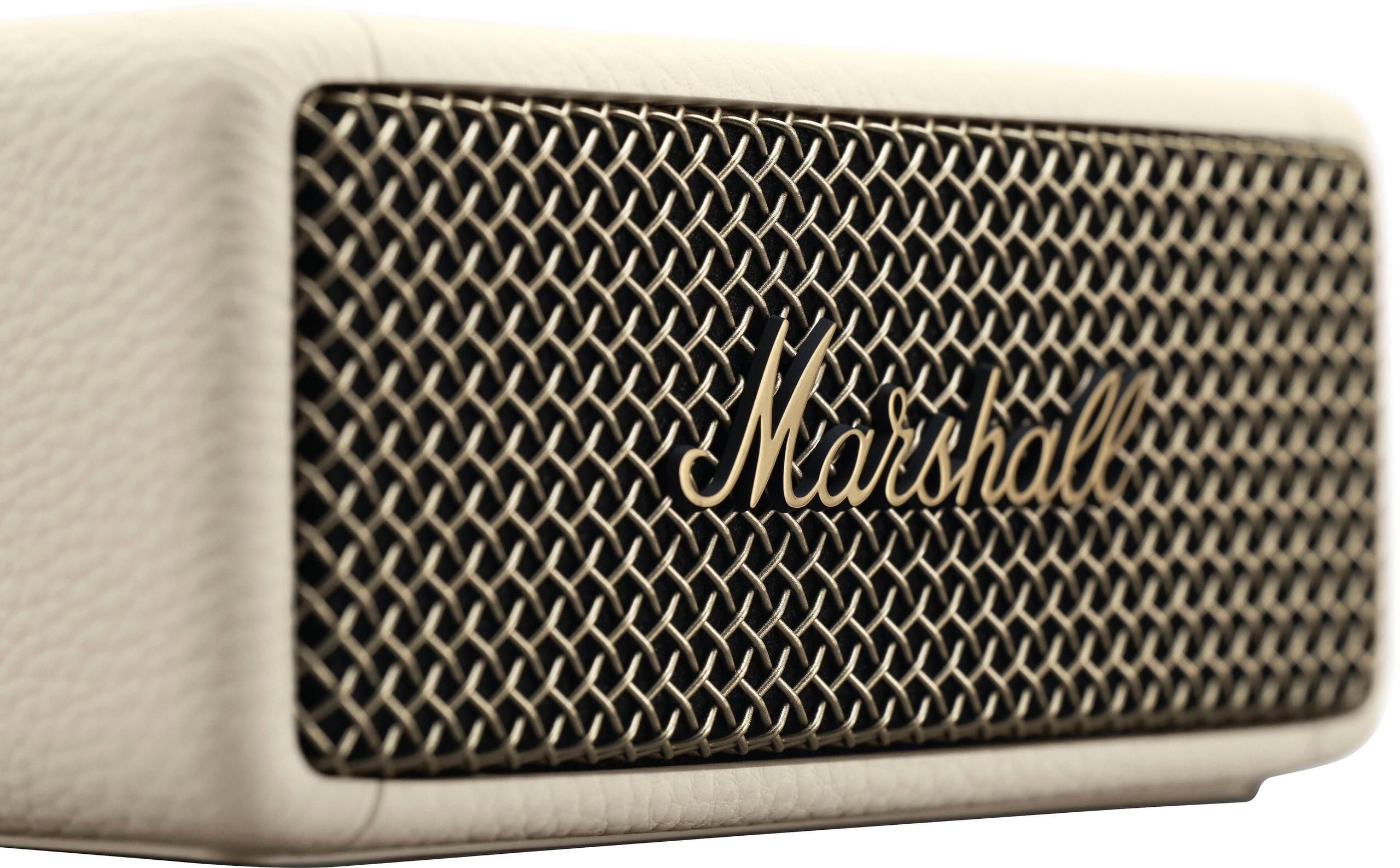

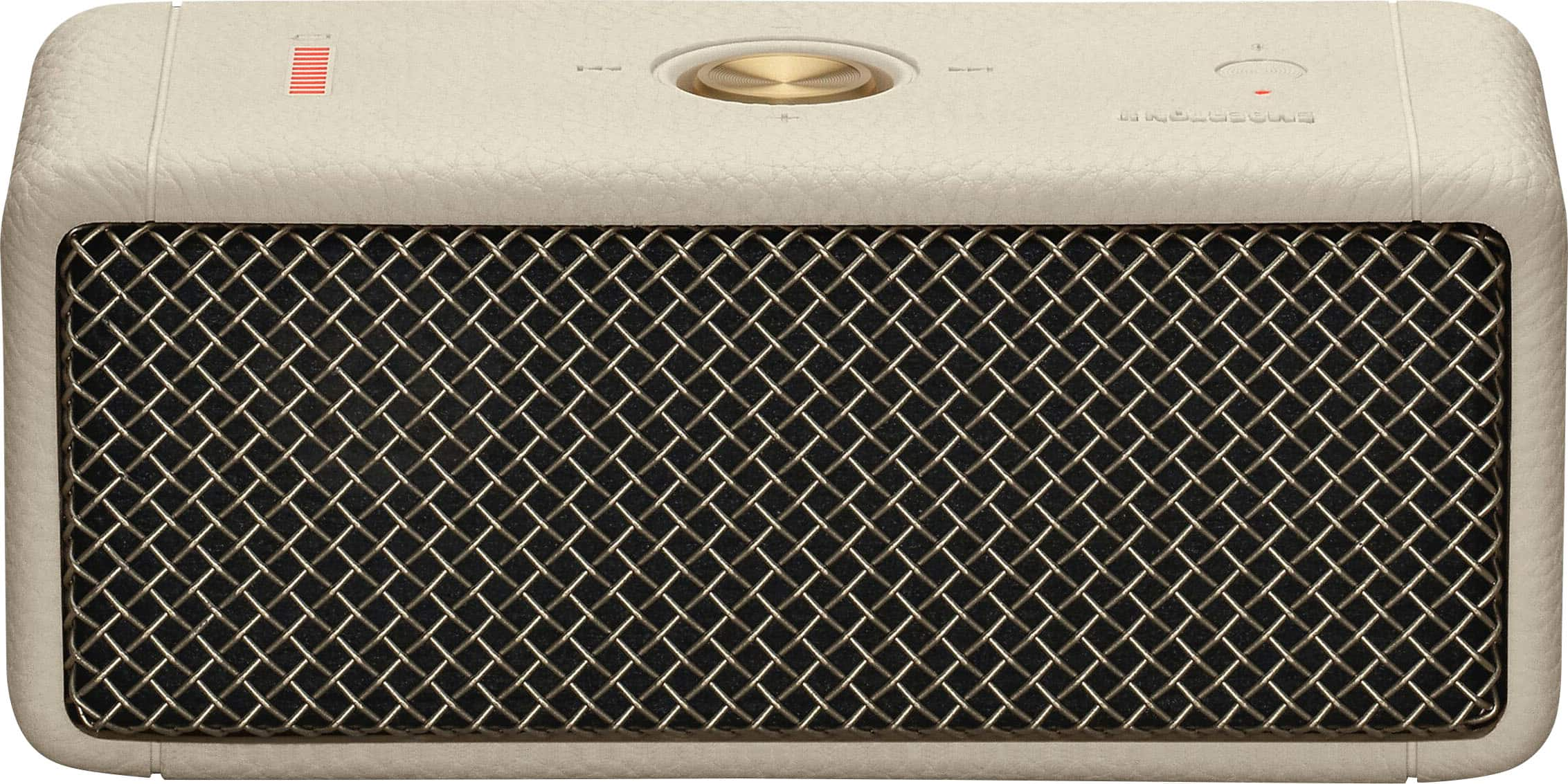
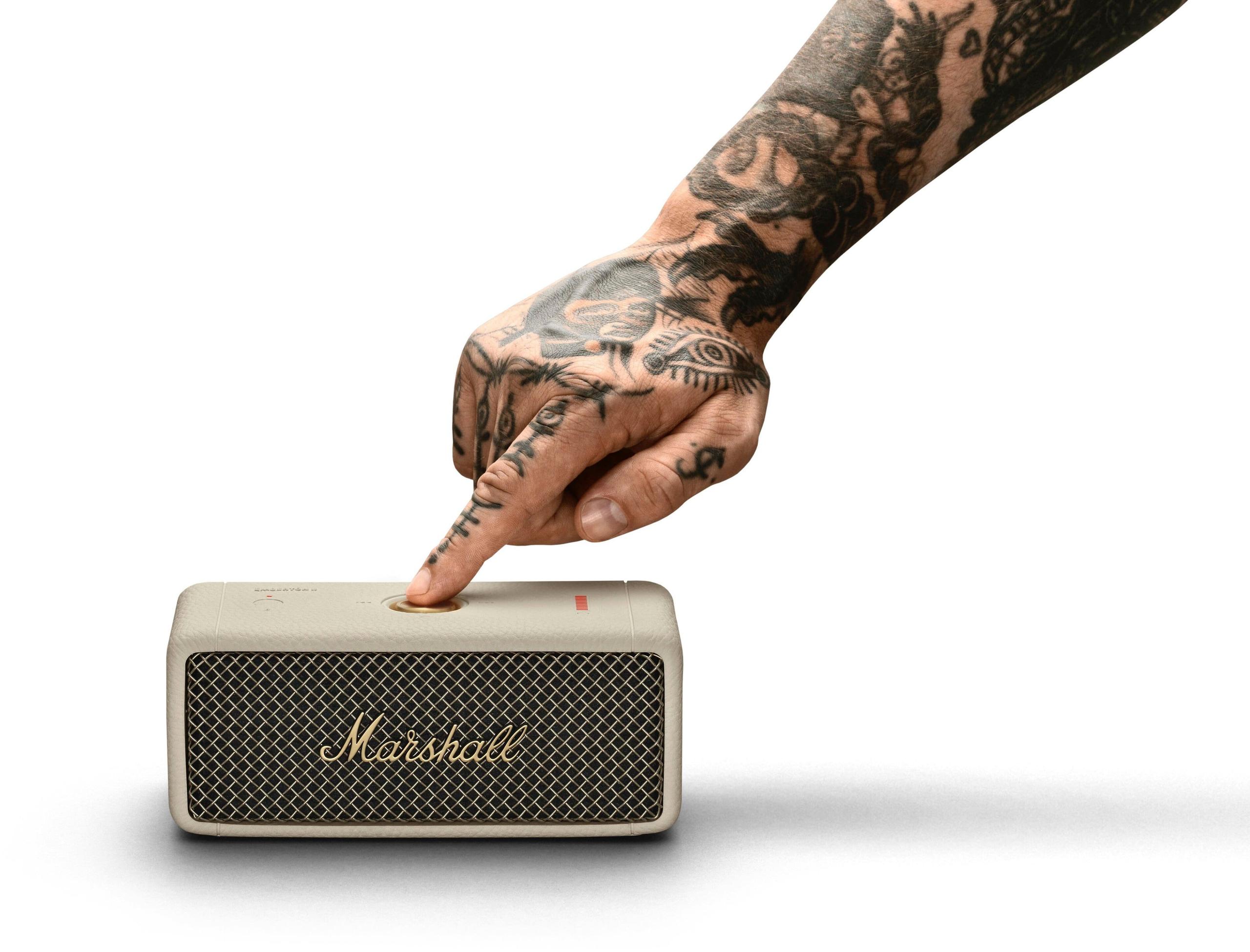



Choosing a portable Bluetooth speaker shouldn't feel overwhelming, but with hundreds of options flooding the market, it's easy to get lost in specifications and marketing claims. Today, we're comparing two speakers that represent completely different philosophies: the ultra-compact JBL Go 3 and the premium Marshall Emberton II. One prioritizes extreme portability at a budget-friendly price, while the other delivers audiophile-quality sound that happens to be portable.
The portable speaker market has evolved dramatically since the early days of tinny, underpowered Bluetooth devices. Modern speakers like the JBL Go 3 (released in 2020) and Marshall Emberton II (launched in 2022) showcase how far the technology has advanced, but they tackle the fundamental challenge differently.
Every portable speaker design starts with the same physics problem: smaller enclosures produce less bass, and tiny drivers can't move enough air for high volume levels. How manufacturers solve this constraint determines whether you get a pocket-sized personal speaker or a larger unit that prioritizes sound quality over ultimate portability.
The key considerations haven't changed much over the years: size versus sound quality, battery life versus features, and price versus performance. What has improved is the efficiency of amplifiers, the quality of small drivers, and most importantly, the digital signal processing (DSP) that helps small speakers sound much bigger than they should.
The JBL Go 3, at the time of writing, costs roughly what you'd spend on lunch for two people, while the Marshall Emberton II commands a premium price that's nearly six times higher. This isn't just about brand positioning – these speakers represent fundamentally different engineering priorities.
JBL designed the Go 3 around the question: "What's the smallest, most affordable speaker we can make that still sounds decent?" The result is an ultra-compact device that weighs less than half a pound and fits comfortably in your pocket. It's the speaker equivalent of a Swiss Army knife – not the best tool for any specific job, but incredibly useful to have with you.
Marshall took the opposite approach with the Emberton II. They asked: "How good can we make a speaker sound while keeping it reasonably portable?" The answer is a device that weighs over three times more than the Go 3 but delivers sound quality that rivals much larger speakers.
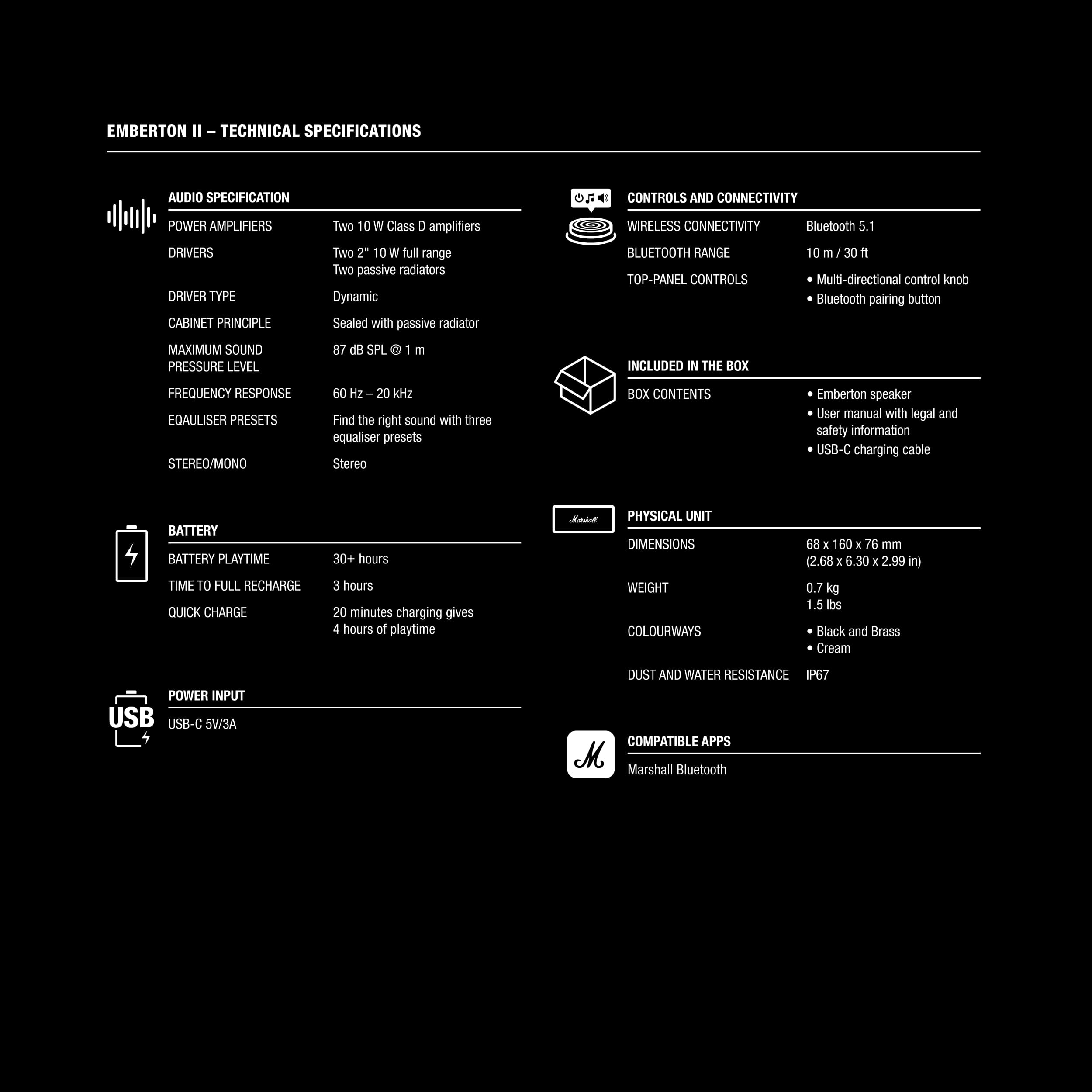
Here's where the difference between these speakers becomes most apparent. The Marshall Emberton II uses two 2-inch full-range drivers powered by 20 watts total, compared to the JBL Go 3's single driver running on just 4.2 watts. That's not just a numbers game – it translates to real-world performance differences you'll hear immediately.
Bass Response: The Low-End Story
Bass reproduction is where small speakers traditionally struggle, and it's the clearest differentiator between these two devices. The Marshall Emberton II achieves bass response down to 60Hz, which means it can reproduce the fundamental frequencies of bass guitars, kick drums, and the lower registers of male vocals. The JBL Go 3 starts rolling off at 110Hz, meaning it misses much of the bass content that makes music feel full and engaging.
To put this in perspective, a bass guitar's low E string vibrates at about 41Hz, while a kick drum's thump typically sits around 60-80Hz. The Emberton II can reproduce these frequencies, giving electronic music, hip-hop, and rock their proper foundation. The Go 3 handles mid-bass reasonably well, so you'll still hear bass lines, but they'll lack the depth and impact that makes you want to turn up the volume.
Stereo vs. Mono: The Soundstage Difference
The Marshall Emberton II features True Stereophonic technology, which is Marshall's fancy name for processing stereo audio to create a wider soundstage from multiple drivers. This isn't just marketing – having two separate drivers allows the speaker to create actual stereo separation, where instruments can be positioned left, right, or center in the mix.
The JBL Go 3, with its single driver, produces mono sound regardless of the stereo content you feed it. Everything gets mixed down to a single point source. For podcasts or simple background music, this works fine. For complex musical arrangements or any content where stereo positioning matters, the difference is immediately noticeable.
Volume and Dynamic Range
Raw volume capabilities tell an important story about real-world usability. The Marshall Emberton II's 20-watt amplifier can fill a medium-sized room or provide adequate outdoor sound for a small gathering. Our research into user experiences suggests it maintains clarity even at higher volumes, thanks to better driver control and more robust amplification.
The JBL Go 3, with its 4.2-watt output, is designed for personal listening or very small spaces. Push it too hard, and like most ultra-compact speakers, it begins to compress the audio and lose clarity. This isn't necessarily a flaw – it's operating within the constraints of its size and price point.
Portability means different things to different users, and this is where your personal priorities will determine the right choice.
The JBL Go 3 achieves true pocket portability. At just 3.4 by 2.7 by 1.6 inches and weighing 0.46 pounds, it's smaller than most smartphones and light enough that you'll forget it's in your backpack. The integrated fabric loop makes it easy to clip onto gear, and its compact size means it fits in cup holders, small bags, or even large pockets.
This level of portability opens up use cases that simply aren't practical with larger speakers. Hiking, where every ounce matters? The Go 3 makes sense. Business travel, where luggage space is precious? It disappears into a laptop bag without taking up meaningful space.
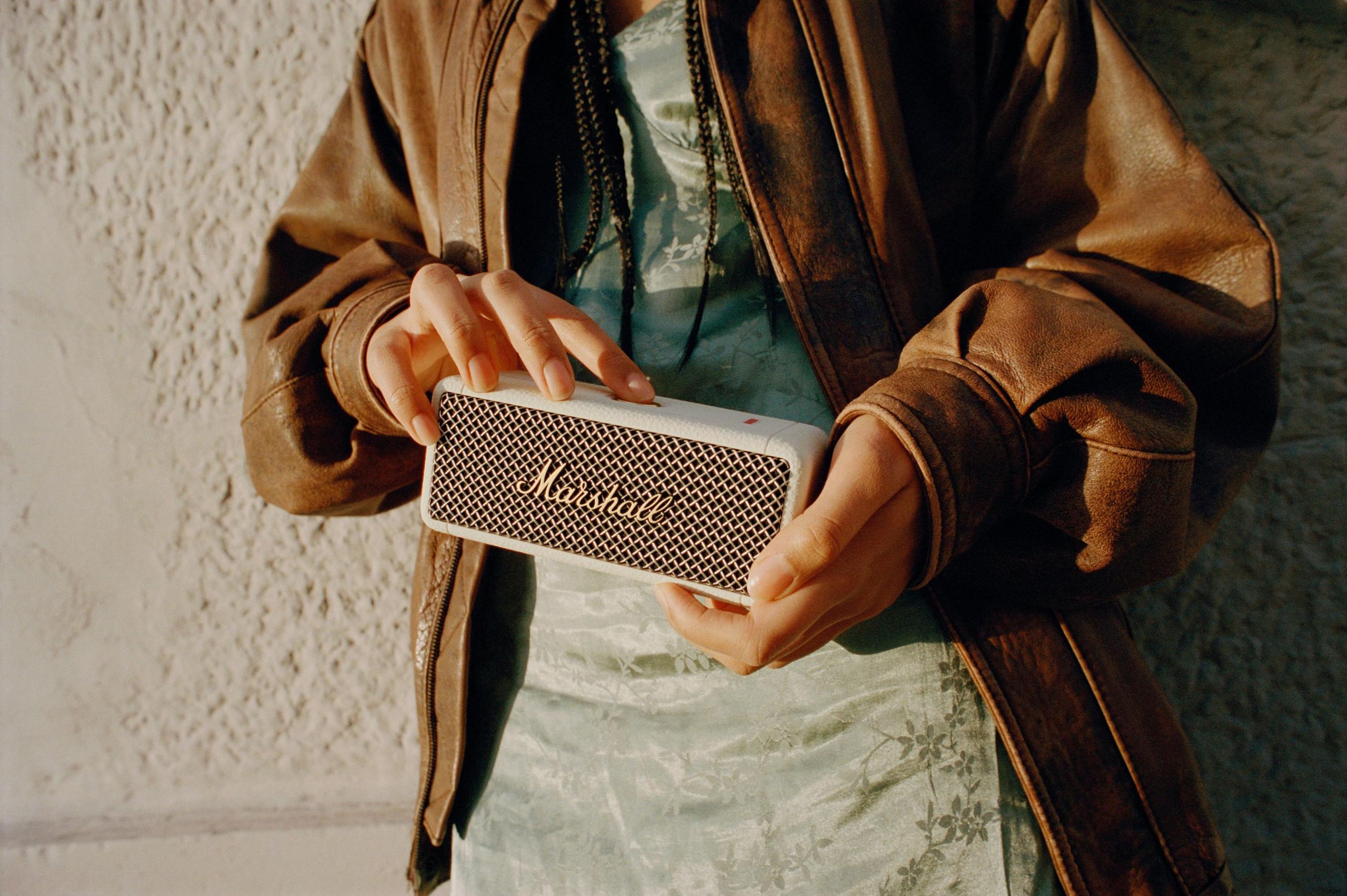
The Marshall Emberton II, at 1.5 pounds, requires more intentional packing. It's definitely portable – you can easily carry it to the park or pack it for vacation – but it's not something you'll casually throw in a small bag. The size requires dedicated space, making it less convenient for spontaneous activities or situations where minimal gear is preferred.
Battery performance creates the starkest difference in how these speakers integrate into daily life. The Marshall Emberton II claims 30+ hours of playback time, which our research suggests is achievable at moderate volume levels. This transforms the speaker from a device you need to manage to one you can largely forget about between charges.
With 30 hours of battery life, you can take the Emberton II on a weekend camping trip without worrying about power. You can use it for background music during an entire workday without planning charging breaks. It becomes a reliable utility rather than a managed resource.
The JBL Go 3's 5-hour battery life represents the opposite experience. Every use requires consideration of remaining charge, and any activity longer than a few hours needs backup plans. For brief sessions or situations where charging access isn't an issue, this works fine. For extended use or remote activities, it becomes a limitation.
Charging speed partially offsets this difference. The Go 3 reaches full charge in 2.5 hours, while the Emberton II takes 3.5 hours. However, Marshall includes quick-charge functionality – 20 minutes of charging provides 4 hours of playback, which helps bridge the gap during brief stops.
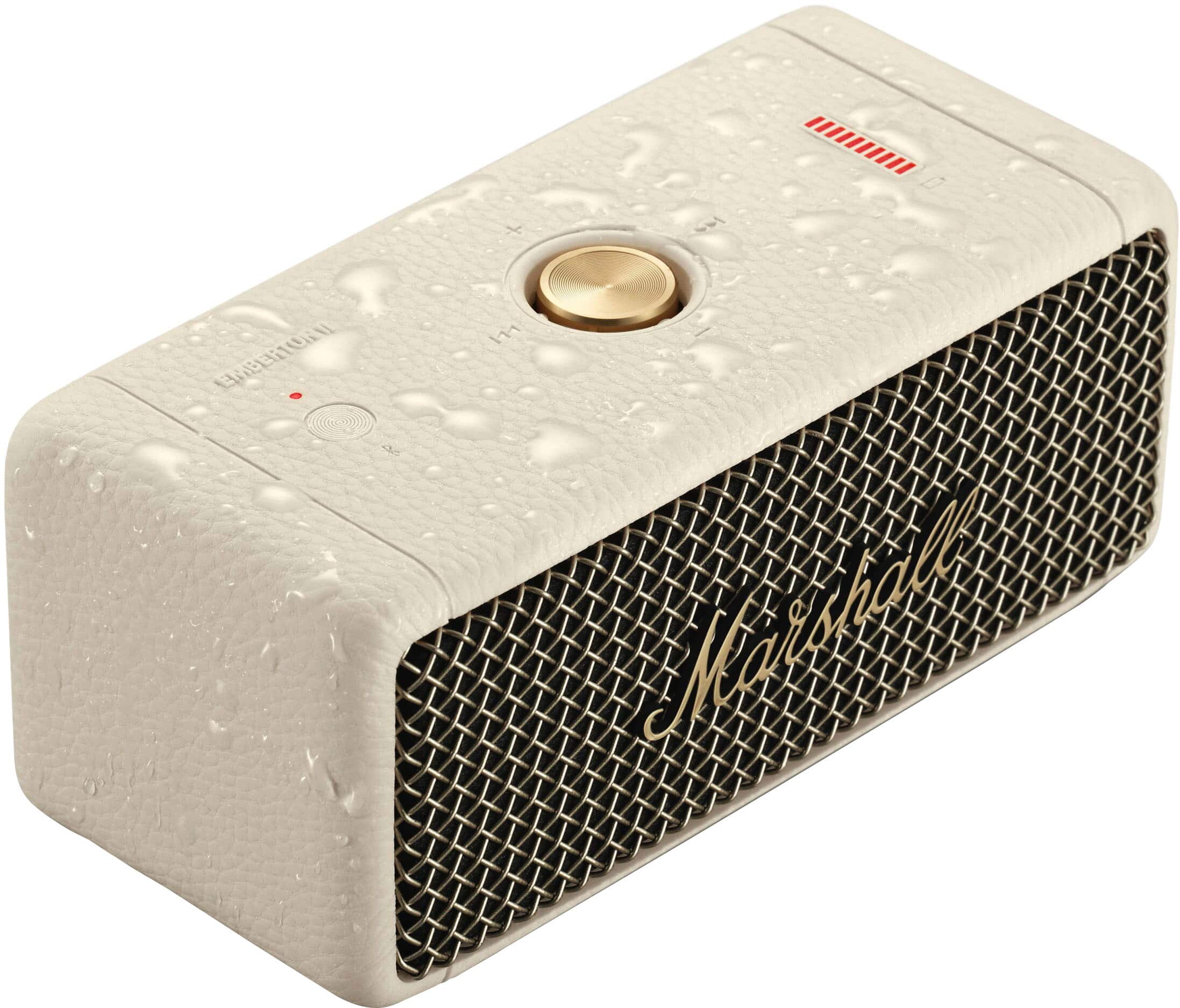
Both speakers earn IP67 ratings, meaning they're completely dust-tight and can survive submersion in up to one meter of water for 30 minutes. This level of protection makes either speaker suitable for beach days, poolside use, or outdoor adventures where weather might be a concern.
Beyond water resistance, the construction approaches differ significantly. The Marshall Emberton II uses premium materials including a metal grille and high-quality silicone exterior that feels substantial and confidence-inspiring. The weight itself suggests durability – there's enough mass to absorb impacts without the lightweight feeling that sometimes accompanies budget products.
The JBL Go 3 uses appropriate materials for its price point – durable plastic construction with rubber accents for grip and impact protection. It doesn't feel premium, but it feels solid enough for its intended use. The lightweight construction actually provides an advantage in drop protection, as there's less mass to create damaging force on impact.
Modern speakers often differentiate themselves through software features and app integration, and this represents another clear divide between these products.
The Marshall Emberton II connects to the Marshall Bluetooth app, providing access to three EQ presets: 'Marshall' (balanced), 'Push' (enhanced bass and treble), and 'Voice' (optimized for spoken content). The app also enables Stack Mode, allowing multiple Emberton II speakers to be paired wirelessly for expanded sound coverage.
These features matter more than they might initially appear. The EQ presets help optimize the speaker for different content types, while multi-speaker pairing enables the Emberton II to scale up for larger gatherings or outdoor events.
The JBL Go 3 takes a deliberately simple approach with no app integration or advanced features. All controls are physical buttons on the device itself. This simplicity has advantages – no apps to download, no accounts to create, no software dependencies. It works immediately with any Bluetooth device without setup complexity.
Understanding how these speakers perform in actual use situations helps clarify which might work better for your needs.
Home Office Use: The Marshall Emberton II excels here, providing quality background music or clear audio for video calls throughout an entire workday without charging concerns. The stereo soundstage creates a more engaging listening environment for long periods. The JBL Go 3 works adequately for this scenario but requires midday charging and doesn't fill the space as effectively.
Outdoor Gatherings: For small gatherings (4-8 people), the Emberton II provides sufficient volume and quality to serve as the primary audio source. Its extended battery life means the music won't die during longer events. The Go 3 lacks the volume and presence needed for group environments, though it works fine for personal listening even outdoors.
Travel and Hospitality: Hotel rooms, Airbnb stays, and vacation rentals benefit from the Emberton II's ability to fill medium-sized spaces with quality sound. However, the Go 3's superior portability makes it easier to pack and less concerning if lost or damaged during travel.
Exercise and Active Use: Both speakers' IP67 ratings make them suitable for gym use or outdoor workouts. The Go 3's portability advantage shines in these scenarios – it's easier to move between exercise stations or pack in a gym bag. The battery life limitation is less problematic for typical workout durations.
While neither speaker is designed as a home theater solution, the Marshall Emberton II can serve as a temporary improvement for laptop or tablet viewing when you need better audio than built-in speakers provide. Its stereo capability and improved bass response make dialogue clearer and action scenes more engaging.
The True Stereophonic processing helps create a sense of space that enhances the viewing experience, though it can't replicate the positioning accuracy of dedicated home theater setups. For casual viewing or situations where a full audio system isn't practical, it's a meaningful upgrade.
The JBL Go 3 provides basic audio improvement for personal viewing on small screens, but its mono output and limited bass response don't enhance the cinematic experience significantly.
At the time of writing, the price difference between these speakers reflects their different target markets rather than simple feature inflation. The JBL Go 3 represents exceptional value in the ultra-portable category, delivering core functionality at an accessible price point. The Marshall Emberton II commands a premium but justifies it through significantly superior performance and features.
Choose the JBL Go 3 if:
Choose the Marshall Emberton II if:
The decision ultimately comes down to your specific priorities and usage patterns. Both speakers excel within their intended categories, making this less about finding the "better" speaker and more about finding the right fit for your needs. The JBL Go 3 maximizes convenience and value, while the Marshall Emberton II maximizes performance within portable constraints. Understanding which factors matter most to you will point clearly toward the right choice.
| JBL Go 3 | Marshall Emberton II |
|---|---|
| Size & Weight - Critical for true portability | |
| 3.4" x 2.7" x 1.6", 0.46 lbs (fits in pocket) | Larger dimensions, 1.5 lbs (requires bag space) |
| Audio Power & Configuration - Determines volume and sound quality | |
| 4.2W single driver (mono sound, personal listening) | 20W dual drivers (stereo sound, room-filling volume) |
| Bass Response - Makes or breaks music enjoyment | |
| 110Hz-20kHz (limited bass, vocal-focused) | 60Hz-20kHz (full bass extension, complete sound) |
| Battery Life - Affects daily usability | |
| 5 hours (requires frequent charging) | 30+ hours (multi-day use without charging) |
| Charging Speed - Recovery time when battery dies | |
| 2.5 hours to full charge (no quick charge) | 3.5 hours full, 20 min = 4 hours (quick charge available) |
| Water Resistance - Protection for outdoor use | |
| IP67 (fully waterproof and dustproof) | IP67 (identical protection level) |
| Smart Features - Advanced functionality | |
| Basic physical controls only | Marshall app with EQ presets, Stack Mode pairing |
| Connectivity - Audio streaming capability | |
| Bluetooth 5.1, basic pairing | Bluetooth 5.1, True Stereophonic processing |
| Value Positioning - Price-to-performance ratio | |
| Ultra-budget with solid basics | Premium pricing justified by superior performance |
The JBL Go 3 is better for hiking, backpacking, and active outdoor use due to its ultra-lightweight 0.46 lb design and pocket-sized dimensions. Both speakers have IP67 waterproof ratings, but the Marshall Emberton II weighs over three times more and requires dedicated bag space, making it less practical for activities where weight matters.
The Marshall Emberton II delivers significantly better sound quality with dual 2-inch drivers producing 20W of power and stereo sound, compared to the JBL Go 3's single 4.2W driver that produces mono audio. The Emberton II also has much better bass response down to 60Hz versus 110Hz on the Go 3.
The Marshall Emberton II offers exceptional 30+ hour battery life, while the JBL Go 3 provides only 5 hours of playbook. This means the Emberton II can last multiple days without charging, while the Go 3 requires daily charging with regular use.
The JBL Go 3 is much more portable, fitting easily in pockets or small bags due to its compact 3.4" x 2.7" x 1.6" size. The Marshall Emberton II is still portable but requires more intentional packing and dedicated bag space due to its larger size and 1.5 lb weight.
Neither the JBL Go 3 nor the Marshall Emberton II includes a built-in microphone for hands-free calling. Both are designed purely for music playback and audio streaming from your devices.
The JBL Go 3 offers exceptional value at its budget price point, delivering solid basic performance for minimal investment. The Marshall Emberton II costs significantly more but justifies the premium with superior sound quality, 30-hour battery life, and advanced features like app control and stereo sound.
Yes, both the JBL Go 3 and Marshall Emberton II use Bluetooth 5.1 and work with any smartphone, tablet, laptop, or device that supports Bluetooth audio streaming. No special apps are required for basic functionality, though the Emberton II offers additional features through the Marshall app.
The Marshall Emberton II gets significantly louder due to its 20W power output compared to the JBL Go 3's 4.2W. The Emberton II can fill medium-sized rooms and serve small outdoor gatherings, while the Go 3 is designed for personal listening and small spaces.
Both speakers charge via USB-C ports. The JBL Go 3 takes 2.5 hours for a full charge, while the Marshall Emberton II takes 3.5 hours. However, the Emberton II includes quick charging - 20 minutes provides 4 hours of playback.
The Marshall Emberton II supports Stack Mode, allowing you to wirelessly pair multiple speakers together for expanded sound coverage. The JBL Go 3 does not support multi-speaker pairing and is designed for standalone use only.
Both the JBL Go 3 and Marshall Emberton II have identical IP67 ratings for water and dust resistance. The Emberton II uses premium materials like metal grilles and high-quality silicone that feel more substantial, while the Go 3 uses durable but basic materials appropriate for its price range.
Neither speaker is designed for home theater use, but the Marshall Emberton II can serve as a temporary improvement for laptop or tablet viewing with its stereo sound and better bass response. The JBL Go 3 provides only basic audio improvement with its mono output and would not significantly enhance home viewing experiences.
We've done our best to create useful and informative comparisons to help you decide what product to buy. Our research uses advanced automated methods to create this comparison and perfection is not possible - please contact us for corrections or questions. These are the sites we've researched in the creation of this article: rtings.com - streamtechreviews.com - english.achoreviews.com - smarthomesounds.co.uk - soundguys.com - rtings.com - walmart.com - soundguys.com - youtube.com - youtube.com - jbl.com - youtube.com - selectoguru.com - versus.com - videoandaudiocenter.com - harmanaudio.com - jbl.com - bestbuy.com - forum.hifiguides.com - manuals.plus - kh.jbl.com - th.jbl.com - mm.jbl.com - jbl.com - bestbuy.com - youtube.com - youtube.com - youtube.com - jbl.com - bestbuy.com - bestbuy.com - jbl.com.tw - youtube.com - techradar.com - dreamwaveus.com - crutchfield.com - soundguys.com - gadgets360.com - rtings.com - youtube.com - youtube.com - youtube.com - shop.ash-asia.com - crutchfield.com - gadgetstyler.com - youtube.com - avstore.in

Privacy Policy
Terms and Conditions - Affiliate Policy
Home Security
© Copyright 2008-2026.
11816 Inwood Rd #1211, Dallas, TX 75244