








When it comes to portable Bluetooth speakers, the market offers everything from tiny personal companions to powerful party machines. Today we're comparing two speakers that represent completely different philosophies in portable audio: the ultra-compact JBL Go 3 and the premium Ultimate Ears EPICBOOM. While both carry the "portable" label, they're designed for entirely different lifestyles and listening needs.
The portable speaker landscape has evolved dramatically since these products launched. The JBL Go 3 arrived in 2020 as part of JBL's third-generation ultra-portable line, building on years of refinement in miniaturization technology. The Ultimate Ears EPICBOOM, released in late 2023, represents Ultimate Ears' attempt to create a flagship portable speaker that doesn't compromise on sound quality. The three-year gap between their releases shows in their approach to modern features like advanced Bluetooth connectivity and app integration.
Before diving into specifics, it's worth understanding what "portable" actually means in today's market. True portability involves more than just having a battery - it's about the balance between size, weight, sound quality, and features. Some speakers prioritize extreme portability, fitting in your pocket but sacrificing audio performance. Others push the boundaries of what's truly "portable," offering near-home-audio quality in packages that require a backpack.
The key considerations when choosing any portable speaker include frequency response (how well it reproduces different pitches from deep bass to high treble), maximum volume output, battery life, build quality, and additional features. Water resistance has become standard, but the level of protection varies significantly. Smart features like app control and multi-speaker connectivity have also become important differentiators in premium models.
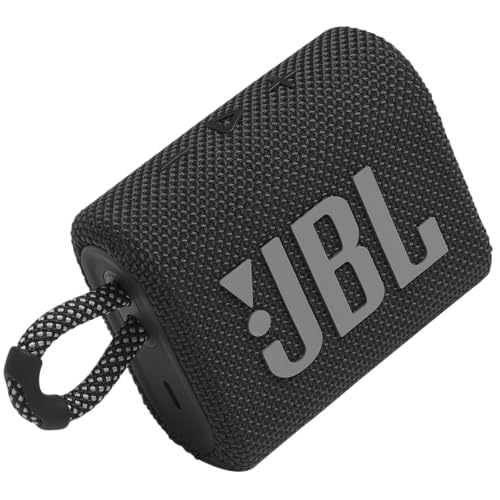
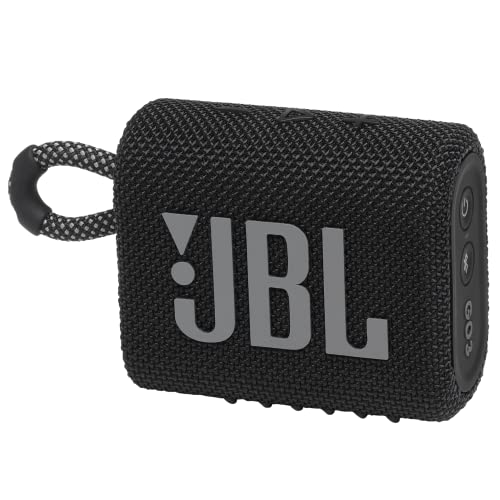
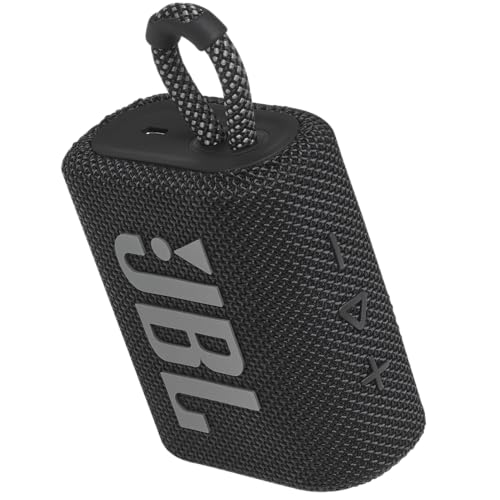
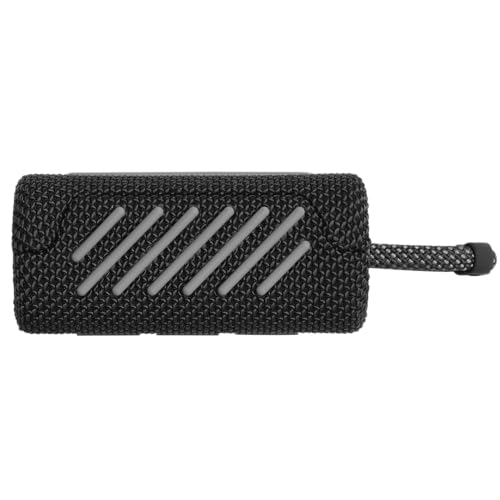
The most obvious difference between these speakers is their approach to portability. The JBL Go 3 measures just 3.4 by 2.7 by 1.6 inches and weighs less than half a pound. This makes it genuinely pocket-portable - you can slip it into a jacket pocket or small bag compartment without thinking twice. The integrated fabric loop adds practical carrying options, letting you clip it to a backpack or hang it from a hook.
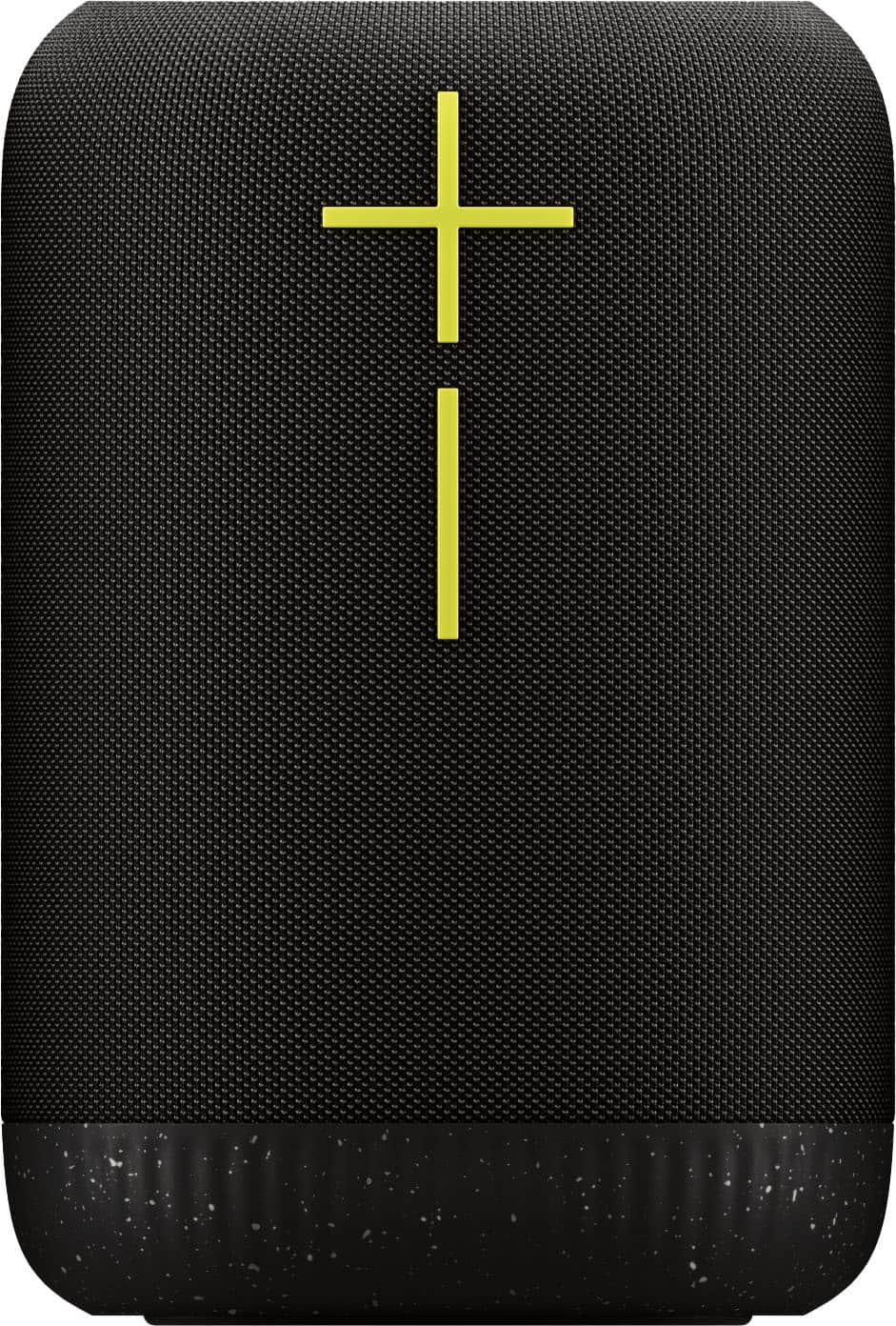
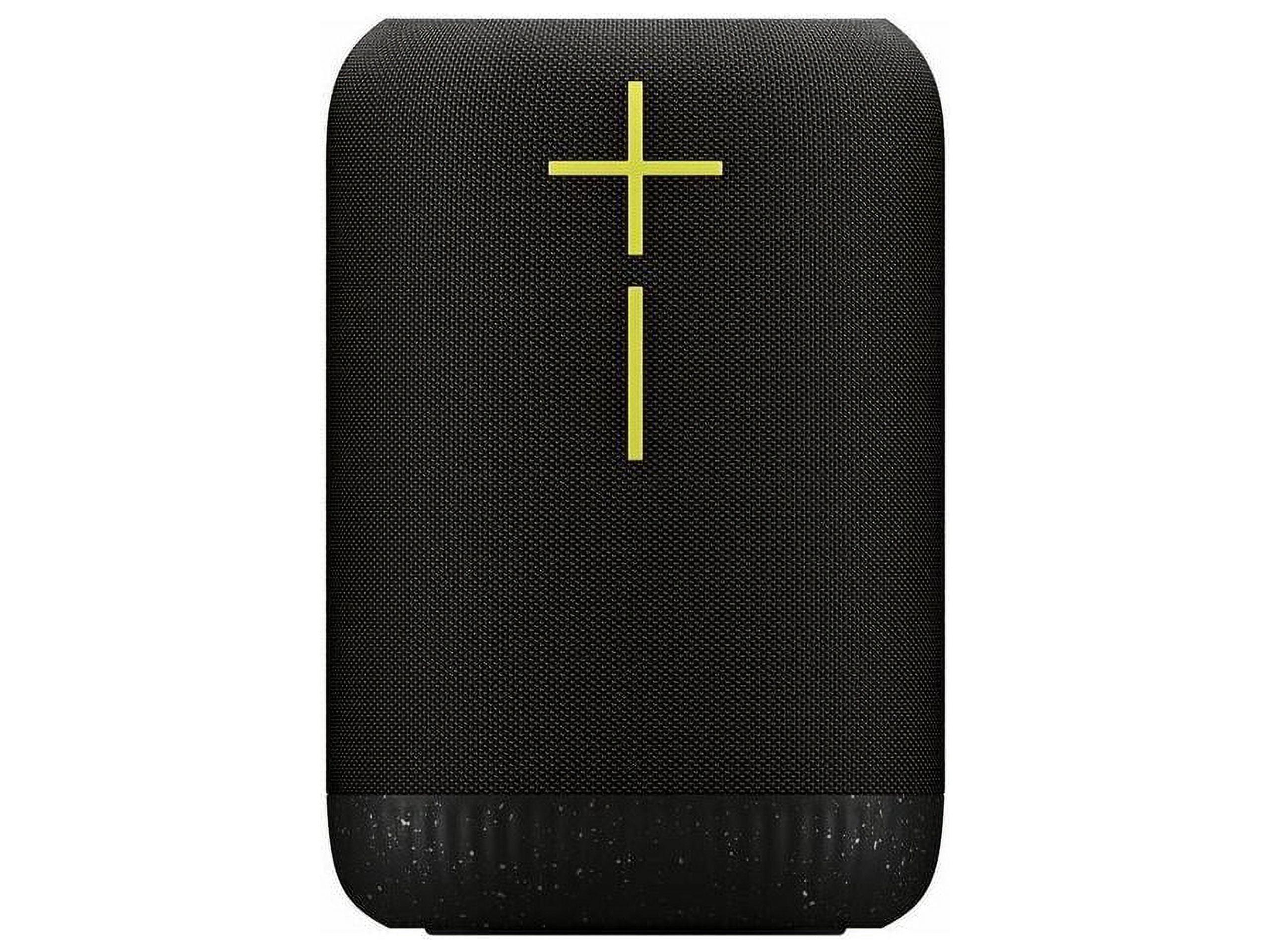
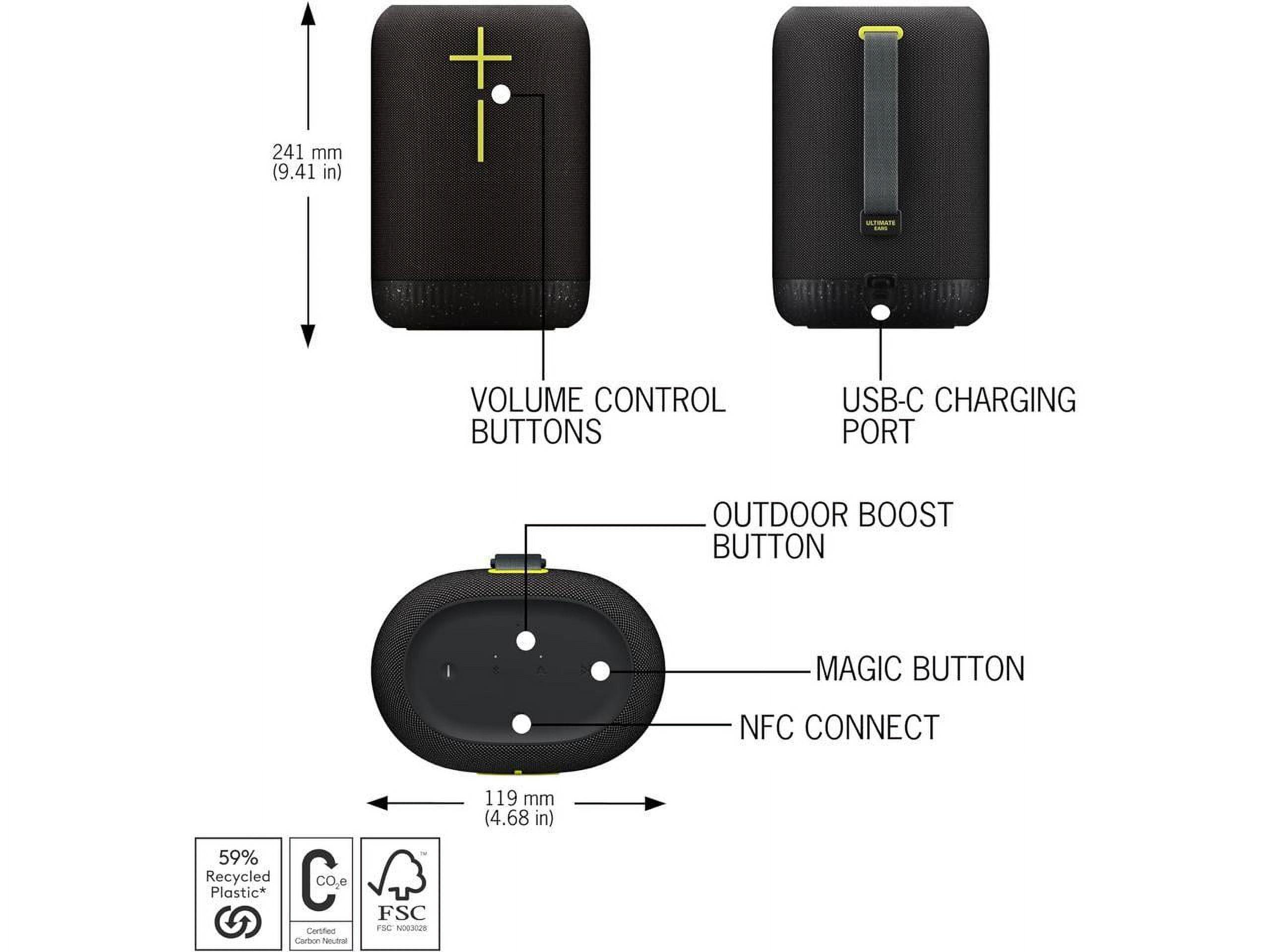
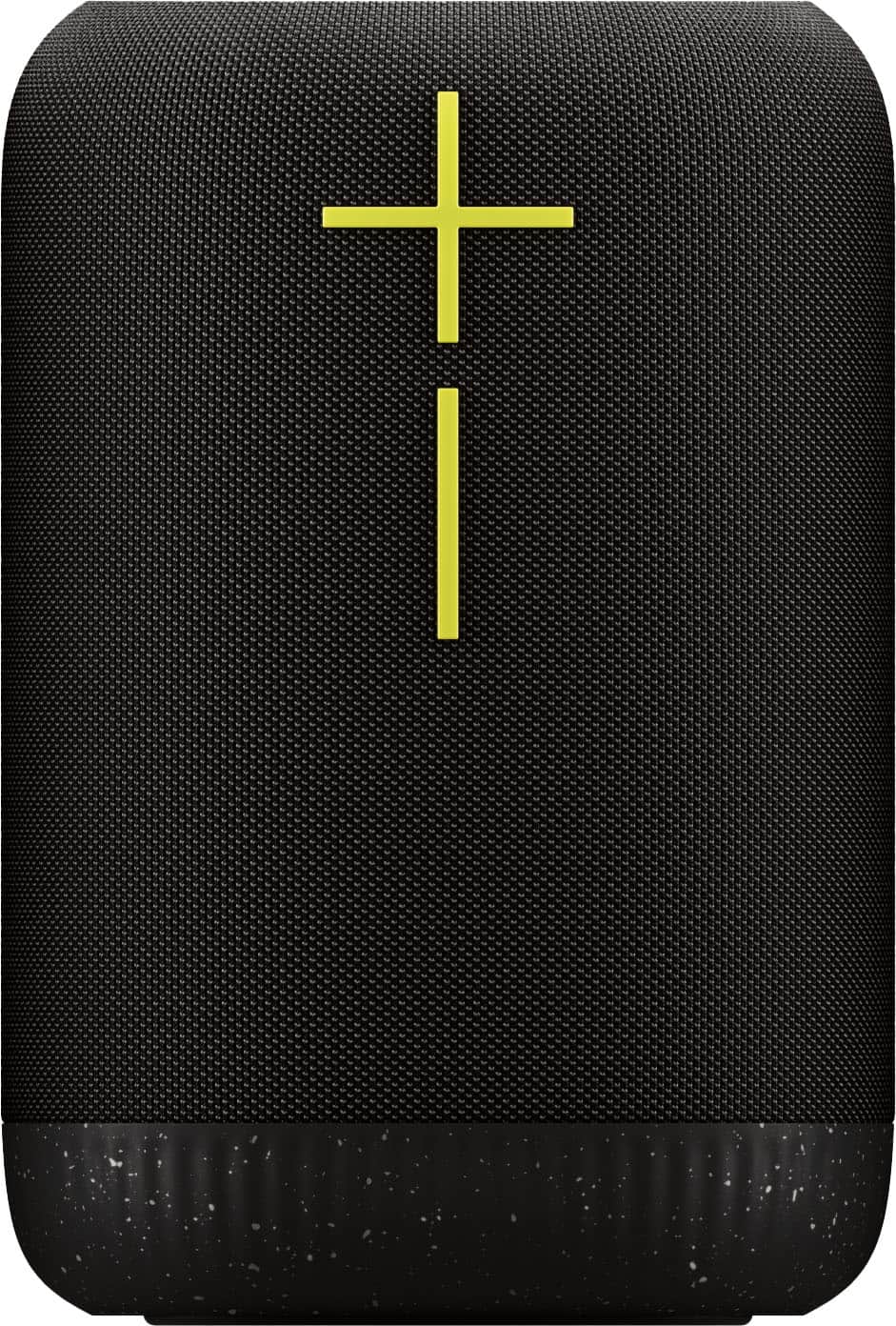
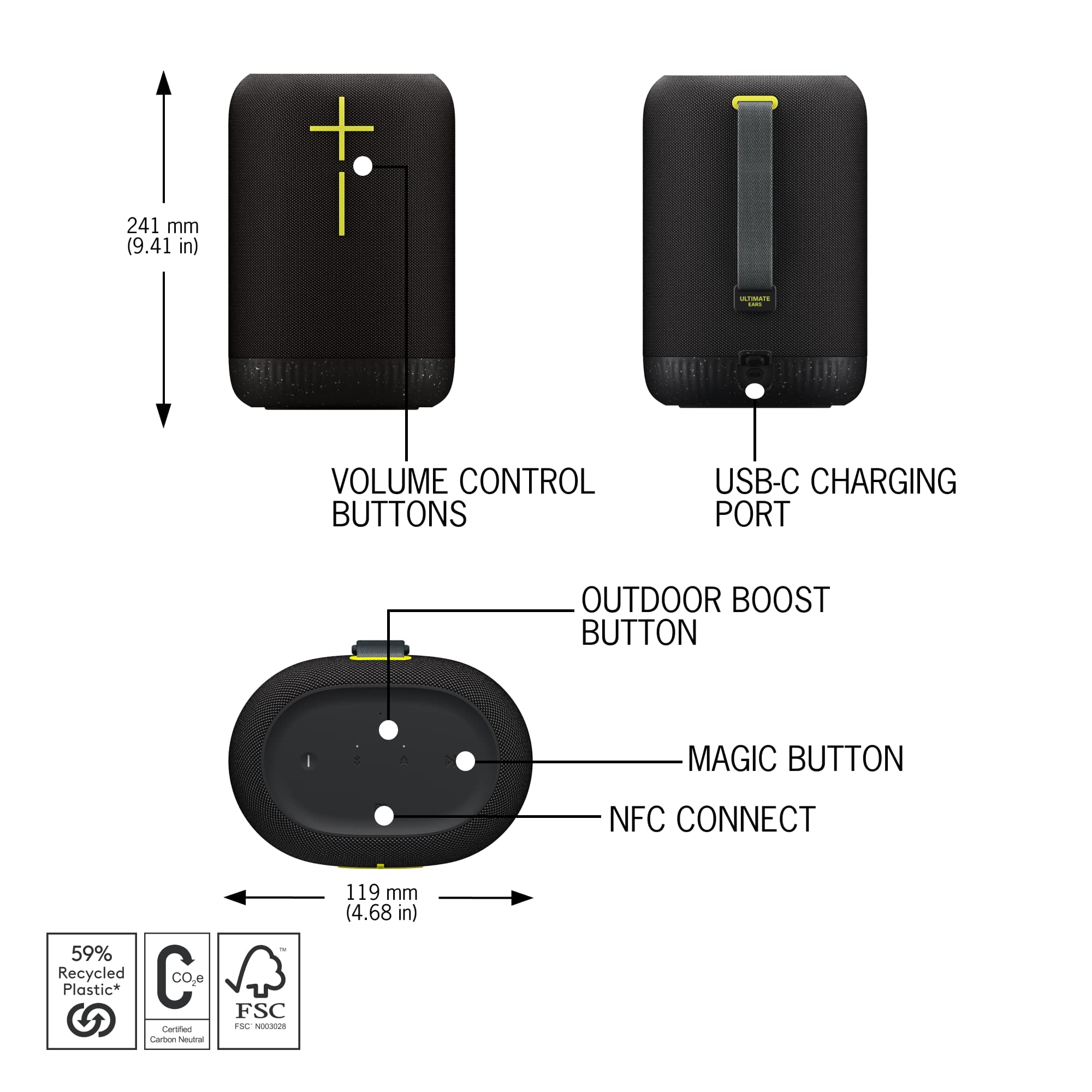
In contrast, the Ultimate Ears EPICBOOM is roughly the size of a large water bottle, measuring about 6.4 by 4.7 by 9.5 inches and weighing over 4 pounds. While technically portable with its included magnetic carrying strap, this speaker requires dedicated bag space and adds noticeable weight to your gear. The size difference reflects fundamentally different use cases - the Go 3 is designed for personal listening on the go, while the EPICBOOM targets stationary outdoor gatherings and home use.
The portability question becomes crucial when considering your primary use scenarios. If you're hiking, commuting daily, or traveling frequently, the Go 3's minimal footprint makes it practically invisible in your gear. For car camping, beach parties, or backyard gatherings where you'll set up in one spot, the EPICBOOM's larger size becomes less relevant while its superior audio performance becomes essential.
The audio performance gap between these speakers is substantial, reflecting their different approaches to portable sound. The JBL Go 3 uses a single 43x47mm driver (about 1.7 inches across) producing 4.2 watts of power. This tiny transducer - the component that converts electrical signals into sound waves - faces the impossible task of reproducing the entire frequency spectrum from one small source.
The Ultimate Ears EPICBOOM takes a completely different approach with a sophisticated three-driver system. It employs two dedicated 45mm drivers for mid and high frequencies, plus a substantial 120mm woofer (nearly 5 inches) specifically for bass reproduction. This driver separation, called a multi-way design, allows each component to specialize in its optimal frequency range, resulting in clearer, more detailed sound across the spectrum.
Bass reproduction represents the biggest performance gap between these speakers. The Go 3's frequency response starts rolling off around 140Hz, meaning it can't reproduce the deep bass frequencies that give music its foundation and impact. For context, a kick drum's fundamental frequency sits around 60-80Hz, while bass guitar extends down to about 40Hz. This means bass-heavy genres like electronic music, hip-hop, and modern pop lose much of their intended impact on the Go 3.
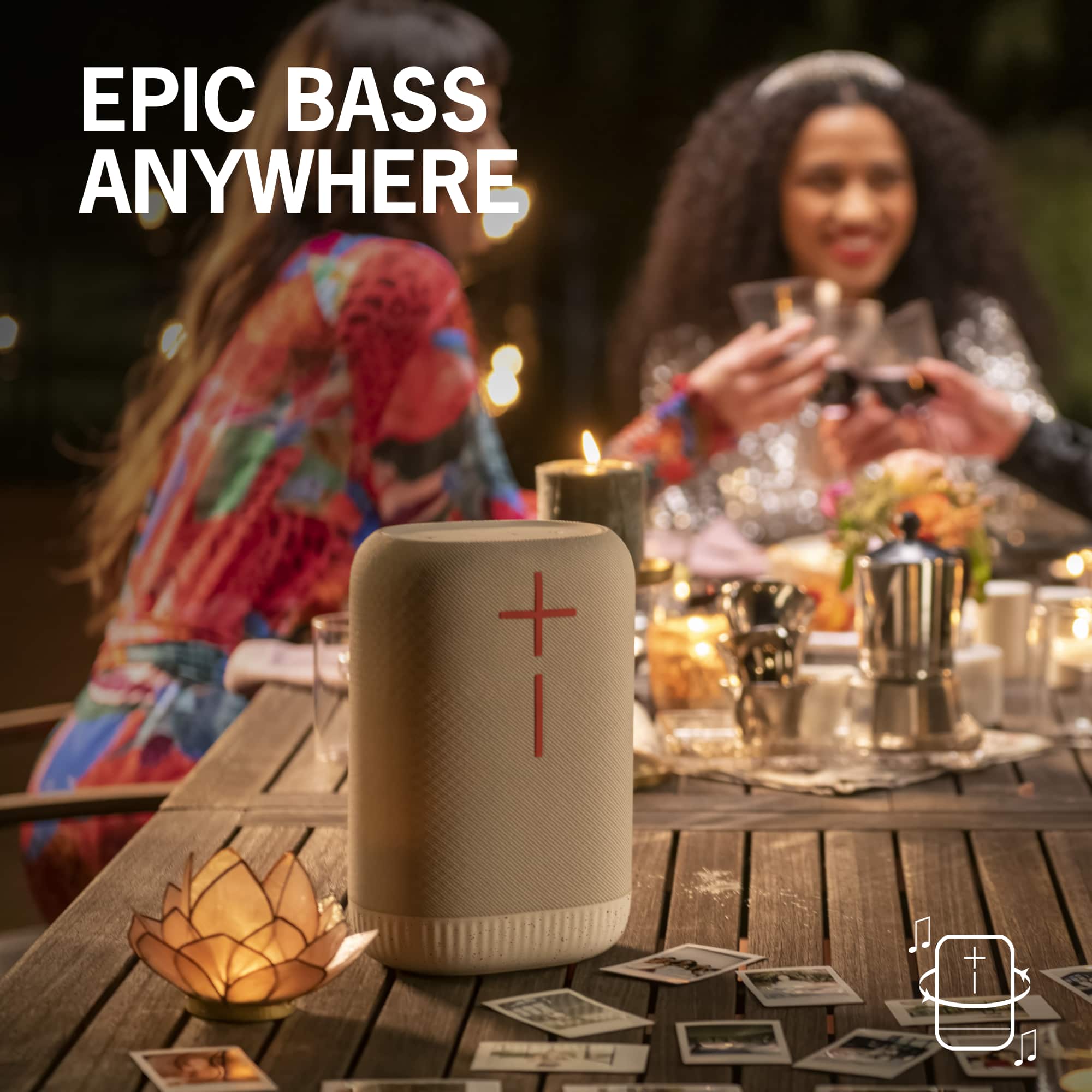
The EPICBOOM's dedicated woofer extends down to 50Hz, capturing most of the bass content in recorded music. While it won't rattle your chest like a full-size subwoofer, it provides satisfying low-end response that makes most music sound complete and engaging. This bass extension becomes particularly noticeable in outdoor settings, where smaller speakers often sound thin and lacking in presence.
Our research into user experiences consistently shows this bass difference as the primary factor distinguishing these speakers. Go 3 users appreciate its clarity for vocals and acoustic music but note the limitation with modern, bass-heavy tracks. EPICBOOM users consistently praise its ability to deliver full-range music that doesn't leave you wanting more low-end punch.
Maximum volume output tells another crucial part of the performance story. The Go 3 reaches about 85 decibels at maximum volume - adequate for personal listening or very small groups in quiet environments. However, it begins to struggle with distortion and compression at higher volumes, particularly with bass-heavy content. The single driver simply can't move enough air to maintain clarity when pushed hard.
The EPICBOOM achieves 94-95 decibels - roughly twice as loud in perceived volume due to how our ears interpret sound pressure levels. More importantly, it maintains clarity and composure at high volumes thanks to its larger drivers and more sophisticated internal amplification. This volume difference is crucial for outdoor use, where ambient noise and open spaces quickly overwhelm quieter speakers.
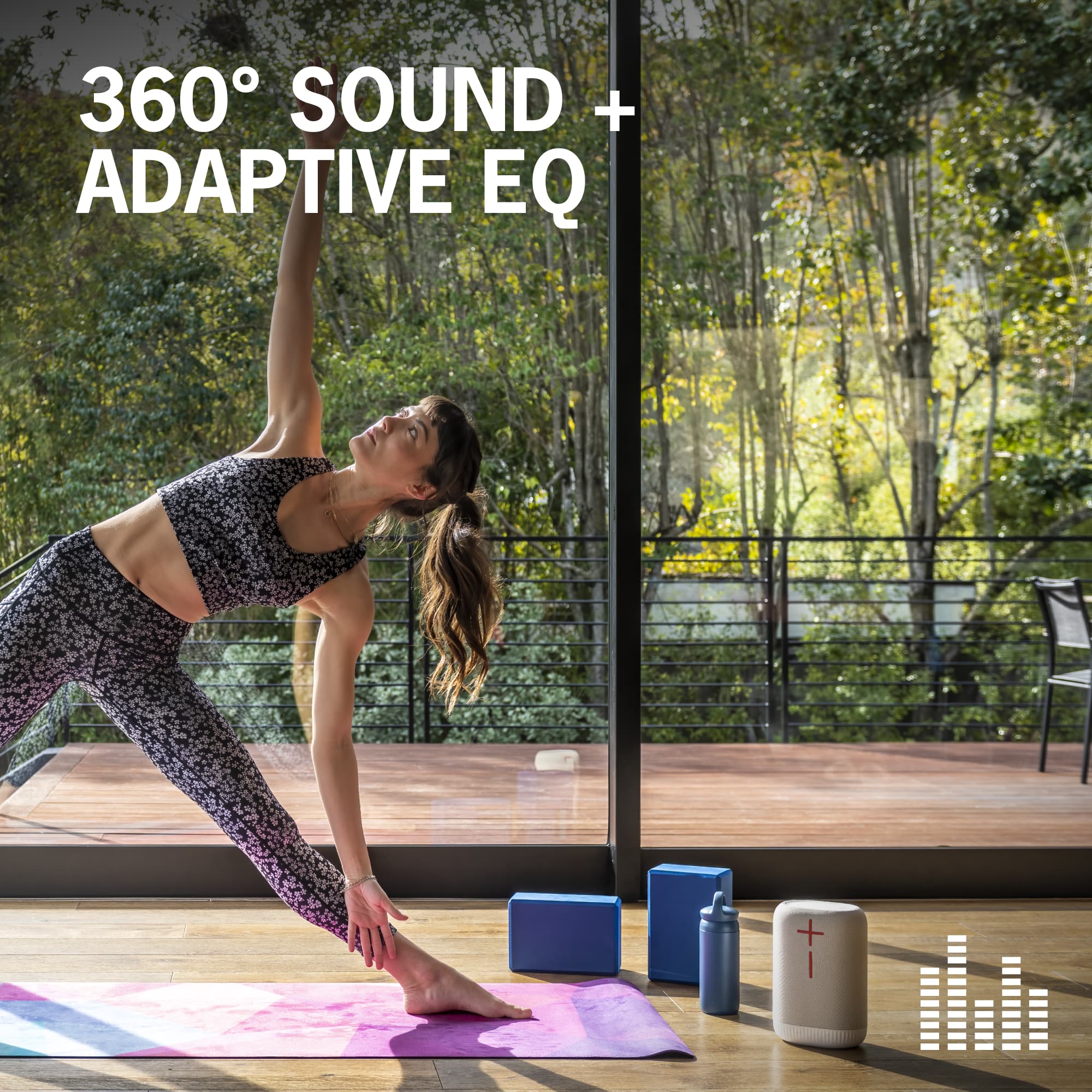
The clarity difference extends beyond just volume levels. The EPICBOOM's 360-degree design uses multiple drivers positioned to create omnidirectional sound - meaning it sounds consistent regardless of where you're standing relative to the speaker. This contrasts with the Go 3's directional output, where moving off-axis noticeably affects the sound quality.
Battery performance reflects each speaker's design priorities and power requirements. The Go 3 delivers up to 5 hours of playback from its compact lithium polymer battery, recharging fully in about 2.5 hours via USB-C. While 5 hours might seem limited, it's actually respectable for such a small device and aligns well with typical personal listening sessions.
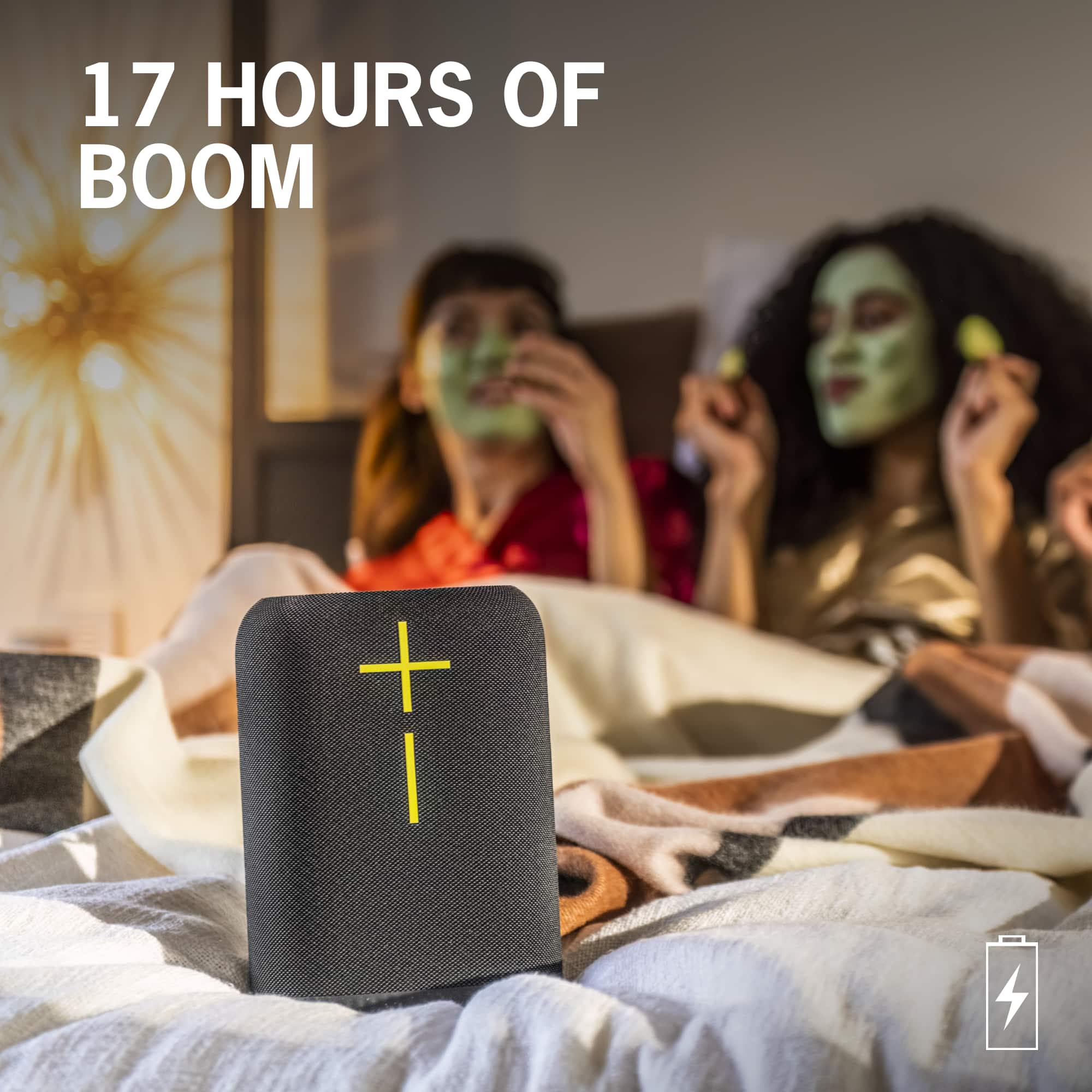
The EPICBOOM provides up to 17 hours of continuous playback - more than three times longer. This extended runtime comes from a much larger battery capacity needed to power its multiple drivers and more powerful amplification. The 3-hour charging time is reasonable considering the battery size, though it means longer downtime between uses.
The battery life difference becomes significant depending on your usage patterns. For short listening sessions, commuting, or as backup audio, the Go 3's 5-hour runtime proves adequate. For day-long outdoor events, camping trips, or situations where charging opportunities are limited, the EPICBOOM's extended runtime becomes essential.
The feature gap between these speakers reflects their target markets and price positioning. The Go 3 keeps things simple with basic Bluetooth 5.1 connectivity and physical controls for power, pairing, play/pause, and volume. There's no companion app, no customization options, and no advanced features - just straightforward music playback.
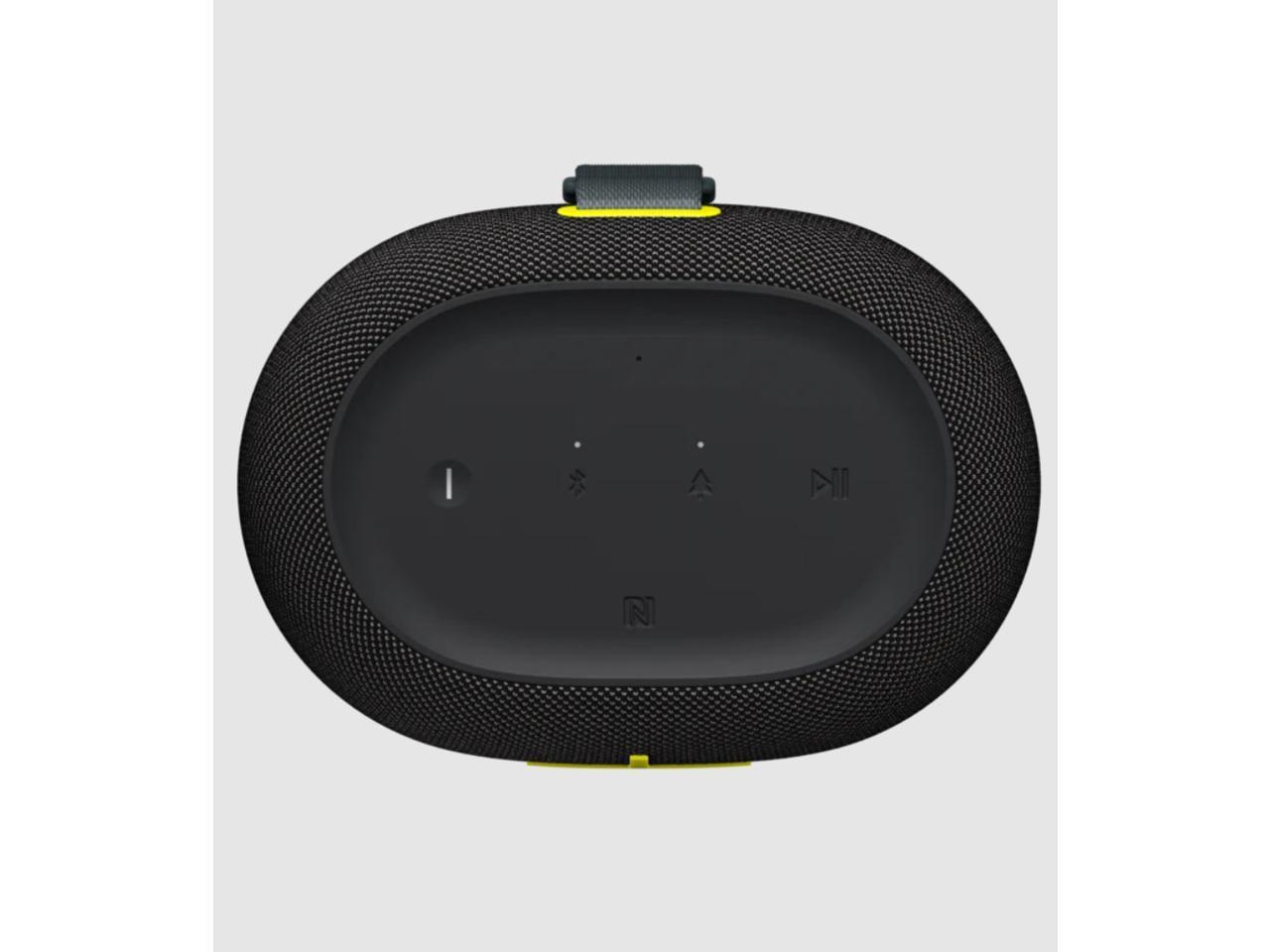
The EPICBOOM, released three years later, showcases modern portable speaker capabilities. It includes Bluetooth 5.3 with improved connection stability and extended 55-meter range, plus one-touch NFC pairing for compatible smartphones. The Ultimate Ears Boom app unlocks extensive customization through multiple EQ presets including Signature Bass Boost, Game/Cinema, and Deep Relaxation modes. Users can also create custom EQ curves, adjusting bass, mids, and treble to personal preference.
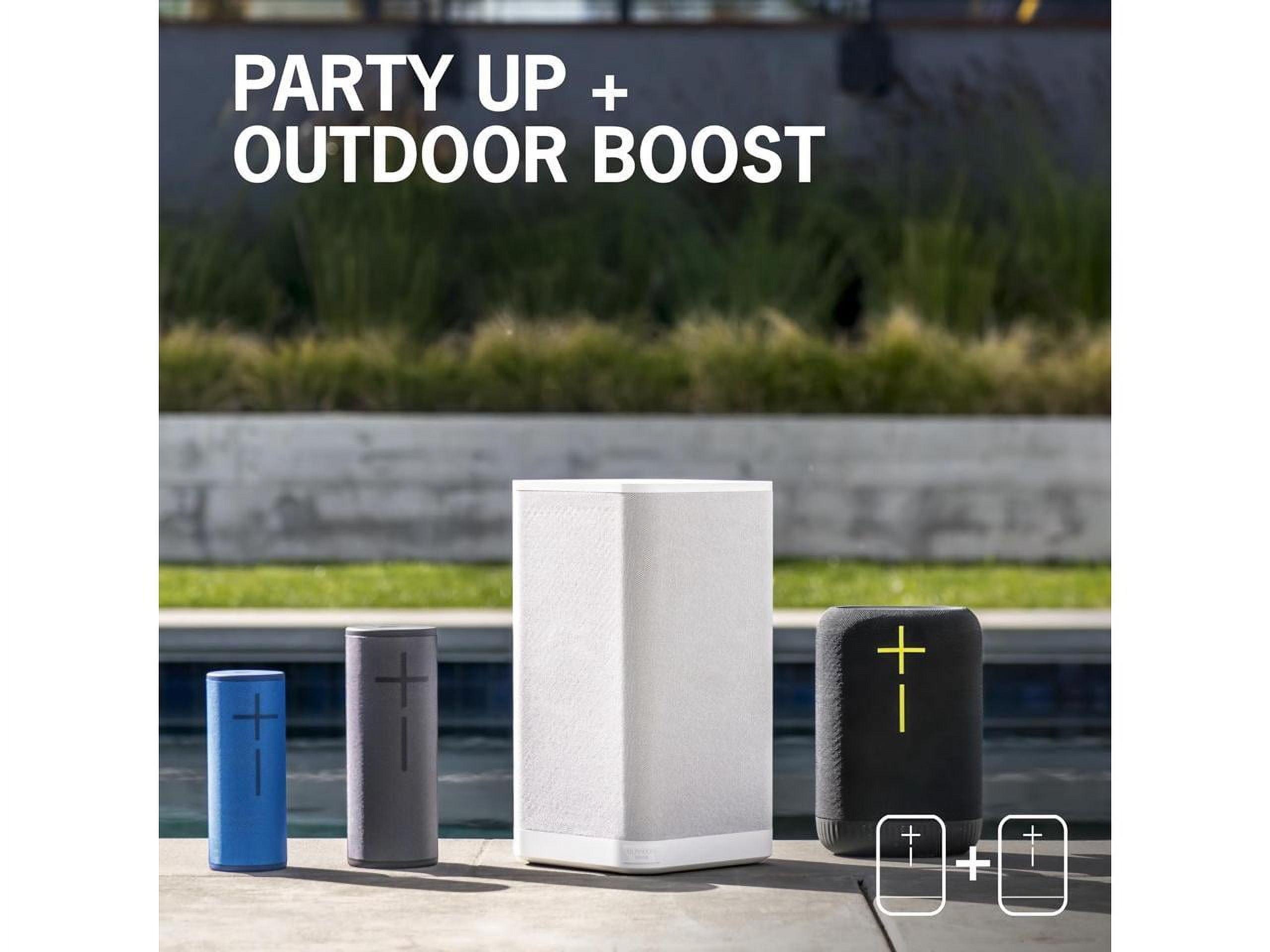
The PartyUp feature deserves special attention as it allows connecting multiple Ultimate Ears speakers for synchronized playback - creating a distributed sound system for larger gatherings. The Outdoor Boost mode automatically adjusts the sound signature for better performance in open environments. These features position the EPICBOOM as more than just a speaker - it's a customizable audio system that adapts to different scenarios.
Both speakers meet IP67 water and dust resistance standards, but their implementations differ significantly. IP67 means complete dust protection and submersion resistance to 1 meter for 30 minutes - suitable for beach, pool, and outdoor use without worry.
The Go 3's compact size actually aids its durability. There's less surface area to damage, fewer potential impact points, and the tight construction handles drops well. The fabric exterior provides grip and some impact protection, while the integrated loop prevents many drops entirely.
The EPICBOOM adds floating capability to its IP67 rating, making it genuinely pool-friendly rather than just splash-resistant. The larger size provides more surface area for controls and better heat dissipation for the more powerful internal components. The magnetic carrying strap is thoughtfully designed, though the speaker's weight makes true one-handed portability challenging.
At the time of writing, these speakers occupy completely different price tiers, with the EPICBOOM costing roughly 8 times more than the Go 3. This price gap reflects their different approaches to portable audio and target audiences.
The Go 3 represents exceptional value in the ultra-portable segment. For under $50, you get genuinely useful portable audio with surprising clarity, solid build quality, and essential features. It's the type of speaker you might buy multiples of - one for travel, one for the office, one for the bedroom - without significant financial impact.
The EPICBOOM's premium pricing reflects its advanced feature set, superior audio performance, and premium brand positioning. At over $200, it competes with other flagship portable speakers and some entry-level home audio systems. The value proposition depends heavily on whether you need and will use its advanced features and superior audio quality.
Neither speaker is designed for home theater use, but they serve different roles in a home audio ecosystem. The Go 3 works well for casual TV watching in bedrooms or as computer speakers, though dialogue clarity limitations mean it's not suitable for serious movie watching.
The EPICBOOM's higher volume output and better frequency response make it more viable for casual home theater use in smaller rooms. However, both speakers lack the stereo separation, dynamic range, and dialogue clarity that dedicated home theater systems provide. They're better suited as supplementary audio for outdoor movie nights or casual viewing rather than primary home theater speakers.
The choice between these speakers ultimately comes down to your priorities and primary use cases. The JBL Go 3 excels when true portability is essential - daily commuting, hiking, travel, or any situation where size and weight matter more than audio quality. It's also the clear choice when budget is the primary constraint or when you need multiple speakers for different locations.
Choose the Go 3 if you prioritize maximum portability, need a speaker under $50, primarily listen to podcasts or vocal-heavy content, want a desktop companion speaker, or need something for personal listening in quiet environments.
The Ultimate Ears EPICBOOM makes sense when audio quality is the top priority within portable constraints. It's designed for group listening, outdoor gatherings, and situations where you want room-filling sound without the bulk of traditional home speakers. The advanced features and app integration appeal to users who enjoy customizing their audio experience.
Choose the EPICBOOM if you frequently host outdoor gatherings, prioritize audio quality over maximum portability, want advanced features like custom EQ and multi-speaker connectivity, need extended battery life for all-day events, or have a budget that allows for premium portable audio.
Both speakers succeed in their intended roles, but they serve fundamentally different needs. The JBL Go 3 proves that good sound can come in impossibly small packages, making it perfect for personal, on-the-go listening. The Ultimate Ears EPICBOOM demonstrates what's possible when you prioritize audio quality and features over extreme portability.
Your choice should align with how you actually use portable speakers. If you find yourself wishing for more bass, higher volume, or better sound quality from ultra-portable speakers, the EPICBOOM justifies its premium price. If you value the convenience of truly pocket-sized audio and don't need room-filling volume, the Go 3 delivers remarkable value and practicality.
The three-year technology gap between these products also means the EPICBOOM benefits from newer Bluetooth standards, more sophisticated app integration, and lessons learned from years of portable speaker development. However, the Go 3's simpler approach has its own advantages - fewer features mean fewer things to break, and the straightforward operation appeals to users who just want reliable, uncomplicated music playback.
| JBL Go 3 | Ultimate Ears EPICBOOM |
|---|---|
| Size & Weight - Critical for true portability | |
| 3.4" x 2.7" x 1.6", 0.46 lbs (truly pocket-sized) | 6.4" x 4.7" x 9.5", 4.4 lbs (requires bag/backpack) |
| Driver Configuration - Determines sound quality potential | |
| Single 43x47mm driver, 4.2W (mono sound) | Three drivers: dual 45mm + 120mm woofer (360° stereo) |
| Frequency Response - Shows bass capability | |
| 110Hz-20kHz (limited bass, great for vocals) | 50Hz-20kHz (full bass extension for all music genres) |
| Maximum Volume - Important for outdoor use | |
| ~85 dB (personal listening only) | 94-95 dB (room-filling, outdoor capable) |
| Battery Life - Affects all-day usability | |
| 5 hours (adequate for short sessions) | 17 hours (all-day events, extended camping) |
| Charging Time - Downtime between uses | |
| 2.5 hours via USB-C | 3 hours via USB-C |
| Water Resistance - Protection level | |
| IP67 (submersible, dustproof) | IP67 + floats (pool-party ready) |
| Bluetooth - Connection quality and range | |
| Bluetooth 5.1, standard range | Bluetooth 5.3, 55m range + NFC pairing |
| Smart Features - App control and customization | |
| Basic controls only, no app | Full app with custom EQ, presets, PartyUp connectivity |
| Sound Projection - How sound spreads | |
| Directional mono (best directly in front) | 360° omnidirectional (consistent from all angles) |
| Best Use Cases - Where each excels | |
| Travel, hiking, personal listening, desktop audio | Outdoor parties, home audio, group listening, pool use |
| Value Proposition - Cost vs performance trade-offs | |
| Exceptional value for ultra-portability under $50 | Premium features and sound quality at $200+ price point |
The JBL Go 3 is significantly more portable, weighing just 0.46 pounds and measuring 3.4" x 2.7" x 1.6". It easily fits in a pocket or small bag compartment. The Ultimate Ears EPICBOOM weighs 4.4 pounds and is about the size of a large water bottle, requiring dedicated bag space for transport.
The Ultimate Ears EPICBOOM delivers superior sound quality with its three-driver system (dual mid-high drivers plus dedicated woofer) and extended frequency response down to 50Hz. The JBL Go 3 uses a single small driver and has limited bass response starting at 110Hz, making it better for vocals but lacking in bass-heavy music.
The JBL Go 3 provides up to 5 hours of playback time, while the Ultimate Ears EPICBOOM offers up to 17 hours. The EPICBOOM's longer battery life makes it better suited for all-day events or camping trips where charging isn't available.
Yes, both the JBL Go 3 and Ultimate Ears EPICBOOM feature IP67 water resistance, meaning they can be submerged in up to 1 meter of water for 30 minutes. The EPICBOOM has the added benefit of being able to float, making it ideal for pool parties.
The Ultimate Ears EPICBOOM reaches 94-95 dB maximum volume, significantly louder than the JBL Go 3's approximately 85 dB output. This volume difference makes the EPICBOOM much better for outdoor gatherings and larger groups.
The JBL Go 3 has no sound customization options - just basic physical controls. The Ultimate Ears EPICBOOM includes a full mobile app with customizable EQ settings, multiple presets (Bass Boost, Game/Cinema, Deep Relaxation), and an Outdoor Boost mode for better outdoor performance.
The Ultimate Ears EPICBOOM excels outdoors with its higher volume output, 360-degree sound projection, Outdoor Boost feature, and ability to float in water. The JBL Go 3 works for personal outdoor listening but lacks the volume and bass needed for group gatherings.
Only the Ultimate Ears EPICBOOM supports multi-speaker connectivity through its PartyUp feature, allowing you to sync multiple Ultimate Ears speakers for louder, more immersive sound. The JBL Go 3 doesn't support speaker pairing or connectivity features.
The JBL Go 3 provides exceptional value in the ultra-portable category, offering surprisingly good sound quality for its size and budget-friendly price point. The Ultimate Ears EPICBOOM justifies its premium pricing with superior audio performance, advanced features, and extended battery life.
Neither speaker is designed for serious home theater use. The JBL Go 3 works adequately for casual TV watching in bedrooms or as computer speakers. The Ultimate Ears EPICBOOM can handle casual home theater use in smaller rooms but lacks the stereo separation and dialogue clarity of dedicated home theater systems.
The JBL Go 3 uses Bluetooth 5.1 with standard range and basic connectivity. The Ultimate Ears EPICBOOM features newer Bluetooth 5.3 technology with extended 55-meter range, plus one-touch NFC pairing for compatible smartphones, providing more reliable and convenient connections.
Choose the JBL Go 3 for maximum portability, travel, hiking, personal listening, desktop audio, or when budget is the primary concern. Select the Ultimate Ears EPICBOOM for outdoor parties, group listening, home audio, pool use, or when you prioritize sound quality and advanced features over extreme portability.
We've done our best to create useful and informative comparisons to help you decide what product to buy. Our research uses advanced automated methods to create this comparison and perfection is not possible - please contact us for corrections or questions. These are the sites we've researched in the creation of this article: rtings.com - streamtechreviews.com - english.achoreviews.com - smarthomesounds.co.uk - soundguys.com - rtings.com - walmart.com - soundguys.com - youtube.com - youtube.com - jbl.com - youtube.com - selectoguru.com - versus.com - videoandaudiocenter.com - harmanaudio.com - jbl.com - bestbuy.com - forum.hifiguides.com - manuals.plus - kh.jbl.com - th.jbl.com - mm.jbl.com - jbl.com - bestbuy.com - youtube.com - youtube.com - youtube.com - jbl.com - bestbuy.com - bestbuy.com - jbl.com.tw - youtube.com - techradar.com - ultimateears.com - youtube.com - tomsguide.com - ultimateears.com - cdw.com - connection.com - bestbuy.com - ultimateears.com

Privacy Policy
Terms and Conditions - Affiliate Policy
Home Security
© Copyright 2008-2026.
11816 Inwood Rd #1211, Dallas, TX 75244