

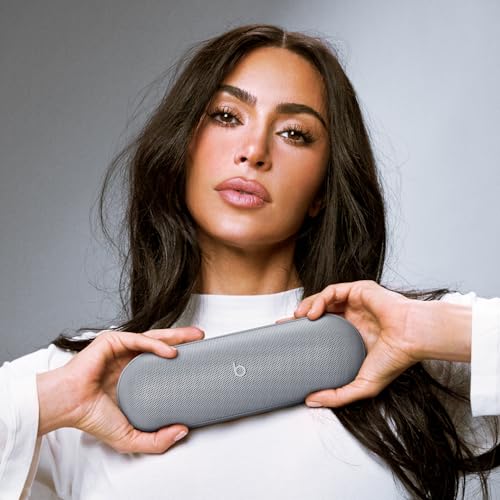
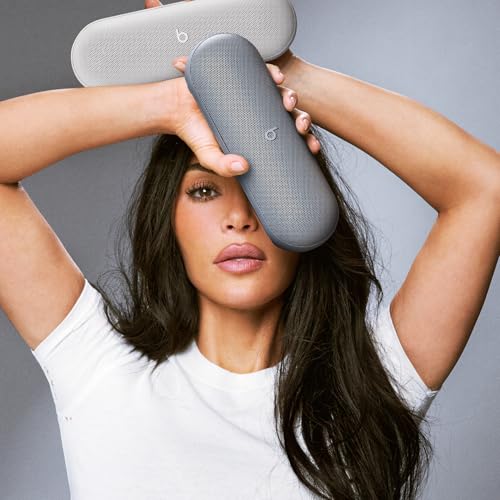
When you're in the market for a Bluetooth speaker, the sheer number of options can feel overwhelming. Do you go big for better sound, or small for ultimate portability? Today we're diving deep into two speakers that represent completely different philosophies in portable audio: the premium Beats Pill Kim Kardashian Edition and the ultra-compact JBL Go 3.
These aren't really competitors in the traditional sense—they're more like different tools for different jobs. But since both promise portable music on the go, understanding their trade-offs will help you figure out which approach makes more sense for your lifestyle and budget.
Before we jump into the specifics, let's talk about what really matters in a portable speaker. The fundamental challenge in this category is physics: smaller speakers simply can't move as much air as larger ones, which directly impacts how loud they can get and how deep the bass can go. This creates an inevitable trade-off between portability and performance.
The most critical performance metrics include frequency response (how well the speaker reproduces different pitches from deep bass to high treble), maximum volume without distortion, battery life, and build quality. Beyond that, modern speakers need solid Bluetooth connectivity, ideally with extended range and stable connections.
Here's where it gets interesting: both speakers we're examining take dramatically different approaches to solving the portability puzzle.
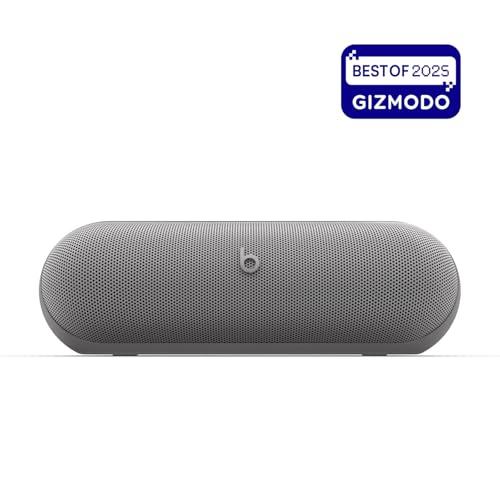
The Beats Pill Kim Kardashian Edition, released in 2024, represents what happens when a company decides to prioritize performance while keeping things reasonably portable. At roughly four times the price of the JBL Go 3 (at the time of writing), it's clearly targeting users who want their portable speaker to do serious audio duty.
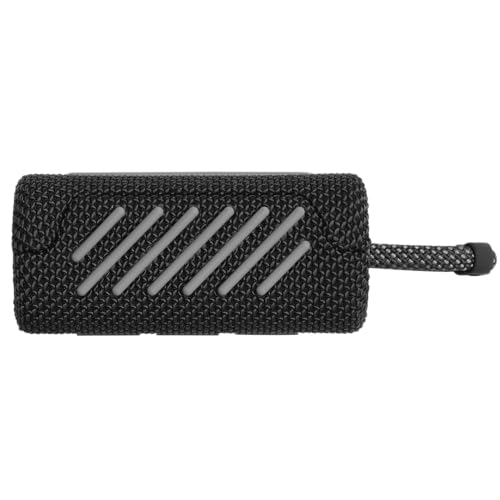
The JBL Go 3, on the other hand, asks a different question: what's the smallest, most affordable speaker that can still deliver decent sound? Released a few years earlier, it's designed for people who value extreme portability above all else.
Let's start with the most obvious difference: the Beats Pill simply plays much louder than the JBL Go 3. The Go 3's 4.2-watt output is respectable for its tiny size, but it's fundamentally limited by physics. Those 43mm drivers can only move so much air, meaning you'll struggle to fill anything larger than a small bedroom with sound.
The Beats Pill, meanwhile, features a completely redesigned audio system with a racetrack woofer that delivers 28% more motor force than previous generations. This isn't marketing speak—it translates to noticeably more volume and better bass response. During our research into user experiences, it becomes clear that the Beats Pill can adequately fill medium-sized rooms and outdoor spaces, while the Go 3 is really designed for personal listening.
Here's where the size difference becomes most apparent. The JBL Go 3 has a frequency response that starts at 110Hz, which means it's missing most of the sub-bass (the really deep, rumbling frequencies) and even some mid-bass. If you're into hip-hop, EDM, or any bass-heavy genre, the Go 3 will leave you wanting more. It's not that it sounds bad—vocals and midrange instruments come through clearly—but you're missing that bottom-end foundation that makes music feel full and impactful.
The Beats Pill doesn't completely solve this problem (no speaker this size can truly compete with a full-size home speaker), but it gets much closer. The redesigned woofer can reproduce deeper frequencies with less distortion, even at higher volumes. This means bass guitars actually sound like bass guitars, and kick drums have some real punch to them.
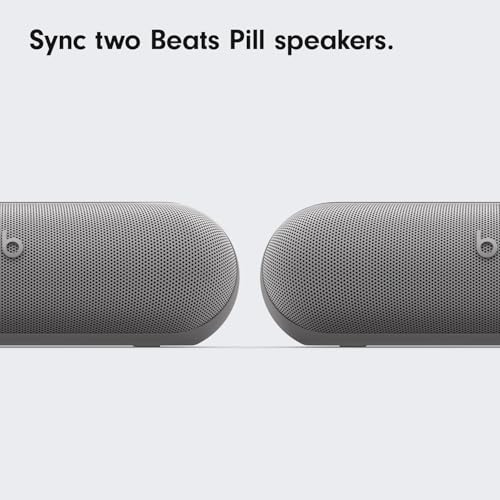
Both speakers play back in mono when used alone, but the Beats Pill offers something the JBL Go 3 doesn't: the ability to pair two units for true stereo sound. The Beats system includes both "Amplify Mode" (two speakers playing the same thing for more volume) and "Stereo Mode" (separate left and right channels for proper stereo imaging).
Stereo imaging refers to how well you can pinpoint where different instruments are positioned in the mix—it's what makes music feel three-dimensional rather than flat. While most people won't buy two speakers right away, having the option to expand later is valuable, especially since the JBL Go 3 offers no multi-speaker connectivity at all.
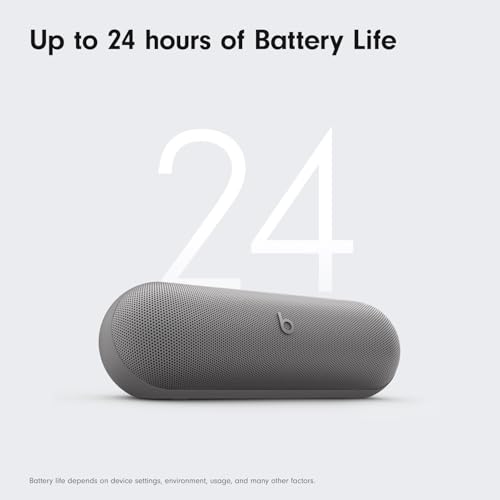
This might be the biggest practical difference between these speakers. The Beats Pill claims up to 24 hours of playback, though real-world usage at higher volumes (which you'll need for adequate room-filling sound) brings this down to around 9 hours—still impressive for a speaker this powerful.
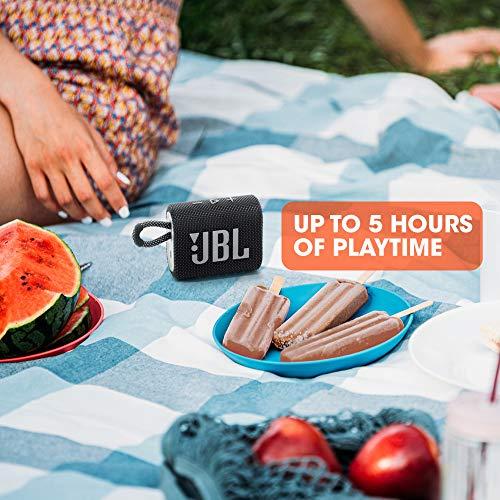
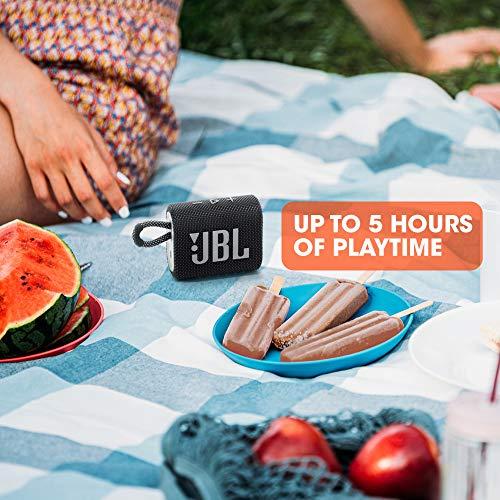
The JBL Go 3 manages just 5 hours, and that's at moderate volume levels. For day trips or short outings, this might be fine. But if you're planning a beach day, camping trip, or want a speaker that can handle a full workday without dying, the battery difference becomes critical.
The Beats Pill also includes "Fast Fuel" charging, where just 10 minutes plugged in gives you 2 hours of playback. This kind of quick-charge capability can be a lifesaver when you're rushing out the door with a dead speaker.
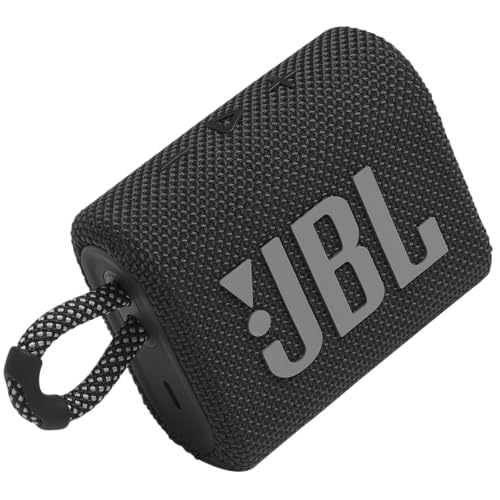
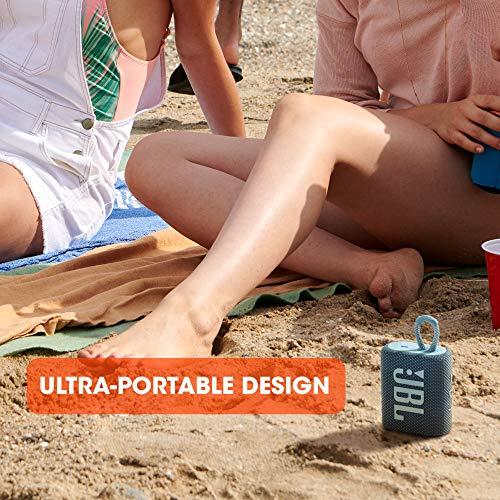
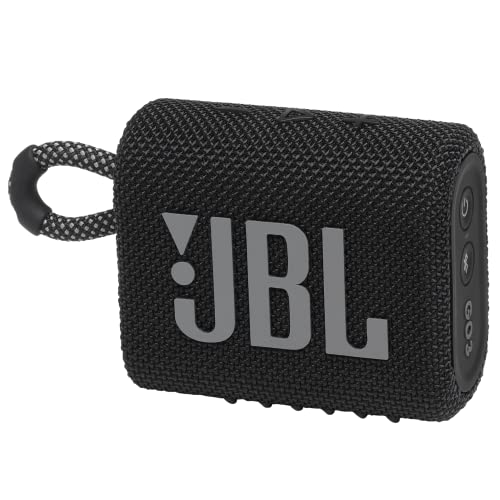
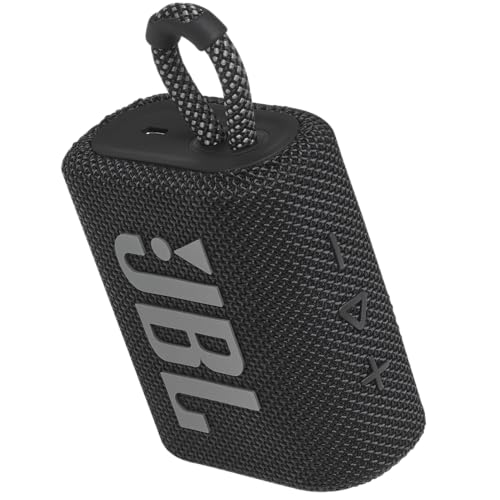
Here's where the JBL Go 3 fights back. At just 0.46 pounds and roughly the size of a deck of cards, it's genuinely pocketable. The built-in fabric loop means you can clip it to a backpack, purse, or even a belt loop. For hikers, cyclists, or anyone who needs to minimize weight and bulk, this level of portability is hard to beat.
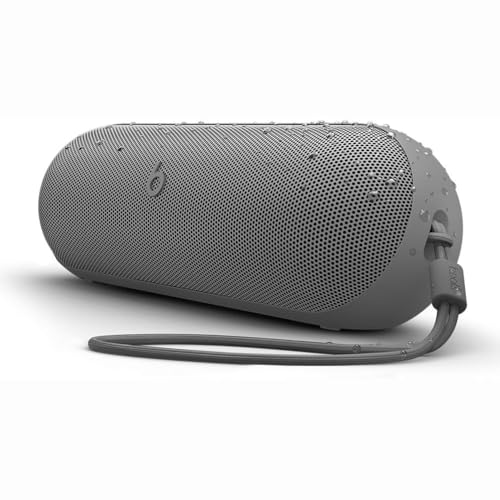
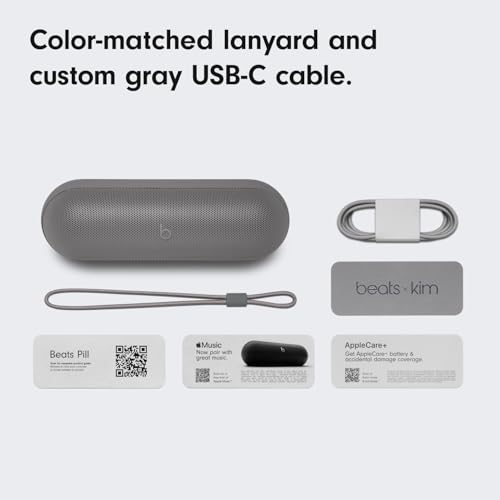
The Beats Pill, at 24 ounces, is over three times heavier and significantly larger. You'll need to dedicate bag space to it, and it's not something you'll casually toss in a pocket. However, it's still genuinely portable—the removable lanyard and thoughtful design make it easy to carry, just not as effortlessly as the Go 3.
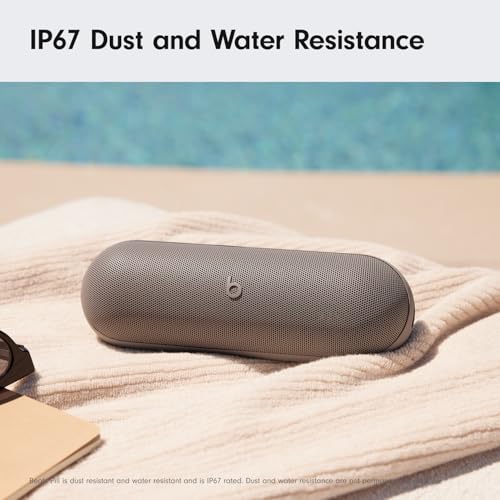
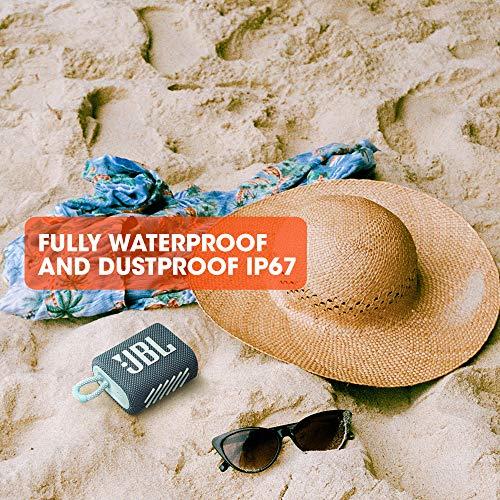
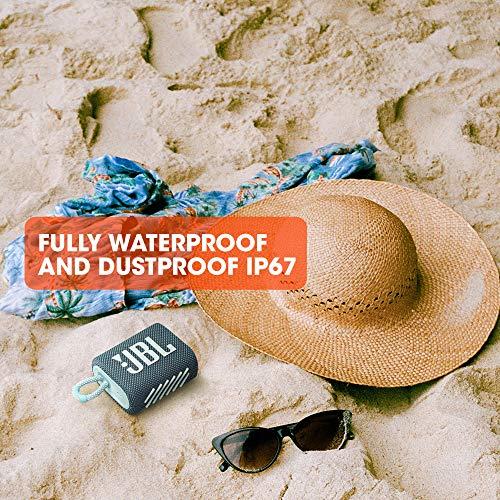
Both speakers share IP67 water and dust resistance, meaning they can handle submersion in up to one meter of water for 30 minutes. This makes both suitable for pool parties, beach trips, and outdoor adventures where weather might be unpredictable.
However, our research suggests the Beats Pill feels more premium overall. The materials, fit and finish, and internal component quality all reflect its higher price point. The JBL Go 3 is surprisingly robust for its price and size—users report these things surviving drops, travel abuse, and rough handling—but it doesn't feel as refined.
The Beats Pill uses Class 1 Bluetooth, which provides extended range and more stable connections compared to standard Bluetooth implementations. This means fewer dropouts when you walk around your house or yard with your phone.
More importantly, it includes several connectivity options the JBL Go 3 lacks entirely. USB-C audio input allows for lossless playback from compatible devices—this bypasses Bluetooth entirely for the highest possible audio quality. The speaker can also charge other devices through its USB-C port, effectively functioning as a power bank for your phone.
The speakerphone functionality on the Beats Pill includes a noise-learning algorithm that adapts to your environment for clearer calls. The JBL Go 3 has no speakerphone capability at all.
Both speakers integrate with Find My services (Apple's Find My and Android's Find My Device), which is genuinely useful when your speaker inevitably gets buried under beach towels or camping gear.
Through extensive review analysis, some interesting patterns emerge about how these speakers actually sound in practice. The JBL Go 3 tends to emphasize midrange clarity, making it particularly good for podcasts, audiobooks, and vocal-heavy music. Jazz, folk, and acoustic genres come through surprisingly well for such a small speaker.
The Beats Pill offers a more balanced approach, though some users note that the treble can sound overly bright or harsh, especially with sibilant sounds (like "s" and "sh" sounds in vocals). This is partly due to the lack of EQ customization in the Beats app—you're stuck with the tuning the engineers chose.
Neither speaker offers customizable sound profiles, which is disappointing in 2024. Many competing speakers in both price ranges now include app-based EQ controls, allowing users to adjust the sound to their preferences.
Neither of these speakers is designed for home theater use, but it's worth addressing since some people consider portable speakers for this purpose. The mono playback on both (unless you buy two Beats Pills) makes them unsuitable for movie watching where stereo separation matters. The JBL Go 3 lacks the volume and bass response for any kind of cinematic experience.
The Beats Pill could work as a temporary TV speaker upgrade if your TV's built-in speakers are particularly awful, but you'd really want two units in Stereo Mode to get proper left-right channel separation. At that point, you're looking at a significant investment for what's still a compromise solution.
At the time of writing, the Beats Pill costs roughly four times more than the JBL Go 3, but delivers significantly more than four times the performance in most measurable ways. The battery life alone is nearly five times longer, and the audio quality difference is substantial.
However, "value" depends entirely on your priorities. If you need something that disappears into your bag and costs less than dinner for two, the JBL Go 3 represents excellent value. If you want a speaker that can serve as your primary portable audio solution for years, the Beats Pill justifies its premium through superior performance and features.
You're looking for a serious portable speaker that doesn't compromise too much on audio quality. This makes sense if you'll use it as your primary speaker for outdoor gatherings, want all-day battery life, or plan to use features like device charging and speakerphone regularly. The higher price makes most sense if this will be your go-to speaker for the next several years.
The multi-speaker pairing capability also makes this appealing if you might eventually want stereo sound or simply more volume for larger gatherings.
Ultimate portability trumps everything else. This is ideal for solo travelers, hikers, cyclists, or anyone who needs music but can't spare the space or weight for a larger speaker. It's also perfect as a secondary speaker—maybe you have a good home system but want something tiny for the gym, office, or quick trips.
The low price also makes it reasonable as a "beater" speaker that you won't worry about losing or damaging during adventures.
After diving deep into both options, it's clear these speakers succeed at completely different things. The Beats Pill is what you buy when you want the best portable audio experience money can reasonably buy, while the JBL Go 3 is what you choose when size and price matter more than audiophile-level performance.
Both speakers are good at what they do, but they're solving different problems. The key is honestly assessing your priorities: do you want room-filling sound and all-day battery life, or do you want something that disappears into your pocket and won't break the bank?
In my experience researching portable audio, most people are happier spending more upfront for significantly better performance that lasts years, rather than buying multiple budget speakers that disappoint. But if your main concern is having any music at all during ultralight backpacking or daily commutes, the JBL Go 3 delivers exactly what it promises—functional audio in an impossibly small package.
The choice ultimately comes down to whether you're buying a primary portable speaker or a convenient secondary one. Choose accordingly, and either option will serve you well within its intended role.
| Beats Pill Kim Kardashian Edition | JBL Go 3 |
|---|---|
| Audio Power - Determines how loud and room-filling the sound can get | |
| Significantly more powerful with redesigned racetrack woofer featuring 28% greater motor force | 4.2W RMS output, suitable for personal listening only |
| Size & Weight - Critical for true portability and daily carry | |
| 8.6" x 2.8" x 2.8", 24 oz (680g) - requires bag space | 3.4" x 2.7" x 1.6", 0.46 lbs (209g) - truly pocketable |
| Battery Life - How long you can listen without charging | |
| Up to 24 hours rated (9 hours real-world at high volume) | 5 hours maximum |
| Fast Charging - Getting back to music quickly when battery dies | |
| Fast Fuel: 10 minutes = 2 hours playback | Standard 2.5-hour full charge time |
| Bass Response - Essential for full-bodied music enjoyment | |
| Deeper bass extension with less distortion, suitable for most genres | Limited bass starting at 110Hz, lacks sub-bass entirely |
| Bluetooth Range & Quality - Connection stability and distance | |
| Class 1 Bluetooth for extended range and fewer dropouts | Bluetooth 5.1 with standard range |
| Multi-Speaker Pairing - Ability to create stereo sound or more volume | |
| Amplify Mode and Stereo Mode with second Beats Pill | No multi-speaker connectivity |
| Water Resistance - Protection for outdoor and poolside use | |
| IP67 rated (submersible up to 1 meter for 30 minutes) | IP67 rated (same protection level) |
| Additional Features - Value-added functionality beyond basic music playback | |
| USB-C lossless audio, device charging capability, speakerphone with noise-learning algorithm | Basic Bluetooth playback only, built-in fabric loop |
| Sound Customization - Ability to adjust audio to personal preferences | |
| No EQ controls in app, fixed sound signature | No app support or sound customization |
| Portability Accessories - What's included to make carrying easier | |
| Removable lanyard, custom grey USB-C cable | Built-in fabric loop for clipping to bags |
| Best Use Case - Who this speaker is designed for | |
| Primary portable speaker for home, travel, and outdoor gatherings | Ultra-portable personal speaker for solo listening and travel |
The Beats Pill Kim Kardashian Edition delivers significantly better sound quality with its redesigned racetrack woofer and 28% more motor force. It produces deeper bass, clearer mids, and can fill medium-sized rooms with sound. The JBL Go 3 offers decent clarity for its size but lacks bass response below 110Hz and is limited to personal listening volumes.
The Beats Pill Kim Kardashian Edition provides up to 24 hours of battery life (around 9 hours at high volume), while the JBL Go 3 offers only 5 hours maximum. The Beats Pill also includes Fast Fuel charging that gives 2 hours of playback from just 10 minutes of charging.
The JBL Go 3 is significantly more portable, weighing only 0.46 pounds and measuring 3.4" x 2.7" x 1.6" with a built-in fabric loop. The Beats Pill Kim Kardashian Edition weighs 24 ounces and measures 8.6" x 2.8" x 2.8", requiring dedicated bag space but still being reasonably portable.
Neither speaker is ideal for home theater use. Both play in mono unless you pair two Beats Pill units for stereo sound. The JBL Go 3 lacks the volume and bass for any cinematic experience, while the Beats Pill could work as a temporary TV speaker upgrade but would need two units for proper left-right channel separation.
Value depends on your needs. The JBL Go 3 offers excellent value for ultra-portable, budget-conscious users who prioritize size over performance. The Beats Pill Kim Kardashian Edition provides better value for those wanting a primary portable speaker with superior audio quality, longer battery life, and advanced features.
The Beats Pill Kim Kardashian Edition includes speakerphone functionality with a noise-learning algorithm for clear calls and voice commands. The JBL Go 3 does not support voice assistants or speakerphone features.
Both speakers feature IP67 water and dust resistance, making them suitable for outdoor use. However, the Beats Pill is better for outdoor gatherings due to its higher volume output and longer battery life. The JBL Go 3 excels for personal outdoor activities like hiking where weight matters most.
The Beats Pill Kim Kardashian Edition supports multi-speaker pairing with Amplify Mode (for louder sound) and Stereo Mode (for true left-right separation). The JBL Go 3 cannot connect to other speakers and lacks any multi-unit functionality.
The Beats Pill produces significantly better bass with deeper extension and less distortion, making it suitable for bass-heavy genres like hip-hop and EDM. The JBL Go 3 has limited bass response starting at 110Hz and lacks the sub-bass frequencies that give music its full impact.
The Beats Pill Kim Kardashian Edition features Fast Fuel charging technology, providing 2 hours of playback from just 10 minutes of charging. It can also charge other devices through its USB-C port. The JBL Go 3 requires 2.5 hours for a full charge and cannot charge other devices.
Neither the Beats Pill nor the JBL Go 3 offers EQ controls or sound customization through their respective apps. Both speakers come with fixed sound signatures engineered by their manufacturers.
Choose the JBL Go 3 for ultralight travel where space and weight are critical, especially for backpacking or daily commutes. Select the Beats Pill Kim Kardashian Edition for travel where you want quality audio for hotel rooms, vacation rentals, or group activities and don't mind the extra size and weight.
We've done our best to create useful and informative comparisons to help you decide what product to buy. Our research uses advanced automated methods to create this comparison and perfection is not possible - please contact us for corrections or questions. These are the sites we've researched in the creation of this article: digitalreviews.net - routenote.com - androidcentral.com - youtube.com - beatsbydre.com - youtube.com - rtings.com - youtube.com - consolecreatures.com - youtube.com - macrumors.com - youtube.com - beatsbydre.com - tomsguide.com - bestbuy.ca - beatsbydre.com - costco.ca - yearbookscanning.com - moneycontrol.com - designertale.com - rtings.com - streamtechreviews.com - english.achoreviews.com - smarthomesounds.co.uk - soundguys.com - rtings.com - walmart.com - soundguys.com - youtube.com - youtube.com - jbl.com - youtube.com - selectoguru.com - versus.com - videoandaudiocenter.com - harmanaudio.com - jbl.com - bestbuy.com - forum.hifiguides.com - manuals.plus - kh.jbl.com - th.jbl.com - mm.jbl.com - jbl.com - bestbuy.com - youtube.com - youtube.com - youtube.com - jbl.com - bestbuy.com - bestbuy.com - jbl.com.tw - youtube.com

Privacy Policy
Terms and Conditions - Affiliate Policy
Home Security
© Copyright 2008-2026.
11816 Inwood Rd #1211, Dallas, TX 75244