

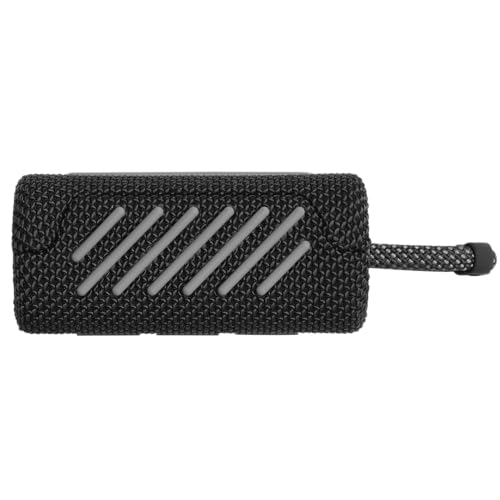
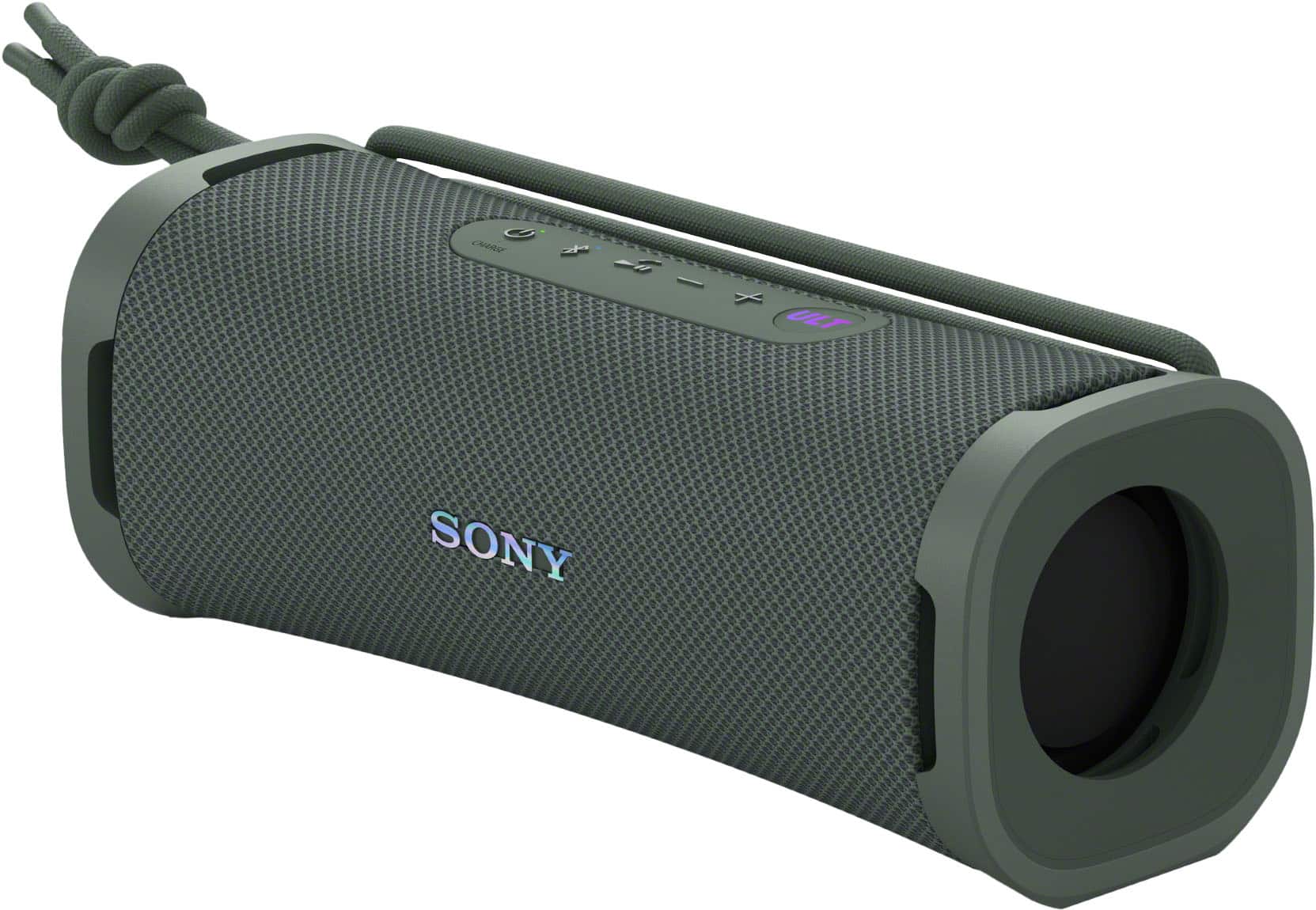
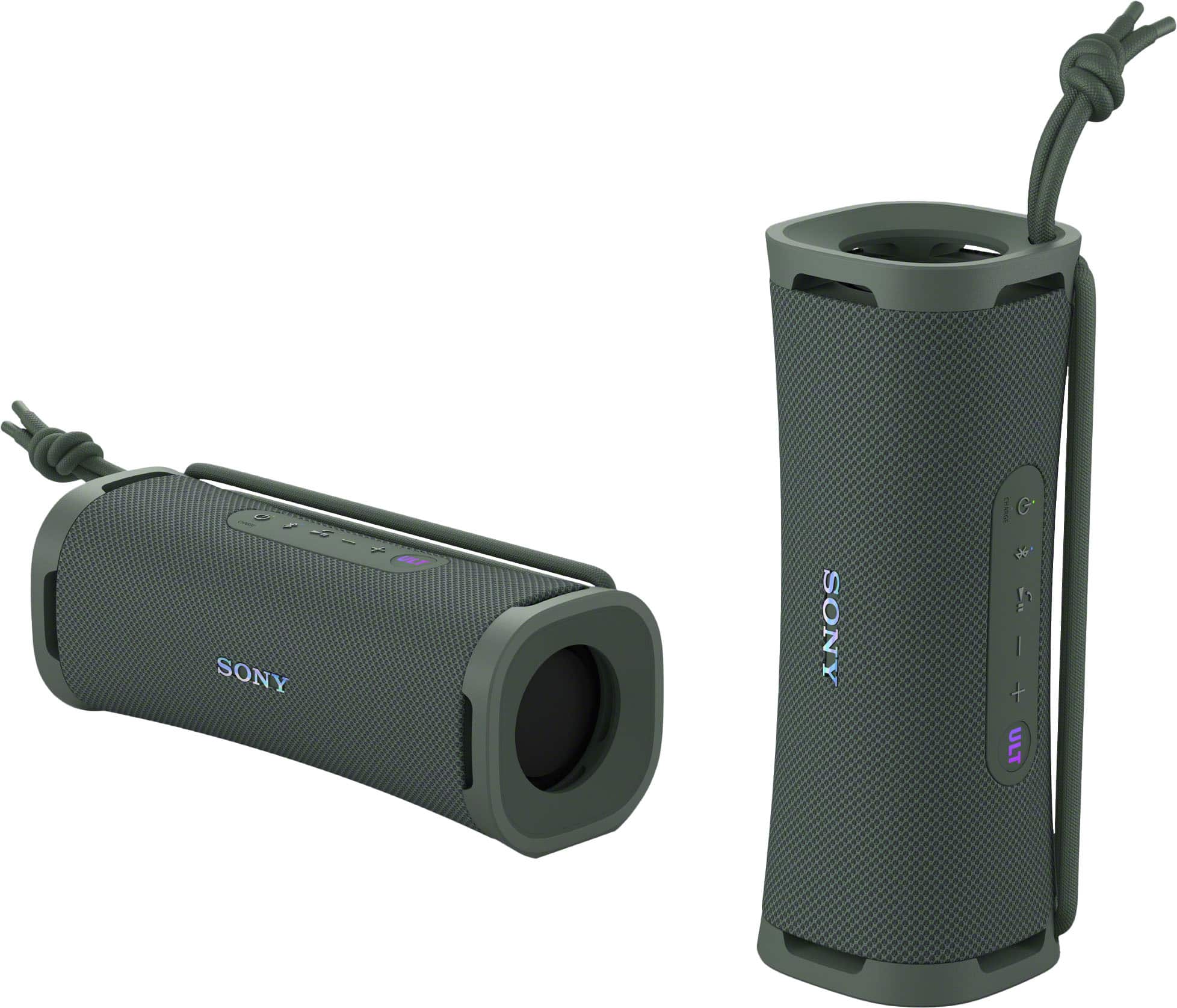
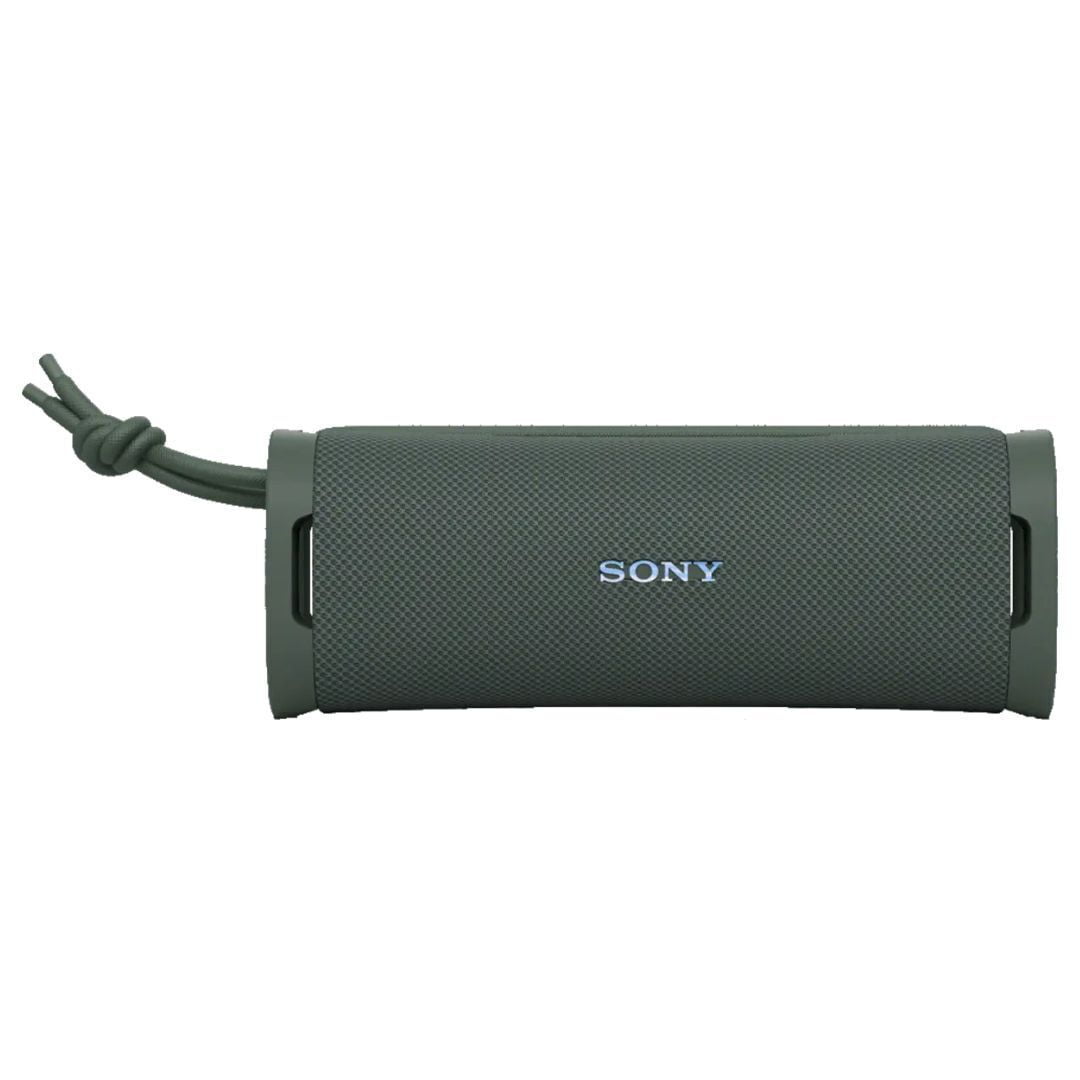



When Bluetooth speakers first hit the mainstream market in the early 2010s, they were mostly terrible – tinny sound, poor battery life, and connectivity issues plagued early models. Fast-forward to 2024, and we're living in a golden age of portable audio. Two speakers that perfectly illustrate how far this category has evolved are the JBL Go 3 and the Sony ULT FIELD 1, though they represent completely different philosophies about what makes a great portable speaker.
The JBL Go 3, released in 2021, embodies the "take it anywhere" approach with its ultra-compact design, while the Sony ULT FIELD 1, launched in 2024, prioritizes serious audio performance with its signature bass-boosting technology. At the time of writing, these speakers sit in different price tiers – the JBL being budget-friendly and the Sony commanding a premium that's roughly four times higher.
Before diving into specifics, it's worth understanding what makes portable speakers tick. The fundamental challenge in this category is the physics-defying act of cramming good sound into a small, battery-powered package. Sound quality, particularly bass response, generally requires larger drivers (the components that actually produce sound) and more internal air volume. Battery life demands efficient amplifiers and power management. Durability requires robust materials that can handle drops, dust, and water.
The result is that every portable speaker is a series of compromises. The question isn't which speaker is objectively "best" – it's which compromises align with your priorities and use cases.
Modern Bluetooth speakers have benefited from several key technological advances since 2020. Bluetooth 5.0 and later versions offer more stable connections and lower power consumption. Digital Signal Processing (DSP) – essentially computer algorithms that optimize sound – has become more sophisticated, allowing manufacturers to squeeze better performance from small drivers. Battery technology has improved, and IP67 water resistance (meaning the device can be submerged in up to one meter of water for 30 minutes) has become standard rather than premium.
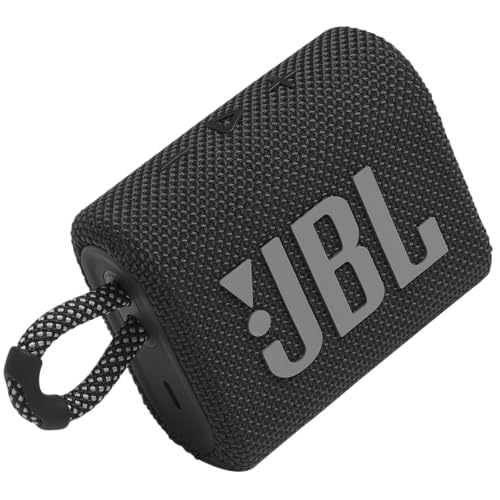
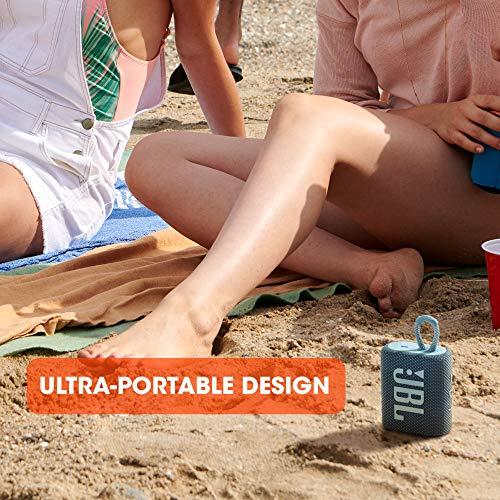
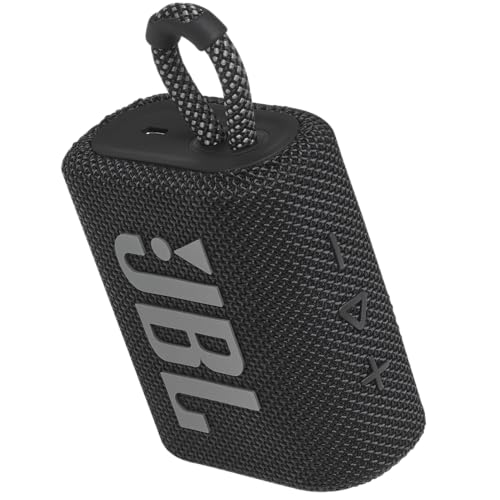
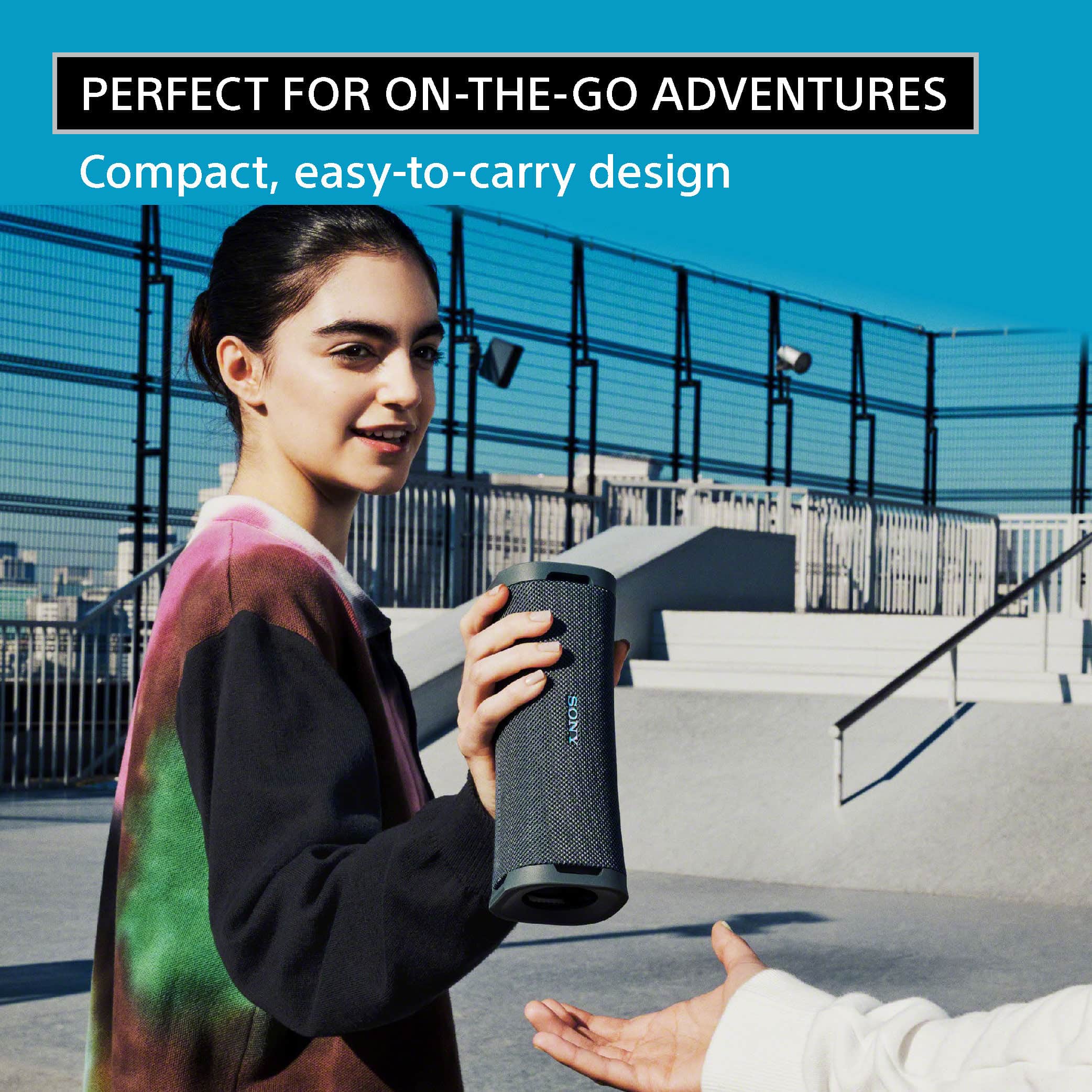
The most immediately obvious difference between the JBL Go 3 and Sony ULT FIELD 1 is size. The JBL is genuinely pocket-friendly at just 3.4 by 2.7 by 1.6 inches and weighing less than half a pound. It's the kind of speaker you can toss in a backpack's side pocket and forget about until you need it.
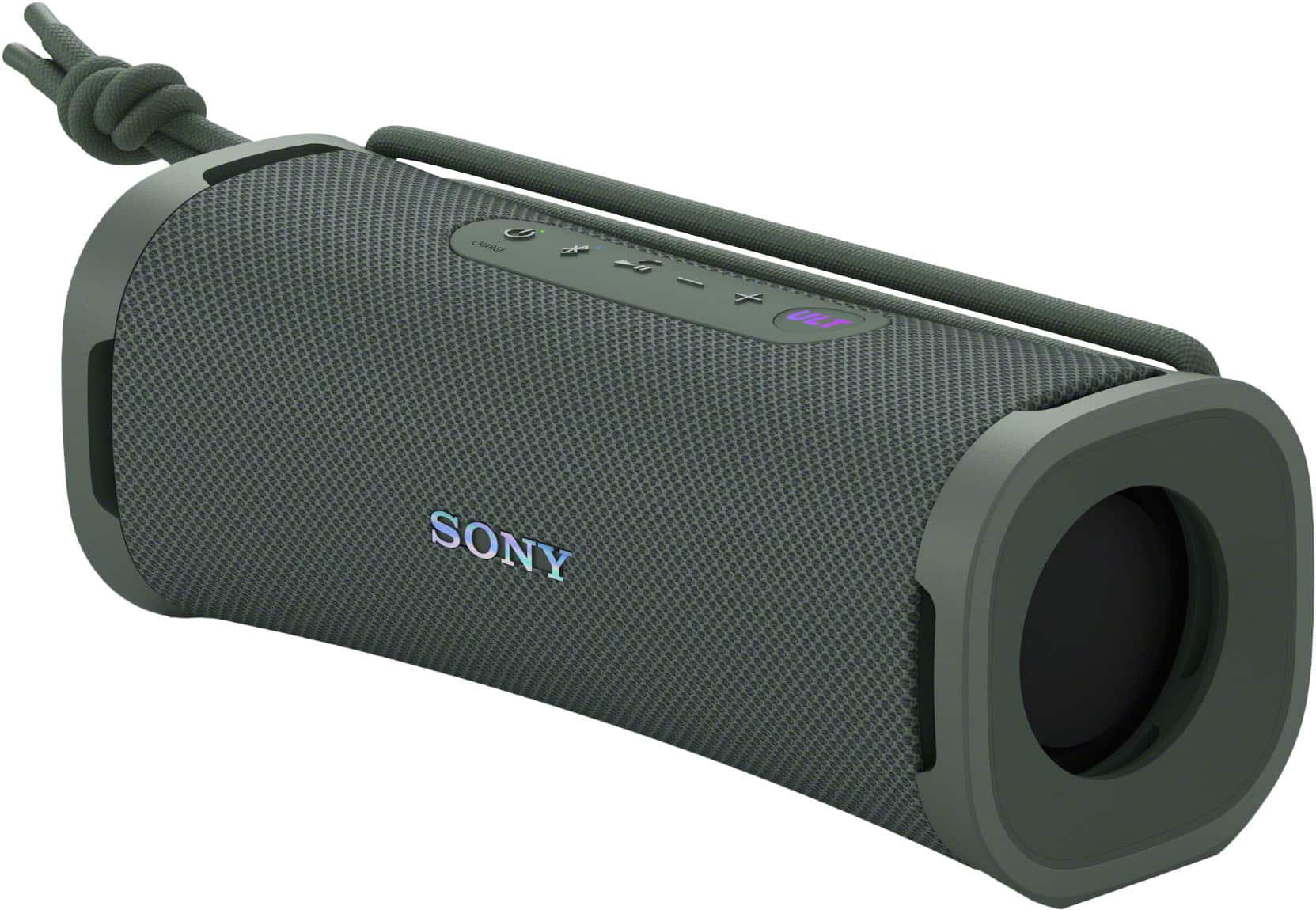
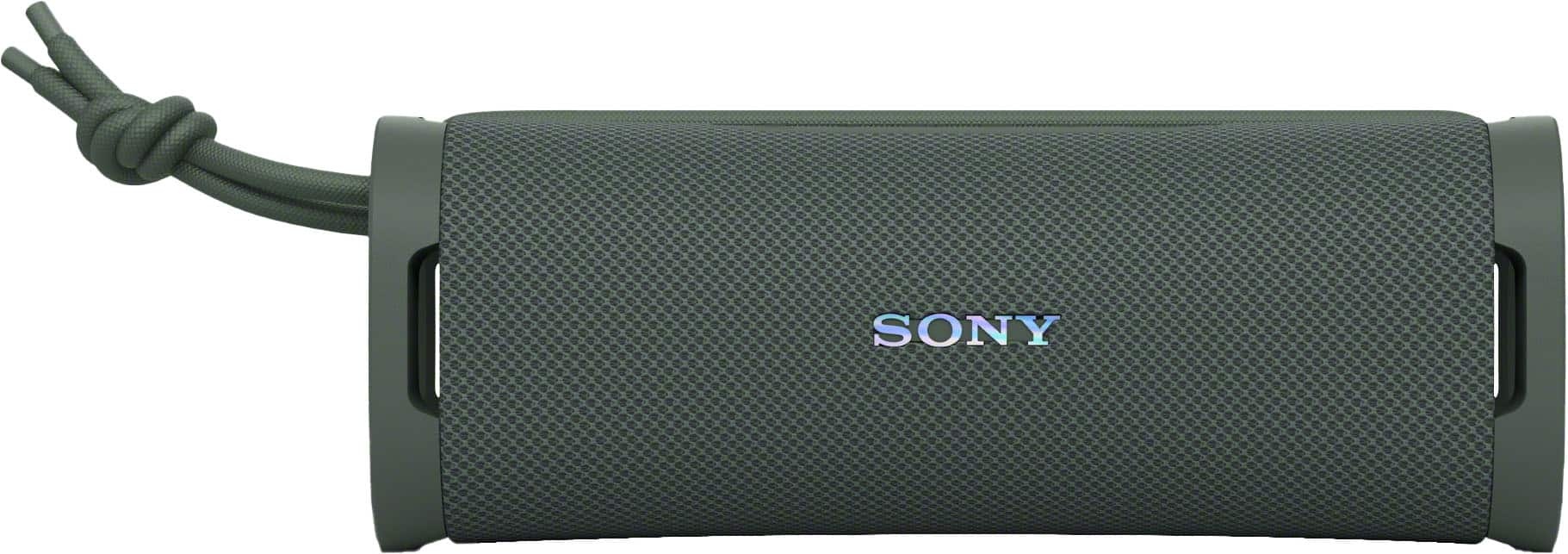
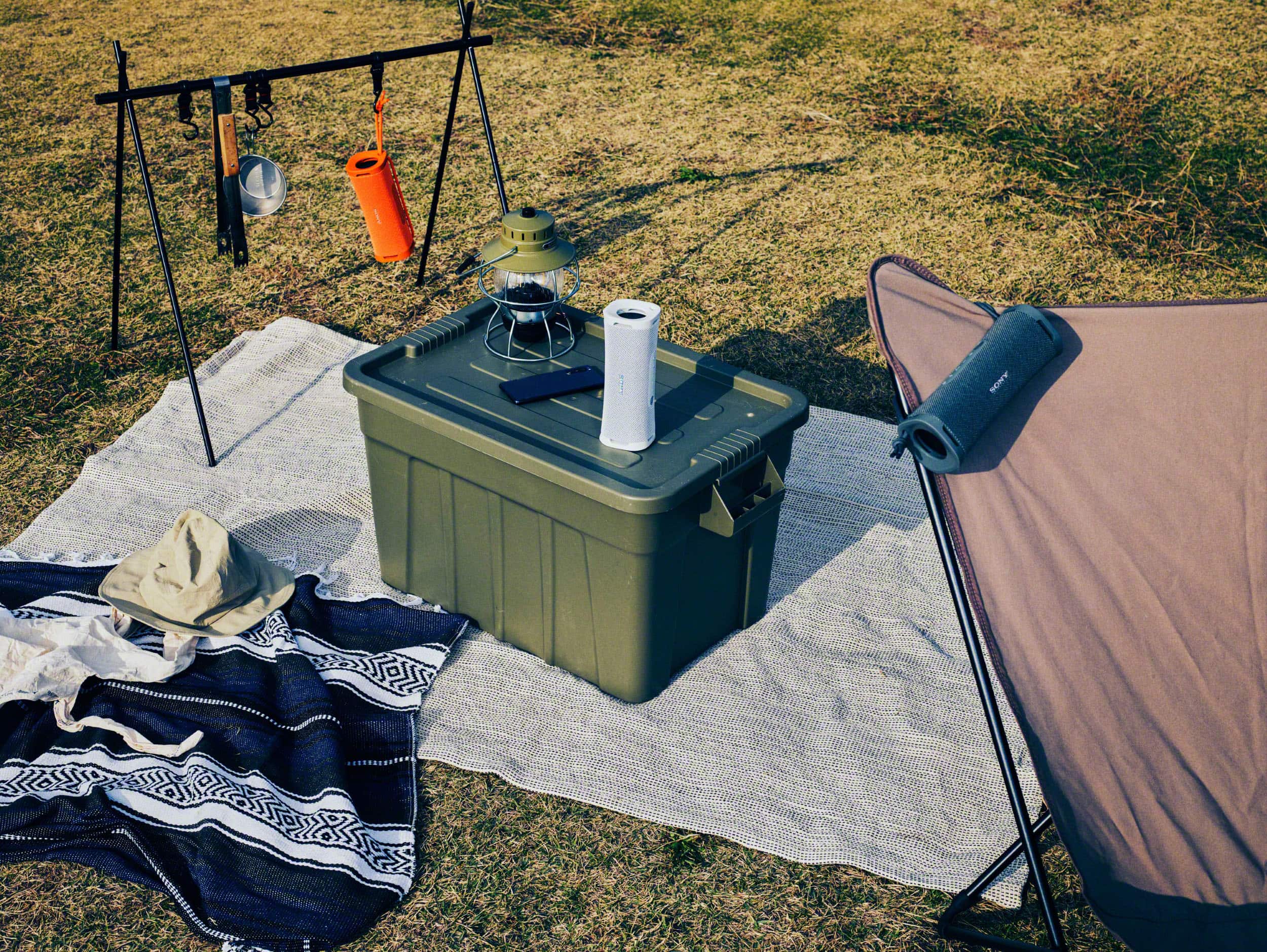
The Sony ULT FIELD 1, while still technically "portable," is nearly four and a half times larger by volume. Sony acknowledges this by including a shoulder strap – a clear signal that this isn't meant for pocket storage. Think of it as the difference between a smartphone and a tablet; both are portable, but they serve different mobility needs.
This size difference isn't arbitrary – it reflects fundamental design priorities. The JBL Go 3 prioritizes ultimate portability, making it ideal for situations where space and weight matter most: hiking, traveling light, or just having a speaker that won't add bulk to your daily carry. The Sony ULT FIELD 1 accepts reduced portability in exchange for the internal volume necessary for better sound, particularly bass response.
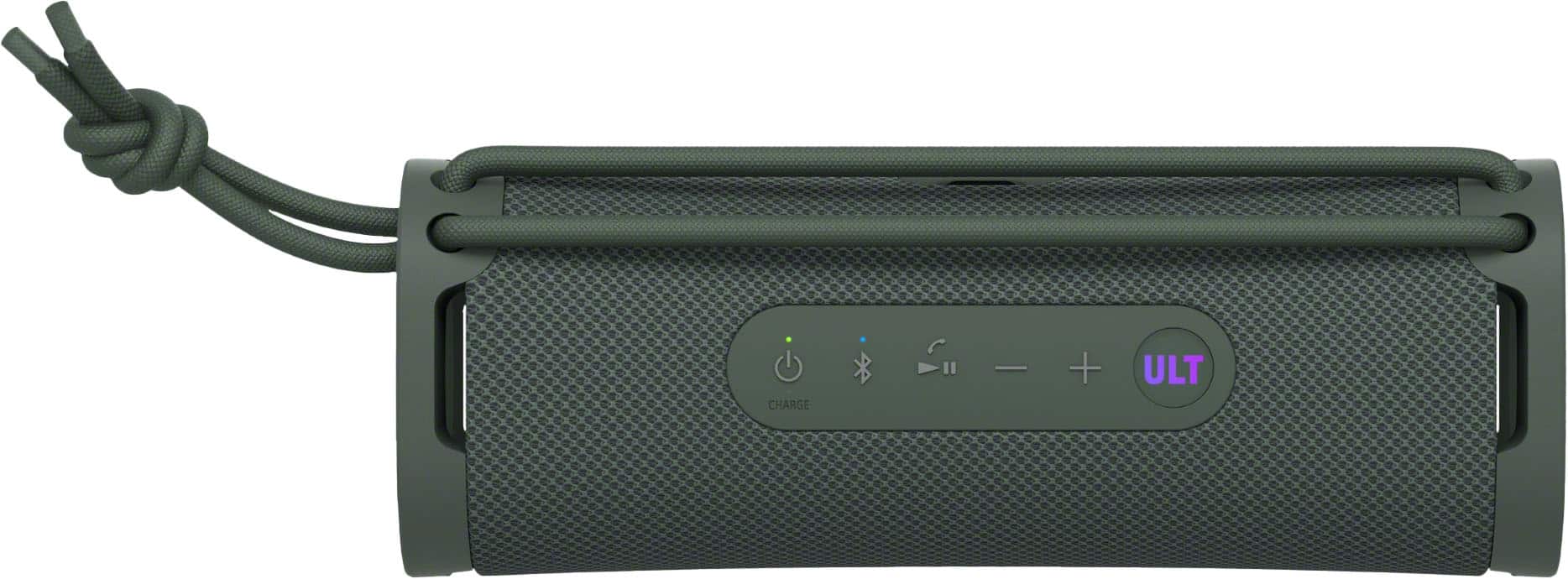
The JBL includes a permanently attached fabric loop that lets you hang it from a hook or carabiner – a thoughtful touch for outdoor activities. Sony's approach with the shoulder strap acknowledges that their speaker is better suited to being carried intentionally rather than just riding along in your pocket.
Here's where things get really interesting. Audio performance in portable speakers comes down to several key factors: frequency response (what range of sounds the speaker can produce), maximum volume before distortion, and overall clarity across different types of music.
Bass response – the reproduction of low-frequency sounds that give music its foundation and punch – is where the Sony ULT FIELD 1 absolutely dominates. The technical specifications tell the story: Sony's speaker can reproduce frequencies down to 20Hz, which is essentially the limit of human hearing for bass. The JBL Go 3, constrained by its tiny size, starts rolling off around 110Hz.
To put this in perspective, the fundamental frequency of a kick drum typically sits around 60-80Hz, while the "thump" you feel in your chest from electronic music often lives in the 30-50Hz range. The JBL Go 3 simply cannot reproduce these frequencies – they're physically impossible given its size constraints. It's not a design flaw; it's physics.
Sony's secret weapon is the ULT button, which activates a bass-boosting mode that transforms the listening experience. This isn't just an EQ tweak – it's a sophisticated DSP algorithm that optimizes the speaker's output for enhanced low-end response. Based on our research into user experiences, engaging ULT mode provides what many describe as "astonishingly deep foundation" that seems almost impossible from a speaker this size.
The trade-off is that ULT mode reduces battery life and can sometimes introduce slight distortion at maximum volumes with particularly bass-heavy electronic music. Some users report a "bubbling" effect with certain tracks, though this seems to be the exception rather than the rule.
While the Sony ULT FIELD 1 wins on bass, the JBL Go 3 holds its own in midrange clarity. Its 47mm driver (compared to Sony's 16mm driver) provides surprisingly articulate vocal reproduction and instrument separation. This makes the JBL particularly well-suited for podcasts, audiobooks, and music where vocal clarity is paramount – think acoustic music, jazz, or classic rock where the bass isn't the primary focus.
The JBL's "Pro Sound" technology, while marketing-speak to some degree, does represent genuine engineering optimization for its size class. The speaker manages to avoid the tinny, harsh sound that plagued early ultra-compact speakers, instead delivering a balanced presentation that punches well above its weight class.
Maximum volume is another area where size matters. The Sony ULT FIELD 1 can fill a medium-sized room or handle a small outdoor gathering, while the JBL Go 3 is better suited to personal listening or very intimate settings.
The JBL's 4.2W RMS power output is adequate for its size, but pushing it to maximum volume with bass-heavy content can result in audible distortion. The Sony's higher power handling means it maintains composure at louder volumes, though neither speaker is designed to be a party machine.
Battery performance represents another fascinating study in different engineering priorities. The Sony ULT FIELD 1 packs a substantial 3000mAh battery – exactly four times the capacity of the JBL's 750mAh cell. This translates to dramatically different endurance characteristics.
Sony rates their speaker at 12 hours with ULT mode engaged, or up to 29 hours in standard mode. Real-world testing by users suggests these figures are conservative – many report exceeding the rated battery life at moderate listening volumes.
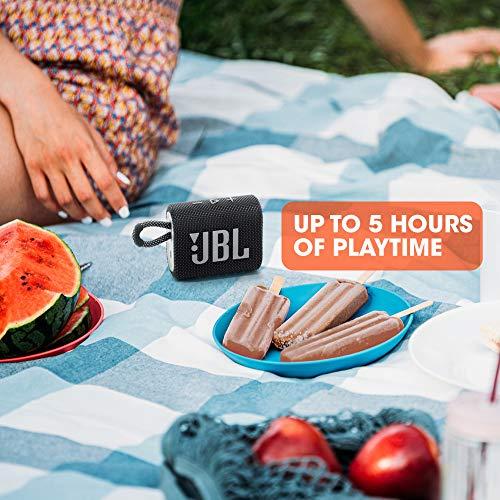
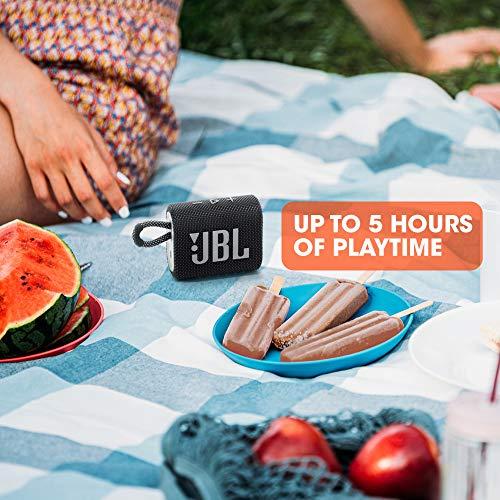
The JBL Go 3, despite its smaller battery, delivers surprisingly good endurance for its size. While officially rated at 5 hours, user reports consistently mention 10+ hours of listening at moderate volumes. This efficiency comes from the speaker's simpler feature set and smaller driver, which requires less power to operate.
The charging story is equally telling. The JBL's smaller battery charges completely in 2.5 hours via USB-C, making it easy to top off between uses. The Sony requires 5 hours for a full charge – not unreasonable given the battery capacity, but something to consider for longer trips.
Both speakers feature automatic power-off to preserve battery life, though the Sony's intelligent power management is more sophisticated, adjusting performance based on battery level and usage patterns.
Both speakers use Bluetooth for wireless connectivity, but they represent different generations of the technology. The JBL Go 3 uses Bluetooth 5.1, while the Sony ULT FIELD 1 employs the newer 5.3 standard. In practical terms, both offer reliable connections, but the Sony's newer Bluetooth version provides slightly better power efficiency and broader codec support.
Codec support – the method by which audio is compressed and transmitted over Bluetooth – is where differences become apparent. The JBL supports only the basic SBC codec, which can introduce slight delays when watching videos. The Sony's broader codec support provides better audio quality and reduces latency issues.
The Sony ULT FIELD 1 includes several premium features absent from the JBL: a built-in microphone for hands-free calls, app-based control through Sony's Music Center software, and a 3-band equalizer for sound customization. However, there's a frustrating limitation – you can't use the EQ and ULT mode simultaneously, which many users find disappointing.
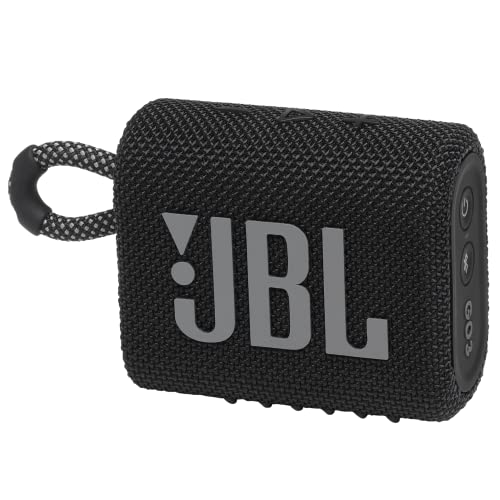
The JBL Go 3 takes a deliberately minimalist approach with three large, tactile buttons for power, Bluetooth pairing, and playback control. There's no app support, which some see as a limitation while others appreciate the simplicity.
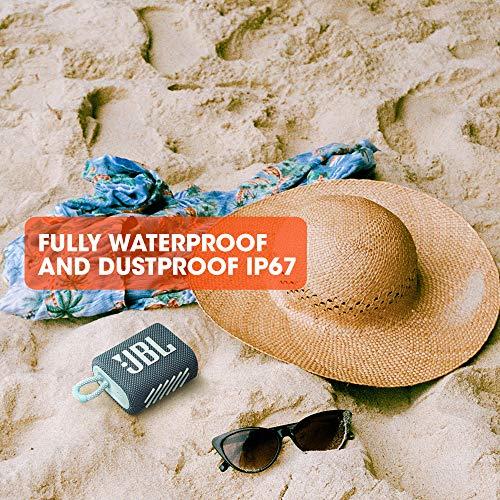
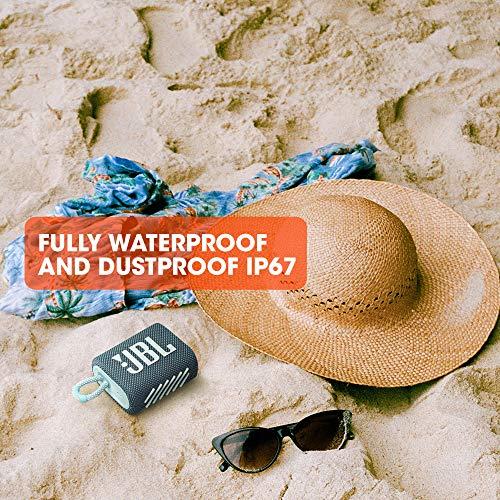
Both speakers earn identical IP67 ratings for water and dust resistance, meaning they can handle submersion, beach sand, and shower steam without issue. However, their different sizes create different durability considerations.
The JBL Go 3 features a ruggedized fabric exterior with rubber accents designed to survive drops and rough handling. Its small size is both a vulnerability (easier to lose) and an advantage (less surface area to damage). The permanently attached fabric loop is reinforced to handle the speaker's full weight.
Sony adds MIL-STD 810H shock compliance to their IP67 rating, indicating enhanced drop protection. The larger size provides more robust internal construction, but also creates a larger target for potential damage. The included shoulder strap is a practical necessity given the size and weight.
Understanding how these speakers perform in actual use scenarios helps clarify their strengths and limitations.
Neither speaker is designed for home theater use, but they serve different indoor roles. The Sony ULT FIELD 1 can serve as a decent desktop speaker or provide room-filling sound for small spaces. Its bass response makes movies and music more engaging, though it lacks the stereo separation and overall fidelity of dedicated home audio equipment.
The JBL Go 3 shines as a secondary or utility speaker – perfect for the bathroom, kitchen, or workshop where space is limited but you want background music. Its clear vocal reproduction makes it excellent for podcasts while cooking or working.
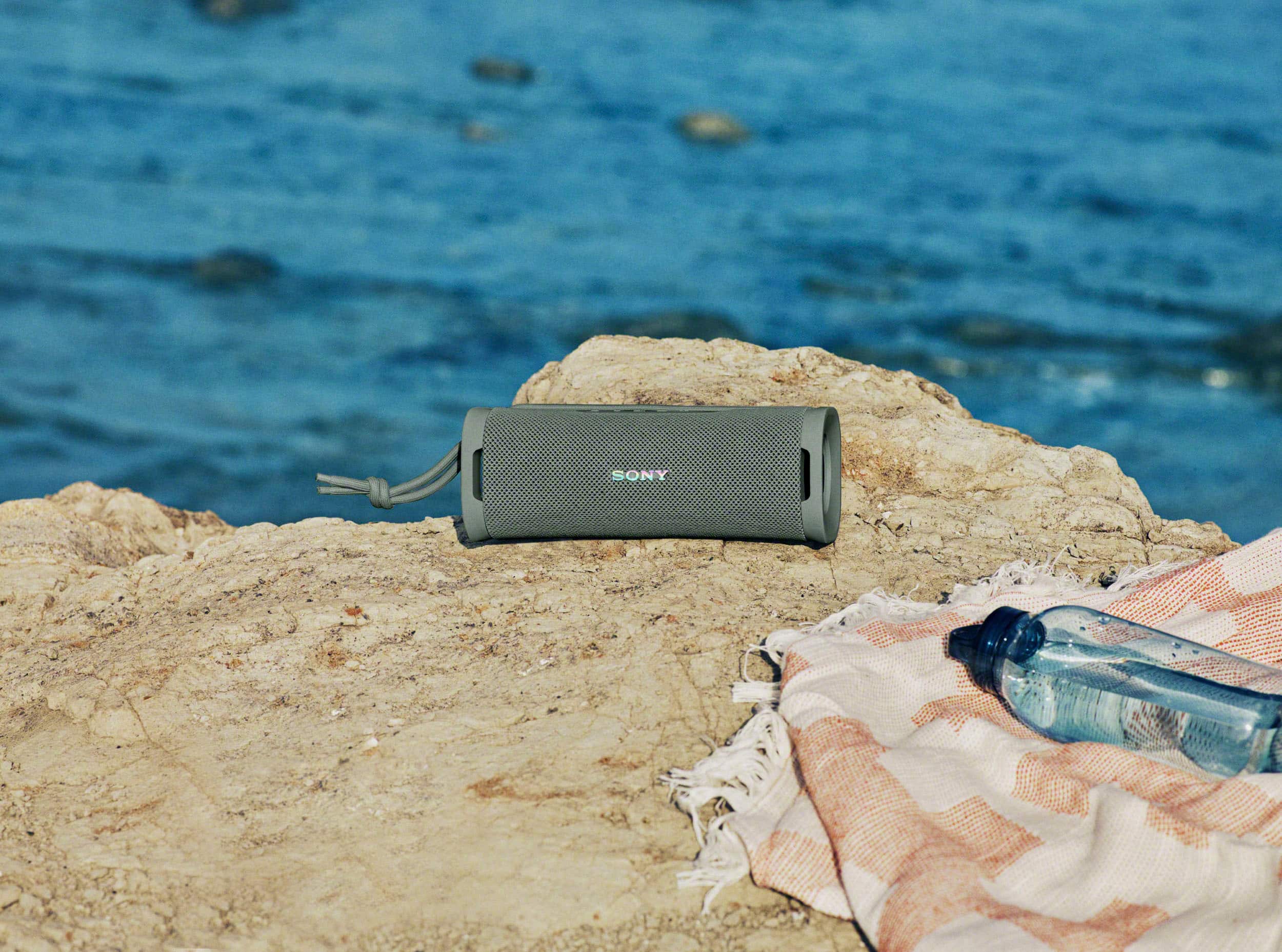
This is where the philosophical differences become most apparent. The JBL Go 3 excels at true portability – hiking, camping, or any situation where every ounce matters. Its small size means it won't dominate your pack, and the battery life is adequate for day trips.
The Sony ULT FIELD 1 is better suited to car camping, beach days, or outdoor gatherings where you're not carrying the speaker for extended periods. The enhanced bass makes outdoor music more engaging, and the longer battery life supports all-day events.
Genre compatibility varies significantly between these speakers. The JBL Go 3 handles acoustic music, jazz, classical, and vocal-heavy genres beautifully. Its clear midrange reproduction makes singer-songwriter content particularly engaging.
Bass-heavy genres like electronic, hip-hop, and modern pop dramatically favor the Sony ULT FIELD 1. The ULT mode isn't just a gimmick – it genuinely transforms how these genres sound, providing the foundation that makes the music feel complete.
At the time of writing, these speakers occupy different value territories that reflect their target audiences and feature sets. The JBL Go 3 represents exceptional value in the ultra-portable category, delivering reliable performance and build quality at an accessible price point. It's the kind of speaker that makes sense as an impulse purchase or gift.
The Sony ULT FIELD 1 commands a significant premium that reflects its enhanced audio performance, longer battery life, and additional features. Whether that premium is justified depends entirely on how much you value audio quality and bass response in a portable package.
For casual users who want a reliable, ultra-portable speaker for occasional use, the JBL's value proposition is compelling. For more serious listeners who want their portable speaker to handle all music genres competently, the Sony's premium may be justified.
Both speakers represent mature approaches to their respective categories. The JBL Go 3, despite being three years old at the time of writing, remains competitive because its core value proposition – extreme portability with acceptable sound – is largely timeless.
The Sony ULT FIELD 1, being newer, incorporates more recent advances in Bluetooth technology and DSP algorithms. However, the fundamental physics of portable speaker design mean that dramatic improvements require either size increases or significant technological breakthroughs.
The choice between the JBL Go 3 and Sony ULT FIELD 1 ultimately comes down to priorities and use cases.
Choose the JBL Go 3 if ultimate portability matters most to you. It's perfect for travelers, hikers, students, or anyone who wants a speaker that disappears into their daily carry but provides reliable performance when needed. The clear vocal reproduction makes it excellent for podcasts and calls, while the budget-friendly price makes it accessible for most buyers.
The Sony ULT FIELD 1 makes sense for users who prioritize audio quality and are willing to accept reduced portability for better performance. If you listen to bass-heavy music, want a speaker that can handle small gatherings, or value features like EQ customization and app control, the premium is justified.
Neither speaker is perfect – the JBL sacrifices audio quality for portability, while the Sony sacrifices true portability for sound quality. But both excel at what they're designed to do, representing different but equally valid approaches to portable audio.
The key is honest self-assessment about how you'll actually use the speaker. If it's going to live in your backpack and get pulled out for casual listening, the JBL Go 3 is probably the smarter choice. If you want a speaker that can serve as your primary portable audio solution and handle serious music listening, the Sony ULT FIELD 1 delivers the performance to justify its higher price.
| JBL Go 3 | Sony ULT FIELD 1 |
|---|---|
| Size & Weight - Critical for true portability | |
| 3.4" x 2.7" x 1.6", 0.46 lbs (genuinely pocket-friendly) | 4.5x larger by volume with shoulder strap (backpack/car friendly) |
| Bass Response - Determines music genre compatibility | |
| 110Hz-20kHz (minimal bass, great for vocals/podcasts) | 20Hz-20kHz with ULT mode (genuine bass for all music genres) |
| Battery Life - Essential for outdoor adventures | |
| 5 hours official, 10+ hours real-world at moderate volume | 12 hours with ULT mode, up to 29 hours in standard mode |
| Audio Power - Affects maximum volume and room filling | |
| 4.2W RMS (personal listening, small spaces) | Higher output handles louder volumes without distortion |
| Water Resistance - Protection for outdoor use | |
| IP67 waterproof and dustproof | IP67 waterproof and dustproof plus MIL-STD shock compliance |
| Connectivity - Affects audio quality and device compatibility | |
| Bluetooth 5.1, SBC codec only (may cause video lag) | Bluetooth 5.3, broader codec support (better quality, less lag) |
| Special Features - Value-added functionality | |
| Fabric hanging loop, 3-button simplicity | ULT bass boost, built-in mic, app control, 3-band EQ |
| Charging Speed - Convenience for frequent use | |
| 2.5 hours via USB-C (quick top-offs between uses) | 5 hours via USB-C (longer but massive battery capacity) |
| Best Use Cases - Who should buy this speaker | |
| Ultra-portable backup, travel, hiking, shower speaker | Primary portable speaker, outdoor gatherings, bass-heavy music |
The JBL Go 3 is significantly more portable, measuring just 3.4" x 2.7" x 1.6" and weighing only 0.46 lbs. It's genuinely pocket-friendly with a fabric hanging loop. The Sony ULT FIELD 1 is nearly 4.5 times larger by volume and requires a shoulder strap for comfortable carrying, making it better suited for backpack or car transport rather than true pocket portability.
The Sony ULT FIELD 1 delivers dramatically better bass with its ULT mode, reproducing frequencies down to 20Hz compared to the JBL Go 3's 110Hz limitation. The Sony's enhanced bass makes it ideal for electronic music, hip-hop, and modern pop, while the JBL focuses on clear mids and highs with minimal low-end presence.
The Sony ULT FIELD 1 offers superior battery life with 12 hours in ULT mode or up to 29 hours in standard mode, thanks to its 3000mAh battery. The JBL Go 3 provides 5 hours officially but often exceeds 10 hours at moderate volumes with its smaller 750mAh battery that charges faster at 2.5 hours versus Sony's 5-hour charging time.
Both speakers feature IP67 water and dust resistance, but they serve different outdoor needs. The JBL Go 3 excels for hiking and activities where weight matters, while the Sony ULT FIELD 1 is better for camping, beach days, and outdoor gatherings where enhanced sound quality and longer battery life are priorities over extreme portability.
The Sony ULT FIELD 1 includes a built-in microphone with echo cancellation for clear hands-free calling. The JBL Go 3 does not have a built-in microphone, so it cannot handle phone calls directly through the speaker.
The Sony ULT FIELD 1 provides superior overall sound quality with its broader frequency response, ULT bass enhancement, and higher power output. The JBL Go 3 delivers impressive clarity for its ultra-compact size, particularly excelling in vocal reproduction and midrange accuracy, but cannot match the Sony's fuller, richer sound.
The Sony ULT FIELD 1 works with the Sony Music Center app, offering a 3-band EQ for sound customization, though you cannot use EQ and ULT mode simultaneously. The JBL Go 3 does not support any app connectivity, maintaining a simple three-button control interface without customization options.
The JBL Go 3 handles acoustic music, jazz, classical, and vocal-heavy genres excellently due to its clear midrange. The Sony ULT FIELD 1 is superior for bass-heavy genres like electronic, hip-hop, and modern pop, with its ULT mode providing the foundation these genres require for a complete listening experience.
The Sony ULT FIELD 1 uses newer Bluetooth 5.3 with broader codec support for better audio quality and reduced latency. The JBL Go 3 uses Bluetooth 5.1 with only SBC codec support, which may cause slight delays when watching videos but maintains reliable connectivity for music playback.
The JBL Go 3 provides exceptional value in the ultra-portable category with reliable performance at an accessible price point. The Sony ULT FIELD 1 commands a significant premium but justifies it with superior audio quality, enhanced bass, longer battery life, and additional features like app control and call handling.
The Sony ULT FIELD 1 can effectively fill medium-sized rooms and handle small gatherings with its higher power output and bass response. The JBL Go 3 is better suited for personal listening or very intimate settings, as its compact size limits maximum volume and room-filling capability.
Choose the JBL Go 3 for air travel, backpacking, or any situation where space and weight are critical factors. Its genuine pocket-friendly size and quick charging make it ideal for frequent travelers. The Sony ULT FIELD 1 is better for car trips, hotel rooms, or travel where you want quality audio and aren't concerned about extreme portability.
We've done our best to create useful and informative comparisons to help you decide what product to buy. Our research uses advanced automated methods to create this comparison and perfection is not possible - please contact us for corrections or questions. These are the sites we've researched in the creation of this article: rtings.com - streamtechreviews.com - english.achoreviews.com - smarthomesounds.co.uk - soundguys.com - rtings.com - walmart.com - soundguys.com - youtube.com - youtube.com - jbl.com - youtube.com - selectoguru.com - versus.com - videoandaudiocenter.com - harmanaudio.com - jbl.com - bestbuy.com - forum.hifiguides.com - manuals.plus - kh.jbl.com - th.jbl.com - mm.jbl.com - jbl.com - bestbuy.com - youtube.com - youtube.com - youtube.com - jbl.com - bestbuy.com - bestbuy.com - jbl.com.tw - youtube.com - rtings.com - youtube.com - youtube.com - soundguys.com - techradar.com - electronics.sony.com - thesonyshop.ca - bestbuy.com - electronics.sony.com - sony.ca - stereoguide.com - youtube.com - electronics.sony.com

Privacy Policy
Terms and Conditions - Affiliate Policy
Home Security
© Copyright 2008-2026.
11816 Inwood Rd #1211, Dallas, TX 75244