







Portable Bluetooth speakers have become essential gadgets for anyone who wants their music to follow them around. Whether you're headed to the beach, camping in the wilderness, or just want better sound than your phone's tiny speakers can deliver, these devices bridge the gap between convenience and audio quality. But with hundreds of options flooding the market, choosing the right one can feel overwhelming.
Two speakers that represent very different approaches to portable audio are the JBL Go 3 and the Sony XE300. Released in 2021 and 2022 respectively, these devices showcase how manufacturers are tackling the fundamental challenge of portable audio: balancing size, sound quality, battery life, and price.
Before diving into specifics, it's worth understanding what separates good portable speakers from mediocre ones. The physics of sound reproduction haven't changed – larger drivers (the parts that actually make sound) generally produce better bass and can move more air to create volume. However, modern engineering has found clever ways to maximize performance within size constraints.
The most important performance characteristics for portable speakers include frequency response (how well they reproduce different pitches), maximum volume without distortion, battery life, and build quality. Frequency response is particularly critical because tiny speakers naturally struggle with bass frequencies – the low rumbling sounds that give music its foundation and power.
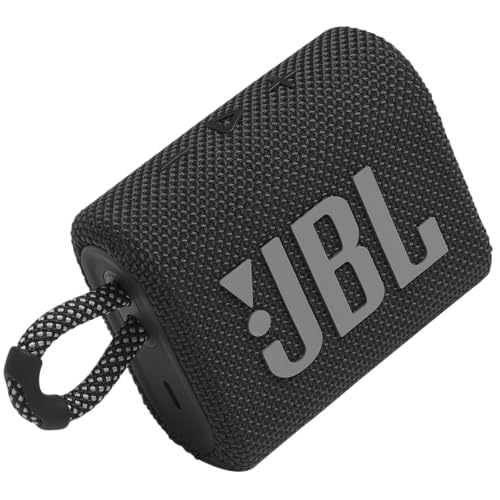
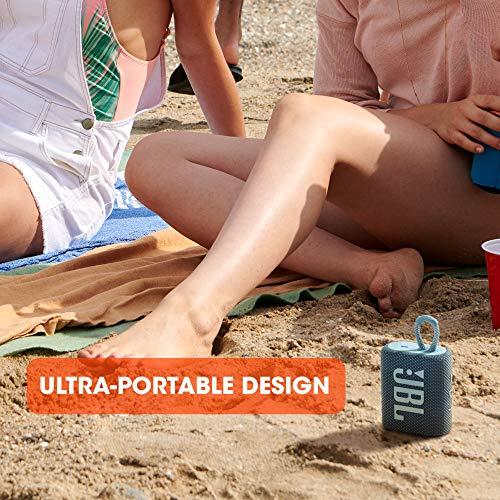
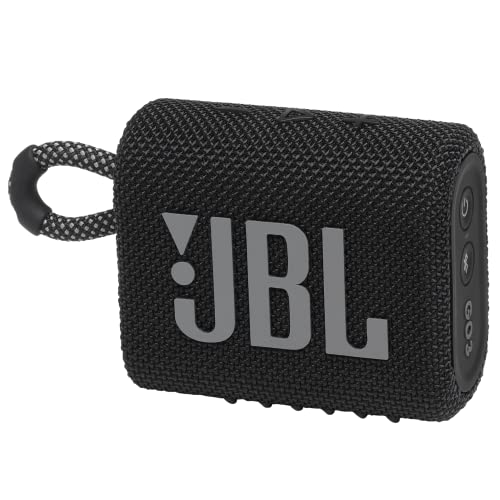
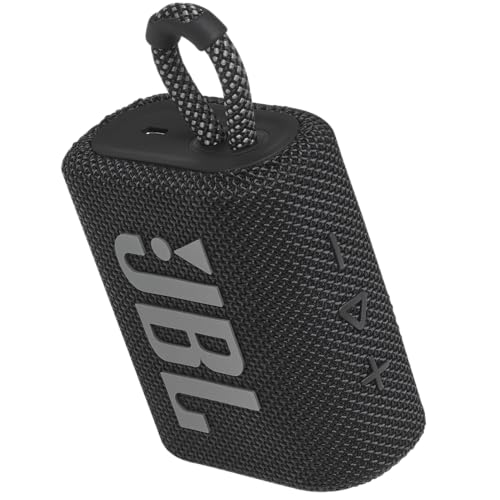
The JBL Go 3 represents JBL's philosophy that a speaker should never be too big to bring along. At just over 3 inches wide and weighing less than half a pound, this little cube can literally fit in your pocket. JBL updated their Go series in 2021 with improved design and better water resistance, addressing common complaints about earlier versions.
What makes the Go 3 special isn't just its size – it's how much sound JBL manages to extract from such a tiny package. The speaker uses a single 43mm driver (that's about 1.7 inches across) powered by 4.2 watts. To put that in perspective, most smartphone speakers use less than 1 watt, so you're getting genuinely more powerful audio despite the compact size.
The secret sauce is JBL's "Pro Sound" tuning, which optimizes the frequency response for clarity rather than trying to force bass that simply can't exist in this form factor. This means vocals, guitars, and most instruments sound surprisingly clear and detailed. The trade-off is obvious – you won't get the thumping bass that makes hip-hop and electronic music feel powerful, but for podcasts, acoustic music, and general listening, the Go 3 punches well above its weight class.
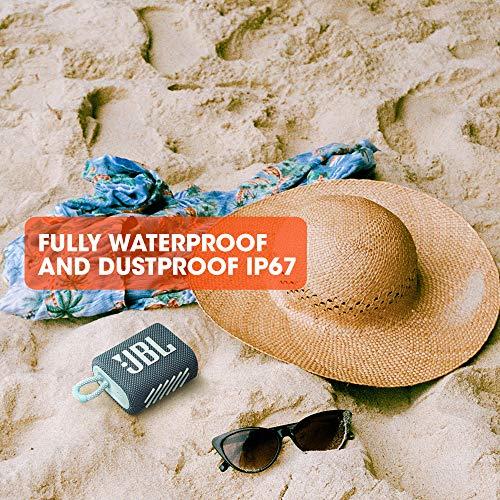
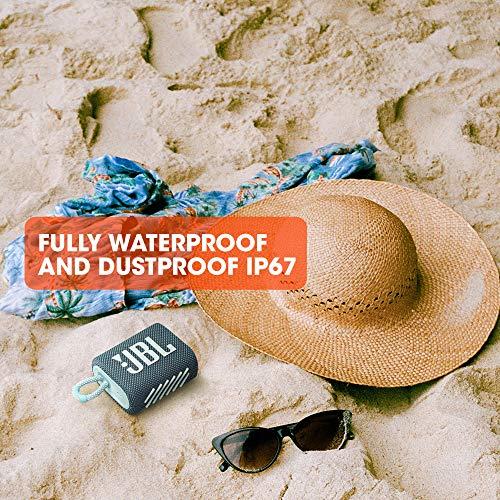
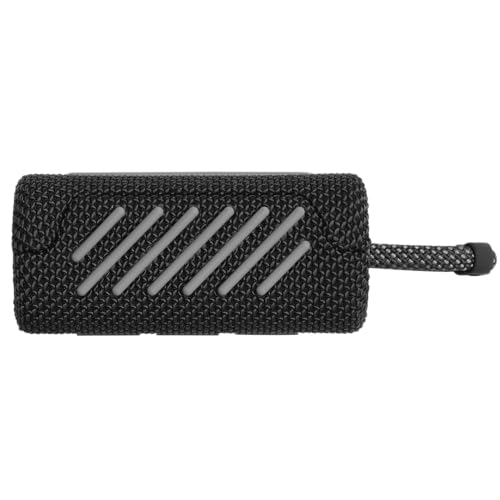
JBL also nailed the practical details. The integrated fabric loop means you can clip it to a backpack, and the IP67 waterproof rating means it can handle being dunked in water or covered in sand. The rubberized exterior with fabric grille gives it a premium feel that doesn't scream "cheap gadget."
The main limitation is battery life – at 5 hours maximum, you'll need to plan charging breaks for longer outings. USB-C charging is a welcome modern touch, and the 2.5-hour charge time isn't unreasonable for the size.
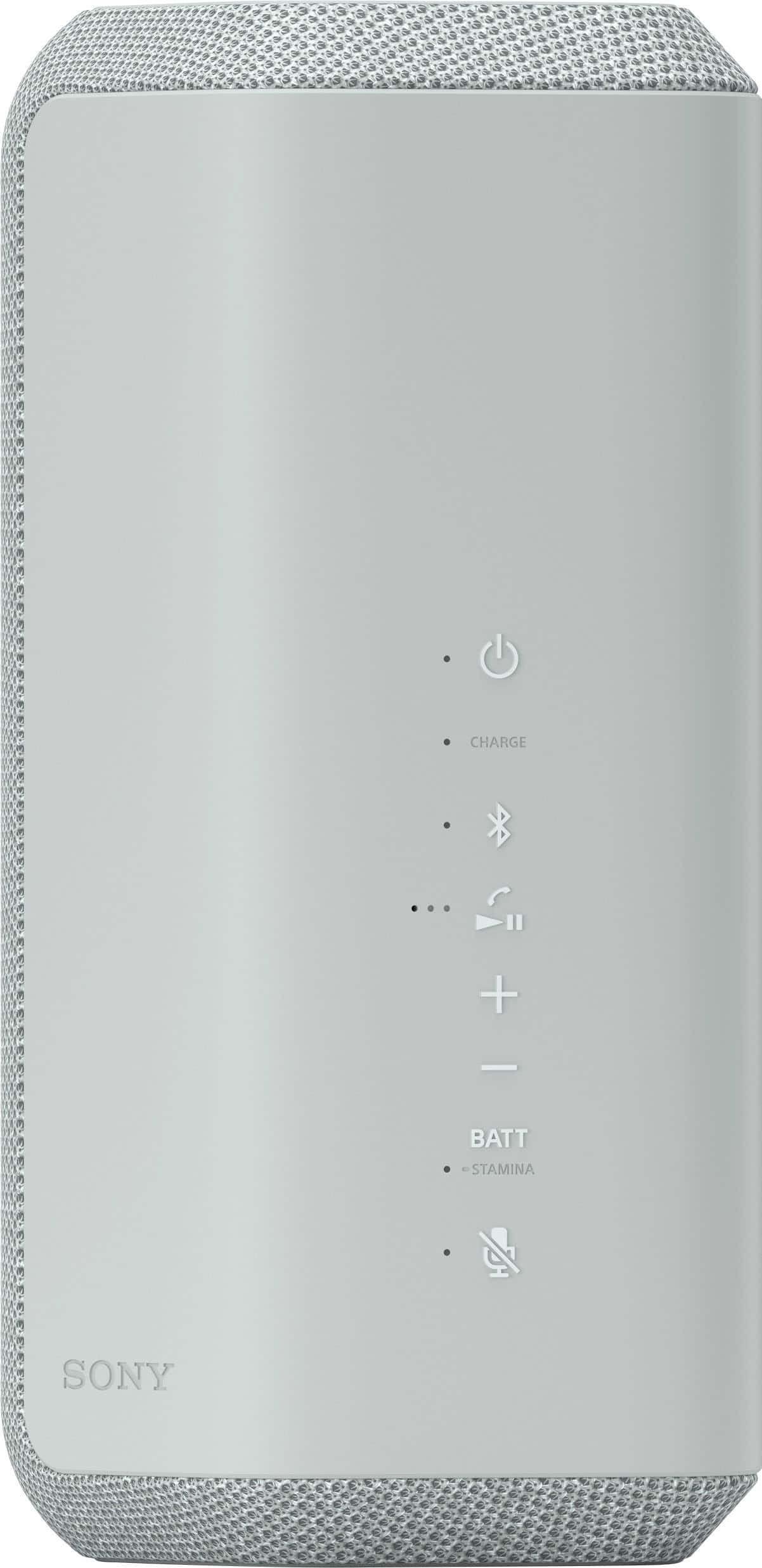
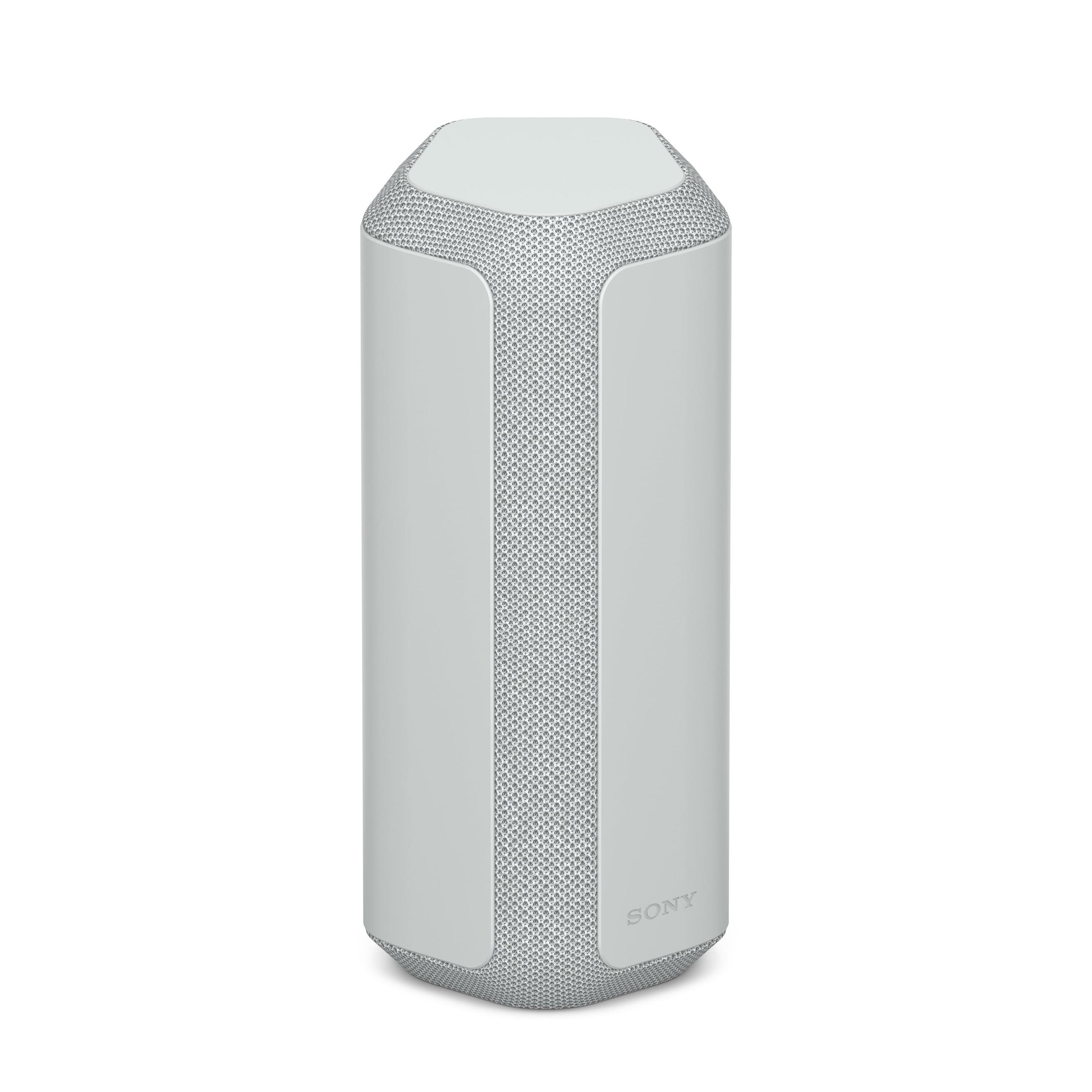
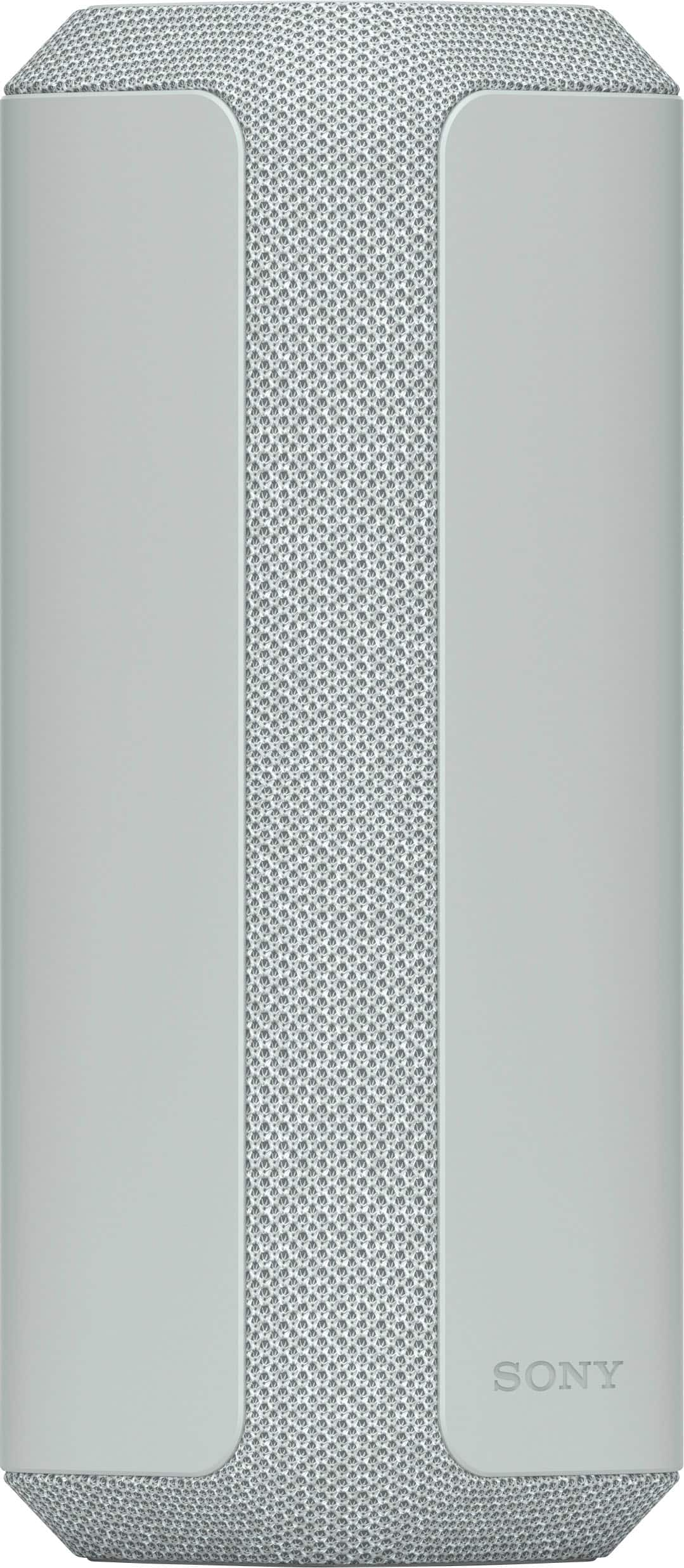
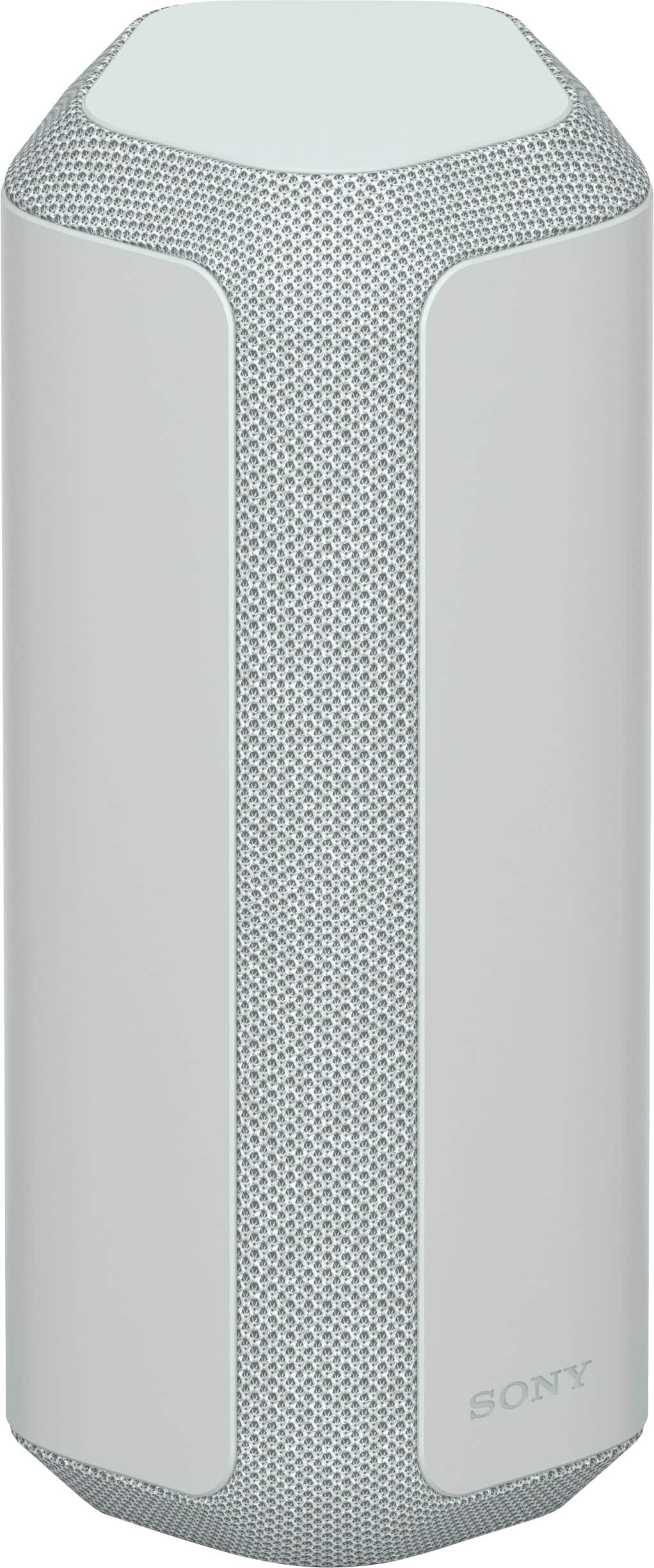
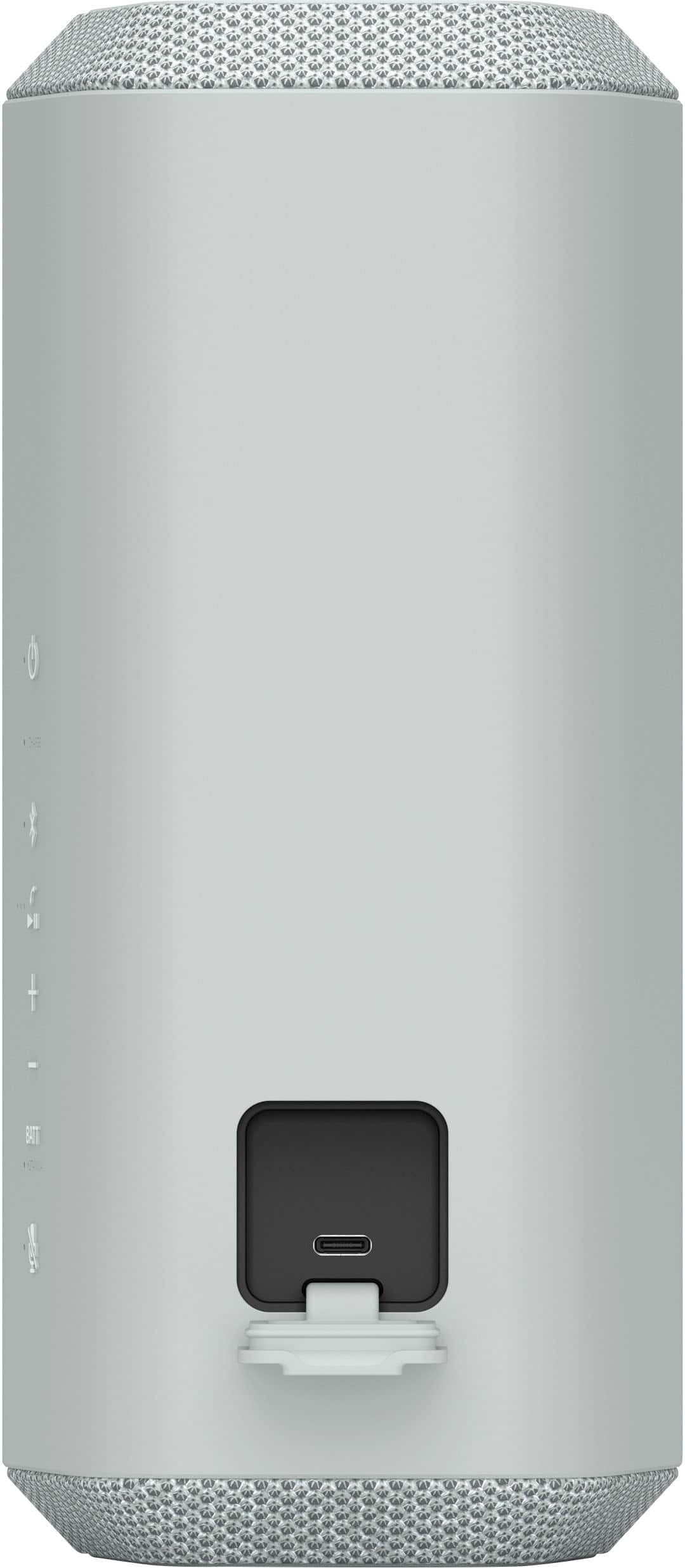
Sony took a completely different approach with the XE300, released in 2022 as part of their push into more competitive portable audio. Rather than prioritizing extreme portability, Sony focused on delivering genuinely impressive sound quality in a still-reasonable size.
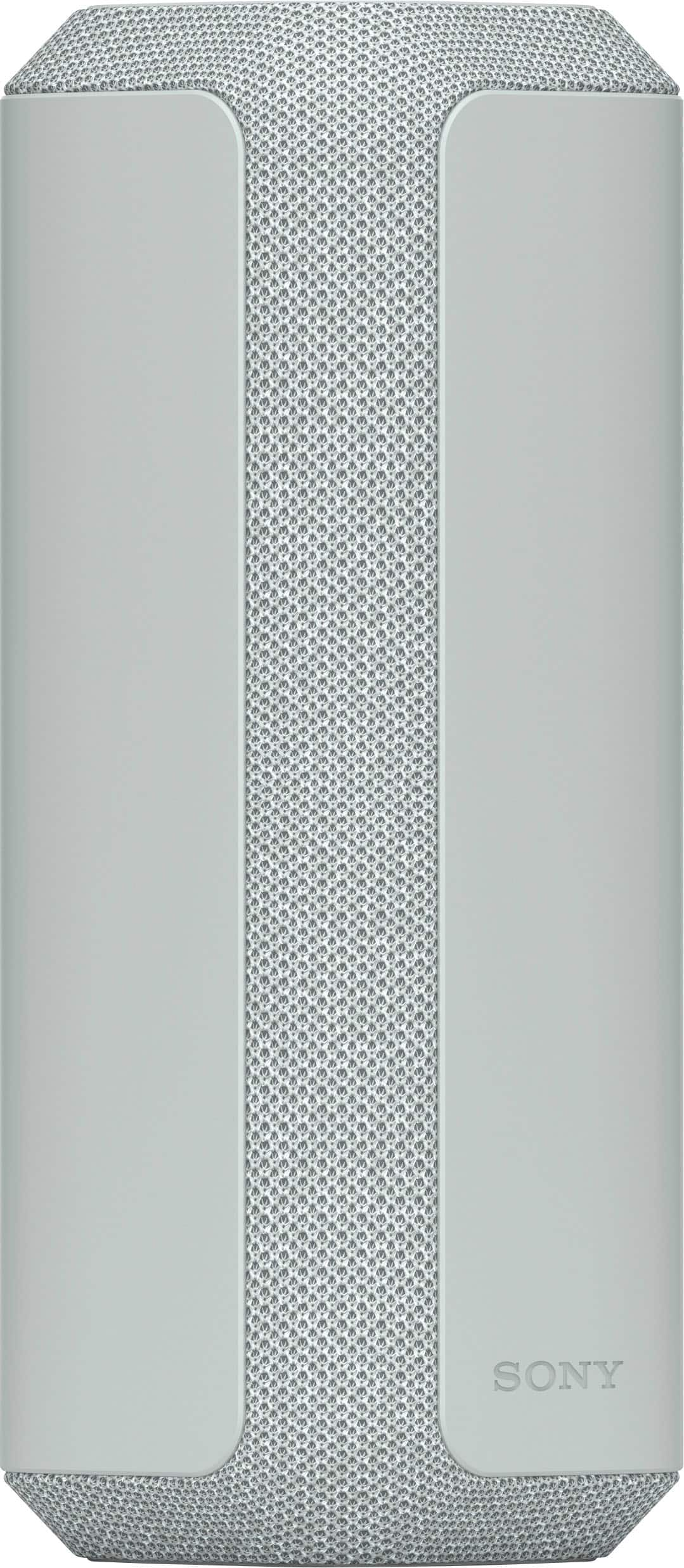
The XE300 is about the size of a large water bottle and weighs just under 3 pounds – still very portable, but clearly designed for backpacks rather than pockets. This extra space allows Sony to implement some genuinely clever audio engineering.
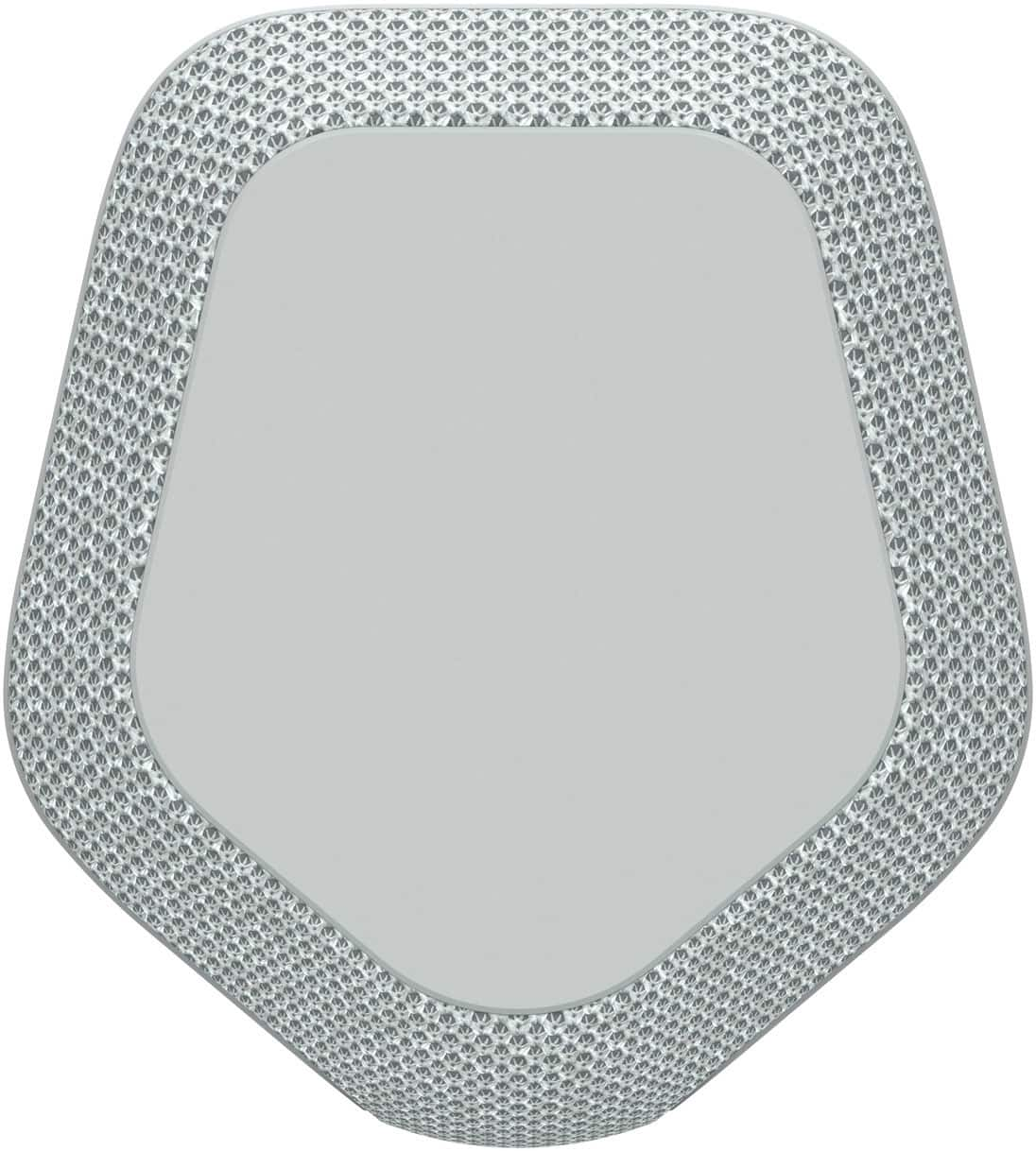
The centerpiece is Sony's "X-Balanced Speaker Unit," which sounds like marketing speak but actually represents a real innovation. Traditional round drivers waste space in rectangular enclosures, so Sony designed a non-circular driver that maximizes the cone area within the available space. This translates to more air movement and better bass response without making the speaker larger.
Working alongside the main driver are dual passive radiators – essentially speakers without magnets that vibrate in response to air pressure changes inside the speaker. This creates much more convincing bass than the Go 3 could ever manage, making the XE300 genuinely enjoyable for bass-heavy music genres.
Sony's "Line-Shape Diffuser" is another interesting technology borrowed from professional concert systems. Instead of projecting sound in a cone shape like traditional speakers, it creates a line source that spreads sound more evenly across a wider area. In practical terms, this means the XE300 sounds more consistent whether you're sitting directly in front of it or off to the side.
The 20-watt total output is nearly five times more powerful than the Go 3, and the difference is immediately apparent. The XE300 can easily fill a medium-sized room or provide background music for outdoor gatherings.
Perhaps most impressively, Sony managed to pack a 24-hour battery into this package. That's not a typo – with moderate volume levels, this speaker can literally run for a full day without charging. Quick charging provides over an hour of playback from just 10 minutes plugged in, making it nearly impossible to be caught with a dead battery.
The sound quality difference between these speakers is substantial, but it's important to understand why and when it matters. The Go 3 delivers surprisingly clear midrange and treble for its size, making it genuinely pleasant for spoken content, acoustic music, and anything where vocals are prominent. The frequency response starts rolling off around 140Hz, which means you'll miss the deeper bass notes but still get some punch from upper bass and lower midrange frequencies.
The XE300 plays in a different league entirely. Its frequency response extends down to around 60-70Hz, capturing most of the bass content in popular music. The dual passive radiators provide real thump that you can feel, not just hear. More importantly, the larger drivers and higher power output mean the XE300 maintains composure at higher volumes where the Go 3 starts to compress and distort.
For home theater use, neither speaker is designed as a primary audio solution, but the XE300 makes a surprisingly capable secondary speaker for casual TV watching or as background audio for parties. The Go 3 works better for personal device audio when you want something better than built-in speakers but don't need room-filling sound.
The codec support tells another story about audio priorities. Both speakers handle standard SBC and AAC Bluetooth codecs, but the XE300 also supports Sony's LDAC codec, which can transmit nearly three times more audio data. If you have a compatible Android device or Sony audio player, you'll get noticeably better wireless audio quality.
Battery life represents perhaps the starkest difference between these approaches. The Go 3's 5-hour rating is honest but limiting – it's enough for a beach day or evening gathering, but not for extended camping trips or all-day events. In real-world testing, volume levels significantly impact battery life, so playing at maximum volume might give you closer to 3-4 hours.
The XE300's 24-hour rating seems almost absurd for a portable speaker, but it reflects Sony's focus on eliminating battery anxiety. Even heavy users report getting 12-15 hours of loud playback, and moderate listening can indeed approach the full 24-hour claim. The practical impact is enormous – you can take this speaker on multi-day camping trips without worrying about charging.
Both speakers charge via USB-C, which is increasingly important as more devices standardize on this connector. The XE300's quick charging is genuinely useful, providing meaningful playback time from brief charging sessions.
Both speakers earn their IP67 waterproof ratings, meaning they can survive being submerged in a meter of water for 30 minutes. In practical terms, this means rain, spills, pool splashes, and beach sand won't kill them. The Go 3 feels solid despite its lightweight construction, with rubberized surfaces that provide good grip and protection from drops.
The XE300 feels more substantial, which makes sense given its size and weight. The rubberized exterior does show scratches and scuffs more easily than the Go 3's fabric-wrapped design, but the underlying construction feels built to last.
Both speakers feature thoughtful design touches like easy-access controls and practical form factors that stack or pack well with other gear.
Modern portable speakers are increasingly becoming smart devices, and the differences here reflect each product's target market. The Go 3 keeps things simple with basic Bluetooth 5.1 connectivity and physical controls for power, pairing, volume, and play/pause. There's no app support, no voice assistant integration, and no ability to chain multiple speakers together.
The XE300 embraces the connected approach with Bluetooth 5.2, multipoint connectivity (connecting to two devices simultaneously), and comprehensive app support through Sony's Music Center app. The app provides EQ customization, battery monitoring, and the ability to link multiple Sony speakers for stereo pairing or party mode with up to 100 speakers.
The XE300 also includes hands-free calling with echo cancellation, making it genuinely useful for conference calls or phone conversations. The Go 3 lacks a microphone entirely.
At the time of writing, these speakers occupy different value propositions that reflect their design priorities. The Go 3 typically costs less than half the price of the XE300, making it one of the best values in the ultra-portable category. You're getting surprisingly good sound quality, excellent portability, and solid build quality for a very reasonable investment.
The XE300 costs roughly twice as much but delivers substantially more performance in almost every measurable category. The battery life alone – five times longer than the Go 3 – justifies much of the price difference for users who need extended runtime.
When compared to alternatives in their respective price ranges, both speakers hold their own. The Go 3 competes with other ultra-portable options but stands out for sound quality and build quality. The XE300 faces stiffer competition from established players like JBL's own Charge series and Ultimate Ears' Boom lineup, but Sony's advanced features and exceptional battery life make it competitive.
The Go 3 makes the most sense for users who genuinely prioritize portability above all else. If you want something that disappears into a pocket or bag corner, travels on airplanes without adding weight, and provides meaningfully better audio than phone speakers, this is an excellent choice. It's also ideal for gift-giving, as the combination of recognizable brand, attractive design, and useful functionality hits a sweet spot for most recipients.
College students, commuters, and casual listeners who mainly consume podcasts, audiobooks, and acoustic music will find the Go 3's sound signature perfectly adequate. The limitation becomes apparent with bass-heavy genres like hip-hop, electronic dance music, and action movie soundtracks, but for everything else, it's surprisingly satisfying.
The XE300 targets users who want portable speakers that don't compromise significantly on sound quality. If you're planning camping trips, beach days, or outdoor gatherings where the speaker needs to entertain multiple people, the additional size and cost pay dividends in performance and reliability.
Music enthusiasts who care about bass response, dynamic range, and overall fidelity will appreciate the XE300's more sophisticated audio engineering. The LDAC codec support is particularly valuable for Android users with high-quality music files or streaming subscriptions that support lossless audio.
The 24-hour battery life makes the XE300 virtually essential for extended outdoor activities where charging isn't available. For home use, it provides room-filling sound that works well for background music, casual TV audio, or small gatherings.
These speakers represent two valid but different approaches to portable audio. The JBL Go 3 optimizes for maximum portability and value, delivering surprising performance in an impossibly small package. The Sony XE300 accepts some portability compromises to deliver genuinely impressive sound quality and marathon battery life.
Your choice ultimately depends on which compromise you're more willing to make. If size and cost are primary concerns, and you mainly listen to content that doesn't require deep bass, the Go 3 provides exceptional value and convenience. If you want your portable speaker to sound genuinely good rather than just adequate, and you can accommodate a larger device, the XE300 delivers performance that approaches much larger home speakers.
Both speakers have evolved the portable audio category in meaningful ways since their release, but they serve different masters. The Go 3 proves that tiny speakers can sound good, while the XE300 demonstrates that portable doesn't have to mean compromised. Choose based on your priorities, and either way, you'll get a capable speaker that represents the current state of the art in portable audio engineering.
| JBL Go 3 | Sony XE300 |
|---|---|
| Size & Weight - Critical for true portability | |
| 3.4" x 2.7" x 1.6", 0.46 lbs (truly pocketable) | 4.1" x 9.4" x 4.7", 2.9 lbs (backpack-friendly but substantial) |
| Audio Power - Determines volume and room coverage | |
| 4.2W RMS (personal listening, small spaces) | 20W total (room-filling sound, outdoor gatherings) |
| Battery Life - Make-or-break for extended use | |
| Up to 5 hours (fine for short outings) | Up to 24 hours (eliminates battery anxiety completely) |
| Sound Quality - Most noticeable performance difference | |
| Single driver, clear mids/highs, minimal bass below 140Hz | X-Balanced driver + dual passive radiators, genuine bass response |
| Water Resistance - Essential for outdoor use | |
| IP67 (submersible to 1 meter for 30 minutes) | IP67 (submersible to 1 meter for 30 minutes) |
| Bluetooth & Codecs - Affects connection quality and features | |
| Bluetooth 5.1, SBC/AAC codecs, basic connectivity | Bluetooth 5.2, SBC/AAC/LDAC codecs, multipoint connection |
| Smart Features - Added convenience and customization | |
| Basic controls only, no app support | Sony Music Center app, EQ customization, speaker pairing up to 100 units |
| Charging - Modern convenience factor | |
| USB-C, 2.5 hour charge time | USB-C, quick charge (70 min play from 10 min charge), Battery Care |
| Best Use Cases - Where each speaker truly excels | |
| Ultra-portable backup, commuting, personal listening | Extended outdoor activities, group gatherings, home audio replacement |
| Value Proposition - Performance per dollar consideration | |
| Exceptional value for ultra-portability and basic quality | Strong value for serious portable audio with premium features |
The Sony XE300 delivers significantly better sound quality than the JBL Go 3. With 20W of power compared to 4.2W, dual passive radiators, and Sony's X-Balanced driver technology, the XE300 produces deeper bass, clearer highs, and can fill larger rooms. The Go 3 focuses on clear vocals and midrange but lacks bass response below 140Hz.
Battery life is a major difference between these speakers. The JBL Go 3 provides up to 5 hours of playback, while the Sony XE300 offers an impressive 24 hours of battery life. For extended outdoor activities or multi-day trips, the XE300 eliminates battery anxiety completely.
The JBL Go 3 is significantly more portable, measuring just 3.4" x 2.7" x 1.6" and weighing 0.46 lbs - small enough to fit in your pocket. The Sony XE300 is larger at 4.1" x 9.4" x 4.7" and weighs 2.9 lbs, requiring bag space but still remaining very portable for its performance level.
Yes, both the JBL Go 3 and Sony XE300 feature IP67 waterproof ratings. This means they can be submerged in up to 1 meter of water for 30 minutes and are fully protected against dust, making them suitable for beach, pool, or outdoor use.
The Sony XE300 gets significantly louder than the JBL Go 3 due to its 20W power output versus 4.2W. The XE300 can easily fill medium to large rooms and handle outdoor gatherings, while the Go 3 is better suited for personal listening or very small spaces.
The Sony XE300 supports Party Connect, allowing you to link up to 100 compatible Sony speakers for larger sound coverage. It also supports stereo pairing with another XE300. The JBL Go 3 does not support multi-speaker connectivity or pairing features.
Both speakers offer good value in their respective categories. The JBL Go 3 provides exceptional value for ultra-portable use with surprisingly good sound quality. The Sony XE300 costs more but delivers substantially better performance, 5x longer battery life, and premium features that justify the higher investment.
The Sony XE300 includes a microphone array with echo cancellation for clear hands-free calling and conference calls. The JBL Go 3 does not have a built-in microphone, so it cannot be used for phone calls or voice commands.
The Sony XE300 works with Sony's Music Center app, offering EQ customization, battery monitoring, and speaker linking features. It also supports the Fiestable app for party controls. The JBL Go 3 has no app support and relies on basic physical controls only.
For outdoor use, the Sony XE300 is generally superior due to its 24-hour battery life, louder volume, and better bass response that carries well outdoors. However, the JBL Go 3 excels for hiking or activities where weight and space are critical concerns, offering excellent portability with decent sound quality.
The Sony XE300 supports LDAC codec in addition to standard SBC and AAC, providing high-resolution wireless audio quality with compatible Android devices. The JBL Go 3 supports standard SBC and AAC codecs but lacks LDAC support for enhanced audio quality.
Choose the JBL Go 3 if you prioritize maximum portability, have a limited budget, or mainly listen to podcasts and vocal content. Choose the Sony XE300 if you want better sound quality, extended battery life, app features, and don't mind carrying a larger speaker for significantly better performance.
We've done our best to create useful and informative comparisons to help you decide what product to buy. Our research uses advanced automated methods to create this comparison and perfection is not possible - please contact us for corrections or questions. These are the sites we've researched in the creation of this article: rtings.com - streamtechreviews.com - english.achoreviews.com - smarthomesounds.co.uk - soundguys.com - rtings.com - walmart.com - soundguys.com - youtube.com - youtube.com - jbl.com - youtube.com - selectoguru.com - versus.com - videoandaudiocenter.com - harmanaudio.com - jbl.com - bestbuy.com - forum.hifiguides.com - manuals.plus - kh.jbl.com - th.jbl.com - mm.jbl.com - jbl.com - bestbuy.com - youtube.com - youtube.com - youtube.com - jbl.com - bestbuy.com - bestbuy.com - jbl.com.tw - youtube.com - bestbuy.com - sony.co.uk - soundguys.com - bestbuy.com - cgmagonline.com - sony.com - sony.com - bestbuy.com - sony.com - electronics.sony.com - helpguide.sony.net

Privacy Policy
Terms and Conditions - Affiliate Policy
Home Security
© Copyright 2008-2026.
11816 Inwood Rd #1211, Dallas, TX 75244