




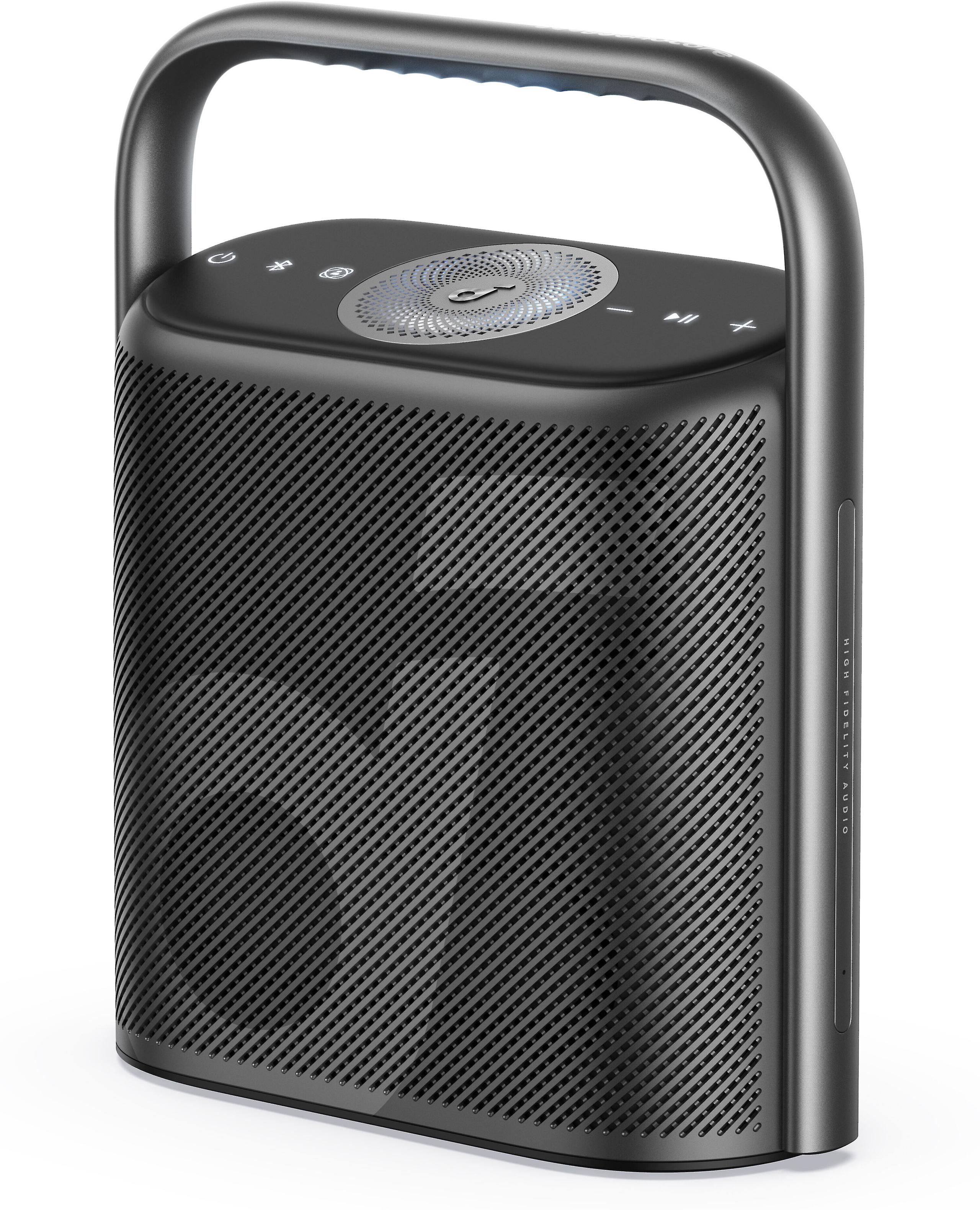
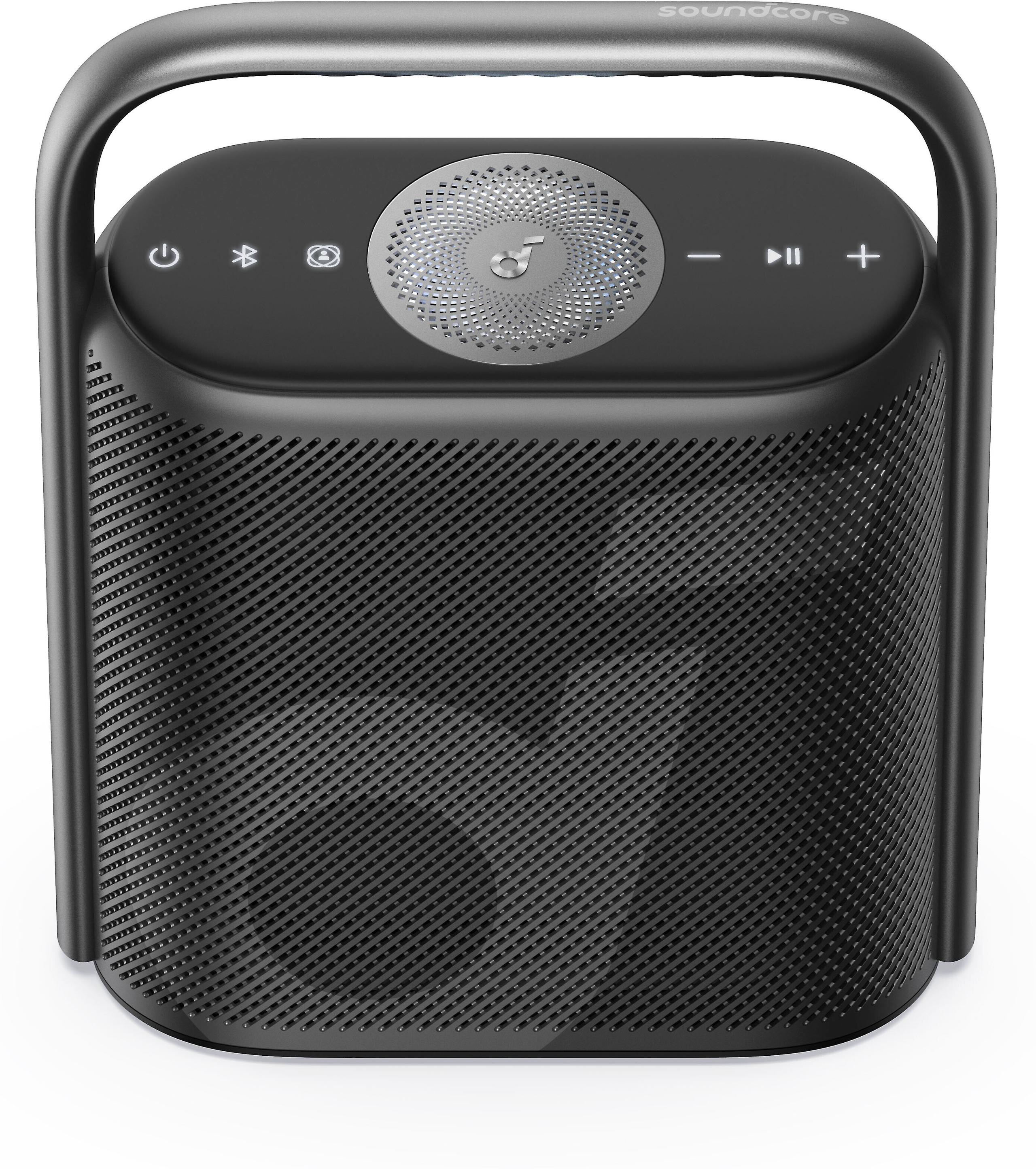

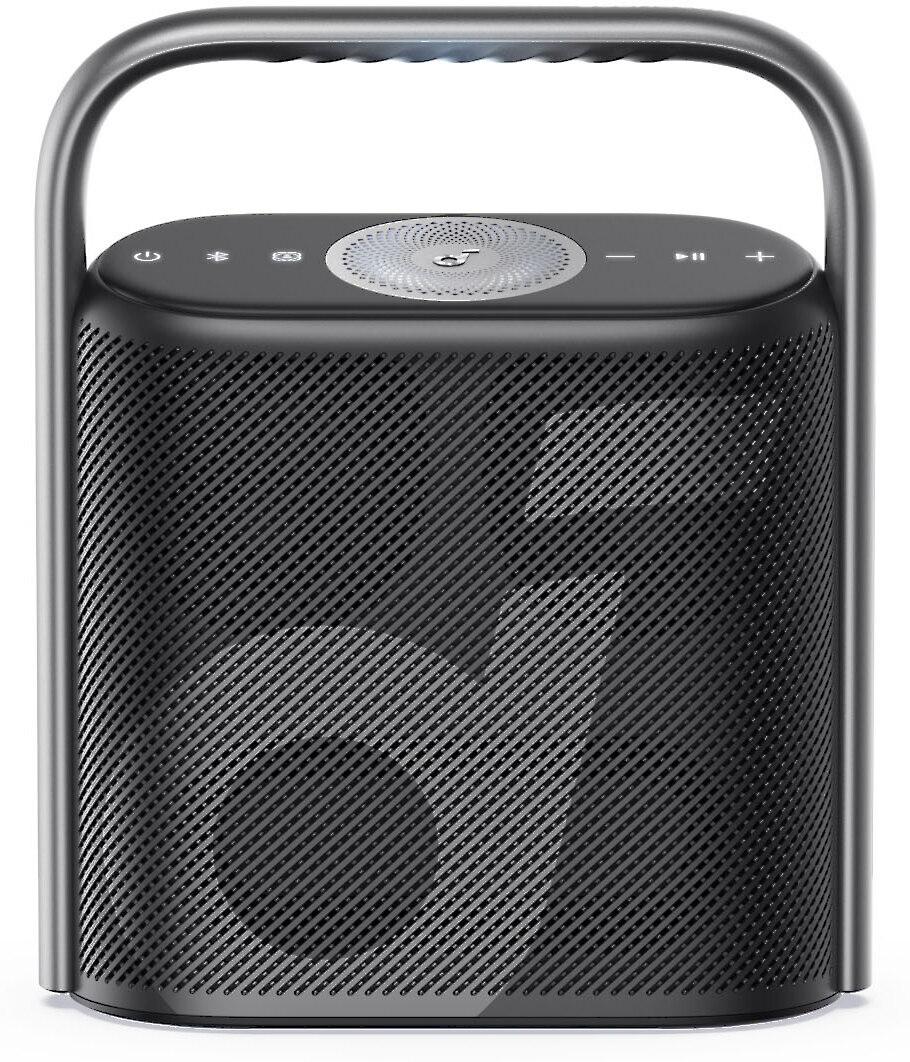
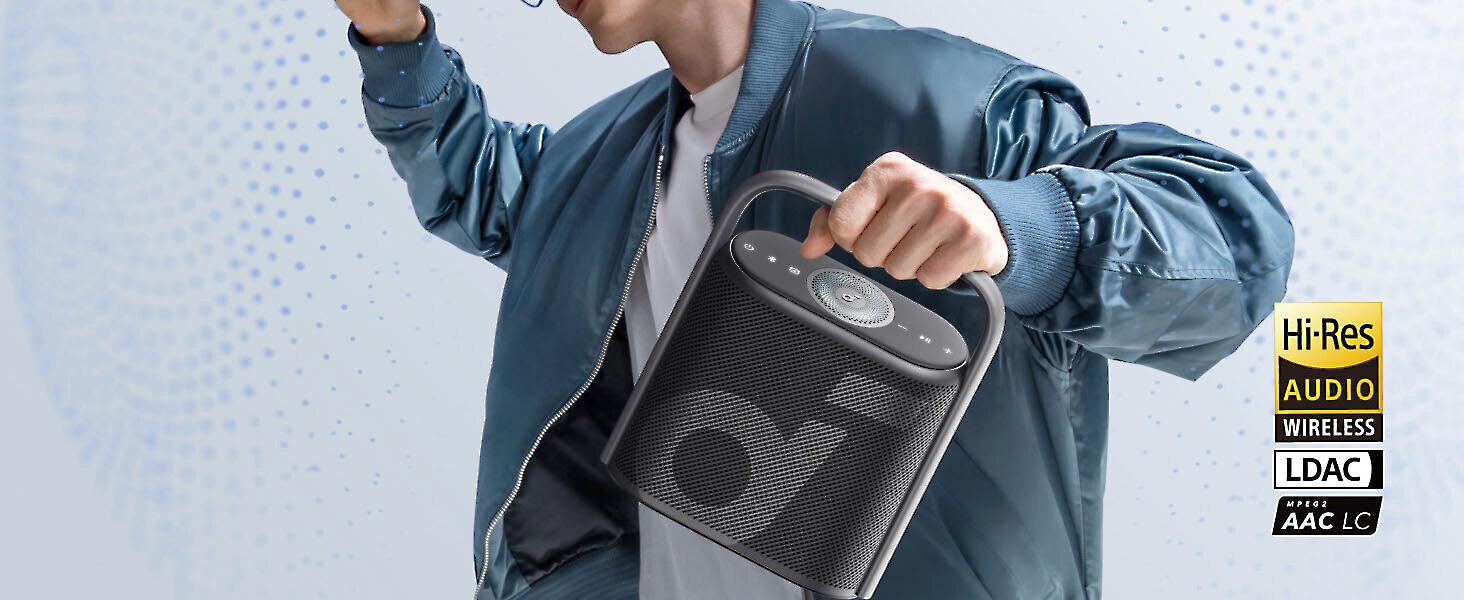
When it comes to portable Bluetooth speakers, you're essentially choosing between two very different philosophies: carry-anywhere convenience or take-anywhere premium audio. The JBL Go 3 and Anker Soundcore Motion X500 represent these opposing approaches perfectly, and understanding their fundamental differences will help you make the right choice for your listening habits.
The portable Bluetooth speaker market has evolved dramatically since the first wireless speakers appeared in the early 2010s. What started as basic wireless audio devices have become sophisticated sound systems that can rival traditional home stereo setups. The key challenge remains the same physics problem that has always plagued portable audio: larger speakers generally sound better, but smaller speakers are more convenient to carry.
Modern portable speakers tackle this trade-off in different ways. Some prioritize maximum portability while maintaining acceptable sound quality for personal listening. Others focus on delivering impressive audio performance while remaining reasonably portable for occasional transport. The JBL Go 3 and Anker Soundcore Motion X500 exemplify these contrasting approaches.
When evaluating any portable speaker, consider these critical factors: the size-to-sound ratio (how much audio quality you get per pound), battery efficiency for your usage patterns, environmental durability for your lifestyle, and whether advanced features justify higher costs. Most importantly, think about where and how you'll actually use the speaker - this determines which compromises make sense for your situation.
The JBL Go 3 launched in 2020 as JBL's answer to the ultra-portable speaker category that had emerged in the late 2010s. JBL redesigned the Go series with improved water resistance (upgrading to IP67 from the Go 2's IPX7 rating) and increased power output from 3W to 4.2W. These improvements reflected consumer feedback about durability and volume concerns with earlier ultra-compact speakers.
The Anker Soundcore Motion X500 arrived much more recently in 2023, representing Anker's push into premium portable audio after establishing themselves in the budget speaker market. The timing is significant - by 2023, Bluetooth 5.3 had matured, high-resolution audio codecs like LDAC had gained wider device support, and consumers had developed more sophisticated expectations for portable audio quality.
This three-year gap in release dates means the Motion X500 incorporates several technological advances that weren't available or cost-effective when the Go 3 was designed. These include better Bluetooth connectivity, more advanced digital signal processing for spatial audio effects, and higher-quality audio codecs for wireless streaming.
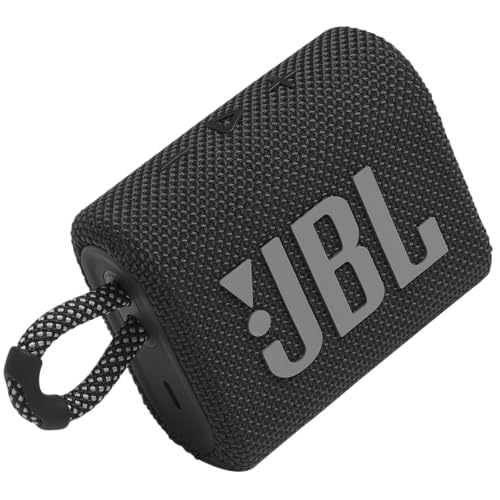
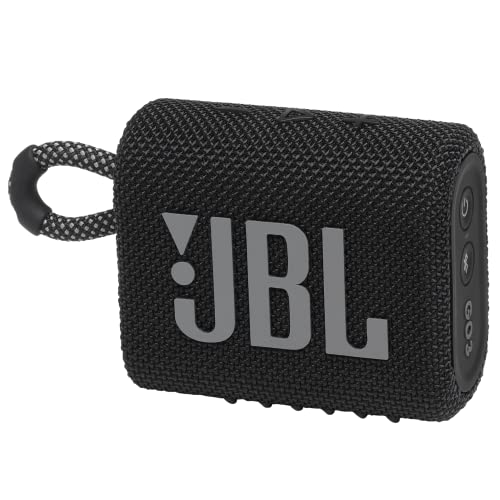
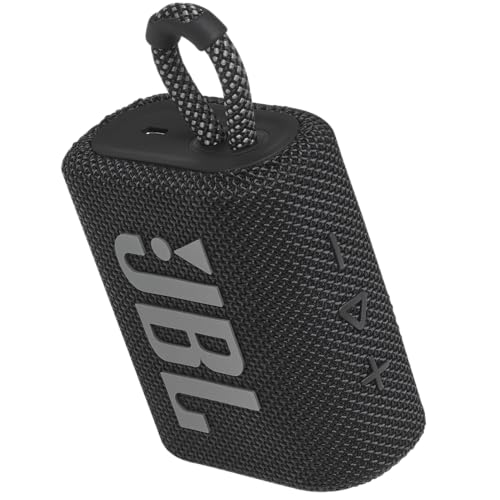
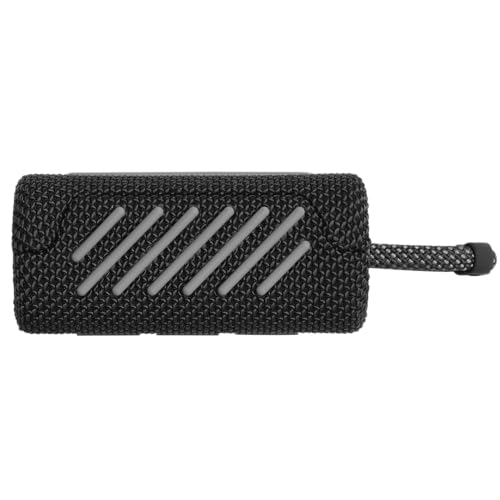
The size difference between these speakers immediately reveals their intended use cases. The JBL Go 3 weighs just 0.46 pounds and measures roughly the size of a smartphone, making it genuinely pocketable. This ultra-compact design includes a built-in fabric loop that lets you attach it to backpacks, belt loops, or carabiners - clearly designed for active users who want audio without the burden of carrying additional gear.
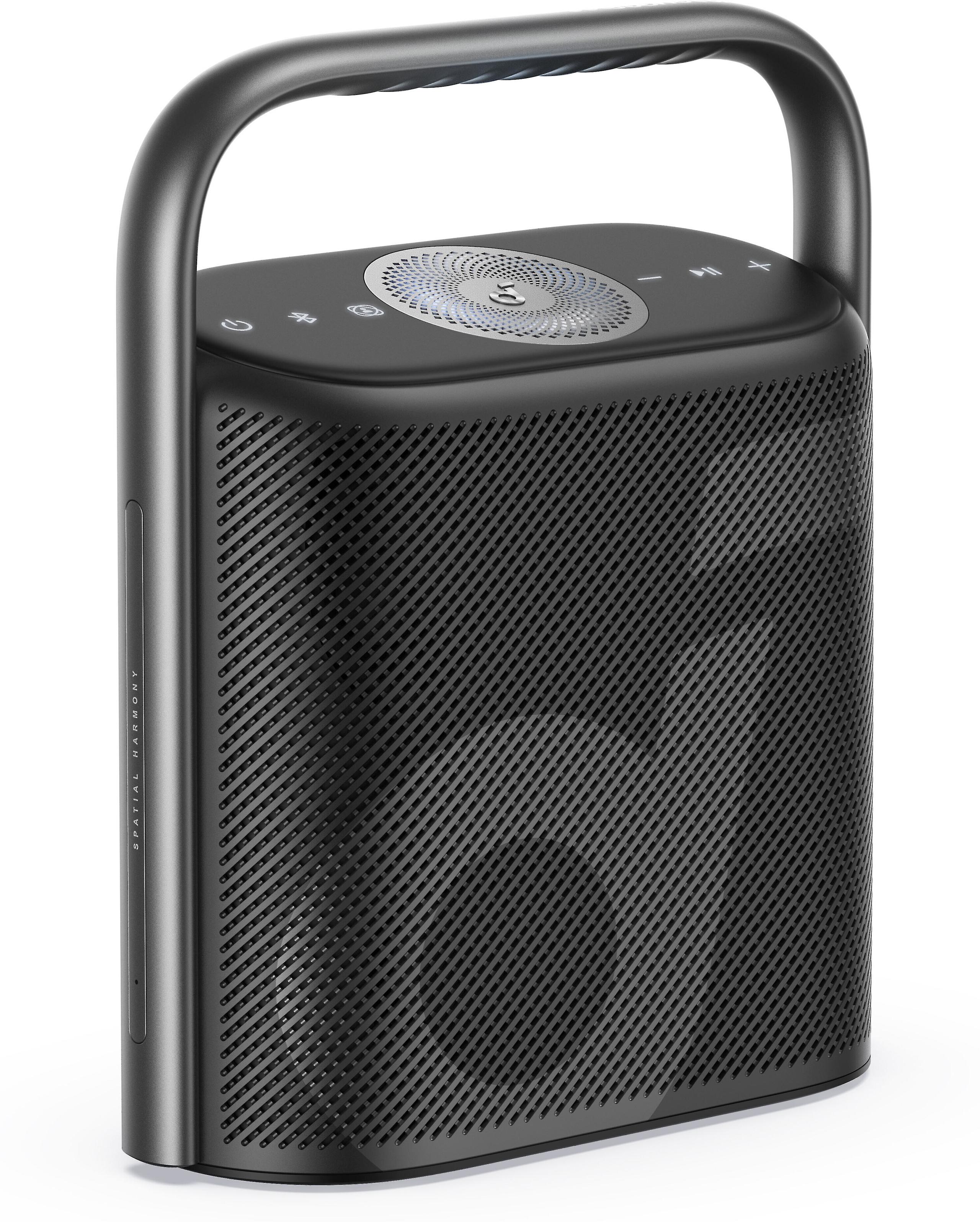
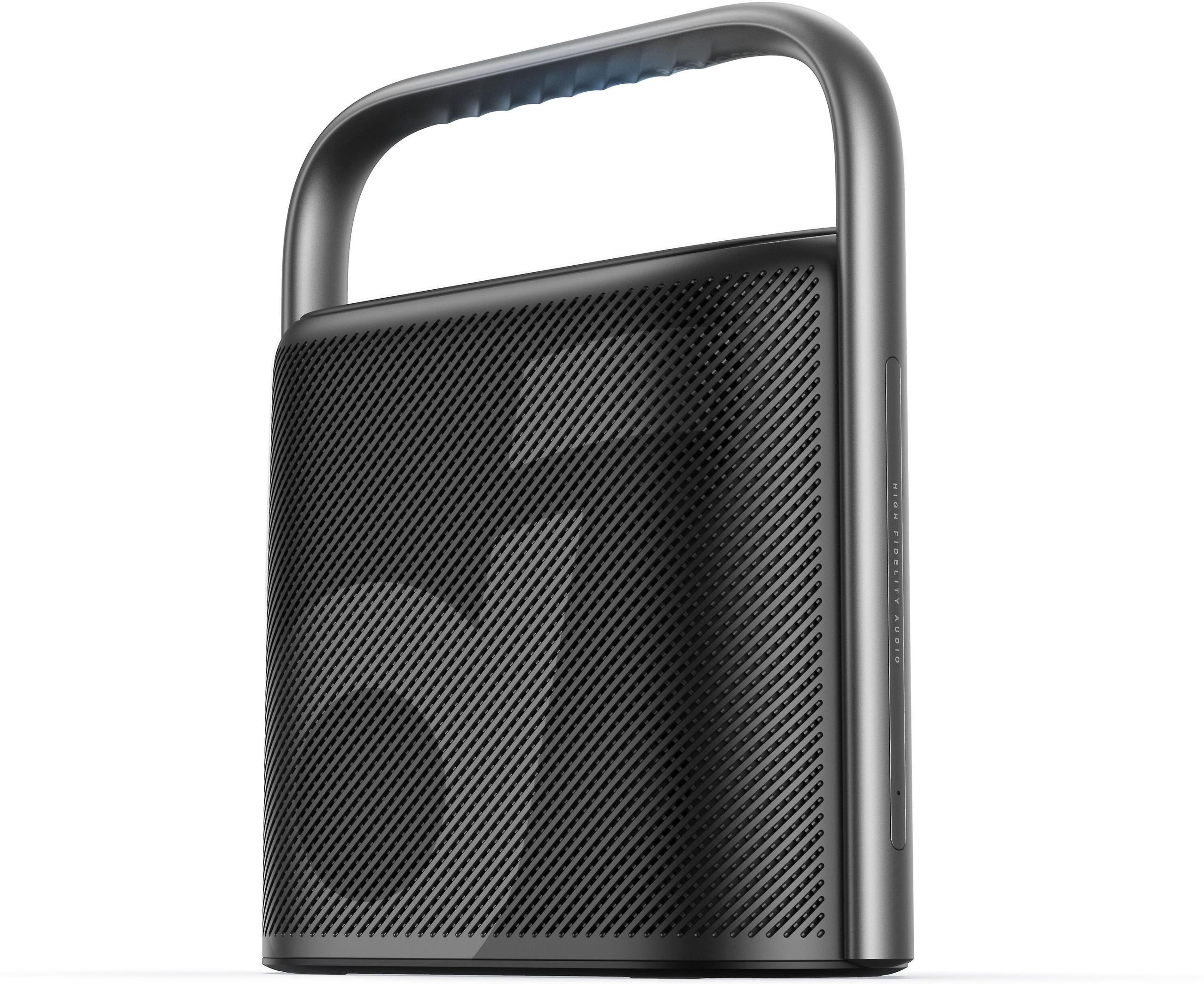
The Anker Soundcore Motion X500, at 3.5 pounds and significantly larger dimensions, requires deliberate transport. While still "portable" compared to home speakers, it's more accurately described as "moveable" - something you'd pack for a beach trip or move from room to room, rather than carry on a daily basis.
This size difference isn't arbitrary; it directly impacts every aspect of performance. The Go 3's small internal volume severely limits how much bass it can produce, while its single small driver restricts maximum volume levels. The Motion X500's larger cabinet allows for multiple drivers, better bass response through larger internal air volume, and significantly higher power handling.
For true portability scenarios - hiking, biking, traveling light, or daily commuting - the JBL Go 3's size advantage becomes crucial. However, for semi-portable use like outdoor gatherings, office audio, or moving between rooms at home, the Motion X500's size penalty becomes worthwhile for the dramatic audio improvements it enables.
The power difference between these speakers tells the story of their intended applications. The JBL Go 3 operates with 4.2W of total output power through a single full-range driver, while the Anker Soundcore Motion X500 delivers 40W through a sophisticated three-driver system. This nearly 10x power difference translates directly to volume capabilities and sound quality.
To understand what this means practically, consider that every 3dB increase in sound pressure level requires roughly double the power. The Motion X500's power advantage means it can play significantly louder while maintaining audio quality, or achieve the same volume levels as the Go 3 with much less distortion and better frequency response.
The Go 3's 4.2W output works well for personal listening scenarios - background music while working, podcast listening, or quiet evening audio in small spaces. However, it struggles in noisy environments, outdoor settings, or when trying to fill larger rooms with sound. Based on user reports, the Go 3 reaches its clean volume limits at moderate listening levels, with noticeable distortion appearing at maximum volumes.
The Motion X500's 40W output enables entirely different use cases. It can easily fill medium-sized rooms with quality audio, compete with ambient noise in outdoor settings, and provide party-level volumes when needed. This power headroom also means better audio quality at moderate volumes, since the drivers aren't working near their limits.
The fundamental audio architecture difference between these speakers creates distinct listening experiences. The JBL Go 3 uses a single full-range driver responsible for reproducing all frequencies from bass to treble. This approach keeps costs and complexity low but inherently limits audio quality, particularly in frequency response and stereo imaging.
Single-driver systems face physics limitations that become apparent in critical listening. The same small driver attempting to reproduce deep bass, clear midrange vocals, and crisp treble inevitably makes compromises. Based on frequency response measurements, the Go 3 handles midrange frequencies well - voices sound clear and natural - but bass response drops off significantly below 140Hz, and treble extension remains limited by the driver size.
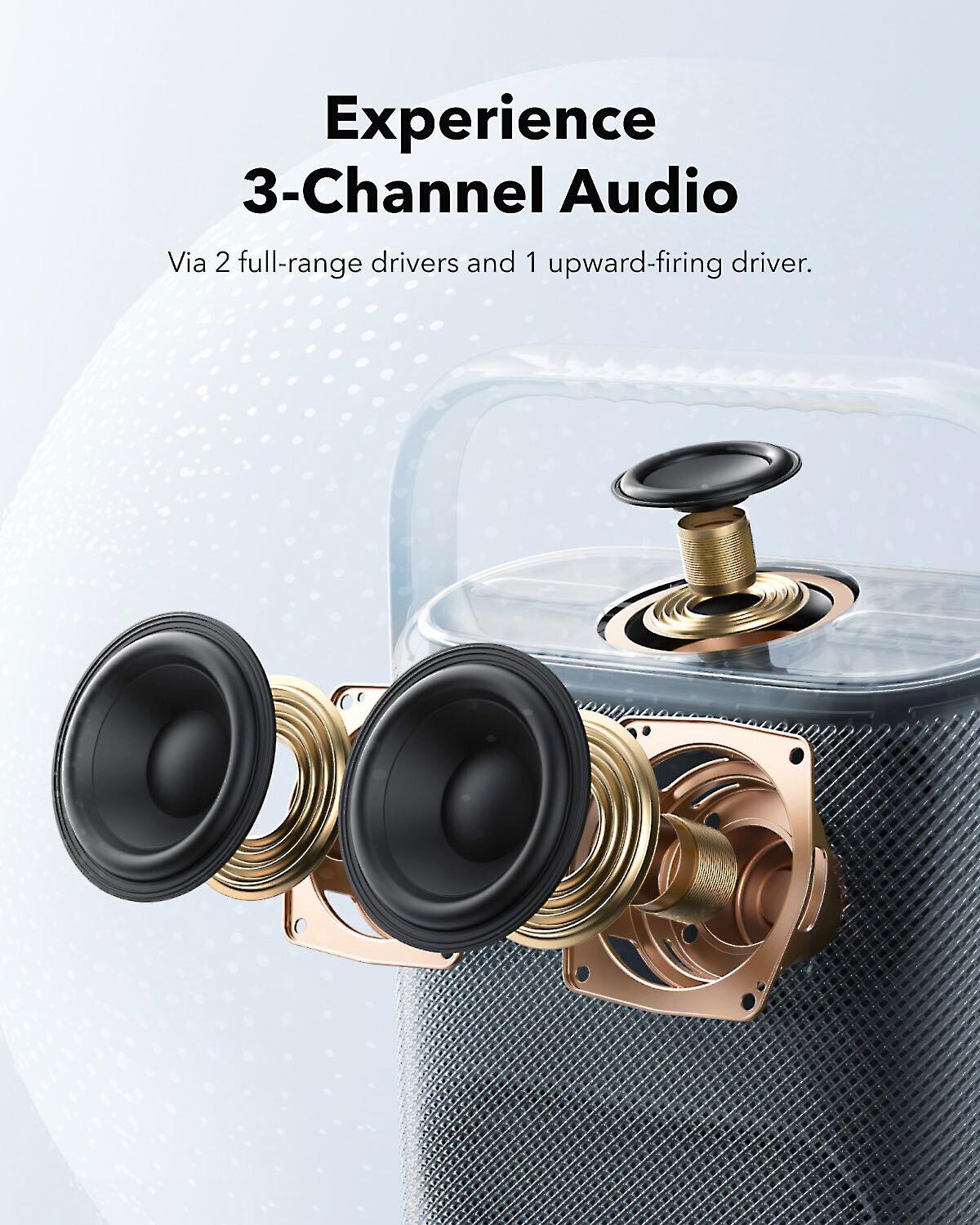
The Anker Soundcore Motion X500 employs a three-driver configuration: two 15W full-range drivers plus a 10W upward-firing driver for spatial audio effects. This multi-driver approach allows each element to focus on its optimal frequency range, resulting in better overall sound quality and the ability to create stereo imaging effects impossible with a mono speaker.
The upward-firing driver in the Motion X500 deserves special attention because it represents a newer approach to portable speaker design. By bouncing sound off ceilings and walls, this driver creates a sense of spaciousness and immersion that traditional forward-firing speakers can't achieve. While not comparable to true surround sound systems, this spatial audio processing does add dimensionality to music and makes the speaker more engaging for longer listening sessions.
For frequency response, the Motion X500 provides significantly better bass extension and impact. Its larger internal volume and dedicated bass enhancement create the low-frequency presence that makes music feel full and engaging. Vocals benefit from dedicated midrange reproduction, while treble frequencies remain crisp without the harshness that can affect smaller drivers pushed to their limits.
Both speakers use modern Bluetooth standards, but with important differences in capability and supported features. The JBL Go 3 implements Bluetooth 5.1 with standard SBC codec support, providing reliable connectivity for basic audio streaming. This approach prioritizes compatibility and battery efficiency over maximum audio quality.
The Anker Soundcore Motion X500 incorporates Bluetooth 5.3 with support for LDAC, AAC, and SBC codecs. LDAC is particularly significant because it enables high-resolution audio streaming up to 990 kbps - nearly three times the data rate of standard Bluetooth audio. This translates to noticeably better sound quality when streaming from compatible devices, especially when using high-quality audio sources like Tidal HiFi or locally stored FLAC files.
The practical impact of these codec differences becomes apparent with critical listening. Standard SBC compression, used by the Go 3, works adequately for casual listening but introduces artifacts and reduces dynamic range compared to higher-quality codecs. LDAC support in the Motion X500 preserves more of the original recording's detail and dynamics, making the listening experience more engaging and realistic.
Bluetooth 5.3 in the Motion X500 also provides improved connection stability and lower latency compared to the Go 3's Bluetooth 5.1 implementation. This becomes noticeable when watching videos or playing games, where audio-visual synchronization matters.
Battery performance reflects each speaker's power requirements and intended use patterns. The JBL Go 3 provides approximately 9 hours of playback time with a 3-hour charging period via USB-C. This charge-to-play ratio works well for daily use scenarios where you can easily recharge overnight or during short breaks.
The Anker Soundcore Motion X500 offers 12 hours of playback but requires 5-6 hours for complete charging. While providing longer total runtime, the extended charging time means you need to plan ahead for extended use sessions. The higher power consumption of the Motion X500 also means actual battery life varies significantly with volume levels and audio content - bass-heavy music at high volumes can reduce runtime to 6-8 hours.
For real-world usage, the Go 3's battery profile suits grab-and-go scenarios where quick charging matters more than maximum runtime. The Motion X500's battery approach better serves planned activities where longer runtime justifies the extended charging commitment.
Both speakers use USB-C charging, which has become the standard for modern portable devices. This eliminates the cable compatibility issues that plagued earlier Bluetooth speakers using proprietary or micro-USB connectors.
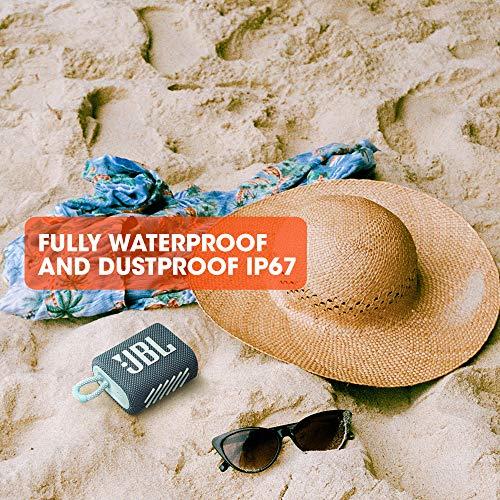
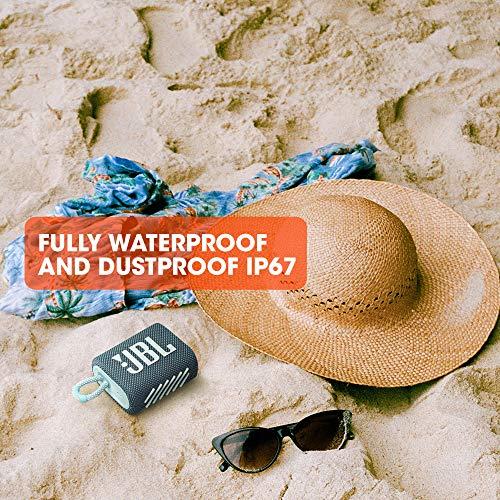
Environmental protection represents one area where the JBL Go 3 actually surpasses its larger competitor. The Go 3 carries an IP67 rating, meaning it's completely dust-tight and can survive submersion in up to one meter of water for 30 minutes. This level of protection makes it genuinely worry-free for beach use, camping, construction sites, or any environment where dust and moisture are concerns.
The Anker Soundcore Motion X500 provides IPX7 waterproofing but lacks dust protection. While perfectly adequate for poolside use or bathroom audio, it's more vulnerable in sandy, dusty, or workshop environments where particulate matter could affect performance over time.
The Go 3's superior environmental protection stems partly from its simpler design - fewer ports, controls, and openings mean fewer opportunities for ingress. The Motion X500's more complex feature set necessitates design compromises that reduce ultimate durability.
For users who prioritize outdoor durability above all else, the Go 3's IP67 rating provides genuine peace of mind. However, for most casual users, the Motion X500's IPX7 protection offers sufficient security for typical portable speaker scenarios.
Modern portable speakers increasingly differentiate themselves through software features and smartphone app integration. The JBL Go 3 takes a minimalist approach with no dedicated app support, focusing instead on simple, reliable operation through physical controls. This approach appeals to users who want straightforward functionality without the complexity of app management.
The Anker Soundcore Motion X500 includes comprehensive app support through Anker's Soundcore application, enabling custom EQ adjustments, firmware updates, and feature customization. The app allows fine-tuning of the spatial audio effects and provides several preset EQ modes optimized for different music genres.
The Motion X500's spatial audio processing deserves particular attention because it represents a newer approach to portable speaker design. By combining the upward-firing driver with digital signal processing, it creates a more immersive listening experience that extends beyond traditional stereo reproduction. While not comparable to dedicated surround sound systems, this processing adds engagement for music listening and makes the speaker more suitable for movie or gaming audio.
True Wireless Stereo (TWS) pairing capability in the Motion X500 allows connecting two identical speakers for genuine stereo separation. This feature transforms the listening experience for serious music sessions and provides a path for scaling up audio quality when needed.
At the time of writing, the JBL Go 3 typically retails in the $25-40 range, while the Anker Soundcore Motion X500 commands $100-170 depending on sales and availability. This price difference reflects their fundamentally different target markets and feature sets.
The Go 3 delivers exceptional value for users prioritizing ultra-portability and basic functionality. At roughly $7 per watt of output power, it provides reasonable audio quality for its size constraints and unmatched convenience for mobile scenarios. However, comparing price-per-watt ratios reveals the Motion X500's superior audio value at approximately $2.50-4.25 per watt, depending on purchase price.
Value assessment requires considering total cost of ownership beyond initial purchase price. The Go 3's simplicity and durability suggest longer useful life with minimal maintenance requirements. The Motion X500's more complex feature set provides greater capability but potentially more points of failure over time.
For budget-conscious users requiring basic portable audio, the Go 3 offers compelling value. For users willing to invest in significantly better audio quality and advanced features, the Motion X500 provides substantial performance improvements that justify the price premium.
While neither speaker was designed primarily for home theater use, their capabilities in entertainment scenarios differ significantly. The JBL Go 3 lacks the power and frequency response necessary for meaningful movie or TV audio enhancement. Its mono output and limited bass response make it unsuitable for anything beyond personal device audio or background ambiance.
The Anker Soundcore Motion X500 presents a more interesting proposition for entertainment use. Its spatial audio processing, stereo output, and substantial power make it capable of enhancing TV audio in small to medium rooms. While not replacing dedicated soundbars or surround systems, it can significantly improve laptop or tablet audio for movie watching.
The Motion X500's LDAC codec support becomes particularly valuable for high-quality movie audio, preserving more of the original soundtrack's dynamic range and detail. The upward-firing driver adds dimensionality that makes dialogue clearer and sound effects more engaging than traditional forward-firing portable speakers.
For gaming applications, the Motion X500's lower latency Bluetooth implementation and spatial audio processing create a more immersive experience than the Go 3 can provide. However, serious gamers should still consider wired connections or dedicated gaming audio solutions for competitive play.
Choose the JBL Go 3 when ultra-portability is your primary concern. If you need a speaker for hiking, daily commuting, travel, or any scenario where size and weight matter more than ultimate audio quality, the Go 3 excels. Its superior environmental protection also makes it the better choice for harsh outdoor conditions, construction sites, or beach use where dust and water exposure are likely.
The Go 3 also suits users who prefer simple, reliable operation without app complexity or advanced features. For basic audio needs - podcasts, phone calls, background music, or personal listening - it provides perfectly adequate performance at an accessible price point.
Select the Anker Soundcore Motion X500 when audio quality takes priority over maximum portability. If you want a speaker for home office use, outdoor gatherings, or serious music listening with occasional transport capability, the Motion X500 delivers dramatically better performance that justifies its larger size and higher price.
The Motion X500 makes particular sense for users who appreciate advanced audio features like spatial processing, high-resolution codec support, and app-based customization. It's also the clear choice when you need a speaker capable of filling rooms with quality sound or competing with ambient noise in outdoor environments.
Consider your primary use case honestly - if you'll mainly use the speaker in stationary locations with occasional transport, the Motion X500's superior audio quality makes it worthwhile. If you need genuine grab-and-go portability for active lifestyles, the Go 3's convenience factor becomes decisive.
Both speakers excel in their intended roles, but they serve fundamentally different needs. The JBL Go 3 maximizes convenience and durability for users who prioritize portability, while the Anker Soundcore Motion X500 delivers premium audio performance for users willing to accept larger size and higher cost for significantly better sound quality.
| JBL Go 3 | Anker Soundcore Motion X500 |
|---|---|
| Power Output - Directly impacts maximum volume and sound quality | |
| 4.2W single driver (personal listening only) | 40W tri-driver system (room-filling capability) |
| Audio Configuration - Determines stereo imaging and frequency range | |
| Mono speaker with single full-range driver | Stereo with 2 main drivers + upward-firing spatial driver |
| Size & Weight - Critical for true portability vs semi-portable use | |
| Ultra-compact at 0.46 lbs with carrying loop | Substantial at 3.5 lbs, requires deliberate transport |
| Water/Dust Protection - Important for outdoor and harsh environment use | |
| IP67 (fully dustproof + waterproof to 1m) | IPX7 (waterproof only, no dust protection) |
| Battery Life - Affects usability for extended sessions | |
| 9 hours playback, 3-hour charging | 12 hours playbook, 5-6 hour charging |
| Bluetooth & Audio Quality - Impacts streaming quality and device compatibility | |
| Bluetooth 5.1 with standard SBC codec | Bluetooth 5.3 with LDAC, AAC, SBC codecs |
| Advanced Features - Differentiates basic vs premium experience | |
| No app support, physical controls only | Soundcore app with custom EQ, spatial audio modes |
| Frequency Response - Determines bass depth and overall sound balance | |
| 110Hz-20kHz (limited bass below 140Hz) | Full-range with enhanced bass and spatial processing |
| Multi-Speaker Pairing - Enables stereo separation or party mode | |
| No pairing capability | TWS pairing for true stereo with second unit |
| Price Category - Value proposition for different user needs | |
| Budget ultra-portable ($25-40 range) | Premium portable ($100-170 range) |
The JBL Go 3 is significantly better for daily carry due to its ultra-compact size at just 0.46 pounds with a built-in carrying loop. The Anker Soundcore Motion X500 weighs 3.5 pounds and requires deliberate transport, making it unsuitable for pocket or everyday bag carry.
The Anker Soundcore Motion X500 delivers dramatically better sound quality with 40W of power through three drivers, creating room-filling stereo sound with deep bass. The JBL Go 3 uses a single 4.2W driver for mono sound that's clear but limited in volume and bass response.
The Motion X500 provides up to 12 hours of playback but takes 5-6 hours to fully charge. The JBL Go 3 offers 9 hours of battery life with a faster 3-hour charging time, making it more convenient for quick recharging between uses.
Both work for outdoor use, but in different ways. The JBL Go 3 excels with IP67 rating (fully dustproof and waterproof) making it worry-free for harsh conditions. The Motion X500 has IPX7 waterproofing but no dust protection, plus its larger size makes it better for stationary outdoor gatherings than active adventures.
The Anker Soundcore Motion X500 offers superior connectivity with Bluetooth 5.3 and LDAC codec support for high-quality audio streaming. The JBL Go 3 uses Bluetooth 5.1 with standard codecs, providing reliable but more basic connection quality.
The Motion X500 can enhance TV audio in small to medium rooms with its spatial audio processing and stereo output, though it won't replace a dedicated soundbar. The JBL Go 3 lacks the power and frequency range necessary for meaningful home theater improvement.
This depends on your priorities. The JBL Go 3 offers exceptional value for ultra-portability and basic audio needs at a budget-friendly price point. The Motion X500 provides much better price-per-watt ratio and audio performance, justifying its premium cost for users who prioritize sound quality.
Only the Anker Soundcore Motion X500 includes comprehensive app support through the Soundcore app, offering custom EQ settings and spatial audio controls. The JBL Go 3 operates entirely through physical buttons with no app integration, appealing to users who prefer simple operation.
The Motion X500 gets significantly louder with its 40W power output versus the Go 3's 4.2W. The JBL Go 3 is designed for personal listening and struggles in noisy environments, while the Motion X500 can easily fill rooms and compete with ambient noise.
The JBL Go 3 excels at podcast listening with clear vocal reproduction and convenient portability for commuting or personal use. The Motion X500 provides better overall audio quality but is overkill for basic podcast needs unless you're listening in larger spaces.
The JBL Go 3 wins for durability with its IP67 rating, simpler design with fewer failure points, and rugged construction designed for active use. While the Motion X500 is well-built, its more complex feature set and larger size make it more susceptible to damage from drops or rough handling.
Only the Anker Soundcore Motion X500 supports True Wireless Stereo (TWS) pairing to connect two identical speakers for genuine stereo separation. The JBL Go 3 doesn't offer any multi-speaker pairing capabilities, limiting you to mono sound from a single unit.
We've done our best to create useful and informative comparisons to help you decide what product to buy. Our research uses advanced automated methods to create this comparison and perfection is not possible - please contact us for corrections or questions. These are the sites we've researched in the creation of this article: rtings.com - streamtechreviews.com - english.achoreviews.com - smarthomesounds.co.uk - soundguys.com - rtings.com - walmart.com - soundguys.com - youtube.com - youtube.com - jbl.com - youtube.com - selectoguru.com - versus.com - videoandaudiocenter.com - harmanaudio.com - jbl.com - bestbuy.com - forum.hifiguides.com - manuals.plus - kh.jbl.com - th.jbl.com - mm.jbl.com - jbl.com - bestbuy.com - youtube.com - youtube.com - youtube.com - jbl.com - bestbuy.com - bestbuy.com - jbl.com.tw - youtube.com - tomsguide.com - outeraudio.com - gadgetoid.com - soundguys.com - pcgamesn.com - hktvmall.com - elomymelo.com - youtube.com - jopanda.com - shop.menshealth.com - soundphilereview.com

Privacy Policy
Terms and Conditions - Affiliate Policy
Home Security
© Copyright 2008-2026.
11816 Inwood Rd #1211, Dallas, TX 75244