







When it comes to portable audio, few decisions are as telling as the choice between a truly pocket-sized speaker and a premium portable system. The JBL Go 3 and Marshall Middleton represent two distinct philosophies in portable Bluetooth speakers, each excelling in dramatically different scenarios. Understanding their approaches—and your own listening habits—will determine which delivers the better value for your specific needs.
Portable Bluetooth speakers have evolved into one of the most diverse audio categories, spanning everything from ultra-compact personal companions to substantial portable systems that rival small home speakers. The technology has matured significantly since the early 2010s, when portable speakers were largely novelty items with poor sound quality.
The key considerations when choosing a portable speaker haven't changed much, but the execution has improved dramatically. You're still balancing size against sound quality, battery life against performance, and durability against cost. However, modern speakers deliver far better audio quality per cubic inch than their predecessors, thanks to advances in Class D amplification (which converts electrical signals to sound more efficiently), digital signal processing (DSP chips that optimize audio in real-time), and driver design.
The most important factor is understanding your primary use case. Will this speaker mostly travel with you for personal listening, or do you need something that can handle group gatherings? This fundamental question shapes everything else about your decision.
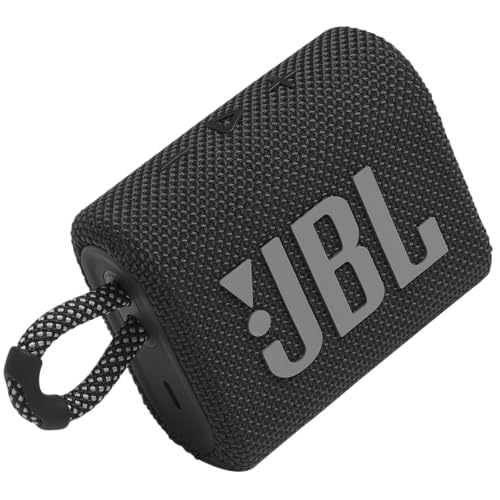
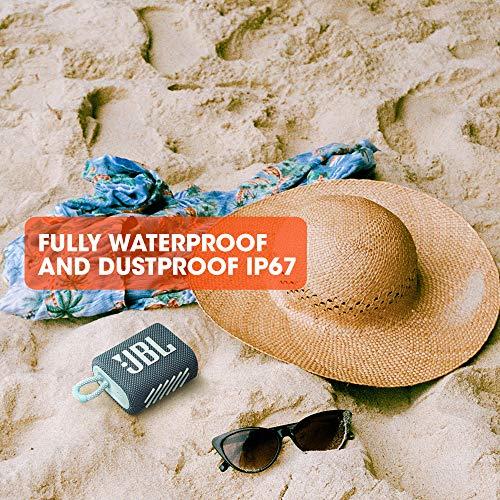
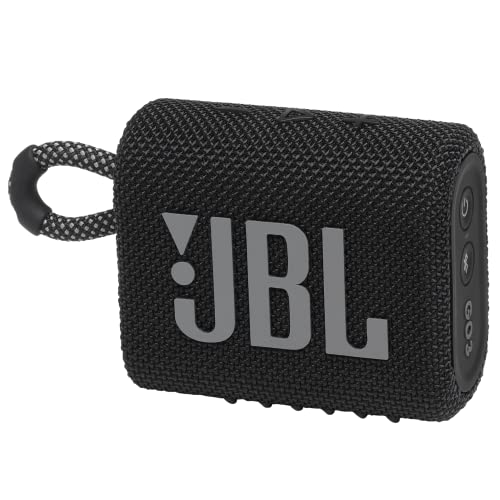
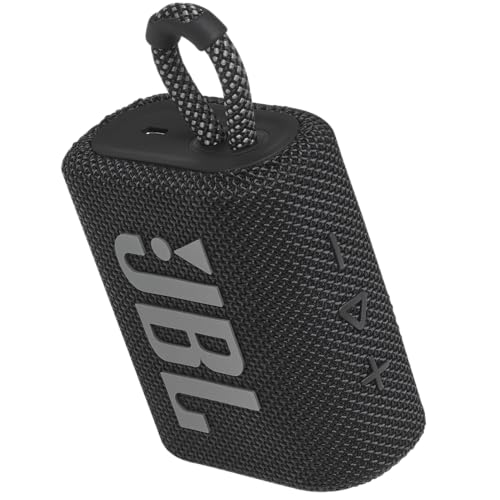
Released in 2021, the JBL Go 3 refined JBL's ultra-portable formula with improved materials and IP67 water resistance—meaning it can be submerged in up to one meter of water for 30 minutes without damage. At the time of writing, it represents exceptional value in the under-$50 category, focusing purely on delivering clean, adequate sound in a genuinely pocket-portable package.
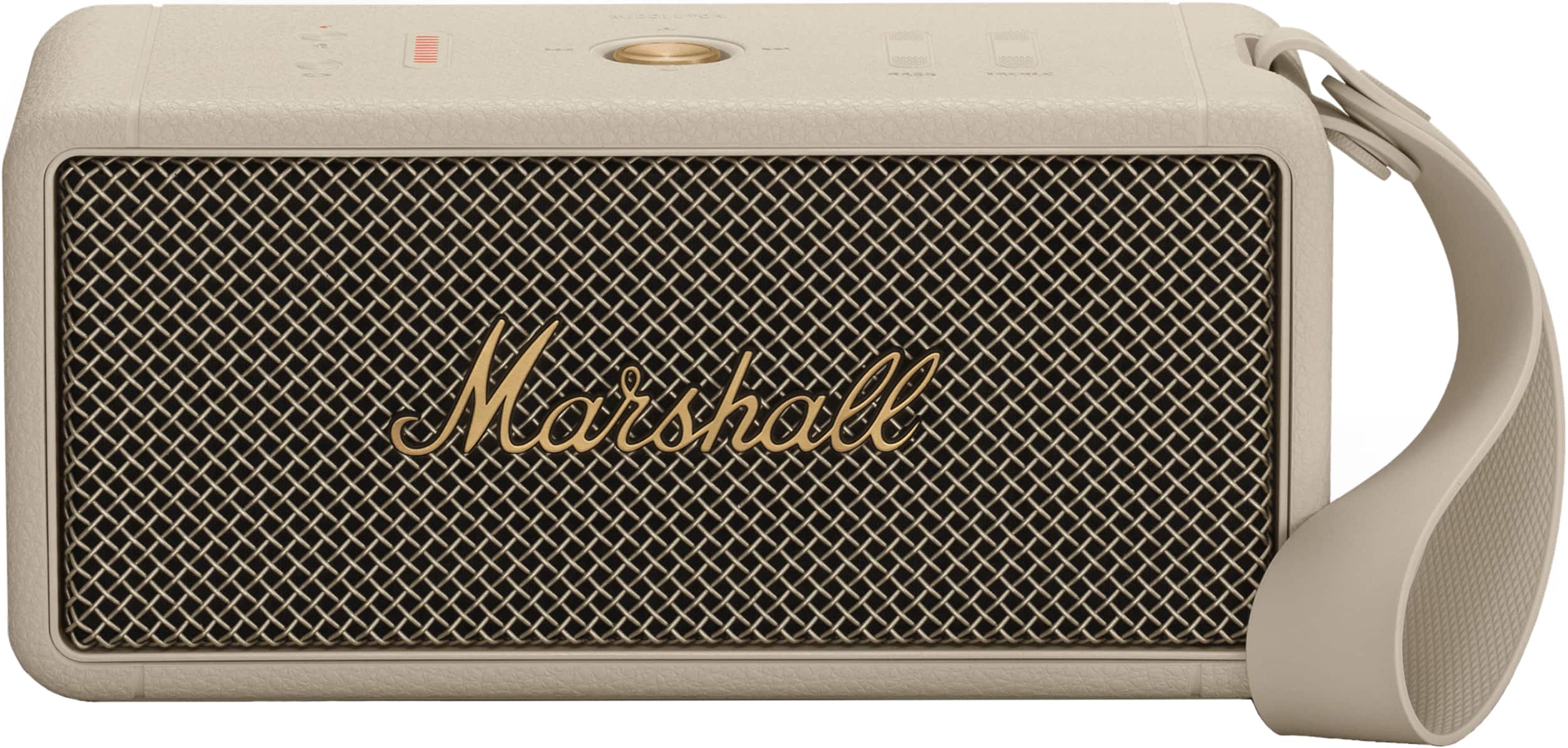
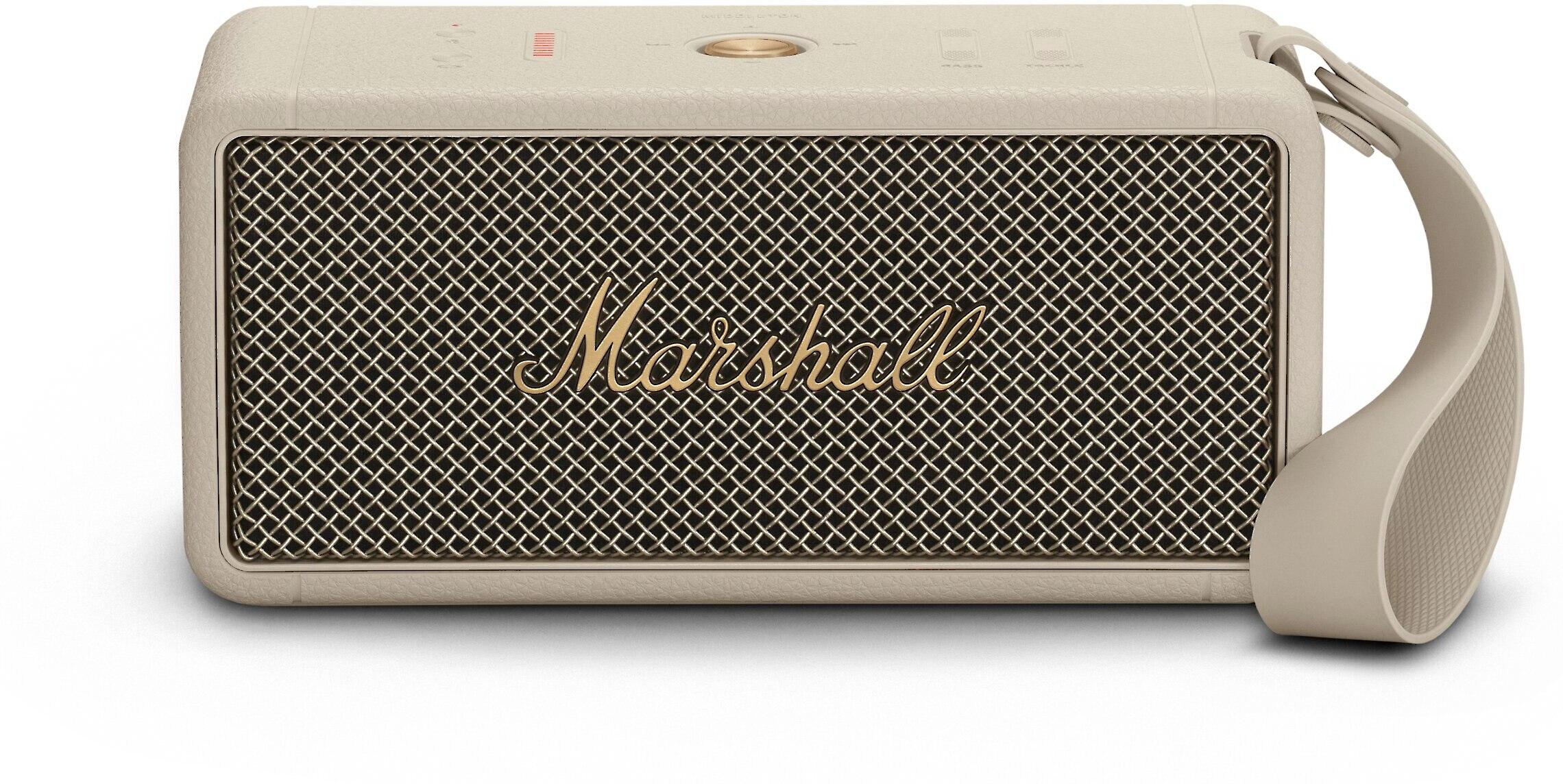
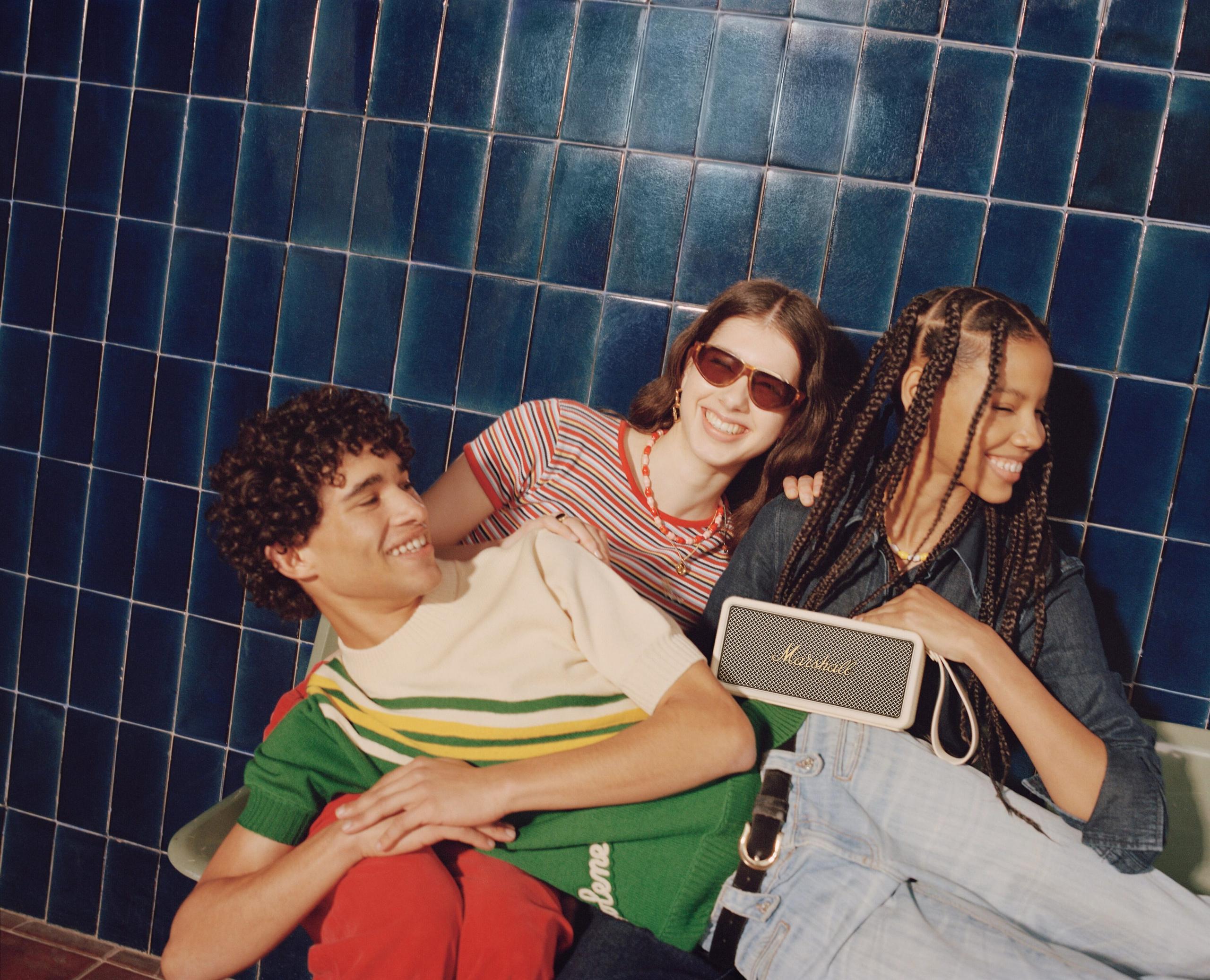
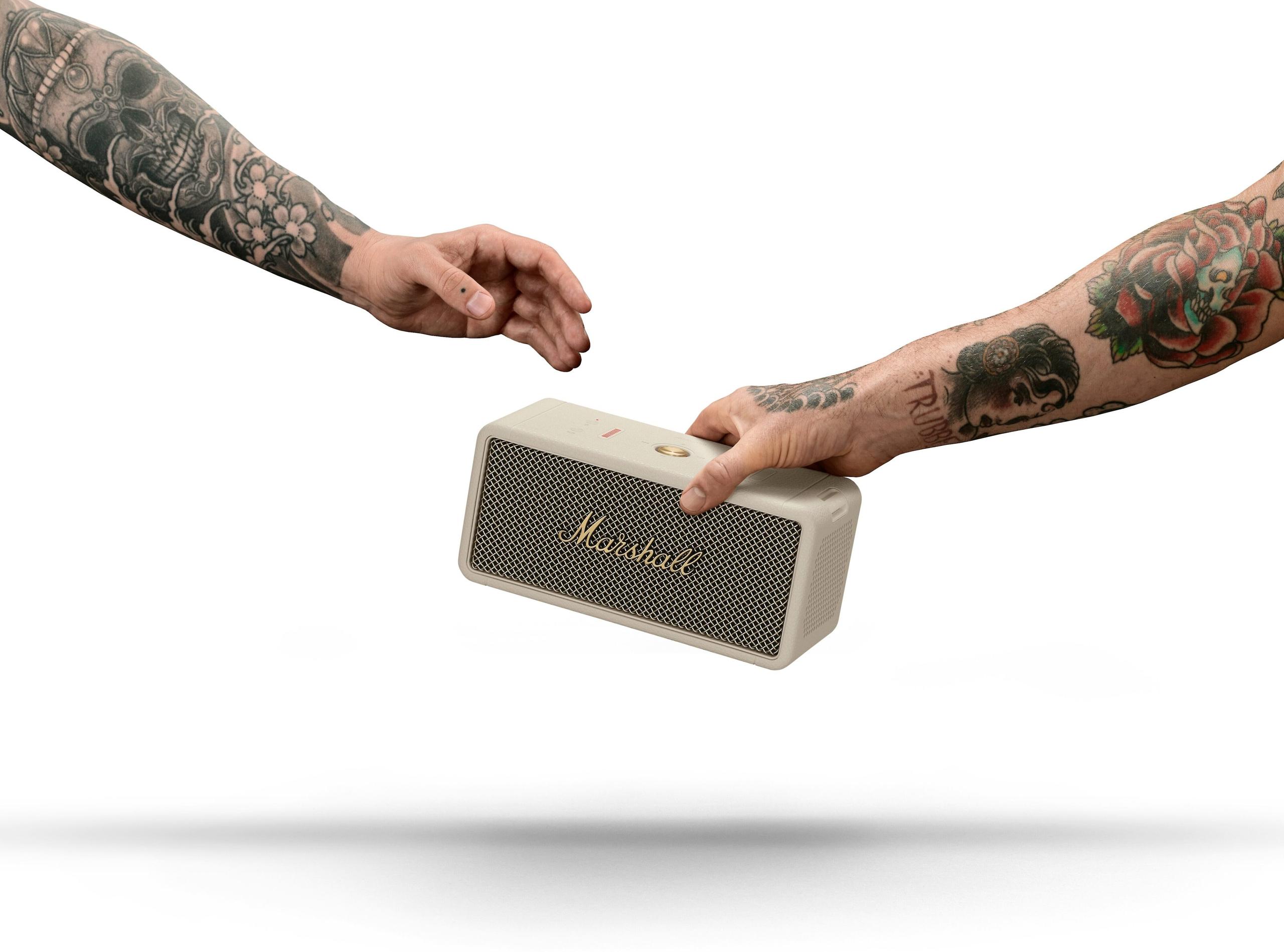
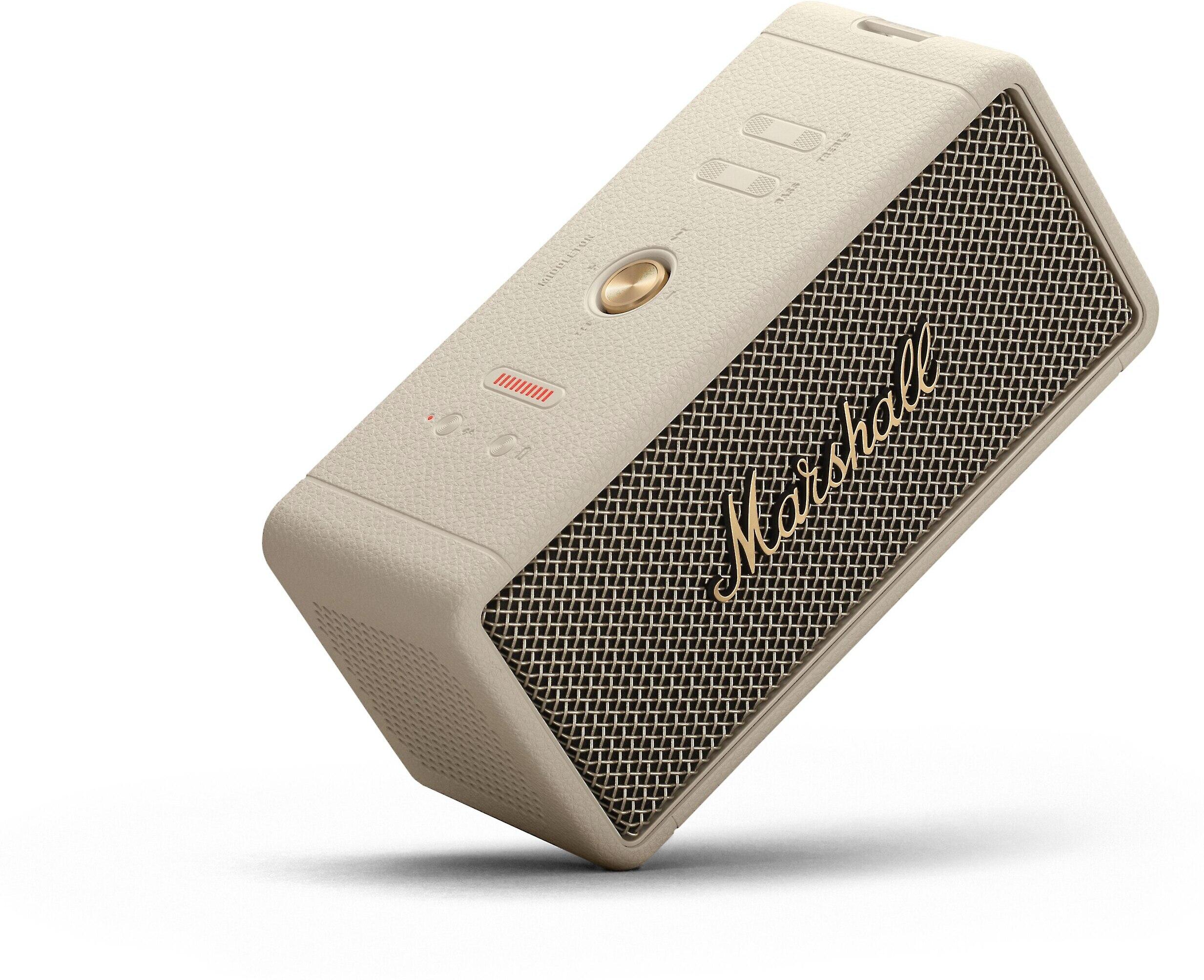
The Marshall Middleton, launched in 2023, takes the opposite approach. Marshall built their reputation on guitar amplifiers, and they've applied that audio expertise to create what's essentially a high-quality home speaker that happens to be battery-powered. It incorporates Marshall's True Stereophonic technology, which processes stereo recordings to create a wider, more immersive soundstage than traditional portable speakers.
These different release timeframes matter because the Middleton benefits from more recent advances in portable audio technology, particularly in battery chemistry and digital signal processing. However, the Go 3 represents a more mature product category where JBL has had years to optimize the ultra-portable formula.
The audio performance gap between these speakers is substantial, and it comes down to fundamental physics combined with engineering priorities. Sound quality in speakers depends heavily on driver size, enclosure volume, and available power—three areas where the Marshall Middleton holds massive advantages.
The Middleton employs four separate drivers: two 3-inch cone woofers handling bass and midrange frequencies, plus two 0.625-inch dome tweeters for high frequencies. This two-way design allows each driver to specialize in its optimal frequency range, resulting in clearer, more detailed sound across the spectrum. The 60-watt total amplification (split between 40 watts for the woofers and 20 watts for the tweeters) provides substantial headroom for dynamic music passages.
More importantly, the Middleton's frequency response extends down to 50Hz, capturing the fundamental frequencies of bass guitars, kick drums, and electronic music bass lines. This low-frequency extension is crucial for modern music genres and creates the sense of fullness that makes music emotionally engaging.
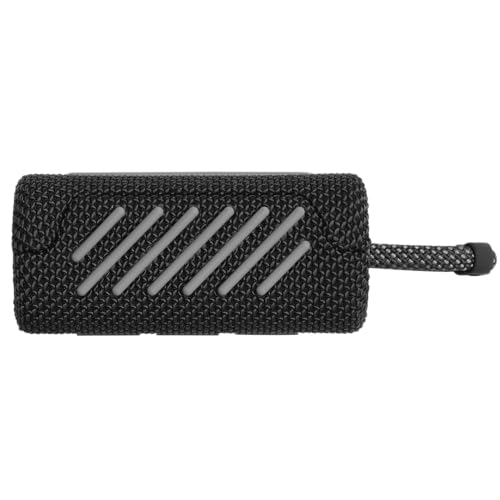
The JBL Go 3, by contrast, uses a single 1.5-inch full-range driver powered by 4.2 watts. While JBL has optimized this setup impressively well, physics imposes hard limits. The frequency response rolls off around 110Hz, meaning you miss the fundamental frequencies of most bass instruments. What you get instead is upper bass and lower midrange frequencies that suggest bass presence without actually reproducing the deep frequencies.
In practical terms, this means the Go 3 excels at reproducing vocals, podcasts, and acoustic music, where its clear midrange reproduction shines. However, electronic music, hip-hop, and rock tracks sound thin and lack the impact that makes music compelling. The maximum output of around 85 decibels suits personal listening but won't fill even small rooms adequately.
The Marshall Middleton, meanwhile, can reach volume levels suitable for outdoor gatherings while maintaining sound quality. Its True Stereophonic technology processes the left and right channels to create a wider soundstage, making the speaker sound larger than it actually is—particularly noticeable when placed away from walls in outdoor settings.
Battery technology tells another story about these speakers' intended uses. The Marshall Middleton packs a substantial lithium-ion battery that delivers up to 20 hours of playback time. This extended runtime reflects the speaker's positioning as a primary audio source for extended listening sessions, camping trips, or outdoor gatherings where recharging isn't convenient.
More impressively, the Middleton includes power bank functionality, allowing you to charge smartphones or tablets through its USB-C port. This feature transforms the speaker from pure audio device into a portable power hub—valuable for outdoor activities or travel situations where power outlets are scarce.
The JBL Go 3's 5-hour battery life initially seems limiting, but it aligns perfectly with the speaker's ultra-portable positioning. Most personal listening sessions—commutes, exercise, or casual outdoor use—fall within this timeframe. The 2.5-hour charging time means you can easily top up the battery during work or overnight, making the shorter runtime less problematic in practice.
Both speakers charge via USB-C, a significant upgrade from older micro-USB ports that were more fragile and slower to charge. This universal connectivity means you can use the same charger for your phone and speaker, reducing travel clutter.
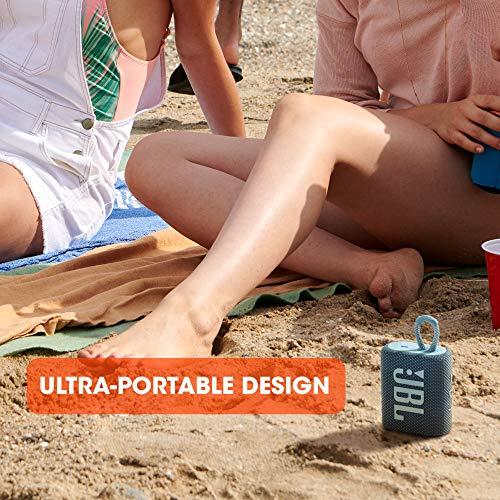
The portability difference between these speakers cannot be overstated. At 0.46 pounds, the Go 3 genuinely disappears in a backpack, purse, or even large pocket. Its integrated fabric loop allows attachment to carabiners, belt loops, or backpack straps, making it accessible without unpacking. This true portability enables use cases that simply aren't practical with larger speakers—hiking, beach trips where you're walking long distances, or travel situations where every ounce matters.
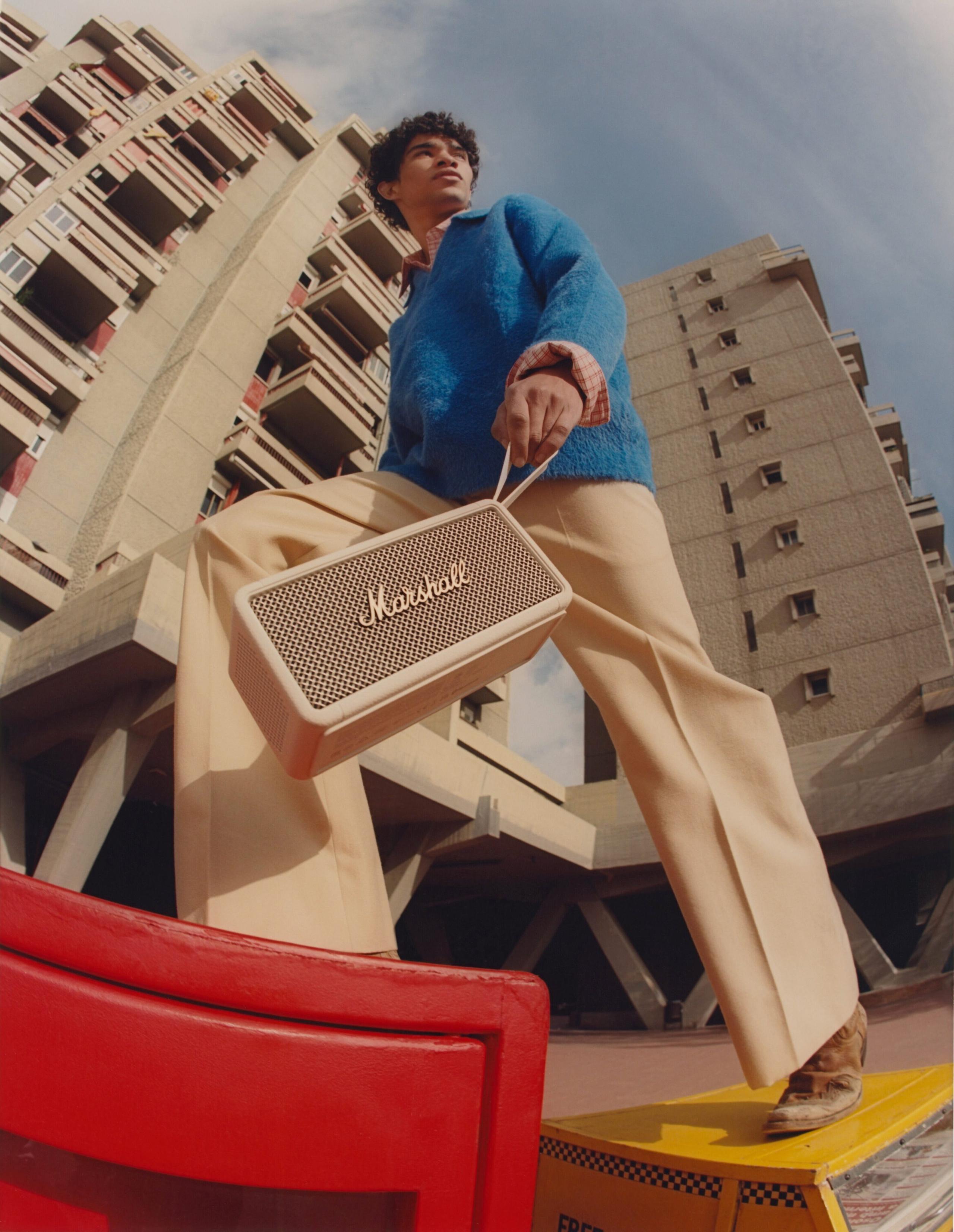
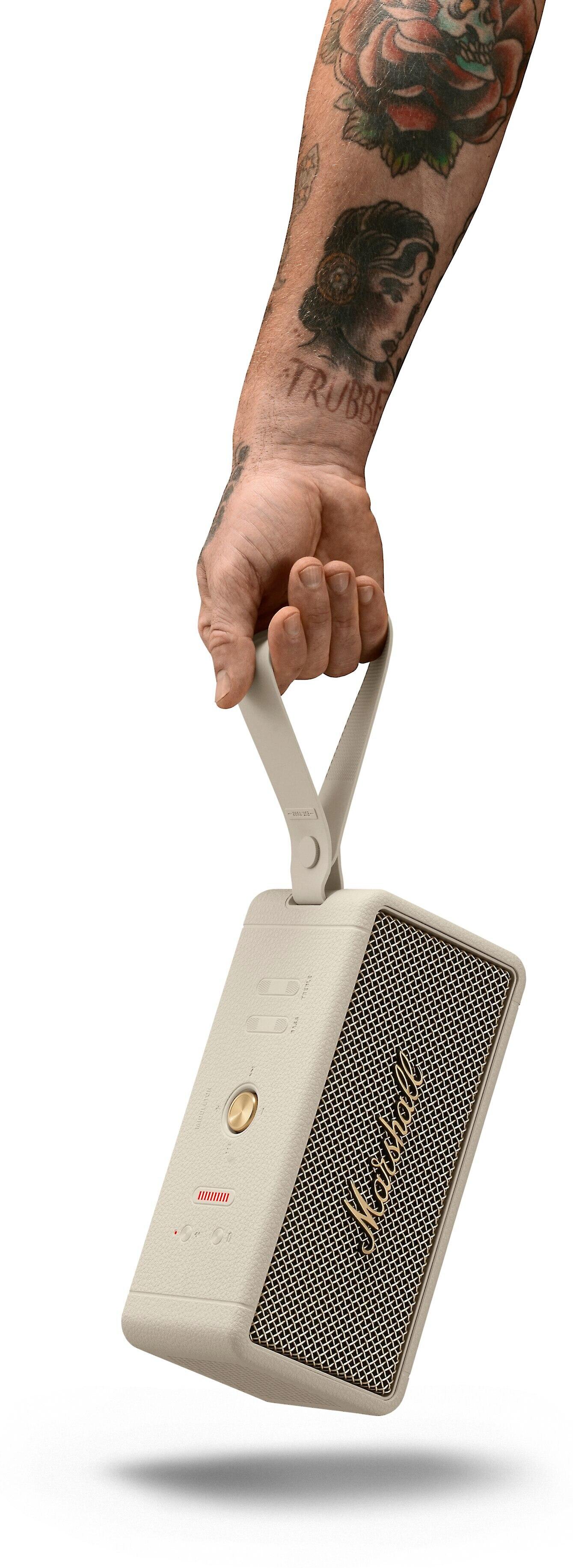
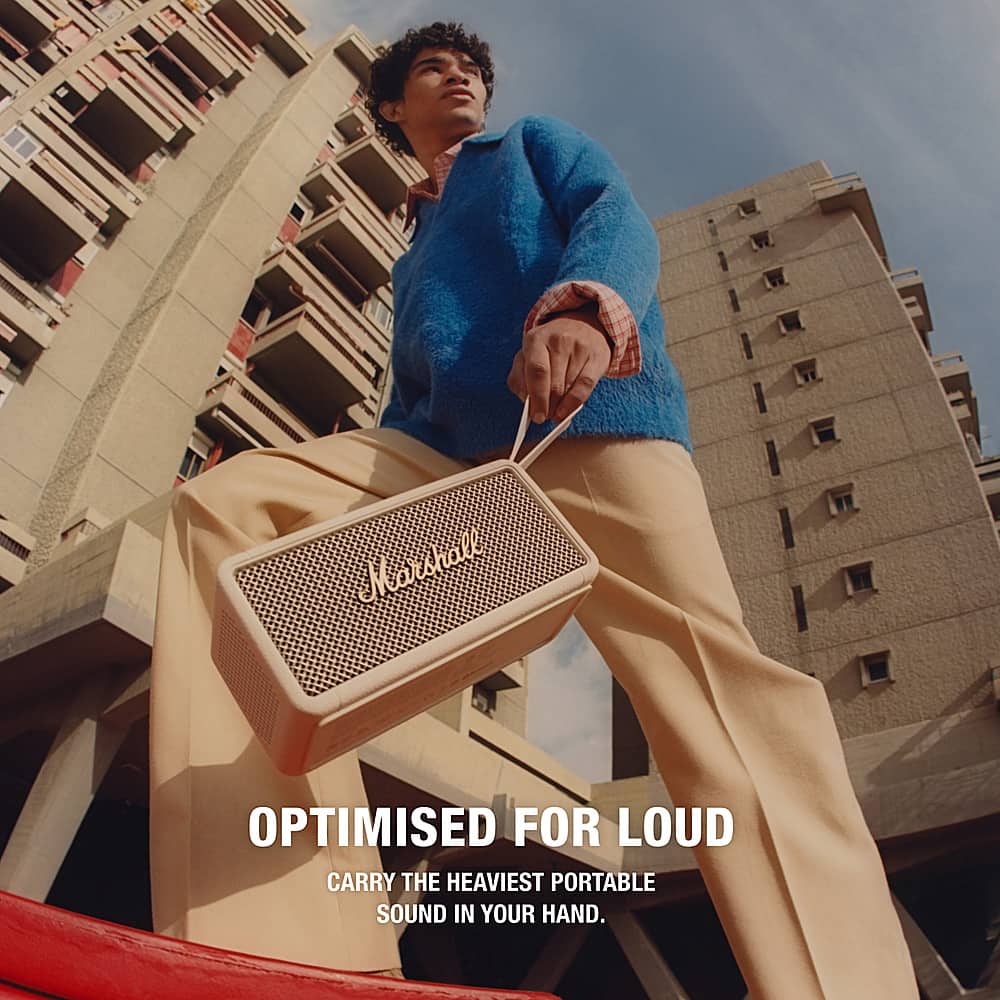
The Marshall Middleton weighs 4 pounds and measures roughly the size of a thick hardcover book. While Marshall includes a detachable carrying strap, this is decidedly a "transportable" rather than "portable" speaker. You'll need a bag or backpack for any meaningful transport, and the weight becomes noticeable during extended carrying.
However, this size penalty brings substantial benefits. The larger enclosure allows for proper bass reproduction and higher volume output. The multiple drivers can reproduce complex musical arrangements with better separation and clarity. For many users, this trade-off makes sense—sacrificing easy portability for significantly better sound quality.
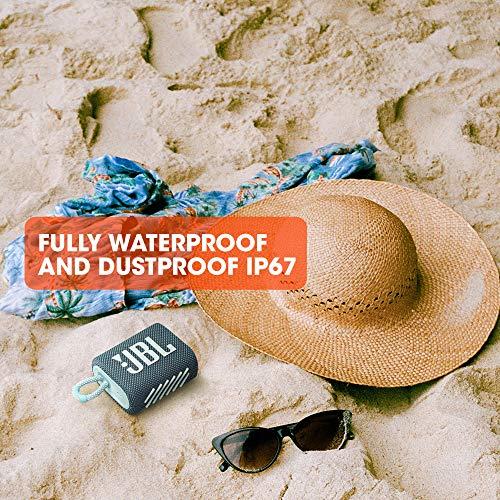
Both speakers achieve IP67 water and dust resistance, meaning they're equally suitable for poolside use, beach trips, or dusty outdoor environments. This rating has become standard for quality portable speakers and represents a major reliability improvement over earlier generations.
At the time of writing, the JBL Go 3 typically sells for under $50, while the Marshall Middleton commands a premium price in the $200+ range. This substantial price difference reflects their different target markets and capabilities.
The Go 3 offers exceptional value in the ultra-portable segment. For less than the cost of a dinner for two, you get reliable Bluetooth connectivity, water resistance, and sound quality that's genuinely impressive for the size constraints. It's hard to argue with the value proposition when the financial risk is so low.
The Middleton's higher price requires more careful justification. You're paying for premium audio components, extended battery life, power bank functionality, and Marshall's brand heritage. The question becomes whether these benefits align with your actual usage patterns and audio quality expectations.
From a pure performance-per-dollar perspective, the Middleton actually delivers significant value in the premium portable category. Comparable speakers from other premium brands often cost similar amounts while offering fewer features or inferior sound quality. However, the absolute price difference means many users will never consider it, regardless of its relative value within its price tier.
The JBL Go 3 excels in scenarios where traditional speakers simply aren't practical. Personal workout sessions, commutes, hotel room audio enhancement, and any situation requiring easy one-handed transport. Its sound quality, while limited, proves adequate for podcasts, audiobooks, and casual music listening. The low price also makes it ideal as a backup speaker or for situations where theft or damage risk is high.
For home theater applications, the Go 3 falls short. Its mono output and limited frequency response can't enhance movie dialogue meaningfully or reproduce film soundtracks with any impact. It works as an emergency solution for laptop audio, but don't expect cinematic experiences.
The Marshall Middleton serves as a legitimate primary speaker for small to medium spaces. Its stereo output and full-range frequency response make it suitable for background music during gatherings, outdoor parties, or as the main audio system in vacation rentals or dorm rooms. The extended battery life supports all-day outdoor events without charging anxiety.
In home theater contexts, the Middleton can significantly enhance laptop or tablet movie watching. While it won't replace a proper soundbar or surround system, its clear dialogue reproduction and fuller frequency response make films more engaging than built-in device speakers. The True Stereophonic processing even provides some sense of spatial audio for movies mixed in stereo.
When evaluating portable speakers, several performance characteristics prove most critical for real-world satisfaction:
Frequency response range determines how much of the musical spectrum the speaker reproduces. The Marshall Middleton's 50Hz-20kHz range captures nearly all audible frequencies, while the Go 3's 110Hz-20kHz range misses crucial bass fundamentals.
Maximum output level affects how well the speaker fills spaces and overcomes ambient noise. The Middleton can reach levels suitable for outdoor gatherings, while the Go 3 maxes out at personal listening volumes.
Dynamic range describes the difference between the quietest and loudest sounds the speaker can reproduce. More powerful amplification and better drivers provide greater dynamic range, making music more emotionally engaging. The Middleton's 60-watt amplification provides substantial headroom compared to the Go 3's 4.2 watts.
Distortion characteristics become crucial at higher volumes. Our research suggests the Go 3 maintains clarity at moderate levels but struggles with bass-heavy material at maximum volume. The Middleton reportedly maintains composure even at high output levels.
The decision between these speakers ultimately depends on honest assessment of your listening habits and mobility needs. If you primarily listen alone, value maximum portability, and have budget constraints, the JBL Go 3 delivers remarkable value. Its limitations become features when extreme portability is the priority.
Choose the Marshall Middleton if you regularly listen with others, prioritize sound quality over portability, and can justify the higher investment. Its capabilities make it suitable as a primary speaker for many situations, not just portable use.
Consider your lifestyle realistically. If you're constantly moving, the Go 3's convenience will serve you better than superior sound quality you rarely have opportunity to appreciate. Conversely, if you have regular access to power and typically listen in stationary settings, the Middleton's audio quality advantages become compelling.
Both speakers succeed in their intended roles. The question isn't which is better objectively—it's which better matches your specific combination of budget, space constraints, and audio priorities.
| JBL Go 3 Portable Bluetooth Speaker | Marshall Middleton Portable Bluetooth Speaker |
|---|---|
| Size & Weight - Critical for true portability | |
| 3.4" x 2.7" x 1.6", 0.46 lbs (genuinely pocket-portable) | 9.06" x 4.31" x 3.75", 4 lbs (requires bag for transport) |
| Audio Configuration - Determines sound quality and stereo imaging | |
| Single 1.5" driver, mono output (adequate for personal listening) | Dual 3" woofers + dual 0.625" tweeters, true stereo (room-filling sound) |
| Power Output - Affects volume and dynamic range | |
| 4.2W RMS (suitable for near-field listening only) | 60W total (20W per woofer, 10W per tweeter - handles groups and outdoor use) |
| Frequency Response - Determines bass depth and overall tonal balance | |
| 110Hz - 20kHz (missing fundamental bass frequencies) | 50Hz - 20kHz (captures full bass range for modern music) |
| Battery Life - Critical for extended use without charging | |
| 5 hours (adequate for personal sessions, requires frequent charging) | 20 hours (all-day outdoor events, includes power bank functionality) |
| Maximum Volume - Determines room-filling capability | |
| ~85 dB (personal listening only, struggles in noisy environments) | 95+ dB (suitable for outdoor gatherings and medium-sized rooms) |
| Water/Dust Protection - Essential for outdoor reliability | |
| IP67 rated (fully waterproof and dustproof) | IP67 rated (fully waterproof and dustproof) |
| Connectivity Features - Affects ease of use and multi-device scenarios | |
| Bluetooth 5.1, single device pairing | Bluetooth 5.1, dual device pairing, Stack Mode for multiple speakers |
| Special Technologies - Unique features that enhance performance | |
| JBL Pro Sound optimization for compact drivers | True Stereophonic technology for 360° sound projection |
| Charging & Power Features - Convenience and versatility | |
| USB-C charging, 2.5-hour charge time | USB-C charging with power bank capability, quick charge (20 min = 2 hours play) |
| Price Category - Value positioning and target market | |
| Ultra-budget (exceptional value for ultra-portable needs) | Premium portable (justified by audio quality and extended features) |
The JBL Go 3 is significantly more portable, weighing only 0.46 pounds compared to the Marshall Middleton's 4 pounds. The Go 3 fits in your pocket and includes an integrated loop for easy attachment, while the Middleton requires a bag for transport and is better described as "transportable" rather than truly portable.
The Marshall Middleton delivers superior sound quality with 60W total power, true stereo output, and frequency response down to 50Hz for full bass reproduction. The JBL Go 3 offers clear mids and highs from its single 4.2W driver but lacks deep bass, with frequency response starting at 110Hz.
The Marshall Middleton provides up to 20 hours of playbook time and includes power bank functionality to charge other devices. The JBL Go 3 offers 5 hours of playback, which is adequate for personal listening sessions but requires more frequent charging.
The Marshall Middleton is well-suited for outdoor gatherings with its high volume output, 360-degree sound projection, and 20-hour battery life. The JBL Go 3 works best for personal outdoor use due to its limited volume and 5-hour battery, though both have IP67 water resistance for outdoor durability.
Value depends on your needs: the JBL Go 3 offers exceptional value for ultra-portable personal listening, while the Marshall Middleton provides better value if you need room-filling sound quality and extended battery life. The Go 3 costs significantly less but has major performance limitations.
Neither speaker is ideal for home theater, but the Marshall Middleton can enhance laptop or tablet movie watching with its stereo output and fuller frequency response. The JBL Go 3 offers minimal improvement over built-in device speakers for movies due to its mono output and limited bass response.
The Marshall Middleton reaches much higher volume levels (95+ dB) suitable for medium rooms and outdoor spaces. The JBL Go 3 maxes out around 85 dB, which is adequate for personal listening but insufficient for group settings or noisy environments.
The Marshall Middleton supports Stack Mode for wirelessly connecting multiple speakers together for bigger sound. The JBL Go 3 doesn't support multi-speaker pairing features, focusing purely on individual use.
Both the JBL Go 3 and Marshall Middleton feature IP67 water and dust resistance, making them equally suitable for outdoor use, poolside activities, and harsh weather conditions. Build quality is solid on both, though the Middleton uses more premium materials.
The Marshall Middleton reproduces bass frequencies down to 50Hz through its dual 3-inch woofers, capturing the fundamental frequencies of bass guitars and electronic music. The JBL Go 3 rolls off around 110Hz, missing deep bass frequencies that make music feel full and impactful.
The JBL Go 3 is far superior for travel due to its pocket-portable size, integrated attachment loop, and negligible weight impact in luggage. The Marshall Middleton requires dedicated bag space and adds significant weight, making it less practical for frequent travel.
Neither the JBL Go 3 nor Marshall Middleton includes a built-in microphone for speakerphone functionality. Both focus purely on music playback rather than communication features, so you'll need to use your phone's microphone for calls while using either speaker for audio output.
We've done our best to create useful and informative comparisons to help you decide what product to buy. Our research uses advanced automated methods to create this comparison and perfection is not possible - please contact us for corrections or questions. These are the sites we've researched in the creation of this article: rtings.com - streamtechreviews.com - english.achoreviews.com - smarthomesounds.co.uk - soundguys.com - rtings.com - walmart.com - soundguys.com - youtube.com - youtube.com - jbl.com - youtube.com - selectoguru.com - versus.com - videoandaudiocenter.com - harmanaudio.com - jbl.com - bestbuy.com - forum.hifiguides.com - manuals.plus - kh.jbl.com - th.jbl.com - mm.jbl.com - jbl.com - bestbuy.com - youtube.com - youtube.com - youtube.com - jbl.com - bestbuy.com - bestbuy.com - jbl.com.tw - youtube.com - t3.com - whatsthebest.co.uk - youtube.com - techradar.com - timesofindia.indiatimes.com - crutchfield.com - bestbuy.com - camelcamelcamel.com - marshall.com - marshall.com - crutchfield.com - corporatespecialties.com - rtings.com - itworld.com.my

Privacy Policy
Terms and Conditions - Affiliate Policy
Home Security
© Copyright 2008-2026.
11816 Inwood Rd #1211, Dallas, TX 75244