








When you need music that follows you everywhere without weighing down your bag, ultra-portable Bluetooth speakers become essential companions. These pocket-sized powerhouses have evolved dramatically since their early days of tinny, barely-audible sound. Today's best models pack surprising audio quality, robust durability, and smart features into packages smaller than a coffee mug.
The ultra-portable speaker category sits in a fascinating sweet spot between true portability and acceptable sound quality. Unlike their larger cousins that prioritize room-filling volume, these speakers excel at personal listening, small group gatherings, and outdoor adventures where every ounce matters. They're designed for the beach bag, the hiking backpack, the bike frame, or the hotel nightstand – places where traditional speakers simply can't go.
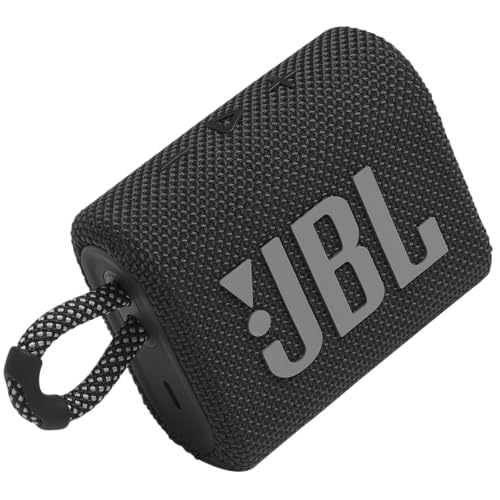
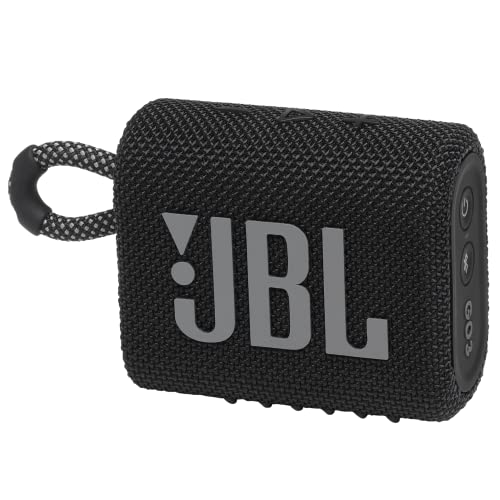
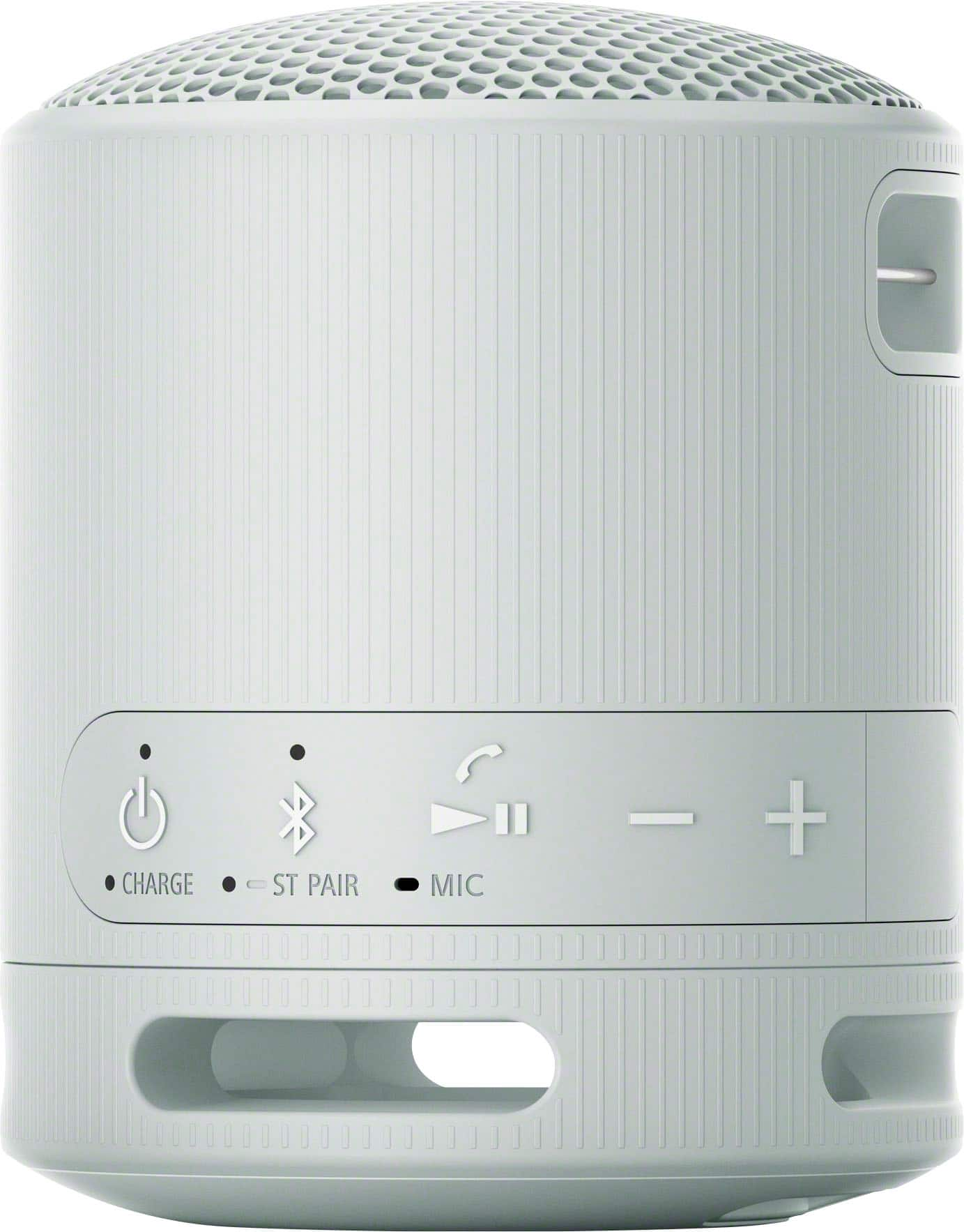
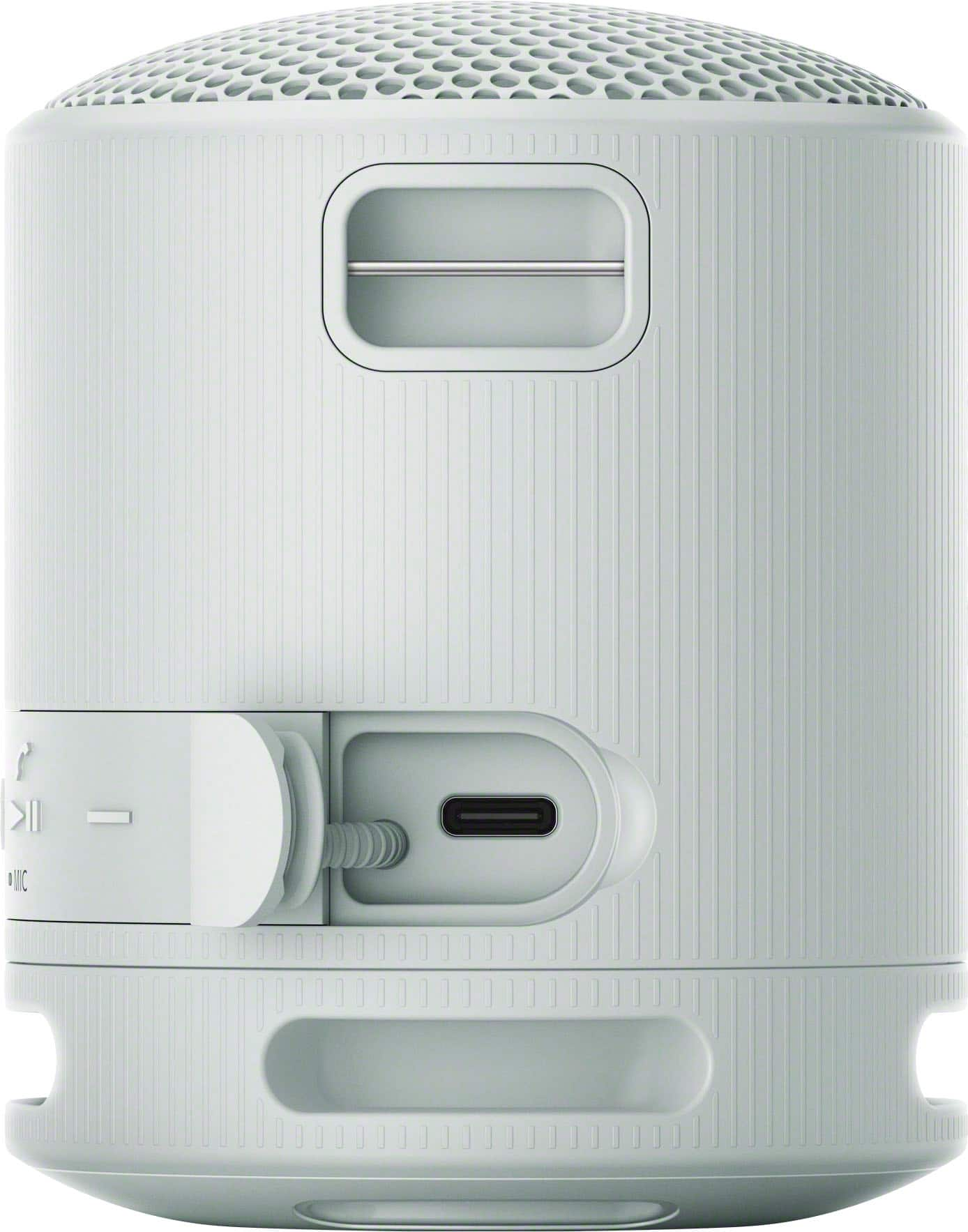
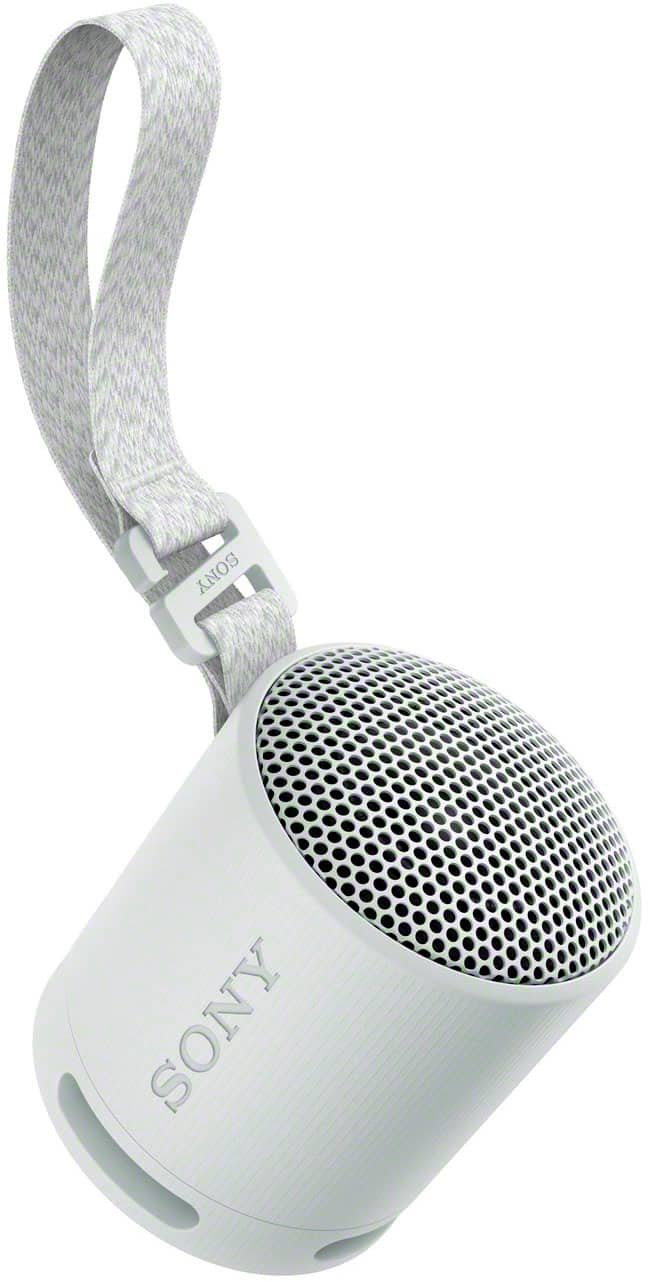
Two standout contenders in this space are the JBL Go 3 and the Sony XB100. Both launched with similar goals but took notably different approaches to achieving portable audio excellence. The JBL Go 3, released in 2020, represents JBL's philosophy of maximizing volume and clarity within extreme size constraints. Meanwhile, the Sony XB100, arriving in 2023, embodies Sony's more recent thinking about balancing sound quality, battery life, and smart features.
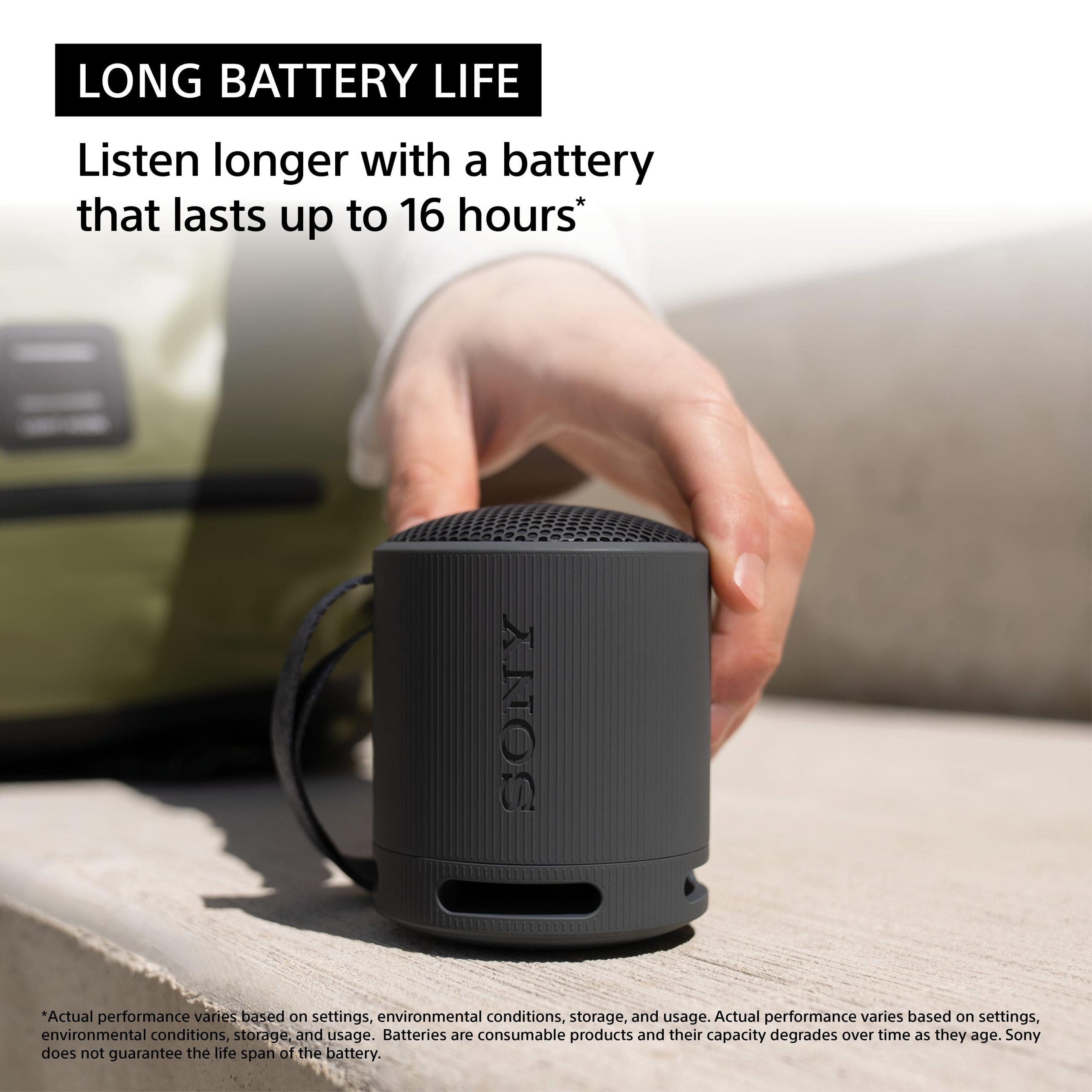
Perhaps no specification matters more for portable speakers than battery performance, and here these two devices couldn't be more different. The JBL Go 3 delivers 5 hours of continuous playback, which was competitive when it launched but feels limiting by today's standards. In contrast, the Sony XB100 provides an impressive 16 hours of music – more than tripling the JBL's endurance.
This difference fundamentally changes how you use each speaker. With the JBL Go 3, you're constantly thinking about charging cycles. A day at the beach requires planning around power management, and forgetting to charge overnight means disappointment the next morning. The Sony XB100 eliminates that anxiety entirely, offering weekend-long adventures or full workdays without touching a charger.
The Sony achieves this remarkable battery efficiency through several technical improvements that have emerged since 2020. Its amplifier design is more power-efficient, converting more electrical energy into actual sound rather than waste heat. The newer Bluetooth 5.3 standard also consumes less power than the JBL's Bluetooth 5.1, especially during standby periods. Additionally, Sony's power management algorithms actively optimize performance to extend battery life without sacrificing audio quality.
From a practical standpoint, this battery difference affects your daily routine. The JBL Go 3 becomes another device demanding regular charging attention, like your phone or earbuds. The Sony XB100 shifts into a different category entirely – something you charge occasionally rather than constantly monitor.
Despite both speakers targeting the same ultra-portable category, their audio approaches reveal fundamentally different philosophies. The JBL Go 3 packs a 4.2-watt driver designed to push maximum volume from its tiny enclosure. This higher power output means the JBL can get noticeably louder, making it better suited for noisy environments or when you need to fill slightly larger spaces.
However, raw wattage doesn't tell the complete story. The Sony XB100 uses a more modest 2.5-watt driver but achieves superior sound balance through better tuning and acoustic engineering. Where the JBL Go 3 prioritizes midrange clarity and vocal presence – excellent for podcasts and acoustic music – the Sony XB100 delivers a warmer, more complete sound signature.
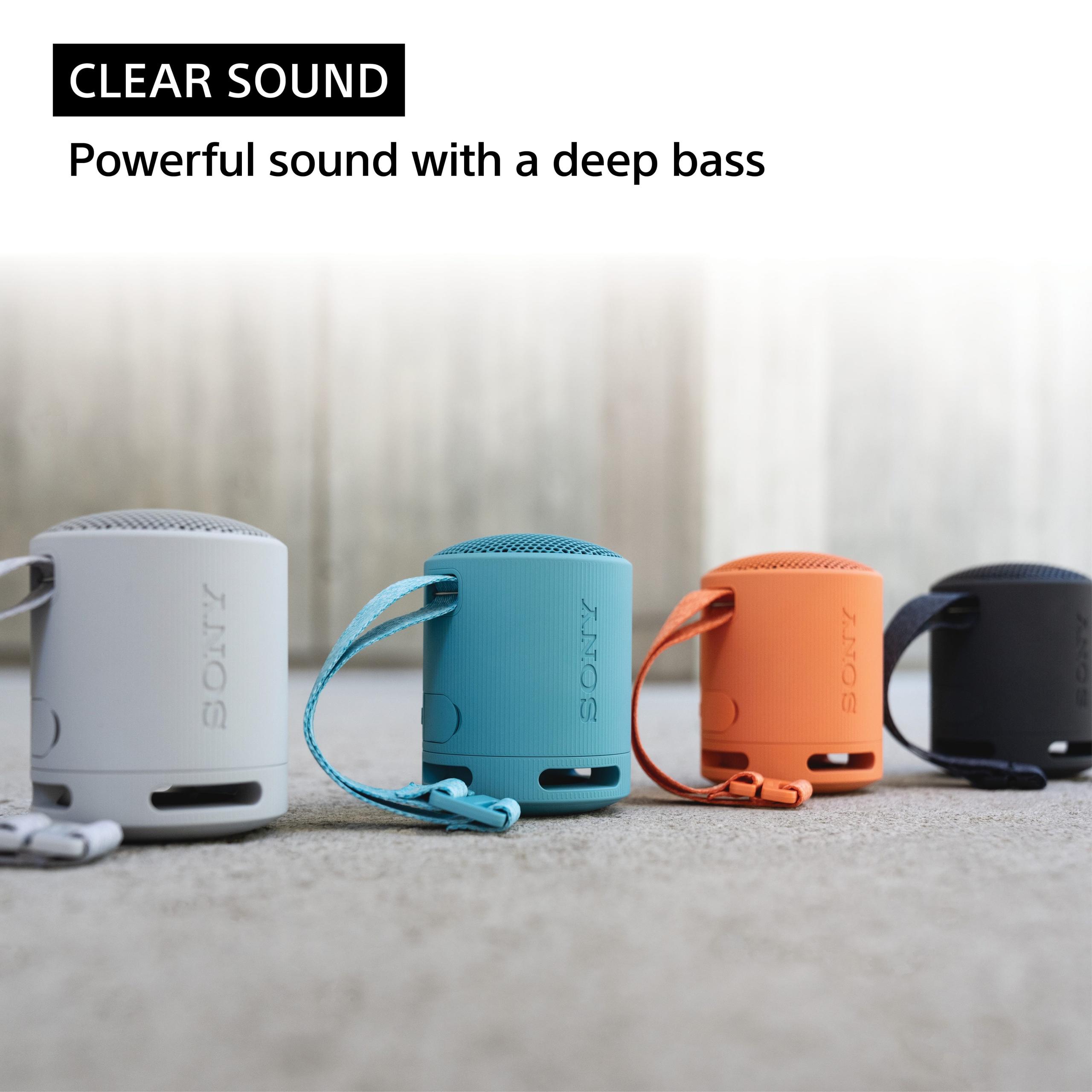
The Sony's secret weapon is its passive radiator system. Think of this as a second "speaker" that doesn't receive electrical power but vibrates sympathetically with the main driver to enhance bass response. This clever engineering trick allows the Sony XB100 to produce surprisingly deep low frequencies despite its compact size, extending its frequency response down to 20Hz compared to the JBL Go 3's 110Hz lower limit.
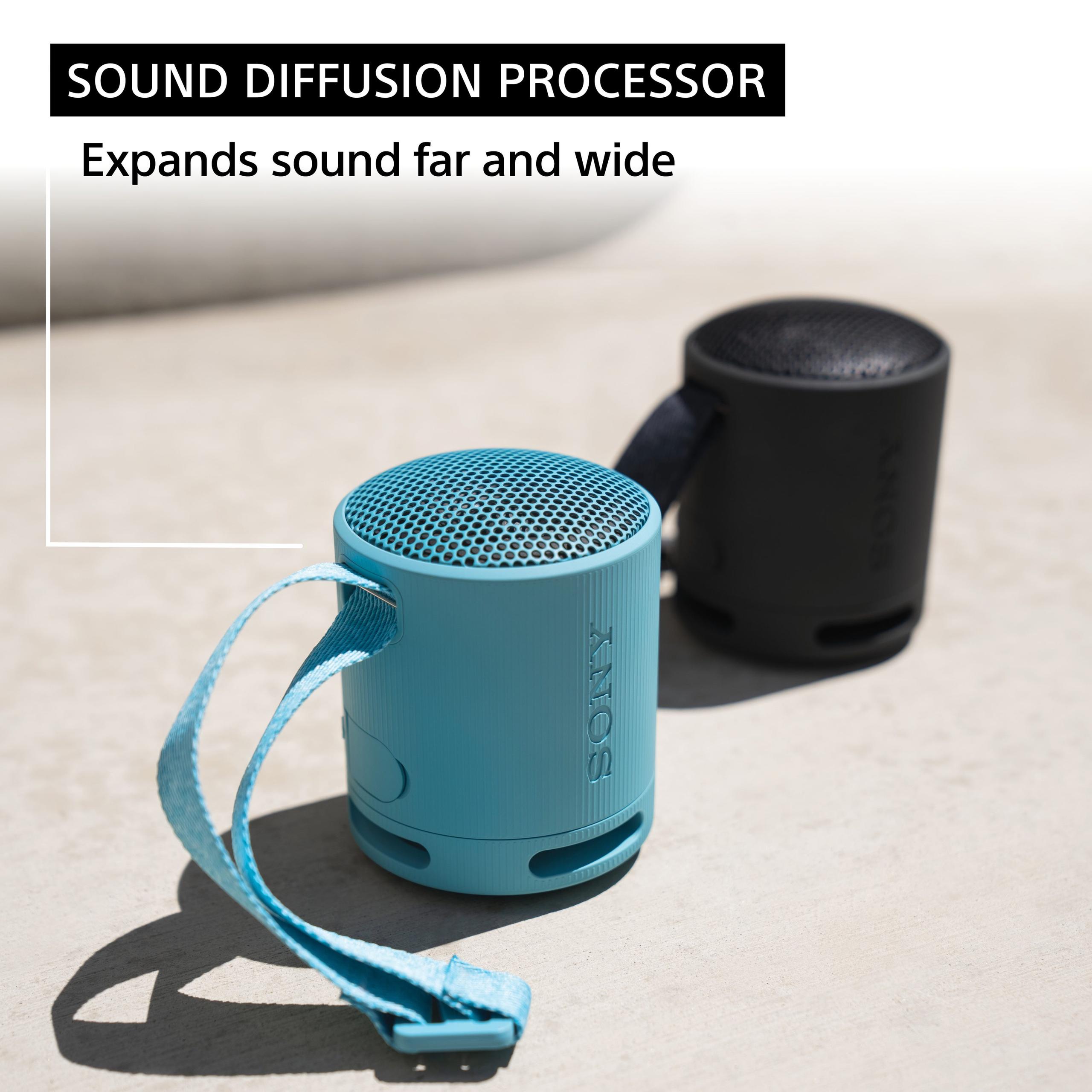
In practical terms, this means electronic music, hip-hop, and rock sound significantly fuller on the Sony XB100, while the JBL Go 3 excels with vocal-heavy content like audiobooks, podcasts, or singer-songwriter material. The Sony's 360-degree sound dispersion also creates a more spacious listening experience, whereas the JBL's more directional output requires careful positioning for optimal sound.
Neither speaker will satisfy serious audiophiles or replace a proper stereo system, but for their intended use cases, the sonic differences matter. The Sony XB100 handles diverse music genres more gracefully, while the JBL Go 3 focuses on maximizing clarity and volume within its limitations.
Modern portable speakers increasingly serve as multi-functional devices rather than simple music players, and this is where the generational gap between these models becomes most apparent. The JBL Go 3 represents an older, simplified approach: connect via Bluetooth, play music, done. There's no companion app, no speakerphone capability, and no way to connect multiple speakers for enhanced sound.
The Sony XB100 embraces the connected device philosophy that has become standard since 2020. Its Sony Music Center app provides firmware updates, battery monitoring, and basic customization options. While the app lacks advanced features like detailed EQ adjustment, it keeps the speaker current with software improvements and bug fixes.
More practically useful is the Sony's built-in speakerphone functionality with echo cancellation technology. This feature transforms the speaker into a conference call device, eliminating the hollow, echo-prone sound that plagues most built-in device speakers. The echo cancellation uses digital signal processing to identify and suppress audio feedback, allowing both parties to speak naturally without the cutting-out issues common in basic speakerphones.
The Sony XB100 also supports stereo pairing, meaning you can wirelessly connect two units for true left-right channel separation. This creates a dramatically enhanced listening experience for couples or small groups, essentially transforming two compact speakers into a portable stereo system. The JBL Go 3 lacks this capability entirely, limiting it to single-speaker use.
These connectivity features might seem minor, but they reflect different design philosophies about what a portable speaker should be. The JBL Go 3 focuses purely on audio playback, while the Sony XB100 positions itself as a more versatile communication and entertainment device.
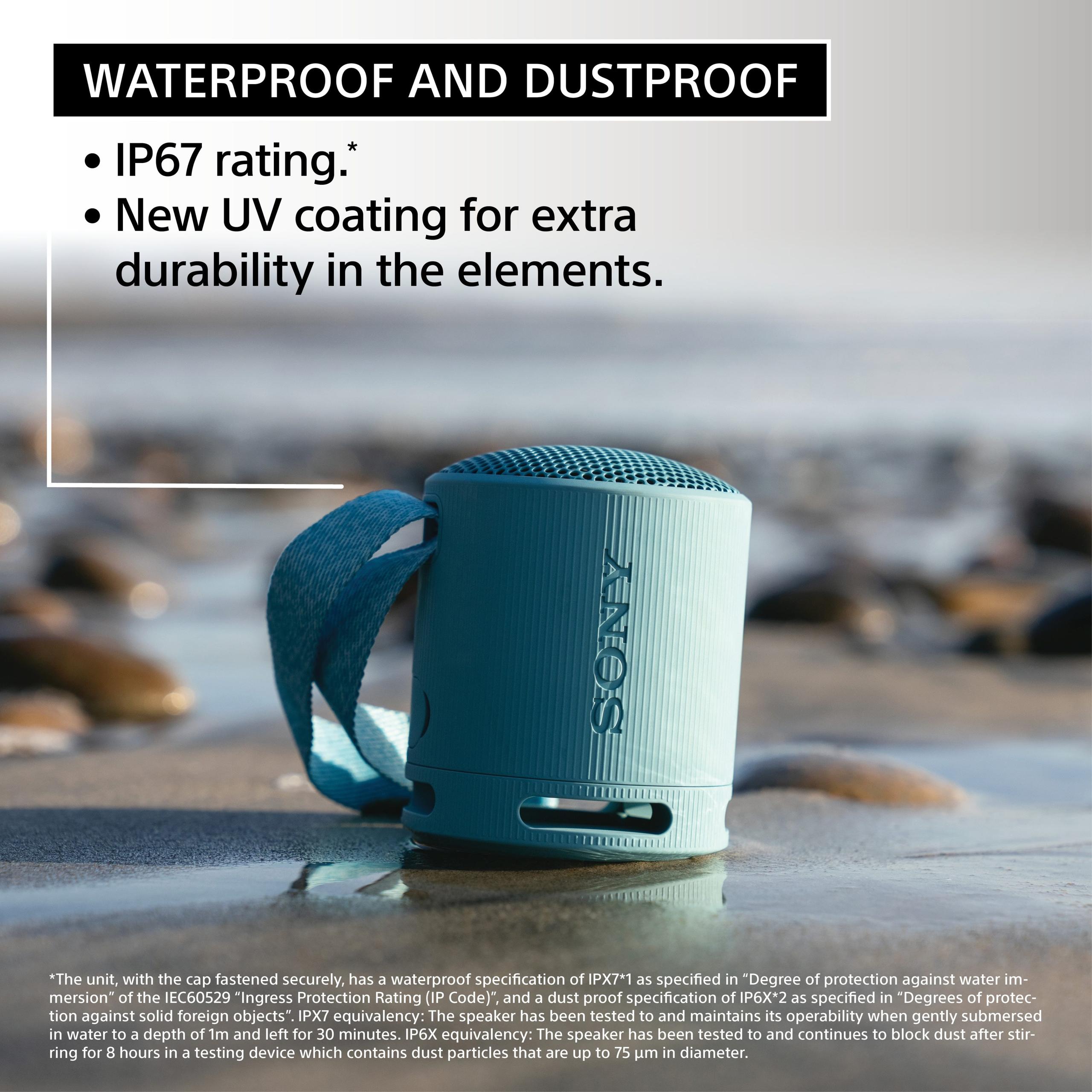
Both speakers achieve the same IP67 water and dust resistance rating, meaning they're completely protected against dust ingress and can survive submersion in up to one meter of water for 30 minutes. This makes either suitable for beach days, pool parties, camping trips, or shower use without concern.
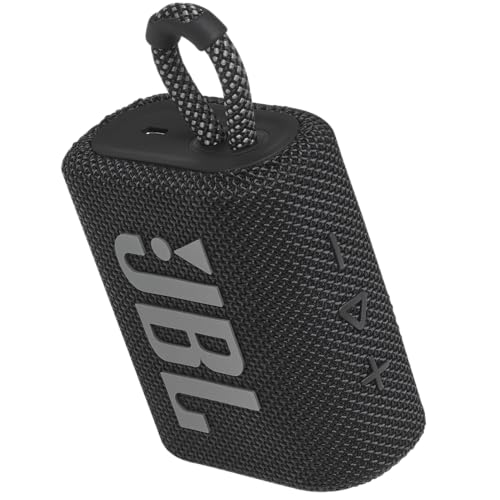
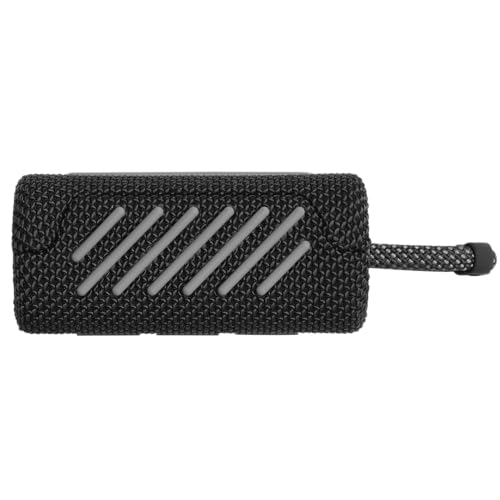
However, their physical designs reflect different priorities. The JBL Go 3 features JBL's signature bold aesthetic with colorful fabric covering, rubberized accents, and an integrated loop for attachment. Its rectangular shape and directional design clearly indicate which way to orient it for optimal sound projection.
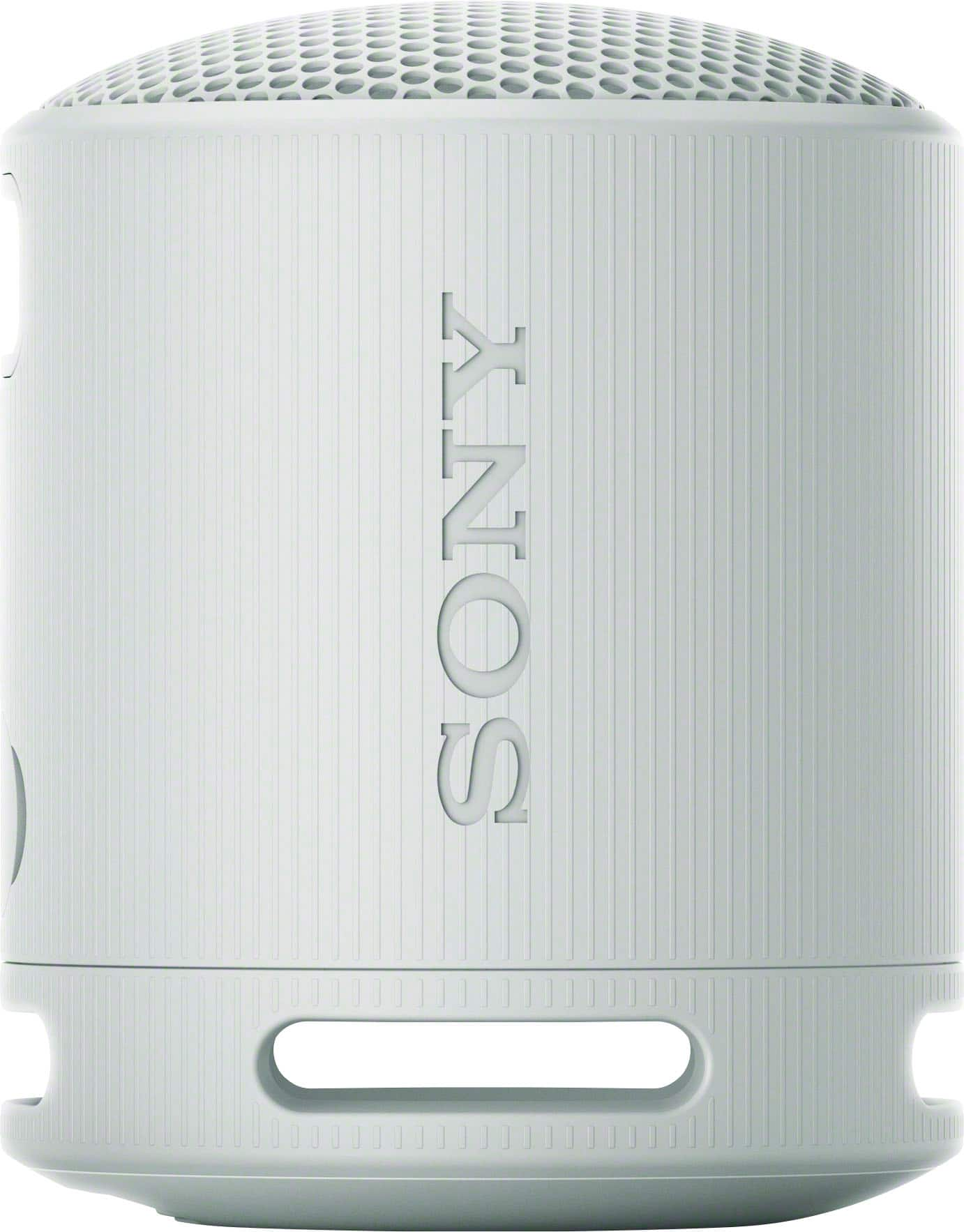
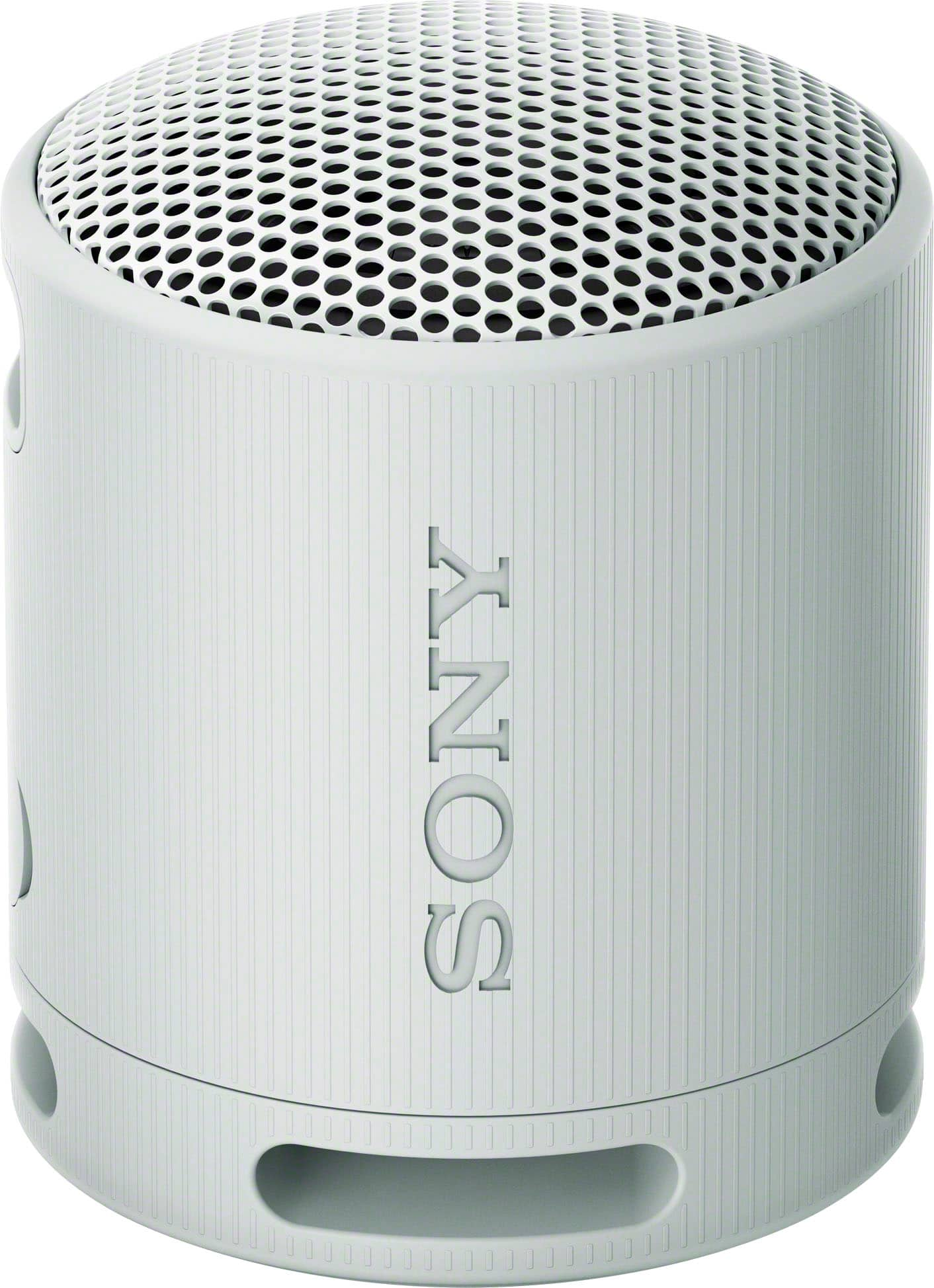
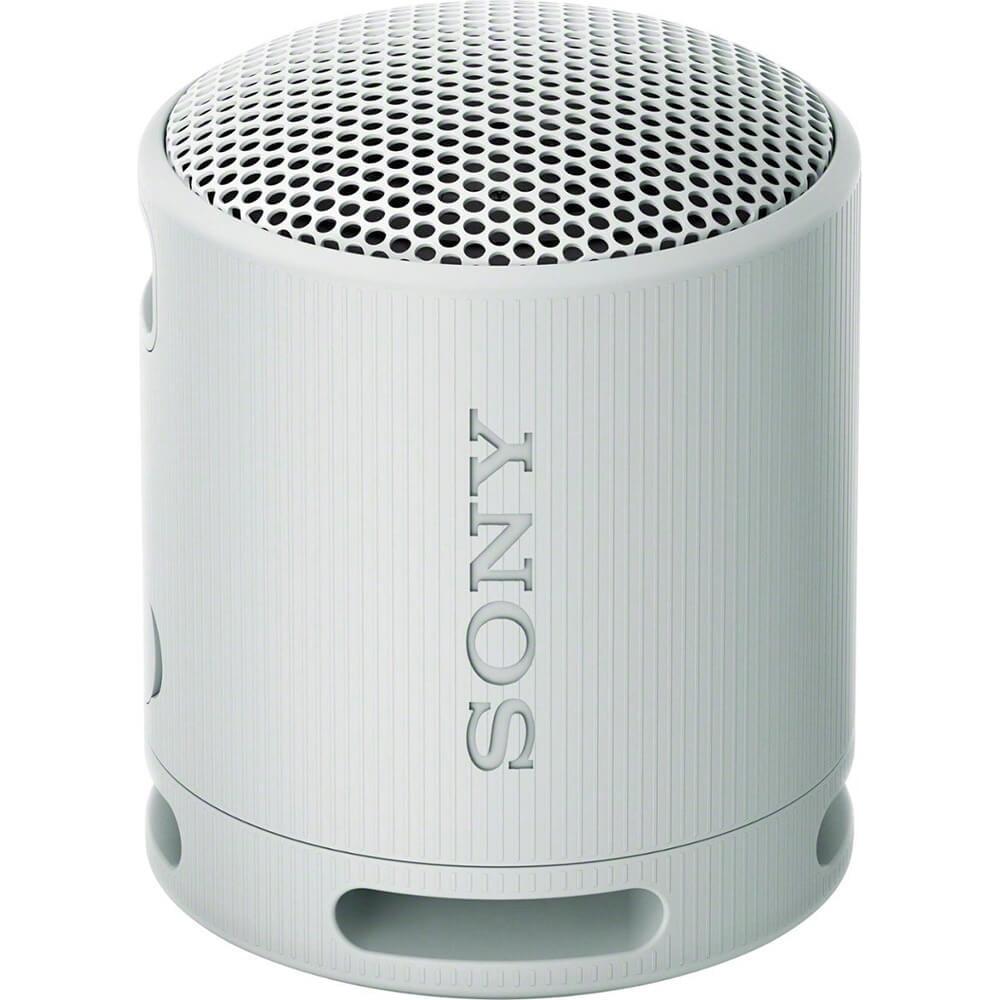
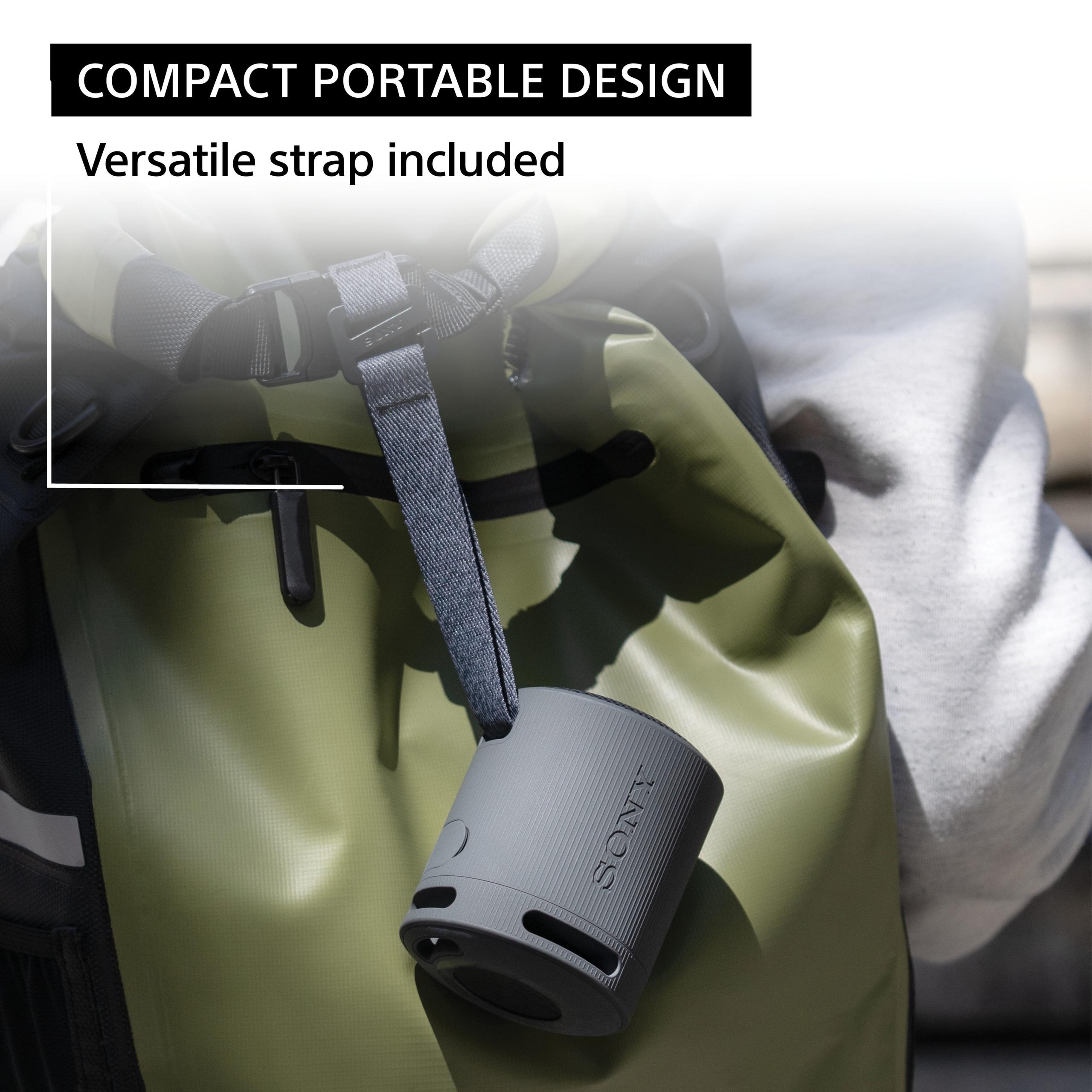
The Sony XB100 takes a more utilitarian approach with its cylindrical design that provides 360-degree sound dispersion. This means it sounds consistent regardless of positioning, whether standing upright, lying on its side, or hanging from its included strap. The trade-off is a less distinctive appearance that some might find bland compared to JBL's more expressive styling.
Build quality feels solid on both speakers, with materials chosen to withstand outdoor use and regular handling. Neither shows obvious weak points or concerning flex under pressure. The JBL Go 3's fabric grille could potentially be more vulnerable to snags or punctures, while the Sony's smoother surfaces might be easier to clean after beach or camping use.
While both speakers target portable use, their indoor performance deserves consideration since many people use portable speakers as secondary home audio devices. Neither speaker is designed for home theater use – their small drivers and limited power output can't provide the dynamic range or volume needed for movie soundtracks or large room audio.
However, they serve well as personal audio devices for bedside listening, kitchen background music, or laptop audio enhancement. The Sony XB100's superior battery life makes it particularly useful for this role, as you can move it around the house without constantly returning to a charging station.
The JBL Go 3's louder maximum volume gives it a slight edge for larger indoor spaces, though neither speaker will effectively fill a living room or family room. Both work well for shower audio, bedroom listening, or small kitchen/office spaces where their compact size and wireless convenience outweigh their acoustic limitations.
For true home theater applications, either speaker would serve better as a portable backup or bedroom device rather than a primary audio solution. Their strengths lie in mobility and convenience rather than the power and precision needed for serious home audio setups.
At the time of writing, both speakers occupy similar price points in the ultra-portable category, making their feature and performance differences the primary differentiators rather than cost. This pricing similarity makes the decision more about matching features to your specific needs rather than budget constraints.
The JBL Go 3 represents solid value for users who prioritize maximum volume, don't need extended battery life, and prefer simple, no-app operation. Its established reputation and widespread availability make it a safe choice for basic portable audio needs.
The Sony XB100 offers superior value for most users due to its dramatically longer battery life, enhanced sound quality, and additional features like speakerphone capability. The minimal price premium over the JBL delivers substantial practical benefits that justify the investment for anyone using their speaker regularly.
Market positioning also matters here. JBL has dominated the portable speaker space for years, building strong brand recognition and customer loyalty. Sony entered this specific market segment more recently but brings decades of audio engineering expertise and a reputation for technical innovation.
The JBL Go 3 makes sense for specific use cases and user preferences. Choose it if you absolutely prioritize maximum volume over sound balance, use your speaker primarily for short sessions where 5-hour battery life suffices, or strongly prefer JBL's bold aesthetic design. It's also the better choice for users who want zero app complexity – just pair and play without additional software dependencies.
The JBL Go 3 works well for gym sessions, brief outdoor activities, hotel room audio, or as a backup speaker where simple operation matters more than extended battery life. Its louder output also makes it suitable for slightly noisier environments where the Sony might struggle to cut through ambient sound.
The Sony XB100 serves better for most other scenarios. Its 16-hour battery life eliminates charging anxiety for extended outdoor adventures, multi-day camping trips, or all-day work sessions. The superior bass response makes it more enjoyable for diverse music genres, while the speakerphone functionality adds practical value for remote workers or anyone who takes calls while away from their phone.
The Sony's stereo pairing capability creates an upgrade path – you can start with one speaker and later add a second for enhanced listening experiences. This flexibility makes it appealing for users who might want to expand their audio setup over time.
The choice between these speakers ultimately depends on how you plan to use them and what aspects of performance matter most to your lifestyle. The JBL Go 3 focuses on doing one thing well – delivering maximum volume and vocal clarity from an ultra-compact package. The Sony XB100 takes a more comprehensive approach, balancing sound quality, battery life, and feature integration.
For most users, the Sony's advantages in battery performance and sound balance make it the stronger overall choice. The dramatically longer battery life alone justifies the selection for anyone using their speaker regularly or in situations where charging access is limited. The enhanced bass response and additional features provide bonus value that enhances the overall user experience.
However, the JBL Go 3 remains compelling for users with specific priorities around maximum volume, brand preference, or desire for completely app-free operation. Both speakers represent solid engineering within their design constraints, making either a reasonable choice based on individual needs and preferences.
The ultra-portable speaker category continues evolving rapidly, with manufacturers constantly improving battery technology, driver design, and feature integration. Both the JBL Go 3 and Sony XB100 demonstrate how much performance and capability can be packed into these tiny packages, making high-quality portable audio more accessible and practical than ever before.
| JBL Go 3 Portable Bluetooth Speaker | Sony XB100 Compact Bluetooth Speaker |
|---|---|
| Battery Life - The most critical difference for portable use | |
| 5 hours (requires daily charging for regular users) | 16 hours (weekend-long adventures without charging) |
| Audio Output Power - Affects maximum volume levels | |
| 4.2W RMS (gets noticeably louder, better for noisy environments) | 2.5W (more controlled output, less distortion at max volume) |
| Bass Response - Critical for music enjoyment | |
| 110Hz-20kHz (limited low-end, better for vocals and podcasts) | 20Hz-20kHz with passive radiator (much deeper bass for all music genres) |
| Sound Design Philosophy - Shapes the listening experience | |
| Directional mono speaker (vocal clarity focus, needs proper positioning) | 360-degree sound dispersion (consistent audio from any angle) |
| Bluetooth Version - Affects battery efficiency and connection stability | |
| Bluetooth 5.1 (solid but older standard) | Bluetooth 5.3 (better energy efficiency, contributes to longer battery life) |
| App Connectivity - Access to updates and customization | |
| None (purely standalone operation, no firmware updates) | Sony Music Center app (firmware updates, battery monitoring, basic controls) |
| Speakerphone Capability - Useful for calls and video conferences | |
| Not available (music playback only) | Built-in with echo cancellation (clear hands-free calling) |
| Multi-Speaker Features - Option to expand your setup | |
| None (single speaker only, no pairing options) | Stereo pairing (connect two Sony XB100 units for true stereo sound) |
| Physical Dimensions - Portability factor | |
| 87.5 x 75 x 41.3mm, 209g (slightly more compact) | 76mm diameter x 95mm height, 274g (taller but narrower profile) |
| Water/Dust Resistance - Essential for outdoor use | |
| IP67 (fully waterproof and dustproof, identical protection) | IP67 (fully waterproof and dustproof, identical protection) |
| Charging Port - Convenience and cable compatibility | |
| USB-C (universal charging, 2.5-hour charge time) | USB-C (universal charging, longer charge time due to larger battery) |
| Release Year - Indicates technology generation | |
| 2020 (established design, proven reliability) | 2023 (newer technology, benefits from 3 years of advancement) |
The Sony XB100 significantly outperforms the JBL Go 3 in battery life, offering 16 hours of continuous playback compared to just 5 hours. This makes the Sony XB100 much better for extended outdoor activities, camping trips, or all-day use without needing to recharge.
The JBL Go 3 focuses on maximum volume and vocal clarity with its 4.2W driver, making it excellent for podcasts and getting loud in noisy environments. The Sony XB100 delivers warmer, more balanced sound with better bass response thanks to its passive radiator design, despite having a lower 2.5W power output.
The Sony XB100 is superior for outdoor adventures due to its 16-hour battery life that can last entire weekends without charging. Both speakers offer identical IP67 water and dust resistance, but the JBL Go 3's 5-hour battery requires more frequent charging during extended outdoor use.
Only the Sony XB100 includes built-in speakerphone functionality with echo cancellation technology for clear hands-free calling. The JBL Go 3 lacks this feature entirely and can only be used for music playback.
The Sony XB100 provides superior value with its dramatically longer battery life, enhanced sound quality, speakerphone capability, and app connectivity. While both speakers are similarly priced, the Sony XB100 delivers significantly more functionality and performance for the investment.
Both the JBL Go 3 and Sony XB100 work well for personal listening in bedrooms, kitchens, or small spaces. The Sony XB100's longer battery life makes it more convenient for moving around the house, while neither speaker is suitable for home theater or large room audio applications.
The Sony XB100 supports stereo pairing, allowing you to wirelessly connect two units for true left-right channel separation and enhanced audio experience. The JBL Go 3 cannot connect to other speakers and operates as a single mono unit only.
The JBL Go 3 achieves higher maximum volume levels with its 4.2W driver, making it better suited for noisy environments or when you need to cut through ambient sound. The Sony XB100 prioritizes sound quality over maximum volume output.
The Sony XB100 handles diverse music genres better with its enhanced bass response and warmer sound signature, making it excellent for electronic, hip-hop, and rock music. The JBL Go 3 excels with vocal-heavy content like acoustic music, podcasts, and audiobooks due to its midrange clarity focus.
The JBL Go 3 operates completely independently without any app requirements - just pair and play. The Sony XB100 includes optional Sony Music Center app support for firmware updates and battery monitoring, but the app isn't required for basic operation.
Both the JBL Go 3 and Sony XB100 offer identical IP67 water and dust resistance with solid build quality suitable for outdoor use. The JBL Go 3 features a fabric grille that could be more vulnerable to snags, while the Sony XB100 has smoother surfaces that are easier to clean.
Choose the JBL Go 3 if you prioritize maximum volume, prefer simple operation without apps, and only need short listening sessions under 5 hours. Select the Sony XB100 for extended battery life, better bass response, speakerphone functionality, and the option to add a second speaker for stereo sound pairing.
We've done our best to create useful and informative comparisons to help you decide what product to buy. Our research uses advanced automated methods to create this comparison and perfection is not possible - please contact us for corrections or questions. These are the sites we've researched in the creation of this article: rtings.com - streamtechreviews.com - english.achoreviews.com - smarthomesounds.co.uk - soundguys.com - rtings.com - walmart.com - soundguys.com - youtube.com - youtube.com - jbl.com - youtube.com - selectoguru.com - versus.com - videoandaudiocenter.com - harmanaudio.com - jbl.com - bestbuy.com - forum.hifiguides.com - manuals.plus - kh.jbl.com - th.jbl.com - mm.jbl.com - jbl.com - bestbuy.com - youtube.com - youtube.com - youtube.com - jbl.com - bestbuy.com - bestbuy.com - jbl.com.tw - youtube.com - techradar.com - bestbuy.com - bestbuy.com - tomsguide.com - electronics.sony.com - sony-asia.com - sony.com - sony.com - thesonyshop.ca - cornellstore.com - bestbuy.com

Privacy Policy
Terms and Conditions - Affiliate Policy
Home Security
© Copyright 2008-2026.
11816 Inwood Rd #1211, Dallas, TX 75244