





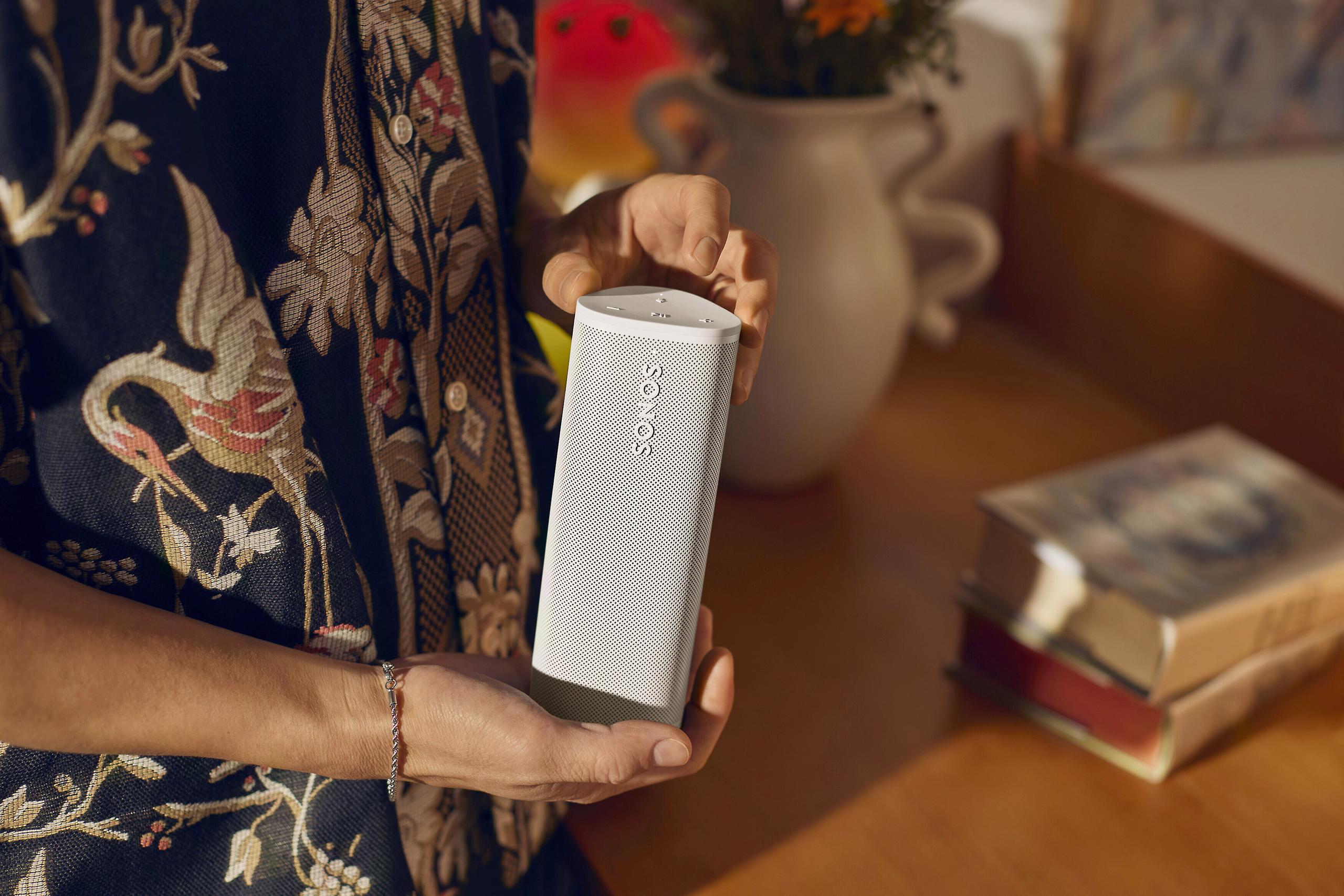
When you're looking for a portable Bluetooth speaker, the choices can feel overwhelming. At one end, you have ultra-affordable options that promise decent sound in a tiny package. At the other, premium speakers that cost several times more but claim to transform your entire audio experience. Today, we're comparing two speakers that represent these different philosophies: the budget-friendly JBL Go 3 and the premium Sonos Roam 2.
Before diving into specifics, it's worth understanding what separates good portable speakers from mediocre ones. The most obvious factor is sound quality – how well does the speaker reproduce your music across different frequencies (bass, midrange, and treble)? But portable speakers face unique challenges that home speakers don't. They need to sound good despite being tiny, last hours on battery power, and survive being tossed in backpacks or left by the pool.
Battery life becomes crucial when you're away from power outlets for extended periods. Water resistance isn't just nice to have – it's essential if you want to use your speaker at the beach, by the pool, or even in the shower. Connectivity matters too, especially as our devices become smarter and more integrated with our homes.
The tricky part is balancing all these factors within your budget. A $30 speaker will make compromises that a $200 speaker won't, but that doesn't automatically make the expensive option the right choice for everyone.
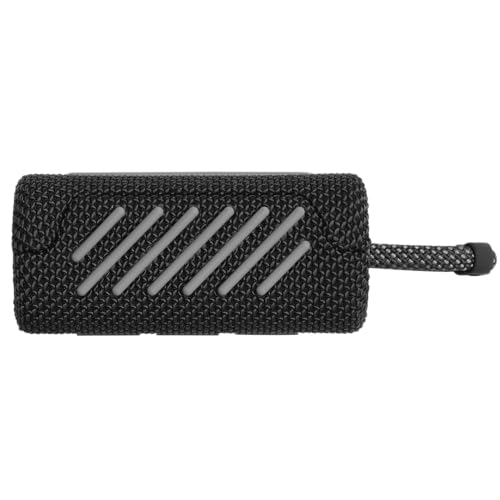
The JBL Go 3, released in 2020, represents JBL's commitment to making decent audio accessible to everyone. At the time of writing, it typically sells for less than what many people spend on a single dinner out. Despite this rock-bottom pricing, it includes features like waterproofing that were once reserved for premium models.
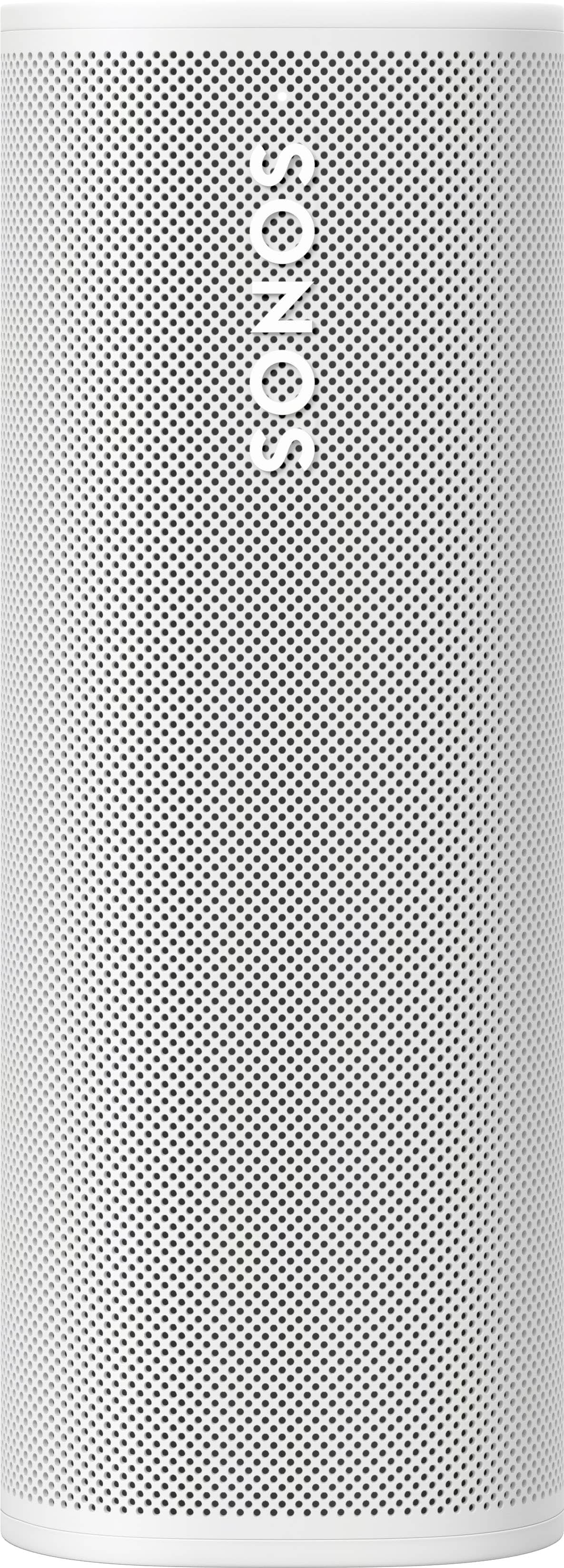
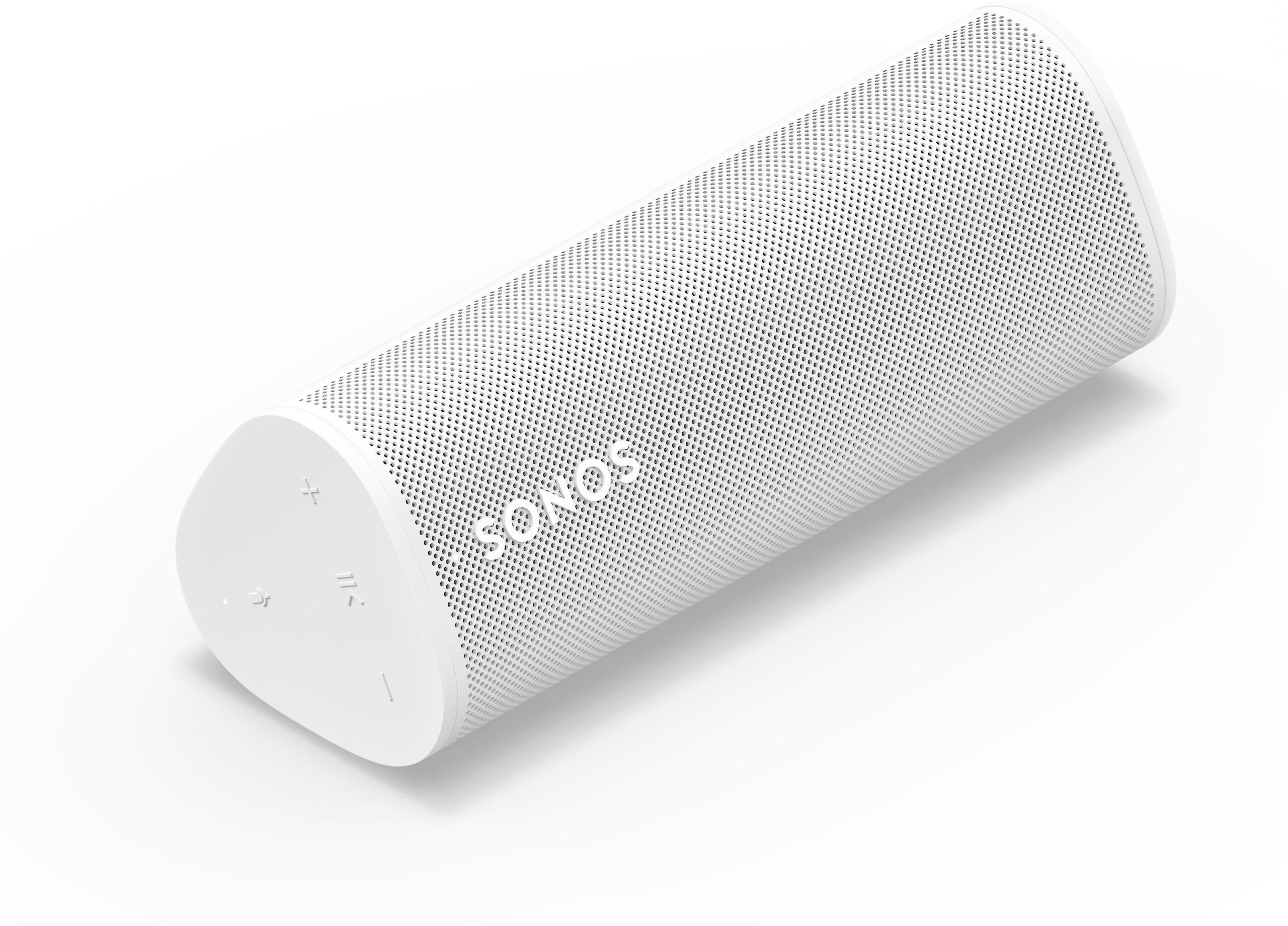
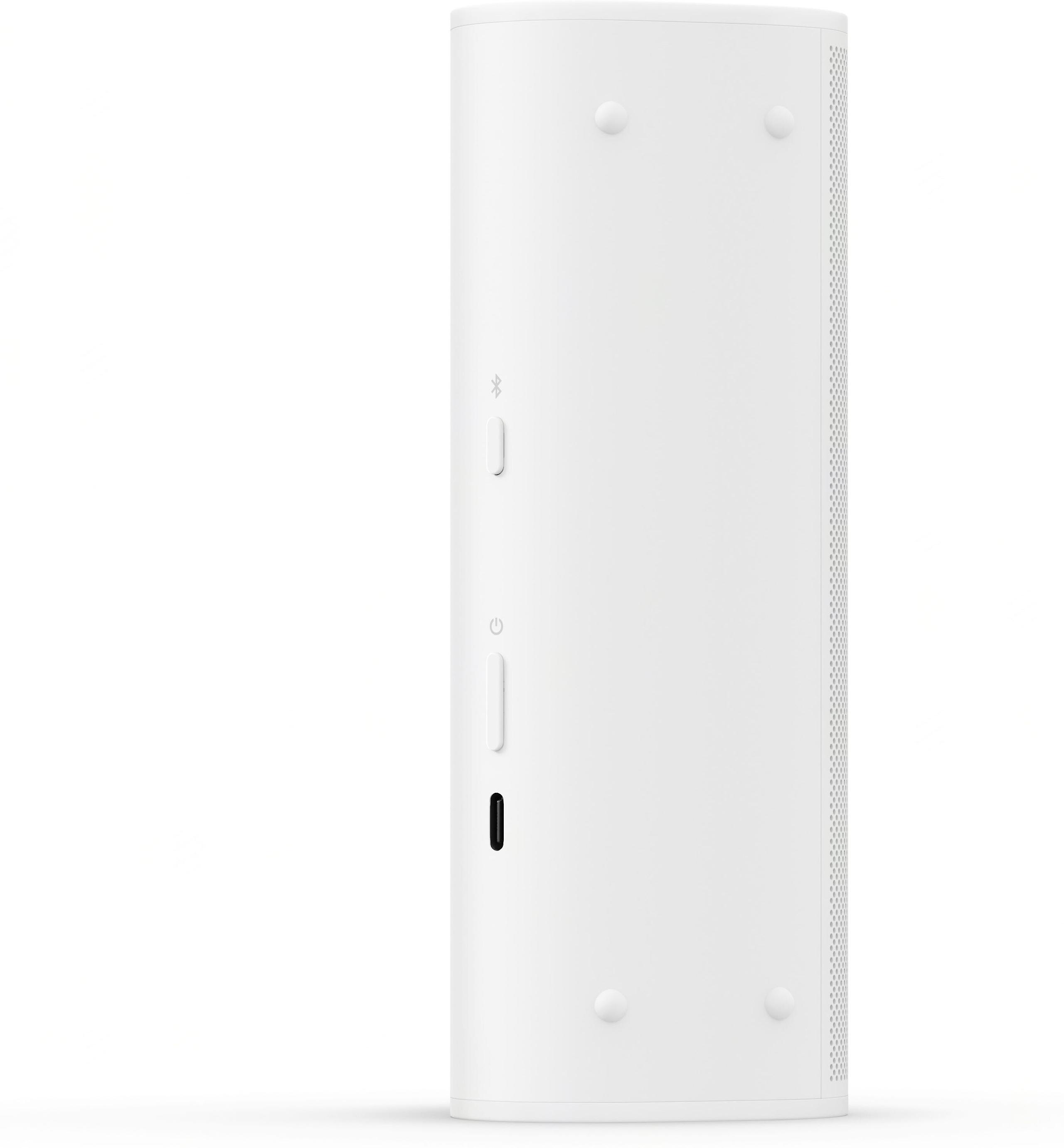
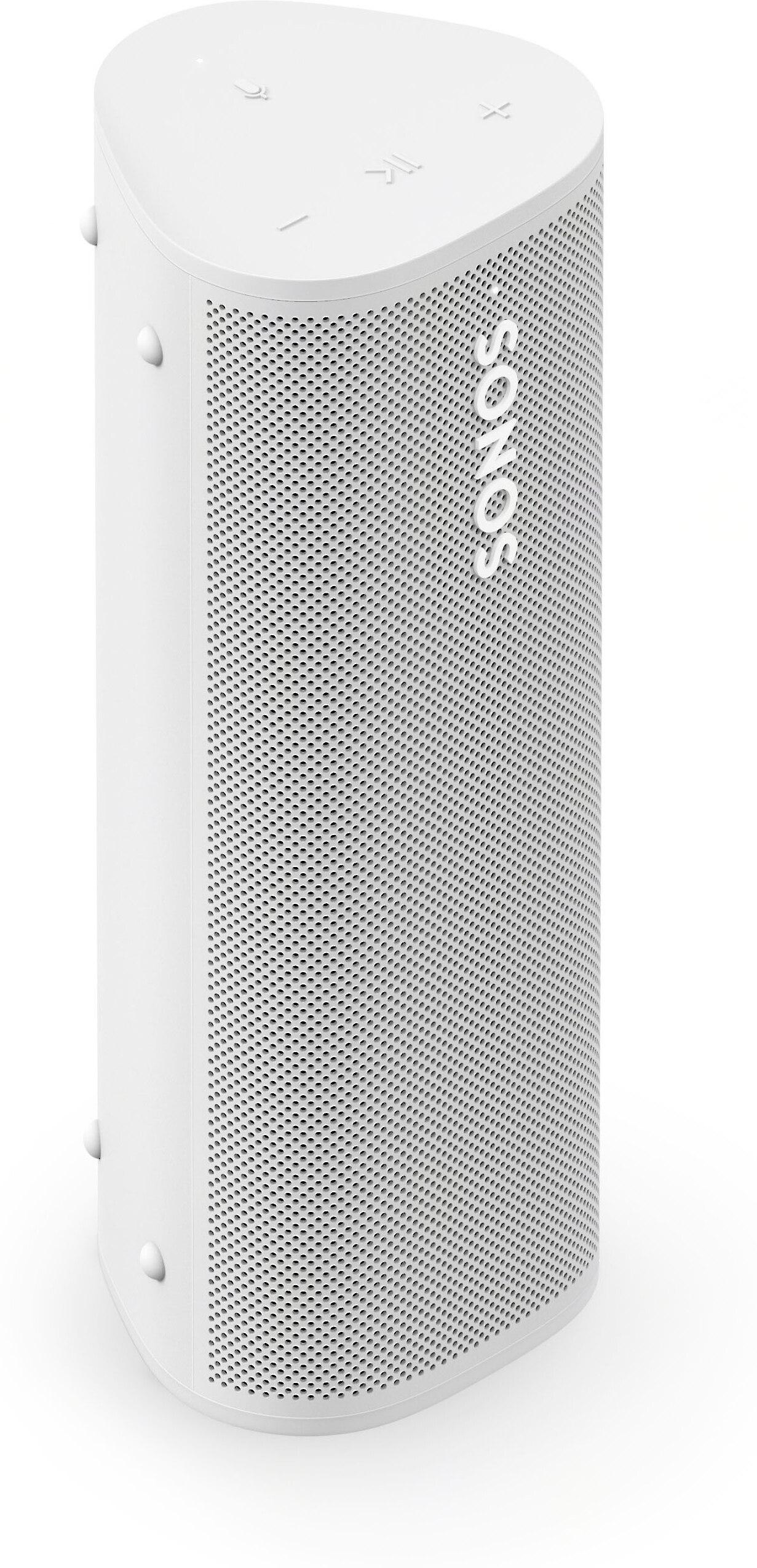
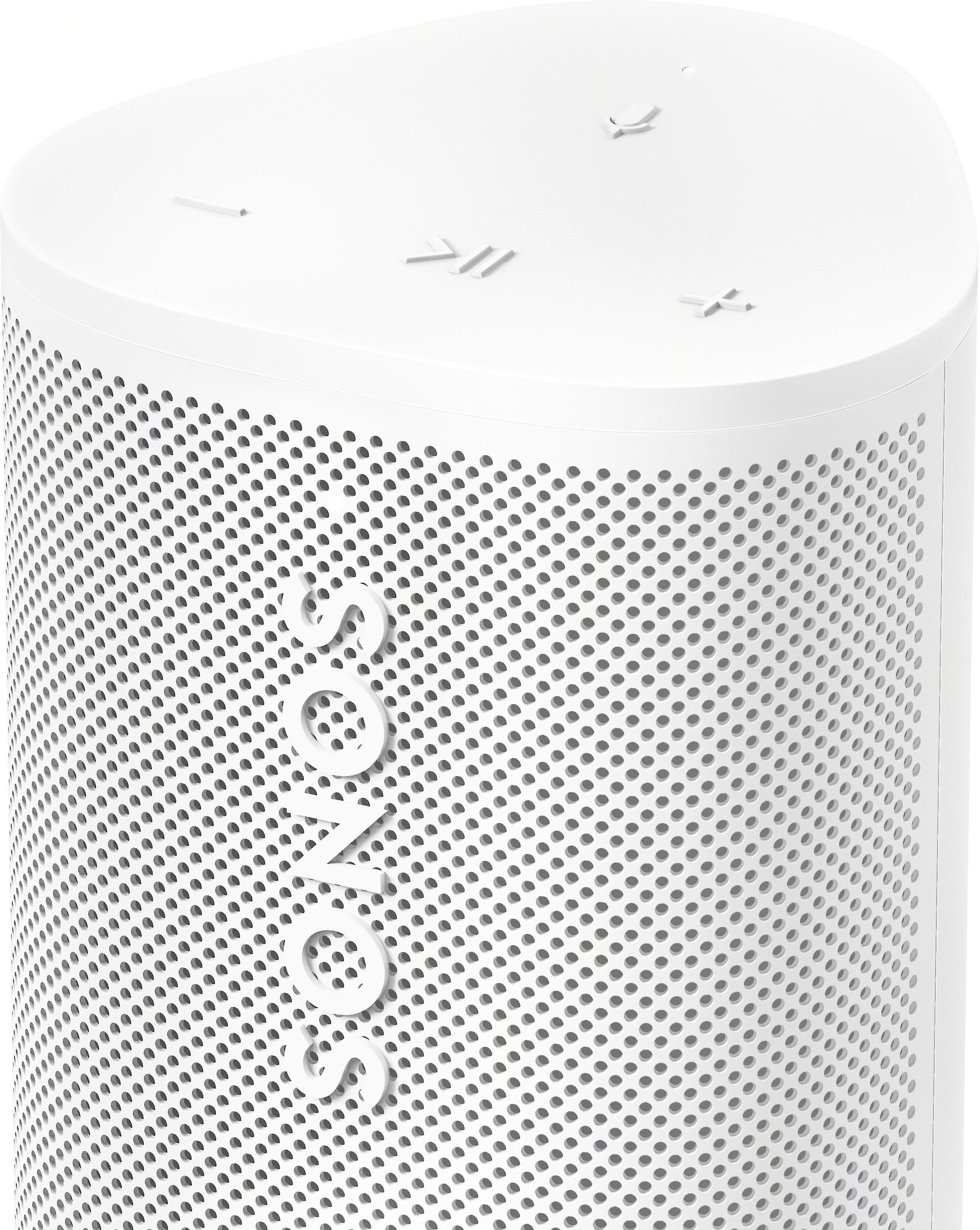
The Sonos Roam 2, launched in 2024, takes a completely different approach. It's positioned as a premium portable speaker that doesn't just play music – it integrates with your smart home, adapts its sound to your environment, and serves double duty as both a travel companion and home audio component.
This is where the price difference becomes most apparent, and understanding why requires looking at what's actually inside these speakers.
The Go 3 uses a single driver – essentially one speaker cone – measuring 43x47mm (about the size of a large coin). This single driver handles everything from deep bass notes to crisp cymbals, which is like asking one musician to play both bass guitar and violin simultaneously. It's powered by 4.2 watts, which is actually impressive for something so small.
The frequency response (the range of sounds it can reproduce) spans from 110Hz to 20kHz. To put this in perspective, the lowest note on a standard piano is about 27Hz, so the Go 3 is already missing the deepest bass frequencies. In practice, this means hip-hop tracks won't have that chest-thumping bass, and movie soundtracks will lack the rumbling low-end that makes explosions feel impactful.
However, the Go 3 excels at midrange frequencies – the range where human voices live. Podcasts sound clear and intelligible, and vocals in music come through with surprising clarity for such a small speaker. It's designed to avoid the tinny sound that plagues many cheap speakers by slightly boosting the mid-bass frequencies around 200-300Hz.
The Roam 2 takes a fundamentally different approach with a two-driver system: a dedicated mid-woofer for bass and midrange frequencies, plus a separate tweeter for high frequencies. Think of this as having a bassist and a violinist instead of one person trying to play both instruments.
Each driver is powered by its own Class-H amplifier – a sophisticated type of amplifier that adjusts its power output based on the audio signal, improving both efficiency and sound quality. This is like having two expert conductors, each focused on getting the best performance from their respective musicians.
The result is immediately noticeable. The Roam 2 can reproduce a much wider frequency range with better separation between instruments. Bass notes have more depth and definition, while high frequencies like cymbals and guitar harmonics sound clearer and more detailed. The stereo imaging (how well you can locate different instruments in space) is also significantly better.
Perhaps the Roam 2's most impressive feature is Automatic Trueplay tuning. Using built-in microphones, the speaker constantly analyzes its acoustic environment and adjusts its sound accordingly. Place it against a wall, and it reduces bass frequencies that would otherwise become boomy. Set it on a table versus the floor, and it compensates for the different reflective surfaces.
This technology, which Sonos has refined over years in their home speakers, means the Roam 2 sounds consistently good regardless of where you place it. The Go 3, by comparison, will sound different (and sometimes worse) depending on its placement, though its compact size gives you more flexibility in positioning.
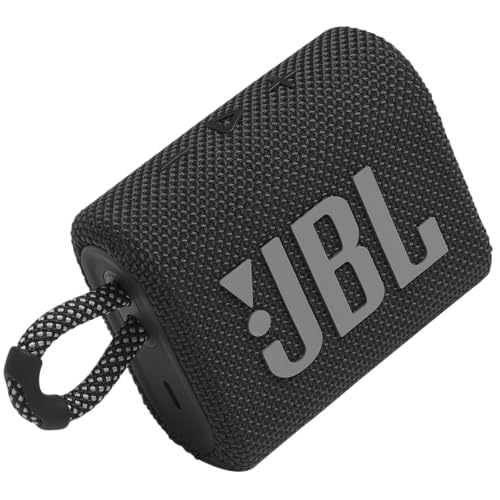
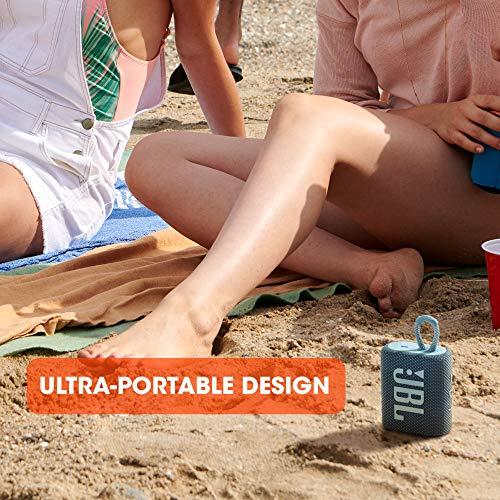
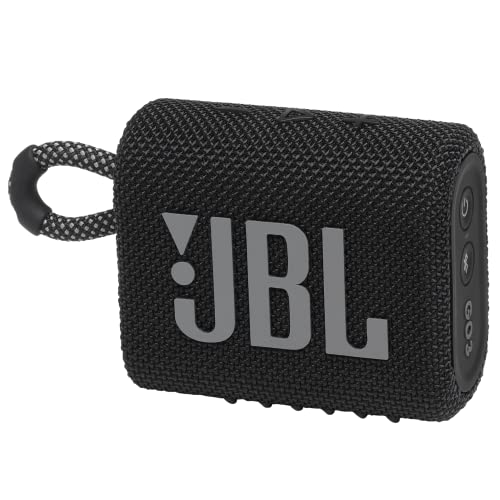
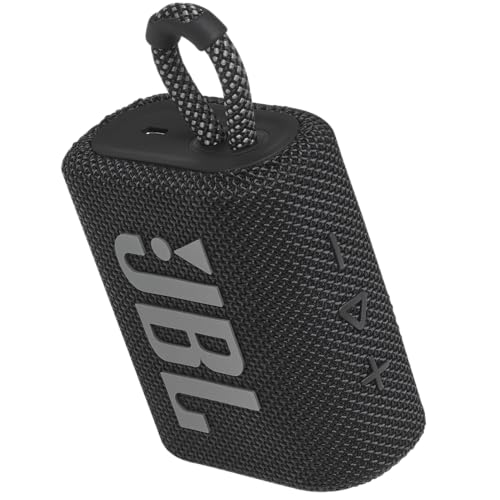
Here's where the JBL Go 3 shines brightest. Measuring just 3.4 x 2.7 x 1.6 inches and weighing less than half a pound, it's genuinely pocket-sized. The integrated fabric loop makes it easy to clip to a backpack or hang from a hook. You can literally forget it's in your bag until you need it.
The Sonos Roam 2, while still portable, is in a different category. At 6.6 inches tall and 1.5 pounds, it's more like carrying a large smartphone than a tiny accessory. You'll need dedicated space in your bag, and it's not something you'd casually toss in a pocket.
This size difference isn't just about convenience – it affects how you use the speakers. The Go 3 is the speaker you bring when you're not sure if you'll need it. The Roam 2 is the speaker you bring when you know audio quality matters and you're willing to plan for it.
Battery performance reveals another significant difference. The Go 3 provides about 5 hours of playback, while the Roam 2 offers 10 hours – exactly double. In practical terms, this means the Go 3 might last through a picnic or beach afternoon, while the Roam 2 can handle a full day of outdoor activities or a weekend camping trip without recharging.
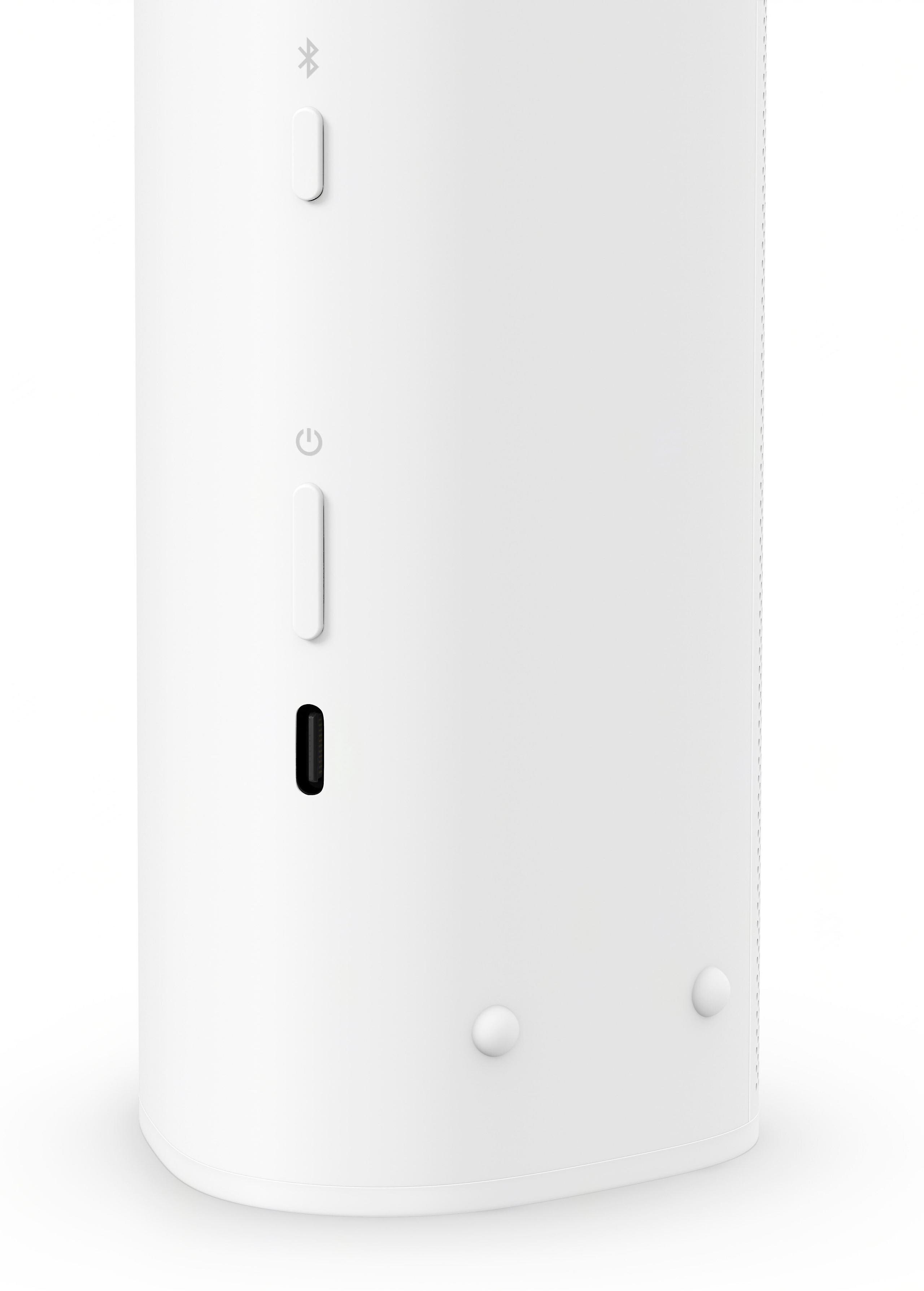
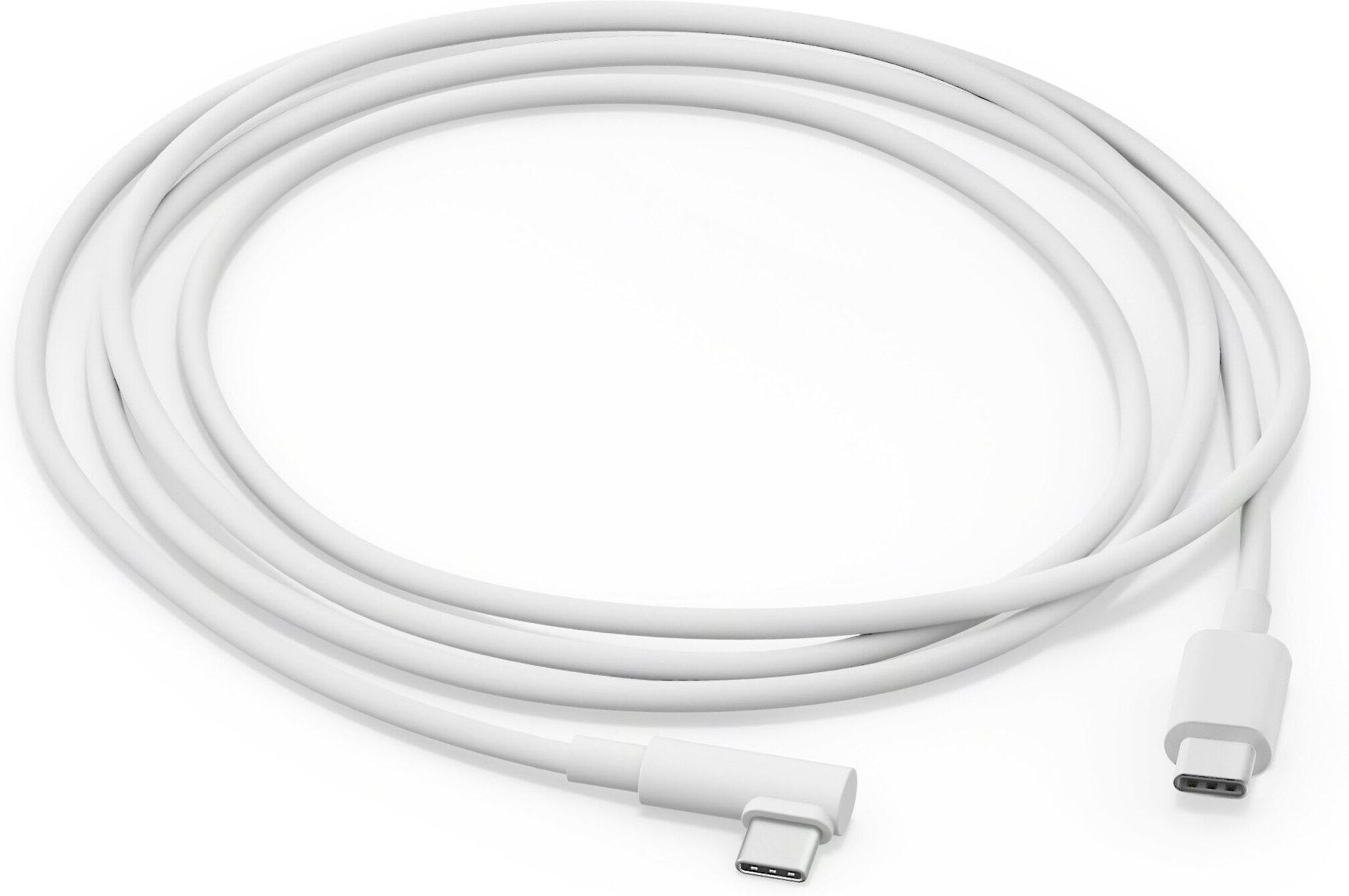
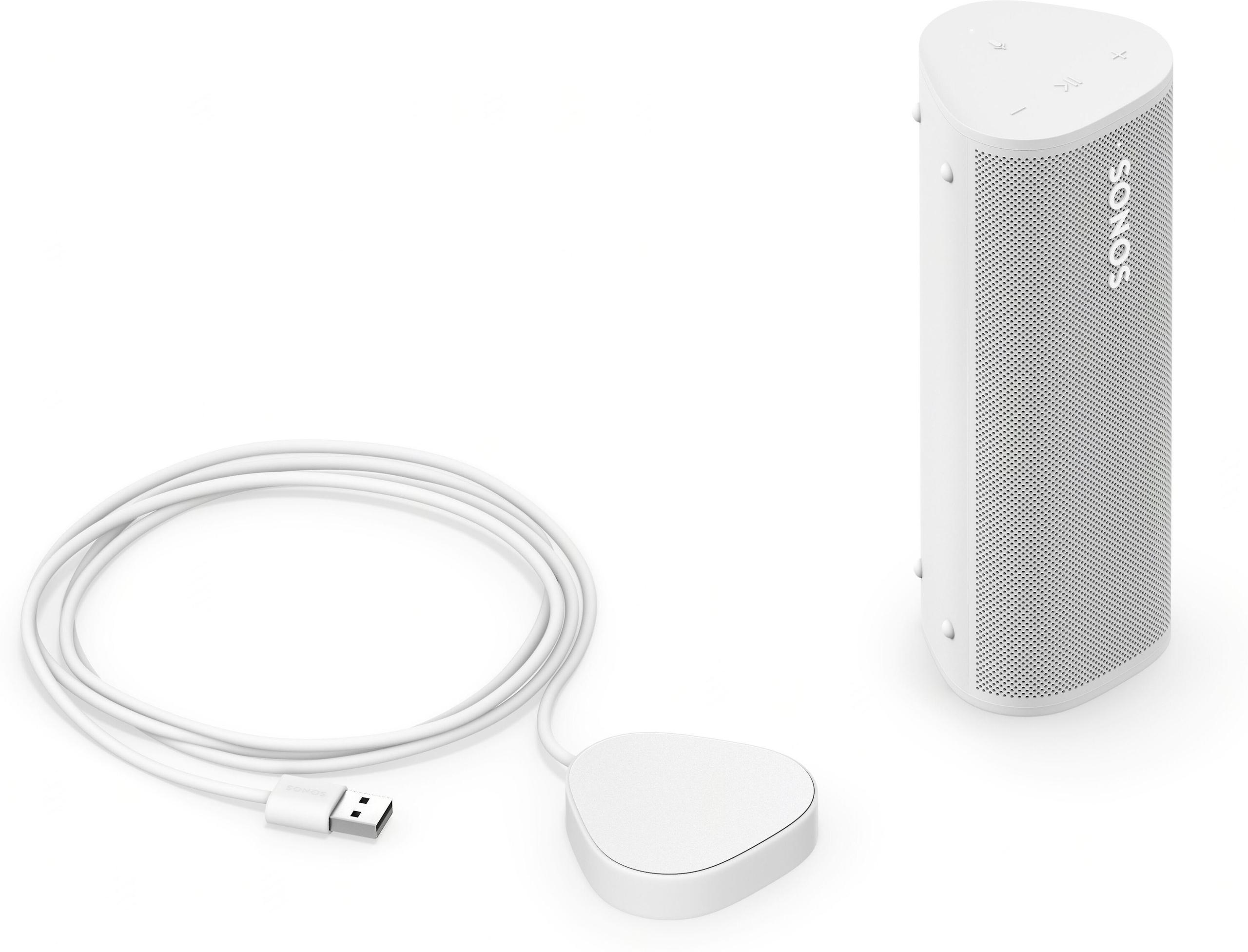
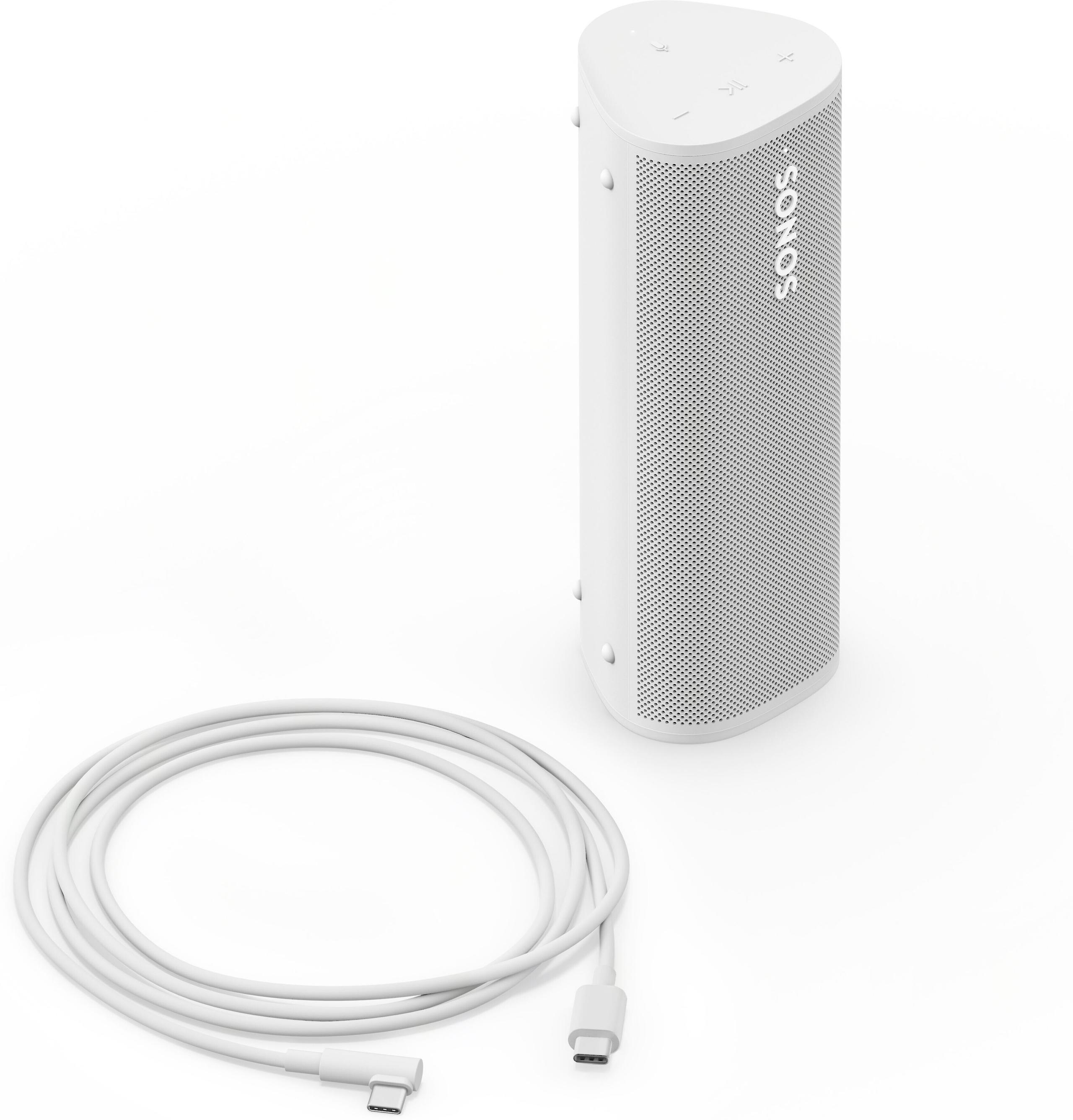
Both speakers charge via USB-C, which is convenient since it's likely the same cable you use for your phone or laptop. However, the Roam 2 also supports wireless charging using any Qi-compatible charger (the same technology used for wireless phone charging). This might seem like a luxury feature, but it's surprisingly practical for a speaker you use regularly at home – just drop it on a charging pad when you're done using it.
The charging times are reasonable for both: the Go 3 fully charges in about 2.5 hours, while the Roam 2 takes slightly longer due to its larger battery capacity.
Both speakers carry an IP67 rating, which means they're completely dustproof and can be submerged in up to 1 meter of water for 30 minutes. In practical terms, both can handle being dropped in a pool, used at the beach, or caught in a rainstorm without damage.
The Go 3 feels more casual about this durability – its low price means you're less worried about potential damage, and its rugged fabric exterior can handle rough treatment. The Roam 2 feels more premium but equally durable, with materials that look and feel more expensive while maintaining the same level of protection.
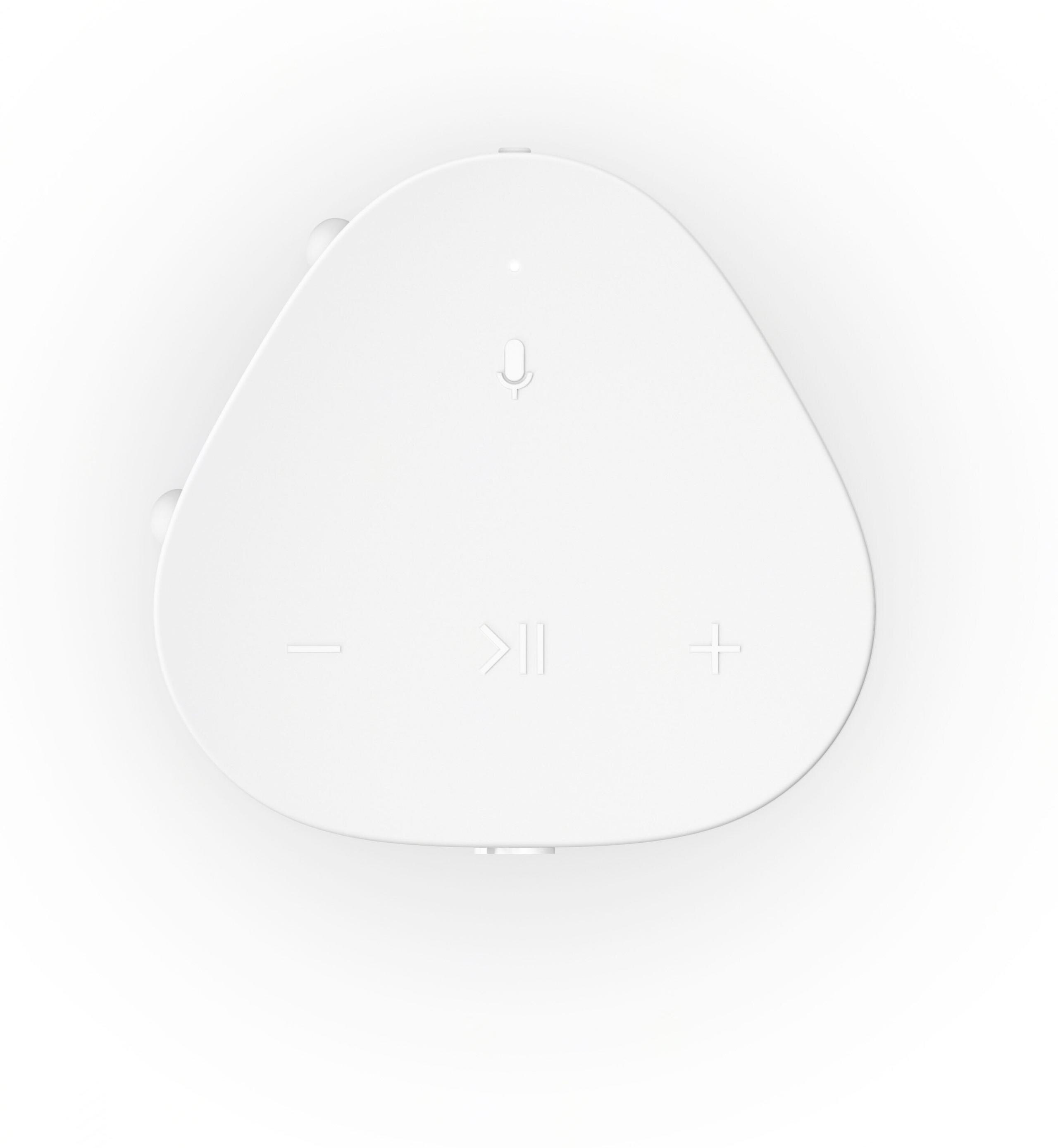
This is where the speakers' different approaches become most apparent. The Go 3 keeps things simple with Bluetooth 5.1 connectivity and basic controls. You can play, pause, skip tracks, and adjust volume using physical buttons. That's it, and for many users, that's enough.
The Roam 2 is essentially a computer that happens to play music. Beyond Bluetooth 5.2 (a newer version with better range and stability), it connects to your home Wi-Fi network, supports Apple AirPlay 2, and includes voice assistants like Amazon Alexa and Google Assistant.
When connected to Wi-Fi, the Roam 2 becomes part of the Sonos ecosystem. If you have other Sonos speakers, you can group them together for synchronized music throughout your home. You can even use the Roam 2 as wireless rear surround speakers with compatible Sonos soundbars – essentially creating a portable home theater setup.
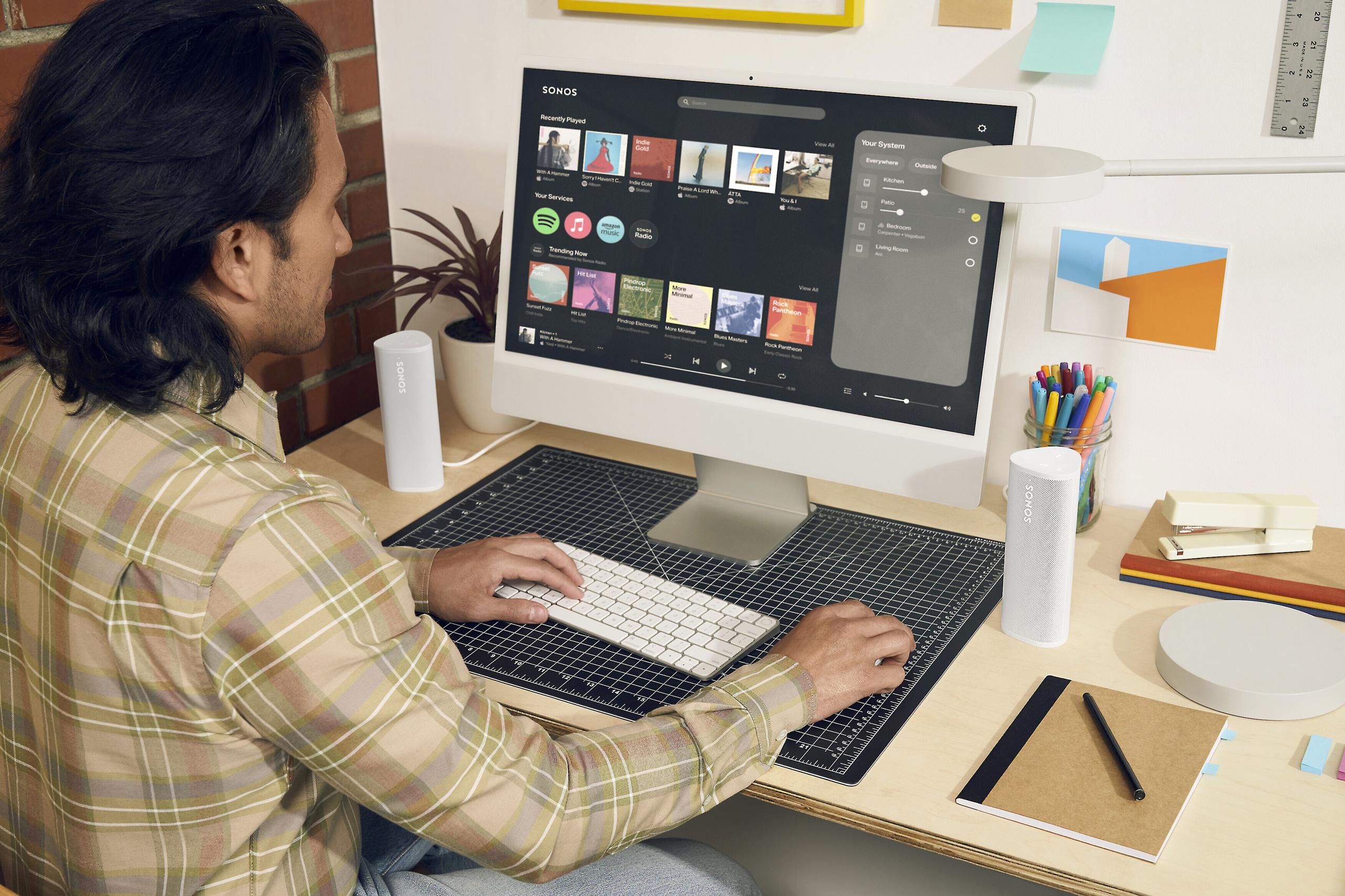
The Sonos app unlocks additional functionality like direct streaming from Spotify, Apple Music, and other services without needing your phone as an intermediary. This might seem minor, but it means better audio quality (no Bluetooth compression) and the ability to control music even when your phone is in another room or has a dead battery.
The Roam 2's far-field microphone array uses advanced beamforming technology to hear voice commands even when music is playing loudly. This isn't just a novelty – it's genuinely useful for controlling smart home devices, setting timers while cooking outdoors, or asking for weather updates during activities.
Based on extensive reviews from both users and audio experts, some clear patterns emerge about how these speakers perform in daily use.
The Go 3 consistently receives praise for exceeding expectations at its price point. Users frequently mention being surprised by its clarity, especially for vocals and podcasts. However, music lovers who enjoy bass-heavy genres like hip-hop, electronic, or modern pop often find it lacking. It's also worth noting that at maximum volume, the Go 3 can introduce some distortion, particularly with bass-heavy content.
The Roam 2 earns consistent praise for its sound quality, with many reviewers noting that it rivals much larger speakers. The automatic sound tuning receives particular acclaim – users report being impressed by how consistent it sounds in different environments. The main criticisms center around its premium price and the fact that many of its best features require a home Wi-Fi connection.
While neither speaker is designed primarily for home theater use, there are some interesting applications worth considering.
The Go 3 could serve as a simple dialogue enhancer if you're watching content on a tablet or laptop, though its mono output and limited frequency range make this a very basic solution.
The Roam 2 offers much more interesting possibilities. When paired with a compatible Sonos soundbar, two Roam 2 speakers can function as wireless rear surround channels, effectively creating a portable 5.1 surround system. This setup could be fantastic for outdoor movie nights or temporary home theater setups.
You're a student on a tight budget who needs basic audio for dorm room listening and occasional outdoor activities. The ultra-portable size means it can live in your backpack without thought, and the waterproofing provides peace of mind around campus or at the beach.
You want a secondary speaker for specific situations – maybe pool parties where you don't want to risk an expensive speaker, or camping trips where every ounce of pack weight matters.
You're buying a gift for someone who isn't particularly audiophilic but would appreciate having portable music. The low price point makes it accessible, and the simplicity means they won't need to learn new technology.
You need something that "just works" without apps, accounts, or setup procedures. Sometimes simple is better.
You're already invested in the Sonos ecosystem and want portable audio that integrates seamlessly with your home setup. The ability to move from indoor to outdoor listening without switching devices or losing functionality is compelling.
Audio quality is genuinely important to you, and you can hear the difference between good and mediocre speakers. The Roam 2's superior drivers and amplification will be immediately apparent.
You want a single device that serves multiple roles – portable speaker, smart home controller, and potential home theater component. The versatility justifies the higher price for users who will actually use these features.
You're willing to invest in better battery life and premium features like wireless charging and voice control.
The evolution of these speakers reflects broader trends in consumer audio. The Go 3 represents the democratization of audio technology – features like waterproofing and decent sound quality that were once expensive are now accessible to almost everyone.
The Roam 2 represents the convergence of portable audio with smart home technology. It's not just a speaker that happens to be portable – it's a smart home device that happens to travel well.
Since 2020, when the Go 3 was released, we've seen improvements in Bluetooth technology, battery efficiency, and miniaturization of components. The Roam 2's 2024 release incorporates these advances, particularly in areas like Bluetooth 5.2 connectivity and more sophisticated digital signal processing.
These speakers aren't really competitors in the traditional sense – they're solving different problems for different users. The JBL Go 3 excels at being an affordable, ultra-portable music companion that doesn't ask much of you beyond pressing play. The Sonos Roam 2 is a sophisticated audio device that rewards users who want to integrate it into a broader smart home ecosystem.
At the time of writing, the price difference between these speakers is substantial – you could buy several Go 3s for the price of one Roam 2. Whether that premium is worth it depends entirely on your priorities, budget, and how you actually use portable audio.
For most casual listeners who want basic portable audio, the Go 3 offers remarkable value. For audio enthusiasts or smart home users who want their portable speaker to do much more than just play music, the Roam 2 justifies its premium pricing with genuinely superior performance and features.
The key is being honest about your actual needs rather than aspirational ones. If you primarily listen to podcasts and background music while doing other activities, paying extra for premium audio quality might not make sense. But if music is important to your daily experience and you value the convenience of integrated smart features, the Roam 2 could genuinely improve your quality of life.
| JBL Go 3 | Sonos Roam 2 |
|---|---|
| Audio System - Foundation of sound quality differences | |
| Single 43x47mm driver, 4.2W mono output | Dual-driver system with dedicated mid-woofer and tweeter, Class-H amplifiers |
| Frequency Response - Determines how much bass and detail you'll hear | |
| 110Hz-20kHz (limited deep bass below 140Hz) | Much wider range with superior bass extension and high-frequency detail |
| Battery Life - Critical for all-day outdoor use | |
| 5 hours continuous playback | 10 hours continuous playbook (double the runtime) |
| Size & Weight - Affects true portability | |
| 3.4" x 2.7" x 1.6", 0.46 lbs (ultra-portable, fits in pocket) | 6.61" x 2.32" x 2.44", 1.53 lbs (portable but requires bag space) |
| Connectivity Options - Flexibility for different use cases | |
| Bluetooth 5.1 only with basic controls | Bluetooth 5.2, Wi-Fi, Apple AirPlay 2, voice assistants |
| Smart Features - Added convenience and functionality | |
| None (manual operation only) | Automatic Trueplay tuning, multi-room audio, smart home integration |
| Charging Methods - Convenience for regular use | |
| USB-C cable only | USB-C cable plus wireless Qi charging support |
| Water/Dust Protection - Essential for outdoor durability | |
| IP67 (fully waterproof and dustproof) | IP67 (identical protection level) |
| Multi-Room Capability - Important for whole-home audio | |
| No multi-speaker pairing | Full Sonos ecosystem integration with synchronized playback |
| Voice Control - Hands-free operation | |
| Not supported | Amazon Alexa and Google Assistant with far-field microphones |
| Home Theater Integration - Bonus functionality | |
| None | Can serve as wireless rear surrounds with compatible Sonos soundbars |
| Value Positioning - Who gets the best deal | |
| Exceptional value for ultra-budget portable audio needs | Premium pricing justified by superior audio quality and smart features |
The Sonos Roam 2 has significantly better sound quality than the JBL Go 3. The Roam 2 uses a dual-driver system with separate mid-woofer and tweeter components, while the Go 3 relies on a single driver. This means the Sonos Roam 2 delivers deeper bass, clearer highs, and better overall sound separation across all music genres.
The Sonos Roam 2 offers 10 hours of continuous playback, exactly double the JBL Go 3's 5-hour battery life. For all-day outdoor activities or weekend trips, the Roam 2 provides much better endurance, while the Go 3 is better suited for shorter listening sessions.
The JBL Go 3 is significantly more portable, measuring just 3.4 x 2.7 x 1.6 inches and weighing only 0.46 pounds. It easily fits in pockets and includes a fabric loop for attachment. The Sonos Roam 2 is larger at 6.6 inches tall and 1.5 pounds, requiring dedicated bag space but still remaining reasonably portable.
Yes, both the JBL Go 3 and Sonos Roam 2 feature IP67 waterproof ratings, meaning they can be submerged in up to 1 meter of water for 30 minutes. Both speakers are fully dustproof and suitable for beach, pool, shower, or outdoor activities without worry about water damage.
The JBL Go 3 offers no smart features - it's purely manual operation with basic Bluetooth connectivity. The Sonos Roam 2 includes comprehensive smart features like voice assistants (Alexa and Google Assistant), automatic sound tuning, multi-room audio, and integration with the Sonos ecosystem for whole-home audio control.
The JBL Go 3 only connects via Bluetooth 5.1 with basic pairing functionality. The Sonos Roam 2 offers both Bluetooth 5.2 and WiFi connectivity, plus Apple AirPlay 2 support. The WiFi connection unlocks advanced features like multi-room audio and direct music streaming from services like Spotify.
This depends on your needs and budget. The JBL Go 3 offers exceptional value for ultra-budget portable audio, providing waterproof durability and decent sound at a very accessible price point. The Sonos Roam 2 justifies its premium pricing with superior audio quality, longer battery life, and extensive smart features for users who will utilize these capabilities.
The JBL Go 3 has no home theater functionality. The Sonos Roam 2 can serve as wireless rear surround speakers when paired with compatible Sonos soundbars, effectively creating a portable 5.1 surround sound system. This makes the Roam 2 suitable for outdoor movie nights or temporary home theater configurations.
The JBL Go 3 charges only via USB-C cable and takes about 2.5 hours for a full charge. The Sonos Roam 2 supports both USB-C charging and wireless Qi charging, offering more convenient charging options especially for regular home use where you can simply place it on a wireless charging pad.
Neither speaker is designed for speakerphone functionality. The JBL Go 3 has no microphone for calls. While the Sonos Roam 2 has microphones, they're designed for voice assistant commands rather than phone calls, making neither ideal for conference calls or hands-free phone use.
The JBL Go 3 does not support multi-speaker pairing or JBL's Connect features. The Sonos Roam 2 integrates fully with the Sonos ecosystem, allowing you to group multiple Sonos speakers for synchronized playback throughout your home, but this requires WiFi connectivity and the Sonos app.
For camping, the JBL Go 3 is often the better choice due to its ultra-compact size, lighter weight, and lower replacement cost if damaged. However, if you need longer battery life for extended trips and don't mind the extra size, the Sonos Roam 2 offers superior sound quality and double the playback time for longer outdoor adventures.
We've done our best to create useful and informative comparisons to help you decide what product to buy. Our research uses advanced automated methods to create this comparison and perfection is not possible - please contact us for corrections or questions. These are the sites we've researched in the creation of this article: rtings.com - streamtechreviews.com - english.achoreviews.com - smarthomesounds.co.uk - soundguys.com - rtings.com - walmart.com - soundguys.com - youtube.com - youtube.com - jbl.com - youtube.com - selectoguru.com - versus.com - videoandaudiocenter.com - harmanaudio.com - jbl.com - bestbuy.com - forum.hifiguides.com - manuals.plus - kh.jbl.com - th.jbl.com - mm.jbl.com - jbl.com - bestbuy.com - youtube.com - youtube.com - youtube.com - jbl.com - bestbuy.com - bestbuy.com - jbl.com.tw - youtube.com - techradar.com - theshortcut.com - housebeautiful.com - youtube.com - cgmagonline.com - automatednow.com - bestbuy.com - nfm.com - creativeaudio.net - sonos.com - shop.menshealth.com - support.sonos.com - youtube.com - skybygramophone.com

Privacy Policy
Terms and Conditions - Affiliate Policy
Home Security
© Copyright 2008-2026.
11816 Inwood Rd #1211, Dallas, TX 75244