





When you're shopping for a portable Bluetooth speaker, the sheer number of options can feel overwhelming. Do you go tiny and affordable, or invest in something more substantial? The JBL Go 3 and Bose SoundLink Revolve+ II represent two completely different philosophies in portable audio, making them an interesting comparison that highlights what really matters when choosing your next speaker.
These aren't competitors in the traditional sense—they're aimed at different users with different priorities. But understanding their differences helps illuminate what you should actually care about when shopping for portable audio.
Before diving into specifics, it's worth understanding what makes a great portable speaker. The fundamental challenge is physics: smaller speakers simply can't move as much air as larger ones, which directly impacts how much bass you'll hear and how loud they can get. This creates an inevitable trade-off between portability and sound quality.
The key considerations break down into several categories. Sound quality encompasses frequency response (how well it reproduces different pitches), maximum volume, and distortion levels. Battery life determines whether your speaker will last through a beach day or camping trip. Build quality affects durability, while water resistance determines where you can safely use it. Finally, features like speakerphone capability, app integration, and multi-speaker pairing can add significant value depending on your needs.
Most importantly, different speakers excel in different scenarios. A speaker that's perfect for personal listening while studying might be completely inadequate for a backyard party, and vice versa.
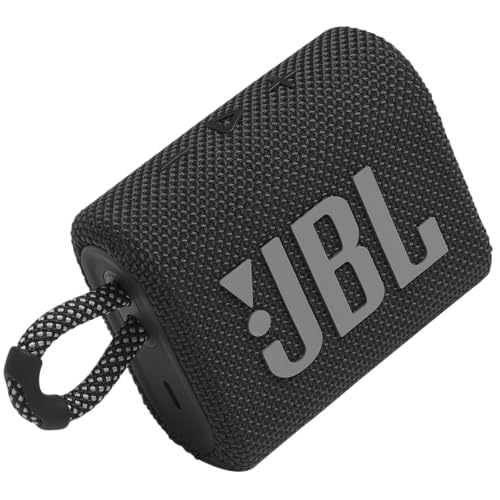
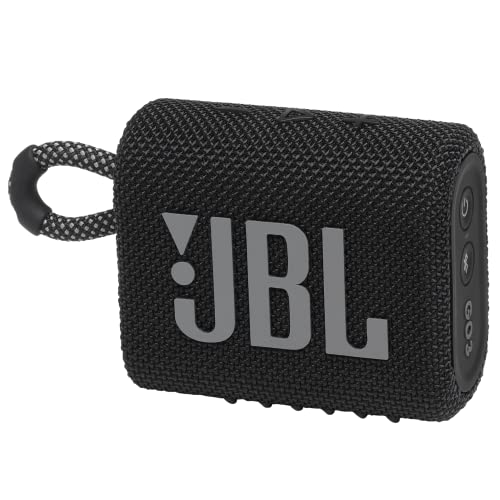
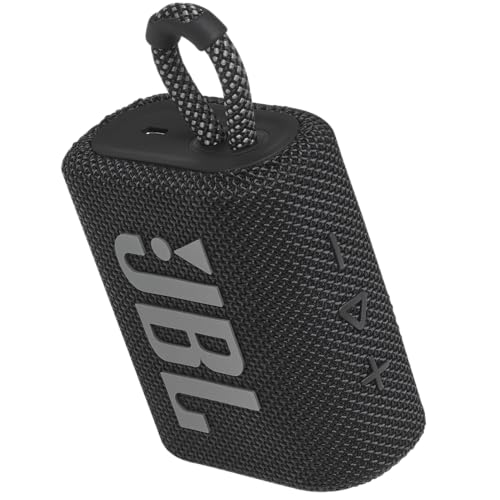
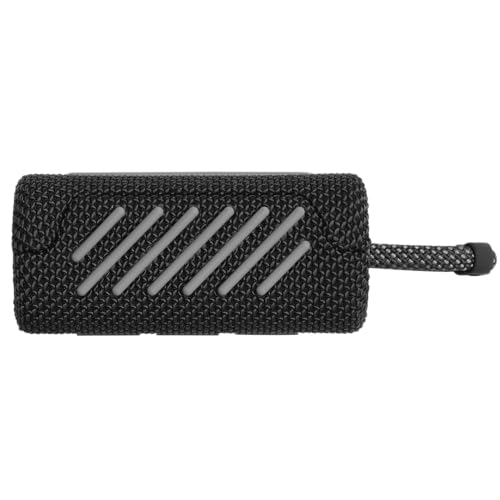
The JBL Go 3 launched in 2021 as JBL's ultra-compact offering, designed for maximum portability without completely sacrificing sound quality. At roughly the size of a large smartphone, it represents the "throw it in any bag and forget about it" approach to portable audio. JBL positioned it as an affordable entry point that doesn't compromise on build quality or basic performance.
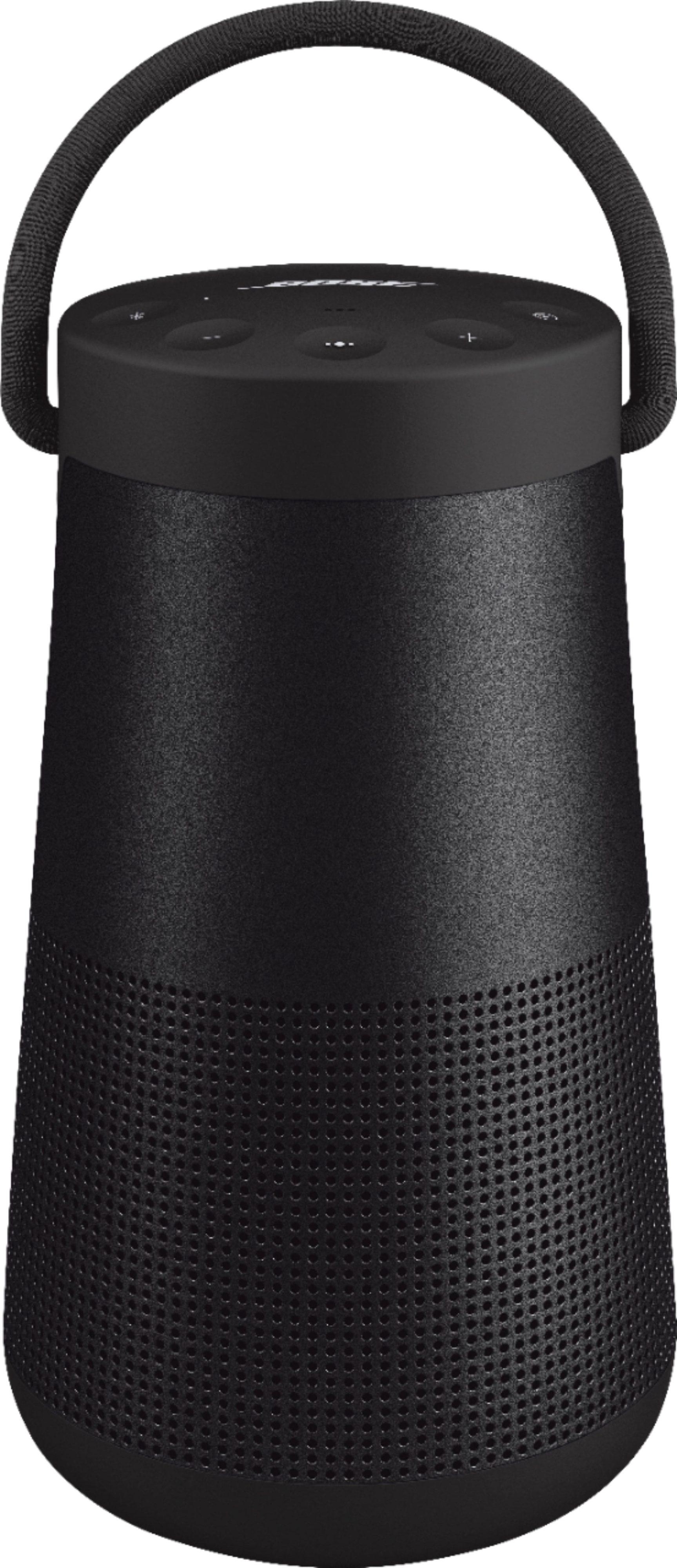
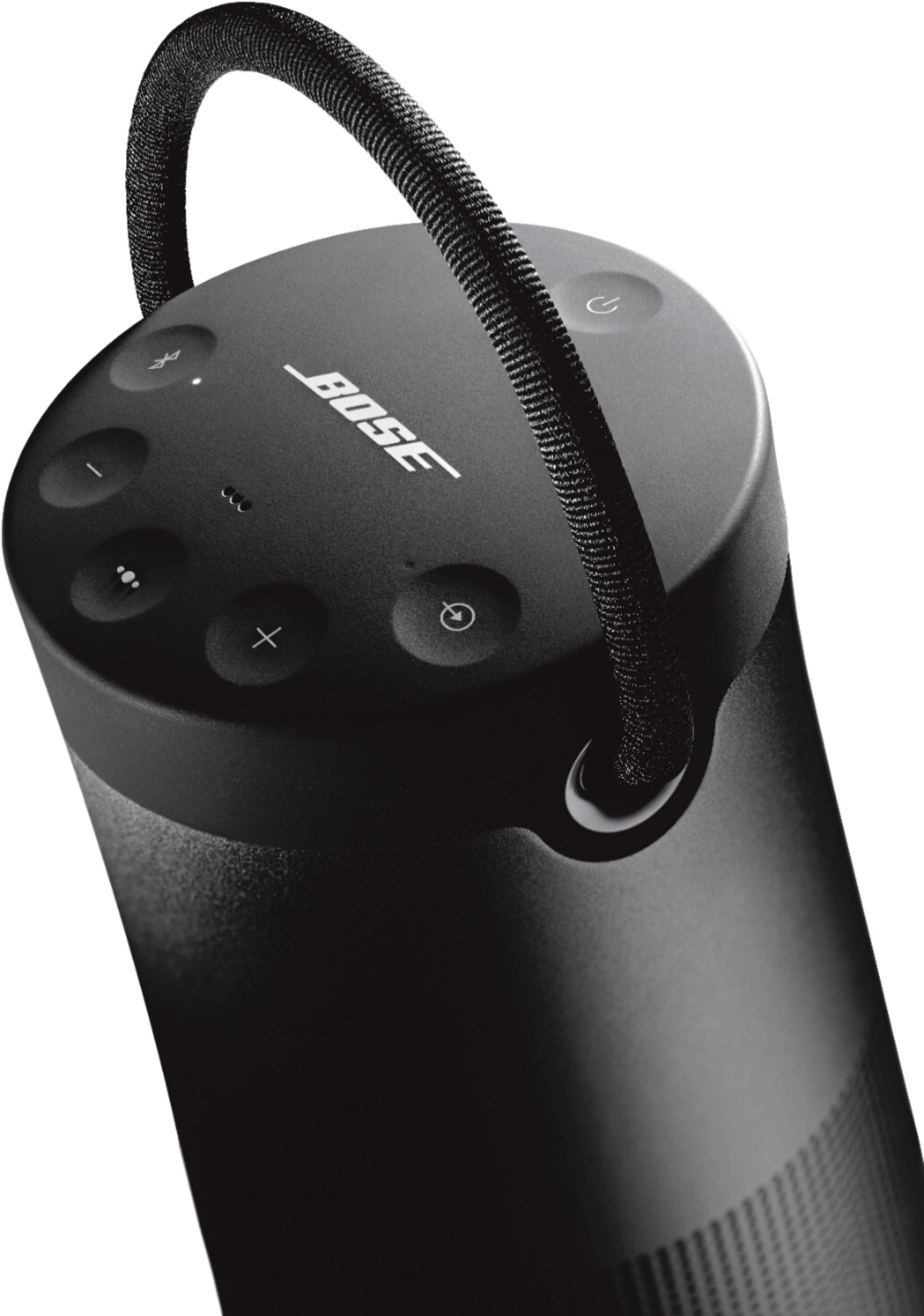
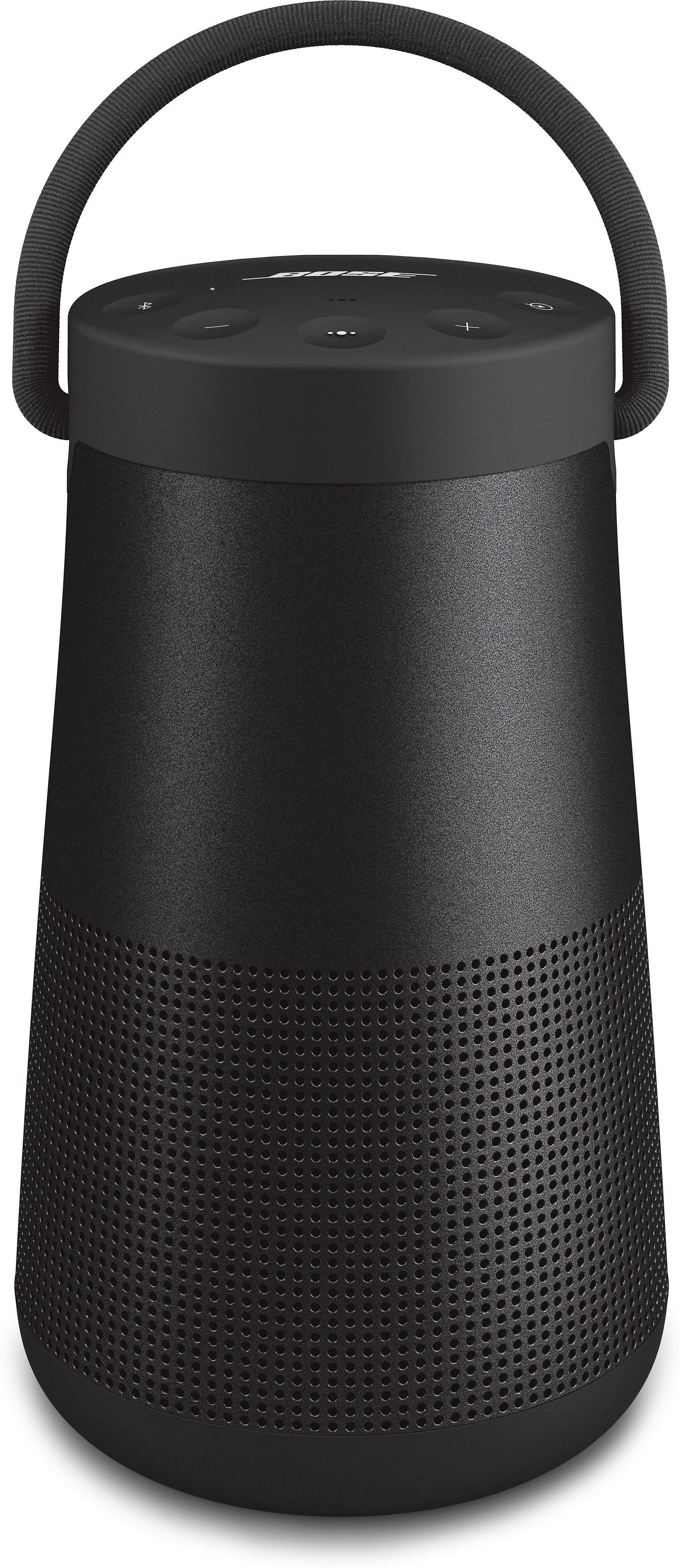
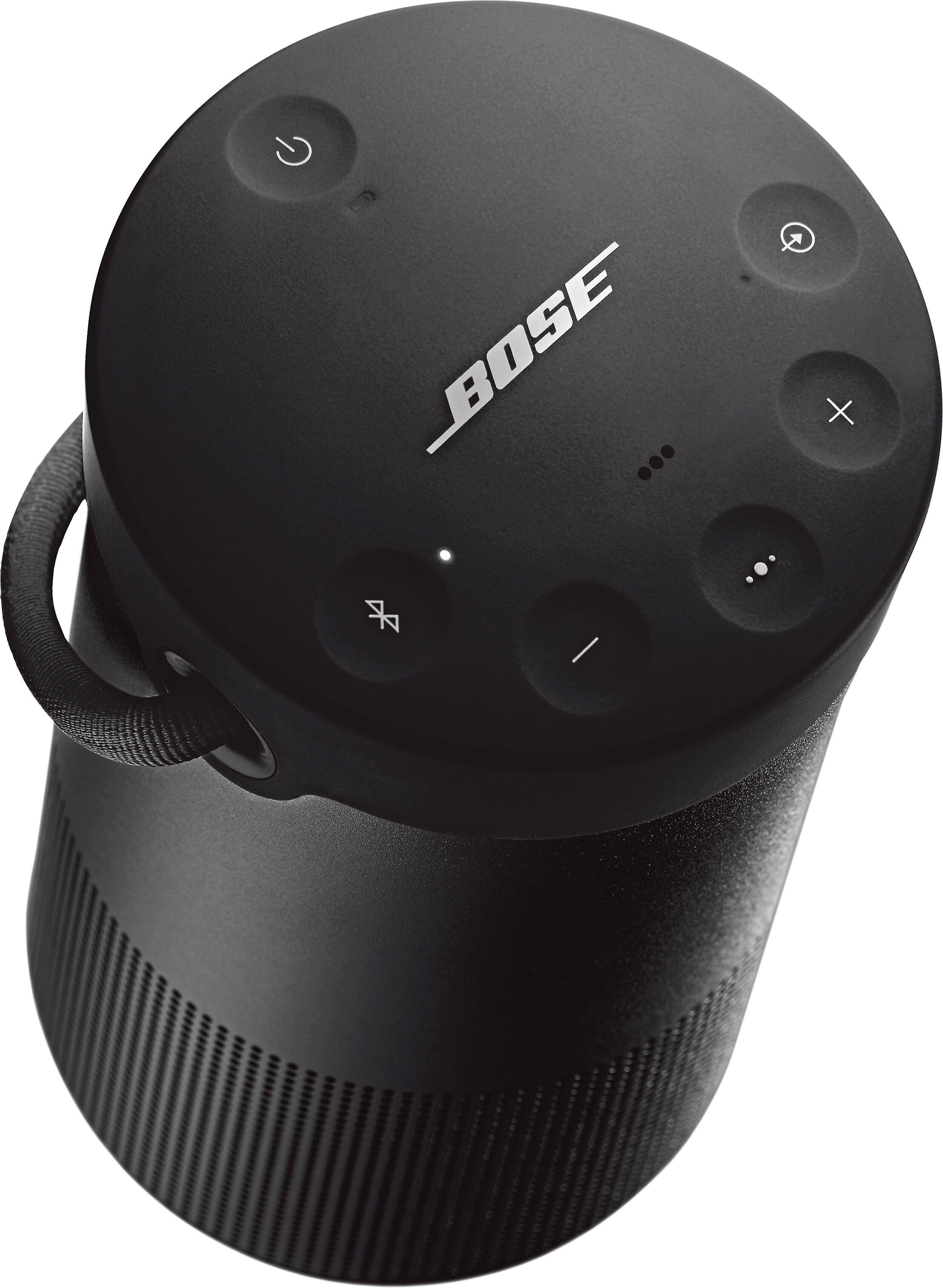
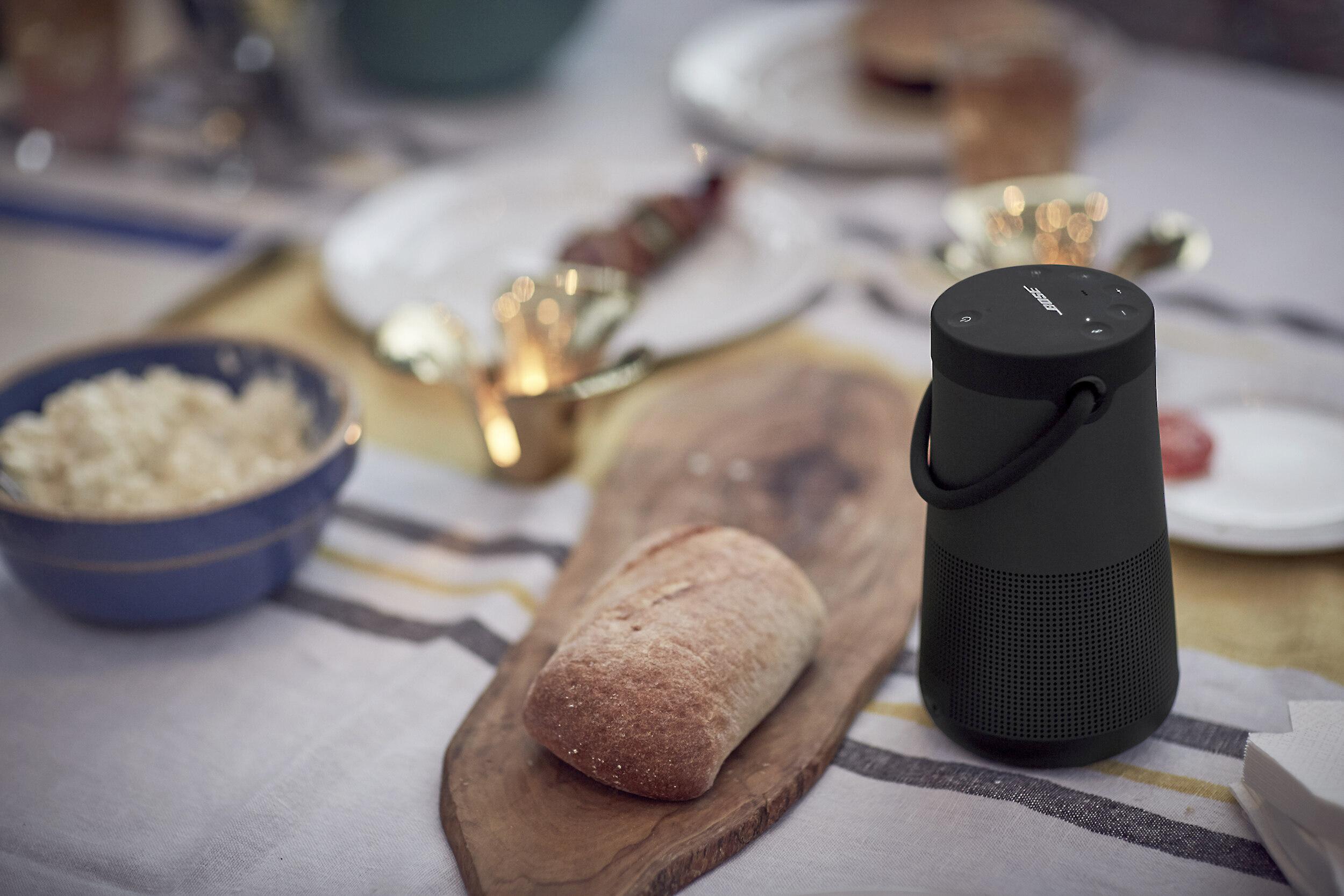
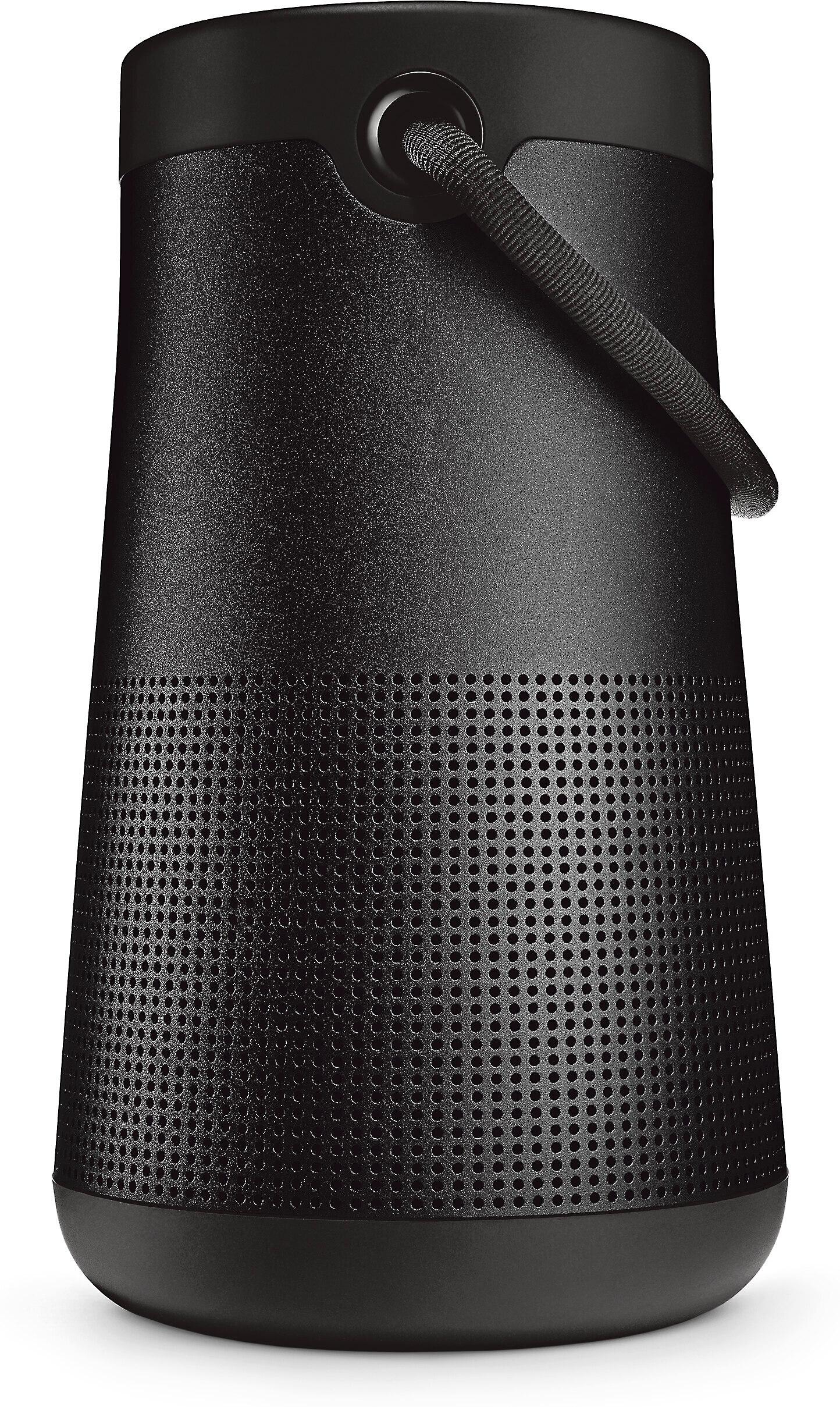
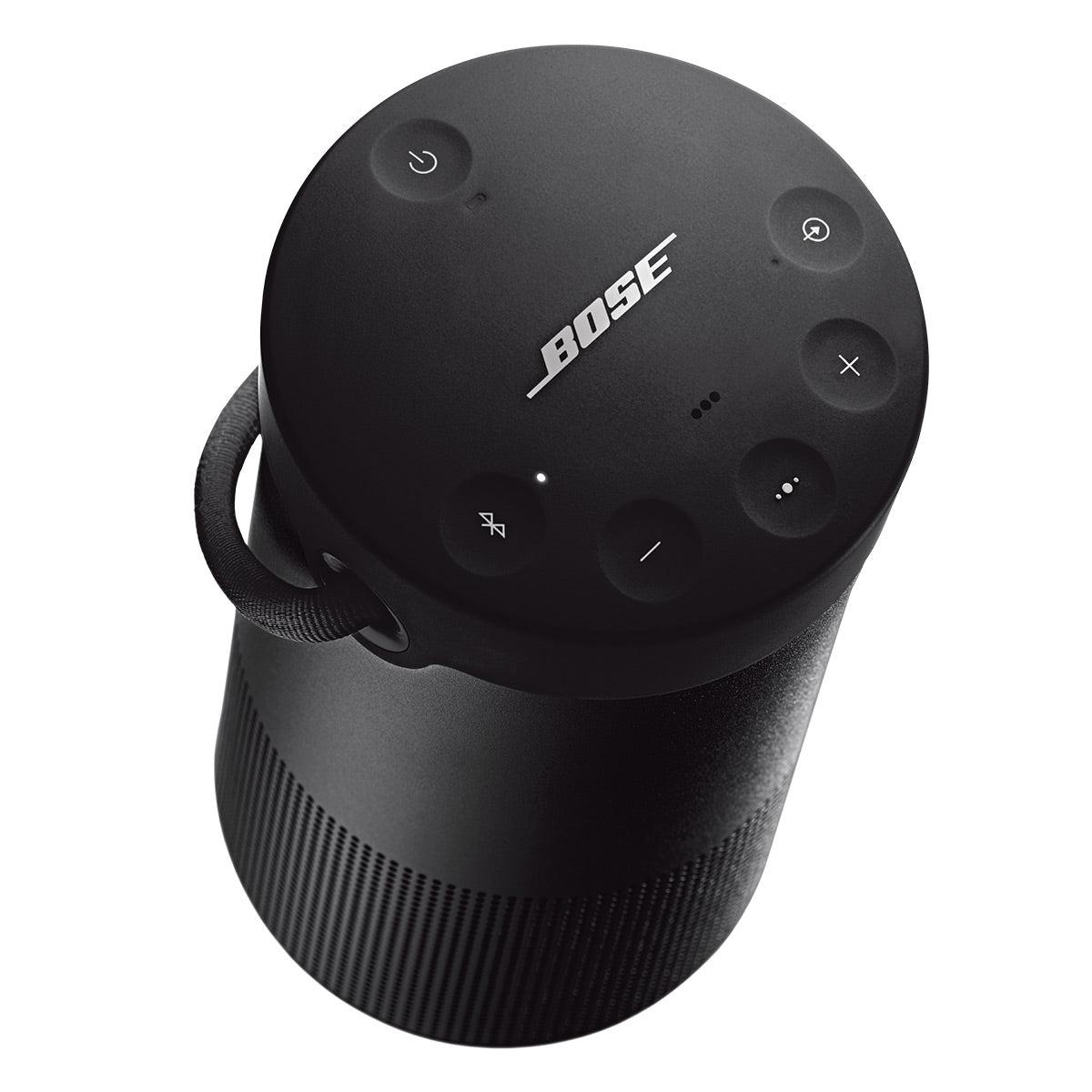
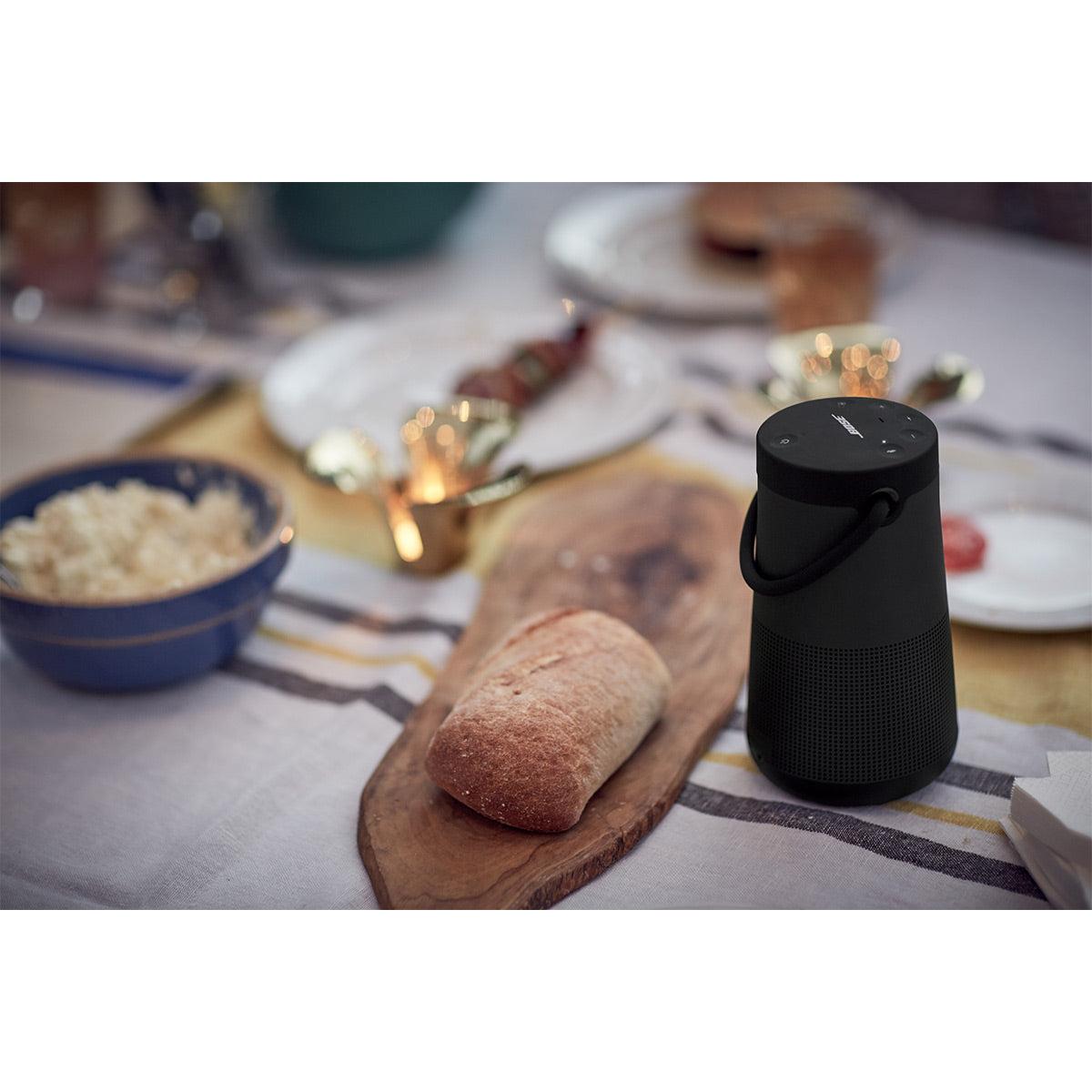
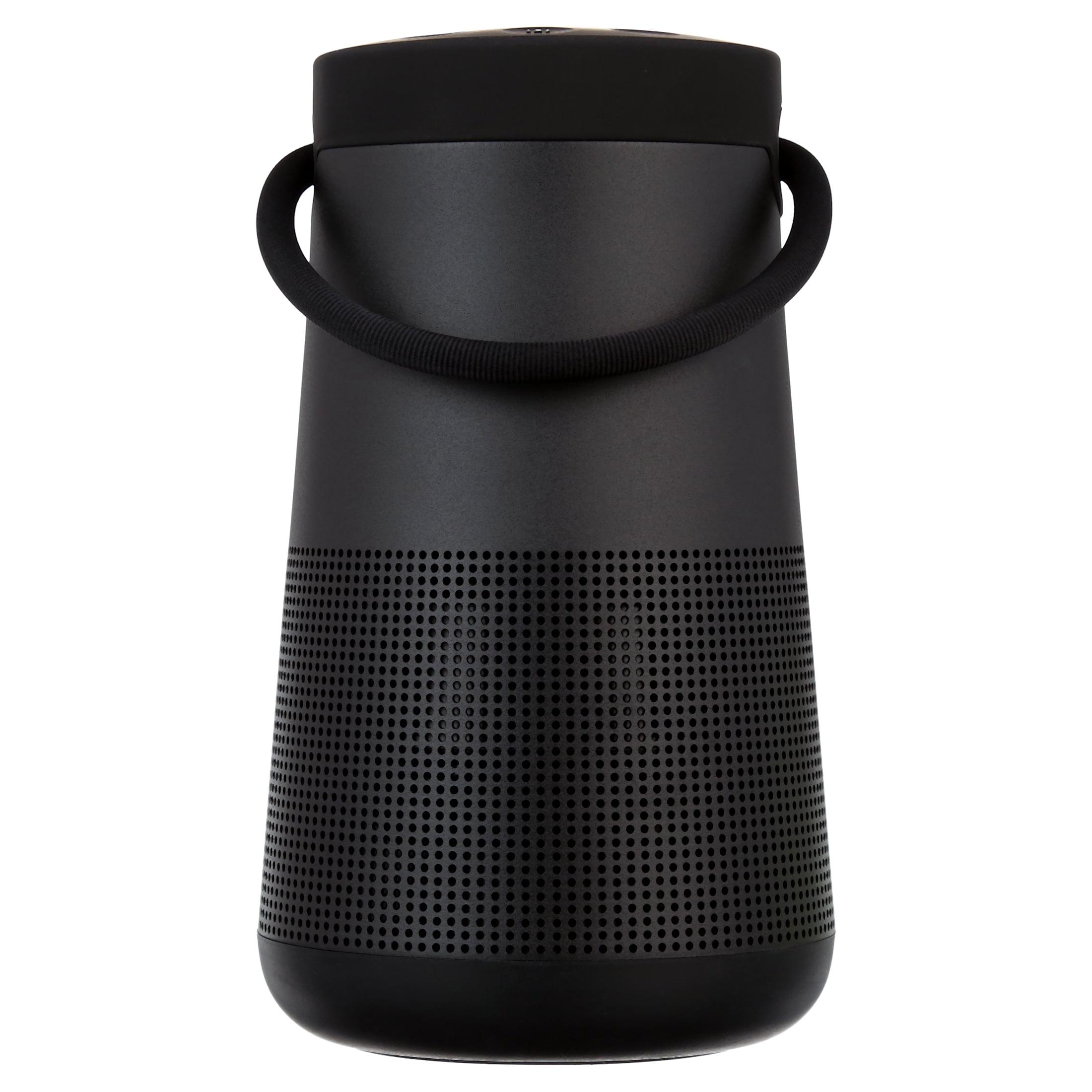
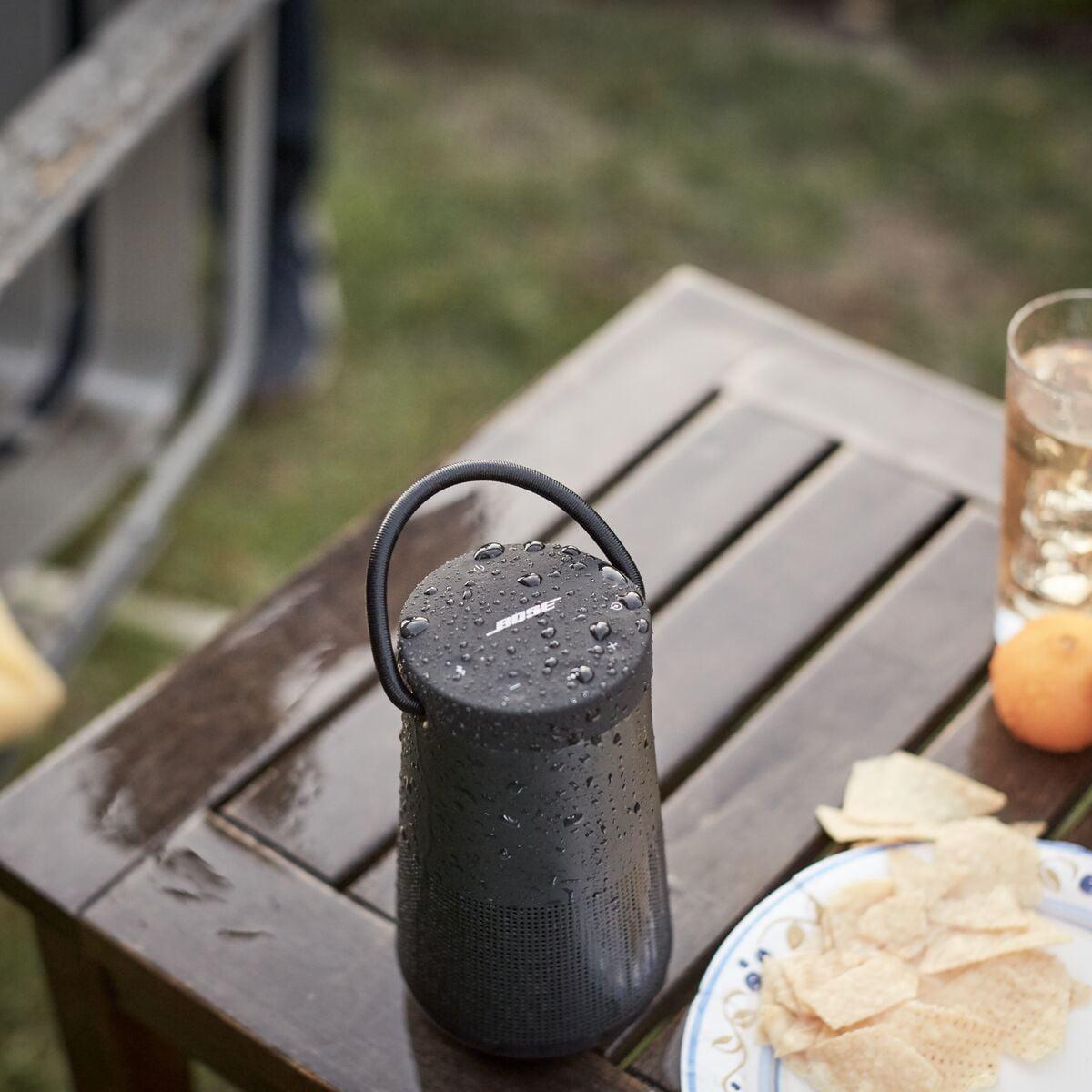
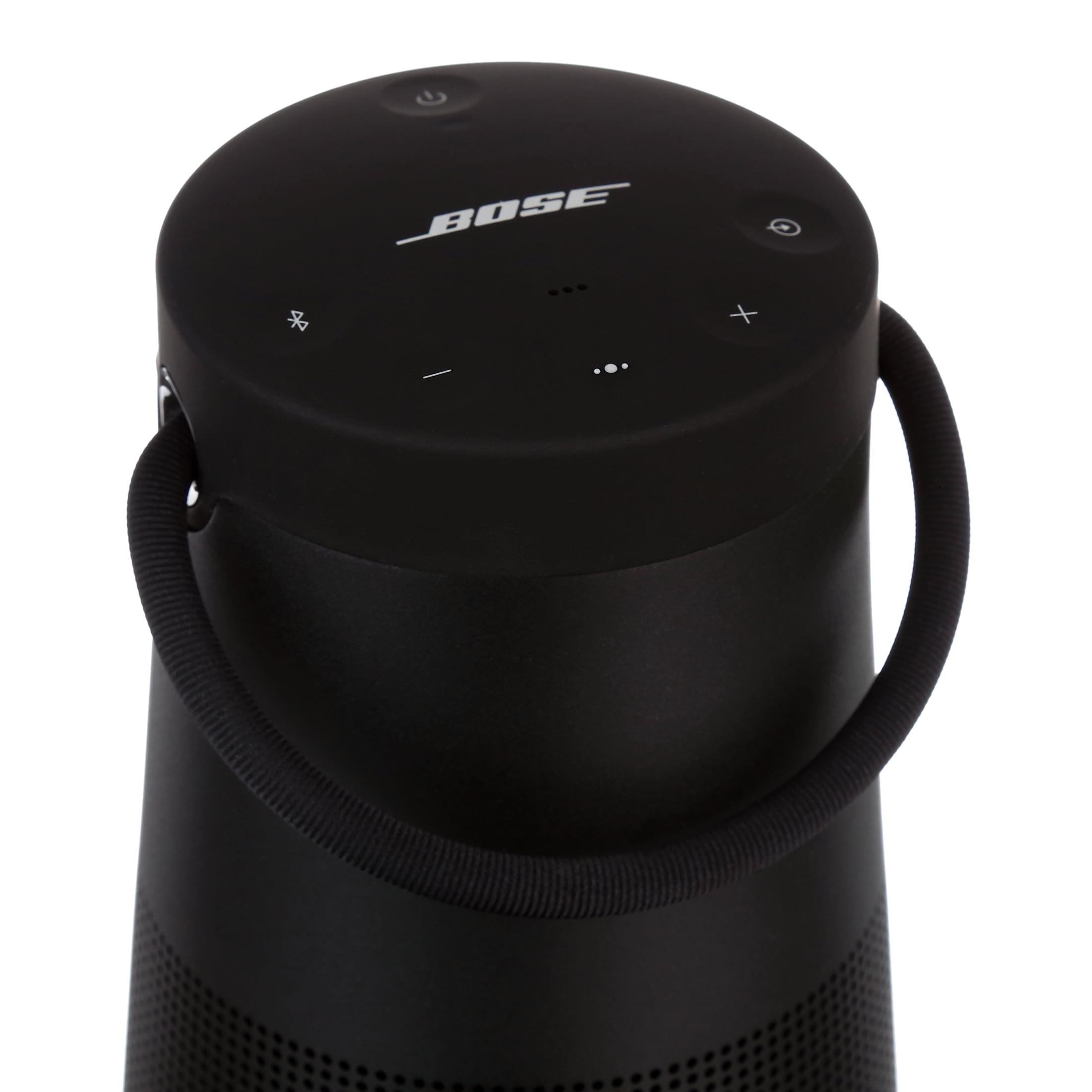
The Bose SoundLink Revolve+ II, also from 2021, takes a premium approach to portability. Rather than shrinking everything down, Bose focused on delivering room-filling audio in a package that's still portable enough for most situations. It's their flagship portable speaker, incorporating their signature 360-degree sound technology and premium materials.
At the time of writing, these speakers sit in completely different price brackets, with the JBL Go 3 typically costing about one-sixth the price of the Bose SoundLink Revolve+ II. This price difference immediately signals their different target audiences and design priorities.
The most striking difference between these speakers is their approach to audio reproduction. The Bose SoundLink Revolve+ II uses what's called omnidirectional sound—instead of firing audio straight forward like most speakers, it projects sound in all directions using a downward-firing driver and a specially designed acoustic deflector. This creates 360-degree coverage, meaning the sound remains consistent whether you're sitting directly in front of it or off to the side.
This omnidirectional approach has real practical benefits. In a typical room, you can place the Bose SoundLink Revolve+ II in the center and everyone gets roughly the same listening experience. Even placed against a wall, the sound bounces and fills the space more evenly than traditional forward-firing designs.
The JBL Go 3, by contrast, uses a conventional forward-firing 43mm driver. This focuses the sound in one direction, which can actually be advantageous for personal listening—you get more direct sound when positioned in front of the speaker. However, it means audio quality drops off significantly when you're not in the "sweet spot."
Here's where size really matters. The Bose SoundLink Revolve+ II incorporates dual passive radiators—these are essentially speakers without magnets that vibrate sympathetically with the main driver to enhance bass output. This technique allows the speaker to produce more low-end than its size would normally permit.
Our research into user and expert reviews consistently shows the Bose SoundLink Revolve+ II delivers substantially better bass response across all frequency ranges. While it won't match a dedicated subwoofer, it produces enough low-end to make bass-heavy genres like hip-hop and electronic music sound full and engaging.
The JBL Go 3 faces the harsh reality of physics—its tiny driver simply can't move enough air to generate meaningful bass. The frequency response rolls off significantly below 140Hz, meaning deep bass is essentially absent. JBL has tuned the speaker to emphasize midrange frequencies, which helps vocals and lead instruments sound clear, but bass-heavy music loses much of its impact.
For context, a typical male voice hits around 85-180Hz in fundamental frequency, while bass guitars often go down to 41Hz. The JBL Go 3 handles vocals well but struggles with the lowest bass notes that give music its fullness and punch.
Maximum volume capabilities differ dramatically between these speakers. The Bose SoundLink Revolve+ II can genuinely fill medium-sized rooms with sound, making it viable for gatherings of 10-20 people in typical indoor or outdoor settings.
The JBL Go 3 reaches its limits much sooner. While it can get surprisingly loud for its size, pushing it to maximum volume typically introduces distortion and compression—technical terms for when the audio starts sounding harsh, flat, or "squashed." This makes it better suited for personal listening or very small group settings.
Dynamic range—the difference between the quietest and loudest sounds a speaker can reproduce—heavily favors the larger Bose SoundLink Revolve+ II. This translates to more engaging, lifelike audio where quiet passages stay clear and loud sections maintain their impact.
Battery performance creates one of the most significant practical differences between these speakers. The Bose SoundLink Revolve+ II promises up to 17 hours of playback, while the JBL Go 3 offers around 5 hours.
These numbers matter more than they might initially seem. Five hours covers most casual listening sessions—a study period, workout, or short outdoor activity. But it falls short for all-day events like beach trips, camping, or outdoor parties where charging isn't convenient.
The 17-hour battery life of the Bose SoundLink Revolve+ II changes how you think about the speaker. Instead of worrying about battery levels, you can use it freely for extended periods. This makes it more suitable as a primary audio source rather than just an occasional accessory.
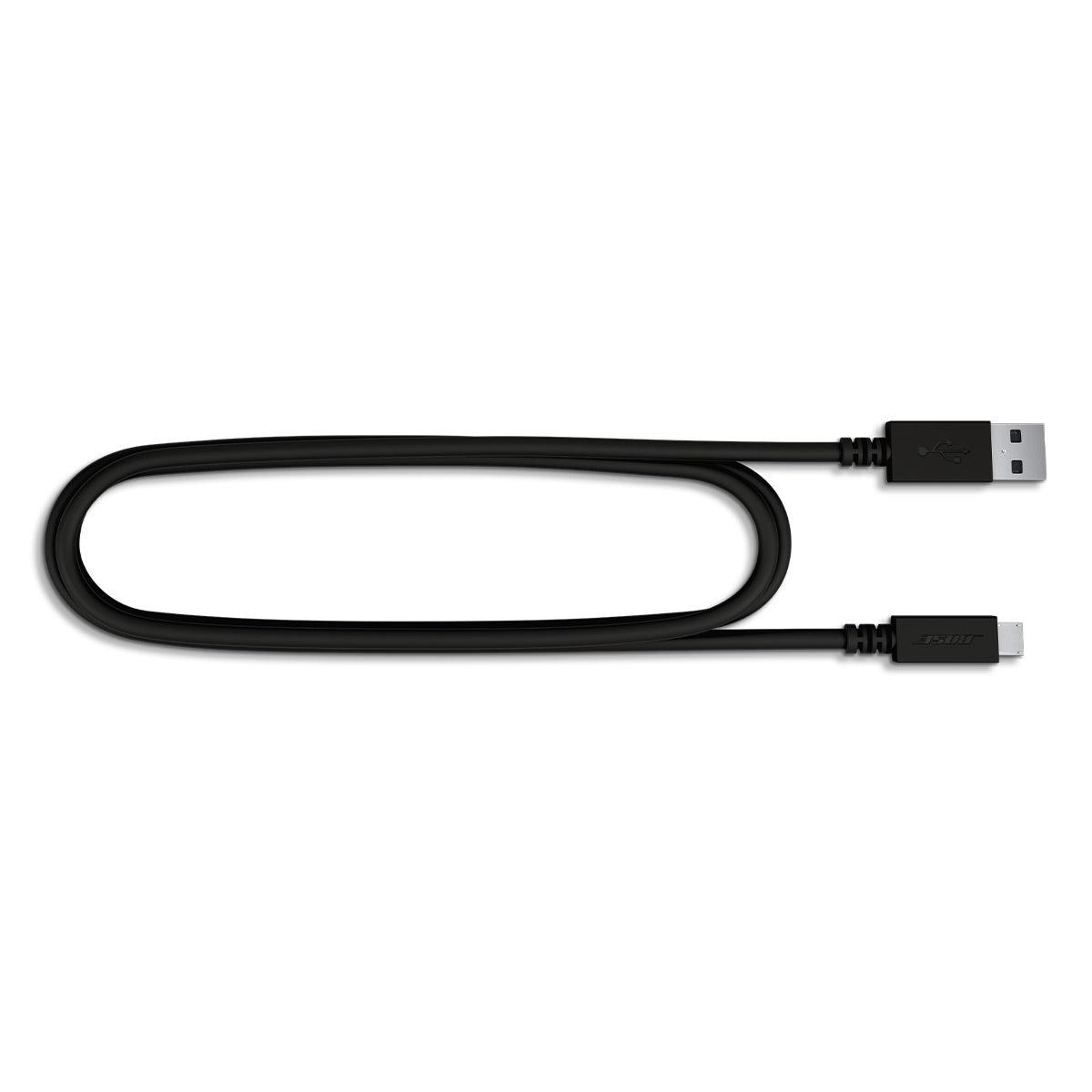
Both speakers charge via USB connections (USB-C for the JBL Go 3, micro-USB for the Bose SoundLink Revolve+ II), with the JBL charging faster at about 2.5 hours versus 4 hours for the Bose. The trade-off between quick charging and long-lasting battery reflects their different use cases.
Water resistance ratings use the IP (Ingress Protection) system, where the first number indicates dust protection and the second indicates water resistance. The JBL Go 3 carries an IP67 rating—the highest practical level for consumer electronics. This means it's completely dust-tight and can be submerged in up to one meter of water for 30 minutes without damage.
This IP67 rating makes the JBL Go 3 genuinely worry-free around water. You can use it in the shower, take it to the pool without concern, or bring it kayaking. If it falls in water, you simply fish it out and keep using it.
The Bose SoundLink Revolve+ II has an IP55 rating, providing water and dust resistance but not full waterproofing. It can handle splashes and rain but shouldn't be submerged. This level of protection works fine for most outdoor activities but requires more caution around pools, boats, or other high-water-risk environments.
Build quality differs significantly between the two. The Bose SoundLink Revolve+ II uses premium aluminum construction with a fabric-wrapped acoustic grill, creating a speaker that feels substantial and well-crafted. The JBL Go 3 uses high-quality plastics with rubber accents, prioritizing durability and weight over premium feel.
Both speakers use Bluetooth for wireless connectivity, but with different approaches. The JBL Go 3 uses Bluetooth 5.1, a newer standard that typically provides better connection stability and slightly improved range. The Bose SoundLink Revolve+ II uses Bluetooth 4.2, which is older but still perfectly functional for music streaming.
The Bose SoundLink Revolve+ II supports multi-point connectivity, meaning it can be paired to two devices simultaneously. Only one can play audio at a time, but switching between your phone and laptop becomes seamless—no need to unpair and re-pair devices.
The Bose SoundLink Revolve+ II includes a built-in microphone and supports voice assistants like Siri and Google Assistant. This enables hands-free control for music playback, weather updates, and other voice commands. The speakerphone capability also makes it useful for conference calls or hands-free phone conversations.
The JBL Go 3 deliberately omits these features, focusing purely on music playback. While this limits functionality, it also simplifies operation and reduces potential technical issues.
Bose provides a dedicated Connect app that unlocks additional features for the SoundLink Revolve+ II. Most notably, you can pair two speakers for either Party Mode (both playing the same audio for wider coverage) or Stereo Mode (true left/right separation). The app also manages firmware updates and connection settings.
The JBL Go 3 works without any app requirements, though JBL does offer app-based features for some of their other speakers. This plug-and-play approach appeals to users who want simple, immediate functionality.
While neither speaker is designed specifically for home theater use, their indoor performance characteristics differ significantly. The Bose SoundLink Revolve+ II can serve as a credible desktop or bedroom speaker, providing enough volume and audio quality for movie watching or music listening in smaller rooms.
The 360-degree sound distribution actually works well for home theater applications where you might be watching from different angles or moving around the room. While it lacks the dedicated dialogue enhancement or surround sound processing of purpose-built soundbars, it delivers clear vocals and balanced audio for casual viewing.
The JBL Go 3 works better as a personal or near-field speaker for individual use. It's excellent for laptop audio enhancement, personal movie watching, or background music while working, but can't provide the volume or frequency response needed for serious home theater use.
Both speakers have low Bluetooth latency, meaning audio delay is minimal when watching videos. This prevents the annoying lip-sync issues that can plague some wireless speakers.
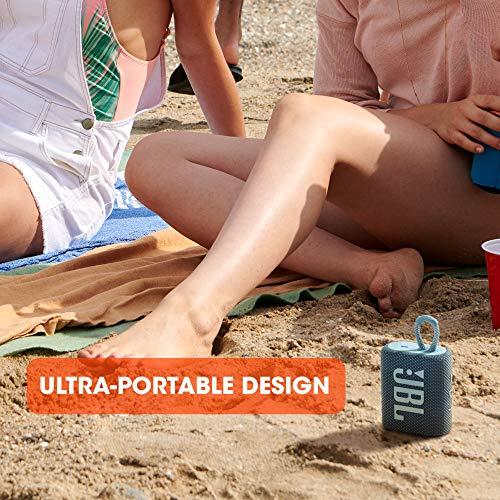
The JBL Go 3 shines in scenarios where portability trumps everything else. For travelers, it's genuinely pocketable and provides a massive improvement over laptop or phone speakers in hotel rooms. The full waterproofing makes it perfect for beach days, pool parties, or shower listening without any anxiety about damage.
Students and commuters appreciate its size and affordability. You can toss it in any bag compartment, and if it gets lost or damaged, replacement doesn't break the bank. For personal listening—podcasts during commutes, music while studying, or enhancing laptop audio—it provides solid performance without taking up significant space.
The vibrant color options and integrated loop make it appealing as a lifestyle accessory. It's the kind of speaker you can clip to a backpack for hiking or attach to a beach umbrella without worrying about it.
The Bose SoundLink Revolve+ II works best when audio quality and extended battery life matter most. For backyard gatherings, camping trips, or outdoor events, it provides enough volume and sound quality to serve as the primary audio source for groups.
The 360-degree sound makes it excellent for indoor use where people might be positioned all around the speaker. Kitchen counters, outdoor patios, or office spaces benefit from the even sound distribution.
Business users appreciate the speakerphone functionality and professional build quality. It's suitable for conference calls, presentations, or situations where you need reliable audio and communication capabilities.
The extended battery life makes it ideal for all-day events where charging isn't practical—beach trips, festivals, camping, or long outdoor activities.
Both speakers represent 2021 technology, which in Bluetooth speaker terms is quite current. The JBL Go 3 introduced significant improvements over its predecessor, including increased power output (from 3W to 4.2W) and the upgraded IP67 water resistance rating.
The Bose SoundLink Revolve+ II refined the original Revolve+ design with improved battery life, updated Bluetooth connectivity, and enhanced durability. Bose's 360-degree acoustic technology has remained largely unchanged because it was already well-developed.
Since 2021, the portable speaker market has seen continued miniaturization and improved battery technology, but neither speaker feels outdated. The fundamental trade-offs between size, sound quality, and features remain the same, making both speakers still relevant choices in their respective categories.
Choose the JBL Go 3 if your priorities center on maximum portability, full waterproofing, and budget consciousness. It's ideal for travelers, students, outdoor enthusiasts who need worry-free water resistance, and anyone who wants decent audio quality without the bulk or expense of larger speakers.
The JBL Go 3 works best for personal listening scenarios, travel use, and situations where the speaker might face rough treatment or water exposure. If you're looking for an affordable way to upgrade laptop or phone audio, or need a speaker you can literally take anywhere, it delivers impressive performance for its size and price.
Choose the Bose SoundLink Revolve+ II if sound quality, extended battery life, and room-filling audio are your primary concerns. It's worth the significantly higher investment if you frequently listen in groups, need a speaker that can serve as your primary audio source, or want the convenience features like speakerphone capability.
The Bose SoundLink Revolve+ II excels for users who want one high-quality speaker that handles most portable audio needs, from personal listening to entertaining guests. If you're willing to carry something larger and invest more money for substantially better audio performance, it delivers on that promise.
Ultimately, both speakers succeed at their intended purposes. The JBL Go 3 proves that ultra-portable doesn't have to mean terrible sound quality, while the Bose SoundLink Revolve+ II demonstrates that portable speakers can deliver genuinely impressive audio performance. Your choice should align with whether you value maximum portability or premium audio quality—both are excellent at what they do.
| JBL Go 3 | Bose SoundLink Revolve+ II |
|---|---|
| Size & Weight - Critical for true portability | |
| 3.7" x 3.0" x 1.7", 0.42 lbs (truly pocketable) | 7.25" x 4.13" x 4.13", 2 lbs (requires bag space) |
| Sound Design - Affects room coverage and listening experience | |
| Forward-firing directional (best for personal listening) | 360° omnidirectional (fills entire rooms evenly) |
| Audio Power - Determines maximum volume and bass response | |
| 4.2W single driver (clear vocals, limited bass) | Larger driver system with dual passive radiators (fuller sound with real bass) |
| Battery Life - Make-or-break for extended use | |
| 5 hours (covers short sessions, requires frequent charging) | 17 hours (all-day use without worry) |
| Water Resistance - Determines where you can safely use it | |
| IP67 fully waterproof (submersible, worry-free around pools/beach) | IP55 splash-resistant (handles rain but not submersion) |
| Bluetooth Technology - Affects connection quality and features | |
| Bluetooth 5.1 (newer, better stability) | Bluetooth 4.2 with multi-point pairing (connect two devices) |
| Smart Features - Added convenience vs. simplicity | |
| Basic music controls only (simple, no-fuss operation) | Built-in speakerphone, voice assistants, app integration |
| Multi-Speaker Capability - For larger gatherings | |
| Not supported by JBL Go 3 | Party Mode and Stereo Mode with second Bose SoundLink Revolve+ II |
| Build Quality - Affects durability and premium feel | |
| Durable plastic with rubber accents (built for rough use) | Premium aluminum body with fabric (sophisticated, substantial feel) |
| Charging Method - Convenience and universality | |
| USB-C, 2.5-hour charge time (fast, universal connector) | Micro-USB, 4-hour charge time (older standard, longer charging) |
The JBL Go 3 works well for personal listening in small spaces, providing clear audio for desks, bedrooms, or kitchen counters without overwhelming the room. However, the Bose SoundLink Revolve+ II is actually better for small apartments because its 360-degree sound fills rooms more evenly and provides richer bass response that makes music and movies more engaging.
The primary difference is size versus sound quality. The JBL Go 3 prioritizes ultra-portability with pocket-sized dimensions, while the Bose SoundLink Revolve+ II focuses on premium audio performance with 360-degree sound and significantly better bass response. They target completely different use cases and budgets.
The Bose SoundLink Revolve+ II offers dramatically better battery life with up to 17 hours of playback compared to the JBL Go 3's 5-hour battery life. This makes the Bose speaker much better for all-day events, camping trips, or extended listening sessions where charging isn't convenient.
Only the Bose SoundLink Revolve+ II includes a built-in microphone and speakerphone functionality, making it suitable for conference calls and hands-free phone conversations. The JBL Go 3 is designed purely for music playback and doesn't support calling features.
The JBL Go 3 is significantly more water-resistant with its IP67 rating, meaning it can be fully submerged in water up to one meter deep. The Bose SoundLink Revolve+ II has IP55 protection, which handles splashes and rain but cannot be submerged safely.
The Bose SoundLink Revolve+ II is much better for group gatherings because it produces higher volume levels, delivers actual bass response, and its 360-degree sound ensures everyone gets good audio regardless of where they're positioned. The JBL Go 3 works better for personal outdoor use.
The Bose SoundLink Revolve+ II delivers substantially better sound quality with fuller bass response, higher maximum volume, and more balanced audio across all frequencies. The JBL Go 3 provides impressive clarity for its tiny size but lacks the bass and overall audio performance of the larger Bose speaker.
The Bose SoundLink Revolve+ II can serve as a decent bedroom or small room speaker for casual movie watching, with enough volume and audio quality for personal viewing. The JBL Go 3 works better as a laptop audio enhancement but cannot provide adequate volume or bass for serious home theater applications.
The JBL Go 3 is dramatically more portable, weighing only 0.42 pounds and fitting easily in pockets or small bag compartments. The Bose SoundLink Revolve+ II weighs 2 pounds and requires dedicated space in luggage, though it's still considered portable for a premium speaker.
The Bose SoundLink Revolve+ II supports Party Mode (both speakers play the same audio) and Stereo Mode (left/right channel separation) when paired with a second unit. The JBL Go 3 does not support multi-speaker pairing features.
This depends on your priorities. The JBL Go 3 offers exceptional value for ultra-portable use with full waterproofing at a budget-friendly cost. The Bose SoundLink Revolve+ II justifies its higher investment with premium build quality, superior audio performance, and extended battery life for users who prioritize sound quality.
For daily home use, the Bose SoundLink Revolve+ II works better as a primary speaker with room-filling 360-degree sound, extended battery life, and speakerphone capabilities. The JBL Go 3 excels as a secondary or personal speaker for enhancing laptop audio, shower listening, or when you need something truly portable around the house.
We've done our best to create useful and informative comparisons to help you decide what product to buy. Our research uses advanced automated methods to create this comparison and perfection is not possible - please contact us for corrections or questions. These are the sites we've researched in the creation of this article: rtings.com - streamtechreviews.com - english.achoreviews.com - smarthomesounds.co.uk - soundguys.com - rtings.com - walmart.com - soundguys.com - youtube.com - youtube.com - jbl.com - youtube.com - selectoguru.com - versus.com - videoandaudiocenter.com - harmanaudio.com - jbl.com - bestbuy.com - forum.hifiguides.com - manuals.plus - kh.jbl.com - th.jbl.com - mm.jbl.com - jbl.com - bestbuy.com - youtube.com - youtube.com - youtube.com - jbl.com - bestbuy.com - bestbuy.com - jbl.com.tw - youtube.com - rtings.com - dxomark.com - youtube.com - bestbuy.com - techradar.com - bhphotovideo.com - boselatam.com - nfm.com - bose.com - support.bose.com - bose.com - abt.com - bose.com

Privacy Policy
Terms and Conditions - Affiliate Policy
Home Security
© Copyright 2008-2026.
11816 Inwood Rd #1211, Dallas, TX 75244