

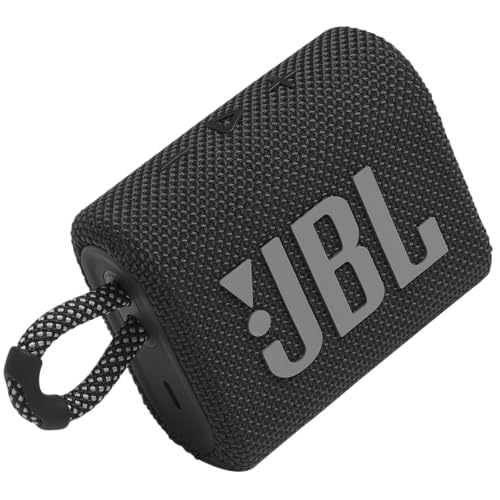
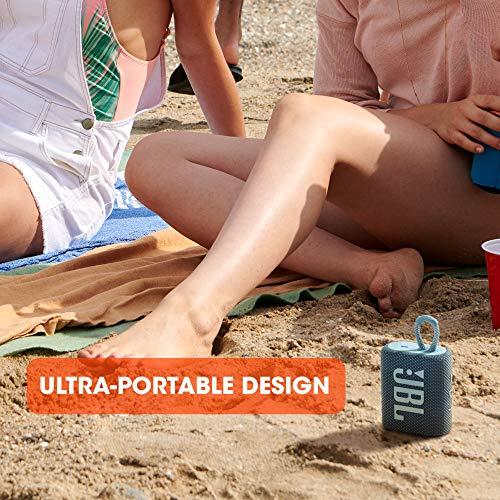
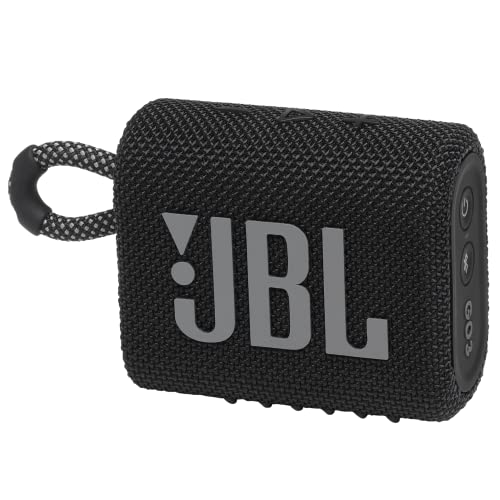


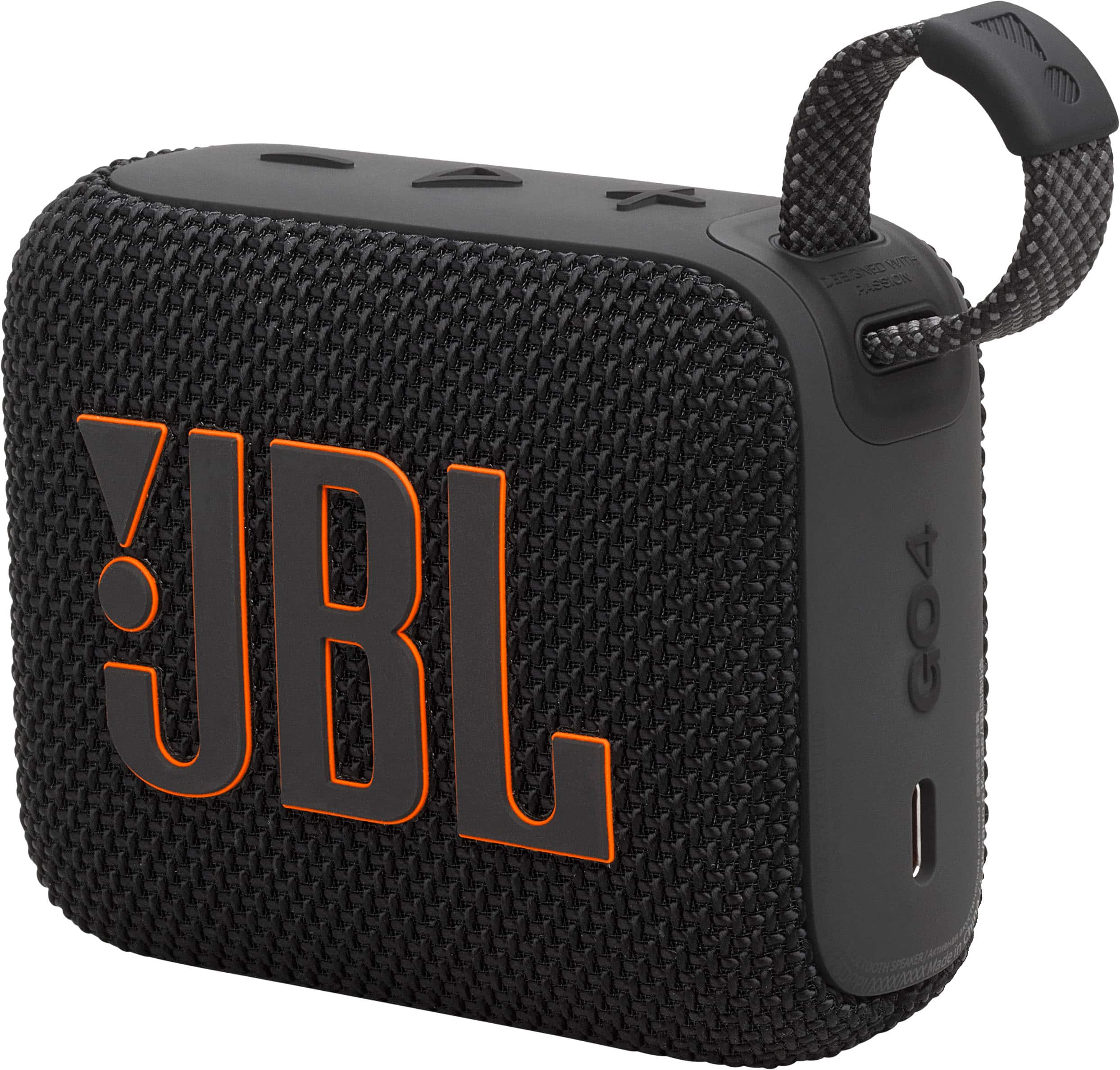
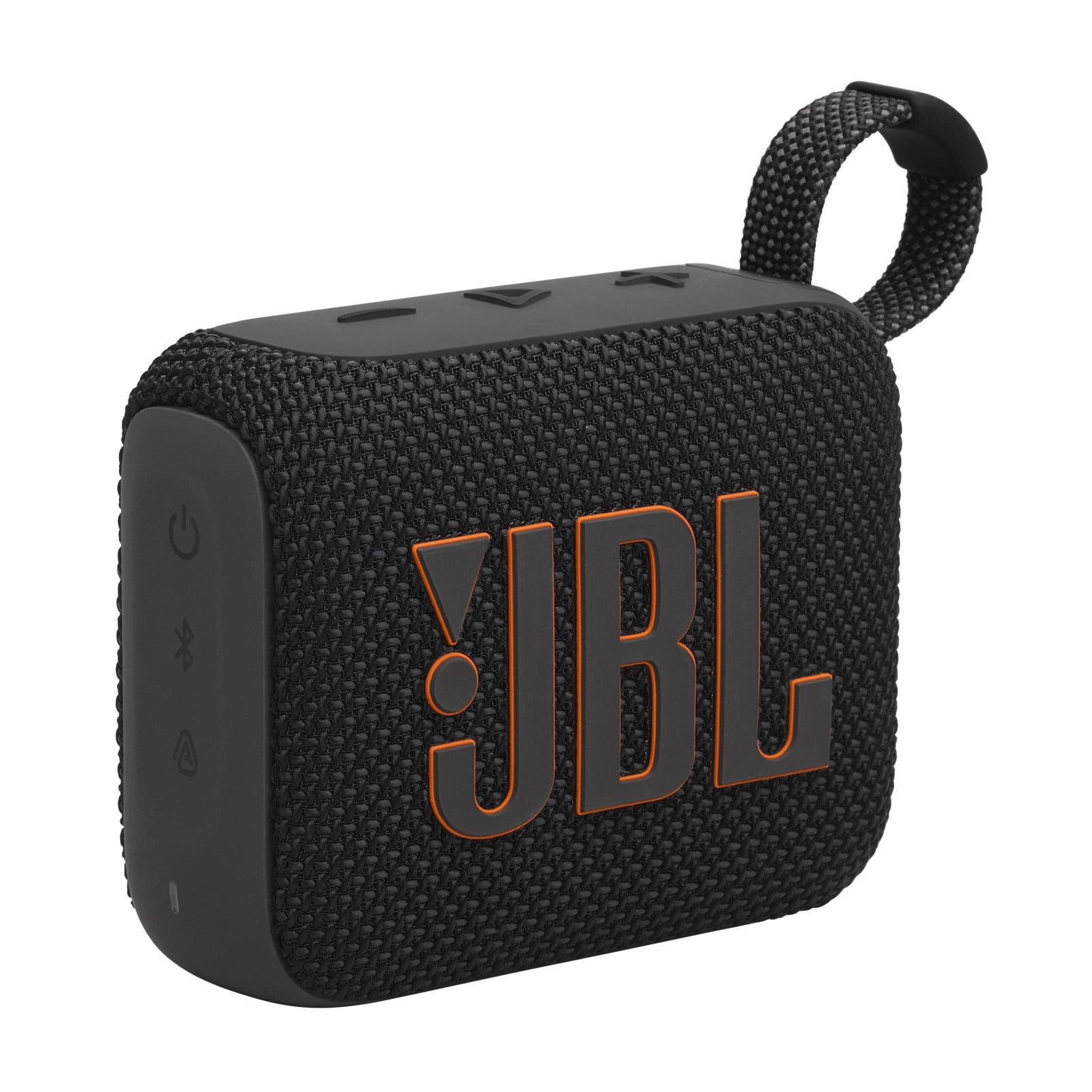
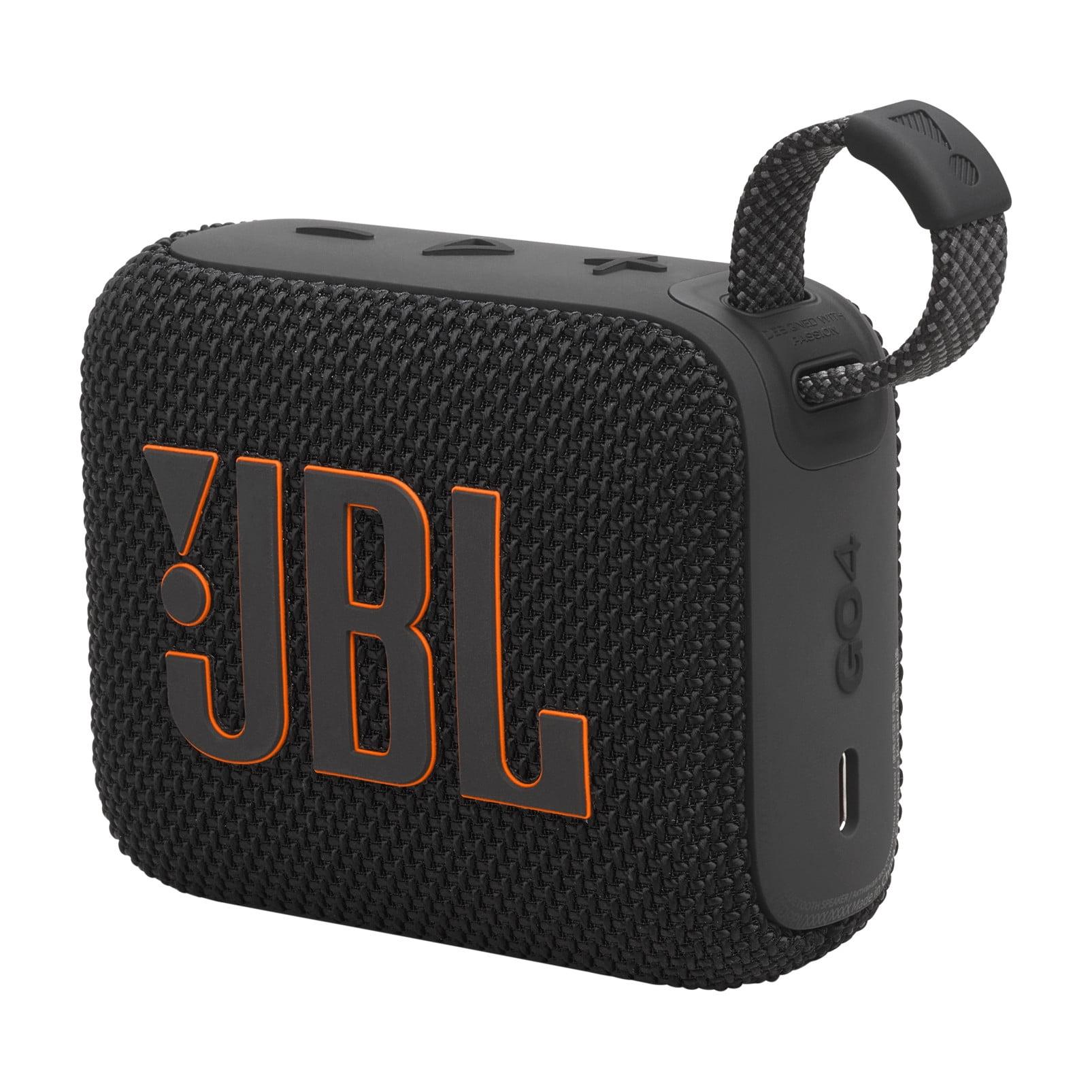
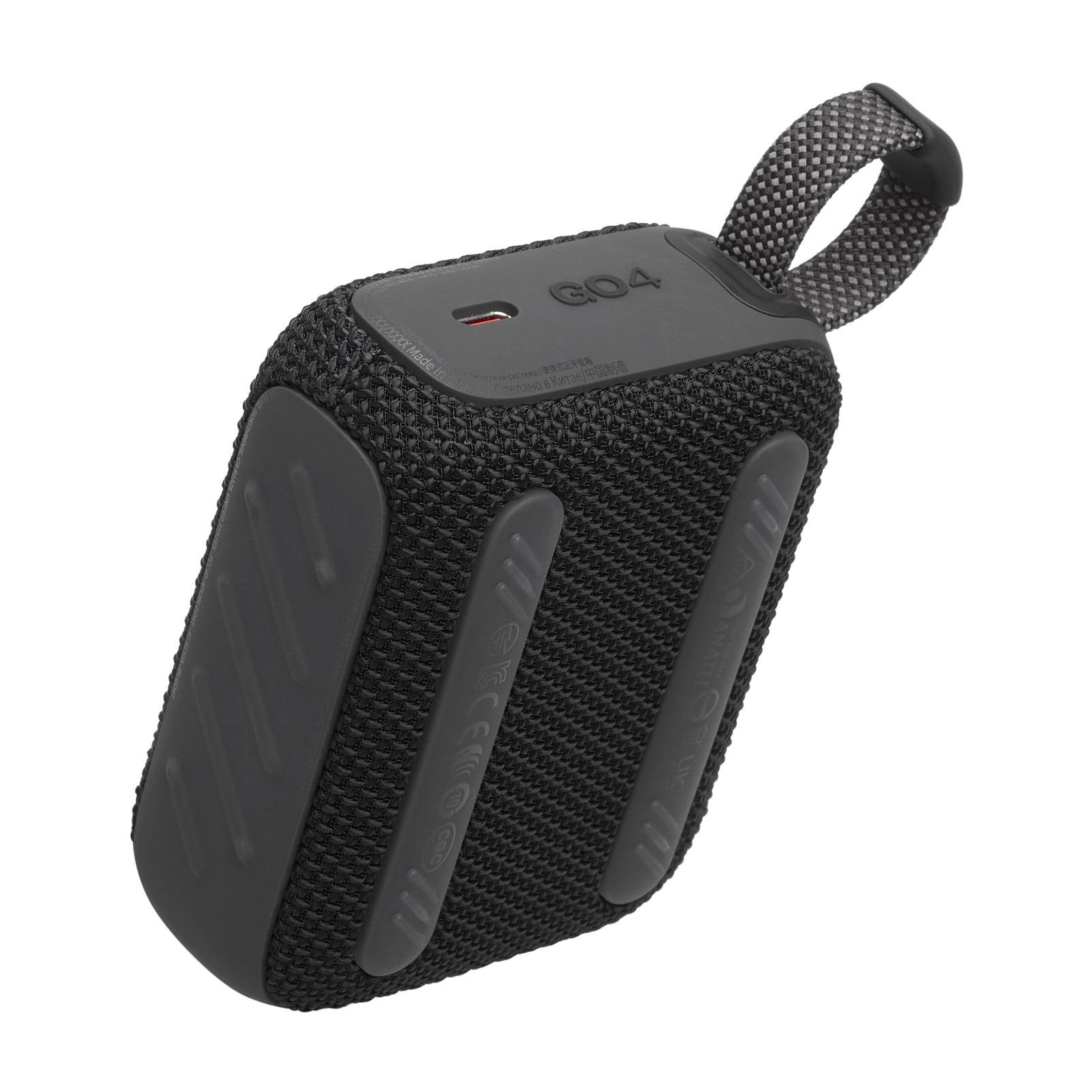
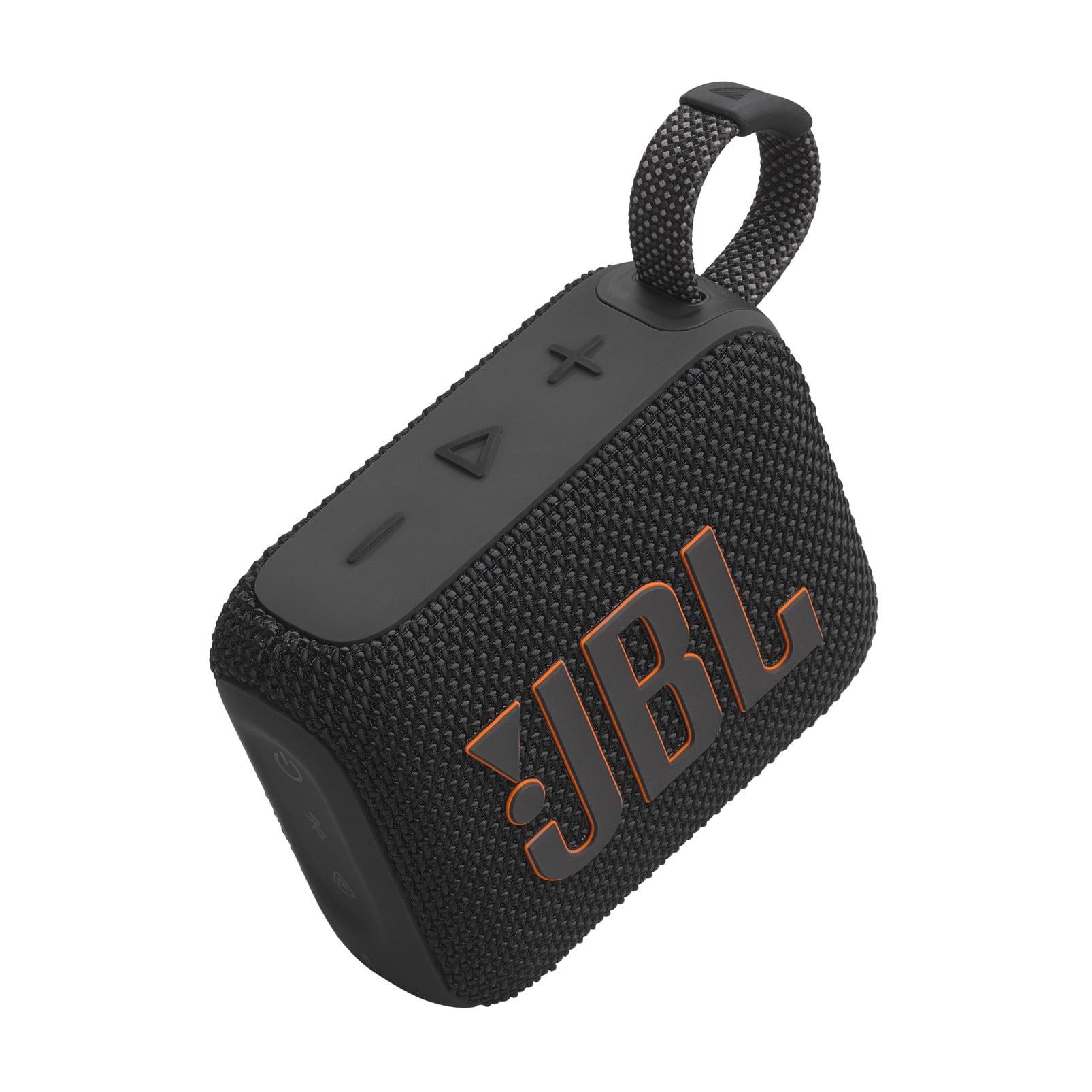
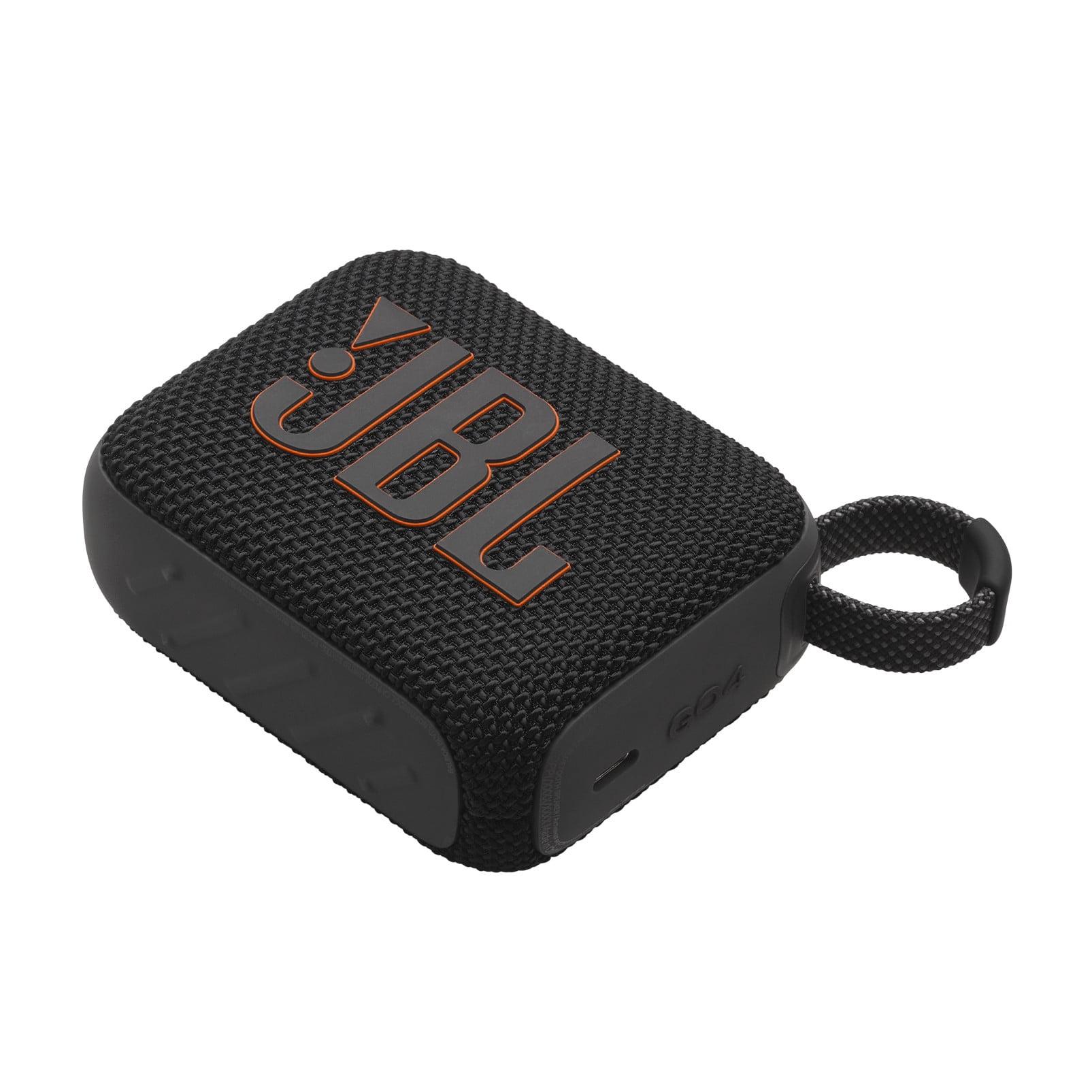
Ultra-portable Bluetooth speakers occupy a unique niche in the audio world. These palm-sized devices prioritize convenience and portability over pure sound quality, making them perfect companions for travel, outdoor activities, and casual listening. When JBL released the Go 4 in 2024 as a successor to their popular Go 3 from 2020, they addressed several key limitations while maintaining the tiny form factor that made the original so appealing.
At the time of writing, these speakers are priced within about five dollars of each other, making the choice between them particularly interesting from a value perspective. The question isn't just which sounds better, but whether the newer model's improvements justify choosing it over the still-available predecessor.
Ultra-portable speakers represent the extreme end of the portability spectrum. These devices typically weigh less than half a pound and fit comfortably in your palm, making them easy to toss in a backpack or even a large pocket. However, this miniaturization comes with significant trade-offs.
The primary challenge facing any ultra-portable speaker is physics. Sound waves, particularly low-frequency bass notes, require physical space to develop properly. When you compress a speaker down to pocket size, you're essentially asking it to defy the laws of physics. This is why bass response - the deep, rumbling low frequencies that give music its foundation - remains the Achilles' heel of every speaker in this category.
What these speakers excel at is convenience and specific use cases. They're perfect for listening to podcasts while cooking, providing background music during a picnic, or sharing audio content with a friend when you don't want to use headphones. They're also surprisingly effective as personal speakers for video calls or watching content on a tablet.
The key considerations when evaluating ultra-portable speakers include battery life (since you'll often use them away from power sources), durability (they need to survive being tossed around), water resistance (outdoor use is common), and most importantly, how well they handle the types of content you'll actually play through them.
JBL's approach with the Go 4 shows how manufacturers can meaningfully improve upon successful designs without completely reinventing them. The Go 3, released in 2020, established itself as a reliable and affordable option in the ultra-portable category. By 2024, when the Go 4 arrived, JBL had identified specific areas for improvement based on four years of user feedback and technological advancement.
The most significant upgrade comes in the form of app integration. The Go 3 operates as a purely hardware-based device - what you hear is what you get, with no ability to customize the sound. The Go 4 introduces full compatibility with JBL's Portable app, which fundamentally changes how you can use the speaker.
This app integration enables a 5-band graphic equalizer, allowing you to adjust specific frequency ranges to better suit your preferences or the content you're playing. More importantly, it includes several preset EQ modes designed for different types of content. This addresses one of the Go 3's main limitations - while it excelled at vocal content like podcasts, it wasn't as versatile for different music genres.
Both the Go 3 and Go 4 use similar driver configurations - the Go 3 employs a 43mm driver while the Go 4 steps up to a 45mm unit. That 2mm difference might seem trivial, but in the ultra-portable world, every millimeter of driver surface area matters for sound quality.
The Go 3 has a frequency response range of 110Hz to 20kHz, while the Go 4 extends slightly lower to 90Hz. In practical terms, this means the newer speaker can reproduce somewhat deeper bass notes, though both still struggle with the really low frequencies that make electronic music and hip-hop sound full and punchy.
What's more interesting is how each speaker handles the frequency range it can reproduce. The Go 3 has a distinctly vocal-forward tuning. This means human voices, whether in podcasts, audiobooks, or vocal-heavy music, sound clear and articulate. The midrange frequencies where most vocal content lives get emphasized, making dialogue and singing voices stand out prominently in the mix.
The Go 4 takes a more balanced approach. While it still handles vocals well, it doesn't emphasize them as aggressively. Instead, it provides a more even distribution across the audible frequency spectrum, which makes it more versatile for different types of content. This is particularly noticeable when listening to instrumental music or content with complex soundscapes.
Both speakers achieve similar maximum volume levels, reaching about 83 decibels at their peak. To put this in perspective, that's roughly equivalent to city traffic noise or a garbage disposal - loud enough for personal listening or small group situations, but not sufficient for filling large rooms or competing with significant background noise.
However, the Go 4 maintains better composure at higher volume levels. Both speakers employ protection circuits that automatically reduce bass output when you push them hard, preventing the tiny drivers from being damaged by trying to reproduce more sound than they can physically handle. The Go 4's implementation of this protection is more sophisticated, resulting in less noticeable compression and distortion when you're listening at or near maximum volume.
The Go 4's app integration represents its most significant advantage over the Go 3. The JBL Portable app includes four preset EQ modes plus a fully customizable equalizer that lets you adjust five different frequency bands independently.
The preset modes include settings optimized for different content types. There's a vocal-focused mode that mimics the Go 3's natural tuning, a bass-boosted mode that tries to extract as much low-end as possible from the tiny driver, and balanced modes that provide more neutral sound reproduction. While the bass boost mode can't create bass that wasn't already there, it does make the most of what's available, particularly in the upper bass and lower midrange frequencies.
The custom equalizer proves especially valuable for compensating for the inherent limitations of ultra-portable speakers. You can reduce harsh frequencies that become apparent at higher volumes, boost the midrange for better vocal clarity, or fine-tune the sound to better match your specific listening preferences.
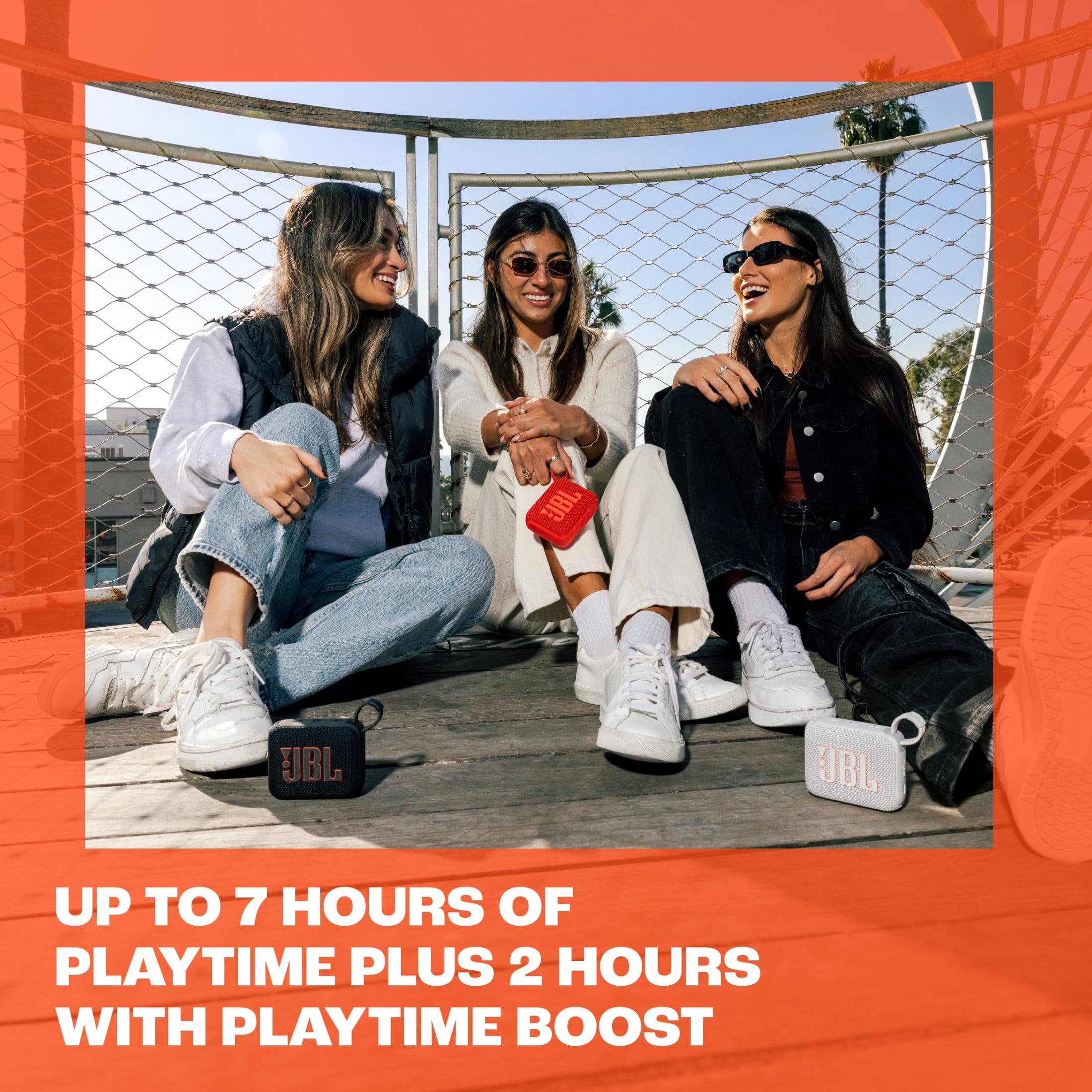
Battery performance represents one of the most tangible improvements in the Go 4. The Go 3 provides about 5 hours of continuous playback, while the Go 4 extends this to 7 hours under normal conditions. This might not sound dramatic, but it's the difference between a speaker that lasts a full workday versus one that needs a midday recharge.
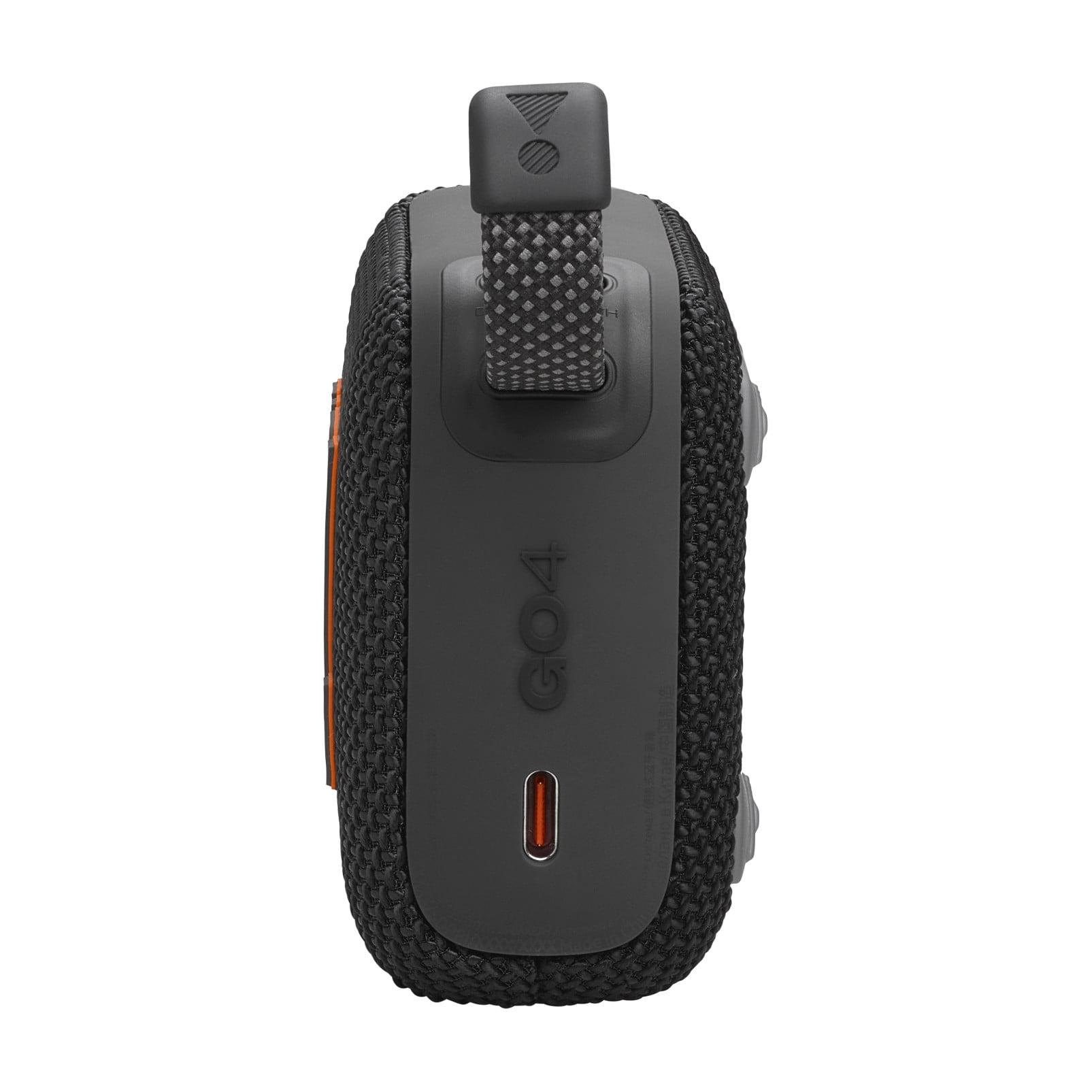
Both speakers use USB-C charging, which is convenient for modern users who likely already have compatible cables. The charge time remains similar between both models at around 3 hours for a full battery.
The Go 4 also introduces a "Playtime Boost" feature that can extend battery life up to 9 hours. However, this feature comes with a significant caveat - it achieves the extended runtime by automatically adjusting the EQ to reduce power-hungry bass frequencies and bypass any custom EQ settings you've configured. The result is a thinner, more treble-focused sound that's adequate for podcasts or talk radio but noticeably less satisfying for music.
From a practical standpoint, the improved battery life in the Go 4 makes it more suitable for extended outdoor activities, long travel days, or situations where you don't have reliable access to charging. The 40% improvement in runtime is meaningful enough to influence purchasing decisions, especially for users who frequently find themselves away from power sources.
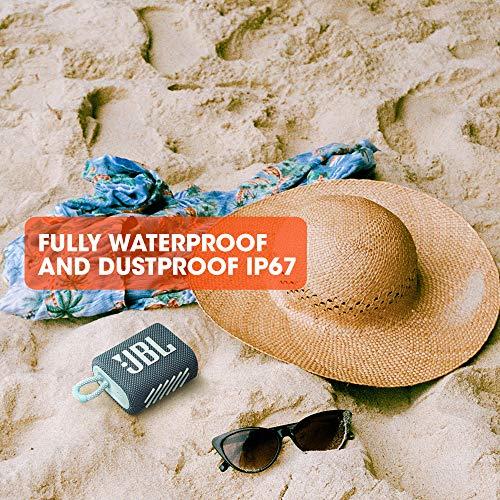
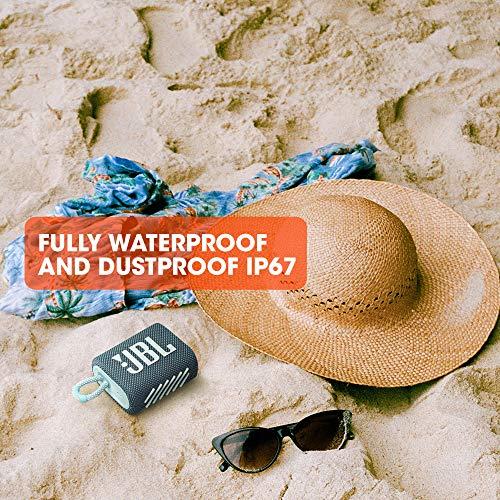
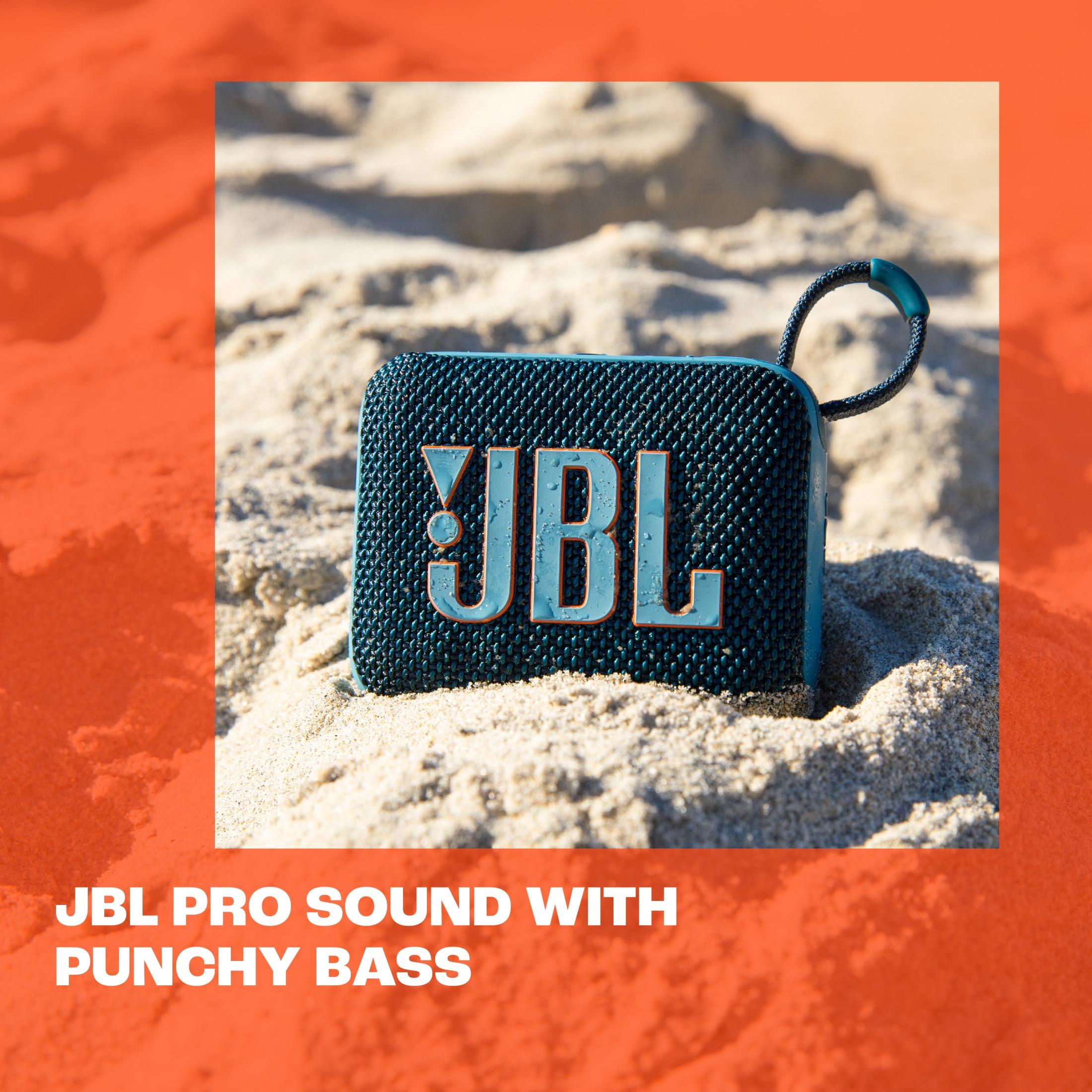
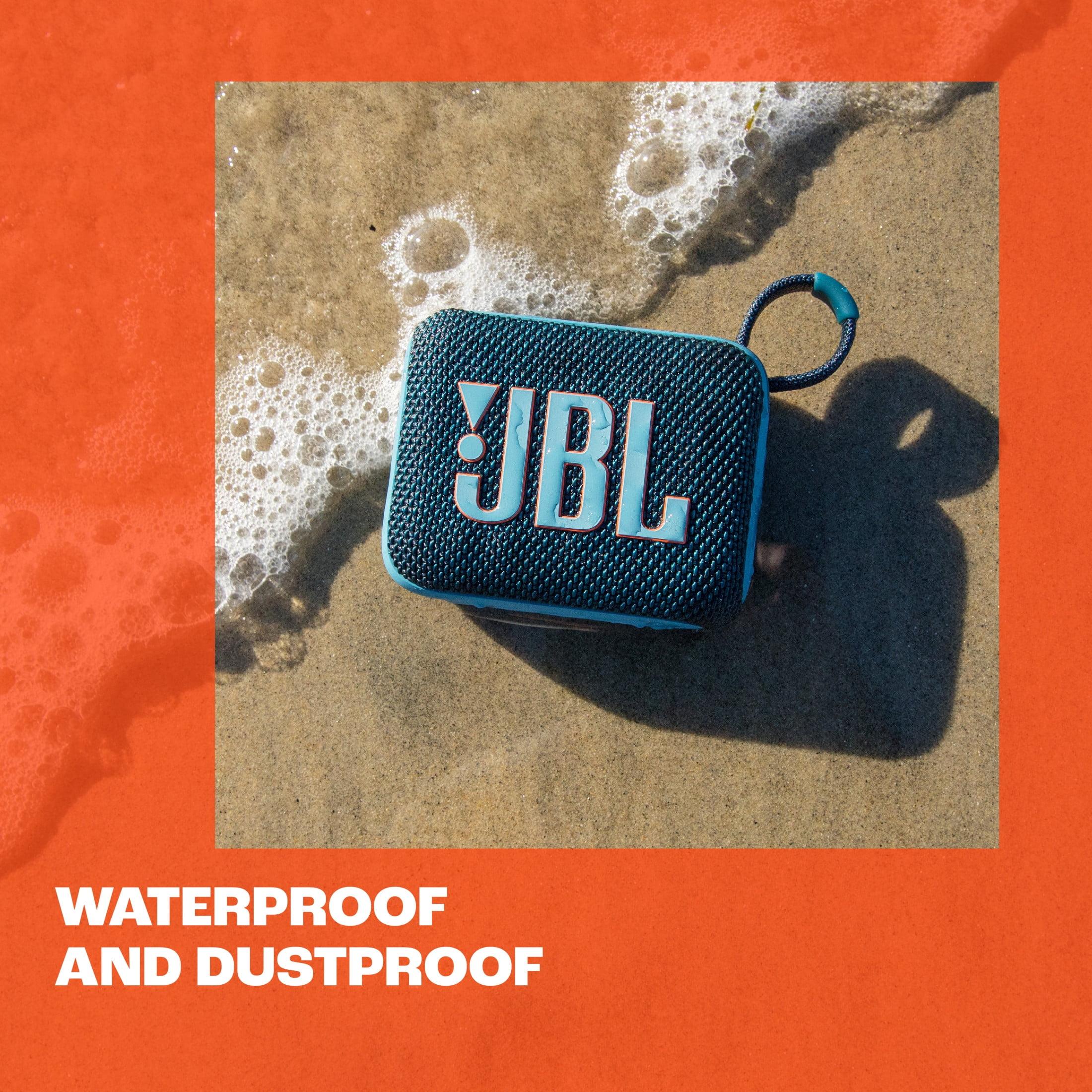
Both speakers maintain the same IP67 waterproof and dustproof rating, meaning they can survive complete submersion in up to one meter of water for 30 minutes and are completely protected against dust intrusion. This makes either speaker suitable for beach trips, pool parties, camping, or use in dusty environments.
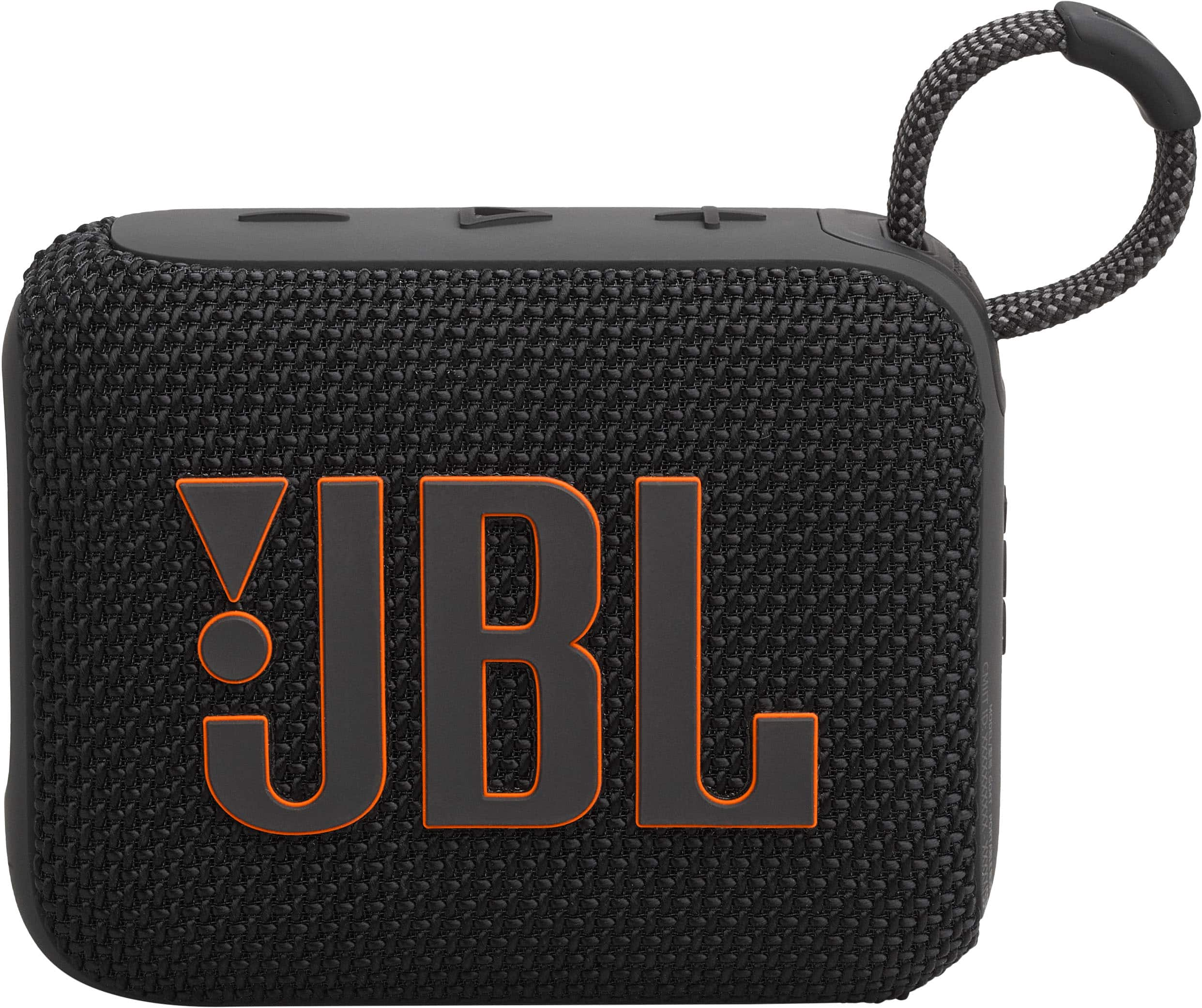
However, the Go 4 introduces some construction improvements that address long-term durability concerns with the Go 3. The newer speaker adds silicone reinforcement around the fabric grille, reducing the likelihood of fraying or material degradation over time. This might seem like a minor detail, but for a speaker that's designed to be tossed in bags and subjected to rough handling, any improvement in long-term durability is valuable.
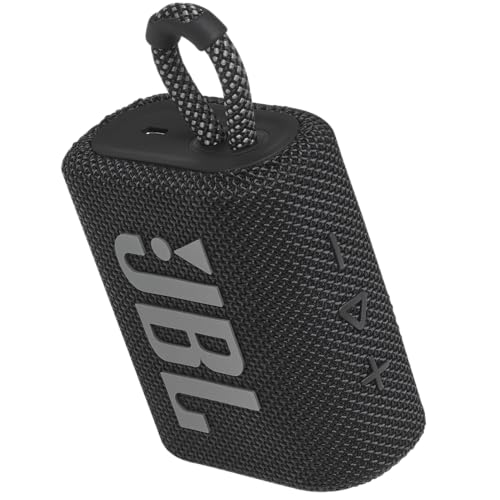
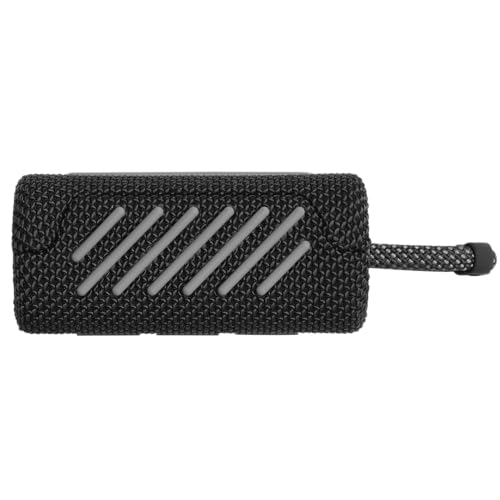
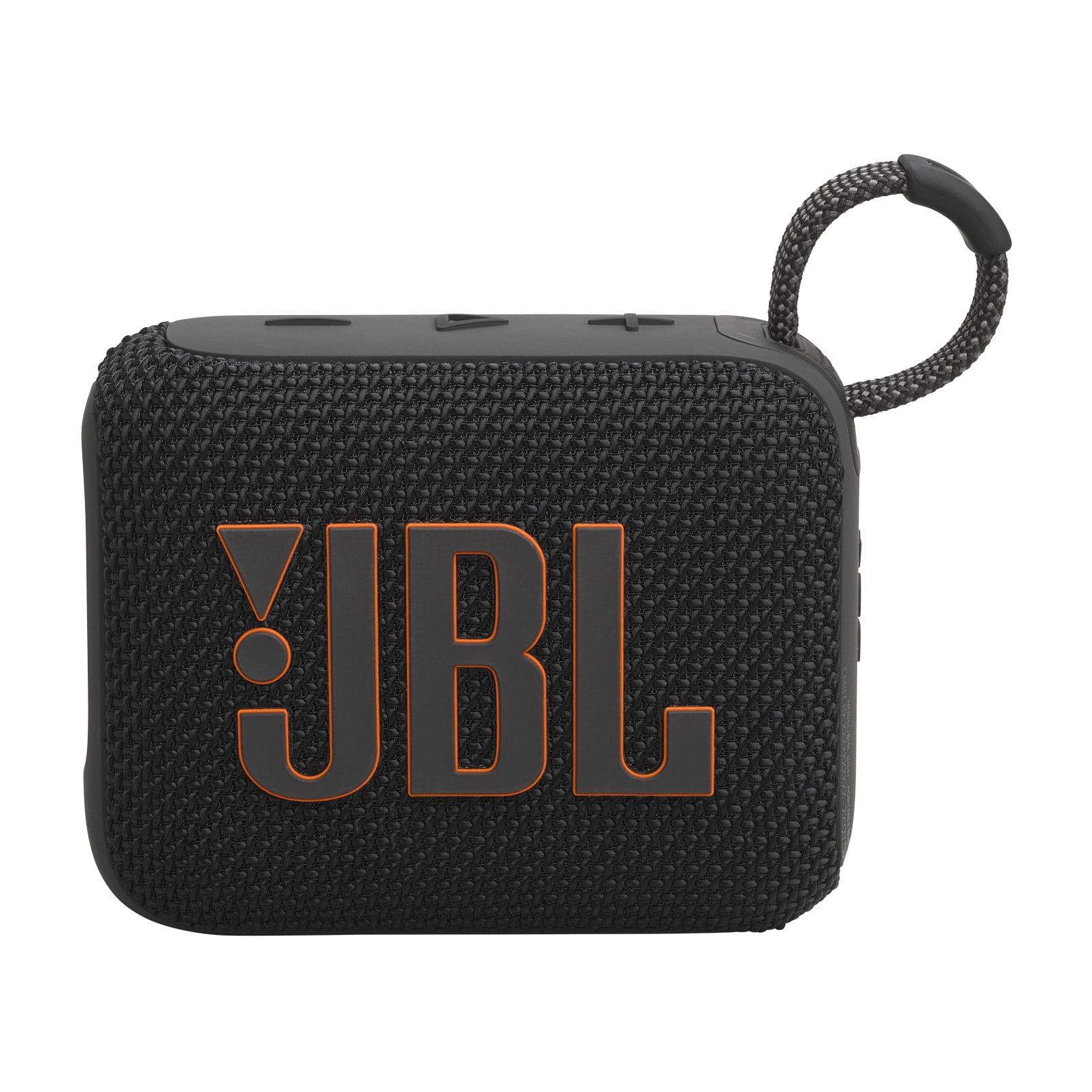
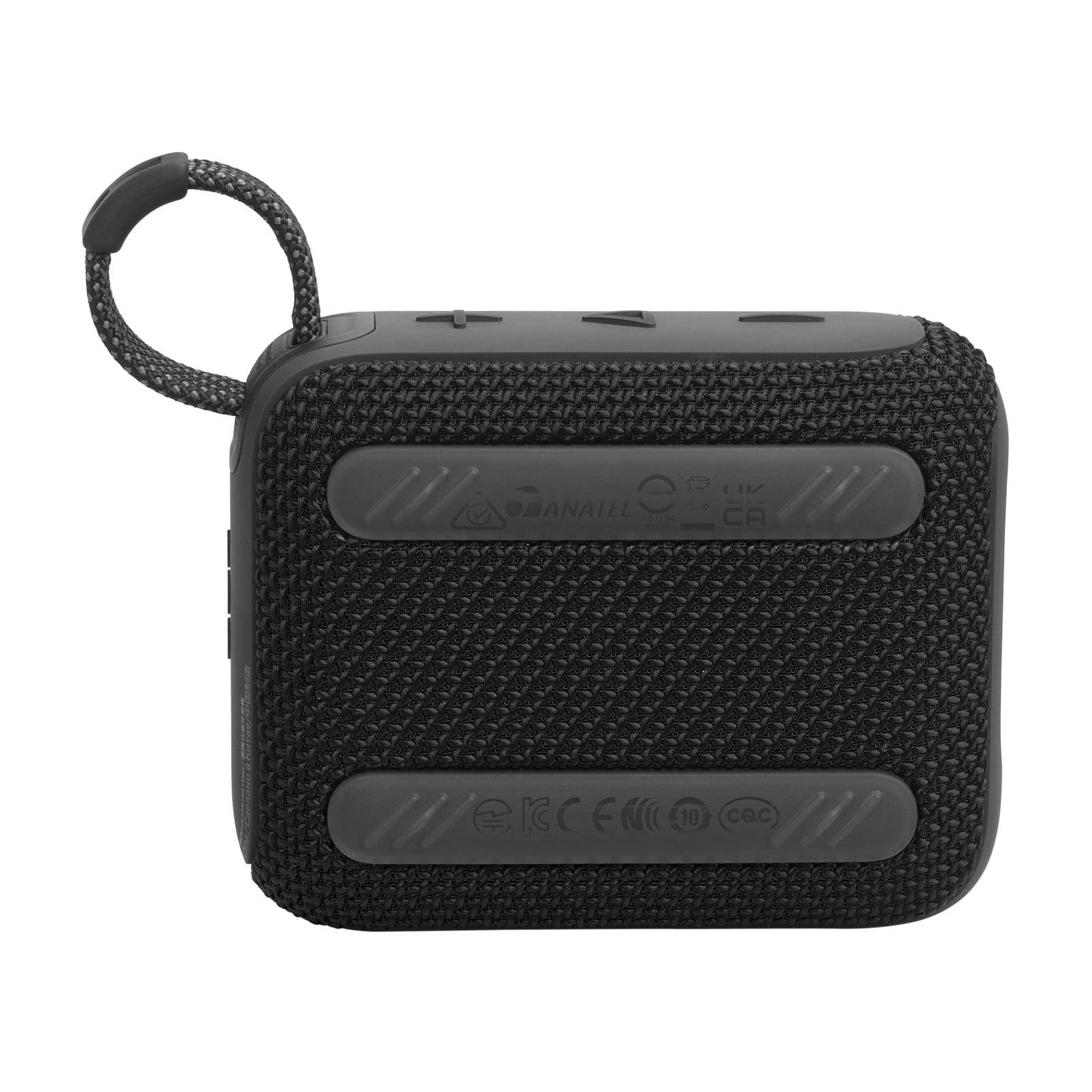
The physical controls on both speakers are simple and intuitive, though the Go 4 reorganizes the layout slightly to accommodate the new Auracast button (which enables multi-speaker pairing). Both include integrated loops for attaching to bags or carabiners, though neither includes an actual carabiner or strap in the box.
The Go 4 upgrades from Bluetooth 5.1 to 5.3, providing improved connection stability and energy efficiency. While both speakers are limited to the basic SBC Bluetooth codec (meaning they can't take advantage of higher-quality wireless audio formats), the newer Bluetooth version does offer better reliability, especially in crowded wireless environments.
The most significant connectivity upgrade is Auracast technology in the Go 4. This feature allows you to pair two speakers for stereo sound or connect multiple Auracast-enabled speakers for a larger soundscape. While the Go 3 operates only as a standalone unit, the Go 4 can be part of a multi-speaker setup.
The stereo pairing feature is particularly valuable for ultra-portable speakers. While neither individual speaker can provide true stereo imaging due to their mono configuration, pairing two units creates a proper left-right channel separation that significantly improves the listening experience for music content.
Neither speaker is designed for home theater applications or serious indoor listening. Their mono configuration and limited low-frequency response make them poorly suited for movie soundtracks or television audio. However, they can serve as adequate personal speakers for laptop audio, video calls, or casual background music in small rooms.
If you're considering either for indoor use, the Go 4's EQ capabilities give it a significant advantage. You can tune the sound to better match your room acoustics or compensate for placement limitations (like being stuck on a shelf against a wall).
This is where both speakers truly shine, but with different strengths. The Go 3 excels when you're primarily consuming spoken content - podcasts during a hike, audiobooks at the beach, or news while camping. Its vocal-forward tuning makes dialogue clear and easy to understand even in moderately noisy outdoor environments.
The Go 4 offers more versatility for mixed content. Its longer battery life makes it better suited for all-day outdoor adventures, while the EQ capabilities let you optimize the sound for different environments. The bass boost mode can partially compensate for outdoor acoustics, where low frequencies tend to dissipate quickly.
Both speakers are genuinely pocket-friendly, though the Go 4 is slightly larger. The difference is minimal enough that either will fit in most bags or large pockets. However, the Go 4's improved battery life makes it significantly more practical for extended travel periods.
The durability improvements in the Go 4 also provide peace of mind for frequent travelers who need a speaker that can handle being shuffled between bags, dropped occasionally, and subjected to varying environmental conditions.
At the time of writing, the price difference between these speakers is minimal - typically less than $10 separating them in most markets. This small price gap makes the decision largely about features rather than budget constraints.
You should consider the Go 3 if you're primarily interested in spoken content consumption and want the most affordable entry into the JBL portable speaker ecosystem. Its vocal-forward tuning remains unmatched for podcast listeners, and the lower price point makes it an excellent first portable speaker.
The Go 3 also makes sense if you already own one and are considering a second speaker for a different location. Since they can't pair together anyway, having matching units might be preferable for consistent performance across different use cases.
The Go 4 represents better value for most users. The combination of longer battery life, app-based customization, improved durability, and future-proof connectivity features justifies the modest price premium for the majority of buyers.
This speaker is particularly appealing if you listen to varied content types, want the flexibility to customize your sound, or frequently use your portable speaker for extended periods away from power sources. The Auracast capability also provides future upgrade paths if you decide to expand to a multi-speaker setup.
The Go 4 succeeds as a meaningful evolution rather than a revolutionary redesign. JBL identified the Go 3's limitations and addressed them systematically while maintaining the core strengths that made the original popular.
For most buyers, the choice is clear: the modest price difference makes the Go 4 the obvious selection. You get substantially longer battery life, sound customization capabilities, improved durability, and future-proof features that extend the speaker's usefulness over time.
However, the Go 3 remains relevant for budget-conscious buyers or those who specifically prefer its vocal-tuned sound signature. Neither speaker transcends the fundamental limitations of the ultra-portable category, but both excel within those constraints.
The real competition for both speakers isn't each other - it's your smartphone's built-in speaker, earbuds, or larger portable speakers. If you understand and accept the trade-offs inherent in ultra-portable design, either JBL option will serve you well. If you frequently find yourself wishing for more bass, higher volume, or better sound quality, you might want to consider a larger speaker category entirely.
Ultimately, the Go 4 represents one of the clearest upgrade recommendations in the portable audio space. The improvements are tangible, the price premium is modest, and the enhanced versatility makes it suitable for a broader range of use cases than its predecessor.
| JBL Go 3 Portable Bluetooth Speaker | JBL Go 4 Portable Bluetooth Speaker |
|---|---|
| Driver Size - Larger drivers typically produce better sound quality | |
| 43mm driver | 45mm driver |
| Frequency Response - Lower numbers mean better bass reproduction | |
| 110Hz – 20kHz (limited low-frequency extension) | 90Hz – 20kHz (slightly better bass capability) |
| Battery Life - Critical for outdoor and travel use | |
| Up to 5 hours (adequate for short sessions) | Up to 7 hours standard, 9 hours with Playtime Boost |
| Battery Capacity - Determines actual runtime and longevity | |
| 750mAh Li-ion polymer | 850mAh Li-ion polymer (13% larger capacity) |
| Bluetooth Version - Newer versions offer better stability and efficiency | |
| Bluetooth 5.1 | Bluetooth 5.3 (improved connection reliability) |
| App Support - Enables sound customization and additional features | |
| No app support (hardware controls only) | JBL Portable app with 5-band EQ and presets |
| Multi-Speaker Pairing - Allows stereo sound or larger setups | |
| No pairing capability | Auracast technology for stereo pairing and multi-speaker connection |
| Water Resistance - Essential for outdoor and travel durability | |
| IP67 waterproof and dustproof | IP67 waterproof and dustproof |
| Build Construction - Affects long-term durability | |
| Fabric exterior (prone to fraying over time) | Fabric with silicone reinforcement (improved durability) |
| Dimensions - Impacts true portability | |
| 87.5 x 75 x 41.3mm (extremely compact) | 94.3 x 75.7 x 42.2mm (slightly larger but still pocket-friendly) |
| Weight - Important for true portability | |
| 0.209kg / 0.46 lbs | 0.19kg / 0.42 lbs (actually lighter despite larger size) |
| Sound Signature - Determines what content sounds best | |
| Vocal-forward tuning (excellent for podcasts and speech) | More balanced sound (versatile for music and speech) |
| Release Year - Indicates technology generation and feature availability | |
| 2020 (established design with proven reliability) | 2024 (latest features and improved efficiency) |
The JBL Go 4 offers better overall sound quality than the JBL Go 3. The newer model features a larger 45mm driver compared to the Go 3's 43mm driver, and extends lower in frequency response (90Hz vs 110Hz). Most importantly, the JBL Go 4 includes app-based EQ controls that let you customize the sound, while the JBL Go 3 has no sound adjustment options.
The JBL Go 4 provides significantly longer battery life with up to 7 hours of playback compared to the JBL Go 3's 5 hours. The Go 4 also includes a Playtime Boost feature that can extend runtime to 9 hours, though this reduces sound quality. For extended outdoor use or travel, the JBL Go 4 is the clear winner.
While neither speaker produces deep bass due to their tiny size, the JBL Go 4 has slightly better bass response thanks to its larger driver and lower frequency range. The Go 4's EQ app also includes a bass boost mode that maximizes whatever low-end the small speaker can produce. Don't expect satisfying bass from either JBL Go 3 or JBL Go 4 for bass-heavy music genres.
Both the JBL Go 3 and JBL Go 4 take approximately 3 hours to fully charge using the included USB-C cable. The similar charge times mean the JBL Go 4's longer battery life doesn't come at the cost of longer charging periods.
The JBL Go 4 offers improved durability with additional silicone reinforcement around the fabric grille, reducing the risk of fraying over time. While both speakers share the same IP67 waterproof rating, the Go 4's enhanced construction makes it better suited for rough outdoor handling compared to the JBL Go 3.
Choose the JBL Go 4 for most situations, as it offers better value with longer battery life, sound customization through the app, improved durability, and future-proof features like Auracast pairing. Only consider the JBL Go 3 if you're on an extremely tight budget or specifically prefer its vocal-forward sound for podcast listening.
We've done our best to create useful and informative comparisons to help you decide what product to buy. Our research uses advanced automated methods to create this comparison and perfection is not possible - please contact us for corrections or questions. These are the sites we've researched in the creation of this article: rtings.com - streamtechreviews.com - english.achoreviews.com - smarthomesounds.co.uk - soundguys.com - rtings.com - walmart.com - soundguys.com - youtube.com - youtube.com - jbl.com - youtube.com - selectoguru.com - versus.com - videoandaudiocenter.com - harmanaudio.com - jbl.com - bestbuy.com - forum.hifiguides.com - manuals.plus - kh.jbl.com - th.jbl.com - mm.jbl.com - jbl.com - bestbuy.com - youtube.com - youtube.com - youtube.com - jbl.com - bestbuy.com - bestbuy.com - jbl.com.tw - youtube.com - tomsguide.com - outeraudio.com - youtube.com - techradar.com - corporategift.com - jbl.com - target.com - dell.com - projectorscreen.com - mm.jbl.com

Privacy Policy
Terms and Conditions - Affiliate Policy
Home Security
© Copyright 2008-2026.
11816 Inwood Rd #1211, Dallas, TX 75244