





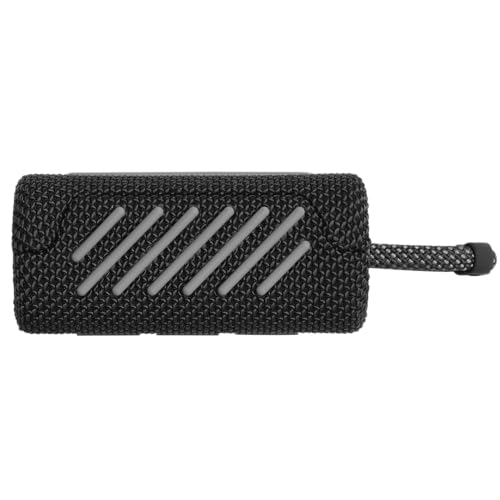
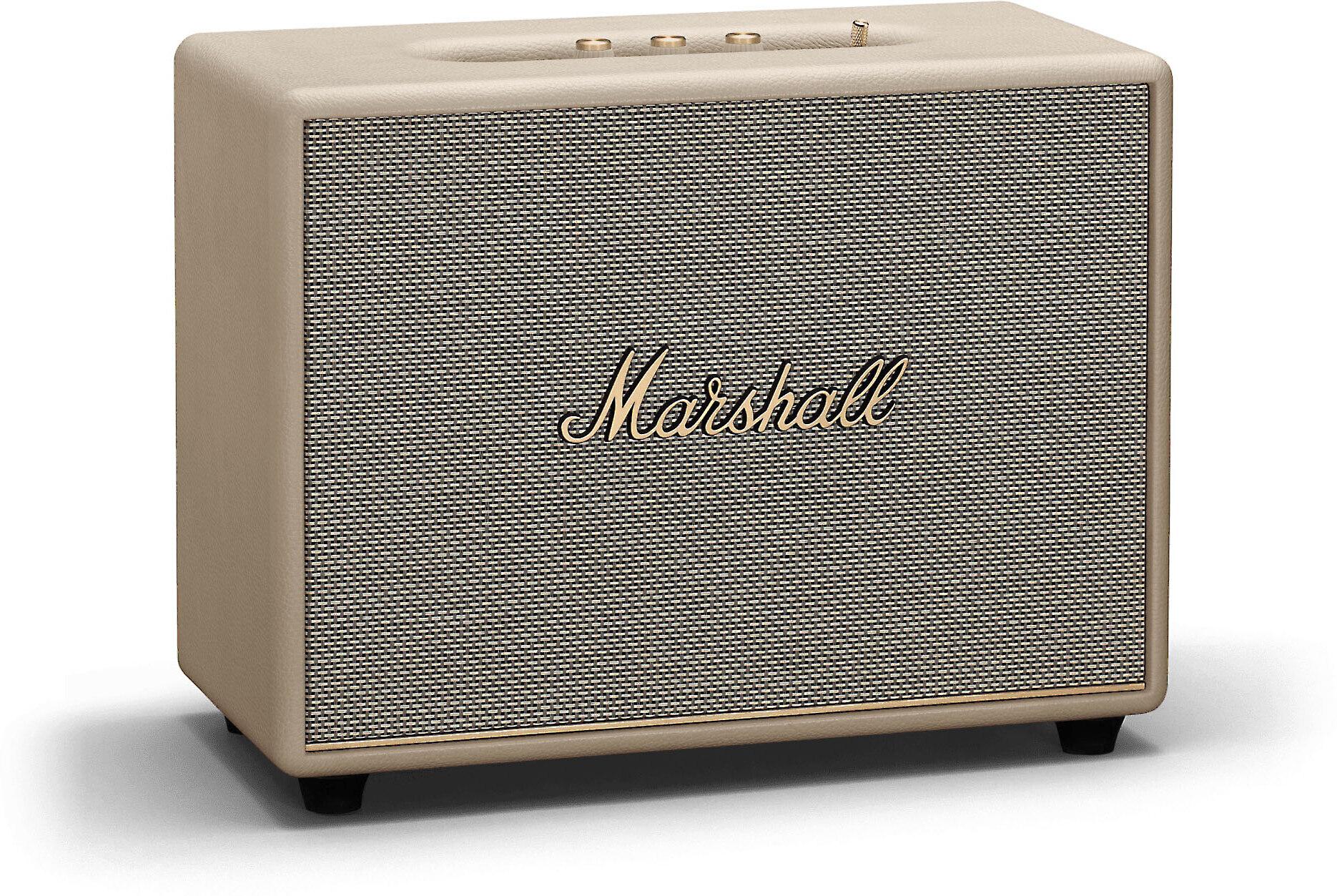
When shopping for a Bluetooth speaker, you're essentially choosing between two very different philosophies: maximum portability or premium home audio performance. The JBL Go 3 and Marshall Woburn III perfectly illustrate this divide, representing opposite ends of the speaker spectrum in almost every way imaginable.
Before diving into these specific models, it's worth understanding what separates great Bluetooth speakers from mediocre ones. The key factors include driver configuration (the individual speakers inside that handle different sound frequencies), power output measured in watts, frequency response (the range of sounds from deep bass to high treble), and connectivity options beyond basic Bluetooth.
The sweet spot for any speaker depends entirely on your intended use. A pocket-sized speaker that you can toss in a backpack needs different engineering priorities than a living room centerpiece that stays plugged into the wall. This fundamental trade-off between portability and performance shapes every design decision manufacturers make.
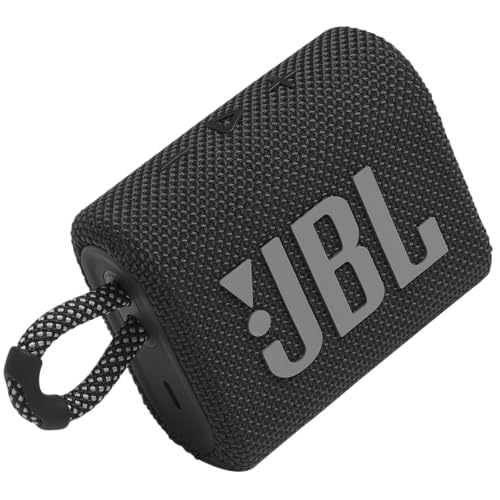
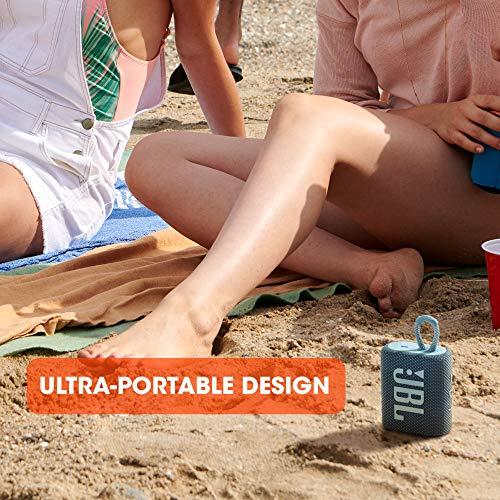
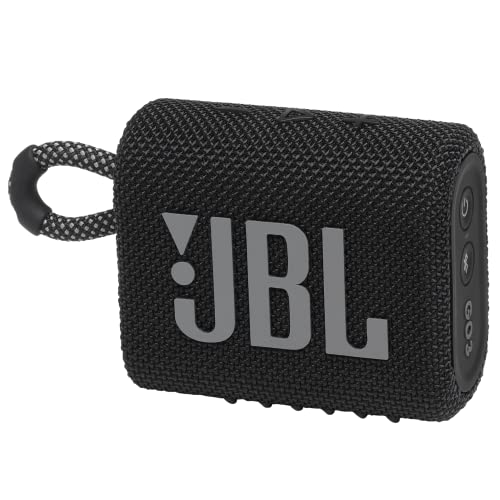
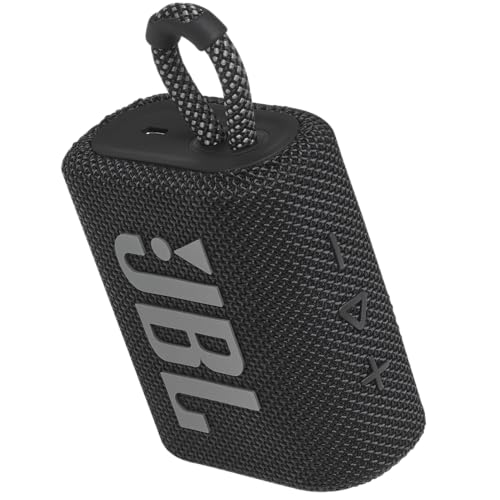
The JBL Go 3, released in 2020, embodies the "music everywhere" philosophy. At roughly the size of a deck of cards and weighing just half a pound, it's designed for people whose lives don't revolve around staying in one place. The ultra-portable design includes an integrated fabric loop for clipping to backpacks, and its IP67 waterproof rating means you can literally drop it in a pool and fish it out later with no damage.
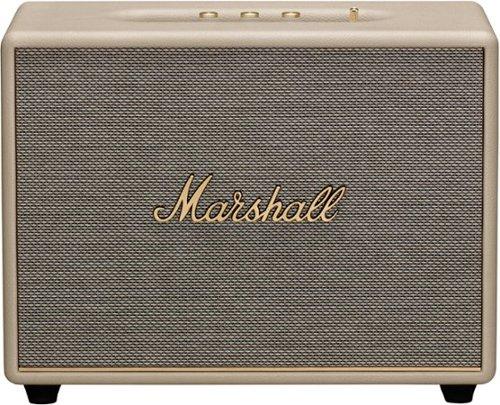
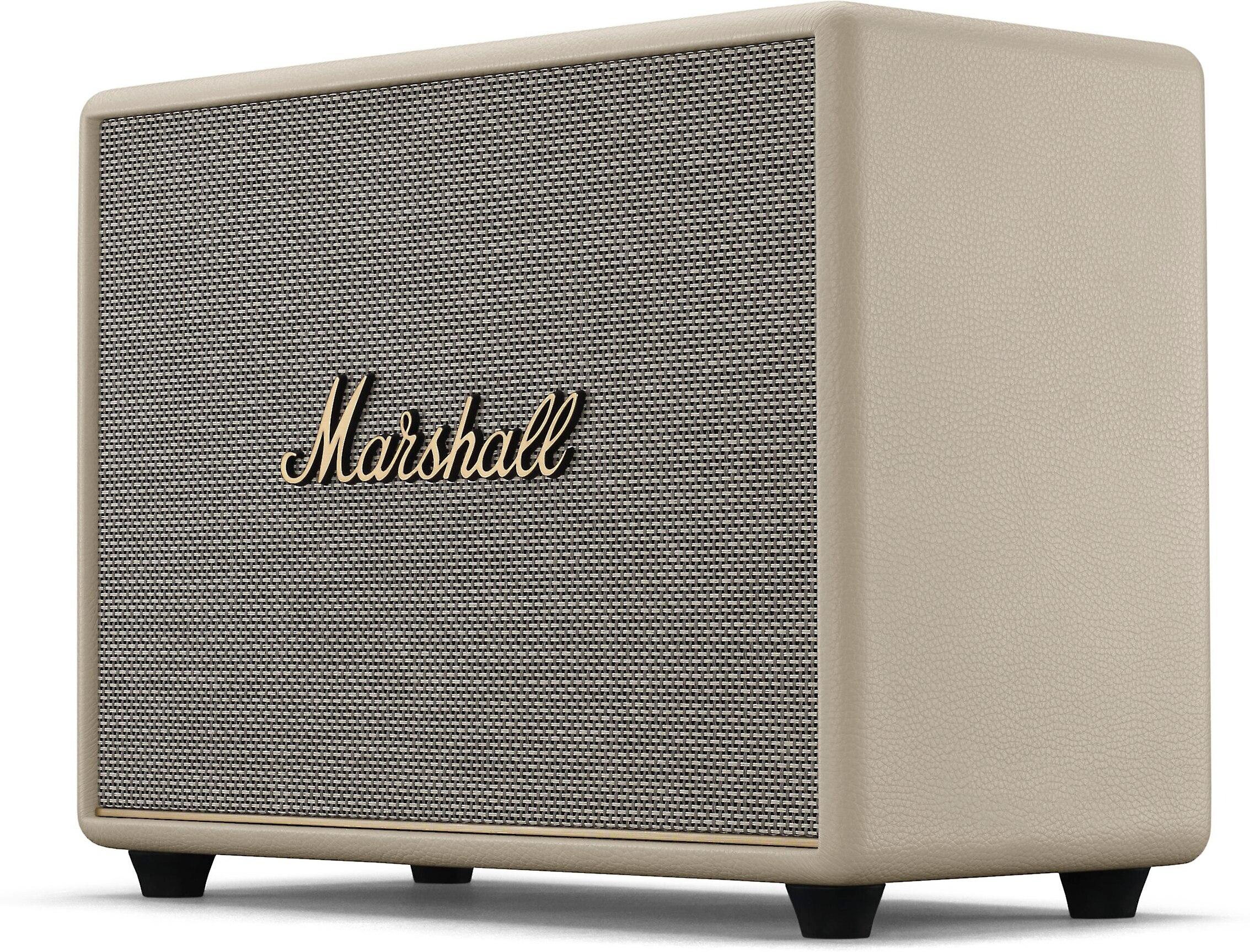
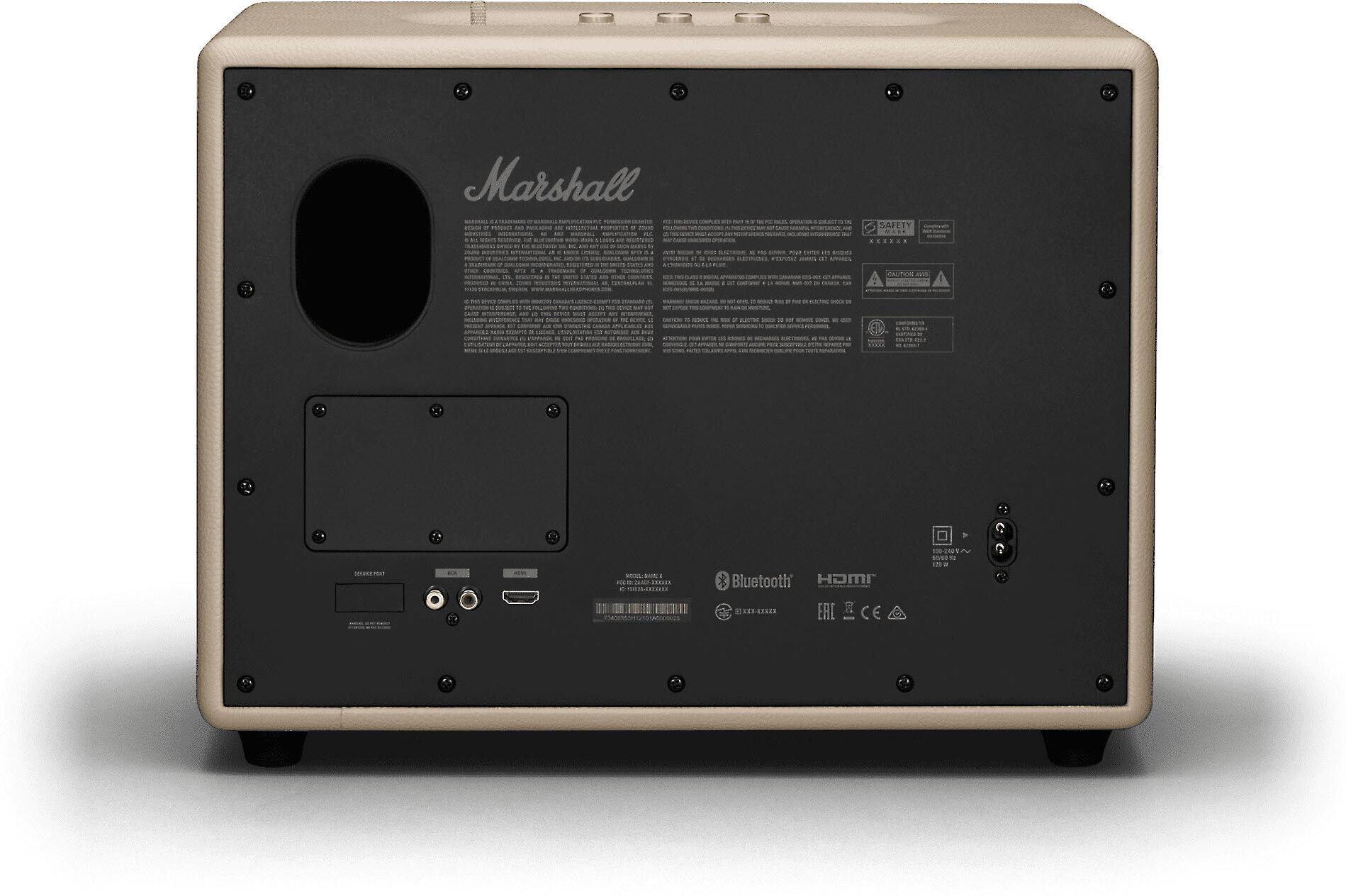
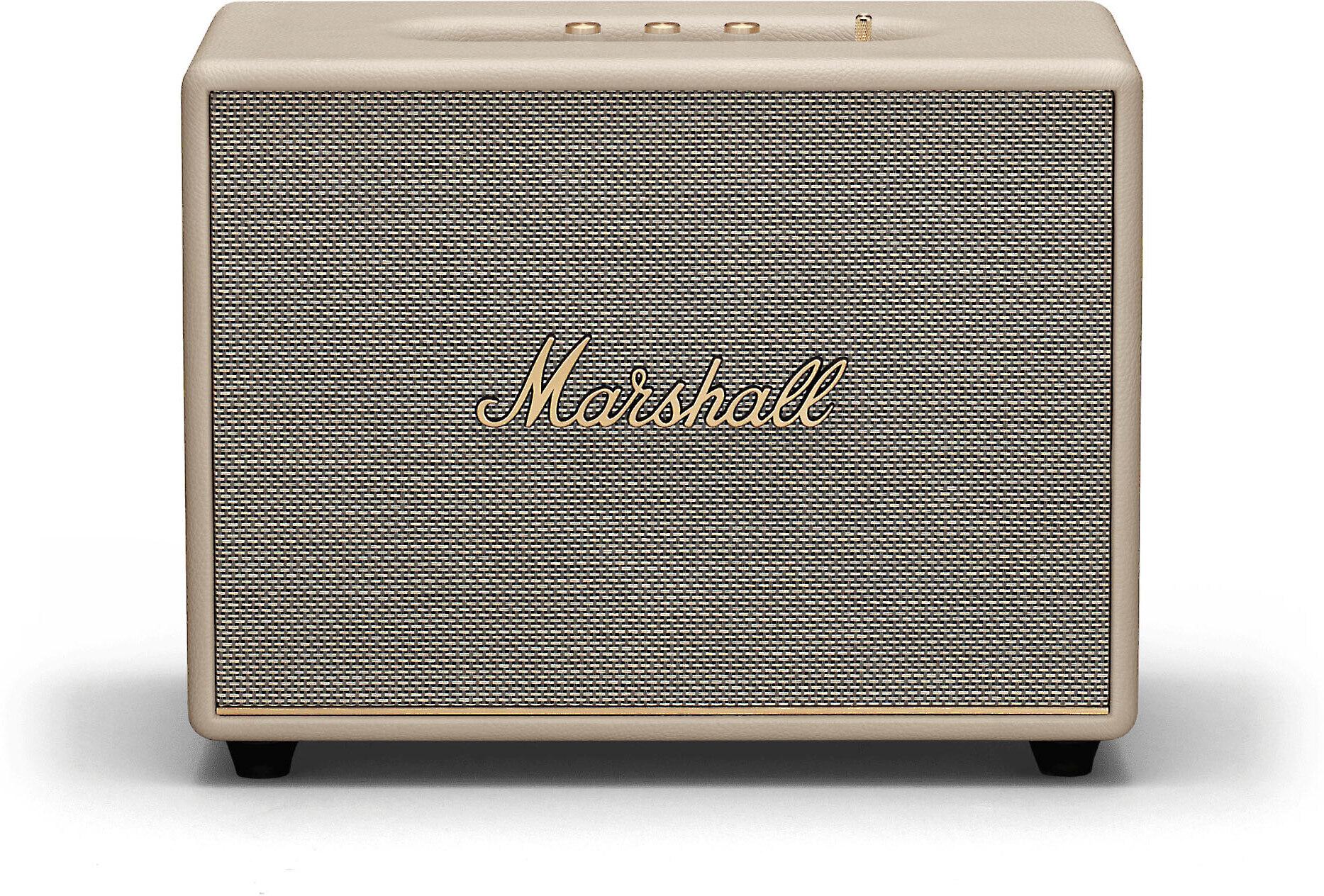
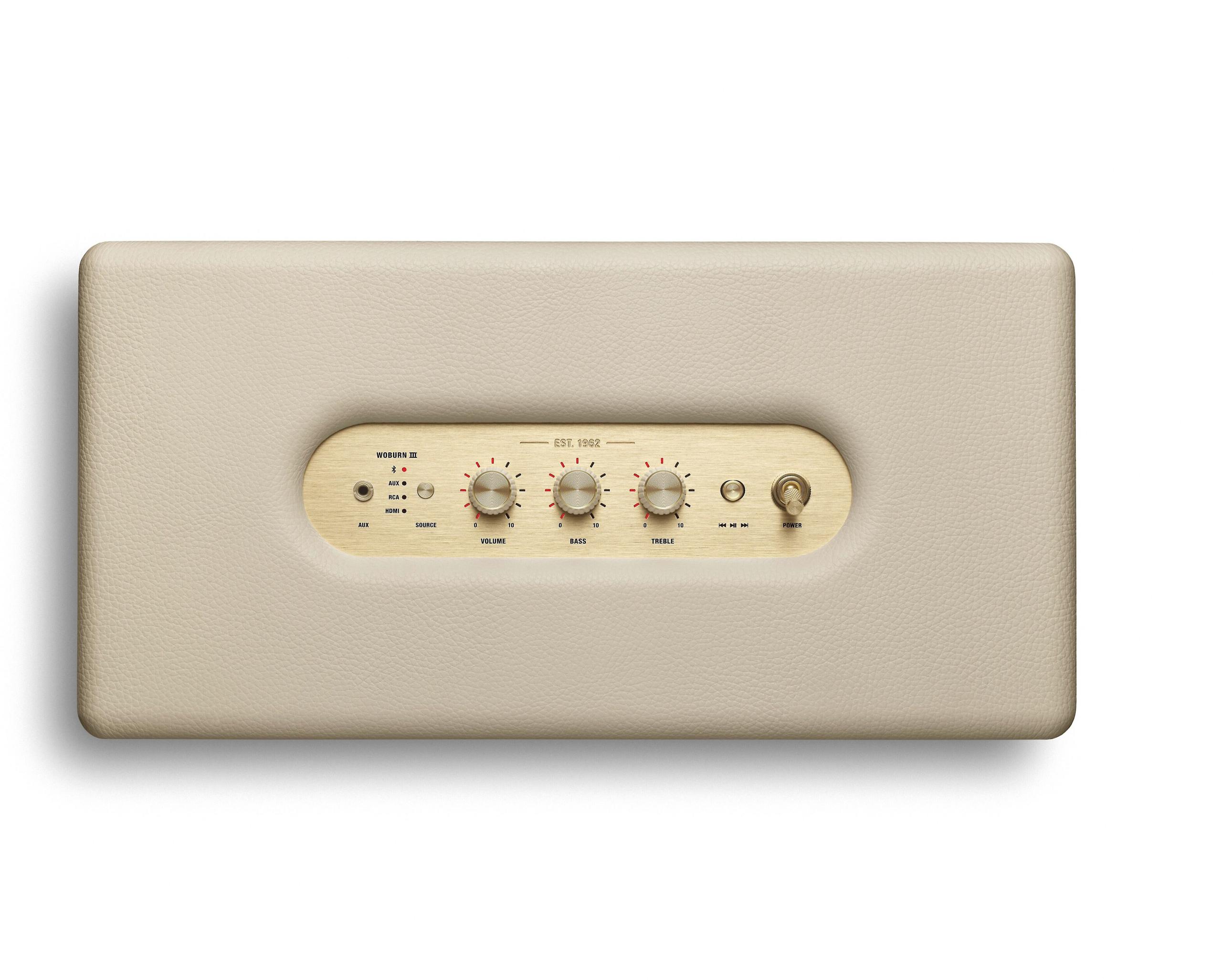
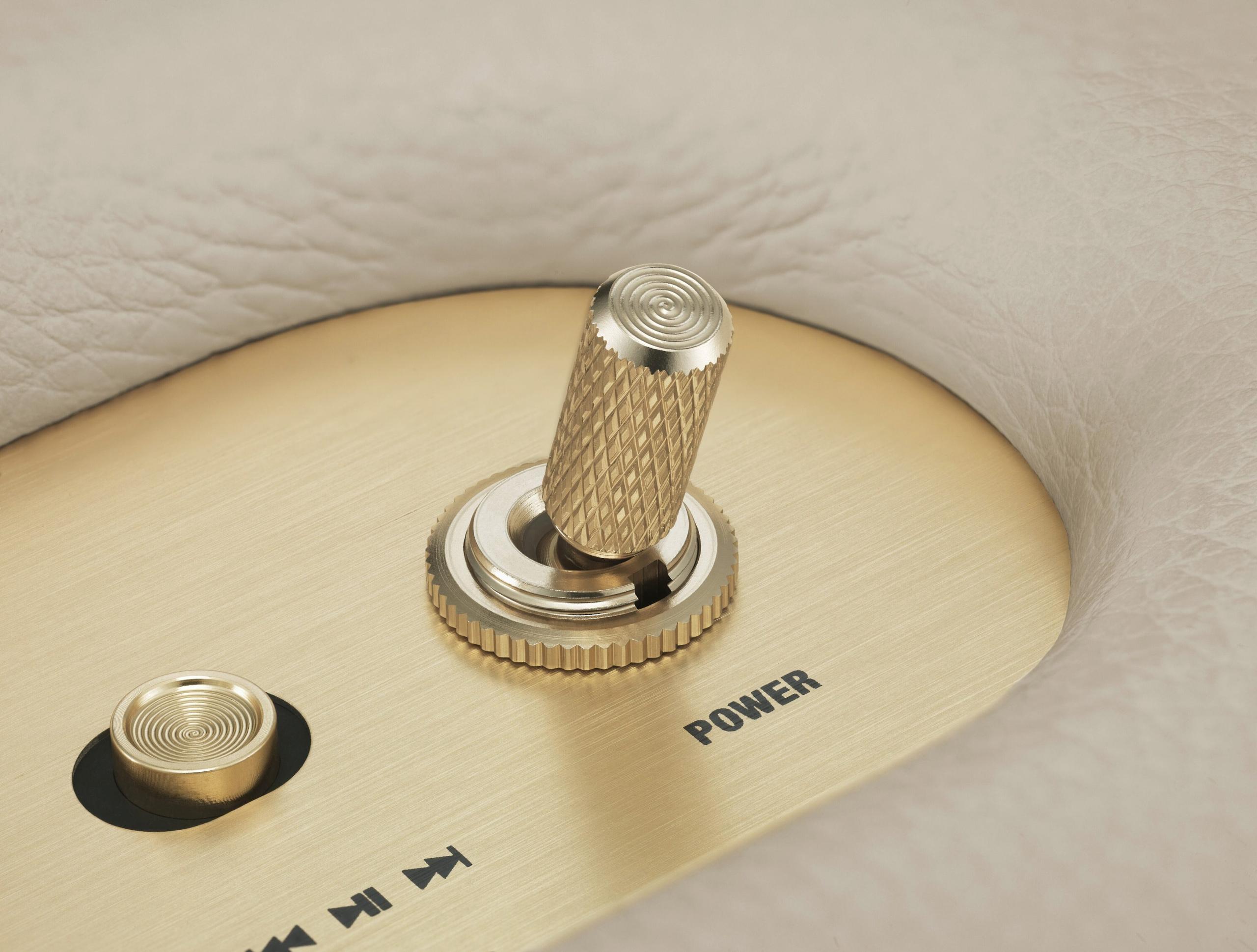
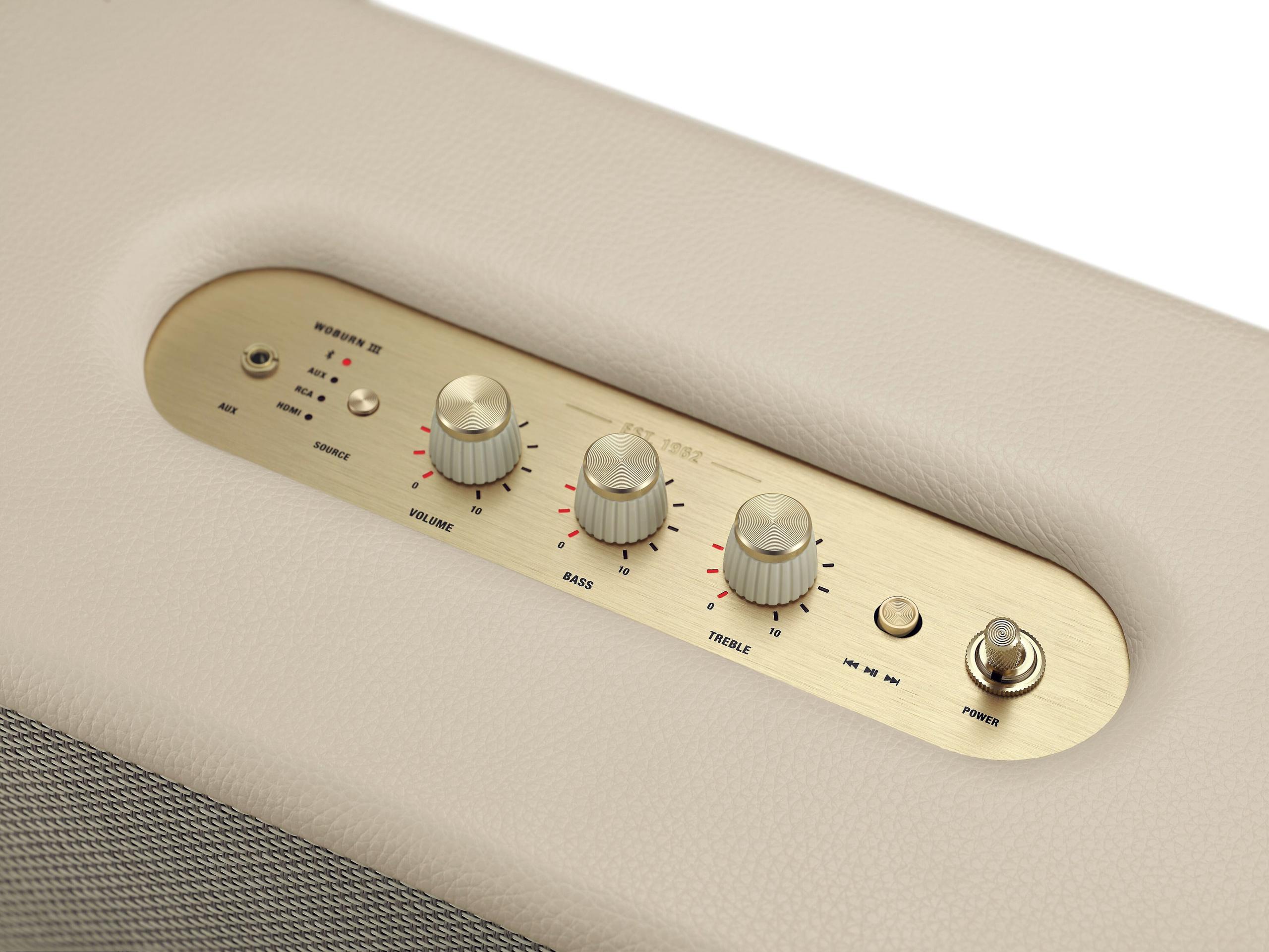
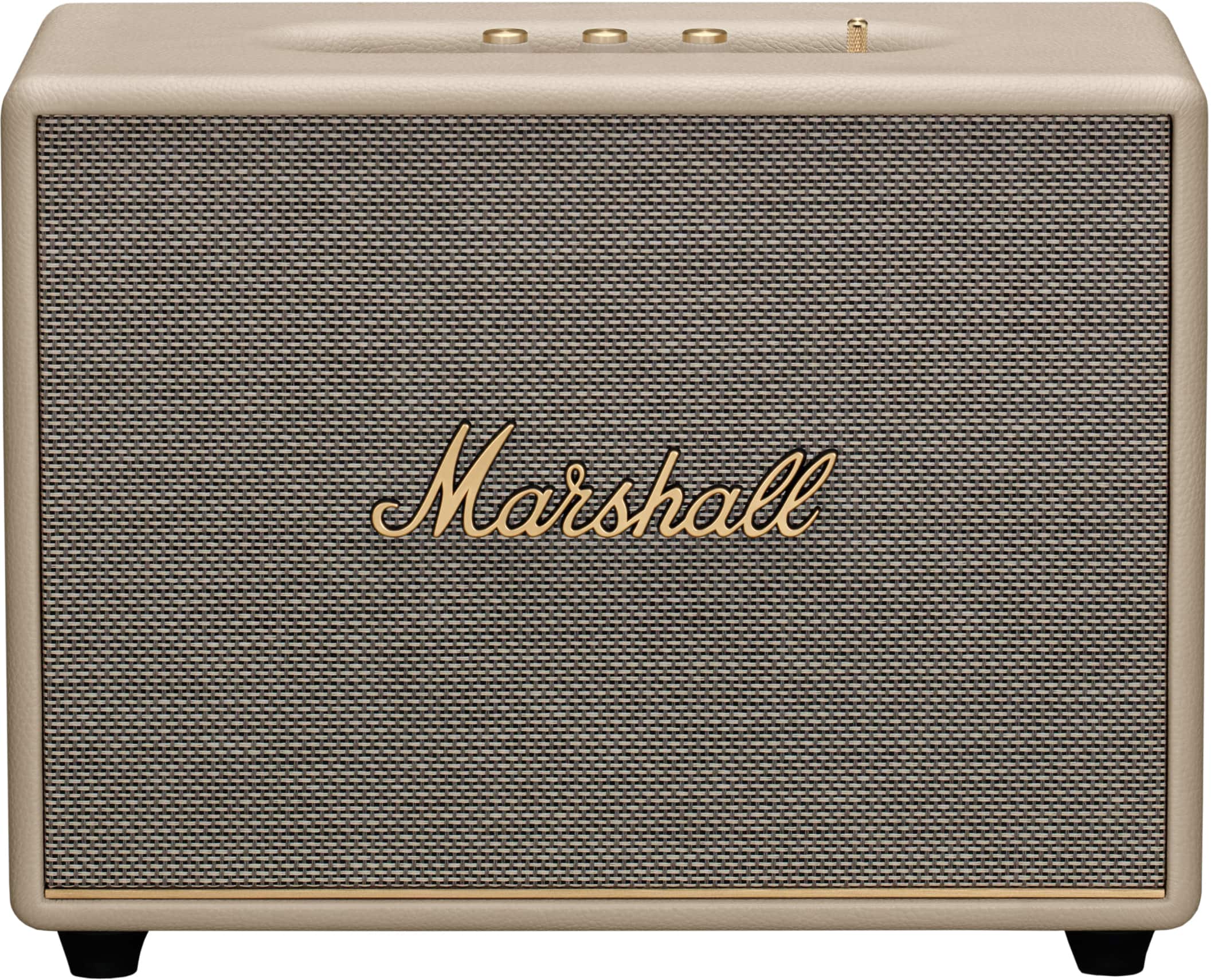
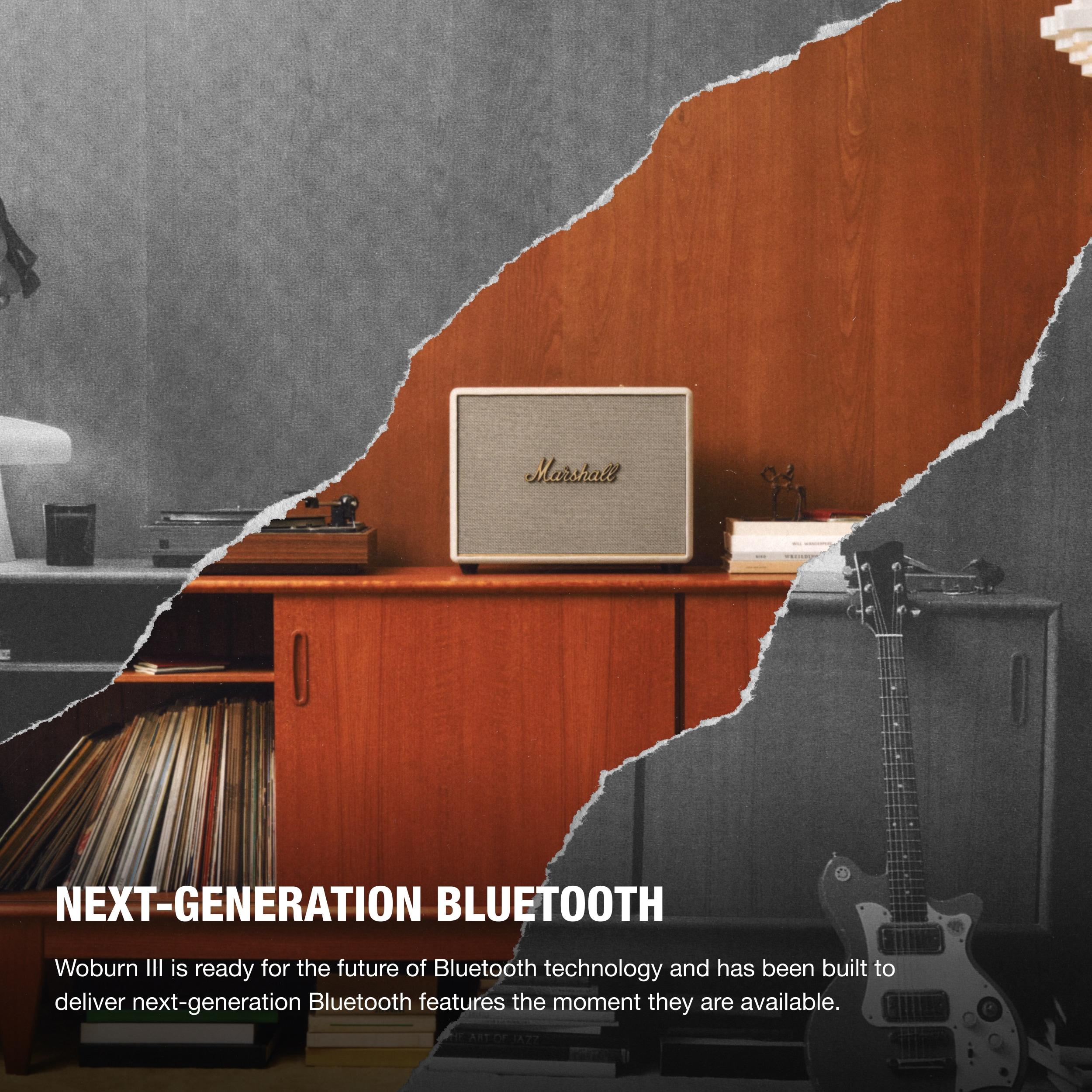
In stark contrast, the Marshall Woburn III, which arrived in 2022, takes the "audiophile at home" approach. This 16-pound beast looks like a miniature version of Marshall's legendary guitar amplifiers, complete with brass control knobs and vintage-inspired design elements. It's not going anywhere once you set it down, and that's entirely the point.
The technology improvements between these generations matter significantly. The Go 3 upgraded from its predecessor with louder output (jumping from 3W to 4.2W), better durability, and USB-C charging instead of the older micro-USB standard. The Woburn III brought Bluetooth 5.2 connectivity, HDMI ARC support for TV integration, and Marshall's latest Dynamic Loudness technology that automatically adjusts sound balance at different volume levels.
Here's where things get interesting from a performance perspective. The JBL Go 3 works with a single 1.5-inch driver powered by 4.2 watts. That might sound pathetic compared to the Woburn III's 150-watt, three-way speaker system, but judging them by the same criteria misses the point entirely.
For the Go 3, the real achievement is how much sound quality JBL manages to extract from such severe size constraints. The frequency response runs from 110Hz to 20kHz, which means it can handle most of the musical spectrum reasonably well, though it completely lacks the sub-bass rumble you feel in your chest during action movies or electronic music. The sound signature emphasizes clarity in vocals and midrange instruments, making it surprisingly good for podcasts, acoustic music, and most pop genres.
What impressed me most in researching user experiences with the Go 3 is how consistently people mention being surprised by its sound quality. This isn't audiophile-grade performance, but it's genuinely enjoyable music reproduction in a package that fits in your pocket. The maximum volume reaches about 85 decibels, which is loud enough for a small group around a picnic table but won't fill a large room.
The Marshall Woburn III operates in a completely different league. Its three-way driver configuration includes a substantial 6-inch woofer for bass, dual 2-inch midrange drivers for vocals and instruments, and dual 0.75-inch tweeters for crisp high frequencies. This separation allows each driver to focus on what it does best, resulting in much cleaner sound reproduction across the entire frequency spectrum.
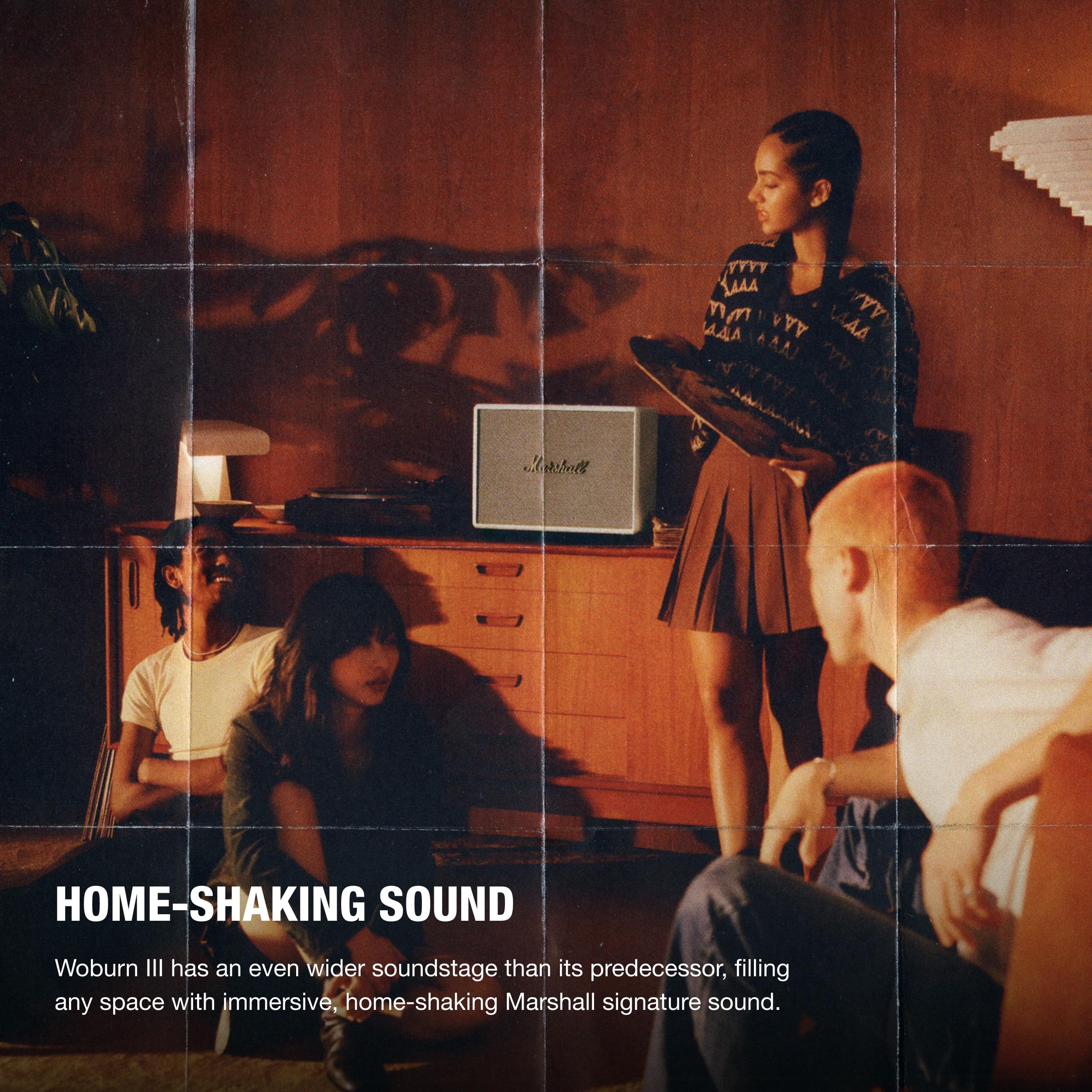
The frequency response extends down to 35Hz, which means you'll actually feel the deep bass in electronic music, movie soundtracks, and modern pop productions. The maximum output of 100.5 decibels at one meter means this speaker can easily fill large living spaces without strain or distortion. Based on expert reviews, the sound signature delivers rich, full-range audio that can handle any musical genre you throw at it.
The connectivity story reveals another fundamental difference in approach. The JBL Go 3 keeps things deliberately simple with Bluetooth 5.1 and basic controls for power, pairing, volume, and play/pause. There's no app, no advanced features, and no additional input options. You pair it with your phone and press play – that's the entire user experience.
This simplicity is actually a strength for its intended use case. When you're hiking, at the beach, or just moving between rooms, the last thing you want is complicated setup procedures or multiple connection options to manage. The Bluetooth 5.1 implementation provides reliable connection up to about 30 feet with good stability.
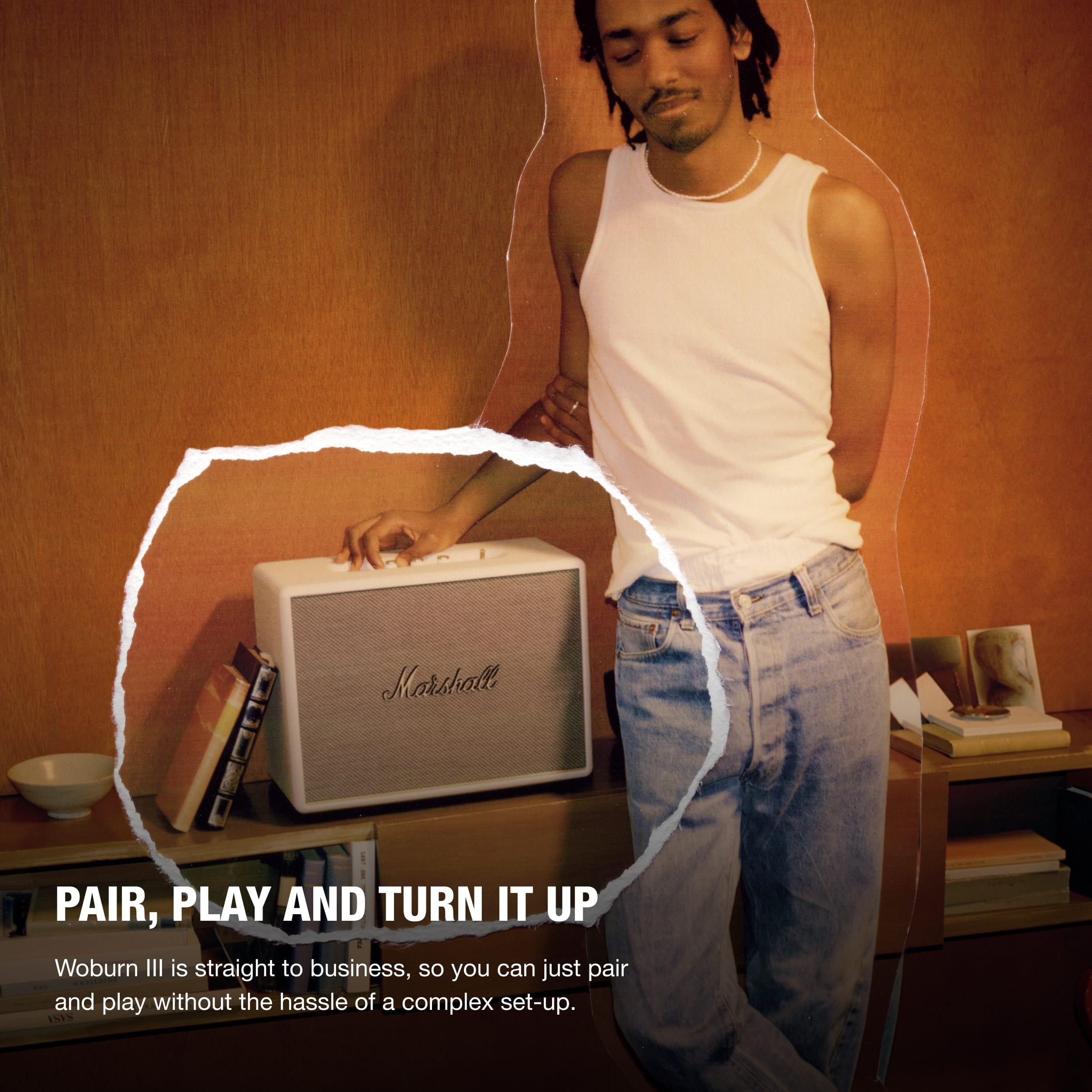
The Marshall Woburn III takes a much more sophisticated approach with Bluetooth 5.2, HDMI ARC input, and traditional RCA inputs for older audio equipment. The HDMI ARC connection is particularly clever – it allows the speaker to serve as your TV's sound system, automatically switching to TV audio when you turn on your television and returning to Bluetooth when you turn it off.
The Marshall Bluetooth app adds another layer of control, including a customizable equalizer, placement compensation that adjusts sound based on whether the speaker is near walls or in corners, and Night Mode that reduces loud sounds while keeping quiet details audible. These features transform the Woburn III from a simple speaker into a sophisticated home audio system.
Battery performance represents another area where these speakers diverge completely. The JBL Go 3 runs for about 5 hours on a single charge, which is honestly pretty modest even for ultra-portable speakers. The charging time of 2.5 hours via USB-C isn't terrible, but you'll definitely need to plan around battery management if you're using it heavily.
The limited battery life makes sense when you consider the design priorities. JBL focused on making the speaker as small and light as possible, which means there simply isn't room for a massive battery. For day trips or casual use, five hours is usually adequate, but extended camping trips or long work days might require bringing a portable charger.
The Marshall Woburn III sidesteps battery concerns entirely by requiring AC power. While this eliminates any possibility of portable use, it also means never worrying about charging or running out of power mid-song. For a home audio system, this trade-off makes perfect sense.
Based on extensive research into user reviews and expert testing, both speakers excel within their intended domains but have clear limitations outside them.
The JBL Go 3 consistently receives praise for exceeding expectations given its size and price point. Users particularly appreciate the waterproof design, with many reporting successful use in showers, at pools, and even accidental submersion in water. The sound quality gets positive feedback for clarity and balance, though users consistently note the lack of deep bass and limited volume for larger groups.
Common complaints center around the modest battery life and the speaker's tendency to vibrate on hard surfaces at higher volumes. The fabric exterior also tends to collect dust and requires occasional cleaning to maintain its appearance.
The Marshall Woburn III receives overwhelmingly positive feedback for sound quality and build quality. Users frequently mention how the speaker transforms their living room audio experience, with particular praise for the rich bass response and clear vocal reproduction. The HDMI ARC integration works seamlessly according to most reports, making it an excellent TV audio upgrade.
The main criticisms involve the substantial weight making repositioning difficult, and some users find the vintage styling polarizing – you either love the classic Marshall amp look or find it too retro for modern homes.
For home theater use, these speakers serve very different roles. The JBL Go 3 isn't really suited for movie watching unless you're talking about personal viewing on a tablet or laptop in a small room. The limited bass response and volume output just can't deliver the cinematic experience most people want from movie soundtracks.
The Marshall Woburn III, however, makes an excellent TV audio upgrade. The HDMI ARC connection means simple setup – one cable from your TV's HDMI ARC port to the speaker, and it automatically handles switching between TV audio and your music sources. The frequency response extends low enough to deliver meaningful bass impact from action scenes, while the clear midrange reproduction ensures dialogue remains intelligible.
While it won't match a dedicated surround sound system for true home theater enthusiasts, the Woburn III provides a substantial upgrade over typical TV speakers without the complexity of multiple speakers and receivers.
At the time of writing, these speakers occupy completely different price segments. The JBL Go 3 sits in the budget category where it competes primarily on durability and convenience rather than pure audio performance. For the money, it's hard to find anything more portable with comparable build quality and waterproofing.
The Marshall Woburn III commands premium pricing that puts it in competition with other high-end home audio systems rather than typical Bluetooth speakers. The cost reflects the substantial driver array, premium materials, and sophisticated feature set, but it's definitely an investment-level purchase.
When evaluating value, consider your total audio needs. If you need both portable and home audio solutions, buying the Go 3 plus a separate home system might cost less than the Woburn III alone. However, if you prioritize having one excellent home speaker with TV integration capabilities, the Woburn III becomes more compelling despite its higher price.
The choice between the JBL Go 3 and Marshall Woburn III really comes down to lifestyle and priorities rather than traditional product comparison.
Choose the JBL Go 3 if your life involves frequent travel, outdoor activities, or simply moving between different spaces regularly. Its waterproof durability makes it ideal for beach trips, hiking, pool parties, or even shower listening. The sound quality, while limited, is genuinely enjoyable for personal listening and small group situations. If you're budget-conscious but still want decent audio quality in an ultra-portable package, the Go 3 delivers excellent value.
The Marshall Woburn III makes sense if you want to upgrade your home audio experience significantly and appreciate the convenience of integrated TV connectivity. If you frequently entertain guests, love listening to music at home, or find yourself disappointed with typical TV speaker quality, the Woburn III can transform your living space's audio capabilities.
Consider your listening habits honestly. If most of your music listening happens while commuting, exercising, or doing activities away from home, the Go 3's portability trumps everything else. If you primarily listen at home and want the best possible sound quality for that environment, the Woburn III's superior audio performance justifies its premium positioning.
Both speakers excel at their intended purposes, but they're solving completely different problems. The JBL Go 3 brings decent sound everywhere you go, while the Marshall Woburn III brings exceptional sound to one special place. Your lifestyle will determine which approach serves you better.
| JBL Go 3 Portable Bluetooth Speaker | Marshall Woburn III Bluetooth Speaker |
|---|---|
| Size and Weight - Determines portability vs power trade-off | |
| Ultra-compact: 3.4" x 2.7" x 1.6", weighs 0.46 lbs | Large home speaker: 15.75" x 12.5" x 9", weighs 16.4 lbs |
| Audio Power Output - Direct indicator of volume and sound quality potential | |
| 4.2W RMS from single driver (good for personal/small group listening) | 150W total from 3-way system (fills large rooms easily) |
| Frequency Response - Shows bass depth and overall sound range | |
| 110Hz - 20kHz (limited bass, clear mids/highs) | 35Hz - 20kHz (deep bass extension, full-range sound) |
| Maximum Volume - How loud it gets before distortion | |
| ~85 dB (suitable for small spaces and outdoor personal use) | 100.5 dB at 1 meter (room-filling volume for entertaining) |
| Driver Configuration - More drivers typically mean better sound separation | |
| Single 1.5" driver (simple but size-constrained) | 3-way: 6" woofer + dual 2" midrange + dual 0.75" tweeters |
| Water Resistance - Critical for outdoor and bathroom use | |
| IP67 waterproof (submersible up to 1 meter for 30 minutes) | None (indoor use only) |
| Power Source - Affects placement flexibility and usage scenarios | |
| Built-in battery: 5 hours playback, USB-C charging | AC powered only (no battery, requires wall outlet) |
| Bluetooth Version - Newer versions offer better connection stability | |
| Bluetooth 5.1 (reliable connection, good range) | Bluetooth 5.2 (latest standard, improved efficiency) |
| Additional Connectivity - Extra inputs expand usage options | |
| Bluetooth only | HDMI ARC, RCA inputs (connects to TV and other audio sources) |
| Advanced Features - Value-added functionality beyond basic playback | |
| Basic controls, auto power-off | Dynamic Loudness, Placement Compensation, Night Mode, Marshall app with EQ |
| Multipoint Connection - Ability to connect multiple devices simultaneously | |
| Single device pairing | Dual device pairing (seamlessly switch between two sources) |
| Ideal Use Cases - Where each speaker performs best | |
| Travel, outdoor activities, shower, small rooms, budget-conscious users | Living room centerpiece, TV audio upgrade, entertaining, audiophile home listening |
The JBL Go 3 is specifically designed for outdoor use with its IP67 waterproof rating, meaning it can be submerged in water up to 1 meter for 30 minutes. It's also dustproof and features a rugged design that can handle drops and rough handling. The Marshall Woburn III has no water resistance and is designed exclusively for indoor use, making the JBL Go 3 the clear winner for outdoor activities.
The Marshall Woburn III is excellent for TV use thanks to its HDMI ARC connection that allows direct integration with your television. It delivers room-filling sound with deep bass perfect for movie soundtracks. The JBL Go 3 isn't suitable for TV watching due to its limited volume output and lack of bass response needed for cinematic audio.
The Marshall Woburn III delivers significantly better sound quality with its 150W three-way driver system, deep bass extension down to 35Hz, and room-filling volume capabilities. The JBL Go 3 offers surprisingly good sound for its ultra-compact size but is limited by physics - it simply cannot match the audio performance of the much larger Marshall Woburn III.
The JBL Go 3 provides up to 5 hours of playback on a single charge and takes 2.5 hours to fully recharge via USB-C. The Marshall Woburn III doesn't have a battery and requires AC power, meaning it needs to stay plugged into a wall outlet but never runs out of charge.
The JBL Go 3 is extremely portable at just 0.46 pounds with an integrated fabric loop for easy attachment to bags or backpacks. The Marshall Woburn III weighs 16.4 pounds and is designed as a stationary home audio system, making the JBL Go 3 the obvious choice for portability.
The Marshall Woburn III supports multipoint connection, allowing it to pair with two devices simultaneously and seamlessly switch between them. The JBL Go 3 can only connect to one device at a time, requiring you to disconnect and reconnect when switching between phones or tablets.
This depends on your needs. The JBL Go 3 offers exceptional value for ultra-portable use with waterproof durability at a budget-friendly price. The Marshall Woburn III commands a premium price but delivers high-end home audio performance that can replace your TV's built-in speakers and serve as a primary music system.
Neither the JBL Go 3 nor the Marshall Woburn III have built-in voice assistants like Alexa or Google Assistant. However, both can play audio from voice assistant commands sent from your connected phone or tablet via Bluetooth.
For small apartments, the JBL Go 3 might be sufficient if you prioritize portability and don't need powerful sound. However, the Marshall Woburn III can significantly enhance your home audio experience even in smaller spaces, especially if you watch movies or entertain guests regularly.
The Marshall Woburn III comes with the Marshall Bluetooth app that provides equalizer settings, placement compensation, and various sound modes. The JBL Go 3 doesn't have a dedicated app and relies on simple physical controls for power, volume, and playback functions.
The Marshall Woburn III uses the newer Bluetooth 5.2 standard compared to the JBL Go 3's Bluetooth 5.1, offering slightly better connection stability and energy efficiency. However, both provide reliable wireless connectivity with good range for typical use.
The Marshall Woburn III is excellent for entertaining with its powerful 150W output that can easily fill large rooms and provide deep bass for dancing. The JBL Go 3 is better suited for small gatherings or personal listening due to its limited volume output, though its portability makes it great for outdoor parties where you need music on the go.
We've done our best to create useful and informative comparisons to help you decide what product to buy. Our research uses advanced automated methods to create this comparison and perfection is not possible - please contact us for corrections or questions. These are the sites we've researched in the creation of this article: rtings.com - streamtechreviews.com - english.achoreviews.com - smarthomesounds.co.uk - soundguys.com - rtings.com - walmart.com - soundguys.com - youtube.com - youtube.com - jbl.com - youtube.com - selectoguru.com - versus.com - videoandaudiocenter.com - harmanaudio.com - jbl.com - bestbuy.com - forum.hifiguides.com - manuals.plus - kh.jbl.com - th.jbl.com - mm.jbl.com - jbl.com - bestbuy.com - youtube.com - youtube.com - youtube.com - jbl.com - bestbuy.com - bestbuy.com - jbl.com.tw - youtube.com - bestbuy.com - crutchfield.com - rtings.com - idownloadblog.com - digit.in - crutchfield.com - epicrewards.com.ph - ione.com.kh - youtube.com - onward.ph - economictimes.indiatimes.com

Privacy Policy
Terms and Conditions - Affiliate Policy
Home Security
© Copyright 2008-2026.
11816 Inwood Rd #1211, Dallas, TX 75244