




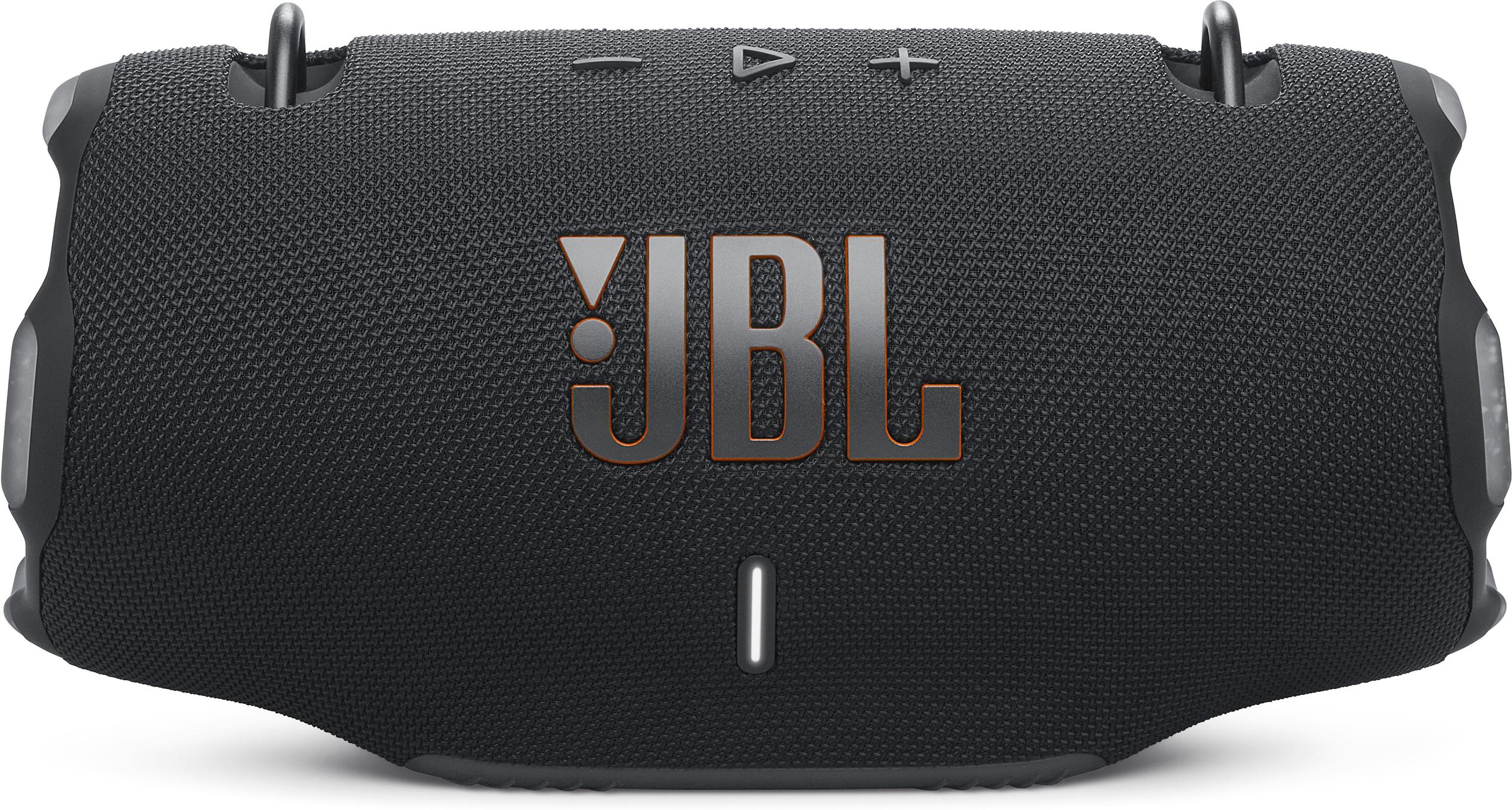

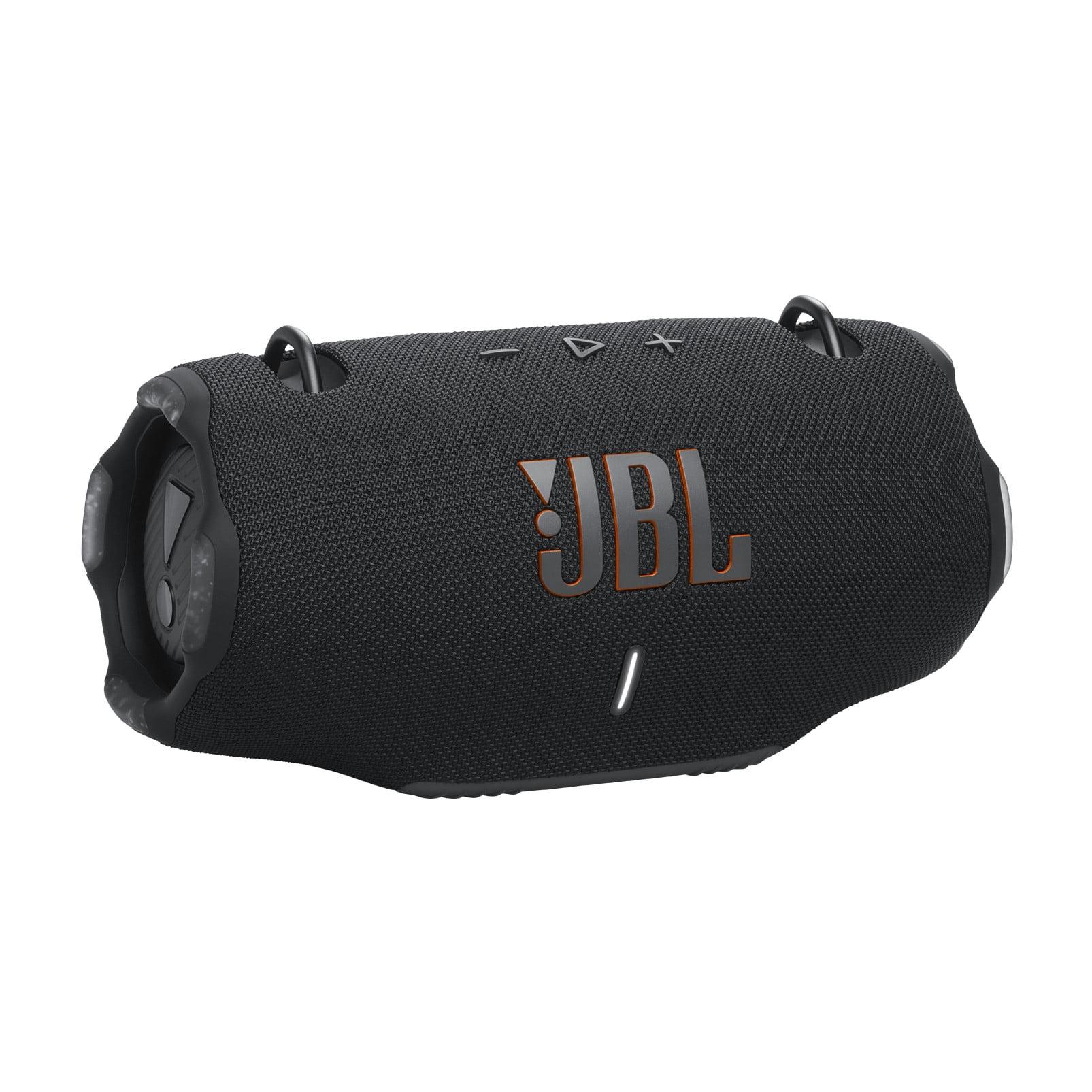
When you're shopping for a portable Bluetooth speaker, it's easy to get overwhelmed by the dozens of options available. Today, we're comparing two speakers from JBL's lineup that represent completely different approaches to portable audio: the ultra-compact JBL Go 3 and the powerhouse JBL Xtreme 4. While both carry the JBL name and promise portable music everywhere, they're designed for entirely different lifestyles and budgets.
Before diving into specifics, it's helpful to understand that portable Bluetooth speakers exist on a spectrum. On one end, you have ultra-portable speakers like the JBL Go 3 that prioritize convenience above all else. These speakers use small drivers (the components that actually produce sound) and compact batteries, resulting in limited audio performance but maximum portability.
On the other end are portable party speakers like the JBL Xtreme 4, which pack much larger drivers, powerful amplifiers (circuits that boost audio signals), and substantial batteries into designs that are still technically portable but require dedicated carrying solutions.
The key considerations for any portable speaker include the size-versus-sound trade-off, battery life, durability for outdoor use, and how much you're willing to spend for better performance. Understanding where each speaker sits on this spectrum helps determine which matches your needs.
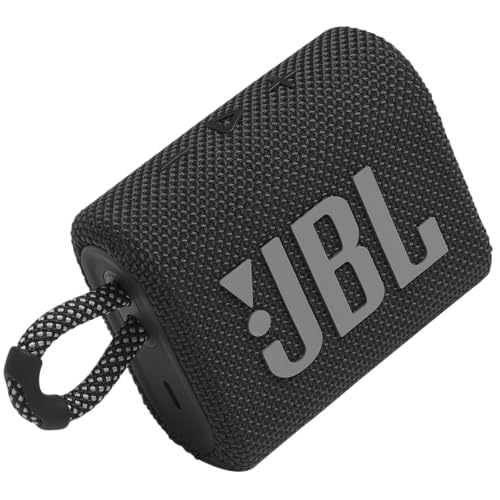
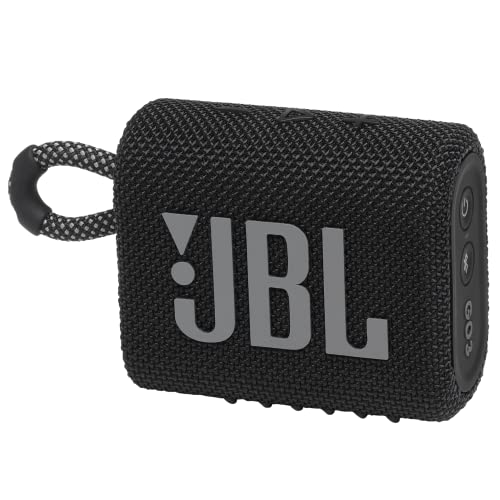
The JBL Go 3 represents JBL's entry-level ultra-portable category, designed for users who want decent sound quality in an extremely compact package. Released in 2020, it brought IP67 water resistance to the ultra-portable segment and introduced a more refined design compared to earlier Go models. The fabric exterior and rubberized accents reflect JBL's move toward more premium materials even in budget speakers.
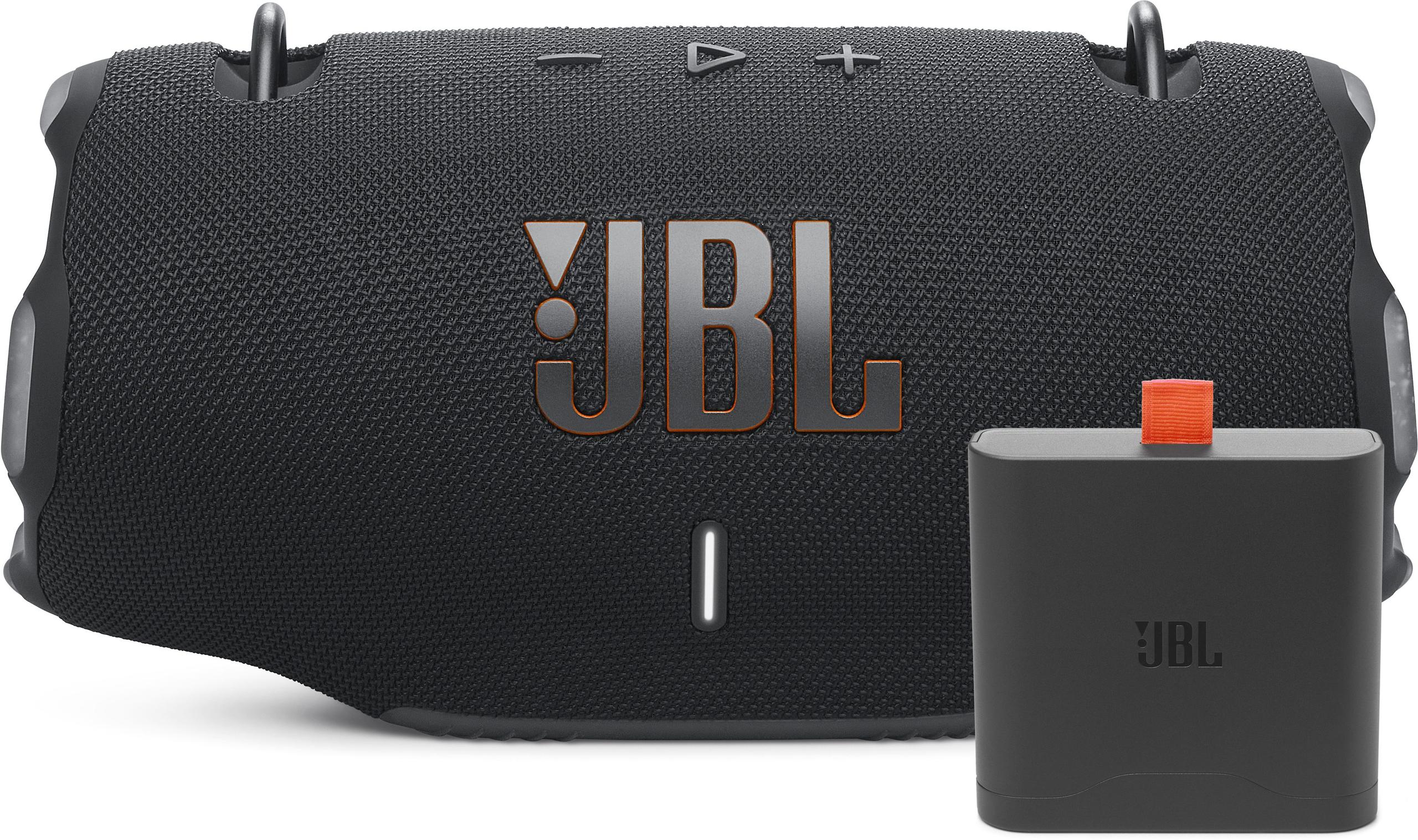
The JBL Xtreme 4, released in 2024, represents the latest evolution in JBL's premium portable speaker line. It incorporates several technological advances that weren't available when the Go 3 launched, including Bluetooth 5.3, Auracast connectivity (a new standard that allows multiple compatible speakers to connect simultaneously), and AI-powered sound optimization features. The four-year gap between these releases shows in their feature sets and capabilities.
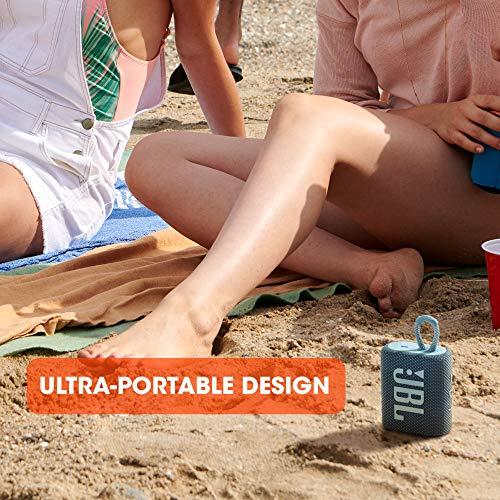
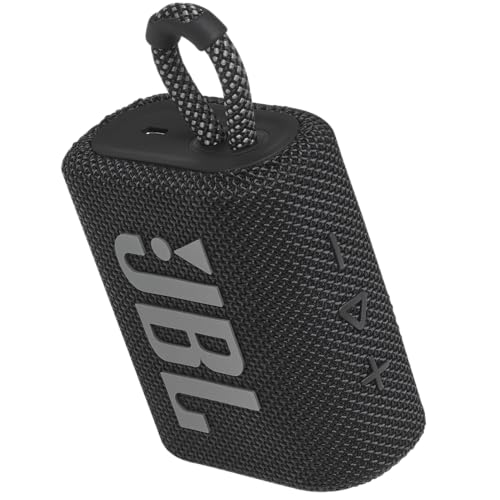
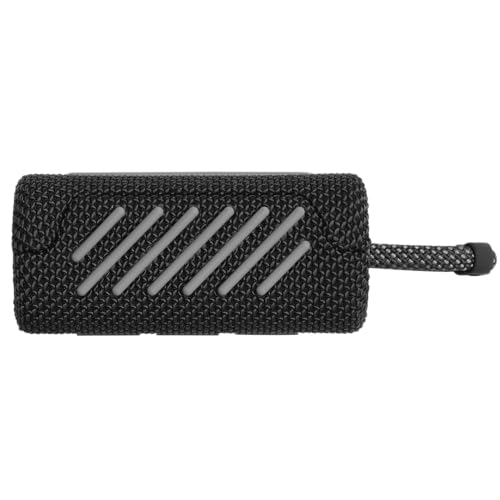
The most obvious difference between these speakers is their physical footprint. The JBL Go 3 measures just 3.4 inches wide and weighs under half a pound, making it genuinely pocket-sized. Its fabric-wrapped design includes an integrated loop that lets you attach it to backpacks, belt loops, or carabiners. This ultra-compact design means you can literally forget it's in your bag until you need it.
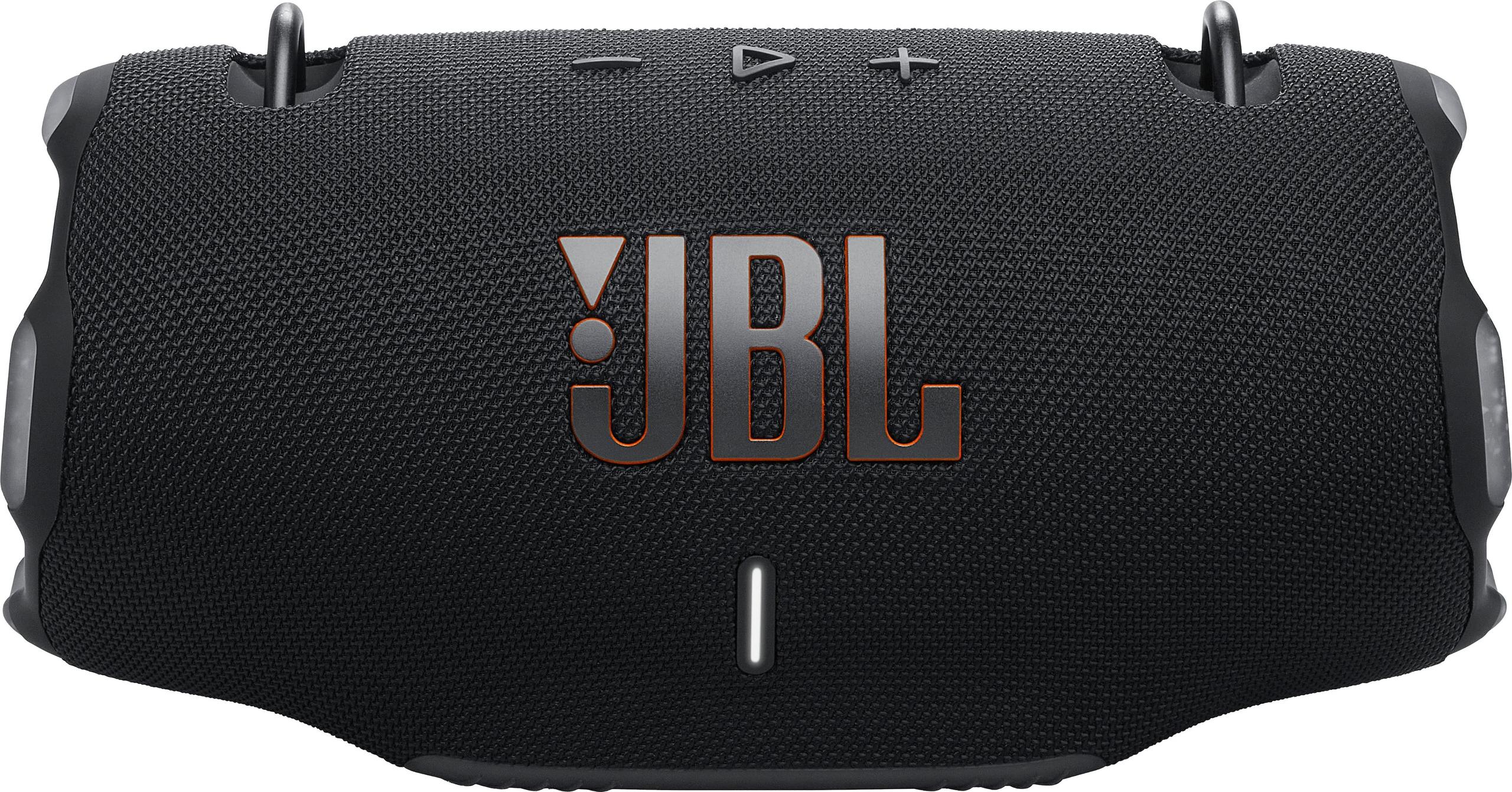
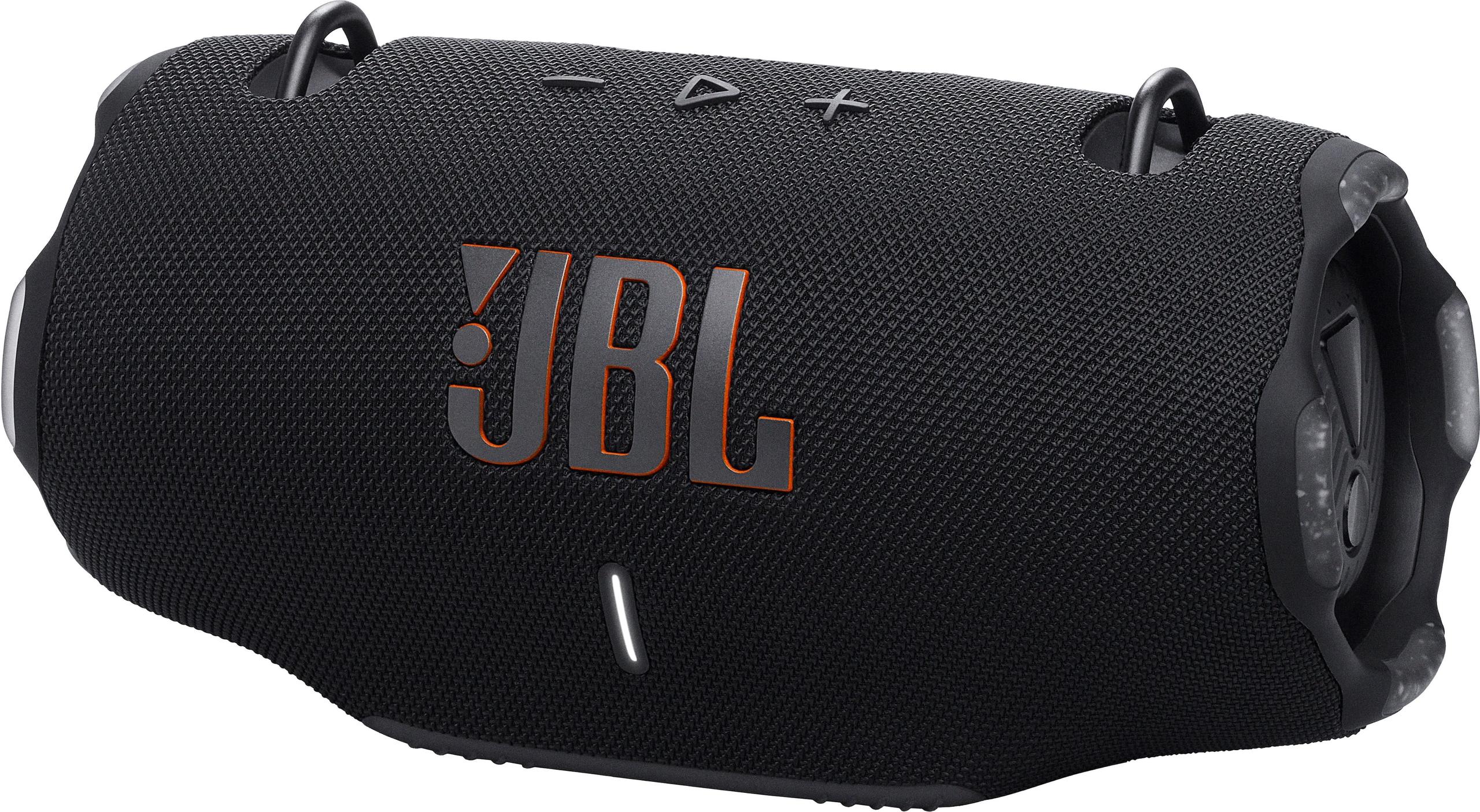
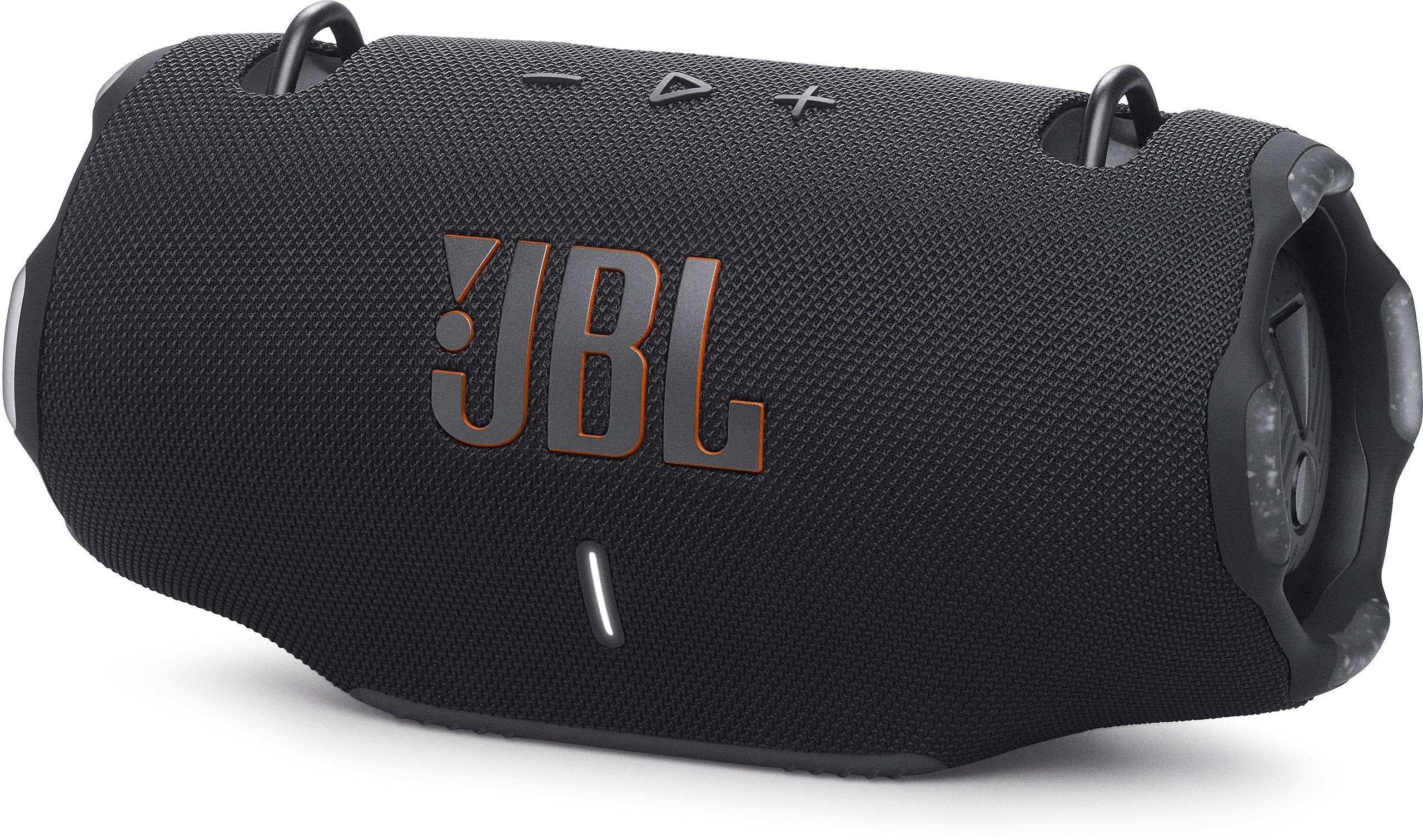
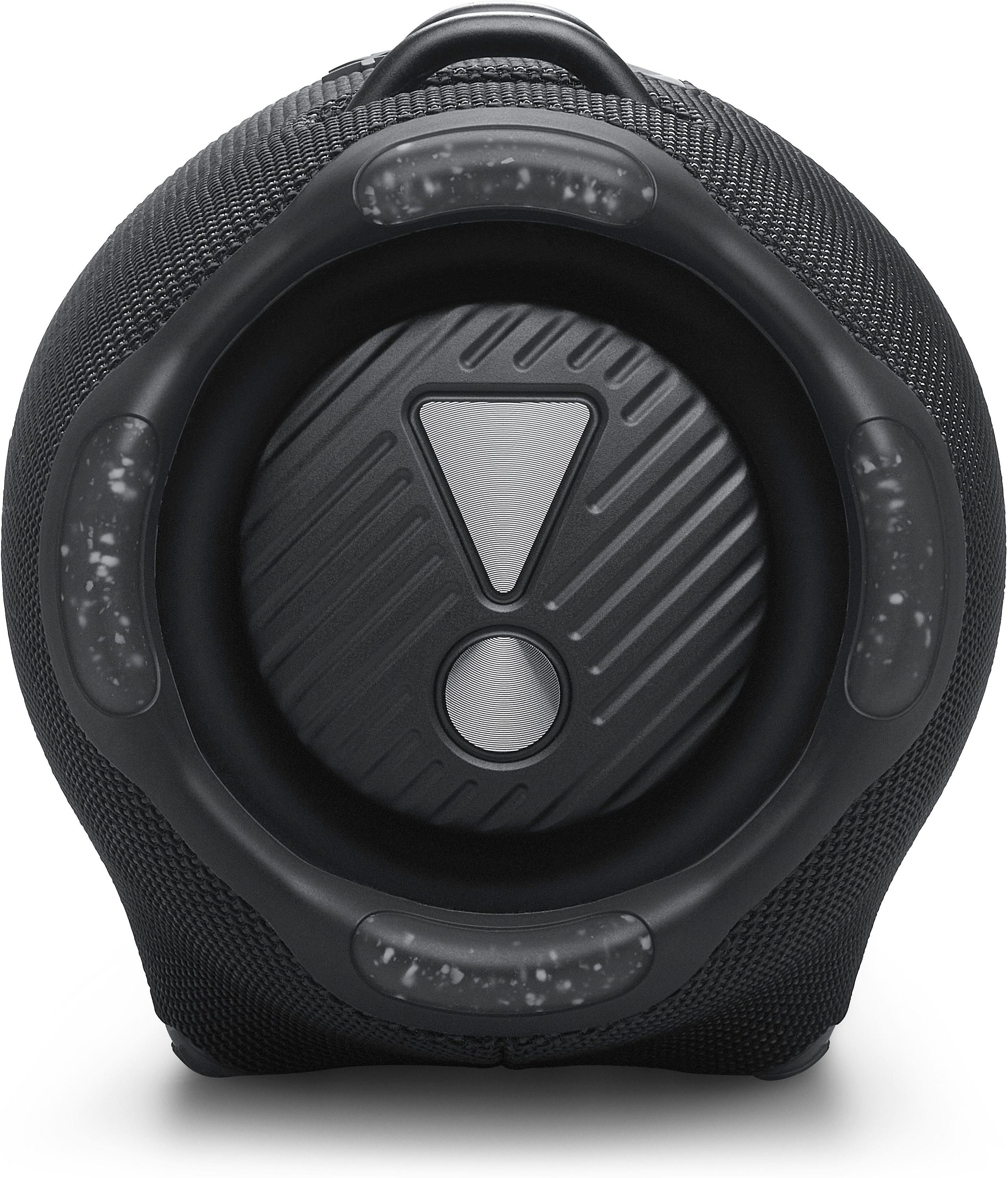
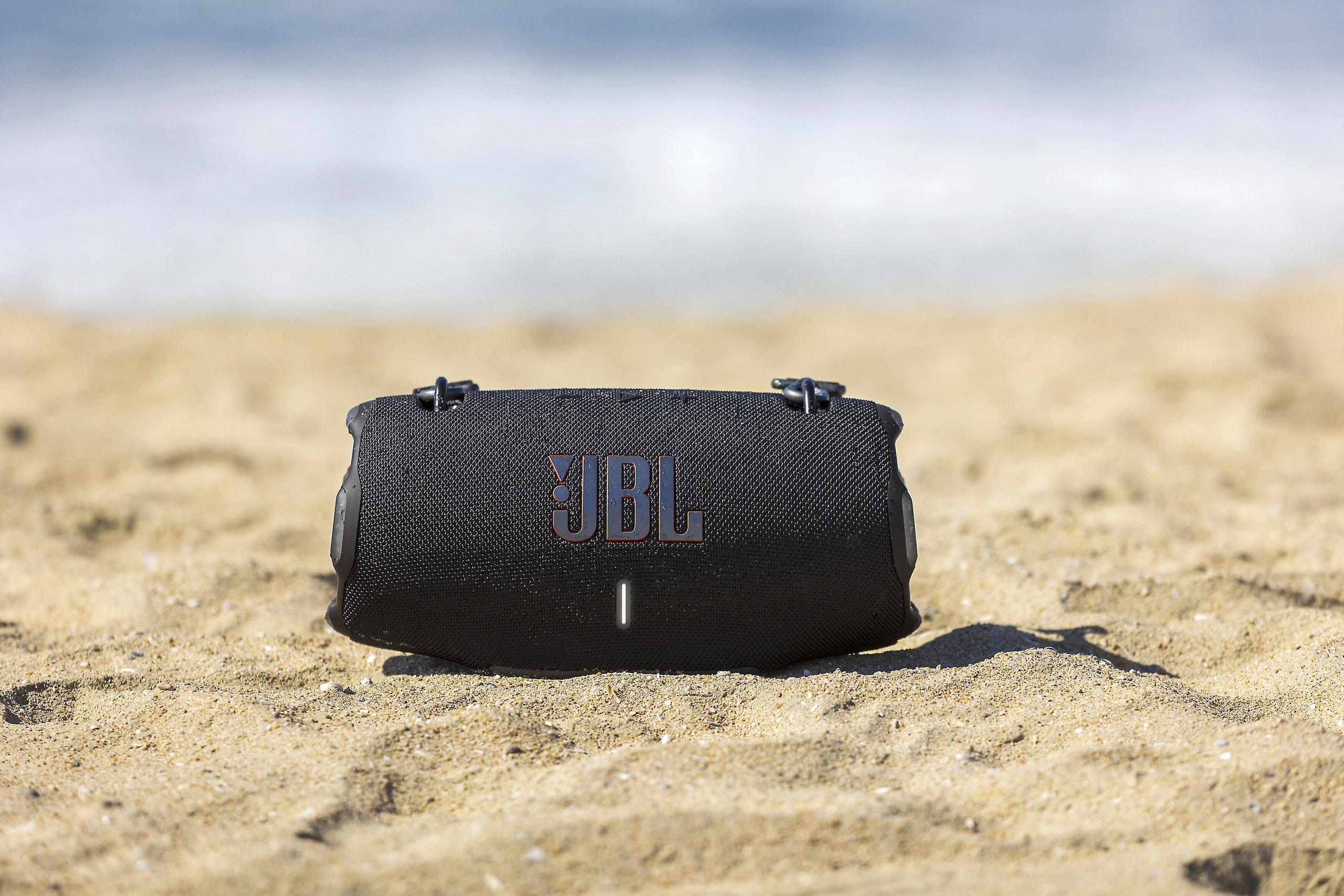
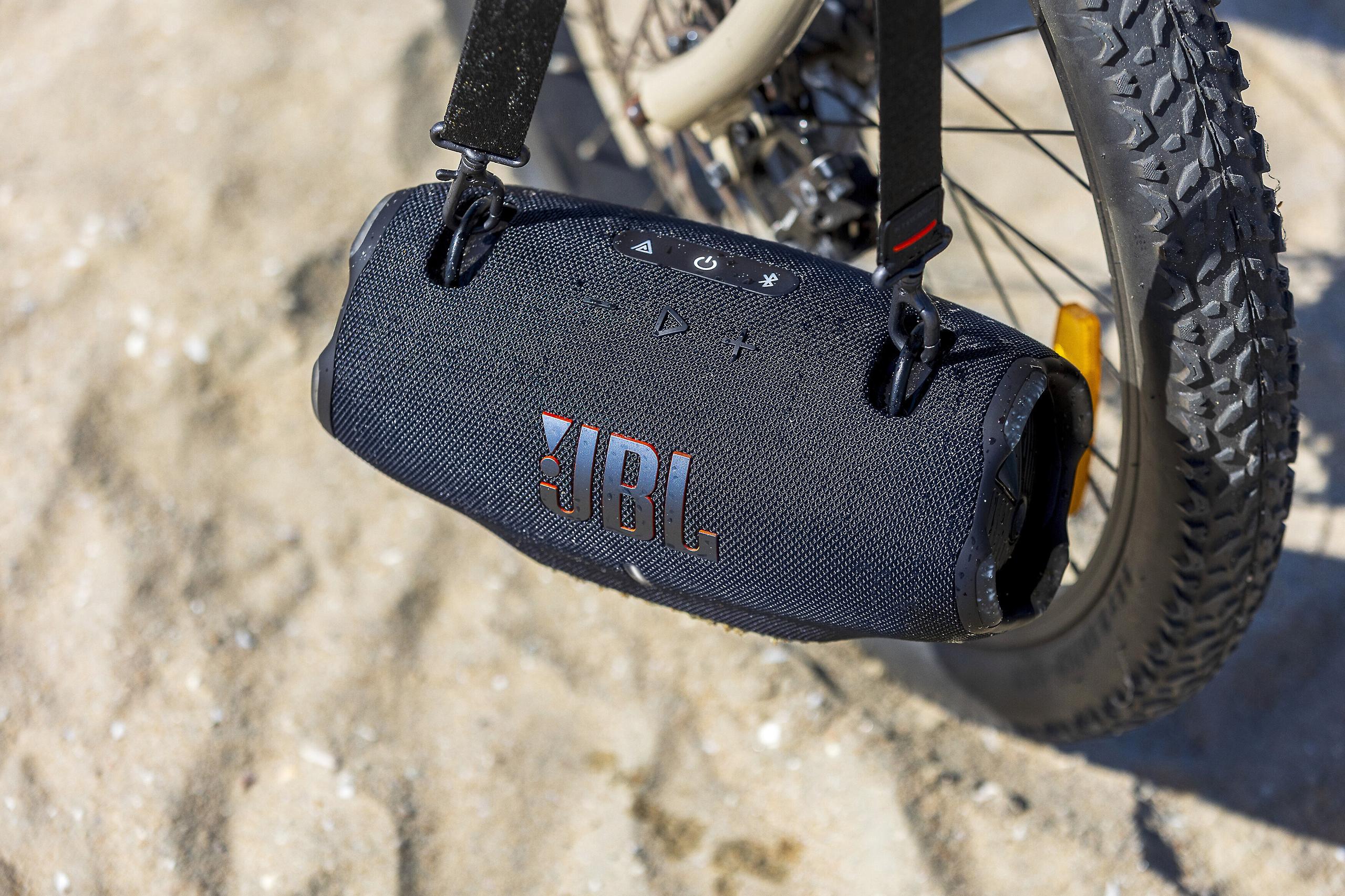
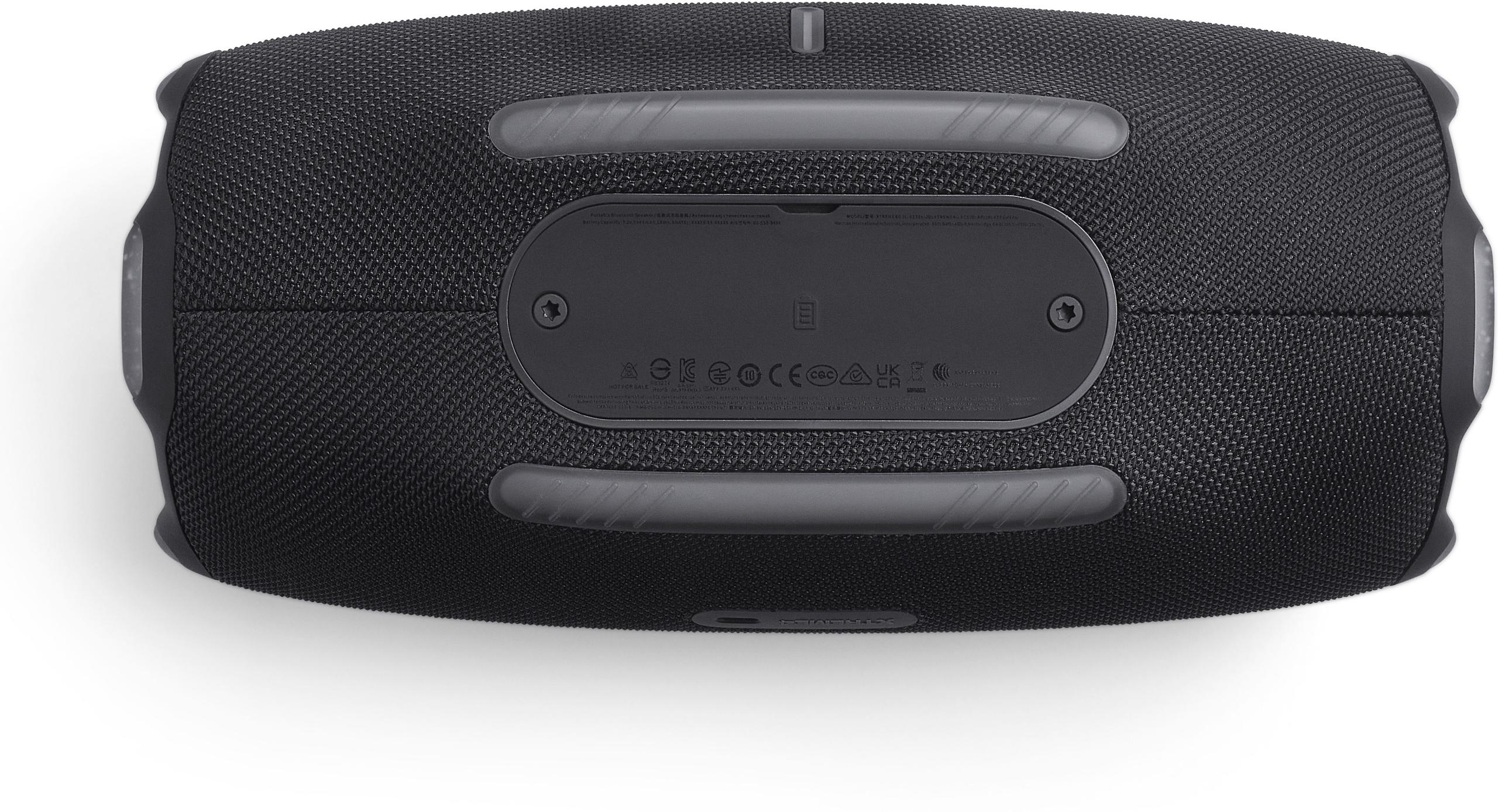
The JBL Xtreme 4, by contrast, stretches nearly 12 inches long and weighs over 4.6 pounds. While still technically portable thanks to its included shoulder strap, this is clearly designed for situations where you're planning to bring a speaker rather than having one just happen to be available. The cylindrical design with rubberized bumpers feels built to survive being tossed around at beach parties or camping trips.
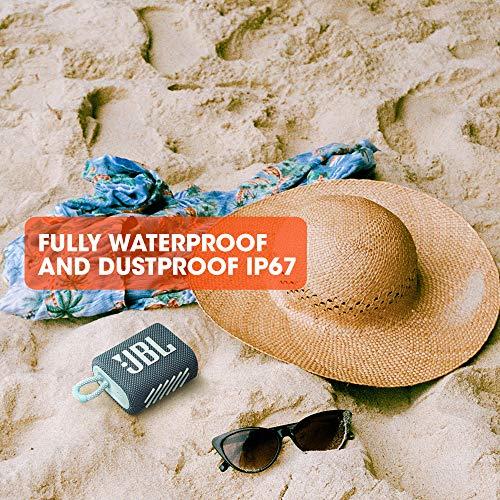
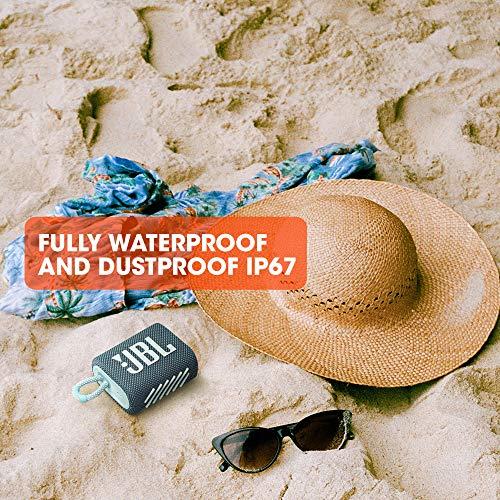
Both speakers share the same IP67 rating, which means they're completely dust-tight and can survive being submerged in up to three feet of water for 30 minutes. However, the JBL Xtreme 4's larger size allows for more robust construction overall, with thicker rubber bumpers and a more substantial feel that inspires confidence for outdoor abuse.
Here's where the fundamental differences between these speakers become most apparent. The JBL Go 3 uses a single 43 x 47mm driver powered by 4.2 watts of amplification. In speaker terms, this is tiny—about the size of a large coin. This driver handles all frequencies, from bass to treble, which creates inherent compromises.
Based on our research of user and expert reviews, the JBL Go 3 produces a mid-heavy sound signature that works well for vocals and podcasts but struggles with bass-heavy music. Its frequency response officially starts at 110Hz, but in practice, anything below 140Hz is barely present. This means genres like EDM, hip-hop, or rock music that rely on deep bass will sound thin and incomplete.
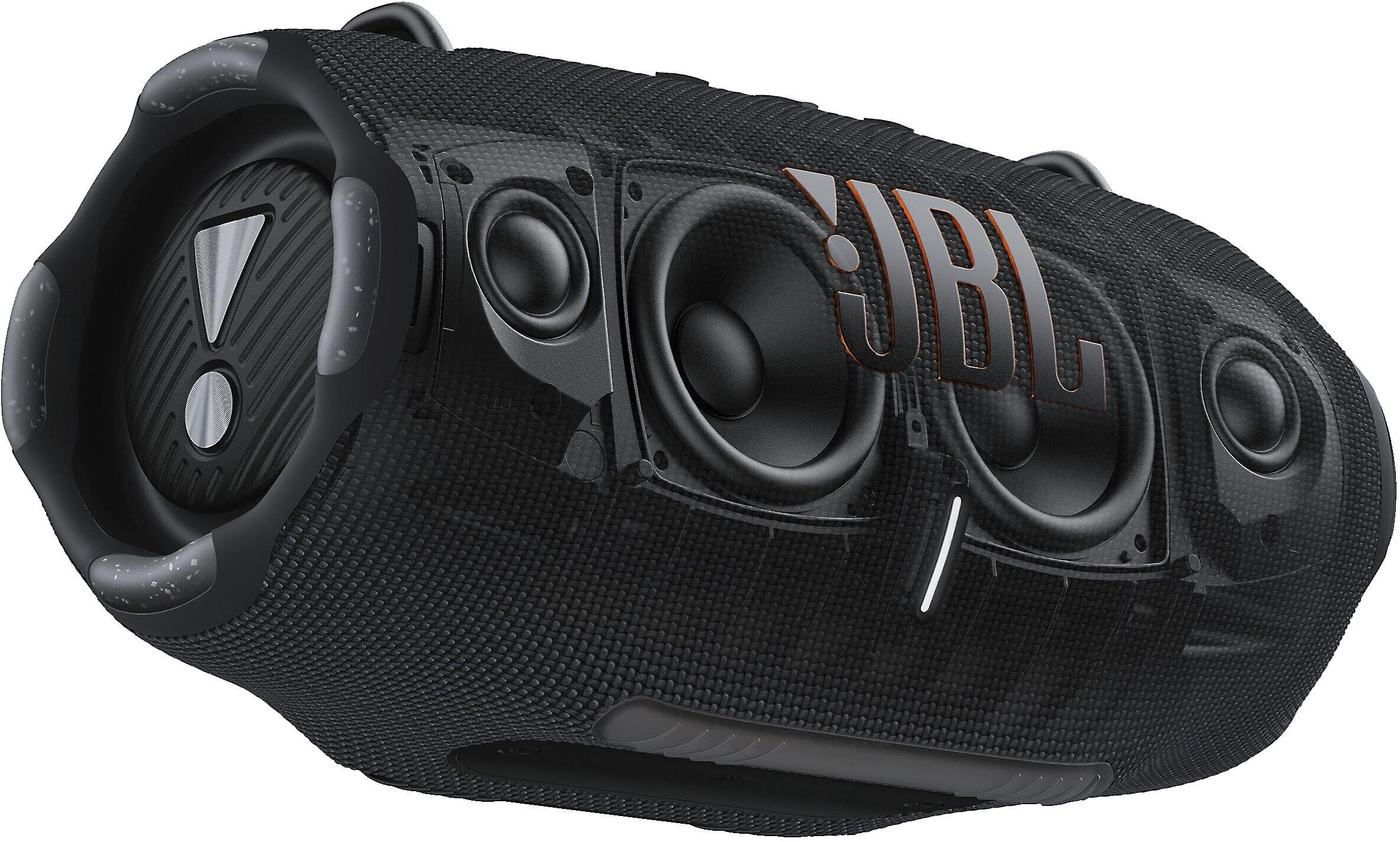
The JBL Xtreme 4 takes a completely different approach with its four-driver system: two dedicated woofers (large drivers for bass) and two tweeters (small drivers for high frequencies), plus passive radiators that enhance bass response without requiring additional power. With 70 watts of total power output, it can push significantly more air and reproduce the full frequency spectrum from 44Hz to 20kHz.
This technical difference translates to dramatically different real-world performance. While the JBL Go 3 is best suited for background music, podcasts, or quiet listening, the JBL Xtreme 4 can serve as the primary audio source for parties, outdoor gatherings, or even temporary home theater use. Reviews consistently praise the Xtreme 4's ability to maintain clarity even at high volumes, something that's impossible with the Go 3's limited power and single driver.
Battery performance reveals another fundamental difference in design philosophy. The JBL Go 3 prioritizes size over battery capacity, resulting in approximately 5 hours of playback time. While this might seem limiting, it aligns with its ultra-portable nature—most situations where you'd use such a compact speaker don't require all-day playback.
The JBL Xtreme 4 offers up to 24 hours of battery life, nearly five times longer than the Go 3. This extended runtime comes from a much larger battery pack, but also from more efficient power management systems introduced in 2024. The Xtreme 4 also includes power bank functionality, allowing you to charge your phone or other devices from its battery—a feature that can be invaluable during camping trips or outdoor events.
The charging experience differs significantly too. Both use USB-C charging, but the JBL Xtreme 4 supports fast charging that can provide 90 minutes of playback from just 10 minutes of charging. This speed charging capability reflects the more advanced battery chemistry used in newer speakers.
This is where the four-year technology gap becomes most apparent. The JBL Go 3 uses Bluetooth 5.1 and offers only basic functionality—pair it to your device and play music. There's no companion app, no equalizer adjustments, and no ability to connect multiple speakers together. The controls are limited to power, volume, and play/pause functions directly on the speaker.
The JBL Xtreme 4 leverages Bluetooth 5.3 along with comprehensive app integration through JBL's companion software. This includes a five-band equalizer (a tool that lets you adjust different frequency ranges independently) that allows you to customize the sound signature to your preferences. The speaker also supports Auracast technology, which enables connecting multiple compatible JBL speakers for synchronized playback across different rooms or outdoor areas.
For home theater use, the JBL Xtreme 4 offers enough power and frequency response to serve as a temporary sound upgrade for TVs, especially in bedrooms or smaller living spaces. Its app-based EQ lets you optimize the sound for dialogue clarity or enhance bass for movie soundtracks. The JBL Go 3, with its limited frequency response and lack of EQ options, isn't really suitable for home theater applications.
At the time of writing, these speakers occupy very different price tiers. The JBL Go 3 sits in the budget category, typically priced under $50, while the JBL Xtreme 4 commands a premium price, usually approaching $400. This roughly 8:1 price ratio reflects their dramatically different capabilities and target markets.
The JBL Go 3 offers exceptional value for ultra-portable listening. When you consider that many wired earbuds cost more, getting IP67 waterproofing, Bluetooth connectivity, and acceptable sound quality in such a compact package represents solid value for casual users.
The JBL Xtreme 4 competes in the premium portable speaker category, where the value proposition centers on performance rather than price. Its 24-hour battery life, powerful audio output, and advanced features justify the higher cost for users who need serious portable audio capabilities.
Understanding how these speakers perform in different environments helps clarify their ideal use cases. The JBL Go 3 excels in intimate settings—a hotel room, small office, or personal outdoor space. Its compact size means it won't overwhelm these environments, and its vocal clarity makes it perfect for conference calls, podcasts, or background music while working.
However, take the JBL Go 3 to a pool party or beach gathering, and its limitations become immediately apparent. The lack of bass response means music sounds thin and unsatisfying, while its limited power output gets lost in outdoor environments or when competing with ambient noise.
The JBL Xtreme 4 thrives in these challenging environments. Its powerful drivers can fill outdoor spaces with sound, while its extended frequency response ensures all types of music sound engaging and full. The robust construction handles beach sand, pool splashes, and the general chaos of group gatherings without concern.
For home use, the JBL Xtreme 4 can serve double duty as both a portable speaker for outdoor adventures and a stationary speaker for rooms lacking dedicated audio systems. Its app-based EQ allows optimization for different content types, from music streaming to TV audio enhancement.
Several technical specifications help explain the performance differences between these speakers. The JBL Go 3's signal-to-noise ratio of 85dB indicates decent clarity for its size, but this metric becomes less relevant when the overall power output is so limited.
The JBL Xtreme 4's four-driver configuration with dedicated woofers and tweeters allows for better frequency separation and reduced distortion. Each driver can focus on its optimal frequency range rather than trying to reproduce everything like the Go 3's single driver. The passive radiators enhance bass response without requiring additional amplification, making the power usage more efficient.
The Bluetooth version difference (5.1 vs 5.3) affects connection stability and power efficiency, with the newer 5.3 standard in the JBL Xtreme 4 providing better range and less interference in crowded wireless environments.
The decision between these speakers comes down to honest self-assessment of your primary use cases and budget constraints. If maximum portability is your priority and you're primarily listening alone or in small groups, the JBL Go 3 offers impressive capabilities for its size and price point. It's perfect for travelers, students, or anyone who wants background music without carrying substantial gear.
Choose the JBL Xtreme 4 if you frequently host gatherings, enjoy outdoor activities with groups, or want a speaker that can serve multiple roles including temporary home theater duty. Its premium price reflects premium capabilities, and for users who need powerful, full-range audio in a portable package, few alternatives match its combination of features and performance.
The key insight is that these aren't competing products—they're complementary solutions for different lifestyle needs. The JBL Go 3 maximizes convenience and value for personal use, while the JBL Xtreme 4 maximizes performance for group entertainment. Understanding which category matches your primary needs will lead you to the right choice for your specific situation and budget.
| JBL Go 3 Portable Bluetooth Speaker | JBL Xtreme 4 Portable Bluetooth Speaker |
|---|---|
| Size & Weight - Critical for how you'll actually carry and use these speakers | |
| 3.4" x 2.7" x 1.6", 0.46 lbs (fits in pocket, attachable loop) | 11.7" x 5.9" x 5.6", 4.6 lbs (requires shoulder strap, substantial size) |
| Audio Power Output - Determines maximum volume and sound quality | |
| 4.2W RMS (suitable for personal listening only) | 70W total (30W woofers + 20W tweeters, can fill large outdoor spaces) |
| Frequency Response - Shows what bass and treble you'll actually hear | |
| 110Hz - 20kHz (limited bass, mid-heavy sound signature) | 44Hz - 20kHz (full-range sound with deep bass and clear highs) |
| Driver Configuration - Affects sound quality and clarity across different music types | |
| Single 43x47mm driver (handles all frequencies, inherent compromises) | 4-driver system: 2 woofers + 2 tweeters + passive radiators (optimized performance) |
| Battery Life - How long you can listen before needing to recharge | |
| Up to 5 hours (adequate for personal use, limited for all-day events) | Up to 24 hours (excellent for extended outdoor activities and parties) |
| Charging Features - Convenience and emergency power options | |
| USB-C charging, 2.5 hour charge time (basic functionality) | USB-C with fast charging + power bank feature (charges your devices) |
| Water/Dust Resistance - Protection level for outdoor and water activities | |
| IP67 (fully waterproof and dustproof, same protection as Xtreme 4) | IP67 (fully waterproof and dustproof, more rugged construction) |
| Bluetooth & Connectivity - Affects connection stability and advanced features | |
| Bluetooth 5.1, basic pairing only (no app support or multi-speaker features) | Bluetooth 5.3 with app integration, Auracast, PartyBoost (advanced connectivity) |
| Smart Features - Customization and multi-room capabilities | |
| Physical controls only (power, volume, play/pause - very simple) | Full app with 5-band EQ, multi-speaker pairing, custom presets (highly customizable) |
| Ideal Use Cases - When each speaker makes the most sense | |
| Personal listening, travel, desk companion, shower/bathroom use | Group gatherings, outdoor parties, camping, temporary home theater |
| Value Proposition - What you get for the price difference | |
| Ultra-portable convenience at budget price (exceptional portability value) | Premium performance with advanced features (serious audio investment) |
For everyday personal use, the JBL Go 3 excels due to its ultra-portable design and convenience. You can easily carry it in your pocket, attach it to bags, and use it anywhere without planning. However, if your everyday use involves entertaining guests or filling larger spaces with sound, the JBL Xtreme 4 provides significantly better audio quality and volume levels that make it worth the extra size and weight.
The primary difference is scale and purpose. The JBL Go 3 is designed for personal listening with ultra-portability as the priority, while the JBL Xtreme 4 is built for group entertainment with powerful sound as the focus. This translates to a 15x difference in power output, 5x difference in battery life, and dramatically different price points.
The JBL Xtreme 4 delivers significantly superior sound quality with its four-driver system, deep bass response down to 44Hz, and 70 watts of power. The JBL Go 3 offers acceptable sound quality for its size but lacks bass response and can't compete with the full-range audio performance of the Xtreme 4.
The JBL Go 3 provides up to 5 hours of playback, which suits its personal-use design. The JBL Xtreme 4 offers up to 24 hours of battery life, making it ideal for all-day events, camping trips, and extended outdoor activities without needing to recharge.
Yes, both the JBL Go 3 and JBL Xtreme 4 feature IP67 waterproof and dustproof ratings. This means they can be submerged in up to 3 feet of water for 30 minutes and are completely protected against dust. Both are suitable for pool parties, beach use, and outdoor activities.
The JBL Go 3 is dramatically more portable, weighing just 0.46 pounds and fitting easily in your pocket. The JBL Xtreme 4 weighs over 4.6 pounds and requires a shoulder strap for carrying, making it portable but not ultra-portable like the Go 3.
The JBL Xtreme 4 can serve as a temporary home theater upgrade for smaller rooms, providing enough power and frequency response to enhance TV audio. The JBL Go 3 lacks the power output and bass response needed for home theater use and is better suited for personal listening only.
Value depends on your needs. The JBL Go 3 offers exceptional value for ultra-portable personal listening, providing waterproof Bluetooth audio at a budget-friendly price. The JBL Xtreme 4 provides premium value for users who need powerful, full-featured audio for group entertainment and are willing to invest in superior performance.
The JBL Go 3 has no app support and relies on basic physical controls for operation. The JBL Xtreme 4 includes full app integration with a 5-band equalizer, custom presets, and advanced connectivity features like Auracast for multi-speaker pairing.
The JBL Xtreme 4 is specifically designed for outdoor gatherings and parties, with enough power to fill outdoor spaces and bass response that makes all music genres sound engaging. The JBL Go 3 would get lost in outdoor environments and lacks the volume and bass needed for group entertainment.
For travel, the JBL Go 3 is the clear winner due to its pocket-sized design, integrated carry loop, and minimal weight that won't impact your luggage. The JBL Xtreme 4 is possible to travel with but requires dedicated space and adds significant weight to your gear.
The JBL Go 3 cannot be paired with other speakers and operates as a standalone unit only. The JBL Xtreme 4 supports Auracast technology and PartyBoost, allowing you to connect multiple compatible JBL speakers for synchronized playback across different areas or enhanced stereo sound.
We've done our best to create useful and informative comparisons to help you decide what product to buy. Our research uses advanced automated methods to create this comparison and perfection is not possible - please contact us for corrections or questions. These are the sites we've researched in the creation of this article: rtings.com - streamtechreviews.com - english.achoreviews.com - smarthomesounds.co.uk - soundguys.com - rtings.com - walmart.com - soundguys.com - youtube.com - youtube.com - jbl.com - youtube.com - selectoguru.com - versus.com - videoandaudiocenter.com - harmanaudio.com - jbl.com - bestbuy.com - forum.hifiguides.com - manuals.plus - kh.jbl.com - th.jbl.com - mm.jbl.com - jbl.com - bestbuy.com - youtube.com - youtube.com - youtube.com - jbl.com - bestbuy.com - bestbuy.com - jbl.com.tw - youtube.com - bestbuy.com - pcrichard.com - digitaltrends.com - youtube.com - tomsguide.com - jbl.com - kh.jbl.com - harmanaudio.com - ro.harmanaudio.com - otza.com - audiolab.com - youtube.com - bhphotovideo.com

Privacy Policy
Terms and Conditions - Affiliate Policy
Home Security
© Copyright 2008-2026.
11816 Inwood Rd #1211, Dallas, TX 75244