






Portable Bluetooth speakers have completely transformed how we experience music away from home. Whether you're heading to the beach, setting up in your dorm room, or just want better sound while cooking dinner, these wireless speakers have become as essential as our smartphones. But with hundreds of options available, choosing the right one can feel overwhelming.
Today we're comparing two speakers that represent completely different philosophies in portable audio: the ultra-compact JBL Go 3 and the premium Marshall Stockwell II. Released in 2020 and 2019 respectively, these speakers show how much the portable audio landscape has evolved, with manufacturers now offering everything from truly pocket-sized options to portable speakers that rival traditional home stereo systems.
Before diving into our comparison, it's worth understanding what separates good portable speakers from great ones. The most important factors include sound quality (how accurate and full the audio reproduction is), battery life, durability, and that crucial balance between size and performance.
Sound quality in portable speakers is primarily limited by physics – smaller speakers simply can't move as much air as larger ones, which means less bass and lower maximum volume. However, modern digital signal processing (DSP) – essentially computer algorithms that optimize audio in real-time – has allowed manufacturers to squeeze impressive performance from tiny drivers.
Battery technology has also advanced significantly since 2019. Modern lithium polymer batteries offer better energy density (more power in less space) and faster charging capabilities. The speakers we're examining showcase these improvements well, with dramatically different approaches to power management.
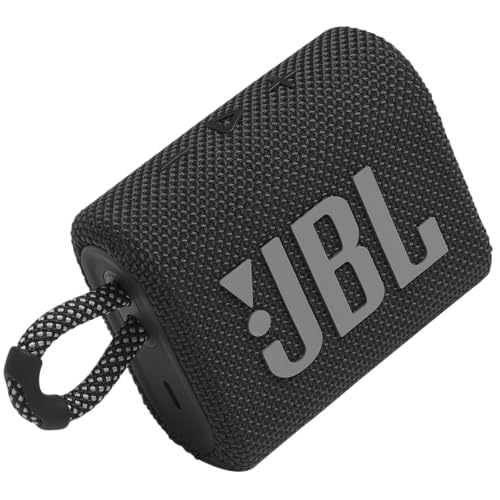
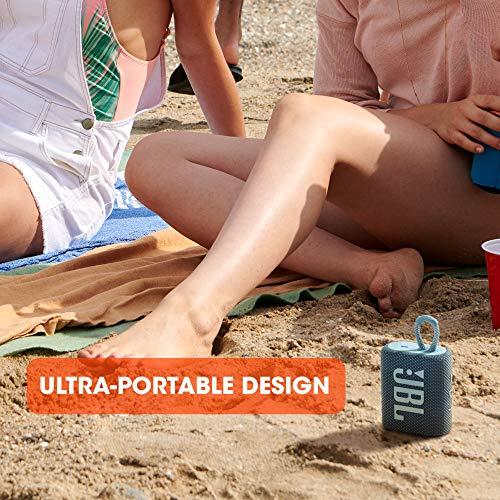
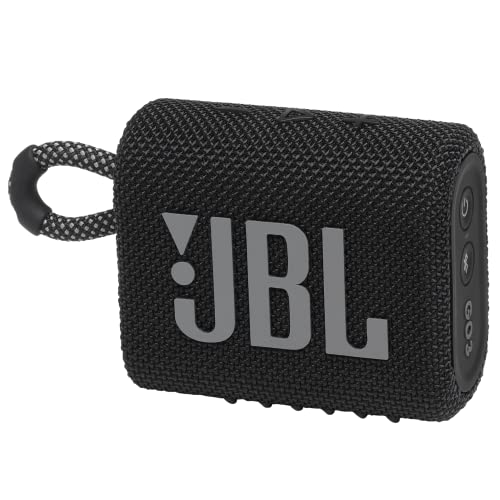
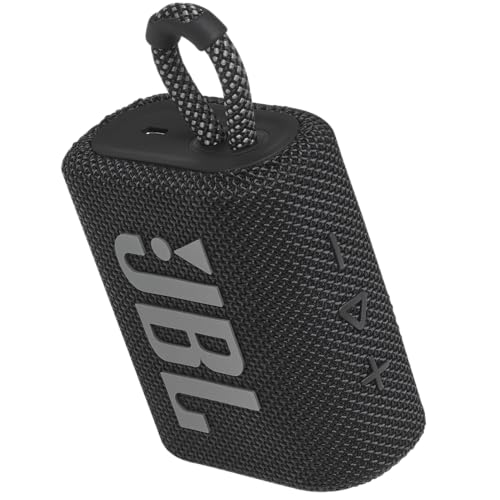
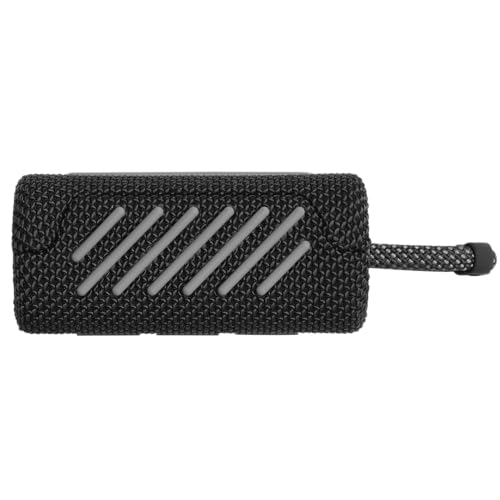
The JBL Go 3 represents the "ultra-portable" philosophy. At roughly the size of a deck of cards, it prioritizes convenience above all else. You can literally slip it into any pocket, and its IP67 waterproof rating means you can take it anywhere without worry.
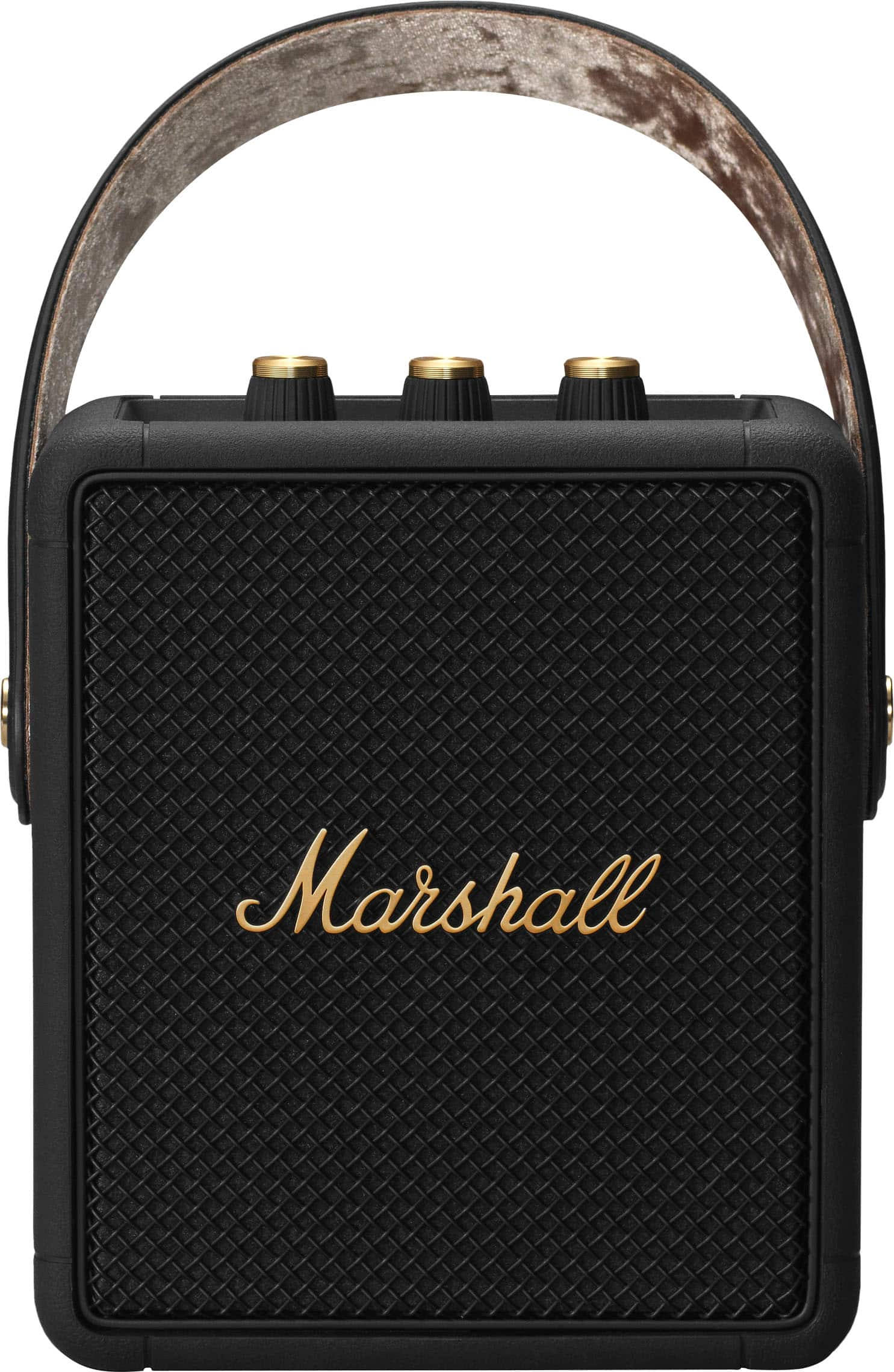
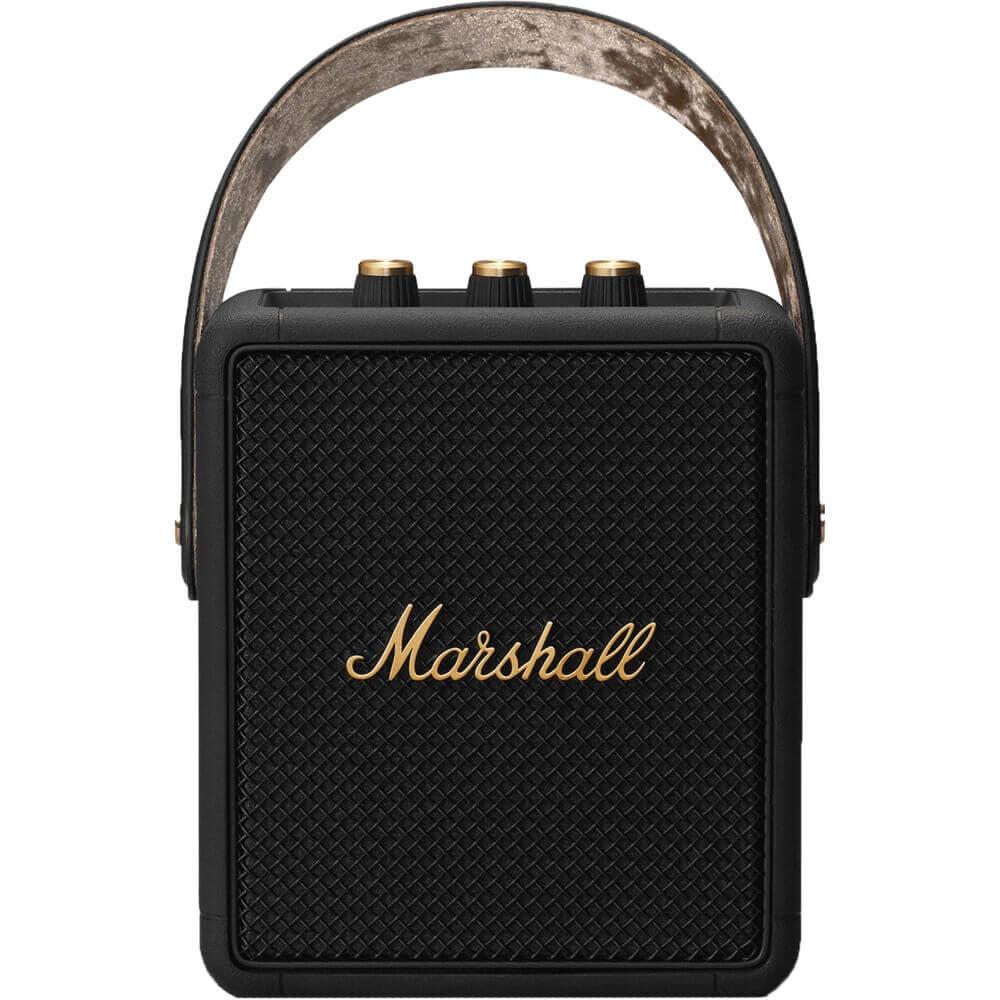
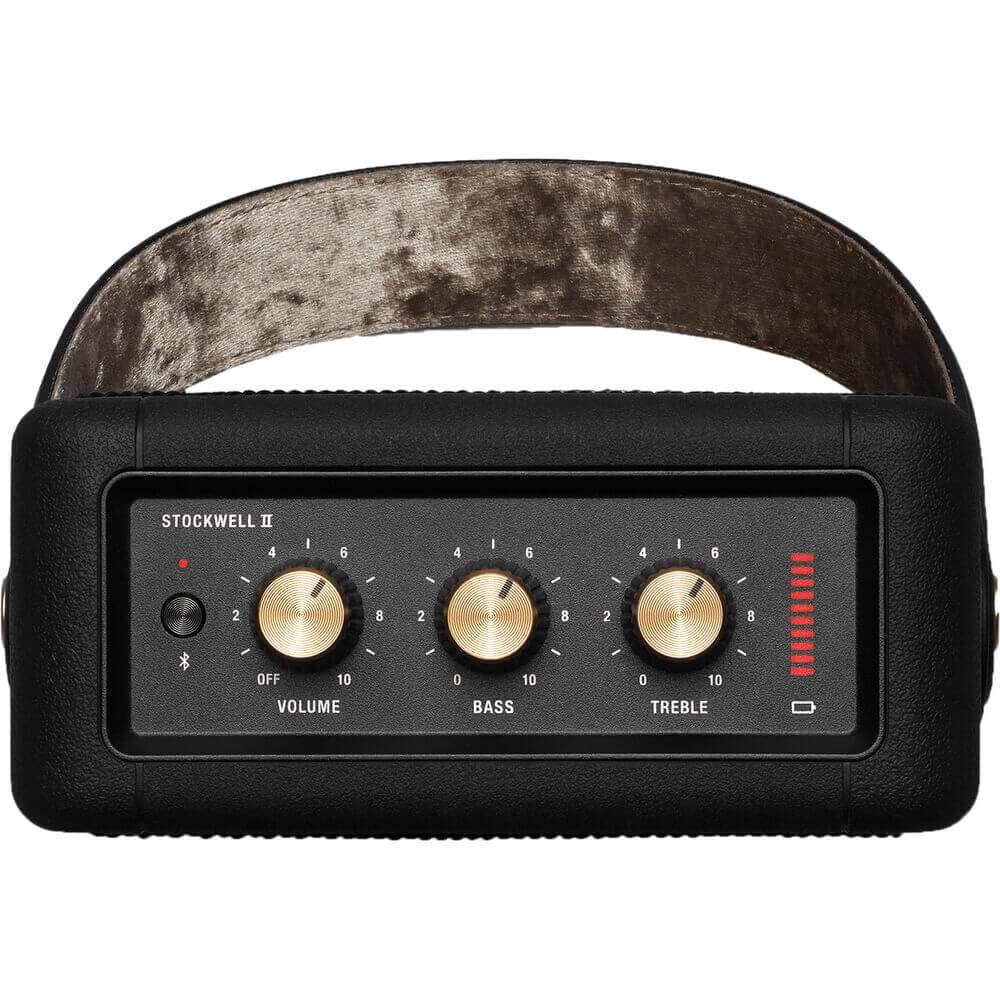
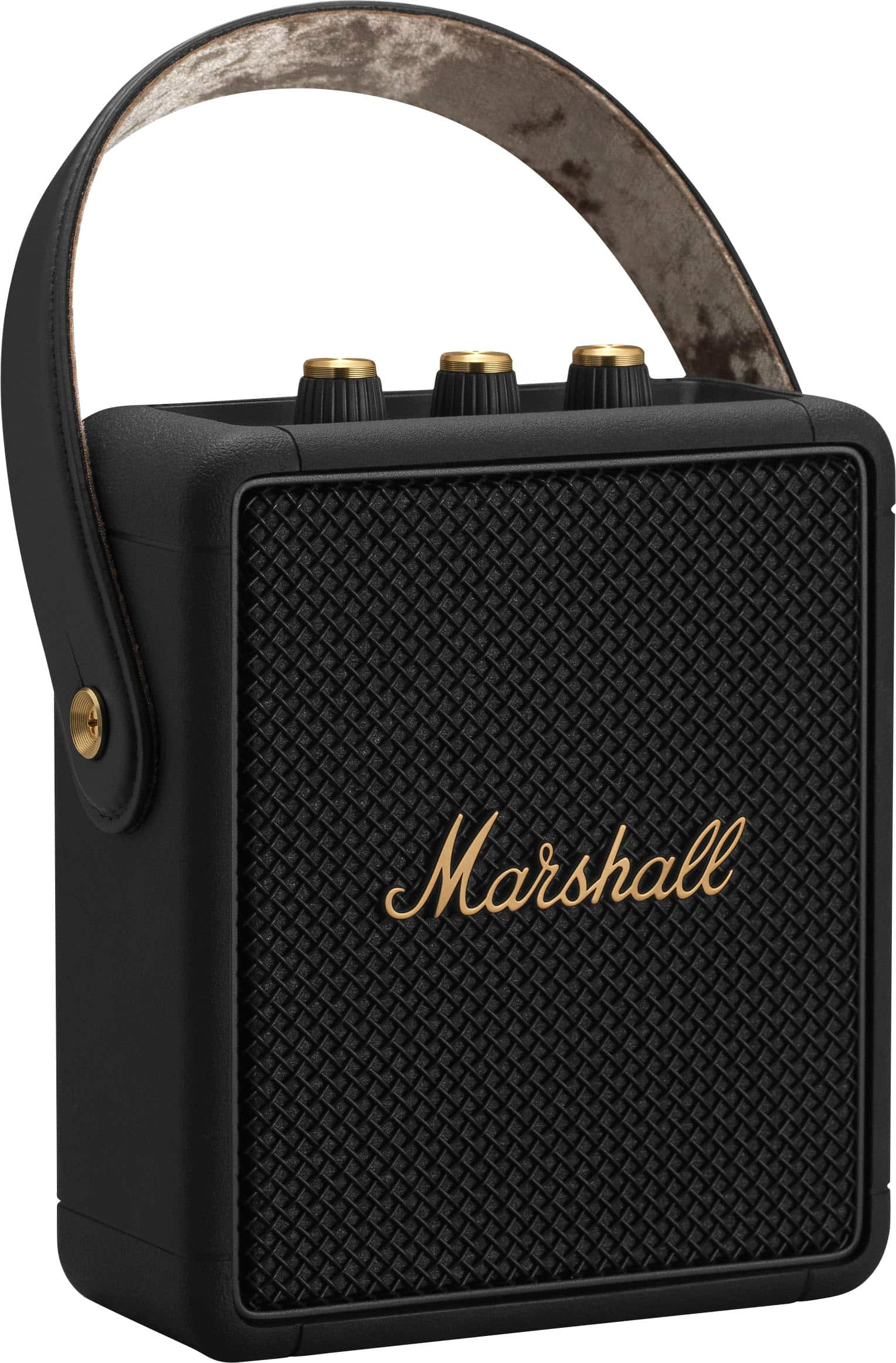
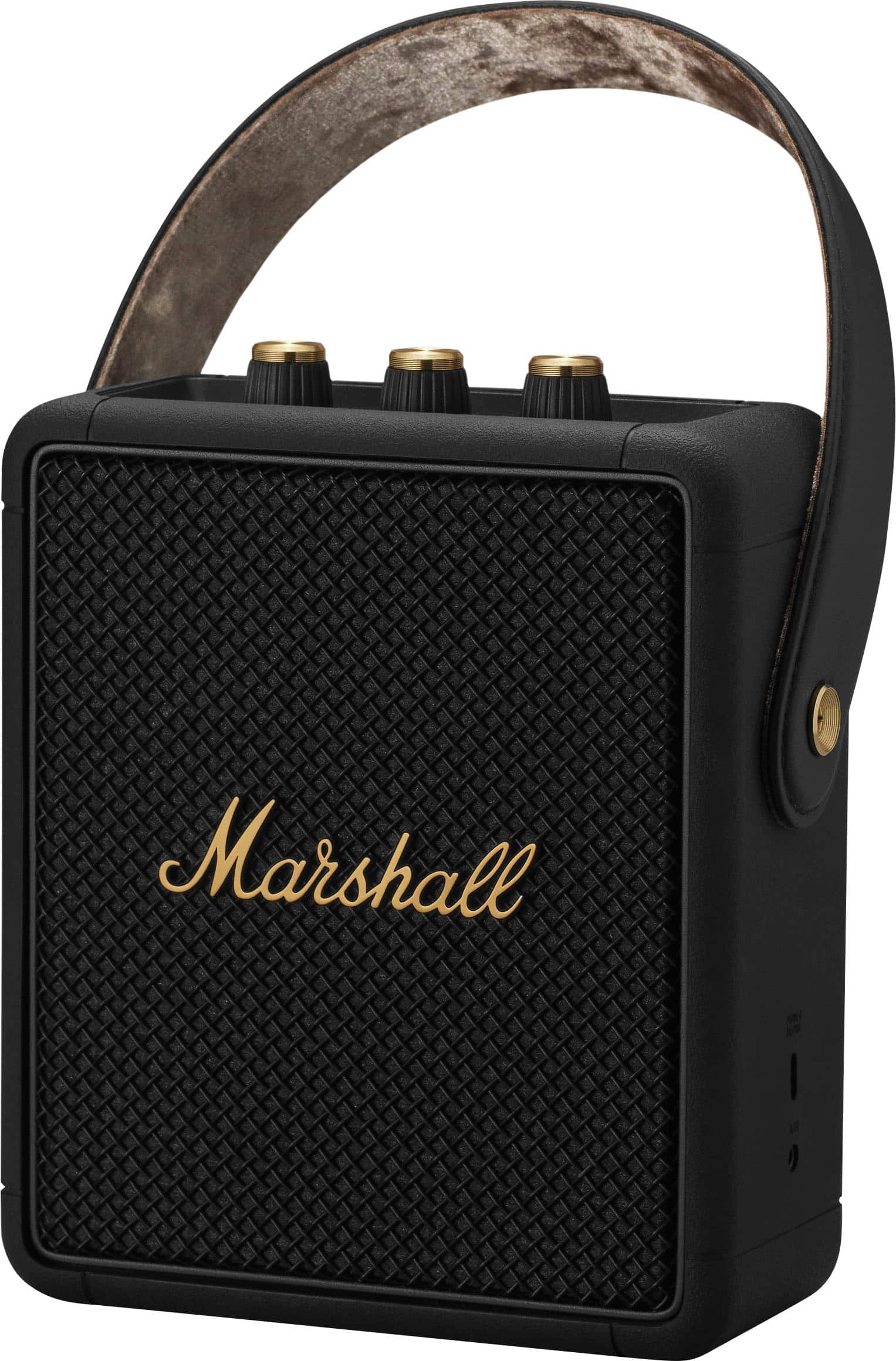
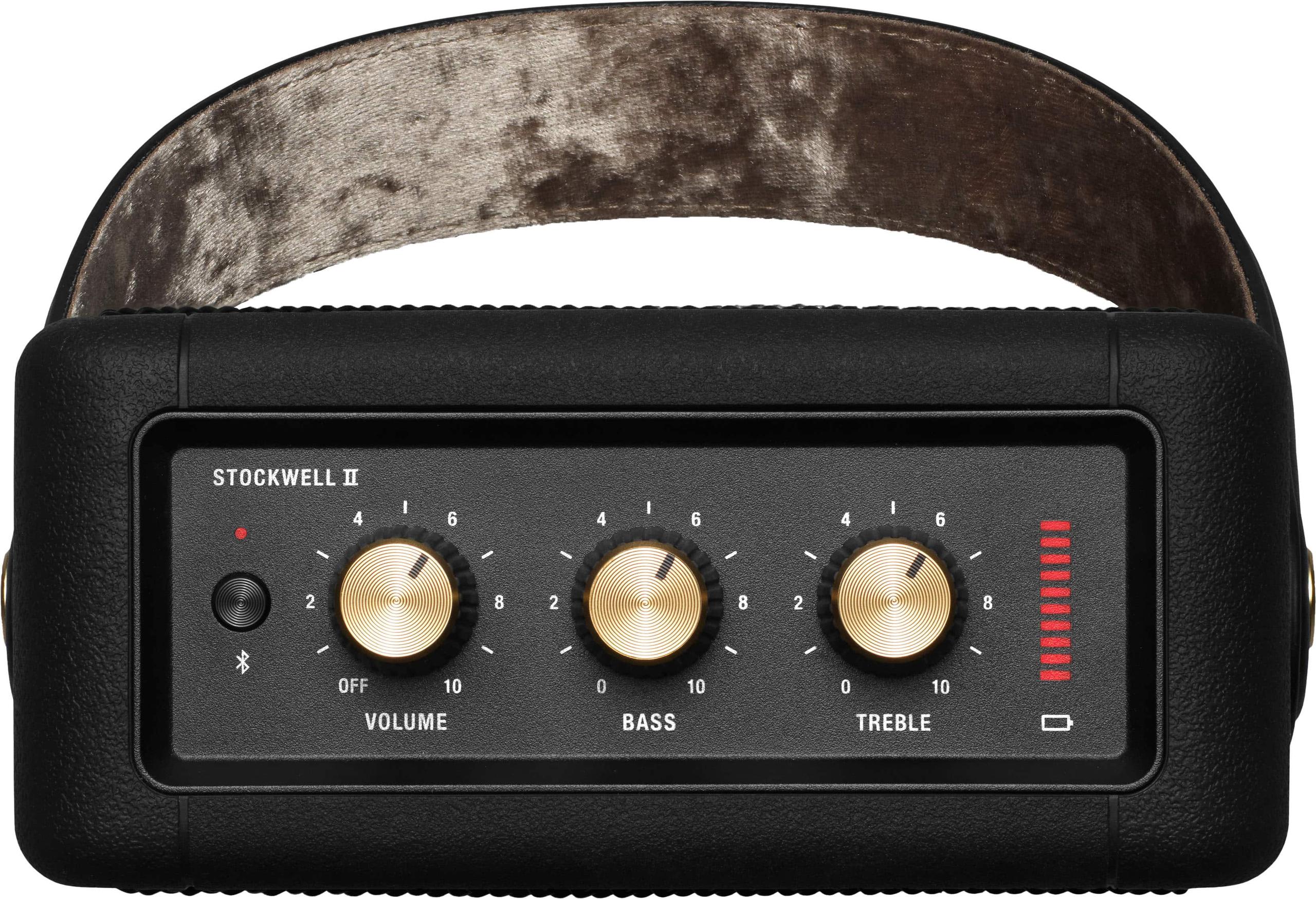
The Marshall Stockwell II, conversely, takes the "portable powerhouse" approach. While still genuinely portable, it's designed more like a miniaturized home stereo system, complete with dedicated bass and treble controls that let you fine-tune the sound to your preferences.
The size difference is dramatic – our research indicates the JBL Go 3 occupies about 91% less space than the Marshall Stockwell II. That's not just a number; it represents fundamentally different use cases and compromises.
The most significant difference between these speakers lies in their audio architecture. The Marshall Stockwell II employs what's called a three-way amplifier system: one 10-watt amplifier powers the woofer (the driver responsible for bass), while two separate 5-watt amplifiers handle the tweeters (which produce high frequencies). This configuration, combined with true stereo separation, creates a much more spacious and detailed soundstage.
The JBL Go 3, by contrast, uses a single 4.2-watt amplifier driving one 43x47mm driver in a mono configuration. While JBL's Pro Sound tuning helps optimize what this small driver can do, it's fighting against basic physics limitations.
Frequency response tells you which musical notes a speaker can reproduce. The Marshall Stockwell II handles frequencies from 60Hz to 20,000Hz, while the JBL Go 3 manages 110Hz to 20,000Hz. That 50Hz difference in the low end is significant – it means the Marshall can reproduce the deep bass notes that give music its fullness and impact, while the JBL simply cannot.
To put this in perspective, a standard bass guitar's lowest note sits around 41Hz, and kick drums typically produce energy down to about 60Hz. The Marshall Stockwell II can reproduce these fundamental frequencies, while the JBL Go 3 will miss them entirely, relying instead on harmonic content (higher frequency components of bass notes) to suggest their presence.
Based on our analysis of expert reviews and user feedback, the Marshall Stockwell II delivers what most would consider "real" hi-fi sound quality. Its bass-reflex cabinet design – which uses the speaker's internal air pressure to enhance low-frequency response – produces surprisingly deep and controlled bass for a portable speaker. The stereo separation creates an immersive listening experience where instruments occupy distinct positions in the soundfield.
The JBL Go 3 takes a different approach entirely. Rather than trying to compete with larger speakers, JBL has optimized it for clarity and intelligibility. Voices come through exceptionally well, making it excellent for podcasts or phone calls. While it can't produce deep bass, it avoids the muddy, boomy sound that plague many small speakers by focusing on midrange accuracy.
For music genres like rock, jazz, or classical that benefit from full frequency response and stereo imaging, the Marshall Stockwell II is clearly superior. However, for spoken content or music where vocal clarity matters most, the JBL Go 3 holds its own remarkably well.
Battery performance represents another area where these speakers diverge dramatically. The Marshall Stockwell II delivers over 20 hours of continuous playback – genuinely all-day performance that rivals many larger speakers. Perhaps more impressively, its quick-charge feature provides six hours of playback from just a 20-minute charge, thanks to advanced battery management systems that were cutting-edge when it launched in 2019.
The JBL Go 3 offers a more modest five hours of playback from its compact 2.775Wh lithium polymer battery. While this might seem limiting, it's actually quite impressive given the speaker's tiny size. The key insight here is understanding your usage patterns – five hours covers most casual listening sessions, but falls short for all-day events or extended outdoor activities.
Both speakers charge via USB-C, which has become the standard since these models launched. This represents a significant improvement over older micro-USB connections, offering faster charging and better durability.
The JBL Go 3 takes durability seriously with its IP67 rating. This certification means it's completely dust-tight and can survive submersion in up to one meter of water for 30 minutes. In practical terms, you can literally drop it in a pool, retrieve it, and keep listening to music. The rubberized exterior and tight-knit fabric covering provide excellent grip and impact protection.
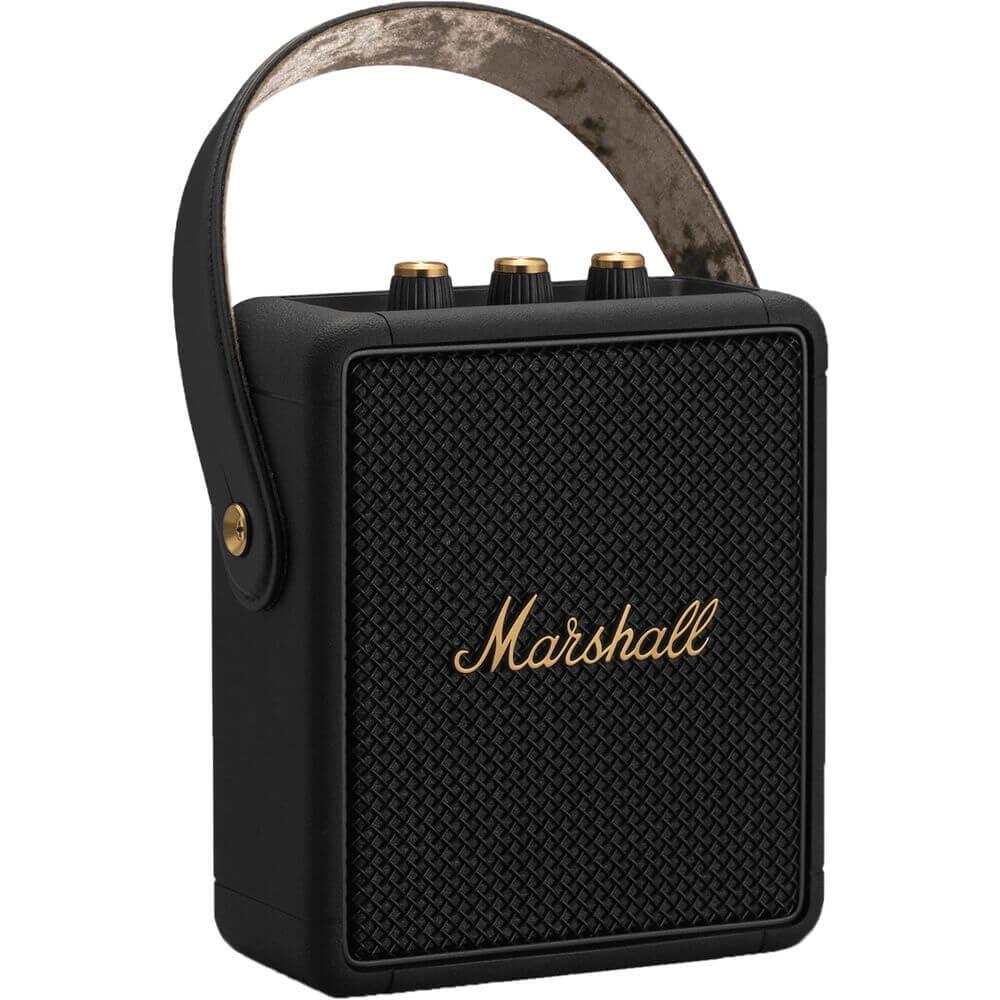
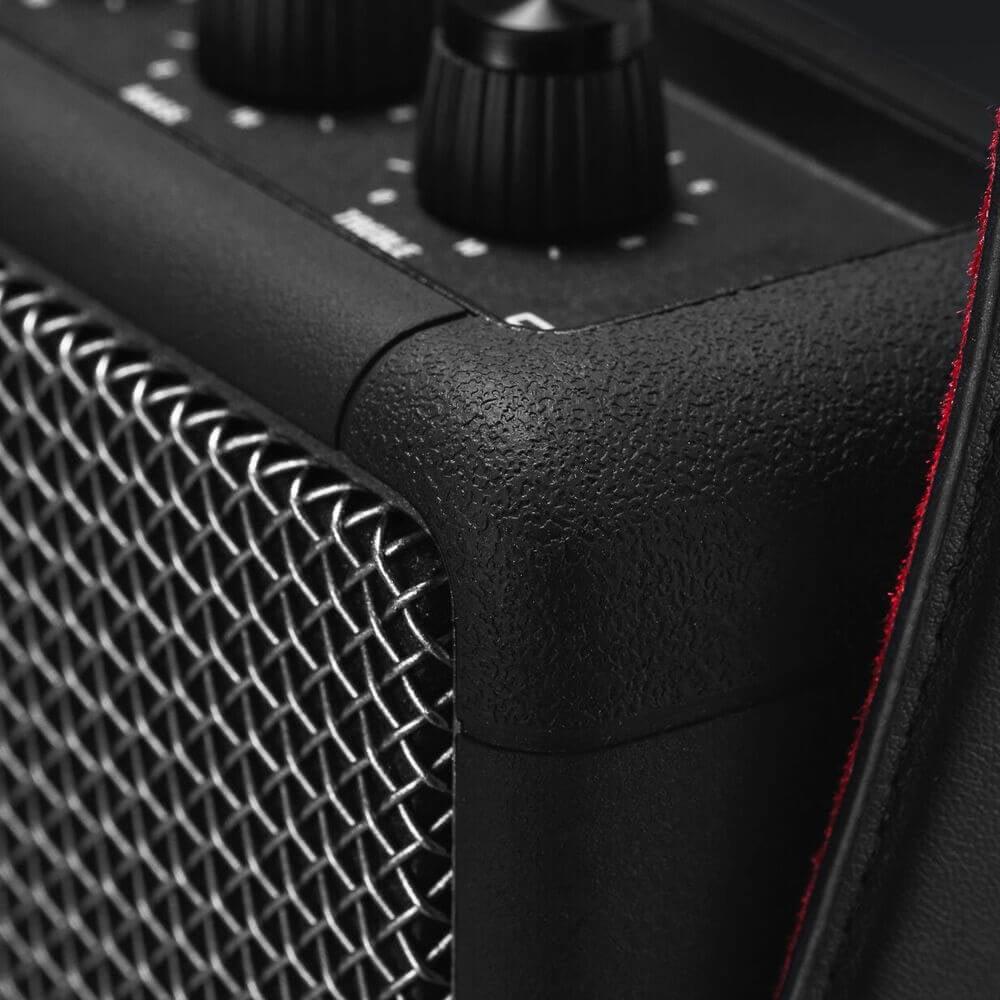
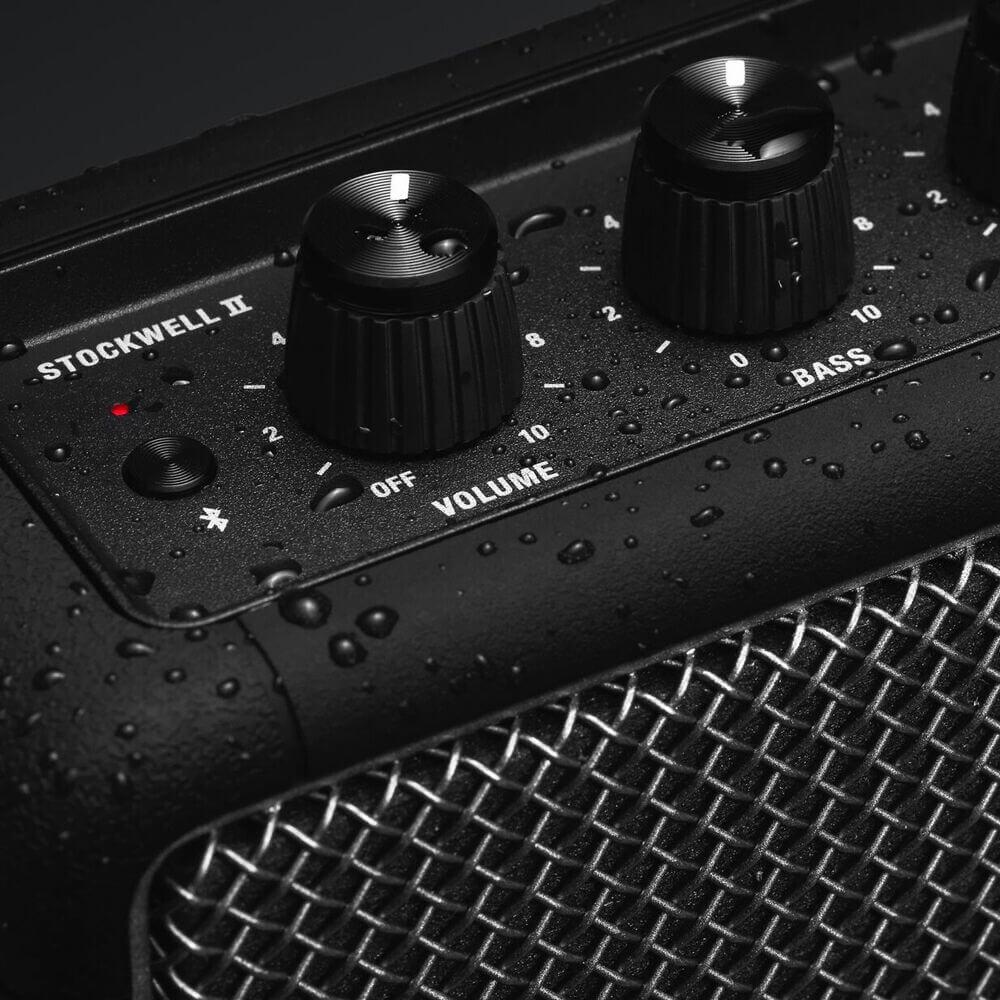
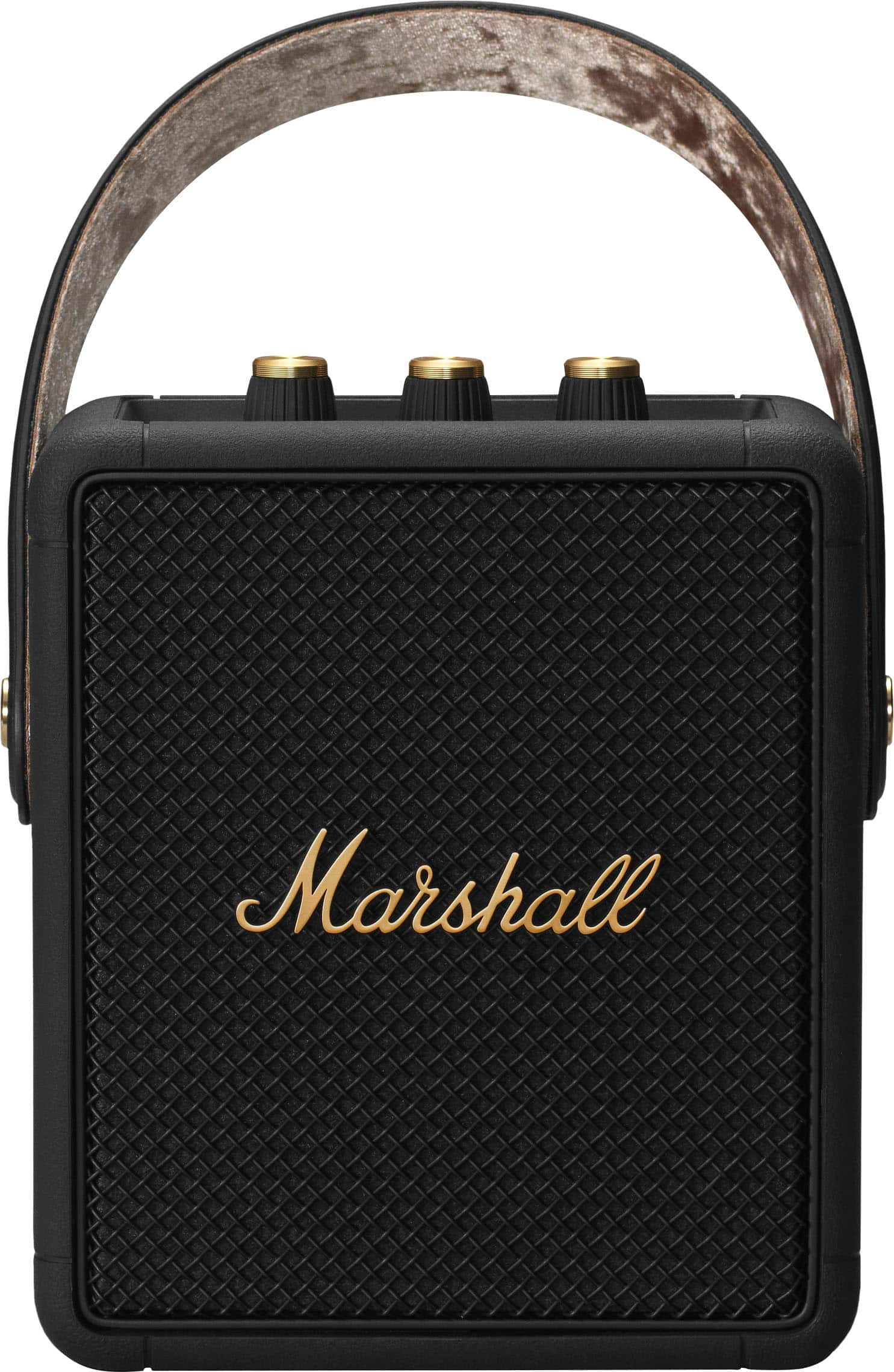
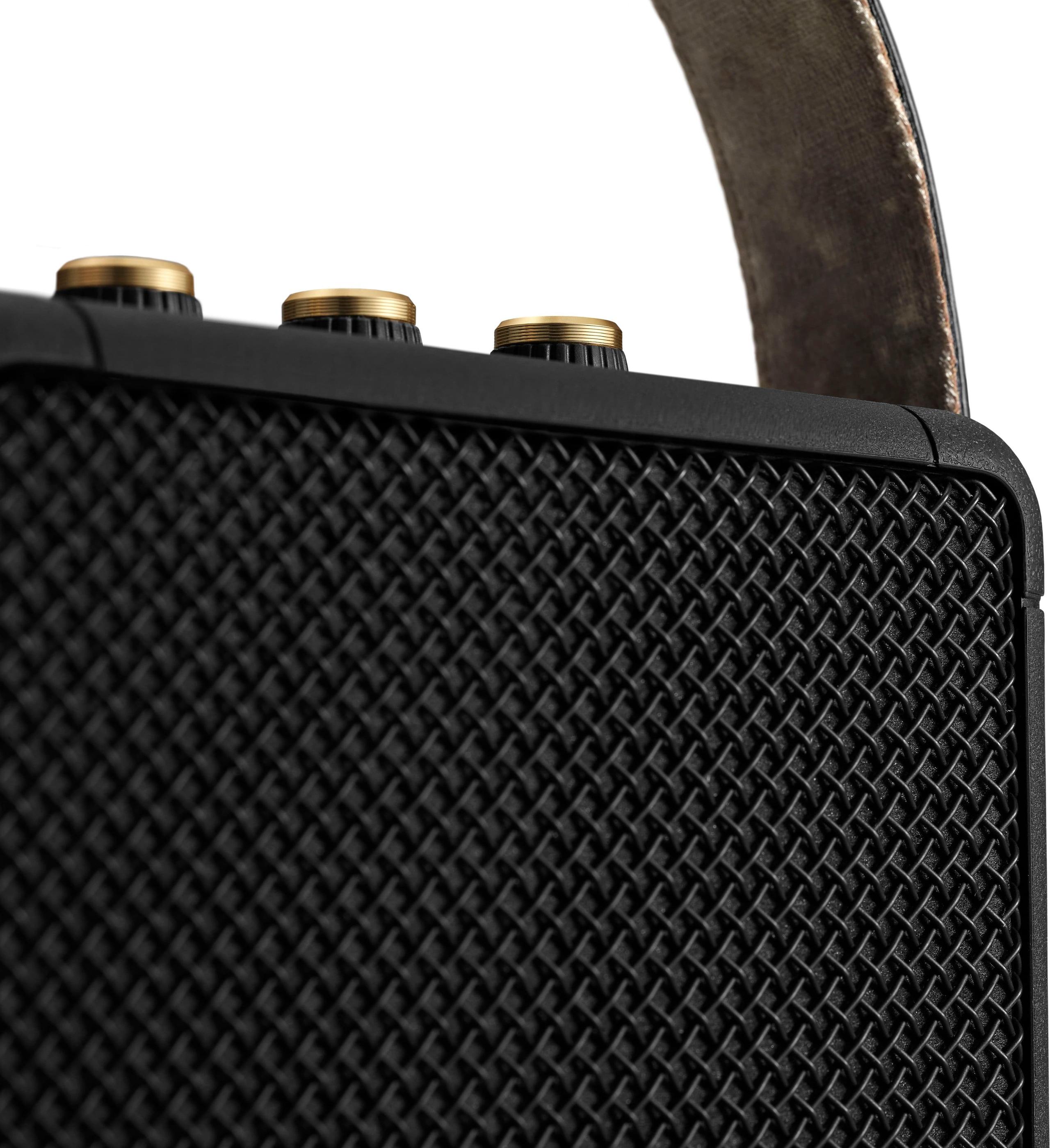
The Marshall Stockwell II opts for IPX4 splash resistance instead – enough to handle rain or accidental spills, but not submersion. However, its build quality feels more premium overall, with a silicone exterior and steel metal grille that give it the aesthetic and tactile feel of a miniature guitar amplifier.
For outdoor adventures, beach trips, or poolside use, the JBL Go 3 wins hands down. For general portable use where water submersion isn't a concern, both speakers offer adequate protection.
Both speakers support modern Bluetooth standards, though with different capabilities. The Marshall Stockwell II includes multi-host functionality, allowing you to connect two devices simultaneously and switch between them seamlessly – incredibly useful when sharing speaker control with friends or switching between your phone and laptop.
The JBL Go 3 uses Bluetooth 5.1 (versus the Marshall's 5.0), which offers slightly better power efficiency and connection stability, though both work reliably in practice.
A standout feature of the Marshall Stockwell II is its analog controls. Physical knobs for bass, treble, and volume provide immediate, tactile adjustment without needing to reach for your phone. This might seem old-fashioned, but there's something satisfying about being able to quickly boost the bass or dial back harsh frequencies with a simple twist.
At the time of writing, these speakers occupy completely different price tiers. The JBL Go 3 sits in the budget category – an impulse purchase that delivers surprising performance for its cost. It's the kind of speaker you might buy as a backup, a gift, or simply because you want something truly portable without a significant financial commitment.
The Marshall Stockwell II commands premium pricing, typically costing several times more than the JBL. However, it delivers commensurately better performance, longer battery life, and premium build quality. When evaluating value, consider cost per hour of enjoyment rather than just upfront price.
Neither speaker is designed as a primary home theater solution, but they serve different supplementary roles. The Marshall Stockwell II works well as a temporary upgrade for laptop or tablet audio when watching movies in bed or while traveling. Its stereo separation and fuller sound provide a more immersive experience than most built-in device speakers.
The JBL Go 3 is better suited for personal viewing scenarios – perhaps when you want to watch something on your phone without disturbing others, or need better audio clarity for video calls.
For actual home theater use, both speakers fall short of what dedicated systems provide, but the Marshall comes closer to offering a satisfying experience for casual viewing.
Prioritize ultimate portability. If you need a speaker that literally disappears in your bag or pocket, nothing matches the Go 3's combination of size, weight, and capability. It's perfect for solo travelers, students moving between classes, or anyone who wants music as an afterthought rather than the main event.
Live an active outdoor lifestyle. The waterproof rating isn't just marketing – it's genuinely liberating to have a speaker you never need to worry about. Beach trips, hiking, camping, or even just using it while doing dishes become stress-free experiences.
Want to test the waters without major investment. At its price point, the JBL Go 3 represents minimal financial risk while delivering genuinely useful functionality. It's an excellent introduction to portable speakers or a practical backup option.
Value sound quality above all else. If music is important to you and you notice the difference between good and mediocre audio, the Marshall justifies its premium pricing with significantly better sound reproduction across all frequencies.
Need all-day battery life. Twenty-plus hours of playback transforms how you use a portable speaker. Weekend camping trips, long days at the beach, or even using it as a semi-permanent desk speaker become viable without constantly worrying about charging.
Appreciate premium build quality and features. The analog controls, multi-device connectivity, and overall fit and finish provide a more refined user experience. If you use your speaker frequently, these details matter more than they might initially seem.
Want one speaker for multiple scenarios. The Marshall works well both as a portable option and as a small room speaker at home. This versatility might justify the higher cost if it eliminates the need for multiple audio devices.
Both speakers showcase how portable audio has advanced since 2019-2020. The Marshall Stockwell II represented a significant improvement over its predecessor, with Marshall addressing previous complaints about battery life and adding quick-charge functionality. The use of Class D amplifiers – which are more power-efficient than traditional designs – enabled the impressive battery performance.
The JBL Go 3 similarly improved on earlier Go models by increasing power output while maintaining the same compact footprint. JBL's implementation of passive radiators (additional drivers that move in response to the main driver's air pressure) helps extend bass response despite the physical size constraints.
Since these speakers launched, we've seen continued improvements in battery technology, digital signal processing, and driver materials across the industry. However, both models remain competitive in their respective categories, suggesting their designers got the fundamentals right.
The choice between the JBL Go 3 and Marshall Stockwell II ultimately comes down to your priorities and use cases. If you need the most portable option possible and water resistance matters, the JBL delivers exceptional value. If you want the best sound quality in a still-portable package and don't mind the size and cost premium, the Marshall is clearly superior.
Consider your typical listening scenarios: Are you usually alone or with others? Do you listen indoors or outdoors? Is this your primary speaker or a secondary option? Your honest answers to these questions should guide your decision more than any specification sheet.
Both speakers excel in their intended roles, representing thoughtful engineering approaches to different user needs. The portable speaker market has room for both philosophies, and your choice should reflect which approach better matches your lifestyle and priorities.
| JBL Go 3 | Marshall Stockwell II |
|---|---|
| Size & Portability - Critical for true on-the-go use | |
| Ultra-compact: 87.5 x 75 x 41.3mm, 0.209kg (pocket-sized) | Portable but substantial: 180 x 161 x 70mm, 1.38kg (backpack-sized) |
| Audio Output - Determines volume and sound quality | |
| 4.2W RMS, single driver (adequate for personal listening) | 20W total output, 3-driver system (room-filling sound) |
| Frequency Range - Shows how deep the bass goes | |
| 110Hz-20kHz (limited bass extension) | 60Hz-20kHz (full bass response down to kick drum frequencies) |
| Stereo Configuration - Affects soundstage width | |
| Mono speaker (sound comes from single point) | True stereo (wider, more immersive sound) |
| Battery Life - Essential for extended use | |
| Up to 5 hours (covers most casual sessions) | 20+ hours with quick charge (all-day performance) |
| Water Resistance - Protection for outdoor activities | |
| IP67 waterproof (fully submersible up to 1 meter) | IPX4 splash resistant (handles rain, not submersion) |
| Audio Controls - Convenience for sound adjustment | |
| Basic playback controls only | Physical bass/treble knobs plus volume control |
| Bluetooth Features - Device connectivity options | |
| Bluetooth 5.1, single device pairing | Bluetooth 5.0, dual device connectivity with switching |
| Build Quality - Durability and premium feel | |
| Rugged fabric with rubber accents (functional design) | Silicone exterior with steel grille (premium guitar amp aesthetic) |
| Best Use Cases - Where each speaker excels | |
| Personal travel, beach/pool, hiking, budget-conscious buyers | Home/office desk, small gatherings, audiophiles wanting portability |
The JBL Go 3 offers exceptional value in the budget category, delivering waterproof protection and surprisingly good sound for its price point. The Marshall Stockwell II costs significantly more but provides superior audio quality, 20+ hour battery life, and premium build quality. Choose the JBL Go 3 for maximum affordability, or the Marshall Stockwell II if you want the best sound quality and don't mind paying premium prices.
The biggest difference is size and audio performance. The JBL Go 3 is ultra-portable (pocket-sized) with mono sound and 4.2W output, while the Marshall Stockwell II is larger with true stereo sound and 20W output. The JBL Go 3 prioritizes extreme portability, while the Marshall Stockwell II focuses on superior sound quality in a still-portable package.
The Marshall Stockwell II has significantly better sound quality with deeper bass (60Hz vs 110Hz), stereo separation, and 20W total power output. It features dedicated woofer and tweeter drivers with adjustable bass and treble controls. The JBL Go 3 delivers good clarity for its size but cannot match the fuller, room-filling sound of the Marshall Stockwell II.
The Marshall Stockwell II wins decisively with 20+ hours of battery life plus quick-charge capability (6 hours from 20-minute charge). The JBL Go 3 provides up to 5 hours of playback. For extended outdoor events or all-day use, the Marshall Stockwell II is the clear choice.
The JBL Go 3 is fully waterproof with IP67 rating, meaning it can be submerged in water up to 1 meter for 30 minutes. The Marshall Stockwell II only offers IPX4 splash resistance. For beach, pool, or outdoor adventures where water exposure is likely, the JBL Go 3 provides superior protection.
Neither speaker is designed for primary home theater use, but the Marshall Stockwell II works better as a temporary upgrade for laptop or tablet viewing thanks to its stereo sound and fuller frequency response. The JBL Go 3 is better suited for personal viewing on phones or tablets. Both fall short of dedicated home theater systems.
The JBL Go 3 is dramatically more portable, being 91% smaller by volume and weighing just 0.209kg versus the Marshall Stockwell II's 1.38kg. The JBL Go 3 fits in any pocket, while the Marshall Stockwell II requires dedicated bag space. For backpacking, commuting, or ultra-light travel, the JBL Go 3 is unmatched.
The Marshall Stockwell II can connect to two Bluetooth devices simultaneously and switch between them easily. The JBL Go 3 only pairs with one device at a time. Both use modern Bluetooth (5.1 for JBL, 5.0 for Marshall) with reliable connections, but the Marshall Stockwell II offers more flexibility for shared use.
It depends on the activity. The JBL Go 3 excels for hiking, beach trips, and water sports thanks to its IP67 waterproof rating and ultra-portable size. The Marshall Stockwell II is better for camping, picnics, or outdoor gatherings where you want quality sound and all-day battery life, but need to avoid water submersion.
The Marshall Stockwell II gets significantly louder and can fill small to medium rooms with sound thanks to its 20W output and bass-reflex design. The JBL Go 3 reaches about 85dB maximum volume, suitable for personal listening or very small spaces. For group listening or larger areas, the Marshall Stockwell II performs much better.
The Marshall Stockwell II features premium build quality with analog bass/treble knobs, silicone exterior, and steel grille that evokes classic guitar amplifiers. The JBL Go 3 has a functional, rugged design with basic playback controls. The Marshall Stockwell II feels more premium and offers better sound customization options.
Choose the JBL Go 3 if you prioritize ultimate portability, waterproof protection, and budget-friendly pricing for personal use. Choose the Marshall Stockwell II if you want superior sound quality, extended battery life, and premium features for both portable and semi-stationary use. The JBL Go 3 excels for active lifestyles, while the Marshall Stockwell II suits audio enthusiasts who want portable hi-fi quality.
We've done our best to create useful and informative comparisons to help you decide what product to buy. Our research uses advanced automated methods to create this comparison and perfection is not possible - please contact us for corrections or questions. These are the sites we've researched in the creation of this article: rtings.com - streamtechreviews.com - english.achoreviews.com - smarthomesounds.co.uk - soundguys.com - rtings.com - walmart.com - soundguys.com - youtube.com - youtube.com - jbl.com - youtube.com - selectoguru.com - versus.com - videoandaudiocenter.com - harmanaudio.com - jbl.com - bestbuy.com - forum.hifiguides.com - manuals.plus - kh.jbl.com - th.jbl.com - mm.jbl.com - jbl.com - bestbuy.com - youtube.com - youtube.com - youtube.com - jbl.com - bestbuy.com - bestbuy.com - jbl.com.tw - youtube.com - bestbuy.com - stuff.tv - idownloadblog.com - stereoguide.com - kendallgiles.com - termagoods.com - aplaze.com - manua.ls - youtube.com - sg.tcacoustic.asia - marshall.com - youtube.com

Privacy Policy
Terms and Conditions - Affiliate Policy
Home Security
© Copyright 2008-2026.
11816 Inwood Rd #1211, Dallas, TX 75244