



When it comes to portable speakers, the market has split into two distinct camps. On one side, you have ultra-compact speakers like the JBL Go 3 that prioritize convenience and affordability. On the other, premium options like the Sonos Move 2 bring high-end home audio into a portable package. At the time of writing, these speakers represent a roughly 9:1 price difference – but that gap tells a story about fundamentally different approaches to portable sound.
The portable speaker category has exploded over the past decade, driven by our increasingly mobile lifestyles and the rise of streaming music. What started as simple Bluetooth boxes has evolved into sophisticated audio devices with features like voice control, automatic sound tuning, and multi-room integration. Understanding where each speaker fits in this landscape is crucial to making the right choice.
The JBL Go 3, released in 2021, represents the ultra-portable category. These speakers are designed around the principle that the best speaker is the one you actually have with you. They prioritize maximum portability, rugged durability, and affordability over pure sound quality. Think of them as the smartphone equivalent in the audio world – good enough for most situations while being incredibly convenient.
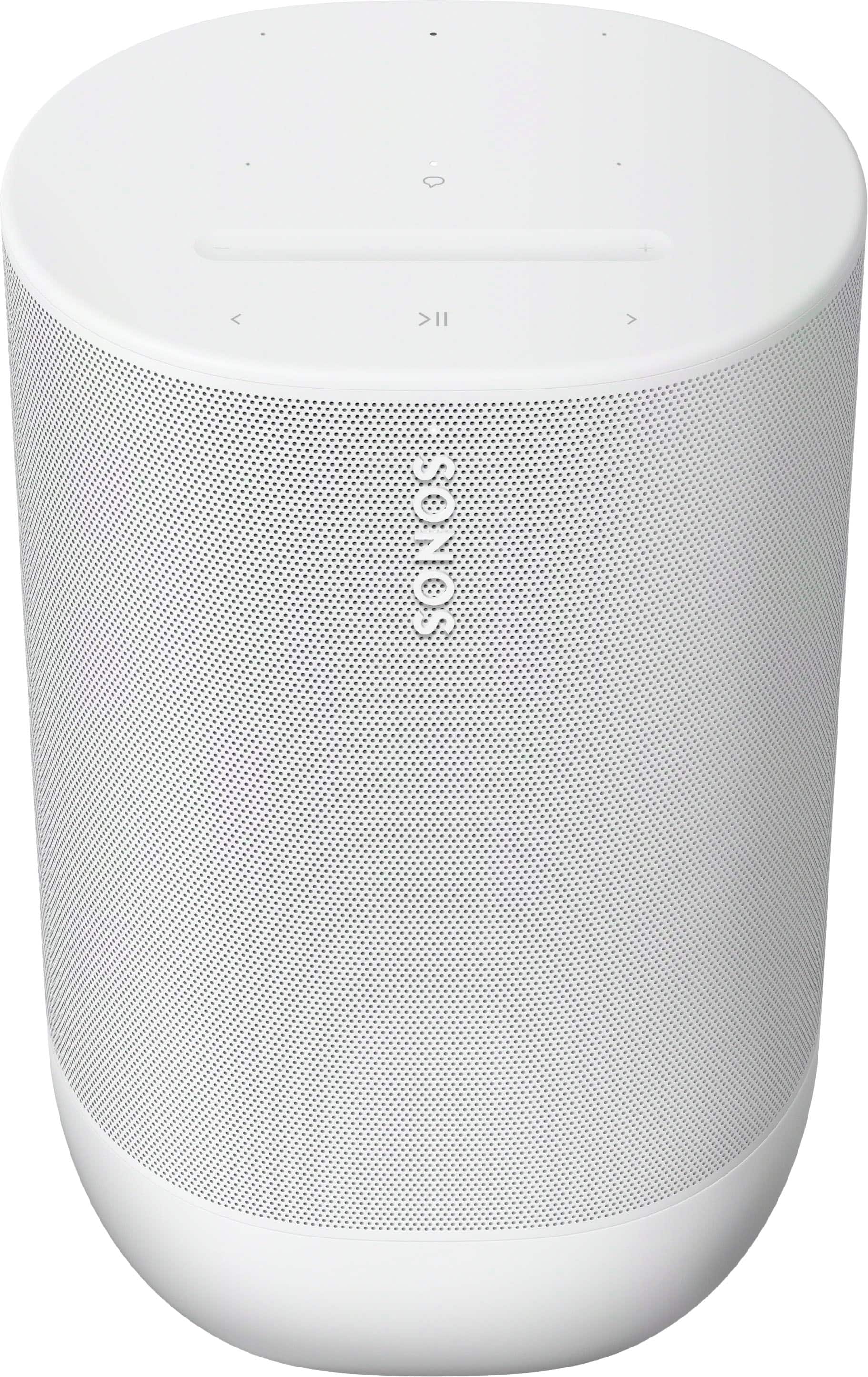
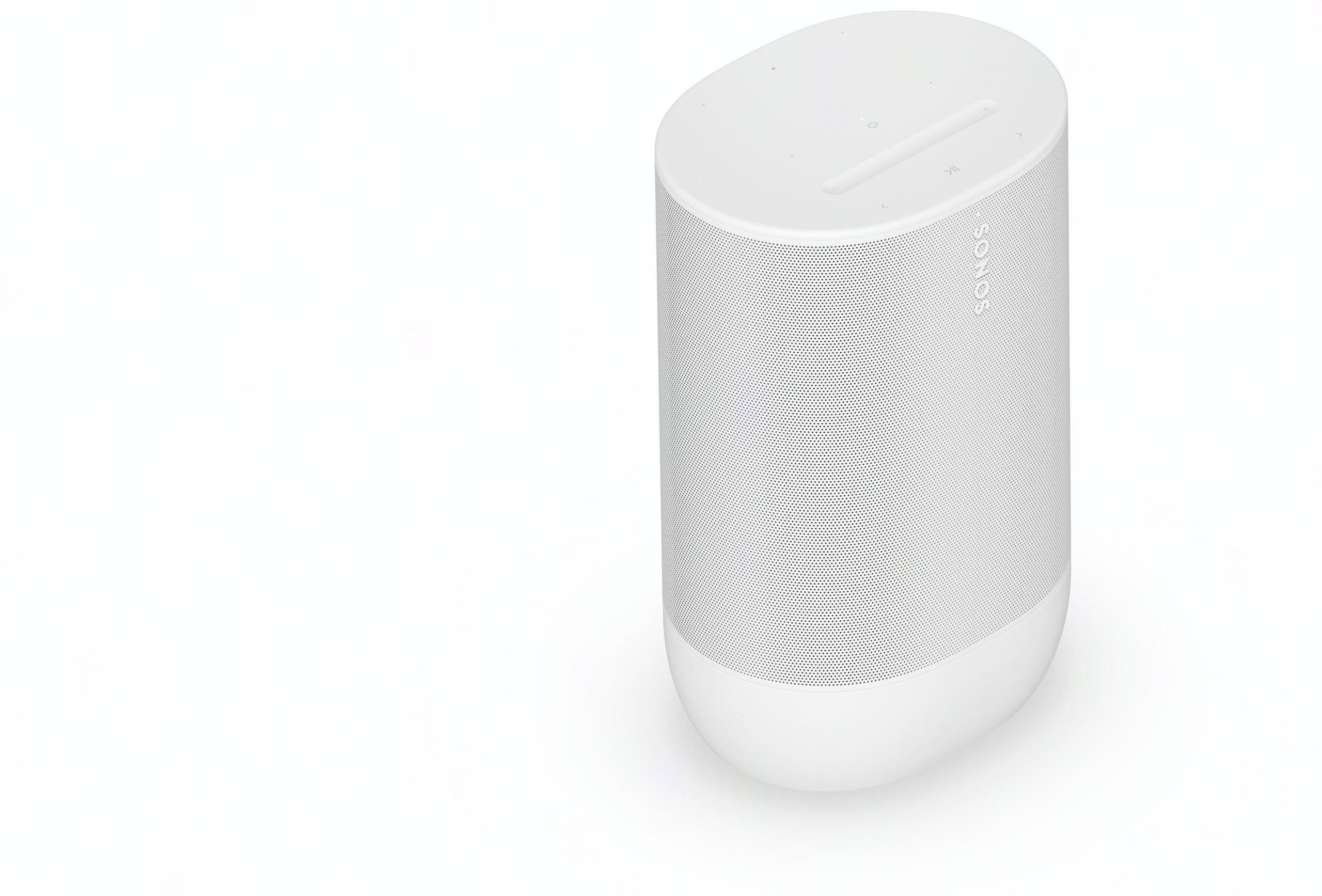
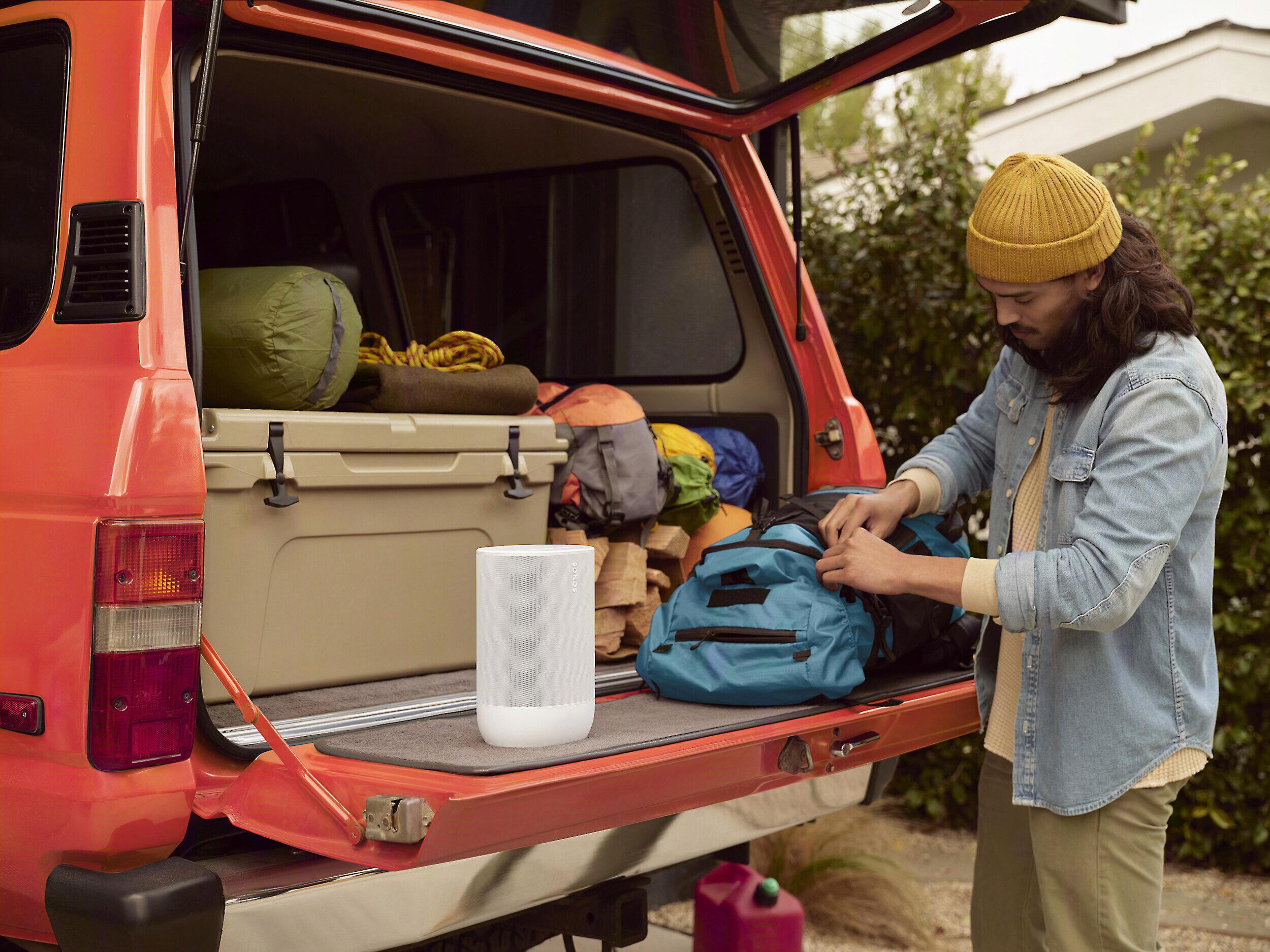
The Sonos Move 2, launched in late 2023, takes a completely different approach. It's what we'd call a "portable home speaker" – a device that brings the sophisticated sound and smart features of premium home audio into a form factor you can actually move around. Rather than compromising on audio quality for portability, it asks users to accept a larger, heavier device in exchange for significantly better performance.
This fundamental difference shapes everything about these products, from their physical design to their feature sets. The key is understanding which philosophy aligns better with your actual usage patterns and priorities.
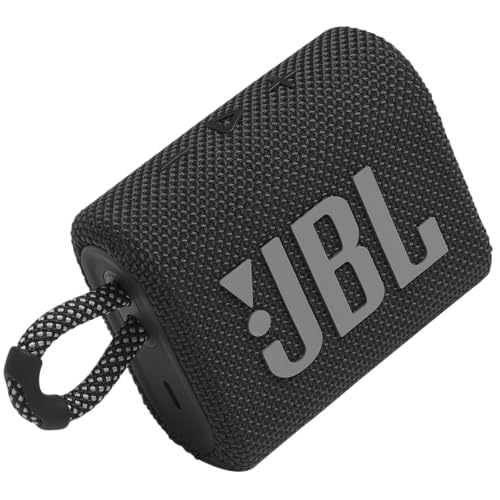
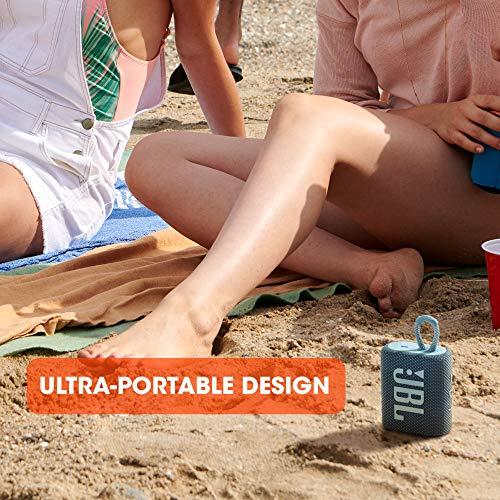
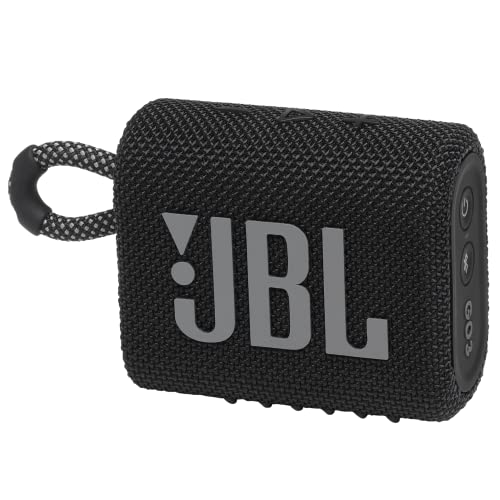
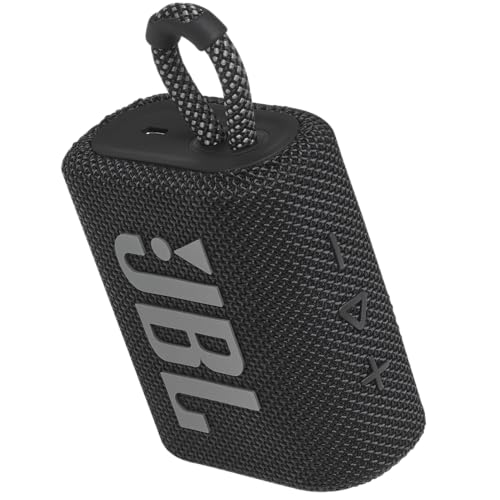
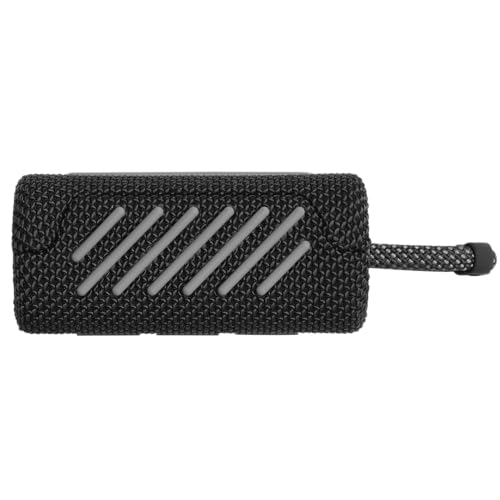
The physical differences between these speakers are immediately obvious. The JBL Go 3 measures just 3.4 by 2.7 by 1.6 inches and weighs less than half a pound. It's genuinely pocket-sized – I've seen people slip them into jean pockets without issue. The integrated fabric loop means you can clip it to a backpack, hang it from a hook, or attach it to just about anything. This level of portability is almost magical; you forget you're carrying it.
JBL updated the design significantly from the previous Go 2, introducing rounded edges and a tight-knit fabric exterior that feels more premium than you'd expect at this price point. The rubberized accents aren't just for looks – they provide crucial protection against drops and improve grip when your hands are wet or sandy.
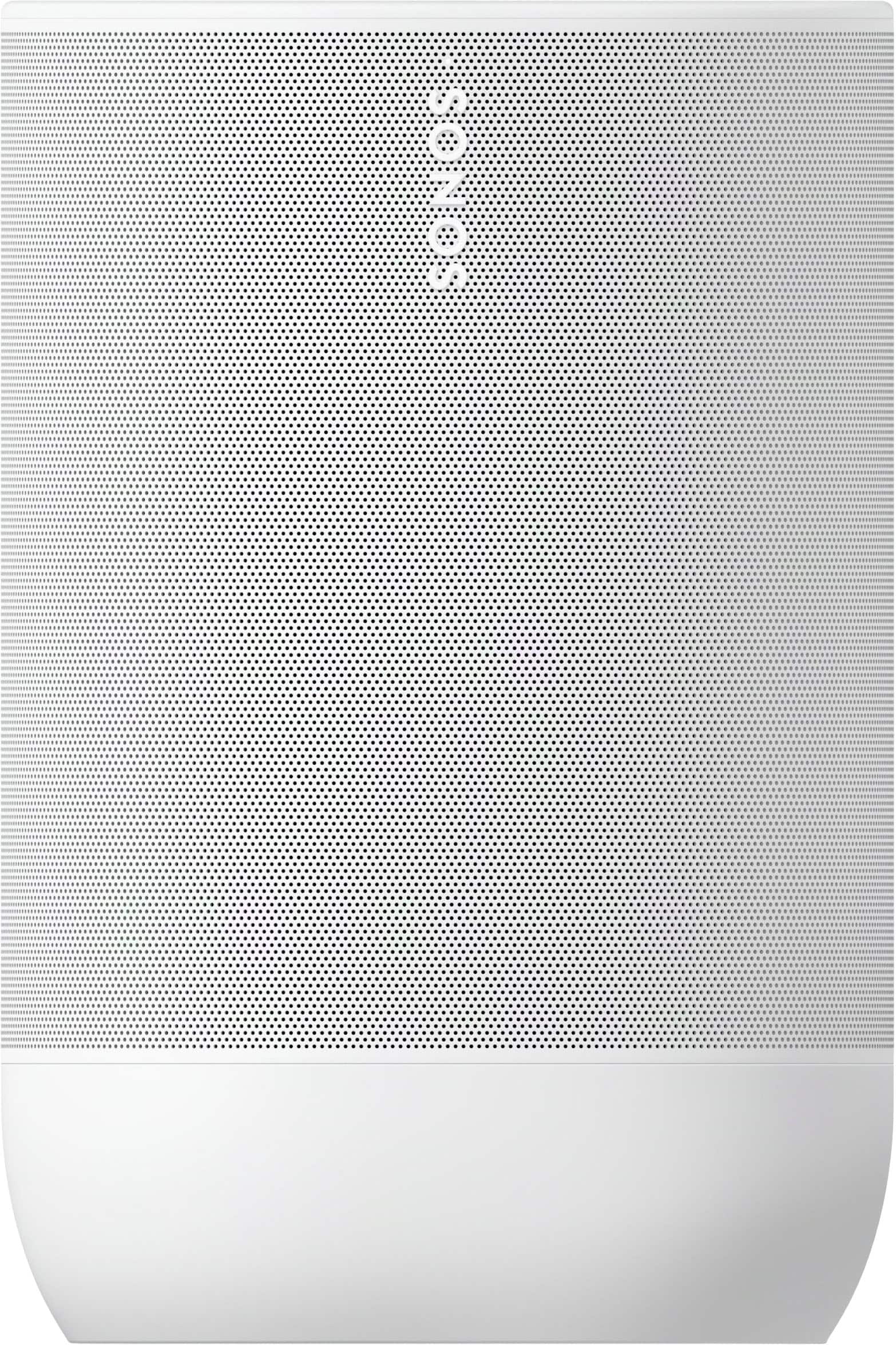
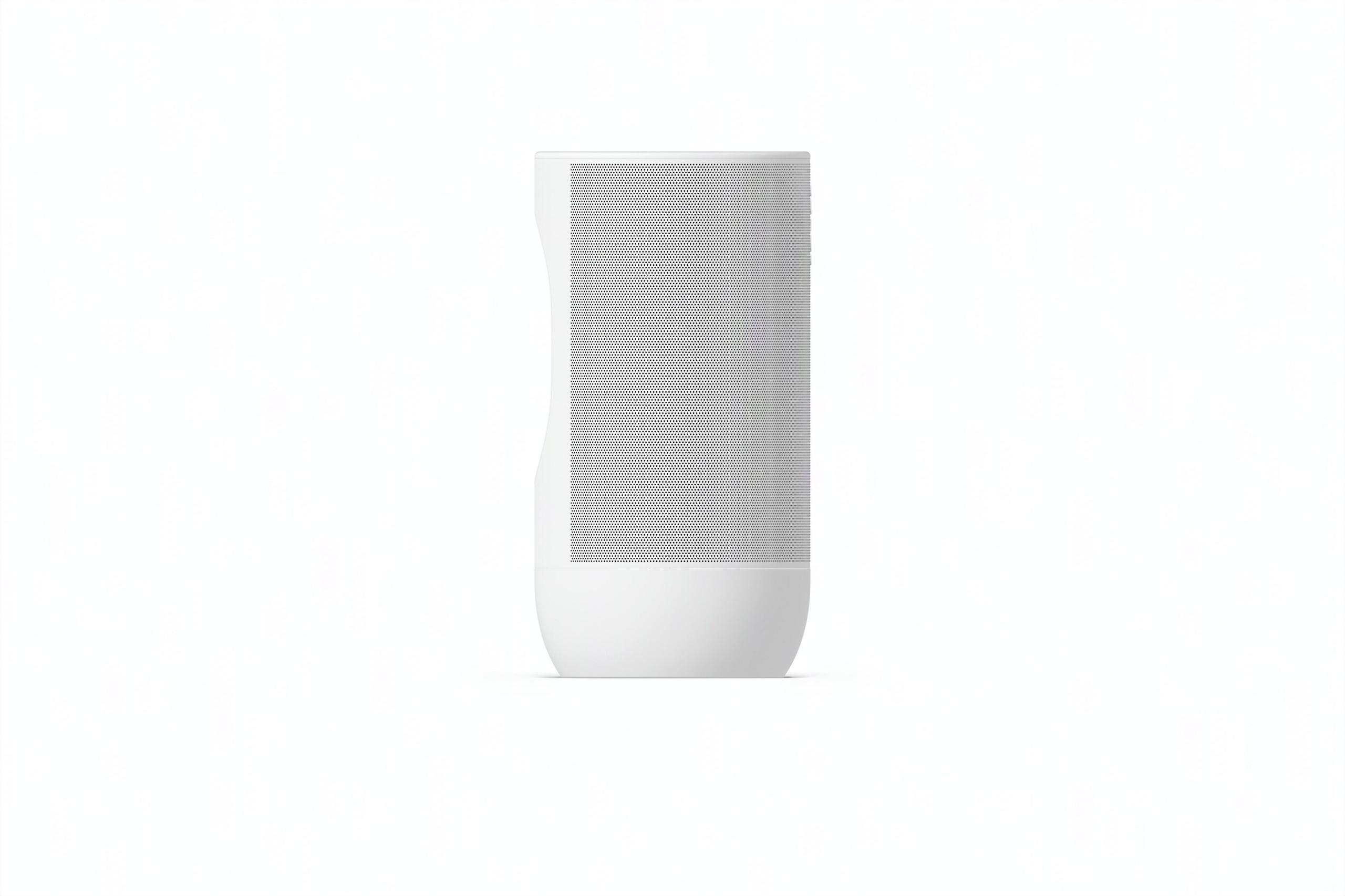
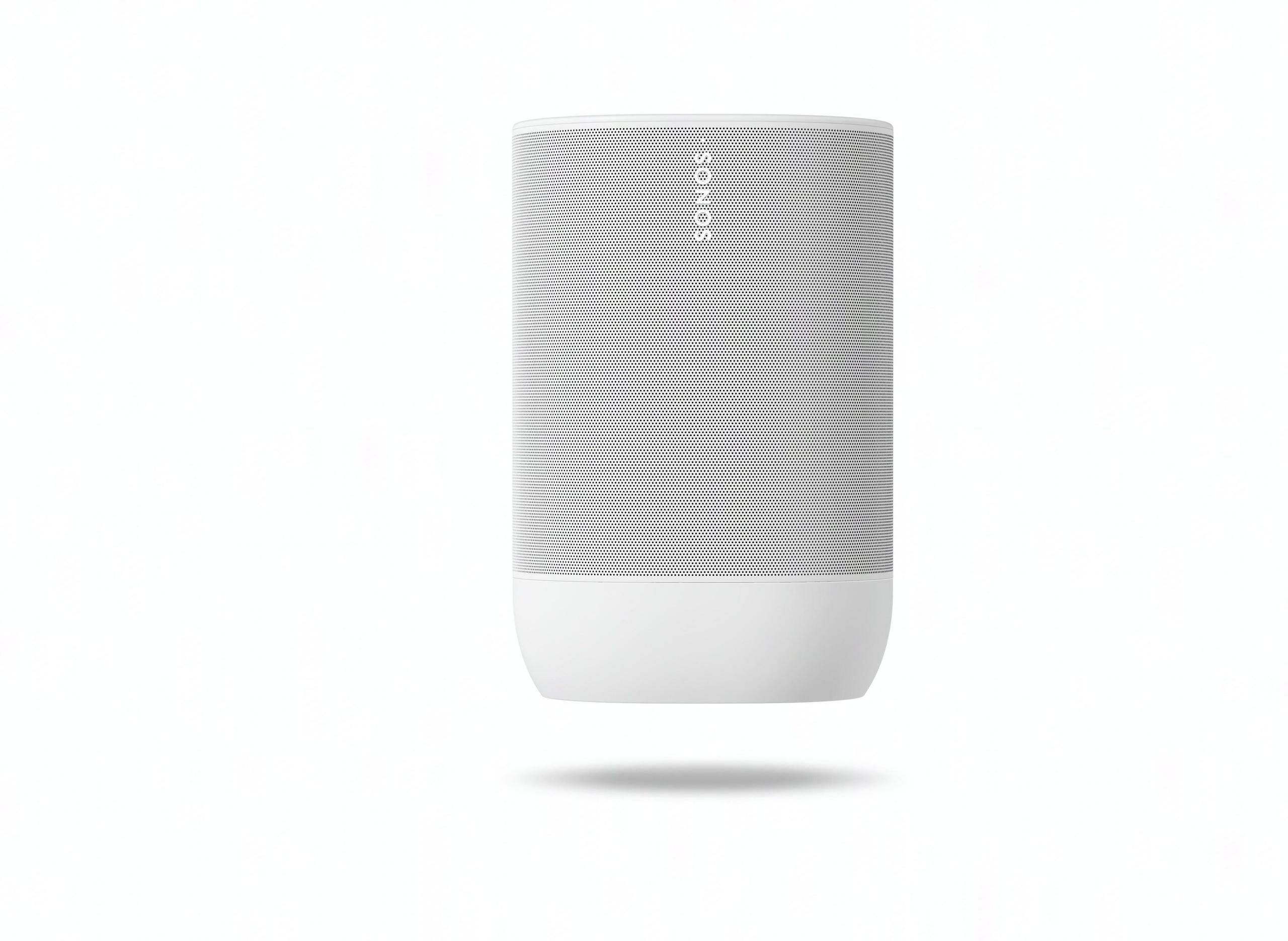
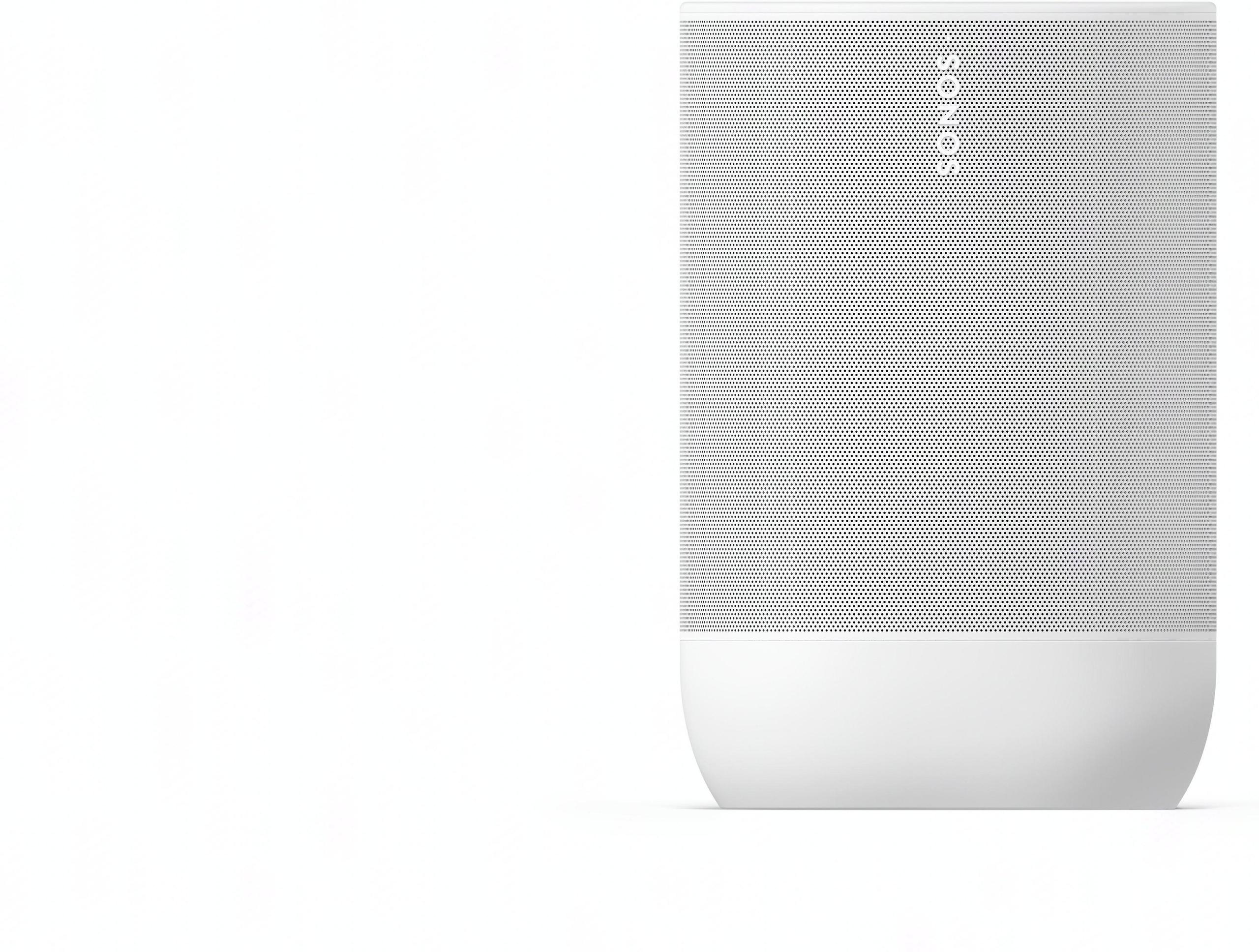
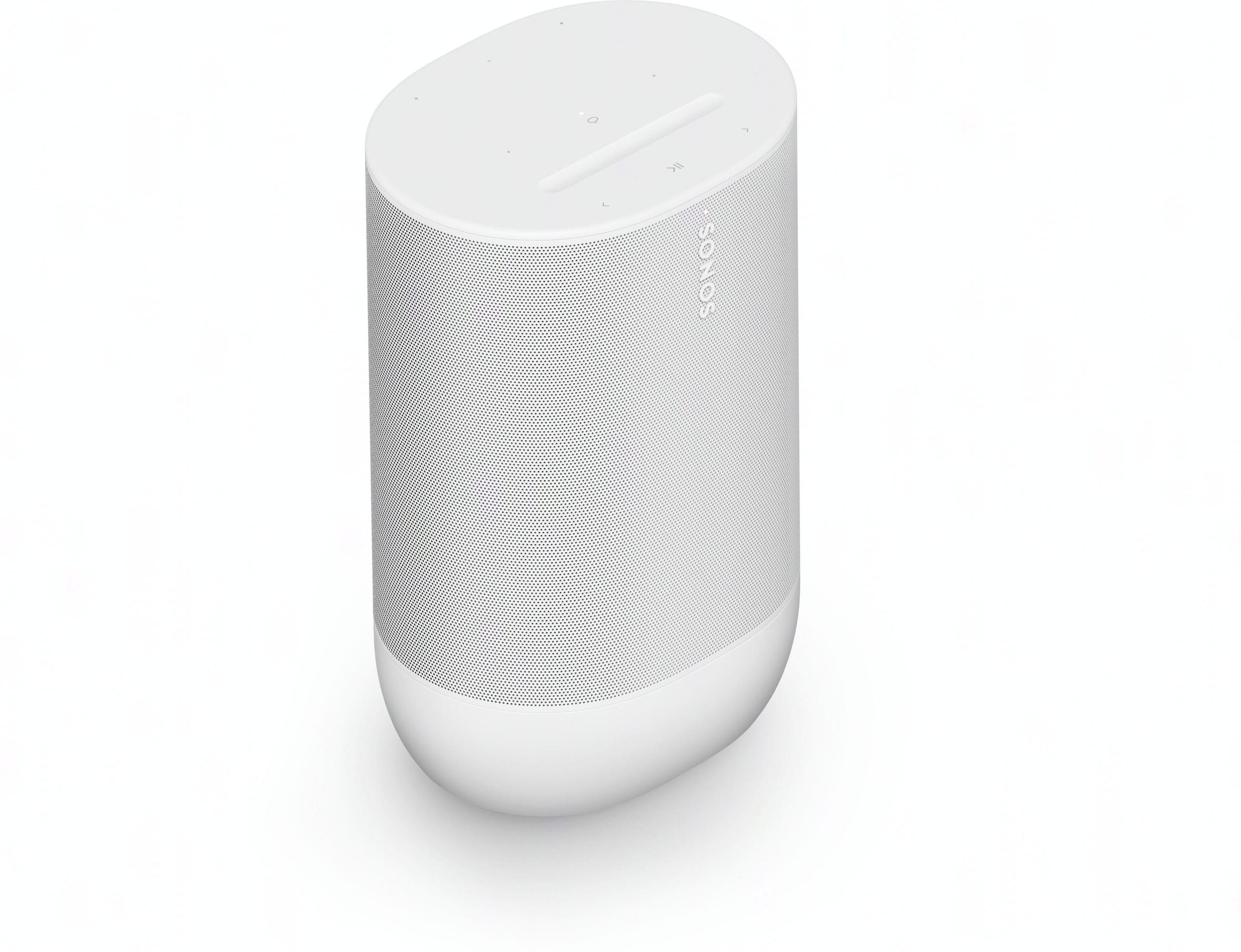
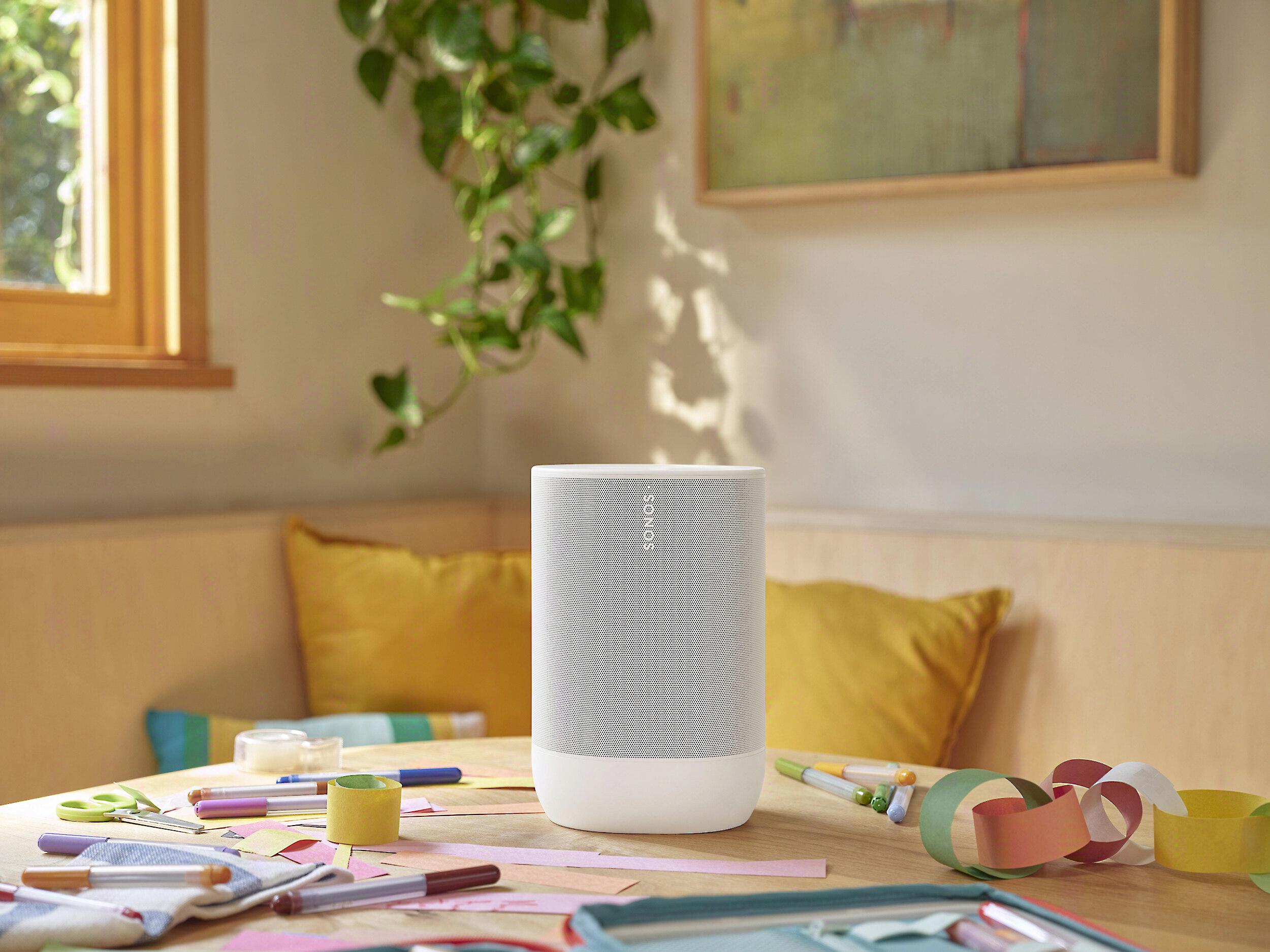
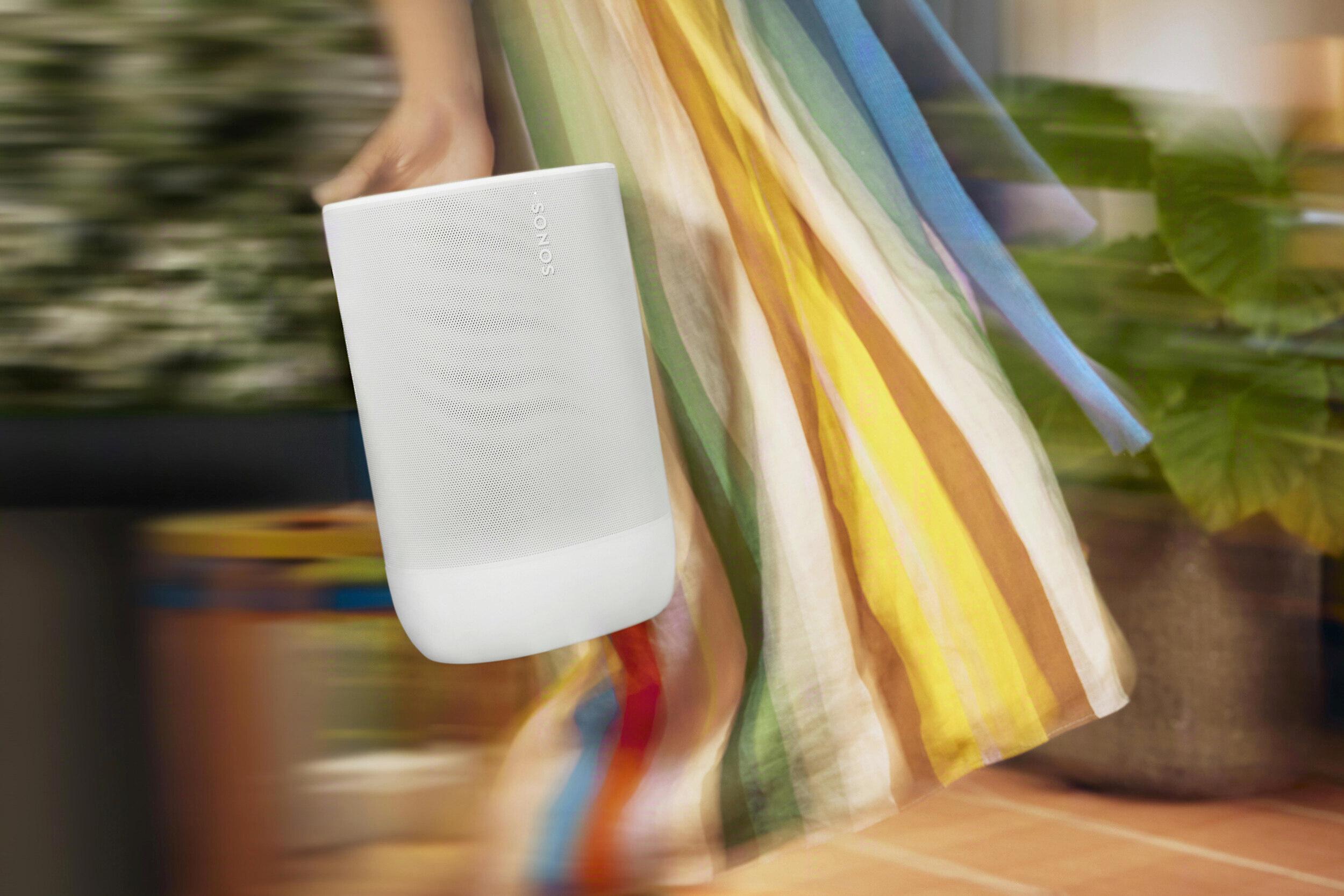
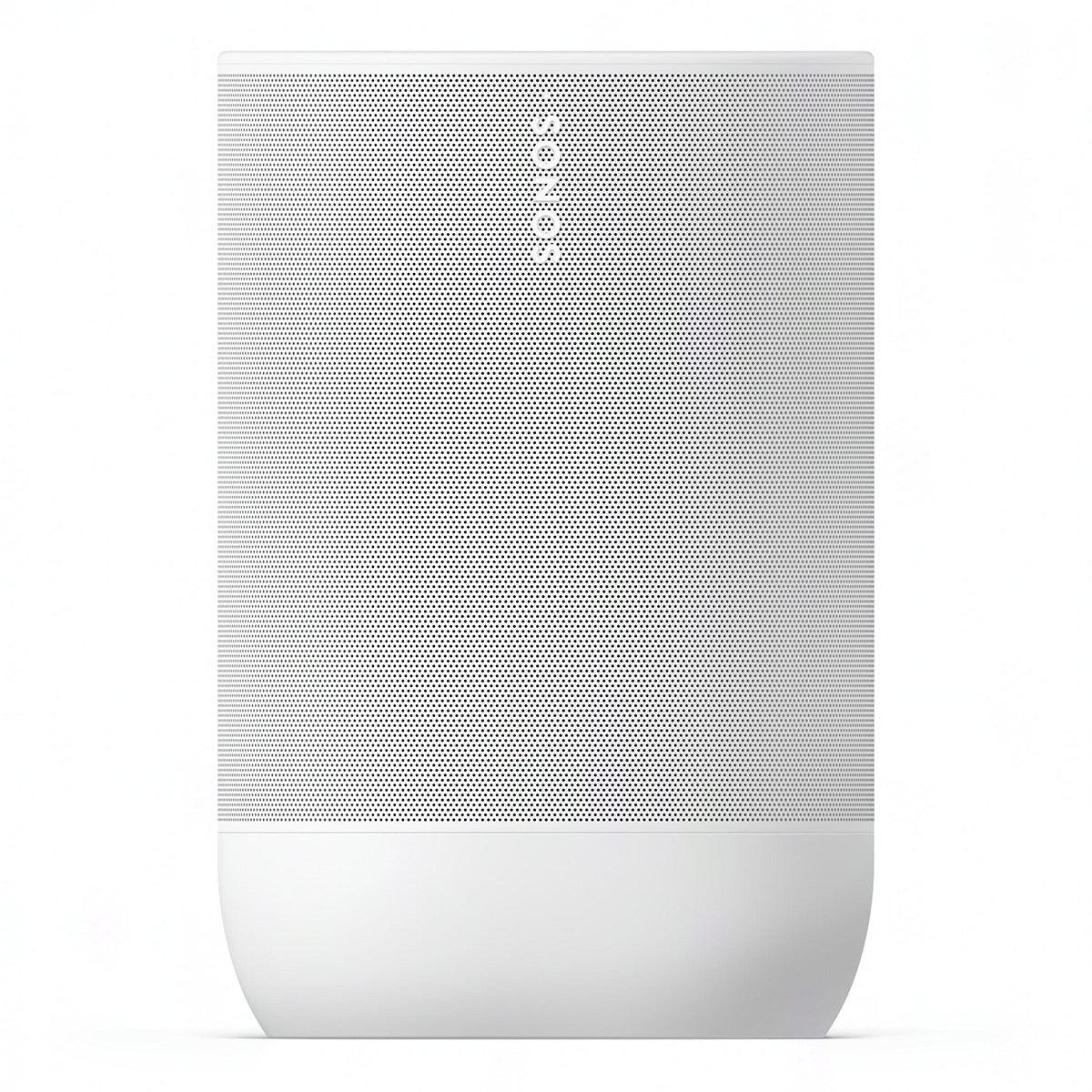
The Sonos Move 2, by contrast, weighs 6.61 pounds and measures nearly 10 inches tall. This isn't a speaker you'll forget you're carrying. However, Sonos designed it with intentional portability in mind. The handle feels substantial, and the overall build quality suggests a speaker built to travel, just not in your pocket. The matte finish options (black or white) give it a sophisticated aesthetic that works equally well on a kitchen counter or at a backyard gathering.
What's interesting is how these size differences reflect the underlying technology. The JBL Go 3 achieves its tiny footprint partly by using a single 43x47mm driver – essentially one speaker handling all frequencies from bass to treble. The Sonos Move 2 uses separate tweeters and a dedicated woofer, requiring significantly more internal space but delivering much better sound separation.
This is where the fundamental differences between these speakers become most apparent. Sound quality in portable speakers involves several key factors: frequency response (how well it reproduces different pitches), soundstage (how spacious the audio feels), dynamics (the speaker's ability to handle quiet and loud passages), and overall tonal balance.
The JBL Go 3 uses what's called a "mono" configuration – a single driver handling all frequencies. JBL has tuned this driver to emphasize vocal clarity and midrange frequencies, which makes sense given the speaker's size constraints. In practice, this means podcasts, audiobooks, and vocal-heavy music sound surprisingly clear and engaging. The frequency response officially runs from 110Hz to 20kHz, but the reality is that bass response starts rolling off significantly around 140Hz.
What does this mean in real-world use? Acoustic music, jazz, and pop tracks with prominent vocals sound quite good for such a tiny speaker. You'll hear guitar strumming clearly, voices come through with good intelligibility, and the overall presentation is balanced enough to be enjoyable. However, electronic music, hip-hop, or any genre that relies heavily on deep bass will expose the speaker's limitations. There's simply no substitute for larger drivers and more internal volume when it comes to reproducing low frequencies.
The Sonos Move 2 represents a completely different approach to portable audio. Its dual-tweeter architecture creates genuine stereo separation – something rare in portable speakers. This means instruments and vocals can be positioned in a left-right soundstage, creating a much more immersive listening experience. The dedicated woofer, powered by sophisticated digital signal processing, delivers bass response that's genuinely impressive for a portable speaker.
Perhaps most importantly, the Sonos Move 2 includes automatic Trueplay tuning. This technology uses internal microphones to analyze how sound bounces around in your current environment, then adjusts the speaker's output accordingly. It's constantly working – roughly every 60 seconds when you move the speaker – to optimize performance. This means the speaker sounds good whether you place it in a corner (where bass might build up) or out in the open (where you might need more low-end emphasis).
Battery performance directly impacts how you can use a portable speaker. The JBL Go 3 delivers up to 5 hours of playback, which aligns with other ultra-portable speakers. In real-world testing by various reviewers, this number holds up reasonably well at moderate volumes, though pushing the speaker hard can reduce runtime.
Five hours covers most casual use cases – a morning at the beach, background music while working, or audio for a small gathering. The USB-C charging is convenient and takes about 2.5 hours for a full charge. However, if you're planning an all-day outdoor adventure or a weekend camping trip, you'll need to plan charging stops or bring a power bank.
The Sonos Move 2 completely changes the battery game with up to 24 hours of playback – essentially five times the endurance. This isn't just marketing speak; multiple reviews confirm that the speaker can indeed run for close to a full day at reasonable volumes. This extended runtime transforms how you can use the speaker. Weekend trips, outdoor parties, or even using it as your primary home speaker become viable without worrying about power management.
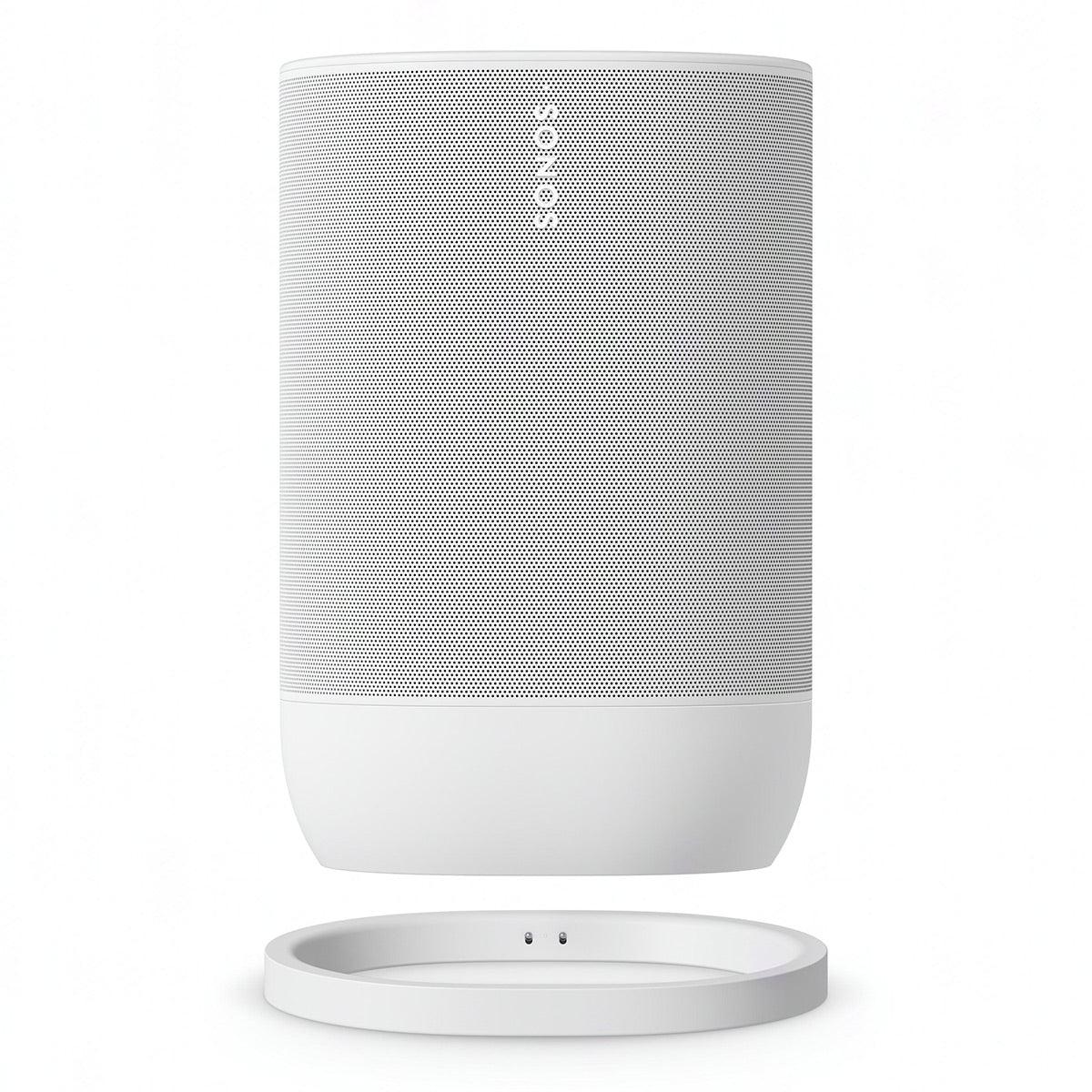
The charging system is more sophisticated too. Beyond USB-C, the Sonos Move 2 includes a wireless charging base that makes it easy to keep the speaker topped off when you're home. The base is designed to "trickle charge," which helps maintain battery health over time – an important consideration given the speaker's premium price point.
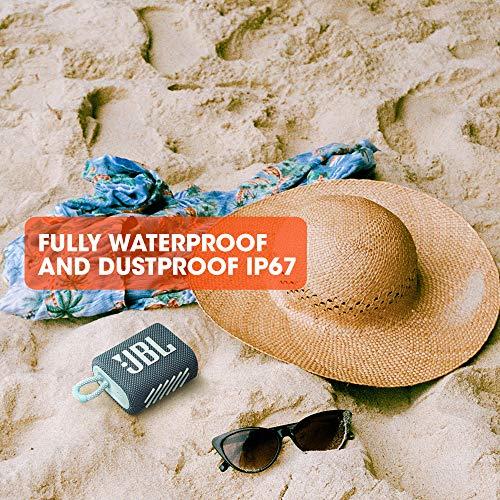
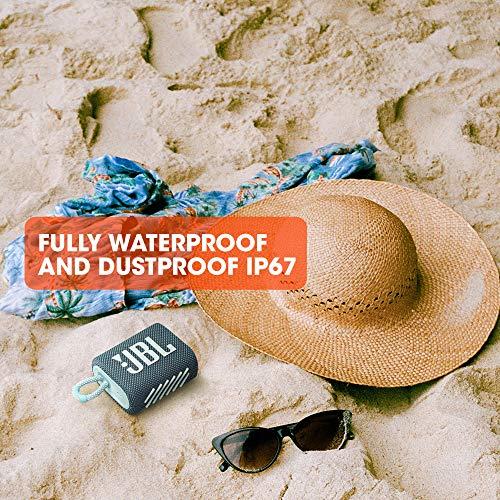
Both speakers offer water resistance, but the specifications tell different stories about intended use. The JBL Go 3 carries an IP67 rating, which is essentially the gold standard for portable electronics. The "6" means complete dust protection, while the "7" indicates the speaker can be submerged in up to one meter of water for 30 minutes without damage.
This level of protection makes the JBL Go 3 genuinely worry-free around water. Pool parties, beach trips, shower listening, or even accidental drops in puddles won't phase it. I've seen reviews where people deliberately dunked these speakers underwater to test the limits, and they keep working. For outdoor enthusiasts or anyone who wants truly carefree portability, this protection level is invaluable.
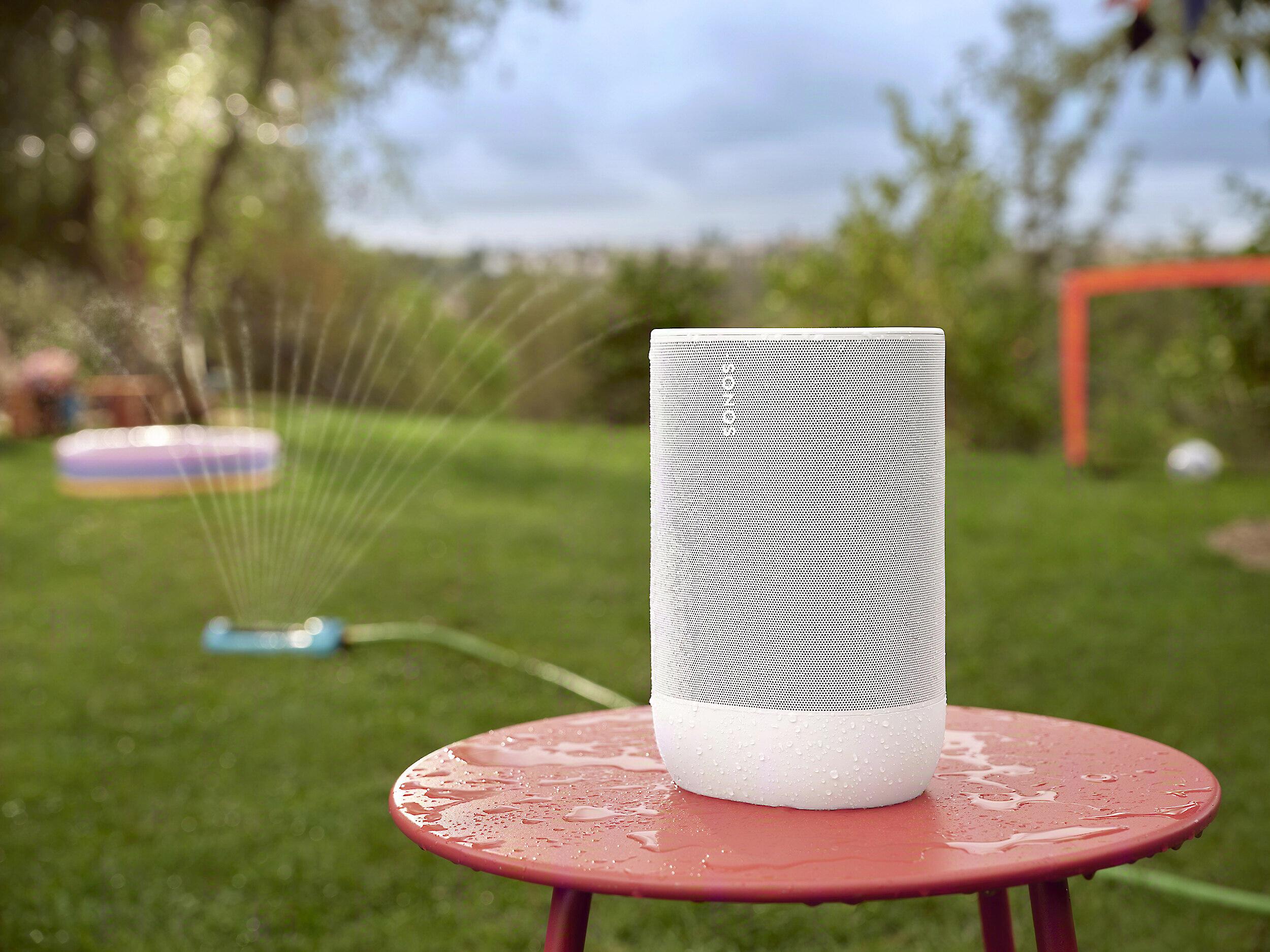
The Sonos Move 2 uses an IP56 rating, which provides splash resistance and dust protection but isn't designed for submersion. The "5" rating means it's protected against dust but not completely sealed, while the "6" indicates protection against powerful water jets but not full immersion.
This difference reflects the speakers' different design priorities. Sonos optimized for sound quality and smart features, which likely required design compromises around complete waterproofing. The Sonos Move 2 will handle rain, splashes, and outdoor use without issue, but it's not the speaker you'd want to accidentally drop in a pool.
The feature gap between these speakers is enormous. The JBL Go 3 keeps things intentionally simple: power button, Bluetooth pairing, play/pause, and volume controls. There's no app, no voice control, no EQ adjustment, and no multi-speaker pairing. This simplicity is both a limitation and a strength – there's nothing to configure or troubleshoot, but there's also no room for customization.
The Sonos Move 2 represents the opposite philosophy. It includes both Amazon Alexa and Sonos Voice Control, allowing hands-free music control and smart home integration. The Sonos app provides detailed EQ controls, streaming service integration, and the ability to group the speaker with other Sonos devices for multi-room audio.
Perhaps most importantly, the Sonos Move 2 supports both WiFi and Bluetooth connectivity. On WiFi, it becomes part of your home's Sonos ecosystem with access to streaming services, voice control, and synchronized multi-room playback. Switch to Bluetooth mode, and it functions as a traditional portable speaker when you're away from your home network.
This dual connectivity is genuinely useful. At home, you get the full smart speaker experience with high-quality streaming and voice control. When you head to the beach or a friend's house, it seamlessly switches to Bluetooth mode for traditional portable use.
Understanding how these speakers perform in various real-world situations helps clarify which might work better for your needs.
Personal/Close-Range Listening: Both speakers work well for personal audio, though they excel in different areas. The JBL Go 3 is perfect for podcasts, audiobooks, or background music while working. Its compact size means you can position it optimally for near-field listening. The Sonos Move 2 might be overkill for purely personal use, but the stereo separation and superior sound quality are immediately noticeable with music.
Small to Medium Rooms: This is where differences become more pronounced. The JBL Go 3 can provide ambient audio for smaller spaces but lacks the power and bass response to truly fill a room. The Sonos Move 2 excels here, easily providing room-filling sound with enough bass presence to feel engaging rather than thin.
Outdoor Use: Both work outdoors, but with different strengths. The JBL Go 3's superior water resistance makes it worry-free around pools or beaches, while its compact size means it won't dominate your gear bag. The Sonos Move 2 provides much better sound for outdoor gatherings but requires more careful handling around water.
Home Theater Support: Neither speaker is designed for home theater use, but it's worth addressing. The JBL Go 3 lacks the power and frequency response needed for movie audio. The Sonos Move 2, while much more capable, doesn't support the low-latency audio codecs needed for video sync, making it unsuitable for TV audio despite its superior sound quality.
Both speakers represent interesting technological achievements within their categories. The JBL Go 3, launched in 2021, improved significantly over its predecessor with increased power output (from 3W to 4.2W) and better build quality. JBL's challenge was maximizing sound quality within extreme size and cost constraints, and they've succeeded admirably.
The Sonos Move 2, released in late 2023, represents Sonos's continued evolution in portable audio. The dual-tweeter design addresses one of the biggest limitations in portable speakers – the lack of stereo imaging. Most portable speakers use a single driver or cluster drivers so closely together that stereo separation is minimal. Sonos's solution creates genuine left-right channel separation, dramatically improving the listening experience.
The automatic Trueplay tuning in the Sonos Move 2 deserves special mention. This isn't just an EQ preset – it's active acoustic analysis that adapts to your environment in real-time. The technology uses machine learning to understand how different room acoustics affect sound reproduction, then adjusts accordingly. It's the kind of sophisticated feature that was unimaginable in portable speakers just a few years ago.
At the time of writing, these speakers occupy completely different price tiers, with the Sonos Move 2 costing roughly nine times more than the JBL Go 3. This price difference isn't arbitrary – it reflects fundamentally different target markets and value propositions.
The JBL Go 3 delivers exceptional value in the ultra-portable category. For users who want decent audio quality, maximum portability, and worry-free durability without a significant financial commitment, it's hard to beat. The speaker punches well above its weight class sonically, and the build quality feels solid despite the affordable pricing.
The Sonos Move 2 targets users who prioritize audio quality and are willing to pay for premium features. The price premium buys you genuinely superior sound quality, smart home integration, extensive battery life, and the flexibility to serve as both a portable and home speaker. For users already invested in the Sonos ecosystem, the integration benefits add significant value.
The decision between these speakers should be based on honest assessment of your actual usage patterns and priorities.
Choose the JBL Go 3 if you prioritize maximum portability, need true waterproof protection, have budget constraints, or primarily use portable speakers for personal listening. It's perfect for students, outdoor enthusiasts, travelers, or anyone who wants worry-free audio without breaking the bank. The speaker excels in situations where convenience and durability matter more than audiophile sound quality.
The Sonos Move 2 makes sense if sound quality is your primary concern, you value smart features and ecosystem integration, you need long battery life for extended use, or you want one speaker that works well both at home and on-the-go. It's ideal for audio enthusiasts, smart home users, entertainment hosts, or anyone who refuses to compromise significantly on sound quality even in a portable package.
Consider your most common use cases honestly. If you're mainly listening to podcasts while walking the dog, the JBL Go 3 is probably perfect. If you're hosting backyard dinner parties and want music that sounds genuinely good, the Sonos Move 2 justifies its premium pricing.
The beauty of today's portable speaker market is that both approaches can coexist successfully. The JBL Go 3 proves that ultra-portable speakers can sound surprisingly good, while the Sonos Move 2 demonstrates that portable doesn't have to mean compromised. Your choice should align with your lifestyle, budget, and what you value most in a portable audio experience.
| JBL Go 3 Portable Bluetooth Speaker | Sonos Move 2 Portable Smart Speaker |
|---|---|
| Size & Weight - Critical for true portability | |
| 3.4" x 2.7" x 1.6", 0.46 lbs (pocket-sized, forget it's there) | 9.53" x 6.29" x 4.96", 6.61 lbs (requires deliberate transport) |
| Sound Architecture - Determines audio quality ceiling | |
| Single 43x47mm driver, mono output (clear vocals, limited stereo) | Dual tweeters + dedicated woofer, true stereo separation |
| Battery Life - How long you can use it untethered | |
| Up to 5 hours (covers most casual sessions) | Up to 24 hours (all-day/weekend use without charging) |
| Water Resistance - Protection level for outdoor use | |
| IP67 (fully waterproof, submersible to 1 meter) | IP56 (splash-resistant, not submersible) |
| Connectivity - Smart features and flexibility | |
| Bluetooth 5.1 only (simple, no app needed) | WiFi 6 + Bluetooth 5.0 (smart home integration, multi-room audio) |
| Voice Control - Hands-free operation | |
| None (manual controls only) | Amazon Alexa + Sonos Voice Control built-in |
| Frequency Response - Range of sounds it can reproduce | |
| 110Hz - 20kHz (limited bass below 140Hz) | Not specified, but much deeper bass with dedicated woofer |
| Power Output - Volume and dynamics capability | |
| 4.2W RMS (personal/small group listening) | Not specified, but significantly more powerful for room-filling sound |
| Charging Options - Convenience and flexibility | |
| USB-C only, 2.5 hour charge time | USB-C + wireless charging base included |
| Smart Features - App control and customization | |
| None (what you hear is what you get) | Sonos app with EQ, streaming services, automatic Trueplay tuning |
| Multi-Speaker Capability - Expanding your setup | |
| Cannot pair with other speakers | Full multi-room integration with Sonos ecosystem |
| Typical Price Range - Value positioning | |
| Budget-friendly (under $50) | Premium pricing (9x more expensive than JBL Go 3) |
The JBL Go 3 is significantly more portable, weighing just 0.46 lbs and measuring 3.4" x 2.7" x 1.6". It's genuinely pocket-sized with an integrated loop for easy attachment. The Sonos Move 2 weighs 6.61 lbs and is much larger, making it portable but requiring deliberate transport rather than casual carrying.
The Sonos Move 2 delivers superior sound quality with dual tweeters creating true stereo separation and a dedicated woofer for deep bass. The JBL Go 3 uses a single driver in mono configuration, providing clear vocals but limited bass response and no stereo imaging. For serious listening, the Sonos Move 2 is in a different league.
The JBL Go 3 has superior water protection with IP67 rating, making it fully waterproof and submersible up to 1 meter for 30 minutes. The Sonos Move 2 has IP56 rating, providing splash resistance but cannot be submerged. For pool, beach, or shower use, the JBL Go 3 is worry-free.
The Sonos Move 2 offers up to 24 hours of playback, nearly five times longer than the JBL Go 3's 5-hour runtime. This makes the Sonos Move 2 suitable for all-day events or weekend trips without charging, while the JBL Go 3 covers most casual listening sessions.
Only the Sonos Move 2 offers smart home integration with built-in Amazon Alexa and Sonos Voice Control, plus WiFi connectivity for multi-room audio. The JBL Go 3 is a simple Bluetooth-only speaker with no smart features, voice control, or app integration.
The JBL Go 3 offers exceptional value in the ultra-portable category, delivering surprising sound quality and rugged durability at a budget-friendly price. The Sonos Move 2 costs significantly more but provides premium sound quality, smart features, and long battery life. Value depends on your priorities and budget.
Neither speaker is suitable for home theater use. The JBL Go 3 lacks the power and frequency response needed for movie audio. While the Sonos Move 2 has much better sound quality, it doesn't support low-latency audio codecs required for proper video synchronization.
The Sonos Move 2 easily fills medium to large rooms with rich, detailed sound thanks to its powerful drivers and stereo architecture. The JBL Go 3 is designed for personal or close-range listening and lacks the power to effectively fill larger spaces with satisfying volume and bass response.
The JBL Go 3 offers only Bluetooth 5.1 connectivity with basic manual controls. The Sonos Move 2 provides both WiFi 6 and Bluetooth 5.0, enabling smart home integration, streaming service access, voice control, and seamless switching between home and portable use modes.
Both speakers are built for outdoor use, but with different strengths. The JBL Go 3 is more rugged with complete waterproofing and a compact design that's harder to damage. The Sonos Move 2 has shock-absorbent design but requires more careful handling around water due to its splash-only resistance rating.
The JBL Go 3 cannot pair with other speakers for multi-speaker setups. The Sonos Move 2 integrates fully with the Sonos ecosystem, allowing multi-room audio and grouping with other Sonos speakers for synchronized playback throughout your home.
For travel and camping, the JBL Go 3 is typically the better choice due to its ultra-compact size, complete waterproofing, and worry-free durability. However, if you prioritize sound quality and have longer trips where the Sonos Move 2's 24-hour battery life becomes valuable, it could work despite being larger and heavier.
We've done our best to create useful and informative comparisons to help you decide what product to buy. Our research uses advanced automated methods to create this comparison and perfection is not possible - please contact us for corrections or questions. These are the sites we've researched in the creation of this article: rtings.com - streamtechreviews.com - english.achoreviews.com - smarthomesounds.co.uk - soundguys.com - rtings.com - walmart.com - soundguys.com - youtube.com - youtube.com - jbl.com - youtube.com - selectoguru.com - versus.com - videoandaudiocenter.com - harmanaudio.com - jbl.com - bestbuy.com - forum.hifiguides.com - manuals.plus - kh.jbl.com - th.jbl.com - mm.jbl.com - jbl.com - bestbuy.com - youtube.com - youtube.com - youtube.com - jbl.com - bestbuy.com - bestbuy.com - jbl.com.tw - youtube.com - cnet.com - shop.menshealth.com - youtube.com - whathifi.com - 9to5toys.com - abt.com - youtube.com - ceiling-speakers.co.uk - sonos.com - youtube.com - bhphotovideo.com

Privacy Policy
Terms and Conditions - Affiliate Policy
Home Security
© Copyright 2008-2026.
11816 Inwood Rd #1211, Dallas, TX 75244