



When you're shopping for a portable Bluetooth speaker, the sheer number of options can feel overwhelming. JBL, one of the most respected names in audio, offers speakers ranging from pocket-sized companions to room-filling entertainment systems. Today, we're diving deep into two popular models that represent completely different philosophies: the ultra-portable JBL Go 3 and the premium JBL Pulse 5.
These speakers couldn't be more different in their approach. One prioritizes maximum portability and value, while the other focuses on audio quality and visual spectacle. Understanding which approach suits your lifestyle will save you from buyer's remorse and ensure you get a speaker that actually enhances your daily routine.
Before jumping into specifics, let's talk about what really matters in portable audio. The fundamental challenge with any portable speaker is balancing size, sound quality, battery life, and durability. Physics hasn't changed—larger drivers and bigger enclosures generally produce better sound, but they work against portability.
The key considerations break down into several categories:
Driver configuration refers to how many speakers are inside the unit and what frequencies they handle. A single full-range driver tries to reproduce everything from deep bass to sparkling highs, while multiple specialized drivers can focus on specific frequency ranges for clearer sound.
Power output, measured in watts (W), determines how loud a speaker can get and how much control it has over the drivers. However, raw wattage numbers can be misleading—efficiency and driver design matter just as much.
Frequency response tells you the range of sounds the speaker can reproduce, typically measured in Hertz (Hz) for the lowest bass and kilohertz (kHz) for the highest treble. Human hearing spans roughly 20Hz to 20kHz, but most small speakers can't reach the deepest bass frequencies.
The signal-to-noise ratio (SNR) measures how much unwanted background noise the speaker produces compared to the actual music signal. Higher numbers mean cleaner sound.
Bluetooth codecs determine the audio quality during wireless transmission. Modern codecs like aptX and LDAC preserve more audio detail than basic SBC, though both speakers we're discussing use standard protocols.
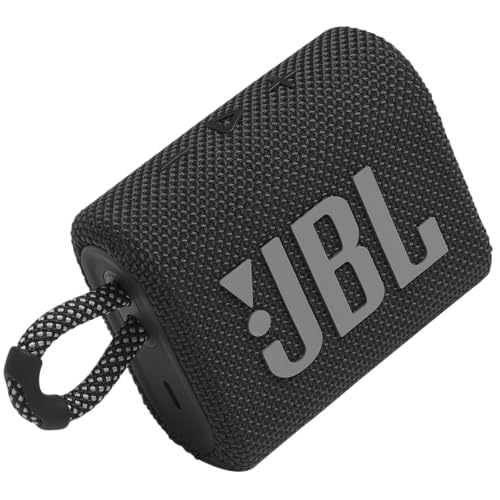
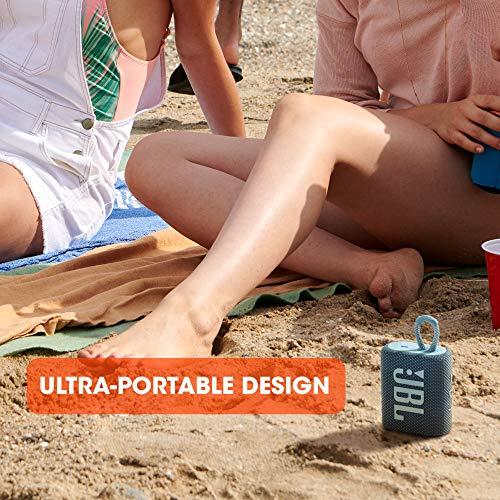
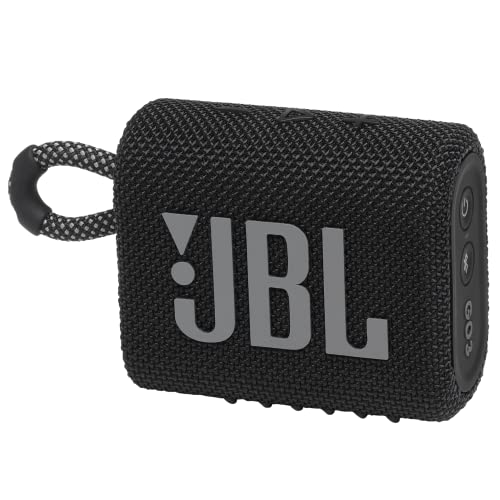
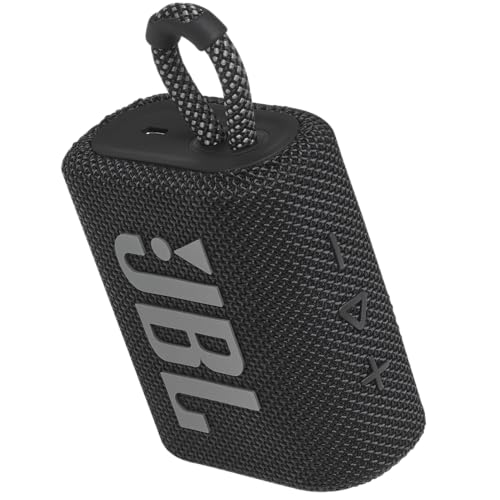
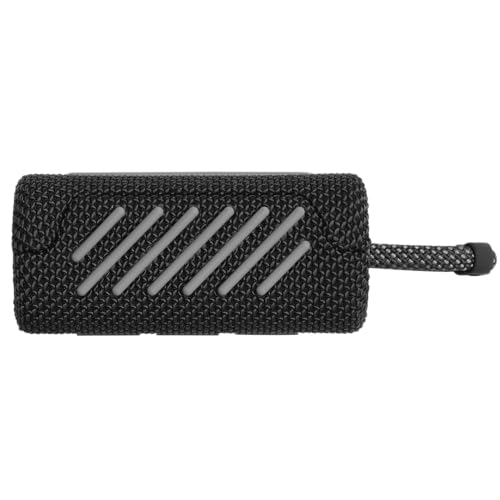
Released in 2021, the JBL Go 3 represents JBL's philosophy of maximum portability without compromising build quality. At just 87.5 × 75 × 41.3mm and weighing only 209 grams, this speaker truly fits in your palm. The redesign from its predecessor introduced a more rounded, pebble-like form factor with a durable fabric exterior that feels substantial despite the tiny size.
The Go 3 packs a 43 × 47mm driver—that's roughly the size of a large coin—powered by 4.2W RMS. For context, RMS (Root Mean Square) represents the continuous power the speaker can handle, not peak power, making it a more honest measurement of real-world performance.
Our research into user experiences reveals that the Go 3 delivers surprisingly clear midrange frequencies, where most vocals and lead instruments live. The frequency response spans 110Hz to 20kHz, which means it handles most of the audible spectrum reasonably well. However, that 110Hz low-end cutoff means you'll miss the deep bass rumble in genres like hip-hop or electronic music.
The speaker's signal-to-noise ratio exceeds 85dB, which is quite good for such a compact unit. This translates to minimal background hiss during quiet passages. The mono configuration means you won't get stereo imaging—the sense of instruments positioned left and right—but for a speaker this size, that's expected.
Volume-wise, the Go 3 can fill a small room or provide clear audio for 3-4 people outdoors. Push it to maximum volume with bass-heavy tracks, though, and you'll hear distortion as the tiny driver struggles with demands beyond its physical capabilities.
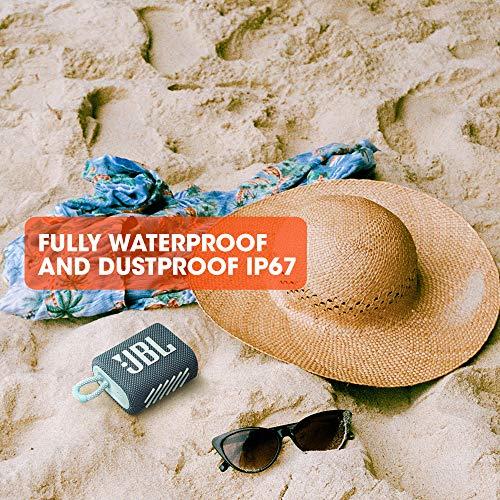
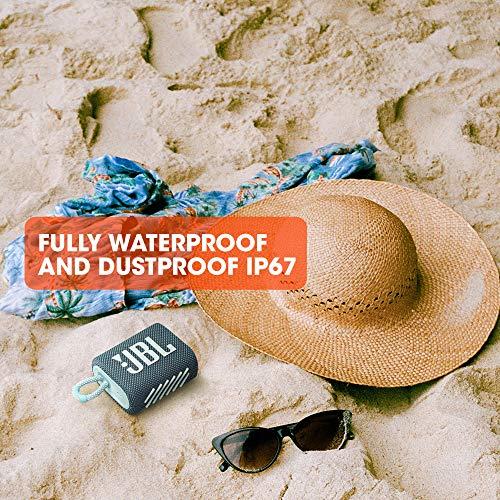
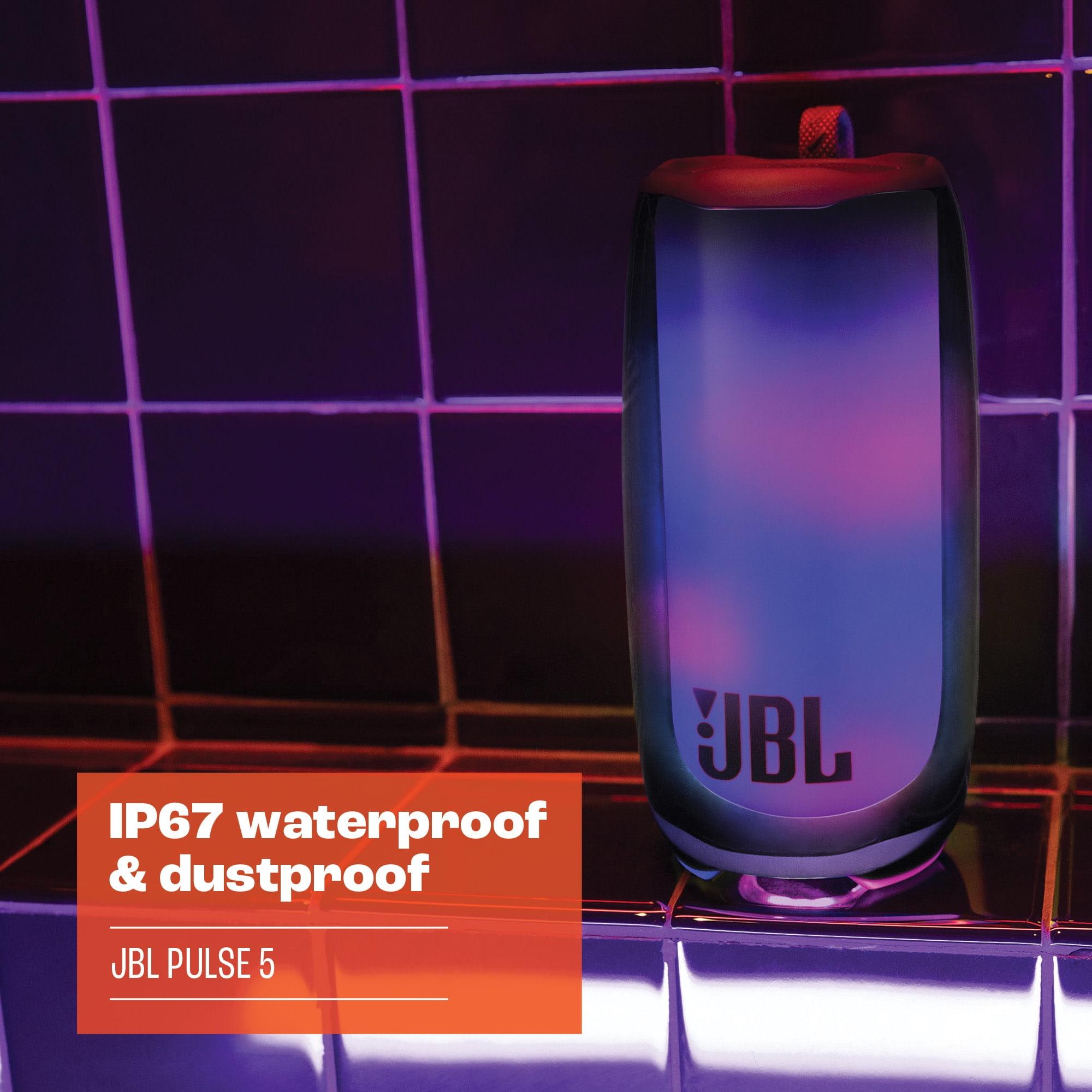
The IP67 rating deserves explanation because it's genuinely impressive for the price range. The "6" means complete protection against dust—not a speck can get inside. The "7" indicates the speaker can survive submersion in up to 1 meter of water for 30 minutes. This isn't just splash-resistant; you can literally drop it in a pool and fish it out later.
The fabric exterior isn't just aesthetic—it provides excellent grip and helps protect the internal components from impact. The integrated fabric loop might seem like a small detail, but it transforms how you can use the speaker. Clip it to a backpack, hang it from a tent loop, or attach it to a beach chair.
The built-in lithium polymer battery provides up to 5 hours of playback, though real-world performance depends heavily on volume levels and music content. Bass-heavy tracks at high volume will drain the battery faster than acoustic music at moderate levels. The 2.5-hour charging time via USB-C is reasonable, and the automatic power-off feature helps preserve battery when you forget to turn it off.
Bluetooth 5.1 connectivity offers solid range and stability. The pairing process is straightforward—hold the Bluetooth button, find "JBL Go 3" on your device, and you're connected. The speaker remembers previously paired devices and typically reconnects automatically.
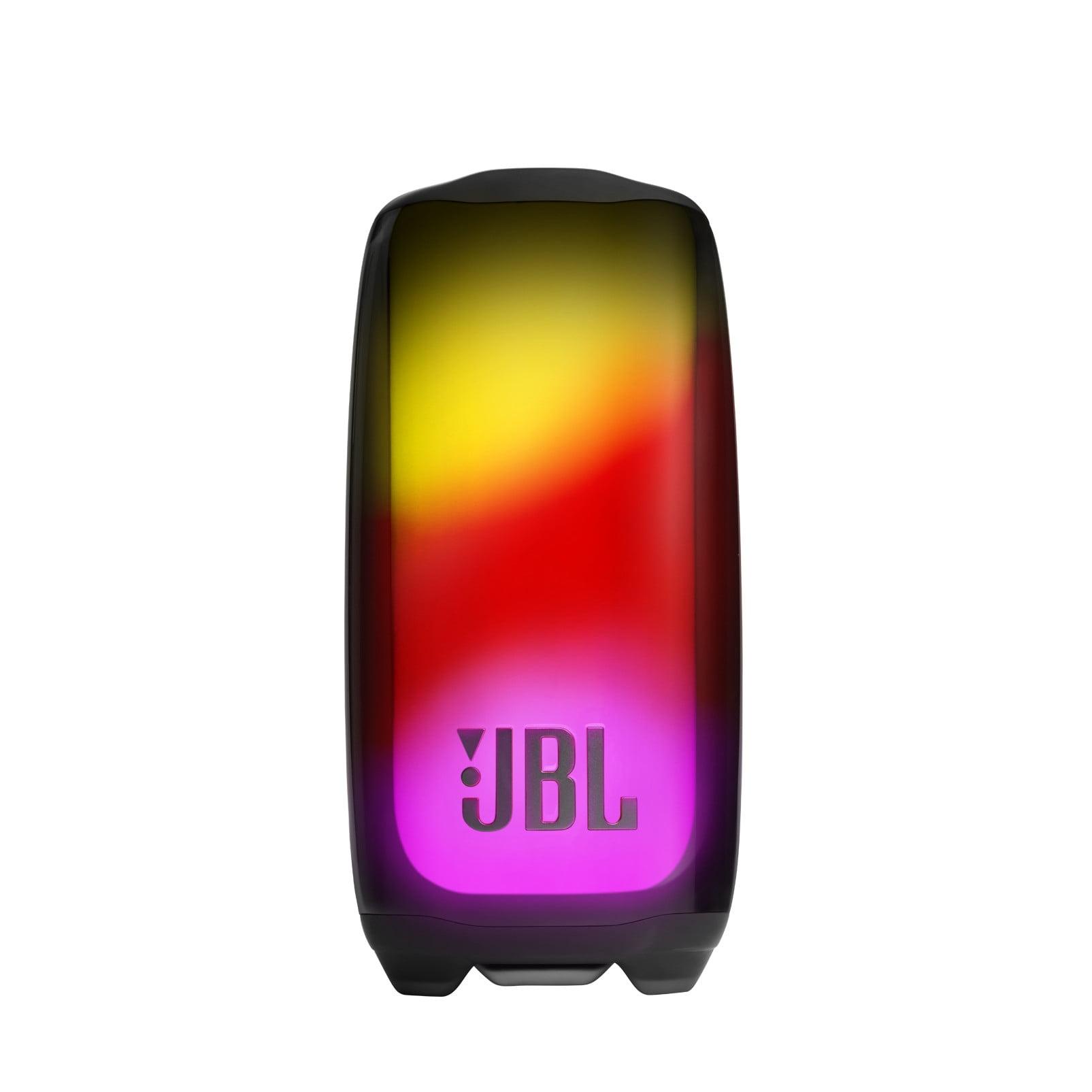
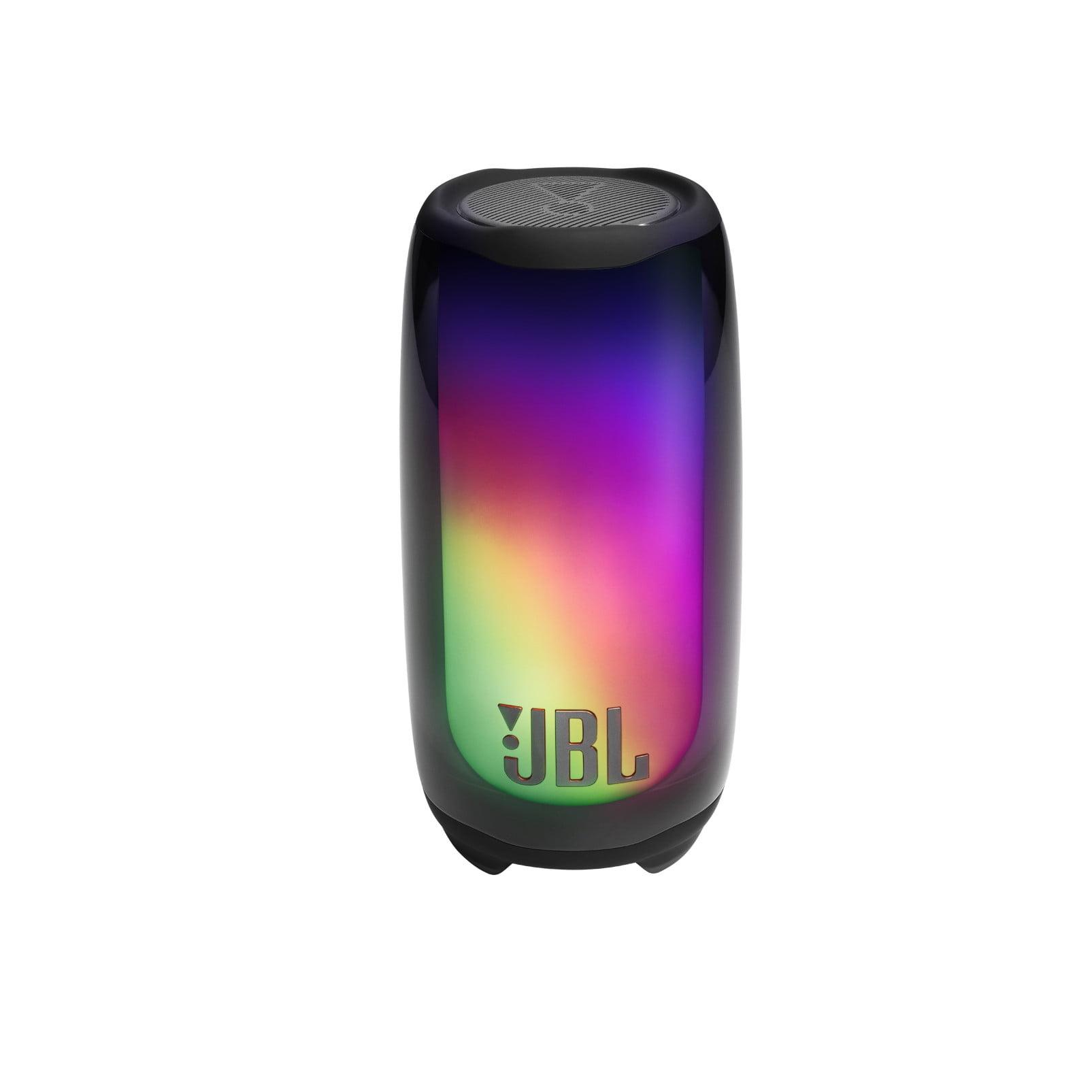
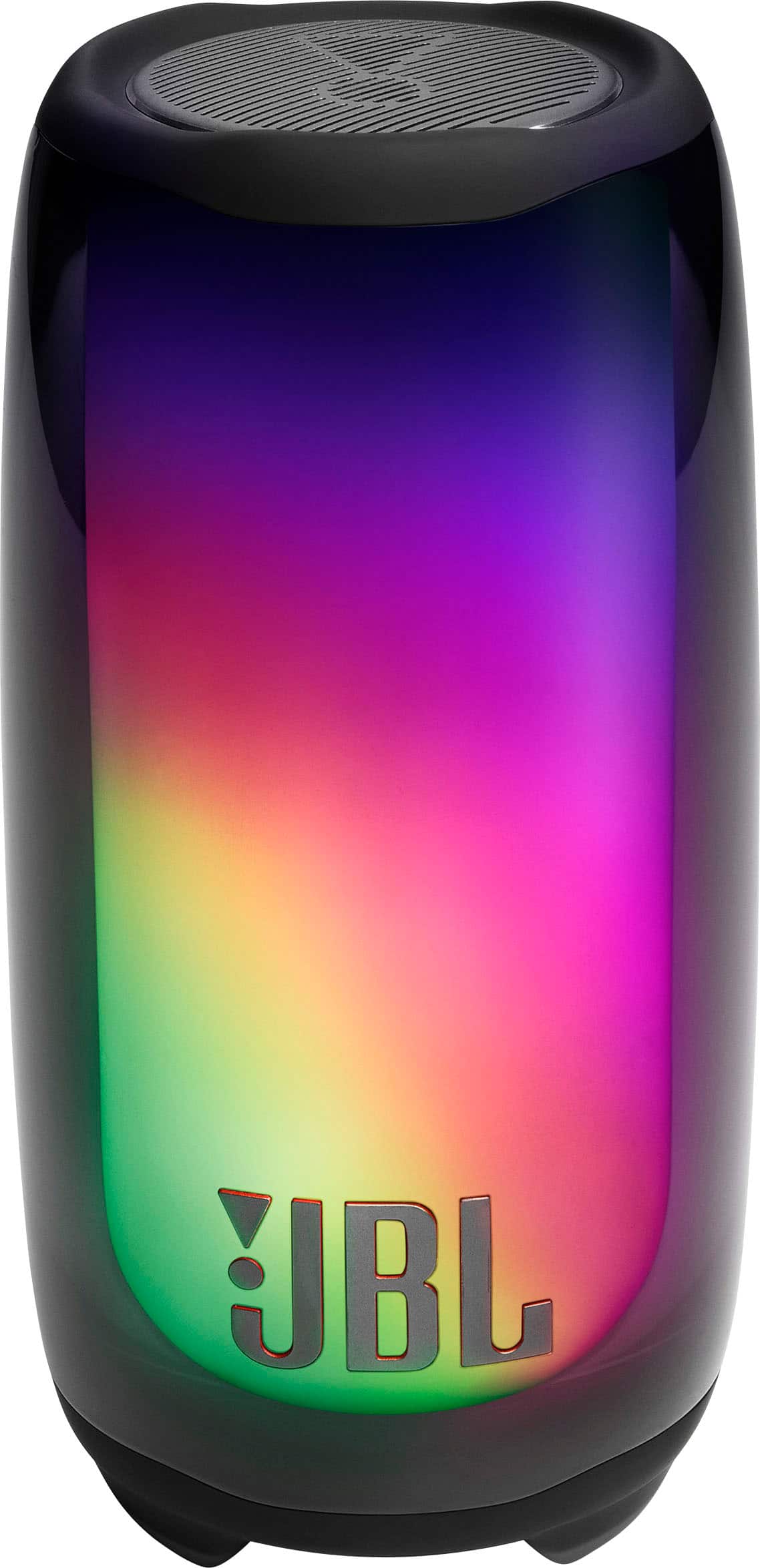
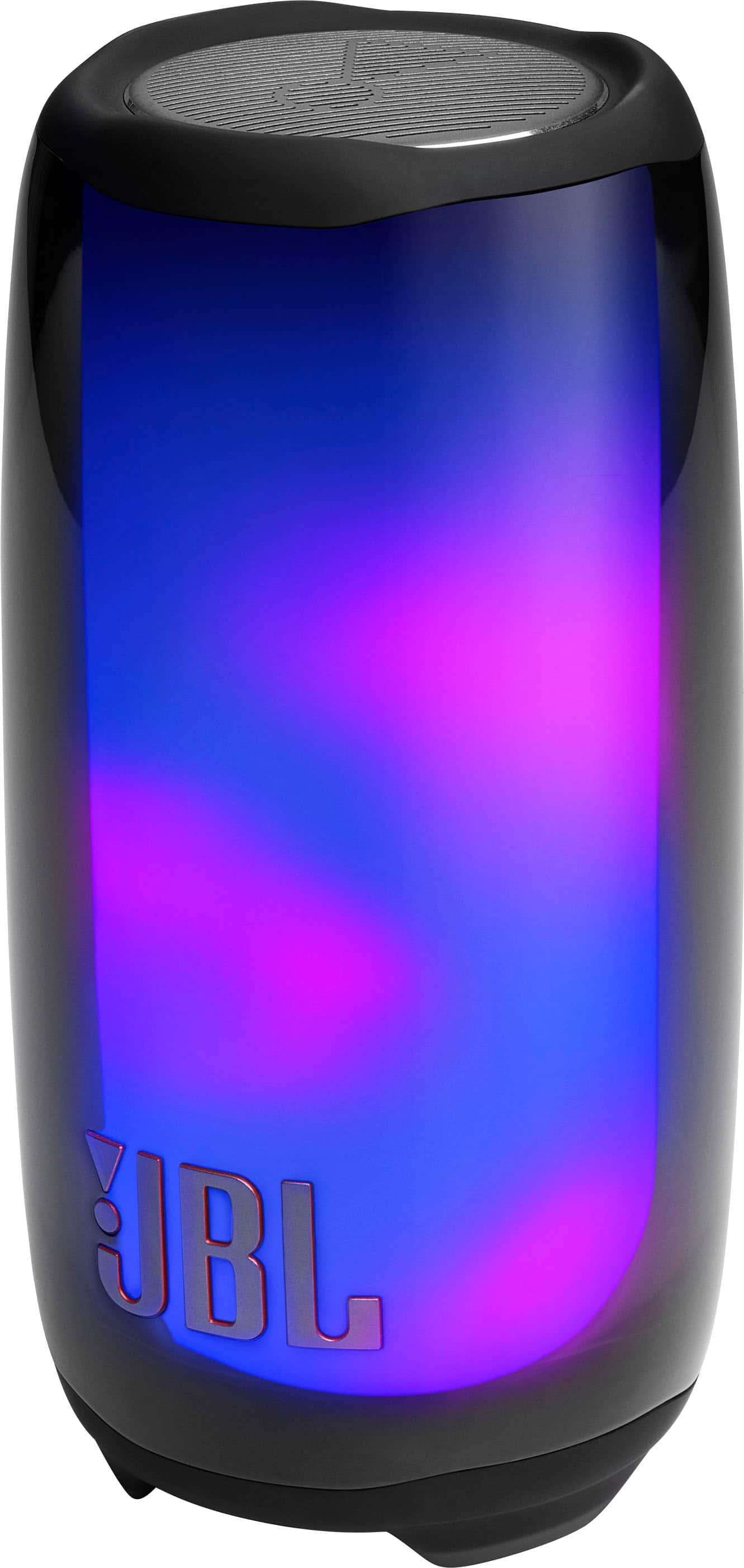
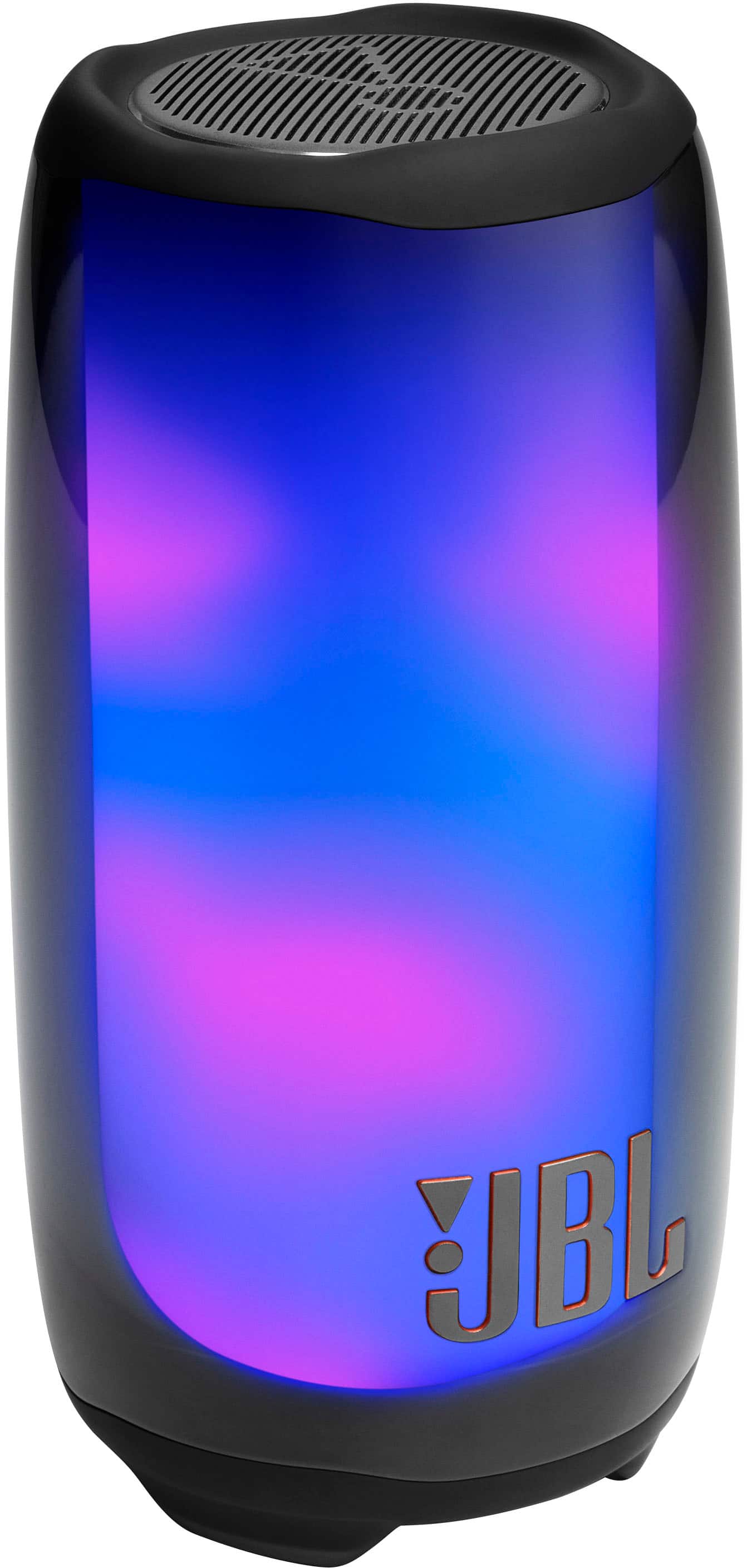
The JBL Pulse 5, released in 2022, takes an entirely different approach. At 107 × 214 × 132mm and weighing 1.47kg, it's clearly designed for stationary or semi-portable use rather than true pocket portability. But those larger dimensions enable capabilities the Go 3 simply cannot match.
The Pulse 5 employs a sophisticated three-driver system: a 30W woofer handles bass and lower midrange frequencies, a 10W tweeter manages the highs, and a passive radiator enhances bass response. This driver configuration allows each component to specialize in its optimal frequency range rather than asking one driver to do everything.
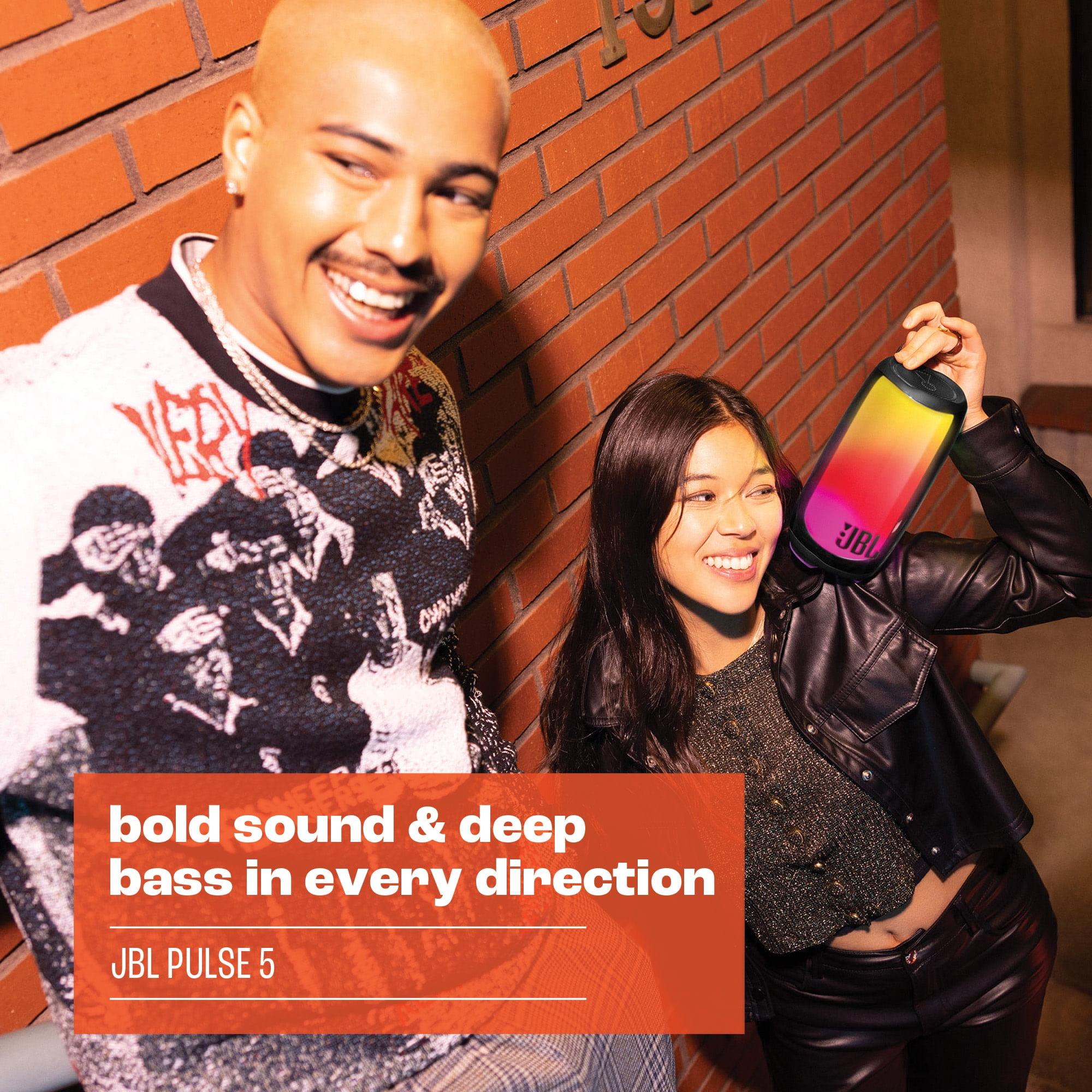
The frequency response extends down to 58Hz—nearly an octave lower than the Go 3. This means you'll actually feel the bass drum kicks and synthesizer drops that smaller speakers simply can't reproduce. The 40W total power output (30W + 10W) provides not just higher volume capability, but better dynamic range—the difference between quiet and loud passages in music.
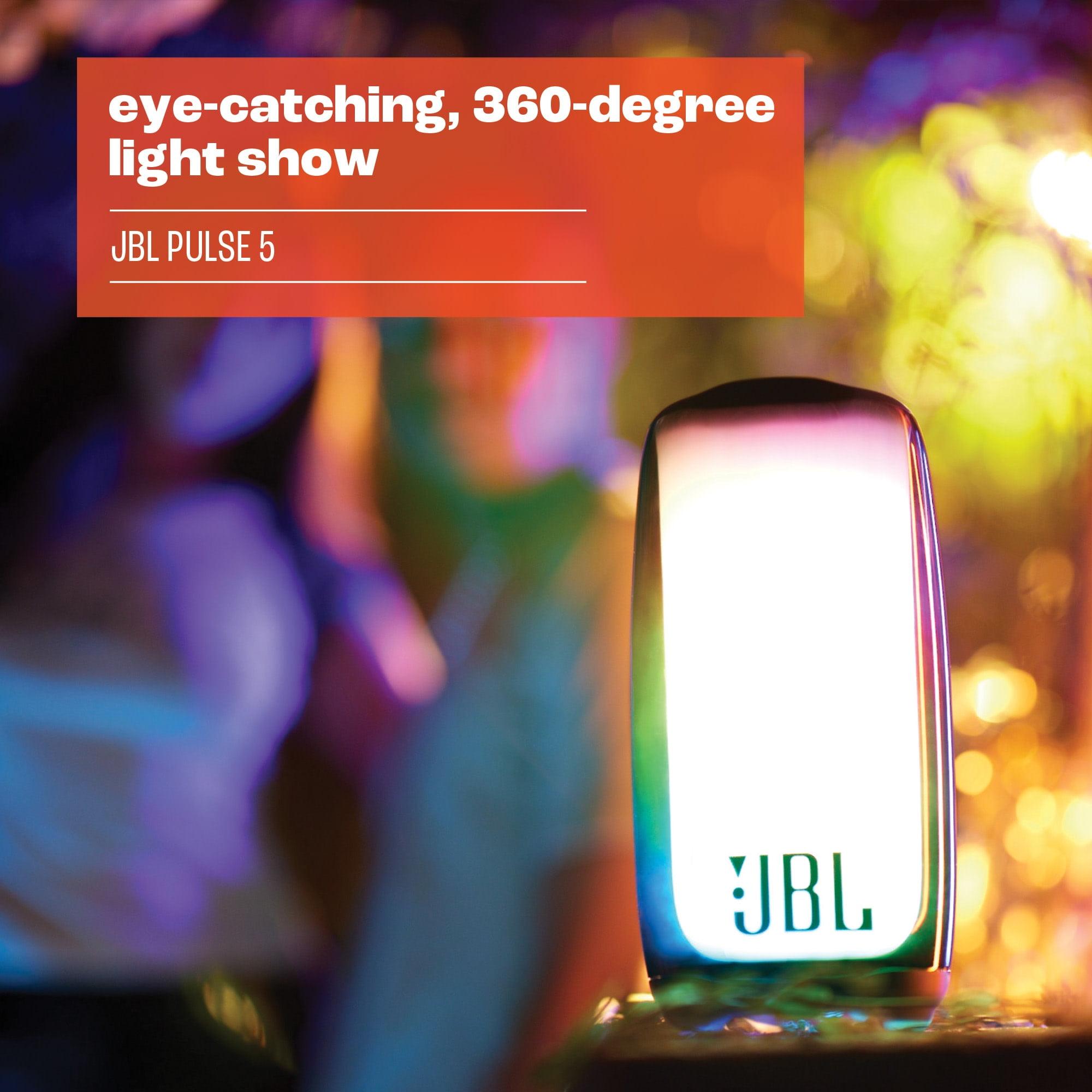
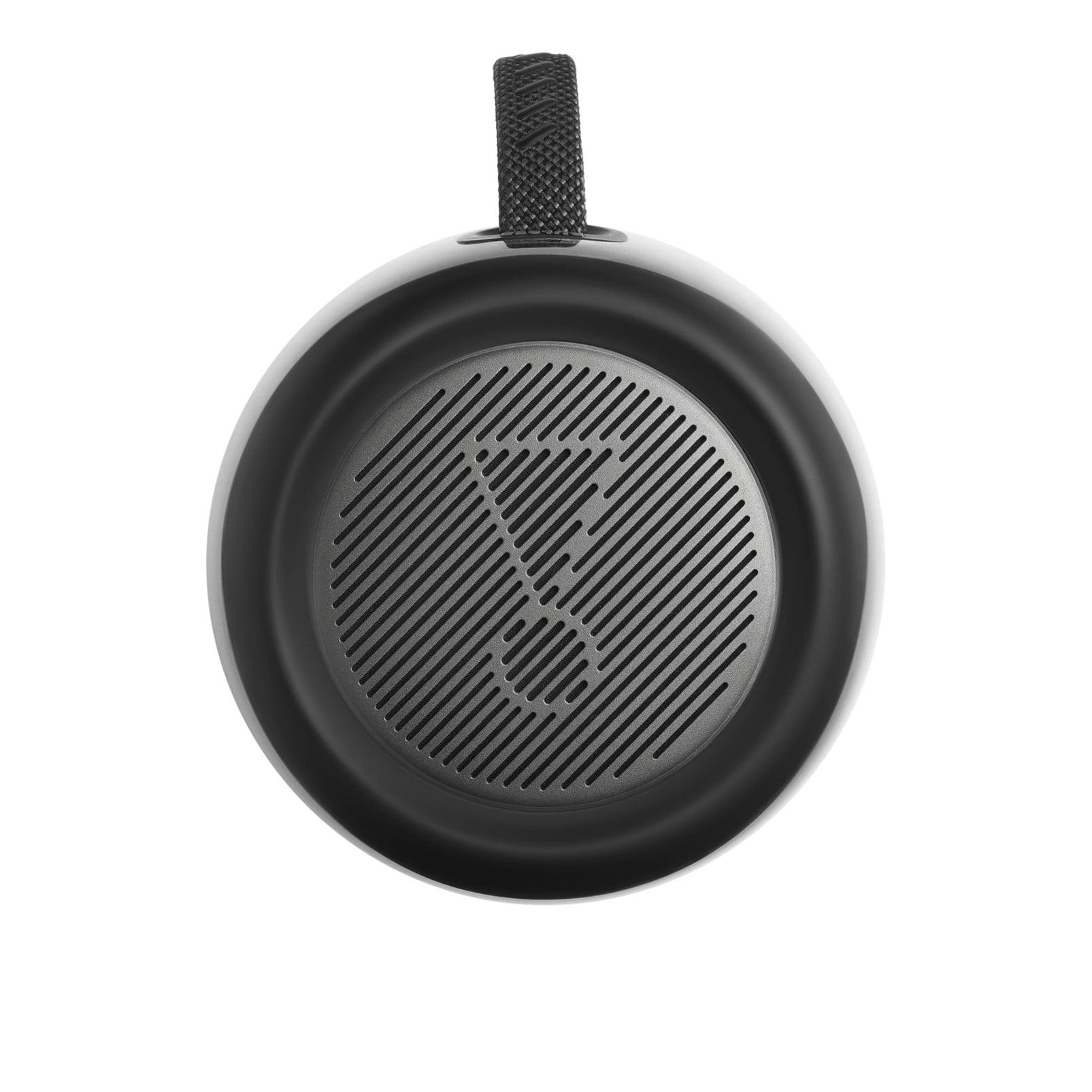
The 360-degree sound projection is achieved through careful driver placement and acoustic engineering. Unlike traditional speakers that beam sound in one direction, the Pulse 5 radiates audio in all directions, creating a more immersive experience for everyone in the room.
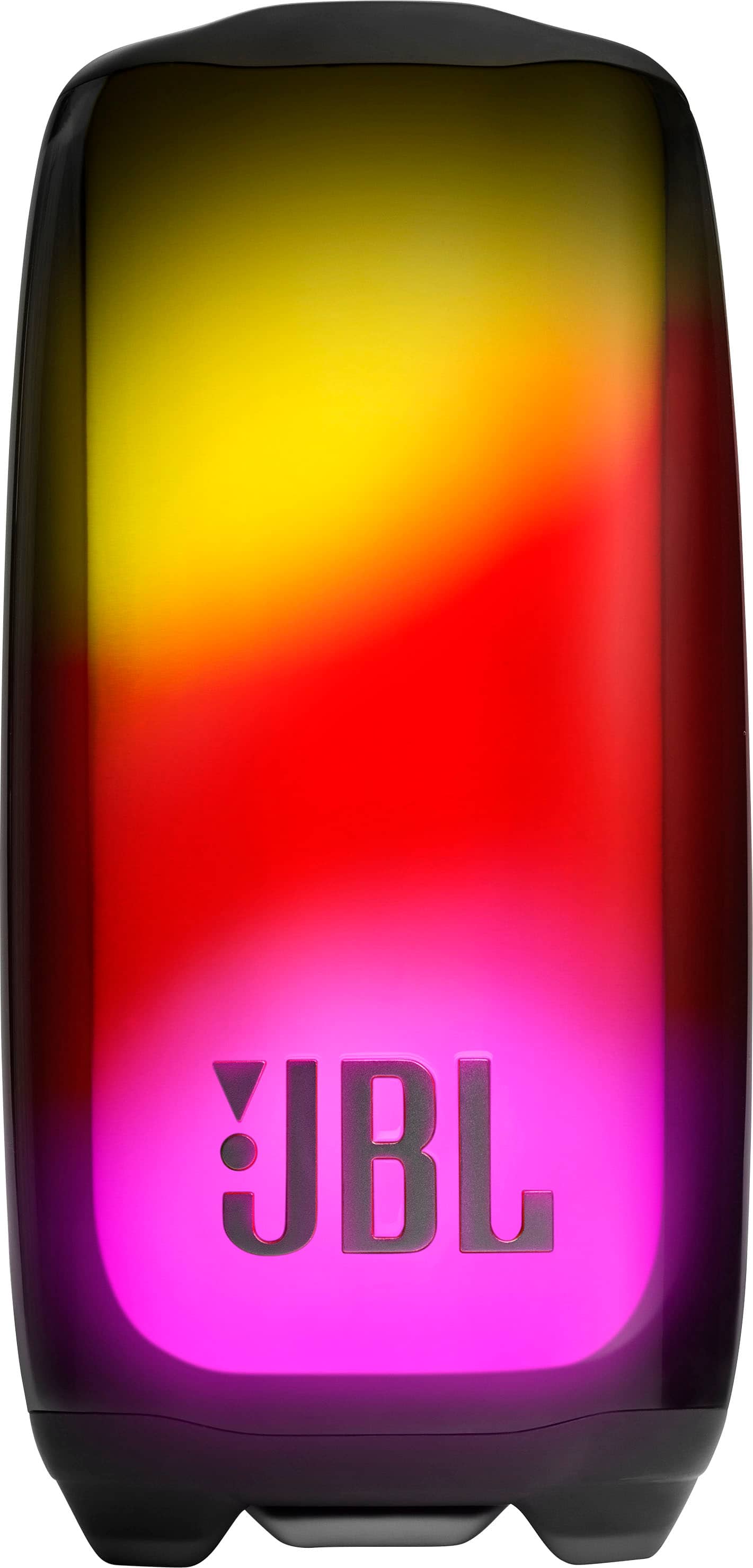
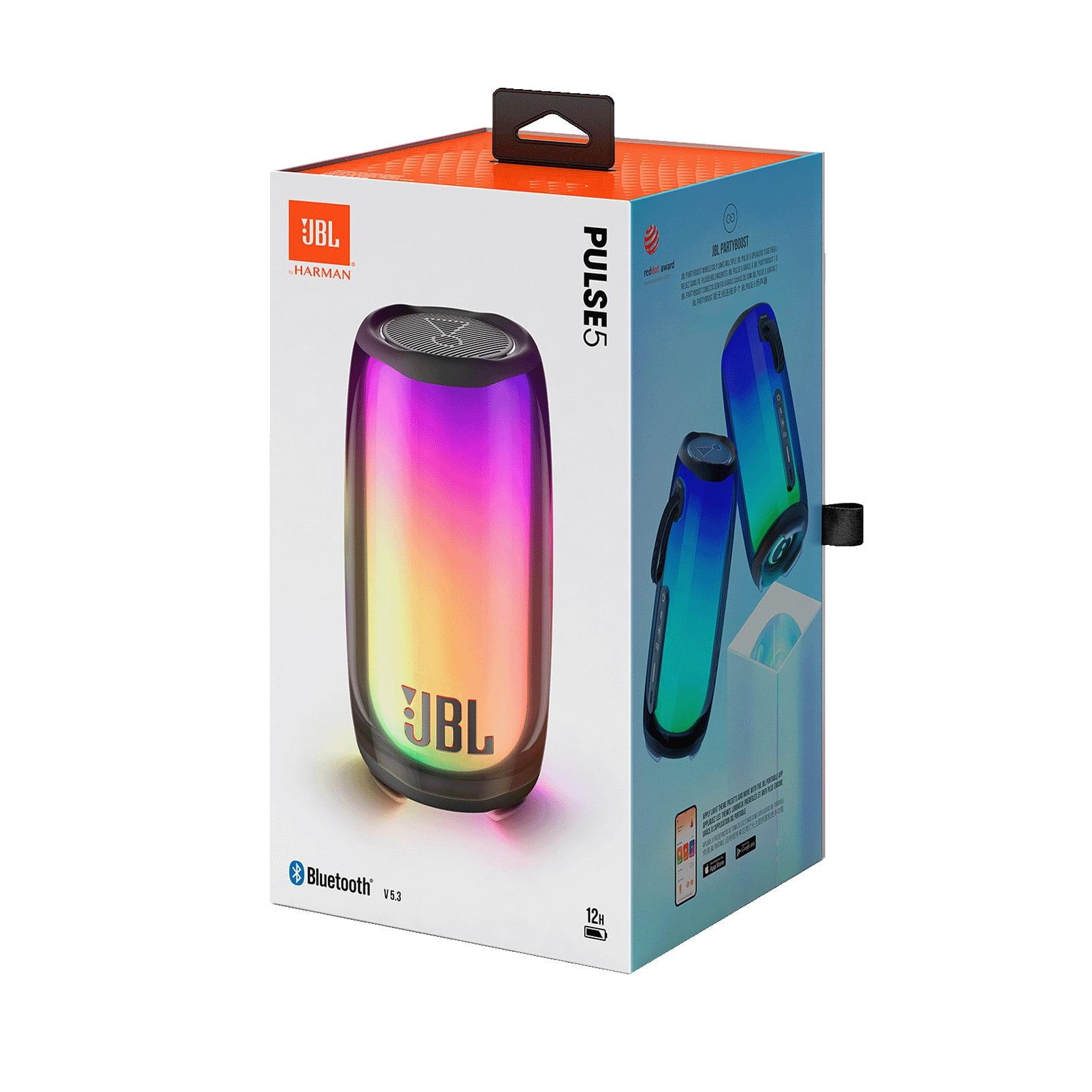
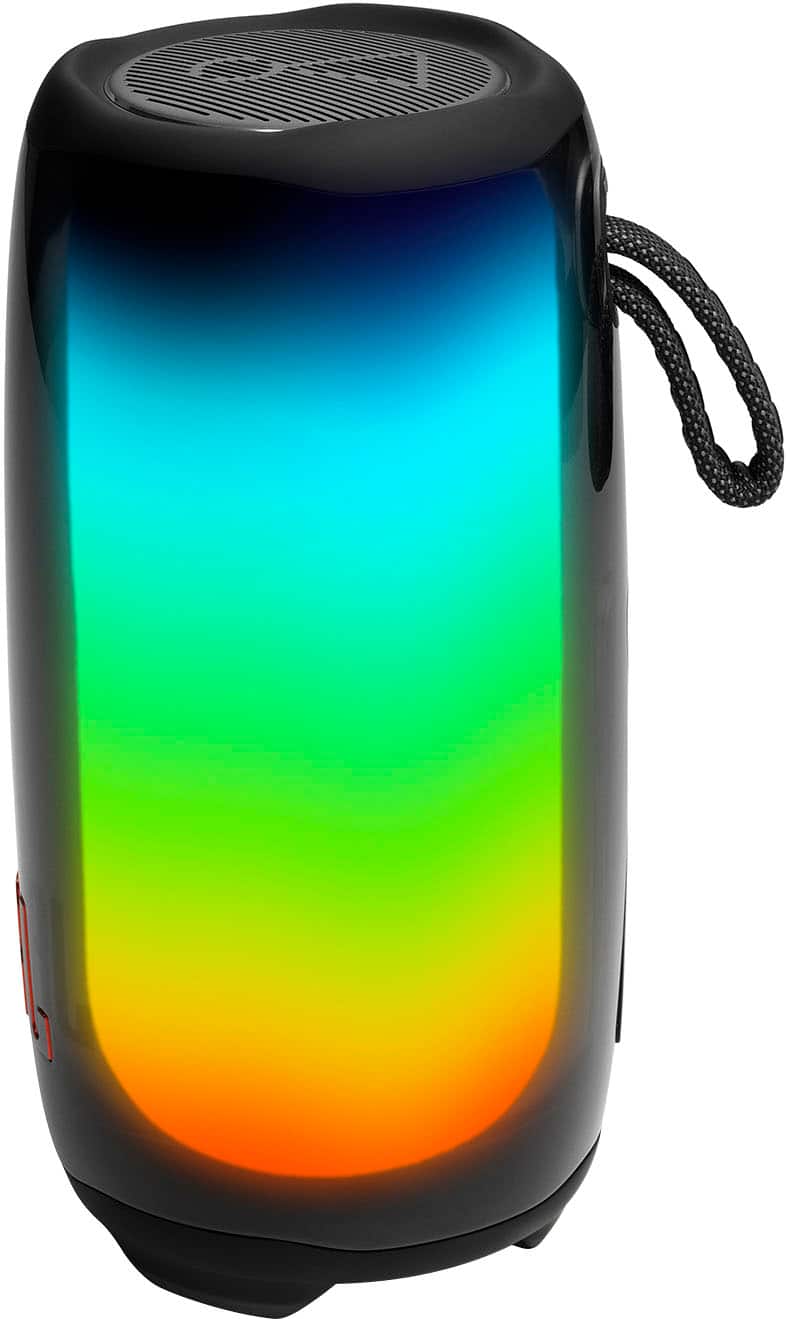
The defining feature of the Pulse 5 is its customizable LED light array built into the transparent cylindrical body. This isn't just decorative—the lights actually analyze the audio signal in real-time and respond to different frequency ranges, beat patterns, and volume levels.
Through the JBL Portable app, you can customize light patterns, colors, and sensitivity. The system recognizes different musical elements: bass hits might trigger pulsing red lights, while cymbals create sparkly white effects. For parties or ambient lighting, this creates a genuinely engaging visual experience that transforms the speaker into entertainment centerpiece.
However, the light show does impact battery life. With lights at full intensity, expect closer to 8-9 hours of playback rather than the rated 12 hours.
The Pulse 5 includes Bluetooth 5.3, which offers several improvements over earlier versions: better power efficiency, more stable connections, and support for multiple simultaneous device connections. You can have your phone and laptop both connected, switching playback between them seamlessly.
PartyBoost technology lets you link multiple compatible JBL speakers for synchronized playback. Pair two Pulse 5s for stereo separation, or connect different JBL models throughout your home for multi-room audio. This ecosystem approach adds significant value if you're planning to expand your speaker setup over time.
The Auracast feature (part of Bluetooth 5.3) enables sharing audio with multiple listeners using compatible headphones—imagine broadcasting your music to friends' earbuds at a gathering.
The difference in audio quality between these speakers is substantial—arguably the biggest performance gap you'll find between any two products in JBL's lineup. The Go 3 delivers clear, pleasant sound that impresses given its size limitations, while the Pulse 5 provides genuinely good audio that competes with much larger speakers.
Bass response is where the gap becomes most apparent. The Go 3's 110Hz cutoff means songs lose their foundational low end. You'll hear bass guitars and kick drums, but they lack weight and impact. The Pulse 5's 58Hz extension and dedicated passive radiator deliver the kind of bass response that makes you feel the music, not just hear it.
Volume capabilities differ dramatically. The Go 3 reaches its limits in medium-sized rooms and starts distorting when pushed hard. The Pulse 5 can easily fill large spaces and maintain composure at high volumes thanks to its superior power reserves and driver capabilities.
Stereo imaging is only available on the Pulse 5, though its 360-degree design creates a different experience than traditional left-right stereo. Instead of a focused soundstage, you get an enveloping audio bubble that works particularly well for ambient listening.
Here's where the Go 3 dominates completely. The size and weight difference is so dramatic that they barely compete in the same category. The Go 3 disappears in a jacket pocket, while the Pulse 5 requires dedicated bag space and adds noticeable weight to any travel setup.
For true mobility—hiking, cycling, commuting, travel—the Go 3 is in a different league. The Pulse 5 is "portable" in the sense that it has a handle and runs on battery power, but it's really a desktop/patio speaker that you can occasionally relocate.
The Pulse 5's 12-hour rating looks impressive until you factor in real-world usage. With moderate volume and light show active, expect 8-10 hours. The Go 3's 5-hour rating is more honest—you'll typically achieve close to that number at normal listening levels.
For day trips or events, the Pulse 5 has the endurance advantage. For daily use patterns—commuting, lunch breaks, short outdoor activities—the Go 3's battery life proves sufficient, especially considering the much faster charging time.
At the time of writing, these speakers occupy very different price tiers. The Go 3 sits in the budget-friendly range that makes it accessible to students, casual listeners, and anyone wanting decent JBL sound without a significant investment. The Pulse 5 commands a premium price that reflects its advanced features and superior audio performance.
The value equation depends entirely on your priorities. The Go 3 delivers exceptional value for ultra-portable scenarios—you'd pay significantly more to find comparable sound quality in such a compact package. The Pulse 5 justifies its higher cost through genuinely superior audio performance, unique visual features, and advanced connectivity options.
Consider the per-hour cost if you're a frequent listener. The Pulse 5's premium pays for itself over time if you use it regularly for home entertainment, work-from-home audio, or frequent gatherings.
Neither speaker is designed as a primary home theater solution, but they serve different secondary roles effectively. The Go 3 works well as a personal audio device for late-night viewing when you can't use your main speakers, or as a kitchen/bathroom companion for podcasts and casual listening.
The Pulse 5 can actually function as a respectable desktop speaker for smaller rooms or apartments. Its 360-degree sound projection works particularly well in square or circular room layouts where traditional directional speakers create dead zones. The bass response is sufficient for most movie dialogue and music, though action movies will still benefit from a dedicated subwoofer.
For video calls and streaming content, the Pulse 5 provides much clearer dialogue reproduction than laptop speakers, while the Go 3 offers marginal improvement due to its size constraints.
The decision between these speakers should align with how you actually live and listen to audio.
Choose the JBL Go 3 if your lifestyle involves frequent movement. Students carrying heavy backpacks, commuters using public transportation, travelers concerned about luggage weight, or outdoor enthusiasts where every ounce matters will appreciate its disappearing act. The sound quality, while limited, is remarkably good for solo listening or small group settings.
The Pulse 5 suits users who want a premium audio experience with visual flair. If you host gatherings, work from home and want better audio than laptop speakers, or simply enjoy high-quality music reproduction, the larger speaker justifies its footprint. The light show isn't just novelty—it genuinely enhances the atmosphere for parties, dinner settings, or relaxation.
Consider your primary use cases honestly. If 80% of your listening happens at home or in stationary settings, the Pulse 5 makes sense despite being "portable." If you genuinely need to carry your speaker regularly, the Go 3 is the obvious choice.
Both speakers incorporate improvements over their predecessors, reflecting JBL's ongoing development. The Go 3 improved significantly over the Go 2 with better power efficiency, enhanced durability, and refined industrial design. The fabric exterior represents a shift toward more premium materials in budget speakers.
The Pulse 5 advanced the light show technology considerably from earlier Pulse models, with more responsive audio analysis, greater customization options, and improved app integration. The Bluetooth 5.3 implementation positions it for future smart home integration and enhanced multi-device scenarios.
These technological improvements matter because they extend the useful life of your investment. Features like PartyBoost and Auracast on the Pulse 5 provide expansion capabilities that weren't possible with older speakers.
Both the JBL Go 3 and JBL Pulse 5 excel in their intended roles, making this less about choosing a winner and more about matching capabilities to your specific needs.
The Go 3 represents the pinnacle of ultra-portable audio—you won't find significantly better sound quality in such a compact, affordable package. It's the perfect secondary speaker that goes everywhere without compromise.
The Pulse 5 delivers genuine audio quality improvements along with unique visual entertainment that transforms listening into an experience. For users who prioritize sound quality and don't need true pocket portability, it provides remarkable value despite the higher price.
The beauty of JBL's diverse lineup is that both approaches have merit. Consider your budget, lifestyle, and priorities carefully. In many cases, the "wrong" choice becomes obvious once you honestly assess how and where you'll actually use your speaker. Choose the Go 3 for life on the move, or the Pulse 5 for stationary enjoyment with style.
| JBL Go 3 | JBL Pulse 5 |
|---|---|
| Size & Weight - Critical for true portability | |
| 87.5 x 75 x 41.3mm, 209g (fits in pocket) | 107 x 214 x 132mm, 1,470g (requires bag space) |
| Audio Power - Determines volume and sound quality | |
| 4.2W RMS mono (good for personal listening) | 40W total: 30W woofer + 10W tweeter (fills rooms) |
| Frequency Response - Shows bass capability | |
| 110Hz - 20kHz (limited deep bass) | 58Hz - 20kHz (full bass extension with passive radiator) |
| Battery Life - Real-world usage expectations | |
| 5 hours playback, 2.5hr charging | 12 hours playback (8-10hrs with lights), 4hr charging |
| Water Resistance - Essential for outdoor use | |
| IP67 waterproof and dustproof | IP67 waterproof and dustproof |
| Bluetooth Version - Affects connectivity stability | |
| Bluetooth 5.1 (reliable single device connection) | Bluetooth 5.3 (multi-device, better efficiency) |
| Sound Projection - How audio fills space | |
| Directional mono output | 360-degree stereo sound dispersion |
| Special Features - Value-added functionality | |
| Integrated fabric loop, auto power-off | LED light show, PartyBoost speaker linking, companion app |
| Driver Configuration - Impacts audio quality | |
| Single 43x47mm full-range driver | Dedicated woofer, tweeter, and passive radiator system |
| Ideal Use Cases - Who should buy each | |
| Travel, hiking, commuting, budget buyers | Home entertainment, parties, audiophiles wanting portability |
The JBL Go 3 is significantly more portable, weighing only 209g and fitting easily in your pocket. The JBL Pulse 5 weighs 1.47kg and requires dedicated bag space, making it better suited for semi-portable use rather than true on-the-go listening.
The JBL Pulse 5 delivers substantially better audio quality with 40W total power, dedicated drivers for different frequencies, and bass extension down to 58Hz. The JBL Go 3 offers impressive sound for its tiny size but is limited by physics, with less bass response and a 4.2W mono driver.
The JBL Pulse 5 provides up to 12 hours of playback (8-10 hours with light show active), while the JBL Go 3 offers 5 hours of listening time. However, the Go 3 charges much faster at 2.5 hours versus 4 hours for the Pulse 5.
Yes, both the JBL Go 3 and JBL Pulse 5 feature IP67 ratings, meaning they're completely dustproof and can survive submersion in up to 1 meter of water for 30 minutes. Both are excellent for pool, beach, or shower use.
Only the JBL Pulse 5 supports JBL's PartyBoost technology for linking multiple compatible speakers together. The JBL Go 3 doesn't offer speaker pairing capabilities and is designed for standalone use.
The JBL Pulse 5 features a 360-degree LED light display that syncs with your music in real-time, analyzing beats and frequencies to create dynamic visual effects. The lights are fully customizable through the JBL app, while the JBL Go 3 has no lighting features.
The JBL Go 3 excels for hiking, camping, and active outdoor use due to its ultra-light weight and integrated carrying loop. The JBL Pulse 5 is better for stationary outdoor gatherings like barbecues or beach parties where you want louder, higher-quality audio.
The JBL Pulse 5 uses Bluetooth 5.3 with multi-device connectivity, allowing two devices to stay connected simultaneously. The JBL Go 3 uses Bluetooth 5.1 for reliable single-device pairing. Both offer stable connections within typical Bluetooth range.
Value depends on your needs: the JBL Go 3 provides exceptional value for ultra-portable use cases and budget-conscious buyers. The JBL Pulse 5 justifies its higher cost through superior audio quality, unique light features, and advanced connectivity for users prioritizing performance over portability.
Neither is designed as a primary home theater speaker, but the JBL Pulse 5 can serve as a decent desktop or small room speaker with its 360-degree sound and good dialogue clarity. The JBL Go 3 works mainly as a personal audio device for late-night viewing or podcast listening.
The JBL Pulse 5 gets significantly louder and maintains audio quality at high volumes thanks to its 40W power output. The JBL Go 3 can fill small spaces but starts distorting when pushed to maximum volume due to its tiny 4.2W driver.
Choose the JBL Go 3 if you need true portability for travel, commuting, or active lifestyles where size and weight matter most. Pick the JBL Pulse 5 if you want premium audio quality with visual entertainment for home use, parties, or situations where the speaker stays in one place most of the time.
We've done our best to create useful and informative comparisons to help you decide what product to buy. Our research uses advanced automated methods to create this comparison and perfection is not possible - please contact us for corrections or questions. These are the sites we've researched in the creation of this article: rtings.com - streamtechreviews.com - english.achoreviews.com - smarthomesounds.co.uk - soundguys.com - rtings.com - walmart.com - soundguys.com - youtube.com - youtube.com - jbl.com - youtube.com - selectoguru.com - versus.com - videoandaudiocenter.com - harmanaudio.com - jbl.com - bestbuy.com - forum.hifiguides.com - manuals.plus - kh.jbl.com - th.jbl.com - mm.jbl.com - jbl.com - bestbuy.com - youtube.com - youtube.com - youtube.com - jbl.com - bestbuy.com - bestbuy.com - jbl.com.tw - youtube.com - digitaltrends.com - youtube.com - target.com - rtings.com - jbl.com - jblonlinestore.com - harmanaudio.com - assistivetech.com.au - stereoguide.com - mm.jbl.com - jbl.com - creativeaudio.net

Privacy Policy
Terms and Conditions - Affiliate Policy
Home Security
© Copyright 2008-2026.
11816 Inwood Rd #1211, Dallas, TX 75244