





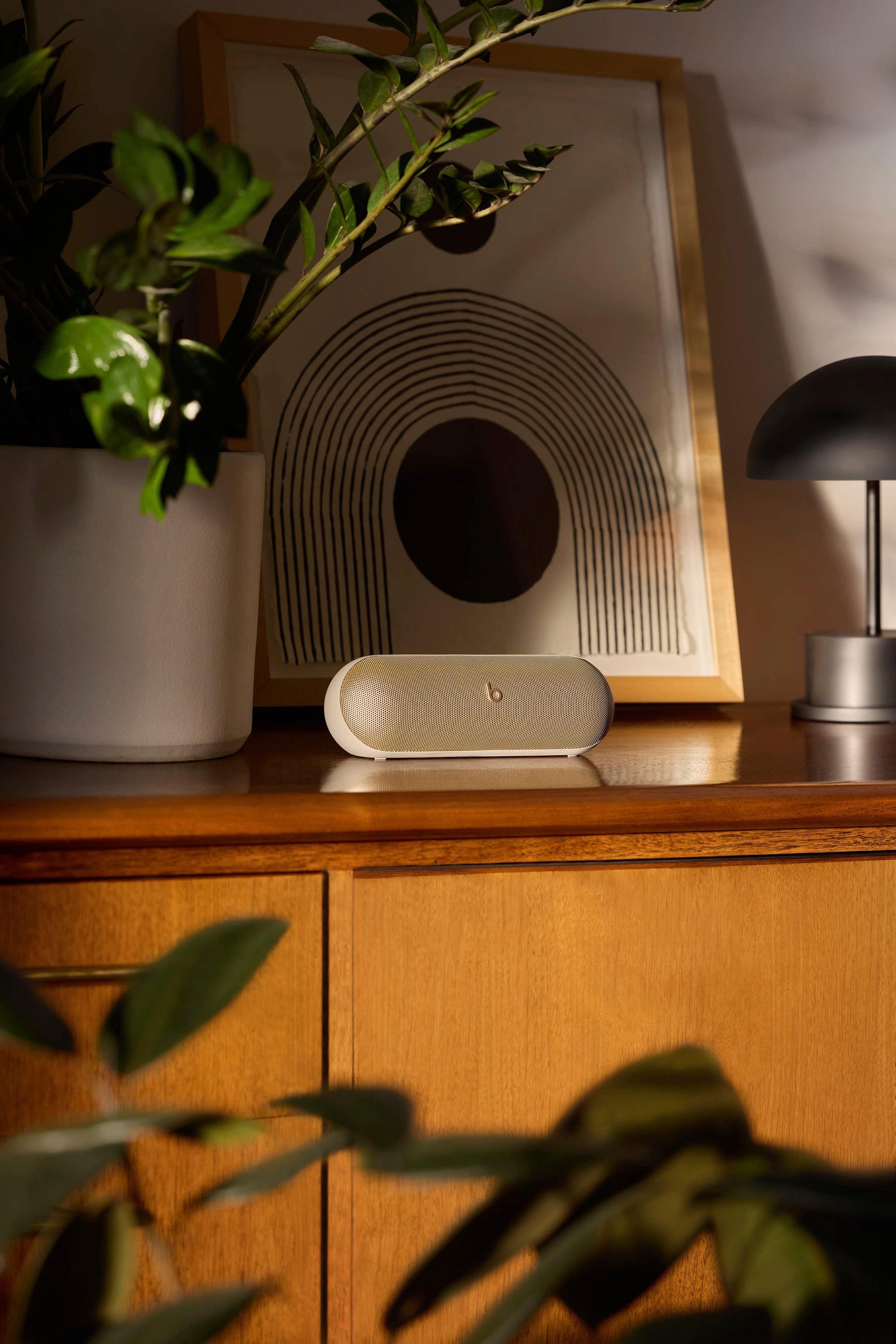
Choosing the right portable Bluetooth speaker can feel overwhelming with so many options on the market. Two speakers that consistently pop up in discussions are the ultra-compact JBL Go 3 and the premium Beats Pill. While both deliver wireless audio on the go, they represent completely different approaches to portable sound – and understanding these differences will help you pick the right one for your needs.
Before diving into specifics, it's worth understanding what separates good portable speakers from mediocre ones. The most critical factors are sound quality, battery life, durability, and actual portability. These elements often conflict with each other – making a speaker smaller typically means sacrificing battery life and sound quality, while boosting audio performance usually requires larger drivers and more power.
The key is finding the right balance for your lifestyle. Someone who primarily listens alone while hiking has very different needs than someone hosting backyard gatherings. This fundamental difference in use cases is exactly what separates these two speakers.
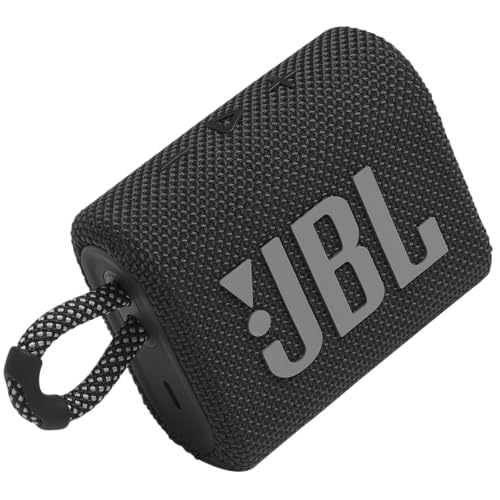
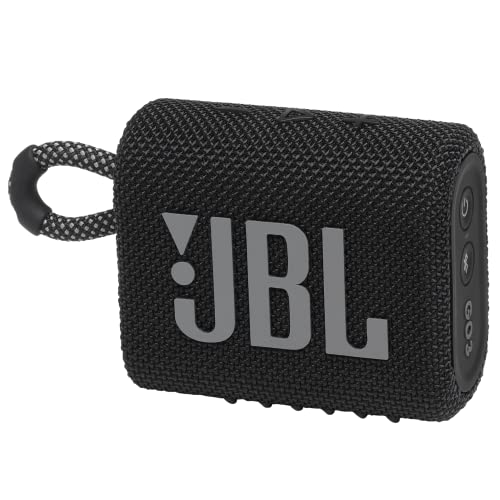
The JBL Go 3 launched in 2020 as the third generation of JBL's ultra-portable speaker line. Each iteration has refined the concept of "maximum portability with acceptable sound," and the Go 3 represents the most polished version yet. JBL learned from earlier models that outdoor users needed better water resistance and more durable construction, leading to the IP67 rating and redesigned fabric exterior.
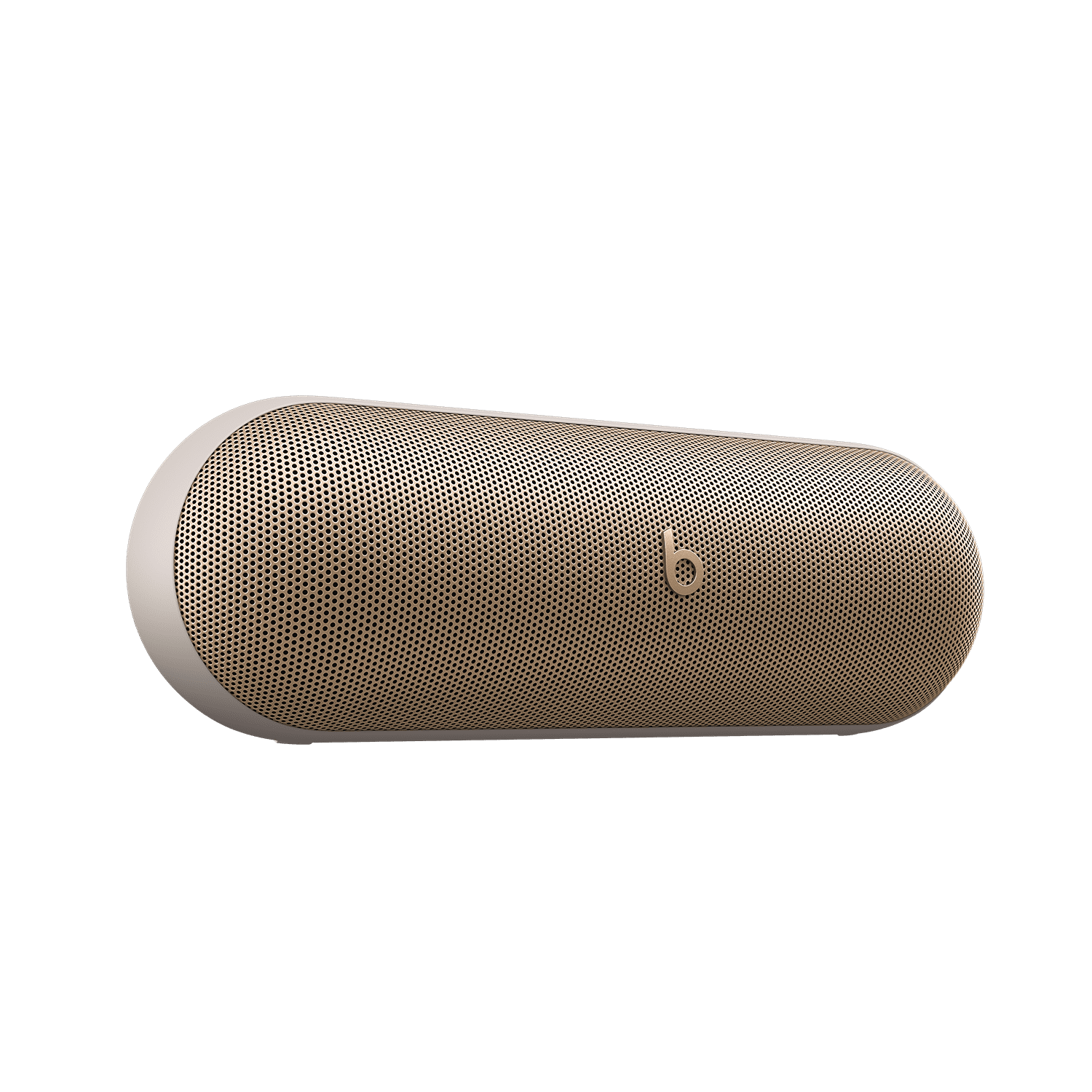
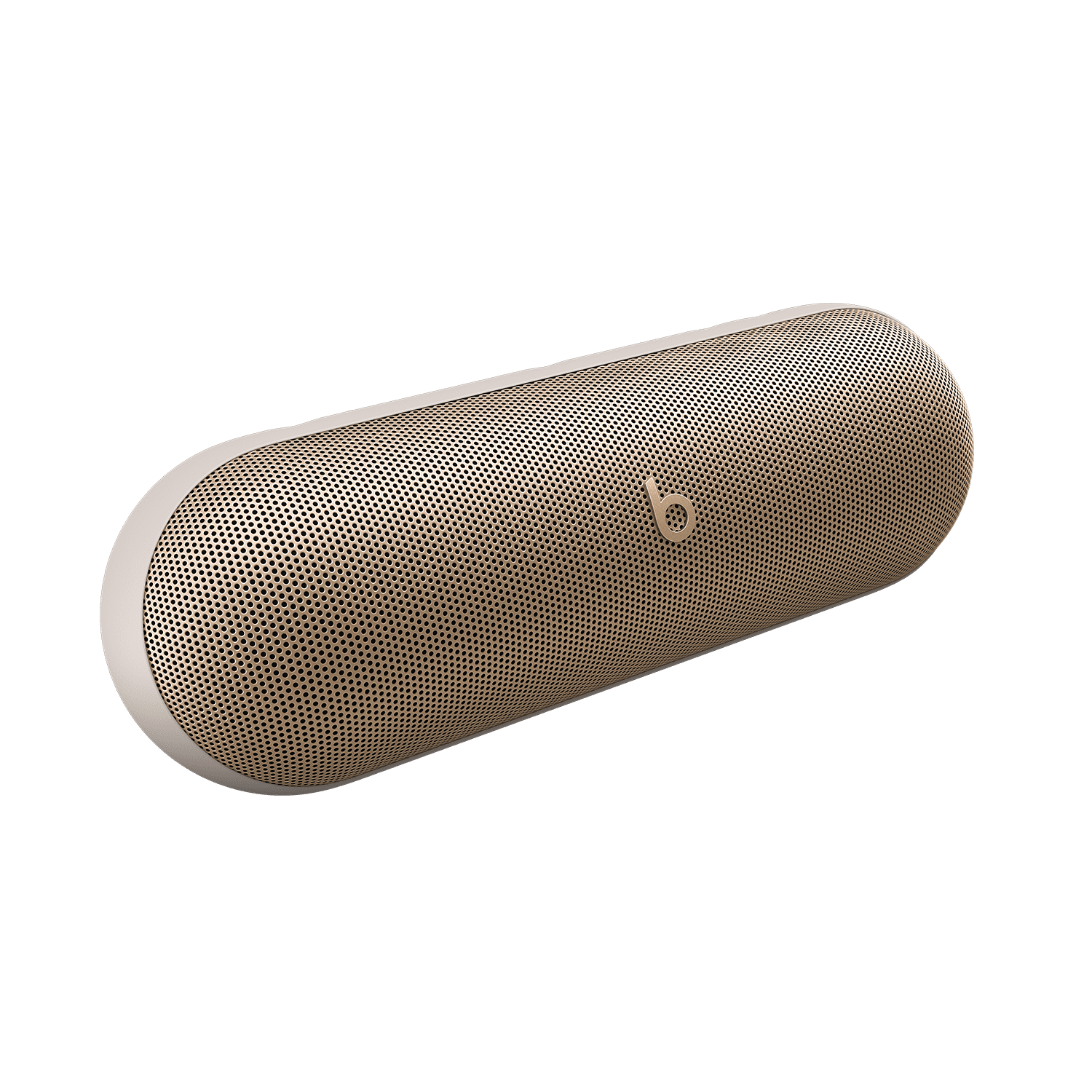
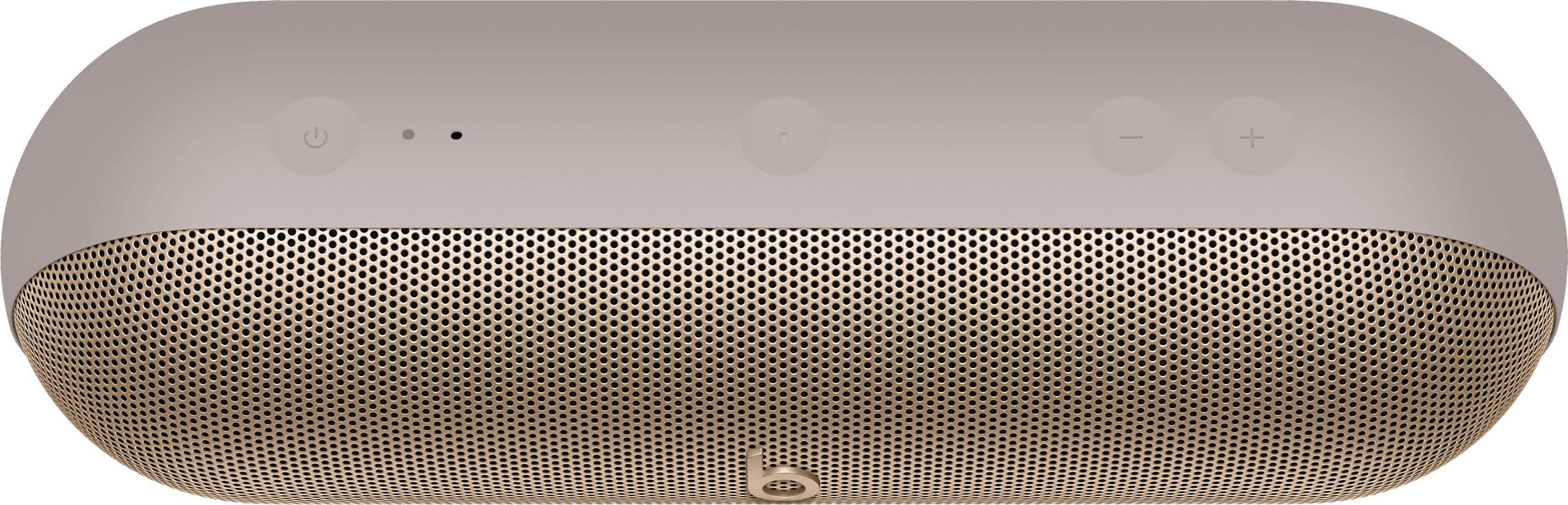
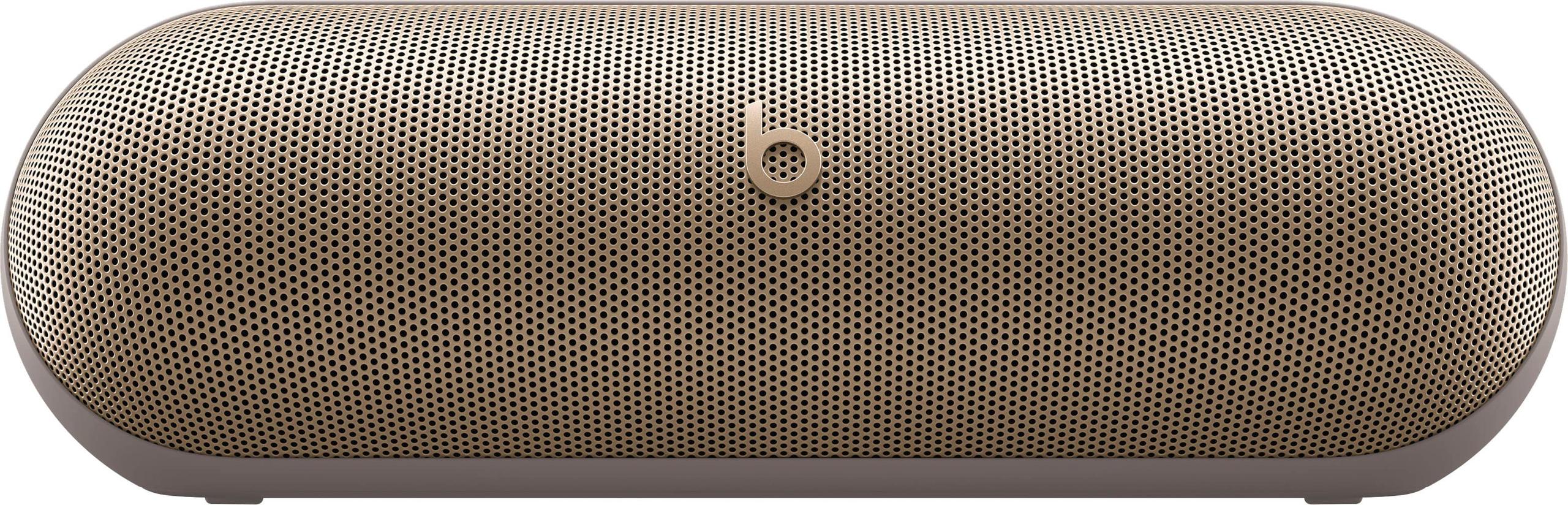
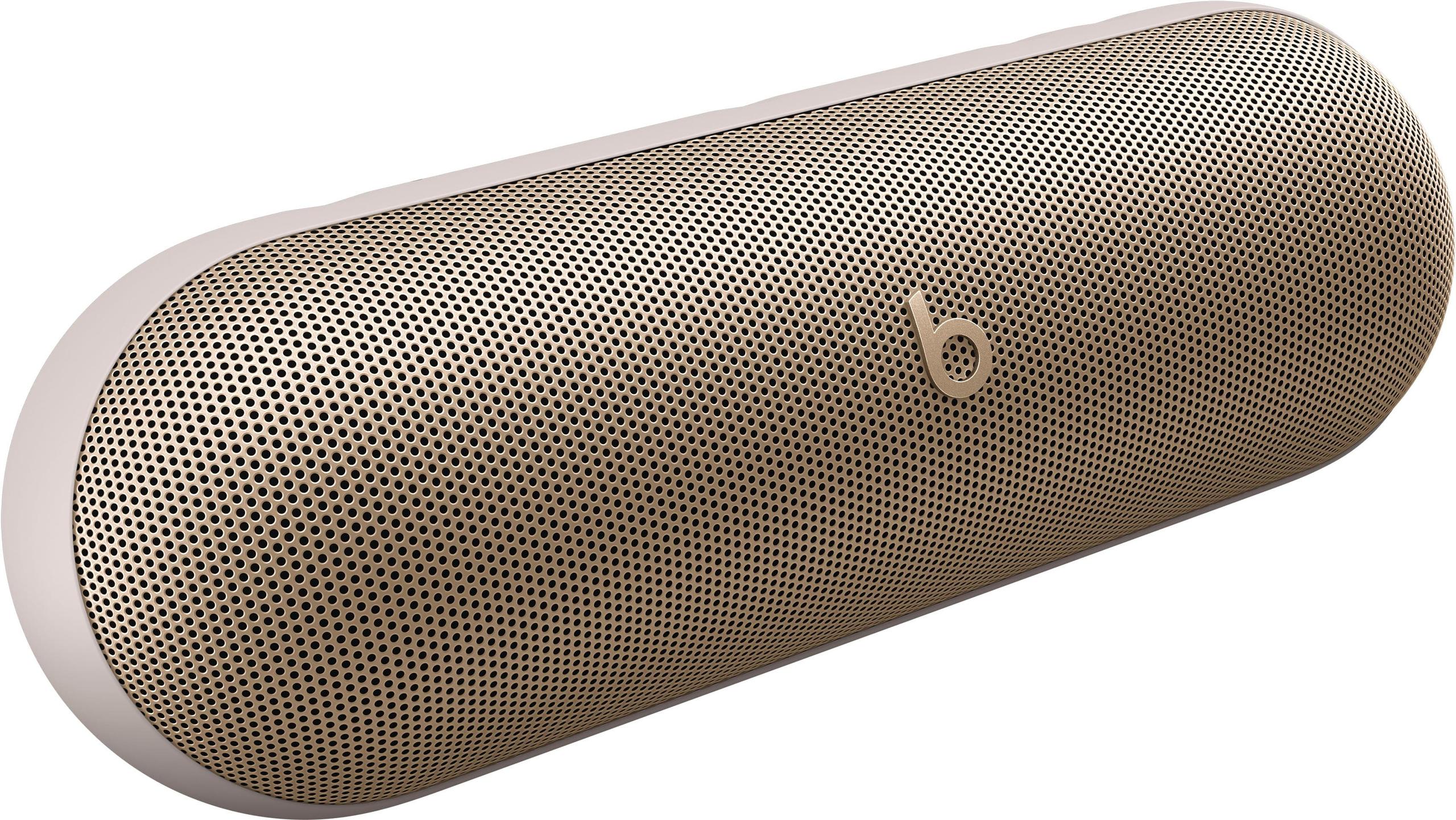
The current Beats Pill returned to market in 2024 after a several-year hiatus, representing a complete reimagining of the Beats portable speaker concept. This isn't just a minor refresh – Beats completely redesigned the acoustic architecture with a new racetrack woofer that moves 90% more air than previous generations. The result is a speaker that finally delivers on the bass-heavy sound signature Beats is known for, but in a portable package.
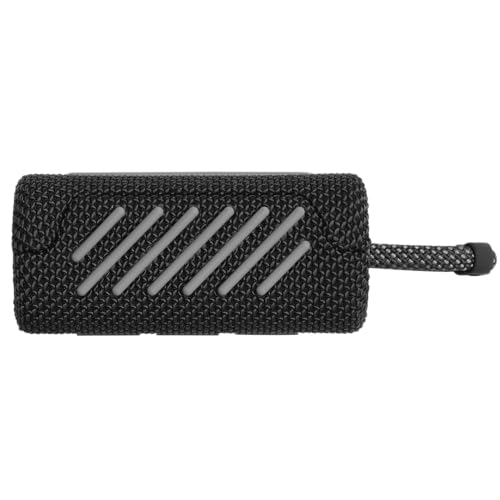
Sound quality in portable speakers comes down to a few key elements: driver size and configuration, power output, and acoustic design. The JBL Go 3 uses a single 43x47mm driver producing 4.2 watts RMS (RMS means "root mean square" – essentially the continuous power the speaker can handle without distortion). This compact driver handles all frequencies from bass to treble, which creates inherent compromises.
The Beats Pill takes a more sophisticated approach with separate drivers – a larger racetrack woofer for bass and midrange, plus a dedicated tweeter for high frequencies. This two-way design allows each driver to specialize, and the 12-watt total output provides nearly three times the power of the Go 3.
Based on extensive user feedback and expert analysis, the sound differences are immediately apparent. The JBL Go 3 delivers surprisingly balanced audio for its size, with clear vocals and decent midrange reproduction. However, bass response rolls off significantly below 140Hz, meaning you won't feel any real punch or rumble. It's perfectly adequate for podcasts, acoustic music, and casual listening, but electronic music and hip-hop lack the low-end impact you'd expect.
The Beats Pill operates in a different league entirely. The redesigned racetrack woofer – which gets its name from its oval shape that maximizes cone area in a compact form – delivers genuinely impressive bass for a portable speaker. The separate tweeter ensures vocals remain clear even when bass is prominent. This matters because many portable speakers muddy the midrange when trying to produce bass, but the Pill's two-way design avoids this common pitfall.
Volume capabilities also differ substantially. The JBL Go 3 can fill a small room or provide personal listening outdoors, but it struggles to project sound for group settings. The Beats Pill can comfortably handle small gatherings and outdoor spaces where you need to compete with ambient noise.
Neither speaker is designed for serious home theater use, but they serve different supplementary roles. The JBL Go 3 makes an excellent bedroom or bathroom speaker where space is limited and full-range audio isn't critical. Its compact size means it disappears into any setup.
The Beats Pill works well as a temporary solution for smaller rooms or as a portable upgrade when your TV's built-in speakers aren't cutting it. While it won't provide the surround sound experience of a proper home theater system, its stereo pairing capability (using two units) can create a surprisingly wide soundstage for casual movie watching.
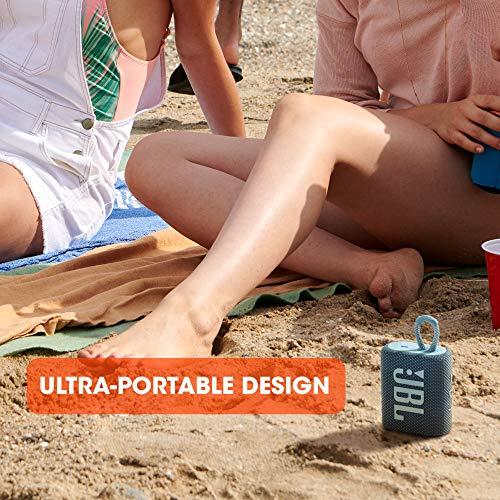
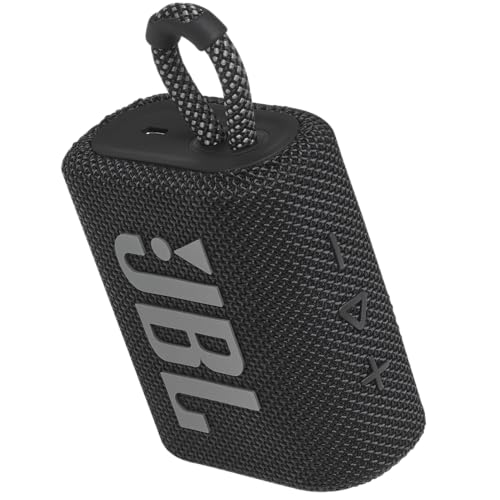
True portability goes beyond just weight and size – it's about how easily a device integrates into your daily routine. The JBL Go 3 measures just 3.4 x 2.7 x 1.6 inches and weighs under half a pound. More importantly, it includes a fabric loop that lets you clip it to backpacks, belt loops, or carabiners. This single feature transforms it from something you carry to something that just comes along for the ride.
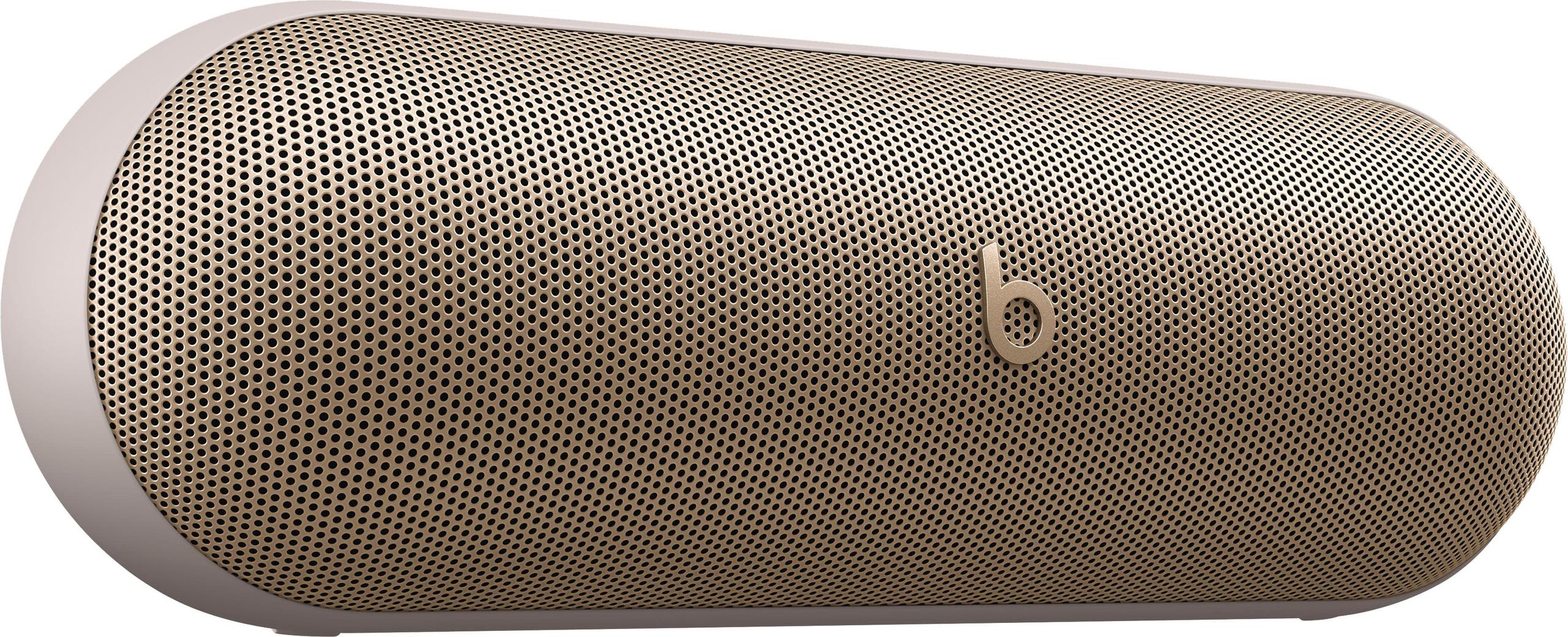
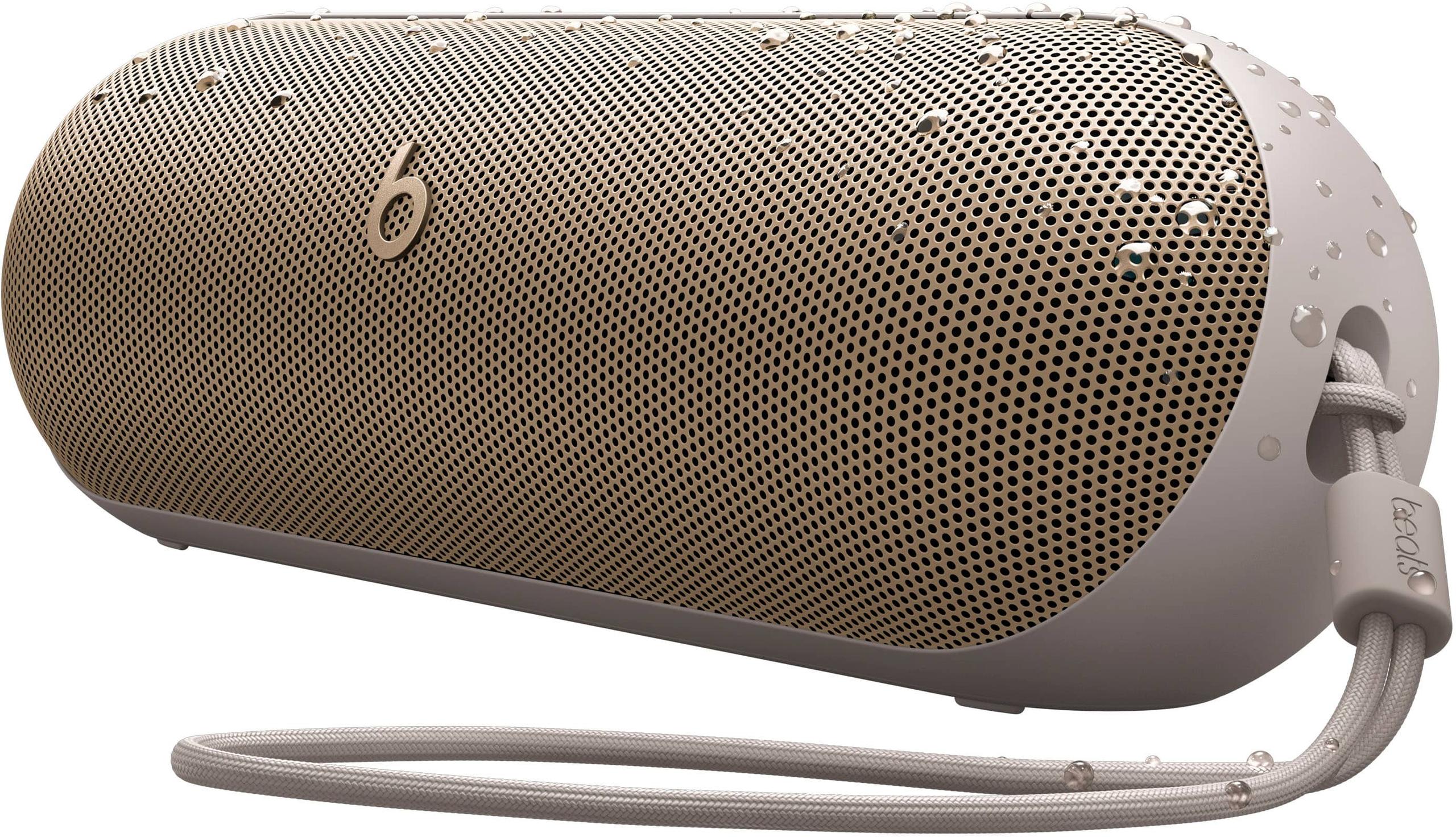
The Beats Pill at 8.6 x 2.8 x 2.8 inches requires deliberate packing decisions. At 1.5 pounds, it's not heavy, but it's substantial enough that you'll always be aware you're carrying it. The included lanyard helps, but this is clearly a "bring it when you plan to use it" device rather than an "always in your bag" companion.
These size differences reflect fundamentally different design philosophies. JBL designed the Go 3 around the concept of "invisible portability" – you can take it anywhere without thinking about it. The ruggedized fabric exterior and rubber accents suggest it's built to handle whatever adventures you encounter.
The Beats Pill embraces "intentional portability" with its sleek, premium aesthetic. The 20-degree upward tilt isn't just stylistic – it's engineered to aim sound toward ear level when placed on typical surfaces, improving clarity in real-world listening positions. This attention to acoustic engineering details shows Beats prioritized performance over pure portability.
Battery performance often determines whether a portable speaker becomes a daily companion or an occasional-use device. The JBL Go 3 provides 5 hours of playback, which sounds modest but aligns with its ultra-portable positioning. For personal listening during commutes, workouts, or short outings, this duration works fine. The 2.5-hour charging time via USB-C means you can quickly top it off.
The Beats Pill changes the game entirely with its advertised 24-hour battery life. Even accounting for real-world usage at higher volumes, users consistently report 15-20 hours of actual playback. This transforms how you use the speaker – instead of managing battery anxiety, you can take it camping for a weekend or use it for multiple gatherings without worrying about power.
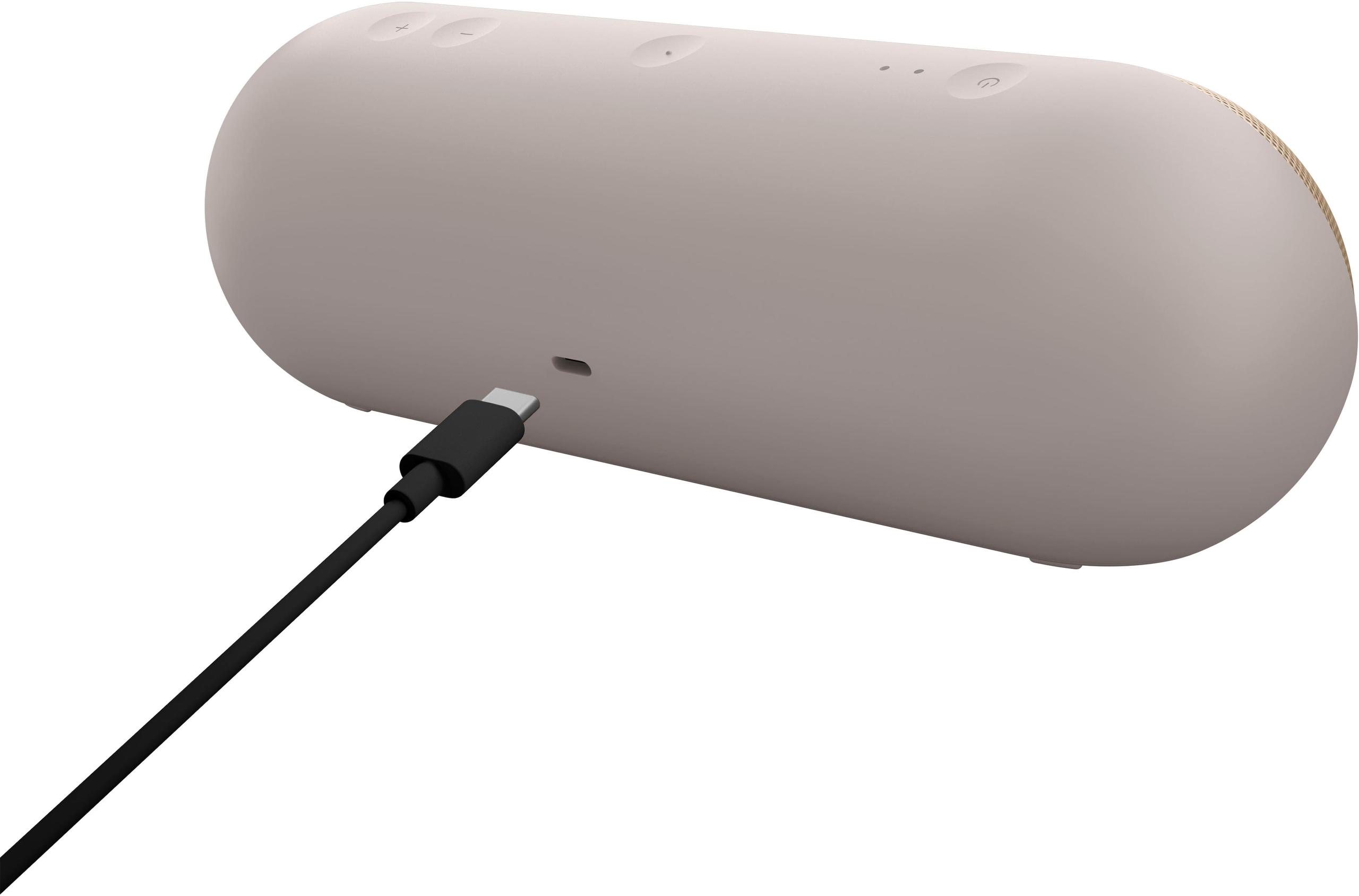
The power bank functionality adds another layer of utility. Being able to charge your phone from the speaker means one less thing to pack for day trips or emergency situations. This feature alone justifies the larger size for many users.
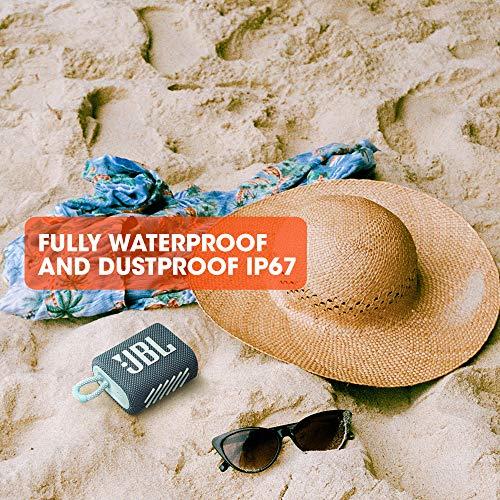
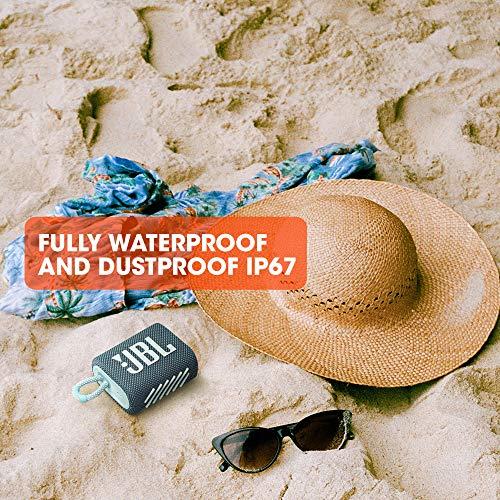
Both speakers feature IP67 ratings, which means they're completely dust-tight and can survive submersion in up to one meter of water for 30 minutes. However, their approaches to ruggedness differ significantly.
The JBL Go 3 feels purpose-built for outdoor abuse. The tight-weave fabric exterior resists scratches and provides grip when wet, while rubber accents protect vulnerable corners. It's the kind of speaker you can toss in a backpack without a case and not worry about it.
The Beats Pill achieves its water resistance through precision engineering rather than rugged materials. The sleek metallic exterior looks premium but requires more careful handling. It's perfectly capable of poolside use or caught-in-the-rain scenarios, but it doesn't invite the casual treatment that the Go 3 encourages.
At the time of writing, these speakers occupy different price tiers entirely. The JBL Go 3 typically sells for under $50, while the Beats Pill commands around $150. This 3:1 price ratio means they're solving different problems for different budgets.
The Go 3's value proposition is straightforward: maximum portability and adequate sound quality at a price that won't break the bank. For students, casual listeners, or anyone wanting a backup speaker for specific situations, it delivers exceptional bang for buck.
The Beats Pill justifies its premium pricing through superior sound quality, extended battery life, and additional functionality like power bank capability. The question becomes whether these improvements matter enough to justify spending three times as much.
You prioritize ultimate portability above all else. This speaker makes sense if you're frequently hiking, traveling, or want something that can always be in your bag without taking up meaningful space. It's perfect for personal listening – podcasts during commutes, music while cooking, or audio in small spaces where full-range sound isn't critical.
Students and budget-conscious buyers will appreciate that it delivers respectable performance without requiring a significant financial commitment. The rugged construction means it can handle dorm life, outdoor activities, and general abuse without babying.
Sound quality matters more than ultimate portability in your use case. If you regularly find yourself wanting to share music with friends, host small gatherings, or simply want better audio quality for personal listening, the performance upgrade is immediately noticeable.
The extended battery life makes it ideal for people who use their speaker for extended periods – whether that's all-day outdoor events, camping trips, or simply not wanting to think about charging frequently. The power bank functionality adds practical value that extends beyond just audio.
You're willing to make deliberate packing decisions in exchange for significantly better performance. This isn't a "throw it in any bag" speaker, but if you're planning to use it, the experience is substantially better.
These speakers succeed in their respective niches so well that comparing them almost misses the point. The JBL Go 3 achieves its goal of being the most capable ultra-portable speaker at an accessible price. The Beats Pill delivers premium portable audio with the features and battery life to handle more demanding use cases.
The decision ultimately comes down to your lifestyle and priorities. If you value the peace of mind that comes with always having decent audio available wherever you go, the Go 3 is hard to beat. If you're willing to be more intentional about when and how you use your speaker in exchange for significantly better performance, the Beats Pill justifies its premium pricing.
Both represent thoughtful engineering approaches to portable audio – they just solve different problems for different people. Understanding which problem matches your needs will make the choice clear.
| JBL Go 3 Portable Bluetooth Speaker | Beats Pill Portable Bluetooth Speaker |
|---|---|
| Size & Weight - Critical for true portability and daily carry | |
| 3.4" x 2.7" x 1.6", 0.46 lbs (truly pocket-sized) | 8.6" x 2.8" x 2.8", 1.5 lbs (requires deliberate packing) |
| Audio Output Power - Determines volume capabilities and sound quality | |
| 4.2W RMS from single driver (adequate for personal listening) | 12W RMS from dual drivers (nearly 3x more powerful for group settings) |
| Driver Configuration - Affects sound clarity and frequency separation | |
| Single 43x47mm driver handles all frequencies | Separate racetrack woofer + tweeter for better sound separation |
| Battery Life - Make-or-break feature for portable use | |
| 5 hours playback (good for short sessions, requires frequent charging) | Up to 24 hours playback (weekend-long use without charging anxiety) |
| Charging Features - Added utility beyond just audio playback | |
| USB-C charging only (2.5 hour charge time) | USB-C charging + power bank to charge your devices |
| Water Resistance - Protection for outdoor and accidental exposure | |
| IP67 rated (dust-tight, 1m submersion for 30 minutes) | IP67 rated (identical water and dust protection) |
| Portability Features - How easily it integrates into active lifestyles | |
| Built-in fabric loop for clipping to bags/gear | Removable lanyard (less convenient for attachment) |
| Sound Profile - Musical genres and content it handles best | |
| Balanced with limited bass below 140Hz (great for vocals, podcasts) | Bass-forward with deep low-end extension (excellent for all music genres) |
| Connectivity - Wireless standards and multi-device features | |
| Bluetooth 5.1 with PartyBoost for connecting multiple JBL speakers | Bluetooth 5.3 with stereo pairing and Find My integration |
| Build Quality - Durability approach and premium feel | |
| Rugged fabric exterior designed for outdoor abuse | Premium metallic design requiring more careful handling |
| Price Tier - Value proposition and target market | |
| Ultra-budget tier (exceptional value for basic portable audio) | Premium tier (3x cost but substantially better performance) |
Both the JBL Go 3 and Beats Pill feature IP67 water resistance, making them equally protected against dust and water submersion. However, the JBL Go 3 is better suited for active outdoor use due to its ultra-compact size, built-in fabric loop for easy attachment to gear, and rugged construction designed to handle drops and rough treatment. The Beats Pill works well for poolside or patio use but requires more careful handling.
The Beats Pill significantly outperforms the JBL Go 3 in battery life, offering up to 24 hours of playback compared to just 5 hours. This makes the Beats Pill ideal for camping trips, all-day events, or extended use without access to charging, while the JBL Go 3 is better suited for shorter listening sessions.
The Beats Pill delivers superior sound quality with its dual-driver configuration (separate woofer and tweeter) and 12W power output compared to the JBL Go 3's single 4.2W driver. The Beats Pill produces deeper bass, clearer highs, and better overall volume, while the JBL Go 3 offers balanced but limited sound suitable for personal listening.
The Beats Pill is much better suited for small parties and group gatherings due to its higher power output and room-filling sound capabilities. The JBL Go 3 lacks the volume and bass response needed for group listening, making it primarily a personal-use speaker.
The JBL Go 3 is significantly more portable, measuring just 3.4" x 2.7" x 1.6" and weighing 0.46 lbs with a convenient fabric loop for attachment. The Beats Pill at 8.6" x 2.8" x 2.8" and 1.5 lbs requires more deliberate packing but offers a lanyard for carrying.
Both speakers work well in bedrooms, but serve different purposes. The JBL Go 3 is perfect for personal listening, podcasts, or background music without taking up space. The Beats Pill provides better sound quality for music enjoyment and can fill the room more effectively, though it requires more surface space.
Yes, but with different systems. The JBL Go 3 supports PartyBoost technology to connect with other compatible JBL speakers. The Beats Pill offers stereo pairing with another Beats Pill for left/right channel separation or Amplify mode for synchronized playback.
This depends on your needs and budget. The JBL Go 3 offers exceptional value in the ultra-portable category with adequate sound quality at a very affordable price. The Beats Pill costs roughly three times more but provides significantly better sound quality, much longer battery life, and additional features like power bank capability.
The Beats Pill includes speakerphone functionality for hands-free calling, while the JBL Go 3 does not have a built-in microphone. If taking calls through your speaker is important, the Beats Pill is the clear choice.
Both speakers handle spoken content well, but the JBL Go 3 is particularly suited for podcasts and audiobooks due to its clear midrange and vocal reproduction. Its compact size makes it convenient for bedside or desk use, while the longer battery life of the Beats Pill is beneficial for extended listening sessions.
Only the Beats Pill can charge other devices through its USB-C port, functioning as a power bank. The JBL Go 3 only receives charging and cannot charge other devices. This additional functionality makes the Beats Pill more versatile for outdoor activities or emergencies.
For a first portable speaker, choose based on your primary use case. Pick the JBL Go 3 if you want maximum portability, basic sound quality, and minimal investment to test if you'll use a portable speaker regularly. Choose the Beats Pill if sound quality matters more than ultimate portability and you're willing to invest in a more capable speaker that can handle various listening scenarios.
We've done our best to create useful and informative comparisons to help you decide what product to buy. Our research uses advanced automated methods to create this comparison and perfection is not possible - please contact us for corrections or questions. These are the sites we've researched in the creation of this article: rtings.com - streamtechreviews.com - english.achoreviews.com - smarthomesounds.co.uk - soundguys.com - rtings.com - walmart.com - soundguys.com - youtube.com - youtube.com - jbl.com - youtube.com - selectoguru.com - versus.com - videoandaudiocenter.com - harmanaudio.com - jbl.com - bestbuy.com - forum.hifiguides.com - manuals.plus - kh.jbl.com - th.jbl.com - mm.jbl.com - jbl.com - bestbuy.com - youtube.com - youtube.com - youtube.com - jbl.com - bestbuy.com - bestbuy.com - jbl.com.tw - youtube.com - bestbuy.com - staples.com - connection.com - otza.com - target.com - quill.com - jumpplus.com - beatsbydre.com - apple.com - bhphotovideo.com - beatsbydre.com - vipoutlet.com

Privacy Policy
Terms and Conditions - Affiliate Policy
Home Security
© Copyright 2008-2026.
11816 Inwood Rd #1211, Dallas, TX 75244