








When you're shopping for a portable Bluetooth speaker, you'll quickly discover that "portable" can mean very different things depending on your budget and needs. At the time of writing, the market spans from ultra-budget options under $50 to premium models approaching $200, creating distinct categories that serve completely different purposes.
Today we're comparing two speakers that represent these opposite ends of the spectrum: the JBL Go 3 and the Marshall Emberton III. While both claim to be portable Bluetooth speakers, they're actually designed for entirely different users and situations. Understanding these differences will help you make the right choice for your specific needs.
Before diving into specifics, let's talk about what really matters in a portable speaker. The most important factors are sound quality, battery life, portability, durability, and value. However, these factors often compete with each other – making a speaker smaller usually means sacrificing battery life or sound quality, while better sound typically requires larger drivers and more power.
Sound quality in portable speakers depends on several key elements. Driver size determines how much air the speaker can move, which directly affects volume and bass response. The number of drivers matters too – stereo speakers with separate left and right channels create a wider soundstage than mono speakers. Frequency response tells you the range of sounds the speaker can reproduce, measured in Hertz (Hz) for bass and kilohertz (kHz) for treble.
Battery life varies dramatically between models, and manufacturers' claims often reflect ideal conditions. Real-world battery life depends on volume level, audio content, and connection quality. Quick charging has become increasingly important as we've grown accustomed to topping up devices rapidly.
Portability isn't just about size and weight – it's about how easily you can actually carry and use the speaker. Form factor, attachment points, and durability all play roles in true portability.
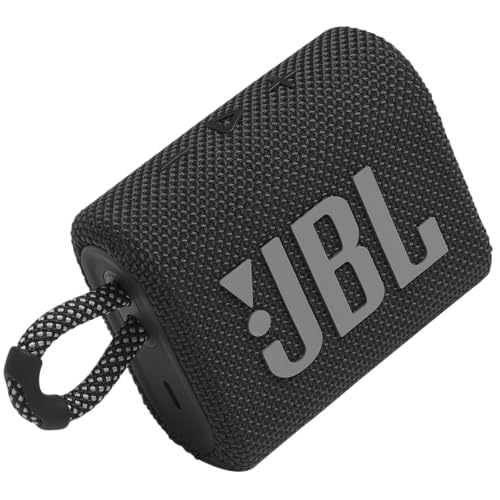
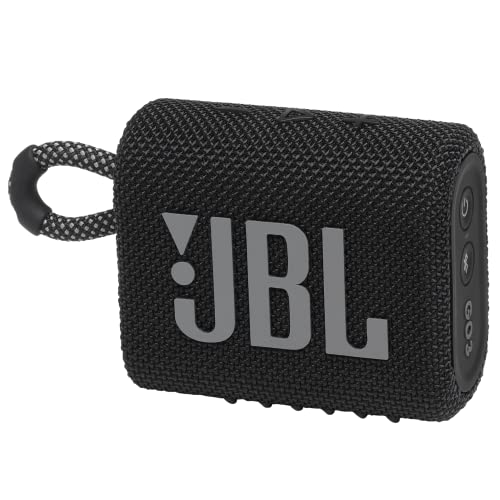
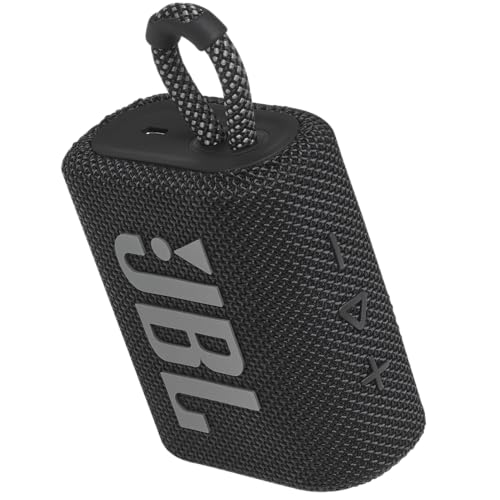
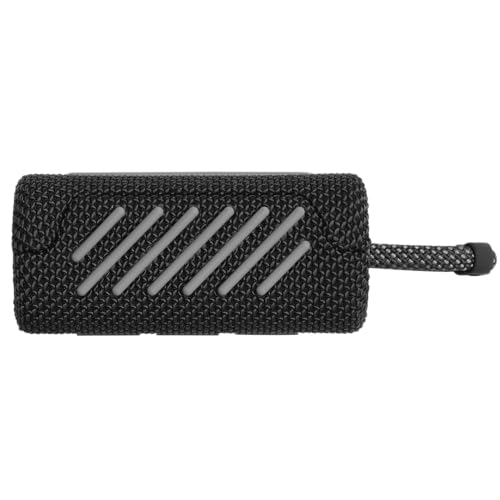
Released in 2020, the JBL Go 3 represents JBL's philosophy of making decent audio accessible to everyone. This ultra-compact speaker weighs less than half a pound and easily fits in most pockets, making it one of the most truly portable speakers available.
The JBL Go 3 uses a single 43x47mm driver – that's about 1.7 inches across – producing mono sound with 4.2 watts of power. While mono might sound limiting in 2024, it's actually practical for an ultra-portable speaker since you're unlikely to position it for optimal stereo imaging anyway. The frequency response starts at 110Hz, which means you'll miss the deepest bass frequencies, but the speaker maintains clarity in the vocal range where most content lives.
What's impressive about the JBL Go 3 is how it maximizes performance within severe size and cost constraints. JBL's engineers tuned the speaker to emphasize clarity over bass response, recognizing that distorted bass sounds worse than limited but clean bass. This decision pays off – voices in podcasts come through clearly, and music remains listenable even if it lacks the depth you'd get from larger speakers.
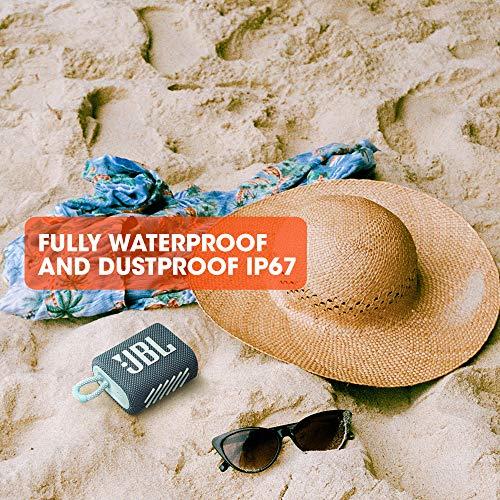
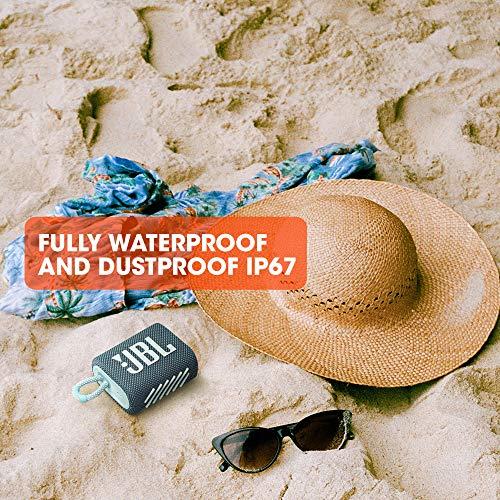
The IP67 rating means the JBL Go 3 can handle being submerged in water up to one meter for 30 minutes, making it genuinely useful for shower listening or poolside use. The integrated fabric loop is a thoughtful touch that makes attachment to backpacks or belt loops simple and secure.
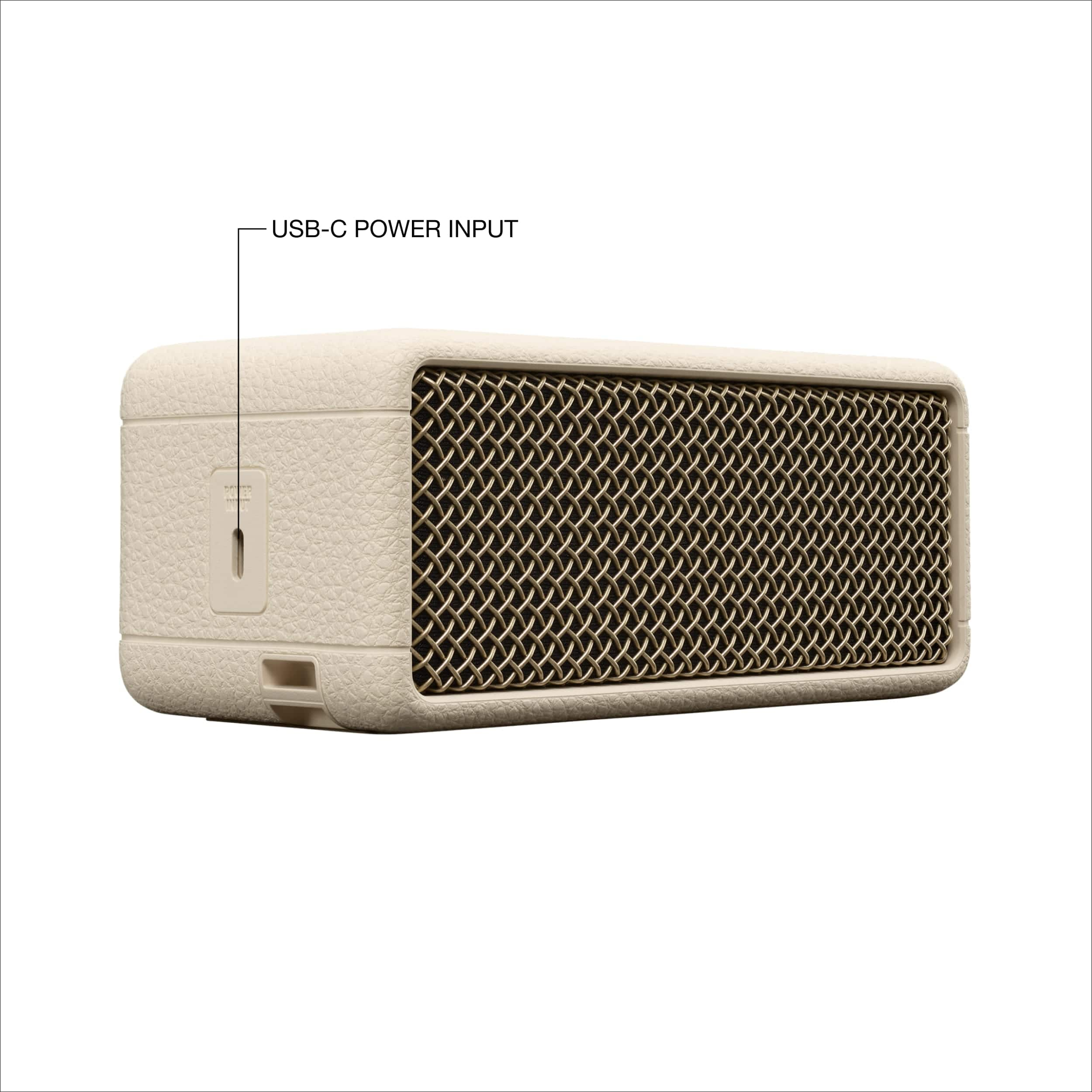
Battery life is modest at 5 hours, which covers most daily scenarios but requires planning for longer outings. The USB-C charging port is a welcome modern touch that eliminates the need for proprietary cables.
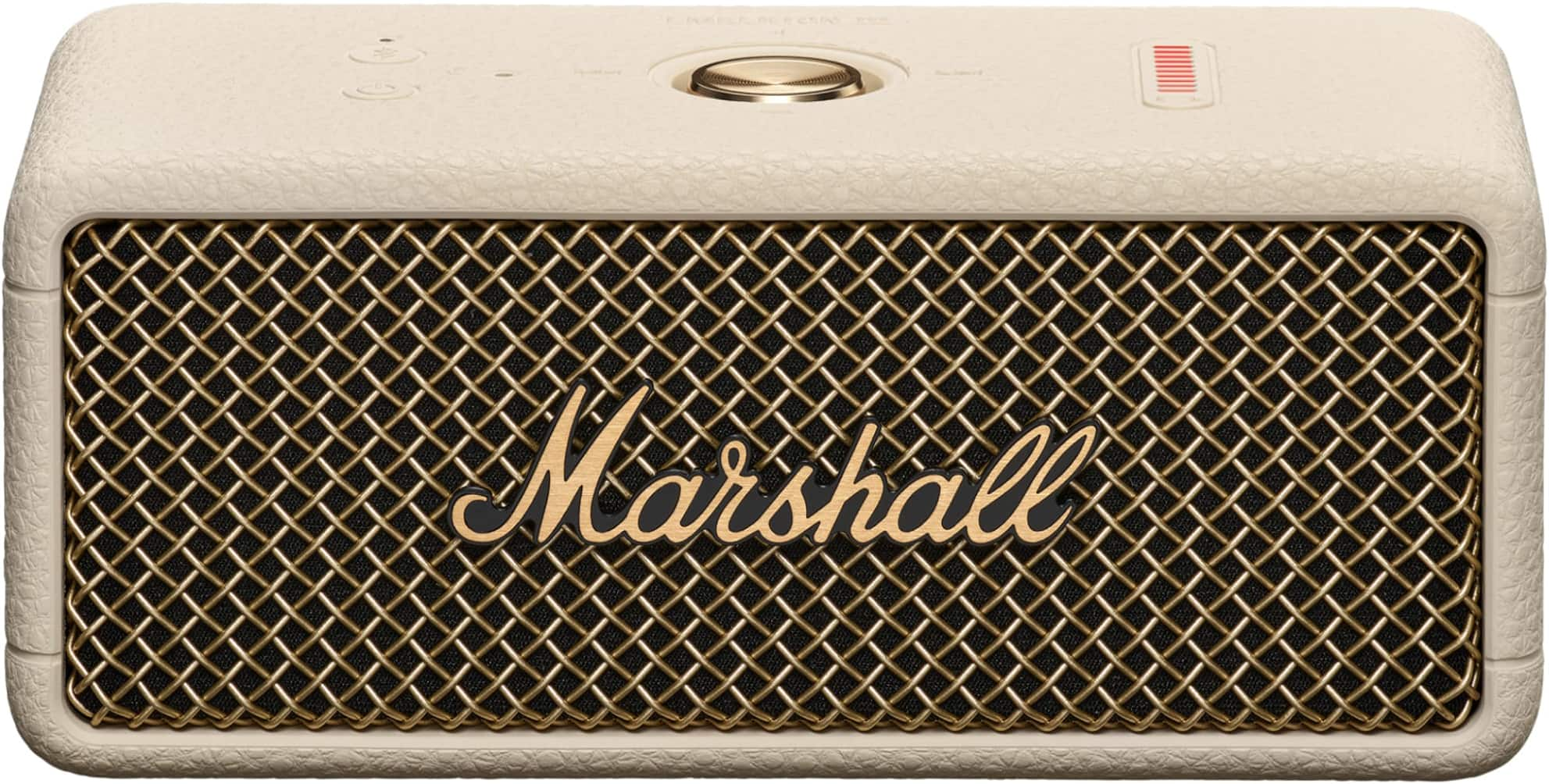
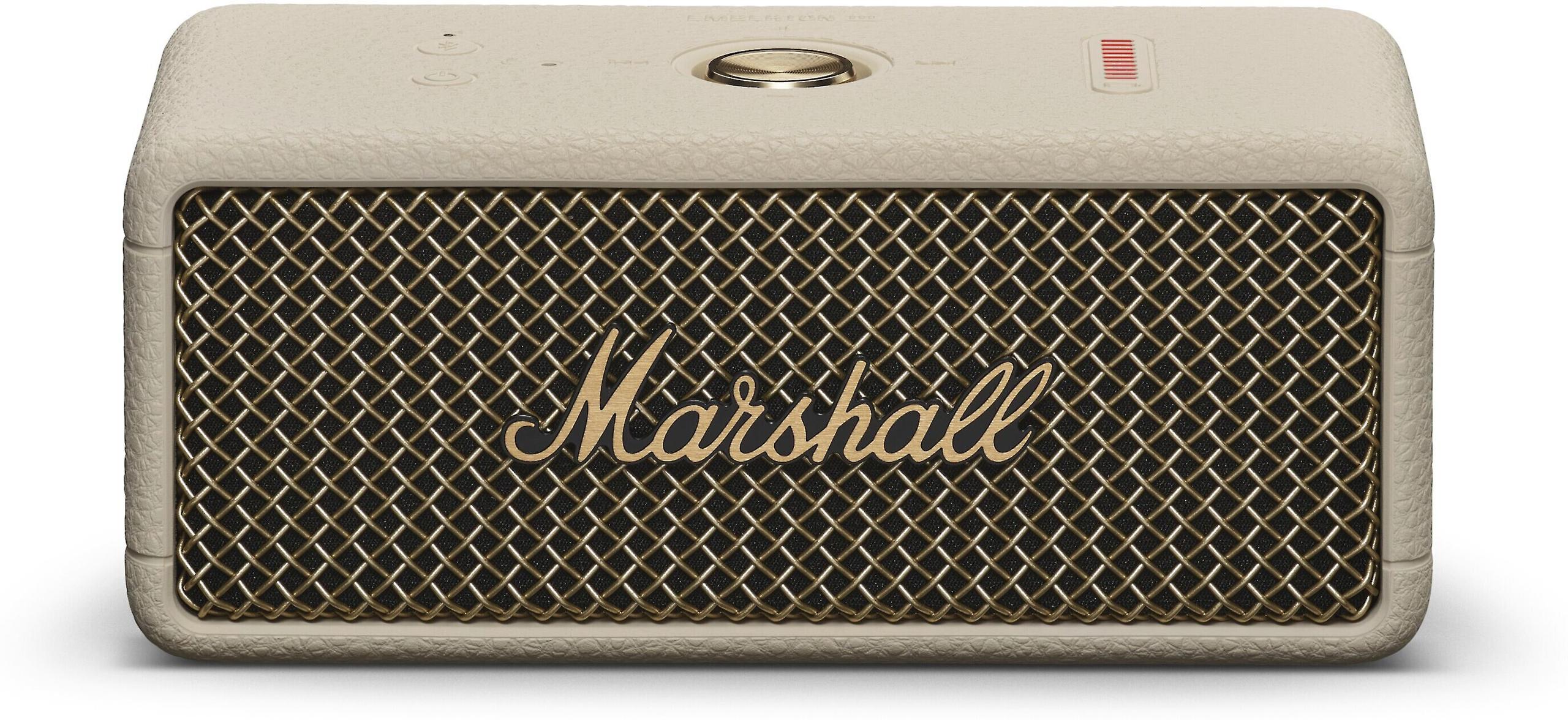
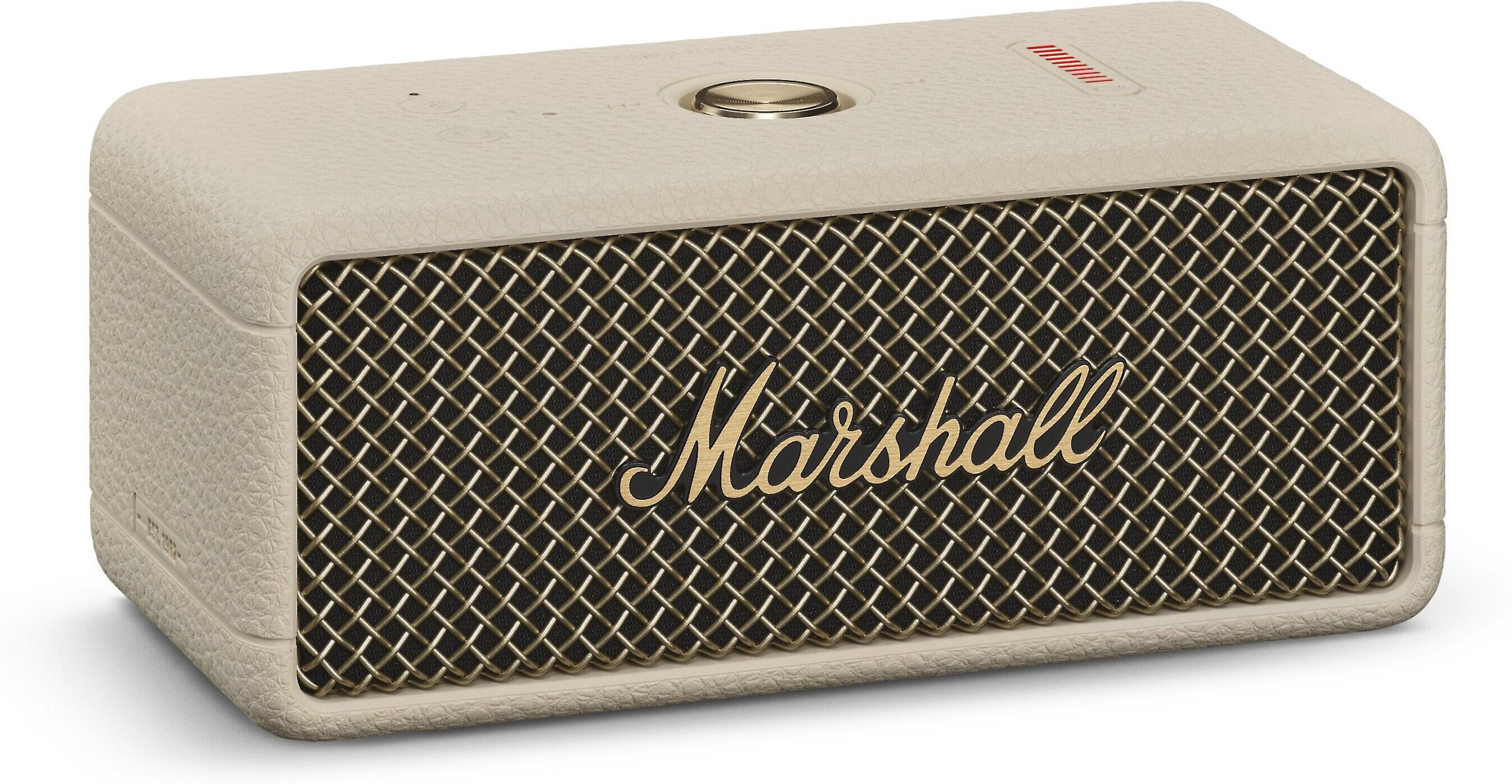
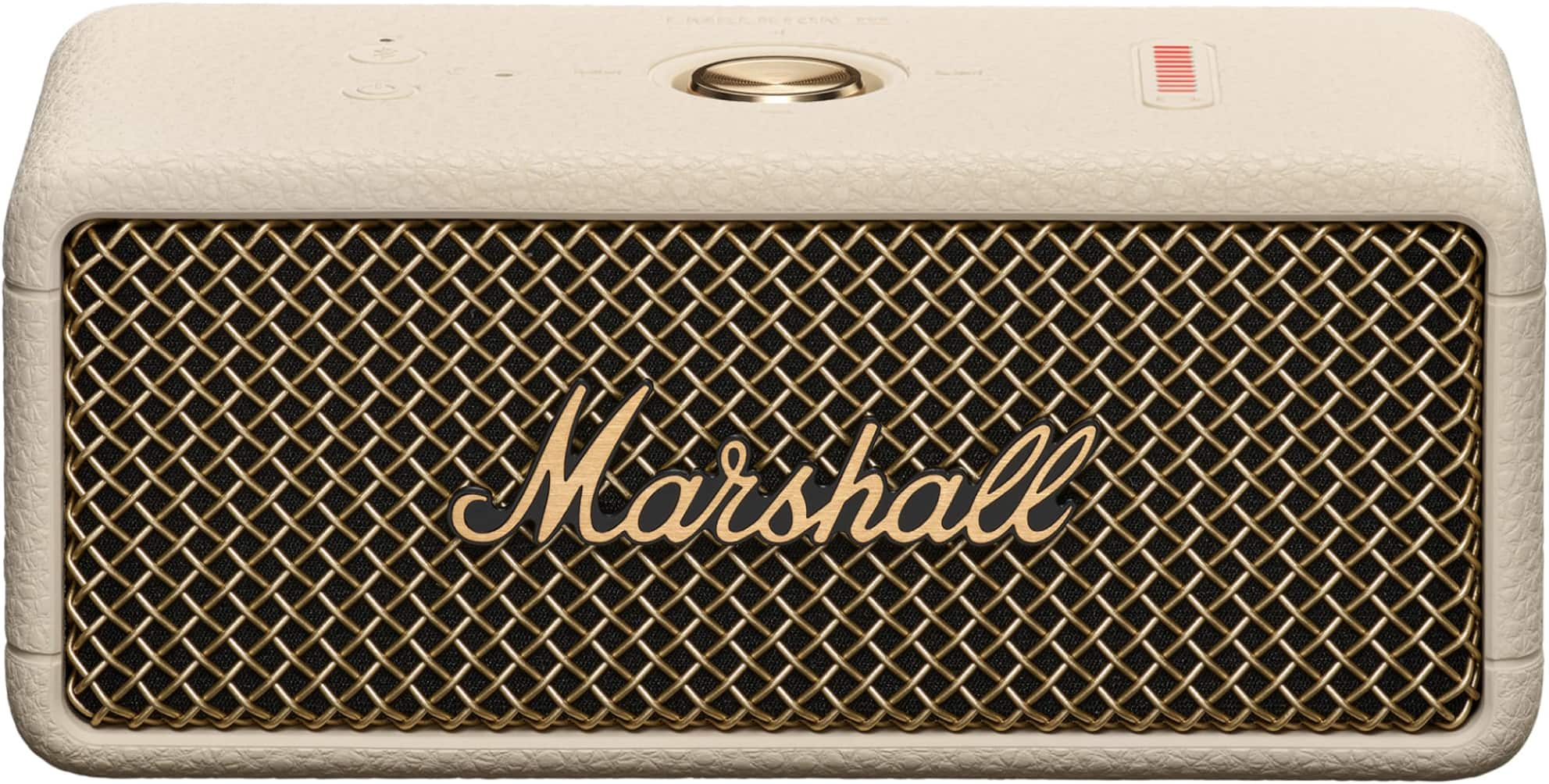
Marshall released the Emberton III in 2024 as the latest evolution of their compact speaker line. This represents a completely different approach – instead of maximizing portability, Marshall focused on delivering genuinely impressive sound quality in a still-portable package.
The Emberton III features dual 2-inch full-range drivers paired with passive radiators. Passive radiators are essentially speakers without magnets that vibrate in response to the main drivers, effectively extending bass response without requiring additional power. This clever engineering allows the Marshall Emberton III to achieve bass response down to 65Hz – significantly deeper than the JBL Go 3's 110Hz starting point.
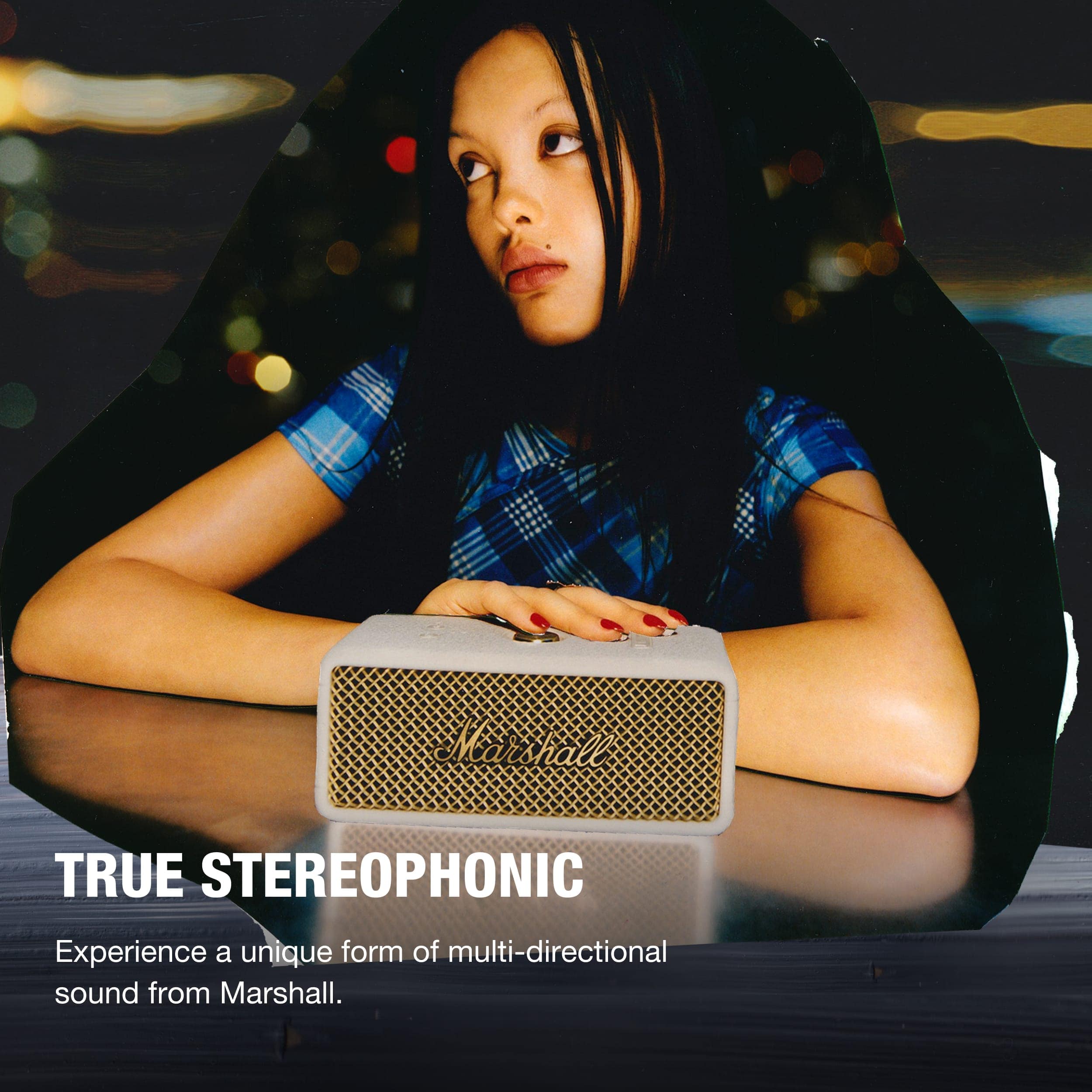
Marshall's True Stereophonic technology is their proprietary approach to creating 360-degree sound dispersion. Unlike traditional stereo speakers that create a sweet spot directly in front, True Stereophonic aims to fill the entire space around the speaker. This makes the Marshall Emberton III much more flexible for group listening – you don't need to position everyone in front of the speaker for good sound.
The Dynamic Loudness feature automatically adjusts the tonal balance based on volume level. At low volumes, it boosts bass and treble to maintain perceived fullness, while at high volumes it prevents harshness. This psychoacoustic processing (adjusting sound based on how human hearing works) helps the Marshall Emberton III sound good across its entire volume range.
Battery life is exceptional at 32 hours – more than six times longer than the JBL Go 3. Even more impressive is the quick charging capability: 20 minutes of charging provides 6 hours of playback, which is longer than the JBL Go 3's entire battery capacity.
The sound quality difference between these speakers is substantial, reflecting both their price gap and different design priorities. The Marshall Emberton III's stereo configuration creates a noticeably wider soundstage – instruments seem to come from different positions rather than a single point source. This stereo imaging makes music more engaging and natural-sounding.
Bass response tells much of the story. The JBL Go 3's 110Hz starting point means it can reproduce male voices and most musical content adequately, but lacks the rumble of bass drums or the fullness of electronic music. The Marshall Emberton III's 65Hz response captures much more of the fundamental frequencies that give music its weight and impact.
Volume capability differs significantly too. While the JBL Go 3 can get surprisingly loud for its size, it's primarily designed for personal listening or very small spaces. The Marshall Emberton III can fill a room or provide adequate volume for outdoor gatherings without straining.
Clarity and detail retrieval favor the Marshall Emberton III as well. The larger drivers and more sophisticated processing allow it to reveal more nuances in recordings. Vocals sound more natural, instruments have better separation, and the overall presentation is more refined.
However, the JBL Go 3 deserves credit for punching above its weight class. For a speaker this small and affordable, the sound quality is genuinely impressive. It won't satisfy audiophiles, but it delivers clear, listenable audio that's perfectly adequate for its intended use cases.
The battery life difference between these speakers fundamentally changes how you can use them. The JBL Go 3's 5-hour capacity covers most daily scenarios – commuting, working in an office, or evening listening – but requires regular charging and planning for longer activities.
The Marshall Emberton III's 32-hour battery life essentially eliminates battery anxiety. You can take it on weekend camping trips, use it for outdoor parties, or simply forget to charge it for days without consequence. This reliability changes the relationship you have with the device – it becomes a tool you can count on rather than another gadget to manage.
The quick charging capabilities also differ meaningfully. While both use USB-C, the Marshall Emberton III's ability to gain 6 hours of playback from just 20 minutes of charging means you can quickly top up before heading out. The JBL Go 3 requires 2.5 hours for a full charge, making it less convenient for spontaneous use.
True portability involves more than just dimensions. The JBL Go 3 wins on pure size and weight – it's genuinely pocketable and adds minimal bulk to any bag. The integrated loop makes attachment simple, and the small size means it fits in cup holders, small shelves, and tight spaces.
The Marshall Emberton III is still portable, but it's clearly designed for bag carry rather than pocket use. At 1.5 pounds, it has noticeable weight, though the premium materials and solid construction make it feel valuable rather than burdensome. The included strap attachment point shows Marshall understands this speaker will be carried differently than ultra-compact models.
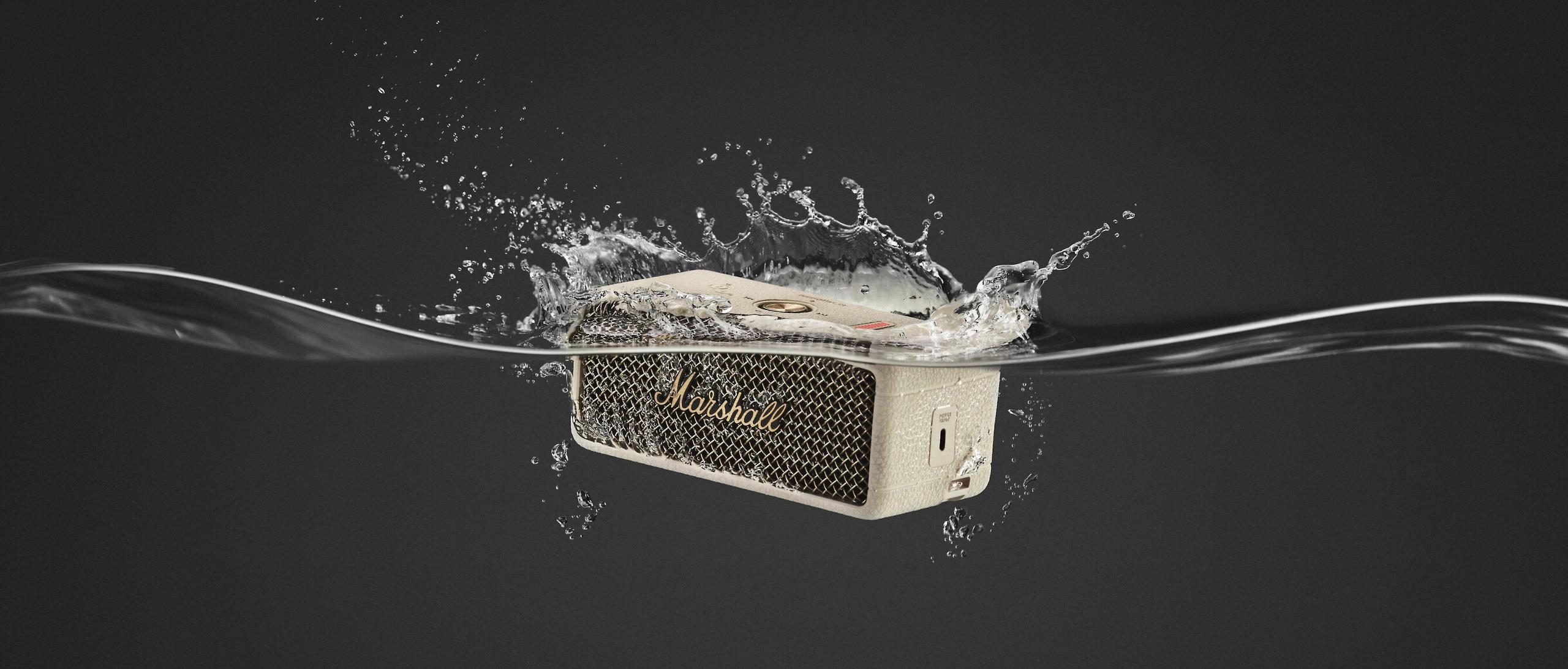
Both speakers share IP67 water and dust resistance, making them equally capable in outdoor environments. However, their different sizes affect how you'll actually use this feature – the JBL Go 3 is more likely to get tossed in a beach bag or shower caddy, while the Marshall Emberton III might serve as a centerpiece for poolside gatherings.
The feature gap between these speakers reflects their different market positions. The JBL Go 3 focuses on essential functionality – play, pause, volume, and pairing. There's no app integration, EQ adjustment, or advanced connectivity features. This simplicity can actually be a benefit if you just want something that works without complexity.
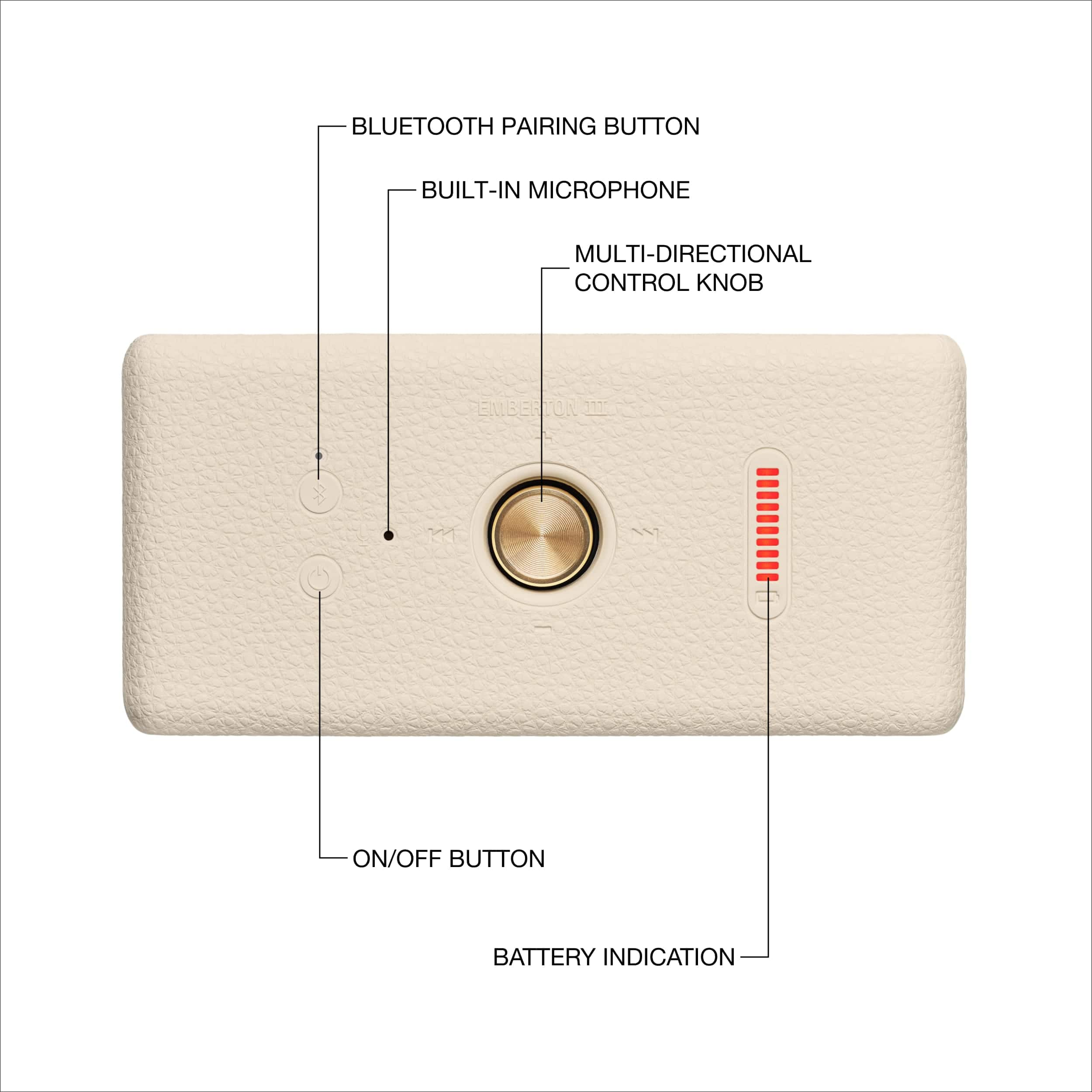
The Marshall Emberton III includes modern conveniences like app-based EQ control with three presets optimized for different content types. The Voice preset enhances podcast listening, while the Marshall preset delivers the brand's signature sound. Bluetooth 5.3 with Auracast support prepares the speaker for future multi-device streaming scenarios, though this feature wasn't fully implemented at the time of writing.
Multipoint connectivity allows the Marshall Emberton III to maintain connections with multiple devices simultaneously, making it easy to switch between phone and laptop audio. The built-in microphone enables hands-free calling, adding utility for video conferences or phone calls.
Neither speaker is designed for home theater use, but they serve different roles in home entertainment. The JBL Go 3 works well for personal viewing on tablets or laptops, providing clearer dialogue than built-in speakers without requiring significant setup.
The Marshall Emberton III can enhance TV audio in smaller rooms, particularly for dialog-heavy content like news or documentaries. However, both speakers lack the low-frequency extension and dynamic range needed for movie soundtracks or action content. If home theater audio is important to you, consider dedicated soundbars or bookshelf speakers instead.
Value comparison between these speakers requires understanding what you're actually buying. At the time of writing, the JBL Go 3 costs roughly one-sixth the price of the Marshall Emberton III, making direct performance comparisons somewhat unfair.
The JBL Go 3 delivers exceptional value for its price point. You get reliable build quality, decent sound for the size, modern features like USB-C charging, and full waterproofing at a price that won't strain most budgets. It's genuinely impressive what JBL achieved within these constraints.
The Marshall Emberton III justifies its premium pricing through significantly superior performance across nearly every metric. The sound quality improvement alone could justify much of the price difference for music lovers, and the extended battery life provides genuine utility value.
However, value isn't just about performance per dollar – it's about meeting your needs appropriately. If you primarily need personal listening while commuting, the JBL Go 3's advantages in portability and affordability might provide better value than the Marshall Emberton III's superior sound quality.
Choose the JBL Go 3 if maximum portability is your priority. It's perfect for travelers who need something truly pocketable, students looking for dorm room audio on a budget, or anyone wanting a reliable backup speaker. The sound quality, while limited, is perfectly adequate for podcasts, conference calls, and casual music listening.
The JBL Go 3 also makes sense if you're buying multiple speakers – perhaps one for each family member or different locations around your home. At its price point, you can afford several without significant investment.
Choose the Marshall Emberton III if sound quality matters to you and you're willing to sacrifice some portability for significantly better performance. It's ideal for music enthusiasts who want portable audio that actually sounds good, outdoor enthusiasts who need reliable all-day battery life, or anyone who plans to use their speaker for group listening.
The Marshall Emberton III is also the better choice if you want a single speaker that can handle diverse scenarios – from personal listening to small parties to outdoor adventures. Its versatility and reliability make it a more complete solution despite the higher cost.
These speakers represent two valid but different approaches to portable audio. The JBL Go 3 maximizes accessibility and portability, delivering surprisingly good performance at an ultra-budget price. The Marshall Emberton III prioritizes sound quality and battery life, creating a premium portable speaker that doesn't require significant compromises.
Neither choice is wrong – they're optimized for different users and scenarios. Your decision should be based on your primary use cases, budget constraints, and how much you value sound quality versus maximum portability. Both speakers excel in their intended roles, making this more about matching your needs than choosing a superior product.
The portable speaker market continues evolving rapidly, with manufacturers finding new ways to balance size, sound quality, battery life, and cost. Both the JBL Go 3 and Marshall Emberton III represent thoughtful engineering within their respective constraints, giving consumers genuine choices rather than simple good-better-best hierarchies.
| JBL Go 3 | Marshall Emberton III |
|---|---|
| Audio Configuration - Determines sound quality and listening experience | |
| Single 4.2W driver, mono sound | Dual 2" drivers with passive radiators, stereo sound |
| Frequency Response - Shows bass depth and overall sound range | |
| 110Hz-20kHz (limited bass, clear mids/highs) | 65Hz-20kHz (deeper bass, fuller sound) |
| Battery Life - Critical for extended use and convenience | |
| 5 hours (daily charging required) | 32 hours (weekend trips without charging) |
| Charging Speed - Important for quick top-ups | |
| 2.5 hours full charge via USB-C | 20 minutes for 6 hours playback via USB-C |
| Size and Weight - Affects true portability | |
| Ultra-compact, 0.46 lbs (pocketable) | Larger form factor, 1.5 lbs (bag-portable) |
| Water Resistance - Protection for outdoor use | |
| IP67 (fully waterproof and dustproof) | IP67 (fully waterproof and dustproof) |
| Bluetooth Technology - Affects connection quality and features | |
| Bluetooth 5.1, basic connectivity | Bluetooth 5.3 LE with Auracast, multipoint connection |
| App Integration - Customization and control options | |
| No app support, basic physical controls | Marshall app with 3 EQ presets and settings |
| Special Features - Added functionality beyond basic audio | |
| Integrated fabric loop for attachment | Built-in microphone, Dynamic Loudness, 360° sound |
| Value Positioning - Who this speaker is designed for | |
| Ultra-budget, maximum portability focus | Premium portable, sound quality focus |
The Marshall Emberton III delivers significantly better sound quality with its dual stereo drivers, deeper bass response starting at 65Hz, and True Stereophonic 360° sound technology. The JBL Go 3 produces mono sound from a single driver with limited bass below 110Hz, making it adequate for personal listening but not comparable to the Marshall Emberton III's fuller audio experience.
The Marshall Emberton III offers exceptional 32-hour battery life, while the JBL Go 3 provides 5 hours of playback. The Marshall Emberton III also features rapid charging with 6 hours of playback from just 20 minutes of charging, making it far superior for extended use without frequent recharging.
The JBL Go 3 is significantly more portable, weighing only 0.46 pounds and fitting easily in pockets with its ultra-compact design and integrated fabric loop. The Marshall Emberton III weighs 1.5 pounds and requires bag space, though it's still considered portable for premium speakers.
Yes, both the JBL Go 3 and Marshall Emberton III feature IP67 waterproof and dustproof ratings, meaning they can be submerged in up to 1 meter of water for 30 minutes. This makes both speakers suitable for beach, pool, shower, or outdoor adventure use.
The JBL Go 3 provides exceptional value for budget-conscious buyers, delivering reliable performance and waterproofing at an ultra-affordable price point. The Marshall Emberton III offers premium value for those prioritizing sound quality and extended battery life, justifying its higher cost through significantly superior performance.
Neither the JBL Go 3 nor Marshall Emberton III is designed for home theater use. However, the Marshall Emberton III can enhance TV dialogue in small rooms better than the JBL Go 3 due to its stereo sound and better frequency response, though dedicated soundbars would be more appropriate for serious home theater applications.
The Marshall Emberton III includes comprehensive app integration with three EQ presets, Bluetooth 5.3 with multipoint connectivity, and Auracast support for future multi-speaker setups. The JBL Go 3 has basic Bluetooth 5.1 connectivity with no app support, focusing on simple plug-and-play operation.
The Marshall Emberton III excels for outdoor gatherings with its room-filling 360° sound, stereo audio, and 32-hour battery life that easily covers entire events. The JBL Go 3 is limited to very small groups due to its mono sound and 5-hour battery life, making it better suited for personal use.
Both speakers use modern USB-C charging, but the Marshall Emberton III offers superior quick charging with 6 hours of playback from just 20 minutes of charging. The JBL Go 3 requires 2.5 hours for a full charge, making the Marshall Emberton III more convenient for spontaneous use.
The Marshall Emberton III features proprietary True Stereophonic technology for 360° sound dispersion and Dynamic Loudness that automatically adjusts tonal balance based on volume. The JBL Go 3 uses JBL's Pro Sound tuning but lacks advanced audio processing features.
Both speakers handle voice content well, but the Marshall Emberton III offers a dedicated Voice EQ preset in its app that's optimized for podcast listening. The JBL Go 3 provides clear vocal reproduction that's perfectly adequate for podcasts, though without the customization options of the Marshall Emberton III.
Choose the JBL Go 3 if you prioritize maximum portability, have a tight budget, and primarily need personal listening for commuting or travel. Choose the Marshall Emberton III if you want superior sound quality, extended battery life for outdoor adventures, and can justify the premium price for significantly better performance across most audio scenarios.
We've done our best to create useful and informative comparisons to help you decide what product to buy. Our research uses advanced automated methods to create this comparison and perfection is not possible - please contact us for corrections or questions. These are the sites we've researched in the creation of this article: rtings.com - streamtechreviews.com - english.achoreviews.com - smarthomesounds.co.uk - soundguys.com - rtings.com - walmart.com - soundguys.com - youtube.com - youtube.com - jbl.com - youtube.com - selectoguru.com - versus.com - videoandaudiocenter.com - harmanaudio.com - jbl.com - bestbuy.com - forum.hifiguides.com - manuals.plus - kh.jbl.com - th.jbl.com - mm.jbl.com - jbl.com - bestbuy.com - youtube.com - youtube.com - youtube.com - jbl.com - bestbuy.com - bestbuy.com - jbl.com.tw - youtube.com - techradar.com - bgr.com - androidcentral.com - crutchfield.com - goodhousekeeping.com - bhphotovideo.com - youtube.com - youtube.com - timesofindia.indiatimes.com - bestbuy.com - group.marshall.com

Privacy Policy
Terms and Conditions - Affiliate Policy
Home Security
© Copyright 2008-2026.
11816 Inwood Rd #1211, Dallas, TX 75244