

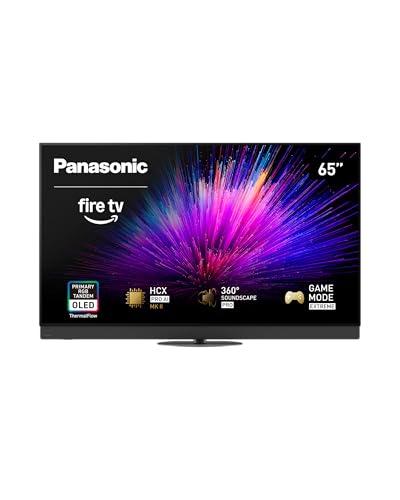
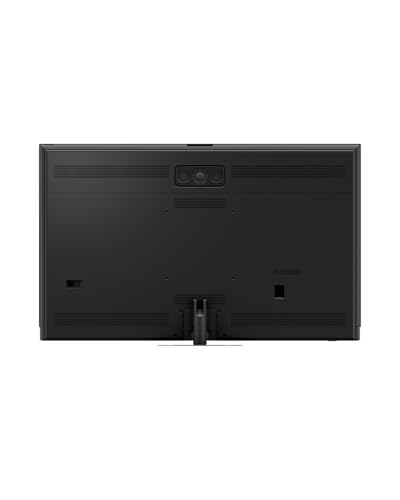

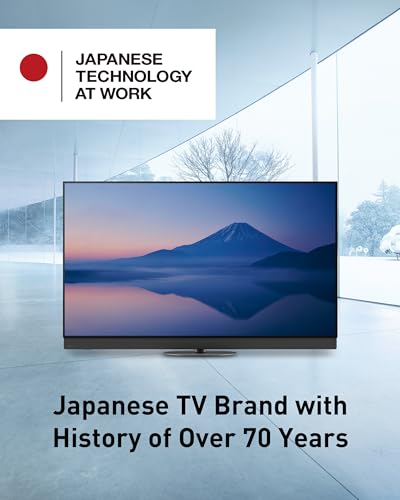
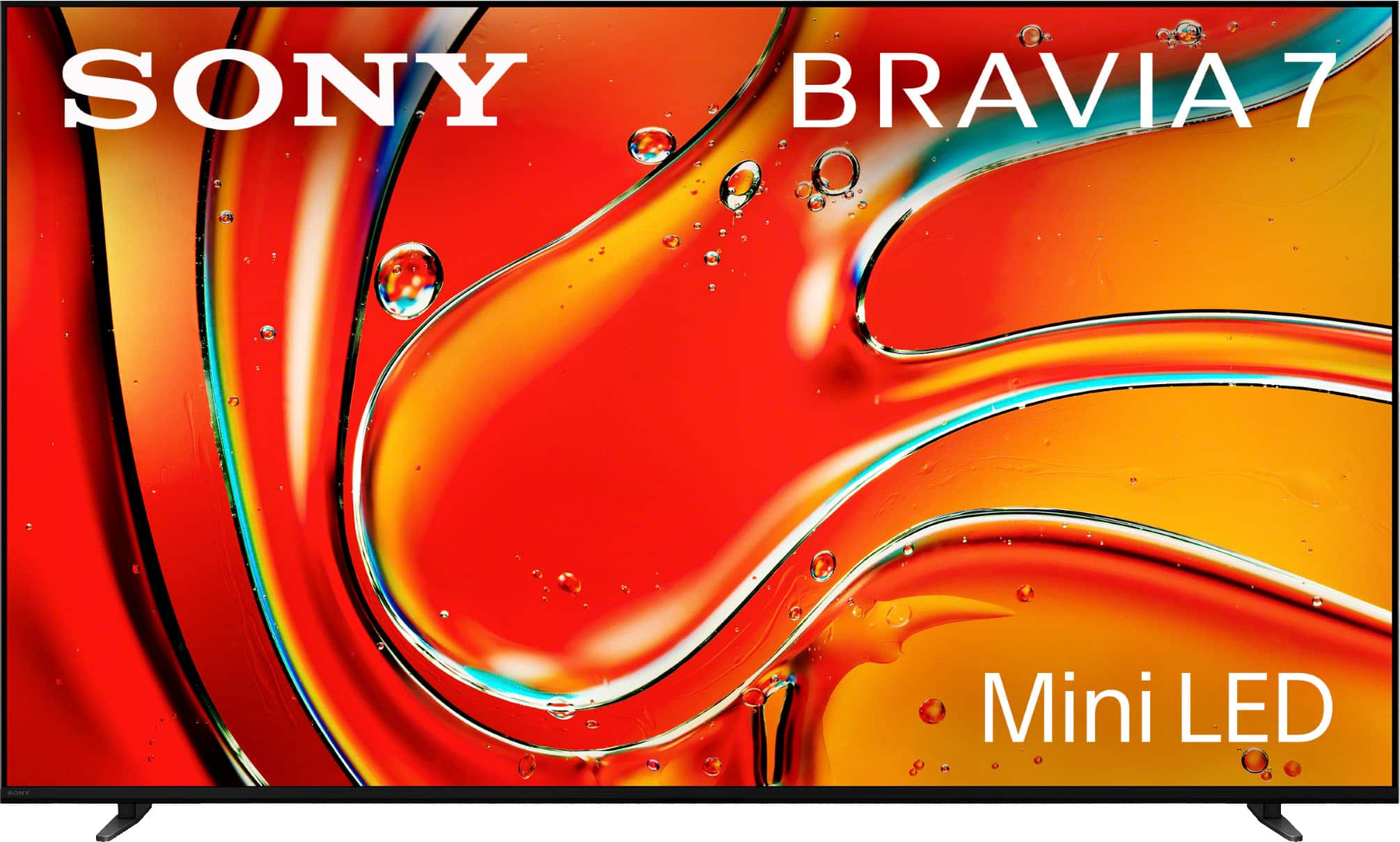
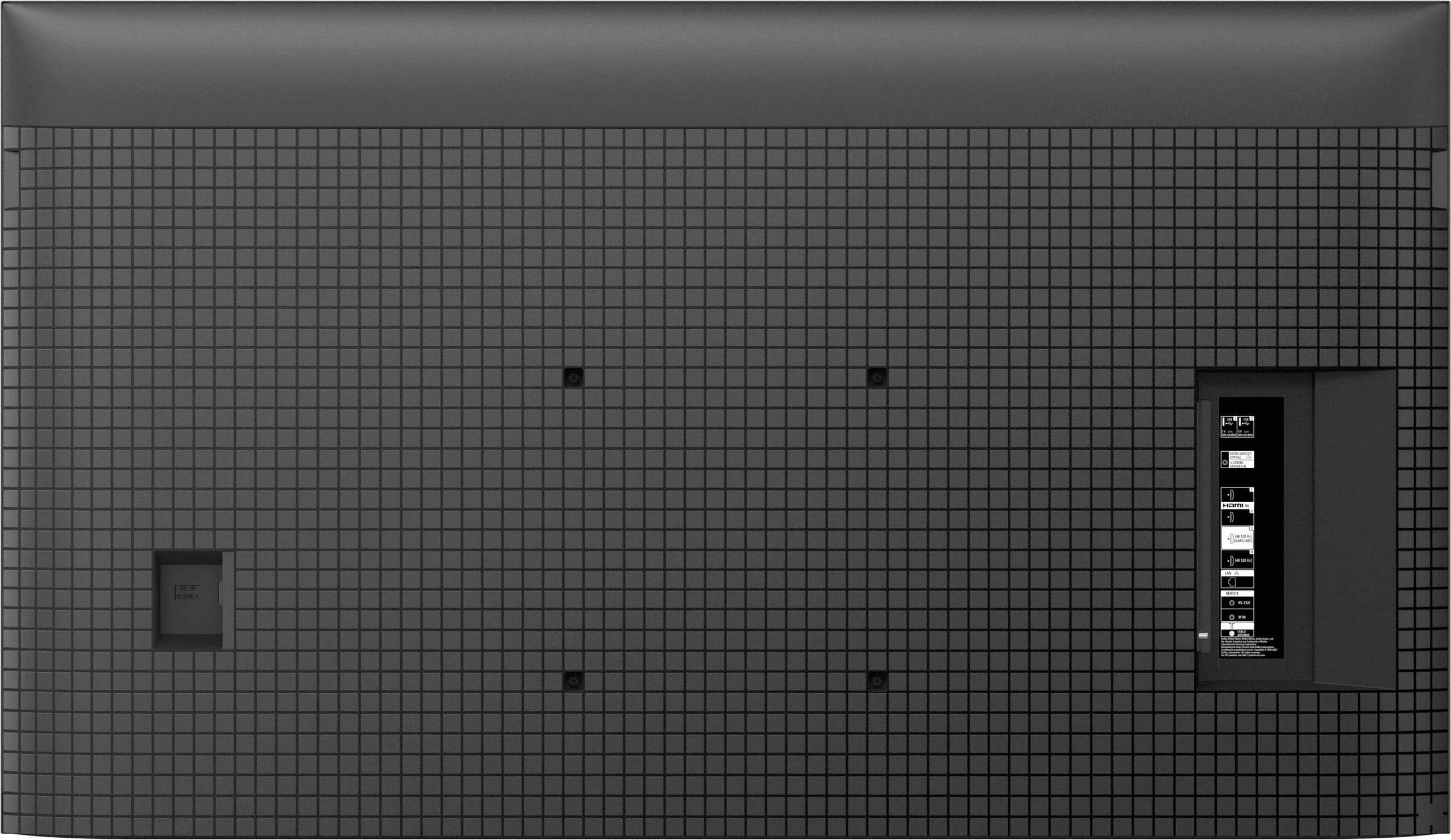
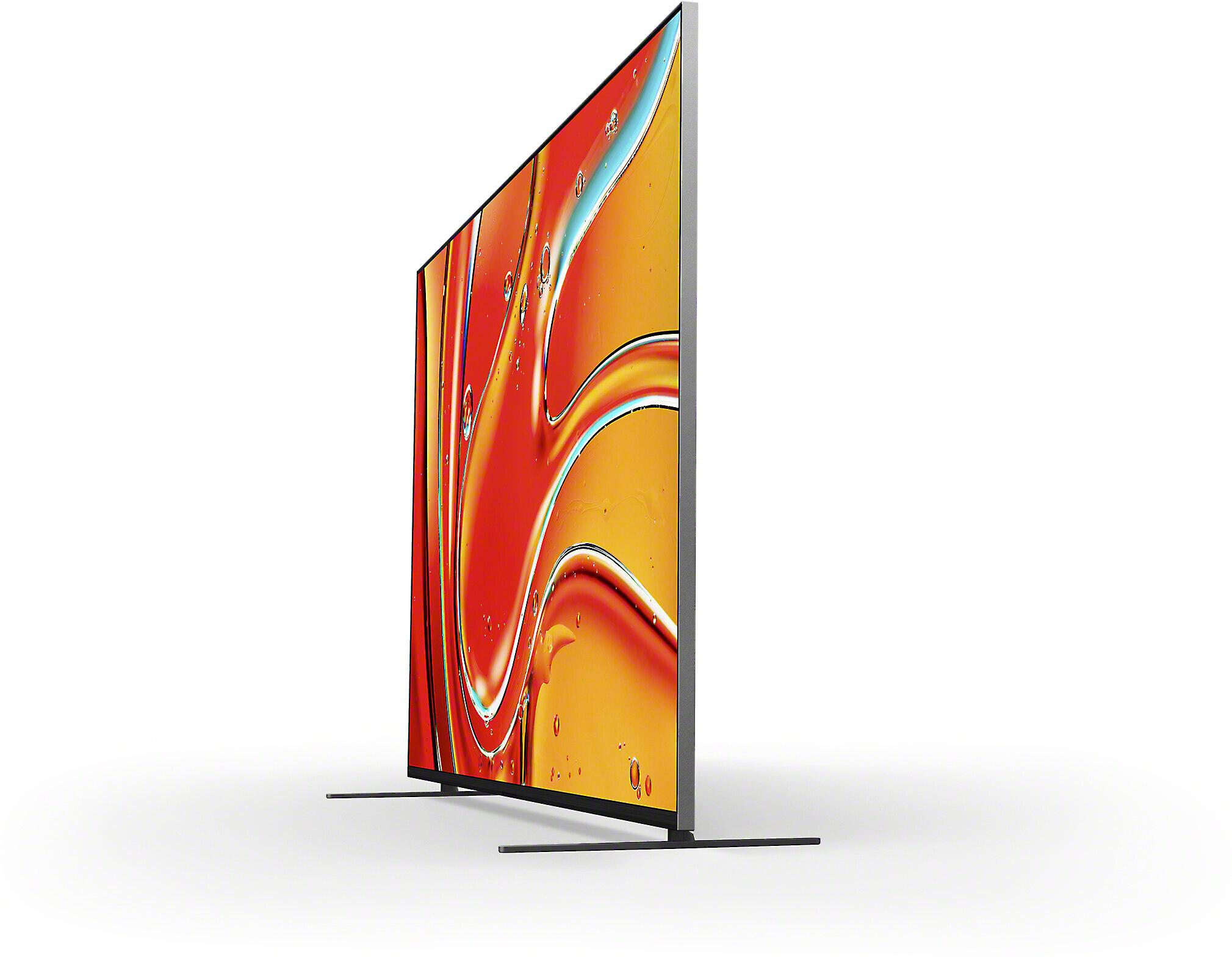
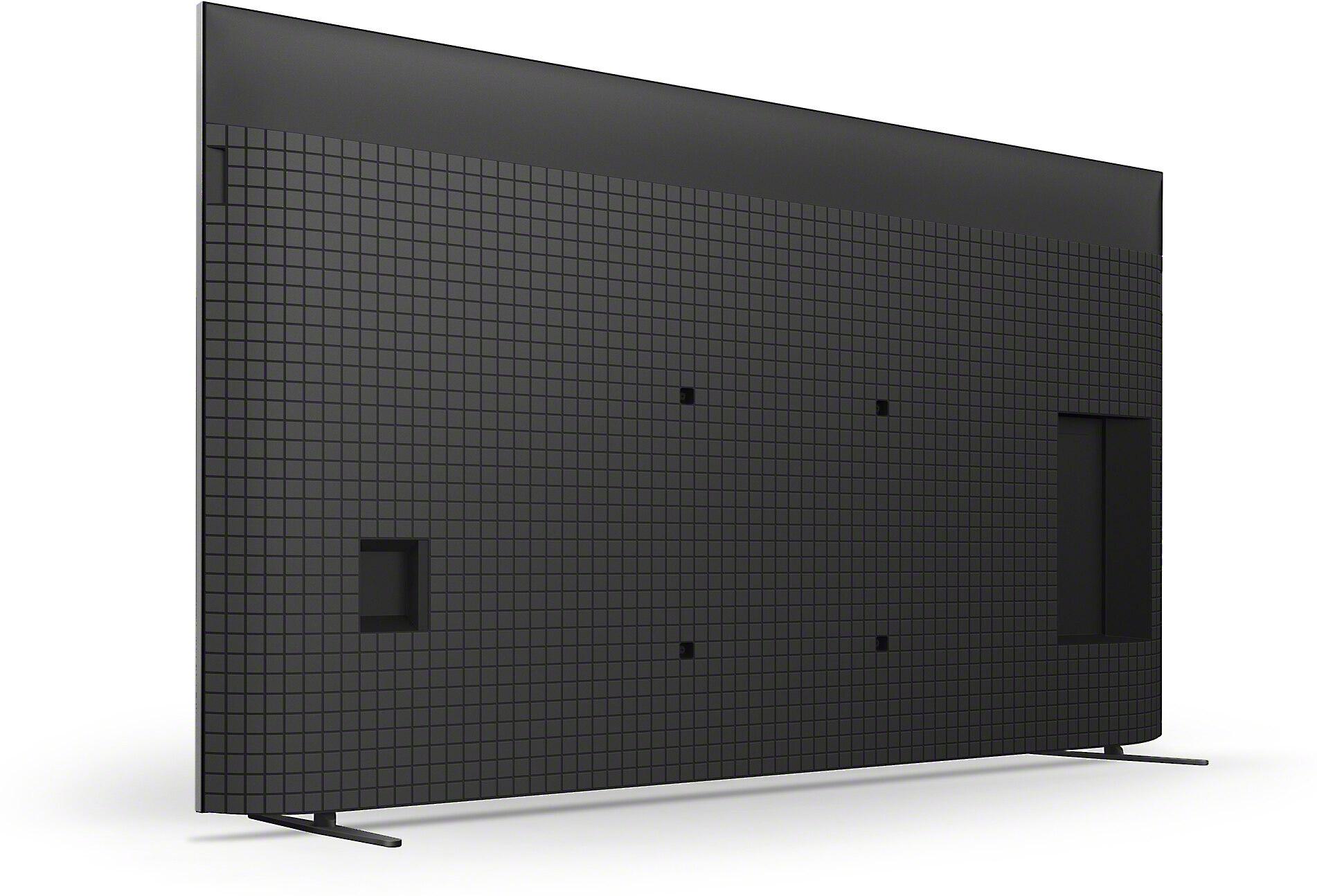
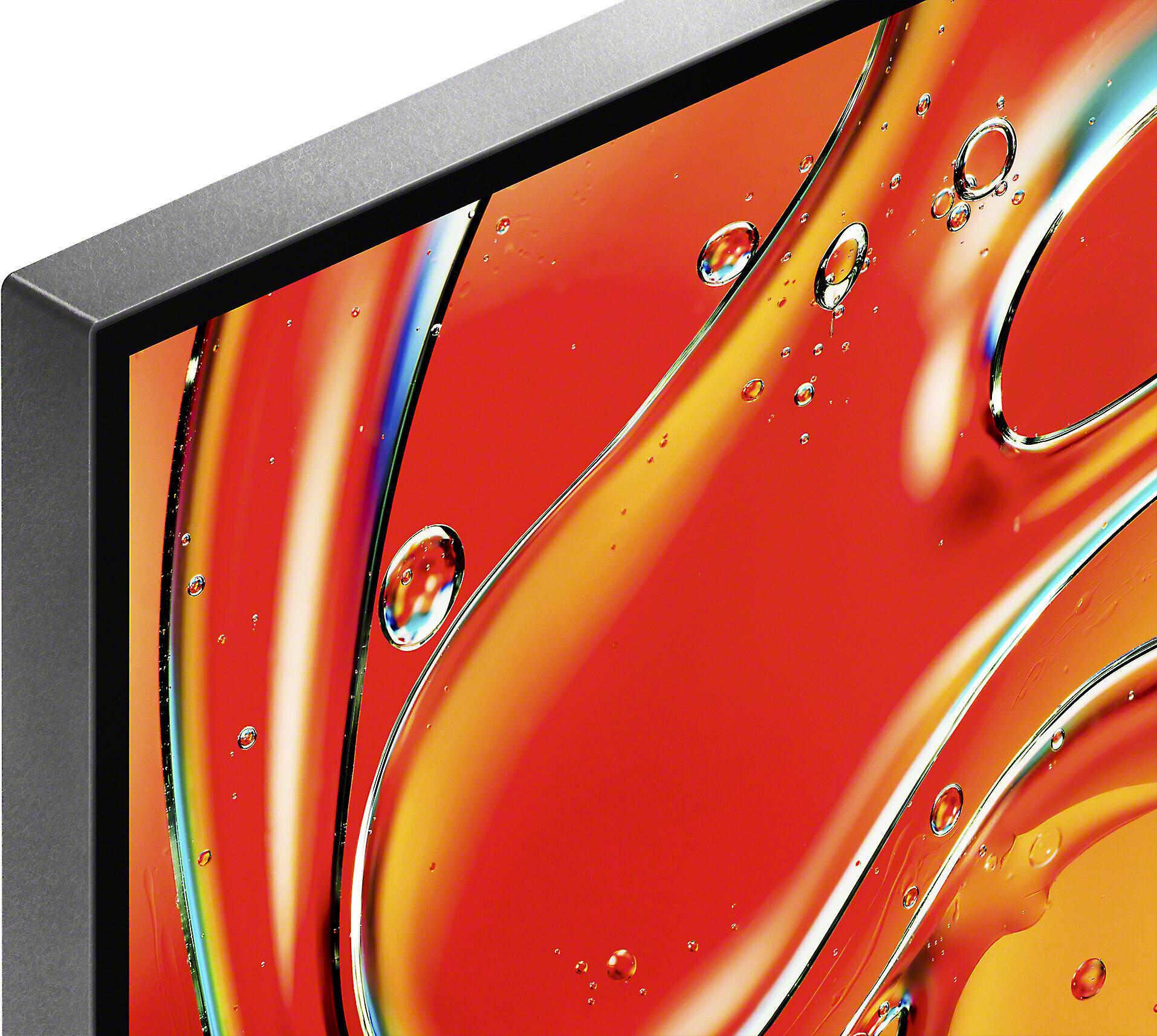
When shopping for a premium 65-inch TV in 2025, you'll likely encounter two fundamentally different display technologies that each promise exceptional picture quality. The Panasonic Z95B Series OLED represents the cutting edge of organic light-emitting diode technology, while the Sony BRAVIA 7 showcases what modern Mini LED backlighting can achieve at a much more accessible price point.
Understanding these technologies and their trade-offs is crucial because at the time of writing, you're looking at roughly a 2.5x price difference between these models. The question isn't just which TV is better—it's whether the premium technology justifies the significantly higher investment for your specific viewing needs.
The core difference between these TVs lies in how they create light and color. The Panasonic Z95B uses OLED technology, where each pixel generates its own light through organic compounds that glow when electricity passes through them. This means when a pixel needs to display black, it simply turns off completely, creating perfect darkness.
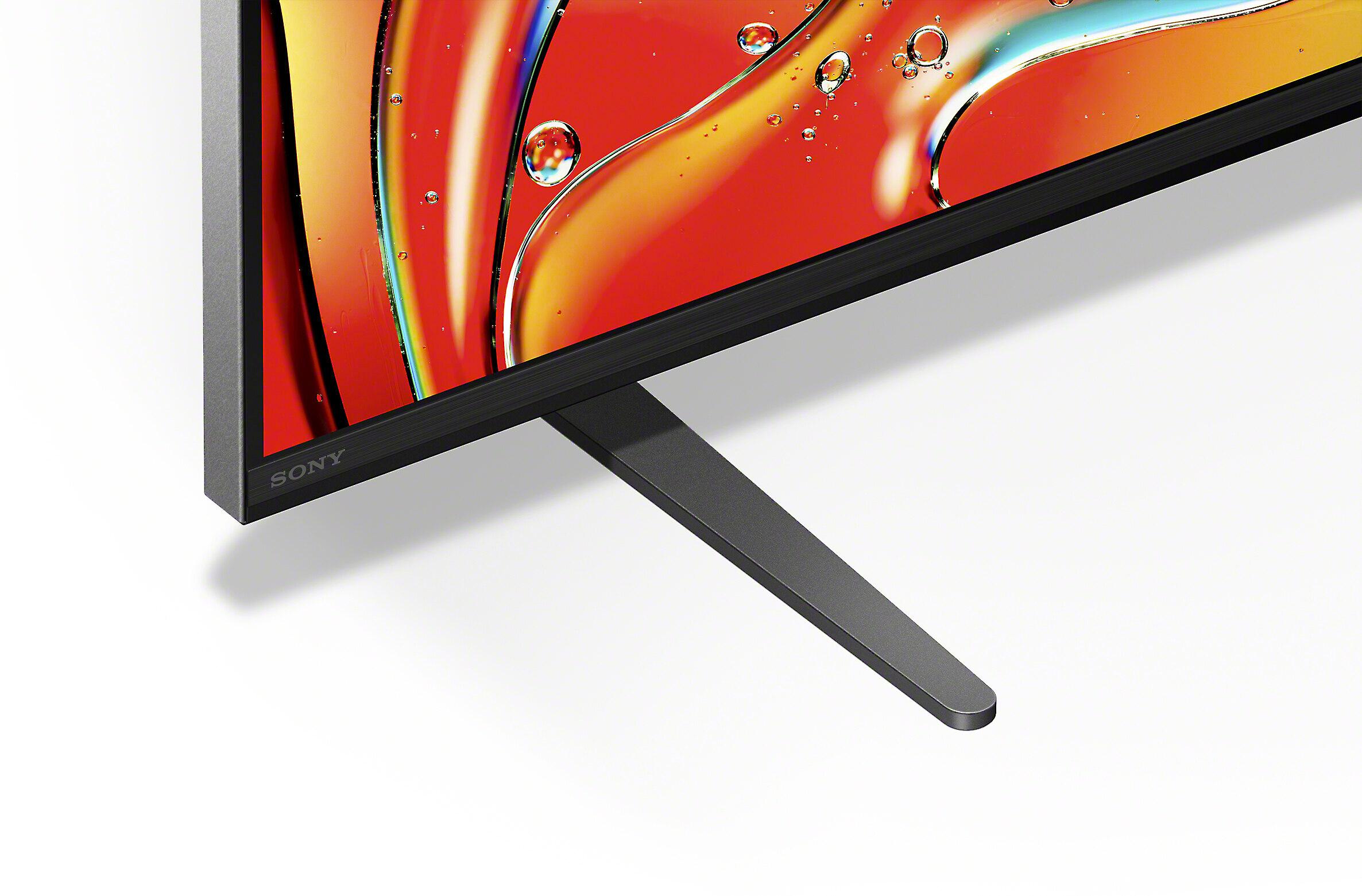
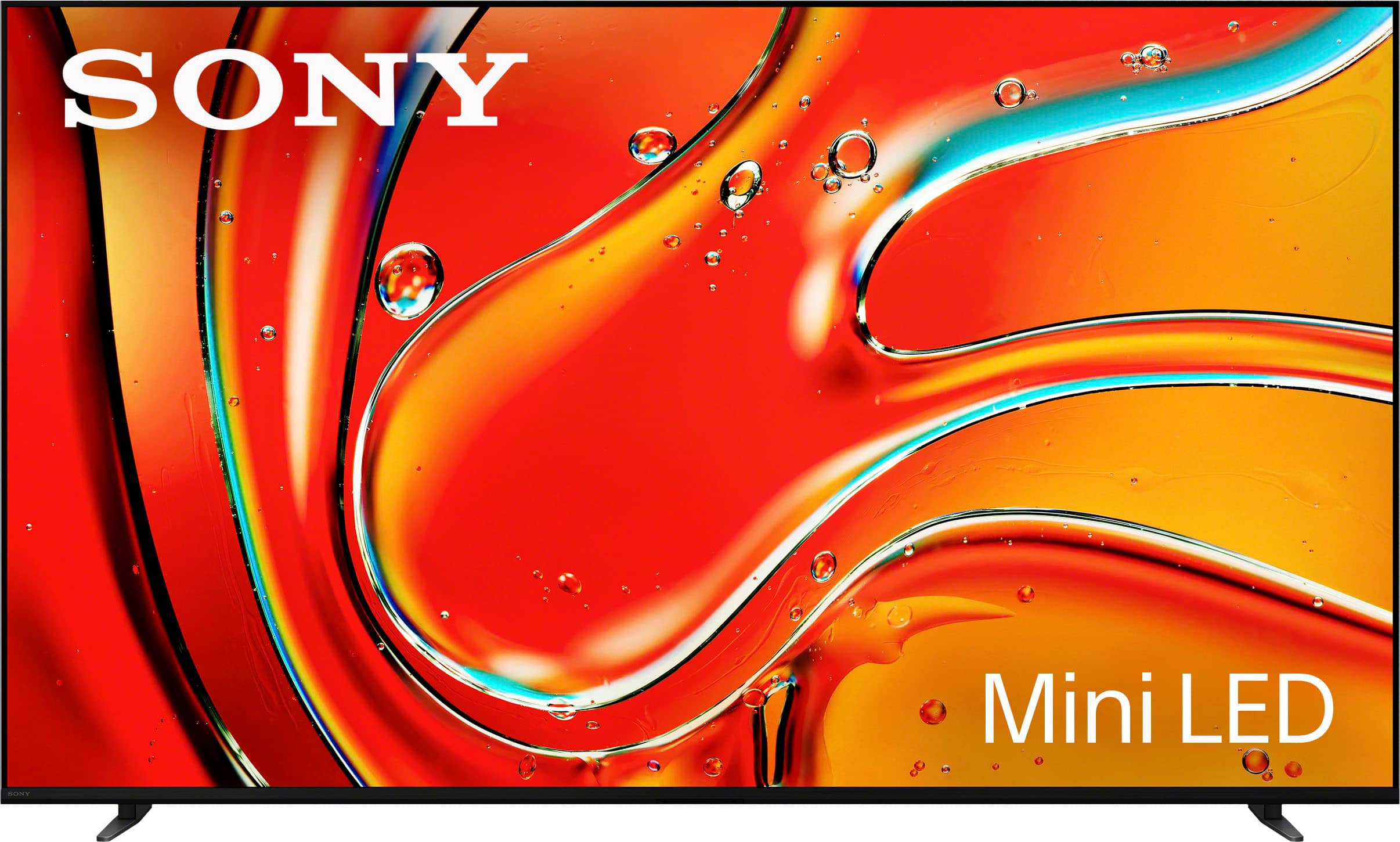
The Sony BRAVIA 7, meanwhile, uses Mini LED technology—thousands of tiny LED backlights arranged behind a liquid crystal display panel. These LEDs are grouped into zones that can dim or brighten independently (called local dimming), but they still illuminate the entire area behind each zone. Think of it like having thousands of flashlights of varying brightness behind a stained glass window, compared to OLED's approach of having each piece of glass glow on its own.
This fundamental difference creates cascading effects across every aspect of picture quality, from how deep blacks appear to how bright highlights can get.
When it comes to contrast—the difference between the darkest and brightest parts of an image—OLED technology has a theoretical advantage that's hard to overcome. The Panasonic Z95B can display true black by turning pixels completely off, creating what's called "infinite contrast." In practical terms, this means when you're watching a movie with a night scene, the dark areas look genuinely dark, not the dark gray you might notice on other TV types.
The Sony BRAVIA 7 handles this challenge better than most Mini LED TVs through its XR Backlight Master Drive system, which controls thousands of tiny LED zones independently. However, physics limits what's possible here—when a LED zone lights up to create a bright star in a dark sky, some light inevitably spills into surrounding dark areas, creating what we call "blooming" or "haloing."
For home theater enthusiasts who watch a lot of movies in dark rooms, this difference is immediately noticeable. The OLED's perfect blacks create a more cinema-like experience where dark scenes have proper depth and dimensionality.
Here's where the story gets interesting. The Sony BRAVIA 7 can reach peak brightness levels around 1,100 nits in HDR content, which is genuinely impressive and significantly brighter than traditional OLED panels. This higher brightness capability means HDR content—like nature documentaries with bright sunlight or action movies with explosions—can display highlights that more closely match what the content creators intended.
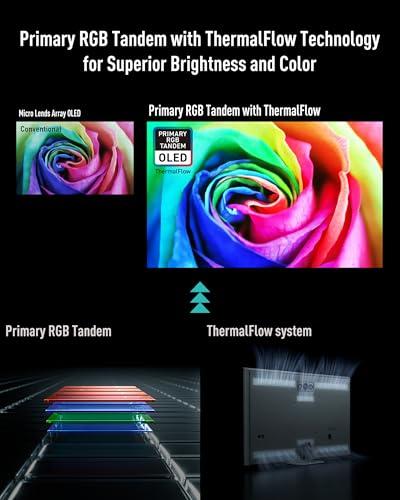
The Panasonic Z95B addresses OLED's historical brightness limitations through its revolutionary Primary RGB Tandem panel technology. This four-layer emission structure essentially stacks OLED layers to increase light output while maintaining color purity. Panasonic claims this improves light efficiency by 40% compared to conventional OLEDs, though it still likely doesn't match the raw peak brightness of the Sony's Mini LED system.
What makes this particularly relevant is your viewing environment. If you watch TV primarily in bright rooms with lots of windows, the Sony's superior peak brightness helps maintain picture quality when fighting ambient light. The OLED shines (literally and figuratively) in darker, more controlled environments.
Both manufacturers have earned reputations for color accuracy, but they achieve it through different approaches. The Panasonic Z95B includes professional calibration support, including Calman calibration and ISFccc certification. This means professional calibrators can fine-tune the display to reference standards used in movie studios. The TV also features multiple studio-calibrated modes for Netflix, Prime Video, and other services, ensuring content appears as creators intended.
Sony takes a different approach with the BRAVIA 7, focusing on exceptional out-of-the-box color accuracy through their XR Processor. Sony has long been considered the gold standard for natural, accurate colors without extensive calibration. Their processing examines each scene and adjusts colors in real-time, often producing more lifelike skin tones and natural-looking scenes than the competition.
The practical difference is that the Panasonic offers more flexibility for enthusiasts who want to calibrate their display perfectly, while the Sony delivers excellent results with minimal setup for most viewers.
Gaming capabilities have become increasingly important as modern consoles and PCs push higher frame rates and resolutions. Here, the performance gap between these TVs becomes significant.
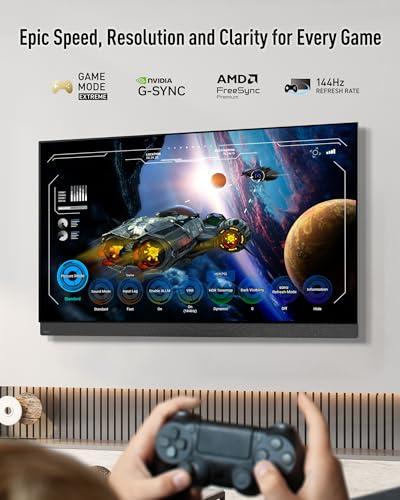
The Panasonic Z95B supports up to 144Hz refresh rates with 4K resolution, making it future-ready for high-end gaming PCs and next-generation consoles. Its OLED technology provides near-instantaneous pixel response times, meaning fast-moving objects in games appear sharp without motion blur. The TV supports both AMD FreeSync Premium and NVIDIA G-SYNC Compatible variable refresh rate technologies, eliminating screen tearing across different gaming platforms.
Perhaps most importantly, the Panasonic achieves industry-leading low input lag in its Game Mode Extreme setting. Input lag—the delay between pressing a controller button and seeing the action on screen—is crucial for competitive gaming where milliseconds matter.
The Sony BRAVIA 7 supports 4K gaming at 120Hz with variable refresh rate support, which covers most current gaming needs. However, it faces two limitations: higher input lag compared to leading gaming displays, and slow pixel response times that create noticeable motion blur in fast-paced games. These characteristics make it adequate for casual gaming but less ideal for competitive players.
For serious gamers, especially those playing fast-paced competitive titles, the Panasonic provides a noticeably superior experience. Casual gamers who primarily play story-driven or slower-paced games will find the Sony perfectly adequate.
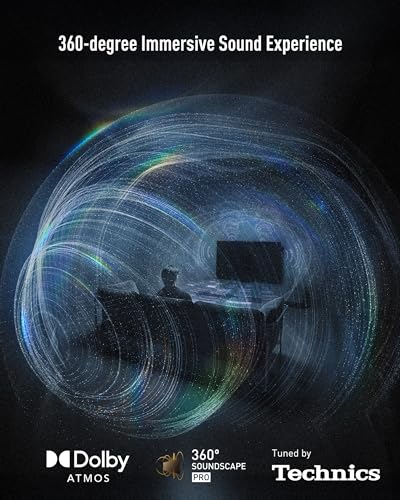
Audio quality often gets overlooked in TV comparisons, but it represents one of the most significant differences between these models. The Panasonic Z95B includes a comprehensive 5.1.2-channel audio system called 360° Soundscape Pro, developed in partnership with Technics, Panasonic's premium audio brand.
This system includes multiple speaker types: line array speakers, side-firing drivers, and upward-firing speakers for Dolby Atmos height effects. The 170-watt total output and sophisticated speaker placement create a genuinely immersive soundstage that can rival dedicated soundbars in many rooms. For many buyers, this integrated audio system eliminates the need for additional audio equipment.
The Sony BRAVIA 7 includes standard TV speakers that support Dolby Atmos but lack the power and sophistication of the Panasonic's system. However, Sony does include DTS audio passthrough, which the Panasonic lacks. This means if you have a collection of 4K Blu-ray discs or plan to use external audio equipment, the Sony maintains compatibility with more audio formats.
The audio choice comes down to your priorities: integrated premium sound (Panasonic) versus broader format compatibility (Sony).
The smart TV experience varies significantly between these models, reflecting different approaches to content organization and user interface design.
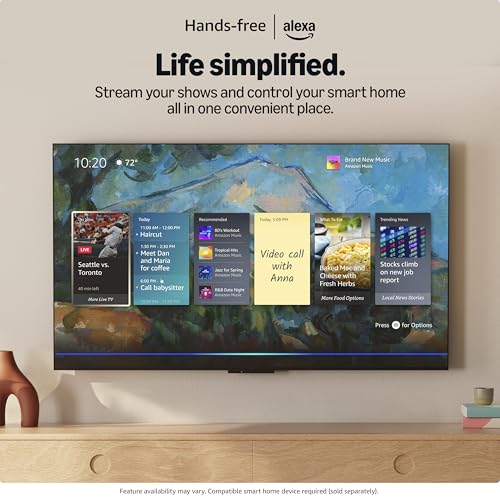
The Panasonic Z95B runs Fire TV, Amazon's content-forward platform. This interface prioritizes discovering new content across multiple streaming services, presenting recommendations prominently on the home screen. Fire TV includes hands-free Alexa voice control and integrates well with other Amazon services. The platform works particularly well for households heavily invested in Amazon's ecosystem.
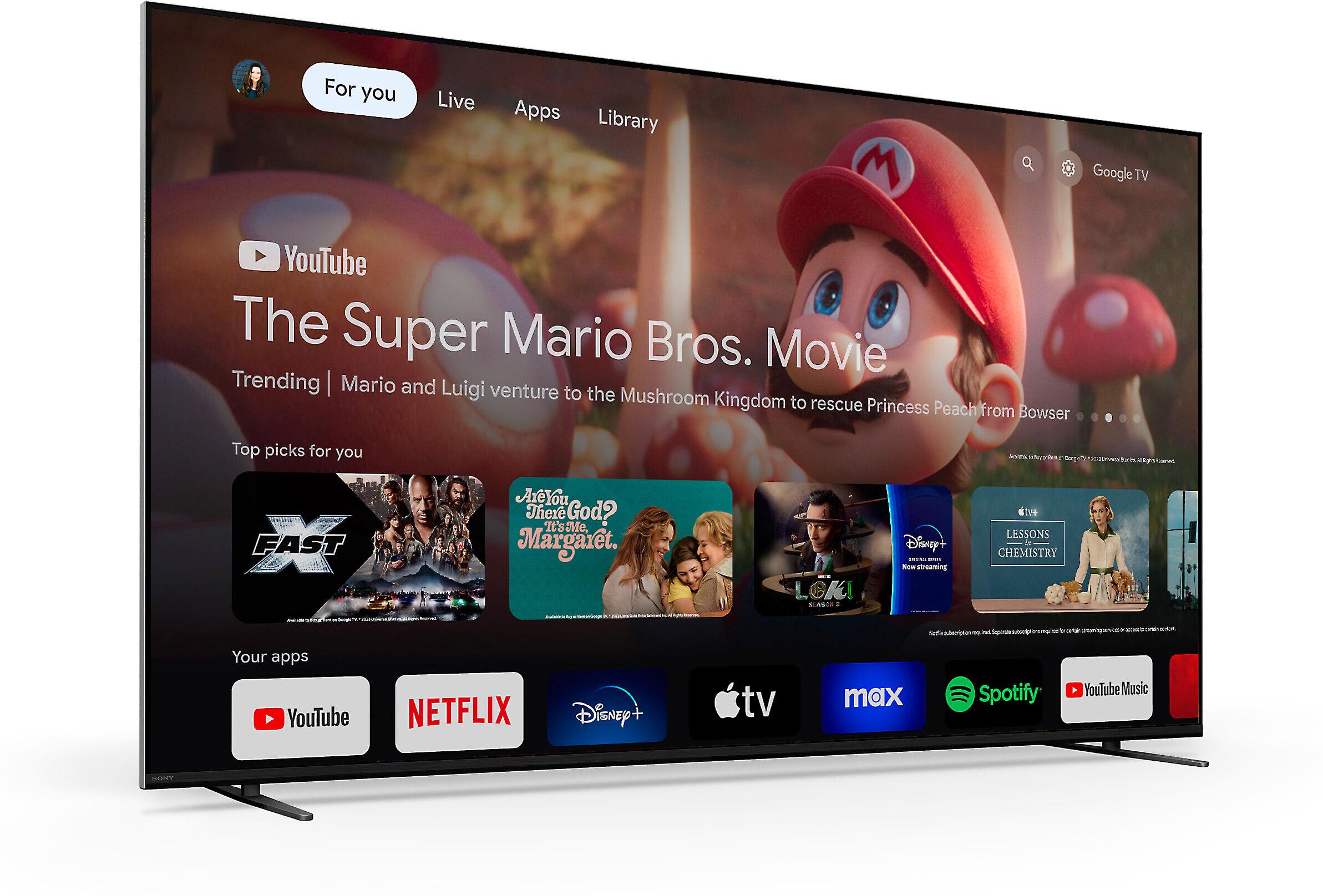
Google TV on the Sony BRAVIA 7 takes a more traditional approach, organizing content by app while still providing cross-platform recommendations. The interface feels more familiar to smartphone users and integrates seamlessly with Google services. Google TV typically offers broader app compatibility and more frequent updates than Fire TV.
Both platforms support major streaming services, but Google TV generally provides better long-term software support and app availability. The choice often comes down to personal preference and existing smart home ecosystems.
At the time of writing, the price difference between these TVs represents one of the most significant considerations. The Sony BRAVIA 7 costs roughly 40% of the Panasonic Z95B's price while delivering approximately 80% of the picture quality performance in most scenarios.
This value equation makes the Sony compelling for buyers who want premium picture quality without flagship pricing. The Mini LED technology provides excellent contrast, impressive brightness, and Sony's renowned color accuracy at a price point that makes sense for most living rooms.
The Panasonic justifies its premium through cutting-edge 2025 OLED technology, superior gaming performance, exceptional built-in audio, and professional calibration capabilities. For enthusiasts who prioritize having the latest display technology and don't mind paying for it, the additional cost brings meaningful improvements.
Your physical viewing environment significantly impacts which TV makes more sense. The Panasonic Z95B excels in dedicated home theater spaces or living rooms where you can control lighting. Its perfect blacks and infinite contrast create an immersive, cinema-like experience that's particularly effective in darker environments.
The Sony BRAVIA 7 handles brighter rooms better due to its superior peak brightness. If your TV room has large windows, skylights, or bright lighting that can't be controlled, the Sony's ability to punch through ambient light becomes valuable.
For movie enthusiasts who watch a lot of content with dark scenes—think horror movies, space films, or dramatic cinema—the OLED's perfect blacks provide an experience that Mini LED technology simply cannot match. Conversely, for sports viewing, nature documentaries, or bright, colorful content in well-lit rooms, the Sony's brightness advantage becomes more relevant.
The Sony BRAVIA 7 represents mature Mini LED technology from 2024, offering proven performance and reliability. Sony has refined their implementation over several generations, resulting in a stable, well-optimized product.
The Panasonic Z95B showcases 2025's cutting-edge OLED advancement with its Primary RGB Tandem panel technology. This represents a significant evolution from traditional OLED panels, addressing historical brightness limitations while maintaining OLED's core advantages. The ThermalFlow cooling system also suggests improved longevity, addressing one of OLED's traditional concerns.
From a future-proofing perspective, the Panasonic's newer technology and higher refresh rate support (144Hz vs 120Hz) provide more headroom for emerging gaming and content standards.
Choose the Panasonic Z95B if you're building a dedicated home theater space, prioritize having the latest display technology, game competitively, or want premium built-in audio that eliminates the need for additional speakers. The perfect blacks and cutting-edge features justify the premium for enthusiasts who appreciate these advantages.
The Sony BRAVIA 7 makes sense for most other buyers. It delivers exceptional picture quality with Sony's renowned color accuracy, handles bright rooms well, includes comprehensive smart TV features, and costs significantly less. For families wanting a premium TV experience without flagship pricing, it represents outstanding value.
Consider your viewing habits, room lighting, budget constraints, and whether you plan to use external audio equipment. The "best" TV depends entirely on matching these factors to each model's strengths and limitations.
Both TVs represent excellent choices within their respective categories. The decision ultimately comes down to whether you value cutting-edge OLED technology and flagship features enough to justify the significant price premium, or if you prefer excellent performance at exceptional value.
| Panasonic Z95B Series 65" OLED 4K Smart Fire TV | Sony BRAVIA 7 65" 4K UHD Smart Google TV |
|---|---|
| Display Technology - Determines contrast, blacks, and overall picture character | |
| Primary RGB Tandem OLED (4-layer emission structure) | Mini LED with QLED enhancement |
| Peak Brightness - Critical for HDR content and bright room viewing | |
| Enhanced OLED brightness via tandem panel technology | ~1,100 nits (excellent for bright rooms) |
| Black Levels & Contrast - Most noticeable difference in dark scenes | |
| Perfect blacks, infinite contrast (pixels turn completely off) | Very good contrast with minimal blooming from local dimming |
| Gaming Refresh Rate - Higher numbers mean smoother motion in games | |
| Up to 144Hz (future-ready for high-end gaming) | 120Hz (covers current console gaming needs) |
| Input Lag - Lower is better for competitive gaming responsiveness | |
| Industry-leading low latency in Game Mode Extreme | Higher than competitors, adequate for casual gaming |
| Motion Handling - How well fast action appears without blur | |
| Near-instantaneous OLED pixel response | Slow pixel transitions cause noticeable motion blur |
| Gaming Sync Technologies - Eliminates screen tearing | |
| AMD FreeSync Premium + NVIDIA G-SYNC Compatible + VRR | VRR and ALLM support |
| HDR Format Support - More formats mean better compatibility | |
| HDR10+, Dolby Vision IQ, HDR10, HLG | Dolby Vision, HDR10, HLG (no HDR10+) |
| Built-in Audio System - Can determine if you need a soundbar | |
| 5.1.2-channel 360° Soundscape Pro (170W), tuned by Technics | Standard TV speakers with Dolby Atmos support |
| Audio Format Compatibility - Important for physical media collections | |
| No DTS passthrough (streaming-focused) | Full DTS passthrough support |
| Smart TV Platform - Affects daily usability and app availability | |
| Fire TV with hands-free Alexa | Google TV with superior interface and app ecosystem |
| HDMI 2.1 Ports - Needed for 4K high refresh rate gaming | |
| 2 ports supporting 4K@144Hz | 2 ports supporting 4K@120Hz |
| Professional Calibration Support - Important for videophiles | |
| Calman calibration, ISFccc certification, multiple studio modes | Professional modes available, exceptional out-of-box accuracy |
| Cooling System - Affects longevity and sustained performance | |
| ThermalFlow aerodynamic cooling system | Standard thermal management |
| Release Year & Technology Generation | |
| 2025 flagship with cutting-edge tandem OLED panel | 2024 mature Mini LED technology |
| Value Proposition - Performance relative to investment | |
| Premium pricing for latest OLED technology and flagship features | Exceptional value delivering 80% of premium performance at ~40% of cost |
The Panasonic Z95B OLED delivers superior picture quality for movies, especially in dark rooms. Its OLED technology produces perfect blacks and infinite contrast, creating a true cinematic experience. Dark scenes in movies appear genuinely dark rather than grayish, and the overall image has more depth and dimensionality. The Sony BRAVIA 7 offers excellent picture quality with vibrant colors and good contrast, but cannot match OLED's perfect blacks for movie viewing.
The Sony BRAVIA 7 performs better in bright rooms due to its superior peak brightness of around 1,100 nits. This Mini LED technology can better compete with ambient light from windows and bright room lighting. While the Panasonic Z95B has improved brightness through its tandem OLED panel, it still works best in darker, more controlled lighting environments.
The Panasonic Z95B offers significantly better gaming performance with 144Hz refresh rate support, industry-leading low input lag, and near-instantaneous pixel response times. It supports both AMD FreeSync Premium and NVIDIA G-SYNC for smooth gameplay. The Sony BRAVIA 7 supports 120Hz gaming with VRR but has higher input lag and slower pixel response times that can cause motion blur in fast-paced games.
The Panasonic Z95B features a substantially better audio system with its 5.1.2-channel 360° Soundscape Pro speakers tuned by Technics. This 170-watt system can potentially eliminate the need for a separate soundbar in many rooms. The Sony BRAVIA 7 has standard TV speakers that are adequate but unremarkable, though it does support DTS audio passthrough for external sound systems.
The Sony BRAVIA 7 runs Google TV, which most users find more intuitive and familiar, especially if they use Android phones or Google services. It offers better long-term software support and broader app compatibility. The Panasonic Z95B uses Fire TV with Alexa integration, which works well for Amazon ecosystem users but may feel less familiar to others.
The Sony BRAVIA 7 provides exceptional value, delivering approximately 80% of premium TV performance at roughly 40% of the flagship price. For most buyers seeking excellent picture quality without premium pricing, it represents outstanding value. The Panasonic Z95B offers cutting-edge technology and superior performance but at a significant price premium that may not justify the improvements for average users.
The Panasonic Z95B is ideal for dedicated home theater rooms due to its perfect blacks, infinite contrast, and premium built-in audio system. It creates an authentic cinema experience in dark environments. The Sony BRAVIA 7 works well in multi-purpose family rooms but doesn't match the OLED's performance for serious home theater applications where lighting can be controlled.
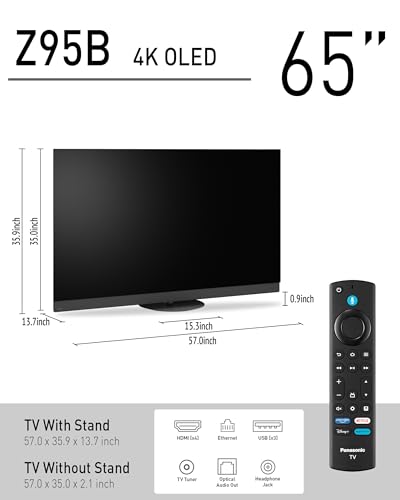
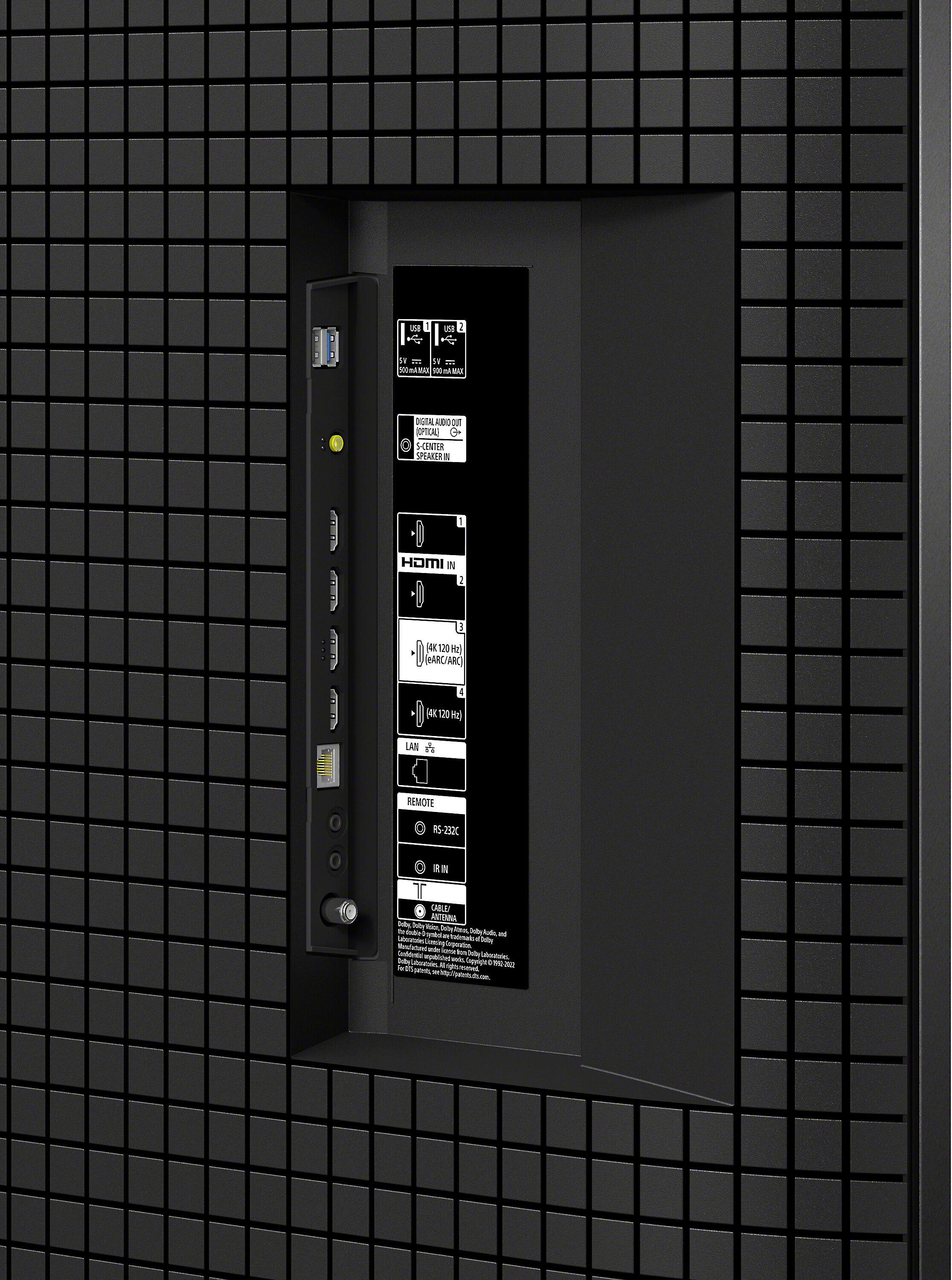
Both the Panasonic Z95B and Sony BRAVIA 7 feature 4 HDMI ports total, with 2 HDMI 2.1 ports each for high-refresh gaming. The key difference is that the Panasonic supports 4K at 144Hz while the Sony supports 4K at 120Hz on those HDMI 2.1 ports.
The Panasonic Z95B supports more HDR formats including HDR10+, Dolby Vision IQ, HDR10, and HLG, providing broader compatibility with streaming services and physical media. The Sony BRAVIA 7 supports Dolby Vision, HDR10, and HLG but lacks HDR10+ support. Both deliver excellent HDR performance, but the Panasonic offers more format flexibility.
The Sony BRAVIA 7 may have a slight edge for sports in bright rooms due to its higher peak brightness and vibrant colors. However, the Panasonic Z95B provides superior motion handling with its faster pixel response times, making fast sports action appear sharper. Both offer good sports viewing experiences depending on your room lighting conditions.
The Sony BRAVIA 7 has better compatibility with physical media due to its DTS audio passthrough support, which is commonly used on 4K Blu-ray discs. The Panasonic Z95B lacks DTS passthrough, potentially requiring external audio equipment for full physical media compatibility. Both display 4K Blu-ray video content beautifully.
The Panasonic Z95B features newer 2025 technology with improved cooling systems and higher refresh rate support (144Hz) that may provide better future-proofing. The Sony BRAVIA 7 represents mature, proven Mini LED technology from 2024 with reliable performance. Google TV typically receives longer software support than Fire TV, giving the Sony an advantage in smart features longevity.
We've done our best to create useful and informative comparisons to help you decide what product to buy. Our research uses advanced automated methods to create this comparison and perfection is not possible - please contact us for corrections or questions. These are the sites we've researched in the creation of this article: rtings.com - whathifi.com - techradar.com - tomsguide.com - youtube.com - youtube.com - youtube.com - avsforum.com - bestbuy.com - manuals.plus - na.panasonic.com - panasonic.com - displayspecifications.com - valueelectronics.com - flatpanelshd.com - valueelectronics.com - displayspecifications.com - flatpanelshd.com - bestbuy.com - bestbuy.com - avsforum.com - avsforum.com - crutchfield.com - sony.com - rtings.com - schaeferstv.com - youtube.com - displayspecifications.com

Privacy Policy
Terms and Conditions - Affiliate Policy
Home Security
© Copyright 2008-2026.
11816 Inwood Rd #1211, Dallas, TX 75244