

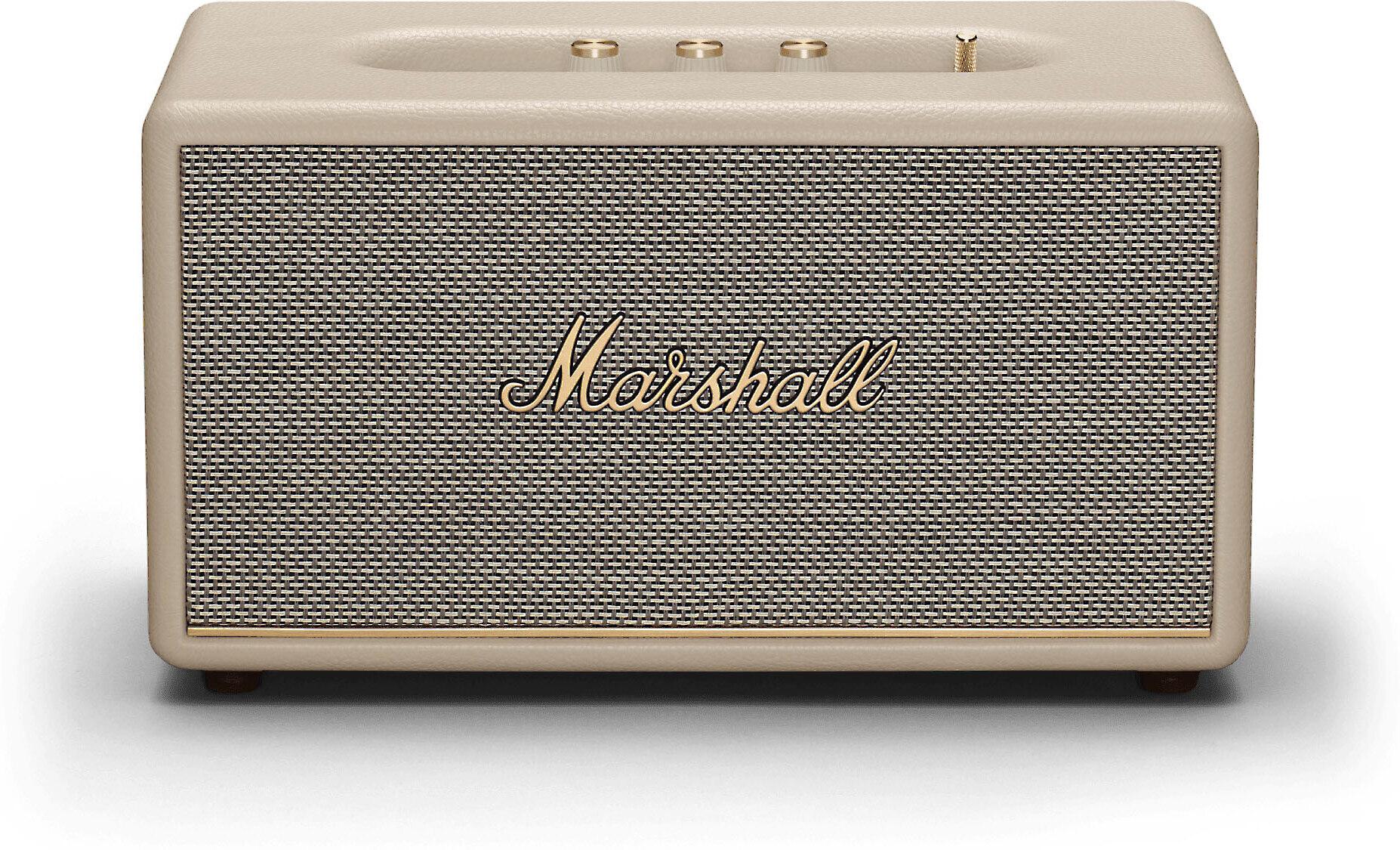
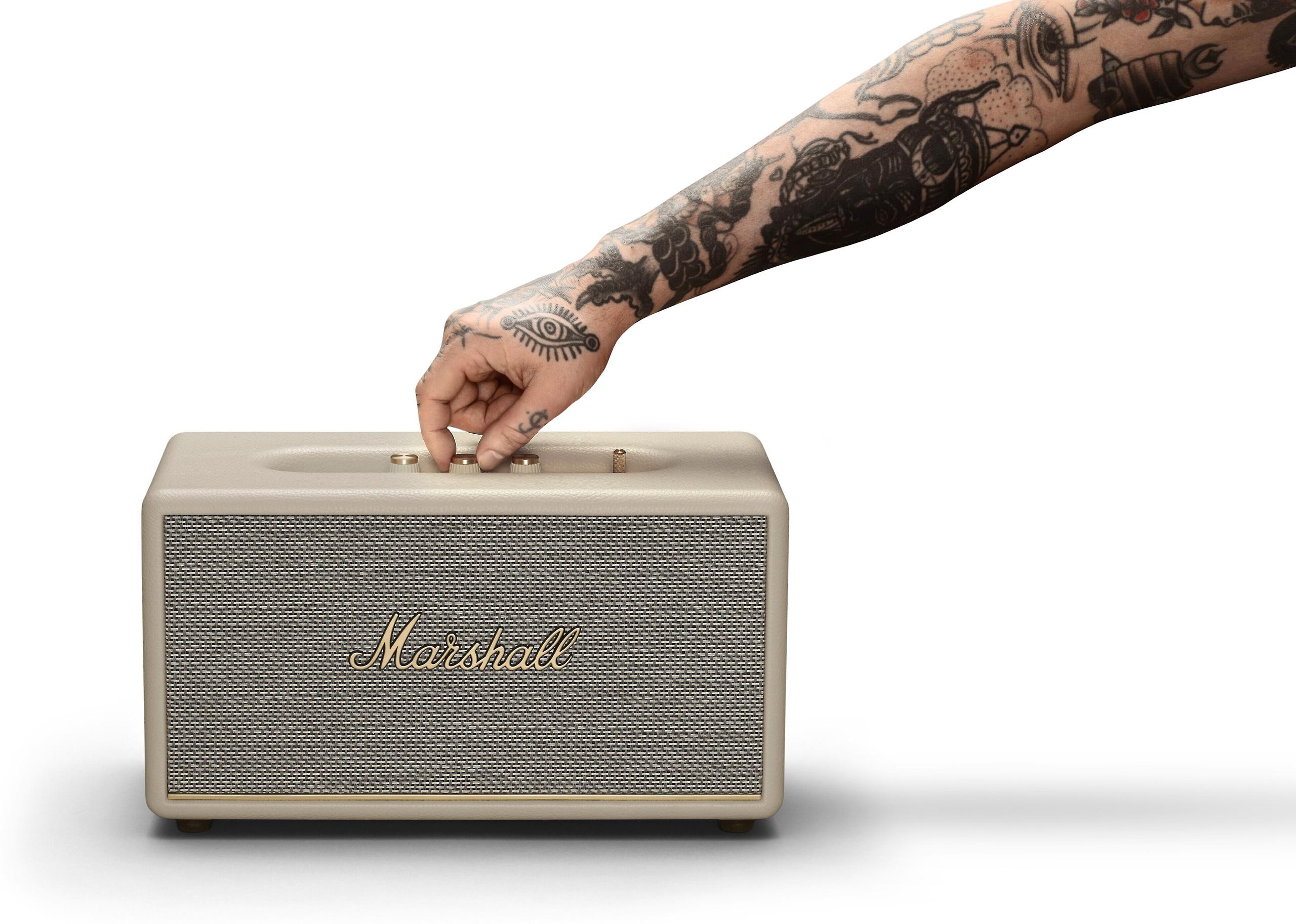




The world of home audio has evolved dramatically in recent years, with traditional hi-fi equipment now competing with smart, portable solutions. Today we're comparing two very different approaches: the Marshall Stanmore III ($379.99), a traditional powered speaker released in 2022, and the Sony LinkBuds Speaker ($179.99), announced in late 2023.
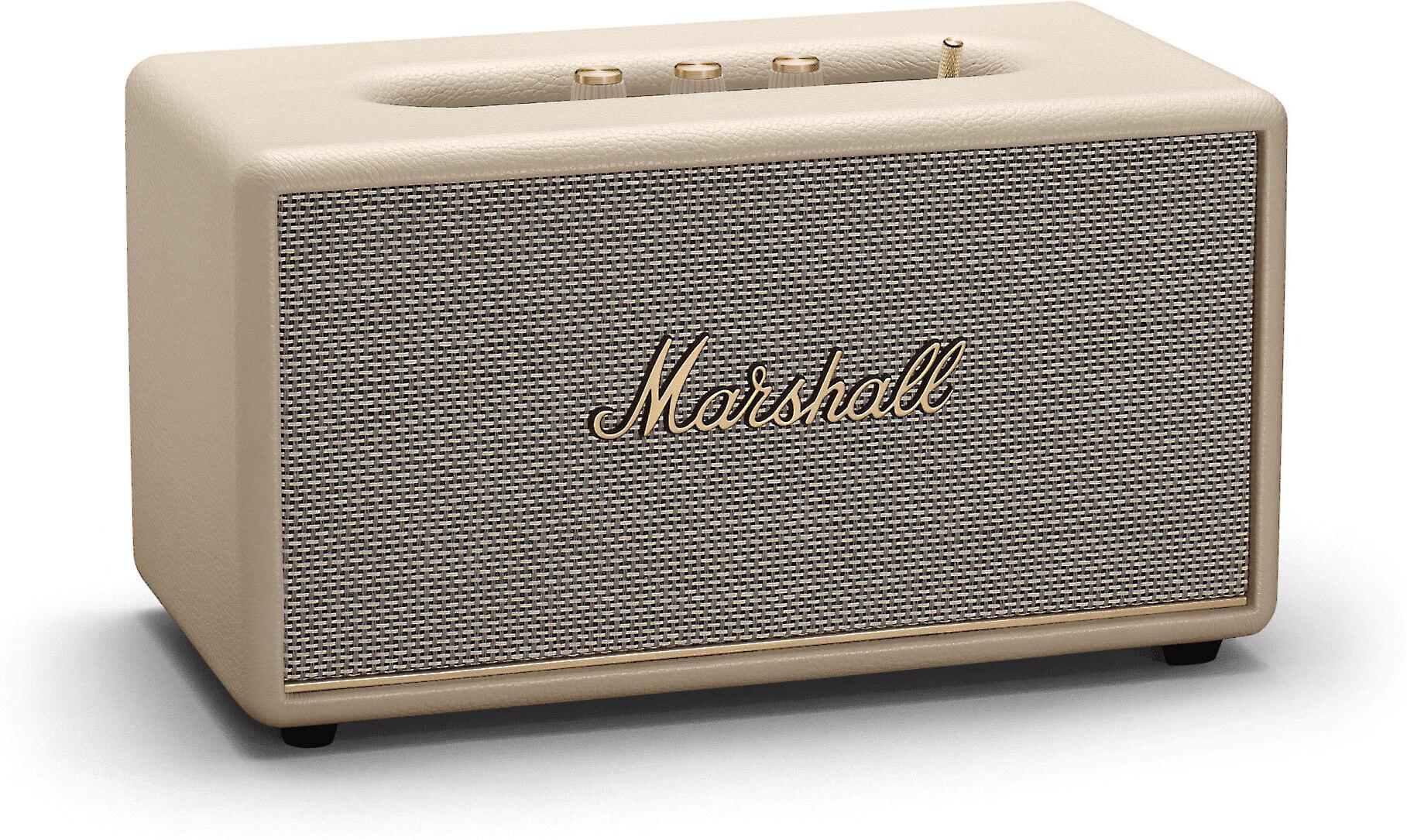
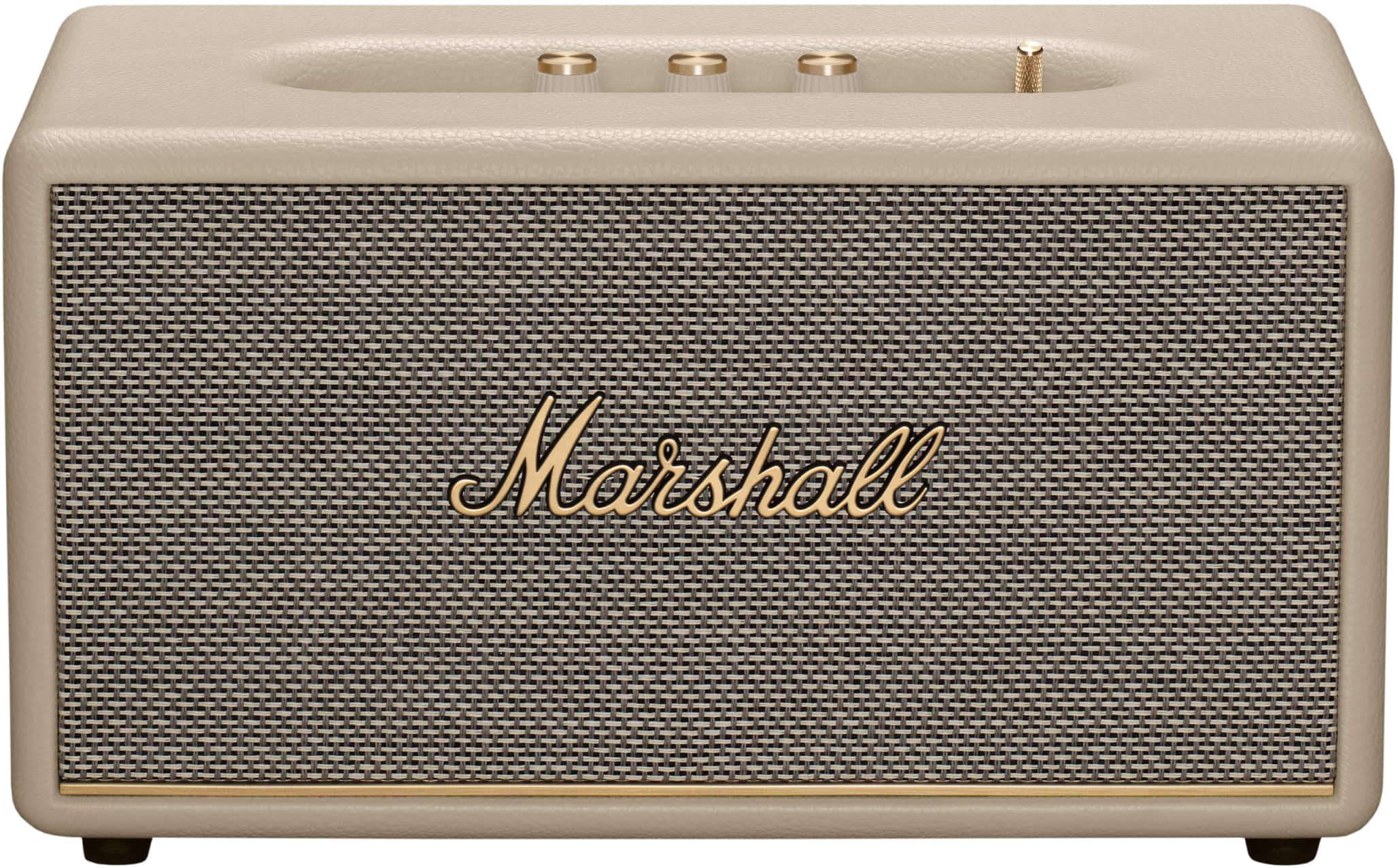
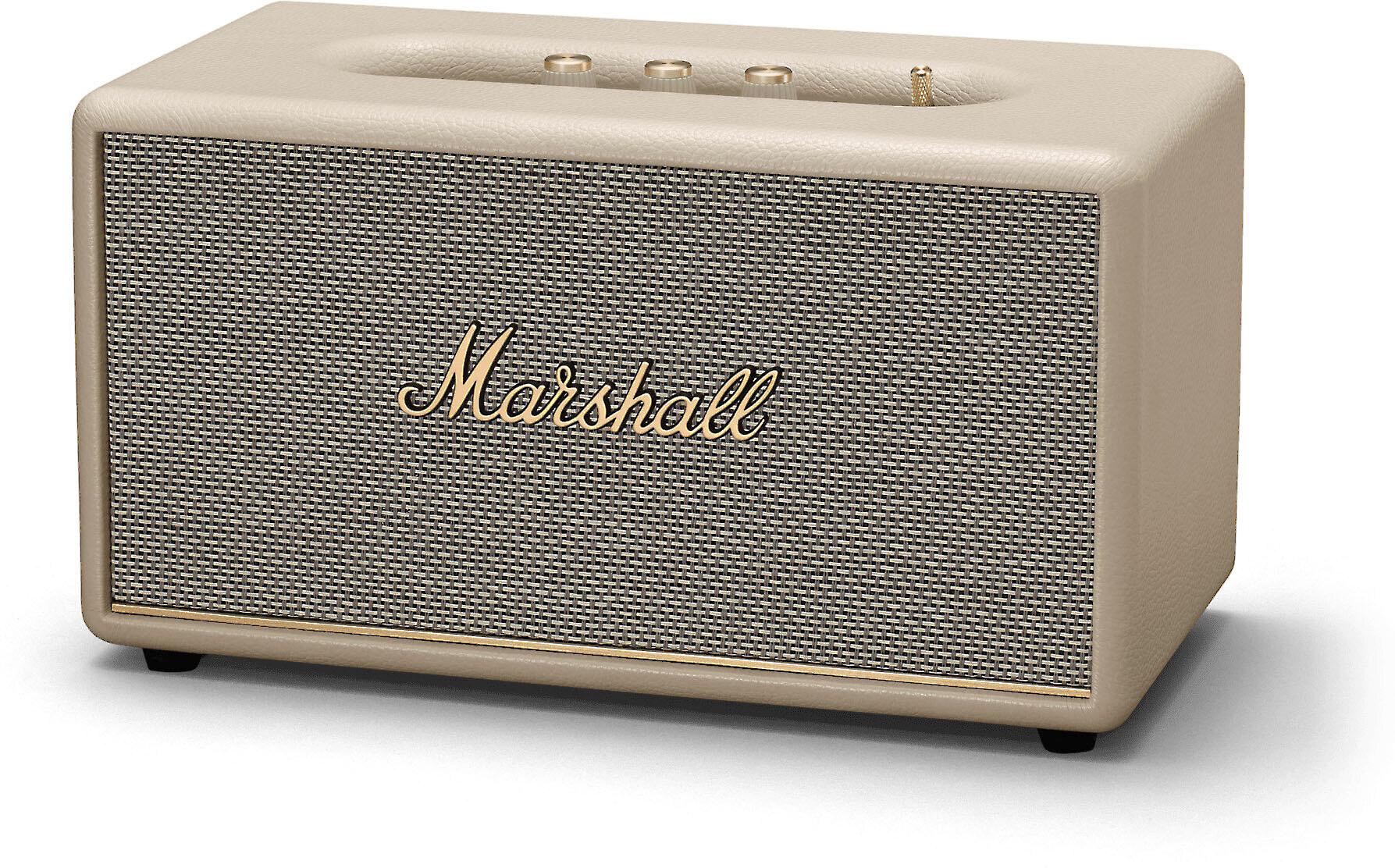
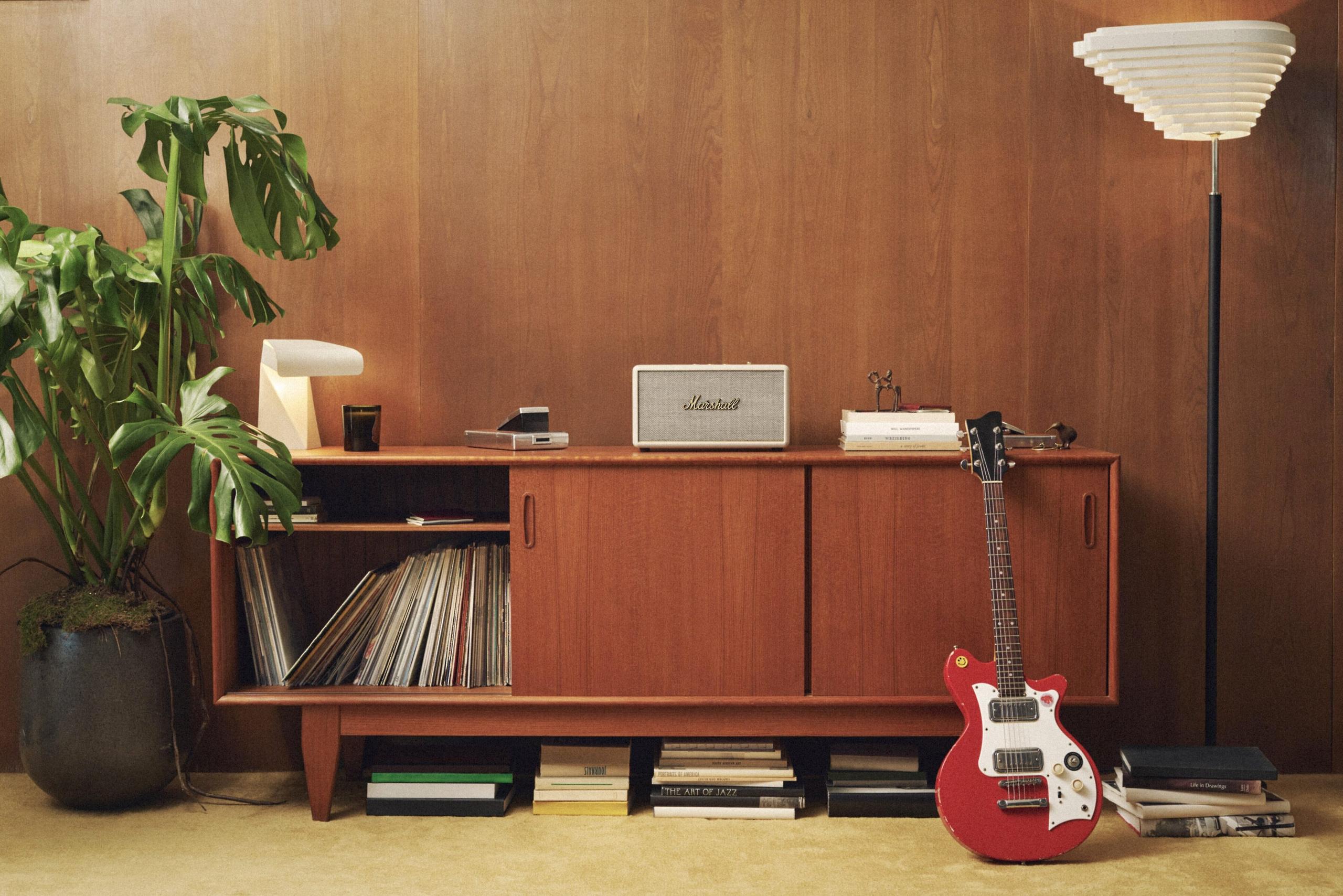
The Marshall Stanmore III embraces traditional hi-fi design principles. Its substantial size (about 14 inches wide) and classic styling make it a statement piece in any room. The vintage-inspired look, complete with brass accents and textured covering, pays homage to Marshall's amplifier heritage. But this isn't just about aesthetics - the larger cabinet size allows for proper acoustic design and bigger drivers, which directly impacts sound quality.
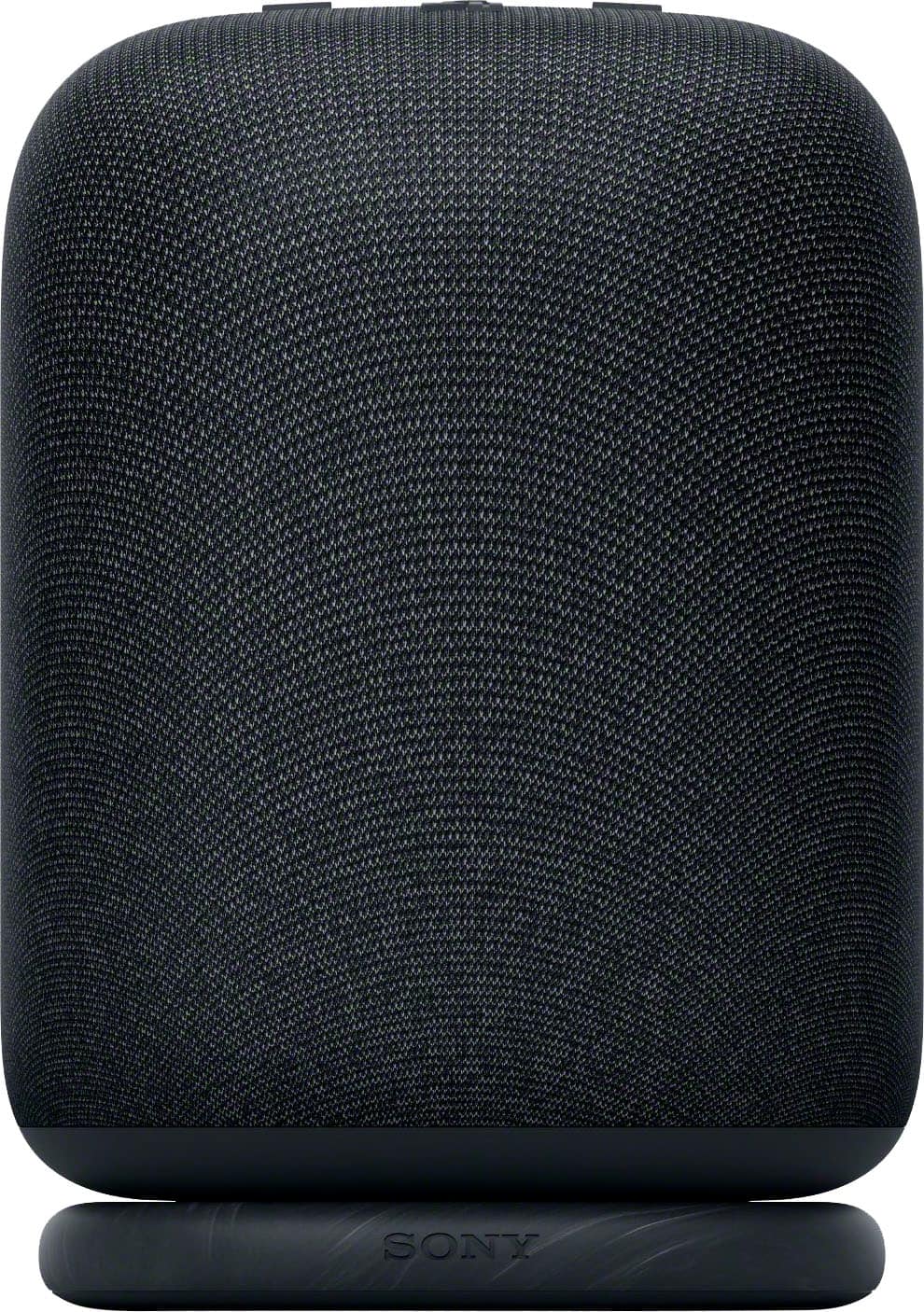
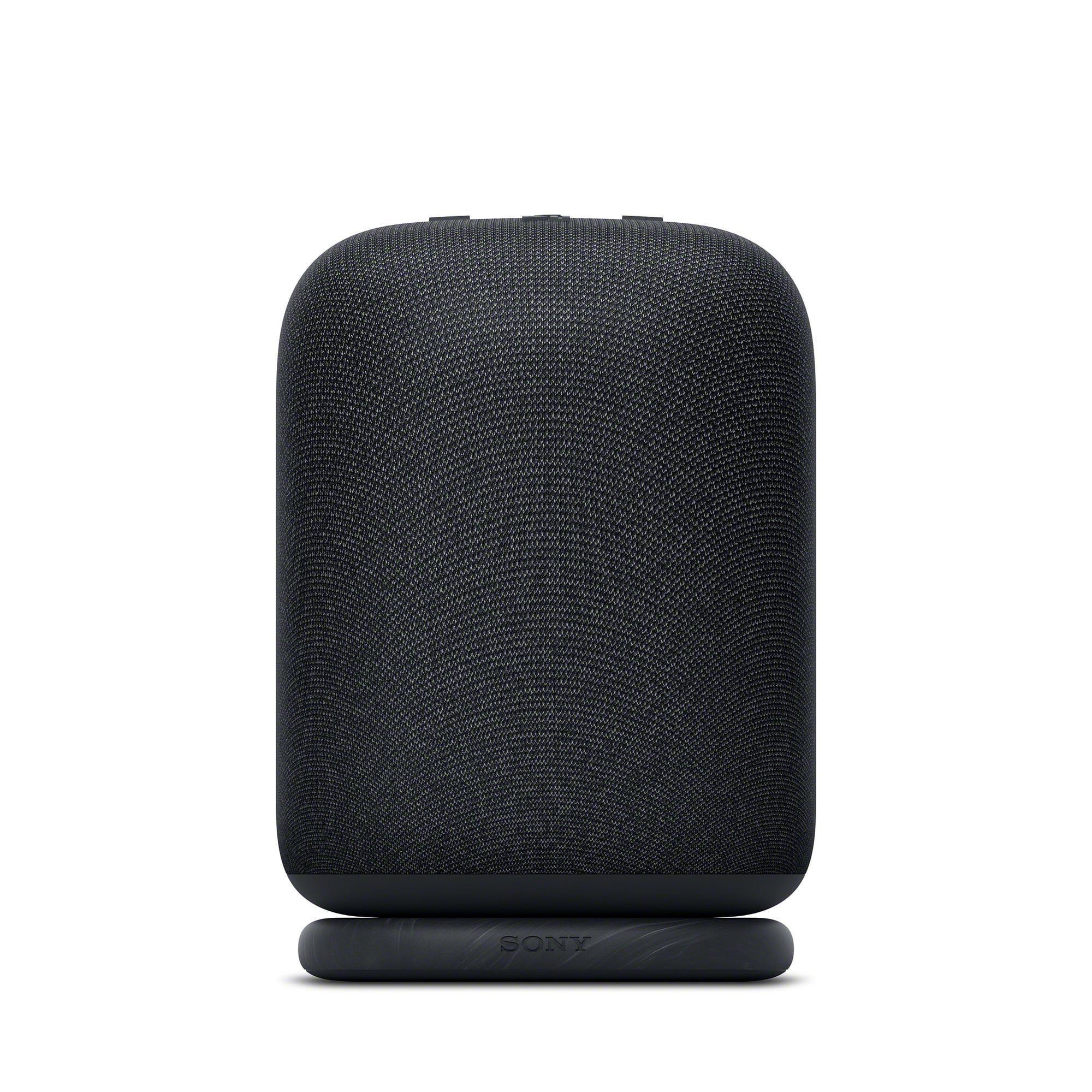
In contrast, the Sony LinkBuds Speaker takes a modern, portable approach. Its compact dimensions (under 3 inches in any direction) prioritize flexibility over raw power. The design focuses on integration with Sony's broader ecosystem and everyday practicality, including water resistance for kitchen use.
The Marshall's 80-watt system (split between a 50W woofer and two 15W tweeters) provides serious power for room-filling sound. The two-way design, where separate drivers handle different frequency ranges, allows for better sound clarity. The woofer handles the low frequencies (bass), while the tweeters manage the high frequencies (treble), resulting in clearer, more detailed sound.
Sony's speaker uses their X-Balanced Speaker unit technology, which maximizes the speaker area in a compact form factor. While exact power specifications aren't available, physics dictates that the smaller size will limit maximum volume and bass response compared to the Marshall.
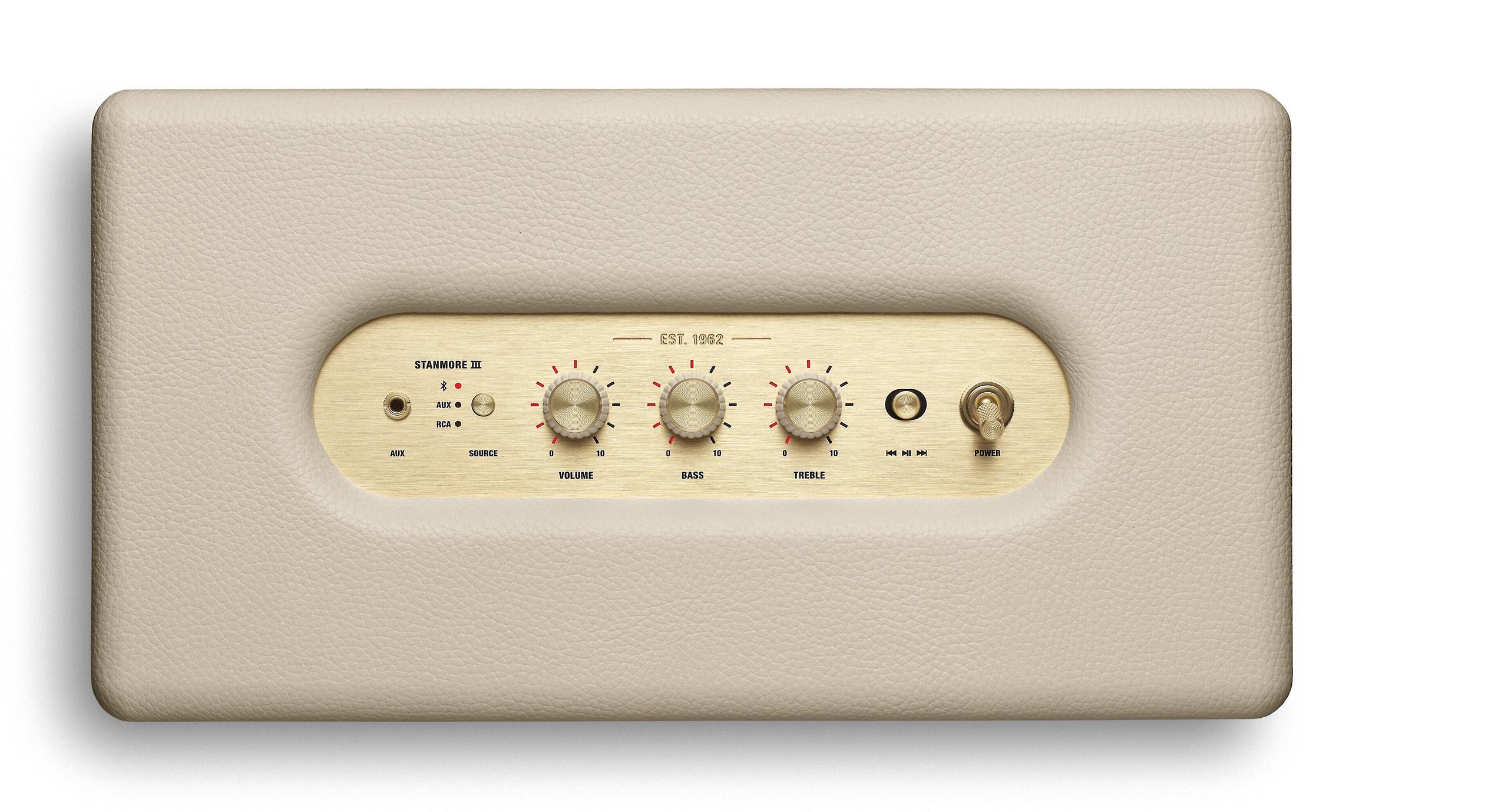
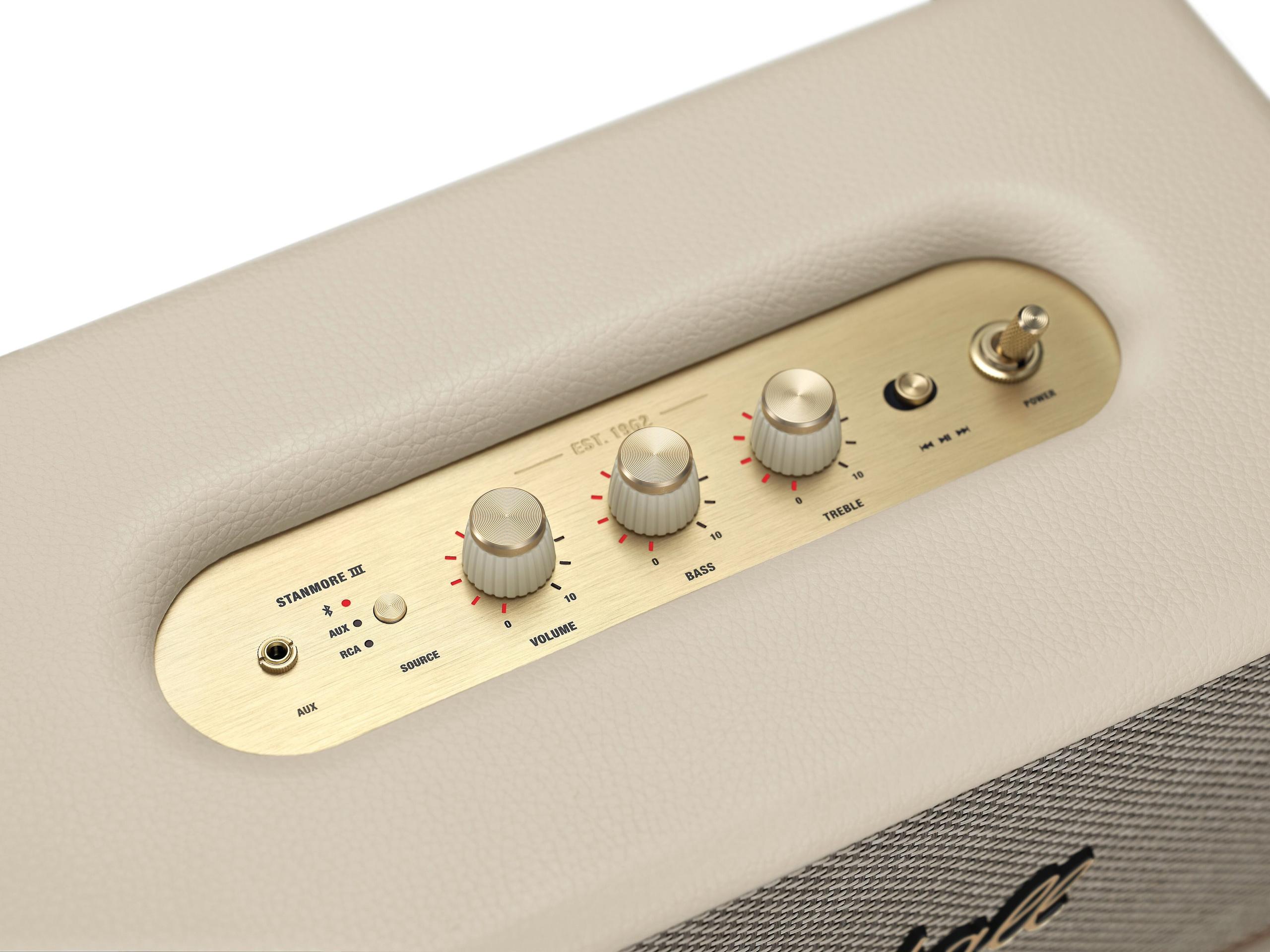
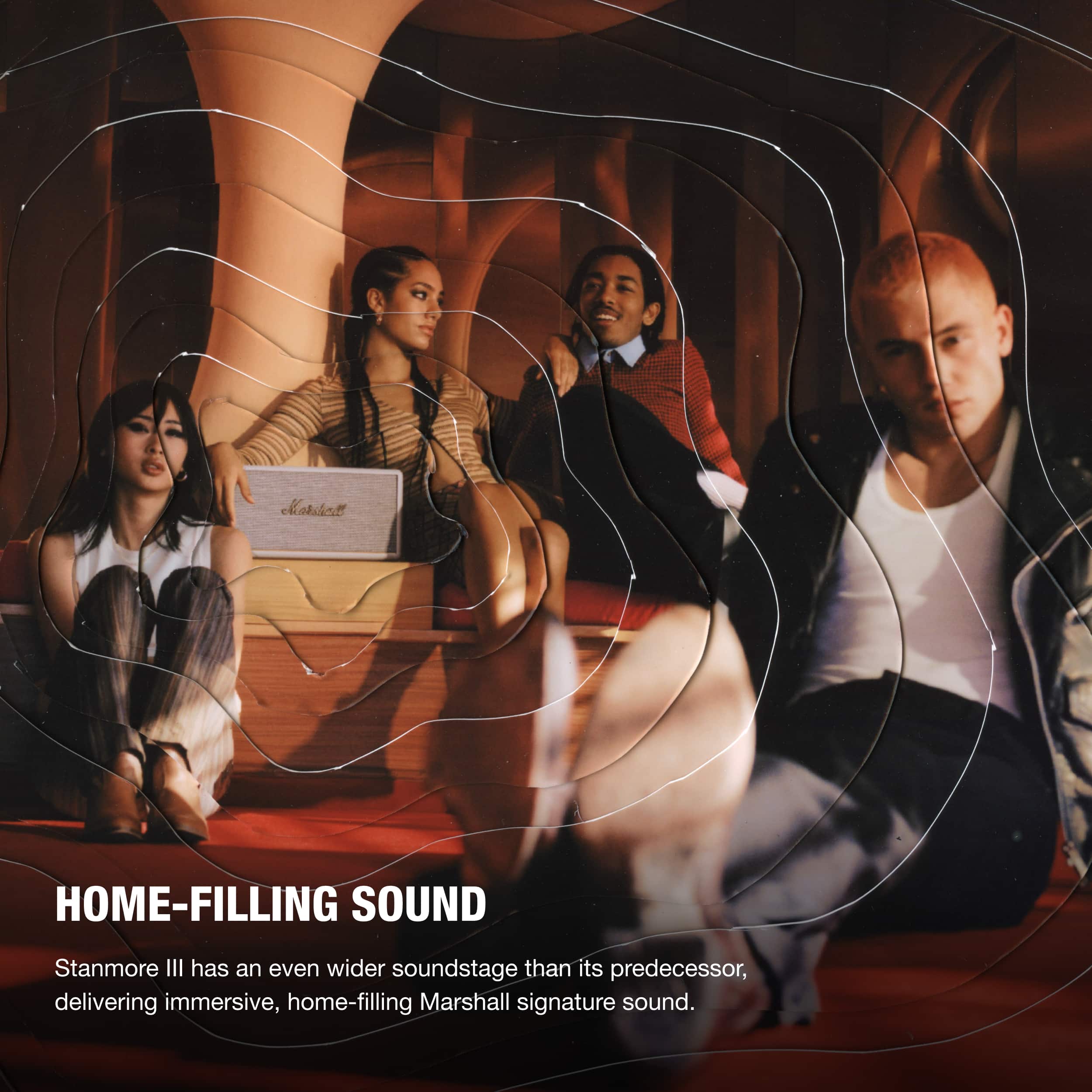
The Marshall excels in creating what audio enthusiasts call a "soundstage" - the perceived spatial placement of instruments and vocals. Its angled tweeters and updated waveguides (special shapes that help direct sound) create a wider, more immersive listening experience. The Dynamic Loudness feature automatically adjusts frequency balance at different volumes, ensuring consistent sound quality whether you're listening quietly or hosting a party.
The Sony focuses on balanced, clear sound for personal listening. Its sound diffusion processor helps create a more expansive sound than you might expect from its size. While it can't match the Marshall's bass response or maximum volume, it offers impressive clarity for its size class.
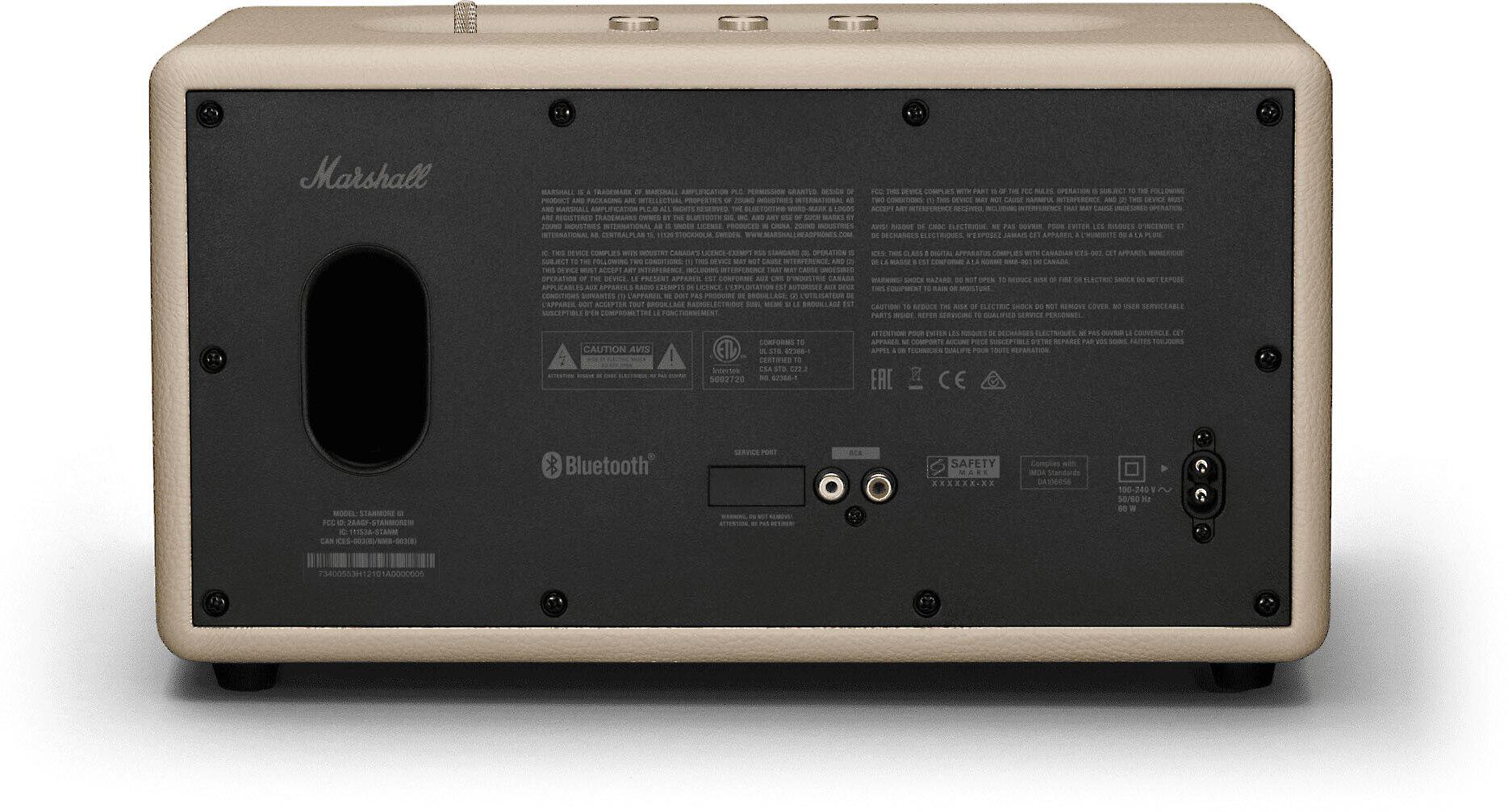
Both speakers embrace modern connectivity, but in different ways. The Marshall Stanmore III uses Bluetooth 5.2 with aptX (a high-quality audio codec that reduces wireless audio quality loss), plus traditional inputs like 3.5mm aux and RCA. This makes it versatile for connecting everything from smartphones to turntables.
The Sony LinkBuds Speaker focuses on seamless integration with other devices. Its Auto Switch feature can automatically transfer audio between LinkBuds earbuds and the speaker, while Quick Access provides one-touch access to favorite music services. The multipoint connection allows simultaneous connection to two devices, automatically switching when needed.
The Marshall's RCA inputs and powerful output make it a viable option for enhancing TV sound, particularly in smaller rooms or as part of a 2.1 setup (two speakers plus a subwoofer). Its placement compensation feature helps optimize sound when positioned near walls or corners.
While the Sony wasn't designed primarily for home theater use, its portability means it could serve as a flexible solution for temporary setups or outdoor movie nights. The ability to pair two units for stereo sound adds versatility.
The Marshall represents several improvements over previous models, including:
The Sony introduces new features to the portable speaker category:
When considering value, it's important to look beyond just the price difference. The Marshall Stanmore III at $379.99 delivers:
The Sony LinkBuds Speaker at $179.99 offers:
The decision really comes down to your primary use case and listening preferences. Choose the Marshall if:
The Sony makes more sense if:
Remember that both speakers excel in their intended use cases. The Marshall's higher price reflects its premium audio capabilities and traditional hi-fi approach, while the Sony's lower price point delivers modern features and flexibility that many users will find invaluable.
Either way, both represent solid choices in their respective categories, with the final decision largely depending on how you plan to use the speaker in your daily life.
Marshall Stanmore III ($379.99) |
Sony LinkBuds Speaker ($179.99) |
|---|---|
| Size & Weight - Impacts placement flexibility and portability | |
| 13.8" x 8" x 8.4", 9.37 lbs (permanent placement) | 1.69" x 2.36" x 1.09", 1.23 oz (highly portable) |
| Power Output - Determines maximum volume and sound quality | |
| 80W total (50W woofer + 2x15W tweeters) | Not specified (significantly lower due to size) |
| Speaker Configuration - Affects sound clarity and range | |
| Two-way system with separate woofer and tweeters | X-Balanced Speaker unit with dedicated tweeter |
| Connectivity Options - Determines versatility | |
| Bluetooth 5.2, 3.5mm aux, RCA inputs | Bluetooth (version unspecified), no wired inputs |
| Battery Life - Important for portable use | |
| No battery (AC power only) | Up to 25 hours, Quick charging (70min from 10min charge) |
| Special Features - Adds value beyond basic audio | |
| Dynamic Loudness, placement compensation, app control | Auto Switch, Quick Access, water resistant (IPX4) |
| Sound Characteristics - Core audio performance | |
| Room-filling, deep bass, wide soundstage | Clear mids, balanced sound, limited bass |
| Use Cases - Primary applications | |
| Home audio, home theater, permanent installation | Portable audio, multi-room, outdoor use |
| Ecosystem Integration - Additional functionality | |
| Marshall app for EQ and updates | Works with LinkBuds ecosystem, multi-device pairing |
| Environmental Impact - Sustainability considerations | |
| 70% recycled plastic, PVC-free construction | Not specified |
The Marshall Stanmore III ($379.99) offers superior sound quality with its 80W system and larger drivers. Its two-way speaker design produces deeper bass and clearer highs compared to the Sony LinkBuds Speaker ($179.99), which prioritizes portability over raw audio performance.
Both can work well, but the Sony LinkBuds Speaker is more versatile due to its portable design. The Marshall Stanmore III delivers better sound but requires dedicated space and permanent placement.
The Marshall Stanmore III is better suited for TV use with its RCA inputs and powerful output. The Sony LinkBuds Speaker can connect via Bluetooth but isn't primarily designed for TV audio.
The Sony LinkBuds Speaker is significantly more portable at just 1.23 oz and includes a carrying strap. The Marshall Stanmore III requires constant AC power and weighs 9.37 lbs.
The Sony LinkBuds Speaker offers up to 25 hours of battery life with quick charging capabilities. The Marshall Stanmore III doesn't have a battery and requires constant power.
The Marshall Stanmore III is better for parties with its powerful 80W output and room-filling sound. The Sony LinkBuds Speaker is more suited for personal or small group listening.
Both speakers offer Bluetooth connectivity. The Marshall Stanmore III uses Bluetooth 5.2 with aptX, while the Sony LinkBuds Speaker supports multi-device pairing.
The Sony LinkBuds Speaker offers IPX4 water resistance for splash protection. The Marshall Stanmore III is well-built but doesn't have specific water resistance ratings.
The Sony LinkBuds Speaker is designed for outdoor use with its portable design and water resistance. The Marshall Stanmore III is not suitable for outdoor use as it requires AC power.
The Sony LinkBuds Speaker offers better value for portable use at $179.99. The Marshall Stanmore III's higher $379.99 price reflects its superior sound quality and permanent installation features.
The Sony LinkBuds Speaker can pair with another unit for stereo sound. The Marshall Stanmore III doesn't support multi-speaker connectivity.
Both handle streaming well, but the Marshall Stanmore III offers higher quality audio with Bluetooth 5.2 and aptX. The Sony LinkBuds Speaker provides more flexible streaming with its Auto Switch feature and ecosystem integration.
We've done our best to create useful and informative comparisons to help you decide what product to buy. Our research uses advanced automated methods to create this comparison and perfection is not possible - please contact us for corrections or questions. These are the sites we've researched in the creation of this article: techgadgetscanada.com - camelcamelcamel.com - crutchfield.com - bestbuy.com - dxomark.com - crutchfield.com - crutchfield.com - marshall.com - marshall-production-1.mobify-storefront.com - exhibit.tech - ooberpad.com - av-connection.com - sony.com - center.lv - youtube.com - youtube.com - sony.com - walmart.com - youtube.com - sony.com

Privacy Policy
Terms and Conditions - Affiliate Policy
Home Security
© Copyright 2008-2026.
11816 Inwood Rd #1211, Dallas, TX 75244