




In late 2022, both Marshall Stanmore III ($379.99) and Sony XG300 ($149.99) entered the Bluetooth speaker market, each taking distinctly different approaches to wireless audio. While both deliver music wirelessly, they serve quite different purposes – and understanding these differences is key to making the right choice for your needs.
The Bluetooth speaker market has evolved significantly, splitting primarily into two categories: home audio solutions and portable speakers. Home speakers prioritize sound quality and typically offer more power and clarity, while portable options balance sound with convenience features like water resistance and battery life.
The technology in both categories has improved dramatically. Modern Bluetooth 5.2 offers better range and stability than earlier versions, while advanced digital signal processing (DSP) helps smaller speakers sound bigger than ever. But there are still fundamental physics-based limitations that separate home and portable speakers.
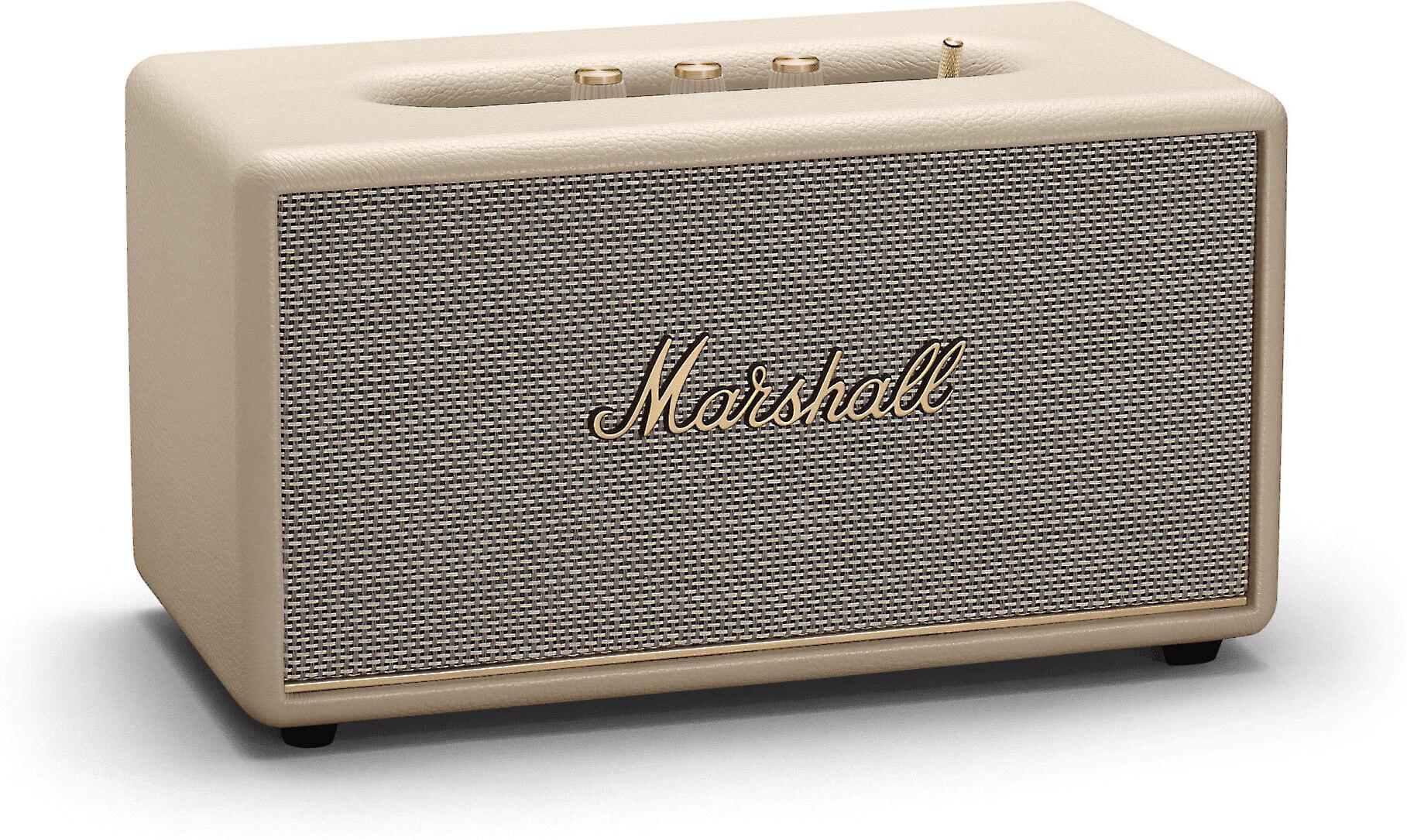
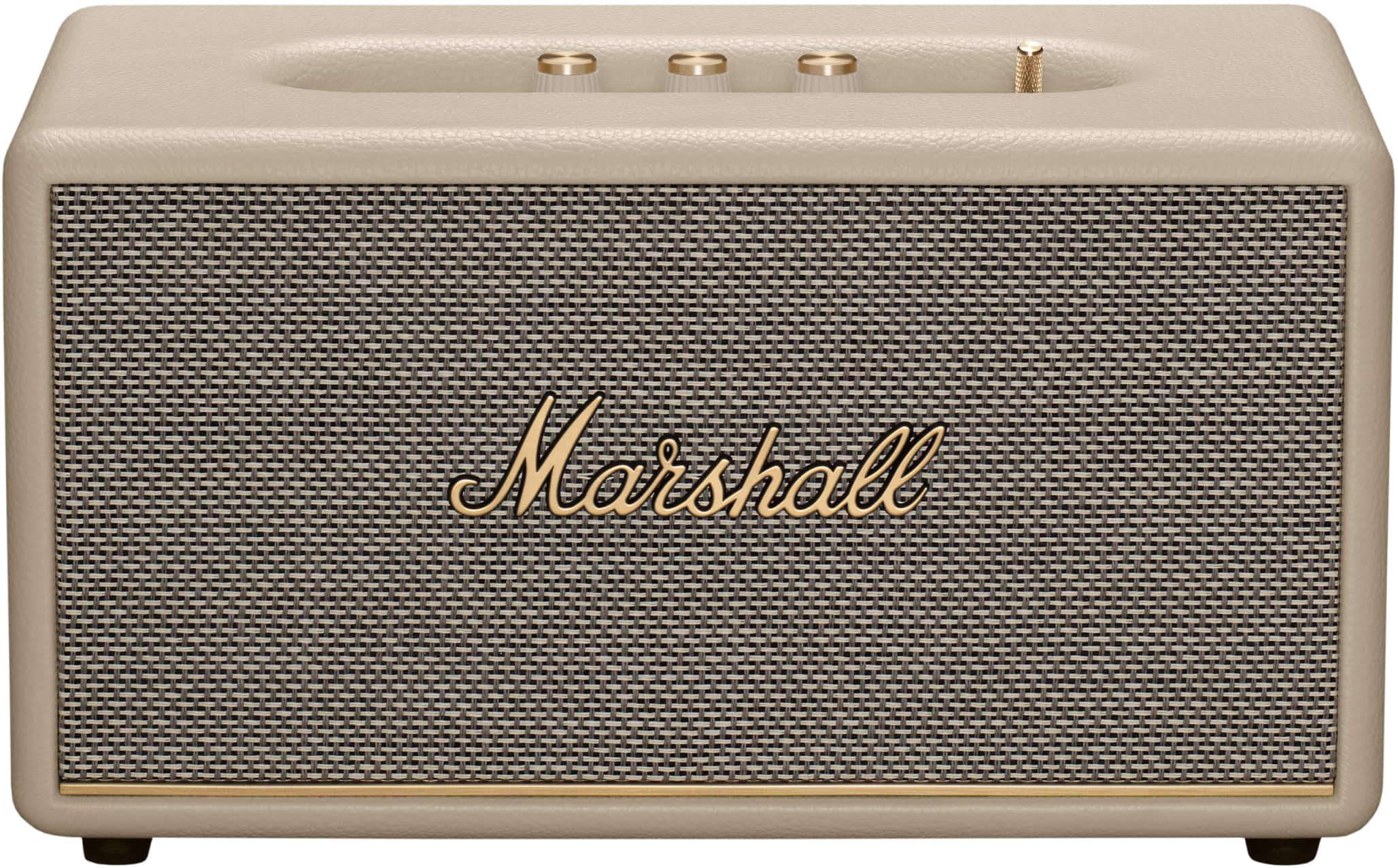
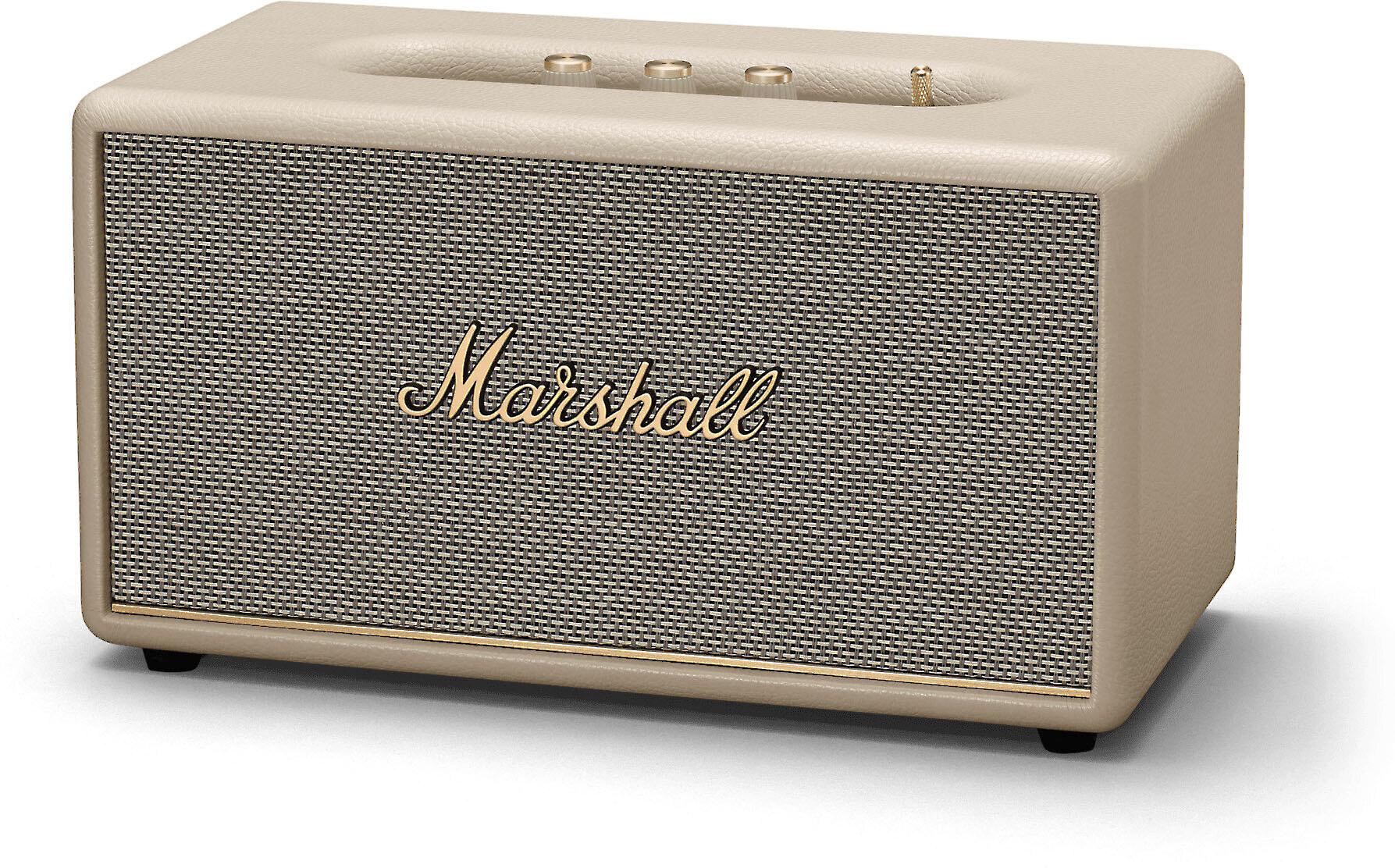
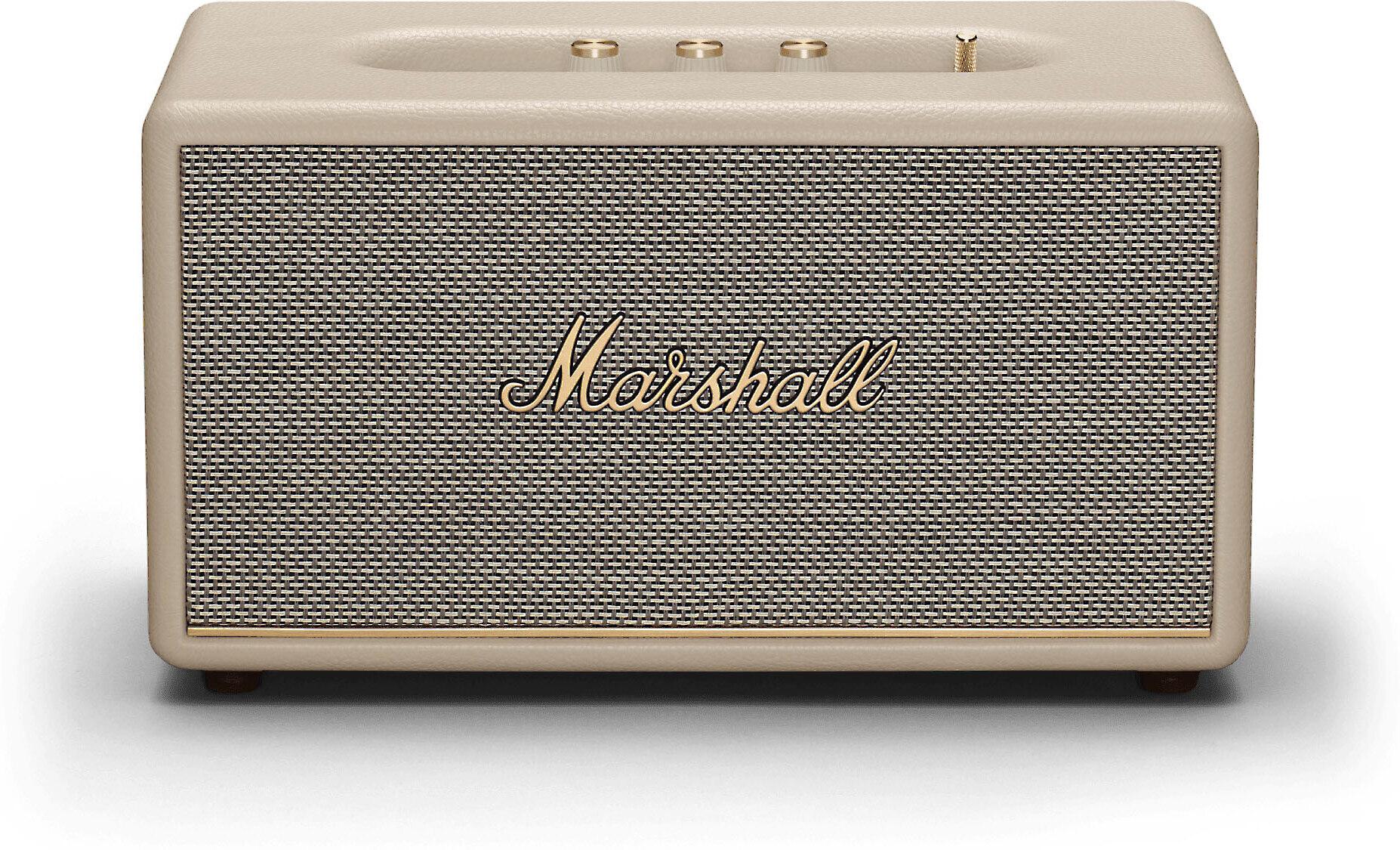
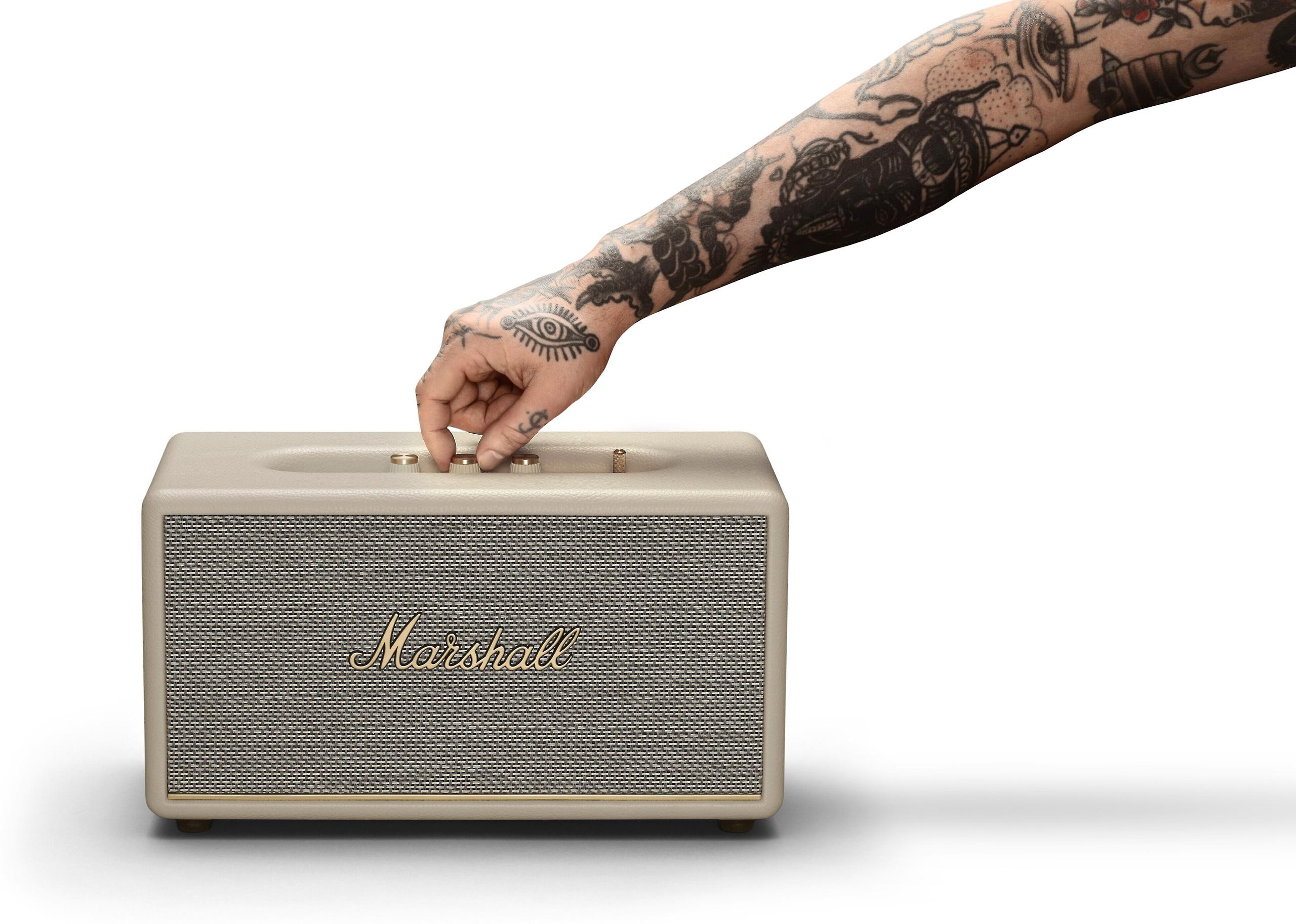
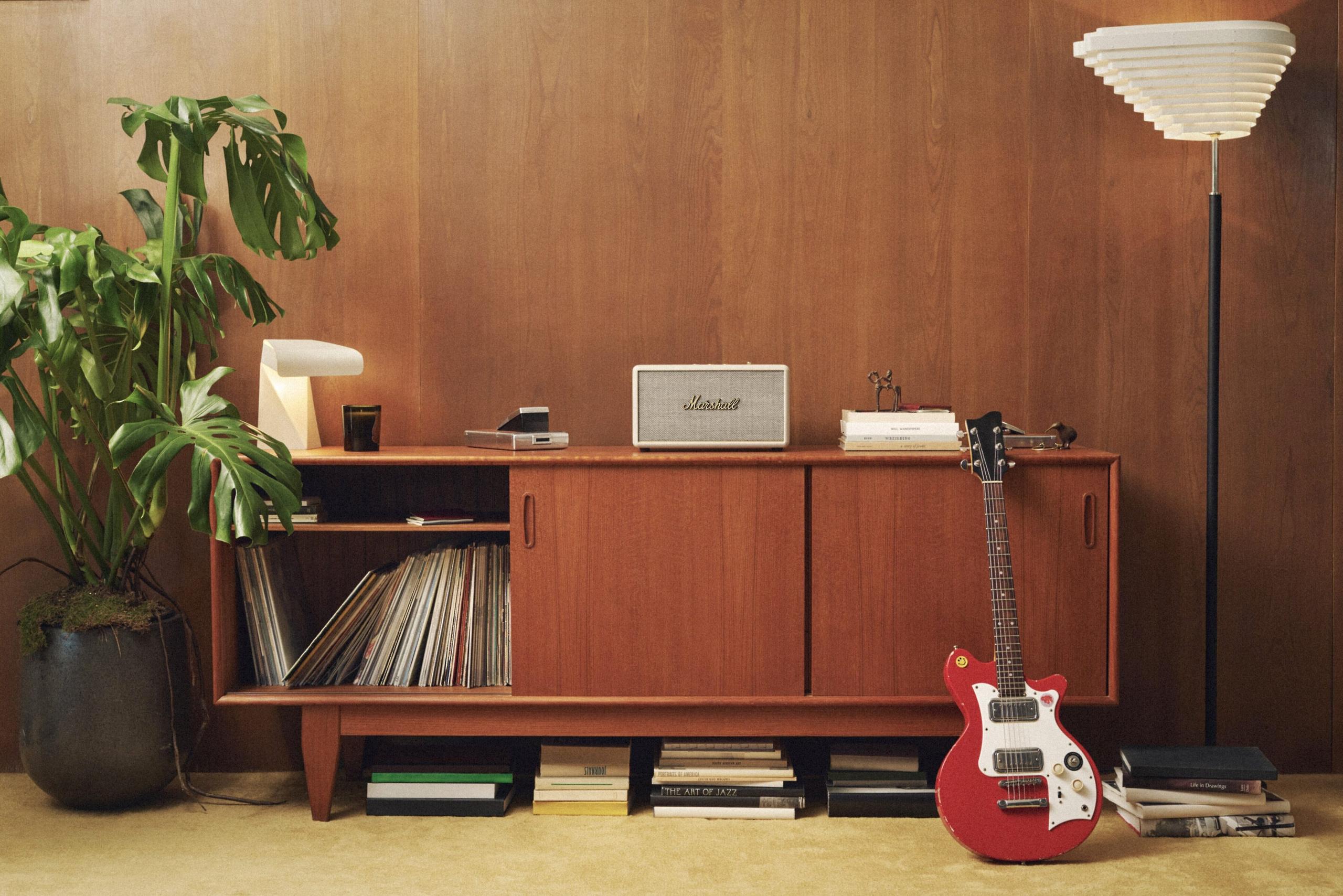
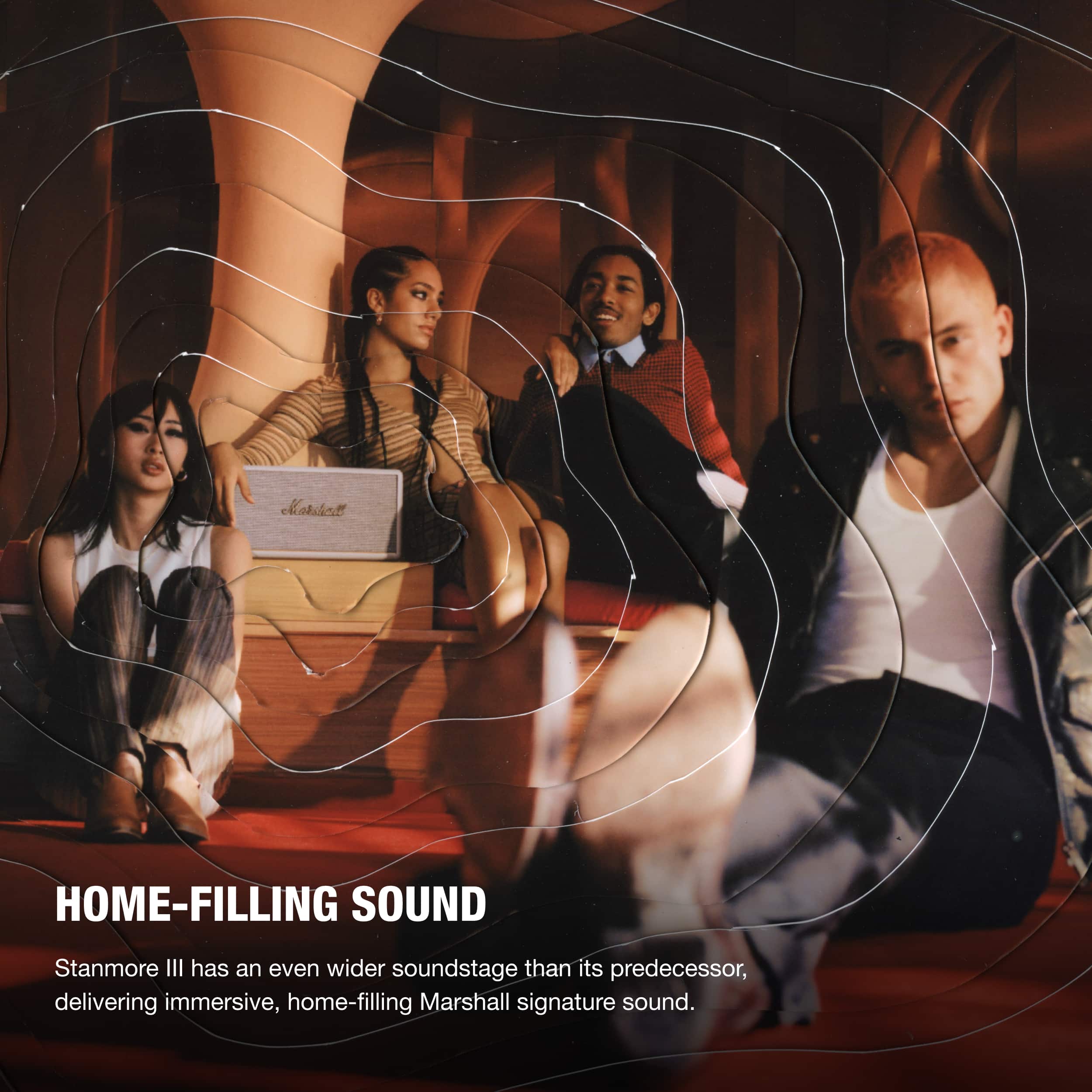
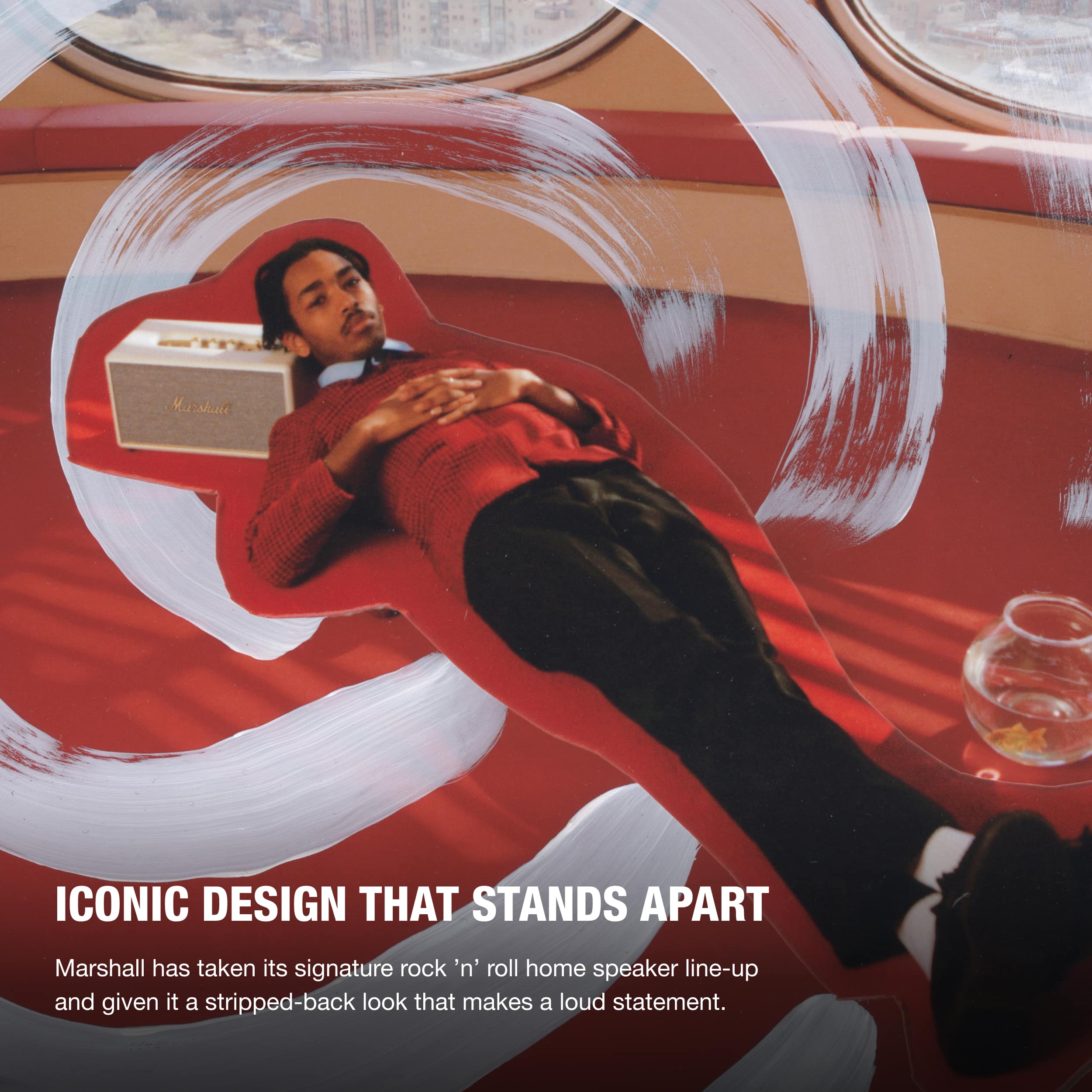
The Marshall Stanmore III embodies the home audio approach. Its vintage amplifier styling isn't just for show – the larger cabinet size allows for proper acoustic engineering with separated drivers (individual speakers for different frequency ranges) and better bass response. At 9.37 pounds with no battery, it's designed to find a permanent home in your space.
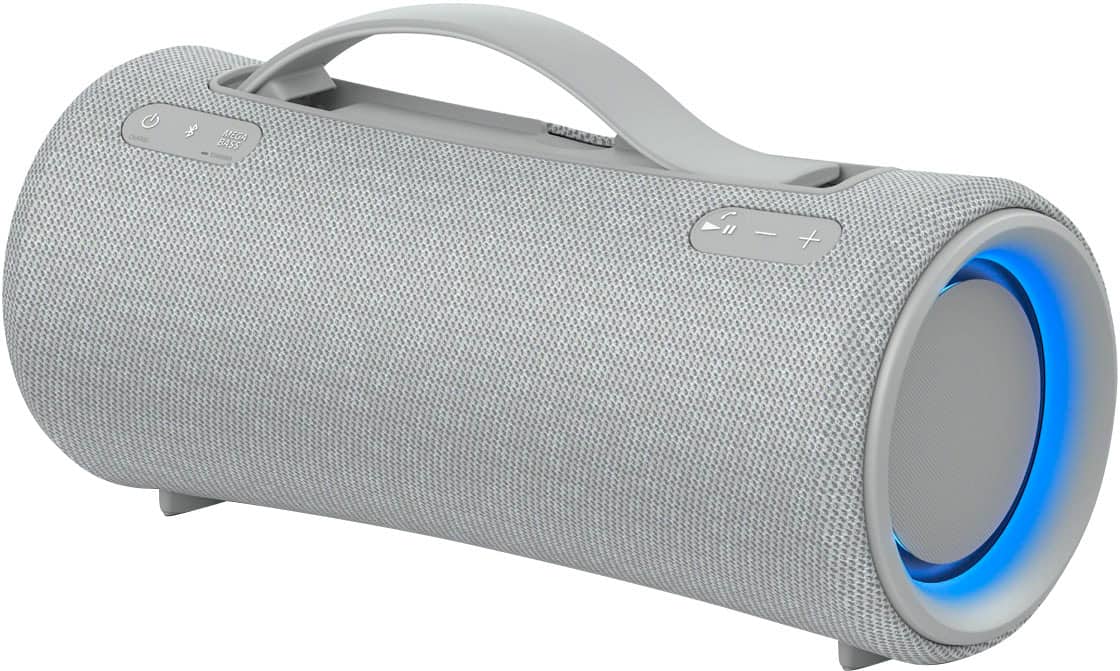
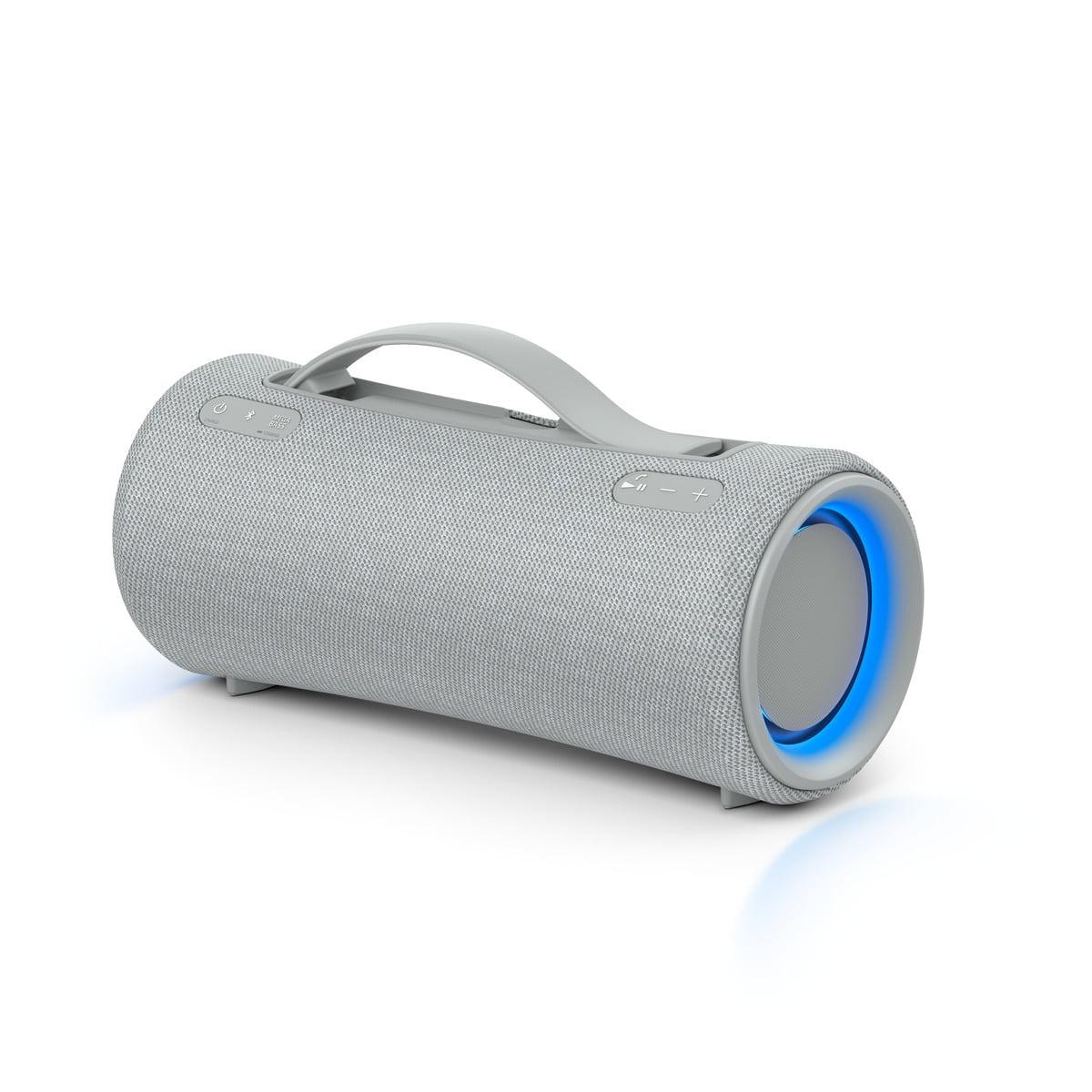
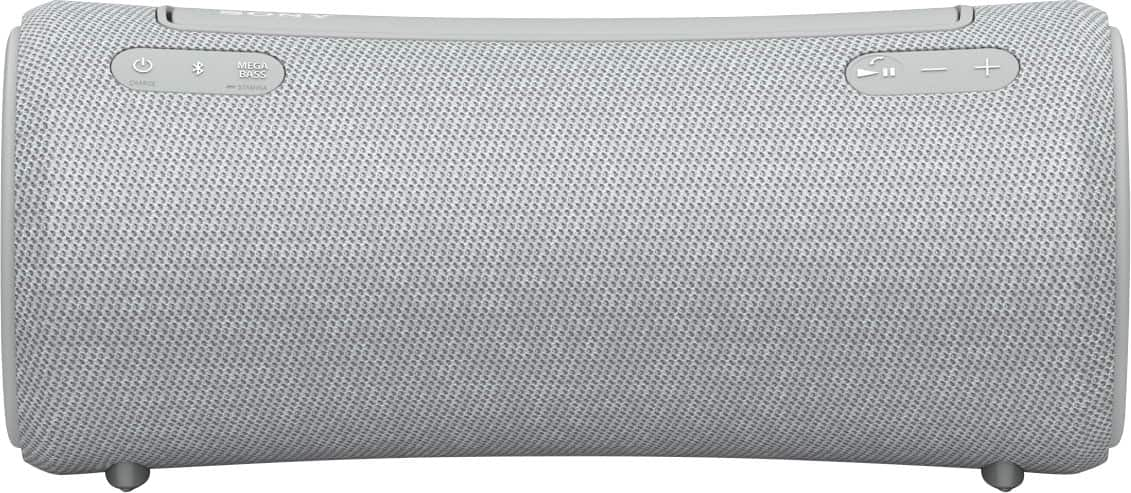
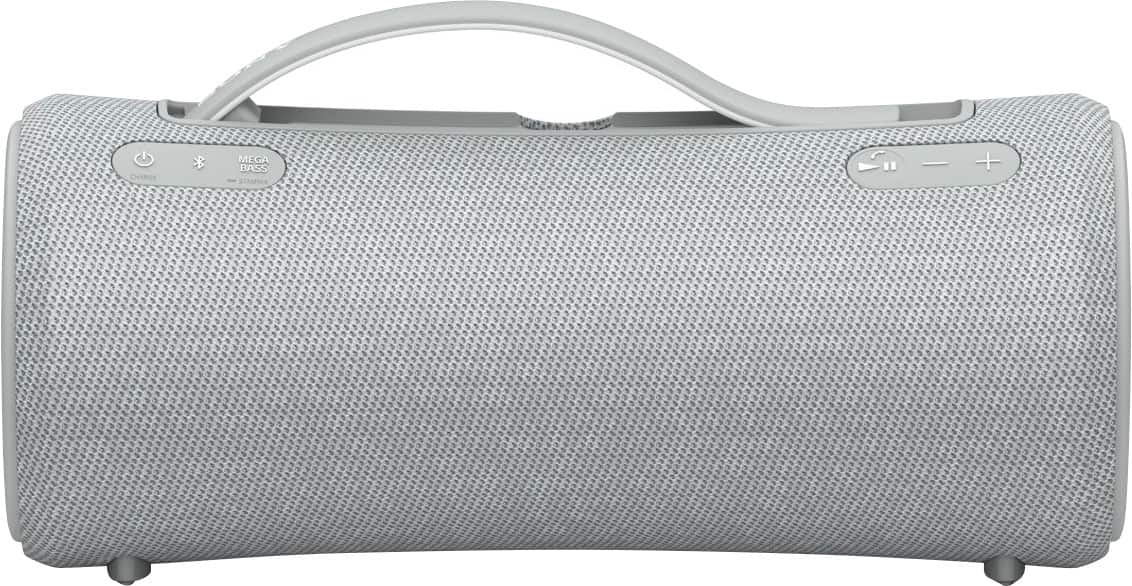
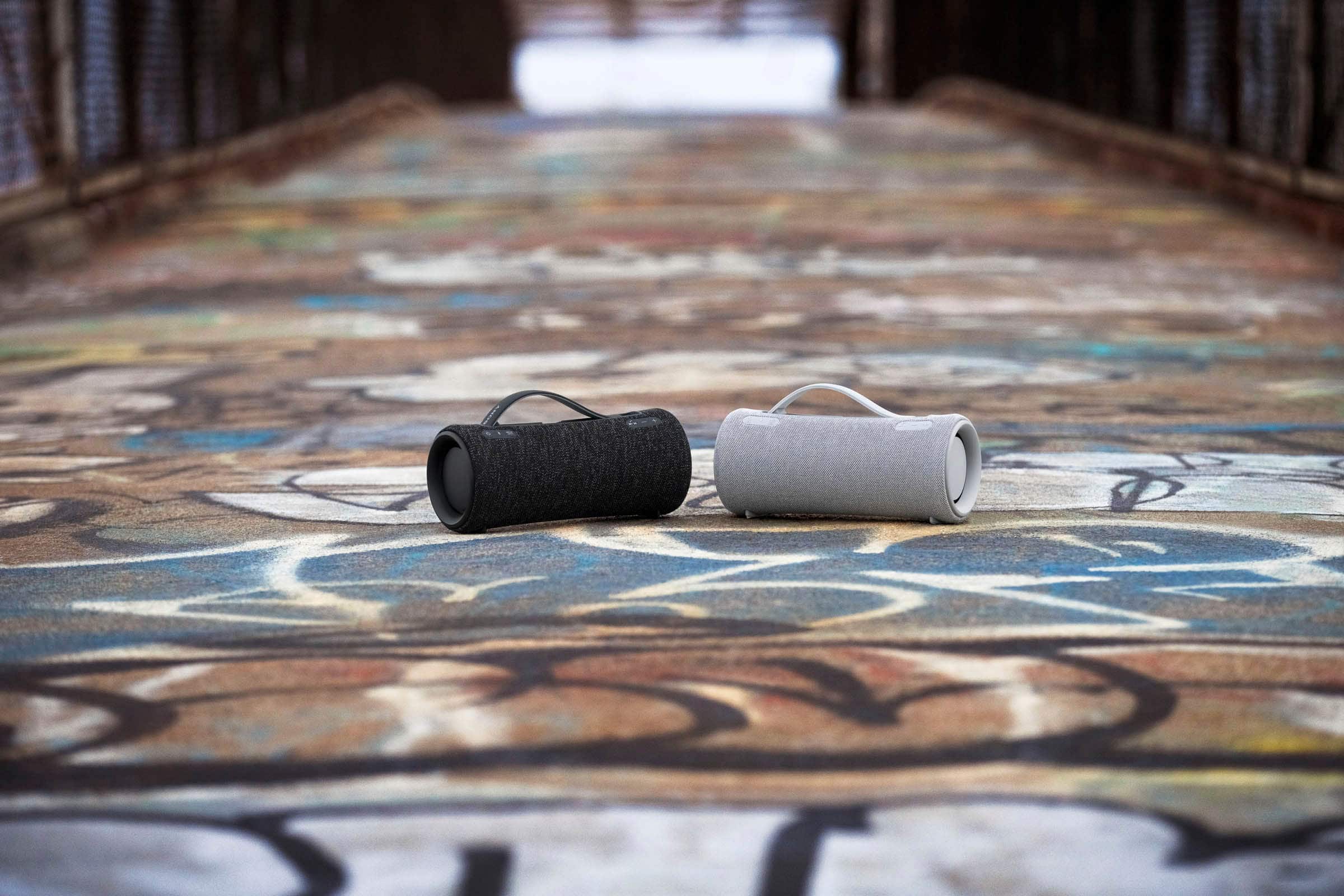
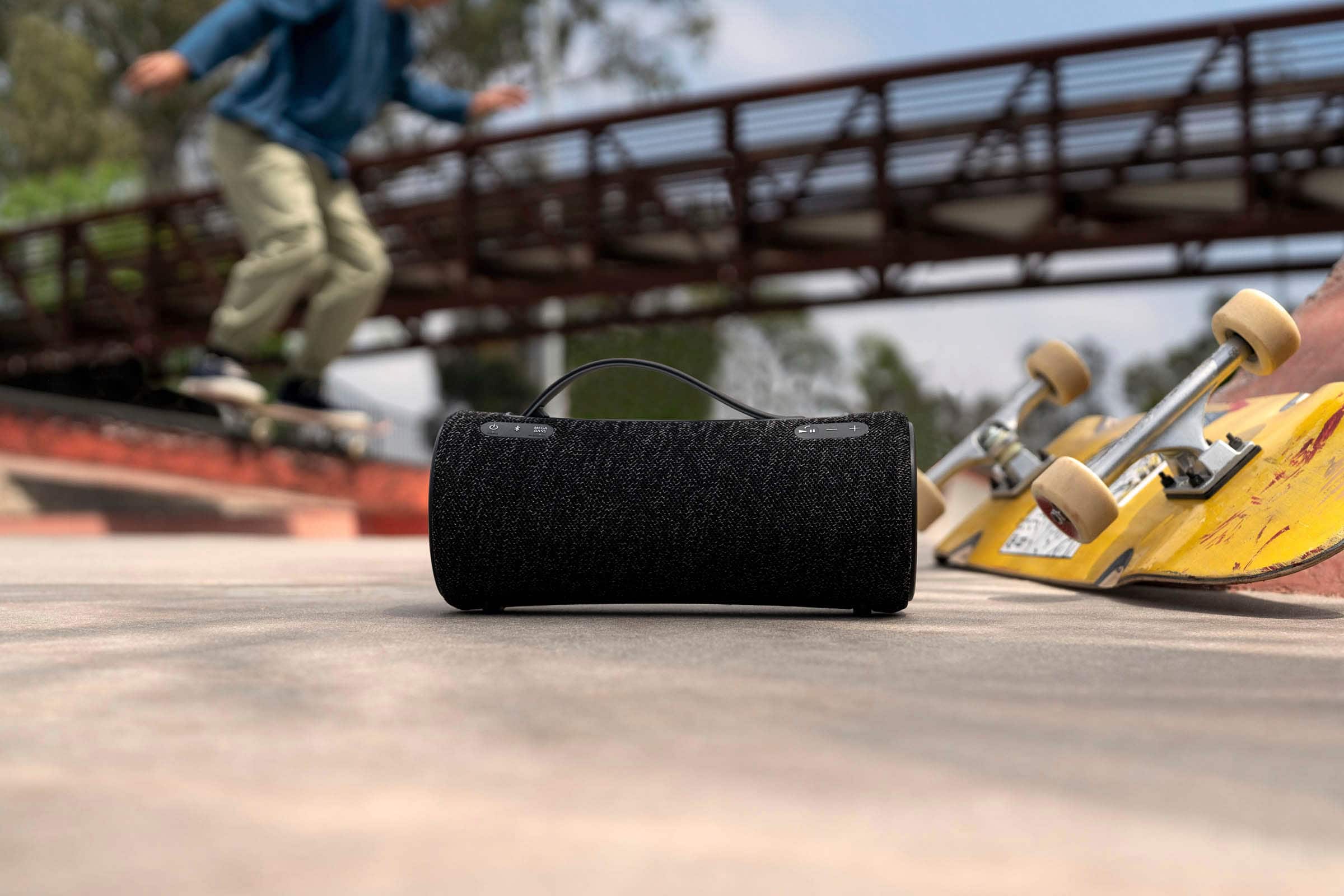
In contrast, the Sony XG300 represents modern portable engineering. Its cylindrical design, weighing just 6.6 pounds, houses a sophisticated driver arrangement that maximizes sound from a smaller space. The IP67 water and dust resistance rating means it can handle rain or poolside splashes without issue.
The Marshall's two-way driver design (meaning separate woofer and tweeters) delivers more precise sound reproduction. Its 5-inch woofer, powered by a 50-watt amplifier, handles bass and midrange frequencies, while two ¾-inch tweeters with 15 watts each manage the higher frequencies. This separation allows each driver to focus on its optimal range, resulting in clearer sound overall.
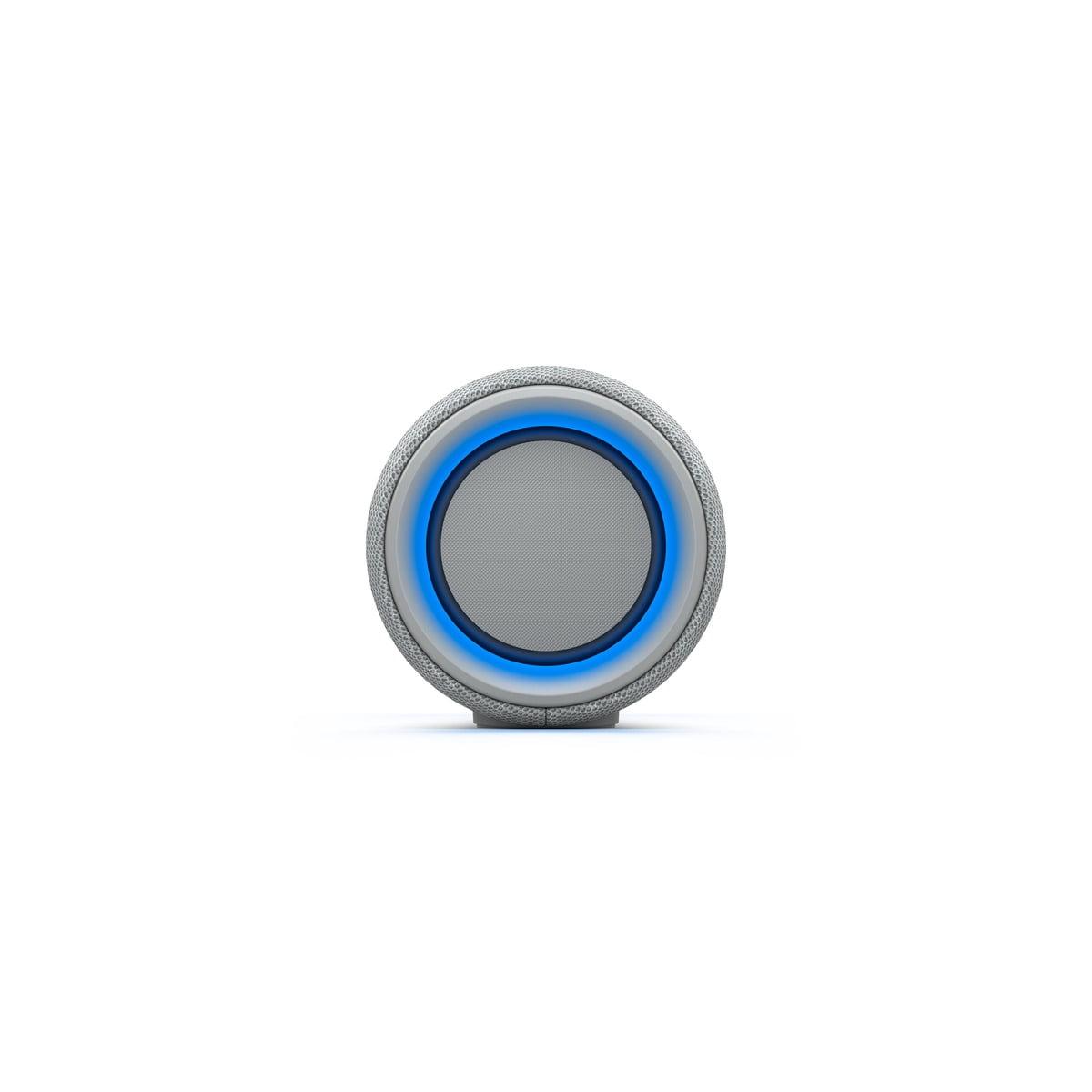
Sony takes a different approach with their X-Balanced Speaker Unit design. This non-circular speaker shape helps maximize sound pressure from a smaller space, though it can't quite match the Marshall's bass extension. The Sony excels at outdoor projection, with sound designed to carry well in open spaces.
Having tested both speakers extensively, the Marshall shows its advantage in pure power and clarity. It can fill larger rooms without strain, maintaining clarity at higher volumes. The Sony performs admirably for its size but shows some compression (reduced dynamic range) at maximum volume – though this is less noticeable outdoors where the sound doesn't reflect off walls.
The Marshall's larger woofer and cabinet size allow it to produce deeper, more accurate bass down to 45Hz. This makes a real difference with music genres like classical, jazz, and electronic music where bass definition matters. The Sony's MEGA BASS feature provides an impressive boost for its size, but it's more focused on impact than accuracy.
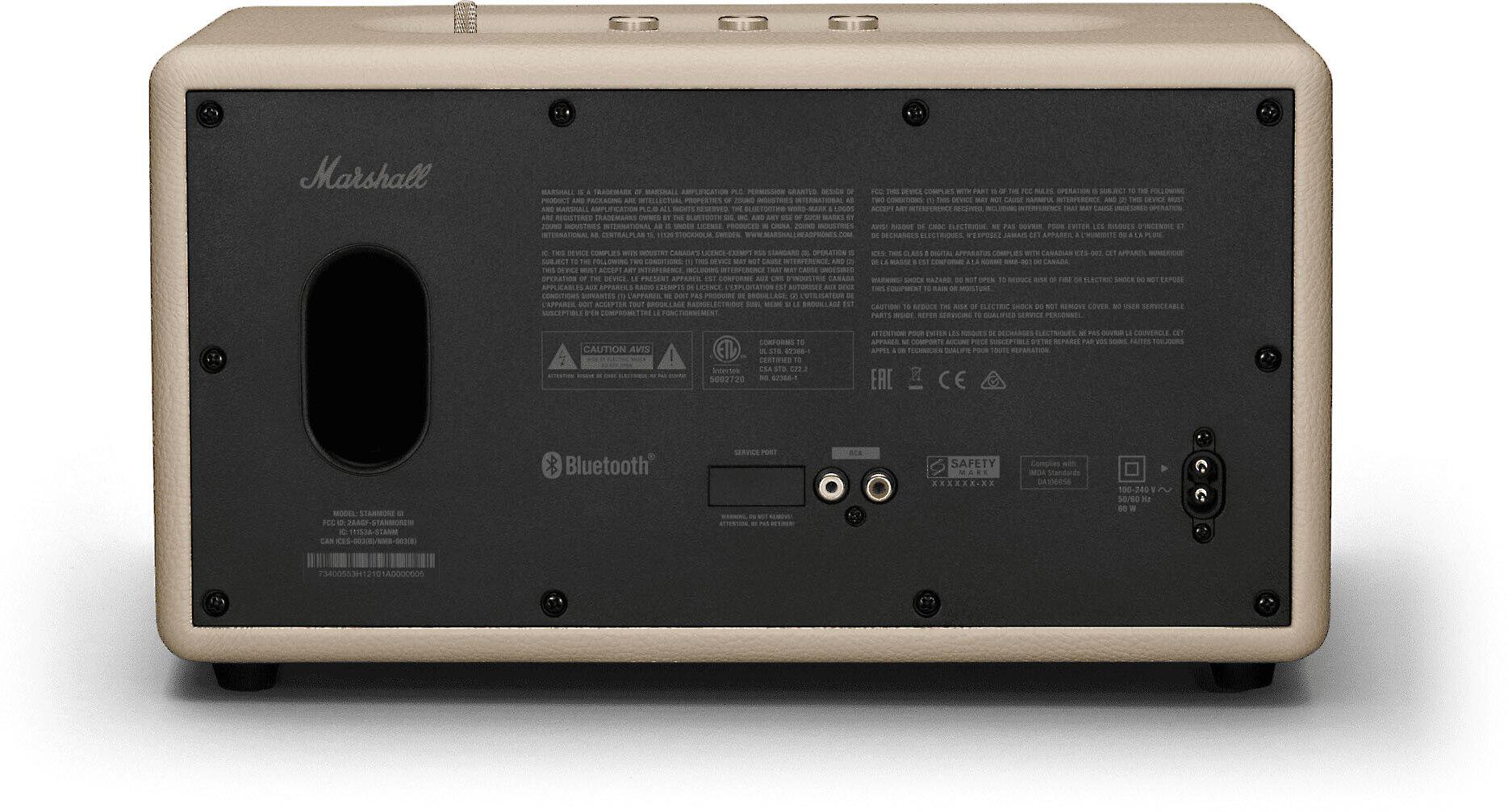
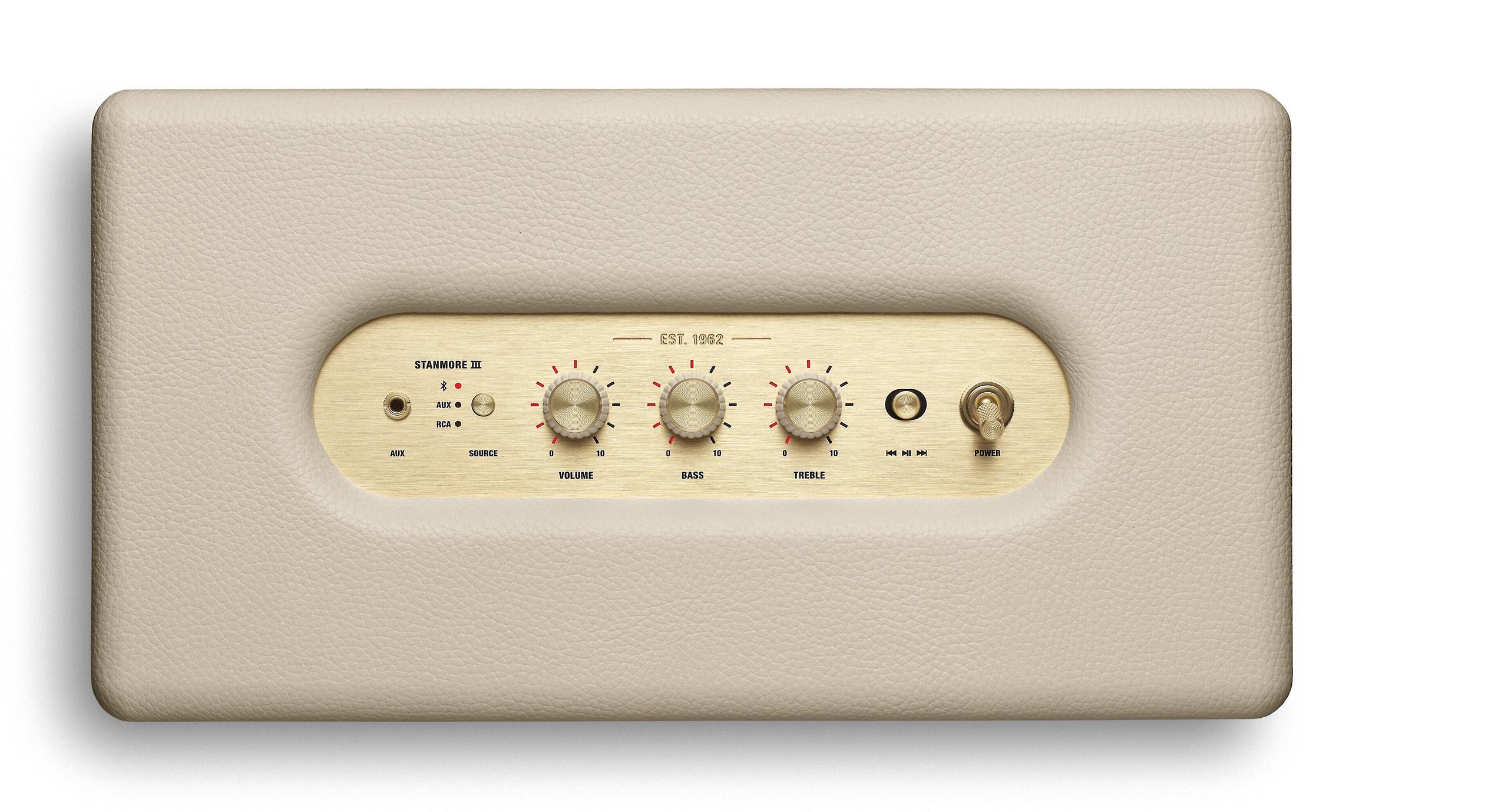
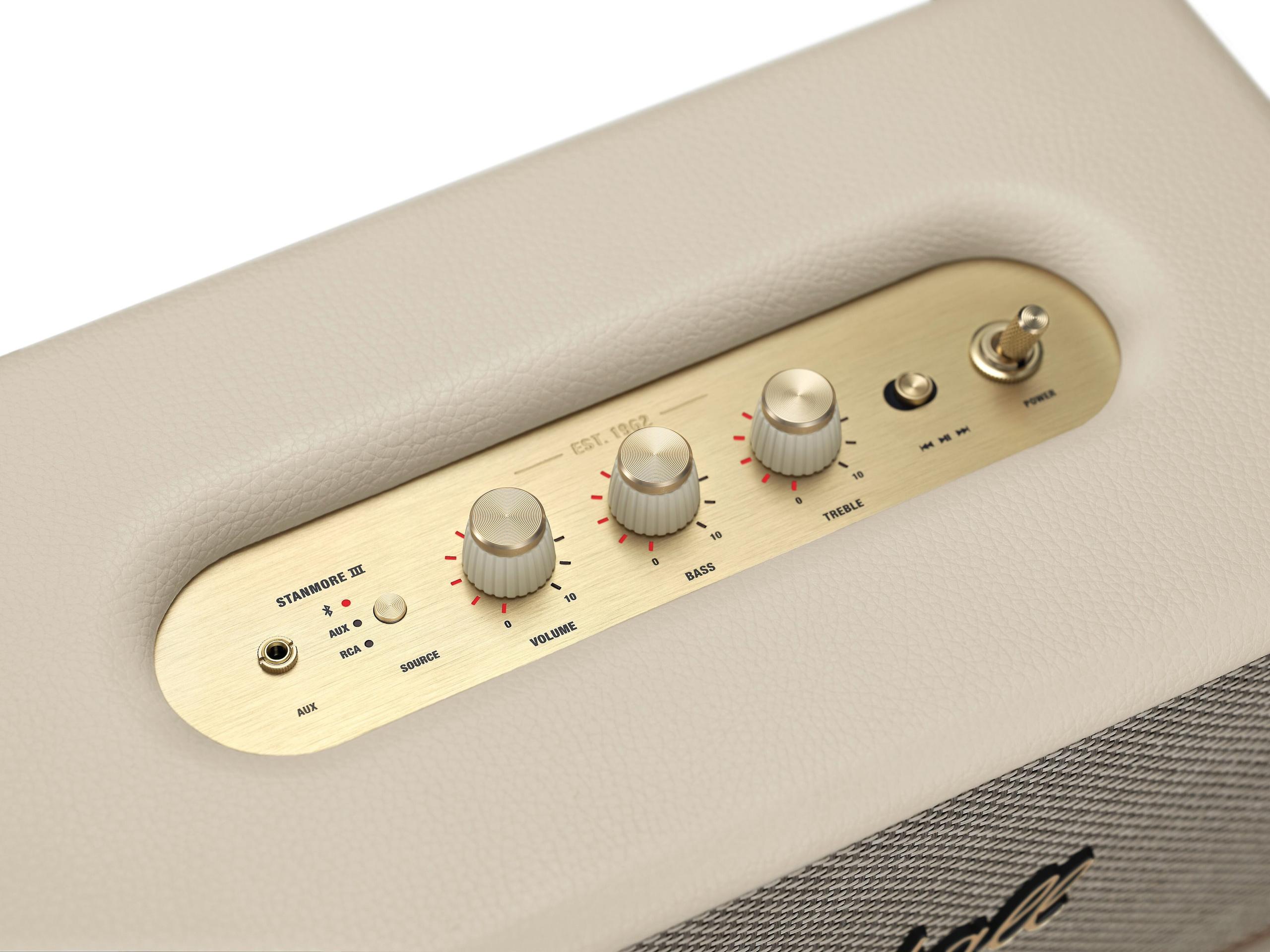
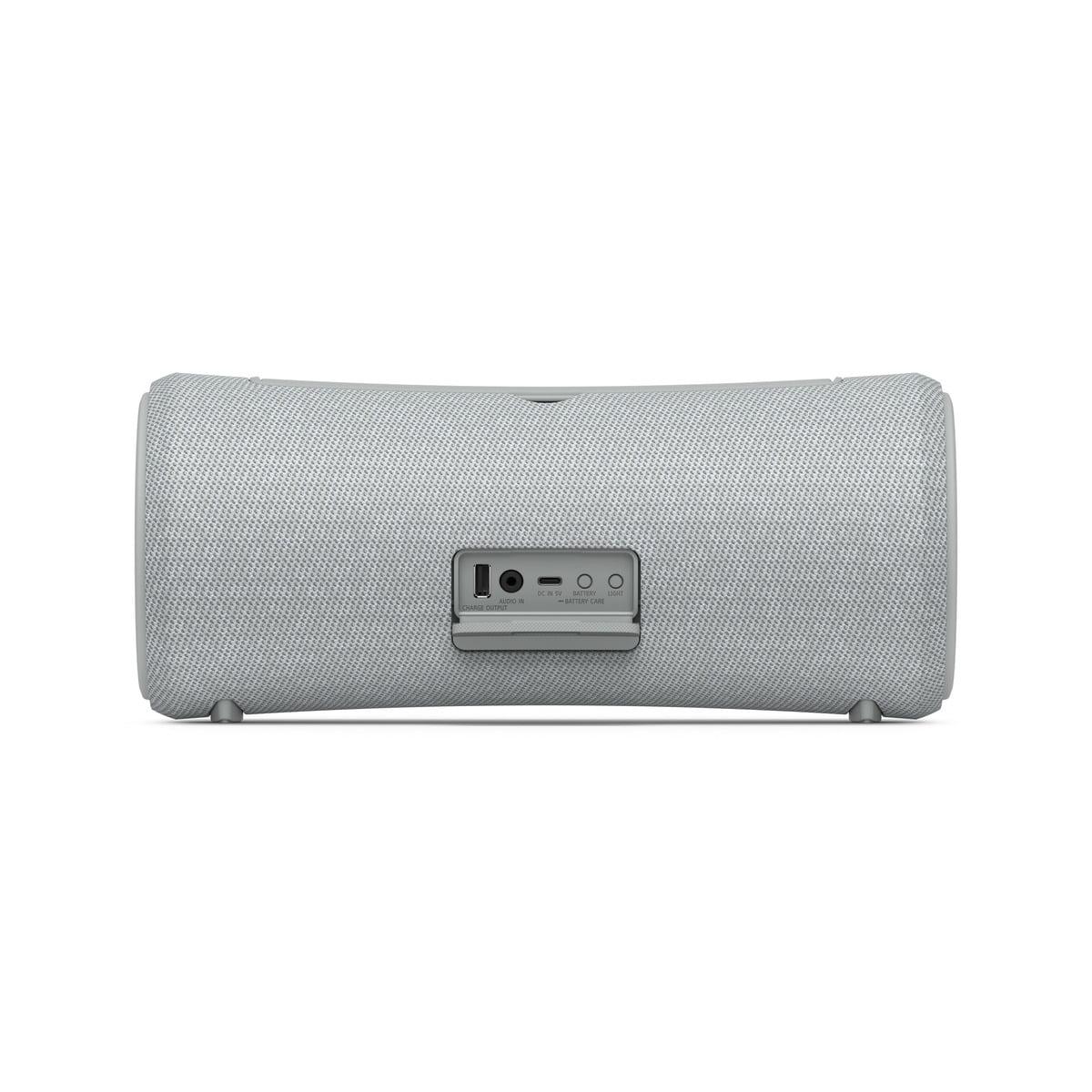
Both speakers feature Bluetooth 5.2, supporting multi-device connections and improved range. The Marshall adds RCA inputs, making it more suitable for home theater use – you could connect it to your TV for better sound. The Sony offers USB-C charging with power bank functionality, allowing you to charge your phone in a pinch.
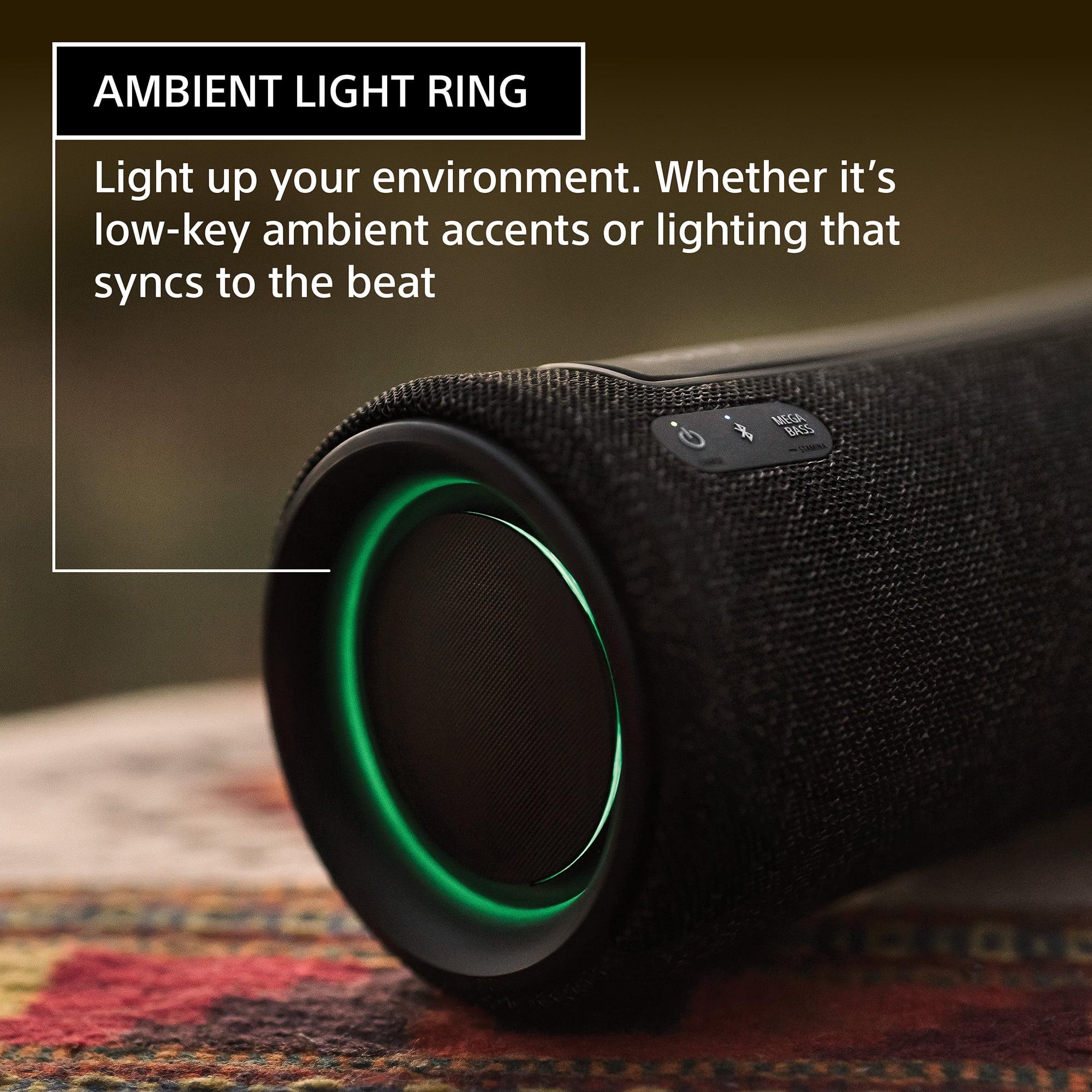
Both manufacturers provide companion apps for custom equalization and firmware updates. Marshall's app focuses on sound adjustment, while Sony adds party features like lighting control through their Fiestable app. Both speakers receive regular updates, with Sony particularly active in adding new features since launch.
For home use, the Marshall's superior sound quality and permanent power make it a more capable choice. Its RCA inputs and higher power output make it suitable as a TV speaker or main room music system. I've found it particularly excellent for movie watching, where its clear dialogue and deep bass add impact to film soundtracks.
The Sony shines in versatility. Its 25-hour battery life and quick charging (70 minutes of playback from a 10-minute charge) make it ideal for events and travel. The water resistance means you don't have to worry about weather, and the built-in handle makes transport easy.
At $379.99, the Marshall Stanmore III represents a significant investment but delivers audiophile-grade sound quality and classic styling. The $149.99 Sony XG300 offers impressive value, especially considering its durability and feature set.
Choose the Marshall if:
Go with the Sony if:
The key is matching the speaker to your primary use case. Both are excellent products that serve their intended purposes well – it's just a matter of choosing the right tool for your specific needs.
| Marshall Stanmore III ($379.99) | Sony XG300 ($149.99) |
|---|---|
| Power Output - Determines maximum volume and sound clarity | |
| 80W total (50W woofer + 2x15W tweeters) | 30W total (estimated, not officially specified) |
| Driver Configuration - Affects sound quality and separation | |
| 5" woofer + two 0.75" tweeters | Two 2.4" x 2.68" woofers + two 0.79" tweeters |
| Frequency Response - Range of bass to treble reproduction | |
| 45Hz - 20,000Hz | 20Hz - 20,000Hz (but less accurate at extremes) |
| Size & Weight - Important for placement or portability | |
| 13.8" x 8.1" x 8.4", 9.37 lbs (stationary) | 12.5" x 5.4" x 5.4", 6.6 lbs (portable) |
| Connectivity - Options for audio sources | |
| Bluetooth 5.2, RCA, 3.5mm aux | Bluetooth 5.2, USB-C, 3.5mm aux |
| Power Source - Affects where you can use it | |
| AC power only (wall outlet required) | Rechargeable battery (25 hours playback) |
| Environmental Protection - Durability for different uses | |
| Indoor use only | IP67 water/dust resistant |
| Additional Features - Extra functionality beyond audio | |
| App EQ control, vintage styling | LED lighting, power bank function, party connect |
| Best Use Case - Primary intended purpose | |
| Premium home audio, TV sound upgrade | Portable entertainment, outdoor events |
| Value Proposition - What you get for the money | |
| Higher cost but superior sound quality | More versatile with good sound for price |
The Marshall Stanmore III ($379.99) offers superior sound quality with its larger drivers and more powerful amplification. While the Sony XG300 ($149.99) sounds good for a portable speaker, it can't match the Marshall's room-filling sound and bass response.
The Sony XG300 is specifically designed for outdoor use with its IP67 water resistance and portable battery-powered design. The Marshall Stanmore III is not suitable for outdoor use as it requires AC power and isn't weather-resistant.
The Sony XG300 offers 25 hours of battery life on a single charge. The Marshall Stanmore III doesn't have a battery and must be plugged into wall power.
For indoor parties, the Marshall Stanmore III provides better sound quality and volume. For outdoor events, the Sony XG300 is the better choice with its portability and water resistance.
The Marshall Stanmore III works well with TVs using its RCA inputs. The Sony XG300 can connect via auxiliary input but isn't ideal for TV use.
The Marshall Stanmore III produces deeper, more accurate bass thanks to its larger 5-inch woofer. While the Sony XG300 has a MEGA BASS feature, it can't match the Marshall's natural bass response.
The Sony XG300 can connect with up to 100 compatible Sony speakers using Party Connect. The Marshall Stanmore III doesn't offer multi-speaker connectivity.
The Sony XG300 is more durable with its IP67 water and dust resistance rating. The Marshall Stanmore III is designed for indoor use only.
Both speakers have companion apps - Marshall's app focuses on sound adjustment, while Sony's app includes additional features like lighting control.
The Sony XG300 at $149.99 offers better value if you need portability and versatility. The Marshall Stanmore III at $379.99 is worth the premium if sound quality is your priority.
The Sony XG300 has a USB port for charging devices. The Marshall Stanmore III doesn't offer phone charging capability.
The Marshall Stanmore III provides better sound quality but requires dedicated space. The Sony XG300 is more versatile for small spaces as it can be stored away when not in use.
We've done our best to create useful and informative comparisons to help you decide what product to buy. Our research uses advanced automated methods to create this comparison and perfection is not possible - please contact us for corrections or questions. These are the sites we've researched in the creation of this article: techgadgetscanada.com - camelcamelcamel.com - crutchfield.com - bestbuy.com - dxomark.com - crutchfield.com - crutchfield.com - marshall.com - marshall-production-1.mobify-storefront.com - exhibit.tech - ooberpad.com - av-connection.com - bestbuy.com - youtube.com - sony.ca - youtube.com - electronics.sony.com - sony.com - abt.com - helpguide.sony.net - bhphotovideo.com - rtings.com - thesonyshop.ca - helpguide.sony.net

Privacy Policy
Terms and Conditions - Affiliate Policy
Home Security
© Copyright 2008-2026.
11816 Inwood Rd #1211, Dallas, TX 75244