

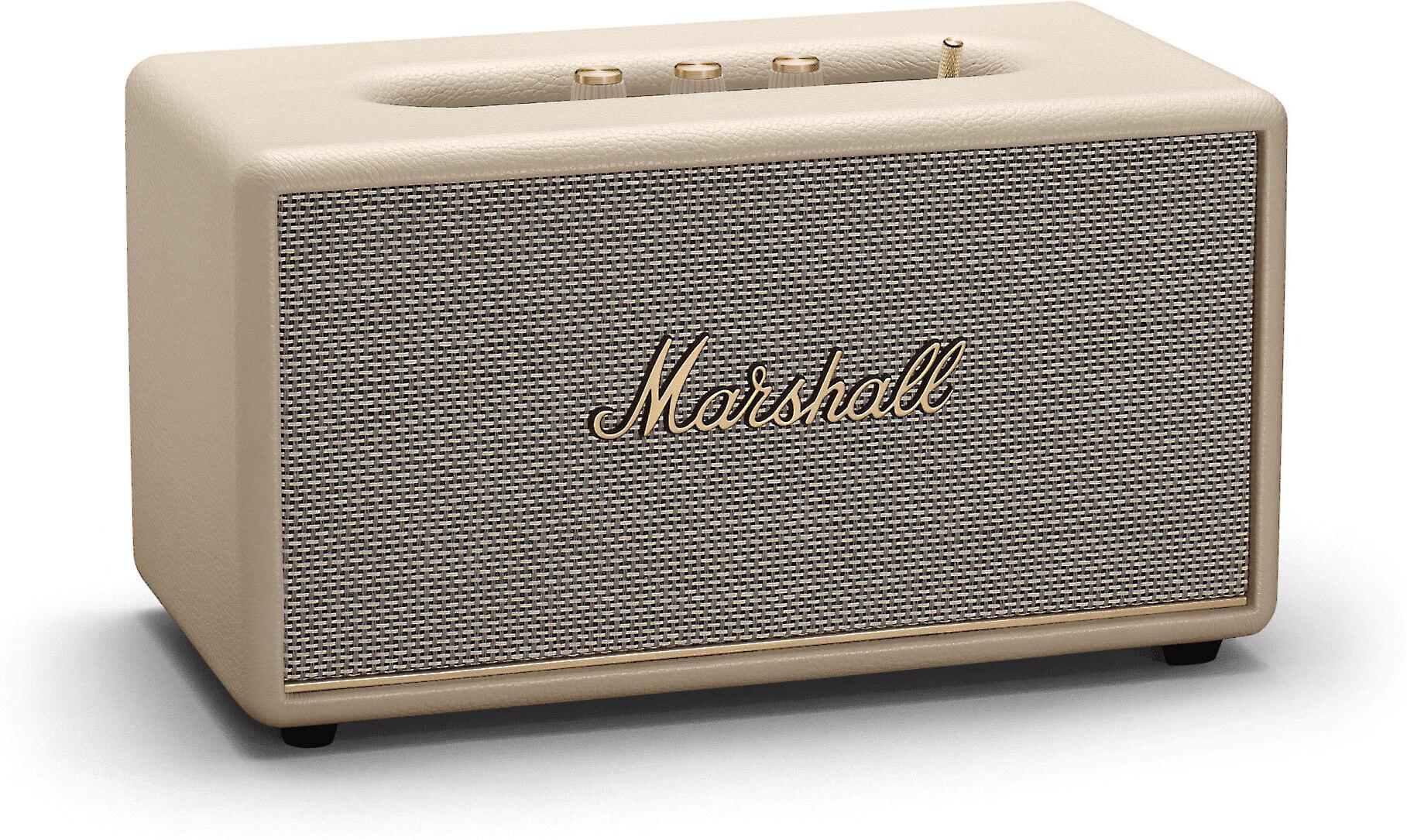
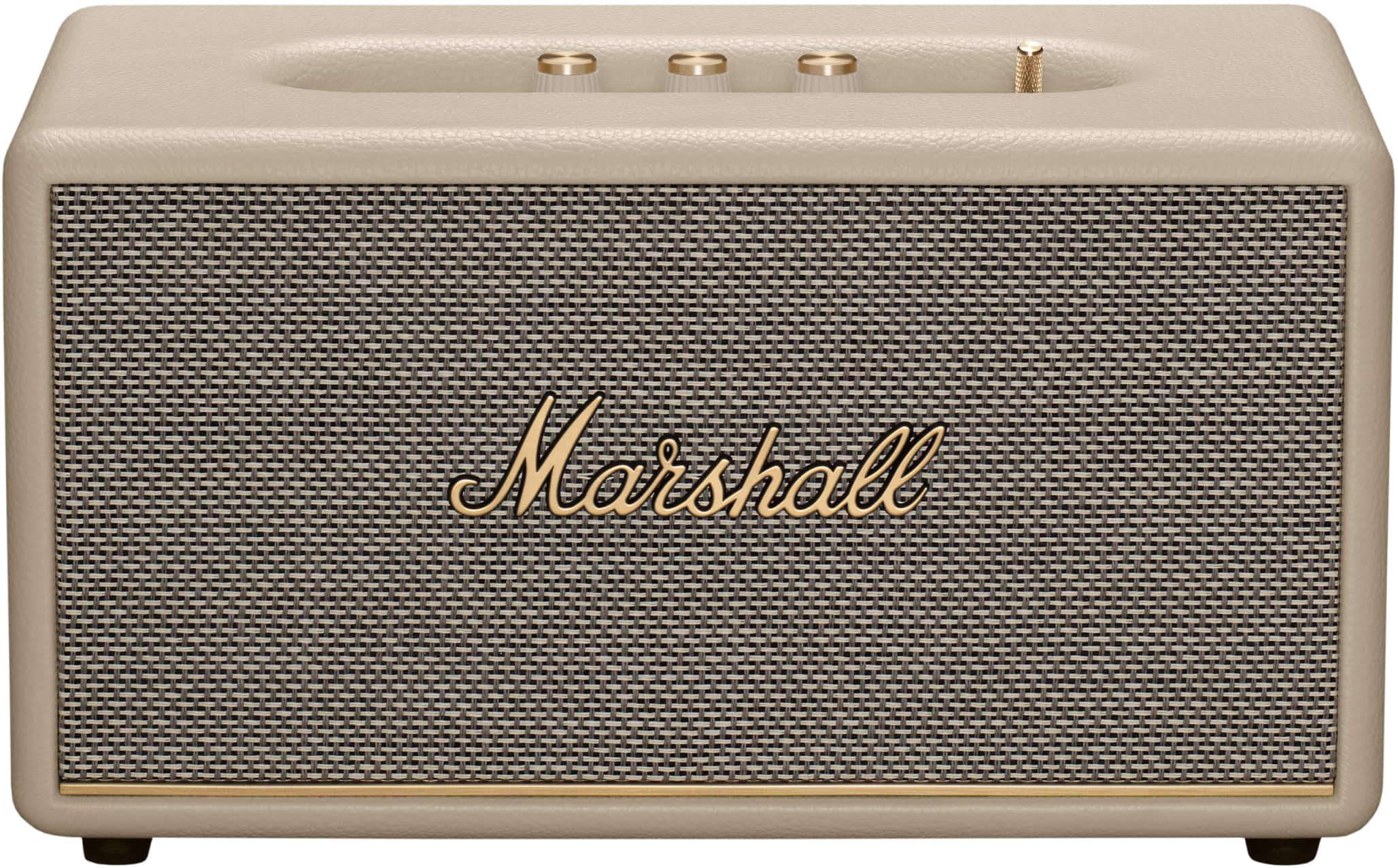
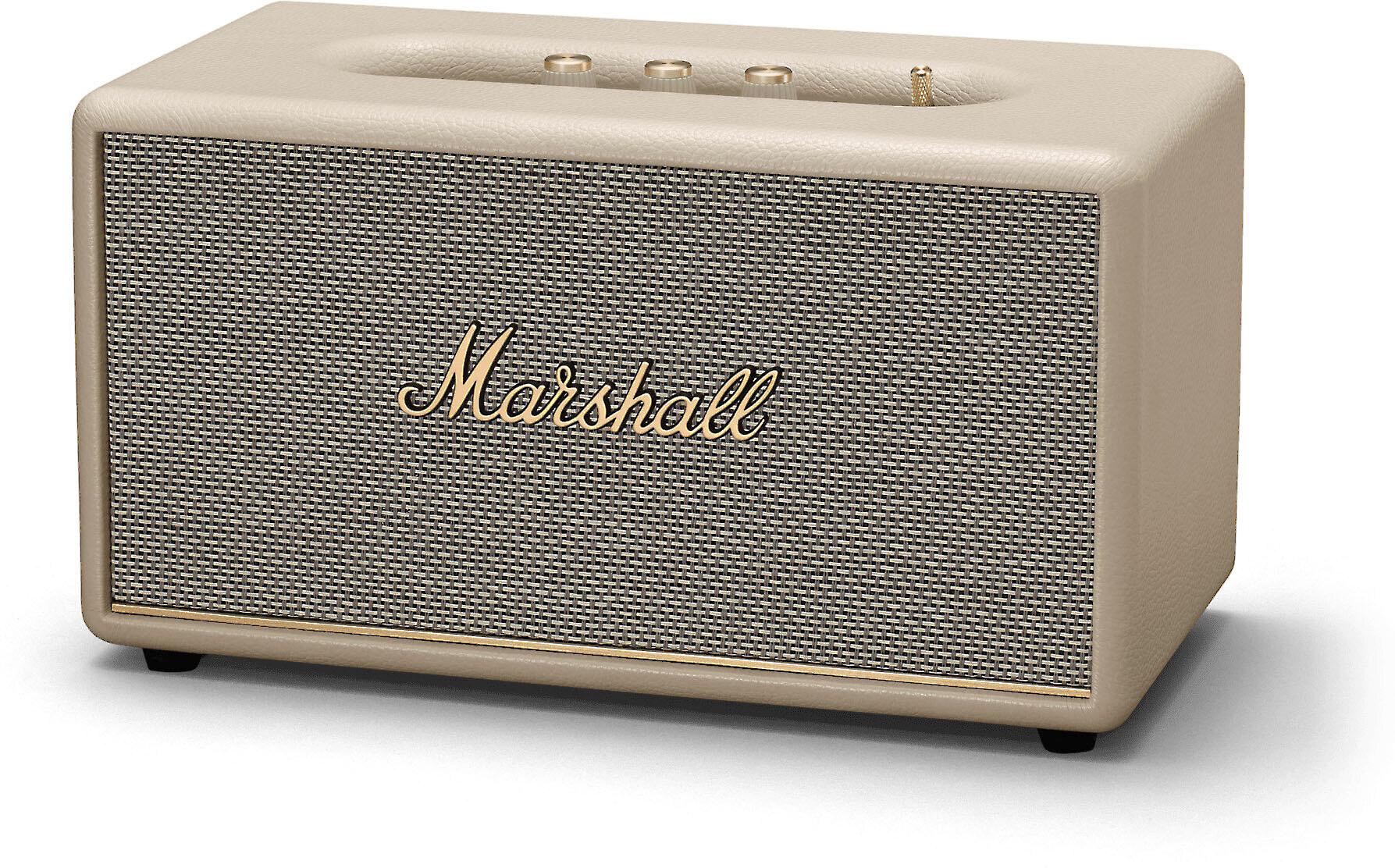
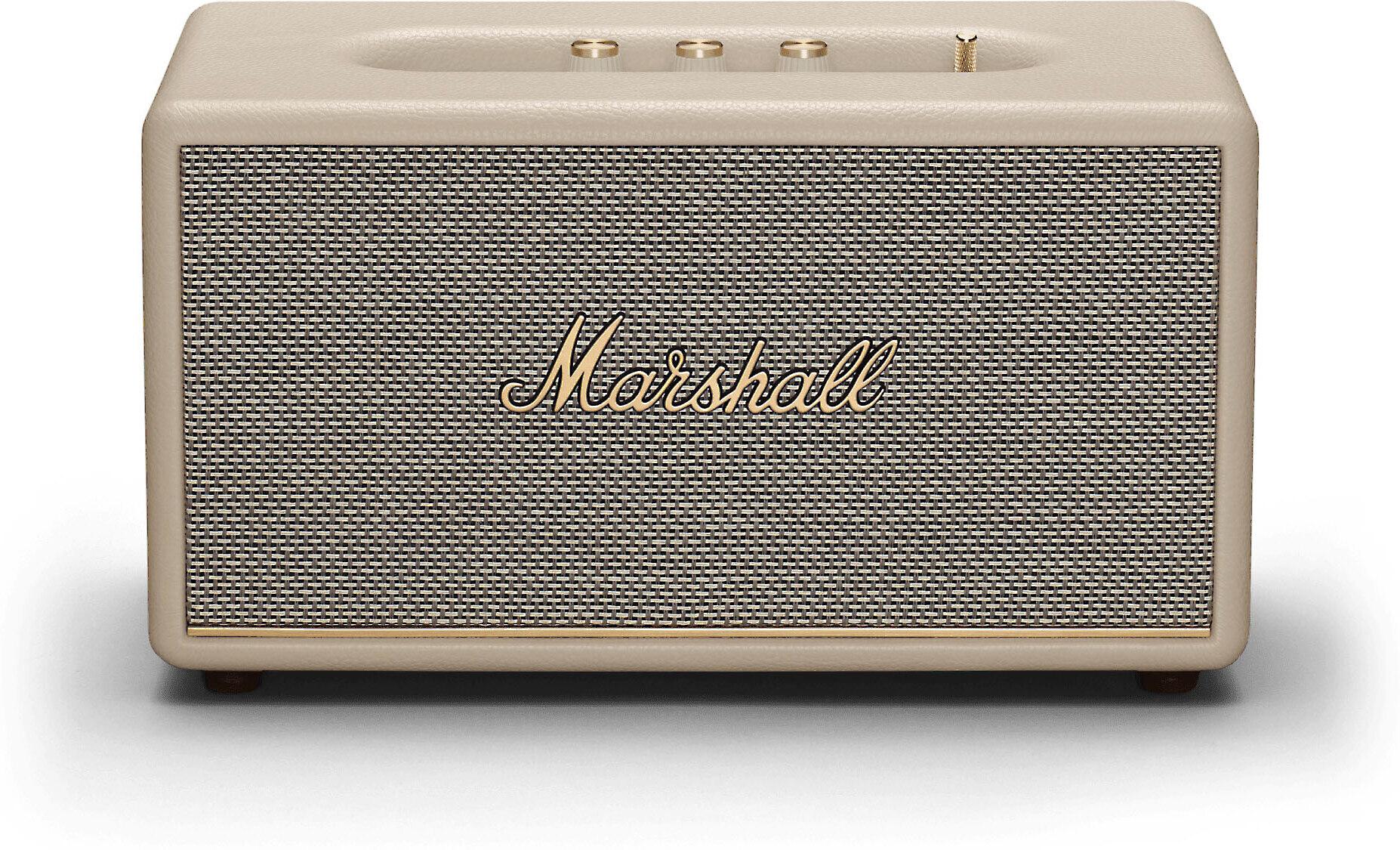
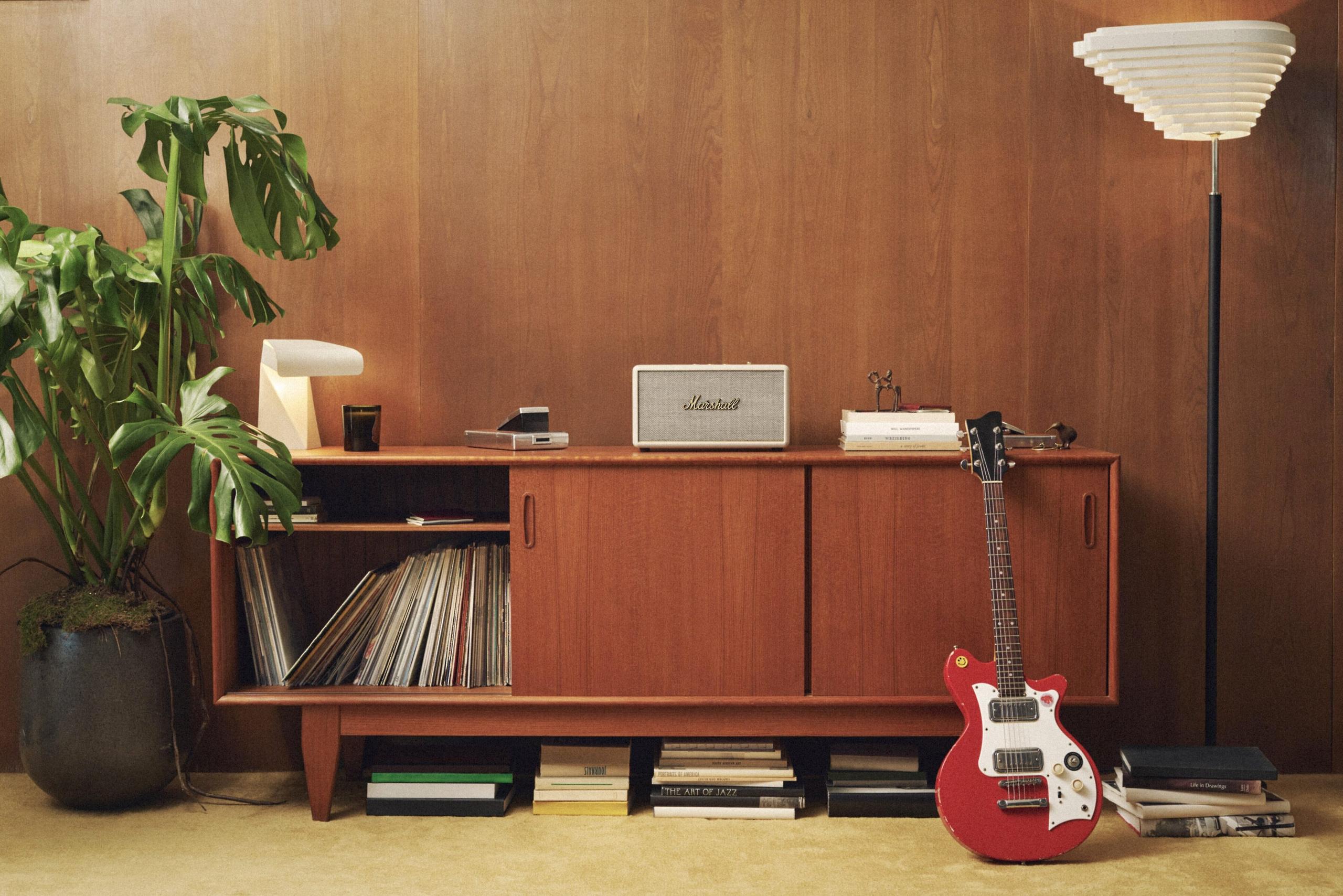
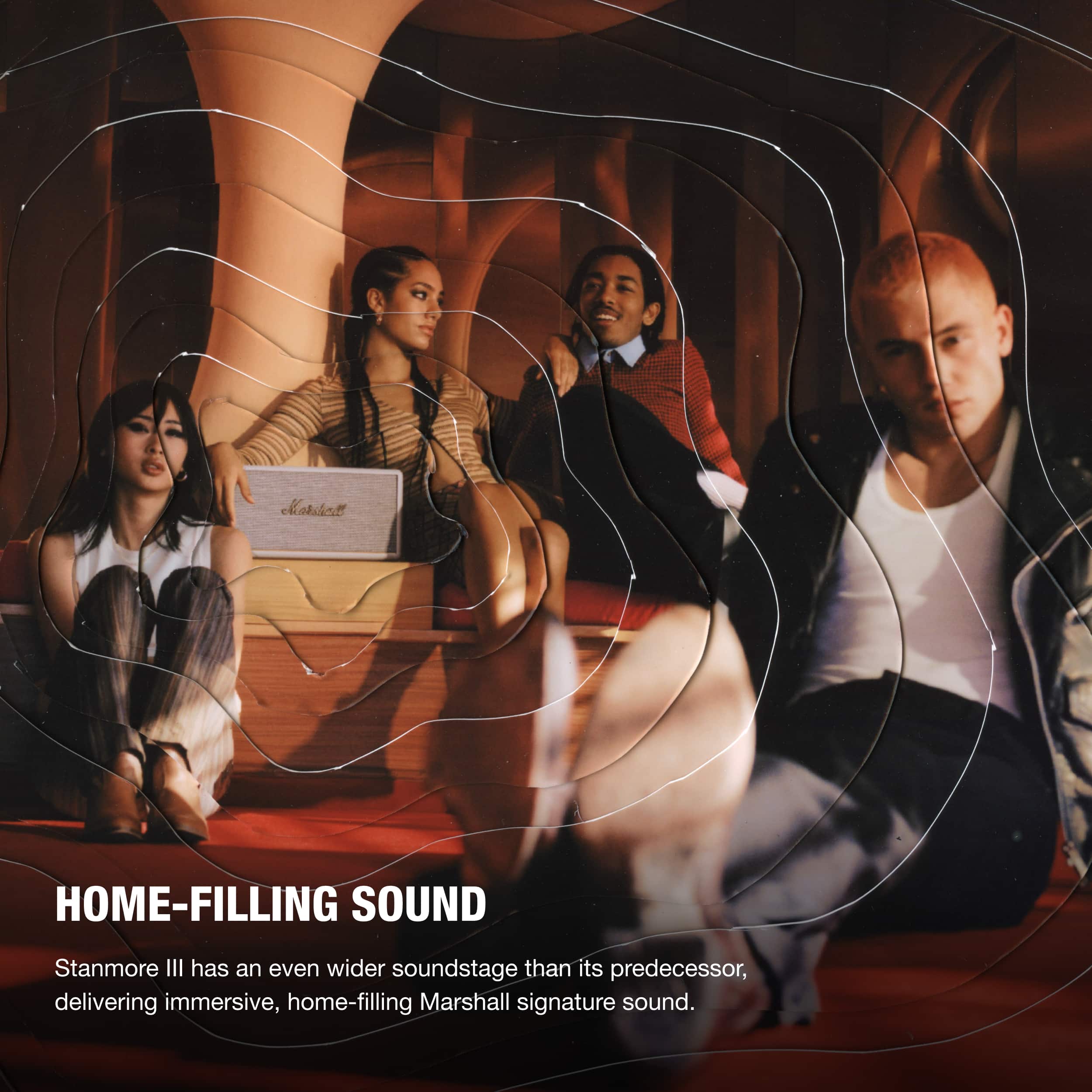

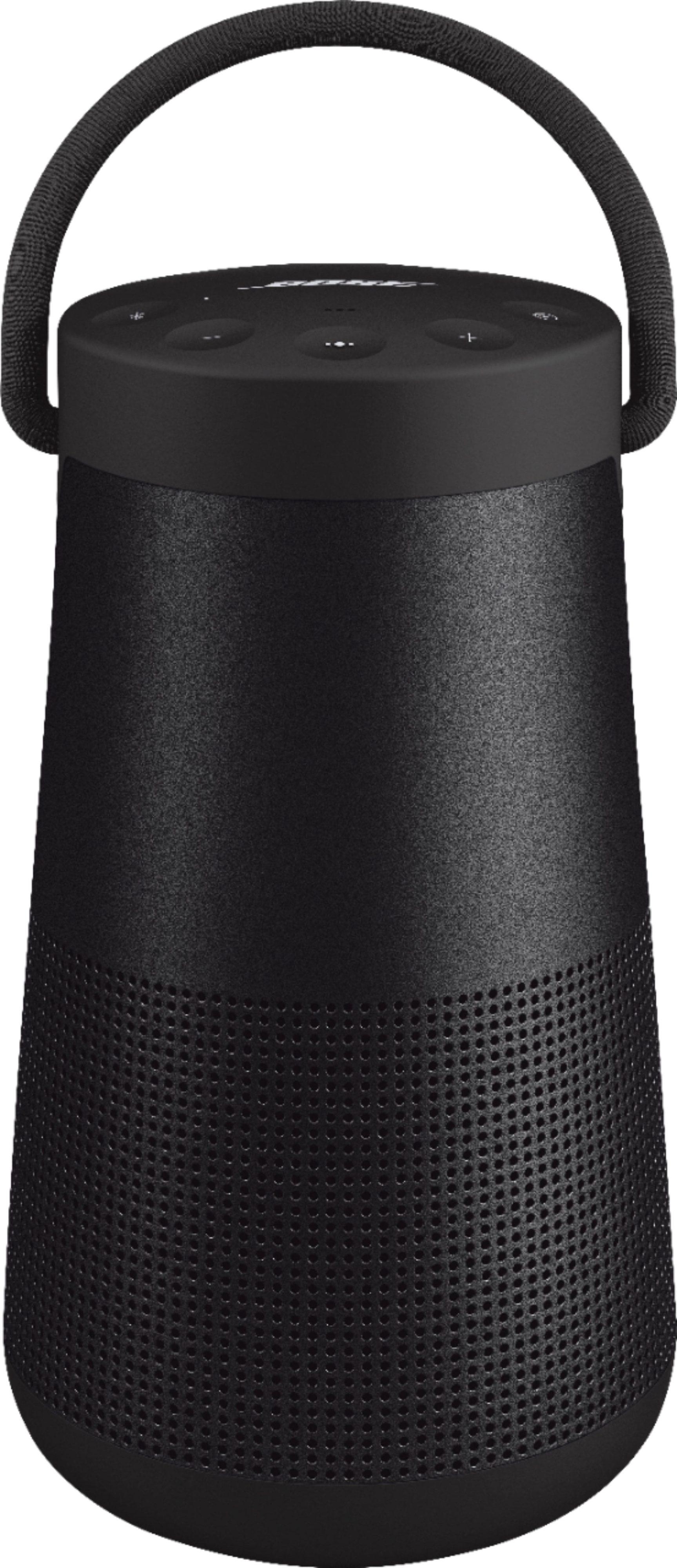
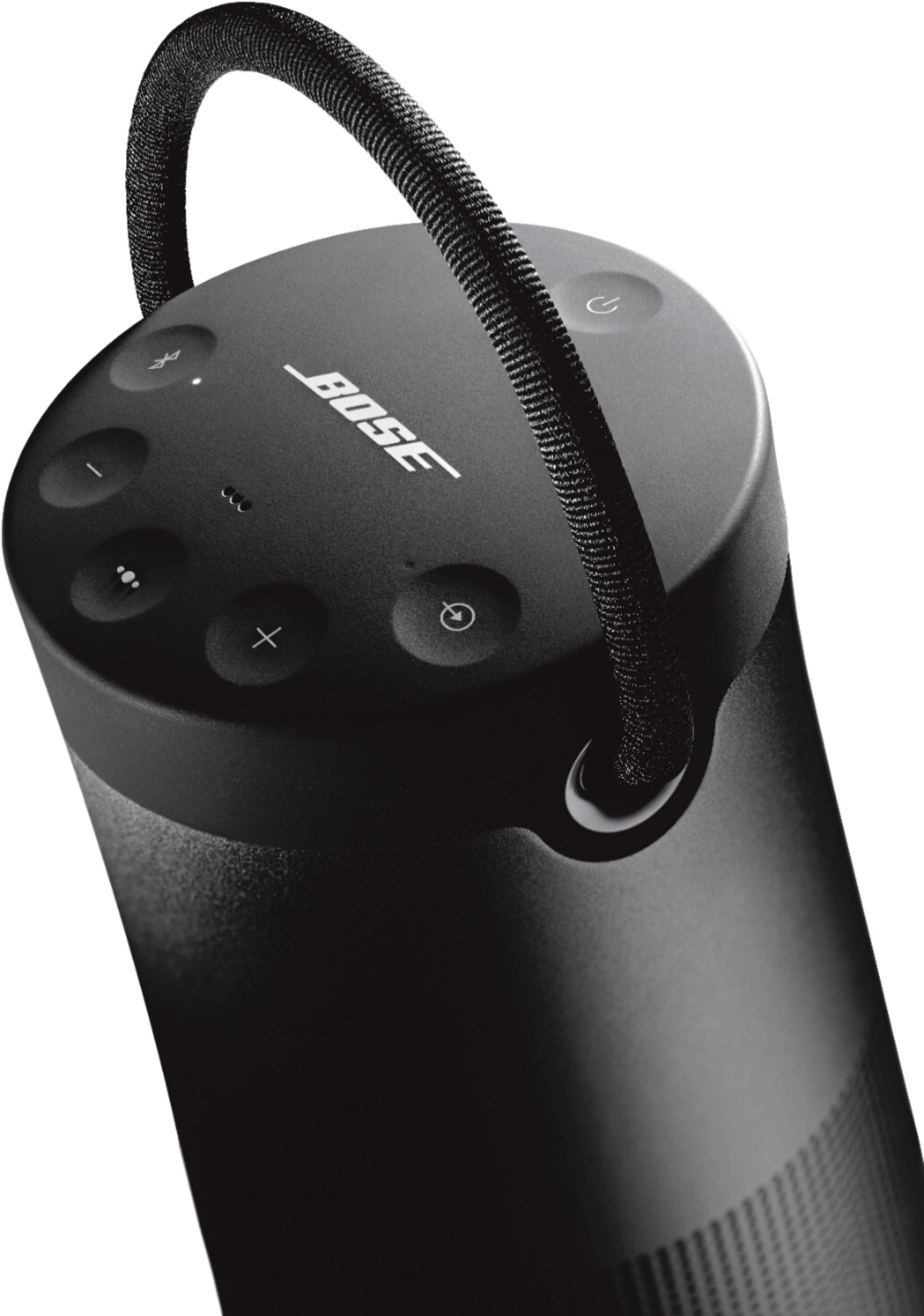
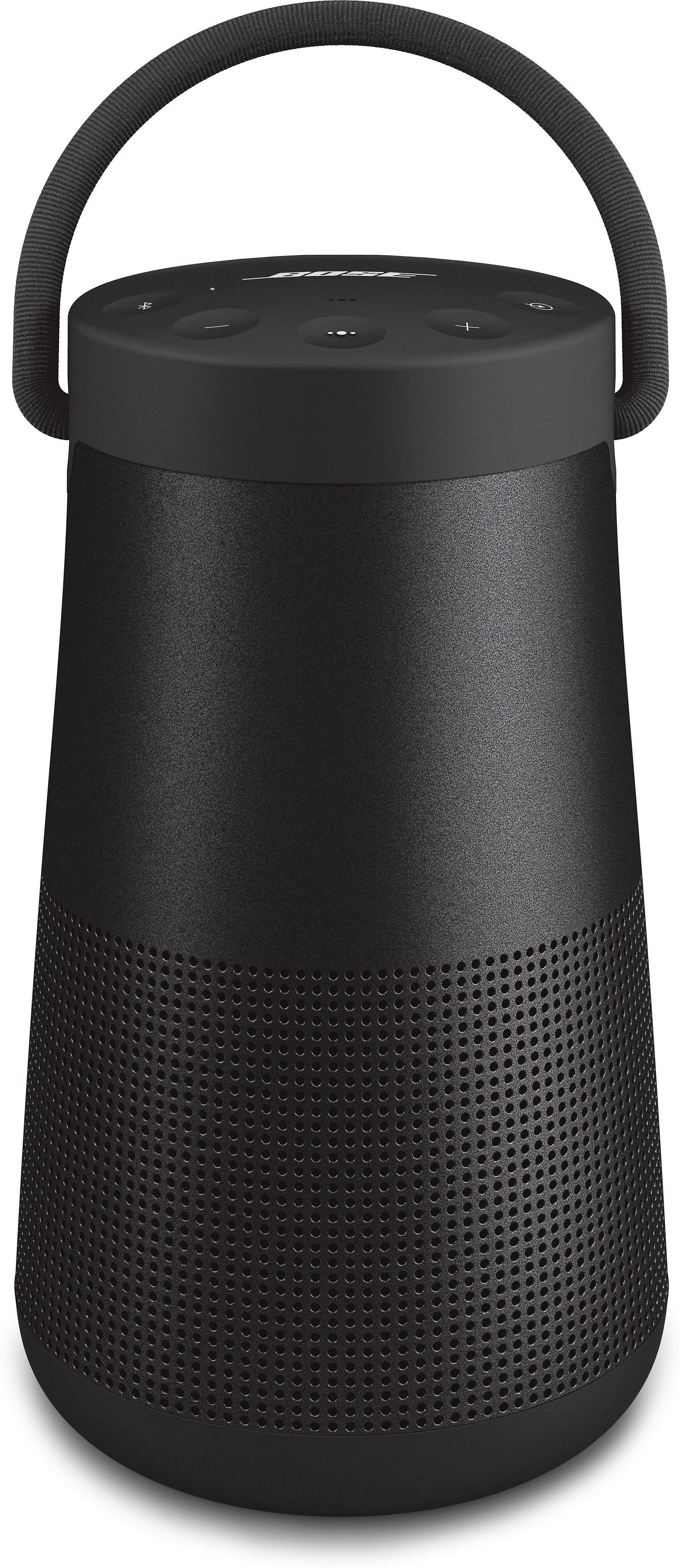
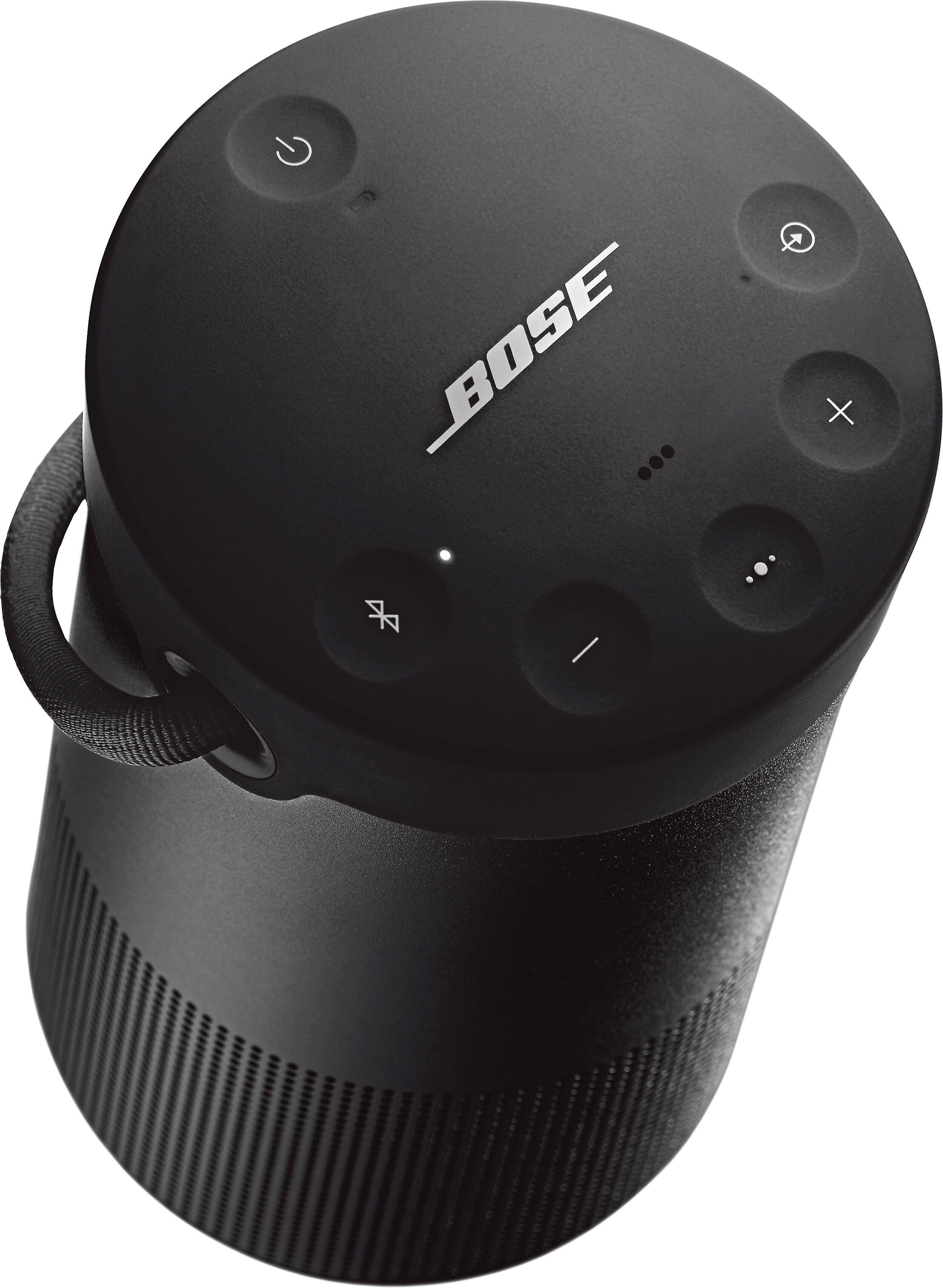
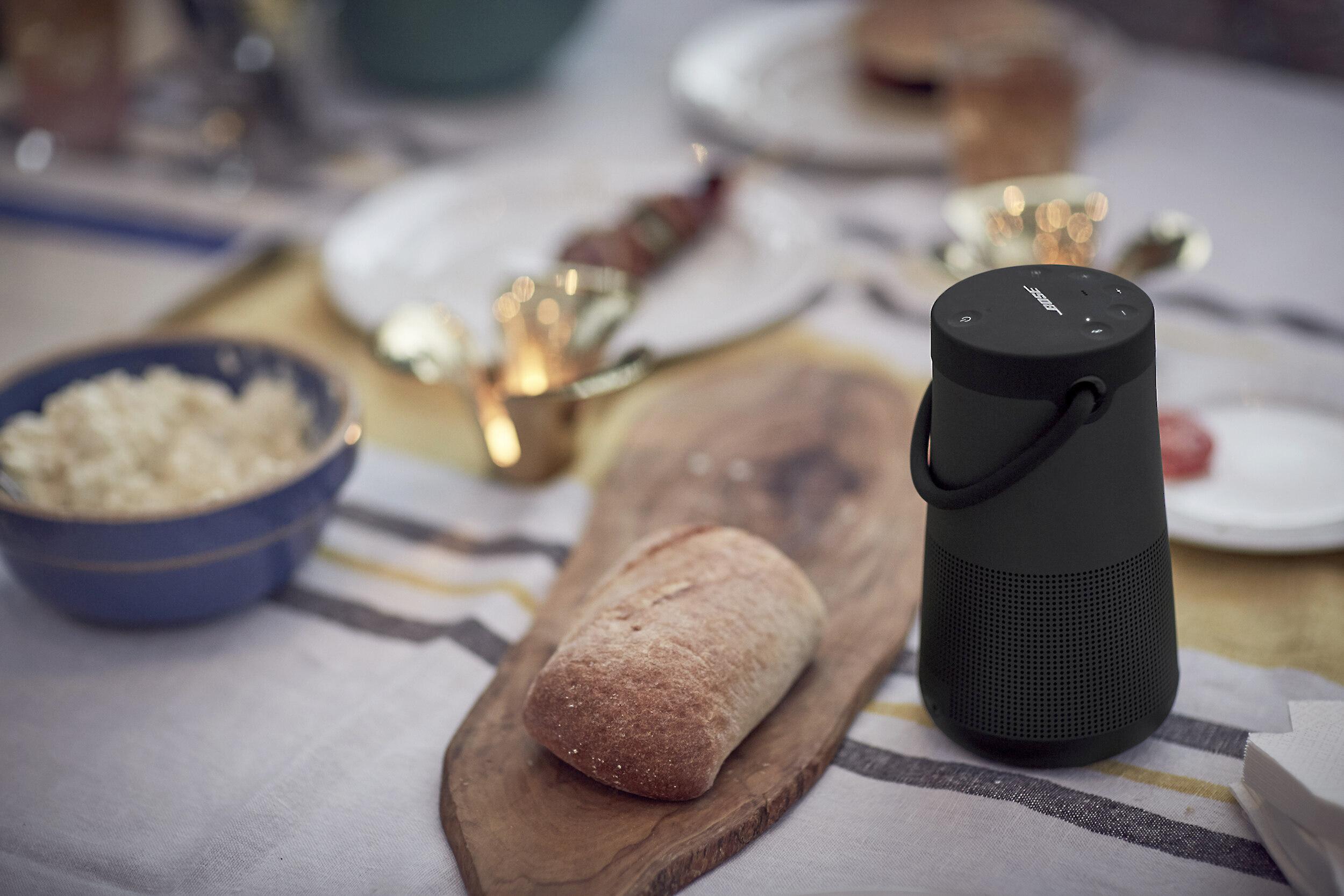
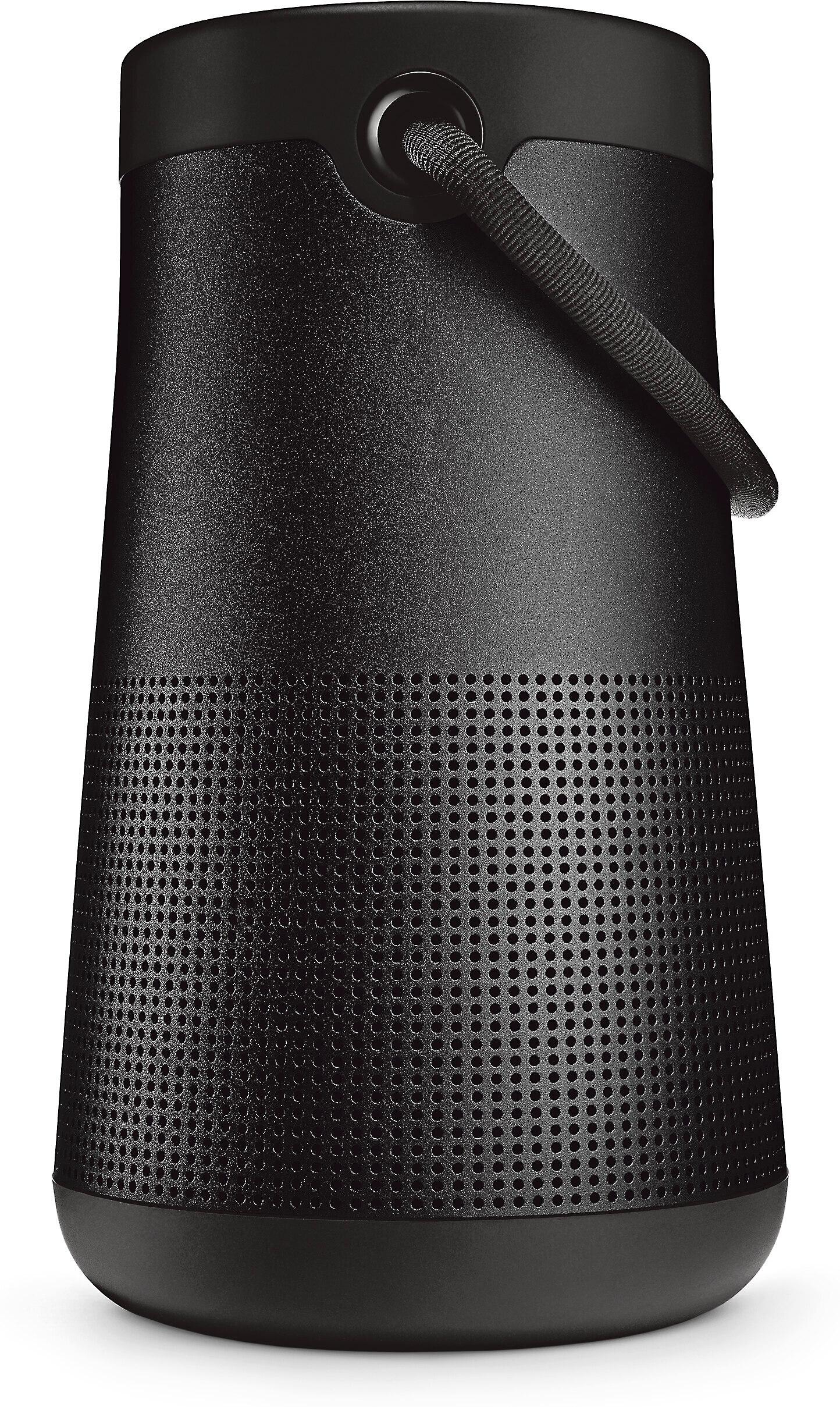
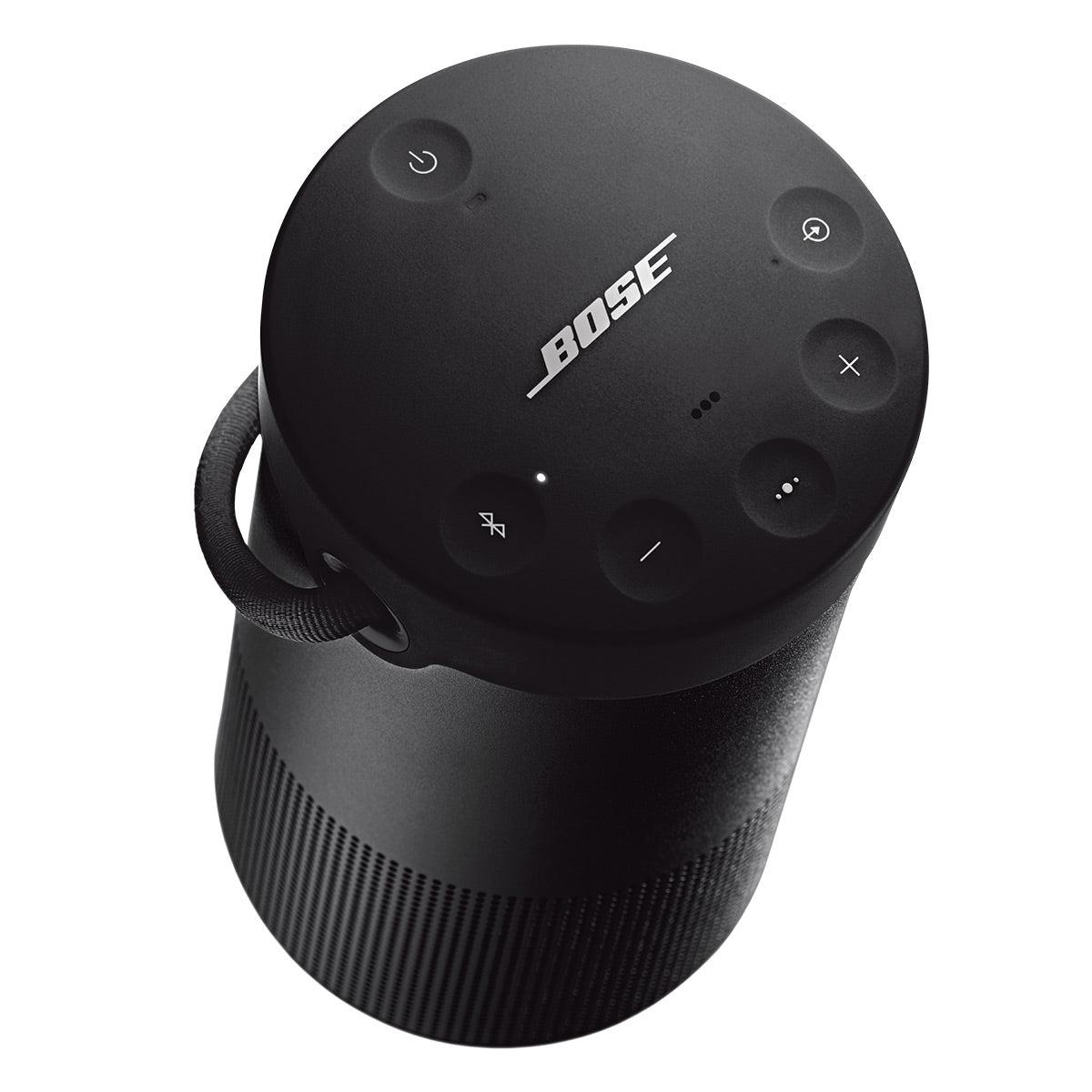
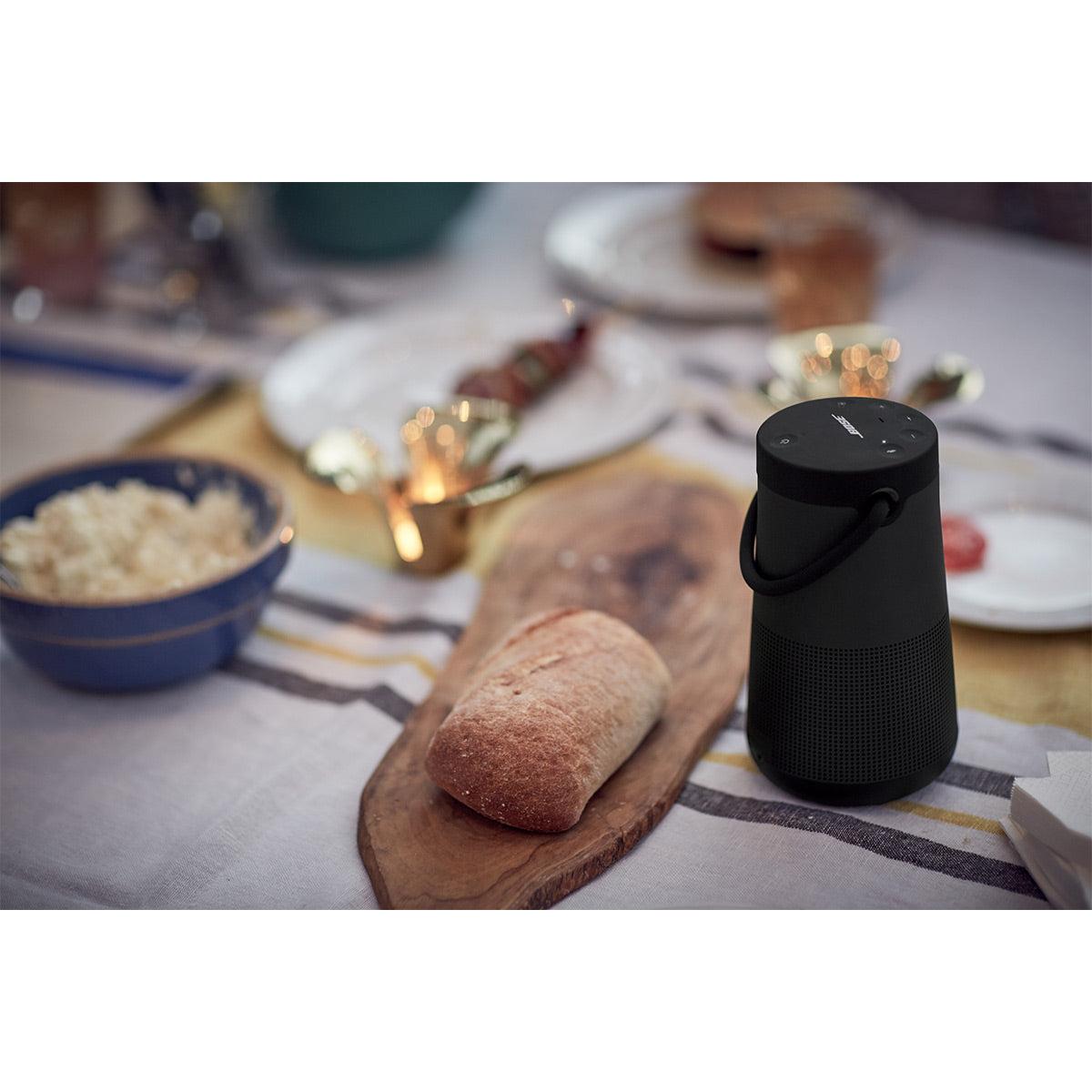
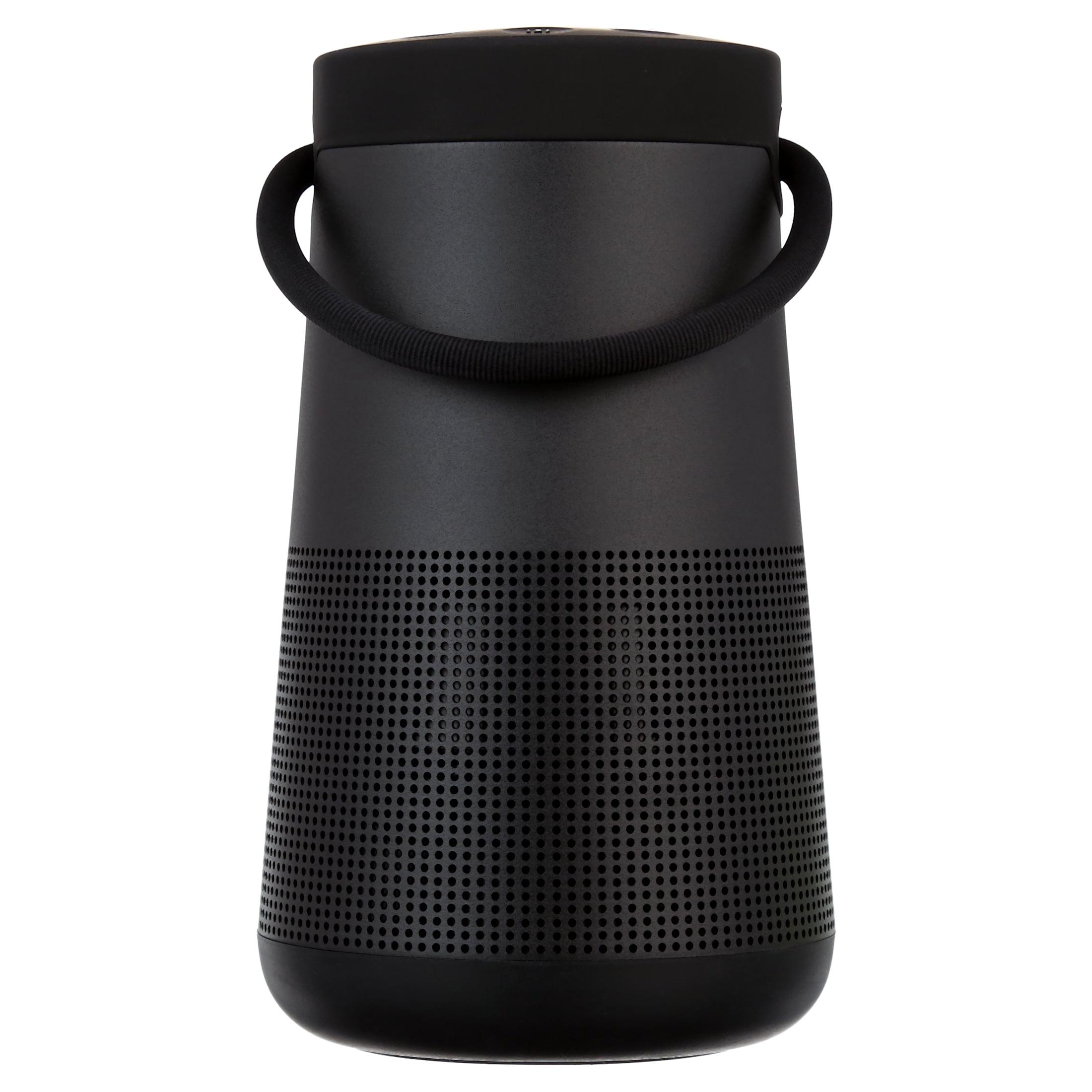
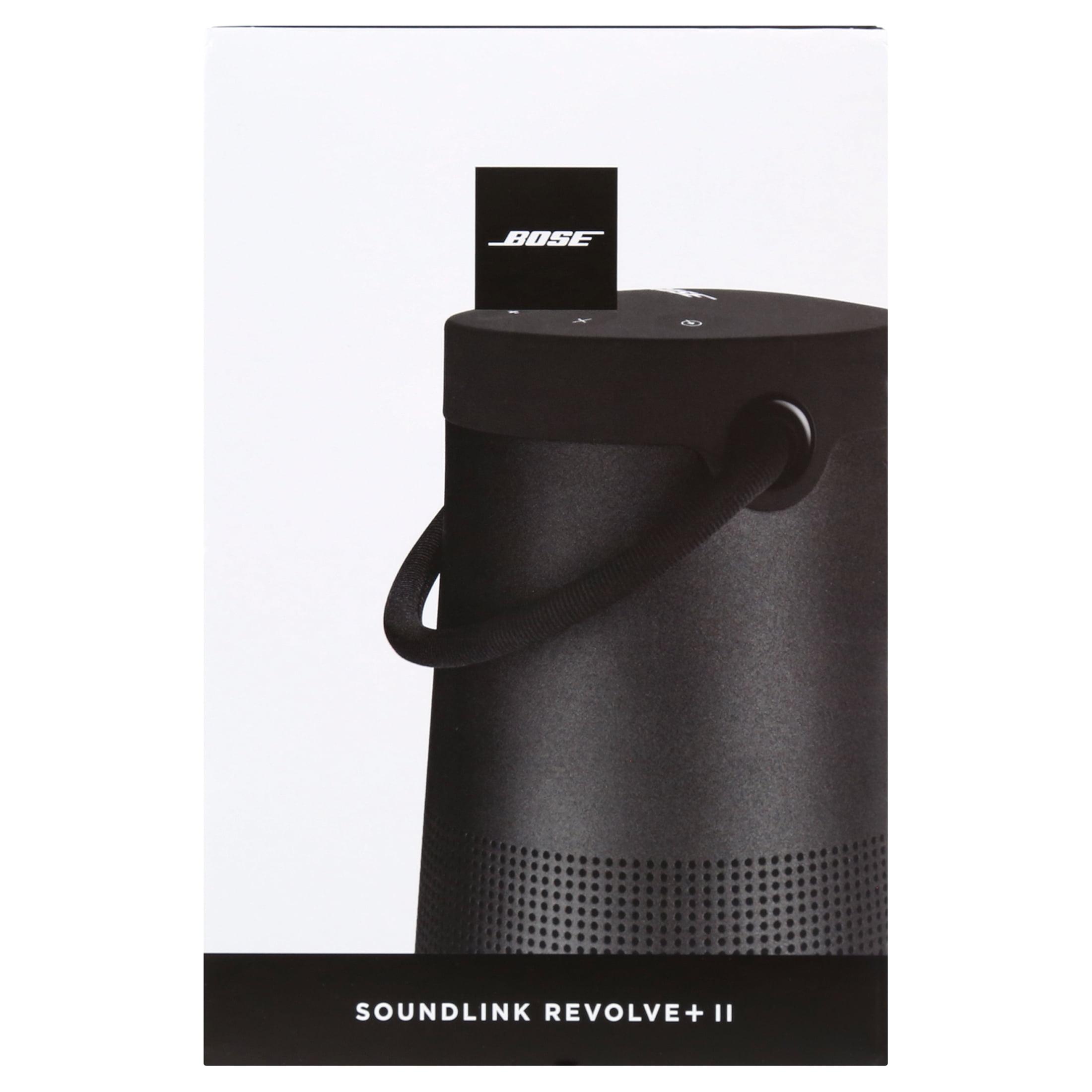

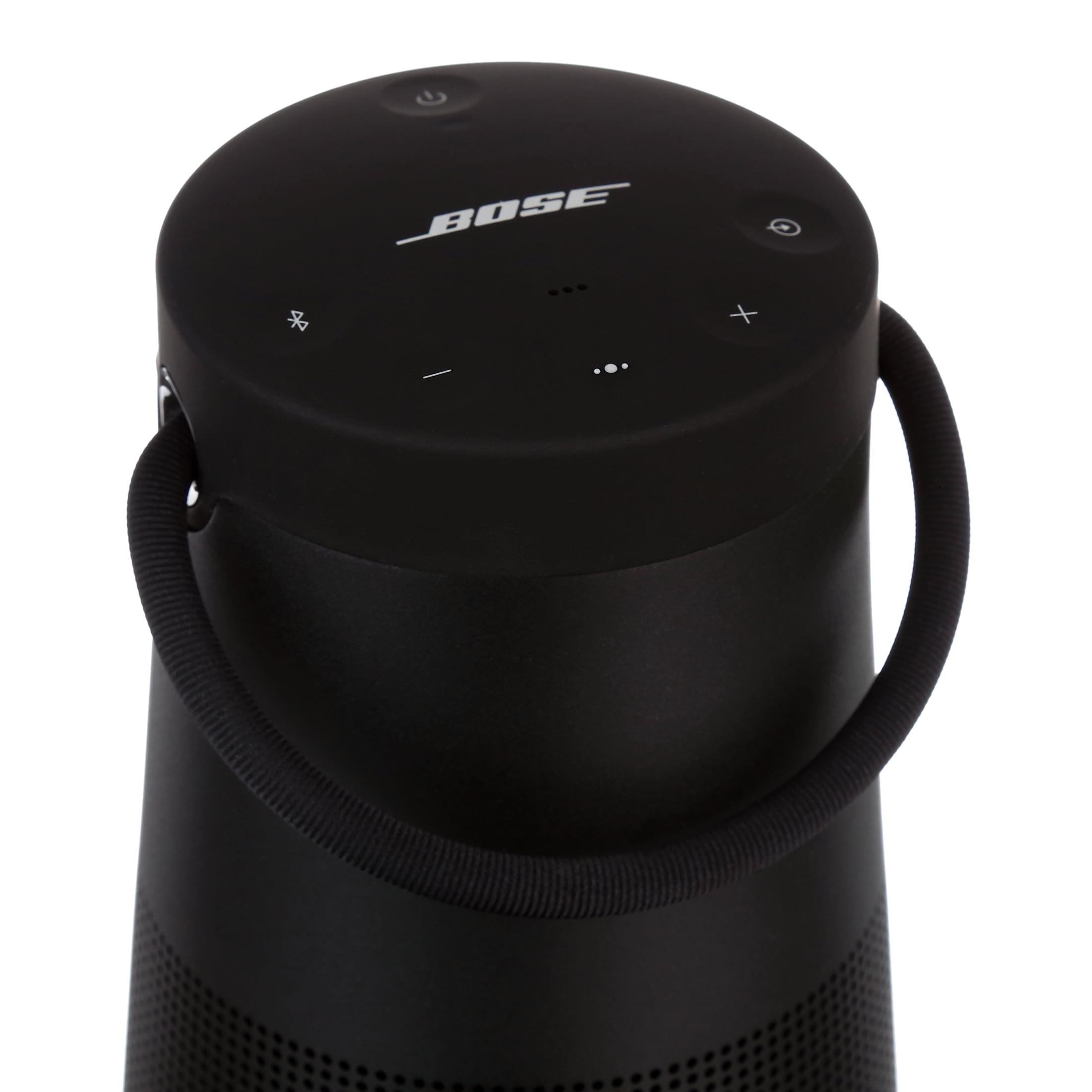
When it comes to high-end Bluetooth speakers, two notable contenders are the Marshall Stanmore III ($379.99) and the Bose SoundLink Revolve+ II ($229.99). These speakers represent different approaches to delivering premium audio - one focused on powerful home audio, the other on versatile portability. Let's dive deep into what makes each unique and help you decide which might be right for your needs.
Bluetooth speakers have evolved significantly over the past decade. They're no longer just convenient wireless options but can now deliver serious audio performance. The key considerations have shifted from basic connectivity to nuanced aspects like sound stage (how well the speaker creates a sense of space in music), power handling (ability to maintain clarity at high volumes), and integration with modern audio sources.
The Marshall Stanmore III, released in September 2022, represents the latest iteration of Marshall's home speaker line. It brings several meaningful improvements over its predecessor, including Bluetooth 5.2 for better wireless range and stability, updated waveguides for improved sound dispersion, and a new Dynamic Loudness feature that automatically adjusts tonal balance at different volumes - particularly helpful when listening at lower levels.
The Bose SoundLink Revolve+ II launched in February 2021, building on Bose's portable speaker expertise. While it maintains the same basic design as the original Revolve+, it adds improved water resistance (now IP55 rated) and longer battery life (up to 17 hours).
The Stanmore III's sound signature is impressive, particularly for its size class. The 80-watt system (split between a 50W woofer and two 15W tweeters) delivers substantial power, but it's how this power is utilized that matters. The speaker creates a wide soundstage with excellent stereo separation - you can clearly hear instruments positioned across the audio field.
The bass response is particularly noteworthy, reaching down to 45Hz, which means you'll hear most of the low frequencies in modern music. This becomes especially apparent with genres like electronic music or film soundtracks. The dual tweeters, positioned at slight angles, help create a more immersive listening experience than typical single-driver designs.
Bose takes a different approach with the Revolve+ II, focusing on consistent sound delivery from any angle. The 360-degree sound dispersion works remarkably well - walking around the speaker, you'll notice very little change in how the music sounds. This is achieved through careful driver placement and an acoustic deflector that helps spread sound evenly.
While it can't match the raw power or bass extension of the Stanmore III, the Revolve+ II produces surprisingly full sound for its size. The speaker excels in the midrange frequencies, making it particularly good for vocal-heavy music and podcasts.
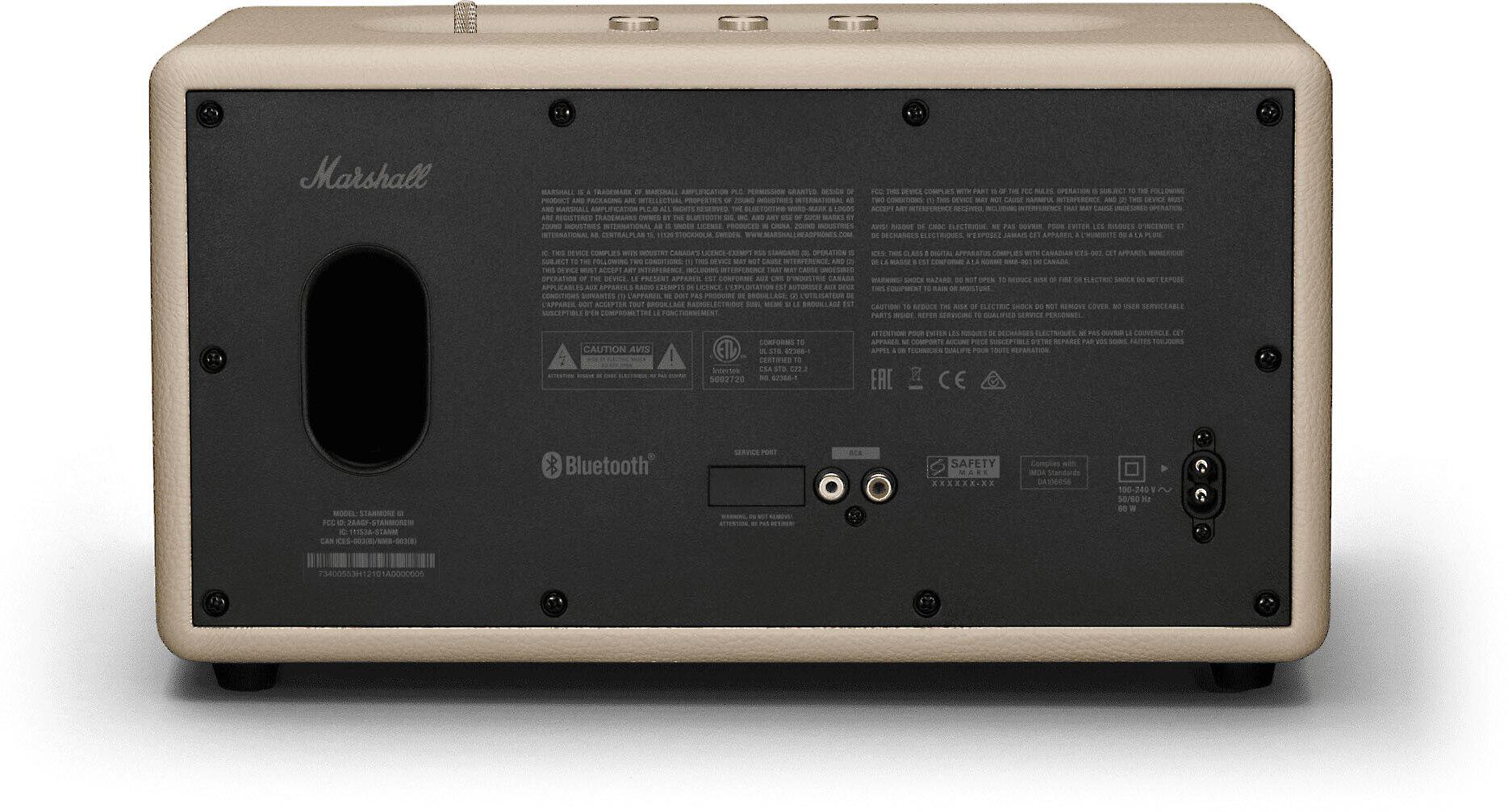
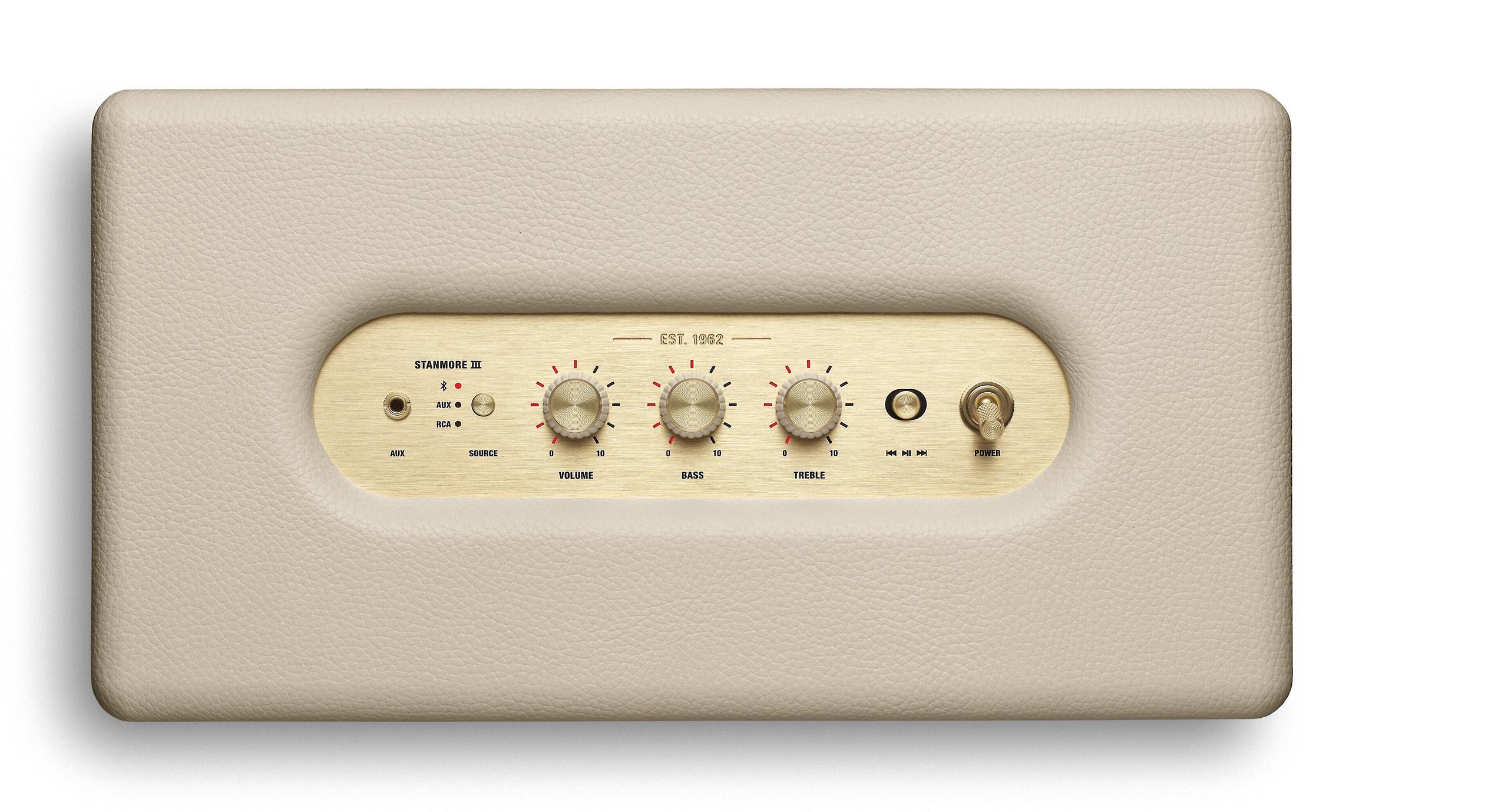
The Stanmore III shines in a home theater setup, particularly when used as a supplementary speaker or for music listening in the same space. The RCA inputs allow direct connection to TV audio outputs, and the substantial power output means it can fill even larger rooms with sound. The adjustable bass and treble controls help tune the sound to your room's acoustics.
The Revolve+ II, while not specifically designed for home theater use, can serve as a flexible auxiliary speaker. Its portability means you could easily move it to provide additional sound where needed, though it lacks the dedicated inputs for permanent installation.
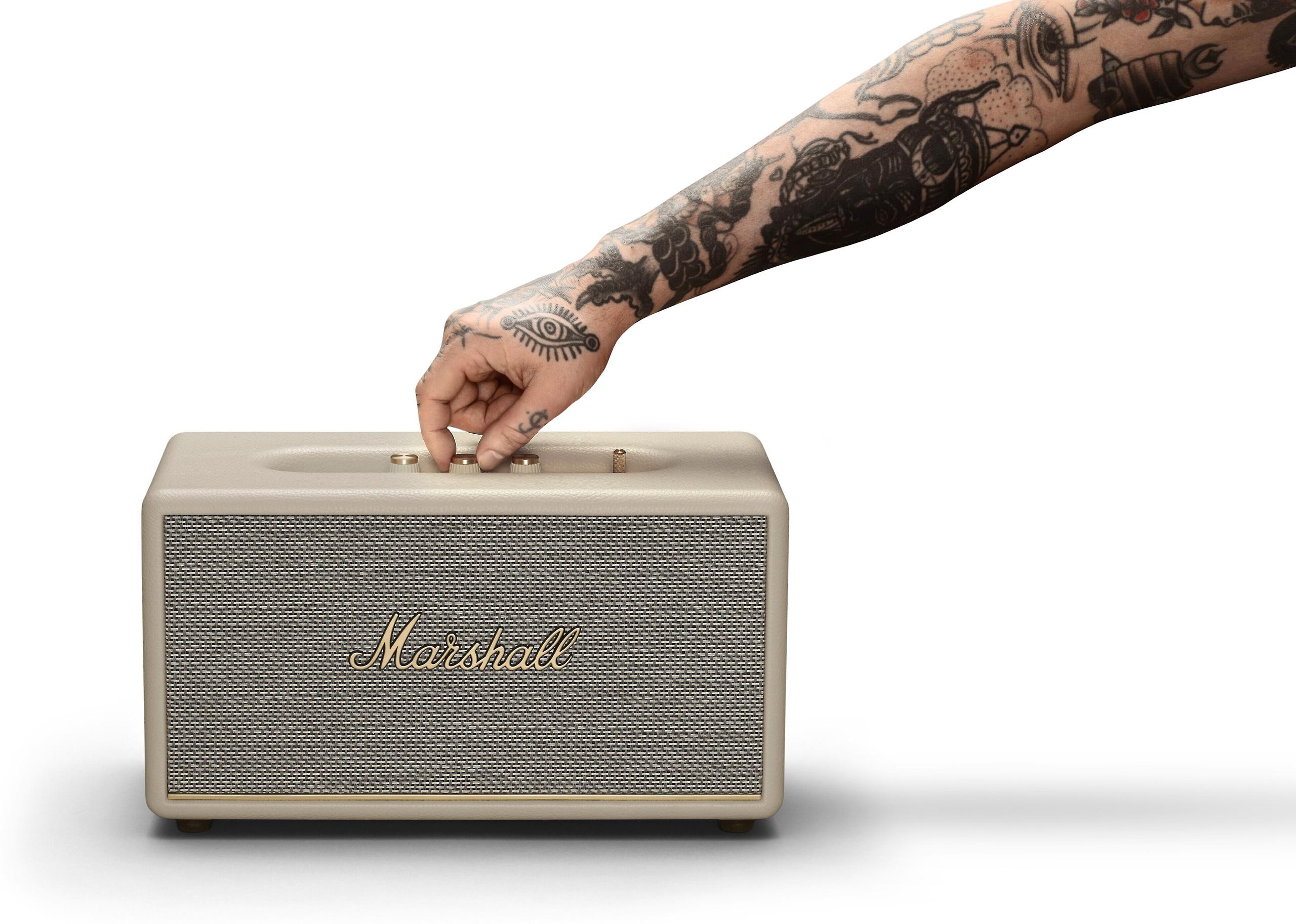
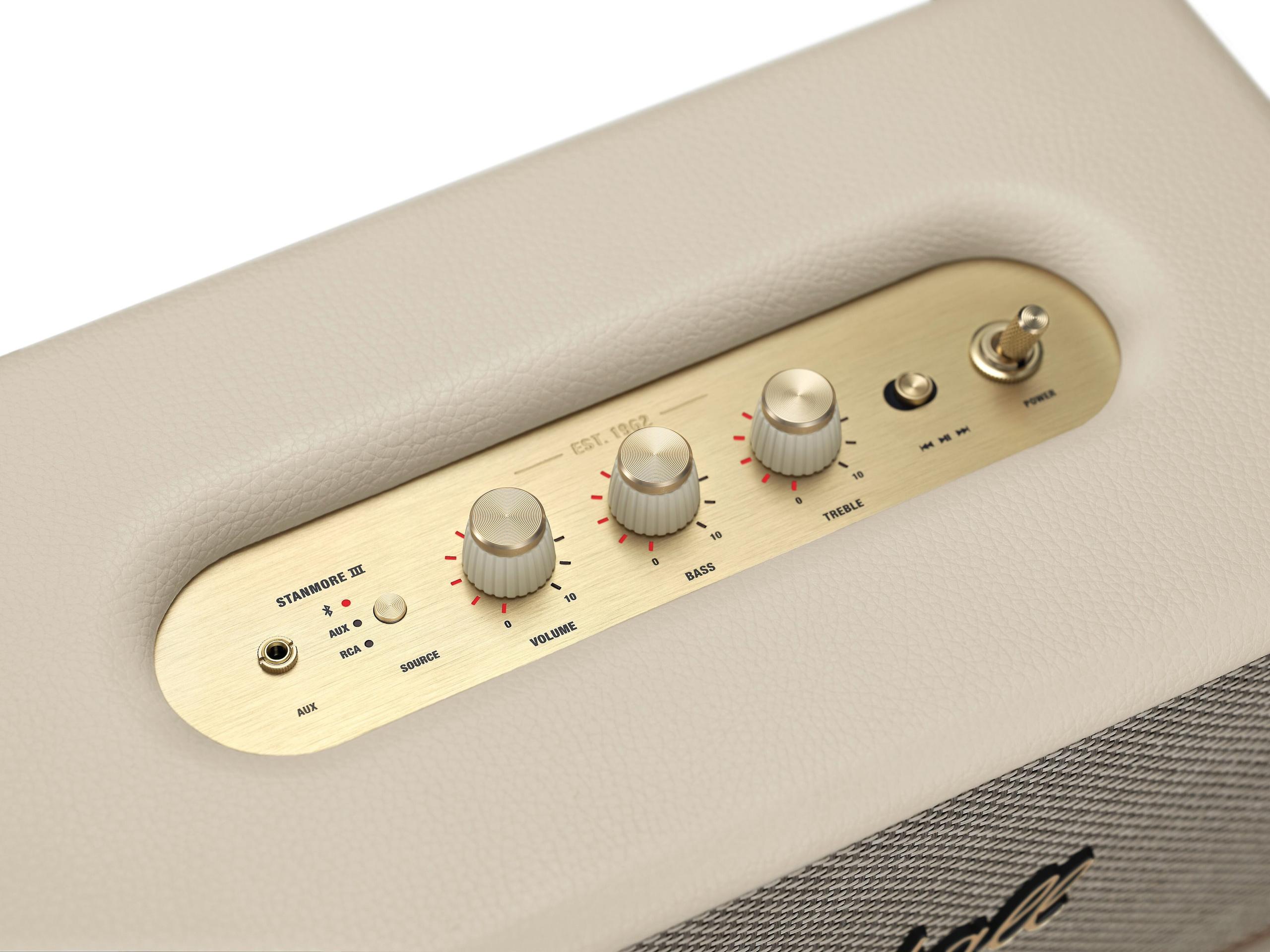
Living with these speakers reveals their different design philosophies. The Stanmore III becomes part of your room's audio infrastructure - it's there to deliver consistent, high-quality sound but isn't meant to move around. The build quality is exceptional, with solid metal switches and knobs that feel satisfying to use.
The Revolve+ II excels in adaptability. It's equally at home on your kitchen counter while cooking, out on the patio during a barbecue, or providing music for a small gathering in the park. The handle is well-designed and comfortable, making it easy to carry around.
Both speakers offer modern Bluetooth connectivity, but there are important differences. The Stanmore III's Bluetooth 5.2 implementation provides better range and stability, plus the ability to connect two devices simultaneously. The companion app offers decent EQ controls and firmware updates.
The Revolve+ II's Bluetooth 4.2 connection is still reliable but has shorter range. However, it adds NFC pairing, which makes connecting new devices as simple as tapping them against the speaker. The Bose Connect app provides basic controls and allows pairing two Revolve+ II speakers for stereo or party mode playback.
Consider choosing the Marshall Stanmore III if:
The Bose SoundLink Revolve+ II might be better if:
While the Stanmore III costs about $150 more, it delivers significantly more power and better overall sound quality. However, the Revolve+ II offers more flexibility and features for its price point. Both represent good value in their respective categories - it really comes down to matching the speaker to your specific needs.
The key is understanding how you'll primarily use the speaker. If you're setting up a dedicated listening space or want serious sound quality, the additional investment in the Stanmore III makes sense. If you value flexibility and portability over absolute sound quality, the Revolve+ II offers excellent performance for its size and price.
Remember, the best speaker isn't always the most expensive or technically capable - it's the one that best fits your lifestyle and listening habits.
| Marshall Stanmore III ($379.99) | Bose SoundLink Revolve+ II ($229.99) |
|---|---|
| Power Output - Determines maximum volume and sound clarity | |
| 80W total (50W woofer + 2x15W tweeters) | Not specified by manufacturer, estimated 30W |
| Sound Coverage - How sound spreads in your space | |
| Traditional forward-firing stereo | 360-degree omnidirectional sound |
| Frequency Response - Range of bass to treble the speaker can produce | |
| 45-20,000 Hz (deeper bass response) | 65-20,000 Hz (less low-end extension) |
| Connectivity - How you can connect audio sources | |
| Bluetooth 5.2, RCA, 3.5mm aux | Bluetooth 4.2, NFC, 3.5mm aux |
| Portability - Whether you can move and use anywhere | |
| AC powered only, 9.37 lbs | 17-hour battery, 4.13 lbs with handle |
| Environmental Protection - Durability for different environments | |
| None | IP55 water and dust resistant |
| Size - Space required and placement options | |
| 13.8" x 8.1" x 8.4" (large home speaker) | 7.25" x 4.13" x 4.13" (portable size) |
| Special Features - Additional capabilities beyond basic audio | |
| Dynamic Loudness, placement compensation, app control | Party Mode, Stereo Mode, speakerphone, voice assistant |
| Primary Use Case - Best suited for these scenarios | |
| Permanent home audio, larger rooms | Portable use, outdoor events, multiple locations |
| Value Proposition - What you get for the money | |
| Higher price but superior sound quality and power | More versatile with good sound for portable usage |
The Marshall Stanmore III ($379.99) offers better overall sound quality and power, while the Bose SoundLink Revolve+ II ($229.99) provides superior portability. Choose Marshall for home audio quality, Bose for versatile portable use.
The Marshall Stanmore III delivers superior sound quality with its 80W system and deeper bass response. The Bose Revolve+ II offers good balanced sound but can't match the Marshall's power and clarity.
The Marshall Stanmore III costs $379.99, while the Bose SoundLink Revolve+ II is priced at $229.99, making it $150 less expensive.
The Bose SoundLink Revolve+ II is designed for outdoor use with IP55 water resistance and battery power. The Marshall Stanmore III is not suitable for outdoor use as it requires AC power.
The Bose works well for smaller gatherings with its portable design and 360-degree sound. The Marshall delivers more powerful sound for indoor parties but must remain stationary.
The Bose Revolve+ II offers 17 hours of battery life. The Marshall Stanmore III doesn't have a battery and requires constant AC power.
The Marshall Stanmore III is ideal for living rooms with its powerful sound, permanent setup, and superior audio quality. The Bose can work but isn't optimized for fixed home audio.
The Marshall Stanmore III has RCA inputs for direct TV connection. The Bose Revolve+ II only offers Bluetooth and 3.5mm connections.
The Marshall Stanmore III features newer Bluetooth 5.2 with better range and stability. The Bose Revolve+ II uses Bluetooth 4.2 but adds NFC pairing.
Both speakers offer companion apps for control, with Marshall's app providing more extensive EQ options and Bose focusing on basic controls and speaker pairing.
The Bose SoundLink Revolve+ II has IP55 water and dust resistance, making it more durable for varied environments. The Marshall is well-built but designed for indoor use only.
Choose the Marshall Stanmore III for dedicated home audio with superior sound quality. Pick the Bose Revolve+ II if you want a portable speaker that can move between rooms and outdoors.
We've done our best to create useful and informative comparisons to help you decide what product to buy. Our research uses advanced automated methods to create this comparison and perfection is not possible - please contact us for corrections or questions. These are the sites we've researched in the creation of this article: techgadgetscanada.com - camelcamelcamel.com - crutchfield.com - bestbuy.com - dxomark.com - crutchfield.com - crutchfield.com - marshall.com - marshall-production-1.mobify-storefront.com - exhibit.tech - ooberpad.com - av-connection.com - rtings.com - dxomark.com - youtube.com - bestbuy.com - techradar.com - bhphotovideo.com - boselatam.com - nfm.com - bose.com - support.bose.com - bose.com - abt.com - bose.com

Privacy Policy
Terms and Conditions - Affiliate Policy
Home Security
© Copyright 2008-2026.
11816 Inwood Rd #1211, Dallas, TX 75244