

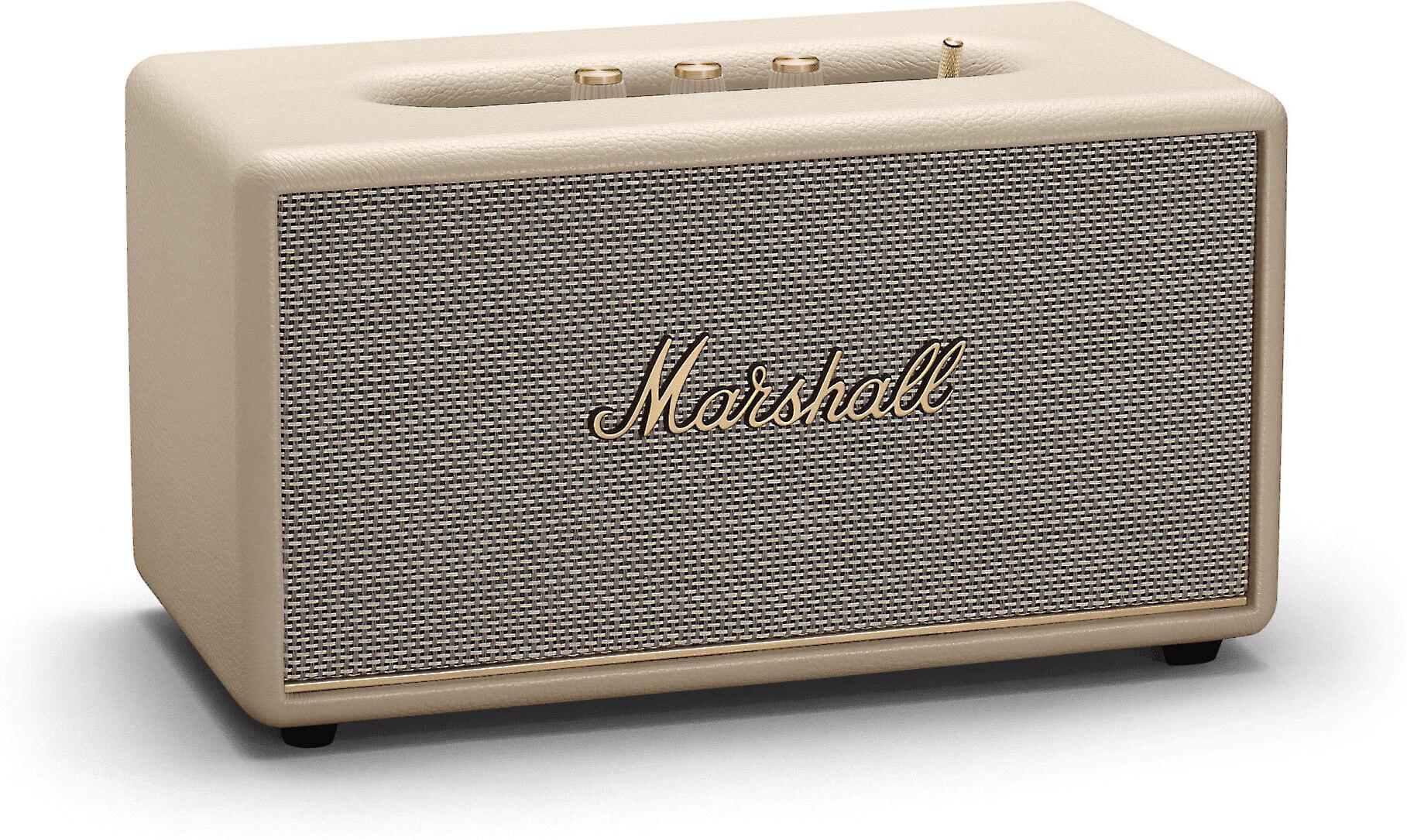
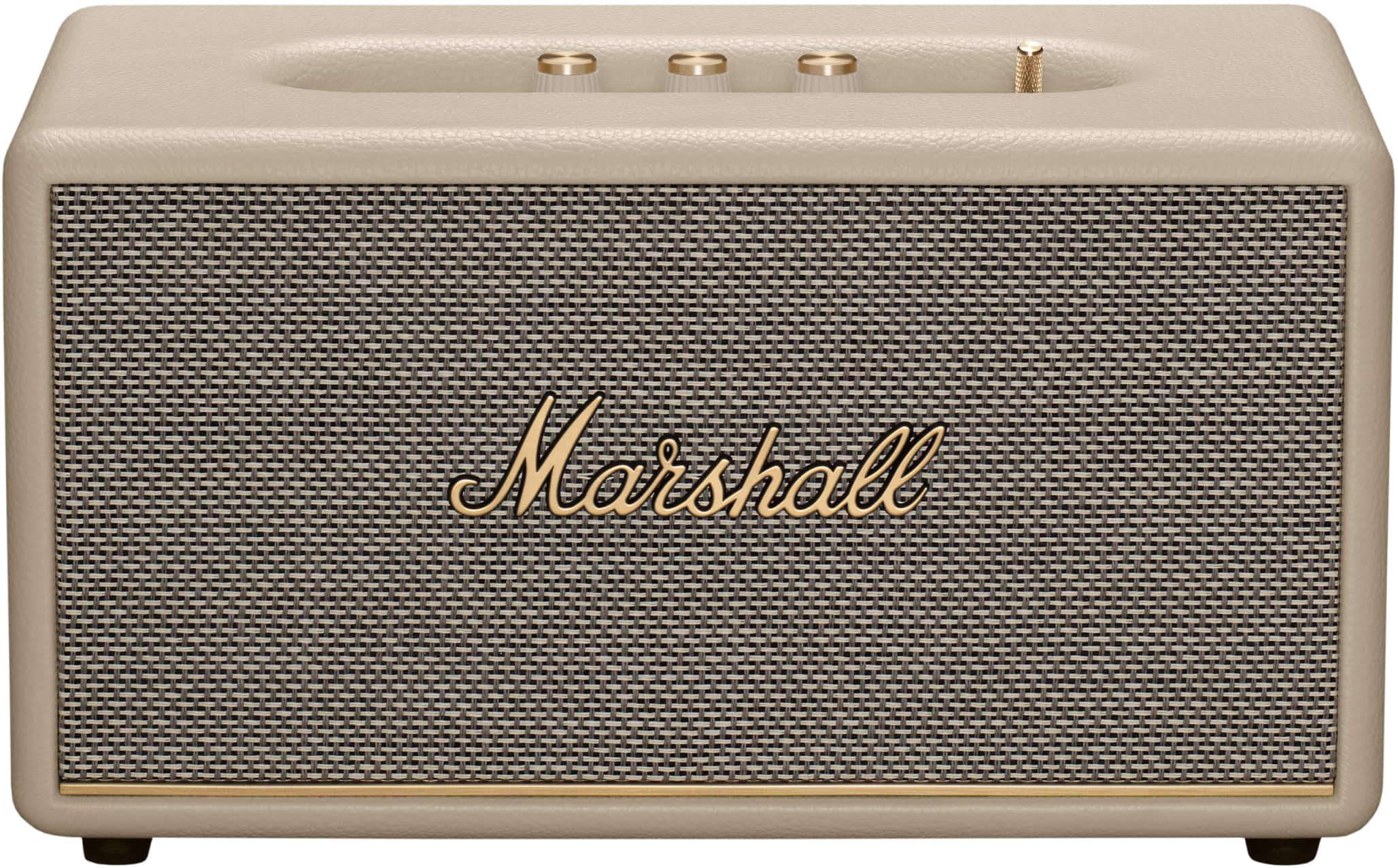
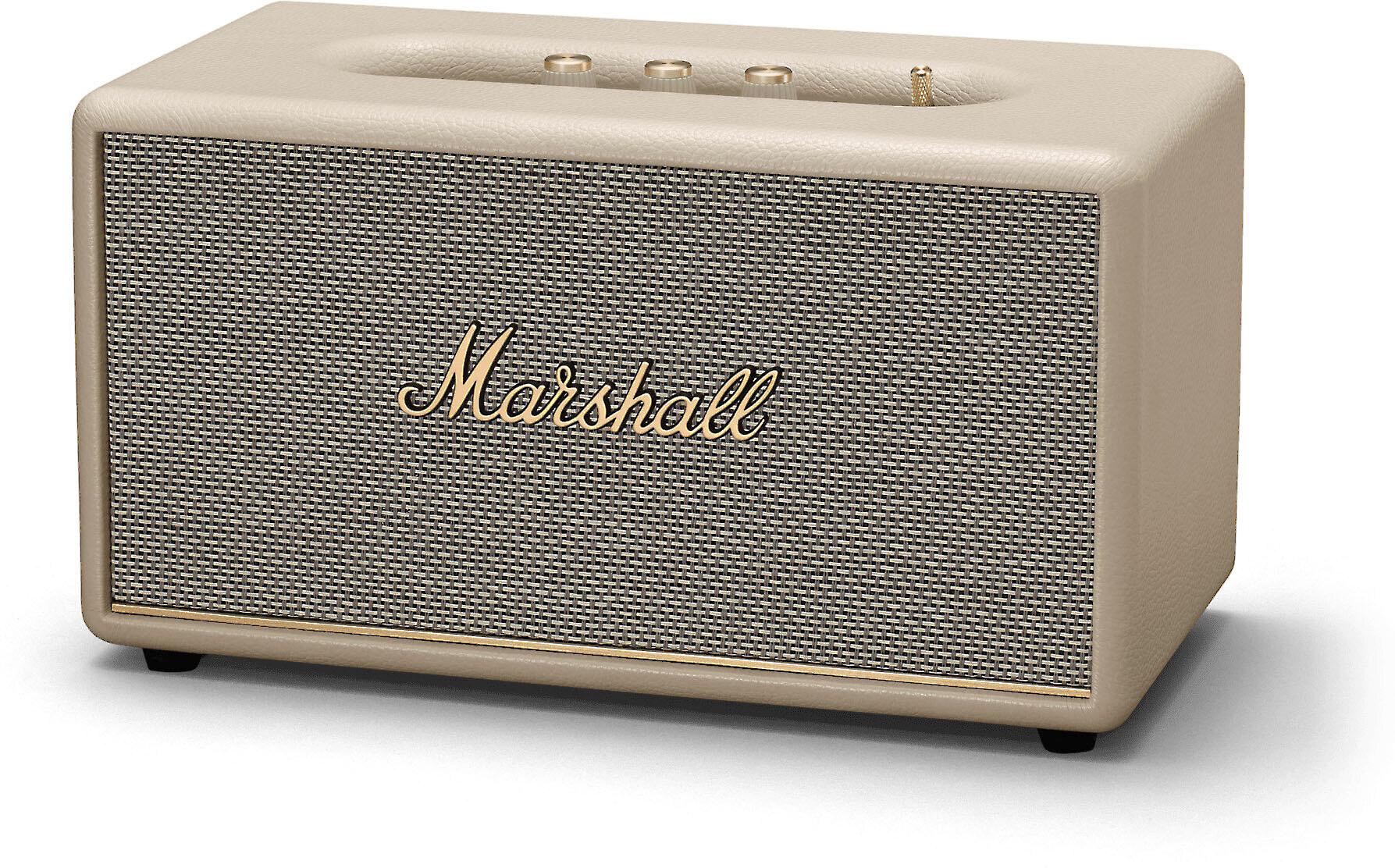
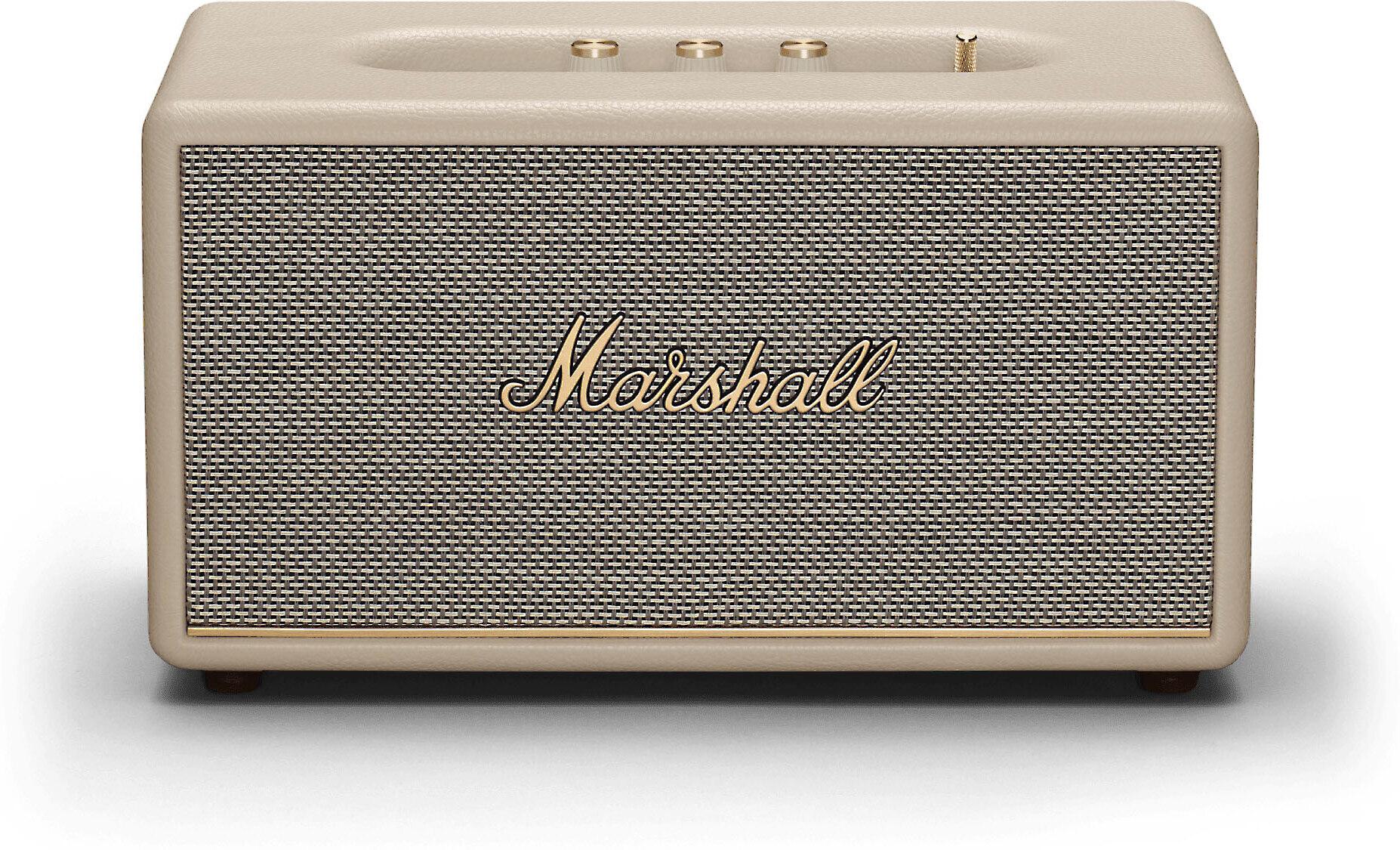
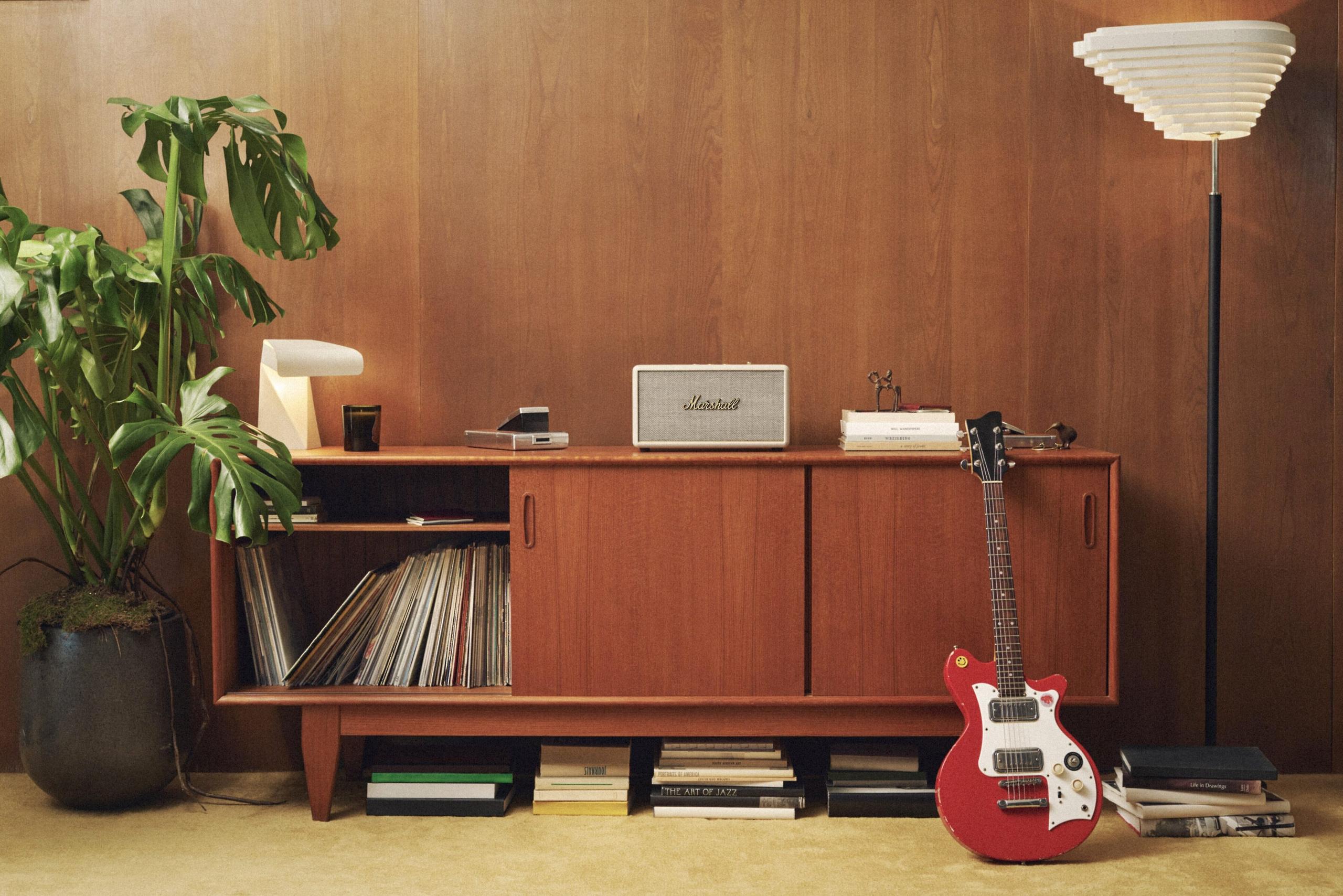
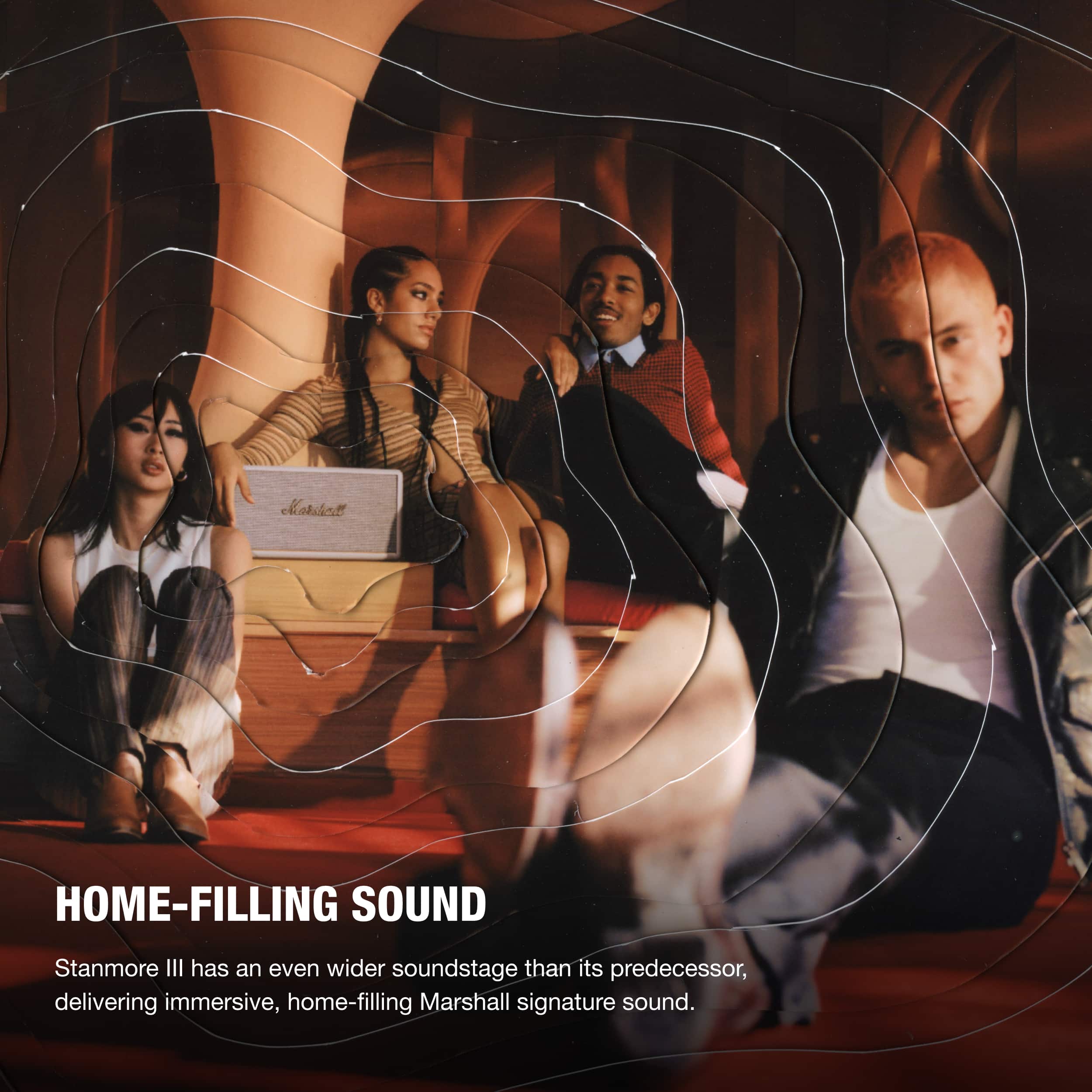

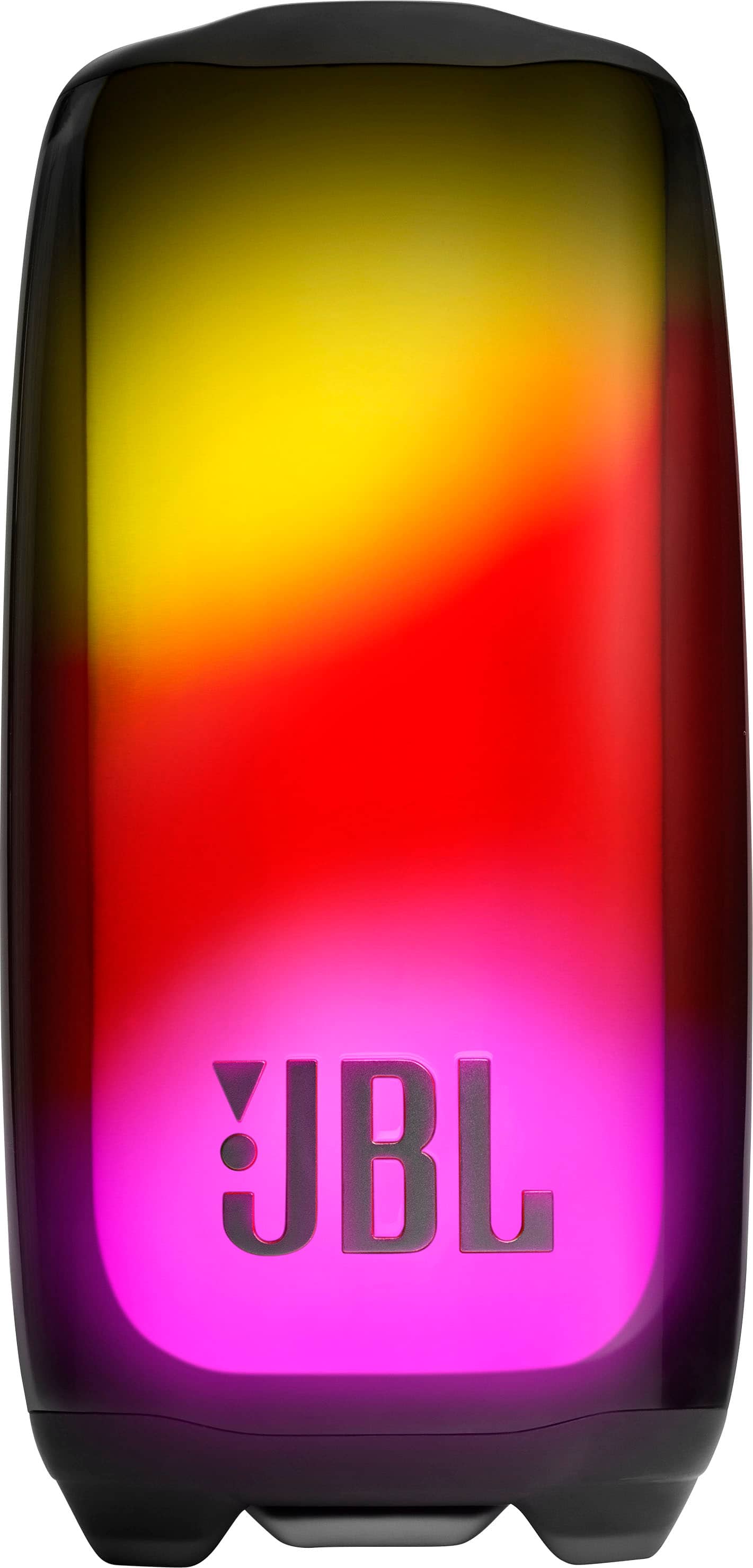
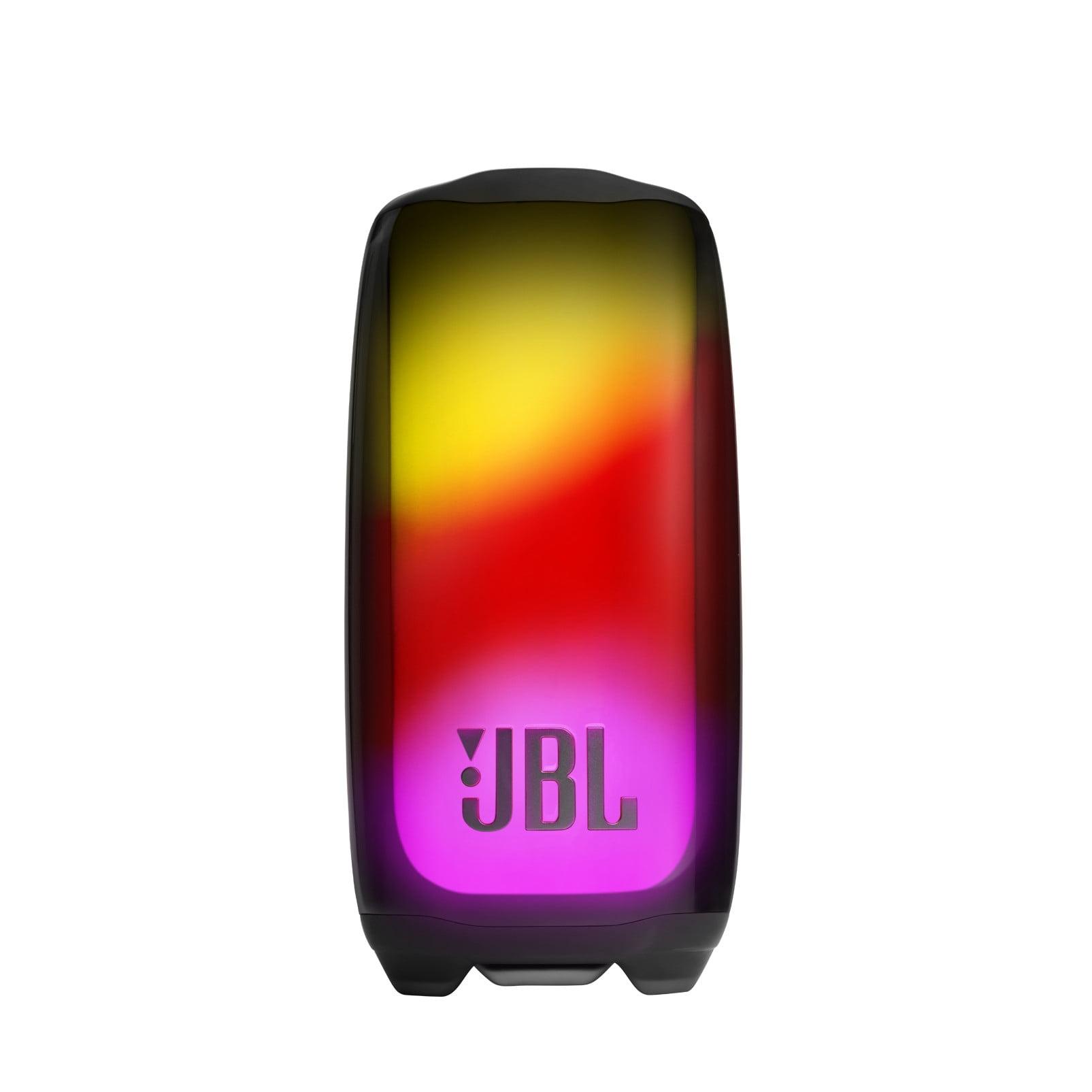
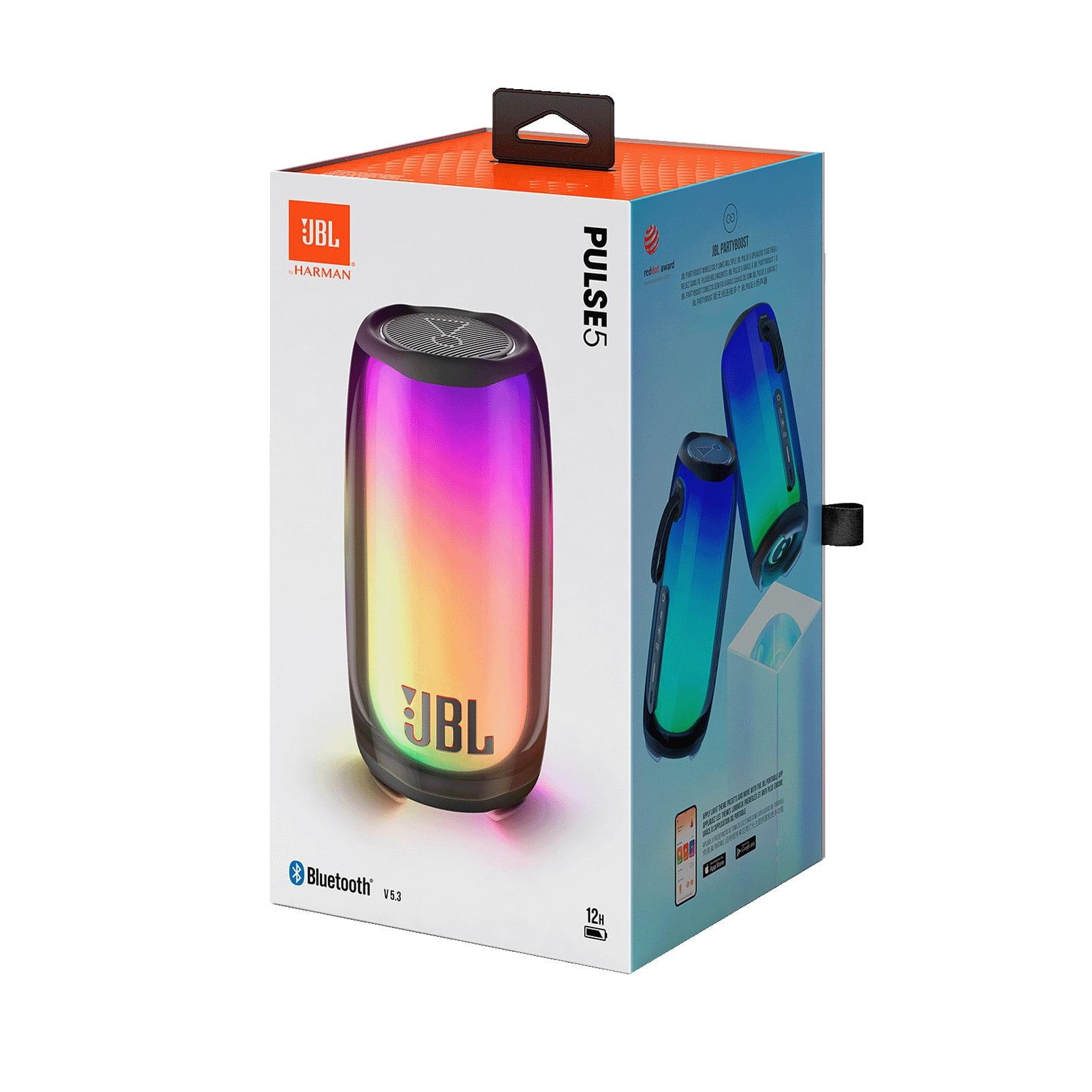
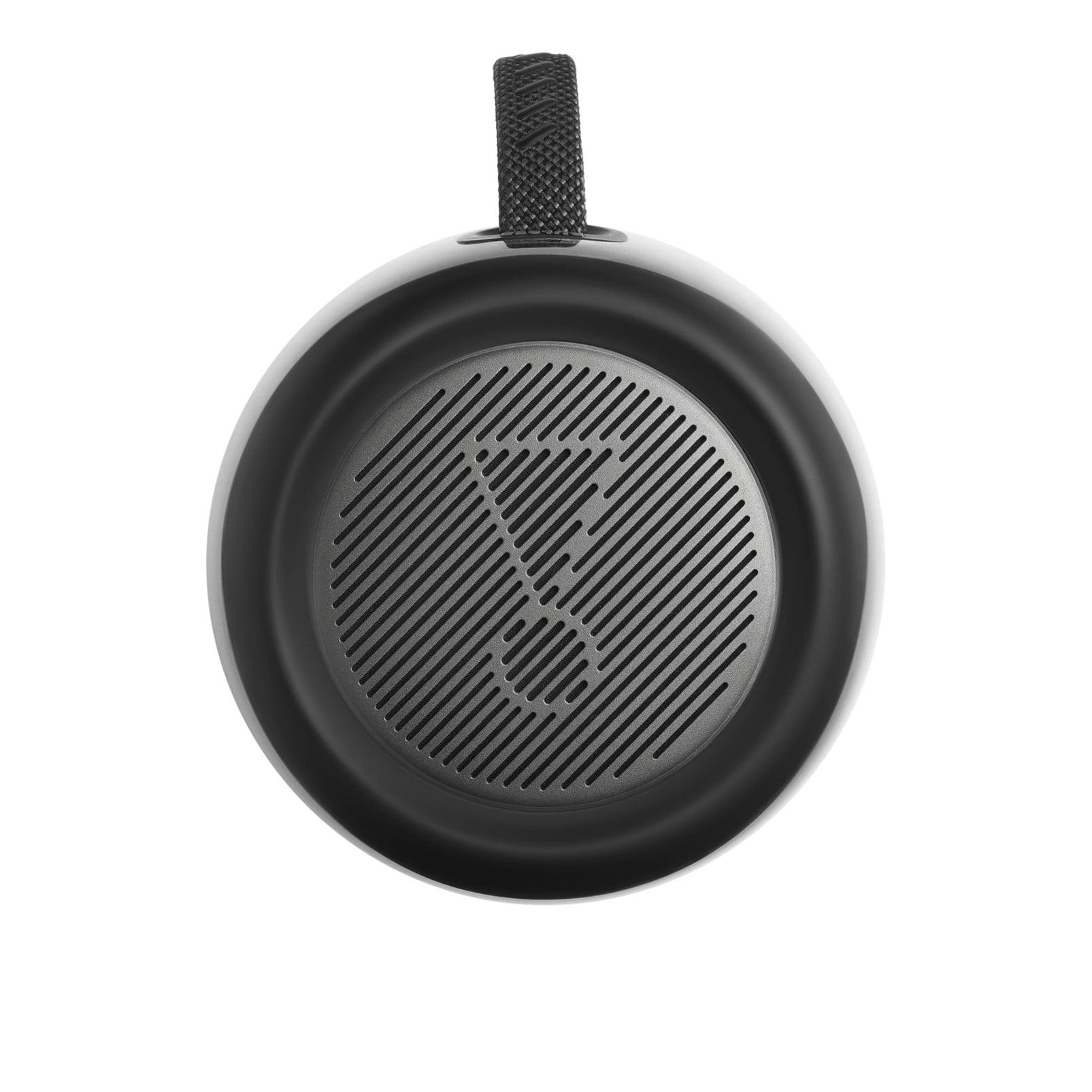
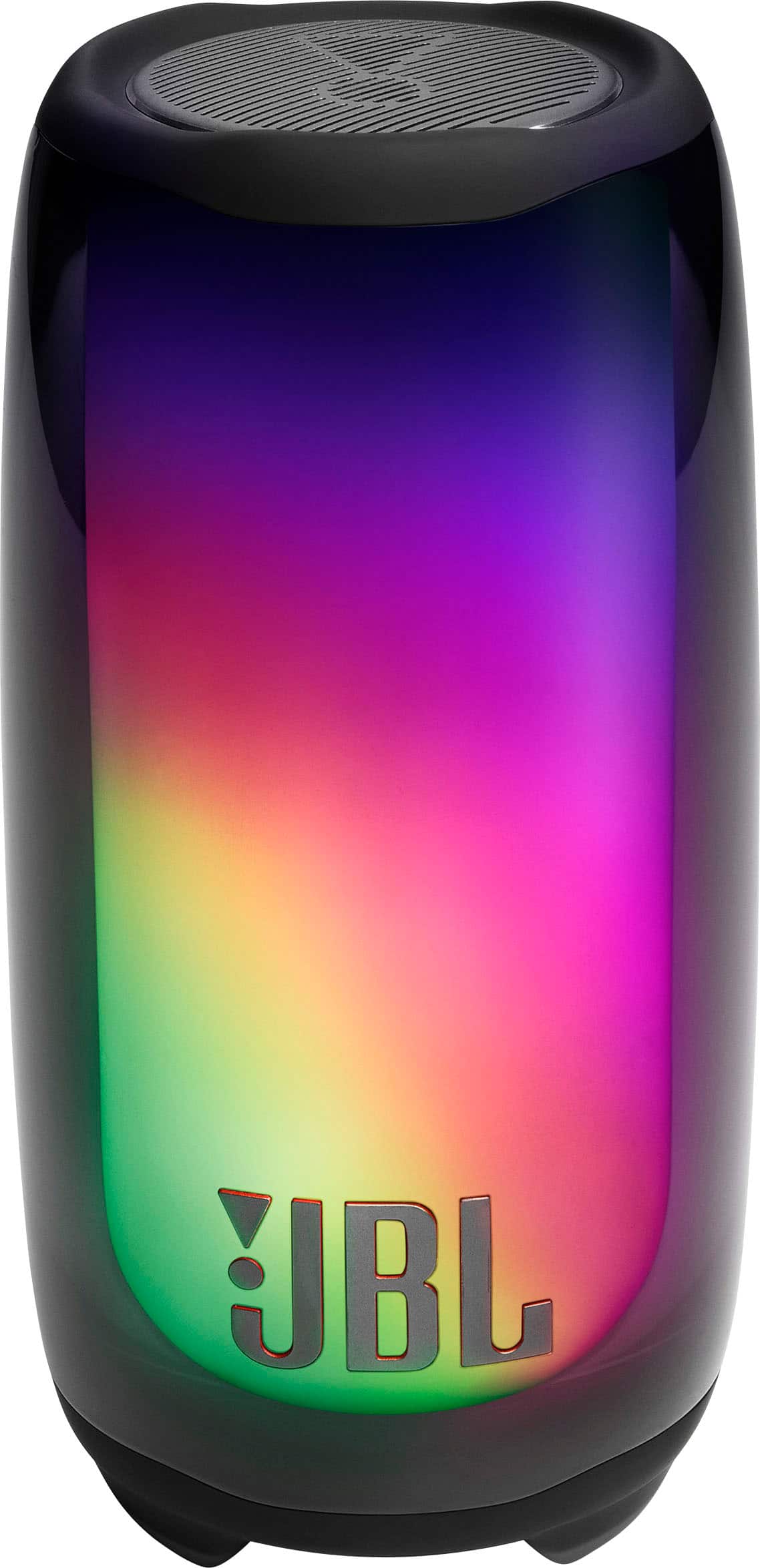
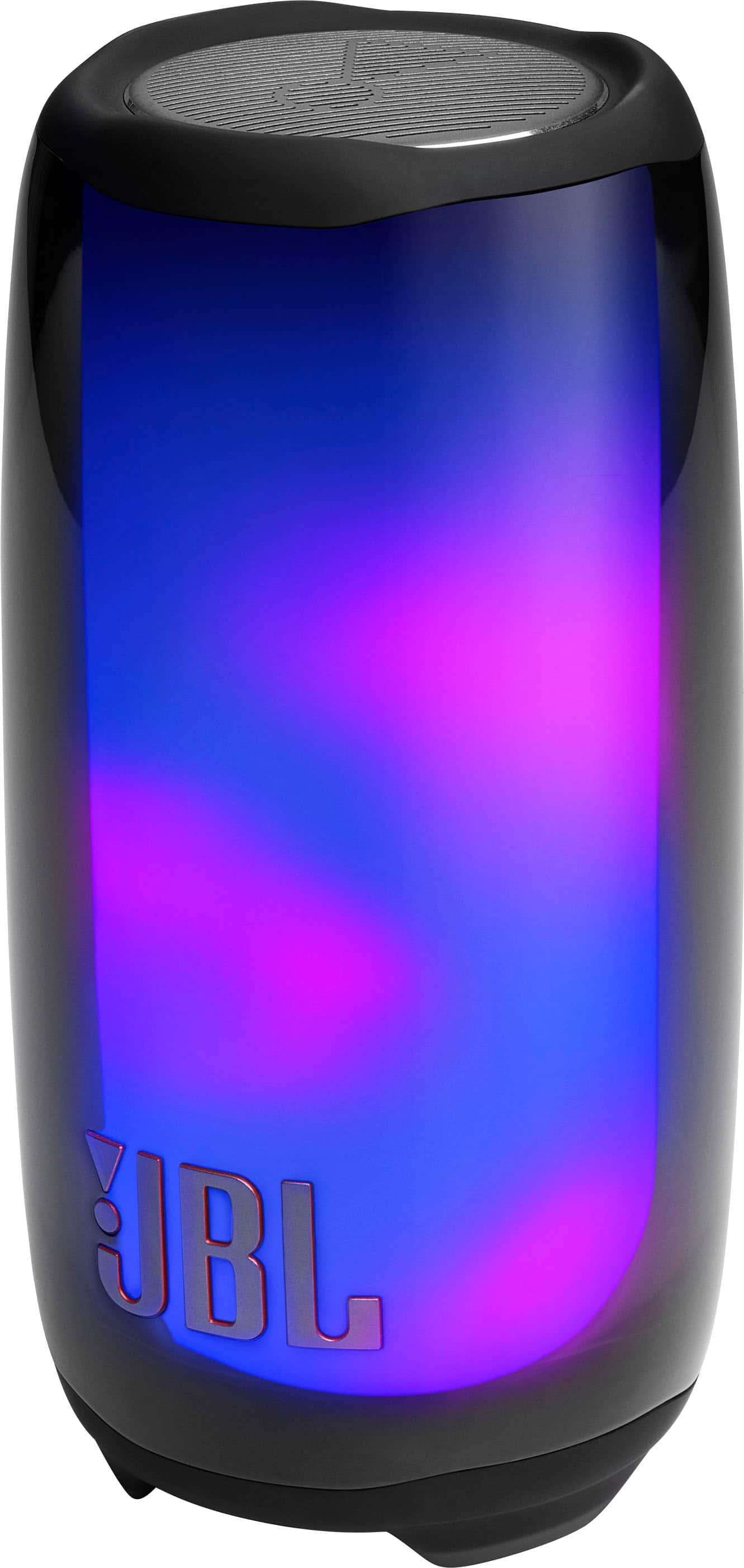
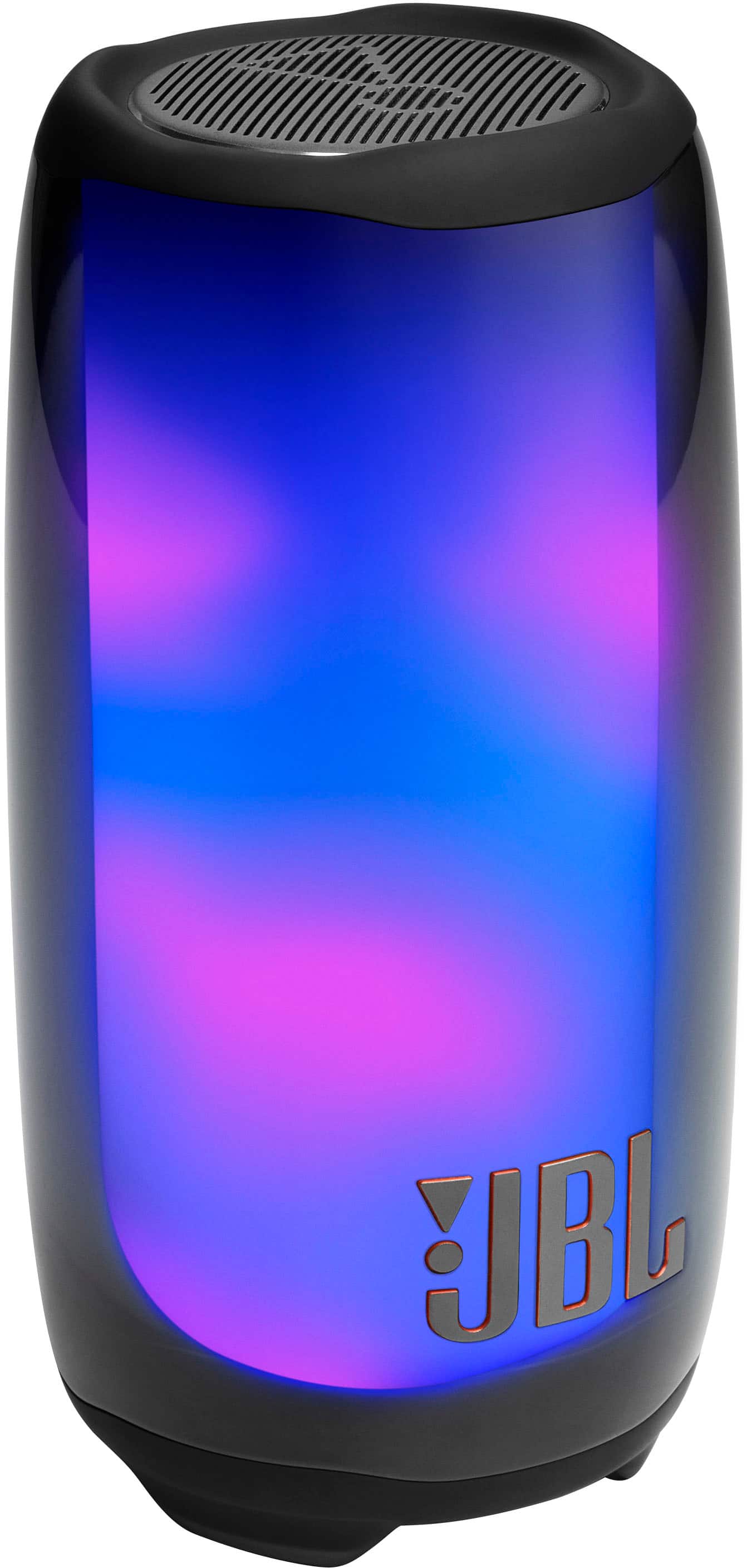
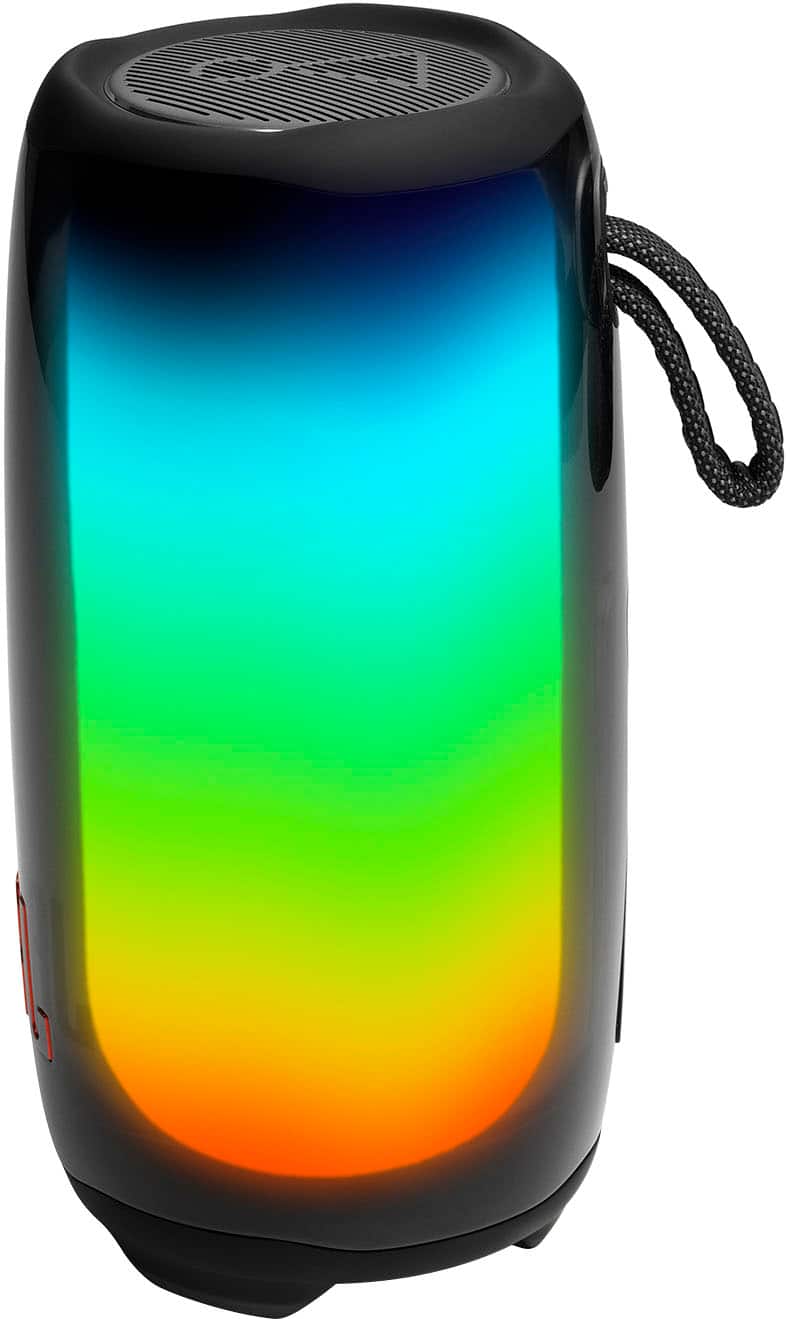
When it comes to Bluetooth speakers in 2024, we're seeing an interesting divide between permanent home audio solutions and portable entertainment devices. The Marshall Stanmore III ($379.99) and JBL Pulse 5 ($249.95) perfectly illustrate this split, offering very different approaches to wireless audio. Let's dive into what makes each special and who they're really best for.
Bluetooth speakers have come a long way from simple wireless sound boxes. Today's models pack impressive audio technology, with manufacturers taking distinctly different paths. The Stanmore III, released in September 2022, represents Marshall's commitment to premium home audio with a classic aesthetic. Meanwhile, the Pulse 5, launched in early 2023, showcases JBL's focus on portable entertainment with its upgraded light show and weatherproofing.
The Marshall Stanmore III brings serious power to your home setup with its 80-watt system. Its two-way design uses a 50-watt woofer (the speaker that handles bass) and two 15-watt tweeters (for high frequencies). This separation of frequencies allows for clearer sound reproduction across the entire range of music.
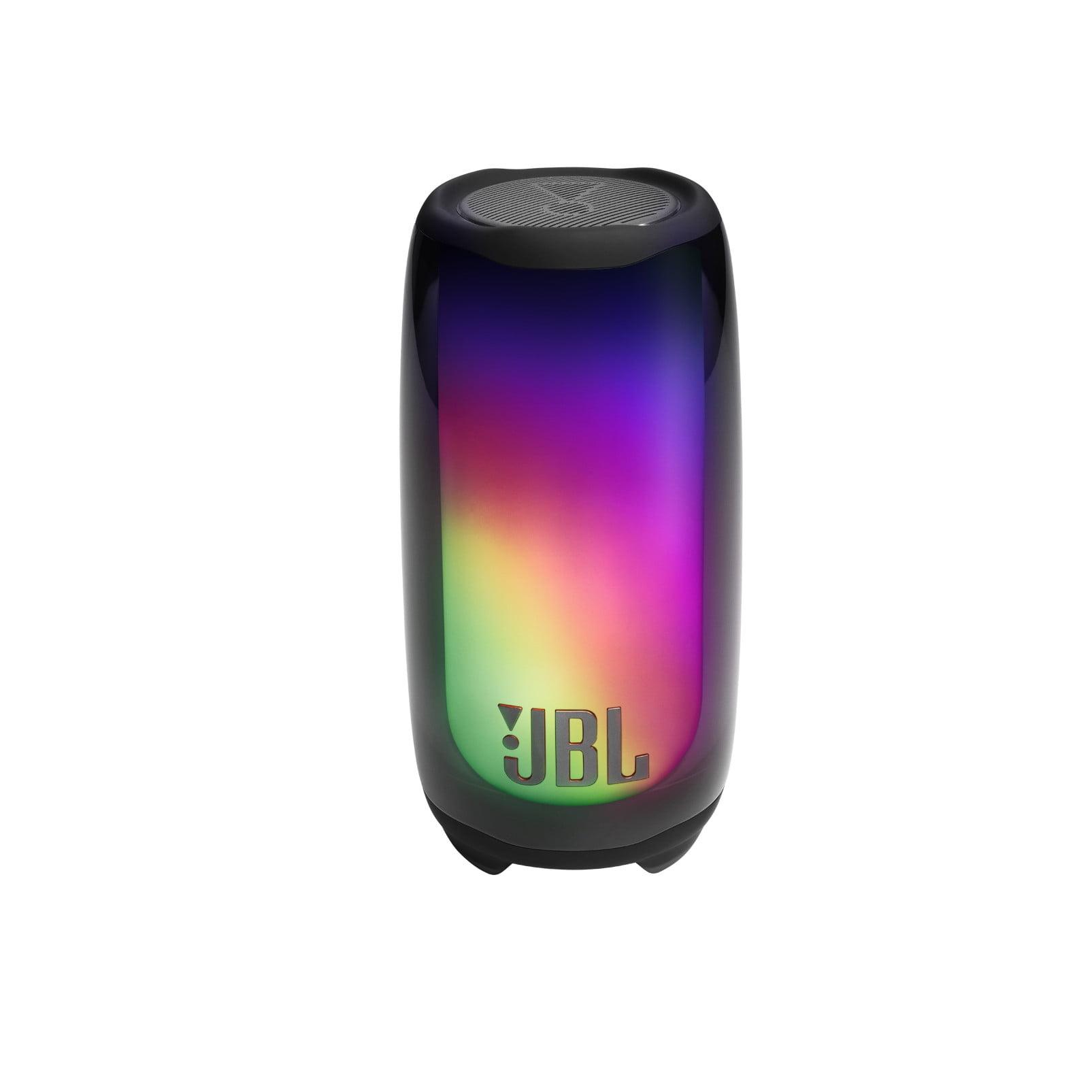
The JBL Pulse 5 takes a different approach, using a 40-watt system with a 30-watt woofer and 10-watt tweeter. While this might seem significantly less powerful, it's actually quite impressive for a portable speaker, and JBL has optimized this power for outdoor and party environments.
The Stanmore III's frequency response of 45Hz-20kHz means it can reproduce deeper bass notes than the Pulse 5 (58Hz-20kHz). This difference is noticeable when listening to bass-heavy music or movie soundtracks. The Stanmore III also benefits from its larger cabinet size, which helps create a more natural sound, especially in the midrange where voices and most instruments live.
For home theater use, the Stanmore III's superior bass response and clearer midrange make it the better choice. Dialog is more intelligible, and movie effects have more impact. However, it's worth noting that neither speaker offers true surround sound capabilities.
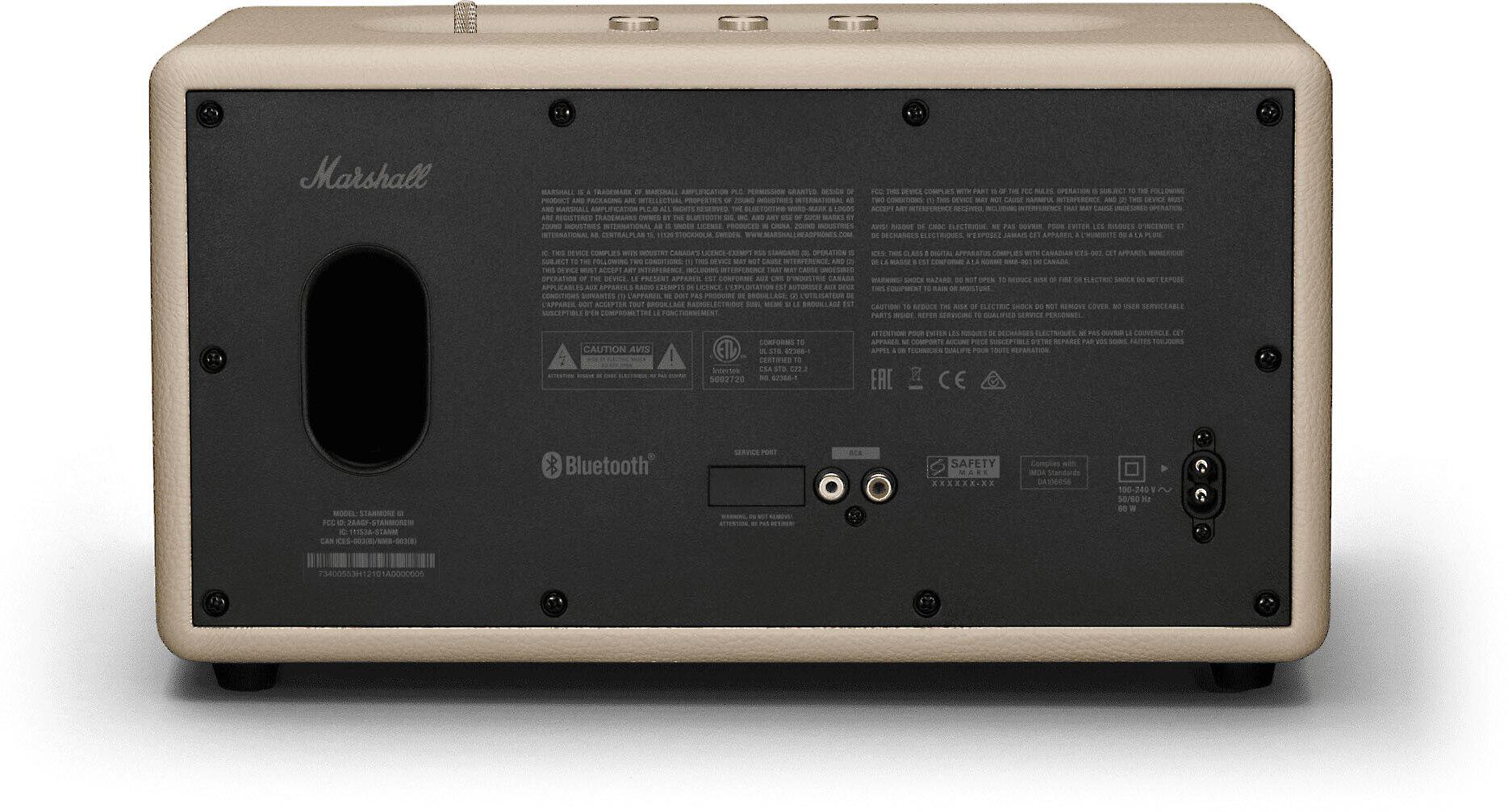
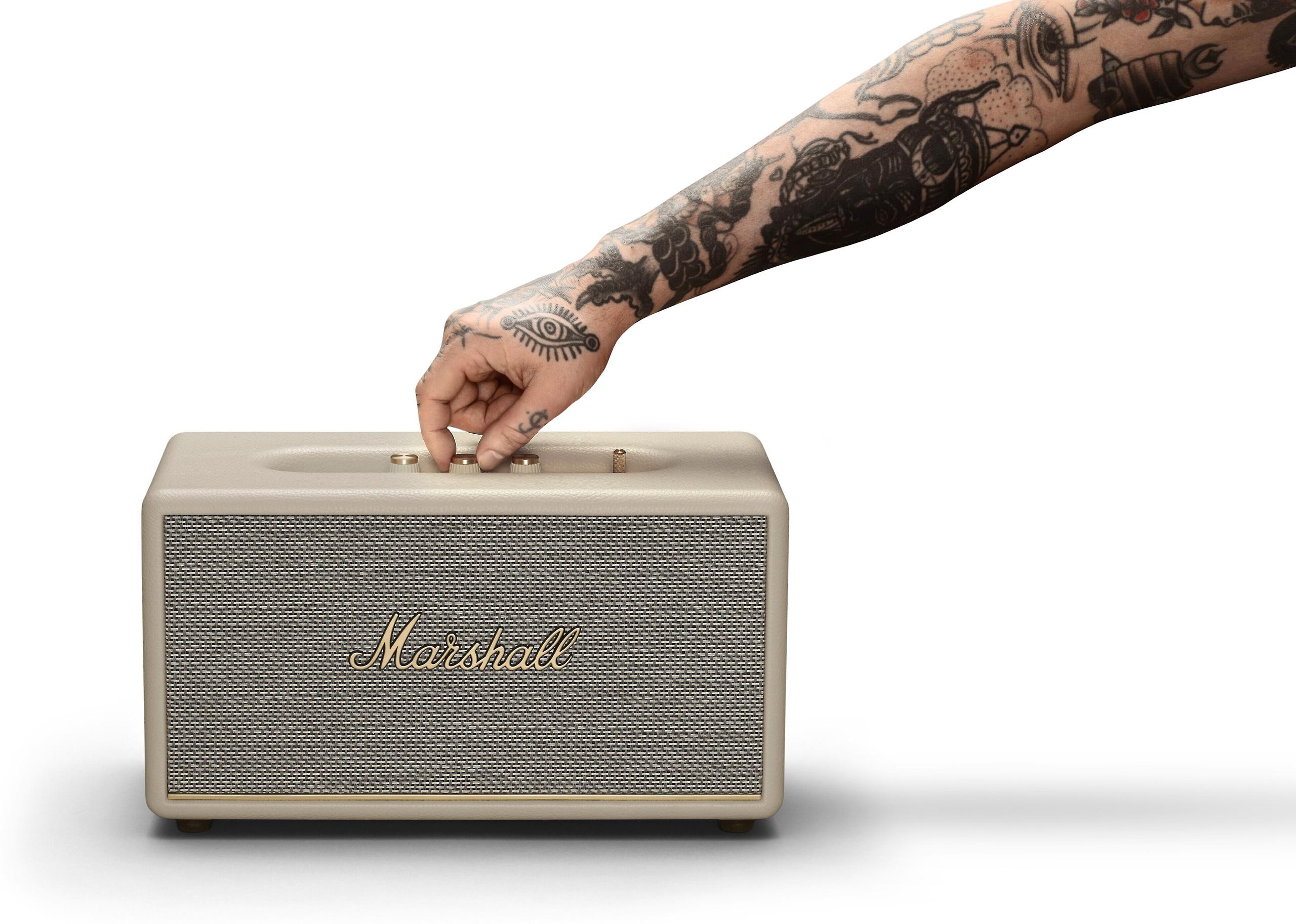
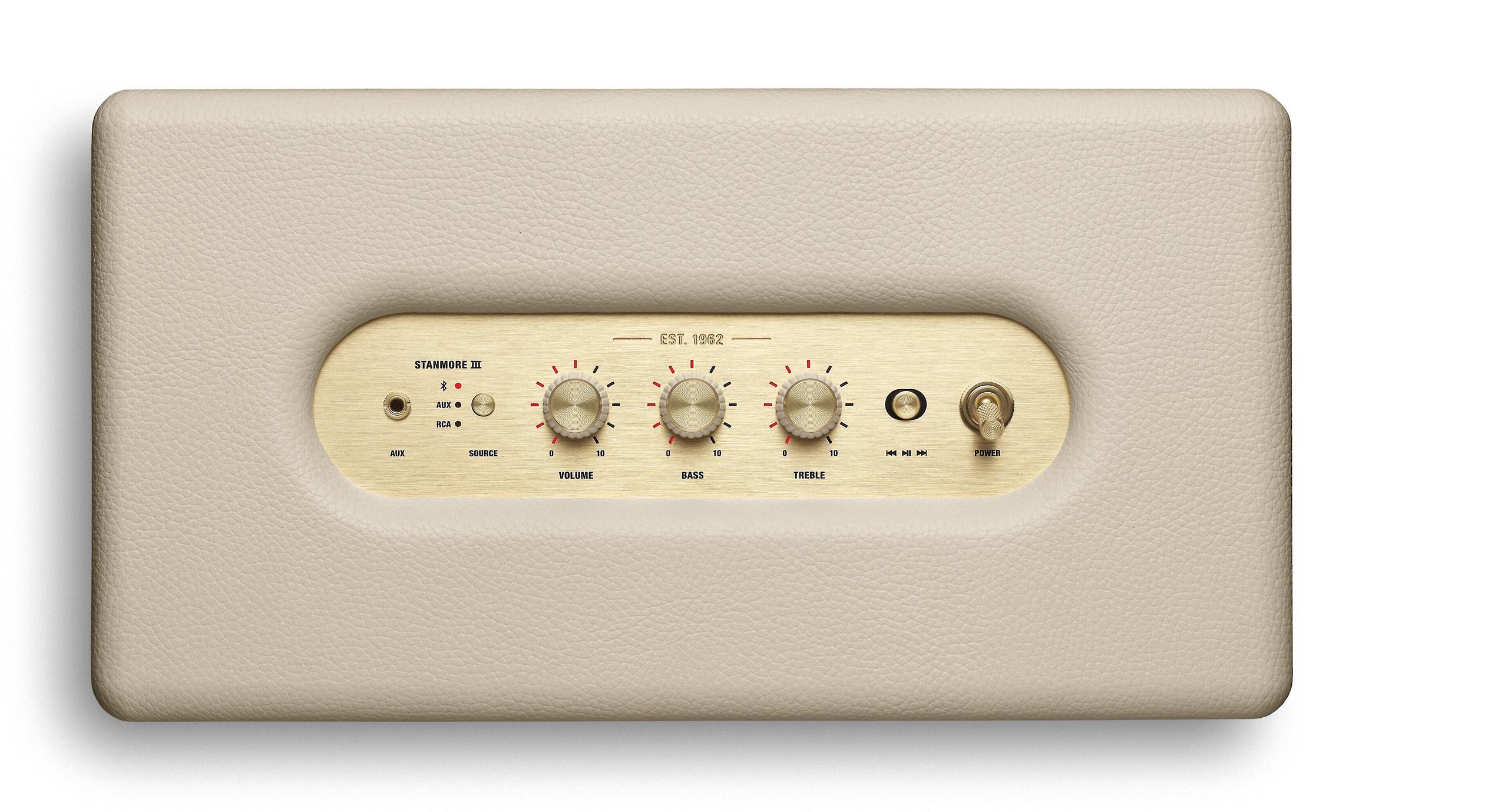
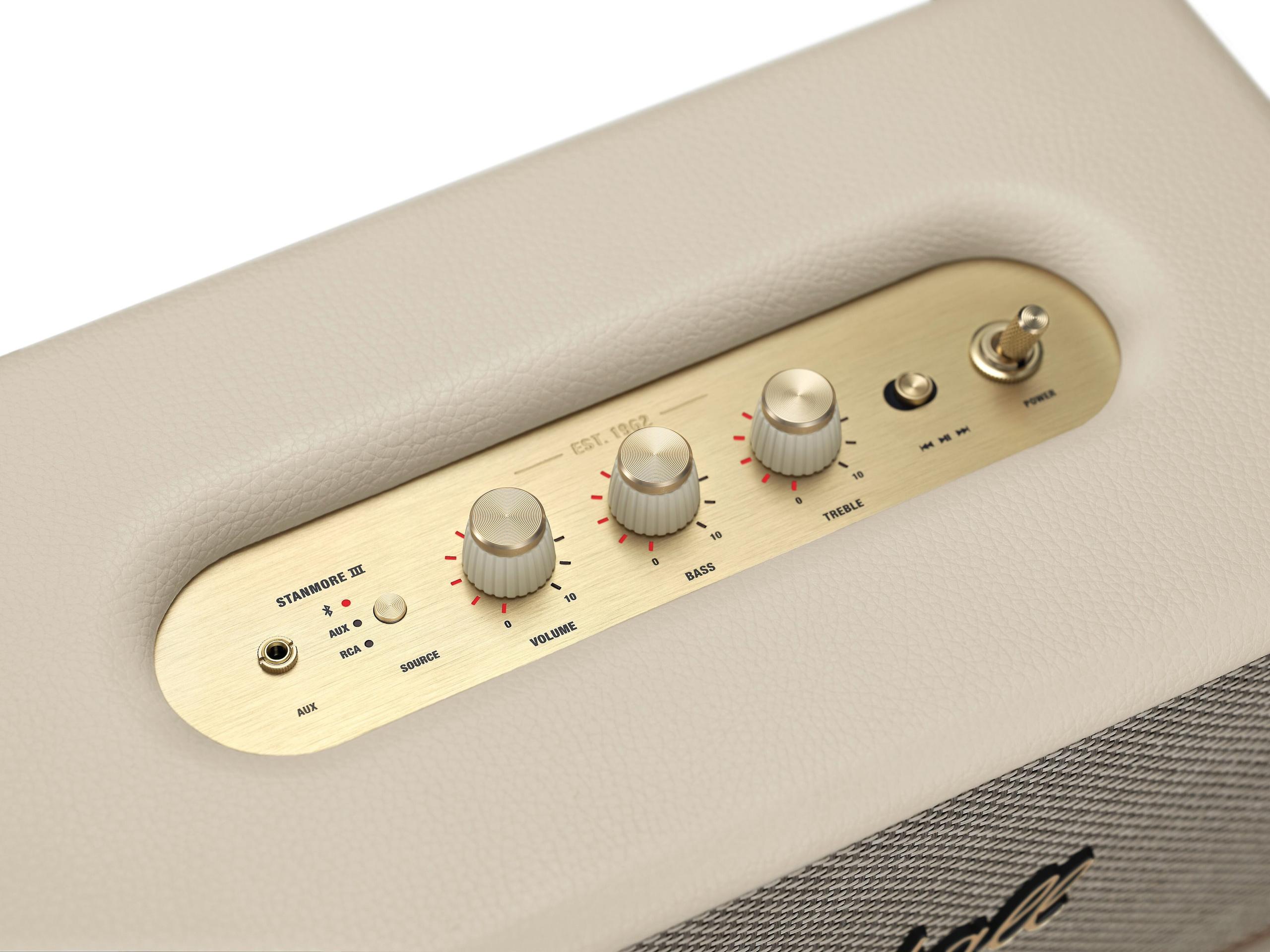
The Stanmore III excels as a permanent home audio solution. Its multiple inputs (3.5mm and RCA) make it versatile for connecting various devices, and its powerful sound fills even large rooms effectively. The physical controls are a joy to use, offering precise adjustments that digital controls can't match.
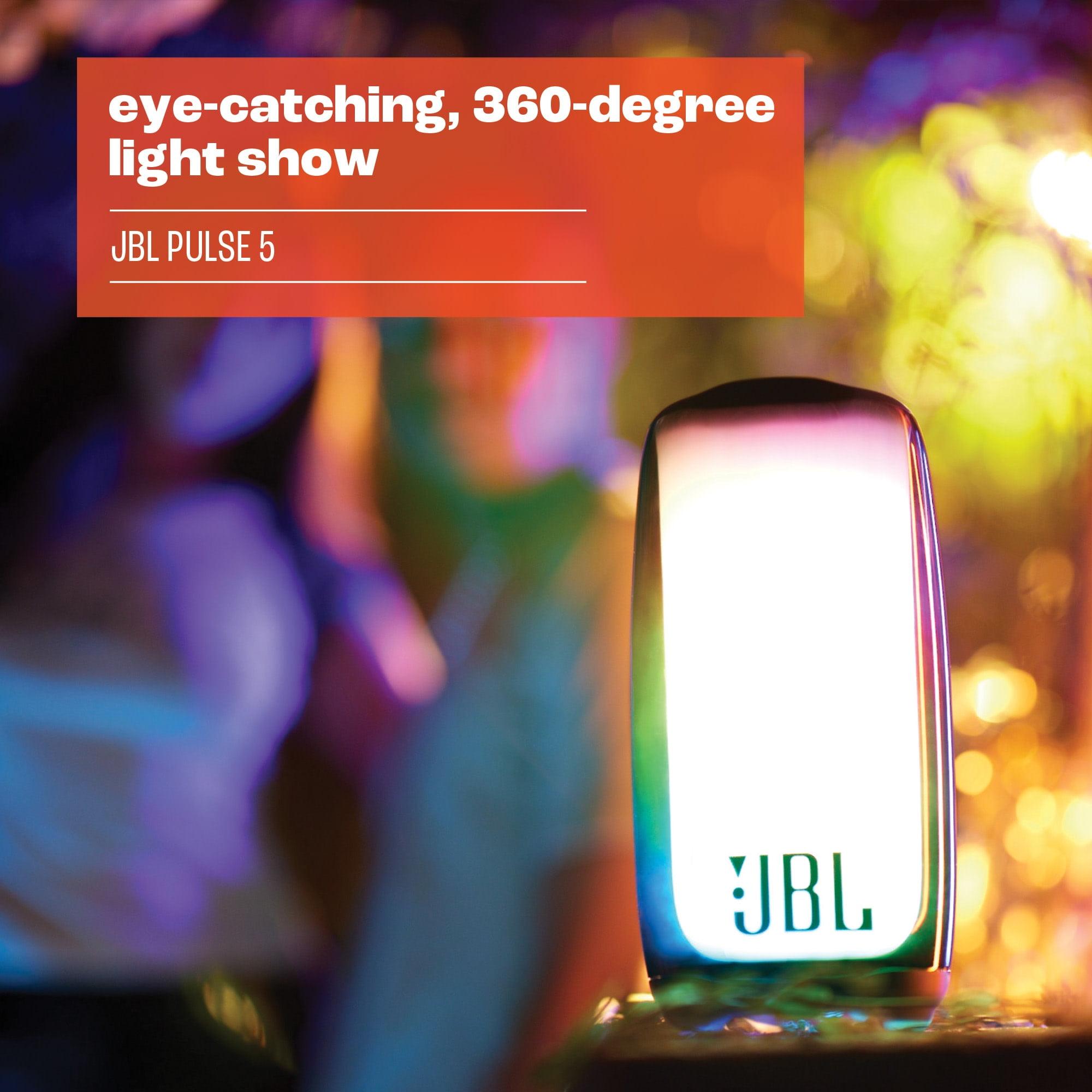
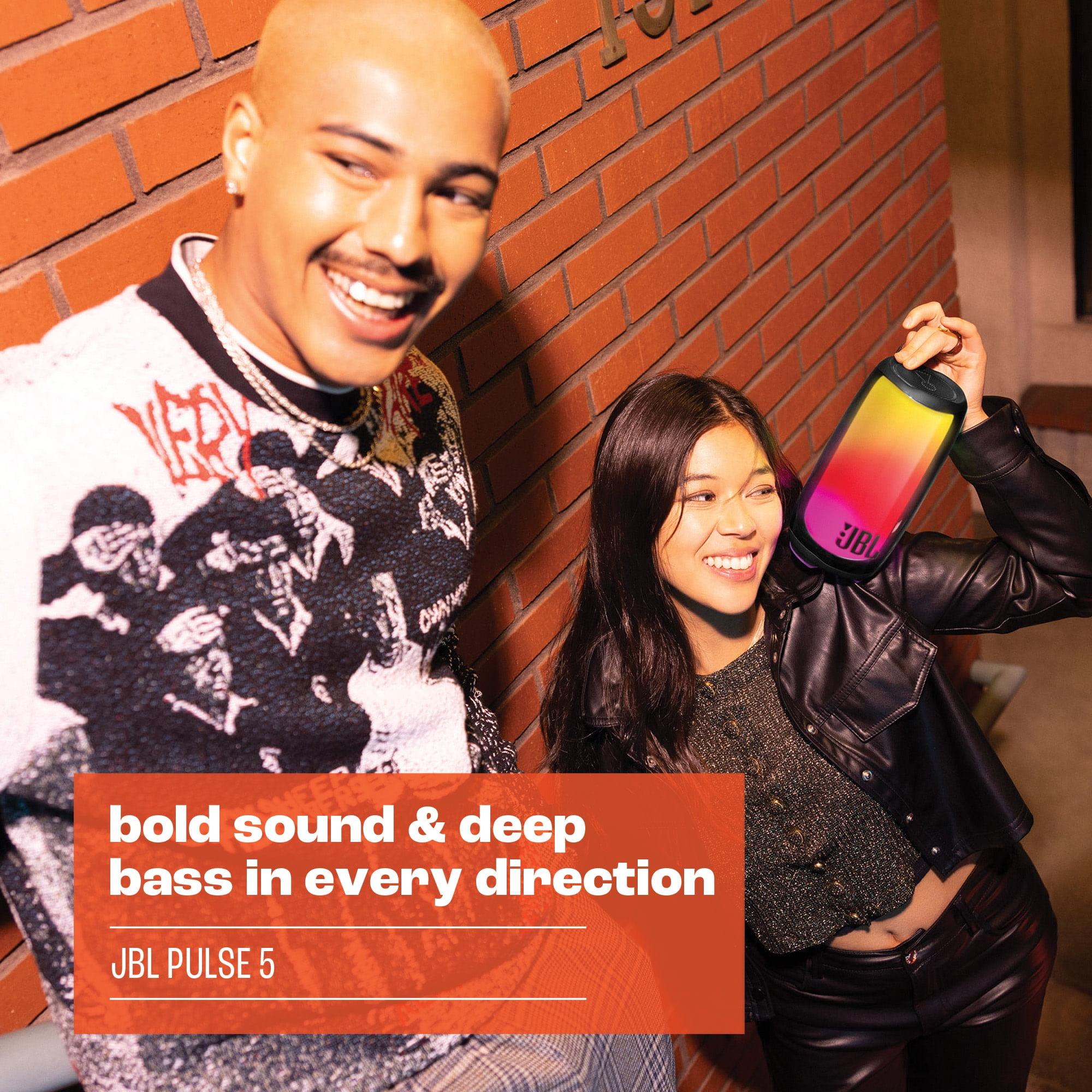
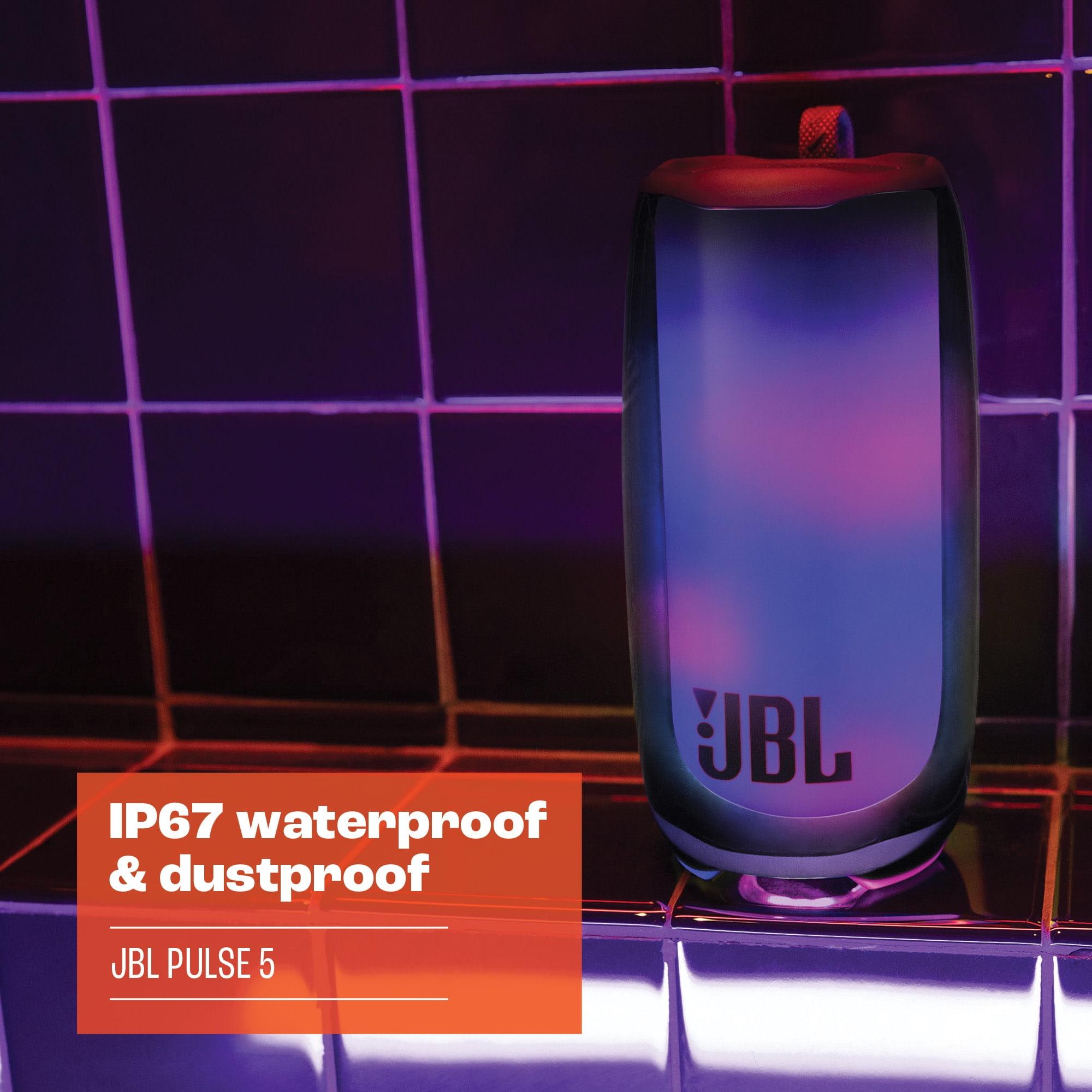
The Pulse 5 shines in different scenarios. Its portability and waterproofing make it perfect for outdoor gatherings, and the light show feature adds an extra dimension to parties. The 360-degree sound dispersal means you can place it centrally, and everyone gets the same audio experience.
While the Marshall Stanmore III costs more, its superior audio quality and permanent placement value make it worth considering for serious music listeners or home theater enthusiasts. The build quality and sound performance justify the premium price.
The JBL Pulse 5 offers excellent value for those needing a portable solution. The combination of good sound quality, light show features, and weatherproofing makes it a versatile choice that can serve multiple purposes.
Consider your primary use case:
For Home Audio Enthusiasts:
For Versatile Users:
Both speakers offer firmware updates through their respective apps, ensuring they'll stay current with new features and improvements. The Stanmore III's focus on sound quality means it's likely to remain satisfying for years, while the Pulse 5's feature set and durability make it a lasting portable solution.
The choice ultimately comes down to your priorities: dedicated home audio quality versus portable entertainment flexibility. Both speakers excel in their intended roles, making either a solid choice when matched with the right use case.
| Marshall Stanmore III | JBL Pulse 5 |
|---|---|
| Price - Initial investment consideration | |
| $379.99 (premium home audio pricing) | $249.95 (mid-range portable pricing) |
| Total Power Output - Impacts maximum volume and sound clarity | |
| 80W (50W woofer + 2x15W tweeters) | 40W (30W woofer + 10W tweeter) |
| Frequency Response - Determines bass depth and overall sound range | |
| 45Hz-20kHz (deeper bass, fuller sound) | 58Hz-20kHz (less bass extension) |
| Size & Weight - Affects placement and portability | |
| 13.8" x 8.1" x 8.4", 9.37 lbs (stationary) | 8.5" x 4.2" x 5.2", 3.2 lbs (portable) |
| Power Source - Determines usage flexibility | |
| AC power only (requires outlet) | 12-hour rechargeable battery |
| Durability Rating - Important for portable use | |
| No water resistance (indoor only) | IP67 waterproof and dustproof |
| Special Features - Additional value considerations | |
| Physical EQ controls, multi-host Bluetooth | 360° LED light show, PartyBoost multi-speaker pairing |
| Connectivity - Options for audio sources | |
| Bluetooth 5.2, 3.5mm aux, RCA inputs | Bluetooth 5.3, multi-point connection |
| App Features - Customization capabilities | |
| EQ settings, firmware updates | Light show control, EQ settings, PartyBoost control |
| Primary Use Case - Best application scenario | |
| Permanent home audio solution | Portable entertainment and outdoor use |
The Marshall Stanmore III ($379.99) is superior for home use with its more powerful 80W output, deeper bass response, and permanent setup design. The JBL Pulse 5 ($249.95) is designed primarily for portable use.
The Marshall Stanmore III costs $379.99, while the JBL Pulse 5 is priced at $249.95. The price difference reflects their different purposes - home audio versus portable entertainment.
The Marshall Stanmore III offers better overall sound quality with its more powerful amplification, deeper bass response (45Hz vs 58Hz), and dedicated tweeters for clearer highs.
The JBL Pulse 5 is designed for outdoor use with IP67 waterproofing and battery power. The Marshall Stanmore III is not weather-resistant and requires AC power, making it indoor-only.
The JBL Pulse 5 offers 12 hours of battery life, while the Marshall Stanmore III doesn't have a battery and must be plugged in.
The JBL Pulse 5 is better for parties with its portability, 360-degree light show, and waterproof design. The Marshall Stanmore III offers better sound quality but lacks party-friendly features.
The JBL Pulse 5 offers PartyBoost for connecting multiple JBL speakers. The Marshall Stanmore III doesn't support multi-speaker pairing.
The Marshall Stanmore III offers more connection options with Bluetooth 5.2, 3.5mm aux, and RCA inputs. The JBL Pulse 5 has Bluetooth 5.3 but no additional inputs.
The JBL Pulse 5 is much more portable at 3.2 lbs and 8.5" tall. The Marshall Stanmore III is larger and heavier at 9.37 lbs and 13.8" wide, designed for stationary use.
Both offer app control, but they focus on different features. The Marshall Stanmore III app emphasizes sound customization, while the JBL Pulse 5 app includes light show controls and speaker pairing options.
The Marshall Stanmore III is better for movies with its superior bass response and clearer dialogue reproduction. The JBL Pulse 5 isn't optimized for home theater use.
The JBL Pulse 5 is more durable with its IP67 waterproof and dustproof rating. The Marshall Stanmore III is well-built but designed for indoor use only.
We've done our best to create useful and informative comparisons to help you decide what product to buy. Our research uses advanced automated methods to create this comparison and perfection is not possible - please contact us for corrections or questions. These are the sites we've researched in the creation of this article: techgadgetscanada.com - camelcamelcamel.com - crutchfield.com - bestbuy.com - dxomark.com - crutchfield.com - crutchfield.com - marshall.com - marshall-production-1.mobify-storefront.com - exhibit.tech - ooberpad.com - av-connection.com - digitaltrends.com - youtube.com - target.com - rtings.com - jbl.com - jblonlinestore.com - harmanaudio.com - assistivetech.com.au - stereoguide.com - mm.jbl.com - jbl.com - creativeaudio.net

Privacy Policy
Terms and Conditions - Affiliate Policy
Home Security
© Copyright 2008-2026.
11816 Inwood Rd #1211, Dallas, TX 75244