

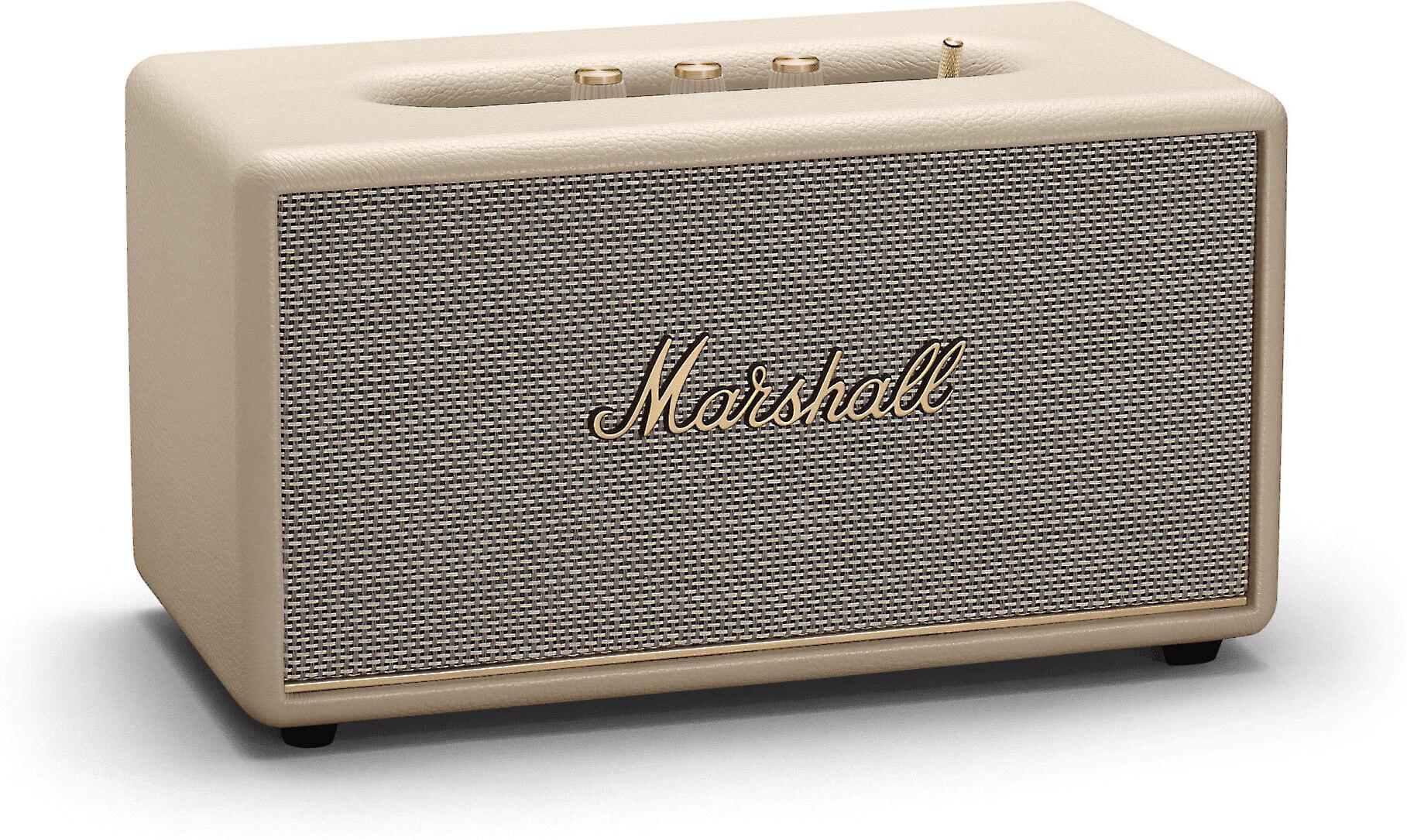
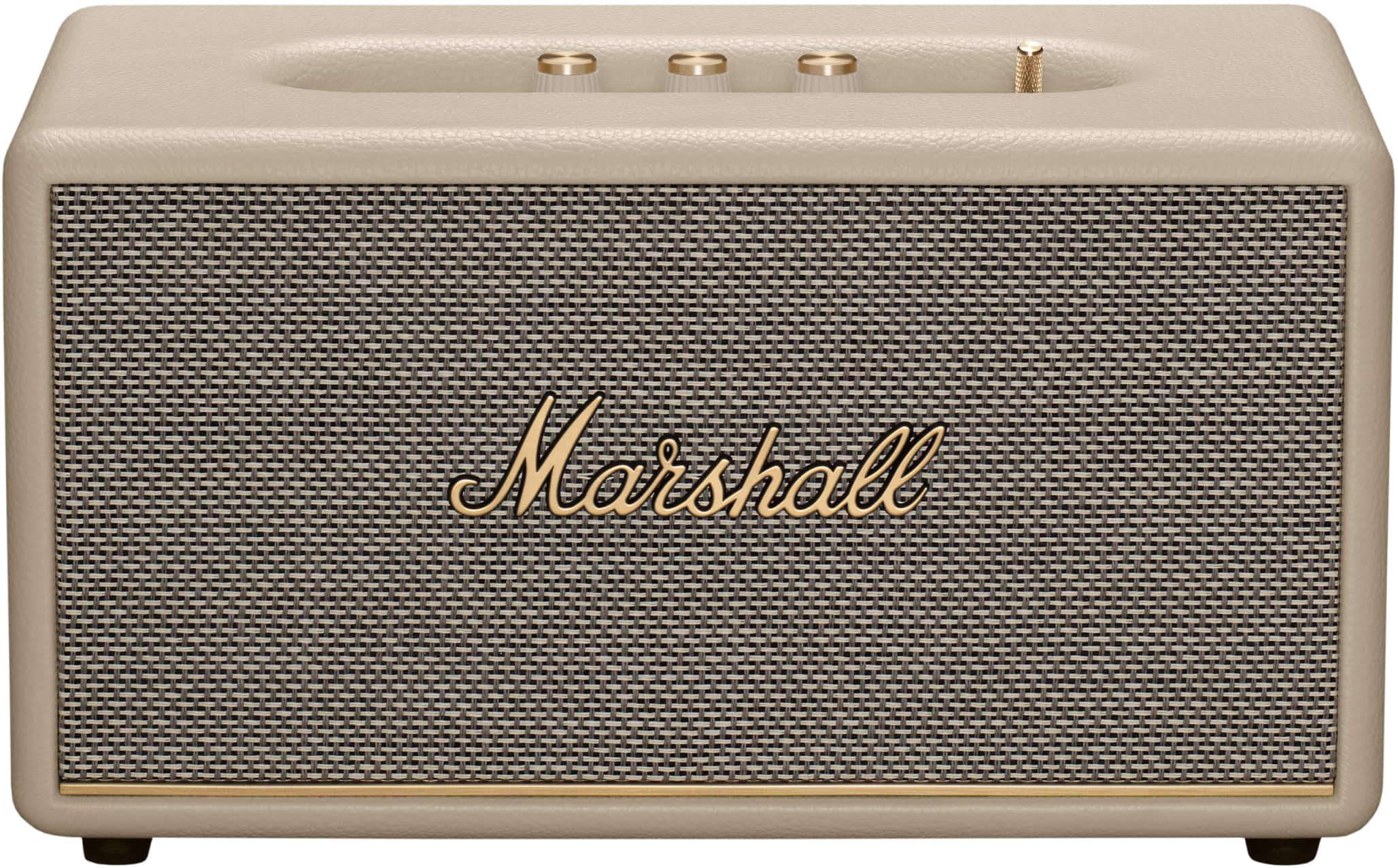
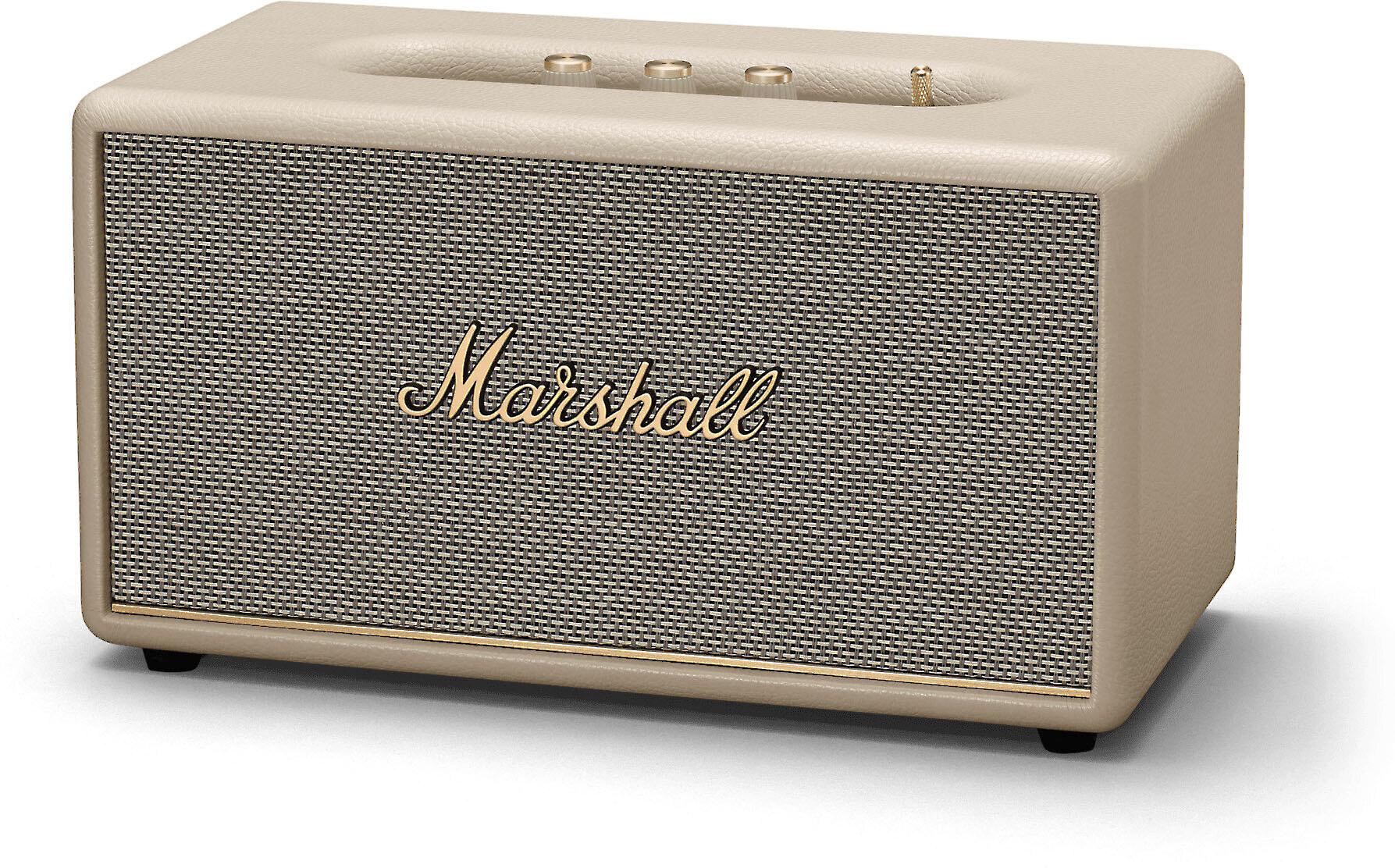
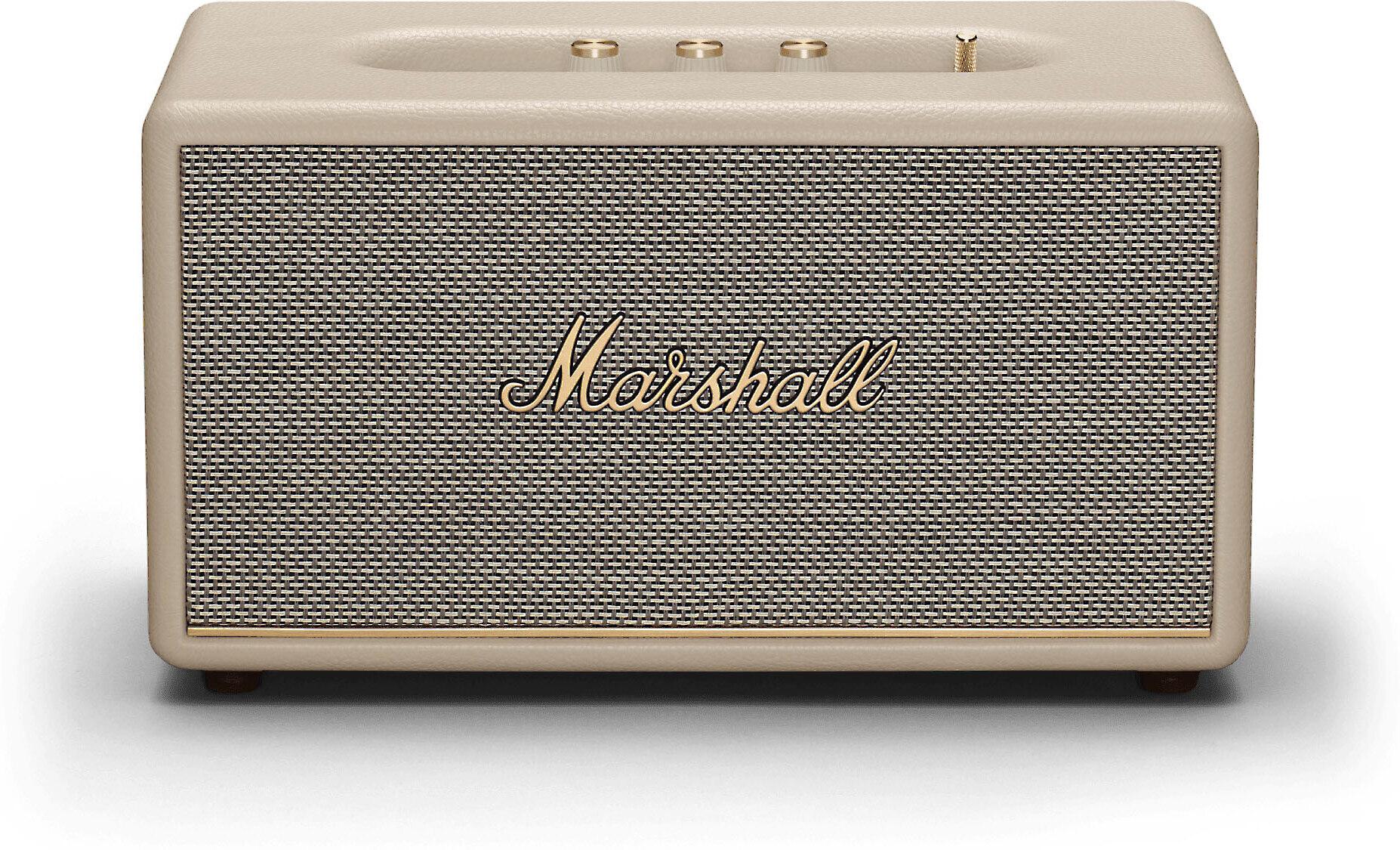
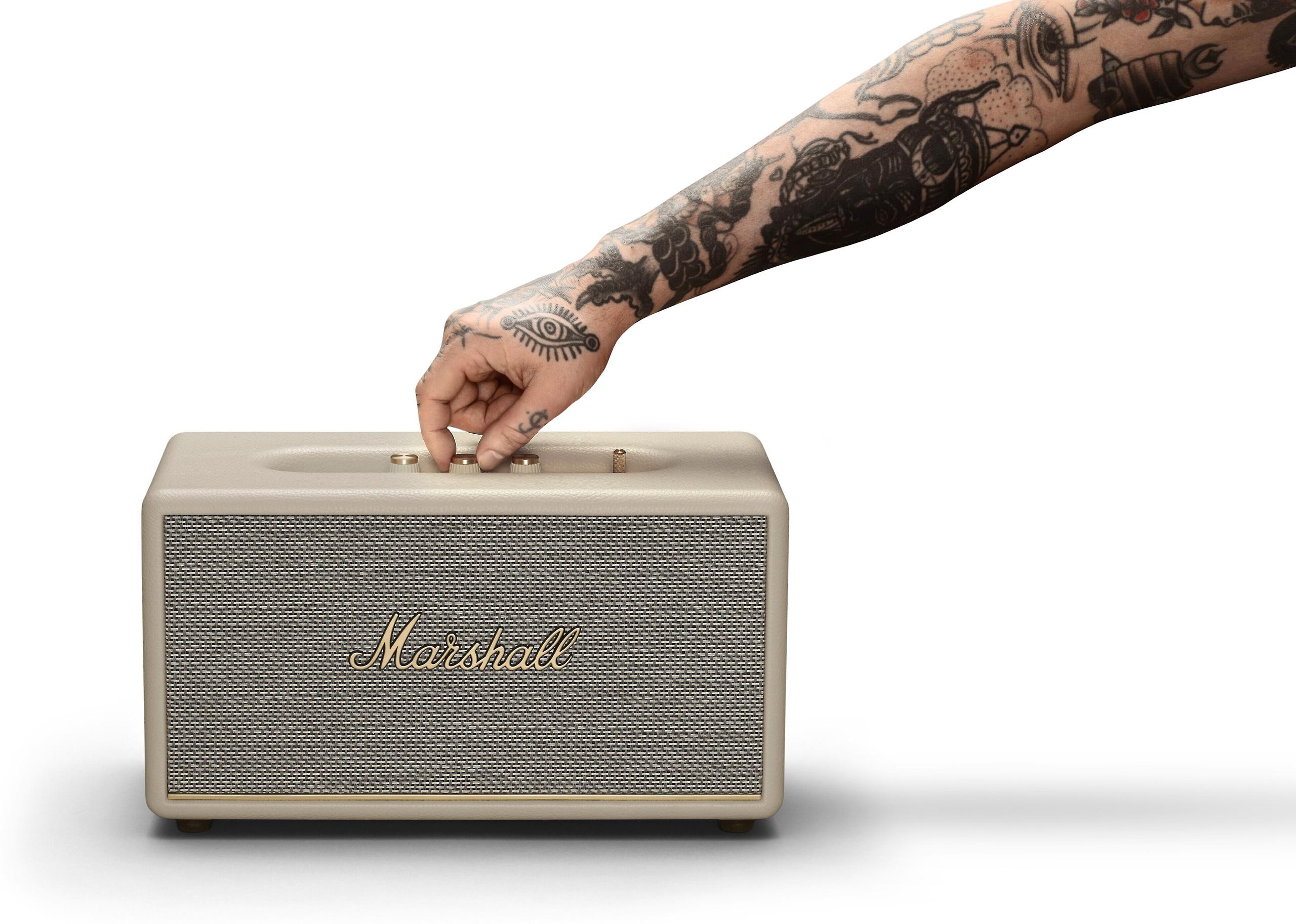


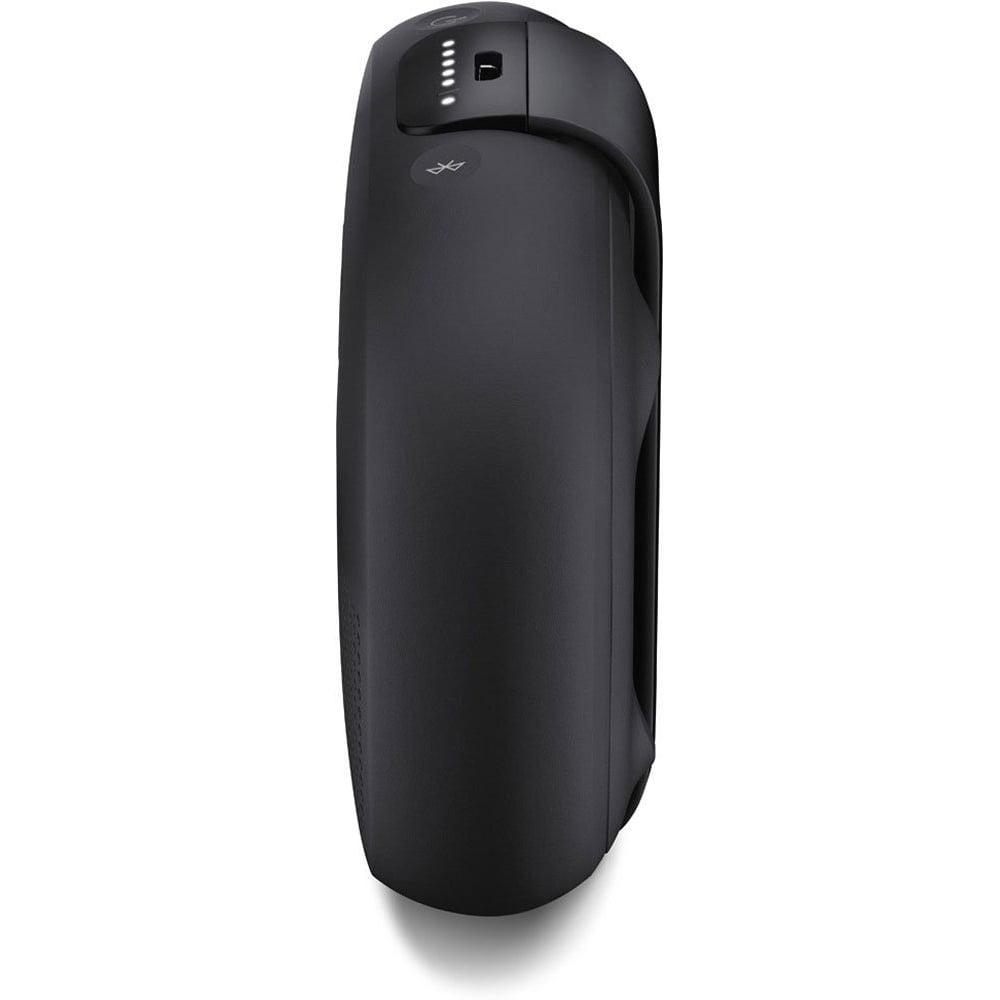
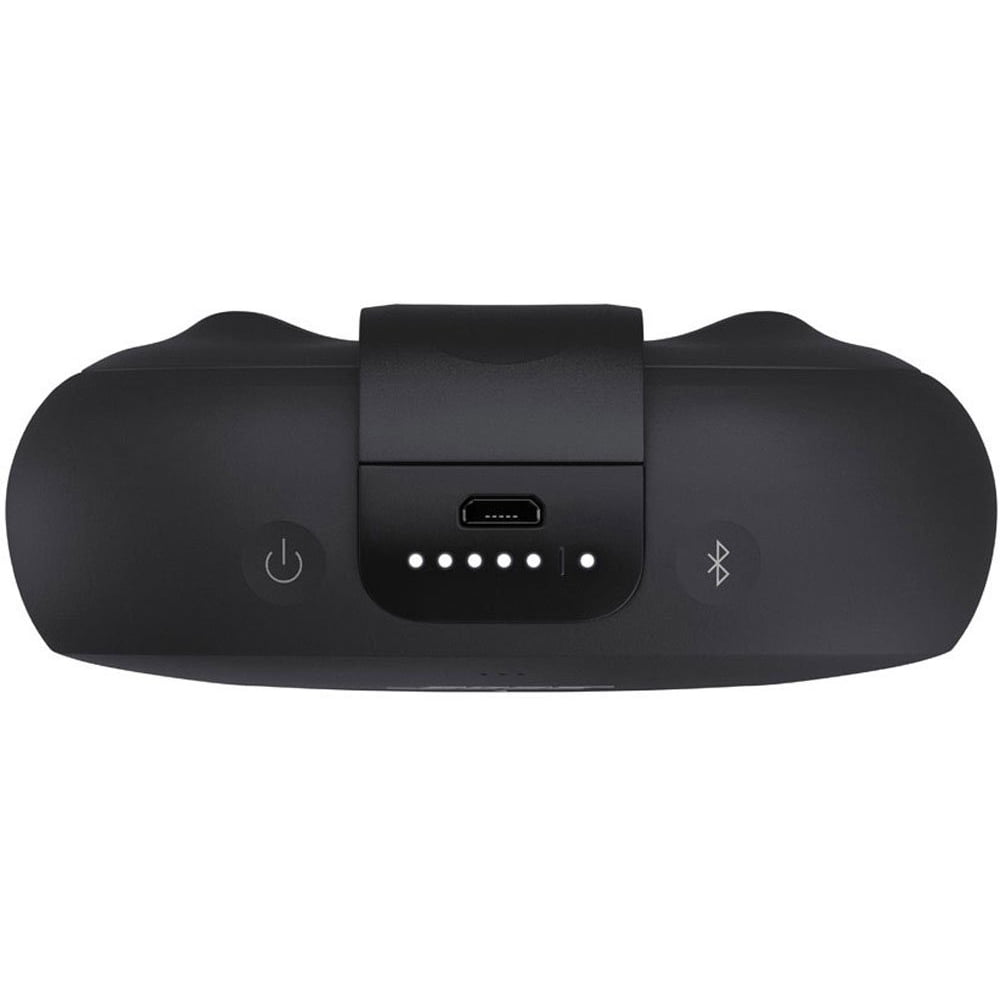
When it comes to Bluetooth speakers, the range of options can be overwhelming. Today we're comparing two very different approaches - the premium home audio-focused Marshall Stanmore III ($379.99) and the ultra-portable Bose SoundLink Micro ($99). While both play music wirelessly, they serve distinctly different needs and represent opposite ends of the Bluetooth speaker spectrum.
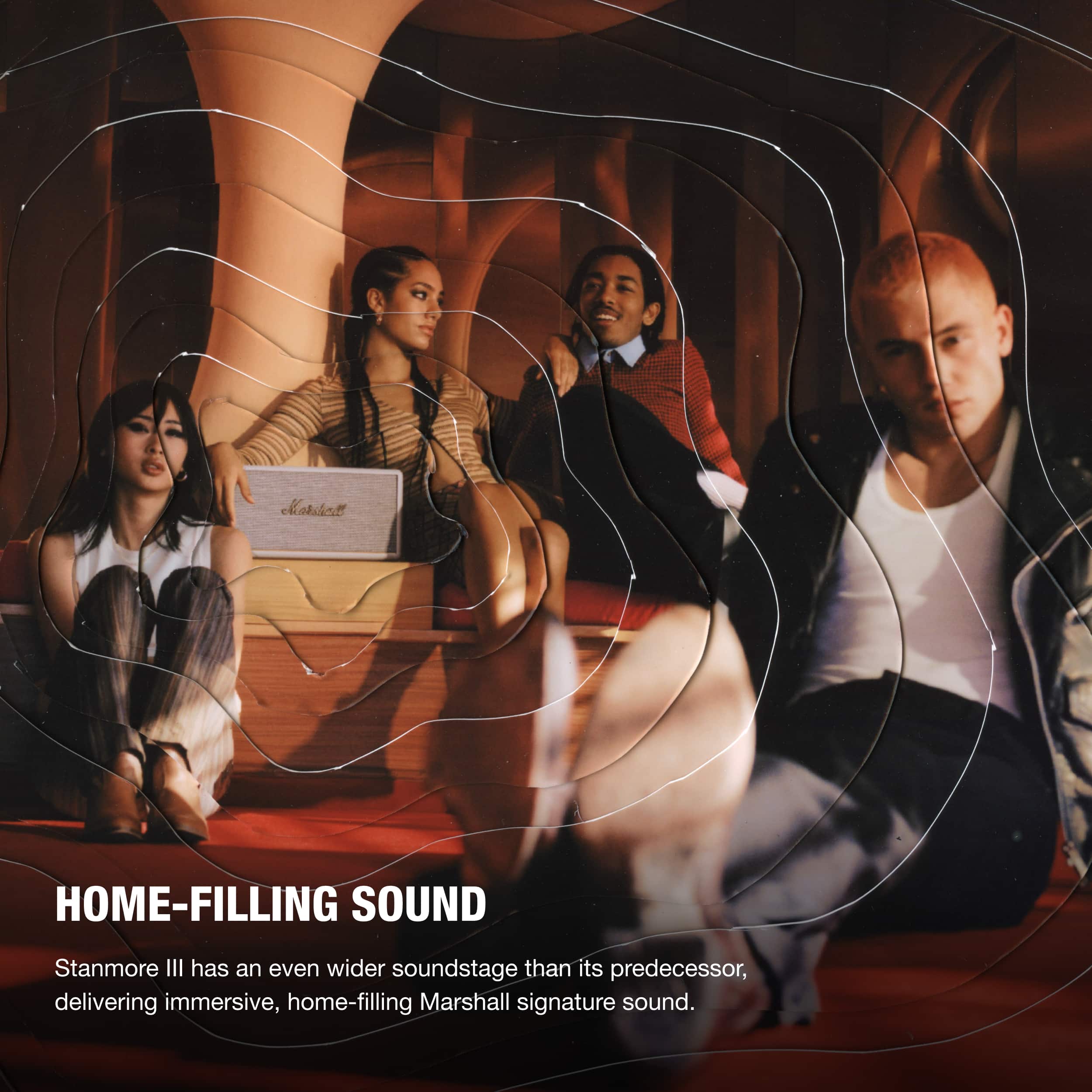
The Bluetooth speaker market has matured significantly over the past decade. When the SoundLink Micro launched in 2017, portable speakers were still establishing their place in the market. The Stanmore III, released in late 2022, represents the latest in home Bluetooth audio technology, incorporating features like Dynamic Loudness (which automatically adjusts frequency balance at different volumes) and advanced digital signal processing.
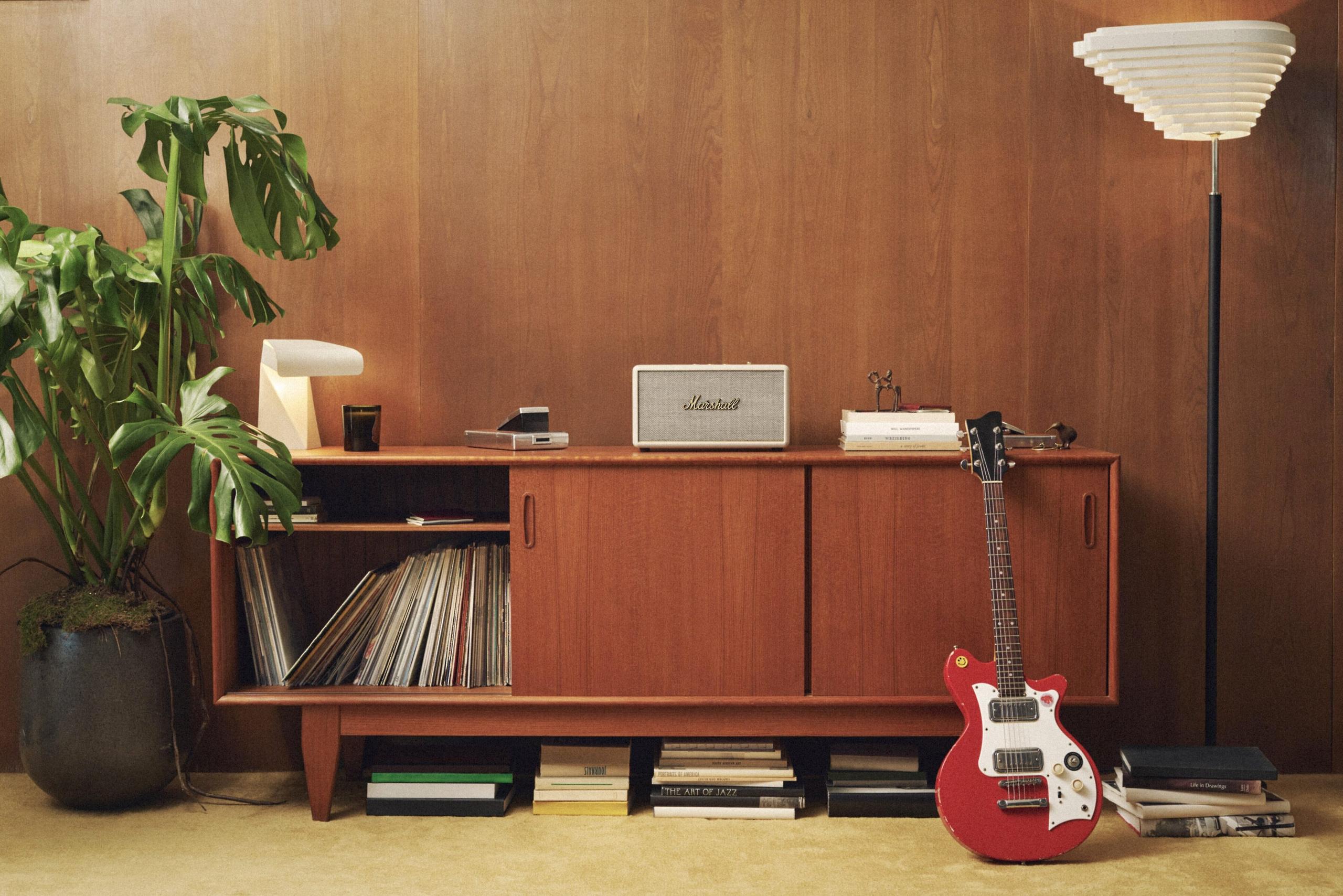
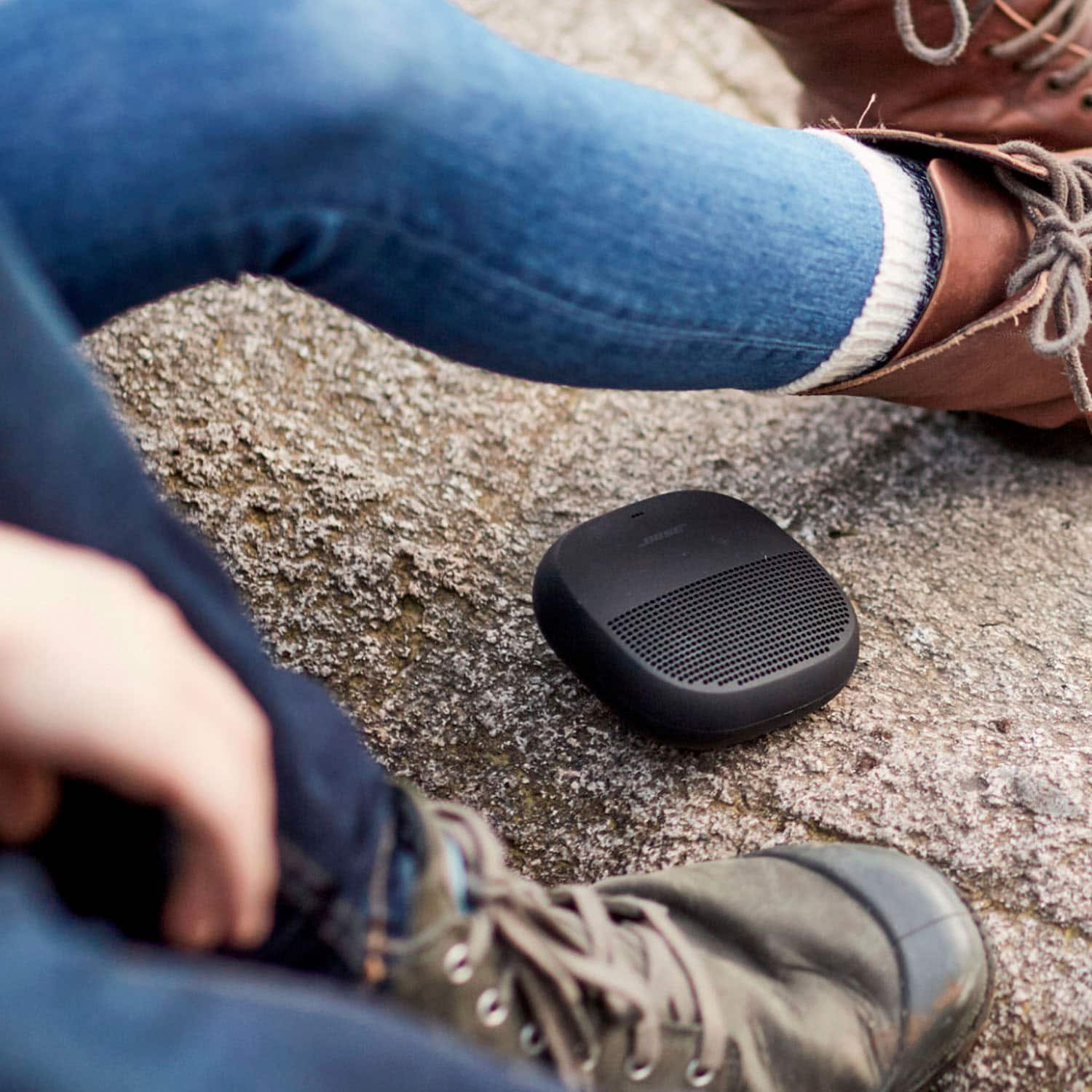
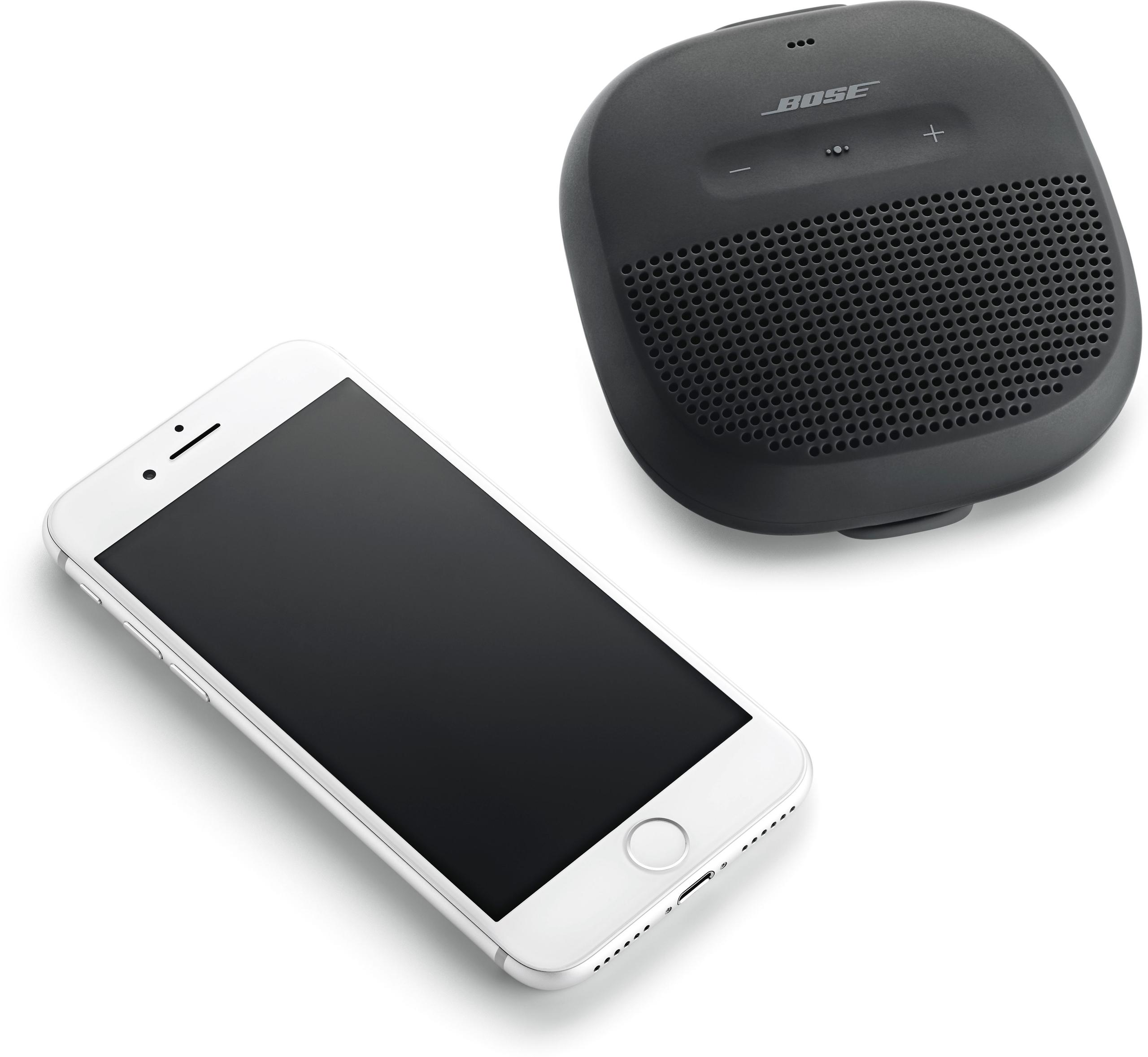
These speakers embody fundamentally different design philosophies. The Stanmore III is a substantial piece of home audio equipment, weighing over 9 pounds and requiring constant AC power. It's built to fill large rooms with rich, detailed sound through its three-driver system (one 5" woofer and two ¾" tweeters). In contrast, the SoundLink Micro weighs just 0.68 pounds and fits in a jacket pocket, running on battery power for ultimate portability.
The Stanmore III's 80-watt system (50W woofer, 15W x 2 tweeters) delivers impressive audio performance. The speaker's frequency response of 45-20,000 Hz means it can reproduce deep bass notes that smaller speakers simply can't match. In testing, it excels with all music genres, particularly shining with bass-heavy electronic music and rock tracks where the powerful woofer can flex its muscles.
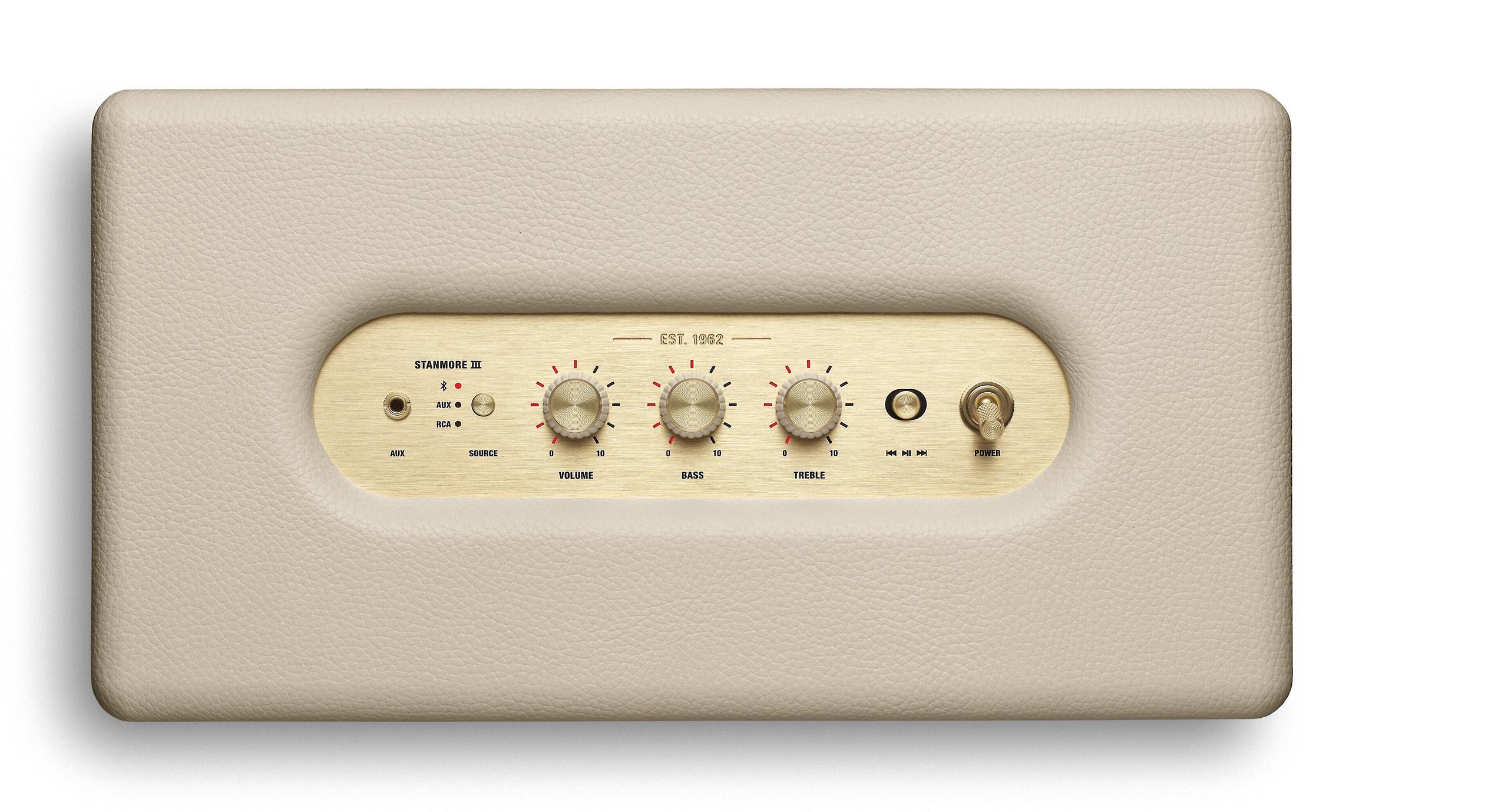
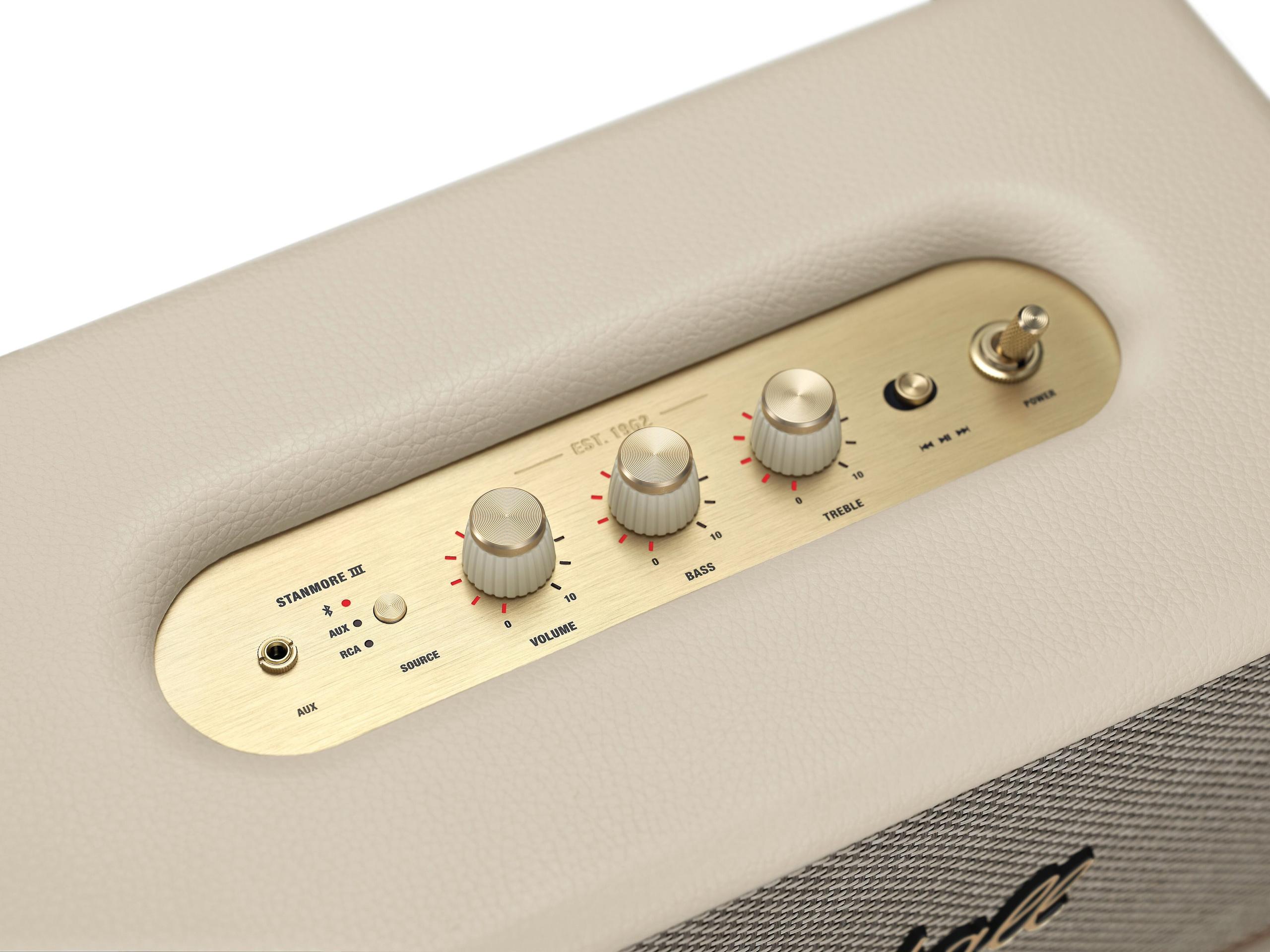
The speaker's Digital Signal Processing (DSP) helps prevent distortion at high volumes, while the physical tone controls allow quick adjustments to bass and treble. This combination of power and control makes it suitable for rooms up to 600 square feet, though it performs best in medium-sized spaces of 300-400 square feet.
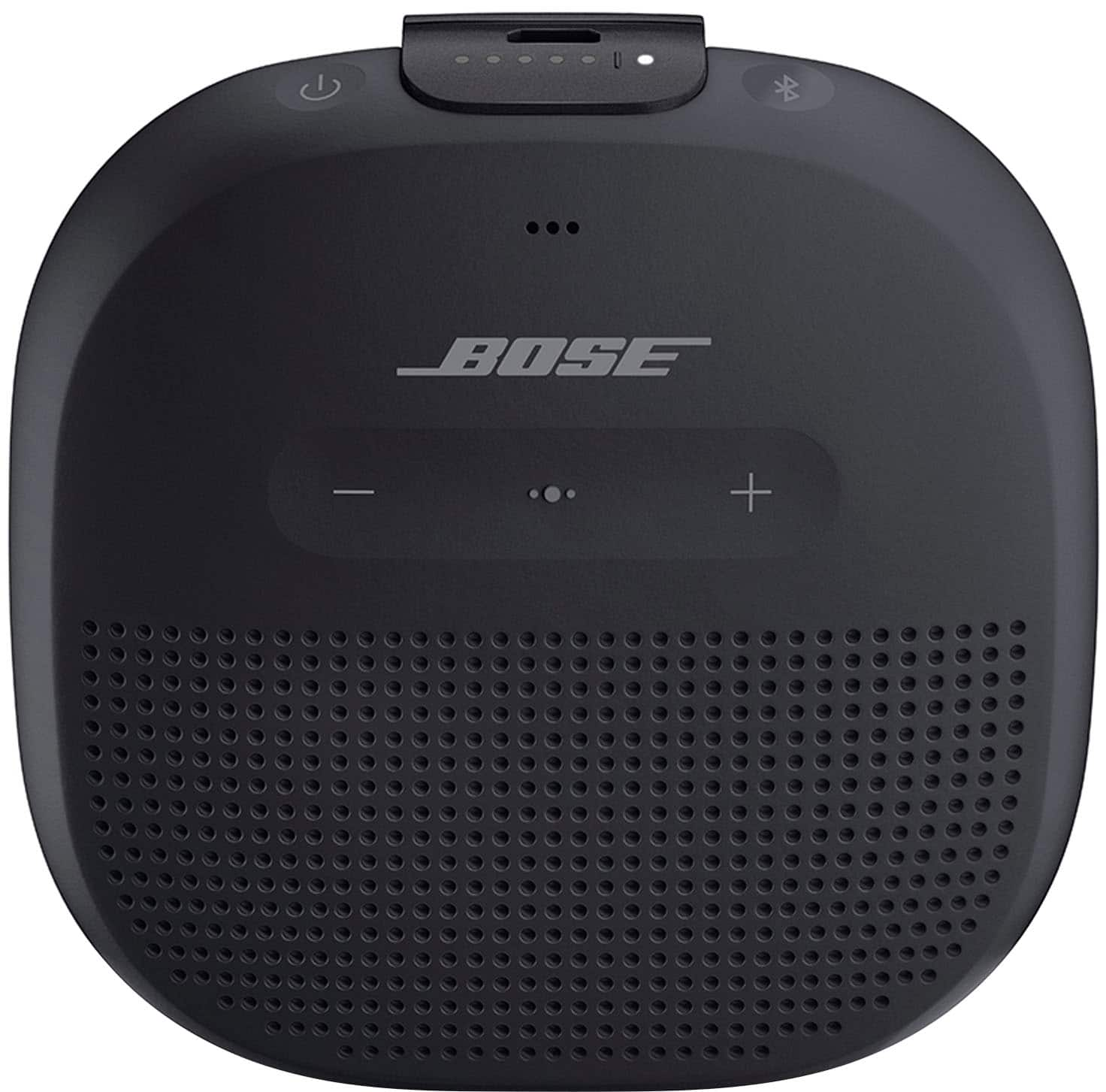
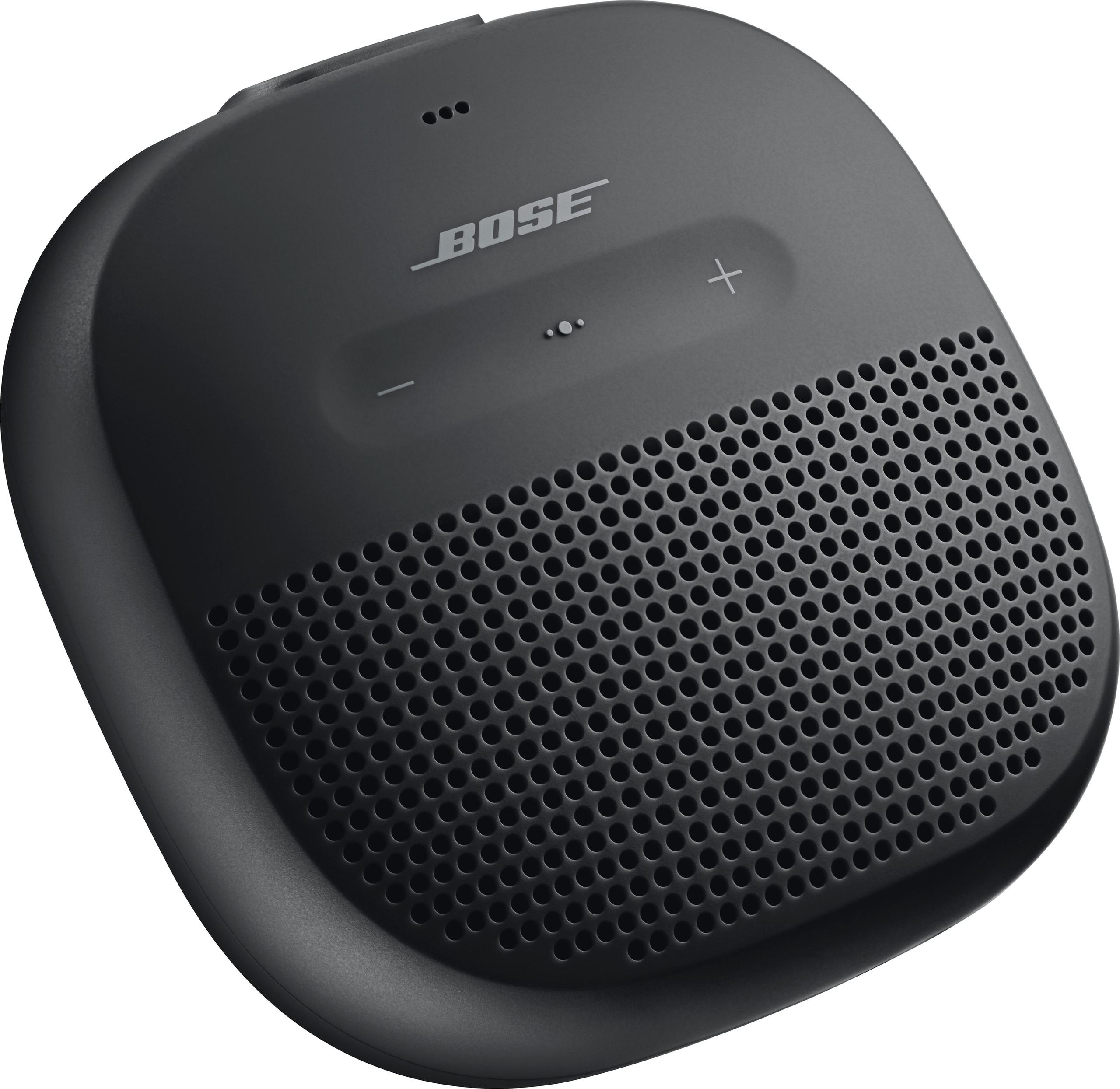
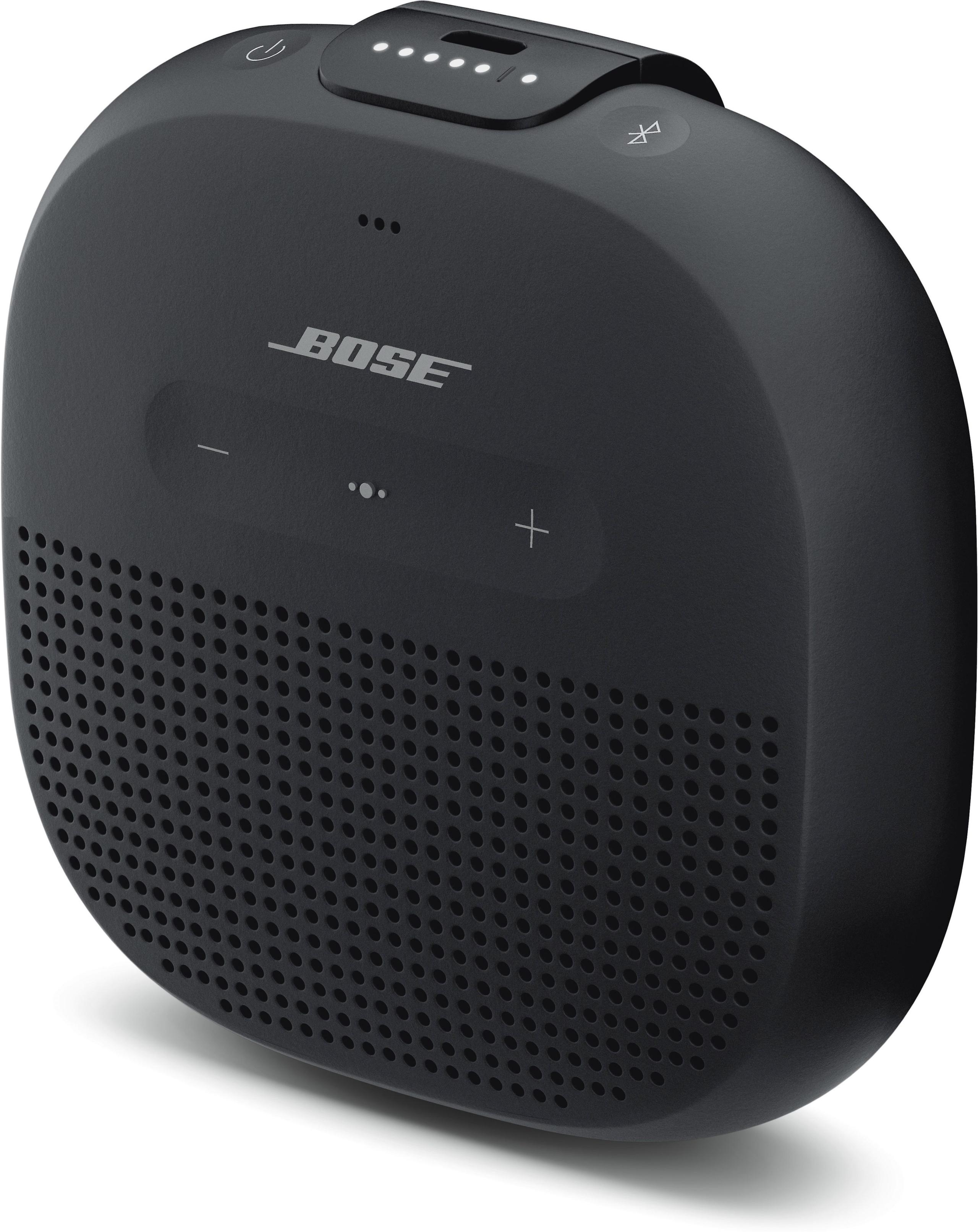
The SoundLink Micro takes a different approach, using a custom-designed transducer (the part that converts electrical signals into sound) and passive radiators (which help enhance bass response without requiring additional power) to maximize sound from its tiny frame. While it can't match the raw power or bass response of the Stanmore III, it produces surprisingly full sound for its size.
The Micro's audio is optimized for near-field listening - meaning it sounds best when you're within about 10-15 feet. It particularly excels with vocal-focused music and podcasts, where its clear midrange reproduction shines.
The Stanmore III features Bluetooth 5.2, supporting higher quality audio transmission and better range than older versions. It can remember up to eight paired devices and connect to two simultaneously - perfect for households where multiple people want to control the music. The Marshall Bluetooth app provides additional EQ control and firmware updates.
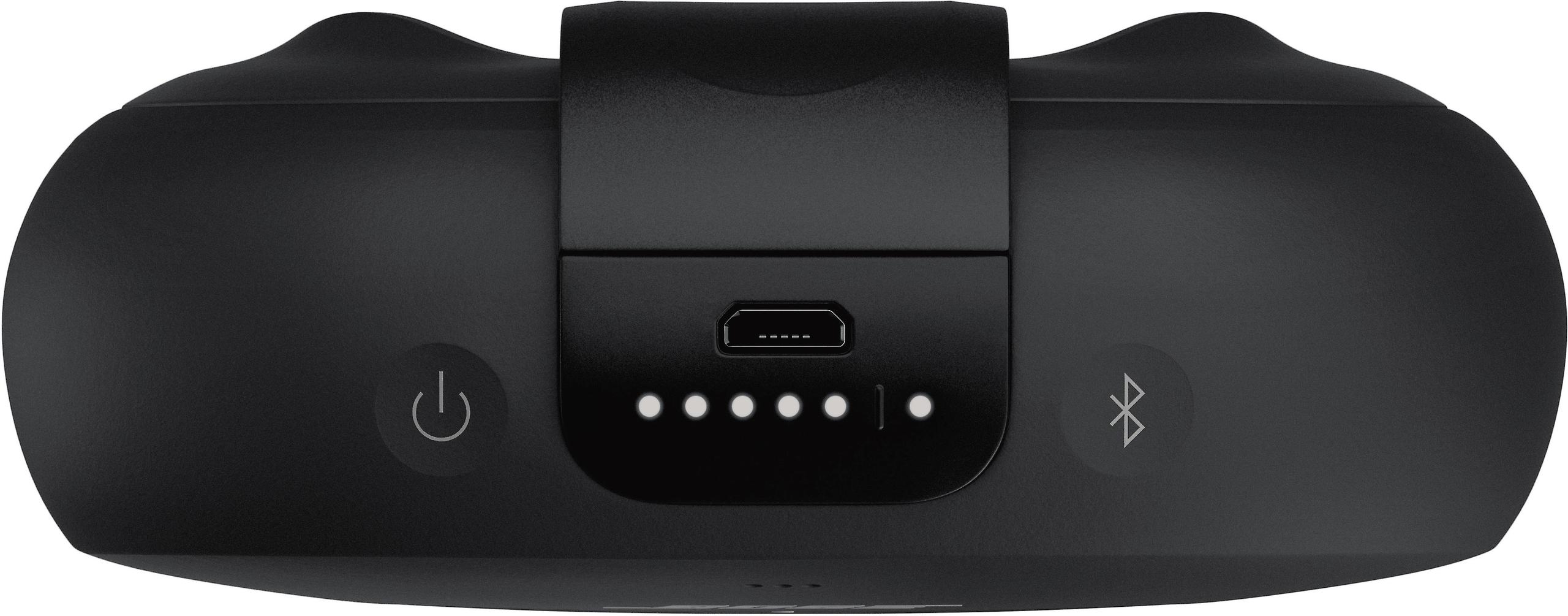
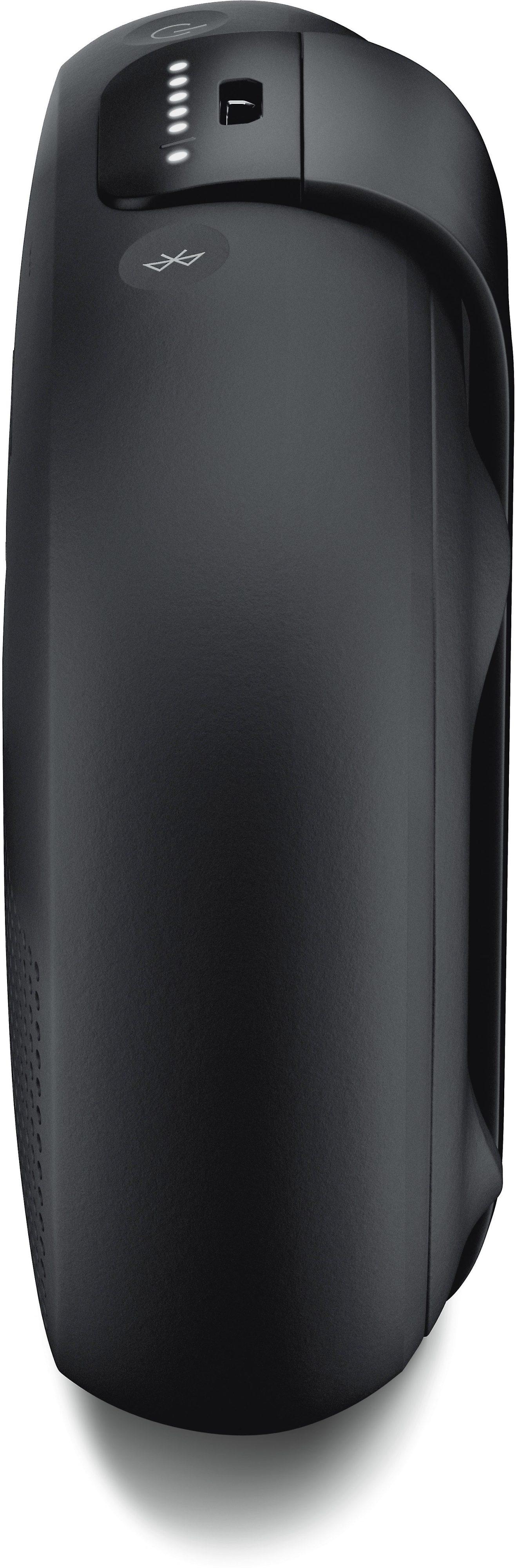
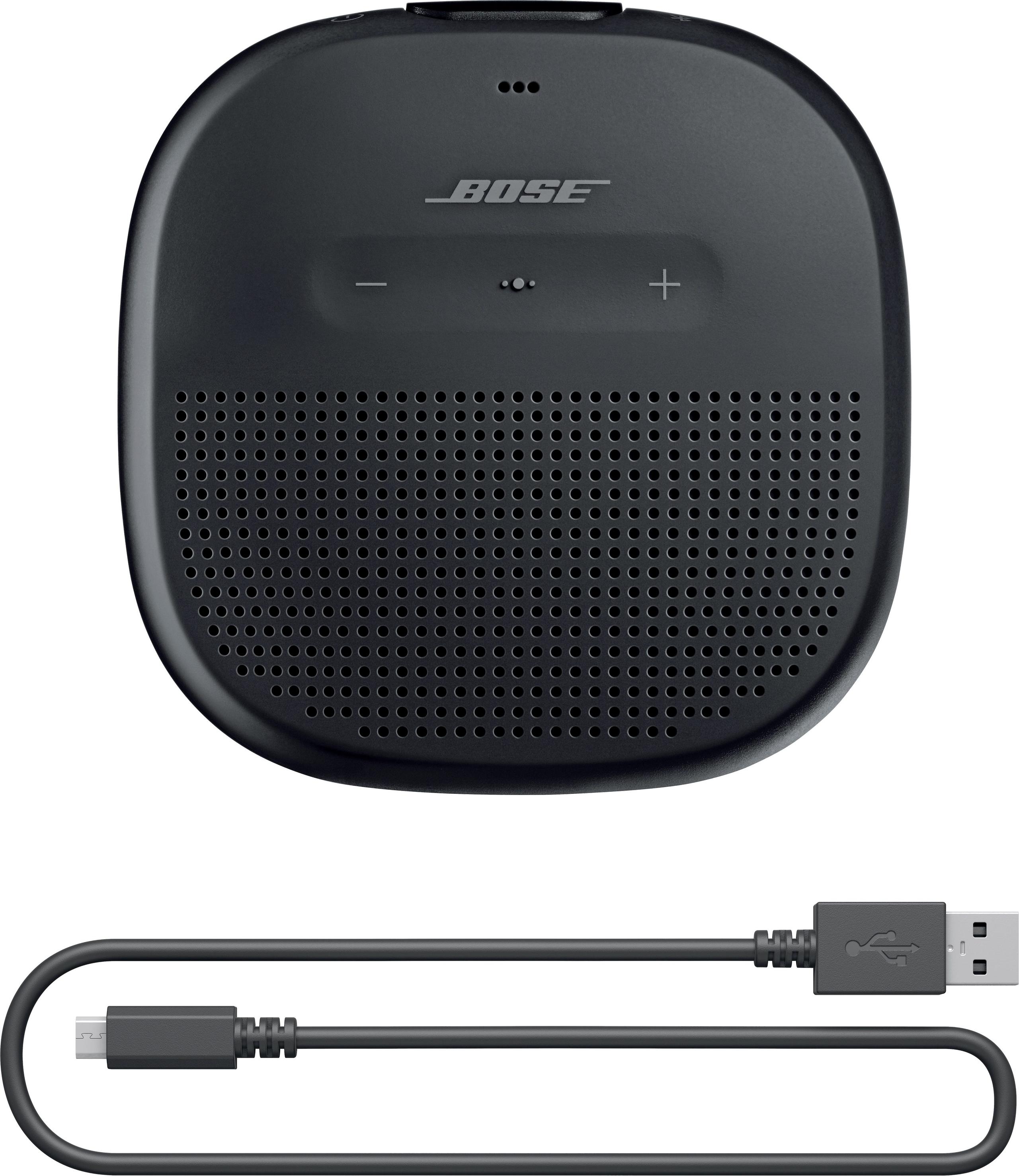
The SoundLink Micro uses Bluetooth 4.2, which, while older, still provides reliable connectivity within its 30-foot range. It includes speakerphone functionality and voice assistant integration, making it more versatile for personal use. The Bose Connect app enables Party Mode (syncing multiple speakers) and provides firmware updates.
The Stanmore III is built for indoor use, with premium materials including a wooden frame and leather vinyl covering. It's not designed to be moved frequently, but its solid construction should last many years with proper care.
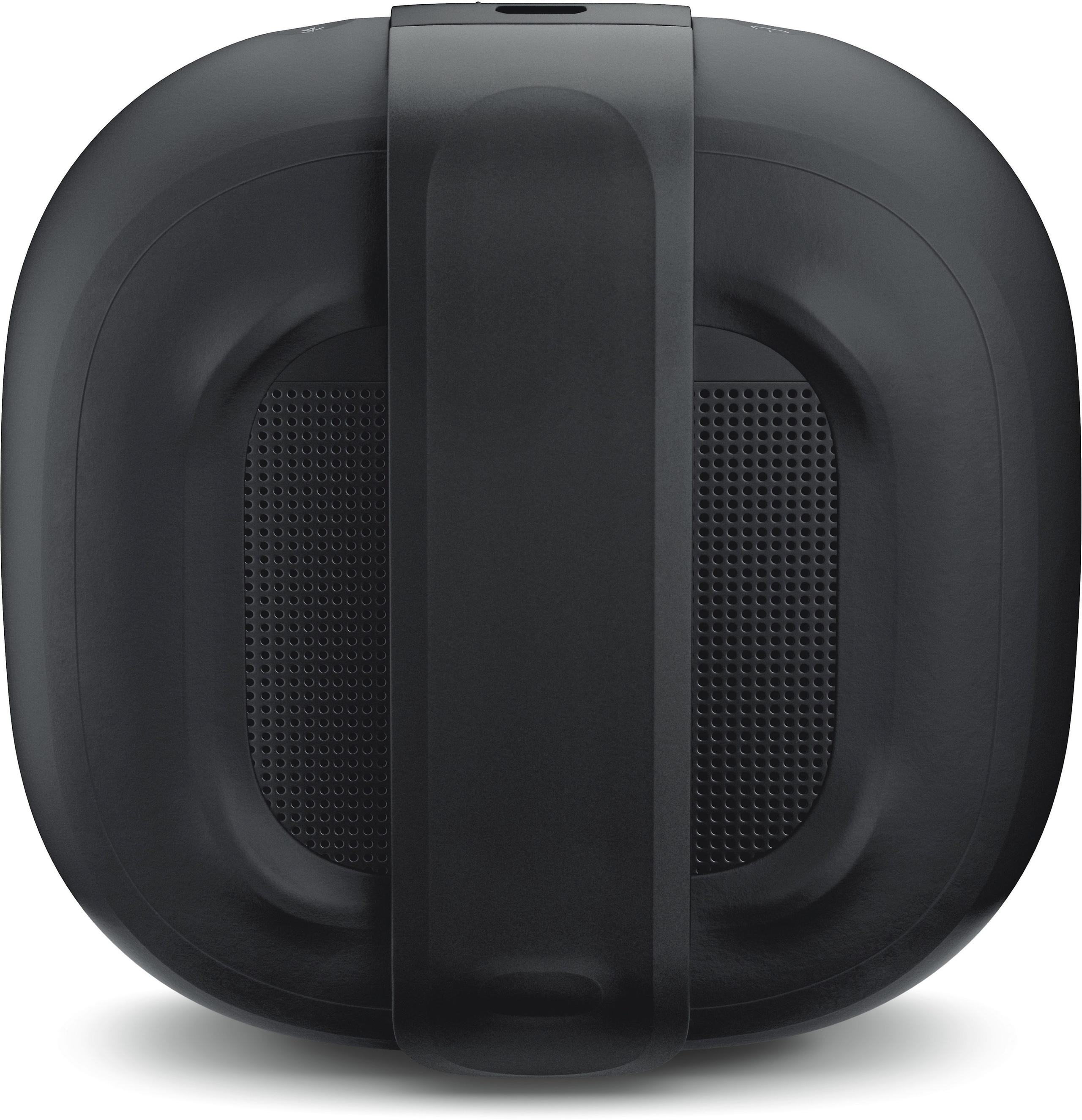
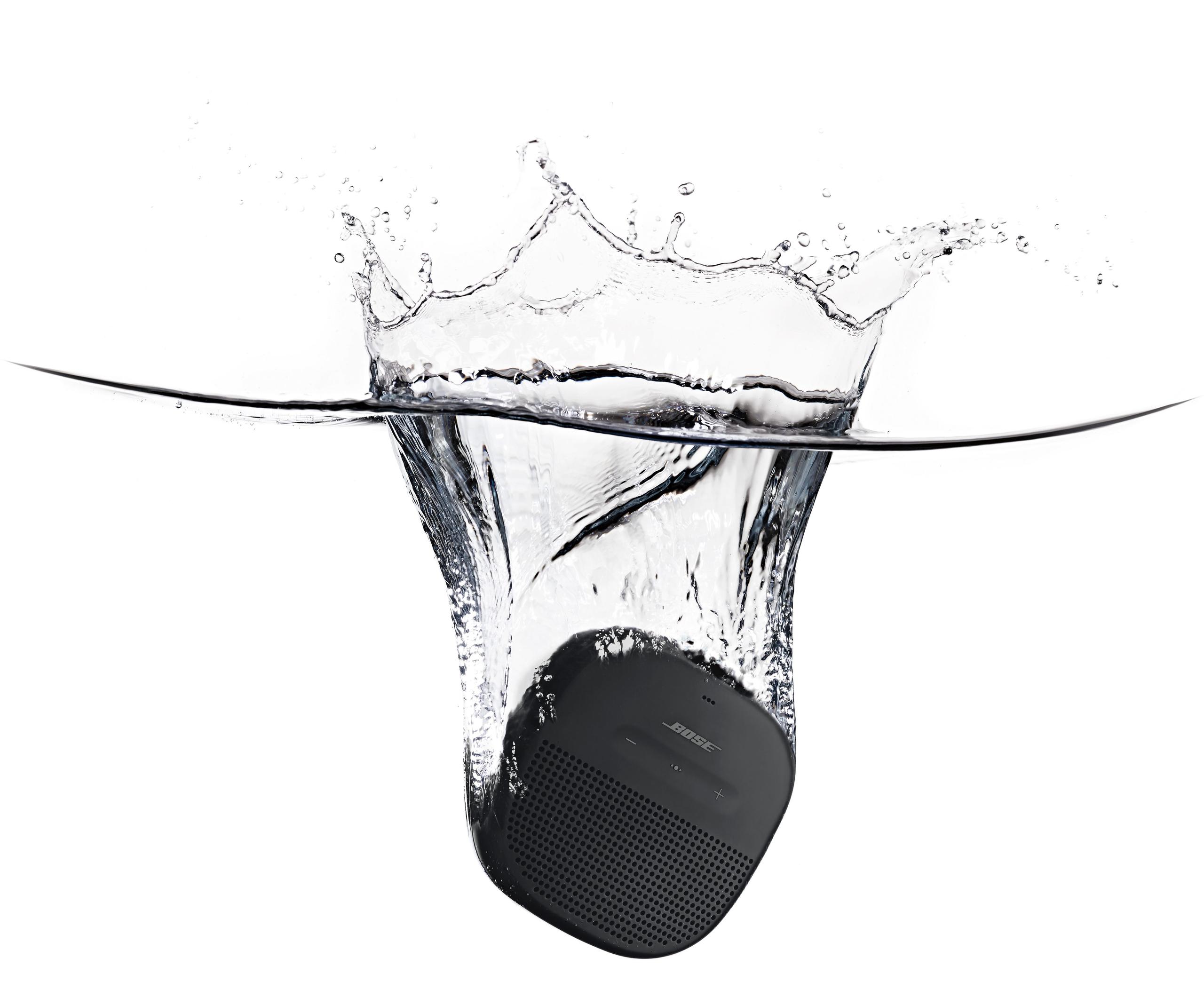
The SoundLink Micro takes durability to another level with its IP67 rating, meaning it's fully protected against dust and can survive submersion in water up to 1 meter deep for 30 minutes. Its silicone exterior resists impacts and scratches, while the tear-resistant strap provides secure attachment options.
At $379.99, the Stanmore III represents a significant investment. However, when compared to traditional home audio components, it offers excellent value. Its sound quality rivals some systems costing $500 or more, and its all-in-one nature eliminates the need for separate amplifiers and speakers.
The SoundLink Micro at $99 competes in a crowded portable speaker market. Its combination of durability, sound quality, and brand reliability make it a strong contender, though newer competitors offer features like USB-C charging and longer battery life.
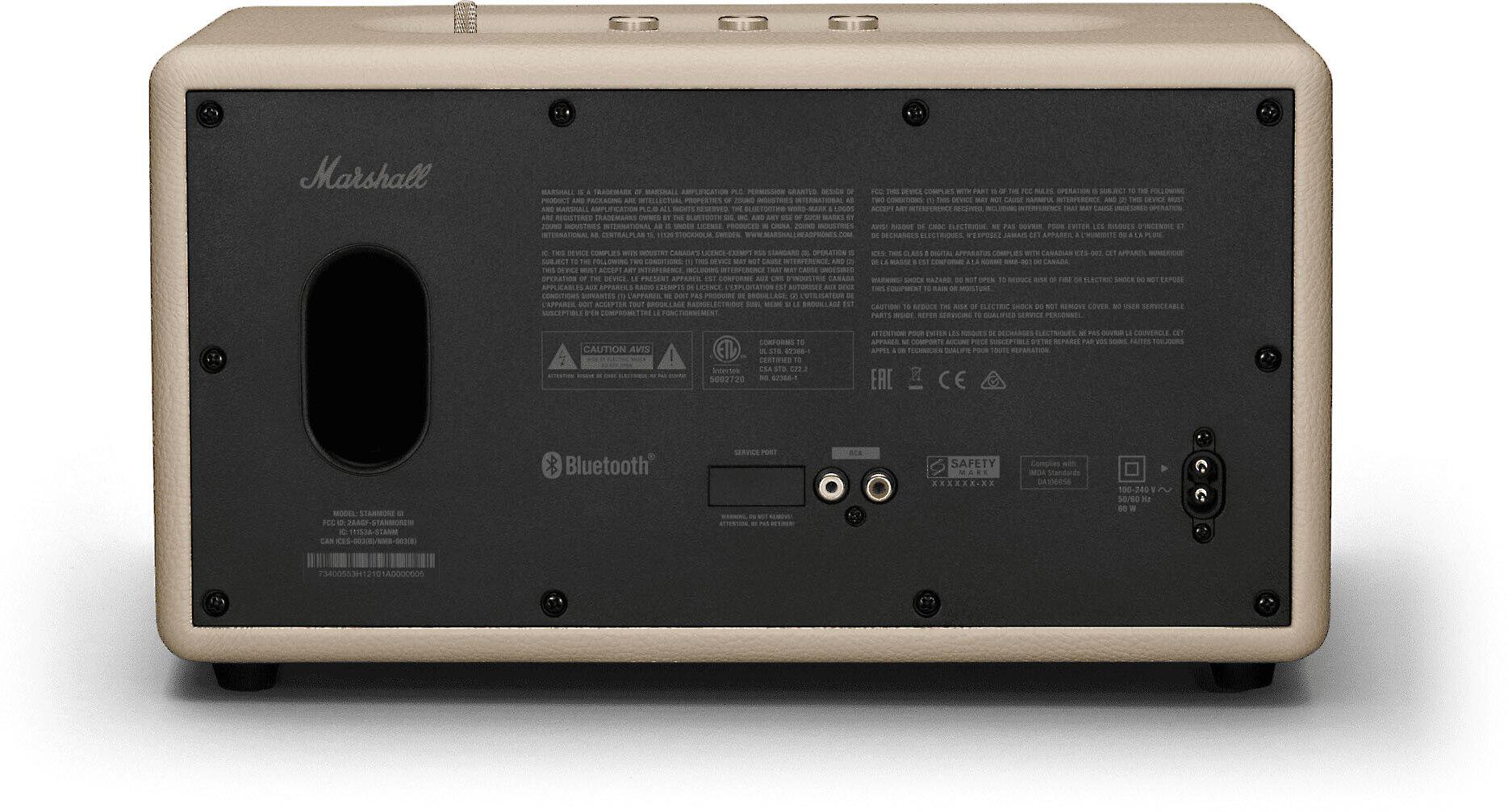
While the Stanmore III isn't specifically designed for home theater use, its powerful output and wide frequency response make it capable of enhancing TV audio. The inclusion of RCA inputs allows direct connection to many TVs, though it lacks modern features like HDMI ARC or optical inputs found on dedicated soundbars.
The SoundLink Micro isn't suitable for home theater use due to its size and output limitations.
Choose the Marshall Stanmore III if:
Choose the Bose SoundLink Micro if:
The Bluetooth speaker market continues to evolve. The Stanmore III's platform allows for feature updates through firmware, potentially adding new capabilities over time. However, the SoundLink Micro's older hardware may limit future improvements.
Both speakers excel in their intended use cases, but they serve very different needs. Understanding your primary use case - whether it's creating a premium home listening space or having music available anywhere - should guide your choice between these two capable but distinct options.
Remember, the best speaker is the one that fits your lifestyle and listening habits, not necessarily the one with the most features or highest price tag.
| Marshall Stanmore III | Bose SoundLink Micro |
|---|---|
| Price - Significant difference reflecting different use cases | |
| $379.99 (premium home audio) | $99 (competitive portable category) |
| Size - Impacts placement flexibility and portability | |
| 13.8" x 8.1" x 8.4" (home installation) | 3.87" x 3.87" x 1.37" (pocket-sized) |
| Weight - Affects mobility and placement options | |
| 9.37 lbs (stationary design) | 0.68 lbs (ultra-portable) |
| Power Output - Determines room-filling capability | |
| 80W total (50W woofer + 2x15W tweeters) | Not specified (optimized for near-field) |
| Power Source - Defines use case flexibility | |
| AC power only (requires outlet) | Built-in battery, 6 hours playback |
| Water Resistance - Important for outdoor use | |
| None (indoor use only) | IP67 (waterproof up to 1m) |
| Bluetooth Version - Affects connection quality | |
| 5.2 (latest features, multi-device) | 4.2 (reliable but older standard) |
| Frequency Response - Determines sound range | |
| 45-20,000 Hz (full range audio) | Not specified (limited bass response) |
| Audio Inputs - Provides connection flexibility | |
| Bluetooth, 3.5mm aux, RCA | Bluetooth only |
| Sound Adjustments - Allows sound customization | |
| Physical bass/treble controls + app EQ | Fixed tuning, no adjustments |
| Special Features - Adds functional value | |
| Dynamic Loudness, placement compensation, app control | Speakerphone, tear-resistant strap, Party Mode |
| Best Use Case - Key decision factor | |
| Premium home audio system | Portable outdoor/travel speaker |
Neither is universally "better" - they serve different purposes. The Marshall Stanmore III ($379.99) is superior for home audio, while the Bose SoundLink Micro ($99) excels as a portable speaker.
The Marshall Stanmore III costs $379.99, while the Bose SoundLink Micro is $99, reflecting their different capabilities and target uses.
The Bose SoundLink Micro is specifically designed for outdoor use with IP67 waterproofing. The Stanmore III is not weather-resistant and should only be used indoors.
The Marshall Stanmore III offers superior overall sound quality with more power, deeper bass, and clearer highs. However, the SoundLink Micro provides impressive sound for its size in close-range listening.
The Bose SoundLink Micro offers 6 hours of battery life. The Stanmore III doesn't have a battery and requires constant AC power.
The Marshall Stanmore III can remember 8 devices and connect to 2 simultaneously. The SoundLink Micro can pair with multiple devices but connects to one at a time.
The Marshall Stanmore III is better for indoor parties with its room-filling sound and higher volume. The SoundLink Micro is better for small outdoor gatherings.
The Stanmore III can connect to TVs via its RCA or aux inputs, though it's not optimized for home theater. The SoundLink Micro isn't suitable for TV use.
The Marshall Stanmore III delivers significantly stronger bass with its 50W woofer. The SoundLink Micro has surprisingly good bass for its size but can't compare to larger speakers.
Both are simple to set up. The Bose SoundLink Micro pairs quickly via Bluetooth. The Stanmore III offers additional input options but remains straightforward to configure.
The Bose SoundLink Micro is ideal for travel, weighing under 1 pound. The Stanmore III is not designed for portability at over 9 pounds plus requiring AC power.
For home audio, the Stanmore III offers excellent value compared to traditional stereo systems. For portable use, the SoundLink Micro provides strong value in the portable speaker category.
We've done our best to create useful and informative comparisons to help you decide what product to buy. Our research uses advanced automated methods to create this comparison and perfection is not possible - please contact us for corrections or questions. These are the sites we've researched in the creation of this article: techgadgetscanada.com - camelcamelcamel.com - crutchfield.com - bestbuy.com - dxomark.com - crutchfield.com - crutchfield.com - marshall.com - marshall-production-1.mobify-storefront.com - exhibit.tech - ooberpad.com - av-connection.com - rtings.com - mygolfspy.com - youtube.com - cnet.com - bose.com - bose.com - alwayswander.info - target.com - bose.com - bose.com

Privacy Policy
Terms and Conditions - Affiliate Policy
Home Security
© Copyright 2008-2026.
11816 Inwood Rd #1211, Dallas, TX 75244