

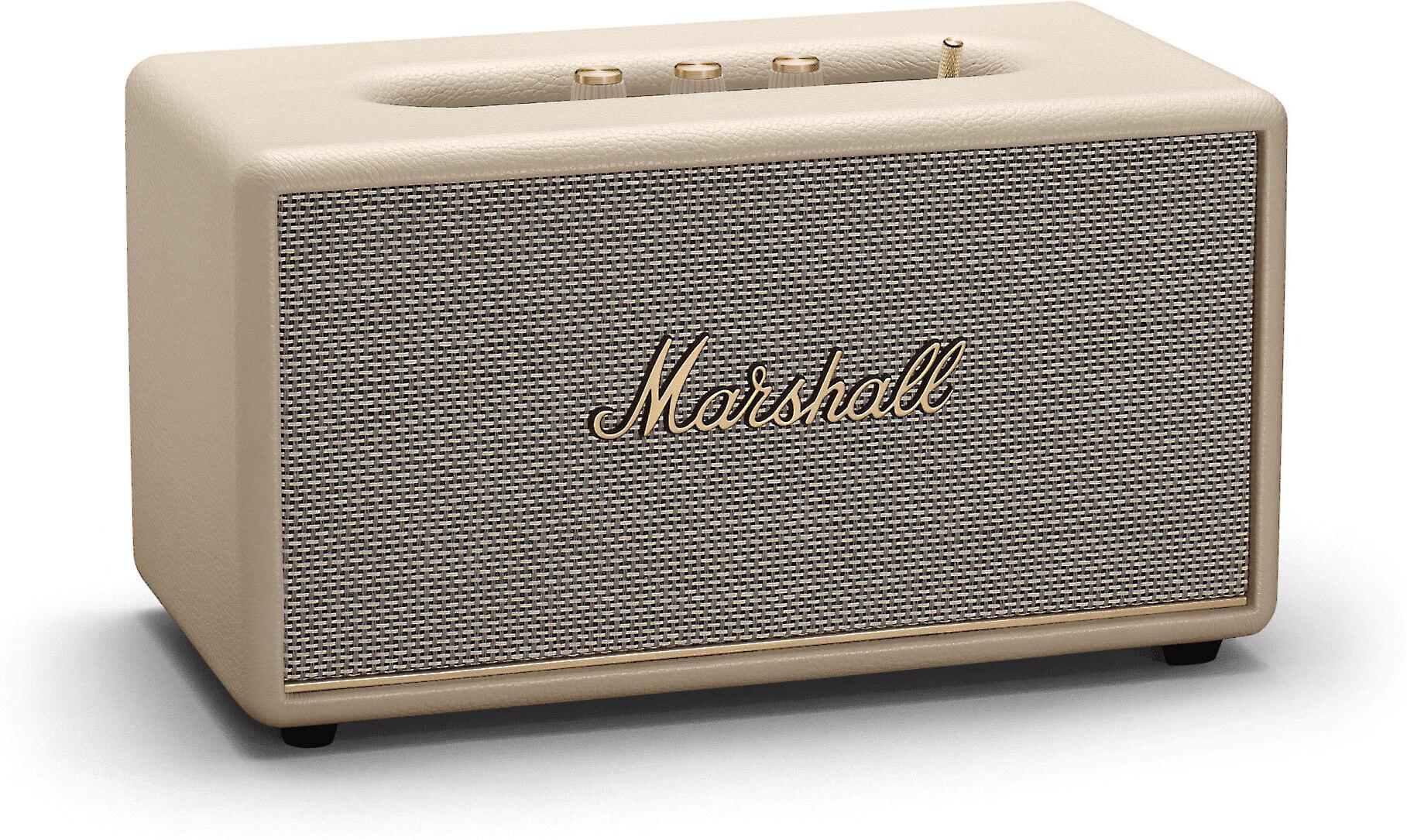
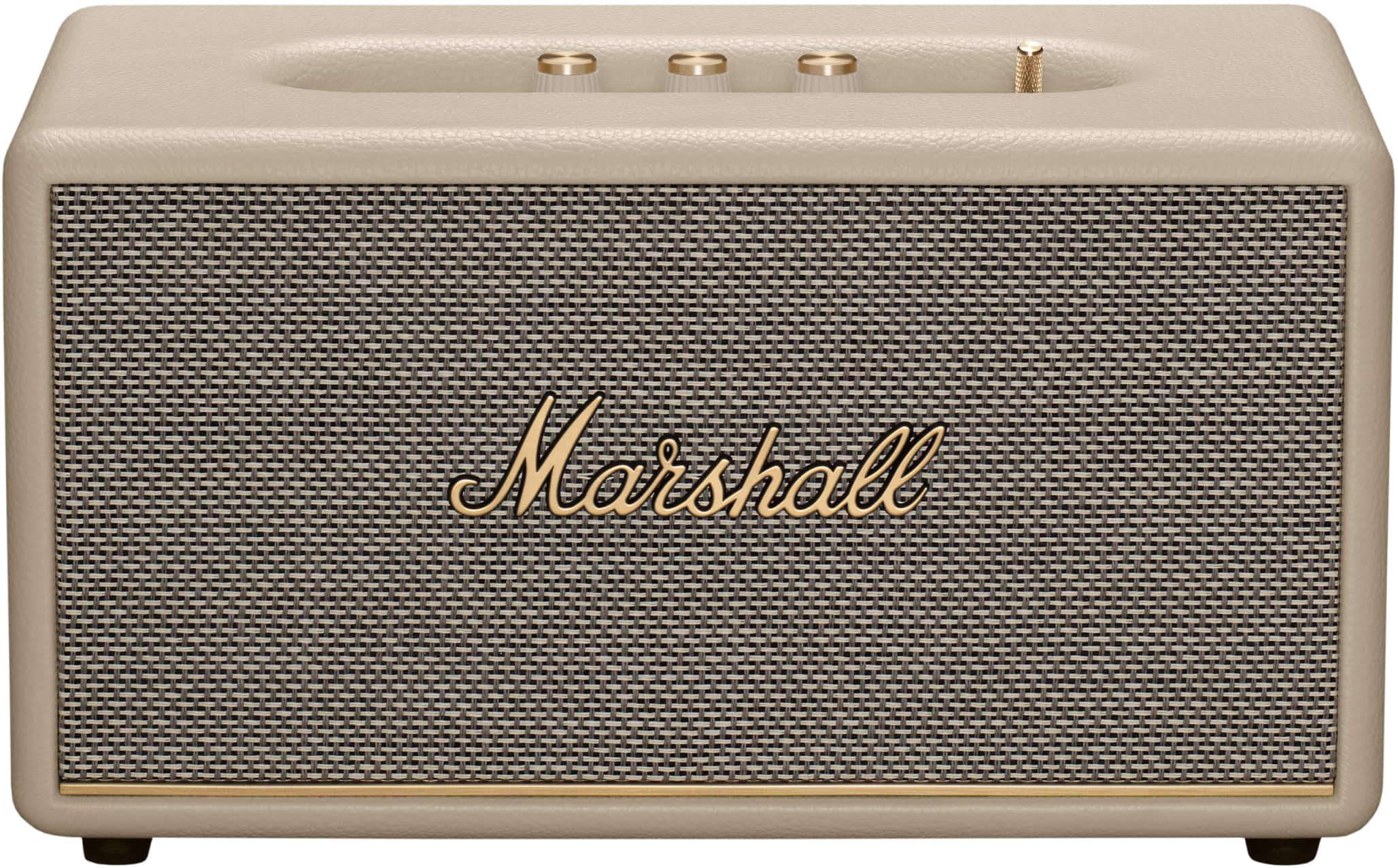
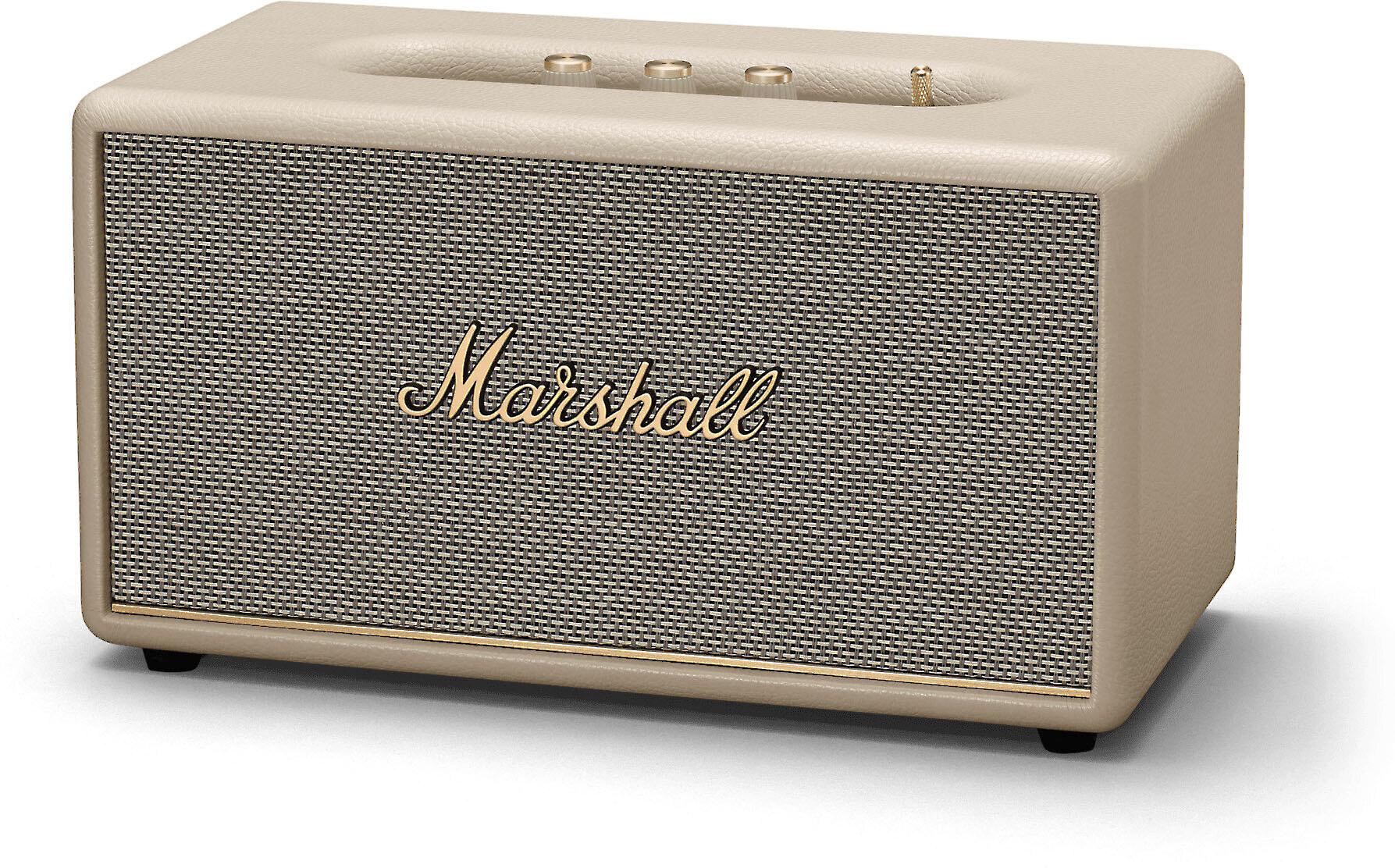
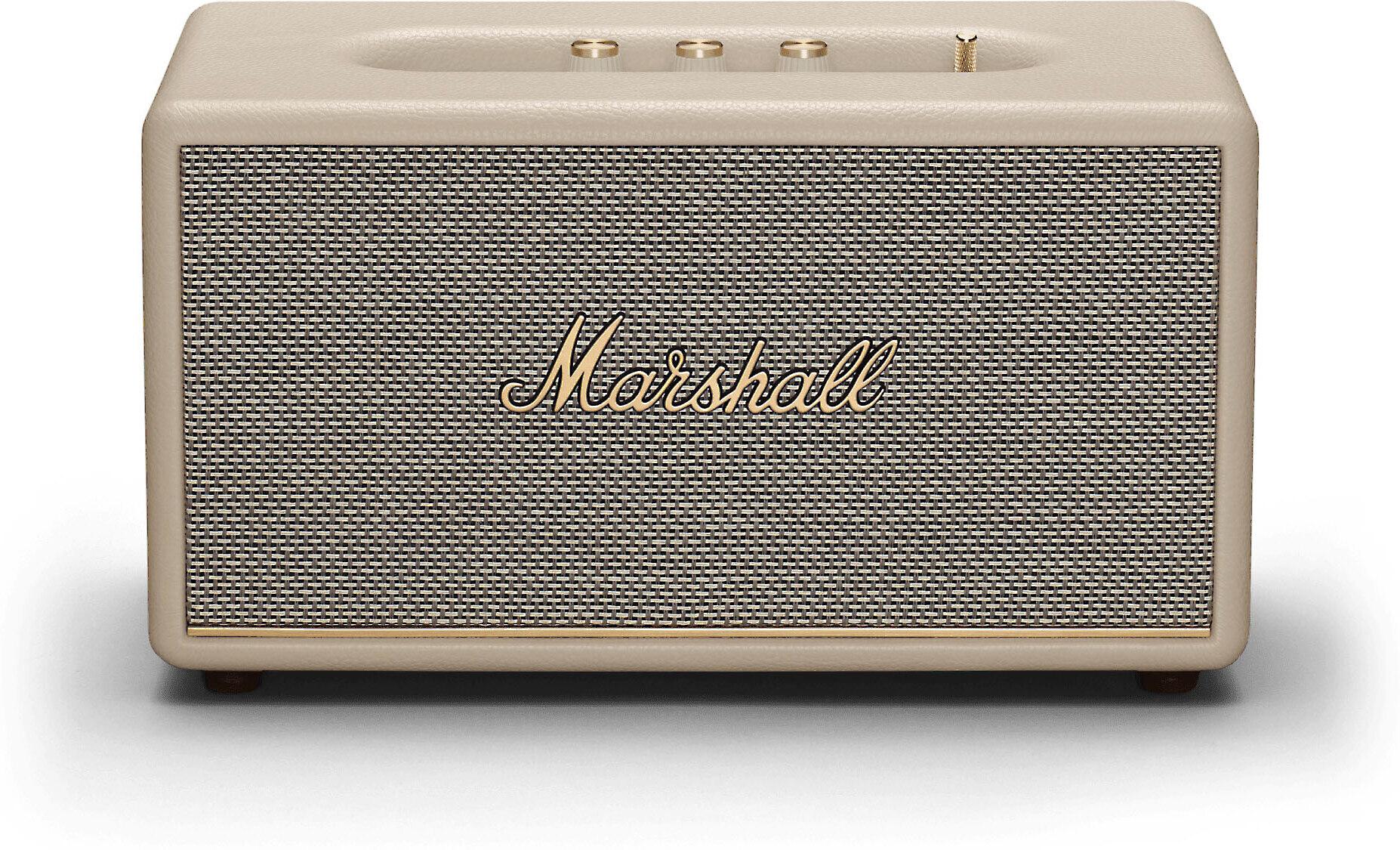
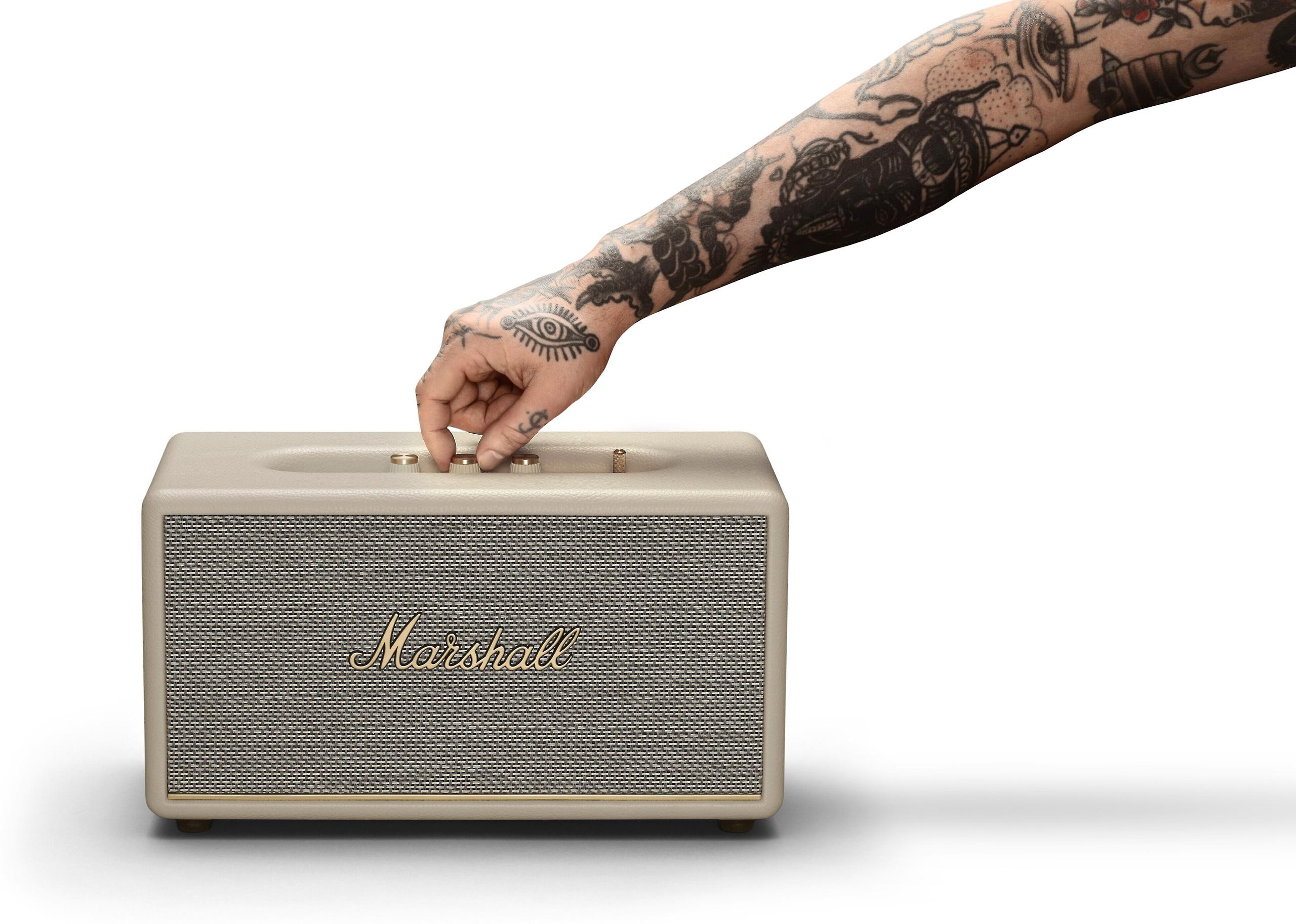
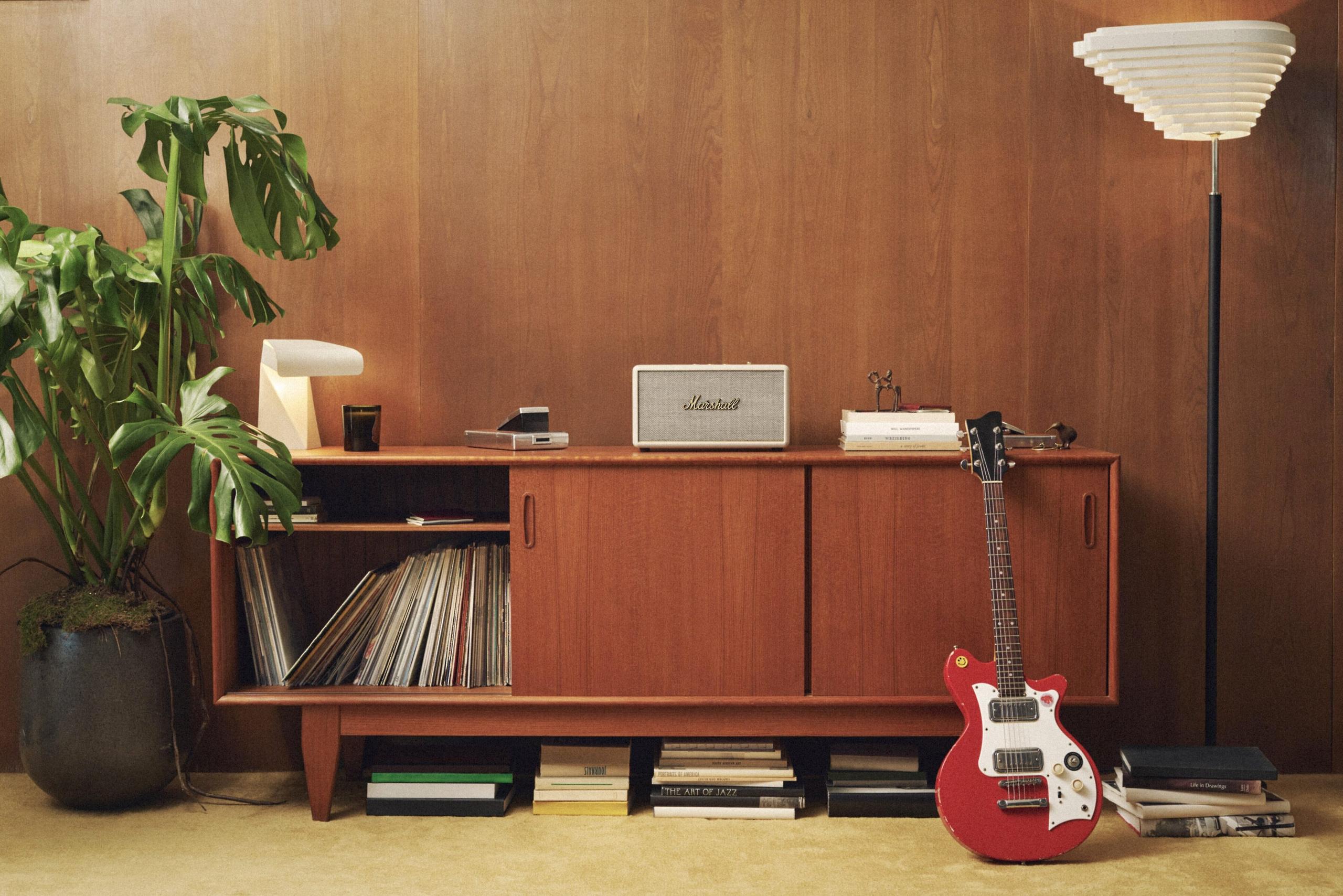
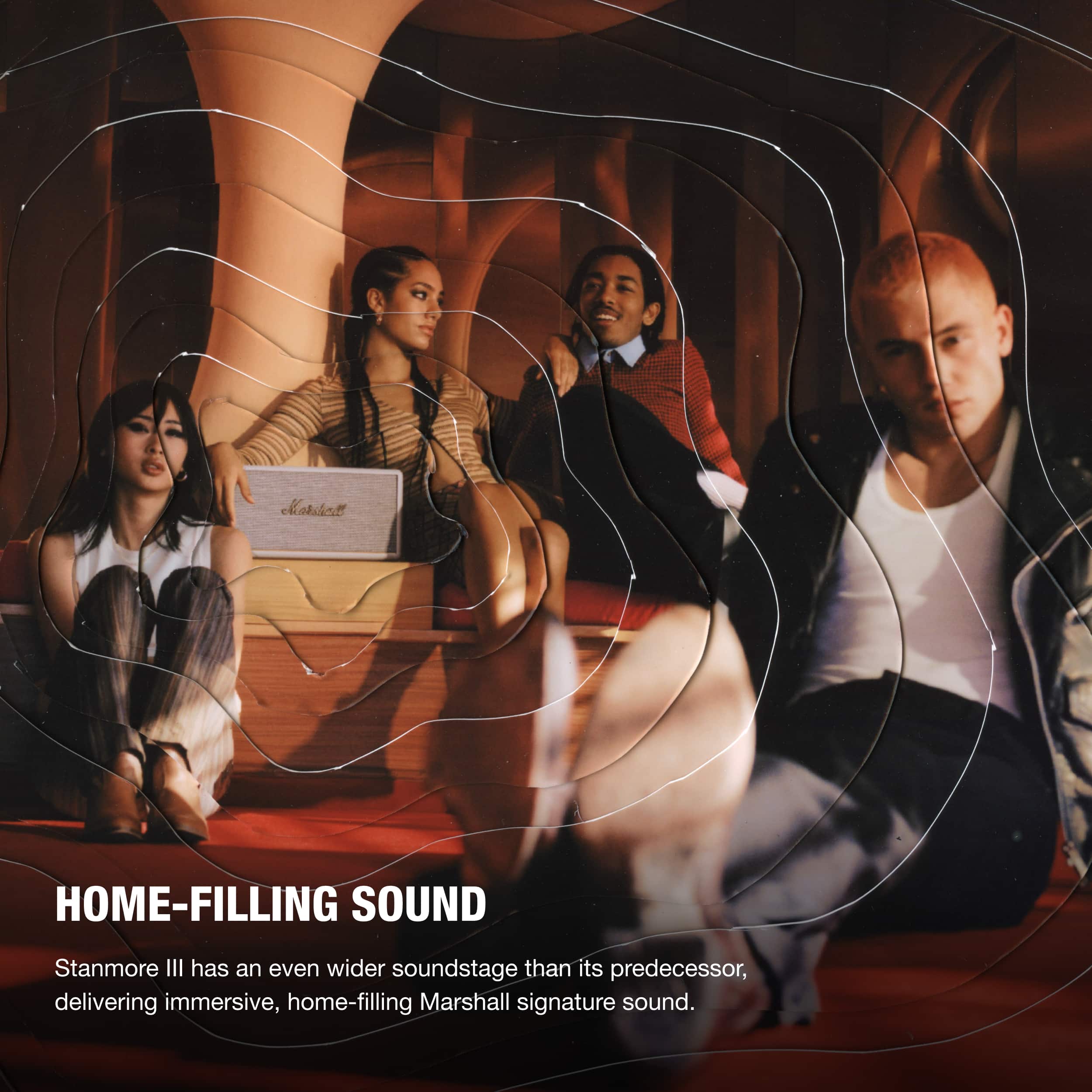
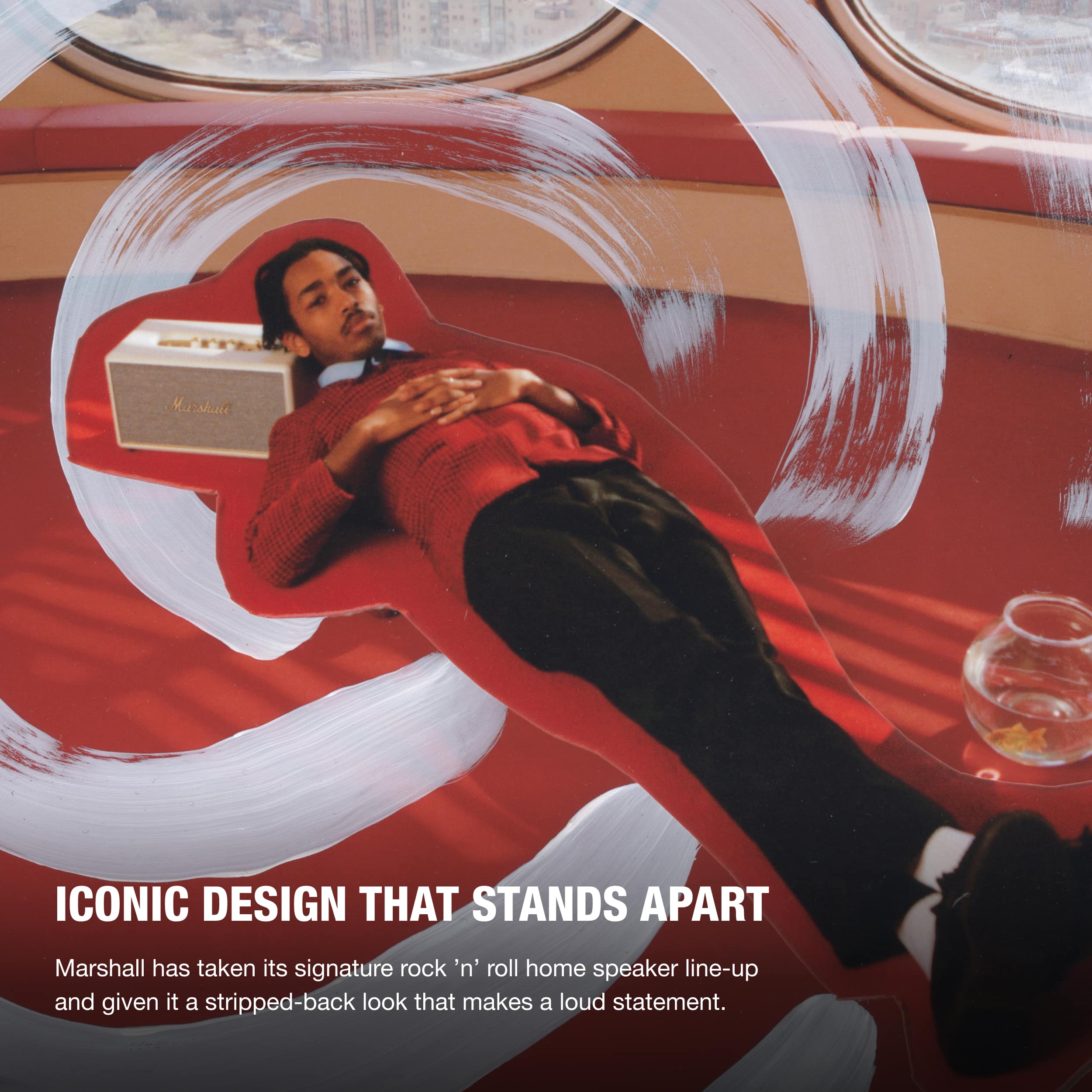

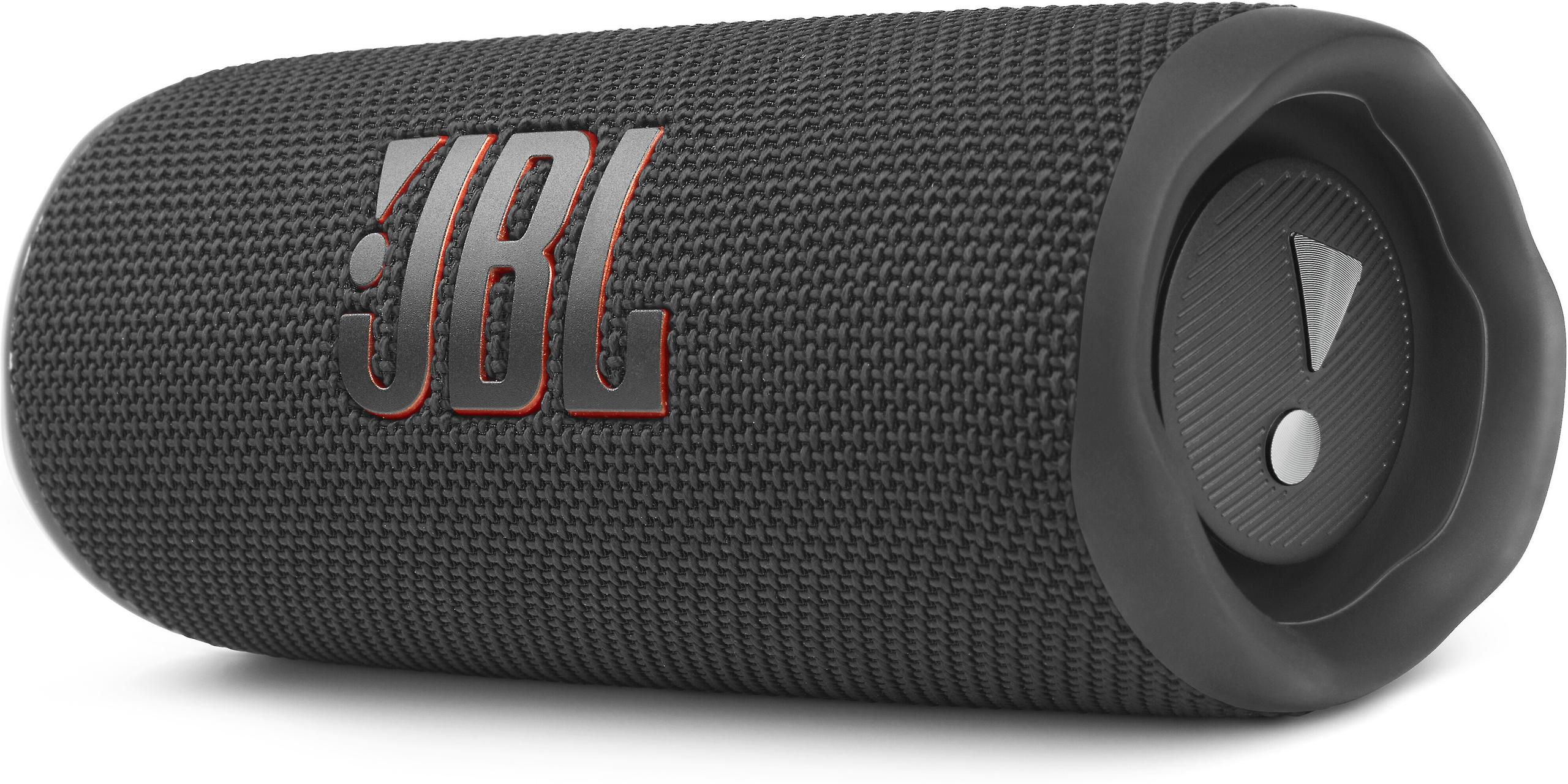
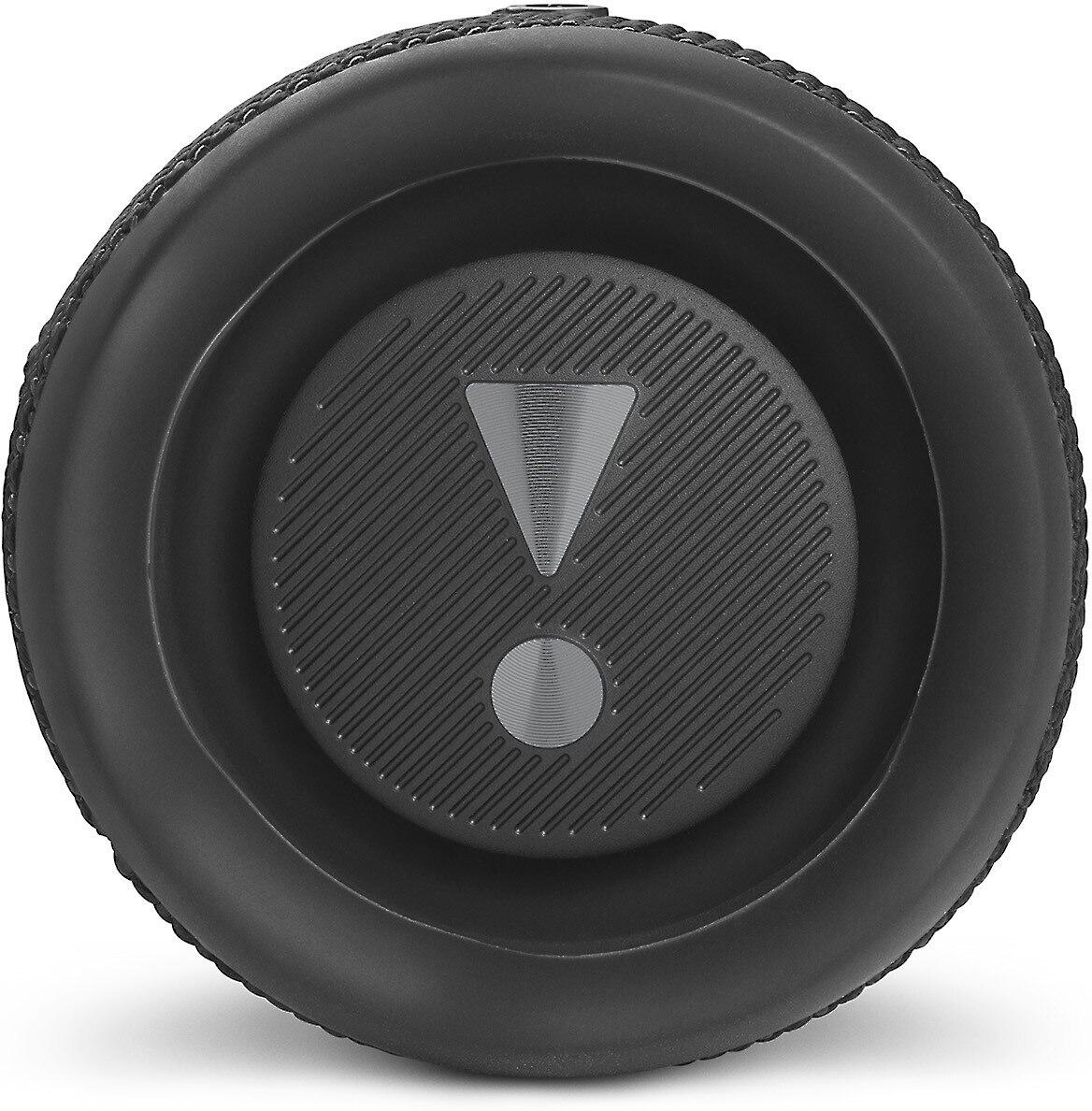
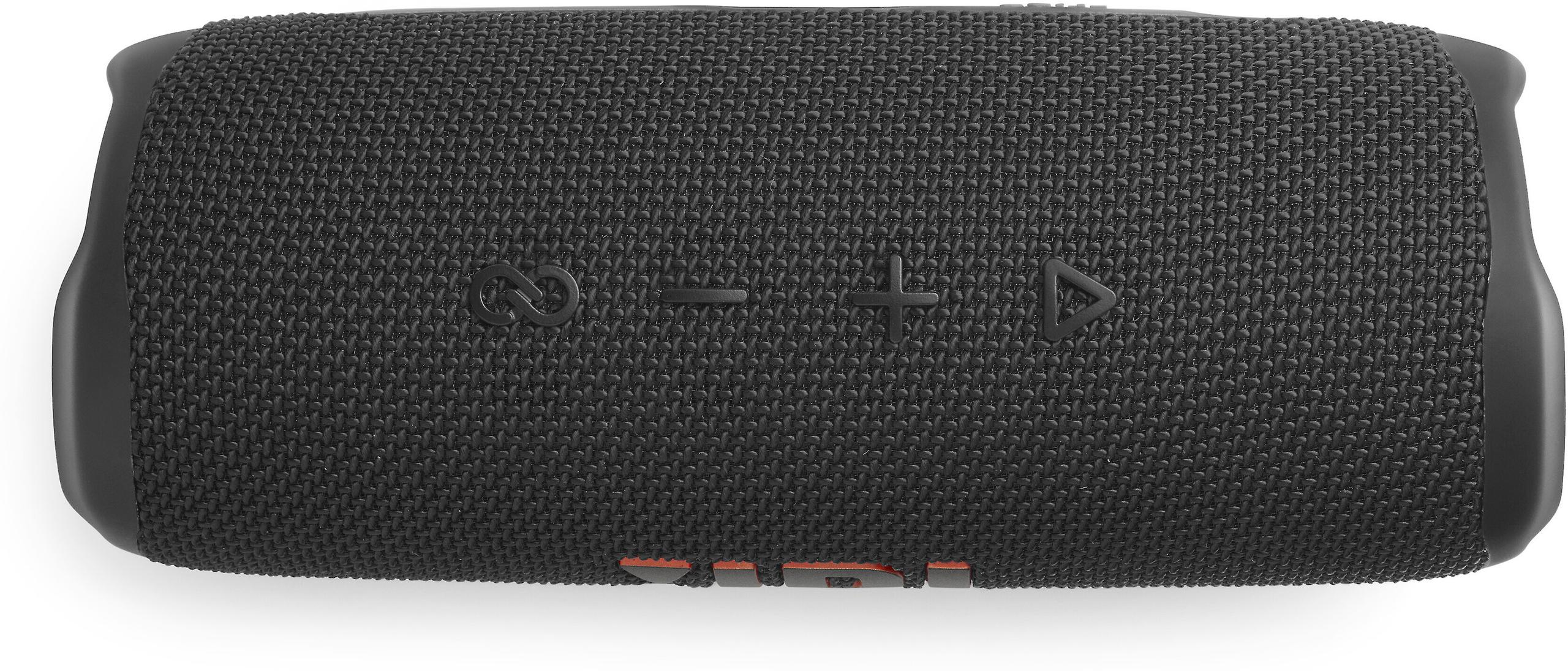
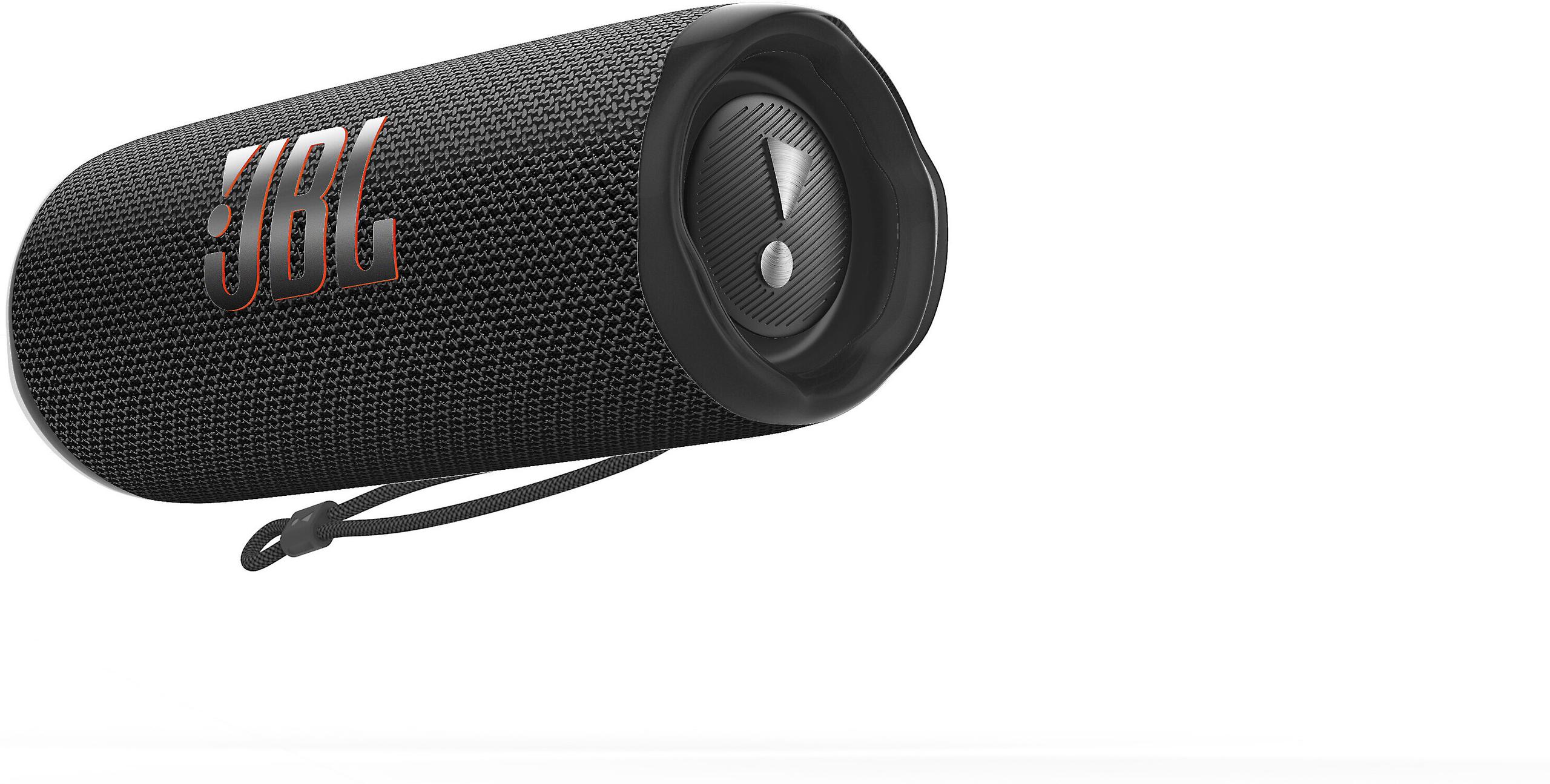
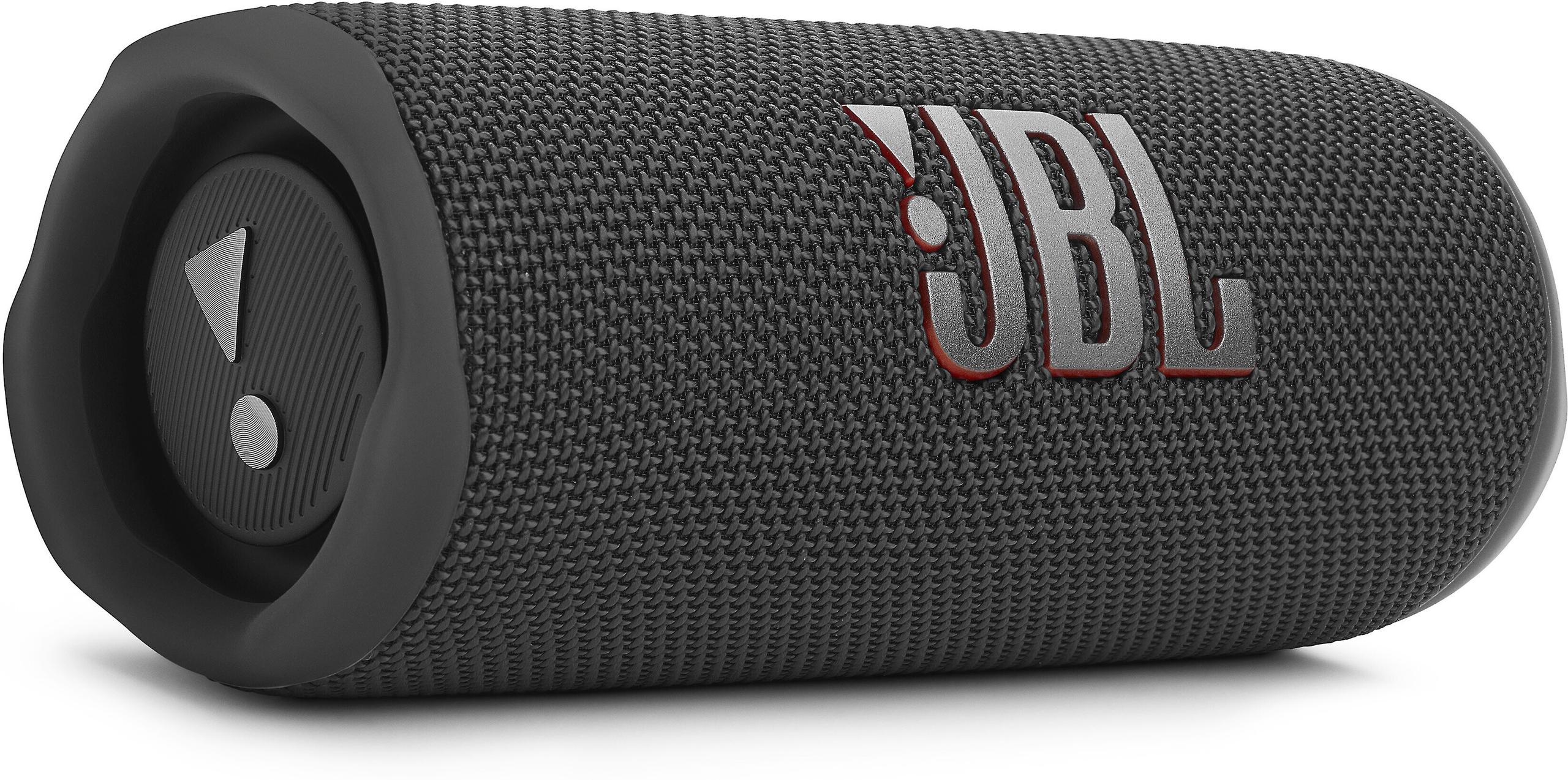
When it comes to Bluetooth speakers, the Marshall Stanmore III ($379.99) and JBL Flip 6 ($129.99) represent two distinct approaches to personal audio. Released in September 2022 and December 2021 respectively, these speakers showcase how different design philosophies can serve different users' needs. Let's dive into what makes each unique and who they're best for.
Bluetooth speakers have evolved far beyond simple wireless audio devices. Today's market splits primarily between home audio solutions and portable speakers, each with its own set of priorities. The Stanmore III and Flip 6 exemplify this division perfectly.
Home speakers like the Stanmore III prioritize sound quality and room-filling capability, while portable speakers like the Flip 6 balance sound quality with mobility and durability. This fundamental difference drives every aspect of their design.
The Stanmore III represents a significant upgrade in Marshall's home speaker line. Its 80-watt system (50W woofer, two 15W tweeters) delivers impressive audio that can easily fill large rooms. The two-way driver design, which separates high and low frequencies between dedicated speakers, produces notably clear sound across all frequencies.
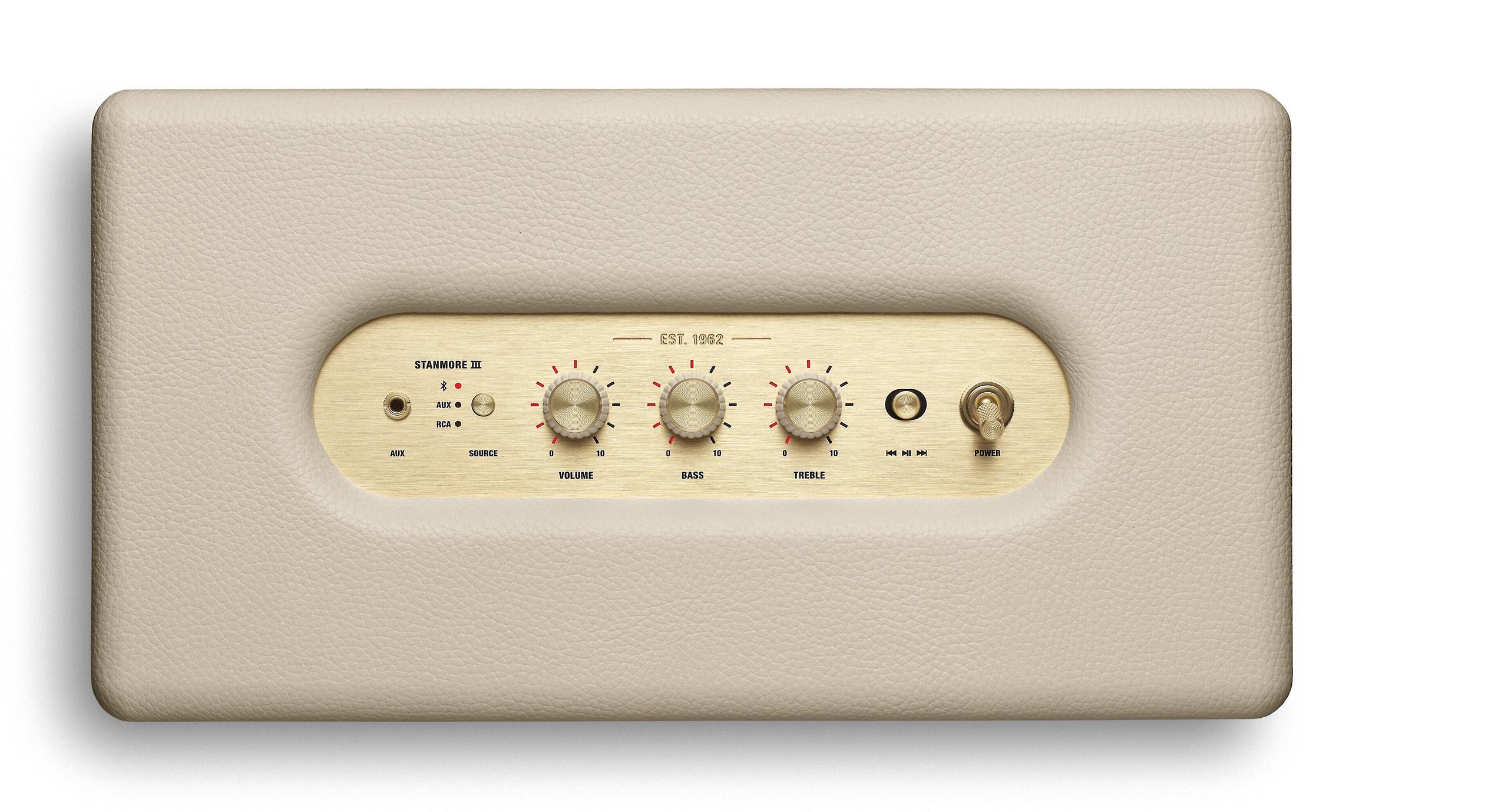
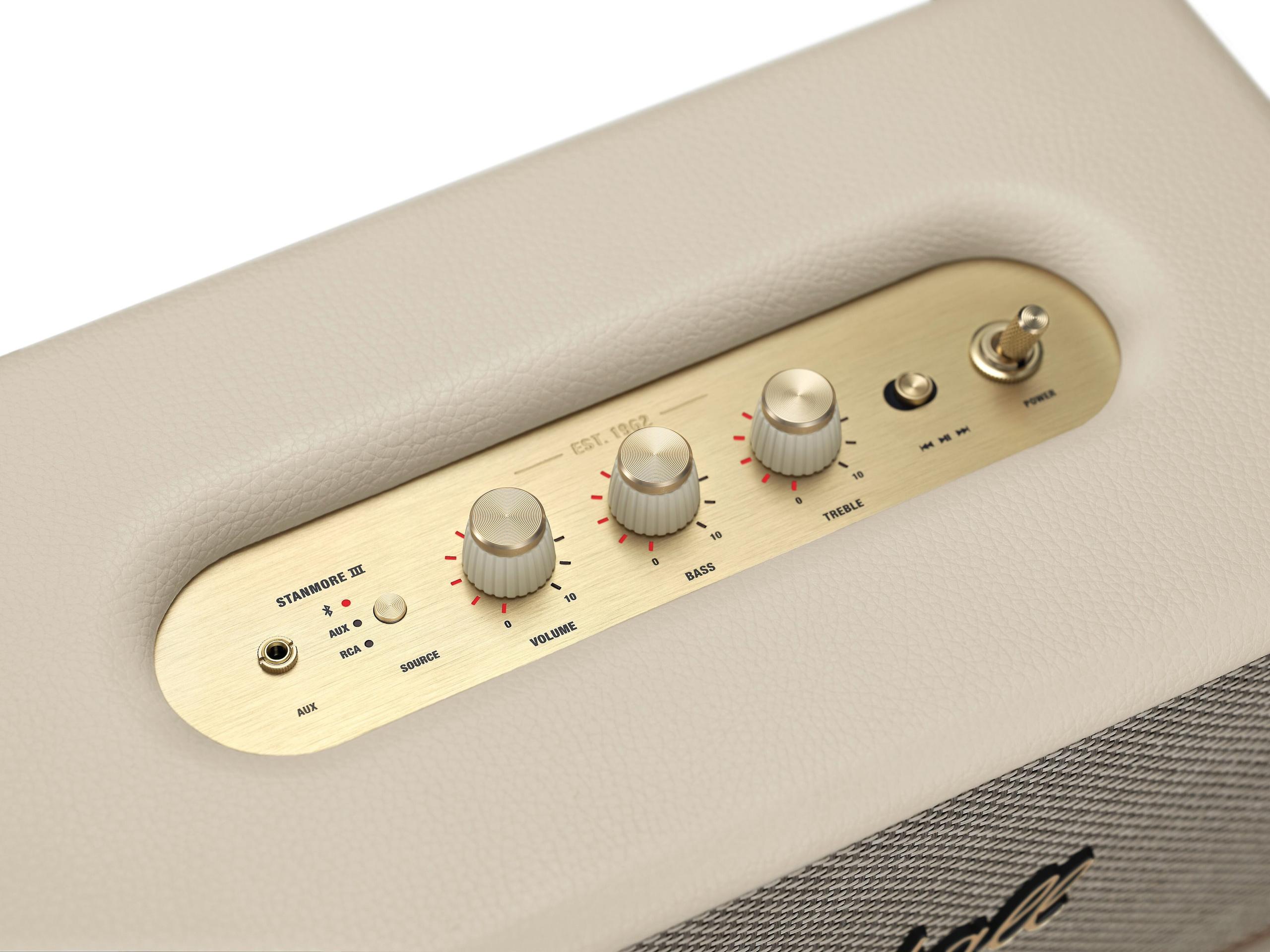
What's particularly impressive is the speaker's Dynamic Loudness feature - a smart system that automatically adjusts tonal balance as you change volume levels. This means you get balanced sound whether you're listening at low volumes late at night or cranking it up for a party.
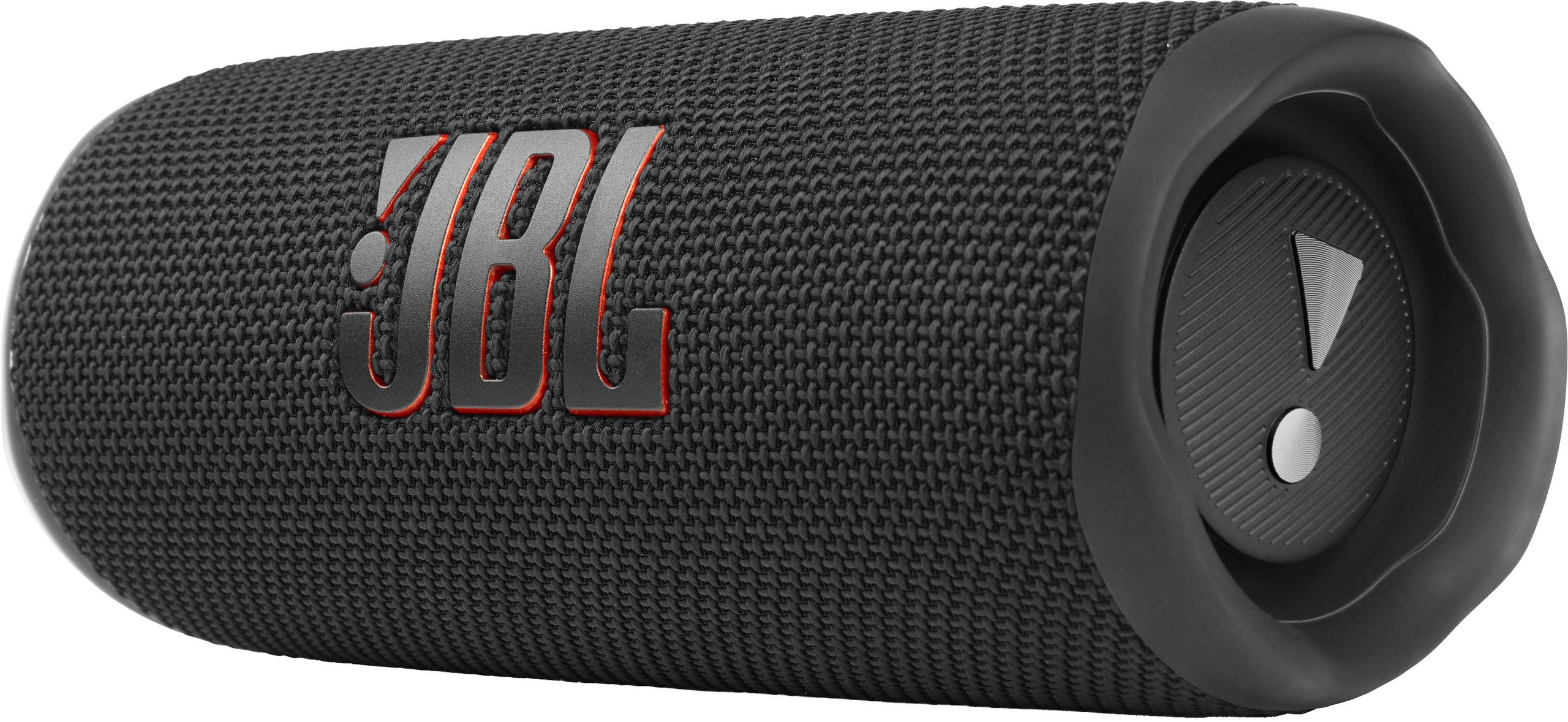
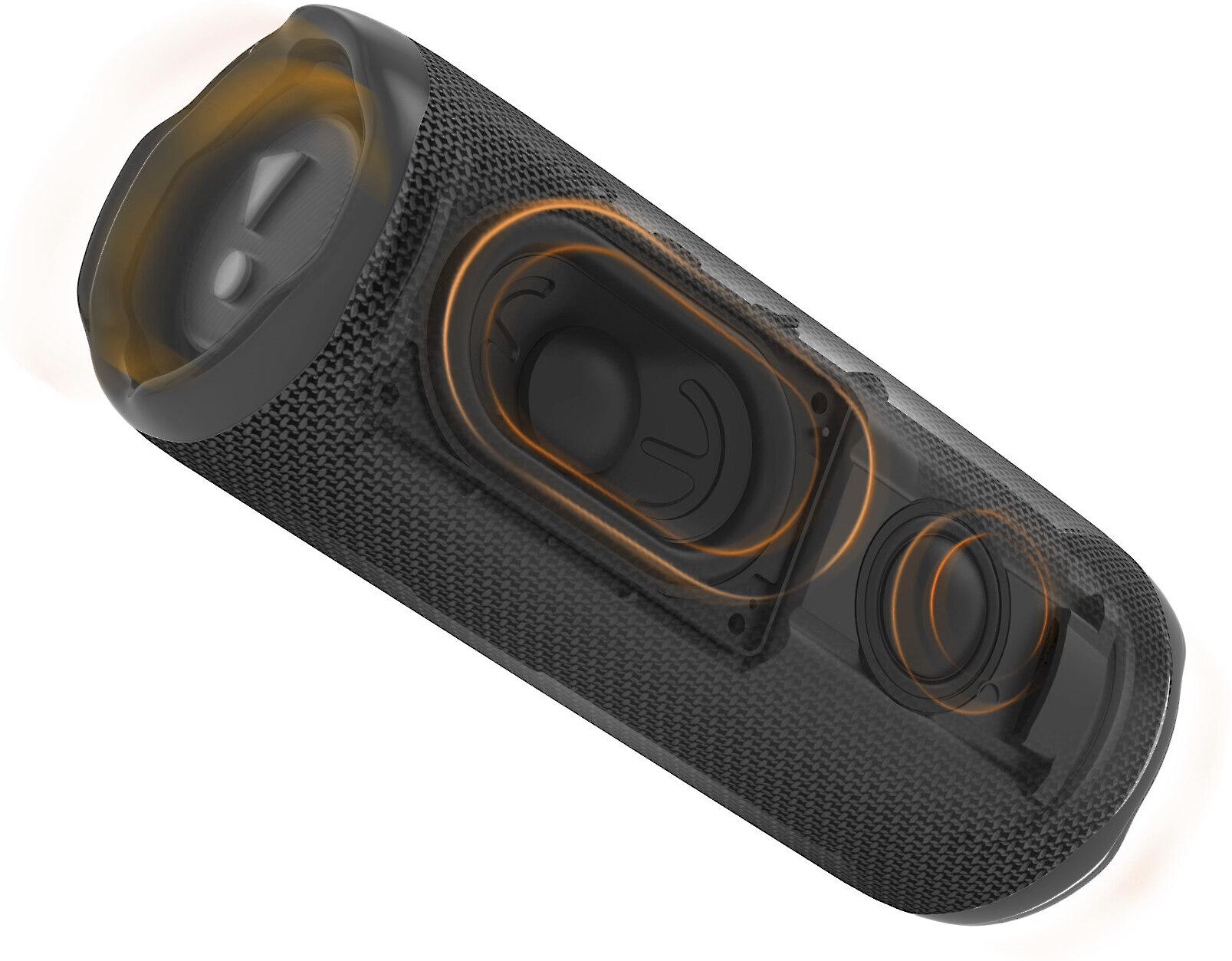
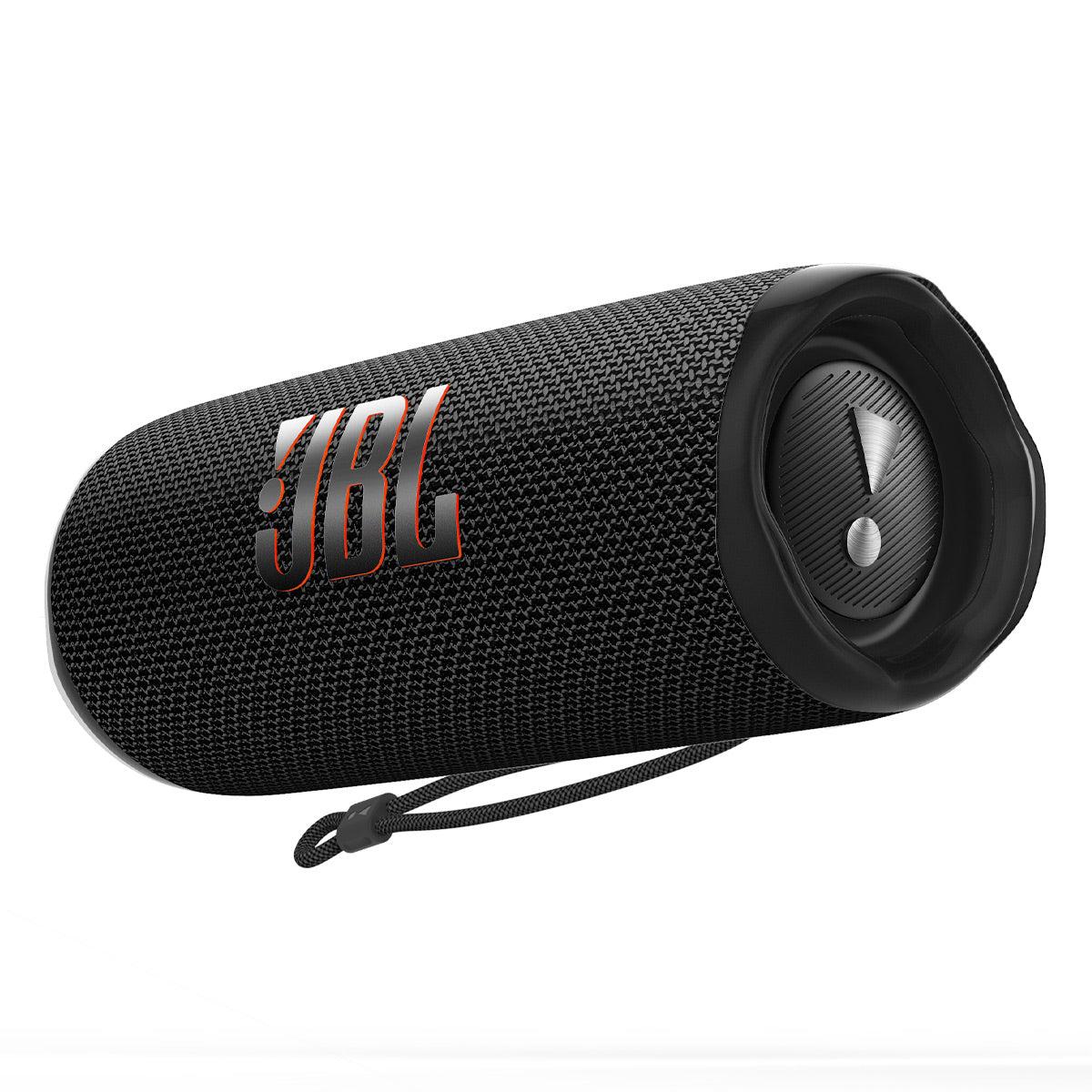
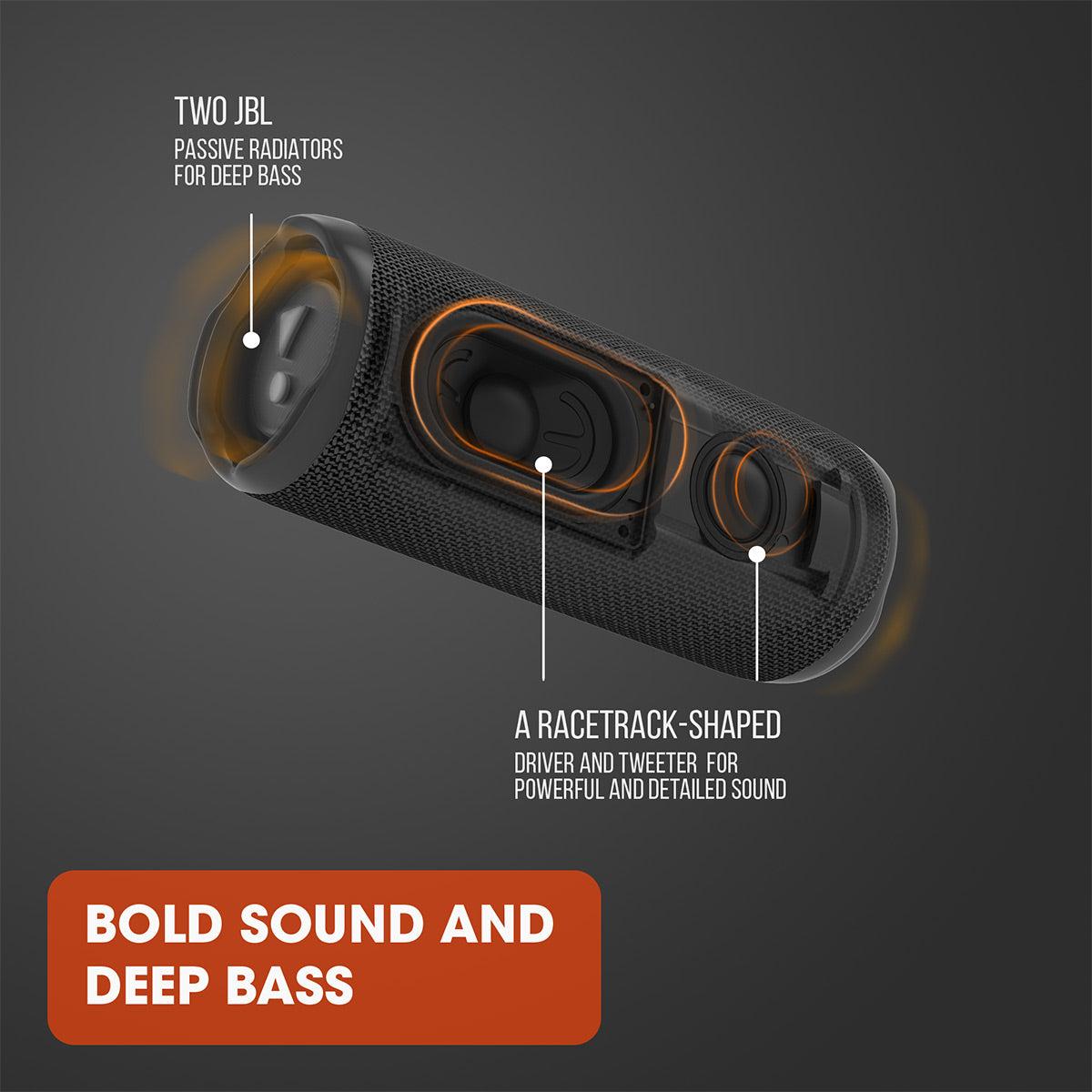
The Flip 6 takes a different approach, using a compact but clever design with a racetrack-shaped woofer and separate tweeter. While it can't match the raw power of the Stanmore III, it produces surprisingly robust sound for its size. The dual passive radiators (think of them as pressure-relief valves that help produce better bass) make a real difference in sound quality.
JBL made notable improvements over the Flip 5, particularly in adding a dedicated tweeter for clearer high frequencies. The 30-watt total output (20W woofer, 10W tweeter) might seem modest compared to the Stanmore III, but in real-world use, it's more than enough for personal listening or small gatherings.
The physical design of these speakers reveals their intended use cases. The Stanmore III weighs in at 9.37 pounds and requires constant power - it's clearly meant to find a home and stay there. But this allows for superior components and better sound staging.
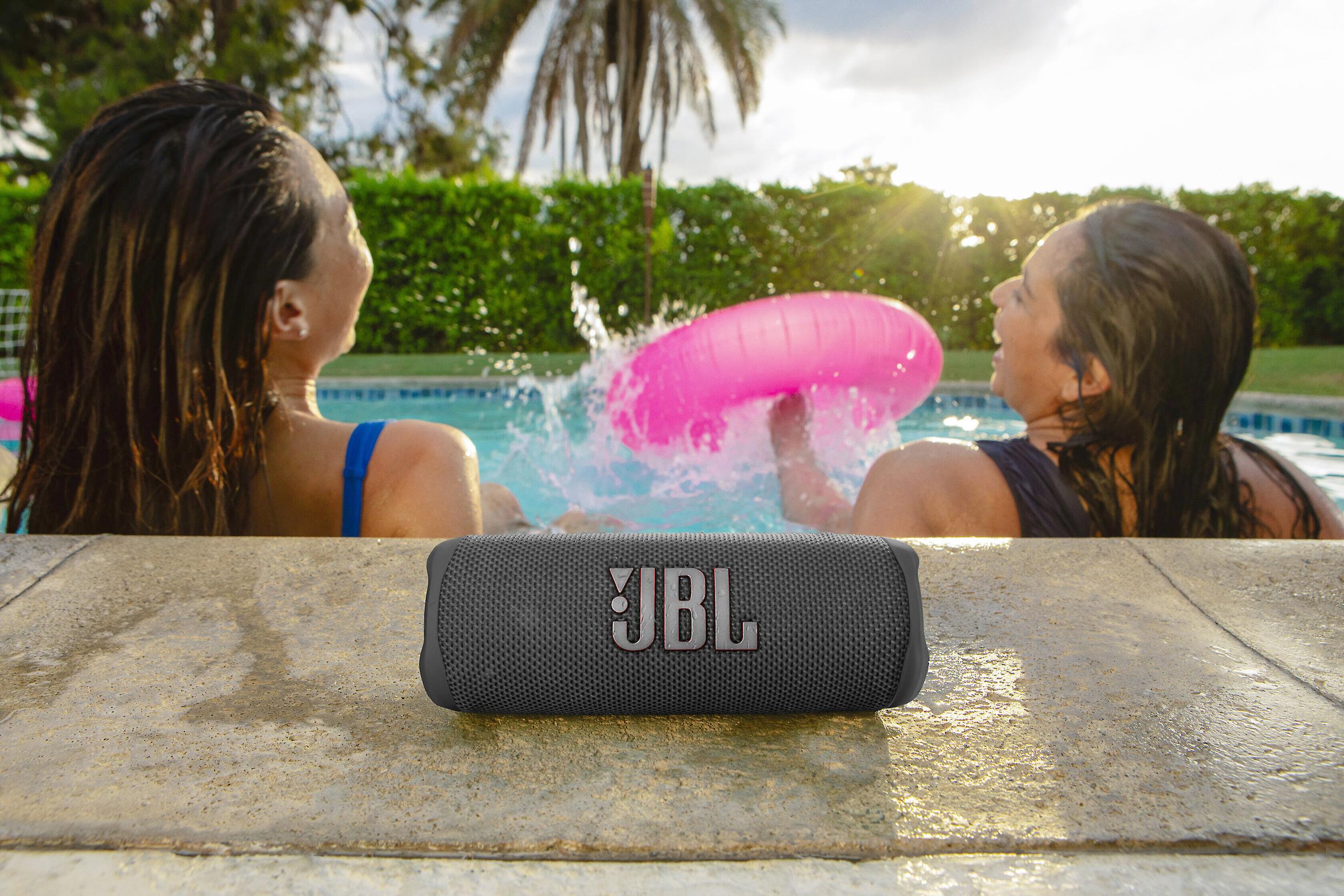
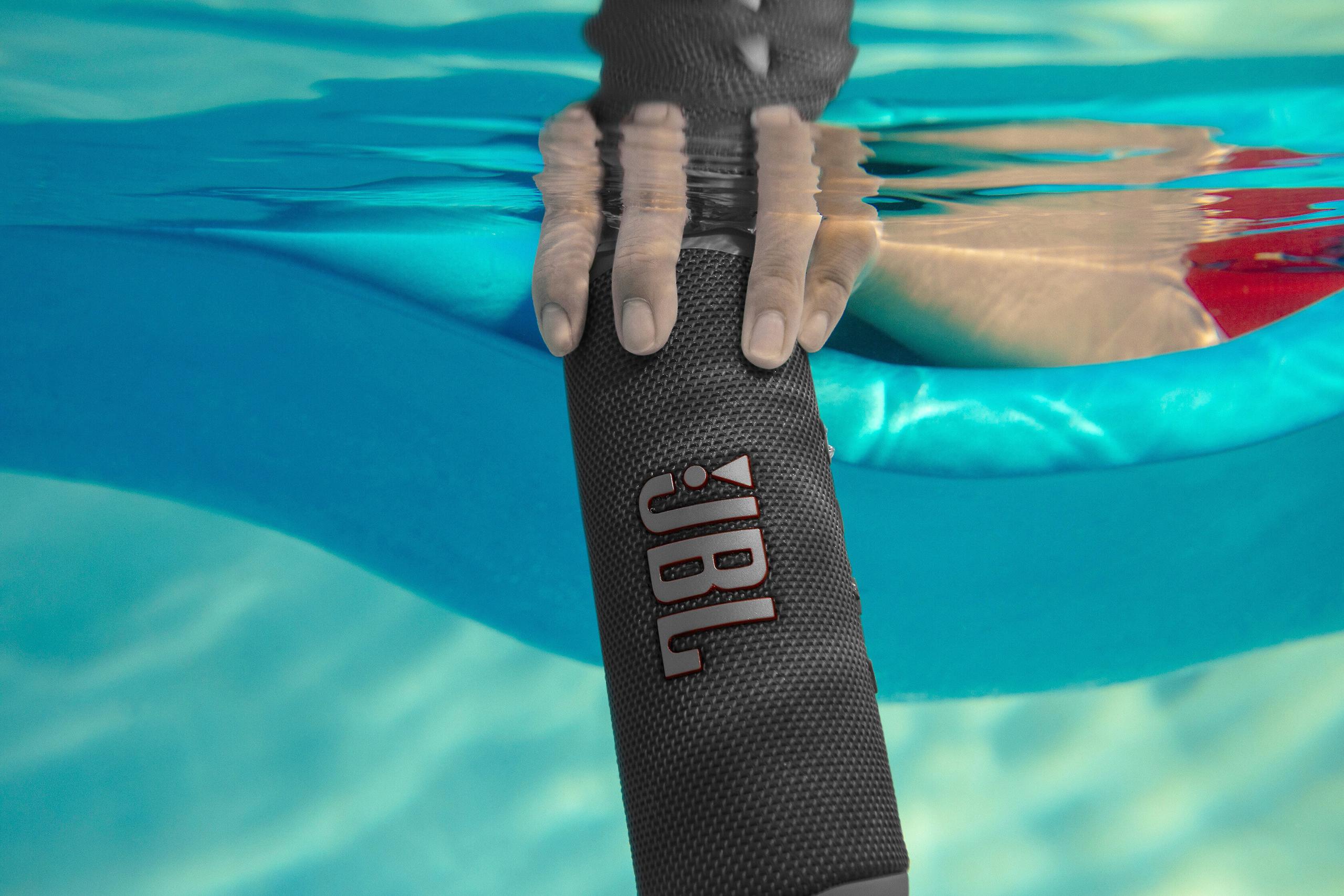
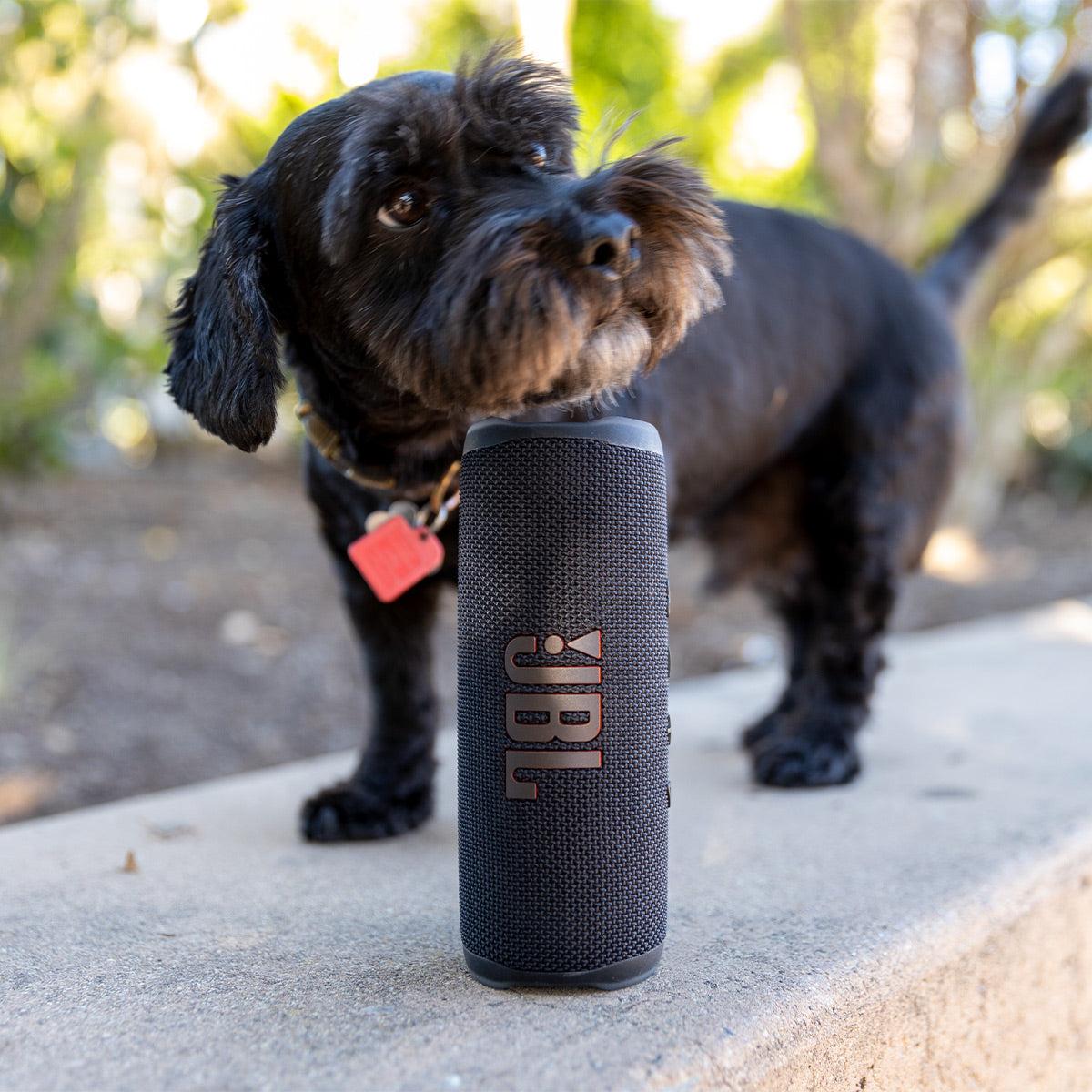
The Flip 6 takes the opposite approach at just 1.21 pounds. Its IP67 rating means it's fully waterproof and dustproof - you can submerge it in water up to 1 meter deep for 30 minutes without damage. This makes it perfect for pool parties, beach trips, or even shower listening.
The Stanmore III includes several features that make it a versatile home speaker:
The Flip 6 focuses on features that enhance its portable nature:
When considering value, it's important to look beyond pure price comparison. The Stanmore III at $379.99 might seem expensive compared to the Flip 6 at $129.99, but they serve different purposes.
The Stanmore III offers:
The Flip 6 provides:
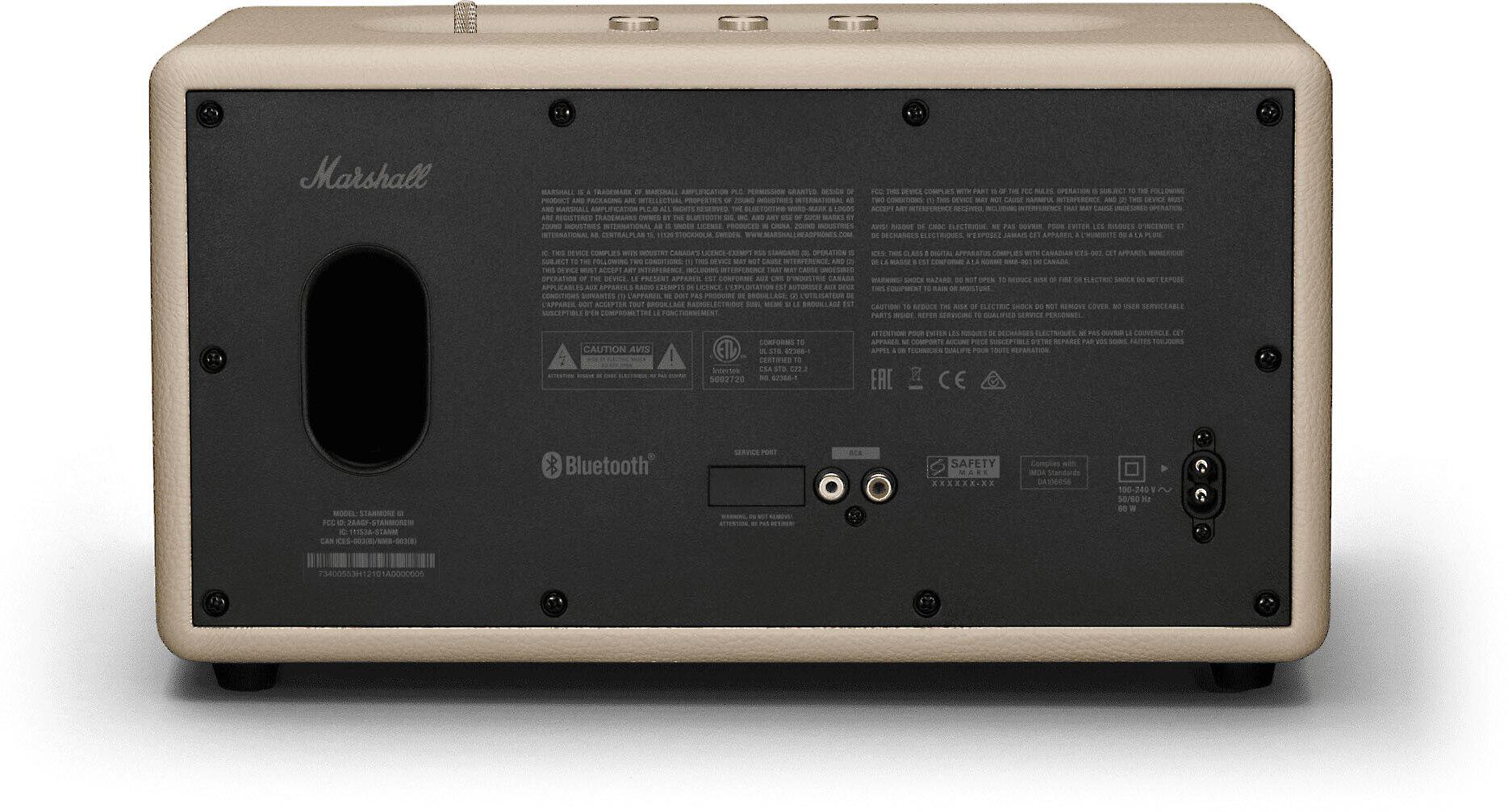
While neither speaker is primarily designed for home theater use, the Stanmore III's RCA inputs and superior sound staging make it a viable option for improving TV sound. It's particularly effective in smaller rooms or as part of a larger Marshall multi-speaker setup. The Flip 6, while capable of connecting to TVs via Bluetooth, isn't ideal for this use case due to potential audio lag and its mono speaker design.
The Stanmore III represents several improvements over its predecessor:
The Flip 6 similarly improved upon the Flip 5:
Choose the Marshall Stanmore III if:
Choose the JBL Flip 6 if:
Both the Stanmore III and Flip 6 excel in their respective categories. The key is matching their strengths to your specific needs and use cases.
| Marshall Stanmore III | JBL Flip 6 |
|---|---|
| Price - Investment vs. Value | |
| $379.99 (premium home audio) | $129.99 (excellent portable value) |
| Audio Power - Impacts volume capability and sound quality | |
| 80W total (50W woofer + 2x15W tweeters) | 30W total (20W woofer + 10W tweeter) |
| Speaker Configuration - Affects sound clarity and separation | |
| 2-way system with dual tweeters and woofer | Single woofer, tweeter, dual passive radiators |
| Size & Weight - Determines portability and placement options | |
| 13.8" x 7.7" x 7.3", 9.37 lbs (stationary) | 7" x 2.6" x 2.8", 1.21 lbs (highly portable) |
| Durability Rating - Important for versatile use | |
| No water resistance (indoor only) | IP67 (waterproof/dustproof) |
| Power Source - Affects mobility and usage | |
| AC power only (requires outlet) | 12-hour rechargeable battery |
| Connectivity Options - Flexibility for different sources | |
| Bluetooth 5.2, 3.5mm aux, RCA inputs | Bluetooth 5.1 only |
| Special Features - Additional functionality | |
| App control, EQ settings, placement compensation | PartyBoost pairing, waterproof, USB-C charging |
| Frequency Response - Range of sound reproduction | |
| 45Hz-20kHz (fuller bass response) | 63Hz-20kHz (good for portable) |
| Multi-device Support - Convenience for switching sources | |
| Two simultaneous Bluetooth connections | Single device connection |
| Primary Use Case - Where the speaker performs best | |
| Home audio, room-filling sound | Portable audio, outdoor activities |
The Marshall Stanmore III ($379.99) is better for home audio with superior sound quality, while the JBL Flip 6 ($129.99) is better for portable use. Your choice should depend on whether you prioritize sound quality or portability.
The Marshall Stanmore III costs $379.99, while the JBL Flip 6 is priced at $129.99, making it $250 less expensive.
The Marshall Stanmore III has noticeably better sound quality with its 80W system and two-way speaker design. The JBL Flip 6 sounds good for its size but can't match the Stanmore's room-filling capability.
The JBL Flip 6 is designed for outdoor use with IP67 waterproofing. The Marshall Stanmore III is not weather-resistant and requires AC power, making it indoor-only.
The JBL Flip 6 offers 12 hours of battery life. The Marshall Stanmore III doesn't have a battery and must be plugged in.
The Marshall Stanmore III can connect to two Bluetooth devices simultaneously. The JBL Flip 6 only connects to one device at a time.
For indoor parties, the Marshall Stanmore III provides better sound quality and volume. For outdoor events, the JBL Flip 6 is more practical with its portability and waterproofing.
The Marshall Stanmore III can connect to TVs via RCA or aux inputs for better audio quality. The JBL Flip 6 only offers Bluetooth connection, which may have audio lag.
The Marshall Stanmore III produces deeper, richer bass with its 50W woofer. The JBL Flip 6 has good bass for its size but can't match the Stanmore's low-end performance.
The JBL Flip 6 is waterproof and perfect for bathroom use. The Marshall Stanmore III shouldn't be used in bathrooms due to lack of water resistance.
The JBL Flip 6 is more durable with its IP67 rating and rugged design. The Marshall Stanmore III is well-built but designed for stationary indoor use only.
For dedicated home use, the Marshall Stanmore III offers better sound quality and connectivity options. Choose the JBL Flip 6 if you want a more versatile speaker that can move around the house and outdoors.
We've done our best to create useful and informative comparisons to help you decide what product to buy. Our research uses advanced automated methods to create this comparison and perfection is not possible - please contact us for corrections or questions. These are the sites we've researched in the creation of this article: techgadgetscanada.com - camelcamelcamel.com - crutchfield.com - bestbuy.com - dxomark.com - crutchfield.com - crutchfield.com - marshall.com - marshall-production-1.mobify-storefront.com - exhibit.tech - ooberpad.com - av-connection.com - techradar.com - phonearena.com - youtube.com - tomsguide.com - outeraudio.com - wcucampusstore.com - jbl.com.sg - pcrichard.com - kh.jbl.com - musicarts.com - jbl.com - cnet.com - youtube.com

Privacy Policy
Terms and Conditions - Affiliate Policy
Home Security
© Copyright 2008-2026.
11816 Inwood Rd #1211, Dallas, TX 75244