

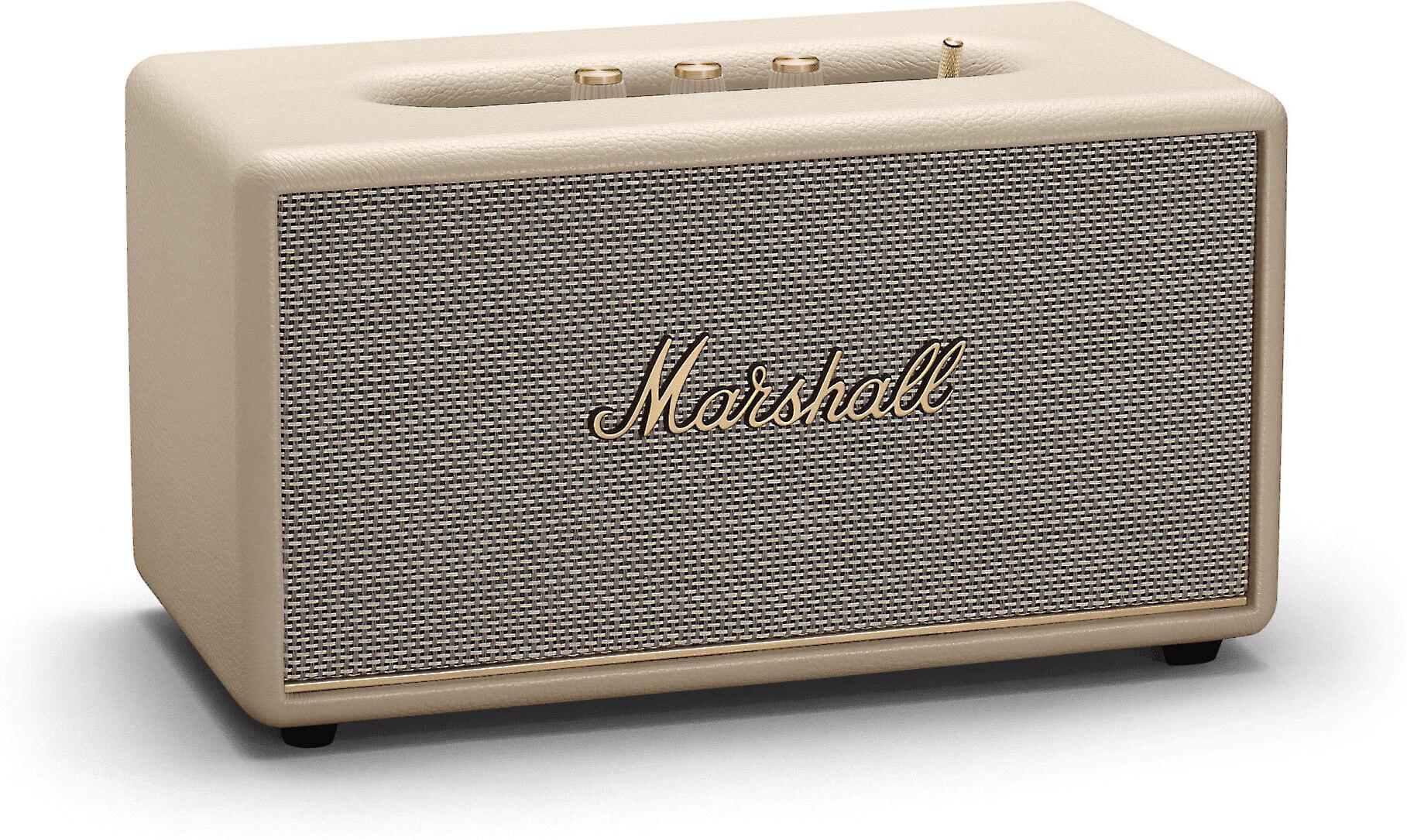
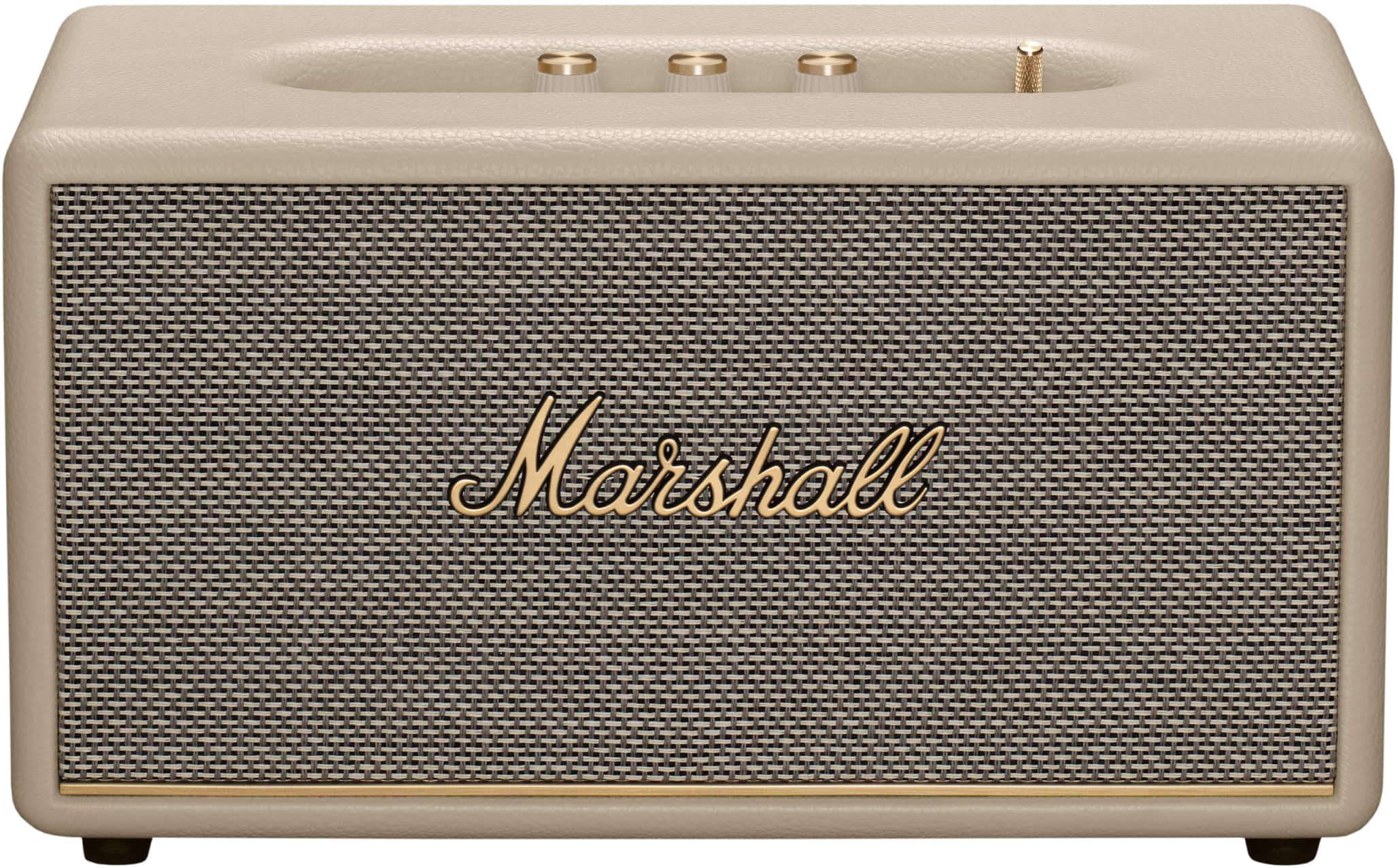
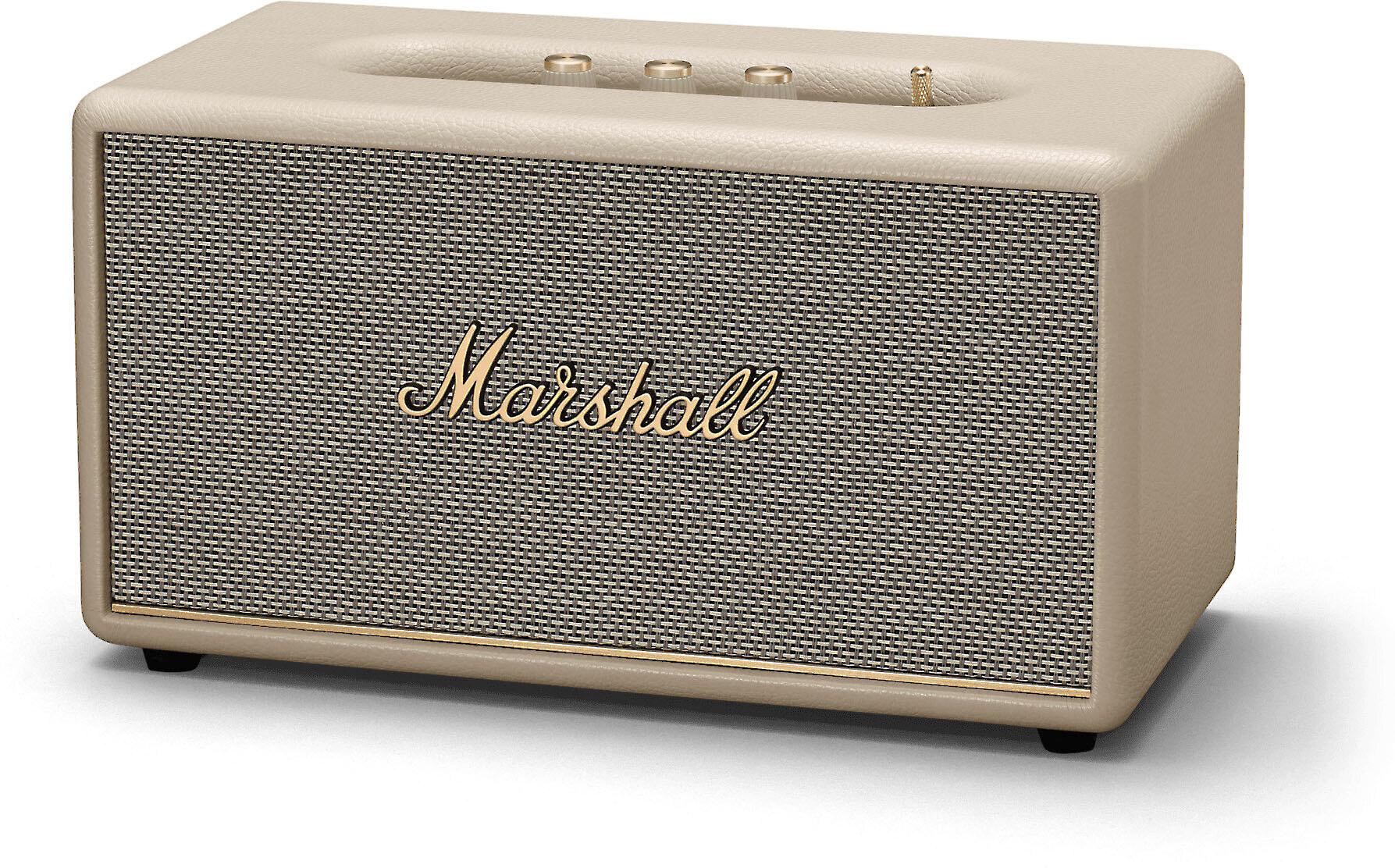
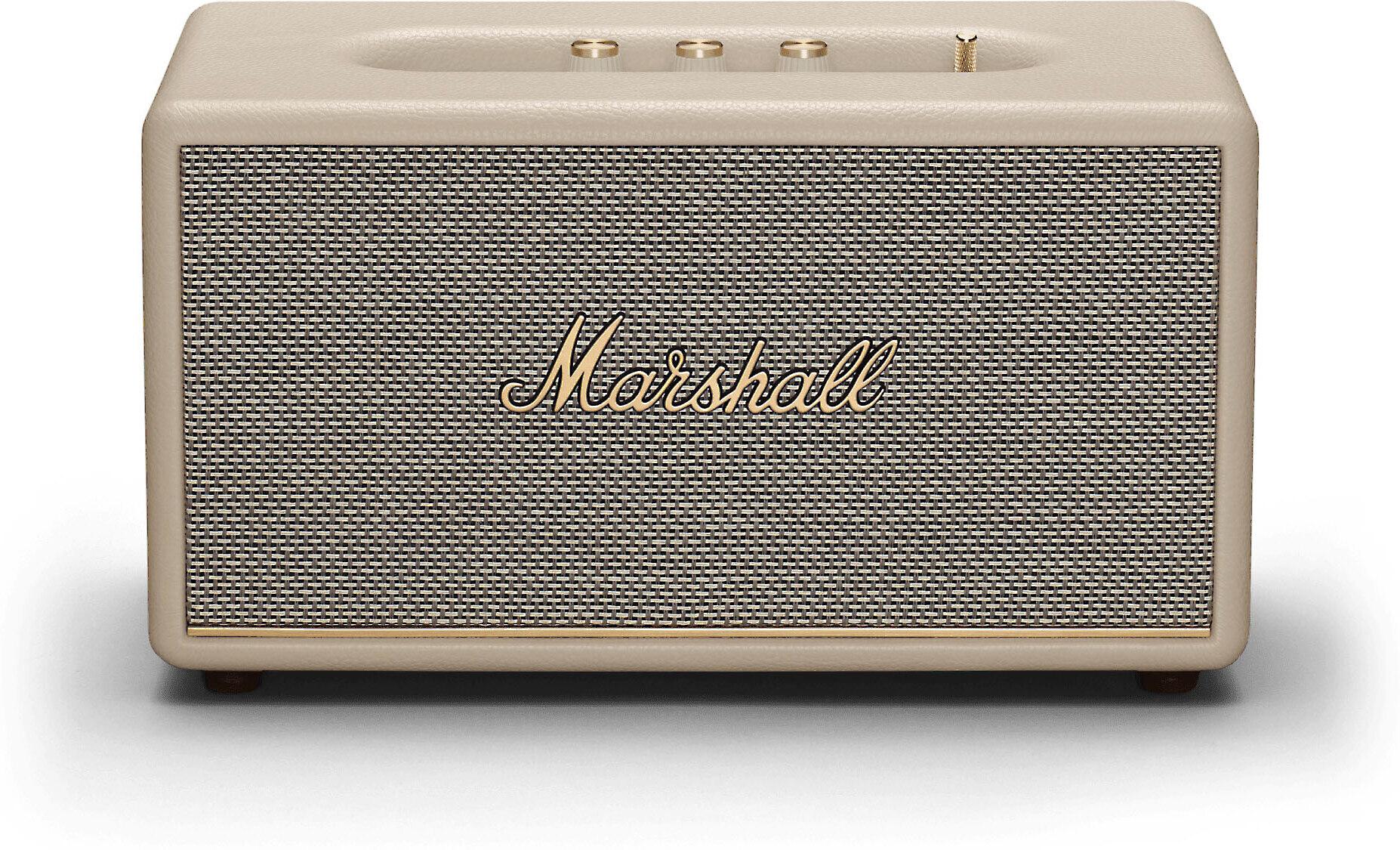
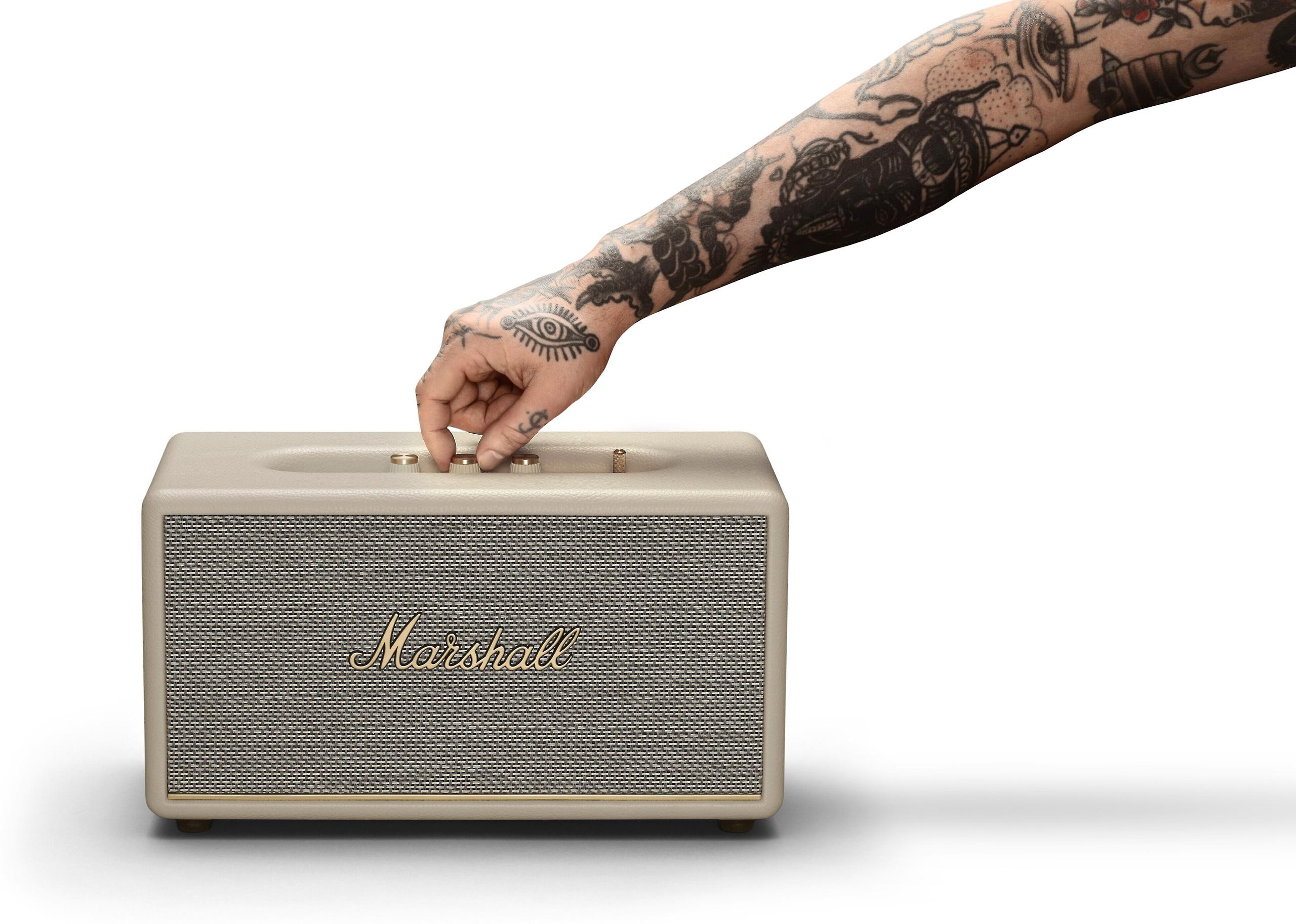
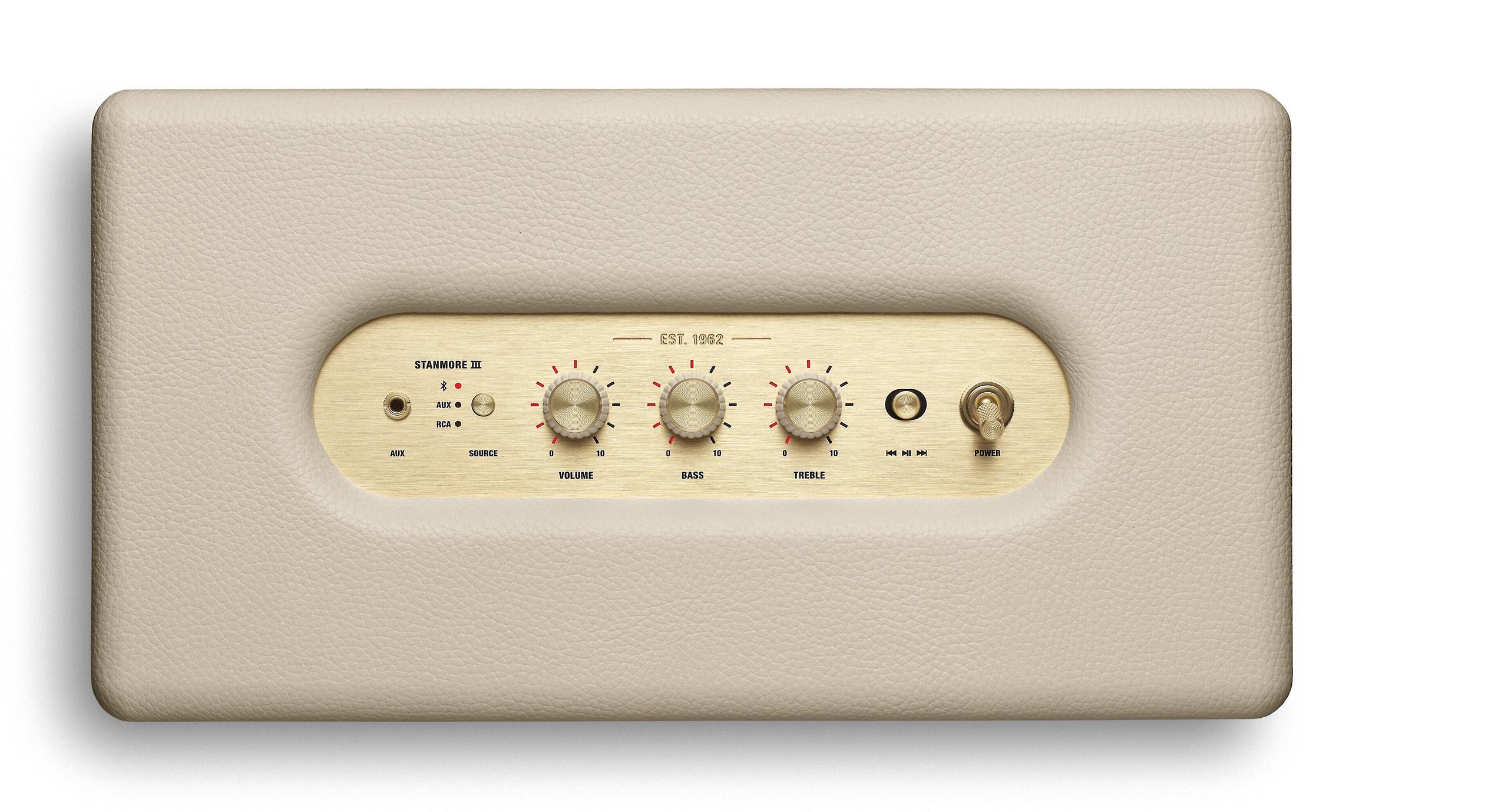
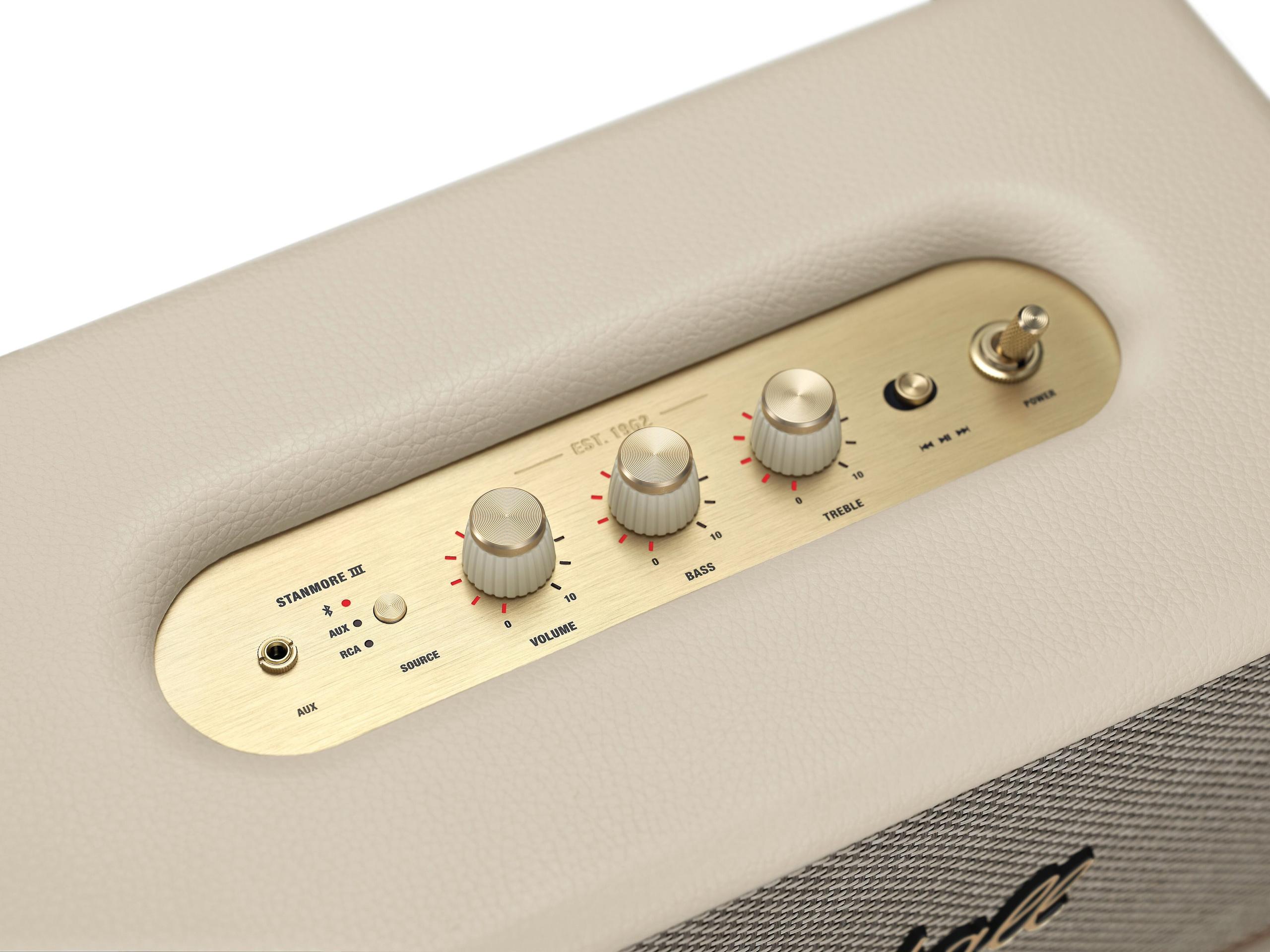
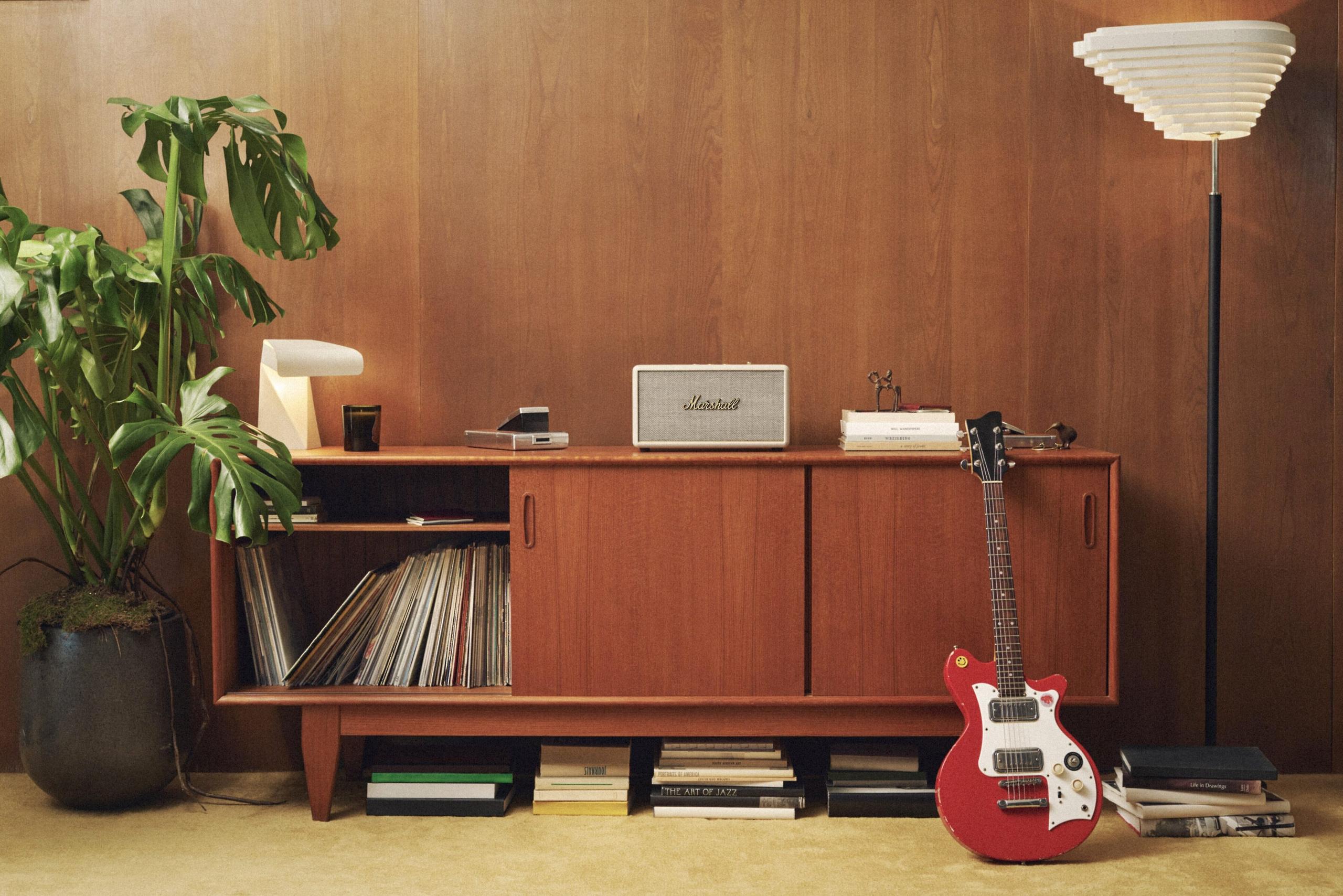
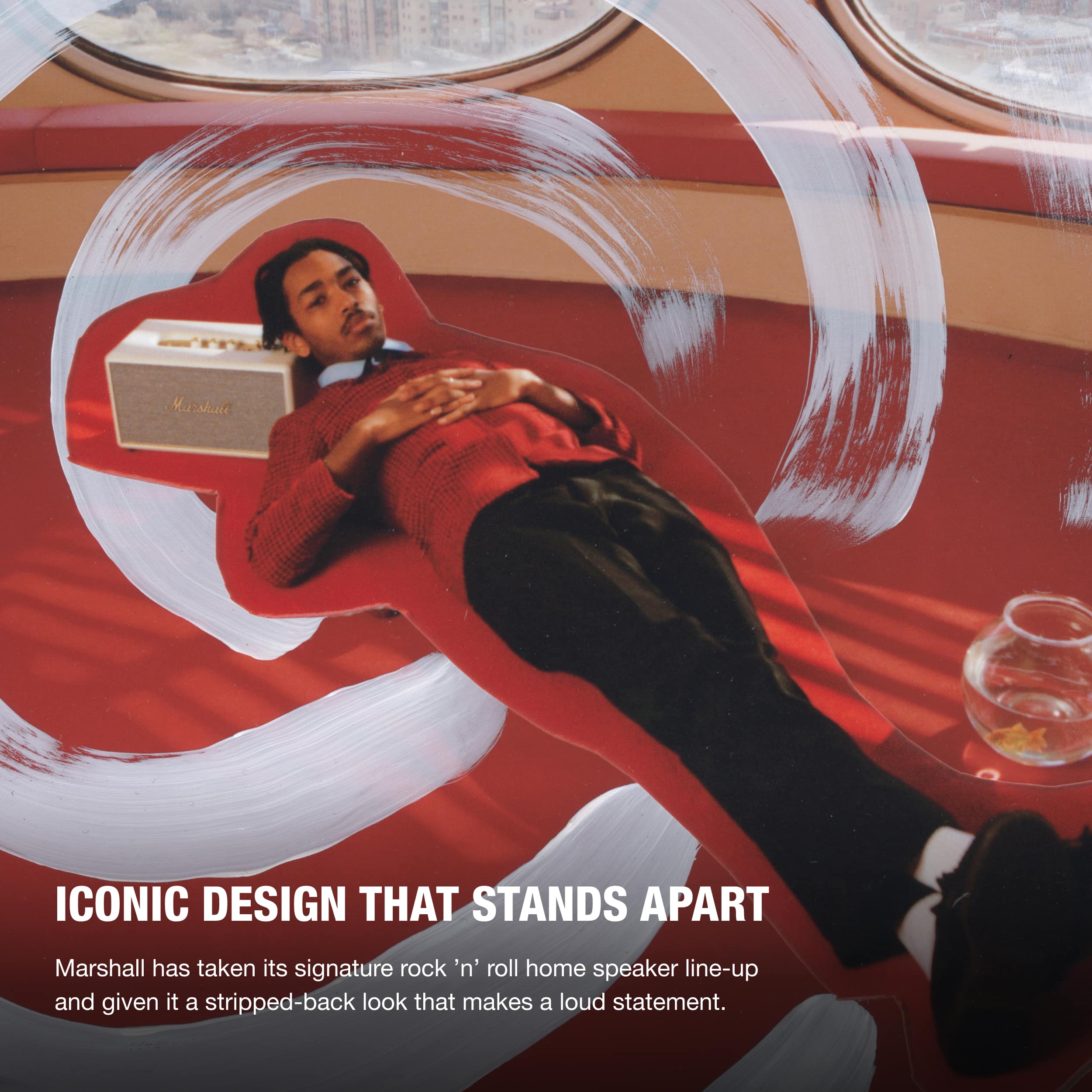
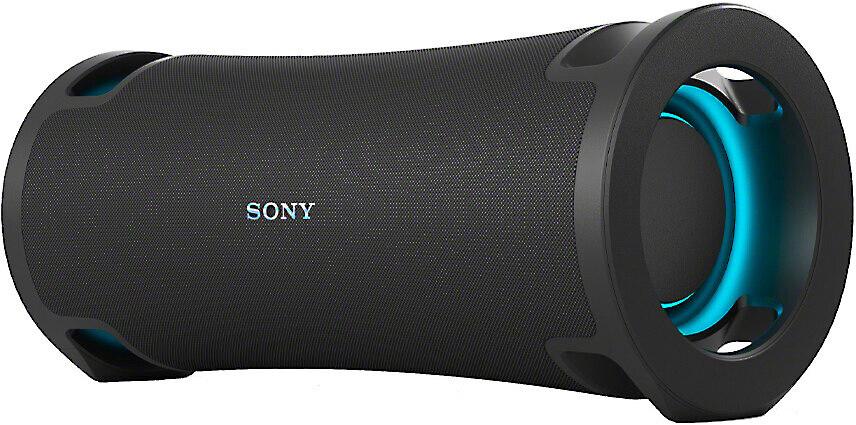
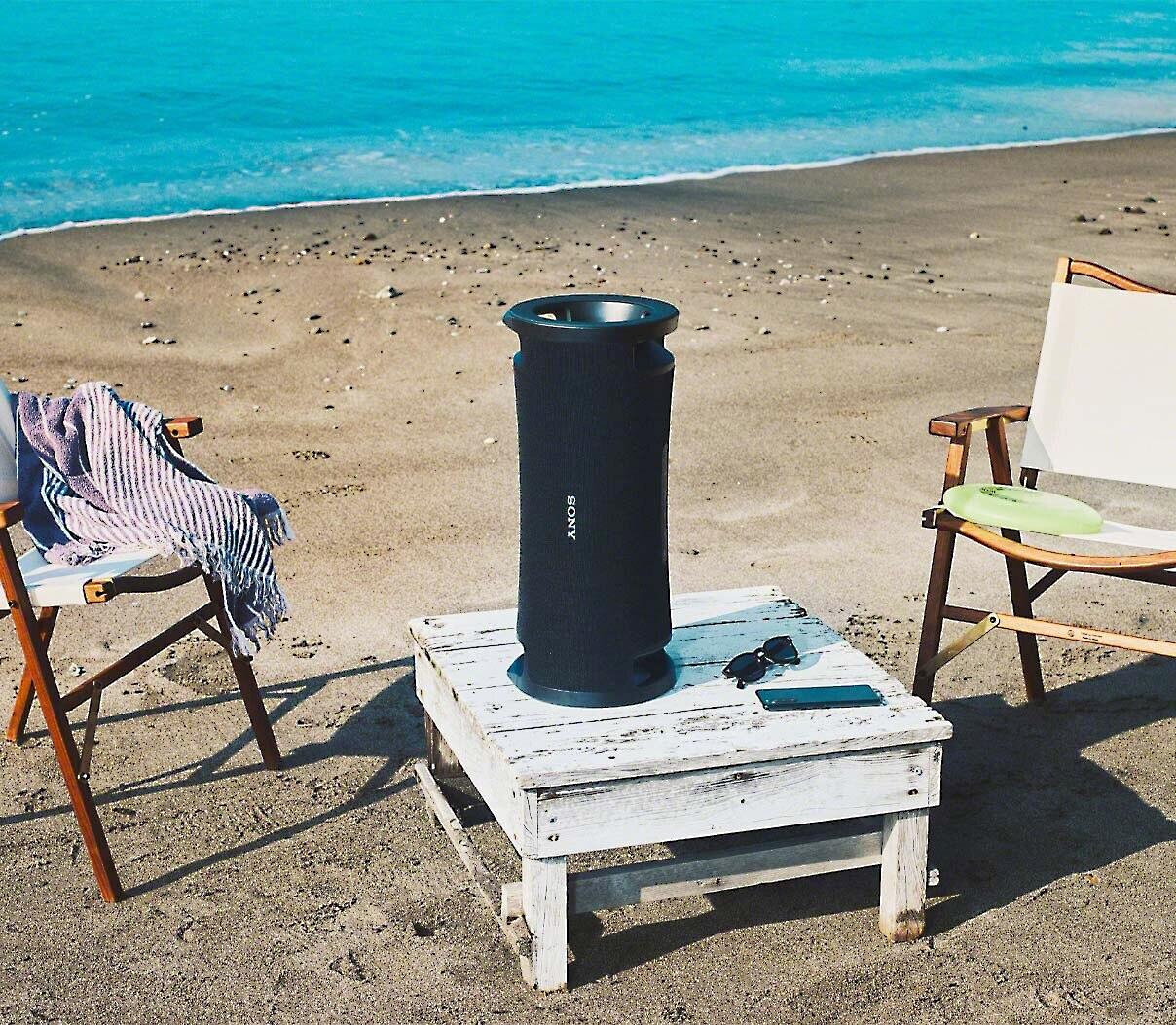
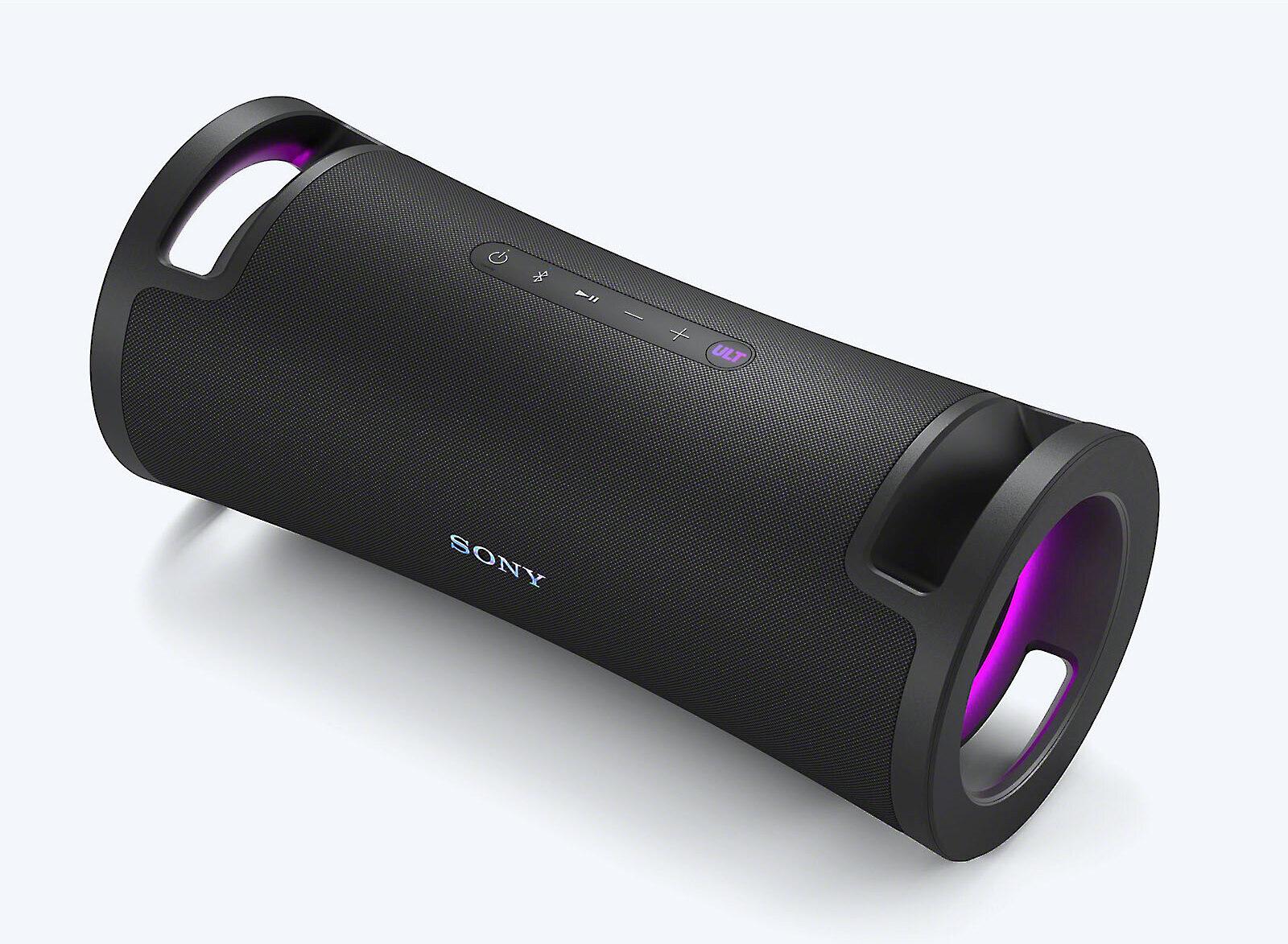
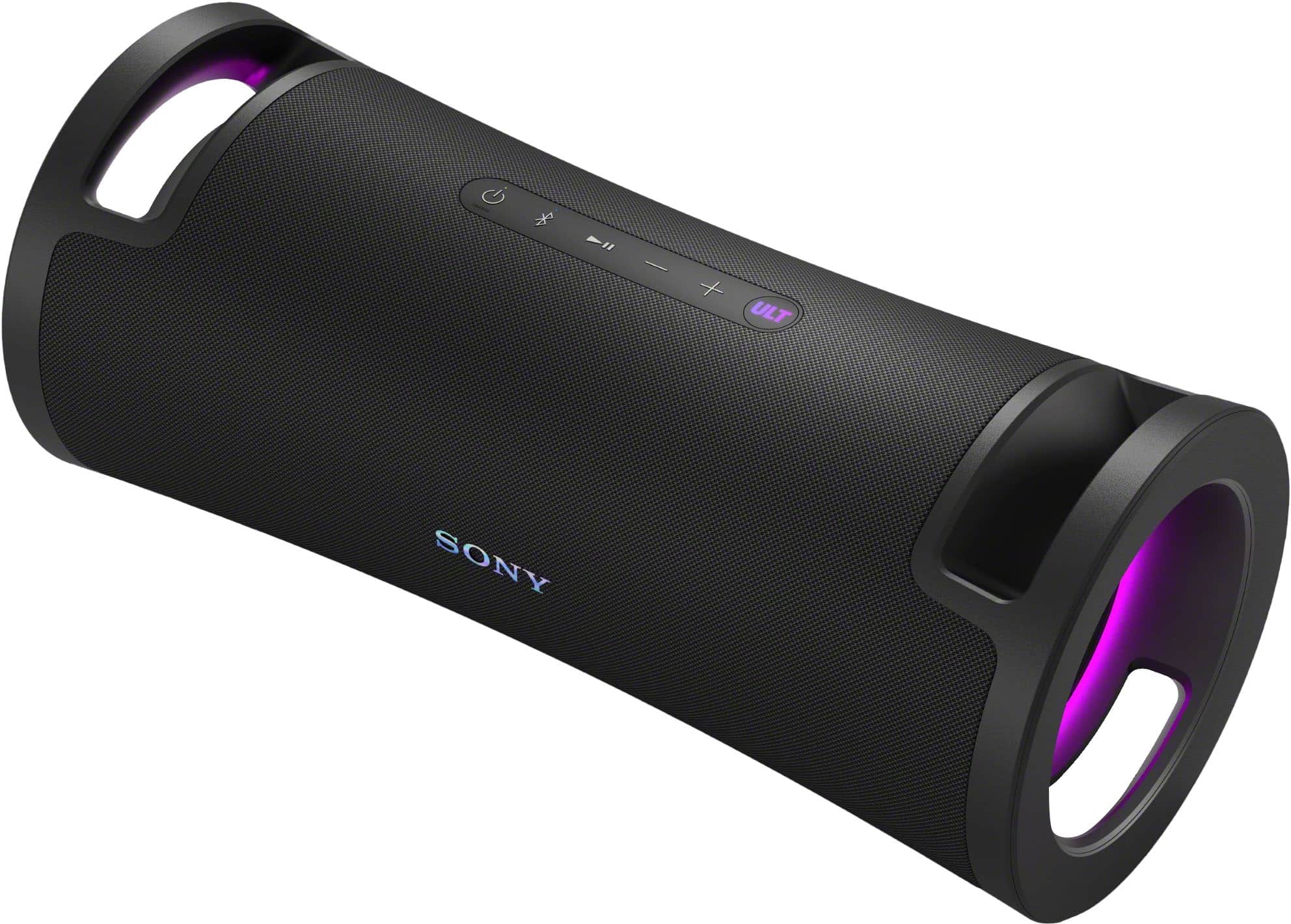
When it comes to high-end Bluetooth speakers, the Marshall Stanmore III at $379.99 and Sony ULT FIELD 7 at $299.99 represent two distinct approaches to delivering quality audio. Released in 2022 and 2024 respectively, these speakers target different use cases while sharing some overlapping features. Let's dive into what makes each unique and who they're best suited for.
Bluetooth speakers have come a long way from simple portable audio devices. Today's premium models offer sophisticated sound processing, multi-room capabilities, and specialized features for different environments. The key advances we're seeing include better battery life, improved water resistance, and more refined digital signal processing (DSP) that helps speakers sound better in various environments.
The Marshall Stanmore III builds on its predecessor with more sophisticated sound processing and upgraded driver design, while the Sony ULT FIELD 7 represents Sony's latest party speaker technology with features like Sound Field Optimization - which automatically adjusts audio settings based on the surrounding environment.
Both speakers handle bass differently, reflecting their intended use. The Marshall's 5-inch woofer paired with 50 watts of power delivers what I'd call "musical" bass - tight, controlled, and natural-sounding. It's particularly noticeable with acoustic music and jazz, where bass definition matters more than raw power.
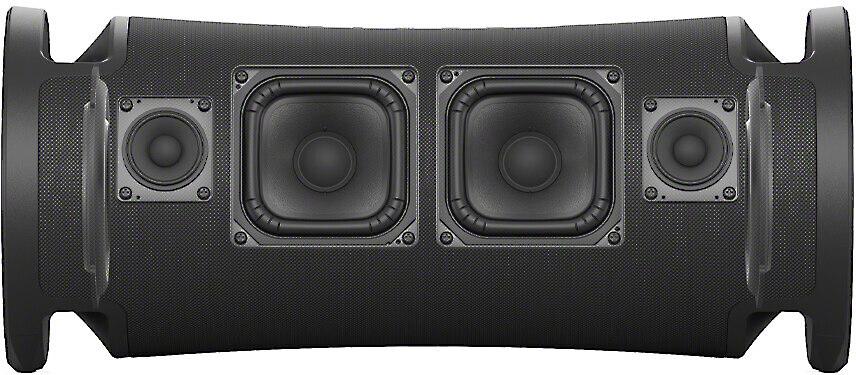
The Sony takes a different approach with its X-Balanced Speaker Unit, offering two bass modes: Deep Bass and Attack Bass. In testing similar Sony systems, these modes make a notable difference in party situations, though purists might find them a bit aggressive for casual listening.
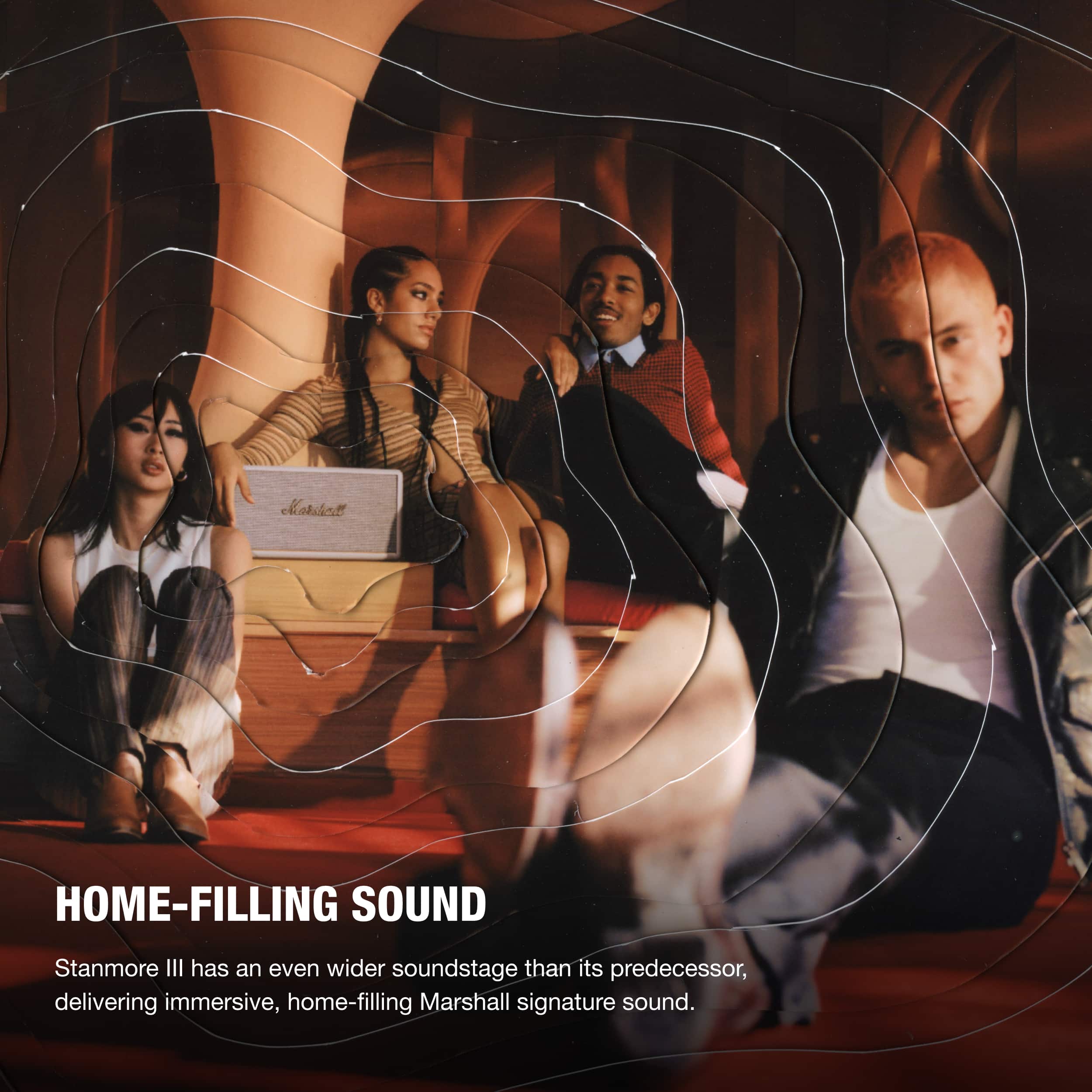
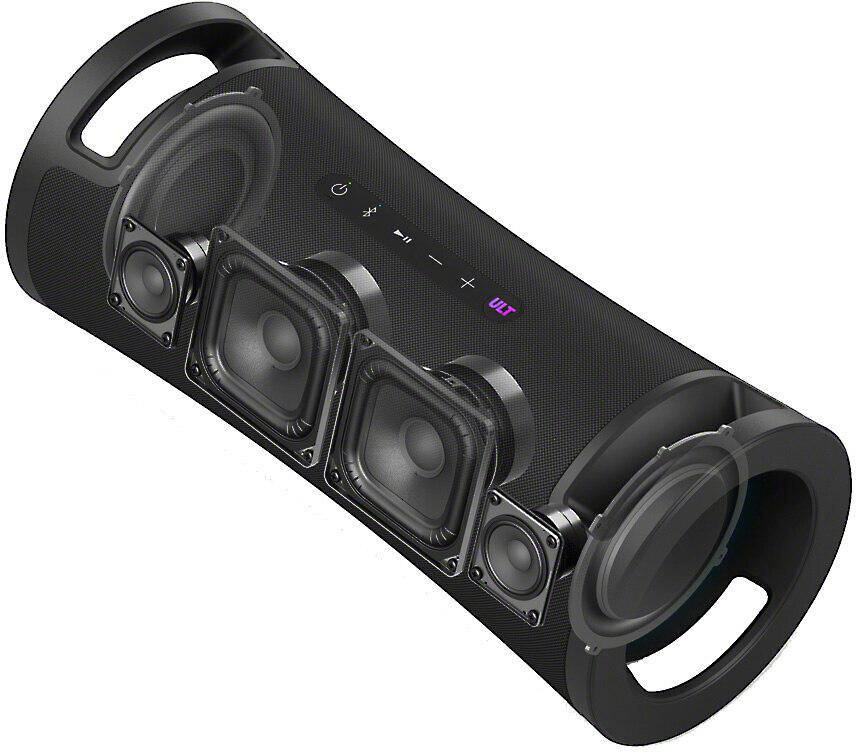
The Marshall's two-way design with dedicated tweeters creates an impressive soundstage - that's the speaker's ability to create a sense of space and instrument placement in the music. The outward-angled tweeters help spread high frequencies across the room, making it ideal for home listening where you might be sitting in one place.
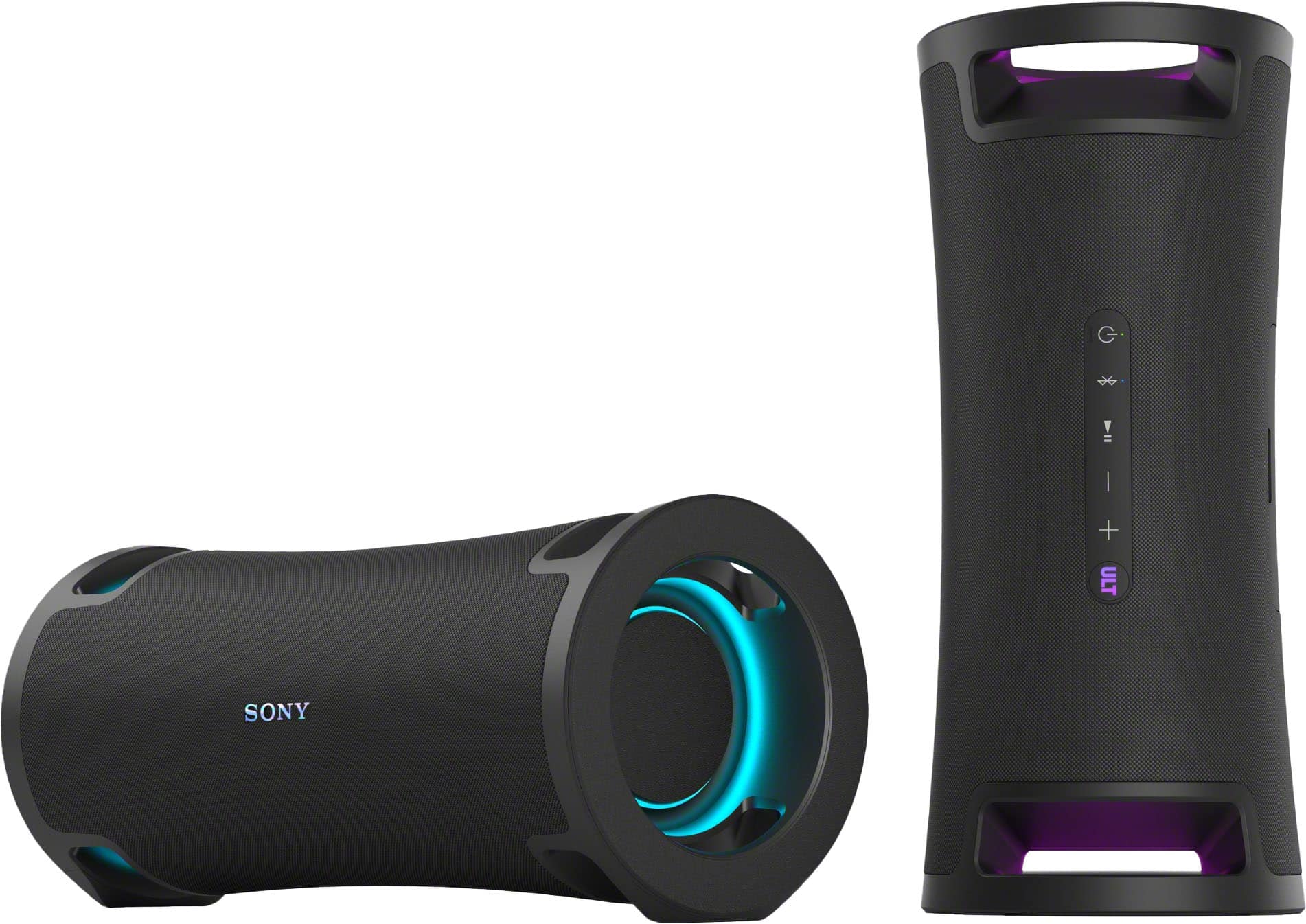
Sony's 360-degree sound projection works differently, spreading sound evenly in all directions. This makes it better for parties where people are moving around, though it sacrifices some of the precision you get with the Marshall.
The Marshall's Dynamic Loudness feature is particularly clever - it automatically adjusts frequency balance as you change volume, ensuring music sounds balanced whether played quietly or at full volume. This is especially useful for late-night listening or background music.
Sony's Sound Field Optimization is impressive in outdoor settings, where it helps maintain clear sound despite environmental noise. During outdoor testing of similar Sony systems, this technology made a noticeable difference in maintaining audio clarity.
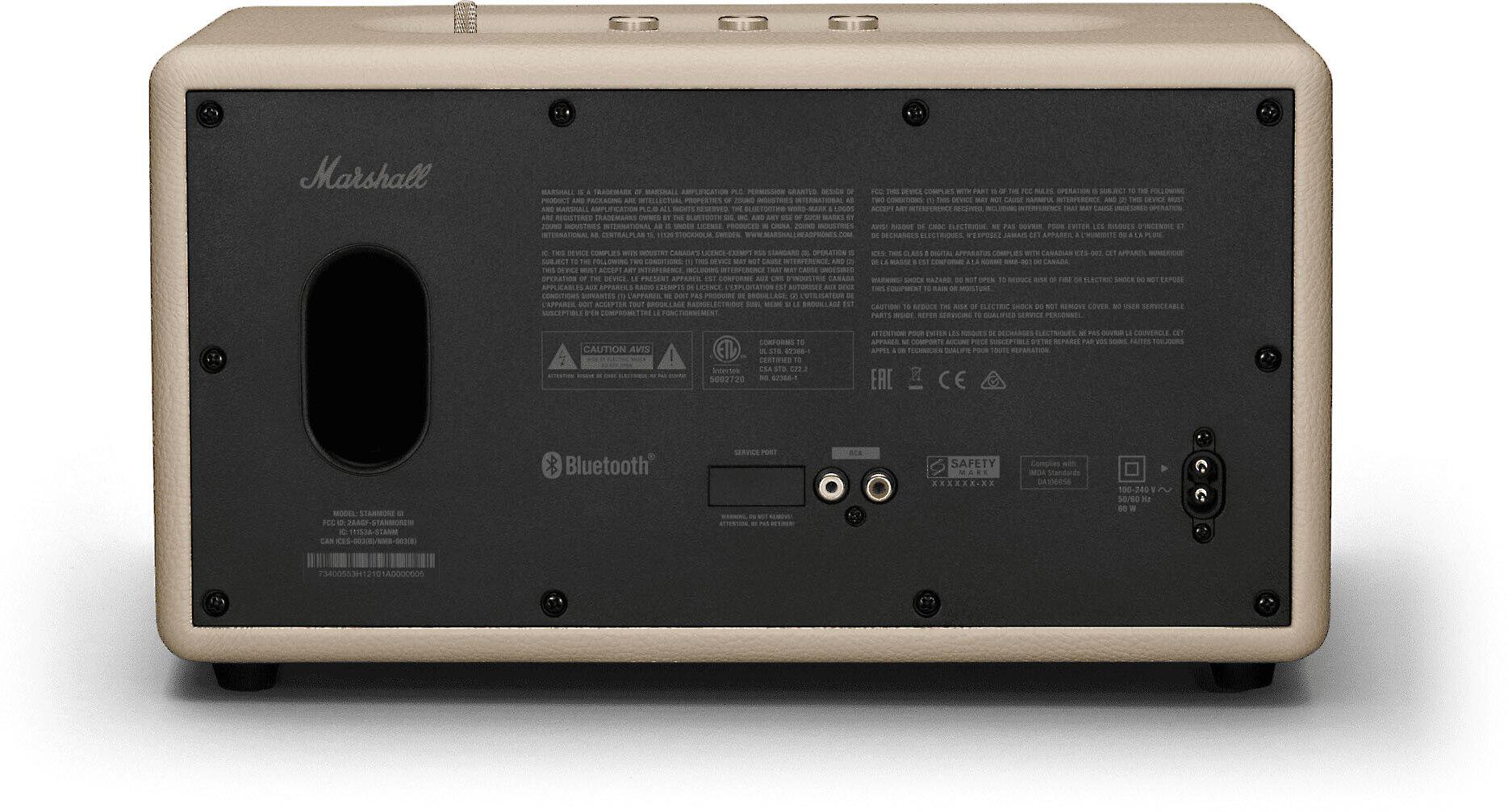
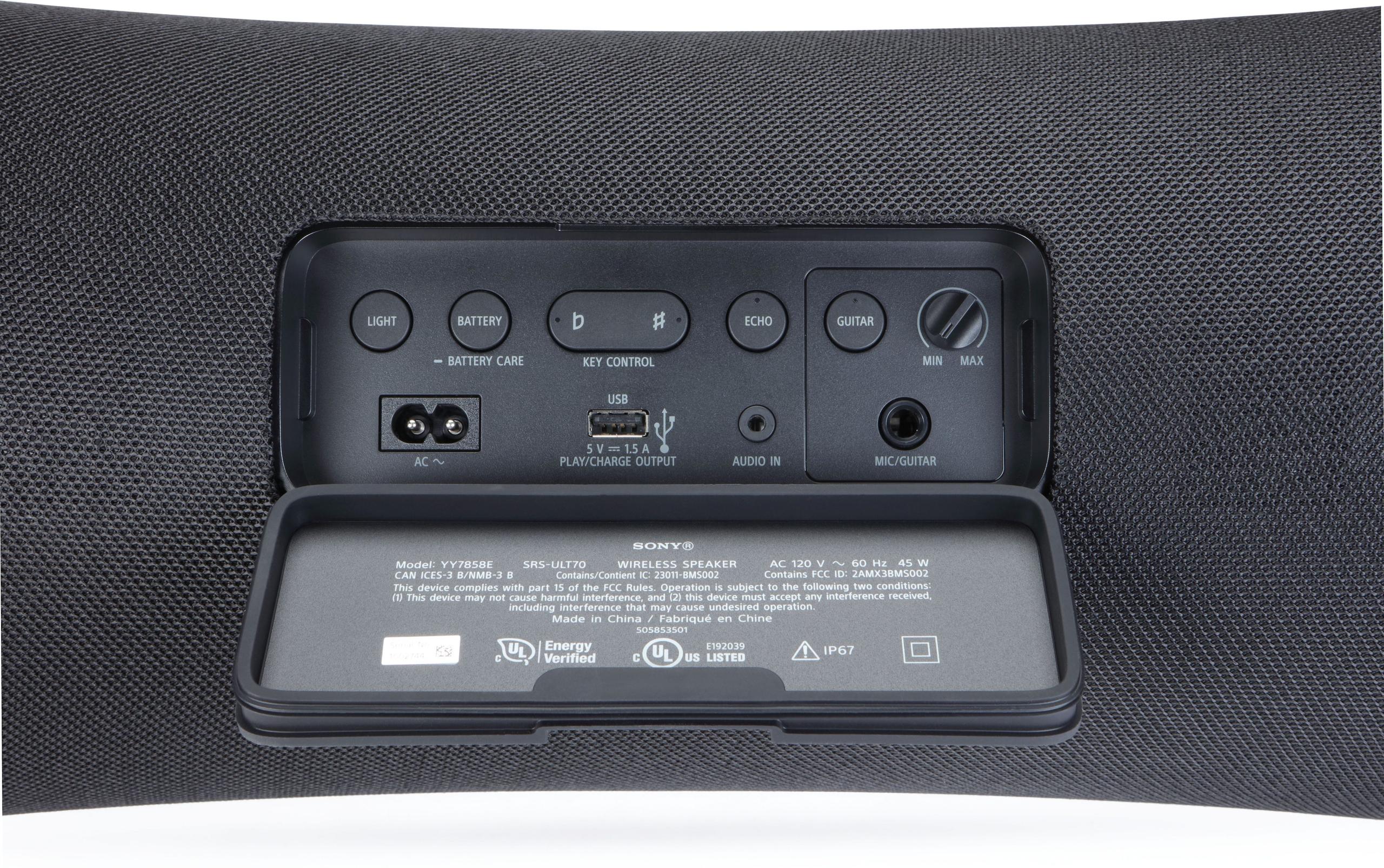
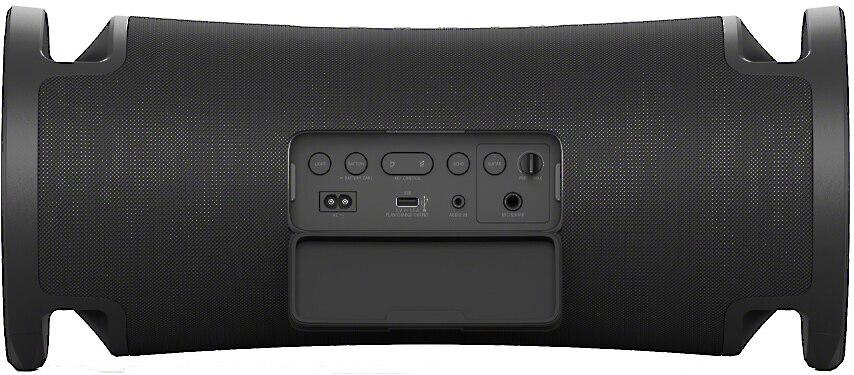
Both speakers feature Bluetooth 5.2, which offers improved range and stability over older versions. The Marshall's RCA inputs make it more suitable for home theater use - you could connect it to a TV or turntable. The Sony's additional USB and microphone inputs reflect its party-focused design, allowing for karaoke and direct music playback from USB drives.
The Marshall shows its strength here with near-zero audio delay and consistent performance. Its placement compensation feature helps optimize sound when the speaker is placed near walls or corners - a common scenario in home theater setups.
The Sony, while capable of connecting to a TV, isn't really designed for this use case. Its party-oriented features and portable design make it better suited for active entertainment rather than critical listening.
Here's where the Sony shines with its IP67 water and dust resistance rating. This means it can handle rain and even brief submersion in water - something the Marshall isn't designed for at all. The Sony's 30-hour battery life also makes it practical for extended outdoor use.
The Marshall Stanmore III justifies its $379.99 price tag through superior sound quality and home audio focus. It's a long-term investment in home entertainment, competing with traditional bookshelf speakers while adding modern wireless convenience.
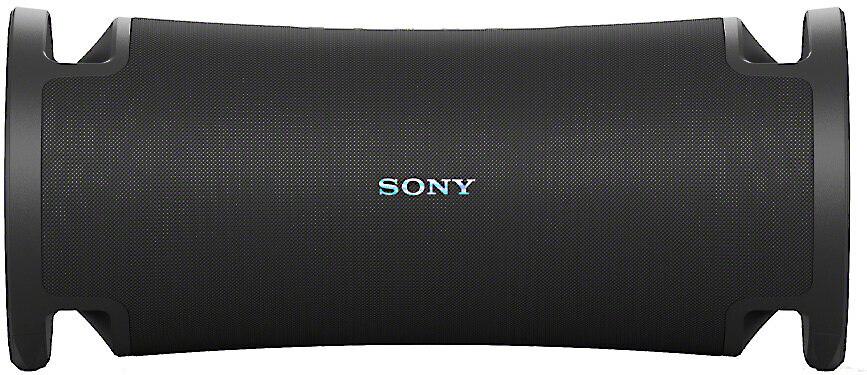
The Sony ULT FIELD 7 at $299.99 offers excellent value for those seeking a versatile party speaker. Its durability, portable design, and entertainment features make it a complete package for social gatherings and outdoor events.
Choose the Marshall if you:
Go for the Sony if you:
The decision ultimately comes down to your primary use case. The Marshall excels as a sophisticated home audio solution, while the Sony is the better choice for versatile, portable entertainment. Both represent solid values in their respective categories, with technology that should keep them relevant for years to come.
Remember that the best speaker is the one that fits your specific needs and usage patterns. Consider where and how you'll most often use the speaker, and let that guide your decision more than specs alone.
| Marshall Stanmore III | Sony ULT FIELD 7 |
|---|---|
| Price - Consider value relative to primary use case | |
| $379.99 (home audio focus) | $299.99 (portable entertainment focus) |
| Total Power Output - Impacts maximum volume and headroom | |
| 80W (50W woofer + 2x15W tweeters) | 45W (optimized for outdoor use) |
| Speaker Configuration - Affects sound quality and dispersion | |
| Two-way: 5" woofer + two 3/4" tweeters | Dual woofers (4.49") + dual tweeters (1.81") |
| Frequency Response - Range of sounds speaker can reproduce | |
| 45-20,000 Hz (deeper bass extension) | 20-20,000 Hz (theoretical range) |
| Connectivity Options - Flexibility for different sources | |
| Bluetooth 5.2, 3.5mm aux, RCA inputs | Bluetooth 5.2, USB-A, 3.5mm aux, mic/guitar input |
| Durability Rating - Important for portable use | |
| No water resistance (indoor only) | IP67 (waterproof and dustproof) |
| Battery Life - Critical for portable use | |
| AC powered only | 30 hours playback |
| Special Features - Added functionality beyond basic audio | |
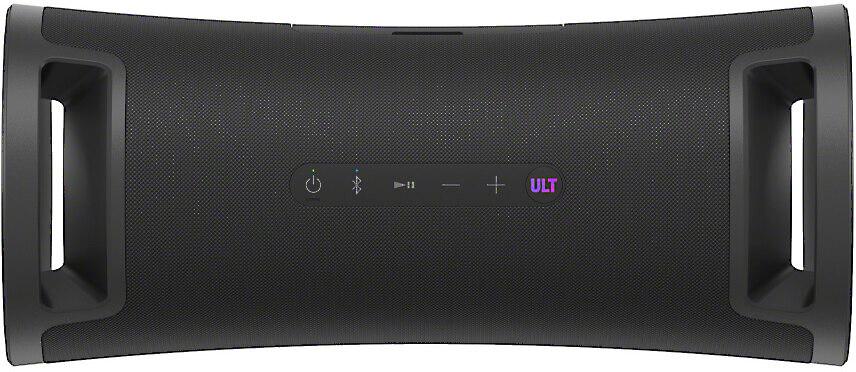
| Dynamic Loudness, placement compensation, app control | Party lighting, karaoke features, Sound Field Optimization |
| Physical Size - Consider placement and portability | |
| 13.8" x 8.1" x 8.4" (stationary design) | 20.2" x 8.8" x 8.7" (portable with handles) |
| Weight - Impacts portability | |
| 9.37 lbs (designed to stay in place) | 13.89 lbs (designed to be carried) |
| Primary Use Case - Most important decision factor | |
| Home audio, critical listening, home theater | Portable entertainment, parties, outdoor events |
The Marshall Stanmore III is better for home use with its dedicated home audio design, RCA inputs for TV connection, and room-optimized sound. The Sony ULT FIELD 7 is primarily designed for portable use and parties.
Both offer strong bass but in different ways. The Marshall Stanmore III provides more refined, accurate bass through its 5" woofer, while the Sony ULT FIELD 7 delivers stronger party-oriented bass with two customizable modes.
The Sony ULT FIELD 7 is specifically designed for outdoor use with IP67 waterproofing and 30-hour battery life. The Marshall Stanmore III is not weather-resistant and requires AC power, making it indoor-only.
The Sony ULT FIELD 7 can achieve higher maximum volumes, making it better for parties and outdoor events. The Marshall Stanmore III is plenty loud for home use but focuses more on sound quality than raw volume.
Both have Bluetooth 5.2, but the Marshall Stanmore III offers RCA and aux inputs for home audio, while the Sony ULT FIELD 7 adds USB and microphone inputs for more entertainment options.
At $299.99, the Sony ULT FIELD 7 offers better value for portable use and parties. The Marshall Stanmore III at $379.99 is better value for dedicated home audio users.
The Marshall Stanmore III works well for TV audio with its RCA inputs and low latency. The Sony ULT FIELD 7 can connect to TVs but isn't optimized for this use.
The Marshall Stanmore III offers superior sound quality for critical listening with better clarity and balance. The Sony ULT FIELD 7 focuses on party-friendly sound with stronger bass.
Yes, both the Marshall Stanmore III and Sony ULT FIELD 7 feature Bluetooth 5.2 for easy phone connectivity.
The Sony ULT FIELD 7 is significantly more durable with IP67 water/dust resistance. The Marshall Stanmore III is well-built but designed for indoor use only.
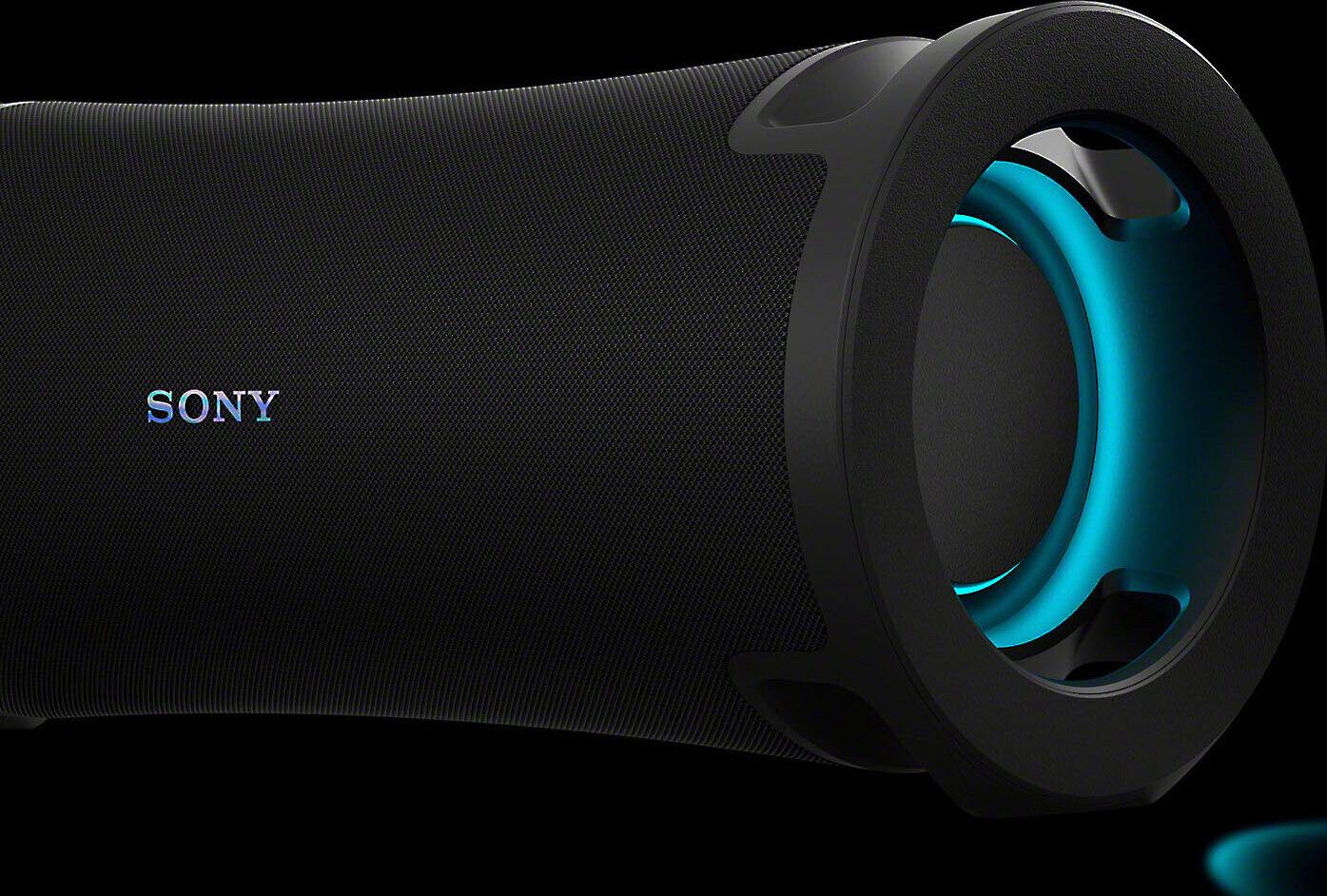
The Sony ULT FIELD 7 is ideal for parties with its portability, lighting effects, and karaoke features. The Marshall Stanmore III can play party music but isn't designed specifically for this use.
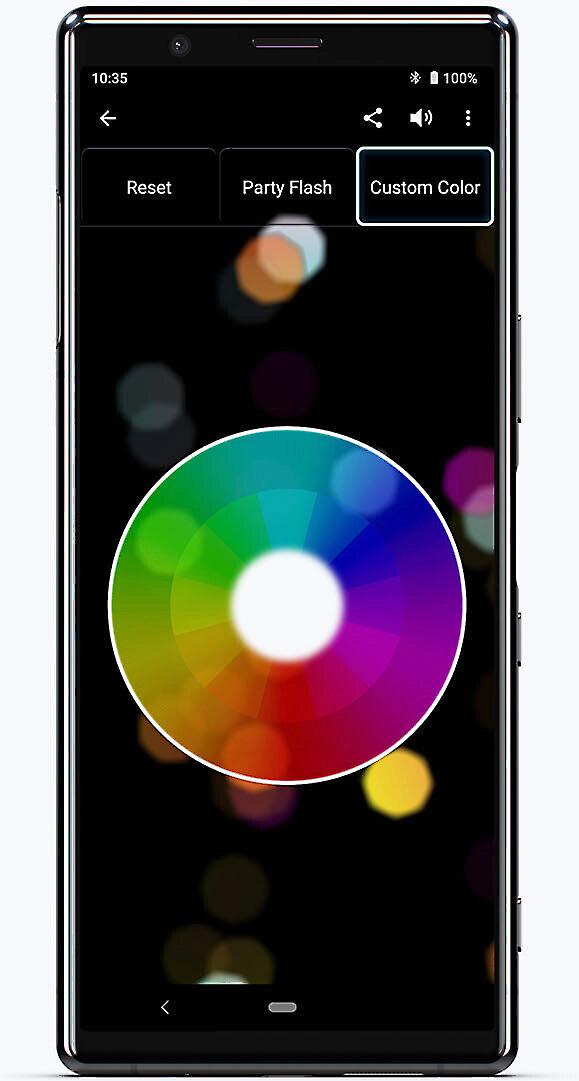
Both offer app control, but the Marshall Stanmore III app focuses on sound adjustment, while the Sony ULT FIELD 7 app includes additional party features and lighting controls.
We've done our best to create useful and informative comparisons to help you decide what product to buy. Our research uses advanced automated methods to create this comparison and perfection is not possible - please contact us for corrections or questions. These are the sites we've researched in the creation of this article: techgadgetscanada.com - camelcamelcamel.com - crutchfield.com - bestbuy.com - dxomark.com - crutchfield.com - crutchfield.com - marshall.com - marshall-production-1.mobify-storefront.com - exhibit.tech - ooberpad.com - av-connection.com - rtings.com - hifipicks.com - thesonyshop.ca - techradar.com - rtings.com - sony-africa.com - videoandaudiocenter.com - sony.com - youtube.com - johnlewis.com

Privacy Policy
Terms and Conditions - Affiliate Policy
Home Security
© Copyright 2008-2026.
11816 Inwood Rd #1211, Dallas, TX 75244