



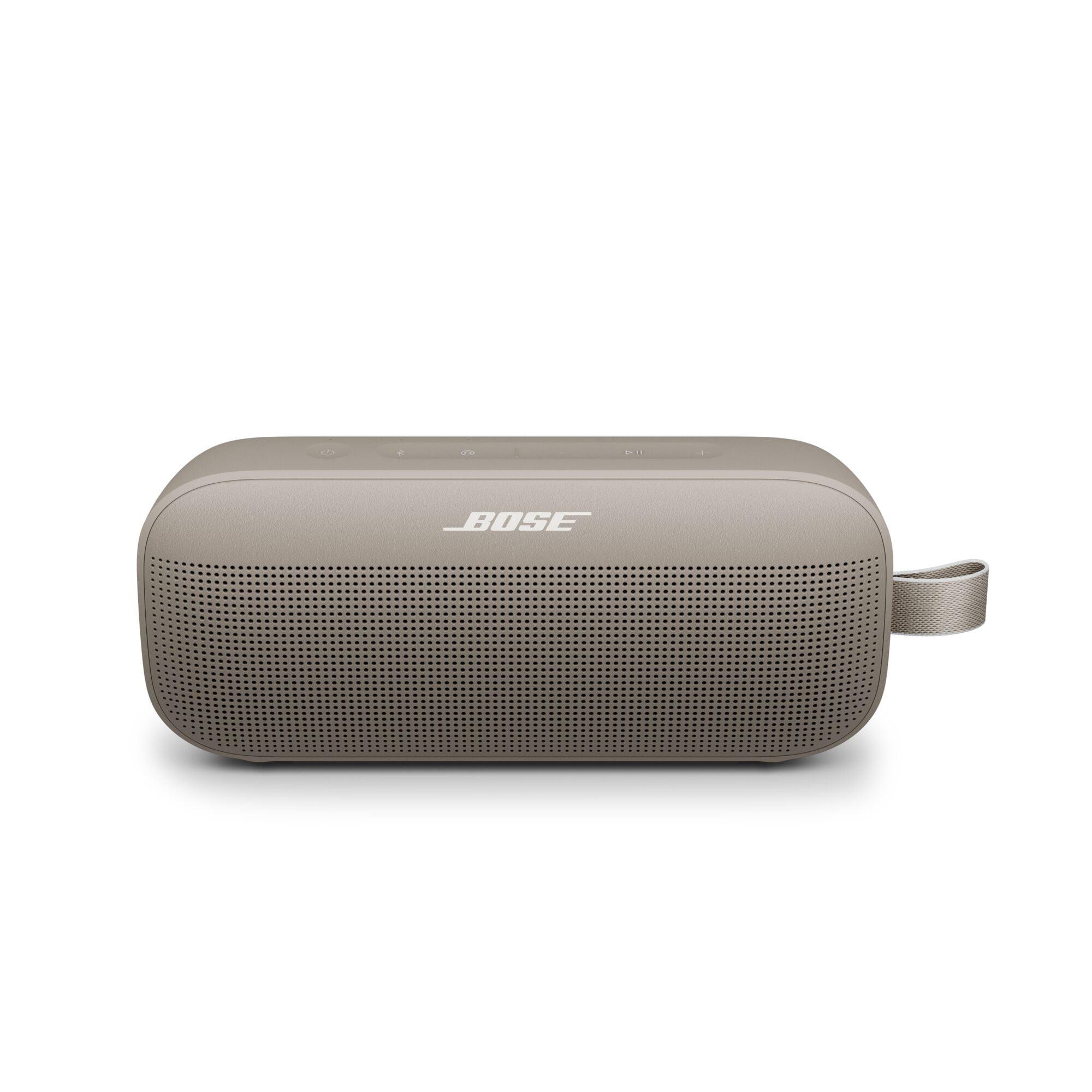


When it comes to Bluetooth speakers, the market spans everything from tiny portable units to powerful home audio solutions. Today we're looking at two very different approaches to wireless sound - a premium home speaker and a versatile portable unit. Let's explore how these distinct options serve different needs and help you decide which approach makes sense for your situation.
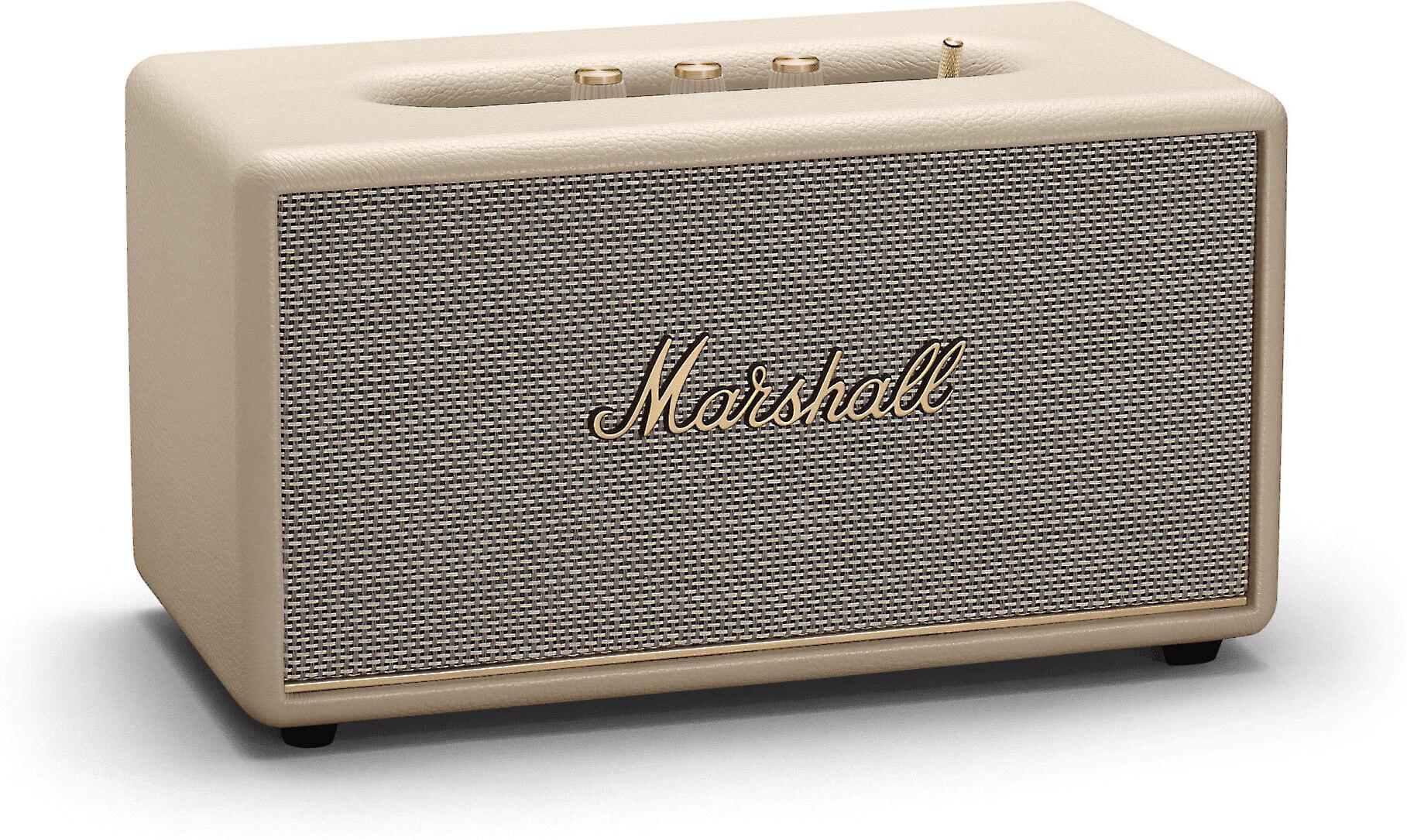
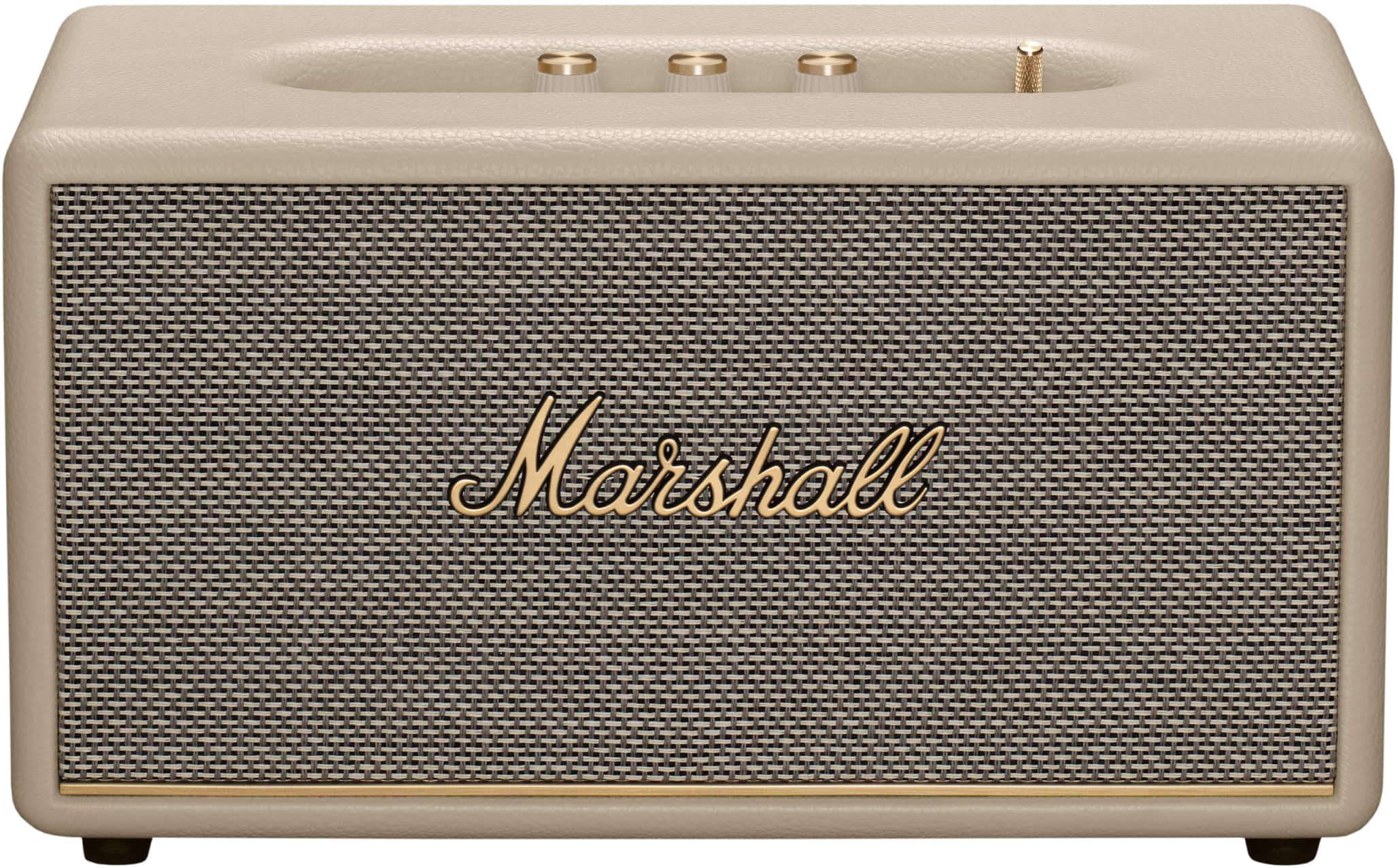
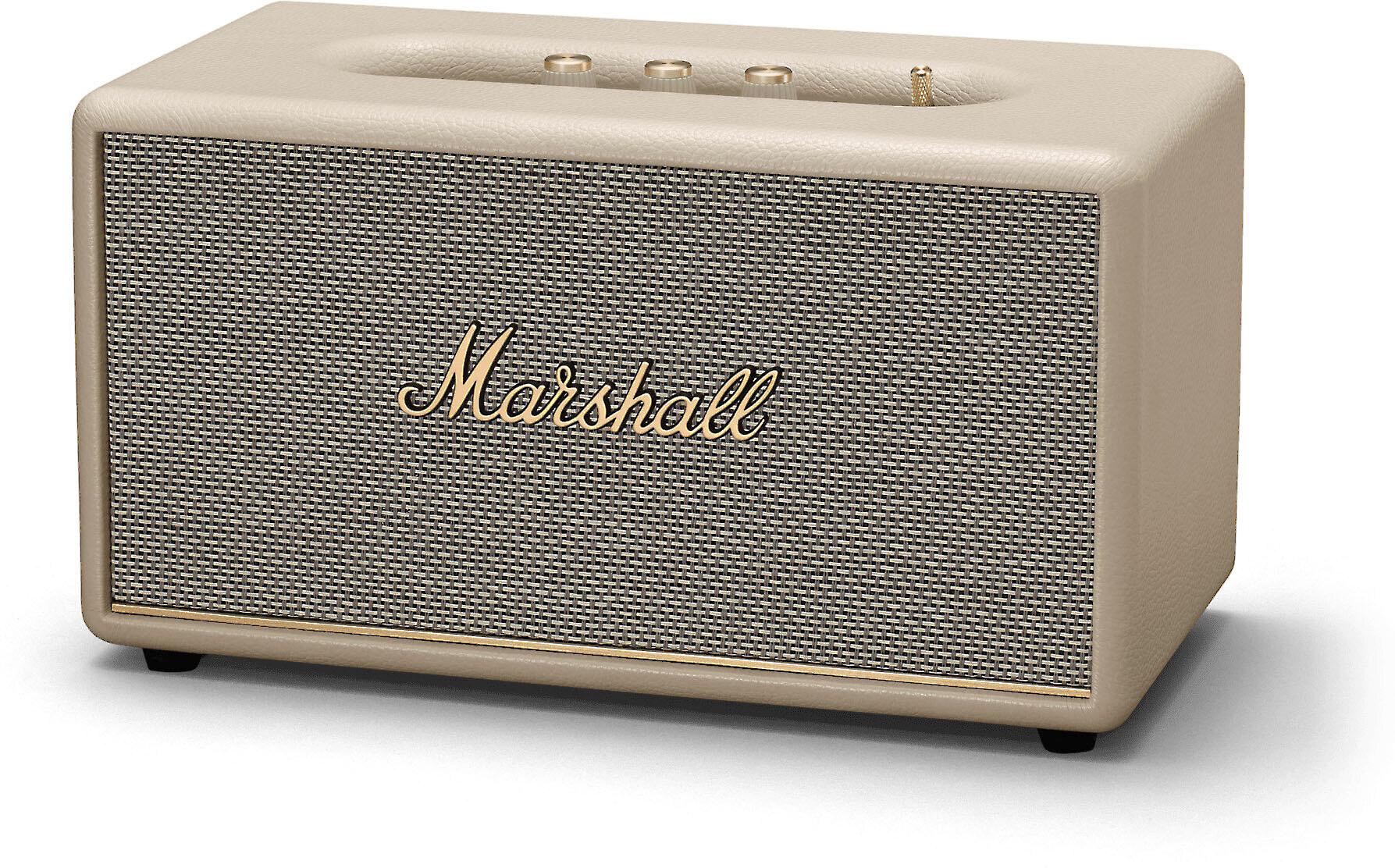
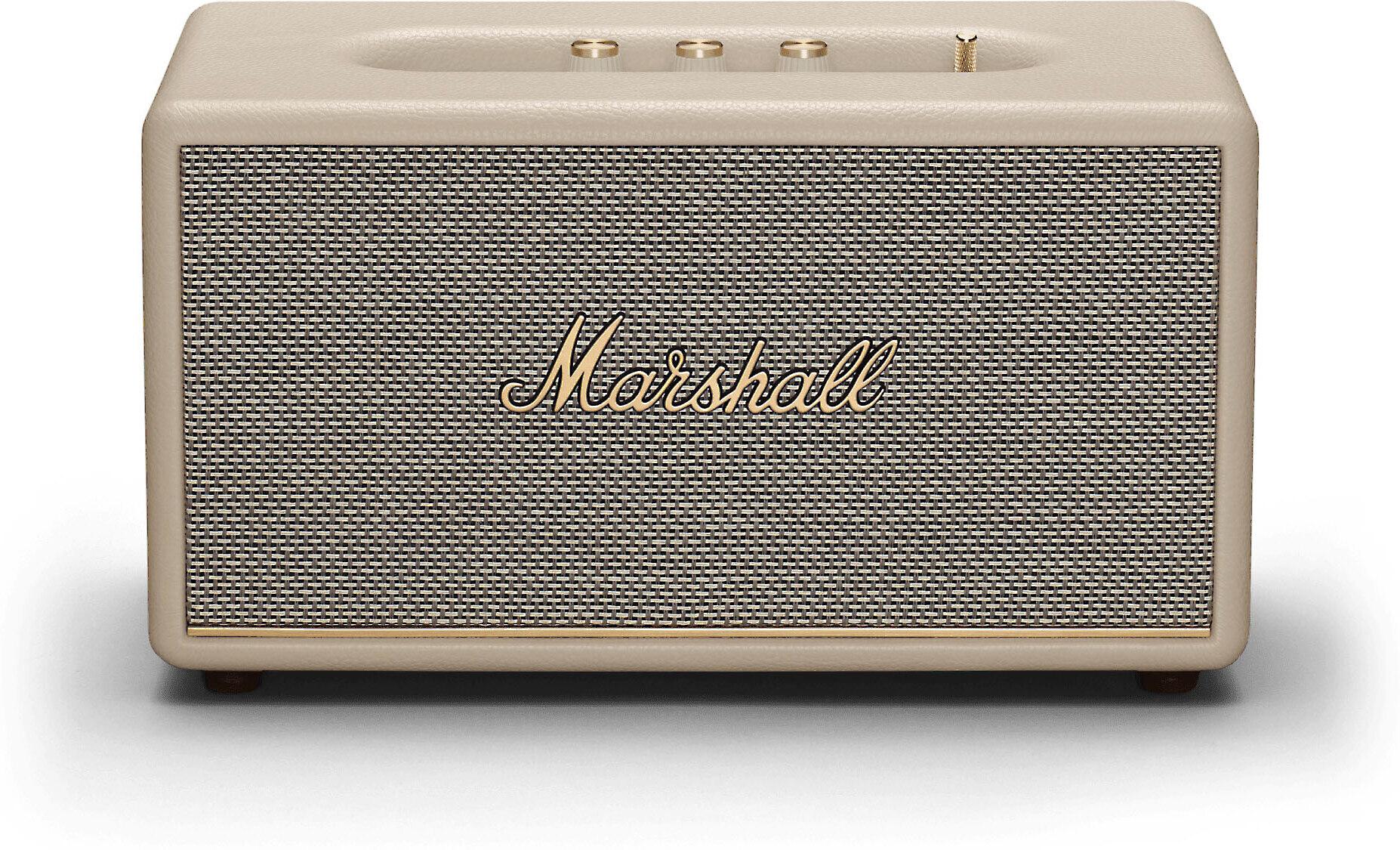
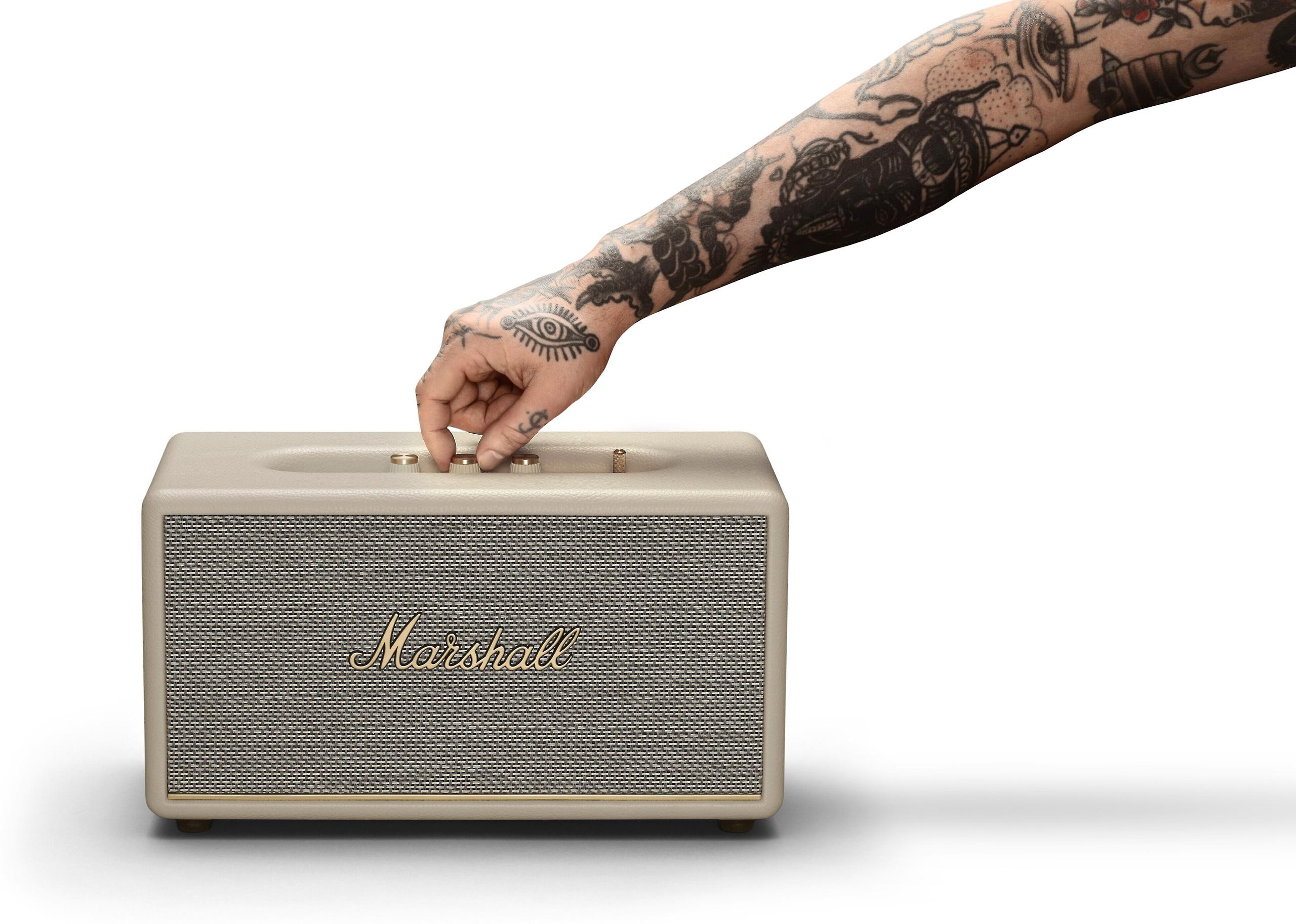
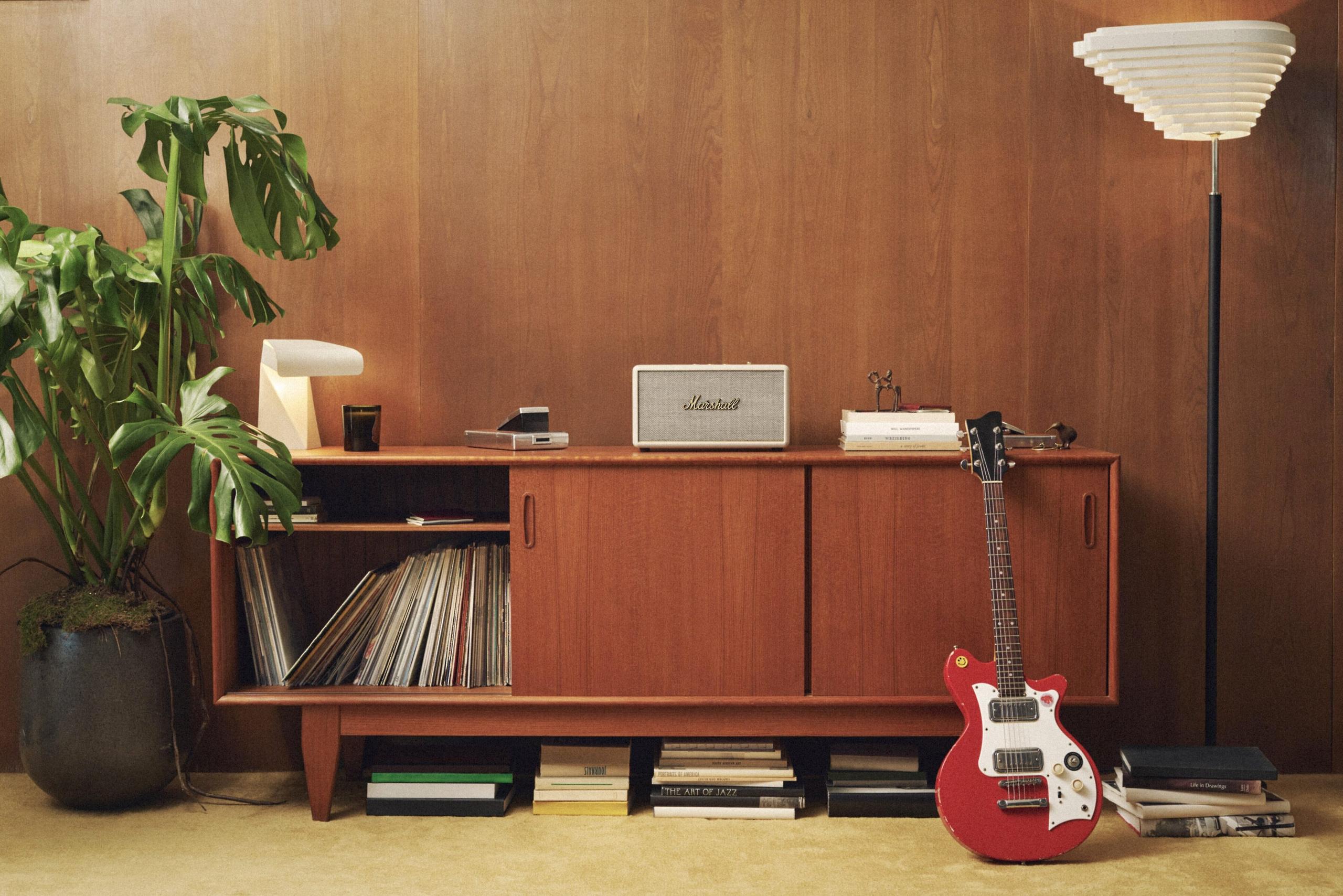
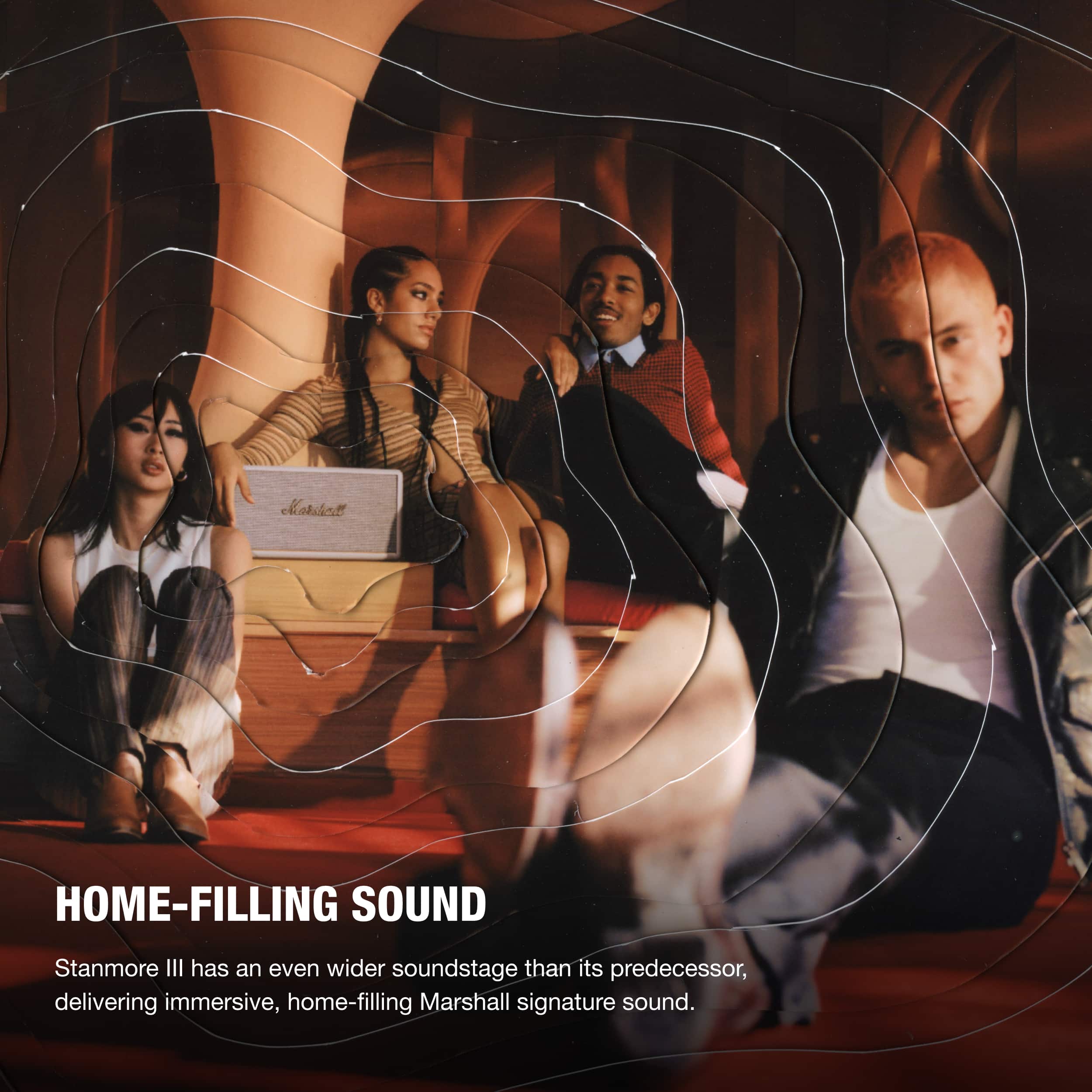
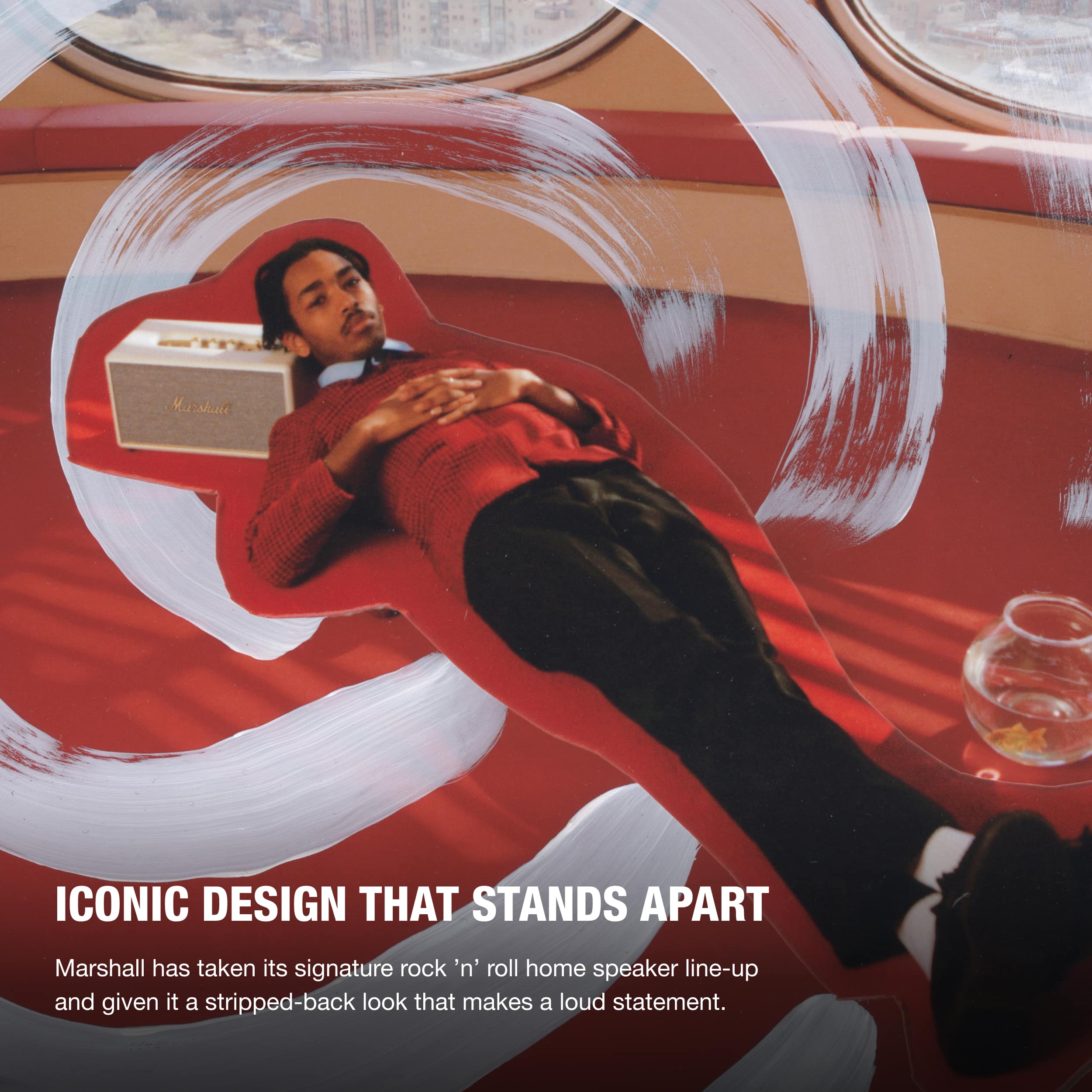
The Marshall Stanmore III launched in September 2022, bringing significant upgrades to Marshall's home speaker line. The shift to Bluetooth 5.2 improved both range and stability, while new dynamic loudness technology helps maintain balanced sound at any volume. It's a modern take on Marshall's classic aesthetic that incorporates current wireless tech.
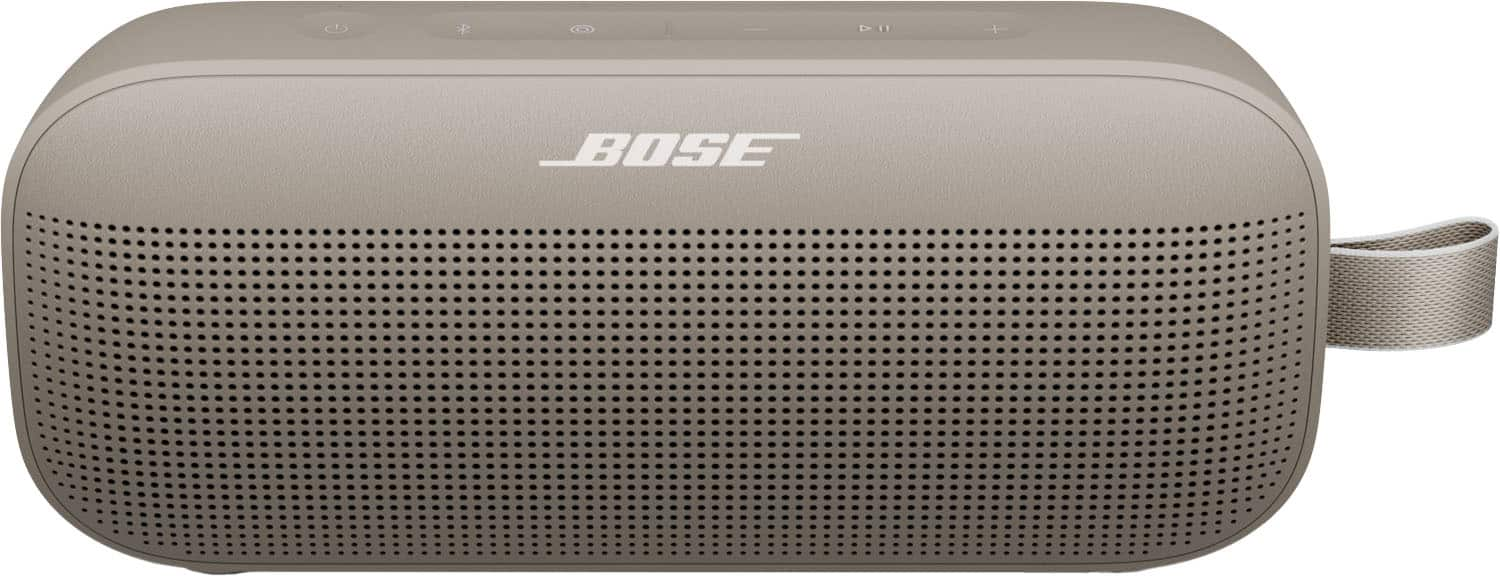
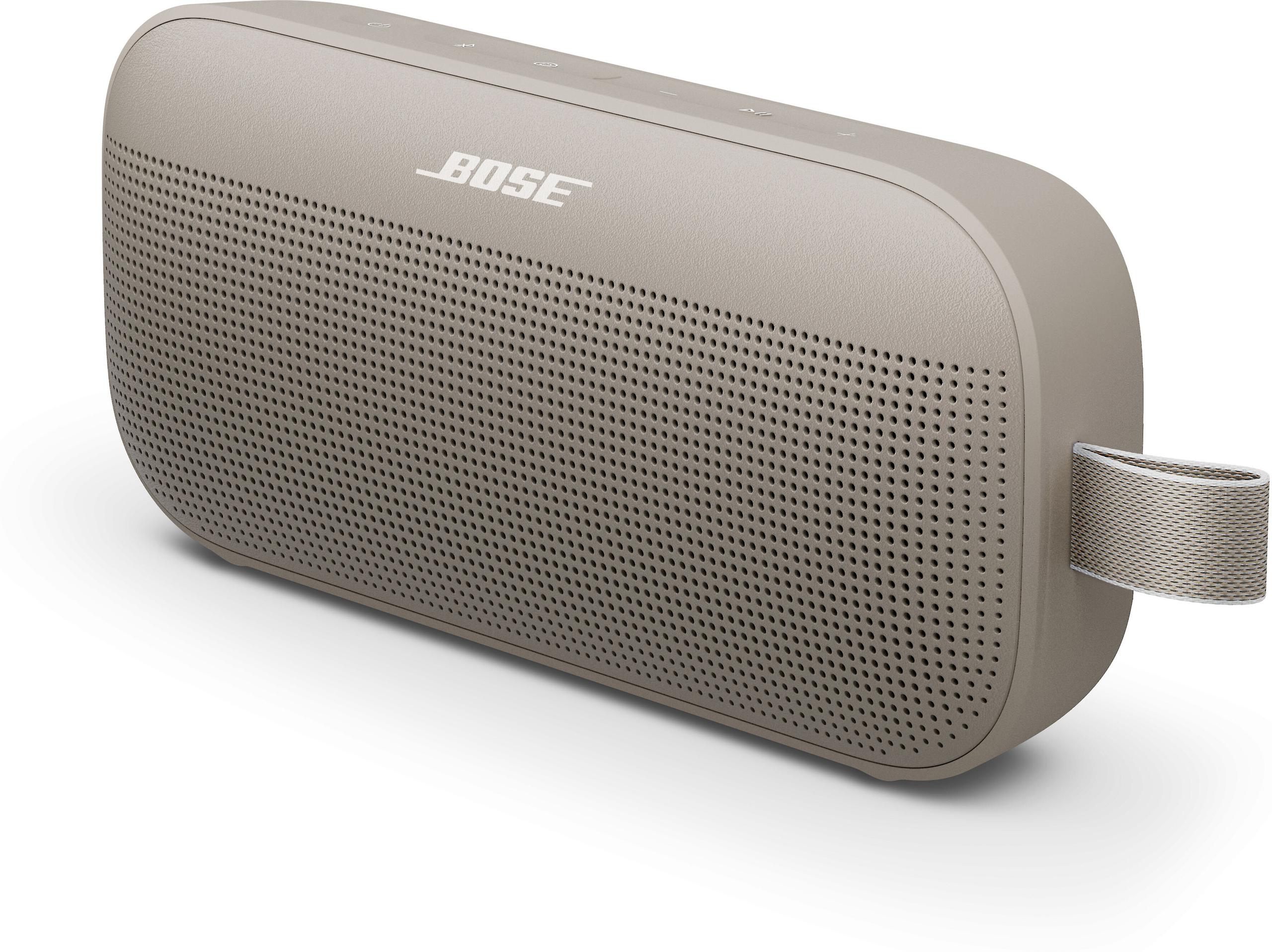
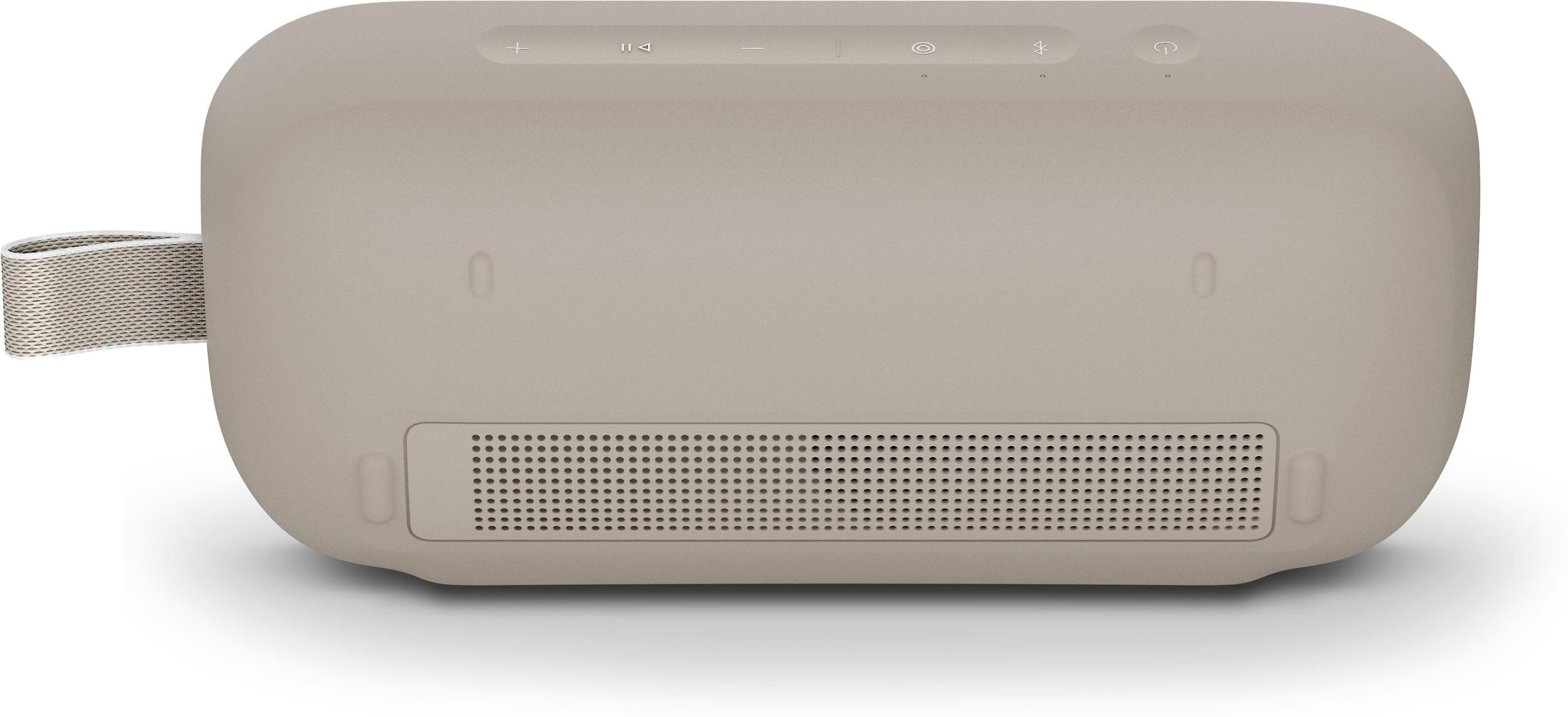
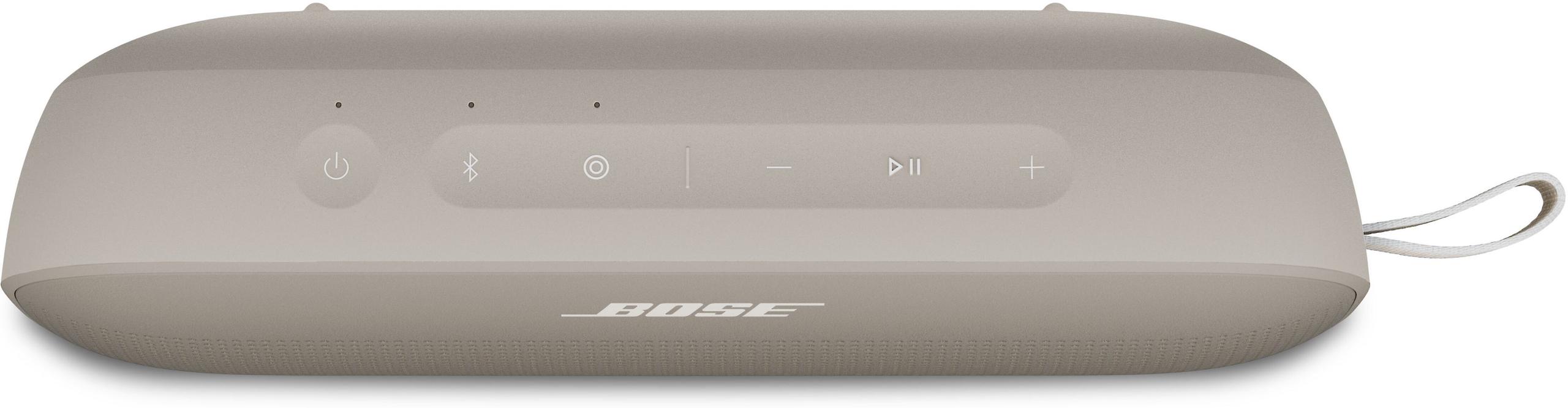
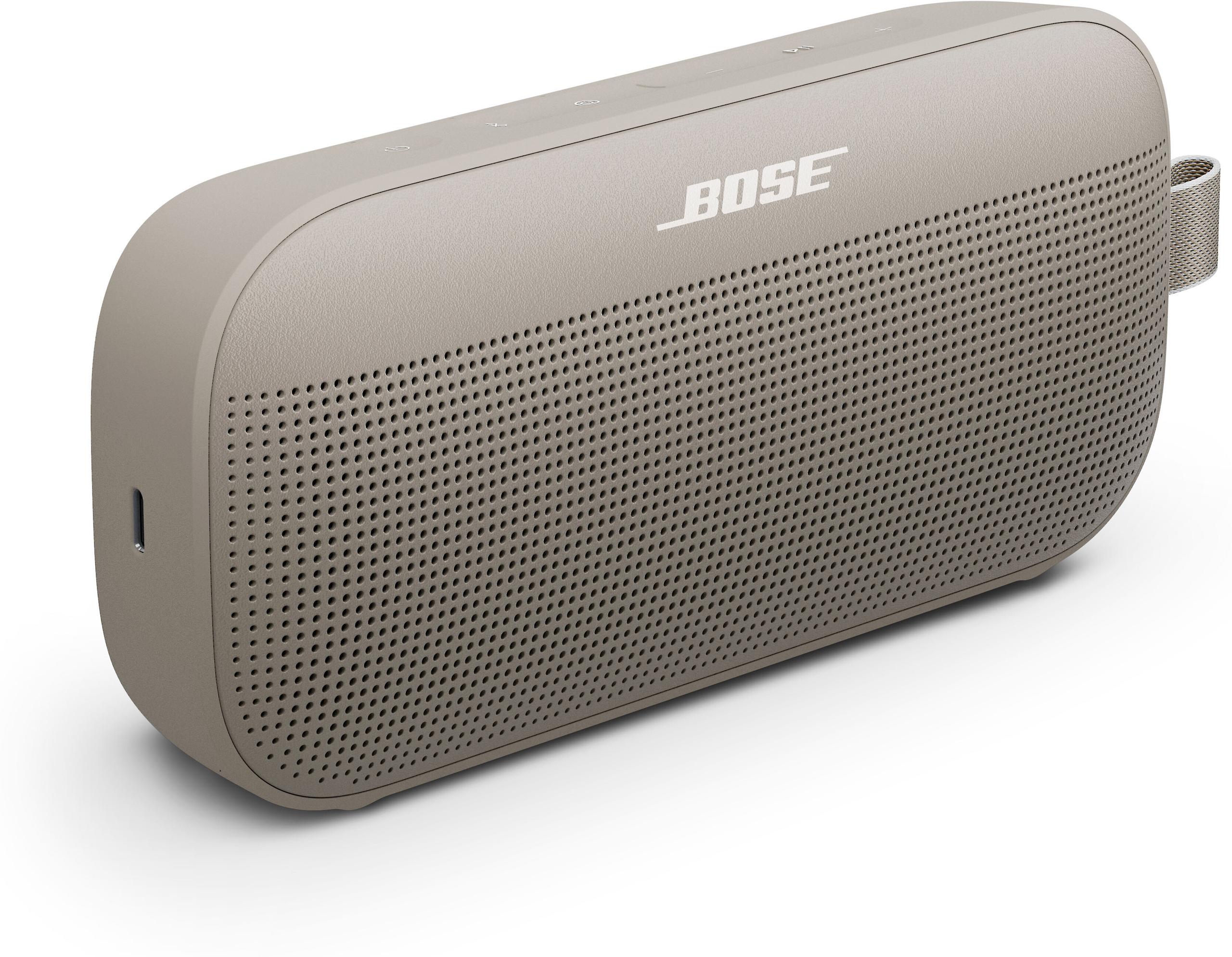
The Bose SoundLink Flex 2nd Gen arrived in September 2024, refining Bose's portable speaker formula. While keeping the same general form factor as its predecessor, it added Bluetooth 5.3 for even better connectivity and introduced their PositionIQ technology that automatically optimizes sound based on the speaker's orientation.
The Marshall Stanmore III's 80-watt system (combining a 50W woofer and two 15W tweeters) delivers serious power for filling medium to large rooms. This multi-driver approach, where different speakers handle different frequency ranges, allows for clearer sound reproduction across the full range of audio frequencies. The dedicated woofer handles low frequencies (bass), while the tweeters manage the higher frequencies, resulting in well-separated, detailed sound.
In contrast, the Bose SoundLink Flex 2nd Gen uses a single full-range driver optimized for near-field listening - meaning it sounds best when you're relatively close to the speaker. While it can't match the raw power of the Marshall, it's engineered to deliver clean, balanced sound that works well for personal listening or small group settings.
The Marshall excels at reproducing the full range of music with authority. Its separate woofer and tweeters allow it to deliver deep bass notes while maintaining clarity in vocals and high frequencies. The speaker's Dynamic Loudness feature automatically adjusts tonal balance as you change volume, ensuring the sound stays balanced whether you're listening quietly or cranking it up for a party.
The Bose takes a different approach, focusing on balanced, natural sound that maintains clarity across different listening positions. Its PositionIQ technology is particularly clever - sensors detect whether the speaker is upright, lying flat, or hanging, and automatically adjust the sound processing to maintain consistent audio quality. While it can't match the Marshall's bass response or maximum volume, it delivers impressive sound for its size.
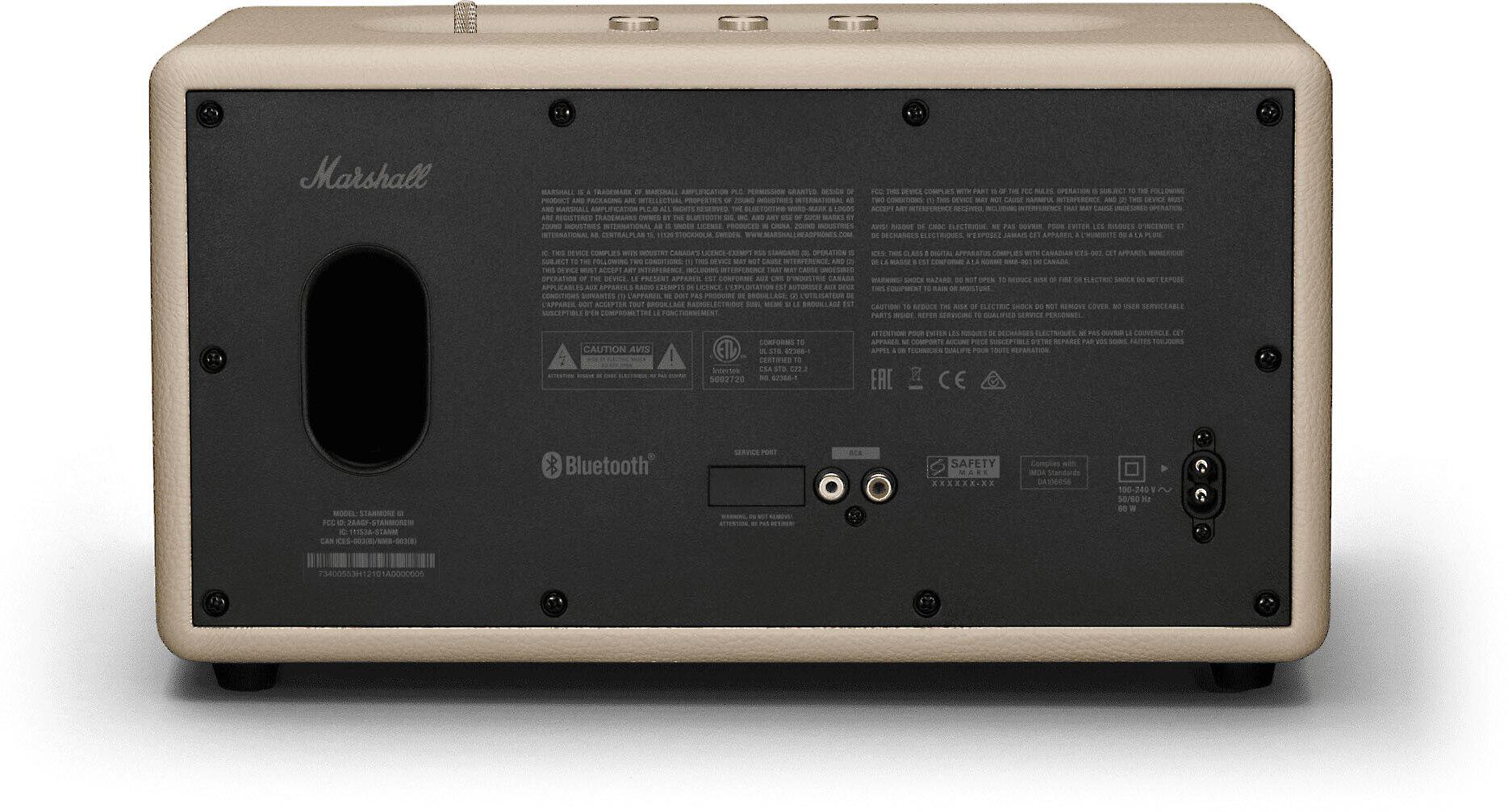
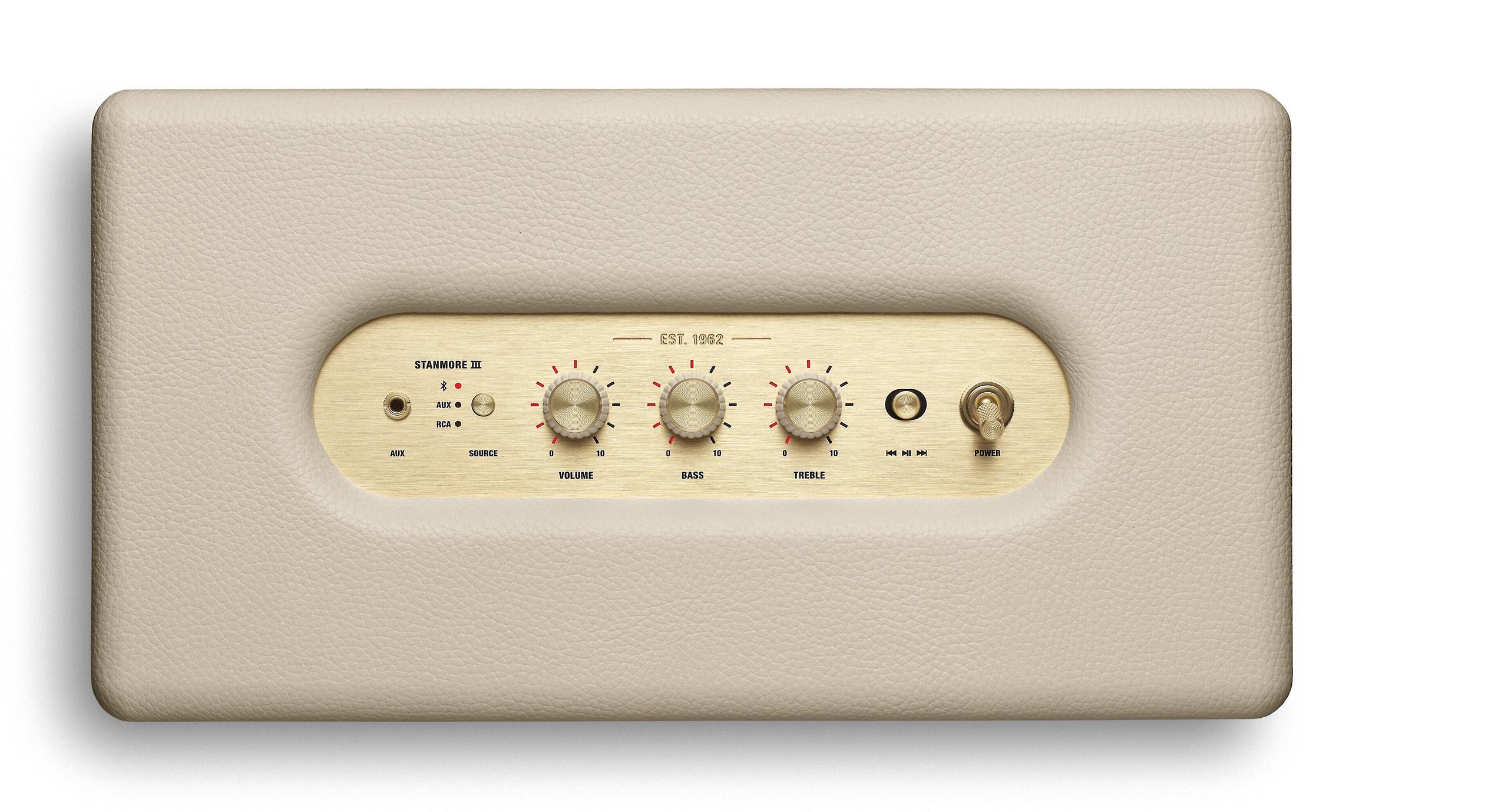
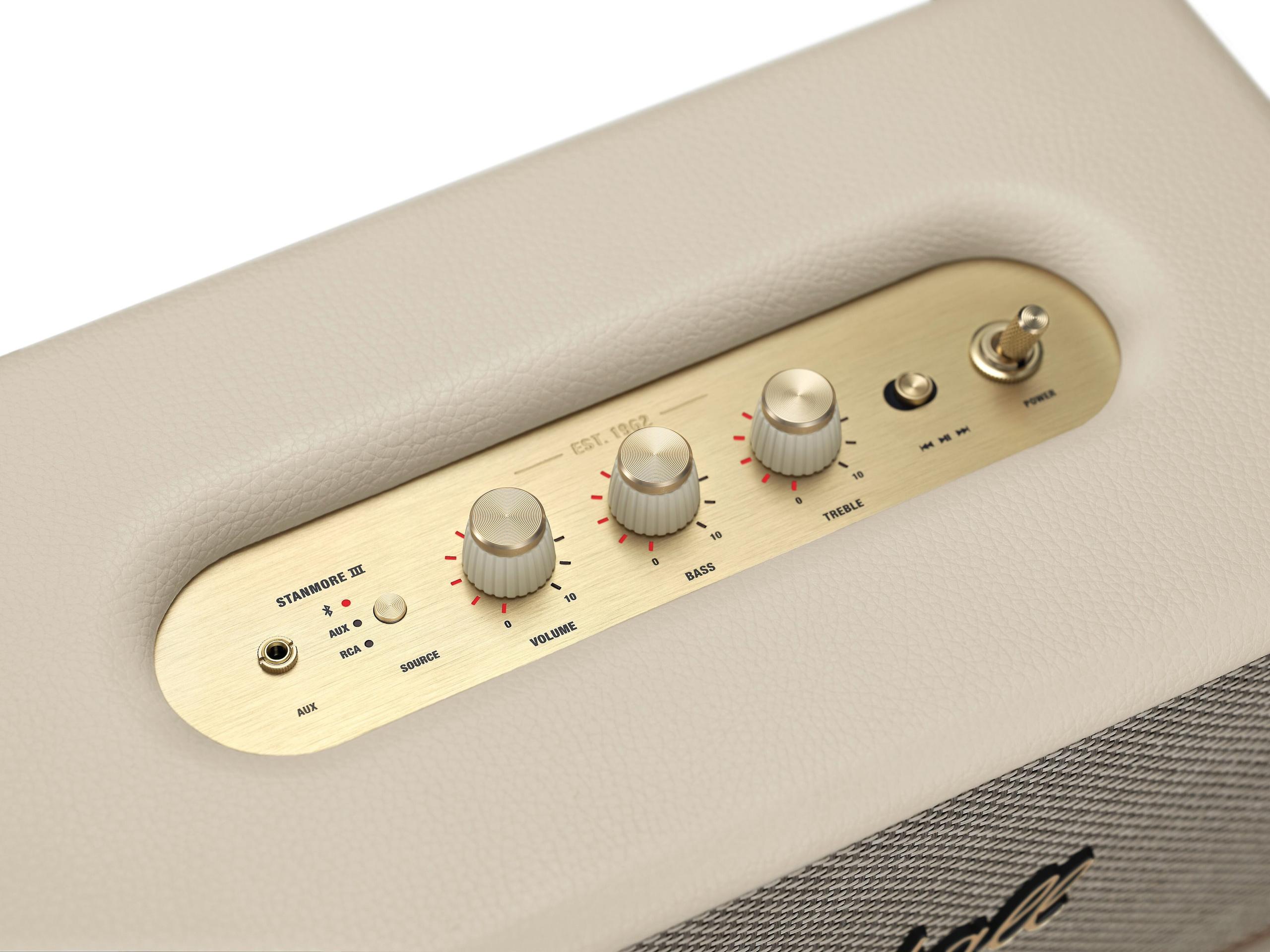
The Marshall Stanmore III is designed as a premium home audio component. Its multiple input options (Bluetooth, RCA, and 3.5mm aux) make it flexible for different source devices. The RCA inputs are particularly valuable for home theater use, allowing direct connection to TV sound outputs or other audio equipment. The speaker's powerful output and wide soundstage make it suitable for both music and movie audio.
The lack of battery power means it needs to stay plugged in, but this allows for consistent high-power output without worrying about charge levels. The companion app offers extensive EQ control and placement compensation settings, helping you optimize the sound for your specific room and preferences.
The Bose SoundLink Flex 2nd Gen shines in its versatility. The IP67 rating means it's fully dustproof and can be submerged in water up to 1 meter deep for 30 minutes - perfect for pool parties or beach trips. The 12-hour battery life hits a sweet spot between portability and endurance, and USB-C charging means it's quick and convenient to recharge.
The multi-point Bluetooth connection allows two devices to stay connected simultaneously, making it easy to switch between sources. For outdoor use, the speaker's durability and weather resistance make it a reliable companion for any adventure.
At $379.99, the Marshall represents a significant investment, but it delivers features that justify the price for the right user:
The speaker's Dynamic Loudness feature is particularly innovative, using digital signal processing to maintain consistent sound character across volume levels - something that typically requires expensive audiophile equipment.
The Bose, at $149, offers impressive value for its capabilities:
The PositionIQ technology is a standout feature, solving a common problem with portable speakers - inconsistent sound based on placement.
The choice between these speakers ultimately comes down to your primary use case:
Choose the Marshall Stanmore III if:
Choose the Bose SoundLink Flex 2nd Gen if:
Both speakers excel in their intended roles - they're just designed for different purposes. The Marshall delivers premium home audio performance with the convenience of wireless connectivity, while the Bose offers impressive sound quality in a portable, durable package that you can take anywhere.
Consider your listening habits, typical environments, and how you plan to use the speaker most often. The best choice is the one that fits seamlessly into your lifestyle while delivering the sound quality you need.
| Marshall Stanmore III ($379.99) | Bose SoundLink Flex 2nd Gen ($149) |
|---|---|
| Power Output - Determines room-filling capability and maximum volume | |
| 80W total (50W woofer + 2x15W tweeters) | Not specified, optimized for portable use |
| Size & Weight - Impacts portability and placement options | |
| 13.8" x 8.1" x 8.4", 9.37 lbs | 7.9" x 2.1" x 3.6", 1.3 lbs |
| Power Source - Affects where and how you can use it | |
| AC power only (requires outlet) | Rechargeable battery (12 hours playback) |
| Connectivity - Options for audio input | |
| Bluetooth 5.2, RCA, 3.5mm aux | Bluetooth 5.3 only |
| Weather Resistance - Important for outdoor use | |
| None | IP67 (waterproof/dustproof) |
| Audio Features - Impacts sound quality and versatility | |
| Dynamic Loudness, placement compensation, bass/treble controls | PositionIQ auto-adjustment, basic EQ |
| Driver Configuration - Affects sound clarity and separation | |
| Two-way design: 5" woofer, two 0.75" tweeters | Single full-range driver |
| Frequency Response - Range of sound reproduction | |
| 45-20,000 Hz | Not specified |
| Multi-Device Support - Convenience for switching sources | |
| Yes, two simultaneous connections | Yes, two simultaneous connections |
| App Features - Control and customization options | |
| Full EQ control, placement settings, firmware updates | Basic EQ, firmware updates |
| Primary Use Case - Where the speaker performs best | |
| Home audio system, medium to large rooms | Portable use, outdoor activities, travel |
| Value Proposition - What you get for the money | |
| Premium home audio solution with superior power and sound quality | Versatile portable speaker with excellent durability and good sound |
Neither is strictly "better" - they serve different purposes. The Marshall Stanmore III is a superior home speaker with more power and better sound quality, while the Bose SoundLink Flex 2nd Gen excels as a portable, weatherproof option.
The Marshall Stanmore III has better overall sound quality with its 80W system and dedicated woofer/tweeter setup. However, the Bose SoundLink Flex 2nd Gen offers impressive sound quality for its size and portable design.
The Bose SoundLink Flex 2nd Gen is specifically designed for outdoor use with IP67 waterproofing and battery power. The Marshall Stanmore III requires AC power and isn't weather-resistant, making it unsuitable for outdoor use.
The Marshall Stanmore III costs $379.99, while the Bose SoundLink Flex 2nd Gen is priced at $149 - a $230.99 difference.
Yes, both speakers support connecting to two devices simultaneously via Bluetooth, allowing easy switching between sources.
Only the Bose SoundLink Flex 2nd Gen has a battery, offering 12 hours of playback. The Marshall Stanmore III requires constant AC power.
The Marshall Stanmore III is better for indoor parties with its powerful 80W output and room-filling sound. The Bose is better for outdoor gatherings due to its portability and weather resistance.
The Marshall Stanmore III is better suited for TV use with its RCA inputs and higher power output. The Bose SoundLink Flex 2nd Gen only offers Bluetooth connectivity.
The Marshall Stanmore III delivers stronger, deeper bass with its dedicated 50W woofer. The Bose offers good bass for its size but can't match the Marshall's power.
Yes, both have companion apps, but the Marshall offers more extensive EQ control and customization options compared to Bose's basic settings.
The Bose SoundLink Flex 2nd Gen is more durable with its IP67 rating and portable design. The Marshall Stanmore III is well-built but designed for stationary indoor use.
For dedicated home use, the Marshall Stanmore III is the better choice with its superior power, sound quality, and connection options. Choose the Bose if you need a speaker that can move between rooms and outdoors easily.
We've done our best to create useful and informative comparisons to help you decide what product to buy. Our research uses advanced automated methods to create this comparison and perfection is not possible - please contact us for corrections or questions. These are the sites we've researched in the creation of this article: techgadgetscanada.com - camelcamelcamel.com - crutchfield.com - bestbuy.com - dxomark.com - crutchfield.com - crutchfield.com - marshall.com - marshall-production-1.mobify-storefront.com - exhibit.tech - ooberpad.com - av-connection.com - techradar.com - worldwidestereo.com - bose.com - howtogeek.com - bose.com - crutchfield.com - visions.ca - pcrichard.com - staples.com - rtings.com - bose.com - soundguys.com

Privacy Policy
Terms and Conditions - Affiliate Policy
Home Security
© Copyright 2008-2026.
11816 Inwood Rd #1211, Dallas, TX 75244