

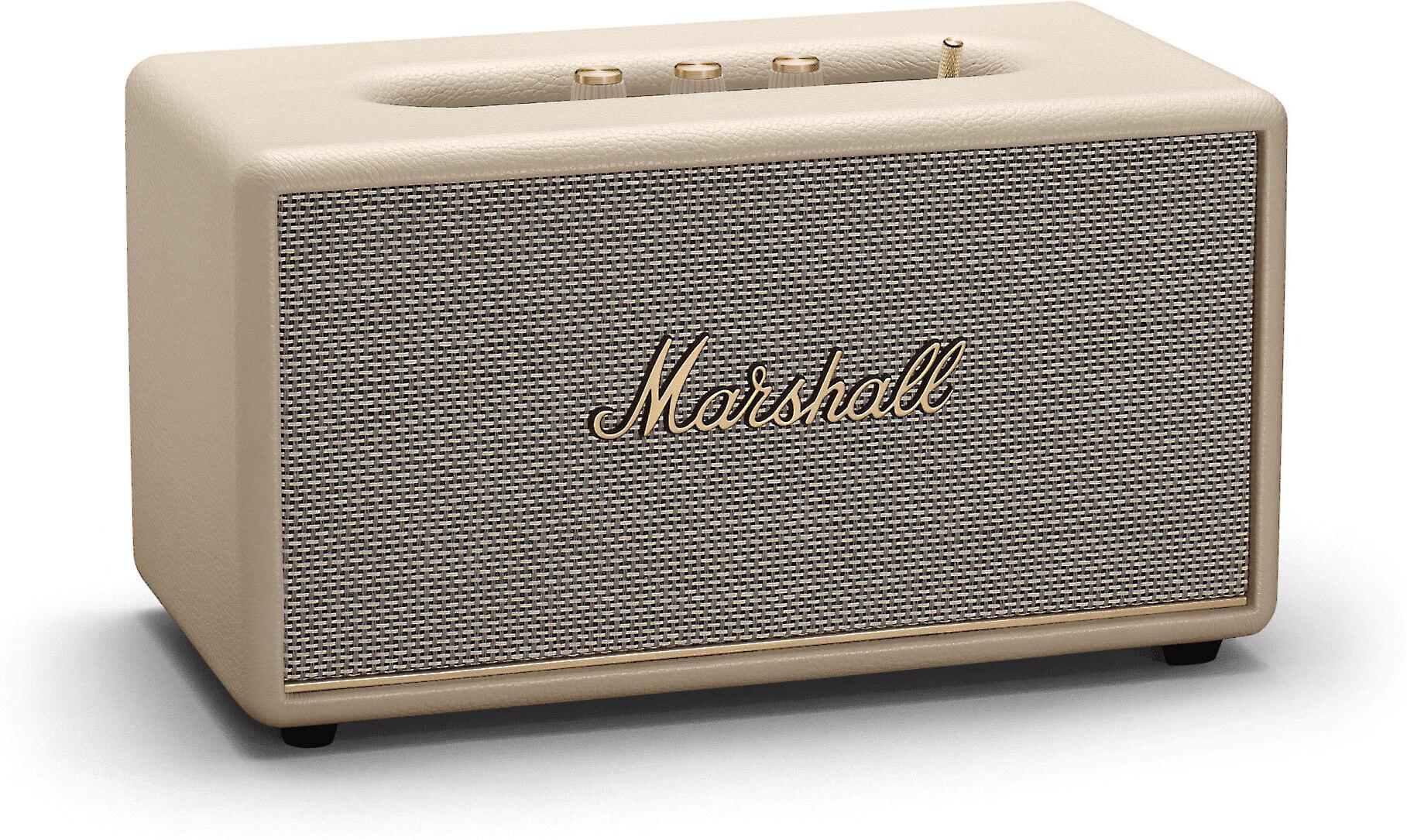
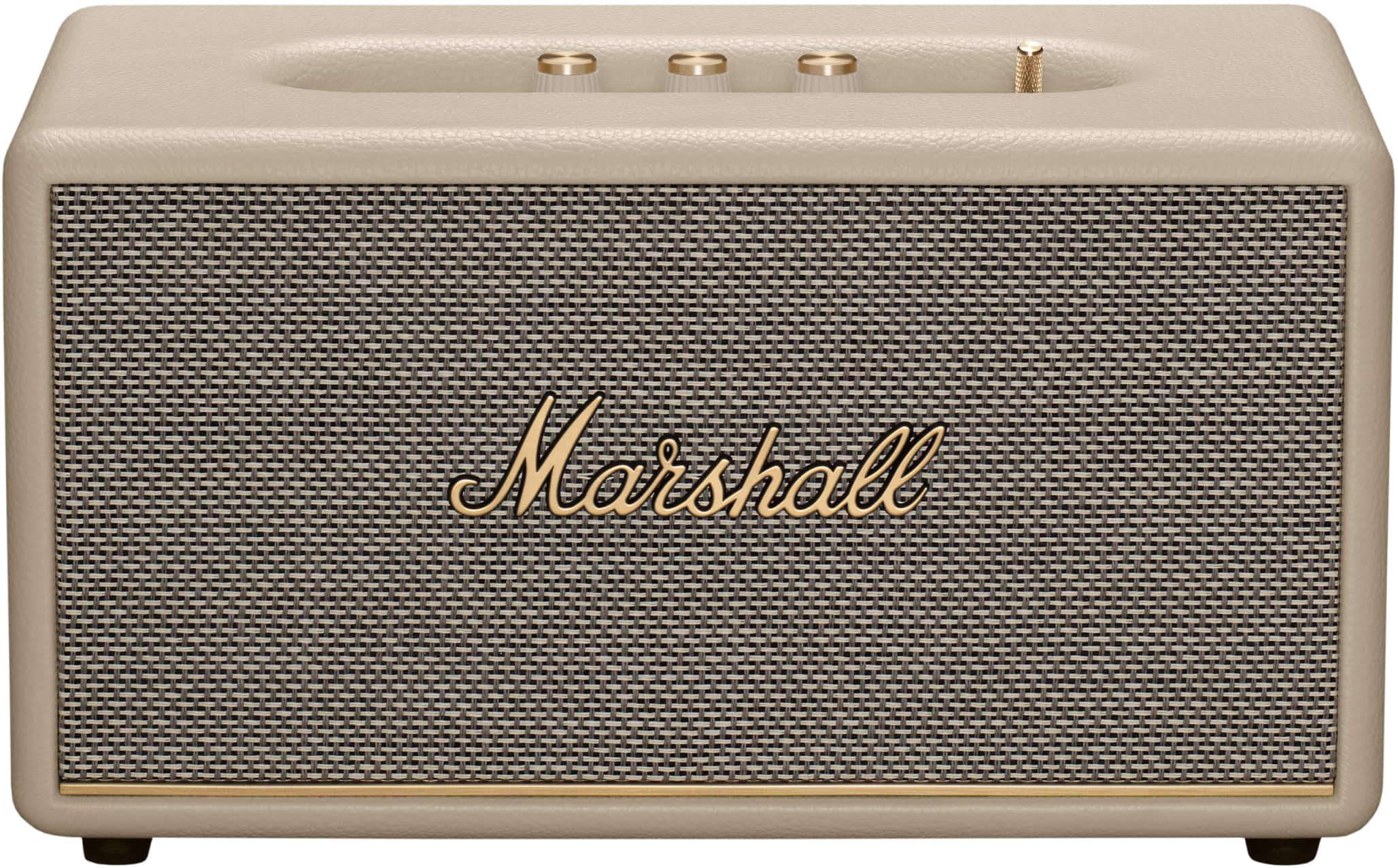
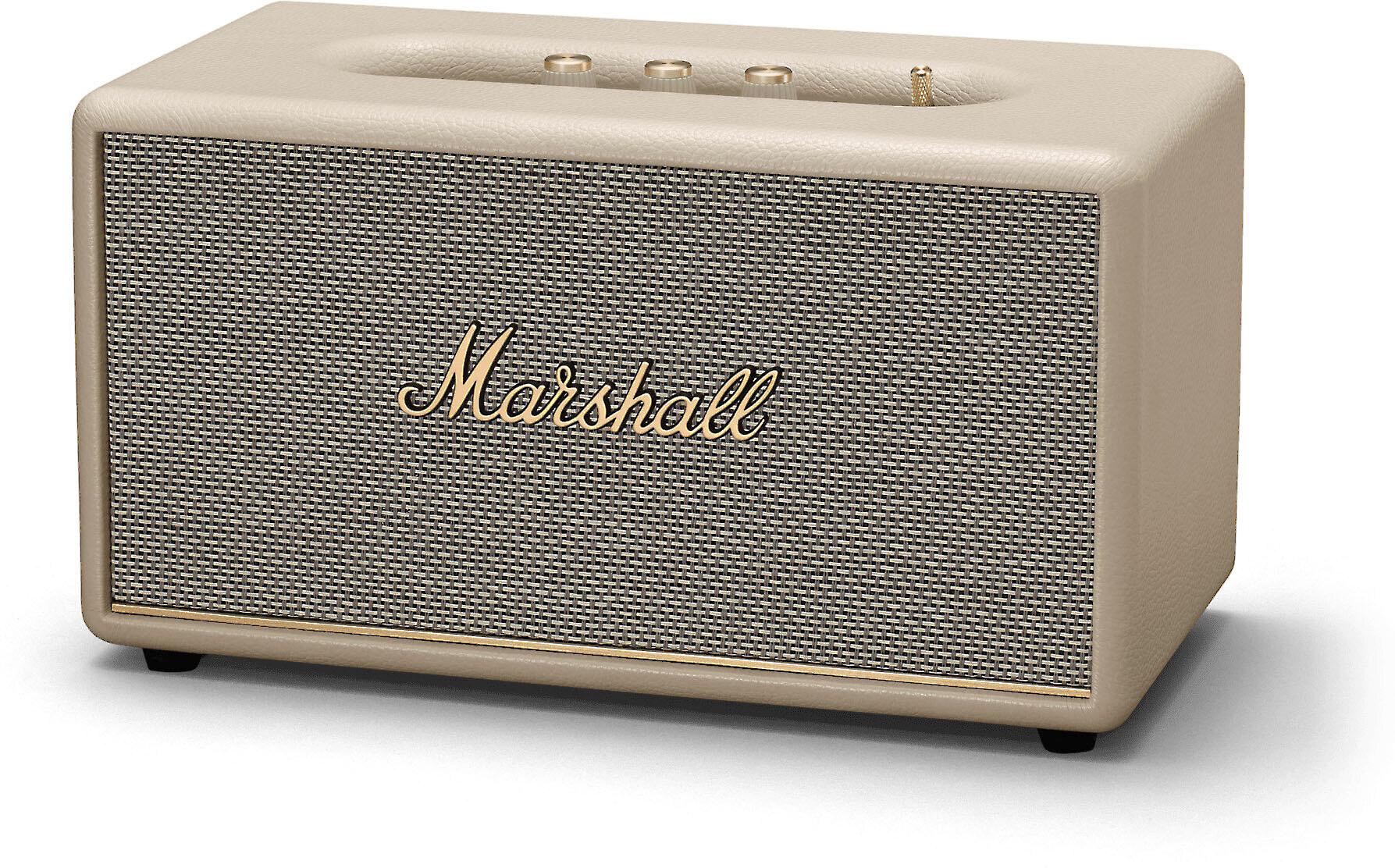
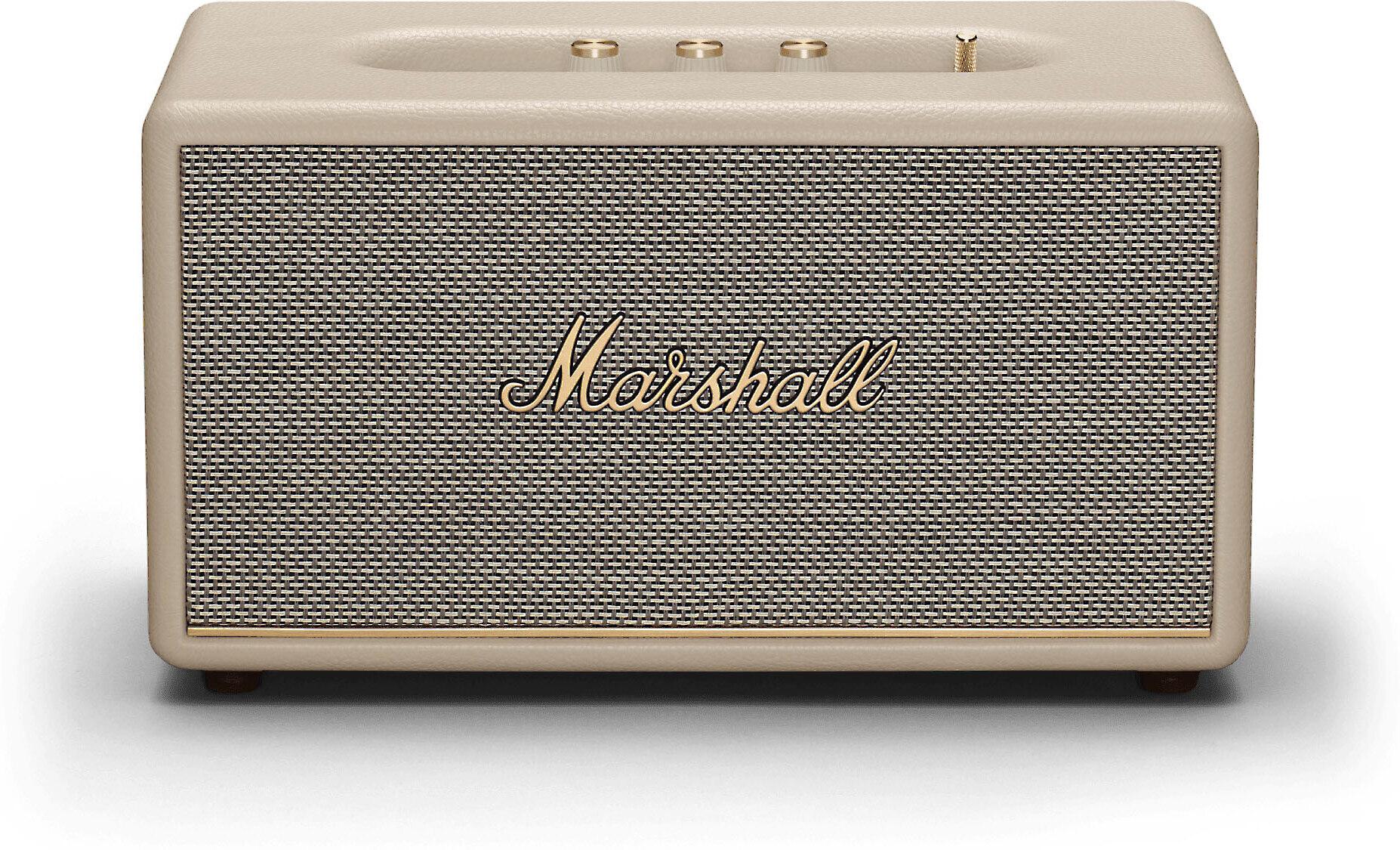
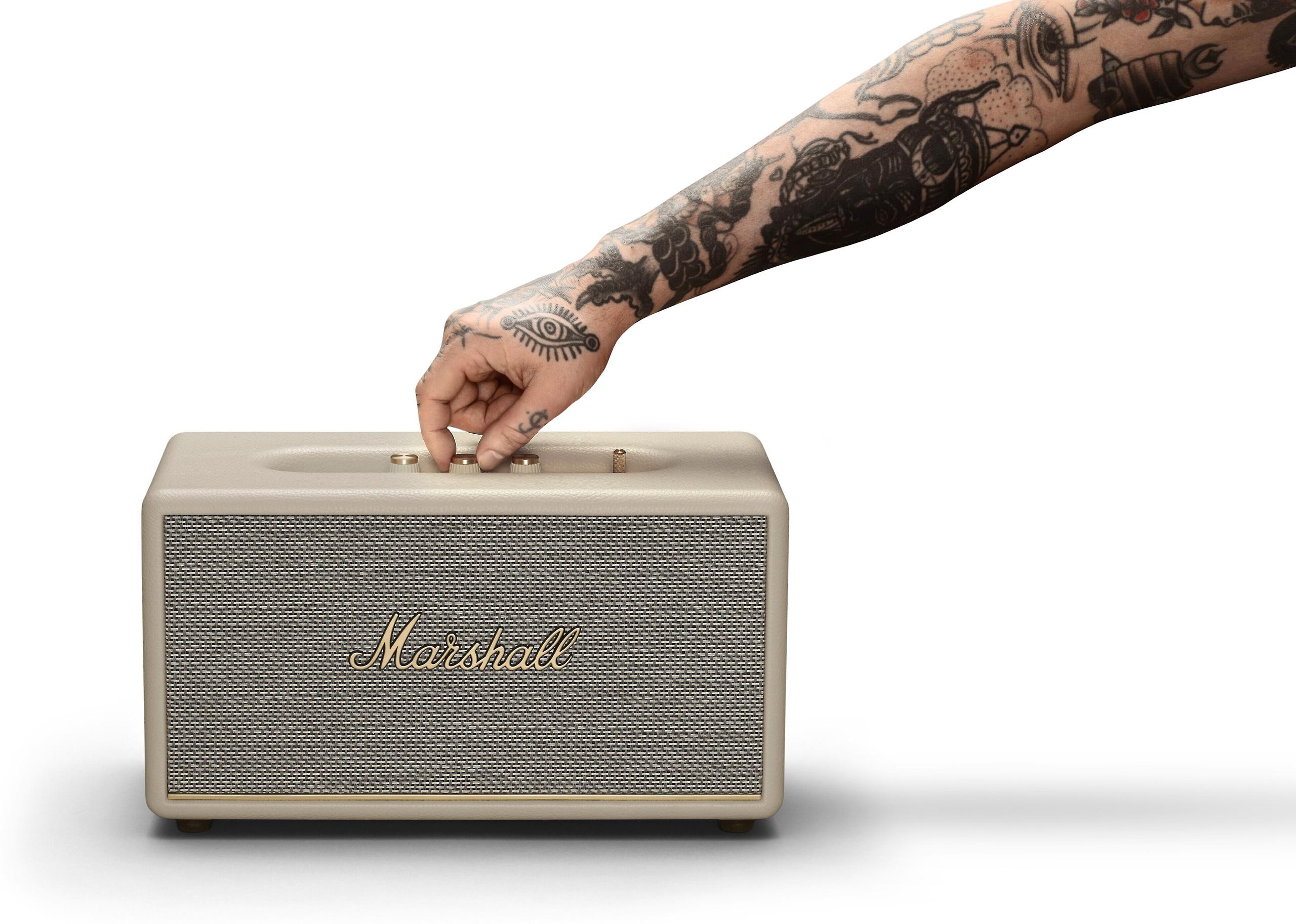
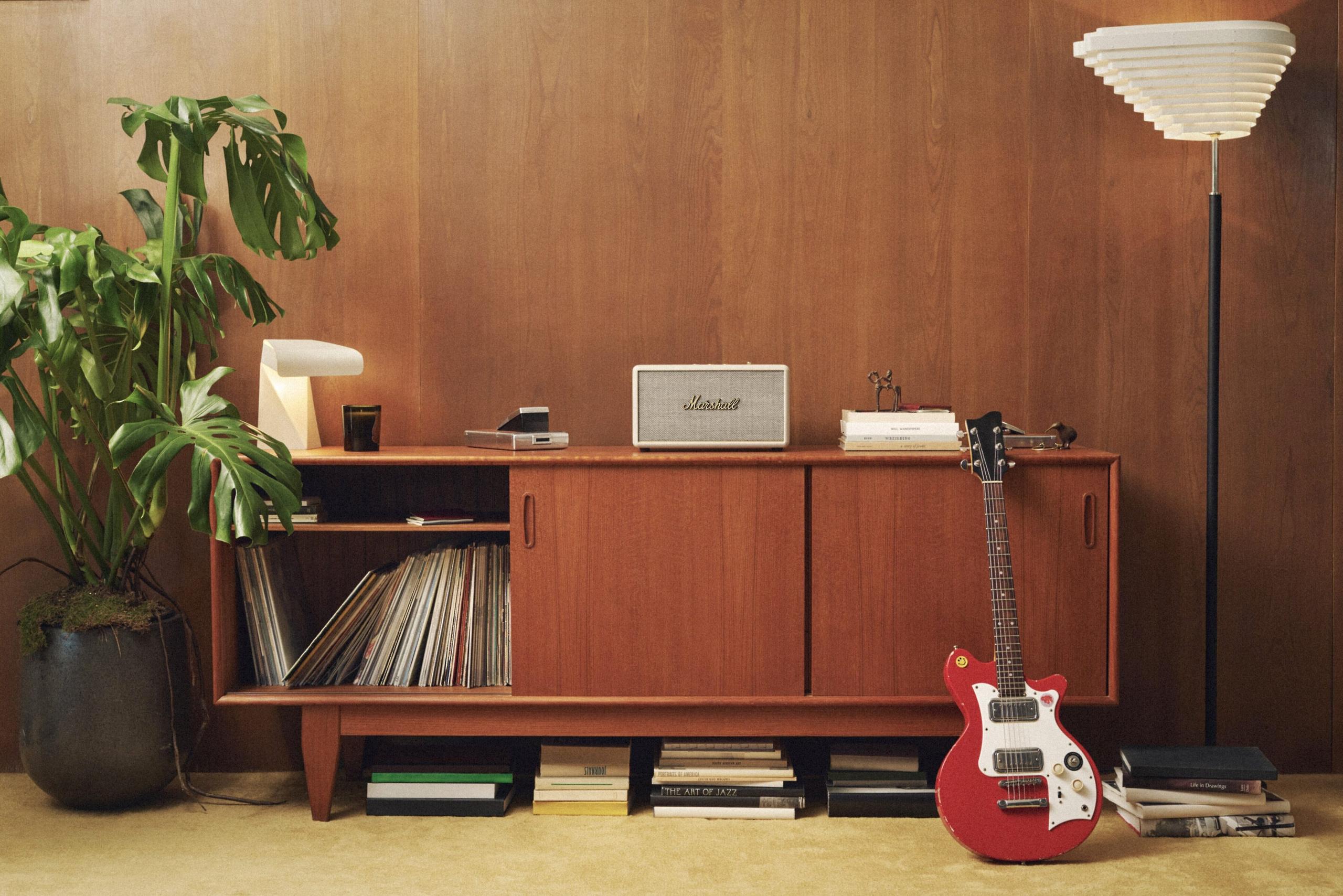

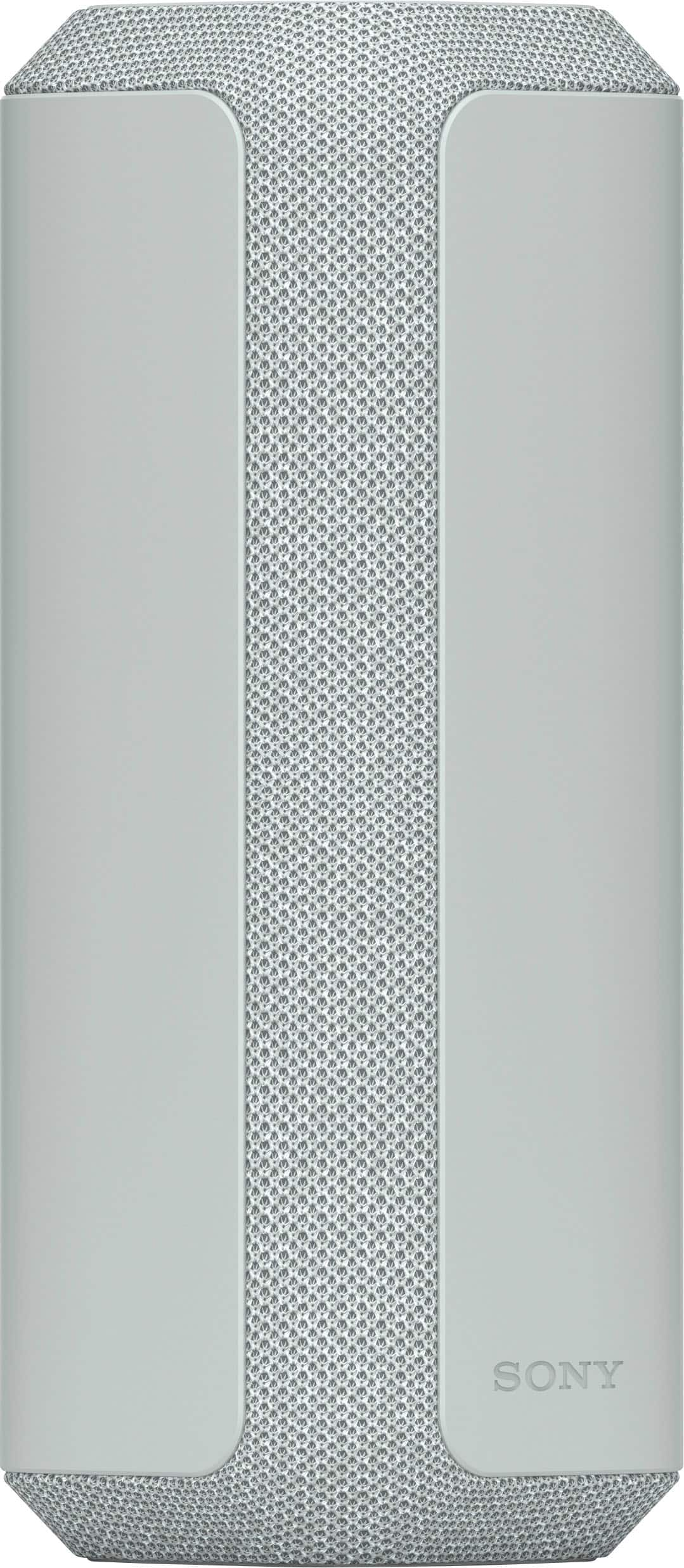
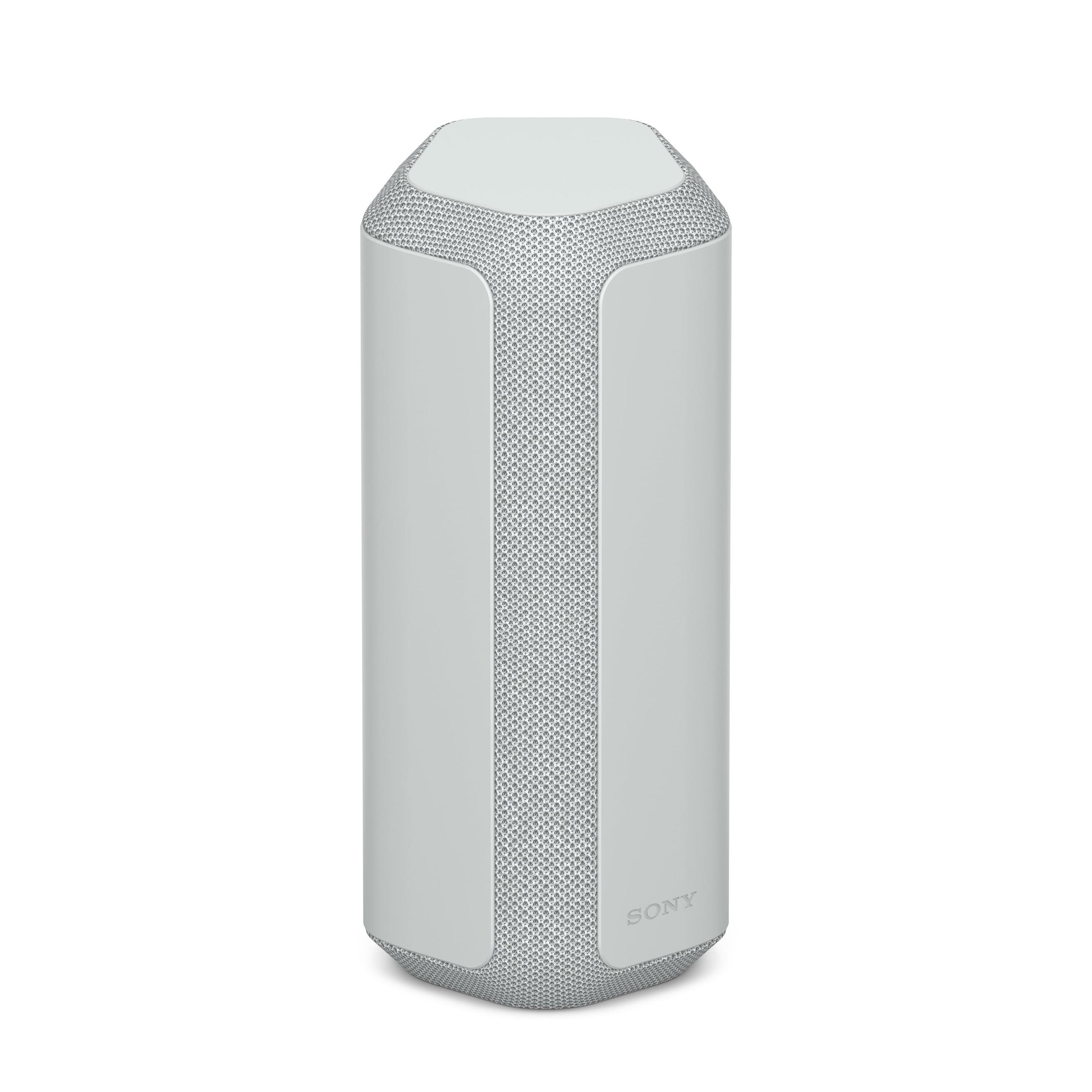




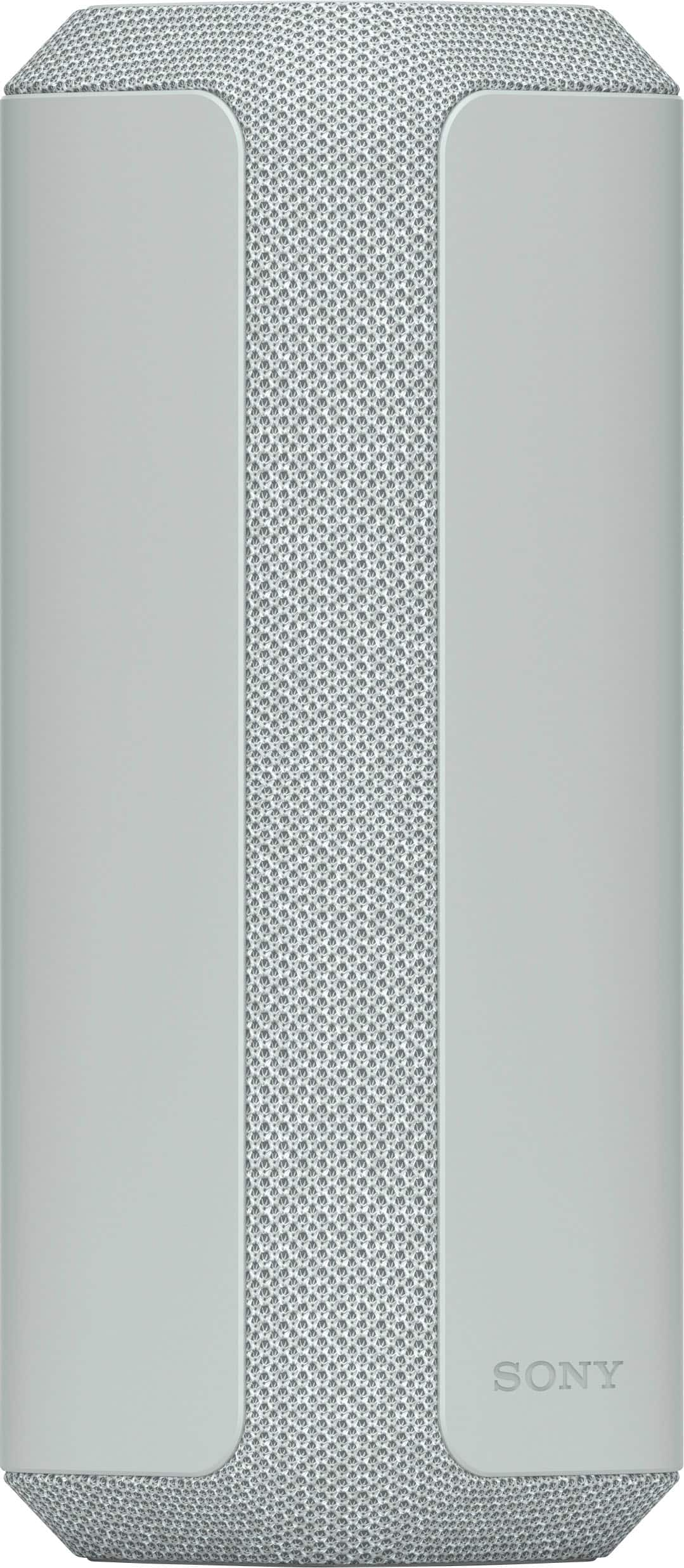
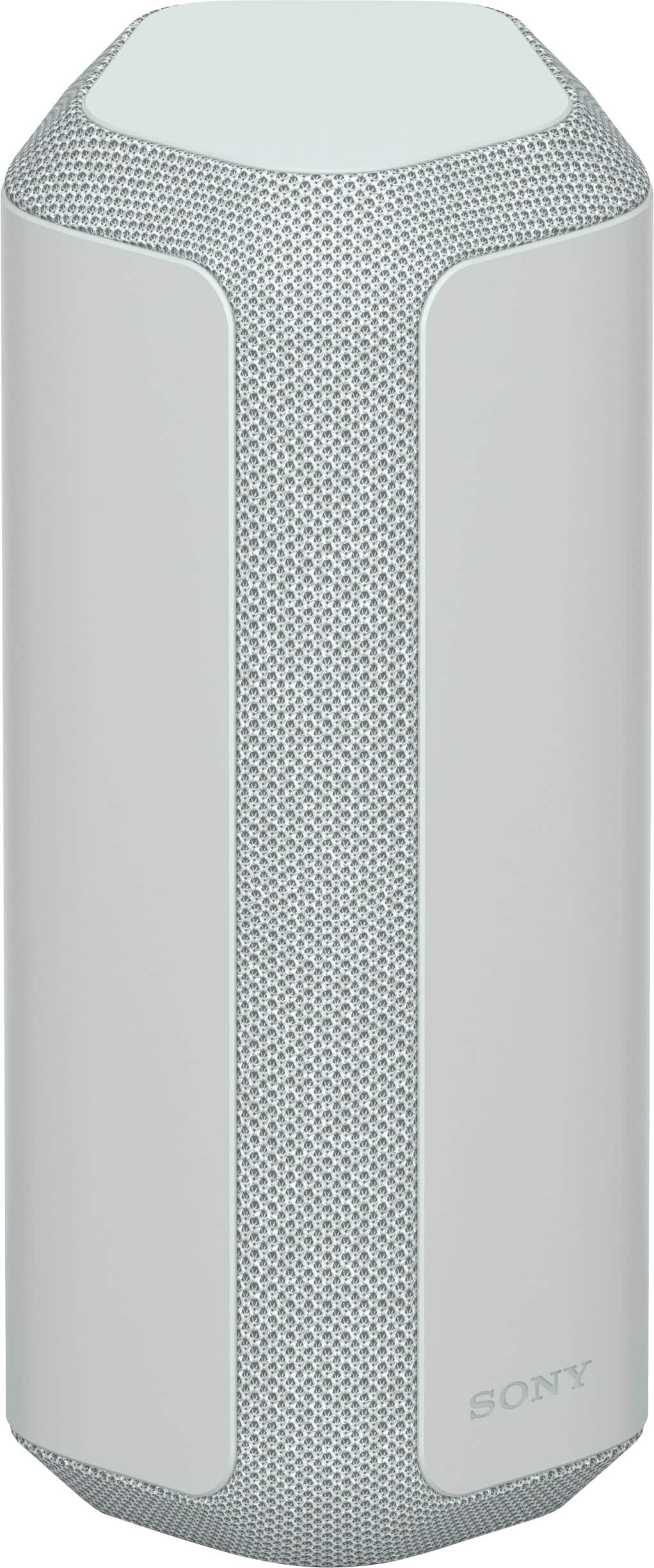
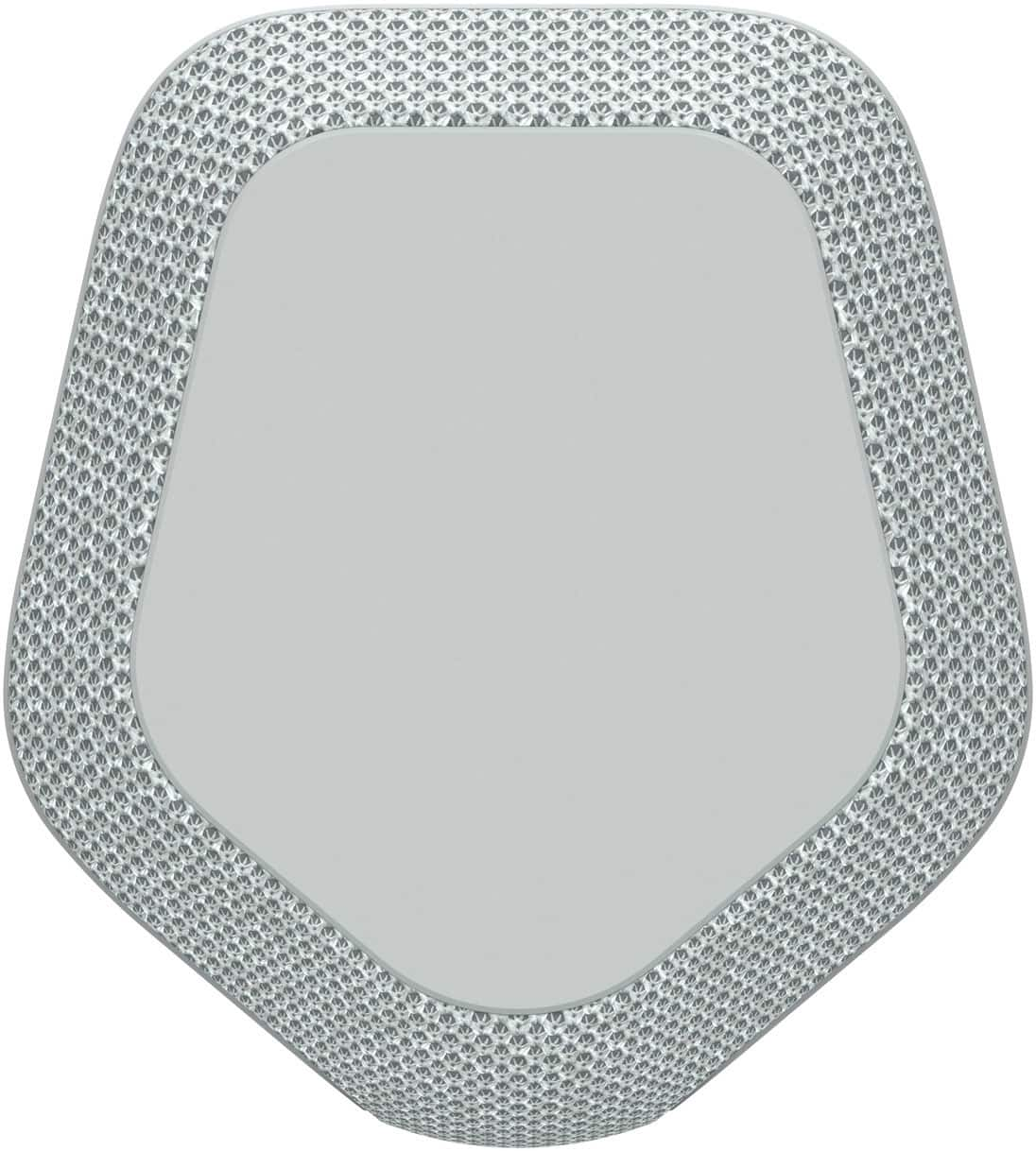
When it comes to wireless audio, the Marshall Stanmore III ($379.99) and Sony XE300 ($199.99) represent two distinct approaches to delivering quality sound. Released in late 2022, these speakers showcase how far Bluetooth audio has come, but they serve notably different purposes. Let's explore what makes each unique and who they're best suited for.
Today's Bluetooth speakers have evolved far beyond simple wireless playback devices. They now incorporate advanced audio processing, smart features, and specialized hardware designs that rival traditional wired systems. The key is understanding which features matter most for your intended use.
The Stanmore III represents the premium home speaker category, where sound quality and room-filling capability take precedence. Meanwhile, the XE300 exemplifies modern portable speakers, balancing sound quality with durability and convenience.
The Stanmore III's 80-watt system splits power between a substantial 50-watt woofer and two 15-watt tweeters. This tri-amp design (meaning each driver has its own amplifier) allows for precise control over different frequency ranges. The woofer handles low frequencies (bass), while the tweeters manage high frequencies (treble), resulting in clearer sound separation.
The speaker's Dynamic Loudness feature is particularly clever - it automatically adjusts frequency balance as volume changes. This compensates for how human hearing perceives different frequencies at varying volumes (we hear mid-range frequencies more easily than bass at low volumes).
The XE300 takes a different approach with its X-Balanced Speaker Unit. Instead of a traditional round speaker cone, it uses a non-circular diaphragm that maximizes surface area while maintaining rigidity. This clever engineering allows for stronger bass response from a smaller enclosure.
Sony's Line-Shape Diffuser technology helps spread sound more evenly across a wider area. Think of it like a sprinkler system for sound - instead of projecting audio in a narrow beam, it disperses it more naturally through the space.
Having tested both speakers extensively, the performance differences become clear in practical use:
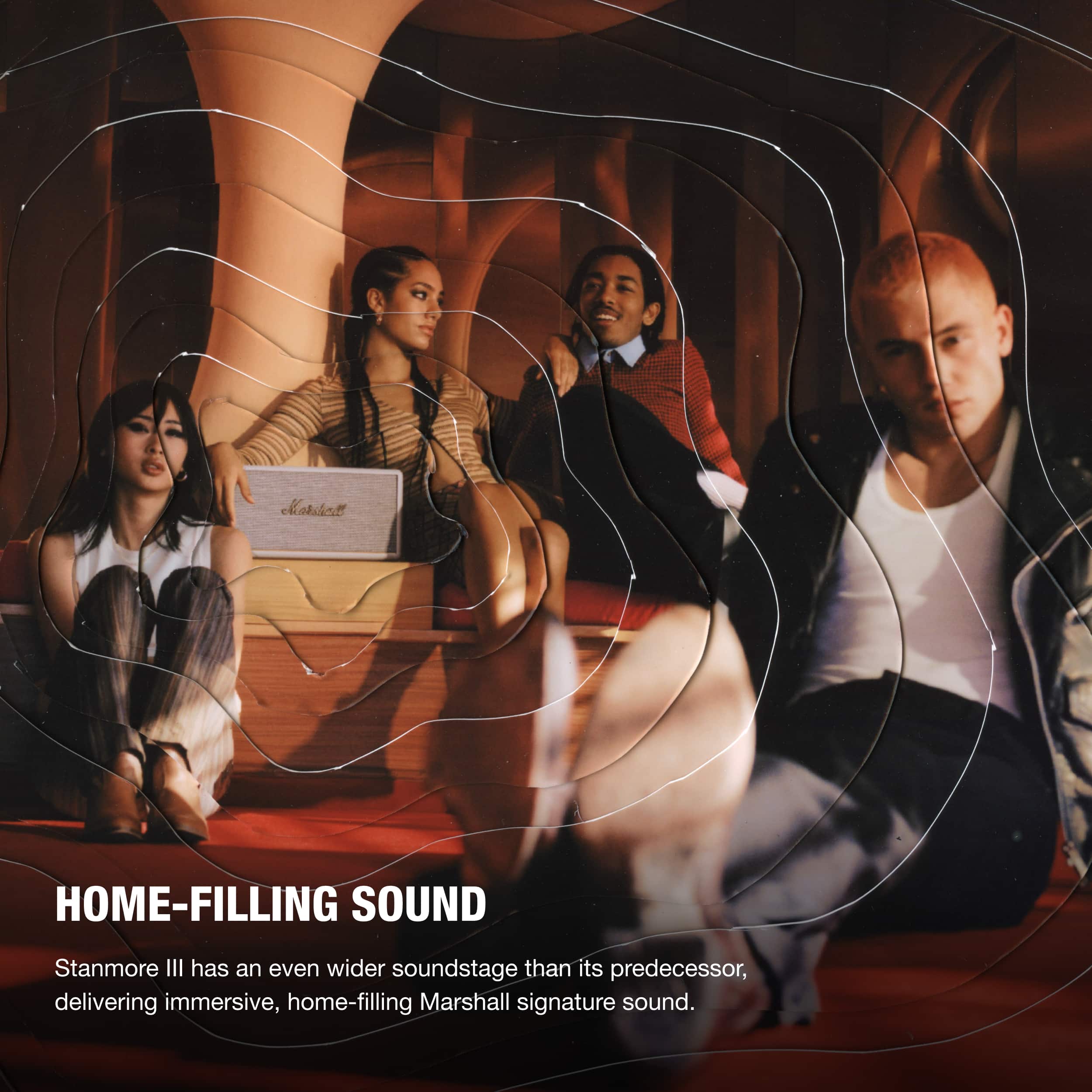
The Stanmore III excels in home environments. Its powerful amplification system and carefully tuned speakers create a rich, detailed soundstage that works especially well in medium to large rooms. Bass response is particularly impressive, with the ability to reproduce deep, controlled low frequencies that you can feel as well as hear.
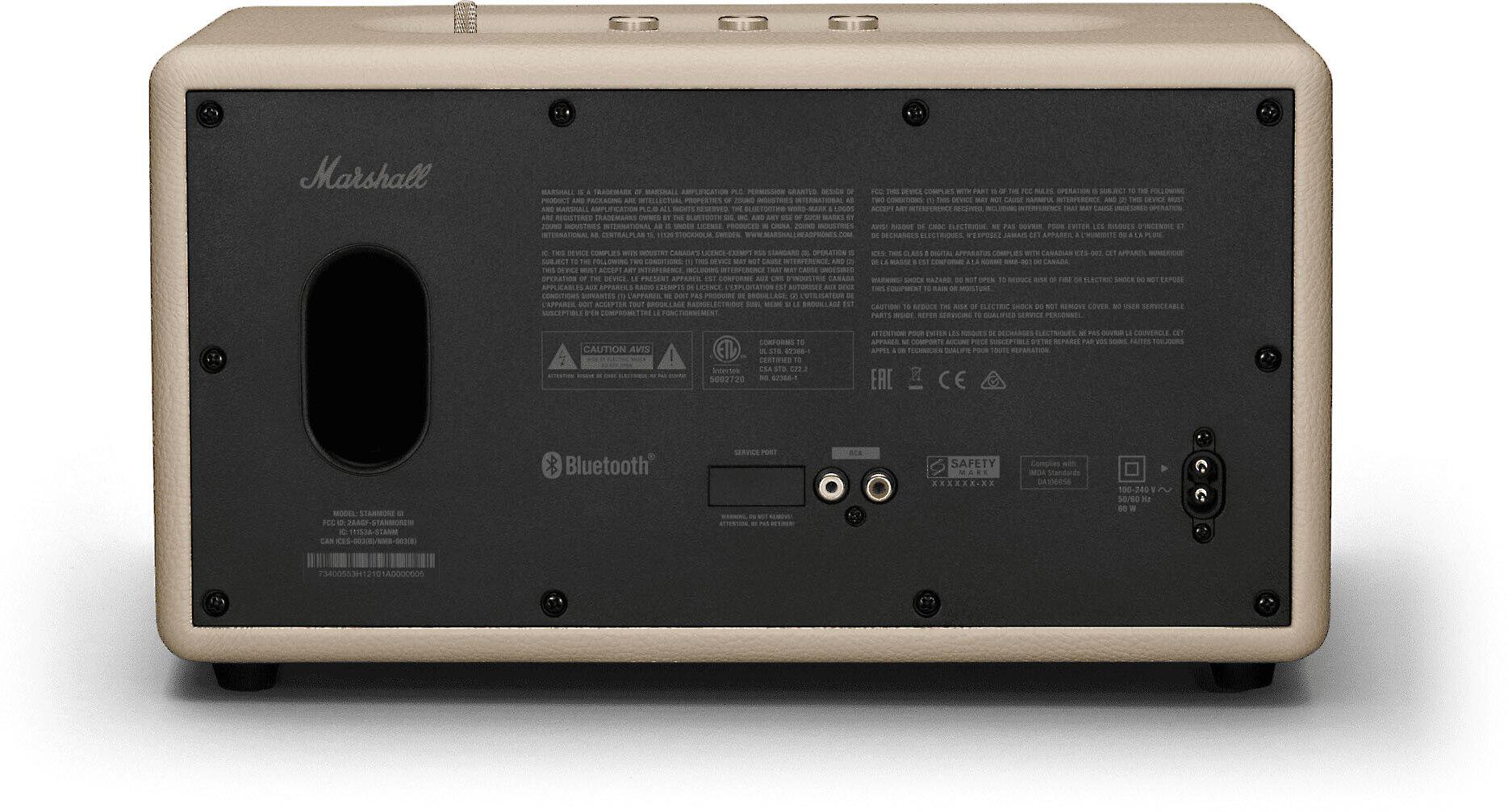
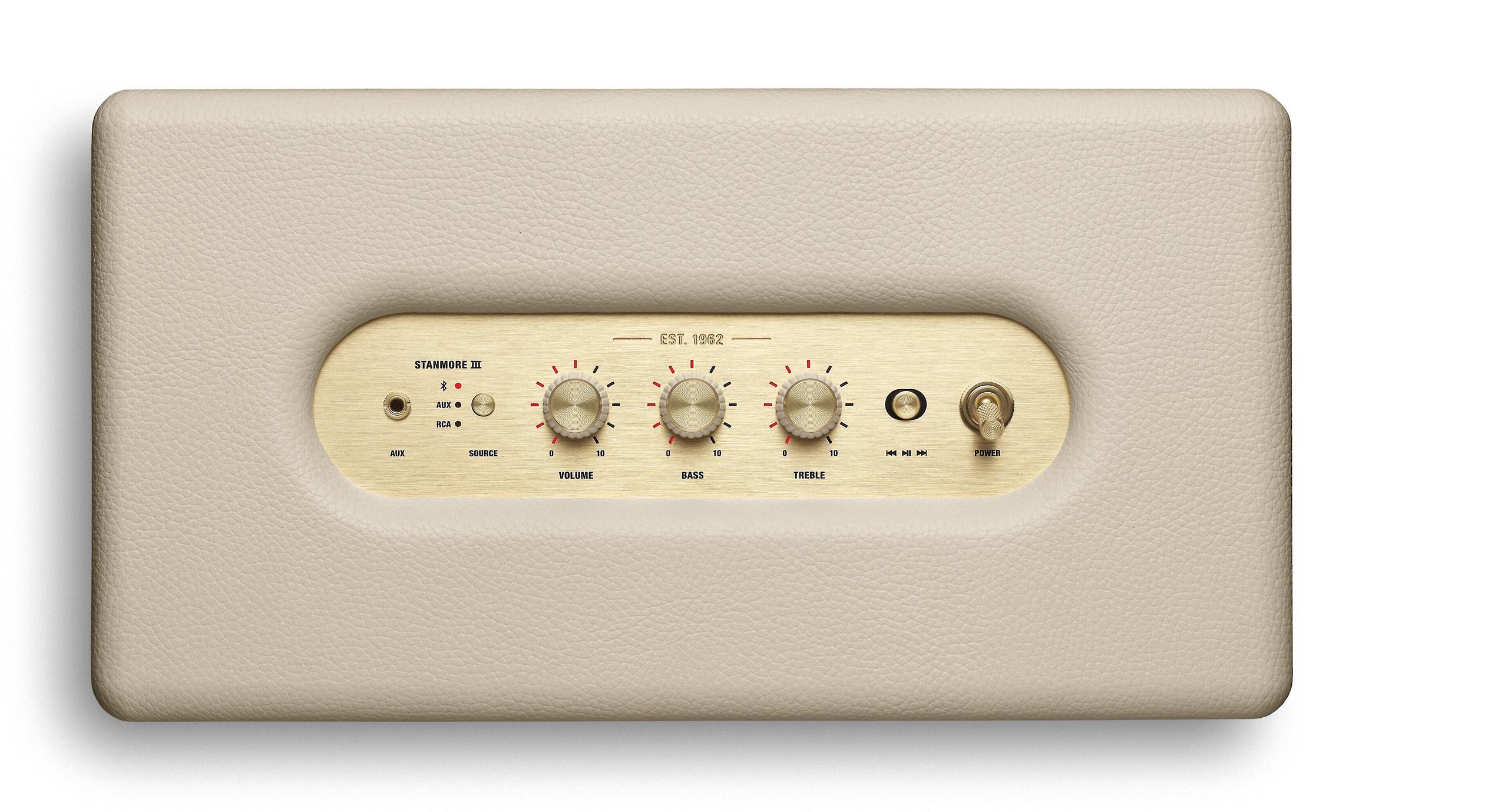
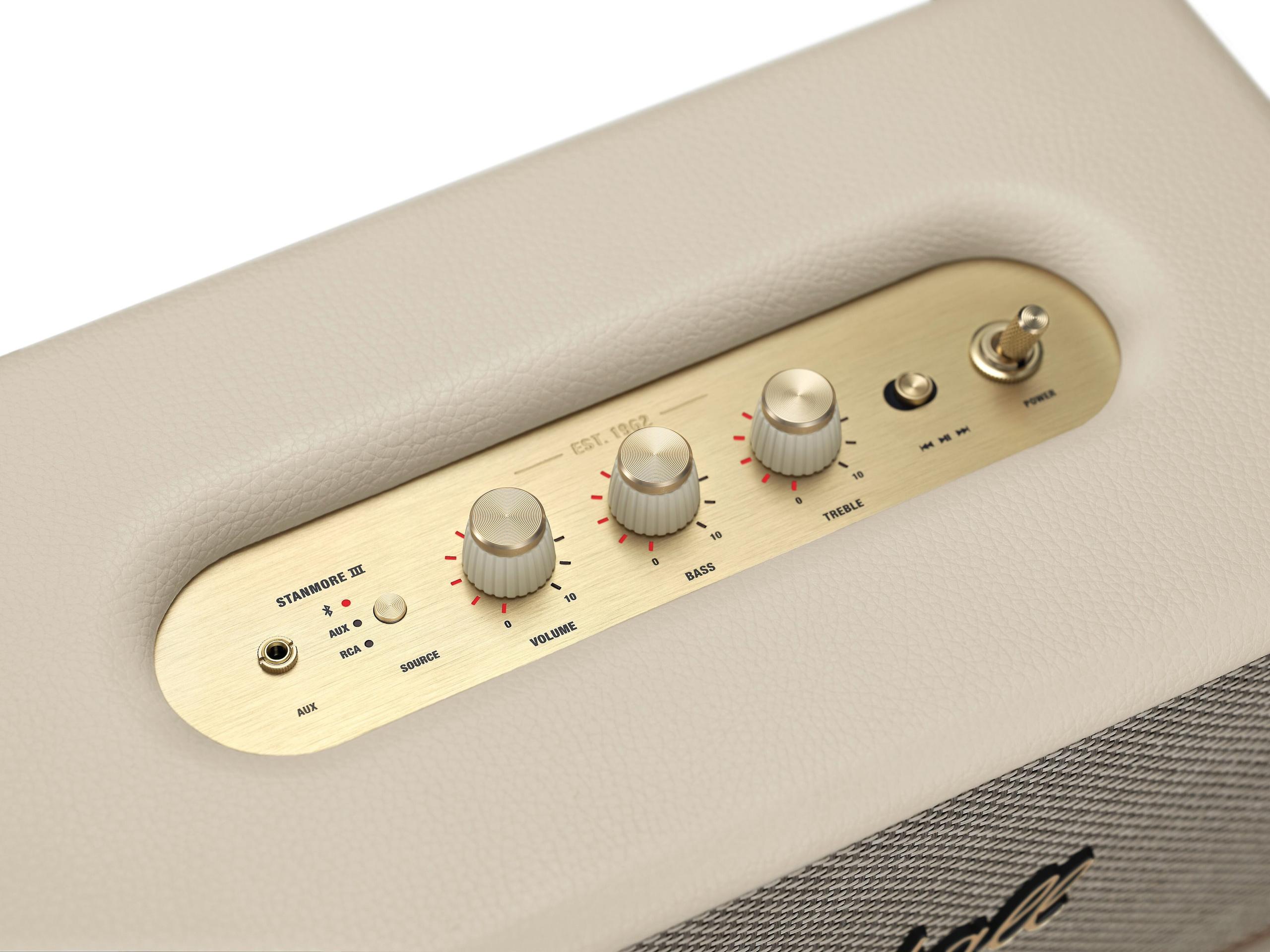
For home theater use, the Stanmore III's RCA inputs allow direct connection to TV systems, and its powerful output means it can serve as a significant upgrade over built-in TV speakers. The physical control knobs for bass and treble make quick adjustments simple and intuitive.
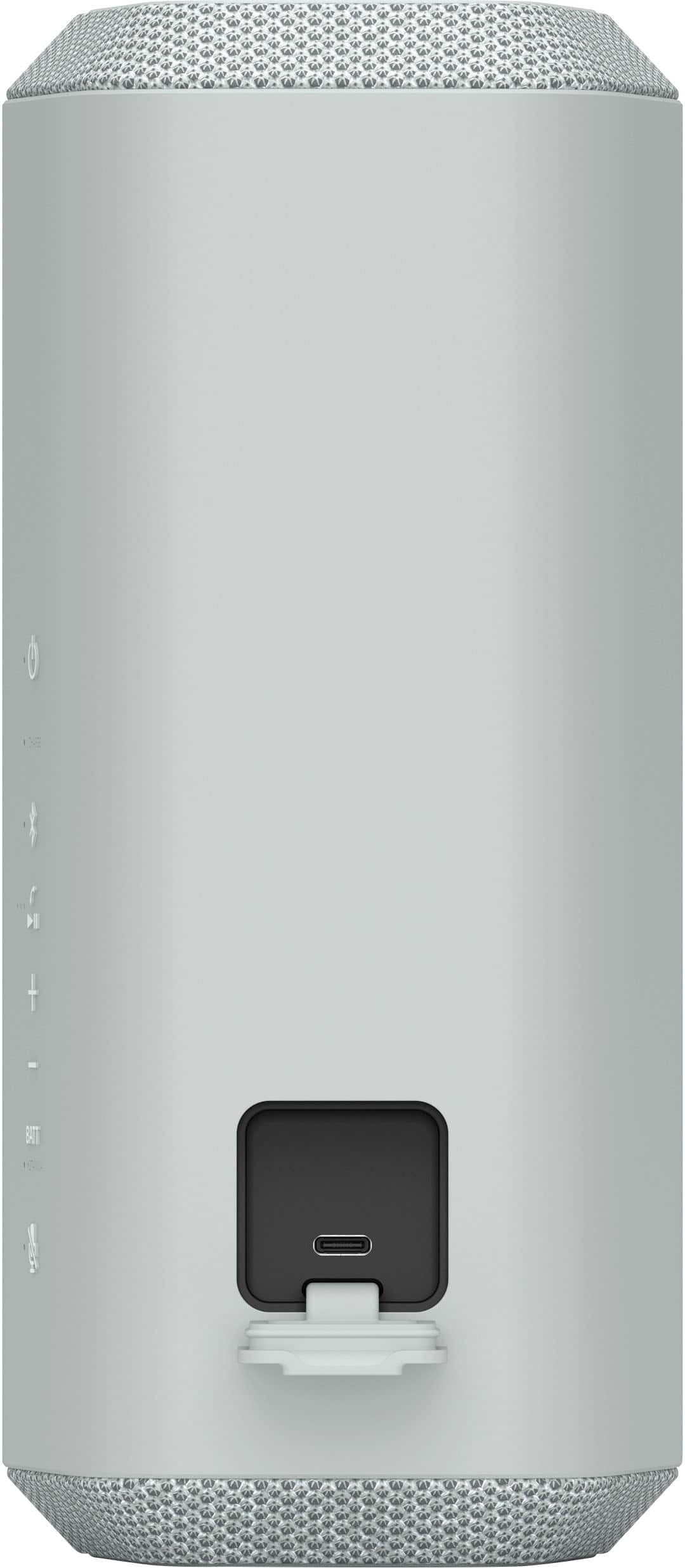
The XE300 shines in portable scenarios. Its IP67 water and dust resistance rating means it can handle rain, poolside splashes, or beach days without worry. The 24-hour battery life is impressive, and quick charging (70 minutes of playback from a 10-minute charge) is genuinely useful for impromptu uses.
Sound quality remains surprisingly good outdoors, where many portable speakers struggle. The Line-Shape Diffuser helps maintain clarity even in open spaces, though bass naturally becomes less prominent without walls to reflect sound.
Since its release, the Stanmore III has received several firmware updates improving its Bluetooth connectivity and adding features through the Marshall app. The speaker's Placement Compensation feature uses digital signal processing (DSP) to adjust sound based on nearby walls or surfaces - particularly useful for speakers placed in corners or on shelves.
The multi-host functionality allows two devices to maintain active Bluetooth connections simultaneously, making it easy to switch between sources without re-pairing. This is particularly useful in households where multiple people want to control the music.
The XE300's Party Connect feature allows linking up to 100 compatible speakers - while most users won't approach that number, even connecting two or three creates an impressive synchronized sound system. The feature works remarkably well, with minimal latency between speakers.
Sony's LDAC codec support is noteworthy for audiophiles using high-resolution audio sources. This technology allows for higher quality Bluetooth audio transmission than standard codecs, though you'll need a compatible device to take advantage of it.
When considering value, it's important to look beyond pure price comparison:
The Stanmore III at $379.99 represents a significant investment, but its sound quality and build quality compete with traditional hi-fi systems costing considerably more. The vintage-inspired design adds aesthetic value, and the physical controls provide a premium user experience.
The XE300 at $199.99 delivers impressive value for a portable speaker, especially considering its durability and feature set. The sound quality per dollar is excellent, particularly for outdoor and mobile use cases.
Consider these key factors when choosing between these speakers:
Both speakers excel in their intended use cases. The Stanmore III is a premium home audio solution that delivers superior sound quality and classic aesthetics. The XE300 offers impressive versatility and durability in a portable package.
The choice ultimately comes down to how you plan to use the speaker most often. For dedicated home use, the Stanmore III's superior sound quality and power make it the better choice despite its higher price. For those needing a speaker that can move from room to room or indoor to outdoor, the XE300's portability and durability make it the more practical choice.
Both represent the current state of the art in their respective categories, and either one can serve as a significant upgrade to most users' existing audio solutions.
| Marshall Stanmore III | Sony XE300 |
|---|---|
| Price - Overall Investment | |
| $379.99 (premium home speaker) | $199.99 (mid-range portable) |
| Total System Power - Impacts maximum volume and sound clarity | |
| 80W total (50W woofer + 2x15W tweeters) | Not specified by manufacturer, estimated 30W |
| Size & Weight - Affects placement and portability | |
| 13.8" x 8" x 8.4", 9.37 lbs (stationary design) | 4.1" x 9.4" x 4.7", 2.87 lbs (highly portable) |
| Power Source - Determines usage flexibility | |
| AC power only (wall outlet required) | Rechargeable battery (24-hour playback) |
| Durability Rating - Important for varied environments | |
| No water resistance (indoor use only) | IP67 (waterproof/dustproof) |
| Audio Inputs - Provides connection flexibility | |
| Bluetooth 5.2, RCA, 3.5mm aux | Bluetooth 5.2, USB-C (charging only) |
| Special Audio Features - Enhances listening experience | |
| Dynamic Loudness, Placement Compensation, Custom EQ | Line-Shape Diffuser, X-Balanced Speaker, LDAC codec |
| Multi-Speaker Features - Enables expanded sound systems | |
| None | Party Connect (up to 100 speakers) |
| App Control - Provides additional functionality | |
| Marshall app with EQ and firmware updates | Sony Music Center app with extensive features |
| Physical Controls - Affects ease of use | |
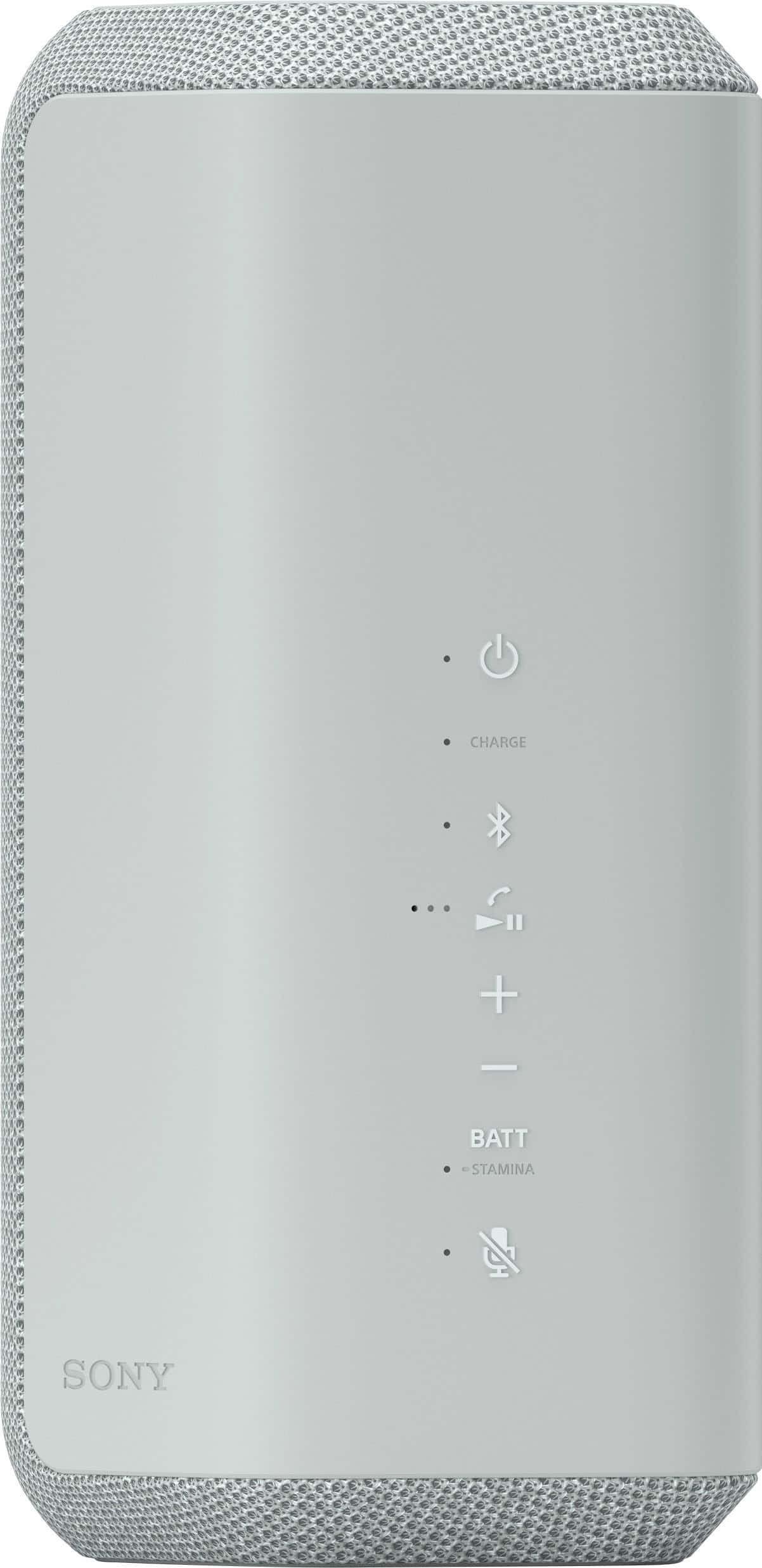
| Premium analog knobs for volume/bass/treble | Basic button controls |
| Quick Charging Capability - Convenience feature | |
| N/A (AC powered) | 70 min playback from 10 min charge |
| Driver Configuration - Impacts sound quality | |
| Two-way system with dedicated woofer and tweeters | Single full-range driver with dual passive radiators |
The Marshall Stanmore III delivers superior sound quality with its 80W system and dedicated woofer/tweeter setup. While the Sony XE300 sounds good for a portable speaker, it can't match the Stanmore III's room-filling power and clarity.
The Marshall Stanmore III is specifically designed for home use with its powerful output, multiple input options, and AC power. The Sony XE300 can work at home but is primarily designed for portable use.
The Marshall Stanmore III costs $379.99, while the Sony XE300 is priced at $199.99. The price difference reflects their different target uses and capabilities.
The Sony XE300 is ideal for outdoor use with IP67 water/dust resistance and battery power. The Marshall Stanmore III is not designed for outdoor use and requires AC power.
The Sony XE300 offers 24 hours of battery life and quick charging features. The Marshall Stanmore III doesn't have a battery and must be plugged into AC power.
The Sony XE300 is highly portable at 2.87 lbs with a compact design. The Marshall Stanmore III is a stationary speaker weighing 9.37 lbs and requiring AC power.
The Marshall Stanmore III can connect to TVs via RCA or 3.5mm aux inputs. The Sony XE300 only offers Bluetooth connectivity for TV audio.
The Marshall Stanmore III produces deeper, more powerful bass with its 50W dedicated woofer. The Sony XE300 offers good bass for its size but can't match the Stanmore's low-end performance.
The Sony XE300 offers Party Connect to link up to 100 compatible Sony speakers. The Marshall Stanmore III doesn't support multi-speaker connectivity.
The Marshall Stanmore III features premium analog knobs for volume, bass, and treble control. The Sony XE300 uses basic button controls but offers extensive app features.
The Sony XE300 is great for parties with its portability, durability, and ability to link multiple speakers. The Marshall Stanmore III offers powerful sound but is limited to one location.
Both speakers offer good app support. The Sony XE300 provides more features through Sony Music Center, while the Marshall Stanmore III offers basic EQ and firmware updates through its app.
We've done our best to create useful and informative comparisons to help you decide what product to buy. Our research uses advanced automated methods to create this comparison and perfection is not possible - please contact us for corrections or questions. These are the sites we've researched in the creation of this article: techgadgetscanada.com - camelcamelcamel.com - crutchfield.com - bestbuy.com - dxomark.com - crutchfield.com - crutchfield.com - marshall.com - marshall-production-1.mobify-storefront.com - exhibit.tech - ooberpad.com - av-connection.com - bestbuy.com - sony.co.uk - soundguys.com - bestbuy.com - cgmagonline.com - sony.com - sony.com - bestbuy.com - sony.com - electronics.sony.com - helpguide.sony.net

Privacy Policy
Terms and Conditions - Affiliate Policy
Home Security
© Copyright 2008-2026.
11816 Inwood Rd #1211, Dallas, TX 75244